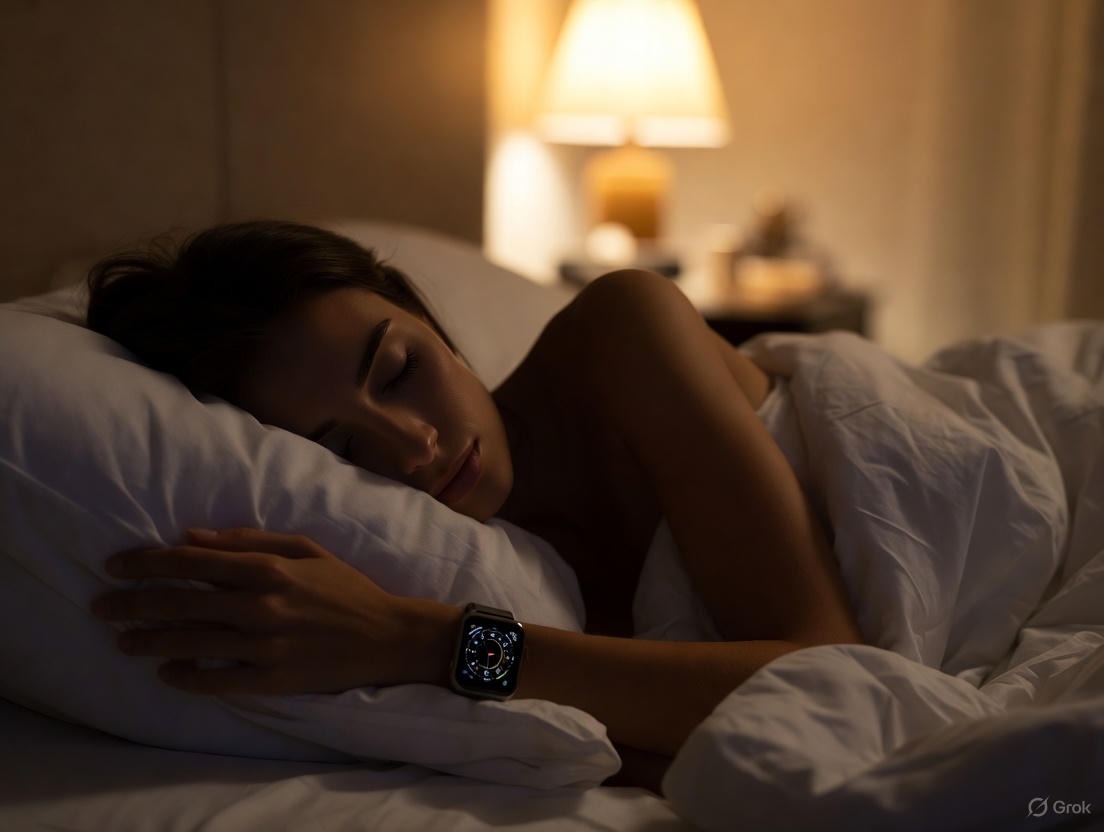
The Beginner-Friendly Guide to Preventing Screen Fatigue: Ring Recovery
Preventing eye strain and mental fatigue from screens, which impacts ring recovery scores.
The Beginner-Friendly Guide to Preventing Screen Fatigue: Ring Recovery
You’ve felt it—that familiar, creeping exhaustion that isn’t quite in your body, but behind your eyes. A low-grade headache hums at your temples. Your focus frays like a worn-out rope, and a strange, diffuse anxiety settles in. You’ve just scrolled, typed, and videoconferenced your way into a modern malaise: screen fatigue.
But what if this isn’t just an annoyance? What if it’s your nervous system’s desperate SOS, a fundamental mismatch between our biology and our digital reality? We spend over 10 hours a day interfacing with glowing rectangles, a torrent of cognitive and sensory input that our Stone Age brains were never designed to handle. The cost isn’t just tired eyes; it’s eroded sleep, spiking stress hormones, diminished creativity, and a chronic state of low-grade recovery debt.
Welcome to the frontier of digital wellness, where prevention is no longer about vague advice to “take a break,” but a precise, data-driven science. This guide introduces a paradigm shift: moving from reactive coping to proactive, intelligent prevention. And at the heart of this shift is a silent, powerful ally you wear on your finger.
Imagine having a personal recovery coach that never sleeps, one that objectively measures the very physiological toll your screens exact—your heart rate variability, your sleep architecture, your body temperature, your stress load—and then translates that data into a personalized, actionable playbook for resilience. This is the promise of the modern wellness ring, a device that moves beyond counting steps to quantifying your nervous system’s balance sheet.
This isn’t a article about another gadget; it’s a manual for reclaiming your cognitive sovereignty in a digital world. We’re going to dissect screen fatigue at its root, explore the silent physiological war it wages, and build a robust, beginner-friendly defense system. A system where your ring isn’t just a tracker, but a guide, helping you navigate the digital day with intention, recover with precision, and build a foundation of lifelong health that can withstand the demands of the 21st century. The journey to preventing screen fatigue starts not with deleting apps, but with understanding yourself. Let’s begin.
What Is Screen Fatigue? (It’s Not What You Think)
Most of us define screen fatigue by its symptoms: eye strain, mental fog, a short temper, that urge to just shut the world out. We blame the “screen” itself—the blue light, the glare. But this is a surface-level diagnosis. True screen fatigue, or digital eye strain (Computer Vision Syndrome), is a whole-body nervous system event, a cascading physiological response to an environment of hyper-stimulation and cognitive overload.
At its core, screen fatigue is a state of sympathetic nervous system dominance—the “fight-or-flight” mode—triggered and sustained not by a predator, but by a pixelated stream of demands. Every notification is a micro-stressor. Every infinite scroll is a cognitive hijack. The constant switching between tabs and tasks fractures attention and depletes neural resources. This isn’t passive viewing; it’s active cognitive engagement with a machine designed to capture and hold your focus indefinitely.
The mechanisms are multifaceted:
Cognitive Overload: Our working memory has limited capacity. Multitasking across emails, messages, documents, and browsers creates “cognitive switching costs,” draining mental energy and increasing error rates.
Sensory Overstimulation: High-energy visible (HEV) blue light, while not uniquely damaging from screens, can suppress melatonin production more potently than other wavelengths, disrupting circadian signals. The constant focal adjustment to a fixed, backlit plane also strains the ciliary muscles of the eyes.
Psychosocial Stress: The always-on culture, the fear of missing out (FOMO), and the performance pressure of digital communication create a low-grade, persistent anxiety. Video calls add a unique layer with “Zoom fatigue,” driven by excessive close-up eye contact, constant self-view, and reduced non-verbal cues, which our brains must work overtime to interpret.
The result is a body believing it’s under a mild but constant threat. Heart rate may elevate slightly. Breath becomes shallower. The body prioritizes alertness over restoration, shunting resources away from digestion, repair, and deep sleep. This is why you can feel utterly drained after a day of “just sitting at a computer.”
Understanding screen fatigue as a systemic stress response is the first, crucial step. It moves the problem from your eyes to your entire biology, and in doing so, opens up a far more effective set of solutions. It’s no longer just about screen filters; it’s about managing your nervous system’s budget. This foundational insight is what allows a tool like a wellness ring to be so transformative—it measures the downstream effects of this digital stress, giving you an objective report card on how your body is really coping, far beyond your subjective feeling of being “tired.” It’s the cornerstone of a prevention-first approach to lifelong health, where you address strain long before it becomes chronic burnout.
The Hidden Physiology of Screen Stress
To build an effective defense, we must look under the hood. What exactly happens inside your body during those long digital hours? The story is told not by your conscious mind, but by your autonomic nervous system (ANS)—the automatic control center for your heart, lungs, digestion, and more. Screen stress tips the delicate balance of the ANS toward the sympathetic (“gas pedal”) side and away from the parasympathetic (“brake pedal”) side.
Let’s break down the key physiological players:
Heart Rate Variability (HRV): Your Recovery Metric: HRV is the subtle variation in time between each heartbeat. It’s not about how fast your heart beats, but how flexibly it can respond to stimuli. High HRV generally indicates a resilient, adaptable nervous system with strong parasympathetic tone—you can engage stress effectively and then recover smoothly. Low HRV indicates a stressed, taxed, or fatigued system stuck in sympathetic drive. Prolonged screen time, with its cognitive load and postural strain, is a potent suppressor of HRV. A wellness ring continuously tracks this metric, offering a direct, quantifiable readout of your nervous system’s recovery capacity. Seeing your HRV dip after a marathon of back-to-back video calls is a powerful, objective confirmation of the physiological cost.
Cortisol & The HPA Axis Disruption: Cortisol, your primary stress hormone, should follow a beautiful, predictable diurnal rhythm: high in the morning to help you wake, tapering through the day, and low at night to permit sleep. Chronic screen stress, especially in the evening, can flatten this curve. You get blunted mornings (fatigue) and elevated evenings (wired-but-tired). Furthermore, the hyper-alert state required for digital work keeps the hypothalamic-pituitary-adrenal (HPA) axis subtly engaged, like an engine idling too high.
The Sleep Architecture Invasion: This is where the damage compounds. The blue light from screens delays melatonin onset, pushing back your sleep window. But more insidiously, the cognitive and emotional arousal from work emails or stimulating content before bed can reduce slow-wave sleep (deep sleep) and REM sleep. These are the critical phases for physical repair, memory consolidation, and emotional processing. A wellness ring that tracks sleep stages and body temperature can reveal this invasion clearly—showing you a restless night, a late temperature minimum, or insufficient deep sleep after an evening of screen-based relaxation that wasn’t relaxing at all.
Postural & Muscular Chain Reactions: “Screen posture”—head forward, shoulders rounded, breath constricted—isn’t just a pain in the neck. It compresses the diaphragm, leading to thoracic (chest) breathing, which is itself a signal of sympathetic arousal. It also creates muscular imbalances and tension headaches, feeding back into the overall stress load.
This hidden physiology creates a vicious cycle: screen stress lowers HRV and disrupts sleep; poor sleep recovery lowers your HRV resilience for the next day’s stress, making you more susceptible to screen fatigue. Breaking this cycle requires insight. You cannot manage what you do not measure. This is the profound value of continuous biometric monitoring—it makes the invisible, visible. By tracking these parameters, you move from guessing about your recovery to guiding your lifelong health decisions with data](https://oxyzen.ai/blog/smart-ring-data-guides-lifelong-health-decision-making). You learn your personal triggers, your recovery thresholds, and begin to see your body not as a mystery, but as a system you can intelligently support.
Introducing Ring Recovery: Your 24/7 Bio-Feedback Coach
So, we have a sophisticated, silent physiological problem. Generic advice falls short because your stress load, recovery capacity, and lifestyle are unique. This is where the concept of Ring Recovery emerges—a proactive, personalized strategy powered by the continuous, non-invasive biometric data from a smart wellness ring.
Think of your ring as a 24/7 bio-feedback coach on your finger. Unlike a smartwatch that glances at your wrist, a ring is passively and consistently in contact with the rich vascular bed on your finger, allowing for superior, medical-grade sensing of key metrics like heart rate, HRV, skin temperature, and blood oxygen—all with minimal user interaction. It’s always on, always gathering, creating a seamless narrative of your body’s day and night.
What does this “coach” provide?
Objective Baselines & Personalized Zones: The ring learns you. Over weeks, it establishes your personal baselines for sleep, resting heart rate, HRV, and temperature. It doesn’t compare you to population averages; it tells you when you are deviating from your own optimal state. Is your nighttime HRV 15% lower than your 30-day average? That’s a red flag from your coach, signaling accumulated stress or impending illness, long before you feel symptoms.
The Readiness Score: Your Daily Prescription: Most advanced wellness rings synthesize this data into a single, actionable metric: a Readiness or Recovery Score. This isn’t a arbitrary number. It’s an algorithmically derived summary of your body’s capacity to take on stress. A high score suggests your nervous system is resilient—it’s a good day for intense work, tough workouts, or social engagements. A low score is your coach whispering, “Prioritize restoration.” It’s a signal to dial back, incorporate gentler movement, double down on sleep hygiene, and say no to extra demands.
Stress Monitoring in Real-Time: Some rings can now detect acute stress responses throughout the day by analyzing heart rate patterns. Feeling a spike during a difficult meeting? The data confirms it. This moment of awareness is the first step in intervention—a cue to take three deep diaphragmatic breaths to engage the parasympathetic system and lower the stress spike.
Sleep Quality Over Simple Duration: Ring Recovery goes far beyond tracking “8 hours in bed.” It analyzes the architecture of your sleep—the balance of light, deep, and REM stages—and your sleep continuity (how often you wake). It correlates this with your daily activity and stress. Did your deep sleep plummet after a late-night work session? The ring shows you the direct cost. This precise feedback is invaluable for optimizing sleep quality as a non-negotiable pillar of lifelong health.
Ring Recovery transforms you from a passenger in your health to the pilot, with a detailed instrument panel. It replaces the guesswork of “I feel off” with the clarity of “My data shows my nervous system is depleted.” This empowers you to make micro-adjustments—taking a walk instead of scrolling, ending work 30 minutes earlier, practicing breathwork—that have macro impacts on preventing screen fatigue’s cumulative damage. It is, in essence, a tool for building the consistency that beats perfection in your wellness journey, one data-informed recovery choice at a time.
Setting Up Your Ring for Maximum Insight
The power of Ring Recovery is unlocked not just by wearing the device, but by setting it up intentionally and learning to interpret its language. For a beginner, this can feel overwhelming. Let’s demystify the process and build a foundation for meaningful insight.
Step 1: The Baseline Capture – Your Biometric “Listening” Period When you first put on your ring, your immediate task is not to change everything. It’s to observe and collect. For the first 7-14 days, live your normal life. Work your usual hours, follow your typical exercise routine, keep your standard sleep schedule. The goal is for the ring and its accompanying app to learn your unique patterns and establish accurate personal baselines. During this phase, avoid the temptation to overly focus on daily scores. You are gathering the control data against which all future changes will be measured.
Step 2: App Integration & Personalization Dive into the settings of your ring’s app. This is where you turn a generic device into your personal coach.
Input Your Lifestyle Context: Manually log or enable tracking for workouts, meditation sessions, and subjective notes (e.g., “stressful deadline,” “felt great,” “dinner late”). This qualitative data layers meaning onto the quantitative biometrics. Seeing that a low HRV reading coincides with your logged “late alcohol” note is a powerful learning moment.
Set Your Goals: Be specific. Instead of “reduce screen fatigue,” set goals like “improve my average weekly Sleep Score by 10 points” or “increase my daytime HRV by maintaining a 5-minute breathing break every afternoon.”
Configure Alerts Wisely: Enable helpful, not annoying, notifications. Consider alerts for inactivity (if you want movement reminders), high stress periods, or ideally, a gentle “wind-down” reminder as your optimal bedtime window approaches, based on your own historical data.
Step 3: Understanding Your Core Dashboard Learn to speak the language of your primary metrics. Here’s a beginner’s decoder:
Readiness/Recovery Score: Your daily guide. >85 (values vary by brand) = Green Light. 70-85 = Proceed with Awareness. <70 = Yellow/Red Light, prioritize recovery.
Sleep Score: Look beyond the number. Drill into the components: Duration (time asleep), Depth (slow-wave sleep), Regeneration (REM sleep), and Regularity (consistency of bedtime). A high score with poor depth is a different issue than a low score from short duration.
HRV Balance: The app will show your HRV trend. Focus on the direction and magnitude of change from your baseline, not the absolute number compared to others. A steady downward trend over 3-4 days is a clear signal of accumulating strain.
Body Temperature: Look at the nightly average trend. A sustained elevation of ~0.3°C above your personal norm can indicate immune system activation, stress, or hormonal shifts—often before other symptoms appear.
Step 4: Establishing Rituals of Review Data is useless without reflection. Create two simple daily rituals:
Morning Review (3 minutes): Check your Readiness and Sleep Scores. Let this inform your day. Low score? Schedule a lighter day. High score? Tackle that big project.
Weekly Review (10 minutes): Every Sunday, look at your weekly trends. What patterns do you see? Did weekend sleep catch-up work? How did your workdays affect your metrics? This macro view is where true insight lives, revealing the long-term health trends](https://oxyzen.ai/blog/smart-ring-data-reveals-lifelong-health-trends) that dictate your vitality over years, not just days.
By thoughtfully setting up your ring and engaging with its data, you transform it from a black box into a mirror—a reflection of how your lifestyle choices manifest in your biology. This is the first, critical practice in using technology not as a source of stress, but as a tool for profound self-knowledge and recovery.
Decoding Your Daily Readiness Score: A Actionable Guide
Your Readiness Score is the North Star of Ring Recovery. It’s the synthesized message from your nervous system about its current operating capacity. But a number alone is just a grade. To prevent screen fatigue, we must learn to decode the story behind the score and, most importantly, know what to do about it.
What Goes Into the Score? While algorithms vary, most Readiness Scores are a weighted composite of several key inputs:
Sleep Quality (Often the heaviest weight): Did you get enough restorative sleep?
Recovery Metrics: Your HRV status relative to your baseline is a primary factor.
Activity Balance: Did yesterday’s workout leave a recovery debt, or was it appropriately stimulating?
Body Temperature: A signifier of physiological stress or immune activity.
Sleep-Wake Consistency: How regular were your bed and wake times?
The Action Framework: What Your Score is Telling You To Do
Score: 85-100 (Green Zone – “Optimal Readiness”)
The Story: Your body is well-recovered, resilient, and primed for performance. Your nervous system has high adaptive capacity.
Your Anti-Screen-Fatigue Action Plan:
Strategic Work: This is the day to tackle your most cognitively demanding, deep-focus tasks. Block off screen time for creative work, complex problem-solving, or important meetings.
Intentional Stressors: You can handle productive stress well. Consider a challenging workout, a social event, or learning a new skill.
Proactive Buffer: Use your high resilience to build buffers. End work on time, practice excellent sleep hygiene, and don’t overfill the day. High readiness is a resource to be invested wisely, not squandered.
Score: 70-84 (Blue Zone – “Moderate Readiness”)
The Story: You’re functional, but not at your peak. Resources are somewhat depleted. You may be carrying mild fatigue, stress, or sleep debt. Your margin for error is thinner.
Your Anti-Screen-Fatigue Action Plan:
Pace, Don’t Race: Break work into smaller chunks using the Pomodoro Technique (25-min focused sessions). Be religious about your breaks—step away from all screens.
Prioritize Movement Over Intensity: Choose gentle, restorative movement over high-intensity training. A walk, yoga, or stretching can boost circulation and recovery without adding strain.
Double-Down on Recovery Hygiene: This is a critical day to be disciplined about screen curfews, a nutrient-dense diet, hydration, and perhaps a mindfulness practice. Your goal is to protect your resources and guide your system back to green.
Score: Below 70 (Yellow/Red Zone – “Recovery Priority”)
The Story: Your body is signaling significant fatigue, strain, or potential illness. Your sympathetic nervous system is likely dominant, and your cognitive reserves are low. Pushing through here dramatically increases your risk of screen fatigue symptoms, mistakes, and longer-term burnout.
Your Anti-Screen-Fatigue Action Plan:
Radical Simplification: Ruthlessly prioritize. What must get done today? Delegate or defer the rest. Your primary job is recovery.
Micro-Recovery Throughout the Day: Schedule 5-minute breathing breaks every hour. Use a blue light filter on all devices starting in the afternoon. Drink plenty of water.
Digital Minimalism: This is a “low-information diet” day. Severely limit social media, news, and non-essential communication. Silence non-urgent notifications.
Evening Wind-Down Protocol: Start your wind-down 90 minutes before bed. No screens. Consider a bath, reading a physical book, gentle stretching, or meditation. Your mission is to signal absolute safety to your nervous system.
Beyond the Daily Number: The Trend is Your Friend A single low score isn’t a crisis; it’s feedback. The real power is in observing trends. Are you consistently dipping into the yellow every Thursday afternoon? That’s a pattern begging for a pre-emptive change in your weekly schedule. This process of decoding and adjusting is the essence of using a ring to create a lifelong health strategy that actually adapts](https://oxyzen.ai/blog/create-lifelong-health-strategy-using-wellning-ring). You become an expert on your own body’s rhythms and needs, making informed choices that prevent screen fatigue from accumulating into a chronic state.
The Screen-Time Audit: Using Data to Find Your Digital Sweet Spot
We all know we spend too much time on screens, but “too much” is meaningless without context. Is your 8 hours of creative design work equivalent to 8 hours of reactive email triage? Is an evening of video calls with friends as draining as scrolling through stressful news? Your ring data holds the answers. A Screen-Time Audit is the process of correlating your digital behaviors with your biometric outcomes to find your personal, sustainable digital sweet spot.
How to Conduct Your Audit (A One-Week Experiment)
Track with Intent: For one week, use your phone’s built-in screen time tracker (Digital Wellbeing on Android, Screen Time on iOS) or a dedicated app. Don’t just look at total minutes. Categorize:
Productive/Creative Work: Deep focus tasks, writing, designing.
Connection: Meaningful video calls with family/friends.
Correlate with Ring Data: Each evening, note your total screen time and the breakdown of your last 2-3 hours before bed. In the morning, record your Readiness Score and Sleep Score.
Look for Patterns (The “Aha!” Moments):
The Timing Effect: Do you see a clear drop in Sleep Score on nights where you had >1 hour of screen consumption within 60 minutes of bedtime?
The Content Effect: Does a day filled with back-to-back reactive communication (messaging, emails) correlate with a lower afternoon HRV or next-morning Readiness compared to a day with similar total hours spent in deep work?
The Break Effect: On days where your screen time tracker shows long, unbroken sessions (>90 mins), does your ring show signs of increased stress or a physical activity deficit?
Interpreting the Findings & Designing Your “Digital Diet”
Based on your audit, you can move from arbitrary limits to intelligent boundaries:
If late-night consumption kills your sleep: Institute a “Digital Sunset” 60-90 minutes before bed. This isn’t a punishment; it’s a prescription from your data. Replace scrolling with a ritual from your wind-down protocol.
If reactive communication is your primary stressor: Implement “Communication Batching.” Schedule 2-3 specific times per day to process emails and messages, rather than living in a state of perpetual interruption. Use “Do Not Disturb” modes during focus blocks. Your ring will likely show improved HRV stability during your focused work periods.
If you find no correlation with total time, but a strong one with lack of breaks: Your solution is structured micro-breaks. Set a timer for every 25-50 minutes of screen work. When it goes off, you must get up, look at something 20 feet away for 20 seconds (the 20-20-20 rule), and move your body for 2-3 minutes. This isn’t slacking; it’s a performance strategy validated by your recovery metrics.
If video calls are a major drain: Make them more physiological friendly. Use speaker view to reduce the intensity of constant faces. Take notes to stay engaged without staring. Schedule 10-minute buffers between calls to stand, stretch, and reset your nervous system.
This audit turns vague guilt into precise strategy. It helps you allocate your most precious cognitive resource—your attention—in a way that supports, rather than sabotages, your physiological health. It’s a practical application of the science behind successful lifelong health strategies: using personal data to find what works uniquely for you, creating a sustainable relationship with technology that serves your life, not consumes it.
Building Your Anti-Fatigue Workstation: Ergonomics Meets Biometrics
Your workstation is your digital battleground. Most ergonomic advice stops at preventing physical pain, but to prevent screen fatigue, we must design for nervous system regulation. Your ring data provides the feedback loop to optimize not just your chair, but your entire physiological environment. Let’s build a workstation that fights fatigue proactively.
Layer 1: The Foundational Ergonomics (The Physical Set-Up)
The Monitor: Position the top of the screen at or slightly below eye level, about an arm’s length away. This neutralizes your neck and reduces focal strain.
The Chair & Posture: Feet flat, knees at ~90 degrees, hips slightly above knees. Support your lower back. The goal is to allow for easy, diaphragmatic breathing—if you’re slouched, you’re in chest-breathing mode, a stress signal.
Lighting: Aim for balanced ambient light to reduce contrast between the bright screen and a dark room. Position your desk perpendicular to windows to avoid glare.
Layer 2: The Bio-Integrative Upgrades (Informed by Your Ring) This is where we go beyond standard advice, using your biometrics as a guide.
The Movement Prompts: Set subtle, non-disruptive alarms based on your ring’s inactivity tracking or simply a recurring timer. When it chimes, your task is a “Biometric Reset”:
Stand up and do 30 seconds of gentle stretching (neck rolls, shoulder shrugs).
Practice pace breathing: Inhale for 4 counts, exhale for 6 counts. Do this for 60 seconds. This directly stimulates the vagus nerve and boosts parasympathetic tone, which your ring will reflect in improved HRV over time.
Look out a window at the horizon to relax your ciliary eye muscles.
Data Checkpoint: After a week of consistent resets, observe if your daytime HRV shows less dip in the afternoon.
The Blue Light Management: Use software like f.lux or built-in Night Shift modes to automatically warm your screen’s color temperature in the late afternoon. But let your sleep data be the judge. If you still see poor sleep scores after implementing this, you may need to start the shift earlier or be more aggressive with the warmth setting. The data validates the effectiveness of the intervention.
The “Breathing Space” Cue: Place a small object—a plant, a stone, a photo of nature—at the edge of your desk. Let this be a visual trigger. Whenever your glance falls on it, take one single, deep, intentional breath. This micro-habit, repeated dozens of times a day, acts as a constant gentle brake on sympathetic arousal.
The Sound Environment: Experiment with background sound. For some, total silence is stressful. For others, open-office noise is draining. Try focus playlists (lo-fi, ambient) or noise-cancelling headphones with white/brown noise. After trying a new sound setup for a few days, check your ring’s stress metric or recovery score during work blocks. Does one environment yield calmer, more sustained biometrics?
Layer 3: The Strategic Layout
“Focus” vs. “Reactive” Zones: If possible, use different devices or browser profiles for deep work versus communication. Your work laptop for focused tasks; your phone or a separate browser for messages/email. This creates a psychological and physiological boundary. The act of switching devices can be a mini-ritual that helps your brain shift states.
The Charging Station is NOT Your Bedside Table: This is non-negotiable for ring-based recovery. Charge your phone and wearable elsewhere. Your bedroom, and especially your bedside, must be a sanctuary for sleep and recovery, not a satellite office. This single change, validated by improved sleep regularity and depth scores](https://oxyzen.ai/blog/lifelong-health-strategies-optimize-sleep-quality), is one of the most powerful you can make.
By layering classic ergonomics with bio-integrative design, you create a workstation that doesn’t just house your work—it actively supports your nervous system through it. It turns your environment into a partner in recovery, consistently nudging you towards behaviors that your ring data confirms are beneficial. This is how you build a foundation for preserving cognitive function over a long digital career.
The 20-Second Rule: Micro-Habits for Macro Recovery
The grand plan to prevent screen fatigue can fail on one rock: overwhelm. We envision dramatic overhauls—digital detoxes, 90-minute workout routines, perfect meditation practices. But when we inevitably slip, we abandon the entire effort. The secret, validated by behavioral science and your ring’s feedback, is in the micro-habit: an action so small, so easy, it’s almost impossible not to do. This is the 20-Second Rule.
The premise is simple: design recovery habits that take less than 20 seconds to initiate. The friction is so low that willpower becomes almost irrelevant. Over time, these micro-actions compound into significant physiological shifts, which your ring will faithfully record.
Micro-Habits for Digital Detox & Nervous System Reset:
The Breath Anchor: When your phone pings with a notification, take one deep breath before you look at it. (5 seconds). This tiny pause inserts a sliver of space between stimulus and reaction, engaging the prefrontal cortex and short-circuiting the stress response. Over 50 notifications a day, that’s 50 moments of mindful regulation.
The Posture Pulse: Every time you send an email or complete a task, reset your posture. Sit up tall, roll your shoulders back, and ensure your feet are flat. (10 seconds). This breaks the slump cycle and reminds your body of its optimal, open position for breathing and circulation.
The Hydration Hack: Keep a full glass of water on your desk. Each time you take a sip, look at something 20 feet away for 20 seconds. (20 seconds). You’ve just combined hydration (critical for cognitive function) with the eye-relieving 20-20-20 rule into one frictionless action.
The Transition Ritual: After you close your work laptop for the day, immediately place your hands on your belly and take 3 slow belly breaths. (15 seconds). This acts as a powerful neurological “bookend,” signaling to your brain and body that work mode is off and recovery mode is on. This can dramatically improve the quality of your evening wind-down.
The Gratitude Glance: When you unlock your phone for a non-work reason, first glance at one physical object near you that you appreciate (a plant, a photo, the sky out the window) and mentally note it. (10 seconds). This redirects the brain’s automatic “seek-and-consume” pattern toward presence and appreciation, a mild antidote to the scarcity engine of social media.
How Your Ring Validates the 20-Second Rule This isn’t just feel-good advice. The power of micro-habits is in their aggregate effect on your autonomic nervous system. Here’s what to look for in your ring data after 2-3 weeks of consistent practice:
Improved Sleep Onset: The pre-bed transition ritual may lead to a faster drop in your nighttime heart rate, visible in your sleep timeline.
Higher Daytime HRV Stability: The frequent breath anchors and posture pulses act as mini-resets throughout the day, preventing your sympathetic nervous system from staying chronically elevated. Your HRV graph may show fewer dramatic dips.
Better Readiness Score Consistency: The compound effect of these habits reduces your overall daily stress load, leading to fewer “crash” days with very low recovery scores. You build a higher, more stable baseline of resilience.
The 20-Second Rule proves that consistency beats perfection](https://oxyzen.ai/blog/lifelong-health-strategies-consistency-beats-perfection). You are not waiting for the perfect 30-minute meditation window; you are weaving recovery into the very fabric of your digital day, one tiny, manageable thread at a time. Your ring becomes the proof that these threads are weaving a stronger, more fatigue-resistant tapestry of health.
The Power of a Purposeful Pause: Scheduled Breaks That Actually Recharge
We’ve been told to “take breaks” for decades. Yet, most of our breaks are counterfeit—switching from a work screen to a social media screen, or from a spreadsheet to a news site. This isn’t a pause; it’s a lateral shift in cognitive consumption that continues to drain attention and stress the visual system. A Purposeful Pause is a strategically designed, non-digital interlude with the specific intent of down-regulating the nervous system and recharging cognitive capacity. Your ring data helps you schedule and validate them.
Why Scheduled Breaks Are Non-Negotiable The brain operates in ultradian rhythms, cycles of roughly 90 minutes of higher alertness followed by 20 minutes of lower alertness. Pushing through these natural dips with caffeine or willpower leads to a rapid depletion of neurotransmitters, increasing mental fog and error rates. A purposeful pause aligns with this biology, offering a scheduled reset.
Designing Your Purposeful Pause (The 5-5-5 Framework)
Aim for a 5-15 minute break every 60-90 minutes. Structure it using three elements:
5 Minutes for the Body (Move): This is non-negotiable physical separation from the workstation.
Option A (Outside): Step outside. Feel the sun or air on your skin. Walk around the block without your phone. The change in light and spatial environment is powerfully resetting.
Option B (Inside): Do a short series of stretches focusing on the neck, shoulders, and hips—the areas most constricted by sitting. A simple set of 5 cat-cows, 5 torso twists, and some shoulder rolls.
5 Minutes for the Nervous System (Regulate): Actively shift from sympathetic to parasympathetic dominance.
Breathwork: Practice 4-7-8 breathing (inhale 4, hold 7, exhale 8) for 5 cycles. This is a potent physiological brake.
Mindful Sipping: Make a cup of herbal tea (non-caffeinated) and drink it slowly, focusing on the sensation of warmth and taste. This engages the senses and forces a slower pace.
Progressive Relaxation: Tense and release muscle groups from your feet to your face, holding each tension for 5 seconds.
5 Minutes for the Mind (Reframe): Gently direct your attention away from work problems without engaging a new digital narrative.
Free Journaling: Write down anything on your mind—not to solve, but to dump. This is a “brain drain” to clear working memory.
Passive Observation: Sit and simply observe your environment without judgment. Listen to sounds, notice colors, feel textures.
Future Self Visualization: Close your eyes and briefly picture yourself having completed your key task for the day, feeling calm and accomplished. This primes the brain for positive, focused re-engagement.
Using Your Ring to Optimize Your Pause Schedule
Experiment with Timing: Use the alarm function to schedule your first break. Try 60-minute vs. 90-minute intervals for a week each. Does one interval lead to a higher average afternoon Readiness Score or more stable HRV?
Measure the “After Effect”: After a purposeful pause, return to work and note the time. Check your ring’s stress or heart rate data for the 30 minutes following the break. Do you see a sustained period of lower, calmer readings compared to the period before the break? This data validates the effectiveness of your pause structure.
The “Forced Pause” Signal: If you ignore your schedule and work for 3 hours straight, your ring will likely show a steep drop in HRV or a spike in stress. Let this objective data be a kinder, more persuasive reminder than guilt. It’s not you failing; it’s your biology asking for support.
By instituting Purposeful Pauses, you stop treating your brain like a machine that can run continuously and start treating it like the brilliant, rhythmic biological organ it is. You move from a linear, draining work style to a cyclical, renewable one. This practice is a cornerstone of building stress resilience over decades, ensuring that your capacity to handle digital demands doesn’t diminish over time but is actively replenished, day after day.
The Ultimate Wind-Down Protocol: Data-Driven Sleep Preparation
Sleep is not just a passive state; it is the ultimate, non-negotiable recovery session. For anyone battling screen fatigue, the hours before bed are a critical battleground. A chaotic, screen-filled evening effectively pours gasoline on the fire of the day’s stress, guaranteeing that you’ll carry that fatigue into the next day. The solution is a deliberate, data-informed Wind-Down Protocol—a series of rituals designed to shepherd your nervous system from the high-alert state of the digital world into the deep restoration of sleep. Your wellness ring provides the feedback loop to perfect this process.
Why Generic “Sleep Hygiene” Falls Short Telling someone to “avoid screens before bed” is good, but incomplete. What about the stressful conversation at 5 PM? The intense workout at 7 PM? The large meal at 8 PM? The wind-down must address the totality of your evening’s influence on your sleep architecture—the structure of light, deep, and REM sleep that dictates true restoration. Your ring’s sleep staging and readiness score tell you exactly which elements of your evening are helping or hurting.
Building Your Personalized Wind-Down Protocol (The 90-Minute Framework)
Start your protocol 90 minutes before your target bedtime. This isn’t always feasible, but aim for at least 60 minutes. The goal is a gradual, stepwise descent into rest.
Phase 1: The Digital Sunset (T-90 to T-60 minutes)
Action: This is the hard stop for all non-essential screens. Put phones, tablets, and laptops on their chargers (outside the bedroom). TVs should go off. This eliminates the twin disruptors of blue light and cognitive/emotional stimulation.
Ring Data Validation: Check your sleep score the morning after you successfully implement this. Specifically, look at the “Latency” metric (time to fall asleep). Does it decrease? Also, observe your body temperature graph. A proper wind-down should facilitate a smooth, timely drop in core temperature, which is essential for sleep initiation. A screen-filled evening often delays or disrupts this drop.
Phase 2: The Physiological Cooldown (T-60 to T-30 minutes)
Action: Shift your body’s state from sympathetic to parasympathetic dominance.
Temperature Regulation: A warm bath or shower 60-90 minutes before bed is ideal. The rise and subsequent drop in core body temperature post-bath mimics the natural circadian signal for sleep.
Gentle Movement: 10-15 minutes of very gentle stretching, restorative yoga, or foam rolling. The goal is to release physical tension, not to raise your heart rate.
Breathwork: 5 minutes of diaphragmatic breathing or a 4-7-8 pattern to directly stimulate the vagus nerve.
Ring Data Validation: This phase should improve your Heart Rate Variability (HRV) during the first half of the night. A higher nighttime HRV indicates a nervous system that is safely in recovery mode. If your HRV remains suppressed, you may need to extend this cooldown phase or make the activities even more gentle.
Phase 3: The Mental & Environmental Shift (T-30 minutes to Bedtime)
Action: Create a sanctuary for sleep and quiet the mind.
Environment: Ensure your bedroom is cool (65-68°F or 18-20°C), dark (use blackout curtains), and quiet (use a white noise machine if needed).
Mental Unloading: Practice a “Brain Dump.” Write down every lingering thought, to-do, or worry in a notebook by your bed. This transfers tasks from your mind to paper, signaling that it’s safe to let go.
Calming Input: Read a physical book (fiction is best), listen to a calm podcast or audiobook at a slow speed, or practice a short gratitude meditation.
Ring Data Validation: The success of this final phase is seen in your sleep continuity. Do you have fewer awakenings? Do you get a longer, more consolidated block of deep sleep (slow-wave sleep)? A chaotic mental state before bed often manifests as fragmented sleep and reduced deep sleep, which is critical for physical repair and clearing metabolic waste from the brain.
The Morning After: The Review That Closes the Loop Your wind-down protocol is a hypothesis: “If I do X, Y, and Z, I will sleep better.” Your ring provides the evidence. Each morning, briefly correlate:
Did I follow my protocol? (Yes/Partially/No)
What was my Sleep Score and Readiness Score? Over a week, patterns become undeniable. You might discover that reading thrilling fiction still over-stimulates you, or that your warm bath needs to be earlier. This feedback is gold. It allows you to adjust your lifelong health strategy with precision](https://oxyzen.ai/blog/adjust-lifelong-health-strategy-with-age), not guesswork. The wind-down becomes a dynamic, living practice that evolves with your life and your body’s needs, ensuring that your sleep—and thus your defense against screen fatigue—is consistently optimized.
Weekend Recovery: Can You “Catch Up” on Sleep?
The promise of the weekend is a salve for the weary: “I’ll just sleep in and catch up.” It’s a universal hope for reversing five days of digital fatigue and sleep debt. But does the biology of sleep support this idea? The answer, illuminated by wellness ring data, is nuanced. While weekend recovery is powerful, the concept of simple “catch-up” is a myth that can undermine your long-term strategy.
The Science of Sleep Debt Sleep debt is cumulative. Every night you sleep less than your individual need (typically 7-9 hours for adults), a deficit accrues. This debt impairs cognitive function, emotional regulation, metabolic health, and immune response. The belief is that adding hours on the weekend repays this debt. Research shows that extended weekend sleep can improve some metabolic markers and reduce daytime sleepiness in the short term. However, it does not fully reverse all cognitive deficits accrued during the week, and it creates a destructive pattern known as “social jet lag.”
Social Jet Lag: The Weekend Hangover You Didn’t See Coming This is the critical concept for ring users. Social jet lag occurs when you drastically shift your sleep schedule on weekends—sleeping in 2-3 hours later than your weekday wake time. To your circadian rhythm, this is equivalent to flying across multiple time zones every Friday and Sunday night.
The Effect: It desynchronizes your internal clock. Key hormones like melatonin and cortisol release at the wrong times. Your core body temperature rhythm is thrown off.
The Ring Data Proof: Look at your sleep regularity metric and your nightly temperature graph. After a weekend of sleeping in, you will likely see:
A very poor Sleep Score on Sunday night, with long sleep latency and fragmented sleep as your body struggles to readjust to the “early” weekday bedtime.
A suppressed Readiness Score on Monday morning, even if you slept 10 hours on Sunday night, because your physiology is confused and misaligned.
A chaotic body temperature rhythm that takes days to stabilize.
The Smart Ring Strategy for Optimal Weekend Recovery The goal isn’t to abandon weekend rest, but to optimize it in a way that supports, rather than sabotages, your weekly rhythm. Your ring is the guide.
Prioritize Sleep Quality Over Dramatic Sleep Extension: Focus on making your weekend sleep incredibly restorative. Use your wind-down protocol diligently. Sleep in a cool, dark room. The goal is to maximize the percentage of deep and REM sleep you get, not just the total hours in bed.
Limit the Shift to 60 Minutes: If your weekday alarm is 7:00 AM, try not to wake later than 8:00 AM on weekends. This one-hour buffer allows for extra rest without causing severe social jet lag. Your sleep regularity score in your app will thank you and likely show a strong, stable pattern.
Use Naps Strategically: If you are deeply fatigued, a short 20-30 minute nap early in the afternoon (before 3 PM) can provide a cognitive boost without digging into your nighttime sleep drive. Longer naps (60+ minutes) can lead to sleep inertia (grogginess) and disrupt night sleep. Your ring can track these naps and show their impact on your nighttime data.
Invest in Recovery, Not Just Sleep: Weekend recovery is holistic. Use your higher Readiness Scores (from better sleep) to engage in true nervous system restoration: time in nature, mindful movement like hiking or yoga, social connection with loved ones offline, and creative hobbies. These activities lower allostatic load (cumulative stress) in a way that pure sleep extension cannot.
The Sunday Reset: Make Sunday a day to gently sync back to your weekday schedule. Have your last caffeine intake early, eat dinner at a regular time, and use your full wind-down protocol. Consider a relaxing evening activity that doesn’t involve screens.
By viewing weekend recovery through this lens, you stop the punishing cycle of debt and frantic repayment. You move towards consistency, which beats perfection](https://oxyzen.ai/blog/lifelong-health-strategies-consistency-beats-perfection). Your ring data will show a smoother, more resilient weekly rhythm, with higher baseline Readiness Scores and less dramatic weekend-to-weekday volatility. This approach treats recovery not as a weekend escape, but as a lifelong investment woven into the fabric of your entire week, making you far more resistant to the grinding effects of screen fatigue.
Nutrition for Digital Resilience: Fueling Your Brain and Body
What you eat is not just fuel for your body; it is information for your cells, your gut microbiome, and your nervous system. In the context of screen fatigue, food can either be a source of oxidative stress and inflammation that compounds digital strain, or it can provide the raw materials for cognitive function, stress resilience, and cellular repair. “Nutrition for Digital Resilience” is about choosing the latter—using diet to actively buffer against the demands of the digital world, with your ring data providing real-time feedback on what works.
The Screen Fatigue Nutrition Pitfalls The digital environment actively promotes poor nutritional choices:
Mindless Snacking: Distracted work leads to unconscious eating.
Sugar & Caffeine Cycling: Quick hits to combat afternoon slumps disrupt blood sugar and stress hormones.
Inflammatory Convenience Foods: Processed foods high in refined carbs, unhealthy fats, and additives can increase systemic inflammation, which the body perceives as additional stress.
Key Nutritional Strategies for Cognitive Stamina & Recovery
1. Stabilize Blood Sugar (The Foundation) Blood sugar crashes are a direct cause of brain fog, irritability, and fatigue.
Action: Build meals and snacks around a combination of protein, healthy fats, and fiber. Think: an apple with almond butter, salmon with quinoa and broccoli, a salad with chicken, avocado, and olive oil.
Ring Data Connection: Stable blood sugar supports stable energy and mood, which can lead to lower daytime stress readings on your ring. Blood sugar spikes and crashes trigger cortisol release; avoiding them helps keep your nervous system calm.
2. Combat Oxidative Stress with Antioxidants Screen time and mental work increase metabolic activity in the brain, producing free radicals. Dietary antioxidants help neutralize this damage.
Action: “Eat the rainbow.” Prioritize deeply colored fruits and vegetables (berries, leafy greens, bell peppers, beets) and spices like turmeric. Omega-3 fatty acids (from fatty fish, walnuts, flaxseeds) are crucial for reducing brain inflammation.
Ring Data Connection: A diet high in anti-inflammatory foods supports overall recovery. You may see this reflected in a gradual improvement in your baseline HRV and in better sleep quality scores, as inflammation is a known disruptor of sleep.
3. Support Neurotransmitter Production The chemicals that govern your focus (dopamine, norepinephrine) and calm (GABA, serotonin) are made from nutrients.
Action: Ensure adequate intake of:
Tyrosine & Phenylalanine (for dopamine): Found in poultry, fish, eggs, dairy, almonds, avocados.
Tryptophan (for serotonin): Found in turkey, chicken, eggs, pumpkin seeds, tofu. (Note: Carbohydrates help tryptophan cross the blood-brain barrier, which is why complex carbs at dinner can aid sleep).
Magnesium (for GABA & relaxation): Found in leafy greens, nuts, seeds, legumes, dark chocolate.
Ring Data Connection: Optimizing neurotransmitter precursors can improve your ability to focus during work blocks (potentially seen as more stable heart rate during focused tasks) and unwind at night (improved sleep latency scores).
4. Master the Timing: When You Eat Matters
The Caffeine Cut-off: Caffeine has a half-life of 5-6 hours. Consuming it late in the day can fragment sleep. Let your ring’s sleep data guide you. If you have a coffee at 3 PM and your deep sleep is poor that night, move your cut-off to 1 PM.
The Evening Meal: A large, heavy, or spicy meal too close to bedtime forces your digestive system to work hard, raising core temperature and disrupting sleep. Aim to finish eating 2-3 hours before bed.
The Morning Fuel: Breaking your overnight fast with a balanced breakfast helps stabilize cortisol and blood sugar for the day ahead.
Conducting a Nutrition-Ring Correlation Experiment For one week, keep a simple food log (just main meals and notable snacks). Note days where you ate very well versus days of convenience foods or high sugar.
Correlate with: Next-morning Readiness Score, Sleep Score (especially “restfulness”), and daytime stress/exertion graph. You will likely find tangible data showing that a day of poor food choices leads to poorer recovery, even with the same amount of sleep. This turns nutrition from an abstract “should” into a concrete lever you can pull to support your lifelong health goals and directly combat screen fatigue. It becomes part of the positive feedback loop where good choices are validated by better data, motivating consistency.
Movement as Medicine: The Right Exercise to Counter Screen Strain
Exercise is a cornerstone of health, but not all movement is created equal when your primary stressor is cognitive and digital. A grueling high-intensity interval training (HIIT) session after a day of high-stress, high-screen work can be the straw that breaks your nervous system’s back, adding physical stress on top of cognitive stress. The philosophy of Movement as Medicine in this context means choosing the type, timing, and intensity of movement that counteracts screen strain and promotes recovery, not compounds it. Your daily Readiness Score is your prescription pad.
How Different Movements Affect Your Nervous System
High-Intensity & Heavy Strength Training: Sympathetic nervous system dominant (gas pedal). Fantastic for building fitness and resilience when you are well-recovered. When your Readiness Score is low, they represent a significant stressor that can deepen fatigue and impair sleep.
Moderate, Steady-State Cardio (e.g., jogging, cycling): Can be neutral or mildly sympathetic. Good for general health and endurance, but may not be the best tool for down-regulating a taxed system.
Low-Intensity, Mindful Movement (e.g., walking, yoga, tai chi, gentle stretching): Parasympathetic nervous system stimulating (brake pedal). These activities promote circulation without a significant stress response, aid in metabolic clearance, and can directly lower cortisol.
Mobility & Movement Snacks: Short bursts of movement (e.g., 5 minutes of stretching every hour) break sedentary stagnation, improve posture, and provide micro-resets.
The Ring-Informed Movement Strategy
Let Your Readiness Score Guide Your Intensity:
Readiness Score > 85 (Green): Your body is resilient. This is the day for your most challenging workouts—HIIT, heavy lifting, intense sports. Your system can handle the stress and adapt positively.
Readiness Score 70-84 (Blue): Proceed with caution. Opt for moderate-intensity work, focusing on technique and enjoyment over personal records. Consider a longer warm-up and cool-down. This is a great day for social sports or skill-based practice.
Readiness Score < 70 (Yellow/Red): Movement is still medicine, but the prescription changes. The goal is restoration. Mandatory activities are:
Walking: 20-45 minutes of easy walking, preferably outdoors in nature. This is the ultimate screen-fatigue antidote—it changes visual focal length, provides rhythmic movement, and often involves fresh air.
Restorative Yoga or Stretching: Focus on long, held stretches and breathwork to release the physical tension of sitting.
Mobility Flows: Gentle, non-strenuous movements through full ranges of motion.
Absolutely Avoid: High-heart-rate training, heavy weights, and highly competitive environments.
The Power of Non-Exercise Activity Thermogenesis (NEAT) For screen-bound individuals, increasing general daily movement is often more impactful than a single workout. This is NEAT—the energy expended for everything that is not sleeping, eating, or sports-like exercise.
Ring-Informed NEAT Boosts: Use your ring’s inactivity alerts as a prompt. Stand up and pace during phone calls. Take a “walking meeting” if possible. Park farther away. Do a 3-minute stretch routine every 90 minutes. These small actions dramatically increase daily calorie burn, improve circulation, and prevent the musculoskeletal stiffness that contributes to overall fatigue.
Timing Your Movement for Optimal Recovery
Morning Movement: Can help set a healthy circadian rhythm, especially if done in natural light. A morning walk can boost mood and focus for the digital day ahead.
Afternoon Movement: A perfect weapon against the post-lunch slump. A 10-minute walk can be more effective than caffeine.
Evening Movement: Must be chosen carefully. Intense exercise too close to bedtime can raise core temperature and stimulate the sympathetic system, harming sleep. Gentle movement like walking or stretching 2-3 hours before bed, however, can aid the wind-down process. Use your ring’s sleep data to judge: if an evening workout leads to poor sleep scores, move it earlier or lower the intensity.
By letting your biometric data guide your movement choices, you ensure that your exercise regimen is always serving your overall recovery, not competing with it. This intelligent approach helps preserve mobility and maintain muscle mass sustainably over decades, ensuring your body remains resilient against the physical toll of a digital lifestyle. Movement becomes a precise tool in your anti-fatigue arsenal.
Mindfulness & The Digital Mind: Training Attention for a Distracted World
Screen fatigue is, at its heart, an attention crisis. Our digital environment is engineered to fragment our focus, training our brains to seek novelty and switch tasks constantly. This depletes the very neural resources needed for deep work, creativity, and calm. Mindfulness—the practice of intentionally paying attention to the present moment without judgment—is the antidote. It is a form of mental training that rebuilds attentional control and creates space between you and the digital storm. Your wellness ring provides the physiological proof of its power.
The Neurological Cost of Digital Distraction Each time your attention is pulled by a notification or the urge to switch tabs, your brain engages in a “task switch.” This consumes glucose and neurotransmitters, generates cognitive “drag,” and increases error rates. Over a day, this leaves you feeling mentally exhausted, even if you’ve “accomplished” little deep work. Furthermore, this state of chronic partial attention keeps the brain in a mild threat-scanning mode, contributing to low-grade anxiety.
How Mindfulness Counters Screen Fatigue
Strengthens the “Attention Muscle”: Just as you can build physical endurance, you can build attentional endurance. Mindfulness meditation is the workout. By repeatedly bringing your focus back to a single anchor (the breath, a sound, bodily sensations), you strengthen the prefrontal cortex—the brain’s executive control center. This makes you less susceptible to digital hijacking.
Cultivates Meta-Awareness: This is the game-changer. Mindfulness helps you become aware of the impulse itself—the itch to check your phone, the urge to open a new tab when work gets hard. With this awareness, you gain a choice: to follow the impulse or to gently return to your intended focus. You stop being a puppet of your digital triggers.
Activates the Relaxation Response: Focused mindfulness practices, especially those involving the breath, directly stimulate the parasympathetic nervous system, lowering heart rate, blood pressure, and cortisol.
Ring Data: The Proof in Your Physiology You don’t have to take mindfulness on faith. Your ring can show you its direct impact:
Acute Effects: After a 10-minute guided breathing meditation, look at your ring’s stress or heart rate data. You will almost certainly see a measurable dip. This is an immediate nervous system reset.
Chronic Effects: A consistent practice (5-10 minutes daily) over several weeks will often show up as:
A higher baseline HRV, indicating a more resilient and adaptable nervous system.
Improved Sleep Scores, particularly in sleep latency (falling asleep faster) and restfulness (fewer awakenings), as a calmer mind quiets the “monkey brain” at night.
A higher average Readiness Score, as your body’s overall stress load decreases.
Beginner-Friendly Mindfulness Practices for the Digitally Fatigued
You don’t need to sit on a cushion for an hour. Start micro.
The 1-Breath Reset: Before you open any app or new browser tab, take one full, conscious breath. This tiny habit creates a moment of choice and inserts a sliver of space between impulse and action.
The Task-Transition Meditation: When you finish one task and before you start the next, close your eyes for 60 seconds. Feel your body in the chair. Notice any tension. Take three deep breaths. This clears the mental palate and prevents task residue from bleeding into the next activity.
Mindful Listening: During a break, instead of grabbing your phone, simply listen to the sounds around you for two minutes. Don’t label or judge them; just hear them. This is a powerful sensory reset from the visual overload of screens.
The Body Scan (Evening Practice): As part of your wind-down, spend 5 minutes mentally scanning your body from toes to head, simply noticing sensations without trying to change them. This reconnects you with your physical self, which is often ignored during digital immersion.
By integrating these practices, you begin to repair the fractured attention that screen culture creates. You build the mental clarity and calm that is the foundation of lifelong cognitive function. Your ring becomes the validator, showing you that these quiet, internal actions have loud, measurable effects on your biology, making you not just a user of technology, but its master.
Beyond the Self: The Social and Environmental Dimensions of Screen Fatigue
Our fight against screen fatigue cannot be won in isolation. We are social creatures embedded in physical environments, and both spheres profoundly influence our nervous system’s resilience. The hyper-connected digital world often displaces high-quality, in-person connection and locks us into poorly designed environments that amplify stress. To build a truly robust defense, we must expand our view beyond personal habits to our social networks and the spaces we inhabit.
The Connection Deficit: How Digital "Socializing" Fuels Fatigue Paradoxically, being constantly "connected" online can lead to deep loneliness and increased stress. Digital communication is often asynchronous, performative, and lacking in the rich, calming neurochemical cues of face-to-face interaction (e.g., oxytocin release from touch, mirroring, vocal tone).
The Cost: This deficit leaves our innate need for true social bonding unmet, which is itself a stressor. Studies show loneliness and poor social connection increase inflammation and all-cause mortality risk as much as smoking.
The Ring Data Link: Periods of social isolation or conflict often manifest as depressed HRV and elevated resting heart rate. Conversely, days filled with positive, in-person social interaction can boost your Readiness Score, even with similar sleep and activity levels. Your ring can help you identify your need for this type of nourishment.
The Environmental Amplifiers: Light, Air, and Chaos Your physical workspace and home are not neutral backdrops. They are active participants in your nervous system’s state.
Erratic Artificial Light: Flickering fluorescent lights, overly bright LEDs, and a lack of natural light disrupt circadian rhythms and can cause headaches.
Poor Air Quality & Ventilation: Stale air with high CO2 levels (common in closed offices) directly impairs cognitive function and increases fatigue. The body is working harder to oxygenate.
Visual and Auditory Noise: Cluttered desks, chaotic browser tabs, and open-office chatter create a constant low-level cognitive drain as your brain subconsciously processes the stimuli.
Actionable Strategies for a Recovery-Conducive Ecosystem
Schedule Sacred Social Time: Use your calendar to protect time for device-free, in-person connection. A weekly coffee with a friend, a family dinner with phones in another room, or a walking date. Treat this with the same importance as a work meeting. Observe how these days affect your biometrics; they are a powerful form of social connection that factors into lifelong health.
Optimize Your Light Environment:
Maximize Natural Light: Position your desk to get daylight. Take breaks outside without sunglasses (safely) to anchor your circadian rhythm.
Upgrade Your Artificial Light: Use warm-toned, dimmable bulbs in the evening. Consider a sunrise-simulating alarm clock to wake more gently.
Breathe Better Air:
Ventilate: Open a window regularly, even in winter for a few minutes.
Purify: A small HEPA air purifier at your desk can reduce particulates.
Plant Your Space: Certain houseplants (like snake plants, peace lilies) can modestly improve air quality and provide a visual connection to nature—a concept known as “biophilia” that reduces stress.
Design for Visual Calm: Implement a digital and physical “clean desk” policy at the end of each day. Close all browser tabs and applications. Tidy your physical space. This act signals closure to your brain and reduces anticipatory stress for the next morning. A minimalist, intentional environment is far less taxing.
By auditing and improving these external dimensions, you create a ecosystem that supports your internal recovery goals. You reduce the ambient stressors that compound screen fatigue, making the work of your personal habits much easier. Your ring data will begin to reflect a calmer baseline, proving that health is not just an individual pursuit, but a relational and environmental one.
The Long Game: Interpreting Monthly & Yearly Trends for Lifelong Health
Daily Readiness Scores and sleep data are essential for tactical adjustments. But the strategic, transformative insights—the ones that truly rewire your relationship with screens and stress—are found in the long-term trends. This is where a wellness ring shifts from a daily coach to a lifelong health strategist. By learning to interpret monthly and yearly data, you move from fighting daily fires to understanding the climate that creates them, allowing for profound, preventative change.
What Your Long-Term Trends Reveal
Seasonal Rhythms: You may discover your HRV dips every January (post-holiday recovery?) and peaks in June. Your sleep duration may shorten in summer and lengthen in winter. This knowledge allows you to anticipate and adapt, not just react.
Lifestyle Impact Proof: That new job, the birth of a child, a dietary change, a consistent meditation practice—their true physiological impact is visible not in a week, but over months. You can see a stressor’s arc (adaptation, struggle, or chronic load) or a positive habit’s compounding benefit on your baseline resting heart rate or HRV.
Aging and Metabolic Shifts: Gradual, age-related changes in sleep architecture, recovery speed, and body temperature patterns become visible. This isn’t alarming; it’s empowering data that allows you to optimize your strategy for every decade proactively.
How to Conduct a Quarterly & Yearly Review
Set a Recurring Calendar Appointment: Every 3 months and on your “ringiversary,” block 30 minutes for a deep data dive.
Ask Macro Questions:
Recovery: What is the 90-day trend line for my average Readiness Score and average HRV? Is it sloping up (improving), down (concerning), or flat (stable)?
Sleep: Has my average sleep duration or quality changed? How has my sleep/wake consistency been?
Stress & Activity: What does the balance look like? Are periods of high activity (work projects, exercise blocks) followed by commensurate recovery, or is there a constant deficit?
Correlate with Life Events: Overlay your personal timeline—vacations, busy periods, illnesses, lifestyle changes—onto the graphs. The stories will emerge: “My HRV steadily climbed during my two-week vacation and then plummeted in the first week back to a high-stress project.”
Set Intentional, Long-Range Goals: Based on the trends, set a goal for the next quarter. Not “sleep more,” but: “Increase my 90-day average Sleep Score from 78 to 82 by protecting a 8-hour window 5 nights a week.” Or: “Improve my average weekend Readiness Score by reducing social jet lag, aiming for no more than a 60-minute wake-time variance.”
The Ultimate Payout: From Data to Wisdom This long-view analysis does something remarkable: it externalizes your health narrative. You are no longer reliant on fallible memory or feeling. You have an objective ledger. You can see that the compounding interest of small, consistent recovery habits](https://oxyzen.ai/blog/lifelong-health-strategies-compound-interest-wellness) actually works. You can prove to yourself that prioritizing sleep during a demanding period led to better performance and less burnout. This evidence builds unshakable conviction in your healthy choices.
It transforms the prevention of screen fatigue from a daily skirmish into a strategic campaign for sustained vitality. You learn your unique patterns, your triggers, and your most effective recovery levers. This is the essence of using a smart ring to guide lifelong health decision-making—it provides the empirical foundation for a health strategy that lasts a lifetime, ensuring you have the energy and clarity to engage with the digital world on your own terms, indefinitely.
When to Ignore the Ring: Cultivating Intuition and Avoiding Data Anxiety
The power of biometric data is immense, but it carries a subtle risk: data obsession. The goal of Ring Recovery is to enhance your self-awareness and agency, not to create a new source of stress where you anxiously check your scores, feel defeated by a low number, or outsource all your bodily wisdom to an algorithm. True wellness exists at the intersection of objective data and subjective intuition. Knowing when to listen to the ring—and when to listen to yourself—is an advanced skill.
Recognizing Data Anxiety
Checking the app compulsively throughout the day, seeking validation.
Feeling undue guilt or anxiety over a low Readiness Score, interpreting it as a personal failure rather than neutral feedback.
Ignoring clear bodily signals (e.g., feeling great) because the data says you “should” be tired, or conversely, pushing through clear illness because the score is high.
Becoming rigid, allowing the data to override social joy, spontaneity, or important life events.
The Limits of Current Technology Wellness rings are phenomenal, but they are not medical devices and have limitations. They infer stress from heart rate patterns, which can be influenced by caffeine, digestion, or hydration. They estimate sleep stages, which are approximations. They don’t measure your sense of purpose, your joy, your creative flow, or your emotional state with nuance. Your lived experience is the ultimate context for the data.
Principles for a Balanced, Intuitive Partnership with Your Data
The Data Suggests, You Decide: The ring is an advisor, not a dictator. A low Readiness Score is a suggestion to “consider taking it easy.” But if you have a once-in-a-lifetime event, a day with your kids, or you simply feel phenomenal, you can consciously decide to override the suggestion. The key is to do so mindfully, acknowledging the potential cost and committing to recovery afterward.
Embrace the “Why” Over the “What”: Don’t just fixate on the score. Drill into the contributing factors. If your score is low, calmly investigate: “Ah, my HRV is low because I slept poorly, and I slept poorly because I had a late, heavy meal. That’s a clear chain of cause and effect I can address.” This turns anxiety into problem-solving.
Schedule Data Reviews, Don’t Snack: Limit your formal data review to your established morning and weekly rituals. Avoid the compulsive in-the-moment checks. Let the ring gather data silently in the background while you live your life in the foreground.
Conduct Regular “Data-Detox” Days or Weeks: Every few months, or if you feel obsession building, take 3-7 days where you wear the ring but do not look at the app. Live purely by feel. At the end, review the data retrospectively and see how well your intuition matched the biometric story. This exercise powerfully rebuilds trust in your own bodily wisdom.
Remember the Ultimate Goal: The goal is not a perfect Readiness Score. The goal is a vibrant, engaged, resilient life. The ring is a tool to help you live that life with more energy and less burnout. If the tool itself becomes a burden, you have lost the plot.
By mastering this balance, you cultivate a kind of meta-resilience. You use technology without being used by it. You become fluent in the language of your body and the language of data, synthesizing them into a wiser, more nuanced understanding of your health. This ensures that your journey to prevent screen fatigue remains human-centered, sustainable, and focused on what truly matters: your lived experience of vitality. This wise integration is a critical component of any successful lifelong health strategy that adapts to every life stage.



%402x.svg)