


How Smart Ring Data Reveals Lifelong Health Trends
How smart ring data reveals long-term health trends.
How smart ring data reveals long-term health trends.
%402x.svg)
For decades, the quest for understanding our long-term health has been a story of snapshots. An annual physical provides a single data point. A cholesterol test offers a fleeting glimpse. We’ve lived with a profound information gap, forced to interpret our wellness through isolated moments in time, often missing the subtle, creeping narratives our bodies whisper every single day.
Enter the smart ring—a device so unassuming, so seamlessly integrated into our daily existence, that its true power is easy to underestimate. This is not merely another gadget counting steps. This is a personal biomedical observatory, working 24/7 from the most pulse-rich point on your body: your finger. It captures a continuous, multimodal stream of physiological data—heart rate, heart rate variability (HRV), skin temperature, blood oxygen, and movement—creating a rich, longitudinal dataset unique to you.
This article explores how the quiet, constant data collection from a smart ring is revolutionizing our understanding of personal health. We are moving from episodic medicine to continuous health intelligence, from guessing at trends to observing them in high-definition detail. The data on your finger is no longer just about last night's sleep; it’s the opening chapter in the story of your lifelong health. It reveals how your body responds to stress over years, how your recovery capacity evolves with age, how your metabolic health shifts in response to lifestyle, and how early warning signs of imbalance manifest long before they become symptoms.
We are on the cusp of a paradigm shift: from treating illness to observing and optimizing health trajectories. Let’s explore how the data from this tiny device is illuminating the path.
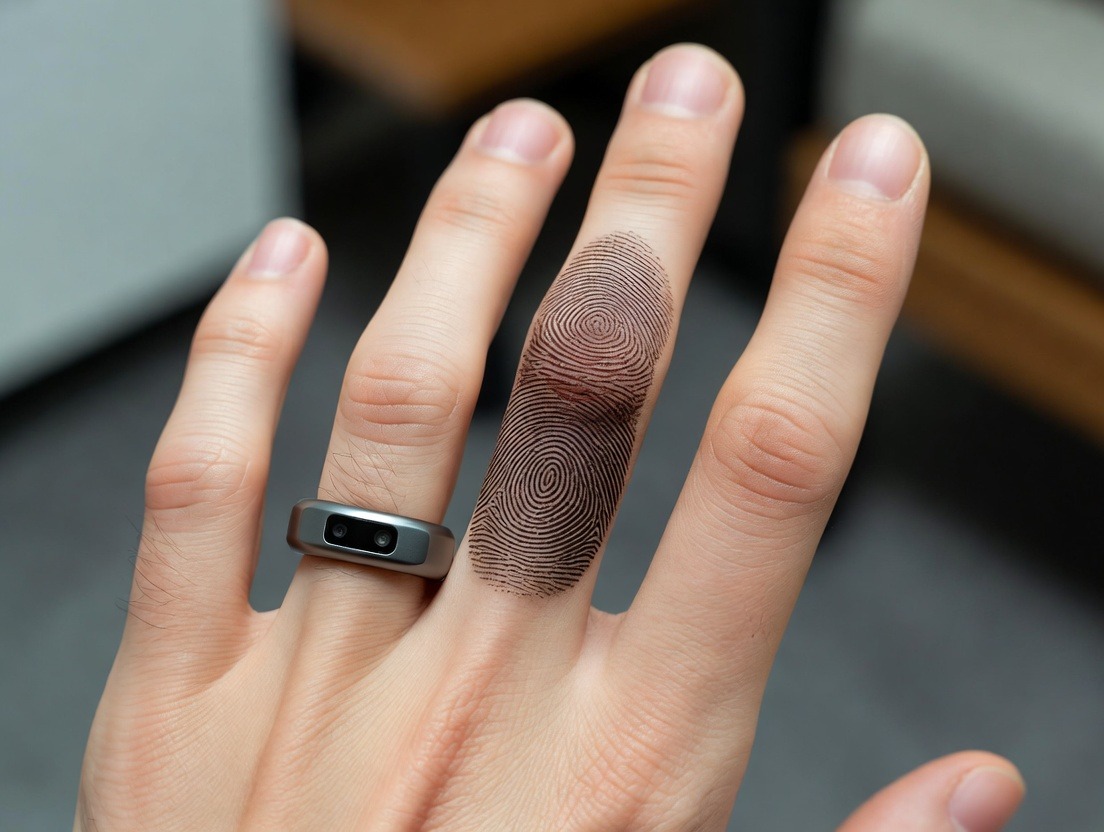
Your finger is a window to your autonomic nervous system, the unconscious control center regulating everything from your heartbeat to your digestion. A smart ring, by virtue of its location, has a direct line to this vital information. Unlike a wrist-worn device, the finger provides a stronger, less noisy photoplethysmogram (PPG) signal due to denser capillary beds, leading to more accurate continuous readings of heart rate and HRV—the gold standard for stress and recovery metrics.
But the story is in the aggregation. Night after night, month after month, the ring builds a baseline that is uniquely yours. It learns what "normal" looks like for you: your typical resting heart rate, your optimal sleep duration, your personal temperature cycle. This baseline becomes the critical reference point. Deviations from it are not just random blips; they are data points in a narrative. A gradual, sustained increase in resting heart rate could indicate mounting chronic stress or the onset of a metabolic shift. A change in your nocturnal HRV pattern might reveal how your nervous system is adapting—or struggling—with a new training regimen or life change.
This longitudinal data collection transforms health from a static state into a dynamic, flowing story. We can see the plot twists: the clear dip in recovery metrics during a stressful work project, the improved deep sleep after dialing in a consistent bedtime, the body’s subtle inflammatory response signaled by a rise in skin temperature preceding a common cold. The ring doesn’t diagnose, but it provides an unparalleled context. It answers the doctor's question, "How have you been feeling?" with hard data: "Here is precisely how my body has been functioning."
This foundational biography of your physiology is the first step toward truly personalized health. It moves us beyond population averages. You’re no longer comparing your 7 hours of sleep to a generic "8-hour" ideal, but to your personal optimal range for feeling rested and performing well. This is the power of the unseen biography being written on your finger—a story you can finally read.
Early wearables championed the concept of 24/7 tracking, but often delivered a fragmented view—activity by day, sleep by night, with little connective tissue. The modern smart ring, through its constant wear and sophisticated sensors, weaves these fragments into a cohesive, round-the-clock health narrative. The data collected while you’re awake is just as telling as your sleep metrics, providing critical context for interpretation.
Your daytime heart rate patterns, for instance, tell a story of stress resilience. How quickly does your heart rate spike during a tense meeting, and how rapidly does it recover once the moment passes? This reactivity and recovery, visible in real-time data, is a direct window into your autonomic nervous system's fitness. Similarly, continuous HRV monitoring throughout the day can pinpoint moments of focused calm versus scattered stress, offering objective feedback on the effectiveness of mindfulness or breathing practices.
The ring also captures the physiological cost—and benefit—of your daily activity. It’s not just about step count; it’s about the cardiovascular load and subsequent recovery need. A smart ring can help differentiate between productive, health-promoting movement and excessive, system-draining strain. This 24/7 perspective creates a closed feedback loop: wake-time stress affects sleep quality, and sleep quality determines next-day resilience and activity capacity. By monitoring all phases, you can see these cause-and-effect relationships clearly.
For example, a day of high mental stress and low physical movement might predictably lead to a suppressed HRV and elevated resting heart rate that night. Conversely, a day with balanced activity and downtime might manifest in a quicker descent into deep sleep and a more robust overnight recovery signature. This holistic view discourages the obsessive optimization of one metric at the expense of the whole system. It reinforces that health is a continuous cycle, not a series of independent events. Understanding this full-day rhythm is essential for anyone looking to use data not just for insight, but for sustainable, intelligent action. You can learn more about building these foundational habits in our guide on sleep tracking and consistency.
Stress is not an event; it's a physiological process with a history. One of the most profound capabilities of longitudinal smart ring data is its ability to map your nervous system’s journey through stress over time. The primary lens for this is Heart Rate Variability (HRV)—the beat-to-beat variation in your heart rate. A higher HRV generally indicates a more resilient, adaptable nervous system, while a lower, less variable pattern suggests a system stuck in "fight-or-flight" (sympathetic) overdrive.
When viewed as a single number, HRV is limited. When plotted on a timeline spanning weeks, months, and years, it becomes a transformative tool. You can visually trace the impact of life’s chapters: the sustained dip during a career crisis, the gradual climb during a restorative sabbatical, the cyclical patterns tied to a demanding seasonal job. This timeline moves stress from an abstract feeling ("I'm burned out") to a documented physiological state ("My HRV has been trending below my baseline for 11 weeks").
Skin temperature data adds another layer to this stress map. Chronic stress can dysregulate the hypothalamic-pituitary-adrenal (HPA) axis, leading to subtle shifts in peripheral body temperature. A sustained nocturnal temperature elevation, when correlated with low HRV, paints a powerful picture of systemic strain and potential inflammation.
This longitudinal stress mapping empowers proactive management. Instead of waiting for burnout, you can identify a concerning downward trend in your resilience metrics and intervene—perhaps by prioritizing sleep, introducing meditation, or adjusting your training load. It also provides objective validation. The data can confirm that a new meditation practice is, in fact, improving your nervous system’s tone, with HRV trending upward over several months. This turns stress management from a guessing game into a science of the self. For a deeper look at the psychological power of seeing this data, consider the insights in our article on the psychology of sleep tracking.
Much of the popular conversation around sleep tracking focuses on the score from last night. While useful, this is a myopic view. The true diagnostic power of sleep data emerges over time, revealing patterns and trends that a single night can never show. A smart ring, worn consistently, transforms sleep from a daily metric into a core diagnostic engine for lifelong health.
Consider deep sleep. Nightly fluctuations are normal, but a long-term trend of declining deep sleep duration is a significant health signal. This restorative phase is crucial for physical recovery, immune function, and metabolic health. A persistent deficit could be linked to aging, chronic stress, or lifestyle factors, and is something you can actively work to improve, as detailed in our resource on how to get more deep sleep tonight. Similarly, trends in sleep latency (how long it takes to fall asleep), sleep efficiency (percentage of time in bed actually asleep), and wake-after-sleep-onset (WASO) fragments tell a story about sleep hygiene, stress, and circadian health.
Longitudinal sleep data can reveal circadian rhythm disorders before they become debilitating. A gradually drifting sleep midpoint—the time exactly halfway between falling asleep and waking—can indicate a delayed sleep phase or social jet lag, with profound implications for metabolic and mental health. The ring’s temperature sensor is particularly potent here, as the core body temperature cycle is a primary circadian driver. A blunted or erratic nocturnal temperature drop often precedes subjective feelings of unrefreshing sleep.
Furthermore, this data provides context for life transitions. You can see how sleep architecture changed after the birth of a child, during menopause, or after starting a new medication. It helps answer questions like, "Is my sleep getting worse with age, or with my habits?" By focusing on patterns, you move away from nightly anxiety over a poor sleep score and toward a strategic understanding of the systemic factors influencing your most fundamental biological process. This journey of understanding mirrors the broader sleep tracking revolution, bringing lab-grade insights into the home.
Metabolic health—how efficiently your body processes energy—is often assessed with infrequent, invasive tests like fasting glucose or HbA1c. By the time these tests show a problem, metabolic dysfunction may have been brewing for years. Smart ring data offers a way to listen to the constant, subtle whispers of your metabolism, potentially identifying early warning signs of imbalance.
Two key metrics are instrumental here: resting heart rate (RHR) and skin temperature. A sustained, unexplained increase in your baseline RHR is one of the simplest yet most telling metabolic signals. It can indicate increased sympathetic nervous system activity, systemic inflammation, or the heart working harder due to metabolic inefficiencies. When your RHR trendline creeps upward over months, it’s a prompt to look deeper at diet, exercise, and stress.
Nocturnal skin temperature provides an even more nuanced view. The body’s core temperature naturally dips at night to facilitate sleep initiation and maintenance. A dysregulated metabolism, often driven by insulin resistance, can impair this cooling process. You may see a higher baseline nighttime temperature or a lack of the characteristic temperature drop. This can occur long before blood sugar metrics stray out of range. It’s a sign of inefficient energy production and hormonal imbalance.
When combined, these trends create a powerful picture. A person might see a creeping RHR paired with less pronounced nocturnal cooling and a reduction in HRV. This triad of data points doesn’t diagnose diabetes, but it screams "metabolic strain." It provides the motivation and the timeline to intervene with lifestyle changes, and then to track whether those interventions (e.g., dietary adjustments, improved sleep, targeted exercise) are effectively reversing the trends.
This shifts the paradigm from disease screening to health trajectory optimization. Instead of waiting for a prediabetes diagnosis, you have a daily feedback loop showing how your lifestyle is influencing the foundational physiology underlying metabolic health. It empowers you to become the architect of your own metabolic future.

Fitness trackers popularized VO2 Max estimates as a hallmark of cardiovascular health. While a useful snapshot, this single number gives limited insight into the trajectory and resilience of your cardiovascular system. Longitudinal smart ring data enriches this picture dramatically, tracking not just your capacity for peak output, but your system’s daily function and recovery.
The cornerstone metric here is, again, resting heart rate, but viewed through a long-term lens. As cardiovascular fitness improves through consistent aerobic training, RHR typically declines as the heart muscle becomes stronger and more efficient, pumping more blood per beat. A smart ring documents this journey, showing the RHR descent plateau at a new, fitter baseline. Conversely, a reversal of this trend—a rising RHR during a period of maintained training—can be an early sign of overtraining, illness, or excessive life stress.
Heart Rate Variability provides the complementary narrative of autonomic balance. Improved cardiovascular fitness is usually associated with increased HRV, reflecting a stronger, more resilient parasympathetic ("rest-and-digest") tone. Observing your HRV trend in conjunction with your training log is incredibly powerful. You can identify the optimal training load that boosts both fitness and resilience, and spot the point where increased intensity leads to diminishing returns and nervous system strain.
Furthermore, the ring’s recovery metrics each morning—often a composite of RHR, HRV, and sleep data—tell you how prepared your cardiovascular system is for the day’s demands. A string of "poor recovery" scores, despite adequate sleep, might indicate your body is fighting something off or is under-recovered from cumulative training stress. This feedback allows for intelligent adaptation, promoting consistency over forced intensity.
This longitudinal view redefines fitness. It’s not just about how fast you ran today, but about how your heart and nervous system are adapting to your training philosophy over seasons and years. It helps you build a cardiovascular system that is not just capable, but durable and resilient for the long term. This holistic integration is key, as discussed in our analysis of how sleep tracking integrates with other health metrics.
Hormonal cycles create distinct physiological patterns, and a device gathering continuous biometrics is uniquely positioned to illuminate them. For individuals who menstruate, smart ring data can reveal the profound, yet often invisible, physiological shifts across the menstrual cycle in unprecedented personal detail.
The most striking signature is in basal body temperature (BBT), tracked via the ring’s skin temperature sensor. The post-ovulatory rise in progesterone causes a sustained temperature increase of 0.3-0.5°C in the luteal phase. Longitudinal tracking not only confirms ovulation but can reveal cycle irregularities, anovulatory cycles, or the characteristic temperature shifts of perimenopause long before cycles become irregular. This data is a powerful tool for fertility awareness, hormonal health monitoring, and navigating life stages like perimenopause with more objective information.
Beyond temperature, the entire autonomic profile shifts. Resting heart rate often follows a similar pattern, rising after ovulation and falling with menstruation. Heart Rate Variability may show cyclical patterns, often lower in the luteal phase for some individuals. Sleep architecture can also vary, with more frequent awakenings or lighter sleep reported in the days before menstruation. By tracking these patterns over dozens of cycles, a person can build a personalized map of their hormonal landscape, identifying their own unique patterns of energy, recovery, and need across the month.
For men, while changes are less cyclical, longitudinal data can still provide insights into hormonal health. A gradual, age-related decline in testosterone can be associated with subtle shifts: a slow rise in body fat (potentially visible in temperature regulation changes), a decrease in muscle recovery (visible in persistent overnight HRV and RHR scores after training), and changes in sleep quality. While not diagnostic, these trends can prompt deeper investigation and lifestyle interventions aimed at supporting healthy hormonal balance.
In both cases, the smart ring moves hormonal health from a realm of vague symptoms and infrequent lab tests into the realm of observable, continuous physiology. It provides the context needed to have more informed conversations with healthcare providers and to tailor lifestyle, nutrition, and training in harmony with one’s hormonal rhythm.
One of the most practical applications of longitudinal health data is its potential to act as an early warning system for illness. Your body mounts a defense against pathogens long before you feel a sore throat or congestion. This defense—the inflammatory response—leaves clear biometric signatures that a smart ring can detect, often 24-48 hours before overt symptoms appear.
The most reliable precursor is a rise in resting heart rate. As your immune system activates, metabolic rate increases and inflammation can affect cardiac function, leading to a measurable elevation in your RHR above your personal baseline. Similarly, HRV often takes a sharp dive as the body’s resources are diverted to the immune battle, reducing parasympathetic activity.
The ring’s skin temperature sensor adds a critical layer. While fever is a later-stage symptom, a subtle, sustained increase in nocturnal skin temperature can be an early sign of immune activation. The body’s set-point may be rising even if it hasn’t reached the clinical threshold for a fever.
When you observe this triad—elevated RHR, depressed HRV, and elevated nighttime temperature—in concert, it’s a high-probability signal that your body is fighting something. This "sickness signal" is powerful. It allows you to proactively prioritize rest, hydration, and nutrition at the most critical time, potentially mitigating the severity or duration of the illness. It can also inform decisions about social interaction or the intensity of your workout, preventing you from pushing through and making things worse.
Longitudinally, this data reveals your individual "immune response fingerprint." You can see how often you get these subtle signals in a year, and how they correlate with travel, stress, or poor sleep. Over time, you can also track whether lifestyle interventions—like improving sleep quality or managing stress—lead to fewer of these immune activation events, indicating a more resilient system. In this way, the ring transforms you from a passive victim of seasonal bugs into an active sentry of your own immune state.
Aging is not a single event but a gradual process of physiological change. Much of how we perceive aging is subjective ("I don't have the energy I used to"). Smart ring data objectifies this process, providing a high-definition, quantitative view of how specific biological functions are changing over time. This allows for a shift from a passive acceptance of decline to a strategic management of the aging trajectory.
Several key trends are observable. Resting heart rate tends to increase slightly with age due to vascular stiffness and other factors. Heart Rate Variability shows a well-documented decline, reflecting a natural reduction in autonomic flexibility and parasympathetic tone. Sleep architecture undergoes significant changes, with a pronounced reduction in slow-wave deep sleep and more fragmented sleep, trends that are deeply explored in our article on how age affects deep sleep. The amplitude of the circadian temperature rhythm can also diminish.
The critical insight from longitudinal tracking is the rate of change. Is your HRV declining at 1% per year or 5%? Is your deep sleep holding steady into your 50s, or has it dropped precipitously? This rate is heavily influenced by lifestyle. Two 55-year-olds may have the same chronological age but vastly different "biological age" as reflected in their physiological data.
By observing these trends, you can directly measure the impact of your health behaviors on the aging process. For instance, committing to consistent strength training and high-protein intake may help preserve muscle mass, which in turn can support metabolic rate and sleep quality, potentially slowing the decline in HRV and RHR trends. Prioritizing sleep hygiene and stress management can directly combat the age-related erosion of deep sleep and autonomic resilience.
Aging in HD means no longer flying blind. You have an instrument panel showing which dials are turning, and how fast. This empowers you to make targeted interventions, to fight for grace, and to understand your body’s aging narrative not as a foregone conclusion, but as a story you can actively author.
Arguably, the greatest promise of lifelong health data is not just in revelation, but in transformation. Knowledge alone rarely changes behavior. But knowledge combined with a personal, immediate, and visible feedback loop can be profoundly motivating. This is where the smart ring transitions from a monitoring tool to a behavioral catalyst.
The core of this change is closing the loop. You try an intervention—say, disconnecting from screens 90 minutes before bed—and you see a direct, quantitative impact on your sleep latency and deep sleep percentage the very next morning. You start a daily meditation practice and, over six weeks, watch your baseline HRV climb and your daytime heart rate reactivity soften. You experiment with different exercise timings and discover through your deep sleep scores that afternoon workouts work better for your recovery than evening ones, a topic we cover in how exercise timing affects your deep sleep.
This tangible cause-and-effect evidence is empowering. It turns abstract health advice ("manage stress," "sleep better") into a personalized science experiment. You become the subject and the scientist, iterating on your own lifestyle to see what moves your physiological metrics in the desired direction. The ring provides the objective results, removing guesswork and self-deception.
Longitudinally, this feedback loop sustains motivation. The reward is not a badge for 10,000 steps, but a multi-month trendline showing improved metabolic markers, a higher resilience baseline, or a slower pace of age-related decline. This type of reinforcement is aligned with intrinsic health goals, fostering sustainable habits rather than short-term gamification.
Furthermore, this data provides compassionate accountability. On a day you feel lazy, seeing a "good" readiness score might motivate you to move. On a day you feel compelled to push through fatigue, a "poor" recovery score gives you objective permission to rest, preventing burnout. This creates a healthier, more intuitive relationship with your body, where data serves as a translator for your body’s signals, not an oppressive judge. It’s a partnership where technology facilitates self-awareness and wise action.
As we embark on this journey of continuous self-quantification, a critical and unavoidable question arises: Who owns the story of your body? The data collected by a smart ring is arguably the most intimate possible—a continuous log of your stress, your sleep, your potential illnesses, and your physiological rhythms across years. This creates a new paradigm for data privacy and ownership that consumers must navigate with intention.
Unlike social media data or browsing history, health biometrics are fundamentally different. They are not about your preferences or opinions; they are direct measurements of your biological state. In the wrong hands, this data could be used for discrimination, manipulation, or exploitation. Therefore, the policies of the company behind your smart ring are not just a minor detail in the terms of service; they are a foundational component of the product's value proposition.
Key considerations include: Where is the raw data processed and stored? Is it anonymized and aggregated for research, and if so, do you have the option to opt out? Could this data be sold to third parties, such as insurance companies or data brokers? What security measures protect it from breaches? Perhaps most importantly, do you have the ability to easily export and take all of your raw data with you if you choose to stop using the service?
This privacy paradigm shifts the responsibility to the user to be an informed consumer. It’s essential to choose a provider whose business model aligns with user welfare, ideally one that sees itself as a custodian, not an owner, of your data. The ideal model is one where you pay for the hardware and software, and in return, your data is not monetized. Your longitudinal health story is an asset of incalculable personal value. Protecting it is not just about avoiding risk; it’s about maintaining sovereignty over the narrative of your own life. As we generate this profoundly personal biography, we must ensure we remain its sole author and privileged reader.
Imagine if, from late adolescence, an individual began wearing a smart ring, consenting to the anonymous aggregation of their de-identified data. The resulting dataset would not be a mere collection of numbers; it would constitute a "Lifelong Health Ledger," a revolutionary map of human physiology from the peak of resilience through the various seasons of life. While current users are adults, the potential applications and insights span the entire human lifespan, offering a framework for future preventive healthcare.
In young adulthood (20s-30s), the ledger would establish a "physiological peak baseline." We would see optimal HRV, rapid recovery, robust deep sleep, and high metabolic flexibility. This period becomes the personal gold standard against which all future changes are measured. More importantly, we could identify early deviations—the young professional whose stress metrics never fully recover post-college, signaling a risk for early burnout, or the athlete whose recovery trends down, hinting at overtraining syndrome before injury strikes.
Moving into midlife (40s-50s), the ledger would visually document the forks in the road. For some, gradual, managed declines in certain metrics would be evident. For others, sharper negative trends in metabolic or cardiovascular markers might appear, clearly correlated with lifestyle choices made decades prior. This is where the predictive power shines: a sustained, creeping elevation in resting heart rate and nocturnal temperature in one’s 40s could be a far more compelling motivator for lifestyle change than a cholesterol reading at 50. It’s a personalized, real-time documentary of aging, allowing for course corrections at the most impactful time.
In the geriatric years (60s+), the ledger’s value shifts to maintenance and safety. Trends can help differentiate between normal aging and potential pathology. A sudden change in sleep architecture or a drop in activity levels could be an early sign of cognitive or physical decline, prompting timely check-ins. Furthermore, continuous monitoring of metrics like blood oxygen and heart rhythm (in rings with advanced sensors) can provide peace of mind and early alerts for events like asymptomatic atrial fibrillation or significant oxygen desaturations. The ring becomes a gentle, always-on guardian for independent living.
This continuum perspective fundamentally reframes health. It’s no longer about achieving a static state of "good health" but about skillfully navigating the natural trajectory of a human life, using data as both a compass and a record. It promises a future where we don’t just treat diseases of aging, but we understand and influence the entire arc of our physiological story.
Population-level health studies tell us what works on average. But you are not an average. This is the classic problem of epidemiological research: correlation does not equal causation, and group results may not apply to the individual. Longitudinal smart ring data empowers a powerful alternative: the personal N-of-1 experiment. You become a population of one, and through careful observation and intervention, you can move beyond generic correlations to discover personal causation.
The process is straightforward and mirrors the scientific method. First, you Observe a trend or a recurring issue in your data—for example, consistently poor sleep scores (low efficiency, high wakefulness) every Sunday night. Next, you form a Hypothesis: "My poor Sunday sleep is caused by late, large dinners and social screen time on Sunday evenings." Then, you Intervene: for the next four Sundays, you implement a strict protocol of an early, light dinner and no screens after 8 PM. Finally, you Analyze the Data: did your Sunday night sleep scores significantly improve during the intervention period compared to the baseline?
The ring provides the objective measurement for each phase. This method can be applied to countless questions: Does caffeine after 2 PM affect my deep sleep? Does a 20-minute afternoon walk improve my next-day HRV? Does a high-carb meal versus a high-fat meal influence my nocturnal heart rate? By controlling variables and observing outcomes on your own physiology, you move from following blanket advice to creating a personalized, evidence-based operating manual for your body.
This approach also combats placebo and nocebo effects. You might feel like a supplement is helping, but does your HRV, RHR, and sleep data reflect a measurable improvement over a month? Conversely, you might worry that aging is destroying your sleep, but an N-of-1 experiment with a consistent sleep schedule and cooling strategy might prove you can still achieve excellent deep sleep duration, as outlined in the deep sleep formula for temperature, timing, and habits.
The N-of-1 model democratizes biohacking. It turns anecdote into personal evidence, fostering a deeper, more nuanced understanding of your unique physiology. It’s the ultimate application of longitudinal data: not just to watch your story unfold, but to actively and intelligently rewrite it.

Your body is not an isolated system; it is in constant dialogue with its environment. Longitudinal smart ring data acts as a sophisticated recorder of this dialogue, enabling a form of "lifestyle forensics." By syncing your biometric trends with lifestyle logs (manually or via app integration), you can decode how specific, often subtle, environmental and behavioral factors imprint on your physiology.
Travel and Circadian Disruption: The data from crossing time zones is a perfect case study. You can precisely track how many days it takes for your resting heart rate to return to baseline, for your sleep architecture to renormalize, and for your core body temperature rhythm to re-synchronize after a trip. This isn't abstract jet lag theory; it's your personal recovery timeline. It can inform future travel planning, showing you, for instance, that you need a full four days to acclimate before an important meeting in Europe. For frequent travelers, understanding these patterns is crucial, a topic explored in our guide on sleep tracking for travelers monitoring across time zones.
Dietary Impacts: While not a glucose monitor, the ring can reveal indirect dietary effects. A night of high sugar or alcohol consumption often leaves a clear signature: elevated resting heart rate, suppressed HRV, poor sleep quality, and a disrupted temperature curve. Over time, you might correlate a pattern of higher inflammation (via elevated nighttime temperature and RHR) with the frequent consumption of certain foods like industrial seed oils or processed grains.
Social and Emotional Load: The data provides an objective lens on your social battery. A weekend packed with social engagements, while enjoyable, might manifest as a significant dip in recovery metrics by Monday morning. Conversely, a period of solitude and relaxation might produce your best HRV scores of the month. This can help you balance extroversion and introversion in a way that sustains your physiological resilience.
Environmental Toxins and Allergens: A sudden, unexplained spike in resting heart rate or a drop in blood oxygen variation during sleep could coincide with exposure to poor air quality, high pollen count, or even a moldy environment. Over the long term, living in a city with higher pollution might correlate with a higher baseline RHR and lower HRV compared to periods spent in cleaner air.
This forensic capability turns you into a detective of your own well-being. Instead of wondering why you feel drained, you can review the data and see the probable "culprits": two consecutive nights of poor sleep, a heavy meal, a high-stress workday, and a poor air quality alert. This empowers precise, targeted countermeasures, moving health management from guesswork to evidence-based strategy.
The standalone smart ring is powerful, but its future—and its ultimate impact on revealing lifelong health trends—lies in integration. It is destined to become the central, always-on hub in a connected ecosystem of diagnostic tools, creating a multidimensional health model that is greater than the sum of its parts.
Imagine a world where your smart ring’s continuous data seamlessly integrates with:
In this ecosystem, the smart ring is the constant thread. It provides the context—the when and the undercurrent—that makes snapshot data from other tools meaningful. A single high glucose reading is ambiguous. A high glucose reading that occurs on a morning when your ring shows terrible sleep and high nighttime stress is profoundly informative.
This integration moves us toward a true "Health OS"—an operating system for the human body where various apps (devices) feed data into a central command center (your ring/phone), providing holistic, actionable intelligence. It’s the final step in turning the smart ring from a wellness accessory into an indispensable tool for lifelong health management and partnership with medical professionals. The journey to this future starts with understanding the core technology, which you can explore in our breakdown of sleep tracking sensors: optical, accelerometer, and temperature.
As we champion the power of longitudinal biometrics, a critical counterpoint must be made with equal force: data is a tool for enhancing life, not becoming life itself. The relentless pursuit of perfect metrics can become a new source of stress, ironically degrading the very health one seeks to optimize. This phenomenon, sometimes called "orthosomnia" (an unhealthy obsession with perfect sleep data), highlights the essential limits of quantitative tracking.
Smart ring data is phenomenal at measuring the objective state of your autonomic nervous system and sleep phases. It is notoriously poor at capturing the subjective experience of well-being: joy, connection, purpose, and peace. A night with "poor" sleep efficiency might follow an evening of deep laughter with old friends—a trade-off most would make. A period of slightly depressed HRV might coincide with the meaningful stress of caring for a newborn or finishing a creative masterpiece.
The goal, therefore, is to achieve a state of informed intuition. The data should serve to calibrate your internal sense of how you feel. Initially, you learn what "good recovery" or "high stress" feels like in your body by correlating sensations with the numbers. Over time, the ring becomes a check-in tool, a source of validation or a gentle alarm. You learn to look at weekly trends, not nightly scores. You use the data to explain feelings, not to dictate them.
It’s crucial to regularly step back and ask: Is this data serving me, or am I serving it? Are my behaviors driven by a desire to feel better, or to make a graph look better? Periods of "data fasting"—wearing the ring but not checking the app for days—can be a healthy practice to reconnect with innate bodily wisdom.
Honoring the subjective means accepting that not all that is valuable can be measured, and not all that is measured is of ultimate value. The smart ring provides a brilliant map of your physiological terrain, but you are still the one who must decide where to go, when to push forward, and when to sit and enjoy the view. Balancing data with lived experience is the key to sustainable, holistic health, a cautionary perspective we delve into in our article on the dark side of sleep tracking when data creates stress.
The traditional doctor’s visit is often a high-pressure, time-constrained exchange where patients struggle to accurately summarize complex symptoms over time. "I've been tired for a while" is a common, unhelpful refrain. Longitudinal smart ring data has the potential to revolutionize this dynamic, transforming patients from passive reporters into active partners with concrete evidence. But to be effective, this data must be prepared and presented strategically.
The first step is curation, not data dumping. Walking into an appointment and handing a doctor 18 months of raw graphs is overwhelming and ineffective. Instead, before the visit, analyze your own data to identify specific, relevant trends. Create clear, simplified visuals. For example: "Doctor, over the past six months, I’ve noticed this persistent trend where my resting heart rate has increased by an average of 8 beats per minute, and my deep sleep has decreased by 25%. It correlates with starting this new medication/work project. Here is a one-page summary of the graphs."
This approach frames the conversation around objective patterns, not vague complaints. It moves the dialogue from "What's wrong with me?" to "Here is a measurable change in my physiology; what could be causing it?" It provides the clinician with a valuable timeline that isolated lab tests cannot.
The data is particularly powerful for specialists. A cardiologist can see heart rate trends around reported palpitations. A sleep specialist can review months of sleep architecture data, far surpassing the utility of a sleep diary. An endocrinologist can observe the correlation between metabolic markers and circadian rhythm shifts.
To prepare effectively:
By coming prepared with curated data, you elevate the partnership, save valuable time, and direct the clinical investigation toward a more precise and productive path. You become the expert on your own historical physiology, and your doctor becomes the expert consultant on diagnosis and treatment—a truly collaborative model for 21st-century healthcare.
The gleaming promise of personalized, data-driven health comes with a shadow: the risk of exacerbating existing health disparities and creating new forms of algorithmic bias. As we envision a future where smart rings and longitudinal data guide health decisions, we must proactively address these ethical frontiers to ensure the technology benefits all of humanity, not just the affluent and technologically privileged.
Algorithmic Bias: The machine learning models that turn raw sensor data into insights (like sleep stages or stress scores) are trained on datasets. If these datasets are not diverse—lacking adequate representation across ethnicities, skin tones, ages, and body types—the algorithms may be less accurate for underrepresented groups. For example, optical heart rate sensors can have reduced accuracy on darker skin tones if not properly calibrated. This isn't just a technical glitch; it's a form of bias that could lead to missed health signals or incorrect recommendations for entire populations.
The Access Divide: High-quality smart rings are premium products. This creates an "health data divide," where wealthy individuals gain ever-deeper insights into their long-term health, enabling superior preventive care, while lower-income populations remain in the dark, reliant on the traditional, reactive sick-care system. This could widen health outcome gaps dramatically over decades.
Insurance and Discrimination: The most concerning ethical dilemma involves third-party access. If insurance companies or employers could gain access to this deep longitudinal data, it could be used for risk assessment, policy pricing, or hiring decisions in ways that are profoundly discriminatory. A person with a genetic condition or a trend toward higher stress metrics could be penalized, moving us toward a "biometric underclass."
Addressing these challenges requires a multi-faceted approach:
The goal must be to harness this technology for collective uplift, not individual advantage. The ethical deployment of longitudinal health tracking will determine whether it becomes a tool for universal human flourishing or a new engine of inequality. Navigating this requires as much wisdom as the technology itself requires innovation.
The vision of a lifelong health log is compelling, but it begins with a single day of consistent wear. Turning this potential into personal reality requires a thoughtful, sustainable approach. Here is a practical action plan to start your journey and maintain it for the long haul.
Phase 1: The Foundation (Months 1-3) – Establish Your Baseline
Phase 2: The Exploration (Months 4-12) – Identify Your Patterns
Phase 3: The Partnership (Year 1 and Beyond) – Refine and Collaborate
The key to sustaining this is to let the tool work in the background. It is a diary, not a dogma. By following this phased approach, you transition from a curious user to the informed author and editor of your own lifelong health narrative, equipped with the most detailed source material ever available.
We have traversed the vast landscape of possibility that opens when continuous biometric data is collected not for days, but for years. From mapping the nervous system's journey through decades of stress to conducting personal clinical trials, from performing environmental forensics to preparing for a new era of collaborative medicine, the smart ring emerges not as a mere tracker, but as a keystone technology.
A keystone is the central, wedge-shaped stone in an arch that locks all the others in place and allows the structure to bear weight. The smart ring serves a similar function in the architecture of modern, proactive health. It locks together disparate elements—sleep, activity, stress, metabolism, immunity—into a cohesive, weight-bearing structure of understanding. It supports a new way of thinking about our bodies: not as machines that periodically break down, but as complex, dynamic systems flowing through time, whose trends and trajectories we can now observe, respect, and positively influence.
The data on your finger is more than numbers; it is the translation of your life—your work, your loves, your struggles, your rest—into the language of physiology. It reveals the lifelong health trends that were always there, written in the subtle rhythms of your heart and the quiet cycles of your temperature, waiting for a tool perceptive enough to read them. This is the beginning of a more intimate, intelligent, and empowered relationship with the one vessel you will inhabit for your entire journey: your own body.
For the elite athlete, data is the currency of marginal gains. But the true revolution lies in extending the data window from a single training cycle to an entire career. Longitudinal smart ring data transforms athletic management from optimizing for Saturday’s game to orchestrating a decades-long performance and health arc. It provides the continuous feedback necessary to navigate the tightrope between peak performance and career-ending burnout.
The Career-Load Management Map: The primary killer of athletic potential is not a single injury but the accumulation of chronic load without adequate recovery. A smart ring provides a daily, objective measure of that recovery via HRV, resting heart rate, and sleep quality. Over years, this data creates an invaluable "load tolerance map." A coach and athlete can see that when weekly training load exceeds a certain threshold (measured by GPS/accelerometers), it takes their body 72 hours, not 48, for HRV to return to baseline. This allows for truly personalized periodization, preventing the downward spiral of non-functional overreaching. The importance of overnight recovery for athletes is paramount, a process detailed in our guide to deep sleep optimization for athletes.
Injury Prediction and Rehabilitation: Often, the body signals systemic strain long before a specific tissue fails. A sustained, multi-week decline in HRV alongside a creeping elevation in resting heart rate—even in the presence of maintained performance—can be a red flag for elevated injury risk. This data provides the rationale for a proactive "deload" week. Post-injury, the ring becomes a rehabilitation sentinel. Is the athlete’s sleep quality returning to pre-injury levels as they heal? Is their nocturnal HRV improving, indicating their nervous system is calming despite the frustration of being sidelined? This guides not just physical rehab, but holistic recovery.
Navigating the Transition: The end of a competitive career is a physiological cliff. The smart ring data from an athlete’s final competitive years is a goldmine for their post-career health. It documents their "peak physiology" baseline. The transition to a less structured life often brings weight gain, metabolic slowdown, and mental health challenges. With their longitudinal data, a retiring athlete can work with a specialist to manage this transition intelligently. They can see how their body responds to reduced volume but maintained intensity, and can set new health goals based on preserving metabolic and cardiovascular metrics rather than podium finishes.
The Longevity Pivot: The modern athlete’s goal is evolving from "win now" to "perform long." Data is the engine of this shift. By tracking biomarkers of systemic inflammation (via temperature and RHR), cellular recovery (via HRV and deep sleep), and metabolic health, athletes can make decisions that support not just this season, but their health at age 50. This long-game approach, powered by lifelong data, redefines athletic success as a lifetime of vitality, not just a fleeting moment of podium glory.
The brain is not an island. Its health is inextricably linked to the body’s systemic state—a connection powerfully illuminated by longitudinal biometrics. While a smart ring cannot measure brainwaves directly, it tracks the foundational pillars of cognitive function: sleep, vascular health, and systemic inflammation. Over decades, these trends provide a compelling proxy for brain aging and cognitive resilience.
Sleep Architecture as a Cognitive Forecast: The deep, slow-wave sleep stages are the brain’s essential maintenance window. This is when metabolic waste is cleared via the glymphatic system, memories are consolidated, and neural pathways are pruned. A long-term trend of declining deep sleep duration and quality is one of the strongest early-warning signals for future cognitive decline. The ring can track this erosion years, even decades, before subjective memory complaints arise. Protecting deep sleep becomes a non-negotiable strategy for brain health, directly supporting the critical deep sleep and memory connection. Furthermore, disruptions in REM sleep, often visible as increased awakenings in the later sleep cycles, can correlate with mood regulation and creative thinking, adding another layer to the cognitive picture.
The Vascular Link: Heart Rate and Brain Perfusion: The brain consumes 20% of the body’s oxygen and is exquisitely sensitive to blood flow. A sustained, gradual increase in resting heart rate can indicate reduced cardiovascular efficiency, which may correlate with diminished cerebral perfusion over time. Conversely, a strong, resilient HRV is linked to better prefrontal cortex function—the area responsible for executive function, decision-making, and emotional regulation. By tracking cardiovascular trends, you are indirectly monitoring the plumbing that fuels your cognitive engine.
Inflammation’ Silent Toll: Chronic, low-grade systemic inflammation is a key player in neurodegenerative diseases. The ring’s skin temperature sensor, particularly tracking nocturnal baseline trends, can serve as a rudimentary inflammation gauge. A person with a slowly rising nighttime temperature trend over years, coupled with other metabolic strain signals, might be experiencing a pro-inflammatory state that is detrimental to neuronal health.
Putting It Together: The Cognitive Risk Profile: Imagine a longitudinal dashboard that combines a declining deep sleep trend, a creeping RHR, a depressed HRV, and a slight upward drift in nighttime temperature. This multivariate profile doesn’t diagnose dementia, but it paints a picture of a physiological environment hostile to long-term brain health. It provides a powerful, years-ahead motivator to intervene with proven neuroprotective strategies: optimizing sleep hygiene, adopting an anti-inflammatory diet, managing stress, and engaging in regular aerobic exercise—all of which would be reflected in a positive shift in these very metrics. The ring turns brain health from an abstract worry into a tangible, manageable project.
While the individual’s longitudinal data is transformative, its power compounds exponentially when aggregated—anonymously and ethically—into large community datasets. When thousands or millions of smart ring users contribute their de-identified trend data, it creates a living, breathing map of human health at a population scale, unlocking insights impossible to glean from sporadic clinical studies.
Discovering New Biomarkers and Patterns: Researchers can mine these vast datasets to find novel correlations. Does a specific combination of HRV pattern and temperature fluctuation predict the onset of migraines with 80% accuracy? Does a particular sleep architecture trend in one’s 30s correlate with metabolic health outcomes in one’s 50s? These population-level patterns can then be fed back to individuals as new, refined markers to watch in their own data. It’s a virtuous cycle of discovery.
Understanding Real-World Disease Progression: Instead of relying on infrequent check-ins, aggregated data can show how physiology changes in the real world in the weeks and months leading up to a clinical diagnosis of conditions like sleep apnea, hypertension, or depression. This can lead to earlier, more precise digital screening tools. For instance, if the data shows that 70% of users later diagnosed with sleep apnea exhibited a specific pattern of heart rate spikes and oxygen dips for 6 months prior, that pattern becomes a valuable flag.
Measuring Public Health Interventions: The impact of a city-wide green space initiative, a public health campaign on sleep, or even seasonal changes can be measured in near real-time. Does average population HRV improve in the summer? Did a community mindfulness program lead to a measurable drop in aggregate resting heart rate trends? This turns entire cities or cohorts into living laboratories for wellness, with policy outcomes measured in biometrics, not just surveys.
The Individual Benefit: For the user, participating in this (with explicit, revocable consent) contributes to a greater good while potentially unlocking premium insights. A platform might say: "Compared to a cohort of 10,000 people with similar age, sex, and activity profiles, your deep sleep resilience is in the top 10%. Your stress recovery speed, however, is slower than your peers. Here are strategies your cohort found effective." This cohort-based benchmarking is more meaningful than comparisons to generic averages.
This communal aspect moves wearable data from a purely personal tool to a catalyst for collective health advancement. It requires robust ethical frameworks and transparent consent, but it promises to accelerate our understanding of human health in the wild, creating a future where we learn about wellness not just from controlled labs, but from the lived experiences of millions.
We have focused on trends—looking backward to understand the present. The next frontier, fueled by artificial intelligence analyzing longitudinal data, is prediction: looking forward to anticipate future states. This is where the smart ring evolves from a historian and diagnostician into a proactive health guardian.
From Reactive to Proactive Insights: Current apps tell you, "Your recovery is poor today because you slept badly." Future AI, trained on your years of data, will tell you, "Based on your current stress load, sleep debt, and circadian rhythm, there is an 85% probability your recovery will be poor tomorrow. We recommend an easy day and aiming for lights out by 10:15 PM." It shifts the feedback loop from explanatory to predictive, giving you agency to change the outcome.
Illness Prediction Algorithms: By learning your unique "pre-sickness signature"—the specific combination and magnitude of RHR rise, HRV drop, and temperature change that you exhibit before getting ill—the AI could send a gentle alert: "Your physiology shows early signs of immune activation. Prioritize rest and hydration." This could become as routine as a weather forecast, allowing you to "take an umbrella" for your health.
Personalized Intervention Modeling: Advanced systems could run simulations. "If you maintain your current training load, our model projects a 40% chance of overtraining symptoms within 3 weeks. If you reduce volume by 20% and increase sleep time by 30 minutes, that risk drops to 5%." Or, "Based on your metabolic trends, if you continue your current dietary pattern, your prediabetes risk in 5 years is elevated. Here is a modest, sustainable adjustment projected to reverse that trend."
Mental Health and Burnout Forecasting: By correlating physiological trends with user-logged mood or periods of burnout, AI could identify subtle, early-warning signatures for mental health dips. A sustained pattern of sleep fragmentation, elevated nocturnal heart rate, and dampened HRV might predict a period of heightened anxiety or low mood, prompting the suggestion of a digital therapy module or a check-in with a friend.
This predictive horizon is both exhilarating and fraught with responsibility. It requires immense trust in the algorithms and the companies that build them. The AI must be a humble advisor, not an authoritarian oracle. Its predictions should empower, not frighten. The goal is not to create a deterministic health forecast, but to illuminate probable branching paths, giving you the information and motivation to walk toward the healthier one. Reaching this future starts with building a robust dataset today, a process that underscores why sleep tracking and consistency is the non-negotiable first step.
Embarking on a decade-long journey of health logging requires choosing the right tool from the start. The market is filled with options, but not all are built for the rigor of longitudinal tracking or the ethical stewardship of your most intimate data. Selecting a smart ring is a long-term decision, akin to choosing a health partner. Here is a framework that prioritizes longevity, accuracy, and sovereignty.
1. Sensor Fidelity and Research Backing: This is the foundation. Look for published validation studies, preferably in peer-reviewed journals, for the device’s core metrics: sleep staging, HRV, and continuous heart rate. Don’t be swayed by the sheer number of sensors; prioritize proven accuracy in the ones that matter most for long-term trends. A device that uses a single green LED for everything will not provide the same signal quality as one with a multi-path PPG setup and a dedicated skin temperature sensor. Understanding the technology behind sleep tracking sensors is key to making an informed choice.
2. The Battery Life and Duraity Covenant: A device meant to be worn for years needs a robust battery and build. Consider the battery replacement policy and the ring’s water and dust resistance rating (IPX8 or similar). A device that needs charging every day increases the risk of data gaps. A device with a non-replaceable battery that degrades in 18 months is a planned-obsolescence dead end for longitudinal tracking.
3. The Data Portability Imperative: You must own your data. Before purchasing, investigate: Can you export all your raw data (heart rate intervals, temperature readings, movement data) in a standard, machine-readable format (like CSV or JSON)? If the company’s servers shut down in five years, can you take your entire health history with you? A closed ecosystem that only lets you view polished scores is a red flag.
4. The Privacy-First Business Model: Scrutinize the privacy policy. The ideal model is "you are the customer, not the product." This means you pay for the hardware and software, and your data is not sold, leased, or used for third-party advertising. Be wary of free apps or suspiciously cheap hardware; your biometric data is the true cost. Choose a company that is transparent about data processing (on-device vs. cloud) and offers clear, granular consent controls.
5. The Analytical Depth and Roadmap: The companion app should provide robust trend views—weekly, monthly, yearly. Does it allow you to correlate metrics (e.g., view HRV trend overlaid with activity)? Does the company have a track record of improving algorithms and adding meaningful, science-based features via software updates? A static device will be obsolete long before your decade of data is complete.
Choosing with this long-term framework ensures your smart ring is a reliable, trustworthy scribe for your health story, capable of delivering insights not just next week, but for the next chapter of your life. For a comprehensive breakdown of this selection process, our guide on how to choose the right sleep tracking device for your needs offers further detail.
The current generation of smart rings has mastered the fundamentals: motion, heart rate, temperature, and blood oxygen. But the finger is a treasure trove of untapped physiological signals. The next decade will see rings evolve into even more powerful diagnostic hubs, measuring biomarkers that will deepen our understanding of lifelong trends in extraordinary ways.
Continuous Non-Invasive Glucose Monitoring (cgGM): This is the holy grail for metabolic insight. Several companies are developing optical sensors that can estimate glucose trends through the skin. While not intended for diabetic management, a ring that could show your body’s glucose responses to different meals, stressors, and sleep patterns over years would revolutionize personalized nutrition and provide an unparalleled view of metabolic health trajectories.
Blood Pressure Trends: Through techniques like pulse wave analysis (PWA) and pulse transit time (PTT), future rings may provide estimates of blood pressure trends, not as a medical-grade spot check, but as a continuous relative measure. Tracking how your BP trend changes with sleep, salt intake, and stress over months would provide powerful feedback for cardiovascular management.
Electrodermal Activity (EDA) for Stress Granularity: While some devices measure sporadic EDA for "stress moments," future sensors could provide more nuanced, continuous data on sympathetic nervous system arousal. This could help differentiate between the stress of a workout (good) and the stress of anxiety (bad), painting a more detailed picture of your nervous system’s daily story.
Advanced Biochemical Sensing: The future may bring rings with micro-needle arrays or spectroscopic sensors that can intermittently measure key biomarkers in interstitial fluid—like cortisol (the stress hormone), lactate (for fitness recovery), or even markers of inflammation like CRP. Imagine getting a weekly, passive report on your inflammatory status or cortisol rhythm without a single blood draw.
Hydration and Electrolyte Balance: By analyzing the optical properties of skin and blood, future rings may be able to infer hydration status and electrolyte shifts, crucial data for athletes, those in hot climates, or anyone managing chronic conditions.
The integration of these metrics into the existing longitudinal framework would create a health model of staggering depth. We would move from observing that your heart rate is elevated to understanding the probable why: "Your glucose is unstable, causing vascular stress," or "Your cortisol rhythm is flattened, indicating HPA-axis dysfunction." This multi-layered insight would make the smart ring an even more indispensable partner in navigating the complex journey of lifelong health, helping to validate concerns that often go unmeasured, as discussed in how sleep tracking validates your sleep complaints.
Let’s crystallize this vision by stepping into a plausible near future. It’s 2029. Maya, a 42-year-old architect and mother, has worn her smart ring for eight years. Her longitudinal data isn’t an app she checks; it’s a layer of intelligence woven seamlessly into her daily decisions.
6:30 AM – Waking with Context: Her gentle alarm sounds during a light sleep phase, as determined by her ring’s real-time sleep staging. On her bedside display, instead of a single score, she sees a "Daily Brief": *"Recovery: Good (87/100). Your deep sleep was above your 8-year average for a Tuesday. Your resting heart rate is 2 bpm below baseline, indicating strong recovery. Note: Your skin temperature trend shows a slight elevation starting 36 hours ago. 70% correlation with past immune activation. Suggestion: Consider a lighter day, increase zinc-rich foods, and monitor."* She isn’t worried; she’s informed.
10:00 AM – Work Sync: Her ring vibrates subtly. A glance at her phone: *"Focus Alert: Your HRV coherence has been low for 90 minutes, indicating scattered attention. Your scheduled deep work block starts now. Initiate 5-minute breathing protocol to recalibrate?"* She accepts, does the guided breathing, and feels her focus sharpen—confirmed by her HRV graph stabilizing.
1:00 PM – Personalized Nutrition: Scanning lunch options at a cafe, her wellness app (integrated with her ring data) gives gentle nudges: *"With your elevated temperature trend and afternoon meeting, a high-glycemic lunch has an 80% probability of causing a 3 PM energy crash. The salmon salad aligns with your current metabolic needs for stable energy."*
6:00 PM – Dynamic Fitness: At the gym, her ring syncs with the equipment. The treadmill automatically adjusts its suggested workout from high-intensity intervals to a Zone 2 steady-state run, based on her morning "immune watch" alert. The display shows: "Today’s goal: Support immunity, not strain it. Maintain 145 BPM for 30 mins."
10:00 PM – Wind-Down Guidance: As she gets ready for bed, her home environment adjusts. The lights dim to a specific wavelength that her long-term data shows maximizes her melatonin production. Her ring confirms her body temperature has begun its natural drop. A notification suggests: "Your sleep window is optimal in 22 minutes. Your current timing aligns with your personal deep sleep sweet spot for your age." She reads a book until the gentle cue to sleep.
This is not a life ruled by data, but a life elegantly informed by it. The ring and its AI have become a background conductor, helping orchestrate her daily choices in harmony with her long-term physiological rhythms and goals. The stress of guesswork is gone, replaced by confident, personalized action. This is the promise of the lifelong health log, fully realized.
We have traveled from the microscopic signals at your fingertip to the macroscopic arc of a lifetime, from personal N-of-1 experiments to the power of global cohorts, from today’s accurate sensors to tomorrow’s predictive guardians. This exploration reveals a central, evolving narrative: the journey from raw data, to meaningful information, to actionable insight, and ultimately, to applied wisdom.
The smart ring is the unparalleled tool for the first three stages. It gathers the data (heartbeats, temperature points, movement). Its algorithms transform that into information (sleep stages, HRV, stress scores). Over time, patterns become insights ("My sleep suffers when I work late," "My metabolism is less flexible than it was five years ago").
But the final, most human step—wisdom—is yours alone. Wisdom is the judicious application of insight to live a better life. It is the ability to look at a poor recovery score and choose self-compassion over self-criticism. It is the discernment to know when to follow a data-driven suggestion and when to ignore it for a night of joyful connection. It is using the long-term trend not to fear aging, but to navigate it with grace and intention.
The lifelong health log, therefore, is not an end in itself. It is a means to cultivate a deeper relationship with the miraculous, complex system that is you. It gives you a language to understand your body’s whispers before they become cries for help. It provides evidence of your resilience and highlights your vulnerabilities not as failures, but as opportunities for care.
The ultimate trend that smart ring data reveals is not just one of physiology, but of agency. It shows that while we cannot control every health outcome, we have immense power to influence the trajectory. By listening closely, continuously, and compassionately to the story our bodies tell, we become active authors of a longer, healthier, and more vital life. The data on your finger is the pen. How you choose to write with it is the story.
Your Trusted Sleep Advocate: Sleep Foundation — https://www.sleepfoundation.org
Discover a digital archive of scholarly articles: NIH — https://www.ncbi.nlm.nih.gov/
39 million citations for biomedical literature :PubMed — https://pubmed.ncbi.nlm.nih.gov/
Experts at Harvard Health Publishing covering a variety of health topics — https://www.health.harvard.edu/blog/
Every life deserves world class care :Cleveland Clinic - https://my.clevelandclinic.org/health
Wearable technology and the future of predictive health monitoring :MIT Technology Review — https://www.technologyreview.com/
Dedicated to the well-being of all people and guided by science :World Health Organization — https://www.who.int/news-room/
Psychological science and knowledge to benefit society and improve lives. :APA — https://www.apa.org/monitor/
Cutting-edge insights on human longevity and peak performance:
Lifespan Research — https://www.lifespan.io/
Global authority on exercise physiology, sports performance, and human recovery:
American College of Sports Medicine — https://www.acsm.org/
Neuroscience-driven guidance for better focus, sleep, and mental clarity:
Stanford Human Performance Lab — https://humanperformance.stanford.edu/
Evidence-based psychology and mind–body wellness resources:
Mayo Clinic — https://www.mayoclinic.org/healthy-lifestyle/
Data-backed research on emotional wellbeing, stress biology, and resilience:
American Institute of Stress — https://www.stress.org/


