


How Smart Ring Data Guides Lifelong Health Decision-Making
How smart ring data informs health decisions for the long term.
How smart ring data informs health decisions for the long term.
%402x.svg)
The most important decisions about our health are rarely made in the doctor's office. They are made in the grocery store aisle, at the gym, in the moments we choose to wind down for bed, and in the daily grind where willpower meets reality. For decades, we’ve navigated these choices with guesswork, fragmented advice, and the vague feedback of how we "feel." But what if you had a personal, 24/7 health consultant on your finger, whispering evidence-based insights about your body's unique language? This is the silent revolution of the smart ring—a device transforming ephemeral feelings into actionable, lifelong data.
More than a minimalist piece of tech, a smart ring is a gateway to understanding your body’s foundational rhythms: sleep, recovery, stress, and activity. It moves beyond counting steps to interpreting what your physiological signals mean for your long-term vitality. This continuous stream of personalized data creates a powerful feedback loop, shifting health management from reactive to proactive, from generic to personal. It empowers you to make decisions not based on trends, but on the truth of your own biology. This article will explore how the data from these unassuming wearables can become your most trusted advisor, guiding your health choices across every season of life.
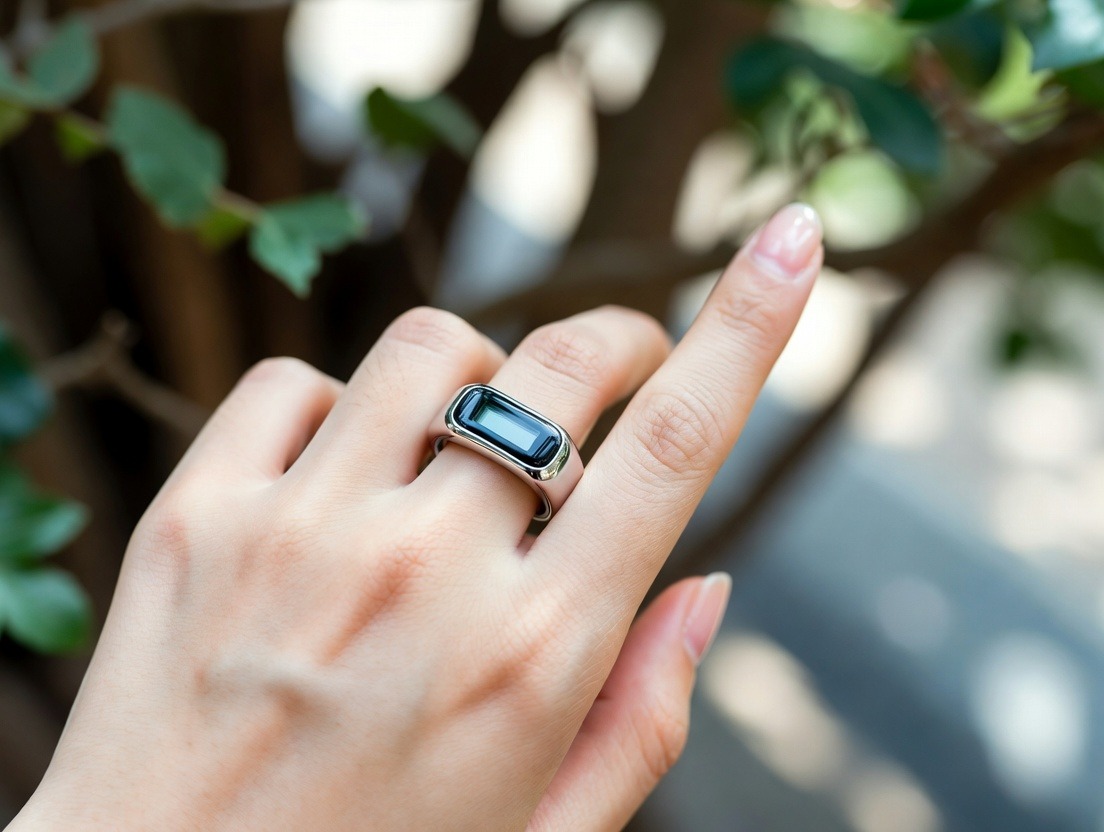
The wearable technology landscape has been dominated by the smartwatch for years. Yet, a quiet migration to the finger is underway, driven by fundamental advantages for holistic health monitoring. The smart ring isn't just a smaller watch; it’s a better, more intimate biosensor platform.
The primary reason lies in anatomy. The finger, specifically the base of the finger, offers a rich vascular bed with strong arterial blood flow. This allows photoplethysmography (PPG) sensors in the ring to obtain a clearer, more consistent signal for measuring heart rate, heart rate variability (HRV), and blood oxygen saturation (SpO2) than the wrist, which has more bone and tendon and variable blood flow. This positional advantage leads to superior accuracy, especially during sleep, when you’re motionless and data quality is paramount. For anyone serious about understanding their recovery and nervous system state, this accuracy is non-negotiable.
Furthermore, the ring solves the "wearability" problem that plagues watches. It’s unobtrusive, comfortable for 24/7 wear, and doesn’t interfere with sleep. You’re far more likely to keep a ring on during the night than a chunky watch, which is critical for capturing your complete sleep architecture. This continuous, uninterrupted data collection is what builds a true baseline of your health, not just snapshots. The ring’s form factor also encourages constant wear without the notifications and distractions of a screen on your wrist, making it a pure health tool rather than a digital tether.
Battery life is another decisive factor. Freed from the power drain of a bright display, smart rings can often last a full week or more on a single charge, ensuring fewer gaps in your long-term data record. This combination of superior sensor placement, unparalleled comfort for all-day-and-night wear, and extended battery life positions the smart ring as the definitive device for those seeking a seamless, accurate, and comprehensive view of their physiological trends. It becomes a true sentinel, guarding and gathering the data that forms the bedrock of informed health decisions.
At the heart of every smart ring’s guidance system are the core biometrics it tracks relentlessly. These aren't just numbers on an app; they are vital signs of your modern life, translating your body's silent language into a dashboard you can understand and act upon. Mastering this language is the first step to lifelong health intelligence.
Sleep: The Unshakeable Foundation
Sleep is not a passive state but a highly active period of restoration, memory consolidation, and hormonal regulation. Smart rings track not just duration, but quality, diving deep into sleep stages (light, deep, REM), disturbances, and consistency. They answer the critical question: "Was my sleep restorative?" Metrics like sleep latency (how long it takes to fall asleep) and sleep efficiency (percentage of time in bed actually spent sleeping) offer profound insights. For instance, consistently long sleep latency might point to evening stress or poor sleep hygiene, while low sleep efficiency could signal an undiagnosed sleep disorder or environmental disruptions. By establishing your personal natural sleep foundation, you have a benchmark against which all lifestyle experiments can be measured.
Heart Rate Variability (HRV): Your Nervous System's North Star
If you track only one metric for long-term health, it should be HRV. It measures the subtle variations in time between each heartbeat, and it is the single best non-invasive indicator of your autonomic nervous system balance. A higher HRV generally suggests a resilient, adaptable system where the "rest and digest" (parasympathetic) branch is strong. A lower or dipping HRV indicates your body is under stress—be it physical, emotional, or immunological—and is leaning on the "fight or flight" (sympathetic) branch. Your smart ring tracks your nightly HRV average, providing a pristine, daily report card on your recovery status. It tells you if you’re primed for a hard workout or in need of a gentle day, guiding training intensity, workload, and rest with surgical precision.
Resting Heart Rate (RHR) & Respiratory Rate
Your resting heart rate is a classic, powerful health indicator. A lower RHR typically indicates better cardiovascular fitness and efficient heart function. Smart rings track your true sleeping RHR, which is more accurate than a daytime reading. A sudden, sustained elevation in your sleeping RHR is a major red flag—it can be an early sign of illness, overtraining, dehydration, or chronic stress. Similarly, respiratory rate (breaths per minute) during sleep is a vital sign that few are aware of. Abnormal trends can signal sleep apnea, respiratory issues, or heightened stress.
Body Temperature & Blood Oxygen
Advanced rings now include skin temperature tracking and overnight SpO2 monitoring. A slight elevation in baseline skin temperature can precede the onset of illness or indicate inflammatory processes in women’s health. Overnight blood oxygen drops can identify potential sleep-disordered breathing. Together, these core biometrics form an interwoven story. A night of poor sleep might coincide with a lowered HRV, elevated RHR, and a temperature spike—a clear, multi-data-point signal that your body is fighting something. Learning to read these correlations is where data transforms into wisdom.
The true magic of a smart ring doesn’t happen in a day or a week. It unfolds over months and years. Unlike a doctor’s visit, which captures a single moment in time—often when you’re already unwell—a smart ring builds a rich, longitudinal baseline of your normal. This personal benchmark is the most valuable asset in your health arsenal.
When you first strap on a ring, the initial weeks are a data-gathering mission. The algorithm learns your unique patterns: what your deep sleep looks like, what your HRV range is, how your body temperature naturally fluctuates. This establishes your personal health fingerprint. Without this baseline, any single data point is meaningless. Is an HRV of 45 ms good or bad? The only answer that matters is: "Is it good or bad for you?" Compared to population averages, it might be low. But if your established baseline is 40 ms, a reading of 45 ms is a significant positive trend, a sign of improving resilience.
This longitudinal view allows you to identify subtle trends and patterns invisible in the short term. You might notice that your sleep efficiency drops by 15% every fourth week, revealing a pattern tied to your menstrual cycle. You could see that your resting heart rate climbs steadily for three days before you feel the scratchy throat of a cold, giving you an early warning to prioritize rest. You may discover that a 7-hour sleep with high efficiency leaves you more recovered than an 8.5-hour sleep with multiple disturbances, changing your perception of what "good sleep" means for you.
This process turns anecdote into evidence. You no longer have to guess, "I think yoga helps me sleep better." The data will show you, unequivocally, the nights after a yoga session correlate with 12% more deep sleep and a 5-point rise in HRV. Your baseline becomes the control in your personal life experiments. Want to test a new diet, a new workout time, or a new mattress? Implement the change and watch how your biometrics deviate from your established norm. This is the essence of data-guided decision-making: moving from "This should be good for me" to "This is good for me, according to my body's own signals." For a deep dive into interpreting this ongoing data stream, our complete guide to understanding your sleep tracking data is an essential resource.

We spend a third of our lives asleep, and during this time, our conscious guard is down, allowing our body’s raw, unvarnished truth to emerge. The smart ring transforms this passive third of your life into an active diagnostic window, revealing insights that daytime hours often mask.
Beyond simple stage tracking, sophisticated sleep analysis looks at stability and fragmentation. How many times did you wake up, even briefly? These micro-awakenings, often forgotten by morning, fracture sleep’s restorative power. The ring’s data can correlate these disturbances with external factors—a late meal, alcohol consumption, a stressful evening, or even ambient noise and light. For example, you might see a direct correlation between having dinner after 8 PM and a 40% increase in wake events after 2 AM, pointing to digestive disruption as a sleep thief.
The sleep HRV curve is particularly telling. In a healthy, recovering individual, HRV should be high during deep sleep, as the parasympathetic system is dominant. A flattened or chaotic HRV curve throughout the night suggests your nervous system never fully reaches a state of deep restoration, a common signature of chronic stress or anxiety. Similarly, a steady climb in heart rate through the night, instead of the expected dip, can be a sign of sleep apnea or other disorders.
Temperature data adds another layer. A discernible dip in core body temperature is necessary to initiate and maintain sleep. Your ring can show if your natural temperature drop is sufficient or if lifestyle habits (like late exercise or hot showers) are blunting this critical signal. For those navigating different seasons of life, such as pregnancy, perimenopause, or aging, these nocturnal patterns become even more crucial to understand, as the body's thermoregulation and sleep architecture naturally evolve.
Ultimately, sleep data answers the "why" behind daytime fatigue. It moves you from saying "I'm tired" to understanding: "I'm tired because I got only 12% deep sleep last night due to high stress yesterday, and my nervous system showed low recovery." This precise diagnosis empowers a precise solution: perhaps a focus on stress management techniques before bed, rather than just going to bed earlier. It shifts the intervention from guesswork to targeted action. If you're new to this world, starting with a sleep tracking for beginners approach can help build knowledge without overwhelm.
If sleep reveals the night's story, Heart Rate Variability (HRV) is the narrator of your day. It is the dynamic, real-time reflection of how your body is responding to everything life throws at it—from a hard workout to a difficult conversation, from a nutritious meal to a viral pathogen. Learning to navigate by your HRV is learning to manage your resilience capital.
Your smart ring provides two key HRV readings: a single, clean nightly average (the gold standard for recovery assessment) and, in some models, daytime HRV trends. The nightly average is your benchmark. Waking up to a significantly lower HRV than your baseline is a clear message from your body: "I am stressed. I am recovering poorly. Go easy today." This is an objective cue to trade the high-intensity interval training for a walk, to meditate, to hydrate well, and to manage your cognitive load. Ignoring this signal and pushing through is like ignoring a low fuel light on a long journey.
Daytime HRV dips can be instructive snapshots. You might see your HRV plummet during your afternoon commute, identifying it as a major stressor. You might see it recover quickly after a mindfulness session, validating the practice's effectiveness for your physiology. Over time, you build a map of your personal stress landscape—the people, activities, and contexts that deplete versus replenish your resilience.
This data demystifies the vague concept of "stress." It quantifies it. You can now run experiments: Does my HRV respond better to morning or evening exercise? Does a 10-minute meditation after work improve my nighttime recovery score? Does that second cup of coffee truly affect my system? The ring provides the objective feedback, turning stress management from a soft skill into a hard science.
This is particularly powerful for preventing burnout. Burnout is not an event; it’s a slow erosion of resilience. A steadily declining HRV trendline over weeks or months is the early-warning system for that erosion. Seeing this trend allows for proactive correction—a planned deload week, a vacation, or a reevaluation of work-life boundaries—long before exhaustion, cynicism, and reduced efficacy set in. In this way, HRV data guides not just daily decisions, but quarterly and annual life-architecture decisions to sustain performance and well-being over a lifetime.
The fitness world has long been dominated by the dogma of "more is better." Smart ring data dismantles this one-size-fits-all approach, replacing it with a nuanced dialogue between activity and readiness. It introduces the critical concept of strain versus recovery, ensuring your movement enhances health rather than undermining it.
Most rings generate two primary scores: an Activity Score (or Strain) and a Readiness/Recovery Score. The Activity Score quantifies your daily physical load based on heart rate, movement, and sometimes heart rate reserve. The Readiness Score is a composite index, typically derived from your sleep quality, HRV, RHR, and previous day's activity. The decision-making framework is simple yet revolutionary: let your Readiness Score guide the intensity of your Activity.
A high Readiness Score of 85% is a green light. It signals your body is well-recovered, resilient, and primed to benefit from and adapt positively to a challenging workout. This is the day to go for a personal record, to tackle that intense spin class, or to embark on a long hike. Your body is asking for the stimulus.
A moderate Readiness Score of, say, 65% is a yellow light. It suggests suboptimal recovery. The guidance here isn't to skip movement, but to choose supportive movement. This is the day for moderate cardio, mobility work, yoga, or a nature walk. The goal is to promote circulation and mood without adding significant systemic stress.
A low Readiness Score below 50% is a firm red light. It’s your body’s plea for rest. Pushing a hard workout on this day is counterproductive. It increases injury risk, worsens hormonal imbalance, and deepens the recovery hole. The optimal decision is active recovery (gentle stretching, walking) or complete rest. This is when sleep, nutrition, and stress management become the primary "workout."
This feedback loop solves the common problems of overtraining and under-recovery. It prevents the enthusiastic novice from running themselves into the ground every day, and it pushes the seasoned athlete to truly honor rest days. It also validates the importance of non-exercise activity. The ring celebrates the cumulative benefit of a day spent gardening, chasing kids, or taking walking meetings—activity that traditional step-counting might undervalue but that your physiology registers as positive, low-grade strain. By syncing movement with capacity, you build fitness sustainably, reduce injury risk, and ensure that your active life contributes positively to your lifelong health span.
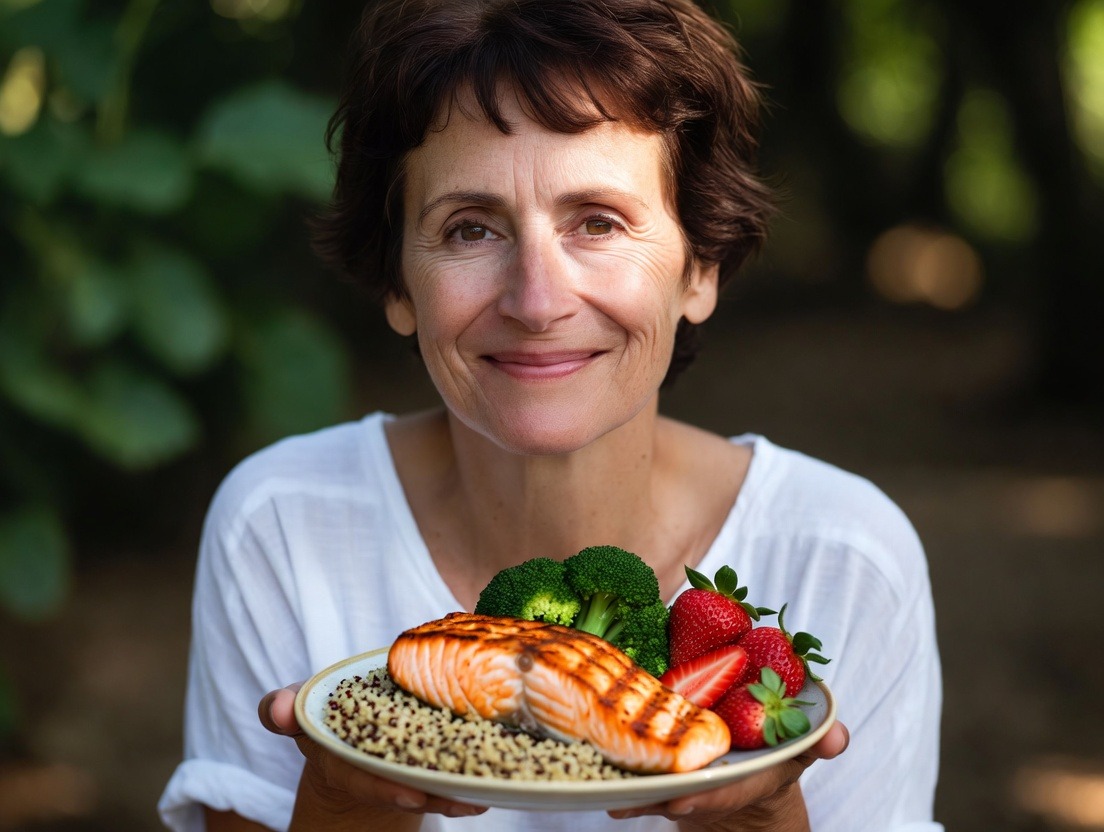
Nutrition is the most personalized and contentious aspect of health. While smart rings cannot directly measure glucose or ketones (yet), they provide powerful proxy feedback on how your dietary choices affect your foundational physiology. This turns abstract nutritional theories into personal truths.
The most immediate correlations are seen in sleep and overnight recovery. The ring’s data can reveal how different meals and eating windows impact your restorative sleep. A common pattern many discover is that a large, heavy, or high-fat meal within three hours of bedtime leads to elevated resting heart rate, lower HRV, reduced deep sleep, and more disturbances. The data visualizes the metabolic cost of late-night digestion, guiding you to experiment with an earlier dinner or a lighter evening meal.
Alcohol is another area where the data is brutally honest. Even one or two drinks, which may subjectively feel relaxing, are almost universally reflected in the data as a suppressant of deep and REM sleep, a reducer of HRV, and an elevator of resting heart rate and nighttime heart rate. The ring quantifies the "sleep penalty" of that glass of wine, allowing you to make an informed trade-off.
Beyond timing and substances, you can experiment with macro-nutrient compositions. Does a higher-carb day improve your workout recovery metrics? Does a higher-protein dinner lead to more stable sleep? Does intermittent fasting elevate or lower your stress markers (HRV)? By introducing one dietary variable at a time and observing the multi-day trend in your recovery scores, sleep quality, and energy markers, you move from dogmatic dieting to data-driven nourishment.
Furthermore, trends in baseline metrics can signal broader nutritional adequacy or deficiency. A gradual, unexplained decline in HRV or a rise in RHR over weeks could be related to chronic inflammation from a food sensitivity, inadequate micronutrient intake for recovery, or poor gut health. While not diagnostic, this trend serves as a prompt to investigate your diet more closely, perhaps with a food journal or professional guidance. The ring provides the "why now?" for a nutritional audit. It teaches you that food is not just calories or morality; it's information that directly programs your sleep, recovery, and resilience systems for the next day and beyond.
Humans are not designed to run on a uniform 24-hour schedule. We each have an innate biological preference, or chronotype, that dictates our ideal times for sleep, activity, focus, and rest. Fighting your chronotype is a chronic source of physiological stress. Smart ring data helps you discover and honor yours, optimizing your life’s schedule around your body’s natural rhythm.
Your ring indirectly reveals your chronotype through consistent patterns in your sleep data and daytime readiness. A true "night owl" might show a natural tendency for later sleep onset and later wake times, with their highest HRV and best recovery occurring on days when this pattern is allowed. Forcing an early wake-up may result in consistently lower sleep efficiency and poorer readiness scores. Conversely, a "morning lark" might show peak readiness in the early hours and a steep decline in recovery metrics on nights they stay up late.
The data also helps you track your circadian rhythm stability—one of the pillars of long-term health. A stable rhythm is characterized by consistent bedtimes and wake times, a regular temperature minimum (occurring during the second half of your sleep), and a predictable pattern of cortisol and melatonin release. Your ring’s sleep consistency score and temperature data are key indicators. Erratic sleep schedules, exposure to blue light at night, and inconsistent meal times can destabilize this rhythm, manifesting as fragmented sleep, lower daytime energy, and depressed HRV.
Armed with this knowledge, you can make powerful lifestyle decisions:
By aligning your life with your chronotype, you reduce the internal friction of living against your grain. You make decisions that work with your biology, not against it. This reduces allostatic load (chronic stress), improves metabolic health, and enhances overall well-being. For those whose schedules are at odds with their chronotype (e.g., a night owl with a 6 AM job), the data can at least illuminate the cost, allowing for more strategic compensation through strict sleep hygiene, light management, and strategic napping. This journey often begins with building a natural sleep foundation that respects your unique rhythm.
One of the most compelling values of continuous biometric monitoring is its role as an early warning system. Often, our subjective feeling of "coming down with something" lags days behind our body's objective physiological response. The smart ring can see the storm brewing before you feel the first raindrop.
The signature of impending illness is remarkably consistent across individuals: a sustained elevation in resting heart rate (RHR) and often a concurrent drop in HRV. Your body is mounting an immune response, an inflammatory process that increases metabolic rate and sympathetic nervous system activity. Because the ring tracks your true sleeping RHR—free from the noise of daytime activity, caffeine, and stress—it detects these subtle shifts with high sensitivity. You might see your RHR climb 5-10 beats per minute above your baseline for two nights before you experience a sore throat or fatigue.
Skin temperature data adds another layer of confirmation. A fever is a late-stage symptom, but a subtle, persistent elevation in your baseline skin temperature can also signal the body's inflammatory fight. Similarly, a drop in overnight blood oxygen saturation (SpO2) can be an early sign of a respiratory infection.
This early detection capability transforms health management. Instead of being blindsided by a full-blown flu, you receive a 24-48 hour heads-up. This creates a critical window for proactive decision-making:
Beyond acute illness, this system is invaluable for managing chronic conditions or understanding your body's response to events like vaccinations, which create a similar, short-lived inflammatory response. It provides objective proof that you need to rest, giving you permission to listen to your body in a culture that often rewards pushing through. It turns your health from a reactive crisis-management model into a predictive, proactive stewardship model. To understand the accuracy of these physiological insights, it's helpful to learn how sleep trackers actually work and what the sensors are truly capable of detecting.
The goals of a 25-year-old athlete are not the goals of a 45-year-old executive or a 65-year-old retiree. A static approach to health fails across a lifetime. Smart ring data provides the adaptive intelligence needed to navigate each life stage successfully, shifting the focus from peak performance to sustained health span—the number of years lived in good health.
In Your 20s & 30s (Performance & Foundation Building): Here, the data is a tool for optimizing performance and establishing robust habits. It guides intense training cycles, helps manage the stress of career-building, and establishes a strong sleep baseline. Decisions revolve around how to achieve fitness goals fastest while maintaining recovery. The ring helps prevent the burnout common in these decades by objectively signaling overreaching.
In Your 40s & 50s (Stress Management & Metabolic Health): Priorities shift. Hormonal changes (perimenopause, andropause) begin, metabolism slows, and the cost of poor recovery rises. The ring's data becomes crucial for managing stress, which has a more pronounced impact on weight and metabolic health. Monitoring HRV and sleep becomes essential for navigating life's peak responsibility years—career, parenting, aging parents. Decisions are guided by the need to preserve energy, maintain muscle mass, and protect cardiovascular health. The data might push you toward more strength training (which supports metabolism and bone density) and stricter sleep hygiene, as sleep becomes more fragile.
In Your 60s and Beyond (Longevity & Function Preservation): The focus turns decisively to health span: maintaining mobility, cognitive function, and independence. Data guides decisions to prioritize sleep quality above all, as deep sleep is critical for glymphatic clearance (brain detoxification) and memory. HRV and resting heart rate become vital signs of cardiovascular aging. Activity goals shift from intensity to consistency and functional movement—using the Readiness Score to ensure daily movement without injury. Temperature and SpO2 data can provide early insights into health changes that require medical attention.
Throughout all stages, the longitudinal baseline is your greatest asset. Seeing a gradual, age-related decline in a metric is normal. Seeing a sudden, sharp deviation from your own trendline is the signal to pay attention. This lifecycle approach, informed by decades of your own data, allows for graceful adaptation. It helps you make the right decision for who you are now, not who you were ten years ago. It supports the natural evolution of goals, ensuring that every life stage is lived with vitality and awareness. For those later in life, understanding the changes in sleep patterns and how to adapt is key, which is explored in resources on achieving better sleep naturally through seasons of life.
Data is only as valuable as the behavioral change it inspires. The final step in this journey is building a system—a "choice architecture"—that turns insights into automatic, healthy decisions. This is where the smart ring transitions from a diagnostic tool to a behavioral coach.
The first step is establishing a daily check-in ritual. This isn't about obsessing over numbers, but about mindful review. Each morning, glance at your Readiness Score and key metrics (Sleep Score, HRV, RHR). Let this objective assessment set the tone for your day. A low score isn't a failure; it's a prescription for self-care. This ritual replaces "How do I feel?" with "What is my body capable of today?"—a more reliable starting point.
Next, use the data to create personalized rules (heuristics). These are simple "if-then" statements derived from your correlations:
These rules offload decision-making from willpower to pre-commitment.
Furthermore, use the ring's trends to optimize your environment. If data shows you sleep poorly in a room above 70°F, install a fan or lower the thermostat. If late-afternoon caffeine disrupts your sleep, establish a 2 PM cutoff. This is proactive decision-making, fixing the upstream causes rather than reacting to downstream symptoms.
Finally, share your insights. Partnering with your data means occasionally sharing relevant trends with your doctor, trainer, or nutritionist. Showing a graph of your elevated RHR trend before a recurring headache can lead to more targeted medical investigation. Sharing your activity and recovery sync with a coach can optimize your training plan.
The goal is to reach a point of intuitive integration, where the data has educated your inner sense so well that you make aligned choices naturally. The ring becomes less of a director and more of a confirmatory guide, a tool for occasional course-correction on the lifelong journey of health. It empowers you to design a life that your biology will thrive in, making daily decisions that compound into decades of well-being. For those ready to commit to this transformation, a structured approach like a 12-week transformation plan can provide the framework to build these habits.
The pursuit of quantified health is a double-edged sword. While smart ring data empowers us with unprecedented self-knowledge, it also introduces new psychological complexities and ethical questions. To use this tool wisely for lifelong health, we must navigate its shadows with the same intention we apply to its light.
The Perils of Orthosomnia and Data Anxiety
A new phenomenon has emerged in sleep clinics: patients presenting with distress over imperfect sleep data, despite having no clinical symptoms of insomnia. This “orthosomnia”—an unhealthy preoccupation with perfecting sleep numbers—is a potential side effect of intense self-tracking. When the score becomes the goal, we risk severing the connection with our subjective experience. A night of a “low” sleep score can trigger a day of negative self-fulfilling prophecy (“I slept poorly, so I’ll feel terrible”), creating anxiety that then fuels the next night of poor sleep.
Smart ring data must be held as a guide, not a gospel. It is an interpretation of physiological signals, not the absolute truth of your well-being. The human experience includes dimensions of joy, connection, and meaning that no sensor can quantify. It is ethically and psychologically crucial to practice data detachment. This means periodically asking: “How do I actually feel?” and allowing that answer to weigh as heavily as the metrics. A night of connecting with friends until late might result in a poor sleep score but contribute immensely to your emotional health—a trade-off that should be celebrated, not penalized by your own judgment.
Informed Consent and Data Sovereignty
When we strap on a biometric device, we generate a profoundly intimate data stream—a digital twin of our physiology. The ethical questions of who owns this data, how it is stored, and who it might be shared with are paramount. Users must proactively understand a company’s privacy policy: Is data anonymized and aggregated? Could it be sold to third parties, like insurers or advertisers? Is it stored on secure servers?
True health empowerment requires data sovereignty—the principle that you are the ultimate owner and beneficiary of your information. This influences your choice of device and platform. Opt for companies that are transparent, offer strong encryption, and allow you to export your raw data. This ownership is critical for lifelong health, as it ensures you can take your decades-long biomarker history with you, regardless of changing technologies or corporate landscapes. Your health narrative should not be locked in a proprietary silo.
Avoiding Reductionism: The Whole Is Greater Than the Metrics
The greatest ethical risk of any tracking technology is reductionism: the belief that the measurable is all that matters. A smart ring cannot measure your creativity, your compassion, your sense of purpose, or the quality of your relationships. Yet, these unquantifiable factors are perhaps the most powerful determinants of long-term health and longevity, buffering against stress and giving life vitality.
The wise user intentionally creates “unmeasured zones.” This might mean taking the ring off for a weekend vacation to be fully present, or deciding not to track a particular metric that triggers anxiety. The goal of lifelong health is not to optimize every digit on a dashboard, but to live a rich, engaged, and resilient life. The data should serve that larger life, not become the life itself. It is a map, but you are the traveler, and the territory you are exploring is the full, messy, beautiful human experience. Understanding what your device can and can't measure is the first step in maintaining this healthy perspective.
A smart ring is a powerful sensor, but it is not an island. Its data reaches its fullest potential when integrated into a broader health ecosystem, creating a multi-dimensional picture that guides more precise and personalized decisions. This integration is the future of proactive health management.
Syncing with Fitness Apps and Medical Records
The first layer of integration is with other digital health tools. Most ring platforms allow data to sync with comprehensive fitness apps like Apple Health, Google Fit, or Strava. This creates a unified activity profile. Your ring’s recovery score can automatically adjust your daily move goal on your phone. Your sleep data can inform your workout app’s suggested regimen for the day. This seamless flow turns disparate data points into a cohesive story.
Looking forward, the most significant integration is with formal healthcare. Imagine a future where you can voluntarily share a longitudinal trends report—showing months of HRV, RHR, and sleep data—with your physician before an annual physical. This provides context far beyond a single blood pressure reading. A cardiologist could see the trend of your resting heart rate over a year. A sleep specialist could review months of sleep architecture and SpO2 graphs before a consultation, making diagnosis faster and more accurate. While direct EHR (Electronic Health Record) integration is in its infancy, proactive patients can already bring printed charts or share app access to enrich the clinical conversation.
Layering with Other Biomarkers
Ring data provides continuous, indirect biomarkers. Its power is magnified when combined with periodic, direct biomarker testing. For example:
The Role of the Human Practitioner
Technology cannot replace the nuanced judgment of a skilled coach, nutritionist, or doctor. The optimal ecosystem uses the ring as a communication tool between you and your health practitioners. A personal trainer can use your readiness score to dynamically adjust your weekly program. A therapist can use your sleep and HRV data as objective indicators of stress management progress. The data provides a common language and evidence, moving the conversation from “I feel tired” to “My data shows my nervous system is not recovering, which aligns with my feeling of burnout.”
This connected ecosystem turns health from a series of siloed events into a continuous, collaborative process. You become the project manager of your own well-being, with the smart ring as your primary data hub, integrating signals from various sources to inform decisions that are more intelligent than any single data stream could support. For those beginning to build this ecosystem, starting with the fundamentals in a guide like Sleep Tracking 101 can provide a solid foundation.

The smart ring of today is merely the prototype for the health guardian of tomorrow. Rapid advancements in sensor miniaturization and AI are poised to transform the ring from a reporter of the past into a predictor of the future, making lifelong health decision-making truly anticipatory.
Non-Invasive Blood Glucose and Blood Pressure Monitoring
The “holy grails” of wearable tech are non-invasive, continuous glucose monitoring (CGM) and blood pressure tracking. Several companies are pioneering optical sensors that use advanced spectroscopy to estimate glucose levels through the skin. While not yet medically approved for diabetics, this technology in a consumer ring could revolutionize metabolic health for the general population. It would allow everyone to see their personal glucose responses to foods, sleep, and stress, making nutritional choices hyper-personalized. Similarly, techniques like pulse transit time analysis are being refined to offer cuffless blood pressure estimates, providing a 24/7 picture of cardiovascular load rather than a single daily snapshot.
Advanced Biomarkers: HRV Deep Dive, Electrodermal Activity, and More
Future rings will move beyond basic HRV averages to HRV fractionation—analyzing the specific frequency bands of the heart rate variability signal. This can differentiate between sympathetic stress (the “fight or flight” system) and parasympathetic activity (the “rest and digest” system) with greater precision, telling you not just that you’re stressed, but what type of nervous system imbalance is present.
Electrodermal activity (EDA), or skin conductance, a measure of sympathetic arousal used in polygraph tests and advanced wearables like the Whoop strap, is likely to migrate to rings. This would provide a second, complementary signal for stress detection, capturing acute emotional or cognitive stress responses that HRV might miss.
AI-Powered Predictive Insights and Personalized Coaching
Raw data is inert. Intelligence comes from pattern recognition. The next leap will be in AI algorithms that analyze your multi-year dataset alongside population-level data to provide predictive insights. Your ring’s app might alert you: “Based on your current sleep deficit and rising RHR trend, your model predicts a 65% probability of catching a cold in the next 4 days if you don’t prioritize recovery.” Or, for chronic disease management: “Your nocturnal heart rate pattern over the last month shows a growing divergence from your baseline, which correlates with increased atrial fibrillation risk. Please consult your physician.”
This will evolve into true hyper-personalized AI health coaching. Instead of generic advice like “get more sleep,” your virtual coach could say: “To improve your deep sleep by 15% tonight, based on what has worked for you historically, I suggest a 20-minute mindfulness session at 9 PM and keeping your bedroom temperature at 67°F. Your recent data shows this combination is 40% more effective for you than reading.” This moves decision support from reactive to prescriptive, deeply rooted in your unique biological identity. The science behind how sensors read your sleep is the foundation upon which these future AI models will be built.
Amassing data is an activity. Weaving it into a coherent, actionable, and sustainable personal philosophy is the art of lifelong health. This final synthesis is where technology meets wisdom, creating a resilient mindset for navigating health choices across decades.
From Fragmentation to Coherence
Without a philosophy, health data can feel like a pile of disconnected puzzle pieces—a sleep score here, an HRV dip there, a weird temperature spike. Your health philosophy is the picture on the puzzle box. It answers the fundamental question: What does health mean to me, and what role does this data play in achieving it? For one person, health might mean “having the energy to play with my grandchildren at 70.” For another, it’s “sustaining peak cognitive performance for my work.” For another, it’s “managing my autoimmune condition to minimize flares.” Your philosophy determines which metrics you prioritize and how you interpret them.
The Pillars of a Data-Informed Philosophy
A robust philosophy built around smart ring data might rest on these pillars:
Living the Philosophy: A Daily Practice
This philosophy manifests in daily rituals. It might look like:
By building this philosophy, the smart ring transcends being a gadget. It becomes the compass for a lifelong journey of health autonomy. It empowers you to make decisions not from fear, trend, or external authority, but from a deep, evidence-based conversation with your own body. This is the ultimate promise of the data-driven health revolution: not just a longer life, but a life lived with more awareness, agency, and vitality. To avoid common pitfalls on this journey, it’s wise to learn about the sleep tracking mistakes that give you false data.
While the core principles of biometric tracking apply to all, the interpretation and application of smart ring data can be profoundly specific for certain populations. Understanding these nuances ensures the technology is a tailored aid, not a source of confusion or misleading comparison.
For the Competitive and Tactical Athlete
For this group, the ring is a precision instrument for periodization and peaking. Data interpretation goes far beyond a simple readiness score.
For Women: Navigating the Menstrual Cycle and Life Stages
Female physiology is intrinsically non-linear, governed by the hormonal rhythms of the menstrual cycle, pregnancy, and menopause. A smart ring, particularly one with temperature tracking, is uniquely positioned to provide insights here.
For Individuals Managing Chronic Conditions
For those with conditions like hypertension, diabetes, anxiety disorders, or Long COVID, the ring shifts from an optimization tool to a management and research tool.
For all these groups, the key is personalized contextualization. The data must be filtered through the unique lens of their physiology and life stage. A “low” HRV has a different meaning for a woman in her luteal phase than for an overtrained athlete. This tailored understanding is where the smart ring moves from a generic tracker to a truly personal health companion. Those dealing with sleep disruptions as part of a health journey may find strategies for staying asleep all night to be particularly valuable.
The most profound value of a smart ring may only be realized over a timeframe most tech products never consider: decades. When worn consistently for years, it ceases to be a fitness tracker and becomes a chronicler of your health biography, creating a legacy of data that can guide not only your own later years but potentially inform future generations.
The Decade-Long Baseline: Spotting Meaningful Drift
A single year of data reveals seasonal patterns. Five years of data reveal lifestyle impact. Ten or twenty years of data reveal the trajectory of aging itself. With a multi-decade baseline, the concept of “normal” is redefined. You are no longer compared to population averages for your age; you are compared to you at age 30, 40, or 50. This allows for the detection of meaningful, personal health drift.
Is your resting heart rate climbing faster than the expected age-related creep? Is your sleep efficiency declining more steeply after age 55 than it did from 45-55? These subtle, long-term divergences from your own historical trendline are the most sensitive early warnings for age-related decline or underlying disease. They provide an objective, years-long head start for intervention—whether through lifestyle medicine, targeted testing, or preventative therapies. This is personalized aging medicine in its purest form.
Informing Major Life and Medical Decisions
This longitudinal record becomes an invaluable asset for major health crossroads. Faced with a decision about a major surgery or a new medication? You and your doctor can review years of recovery and stress resilience data to better predict how you might tolerate the physiological insult. Considering a move to a different climate or a career change? You can analyze how similar past stressors affected your biomarkers to forecast the impact.
Furthermore, as you age and the risk of conditions like atrial fibrillation (AFib) or cognitive decline increases, the ring’s continuous monitoring becomes a silent guardian. Advanced algorithms may one day detect the irregular heart rhythms suggestive of AFib from your PPG signal, or identify sleep pattern changes years before clinical symptoms of neurodegenerative disease appear. This data becomes a powerful part of your preventive care portfolio.
A Legacy of Health Intelligence
Imagine being able to bequeath to your children not just genetic information, but phenotypic data—a detailed record of how your unique genome interacted with your environment, lifestyle, and choices over a lifetime. This “health legacy” could inform their own preventive strategies. If your data shows a strong familial tendency for sleep-disordered breathing manifesting in your 40s, your children can be vigilant. If your data clearly demonstrates how consistent exercise moderated age-related HRV decline, it provides a powerful motivational blueprint.
This long-game perspective changes how you interact with the device today. It encourages consistency over perfection. It makes you an historian of your own body, collecting data points not for next week’s report, but for the biography of your healthspan. In this light, the smart ring is more than a tool; it is the beginning of a new paradigm of lifelong health stewardship, where decisions are informed by the accumulated wisdom of your own life, quantified. For anyone starting this long journey, evaluating is sleep tracking worth it from a long-term perspective is a crucial first step.
We began this exploration with a simple premise: that the most critical health decisions happen far from the clinic, in the daily fabric of our lives. The smart ring, and the data it generates, bridges the gap between those moments of choice and the deep, often silent, language of our physiology. It transforms health from a mysterious, reactive endeavor into an intelligible, proactive practice.
The journey we’ve outlined is not about biohacking oneself into a state of optimized sterility. It is about conversation. The ring initiates a continuous dialogue between your conscious intentions and your body’s objective state. It provides the feedback necessary to learn your body’s unique dialect—what true recovery feels like, what stress looks like in your heart rate pattern, how your sleep ebbs and flows with the seasons of your life.
This empowerment comes with responsibility. It requires us to be discerning scientists of our own experience, to hold data without letting it hold us hostage, to integrate numbers with narrative. The goal is not a perfect score, but a resilient system. Not a rigid protocol, but an adaptive flexibility. The data guides us toward decisions that build health capital—the reserve of energy, recovery, and vitality that sustains us through challenge and allows us to thrive across our entire lifespan.
As you move forward, let the data serve your philosophy of health, not define it. Use it to cultivate curiosity over criticism, to foster self-compassion over self-judgment, and to make choices that honor the incredible, dynamic biological entity you are. The ring on your finger is a remarkable tool, but the true agent of change is the mind that interprets its signals and the will that acts upon them. Your lifelong health story is being written with every heartbeat, every breath during sleep, every moment of recovery. Now, you have the means to read it as it unfolds, and the power to guide its plot toward a long, vibrant, and vital climax. To continue deepening this practice, exploring the sleep tracking metrics decoded can further refine your understanding and your personal health narrative.
Understanding the theory of smart ring data is one thing. Integrating it into your life in a sustainable, actionable way is another. This 90-day protocol is designed to systematically transform you from a passive data collector to an active health architect, using your ring as a primary tool. It’s structured in three phases: Observation, Experimentation, and Integration.
The first month is a data gathering mission. Your goal is to be a neutral observer, collecting information without judgment or intervention. This establishes your crucial personal baseline.
Week 1-2: The “Do Nothing Different” Rule
Wear your ring consistently. Go about your normal life—your usual sleep schedule, diet, exercise, and stress. Do not try to “perform” for the ring. The objective is to capture your authentic, unvarnished starting point. Focus solely on consistency of wear, especially during sleep.
Week 3-4: Pattern Recognition & Daily Ritual
Begin your morning check-in ritual. Upon waking, before checking email or social media, open your ring’s app. Look at three things:
Do not change behavior based on this yet. Simply observe and log any subjective feelings alongside the data in a simple journal. (“Felt groggy today. Data shows low deep sleep and 3 main wake-ups.”) By the end of Month 1, you’ll have answered the foundational question: “What is normal for me?”
Now, using your established baseline as a control, you begin intentional, isolated experiments to see what moves your metrics. The key is one variable at a time.
Weeks 5-6: Sleep Optimization Experiments
Choose one sleep lever to test per week:
Weeks 7-8: Lifestyle & Recovery Experiments
After each experiment, review the data. Did it move the needle? The goal isn’t to adopt every change permanently, but to learn your body’s specific responses. You are building your personal “owner’s manual.”
The final phase is about turning insights into automatic habits and creating your personal decision-making framework.
Weeks 9-10: Create Your Personal “If-Then” Rules
Based on your experiments, draft 3-5 simple rules. Examples:
Program these rules as reminders in your phone or write them on a note stuck to your bathroom mirror.
Weeks 11-12: The “Optimized Normal” & Long-Term Review
Integrate the successful changes from your experiments into your regular routine. This becomes your new, data-informed “optimized normal.” At the end of Week 12, conduct a quarterly review.
By Day 90, the ring is no longer a novel gadget but an integrated part of your health operating system. You have moved from observer to experimenter to architect. For a complementary structured approach focusing specifically on sleep transformation, you can align this with a dedicated 12-week transformation plan.
To illustrate the abstract principles in action, let’s examine three hypothetical but data-realistic case studies. These stories show how ring data directly informed critical health and lifestyle decisions.
Profile: 42, senior marketing director, mother of two. Feels constantly fatigued, irritable, and is gaining weight despite “eating healthy.”
Pre-Ring State: Assumed she was “just getting older” and needed more coffee.
Data Revelation (After 2 Weeks): Her baseline showed a critically low average HRV (35 ms), a high sleeping RHR (68 bpm), and severely fragmented sleep with almost no deep sleep. Her readiness scores were consistently in the “red” (30-40%). The data revealed her body was in a state of chronic sympathetic overdrive.
Key Decision Point: A major product launch requiring 70-hour weeks was approaching. Her old self would have pushed through on adrenaline and espresso.
Data-Guided Decision: Seeing her already-poor baseline, Elena used the data to advocate for herself. She presented a simplified chart of her recovery scores to her manager and negotiated: 1) Working from home two days a week to save commute stress, 2) A clear “hard stop” at 6 PM except for true emergencies, and 3) Delegating two key tasks. She committed to a 9:30 PM bedtime with no screens.
Outcome: During the launch month, her sleep scores improved slightly (due to enforced boundaries), and her HRV, while still low, stopped its downward plummet. She avoided complete burnout, performed well, and after the launch, used the data to justify taking a proper 5-day vacation to fully reset. The ring data provided the objective evidence she needed to prioritize recovery in a high-demand culture.
Profile: 28, amateur marathoner, recovering from a stress fracture.
Pre-Ring State: Anxious and impatient to return to training, relying on “feel” which was unreliable due to deconditioning.
Data Revelation: His HRV was higher than expected during forced rest (showing his body was appreciating the break), but his RHR was also slightly elevated (a sign of systemic inflammation from healing). His sleep was long but inefficient.
Key Decision Point: 8 weeks post-injury, medically cleared for “light activity.” His old self would have immediately attempted a 3-mile run.
Data-Guided Decision: Marcus used his Readiness Score as his daily guide. He started with walking. Only on days his score was >80% did he attempt very short, slow jog-walk intervals. He closely monitored his RHR the morning after any activity. After his first gentle jog, his RHR spiked by 8 bpm and his HRV dropped 15%. The data was clear: it was too much, too soon.
Outcome: He scaled back to walking for another week. When he reattempted jogging after his metrics stabilized, the post-activity response was muted. This slow, data-paced return prevented re-injury. Over three months, he correlated specific mobility exercises with better recovery scores, integrating them permanently. The ring removed guesswork and emotion from a fragile rehabilitation process.
Profile: Both 34, trying to conceive for 8 months without success.
Pre-Ring State: High stress, irregular cycles for Chloe, poor sleep for both, relying on ovulation predictor kits (OPKs) with timing feeling like a chore.
Data Revelation: Chloe’s temperature data clearly confirmed ovulation but revealed a very short luteal phase (10 days), a potential issue for implantation. Her sleep data showed severe disturbances in the luteal phase. Ben’s data showed low testosterone markers (consistently poor sleep quality and low HRV), which can affect sperm health.
Key Decision Point: Whether to continue trying naturally for several more months or seek immediate, expensive fertility interventions.
Data-Guided Decision: They used the data to make targeted pre-conception lifestyle changes for 90 days. Chloe focused on natural sleep maintenance to improve luteal phase sleep, which can support progesterone. Ben prioritized sleep hygiene and reduced alcohol to improve his recovery scores. They used Chloe’s precise temperature shifts to time intercourse more effectively, reducing the “pressure window” from two weeks to 2-3 key days.
Outcome: After three months, Chloe’s luteal phase lengthened by 2 days, and her mid-cycle sleep improved. Ben’s HRV and sleep scores rose significantly. They conceived naturally in the fourth month. The ring data provided agency, reduced anxiety by replacing uncertainty with information, and allowed them to optimize their physiology before pursuing medical pathways.
These cases demonstrate that the value of the data is not in the numbers themselves, but in the concrete, personalized decisions they empower—from negotiating work boundaries to rehabilitating an injury to planning a family.
To synthesize everything into a practical, lifelong tool, we can construct a Personalized Health Decision Matrix. This is a mental model (or even a physical chart) that helps you filter any health or lifestyle choice through the lens of your unique data.
The Axes of the Matrix:
How to Use It:
When faced with a decision—“Should I take this late work call?” “Should I have a second drink?” “Is this new training program right for me?”—you mentally plot it on the matrix.
Populating Your Matrix with Personal Data:
Your 90-day experiments provide the evidence to populate this matrix. You learn that for you:
This matrix turns abstract data into a dynamic decision filter. It simplifies complex trade-offs and grounds choices in your proven personal reality, not generic advice. It is the ultimate tool for lifelong, data-guided health autonomy.
As we conclude this exploration, the journey with a smart ring—or any biometric tool—culminates not in a set of numbers, but in a cultivated wisdom. This wisdom can be distilled into five core tenets for using data to guide a lifetime of health decisions.
1. You Are Your Own N-of-1 Study.
Forget population averages and celebrity biohacks. The most important research study in the world is the one you are conducting on yourself, with a sample size of one. Your data is the only relevant truth for your body. Embrace the role of personal scientist: hypothesize, experiment, observe, and conclude. Let this curiosity-driven approach forever replace comparison and dogma.
2. Trends Trump Snapshots.
A single day’s data point is a piece of trivia. The direction and velocity of your data over weeks, months, and years is the story of your health. Cultivate a zoomed-out perspective. The goal is not a perfect score tomorrow, but a positive slope on your resilience graph over the coming decade. This long view cultivates patience and reduces daily anxiety.
3. Data Informs, You Decide.
The ring provides information, not instructions. It tells you the "what," not the "why," and certainly not the "what now." You are the conscious interpreter, integrating data with context, emotion, values, and life’s inevitable trade-offs. Sometimes, the right decision is to ignore a good score for a night out with friends. Wisdom lies in knowing when to follow the data and when to follow your heart, and doing both intentionally.
4. The Goal is Resilience, Not Optimization.
Chasing perfect, static numbers is a fool’s errand and a path to orthosomnia. The human body is a dynamic, anti-fragile system designed to face stressors and adapt. The true goal reflected in your data should be resilience: the speed and completeness with which your metrics return to baseline after a stressor. A high HRV that crashes with a minor cold is less valuable than a moderate HRV that remains stable through life’s ups and downs. Build a system that bends but doesn’t break.
5. Your Health is a Narrative, Not a Spreadsheet.
The numbers are the punctuation and grammar, but they are not the story. The story is lived: the energy to play, the clarity to create, the peace to connect, the strength to endure. Use the data to edit and improve the narrative, but never confuse the tools of writing with the act of living. Periodically, put the ring in a drawer and just be. Your subjective experience is the ultimate validation.
By internalizing these tenets, you ensure that technology remains a servant to your well-being, not its master. The smart ring becomes a trusted guide on a lifelong journey, its gentle light illuminating the path toward a healthier, more aware, and more empowered you. The data is a map to a destination you define: a long, vibrant, and vital life, consciously lived.
Your Trusted Sleep Advocate: Sleep Foundation — https://www.sleepfoundation.org
Discover a digital archive of scholarly articles: NIH — https://www.ncbi.nlm.nih.gov/
39 million citations for biomedical literature :PubMed — https://pubmed.ncbi.nlm.nih.gov/
Experts at Harvard Health Publishing covering a variety of health topics — https://www.health.harvard.edu/blog/
Every life deserves world class care :Cleveland Clinic - https://my.clevelandclinic.org/health
Wearable technology and the future of predictive health monitoring :MIT Technology Review — https://www.technologyreview.com/
Dedicated to the well-being of all people and guided by science :World Health Organization — https://www.who.int/news-room/
Psychological science and knowledge to benefit society and improve lives. :APA — https://www.apa.org/monitor/
Cutting-edge insights on human longevity and peak performance:
Lifespan Research — https://www.lifespan.io/
Global authority on exercise physiology, sports performance, and human recovery:
American College of Sports Medicine — https://www.acsm.org/
Neuroscience-driven guidance for better focus, sleep, and mental clarity:
Stanford Human Performance Lab — https://humanperformance.stanford.edu/
Evidence-based psychology and mind–body wellness resources:
Mayo Clinic — https://www.mayoclinic.org/healthy-lifestyle/
Data-backed research on emotional wellbeing, stress biology, and resilience:
American Institute of Stress — https://www.stress.org/


