


The Beginner-Friendly Guide to Travel Wellness Tips: Pre-Trip Preparation
Pre-trip preparation for wellness.
Pre-trip preparation for wellness.
%402x.svg)
There's a moment that every traveler knows intimately—that strange purgatory between your everyday life and your destination. You're sitting on the plane, or in the passenger seat, or waiting at the gate, and you suddenly realize you feel... off. Not sick, exactly. Not exhausted, precisely. But something has shifted. Your digestion is gurgling ominously. Your head has developed a dull ache. Your energy has cratered despite doing nothing more strenuous than sitting in a metal tube for three hours. Your skin feels dry, your eyes feel heavy, and you're already mentally calculating how many hours until you can collapse into a hotel bed.
This isn't just in your head. This is the physiology of travel stress manifesting in real-time, and it happens to millions of travelers who focus all their energy on packing lists and itineraries while neglecting the one thing that actually determines whether their trip will be magical or miserable: their own wellness foundation.
Here's what most travel advice gets wrong. It assumes that wellness during travel is something you manage during travel—that you deal with jet lag when it hits, that you address dehydration when your lips are cracking, that you figure out sleep when you're staring at the ceiling at 3 AM. But by then, you're already playing catch-up. You're already operating from a deficit. The body doesn't reset instantly, and the cumulative stress of travel doesn't announce itself politely—it accumulates silently until suddenly you're three days into your dream vacation and you feel worse than you did at your desk job.
The science of travel wellness tells us something fascinating: the most critical period for a successful, energetic, healthy trip isn't the trip itself. It's the 48 to 72 hours before you leave. This is when your body builds the resilience it will need to handle the unique stressors of travel—the disrupted sleep, the altered eating patterns, the changes in air pressure and humidity, the increased exposure to germs, the cognitive load of navigation and decision-making in unfamiliar environments.
Think of your body as a battery. Travel doesn't just drain that battery—it demands a different kind of power altogether. It requires your immune system to be on high alert, your circadian rhythms to be flexible enough to shift, your digestive system to handle unfamiliar foods and schedules, and your stress response to remain calibrated rather than going into overdrive. None of these systems can be optimized in the moment. They require preparation, just as you prepare your passport and your reservations.
This guide exists because the difference between a trip that leaves you depleted and a trip that leaves you transformed often comes down to what you did in the days before you ever stepped out the door. We're going to walk through eleven essential pre-trip wellness strategies that beginner travelers can implement immediately—no complicated protocols, no expensive purchases, just practical, evidence-based approaches to arriving at your destination with your physical and mental resources intact.
And here's where modern wellness technology becomes your secret weapon. As someone interested in optimizing their travel experience, you might already know that devices like smart rings can track everything from your heart rate variability to your sleep quality to your recovery readiness. What you might not realize is that this data becomes extraordinarily valuable in the pre-trip preparation phase. By understanding your baseline metrics before you travel, you can actually predict how your body will respond to the stress of journeying and take proactive steps to support your weakest systems. Throughout this guide, we'll explore how paying attention to these signals—whether through a wellness ring or simply through increased body awareness—can transform your travel experience.
The most seasoned travelers know a secret that beginners are still learning: the journey doesn't begin when you board the plane. It begins the moment you decide to prioritize your wellness as part of your travel preparation. And that decision, made before you pack a single bag, is what separates trips that merely happen from trips that truly nourish.

When you think about travel stress, you probably picture the obvious moments—the frantic rush through security, the delayed flight announcement, the rental car counter confusion. But your body doesn't distinguish between psychological stress and physiological stress the way your mind does. To your nervous system, stress is stress, and travel delivers it in a uniquely potent cocktail.
Let's break down what's actually happening inside your body during travel, because understanding this physiology is the first step toward preparing for it intelligently.
The cabin pressure paradox. When you fly, the air pressure in the cabin is maintained at an altitude equivalent to roughly 6,000 to 8,000 feet above sea level. This means the partial pressure of oxygen in your blood drops by about 4 to 8 percent compared to sea level. For most healthy people, this isn't noticeable as shortness of breath, but it does trigger a cascade of physiological responses. Your heart rate increases slightly to maintain oxygen delivery. Your blood vessels in non-essential areas constrict slightly. And if you're already even mildly dehydrated—which most travelers are—this oxygen desaturation becomes more pronounced. This is why you can feel inexplicably fatigued after a flight even if you sat perfectly still the entire time. Your body was working harder than it does at ground level, doing invisible work you never consciously registered.
The circadian disruption cascade. Even a modest time zone shift of two or three hours creates a disconnect between your internal biological clock and the external environment. But here's what's less understood: the act of travel itself—the irregular light exposure, the altered meal timing, the disrupted sleep schedule—creates circadian stress even if you're not crossing time zones. Your body's master clock, the suprachiasmatic nucleus in your brain, relies on consistent timing cues to coordinate everything from hormone release to digestion to body temperature regulation. When you suddenly wake at 4 AM for a flight, eat breakfast at what your body thinks is midnight, and then sit in artificially lit environments for hours, you're essentially asking your entire hormonal system to operate without its conductor. The result isn't just sleepiness—it's impaired cognitive function, reduced immune surveillance, and altered metabolic processing.
The dehydration multiplier. You've heard that airplane air is dry. But do you know how dry? Cabin humidity typically hovers between 10 and 20 percent. For context, the average indoor environment is around 30 to 60 percent humidity, and the Sahara Desert averages 25 percent. You are essentially flying through the desert at 500 miles per hour. This low humidity doesn't just dry out your skin and eyes—it thickens your mucus membranes, which are your first line of immune defense. It increases the viscosity of your blood slightly, making your cardiovascular system work harder. It impairs your body's ability to regulate temperature. And crucially, it does all of this while you're likely already under-hydrated because you're avoiding bathroom breaks or simply forgetting to drink.
The sedentary stress response. Sitting for extended periods isn't passive—it's actively stressful to your body. When you remain seated for hours, your large muscle groups essentially go dormant. This reduces your body's ability to clear glucose from your bloodstream, increases pressure on your intervertebral discs, and allows blood to pool in your lower extremities. Your lymphatic system, which relies on muscle movement to circulate immune cells and remove waste, becomes sluggish. Your body interprets this prolonged stillness as a signal to shift into a conservation state, which paradoxically increases fatigue while decreasing the quality of any rest you might get.
The cognitive load tax. Navigating travel—even simple travel—requires constant low-level decision-making. Should I check this bag? Which security line is faster? Did I remember to confirm the hotel? This continuous cognitive load activates your sympathetic nervous system, keeping stress hormones like cortisol and norepinephrine slightly elevated for hours. This isn't full-blown fight-or-flight, but it's a persistent low-grade stress activation that prevents your body from fully entering the rest-and-digest state where true recovery happens.
What's remarkable about all these stressors is that they're cumulative and synergistic. Dehydration makes the effects of reduced oxygen worse. Circadian disruption impairs your body's ability to regulate stress hormones. Cognitive load taxes the same resources your immune system needs. By the time you arrive at your destination, you're not just tired—you're operating from a physiological deficit that can take days to overcome.
This is why pre-trip preparation matters so profoundly. Every wellness practice you implement before you leave builds a buffer against these stressors. Every hour of quality sleep in the days before your trip strengthens your immune system. Every extra glass of water improves your tissue hydration before the desert air of the cabin begins its work. Every moment of deliberate rest recalibrates your nervous system so it's better equipped to handle the demands ahead.
For those using wellness tracking technology, the pre-trip period offers invaluable baseline data. Your how your wellness ring shows fatigue accumulation over time can reveal patterns you might otherwise miss—perhaps your heart rate variability consistently drops the day before travel, or your resting heart rate trends upward when you're anticipating a trip. These signals aren't just interesting data points; they're early warnings that allow you to intervene before fatigue becomes exhaustion.
Understanding travel physiology transforms how you approach preparation. It's no longer about arbitrary checklists but about strategically supporting the systems you know will be challenged. And that strategic support begins with the most fundamental wellness practice of all: sleep.
There's a concept in sleep science that every traveler should know: sleep banking. Just as you might transfer money to a savings account before a major expense, you can accumulate sleep reserves before a period of expected sleep disruption. And unlike financial banking, where interest rates are unpredictable, the return on sleep banking is remarkably consistent and scientifically validated.
Sleep banking works because your body doesn't experience sleep as a simple on-off switch but as a complex process of recovery and restoration that occurs in cycles and stages. When you're consistently well-rested, you build what researchers call "sleep reserve"—a physiological buffer that allows you to tolerate short-term sleep loss with less cognitive and physical impairment. This isn't just folk wisdom; it's been demonstrated in controlled studies where subjects who extended their sleep before periods of restriction showed better performance and fewer stress markers than those who maintained their usual sleep patterns.
The mechanics of sleep banking are straightforward but require intentionality. In the three to five days before your trip, you're aiming to add approximately 30 to 60 minutes of sleep per night beyond your normal requirement. This doesn't mean forcing yourself to lie in bed awake—that creates its own stress. Instead, it means prioritizing sleep onset by adjusting your evening routine, creating optimal sleep conditions, and allowing yourself to wake naturally if your schedule permits.
The deep sleep dividend. When you extend your sleep, the additional time isn't distributed evenly across all sleep stages. Your body prioritizes deep slow-wave sleep—the most physically restorative stage—during the early part of the night, and REM sleep—critical for emotional regulation and memory consolidation—during the later hours. By adding sleep time, you're specifically increasing your REM sleep proportion, which is the stage most vulnerable to disruption during travel. This matters because REM sleep plays a crucial role in stress adaptation. It's during REM that your brain processes emotional experiences, integrates memories, and essentially resets your emotional reactivity. A traveler with robust REM reserves is better equipped to handle the inevitable frustrations and unexpected challenges of journeying.
The cortisol connection. Sleep and stress hormones exist in a delicate feedback loop. Poor sleep elevates cortisol; elevated cortisol impairs sleep. In the pre-trip period, when anxiety about travel might already be nudging your stress response upward, prioritizing sleep becomes even more critical. Quality sleep—particularly the deep slow-wave variety—actively suppresses cortisol production, giving your adrenal system a chance to reset. When you've banked sufficient sleep before departure, you begin your journey with lower baseline cortisol levels, which means the inevitable travel stressors have to push harder before they push you into the zone of physiological overwhelm.
Practical sleep banking strategies that work. The idea of "sleeping more" sounds simple, but in practice, it requires deliberate adjustments. Start by moving your bedtime earlier in 15-minute increments rather than attempting a dramatic shift all at once. Your body's sleep drive builds gradually, and trying to fall asleep two hours early will likely result in frustration, not rest. Instead, begin dimming lights an hour before your target bedtime, avoid screens for at least 30 minutes, and create a wind-down routine that signals to your nervous system that safety and rest are approaching.
Consider your sleep environment with new attention. The ideal sleep temperature for most people is between 65 and 68 degrees Fahrenheit—slightly cool to facilitate the natural drop in core body temperature that initiates sleep. Darkness matters enormously; even small amounts of light penetrate closed eyelids and suppress melatonin production. If you can't achieve complete darkness, a quality sleep mask is one of the most effective travel investments you can make, and practicing with it before your trip helps your brain associate it with sleep rather than novelty.
For those using wellness tracking devices, the pre-trip period offers an opportunity to establish meaningful baselines. Your the beginner-friendly guide to sleep-based fatigue prevention ring-optimized approach might reveal that your optimal sleep duration is slightly different from the standard eight hours. Some people function best at seven and a half; others need eight and a half. The days before travel are when you can fine-tune your understanding of your personal sleep requirements.
The nap strategy. While nighttime sleep is the foundation of sleep banking, strategic napping can supplement your reserves. The key word is strategic. Naps longer than 90 minutes can interfere with subsequent nighttime sleep by reducing sleep drive. Naps shorter than 10 minutes may not provide sufficient restorative benefit. The sweet spot for most travelers is the 20 to 30-minute nap—long enough to provide recovery benefits but short enough to avoid deep sleep, which can leave you groggy. If you have the flexibility, early afternoon is the optimal nap window, aligning with the natural dip in circadian alertness that occurs in most humans.
Caffeine curfew. In the sleep-banking phase, caffeine management becomes more important than usual. Caffeine has a half-life of approximately five to six hours in most adults, meaning that if you consume 200 milligrams of caffeine at 4 PM, you'll still have 100 milligrams in your system at 9 or 10 PM. This residual caffeine may not prevent you from falling asleep, but it can reduce the amount of deep sleep you achieve and increase nighttime awakenings. Consider setting a caffeine cutoff eight to ten hours before your target bedtime during the pre-trip period.
Alcohol's hidden sleep disruption. The glass of wine that helps you relax before bed is a double-edged sword. Alcohol initially acts as a sedative, helping you fall asleep faster. But as your body metabolizes it through the night, it produces a rebound effect that fragments sleep, suppresses REM, and increases nighttime awakenings. In the sleep-banking phase, minimizing alcohol—particularly in the three hours before bed—protects the quality of the sleep you're trying to accumulate.
The beauty of sleep banking is that it requires no special equipment, no expensive supplements, and no complicated protocols. It asks only that you prioritize something your body already knows how to do, giving it the time and conditions it needs to perform optimally. And the payoff is extraordinary: travelers who arrive at their destinations with adequate sleep reserves report not just less fatigue but greater enjoyment, better decision-making, and more emotional resilience when things go wrong.
If sleep is the foundation of travel wellness, hydration is the infrastructure that makes everything else function. Water is the medium through which every biochemical reaction in your body occurs. It transports nutrients, removes waste, regulates temperature, cushions joints, and enables neural communication. And travel systematically attacks every aspect of your hydration status.
The standard advice—"drink plenty of water"—is both correct and insufficient. Hydration optimization for travel requires understanding not just quantity but timing, composition, and the specific challenges your body will face. This is where pre-trip preparation becomes genuinely strategic.
Understanding your baseline. Most people walk around in a state of mild chronic dehydration without realizing it. The human thirst mechanism is surprisingly imprecise; by the time you feel thirsty, you may already be 1 to 2 percent dehydrated. For context, a 2 percent dehydration level can impair cognitive performance, mood, and physical coordination. The pre-trip period is your opportunity to correct this baseline before adding the additional stress of travel.
How do you know if you're adequately hydrated? Urine color remains the most accessible indicator—pale straw yellow suggests good hydration, while dark amber indicates you need more fluids. But for those with wellness tracking devices, additional metrics become available. Some devices can estimate hydration status through bioelectrical impedance, and trends in heart rate variability can indirectly reflect hydration, as dehydration increases cardiovascular strain and may lower HRV.
The pre-trip hydration protocol. In the 48 hours before departure, shift from maintenance hydration to proactive hydration. This means consuming water consistently throughout the day rather than in large boluses, which primarily result in increased urine output rather than cellular hydration. Aim for approximately half your body weight in ounces as a baseline—for a 150-pound person, this is about 75 ounces daily—and increase by 20 to 30 percent in the day before travel.
Timing matters enormously. Drinking a large volume of water immediately before sleep will disrupt your sleep banking efforts by sending you to the bathroom multiple times. Instead, front-load your hydration earlier in the day, taper off in the evening, and focus on strategic sips rather than gulps.
The electrolyte equation. Here's where most hydration advice falls short. Water alone isn't enough—your body needs electrolytes to actually use that water effectively. Electrolytes—sodium, potassium, magnesium, calcium—are minerals that carry electrical charges and enable fluid movement between compartments in your body. When you're well-hydrated but electrolyte-depleted, water passes through you without fully hydrating your cells.
In the pre-trip period, paying attention to electrolyte intake becomes particularly important. The low humidity of air travel will increase your respiratory water loss, and with it, your electrolyte losses. Consider adding a pinch of high-quality salt to your water, or using an electrolyte supplement that provides balanced minerals without added sugar. Coconut water, bone broth, and certain fruits and vegetables also provide electrolytes in forms your body can readily use.
Magnesium's specific role. Among electrolytes, magnesium deserves special attention in travel preparation. Magnesium is involved in over 300 enzymatic reactions in your body, including those that regulate muscle relaxation, nerve function, and sleep quality. Travel stress depletes magnesium, and magnesium depletion increases stress sensitivity—a feedback loop that can leave you feeling wound tight and unable to relax. In the days before your trip, increasing magnesium-rich foods—dark leafy greens, nuts, seeds, legumes—or considering a magnesium supplement can build reserves that support both sleep and stress resilience. For those interested in tracking this, the beginner-friendly guide to magnesium for natural energy ring-tracked offers insights into how this mineral affects your measurable wellness metrics.
The caffeine and alcohol calculus. Both caffeine and alcohol are diuretics, meaning they increase urine production and fluid loss. This doesn't mean you must eliminate them entirely in the pre-trip period, but it does mean accounting for their effects. For every caffeinated or alcoholic beverage you consume, add an additional 8 to 12 ounces of water to your intake. Better yet, in the final 24 hours before travel, consider minimizing both to allow your hydration status to optimize without competing demands.
Strategic hydration and jet lag. Emerging research suggests that hydration status may influence circadian rhythm regulation. Dehydration stress activates the same HPA axis (hypothalamic-pituitary-adrenal) pathways that are involved in stress responses, and this activation can disrupt the delicate timing of cortisol release that helps regulate your sleep-wake cycle. By arriving well-hydrated, you give your circadian system one less variable to manage as it begins the process of adapting to a new time zone.
Practical hydration tools. The pre-trip period is an excellent time to establish hydration habits you'll maintain during travel. Identify a water bottle you're willing to carry through airports—one with volume markings can help you track intake. Consider setting reminders on your phone or using a hydration tracking app. If you use a wellness ring, you might notice that your fatigue prevention tips through proper nutrition ring health markers become more relevant when you understand how hydration status affects your recovery scores and readiness metrics.
The overhydration warning. While most travelers need to increase hydration, it's possible to overdo it. Drinking excessive water without adequate electrolytes can lead to hyponatremia—dangerously low sodium levels—though this is rare outside of endurance athletics. Signs you may be overhydrating include frequent clear urination, headache, nausea, and confusion. The goal is consistent, moderate hydration throughout the day, not forced water consumption.
When you arrive at your destination properly hydrated, you've already neutralized one of travel's most common wellness threats. Your skin won't dry as quickly. Your eyes won't feel as gritty. Your energy won't flag as early. And your immune system—which relies on well-hydrated mucus membranes as its first line of defense—will be better positioned to handle the novel pathogens you'll inevitably encounter.
The relationship between what you eat and how you travel is more profound than most people realize. Food isn't just fuel—it's information for your body, signaling everything from immune activity to stress response to circadian timing. In the days before departure, strategic nutrition choices can build physiological resilience that carries through your entire journey.
The anti-inflammatory foundation. Travel inherently promotes inflammation. The stress response, the altered sleep, the changes in activity patterns—all of these trigger inflammatory pathways in your body. By emphasizing anti-inflammatory foods in your pre-trip meals, you're essentially stocking your internal pharmacy with compounds that will help modulate this response.
What does an anti-inflammatory plate look like? It's rich in colorful vegetables and fruits, which provide polyphenols and antioxidants that neutralize the oxidative stress produced by inflammation. It includes healthy fats—particularly omega-3 fatty acids from fish, walnuts, or flaxseeds—which your body uses to produce resolvins, specialized molecules that actively turn off inflammatory responses. It features moderate protein from quality sources, and it minimizes refined carbohydrates and industrial seed oils, which can promote inflammation.
In practical terms, the 72 hours before travel are an excellent time to increase your intake of berries, leafy greens, fatty fish, nuts, and olive oil while reducing processed foods, sugary snacks, and excessive refined grains. This isn't about deprivation—it's about shifting the balance toward foods that support rather than challenge your body's resilience systems.
Blood sugar stability as stress protection. Your body's stress response and blood sugar regulation are intimately connected. When cortisol rises in response to stress, it triggers the release of glucose from your liver—a helpful mechanism when you need energy to escape a threat, but problematic when it's happening continuously due to travel stress. The resulting blood sugar fluctuations themselves become additional stressors, creating a vicious cycle.
In the pre-trip period, stabilizing blood sugar through strategic eating patterns can break this cycle before it begins. This means prioritizing protein and fiber at every meal, which slow glucose absorption and prevent sharp spikes and crashes. It means eating regularly enough to avoid the cortisol spikes that occur when blood sugar drops too low. And it means being particularly mindful of simple carbohydrates—pastries, sugary drinks, white bread—that can send blood sugar on a roller coaster ride.
The gut microbiome and immune resilience. Approximately 70 to 80 percent of your immune tissue is located in your gut, where it interacts constantly with your microbiome—the community of microorganisms that live in your digestive tract. The health of this microbiome directly influences immune function, and travel typically challenges it through changes in diet, water, and routine.
In the days before travel, supporting your gut microbiome means consuming prebiotic fibers that feed beneficial bacteria (found in foods like garlic, onions, leeks, asparagus, and bananas) and probiotic foods that introduce beneficial bacteria (found in fermented foods like yogurt, kefir, sauerkraut, and kimchi). It also means being cautious with foods that might disrupt gut health—excessive alcohol, artificial sweeteners, and highly processed ingredients all have documented negative effects on the microbiome.
For those tracking wellness metrics, the connection between gut health and overall wellness becomes visible in patterns of energy, recovery, and even skin health. Natural energy boosters through gut health what your wellness ring reflects explores how digestive wellness influences the metrics your device tracks.
Nutrient density for energy reserves. Travel demands energy—not just the calories to fuel movement but the cellular energy required for immune function, stress adaptation, and cognitive performance. In the pre-trip period, focusing on nutrient density rather than just calorie consumption ensures your body has the micronutrients it needs to produce energy efficiently.
B vitamins are particularly important for energy metabolism, playing essential roles in converting food into usable cellular energy. Iron is crucial for oxygen transport, and even mild iron deficiency can impair energy and cognitive function. Vitamin D supports immune function and mood regulation, both of which will be challenged during travel. In the days before departure, emphasizing foods rich in these nutrients—leafy greens for B vitamins and iron, fatty fish for vitamin D, legumes and lean meats for additional B vitamins and iron—builds nutritional reserves that support every aspect of travel wellness.
Meal timing and circadian preparation. Your body's circadian system doesn't just regulate sleep—it also coordinates digestive function, with enzyme production, gut motility, and nutrient absorption all following daily rhythms. In the days before travel, particularly if you're crossing time zones, you can begin gently shifting these rhythms by adjusting meal timing.
If you're traveling east, where you'll need to go to bed earlier relative to your usual schedule, begin eating meals slightly earlier in the day. If you're traveling west, shift meals slightly later. This gradual adjustment helps your digestive system begin the transition before you arrive, reducing the gastrointestinal distress that often accompanies time zone changes.
The pre-travel meal strategy. The specific meal you eat before departing deserves special attention. You want something that provides sustained energy without digestive distress—not so heavy that you feel sluggish, not so light that you're hungry before you board, and not so unfamiliar that it might cause gastrointestinal issues. A meal combining lean protein, complex carbohydrates, and healthy fats, eaten approximately two to three hours before departure, typically works well. Think grilled chicken with quinoa and roasted vegetables, or a salmon salad with avocado and sweet potato.
Avoid foods known to cause gas or bloating—for many people, this includes beans, cruciferous vegetables like broccoli and cauliflower, carbonated beverages, and excessive dairy. The confined space of an airplane makes digestive discomfort particularly unpleasant, and the changes in cabin pressure can exacerbate gas expansion.
Smart supplementation. While whole foods should form the foundation of pre-trip nutrition, strategic supplementation can fill gaps and provide targeted support. A high-quality multivitamin ensures basic nutrient coverage. Vitamin C and zinc may support immune function. Magnesium glycinate can support sleep and relaxation. Melatonin, in very low doses (0.5 to 1 milligram), can help initiate circadian adjustment if taken at the target bedtime in your destination time zone for a few days before departure.
The key word is strategic. More supplements aren't better, and some can interfere with each other or with sleep if taken at the wrong time. If you're unsure, consulting a healthcare provider familiar with travel medicine can provide personalized guidance.
When people think about preparing physically for travel, they often imagine intense workouts—as if they need to "earn" the sedentary days ahead or build fitness for hiking adventures. But the physical preparation that most supports travel wellness is gentler and more strategic than that. It's about mobility, circulation, and creating body awareness that will serve you during long periods of sitting.
The sedentary stress countermeasure. Extended sitting, as we've discussed, creates physiological stress through multiple mechanisms. But you can prepare your body to handle this stress better by maintaining good movement patterns in the days before travel and by practicing the specific movements you'll use to interrupt sedentary periods during your journey.
Focus on exercises that maintain hip mobility, as the seated position shortens and tightens the hip flexors. Gentle lunges, hip circles, and pigeon pose from yoga can keep these muscles supple. Pay attention to your thoracic spine—the mid-back—which tends to round forward when you're sitting, leading to shoulder and neck tension. Cat-cow stretches and gentle backbends maintain mobility in this area.
The circulation foundation. Your circulatory system relies on muscle contractions to pump blood and lymph fluid against gravity, particularly from your lower extremities. In the pre-trip period, activities that engage your calf muscles—walking, especially at an incline; gentle calf raises; even bouncing on a mini-trampoline if you have access—build the muscle tone that will support circulation during long sits.
The lymph system, which removes waste and supports immune function, has no central pump like the heart; it relies entirely on muscle movement and diaphragmatic breathing. In the days before travel, activities that involve deep breathing and full-body movement—yoga, swimming, dancing—can enhance lymphatic flow and prepare this system for the challenges of sedentary travel.
The vagal tone connection. The vagus nerve, the primary parasympathetic nerve, runs from your brainstem through your chest and abdomen, innervating your heart, lungs, and digestive tract. Its activity level—often called vagal tone—is a key determinant of how quickly your nervous system can shift from stress response to relaxation. Higher vagal tone means faster recovery from stress, better digestive function, and more resilient mood.
Certain activities reliably increase vagal tone, and incorporating them in the pre-trip period builds this resilience before you need it. Slow, deep breathing—particularly with an extended exhale—directly stimulates the vagus nerve. Cold exposure, such as ending your shower with 30 seconds of cool water, also activates vagal pathways. Humming, singing, and gargling stimulate the vagus through vibrations in the throat. Even gentle massage, particularly of the neck and feet, can enhance vagal activity.
For those tracking heart rate variability, you'll see vagal tone reflected in your HRV readings—higher HRV generally indicates higher vagal tone. Your pre-trip activities might show up in improved HRV scores, providing fatigue prevention tips through hrv monitoring a ring users guide that can inform your ongoing wellness practices.
The stretching routine for travel. Developing a brief stretching routine before travel serves two purposes: it prepares your body for sitting, and it establishes a practice you can maintain during your journey. A five to ten-minute sequence that addresses the areas most affected by travel—hips, lower back, shoulders, neck—can make a significant difference in how you feel after long periods of sitting.
Consider including:
Practicing this sequence in the days before travel makes it familiar and automatic, so you're more likely to use it during your journey when your body needs it most.
The importance of walking. Among all forms of movement, walking may be the most underrated travel preparation tool. Walking is weight-bearing, which maintains bone density. It engages the calf pump that supports venous return. It's low-impact enough to not create additional stress. And it's accessible—you can do it anywhere, anytime.
In the days before travel, prioritizing walking—perhaps a 20 to 30-minute walk after dinner, or walking for errands instead of driving—establishes a movement baseline that supports all your other wellness systems. Walking also provides the light exposure that helps regulate circadian rhythms, making it doubly valuable in the pre-trip period.
The overtraining warning. While gentle movement supports travel preparation, intense exercise in the immediate pre-trip period can backfire. High-intensity workouts create inflammation, temporarily suppress immune function, and increase the body's stress load. In the 24 to 48 hours before departure, consider dialing back intensity in favor of mobility and gentle movement. Save the heavy lifting and high-intensity intervals for after you've recovered from travel, not before you've embarked.
For athletes or fitness enthusiasts, this may feel counterintuitive—shouldn't you be in peak condition before a trip? But peak condition isn't the same as peak readiness for travel. The goal is to arrive calm, well-rested, and resilient, not depleted from a final intense session. Your the beginner-friendly guide to overtraining prevention smart ring warnings might offer insights into how your body signals when it's approaching the threshold where exercise becomes stress rather than support.
Perhaps nothing derails a trip faster than getting sick. The combination of novel environments, altered routines, increased stress, and close proximity to other travelers creates ideal conditions for pathogen transmission. Yet most people think about immune support only when they're already exposed or symptomatic—by which point, the battle is already underway.
Pre-trip immune fortification is about building your defenses before you encounter the pathogens. It's about ensuring your immune system is operating at peak efficiency, with all the resources it needs to identify and neutralize threats before they can establish infection.
The sleep-immunity connection. The relationship between sleep and immune function is one of the most robust findings in all of immunology. During deep sleep, your body produces and releases cytokines—proteins that direct immune activity and coordinate responses to threats. Sleep also enhances the activity of T-cells, the specialized immune cells that identify and destroy infected cells. When you're sleep-deprived, antibody production decreases, and vaccine effectiveness diminishes—clear evidence that sleep is fundamental to immune competence.
This makes sleep banking, which we discussed earlier, not just an energy strategy but an immune strategy. Every hour of quality sleep in the pre-trip period translates into more robust immune surveillance and faster response times if you encounter pathogens. Your 12 fatigue prevention tips proven by your smart ring sleep data likely reflect this connection, as sleep quality directly influences the recovery metrics that wellness devices track.
Nutritional immune support. Specific nutrients play documented roles in immune function, and ensuring adequate intake in the pre-trip period supports your body's defenses:
The goal isn't to mega-dose but to ensure adequacy. In the days before travel, emphasizing foods rich in these nutrients builds reserves without the risks associated with excessive supplementation.
Stress and immune function. The relationship between stress and immunity is complex but well-established. Acute stress—the kind that resolves quickly—can actually enhance immune surveillance, preparing the body for potential threats. But chronic stress, or the persistent low-grade stress of travel preparation and anticipation, suppresses immune function through the immunosuppressive effects of cortisol.
This is why the stress-management practices we'll discuss later aren't just about comfort—they're about immune competence. Activities that lower cortisol and activate the parasympathetic nervous system directly support immune function by removing the brakes that stress places on immune activity. In the pre-trip period, prioritizing stress reduction is immune support.
The hygiene foundation. While internal immune support is crucial, external hygiene practices remain your first line of defense. In the days before travel, becoming more conscious of hand hygiene—washing thoroughly with soap and water, especially before eating and after being in public spaces—reduces your baseline pathogen exposure. Carrying hand sanitizer for times when washing isn't possible, and using it before touching your face, further reduces risk.
For air travel specifically, consider that the air in modern airplanes is filtered through HEPA filters that remove 99.97 percent of particles, including viruses and bacteria. The greater risk comes from surface contact—tray tables, seat belts, lavatory handles—and subsequent hand-to-face contact. Being mindful of this, and using hand sanitizer after touching shared surfaces, provides meaningful protection.
The gut-immune axis. We've touched on this before, but it bears repeating in the context of immune fortification. Your gut-associated lymphoid tissue (GALT) contains more immune cells than any other part of your body, and these cells are constantly sampling the contents of your digestive tract to distinguish friend from foe. The health of your gut microbiome directly influences how these immune cells develop and function.
In the pre-trip period, supporting gut health means consuming the prebiotic fibers that feed beneficial bacteria and probiotic foods that introduce them. It means staying well-hydrated to maintain the mucosal lining of your gut. And it means minimizing factors that disrupt gut health—excessive alcohol, unnecessary antibiotics, highly processed foods—that can compromise this critical immune tissue.
For those tracking wellness metrics, the gut-immune connection may appear in patterns of the beginner-friendly guide to preventing immune fatigue ring insights, as your body's recovery capacity reflects the demands placed on your immune system.
Rest as immune strategy. Perhaps the most overlooked immune support is simply rest. Your body's repair and maintenance systems—including immune surveillance—operate most efficiently when you're not demanding physical or cognitive performance. In the days before travel, allowing yourself adequate rest, including downtime that isn't sleep but is still restful, gives your immune system the metabolic resources it needs to maintain readiness.
This might mean saying no to some social engagements, delegating tasks that can be handled by others, or simply giving yourself permission to be less productive. In a culture that often equates busyness with worth, this can feel uncomfortable. But reframing it as immune support—as essential preparation for the journey ahead—makes it feel less like laziness and more like the strategic choice it actually is.
Travel isn't just a physical journey—it's a psychological one as well. The mental demands of navigating unfamiliar environments, making constant decisions, and adapting to unexpected situations can be as taxing as any physical challenge. Preparing your mind for these demands is as important as preparing your body.
The expectation audit. One of the most common sources of travel disappointment is the gap between expectation and reality. We imagine our trips through a filter of highlight reels—the perfect sunset, the delicious meal, the meaningful connection—and when reality includes delayed flights, crowded attractions, and mundane moments, we feel somehow cheated.
In the days before travel, conducting an expectation audit can prevent this disappointment. Ask yourself honestly: What am I imagining this trip will be like? What specific images or scenarios am I holding? Then gently remind yourself that reality will include both highs and lows, that challenges are part of the experience, and that the perfect Instagram version of travel isn't the same as actual travel. This isn't about lowering expectations to the point of pessimism—it's about broadening them to include the full range of experiences you'll actually have.
Decision fatigue prevention. Travel requires an extraordinary number of decisions—where to go, what to eat, which route to take, how to respond when things go wrong. Each decision depletes mental energy slightly, and the cumulative effect by day three of a trip can be genuine exhaustion.
In the pre-trip period, you can reduce future decision fatigue by making as many decisions as possible in advance. This doesn't mean over-planning to the point of eliminating spontaneity—it means making the routine decisions so your mental energy is available for the meaningful ones. Choose your restaurants for the first two days. Decide on your transportation from the airport. Have a general sense of each day's structure. These advance decisions create what psychologists call "cognitive offloading"—you're storing decisions externally rather than carrying them in your working memory.
For those interested in the science of decision fatigue, the complete beginner-friendly guide to decision fatigue prevention explores how this phenomenon affects travelers and how to structure your journey to preserve mental energy.
The anxiety acknowledgment. Some pre-travel anxiety is normal and even adaptive—it keeps us alert to potential problems and motivates preparation. But for many people, travel anxiety crosses the line from helpful to debilitating. If you experience significant travel anxiety, the pre-trip period is when you can implement strategies to manage it.
Start by naming specifically what you're anxious about. Is it fear of flying? Fear of getting lost? Fear of being away from your support system? Fear of something going wrong that you can't handle? Often, the vagueness of anxiety makes it more powerful—naming it gives you something concrete to address.
Then, develop specific strategies for each concern. For fear of flying, this might mean learning about turbulence facts (it rarely causes accidents) or downloading calming apps. For fear of getting lost, it might mean downloading offline maps and identifying landmarks near your accommodation. For fear of being away from support, it might mean scheduling check-in calls or bringing comfort objects. For fear of things going wrong, it might mean building flexibility into your itinerary and reminding yourself of past challenges you've successfully navigated.
The presence practice. Travel's greatest gift is often the opportunity to be fully present—to experience a new place without the distractions of ordinary life. Yet many travelers find themselves mentally elsewhere, worrying about work, scrolling through social media, or already planning the next activity.
In the days before travel, practicing presence through mindfulness exercises can build the mental muscle you'll use during your journey. This might be as simple as spending five minutes focusing on your breath, or as structured as using a meditation app. The goal is to strengthen your ability to direct your attention where you want it, rather than letting it be captured by whatever is most urgent or stimulating.
When you arrive at your destination with a well-exercised attention, you're better able to actually experience the place you've traveled so far to see—rather than experiencing it through the filter of your phone or your worries.
The gratitude orientation. Research consistently shows that gratitude practices improve psychological well-being, reduce stress, and increase resilience. In the context of travel preparation, cultivating gratitude serves multiple purposes: it counters the anxiety about what might go wrong, it increases your enjoyment of the anticipation phase, and it creates a psychological set point that will help you appreciate your experiences rather than constantly seeking the next thing.
In the days before travel, consider a brief gratitude practice focused specifically on the journey ahead. What are you grateful for about this opportunity? What aspects of the preparation are you enjoying? Who are you grateful to have in your life, whether they're traveling with you or supporting you from home? This practice doesn't ignore the challenges—it simply balances them with appreciation.
For those interested in how gratitude affects measurable wellness, the complete beginner-friendly guide to gratitude practice for energy explores the physiological effects of appreciation on stress hormones and nervous system regulation.
The technology boundary plan. For many travelers, the line between staying connected and being consumed by connection blurs quickly. Work emails intrude on vacation moments. Social media comparison undermines enjoyment. The constant pinging of notifications keeps your nervous system in a low-grade alert state.
Before you travel, decide how you'll manage technology. Will you set specific times to check email? Will you turn off notifications for social media apps? Will you designate certain times or places as phone-free? Will you use your wellness device's tracking features without constantly checking the app? Having a plan in advance prevents the constant micro-decisions that deplete mental energy and pull you out of presence.
Remember that your wellness device, while valuable for tracking metrics, can itself become a source of distraction if you're constantly checking it. Consider how your wellness ring shows natural energy boosters compound over time and trust that the data will be there when you return—you don't need to monitor it continuously during your experience.
Your circadian rhythm—the internal biological clock that orchestrates your sleep-wake cycle, hormone release, body temperature, and countless other physiological processes—is remarkably stable. It's also remarkably sensitive to light, activity, and meal timing. When you cross time zones, you're essentially asking this carefully calibrated system to reset on demand, which it does slowly and reluctantly.
But you can help it along. In the days before travel, strategic circadian preparation can significantly reduce jet lag and accelerate adaptation to your destination's time zone.
Understanding your chronotype. Before you can align your circadian rhythm with a new time zone, you need to understand your natural tendencies. Are you a morning lark, naturally waking early and feeling most alert in the morning? Or are you a night owl, with peak energy in the evening and difficulty with early rising? Your chronotype affects both how easily you'll adapt to time zone changes and which strategies will work best.
Morning types typically adapt more easily to eastward travel (losing hours, going to bed earlier) because they're already inclined toward earlier schedules. Night owls adapt more easily to westward travel (gaining hours, staying up later) because they're naturally inclined toward later schedules. Knowing your tendency helps you anticipate which direction will be more challenging and adjust your strategies accordingly.
Light exposure as the primary time cue. Light is the most powerful signal for your circadian system. Specialized cells in your retina detect blue-wavelength light and send signals directly to your suprachiasmatic nucleus—your brain's master clock—informing it about the time of day.
In the days before travel, you can begin shifting your circadian rhythm by strategically managing light exposure. For eastward travel (where you need to go to bed earlier), seek bright light early in your day and begin dimming lights several hours before your target bedtime. Consider wearing blue-blocking glasses in the evening to reduce the circadian-disrupting effects of screens and artificial light. For westward travel (where you need to stay up later), expose yourself to bright light in the late afternoon and evening to push your clock later.
If you're crossing multiple time zones, you can begin this shift gradually in the days before departure. Moving your schedule by 30 to 60 minutes per day is typically well-tolerated and can significantly reduce the jet lag you experience upon arrival.
Melatonin as a timing signal. Melatonin is often misunderstood as a sleep aid—something that helps you fall asleep. While it can have mild sleep-promoting effects, its primary role in your body is as a timing signal. Your pineal gland releases melatonin in darkness, and this release tells your body that it's biological night.
For circadian adaptation, the timing of melatonin matters more than the dose. Taken at the right time—typically several hours before your target bedtime for eastward travel, or upon waking for westward travel—melatonin can help shift your clock in the desired direction. Low doses (0.5 to 1 milligram) are often as effective as higher doses and carry less risk of side effects or next-day grogginess.
In the days before travel, you can begin taking melatonin at the time that corresponds to your destination's bedtime, helping your body begin the shift before you arrive. For those interested in sleep-based fatigue prevention, the beginner-friendly guide to sleep-based fatigue prevention ring-optimized offers additional strategies for aligning sleep with your body's natural rhythms.
Meal timing as circadian signal. Your body's peripheral clocks—in your liver, pancreas, and digestive tissues—are particularly sensitive to meal timing. When you eat signals to these clocks what time it is, independent of what your brain's master clock thinks.
In the days before travel, gradually shifting your meal times toward your destination's schedule helps align these peripheral clocks with your target time zone. This is particularly important for minimizing digestive symptoms of jet lag, which often result from peripheral clocks being out of sync with each other and with the master clock.
Activity timing. Exercise and physical activity also provide timing cues to your circadian system, particularly through their effects on body temperature. Your core body temperature naturally drops in the evening to facilitate sleep and rises in the morning to promote wakefulness. Exercise temporarily raises body temperature, and timing your workouts appropriately can reinforce desired circadian shifts.
For eastward travel, morning exercise supports earlier wake-up times. For westward travel, afternoon or early evening exercise can help push your clock later. Even gentle movement—a walk, some stretching—provides timing cues that support adaptation.
The caffeine timing factor. Caffeine affects circadian rhythms in ways beyond simply keeping you awake. It blocks adenosine receptors (adenosine is the chemical that builds sleep pressure), and it can also shift the timing of your internal clock when consumed in the evening. In the pre-trip period, being mindful of caffeine timing—particularly avoiding it within 8 to 10 hours of your target bedtime—supports both sleep quality and circadian alignment.
Temperature and circadian adaptation. Your body's core temperature follows a circadian rhythm, dropping at night to facilitate sleep and rising in the morning to promote wakefulness. Environmental temperature can influence this rhythm—warm environments can delay sleep onset by interfering with the natural temperature drop, while cool environments support it.
In the days before travel, managing your sleep environment temperature (cool for sleep, warmer for wakefulness) reinforces the circadian signals you're trying to establish. For eastward travel, ensuring your bedroom is cool at your target bedtime supports the natural temperature drop. For westward travel, using light and activity to maintain alertness through the evening prevents premature temperature drops that would promote early sleep.
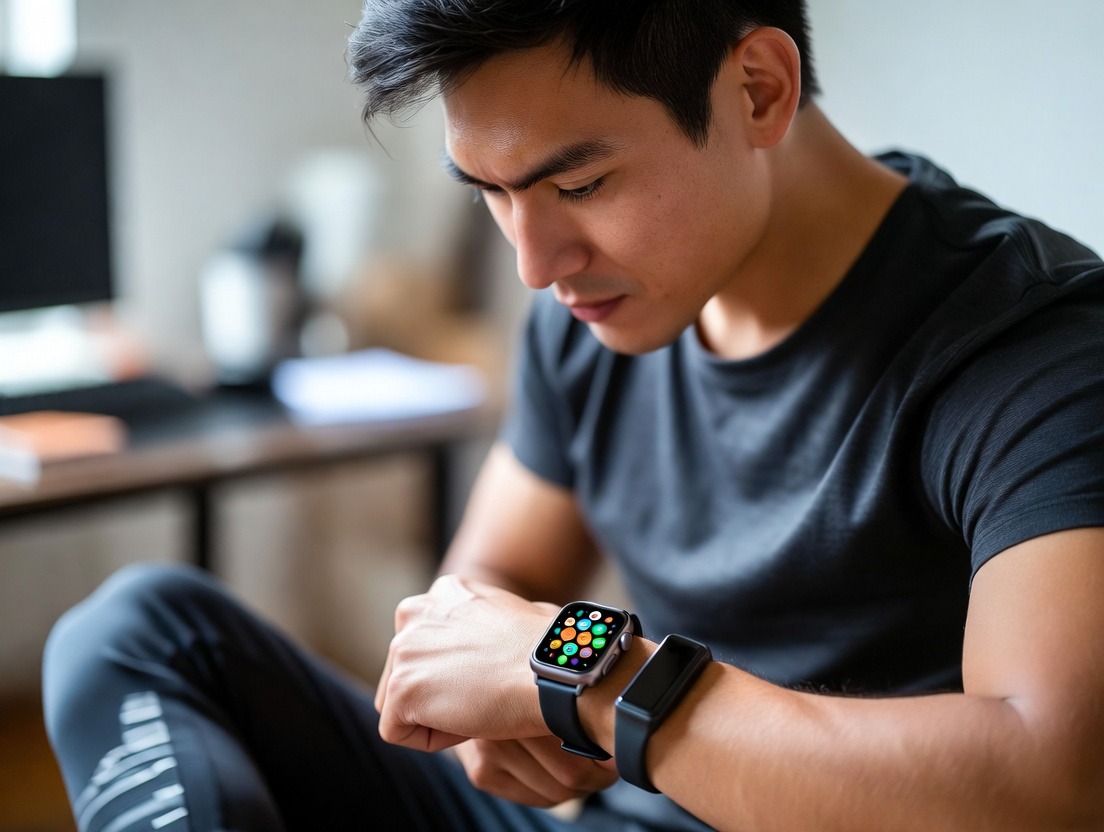
The final phase of pre-trip preparation involves assembling the physical items that will support your wellness throughout your journey. While you'll have access to stores and pharmacies at your destination, having key items with you ensures you can maintain your wellness practices from the moment you depart.
The hydration system. Your water bottle is perhaps your most important wellness tool. Choose one that's durable, leak-proof, and easy to clean. If you're flying, remember that you'll need to empty it before security and refill it afterward—having a bottle with a wide mouth makes this easier. Consider a bottle with volume markings so you can track your intake throughout the day.
For those traveling to destinations with questionable water quality, a bottle with a built-in filter expands your hydration options. Alternatively, packing water purification tablets provides a backup option for emergencies.
The supplement strategy. If you take regular supplements, bring enough for your entire trip plus a few extra days in case of delays. Pack them in their original containers or in a well-organized pill organizer to avoid questions at security. If you're crossing time zones, consider how you'll adjust supplement timing—some supplements, like melatonin, are time-sensitive, while others can be taken whenever it's convenient.
For targeted travel support, consider adding:
The movement accessories. Small, portable items can support your movement practice during travel. Resistance bands take minimal space and allow for strength maintenance. A lacrosse ball or small massage ball can work out muscle tension. Compression socks, while not exciting, genuinely reduce the risk of deep vein thrombosis and improve comfort during long flights.
If you have specific mobility needs—a foam roller you love, particular stretching aids—consider whether smaller travel versions exist. The goal isn't to replicate your home gym but to maintain basic movement capacity.
The sleep kit. Creating a portable sleep sanctuary dramatically improves sleep quality in unfamiliar environments. Your travel sleep kit might include:
Practice with these items before you travel so they feel familiar when you need them. Your the beginner-friendly guide to aromatherapy as natural energizer might inform which scents you include for different purposes—energizing citrus for mornings, calming lavender for evenings.
The technology kit. Beyond your devices themselves, pack the accessories that keep them functional. A portable charger ensures your wellness ring, phone, and other devices stay powered through long travel days. Consider a multi-port charger to minimize the number of outlets you need. A small power strip can be a game-changer in hotel rooms with limited outlets.
For your wellness ring specifically, ensure you have the charging cable and any adapters needed for your destination's electrical systems. Consider downloading the app's data before you leave so you have access to your baseline metrics even without internet connectivity.
The first aid foundation. While you can buy most supplies at your destination, having a basic first aid kit with you provides peace of mind and immediate access when you need it. Include:
For international travel, research whether any of your medications are restricted in your destination country and carry them in original packaging with prescriptions.
The comfort items. Wellness isn't just physical—it's emotional and psychological too. Pack items that provide comfort and connection: a book you've been wanting to read, a journal for processing experiences, photos of loved ones, a playlist of familiar music. These items anchor you during the disorientation of travel and provide continuity between your everyday life and your journey.
For those interested in emotional wellness during travel, the complete beginner-friendly guide to emotional fatigue prevention offers insights into maintaining psychological balance while away from familiar supports.
The documentation system. Finally, ensure you have digital and physical copies of important documents: passport, visas, travel insurance, reservations, emergency contacts. Having these organized and accessible reduces the stress of unexpected situations and allows you to respond quickly if something goes wrong.
Consider storing copies in multiple places—a physical folder in your carry-on, digital copies on your phone, backups in cloud storage. For those traveling internationally, registering with your embassy's traveler program can provide an additional layer of support.
As departure approaches, having a structured timeline reduces last-minute stress and ensures nothing essential falls through the cracks. This isn't about rigid rules—it's about creating a framework that supports your wellness while accommodating the inevitable chaos of final preparations.
48 hours before departure. At this point, your focus should be on foundation—sleep, hydration, nutrition. Aim for your sleep banking target tonight. Increase your water intake, and begin emphasizing anti-inflammatory, nutrient-dense foods. If you're crossing time zones, begin your gradual schedule shift today—adjusting meal times and bedtime by 30 to 60 minutes toward your destination's schedule.
Today is also ideal for final travel shopping. Having items in hand reduces the mental load of wondering whether you have everything and prevents last-minute scrambling at overpriced airport shops.
36 hours before departure. Your final workout before travel, if you choose to exercise, should be today rather than tomorrow. This allows your body to recover from any exercise-induced inflammation before you travel. Choose moderate intensity—save the PR attempts for after your return.
Today is also when you should finalize your packing. Having bags packed the day before travel eliminates the morning stress of rushing and forgetting. Lay out everything you need, including your travel outfit and your wellness kit items, so tomorrow morning is simply about dressing and walking out the door.
24 hours before departure. This is the day of preparation, not exertion. Your goals are rest, hydration, and stress minimization. Light movement—a walk, gentle stretching—supports circulation without depleting energy. Continue your hydration focus and eat regular, balanced meals.
Begin your technology preparation: charge all devices, download entertainment, confirm that your wellness ring app has synced your baseline data. If you use your ring for sleep tracking, wear it tonight as usual—the data will be valuable for understanding how pre-travel stress affects your rest.
Consider a brief mindfulness practice focused on the journey ahead. Acknowledge any anxiety without judgment, and remind yourself of your preparation. You've done the work—now it's time to trust it.
12 hours before departure. If you're flying out in the morning, tonight's sleep is your final opportunity for rest before travel. Protect it by avoiding screens for an hour before bed, keeping your room cool and dark, and using any sleep aids you've planned. If you're flying out later, maintain your regular schedule but avoid overexertion.
Double-check your travel documents and ensure they're in an easily accessible location. Set multiple alarms if you have an early departure. Write down any last-minute reminders—things to check before you leave, people to notify, tasks to delegate.
Departure morning. Wake with enough time to eat a balanced meal, hydrate well, and move gently. This isn't the morning for a workout—it's the morning for arriving at the airport calm and centered rather than rushed and stressed.
Dress for comfort and flexibility. Layers are your friend—airports and planes vary wildly in temperature, and being able to adjust keeps you comfortable. Wear the compression socks if you're flying. Put your sleep mask and earplugs in your carry-on where you can reach them easily.
Before you leave, take a moment to check in with yourself. How are you feeling physically? Mentally? What do you need in this moment? This brief self-check sets the tone for mindful travel—you're not just going through motions; you're traveling with awareness.
The journey begins. As you walk out the door, you're not starting from zero. You're beginning from a foundation of preparation—well-rested, well-hydrated, well-nourished, with your immune system supported and your mind calibrated for the adventure ahead. The travel stressors will still come, but you've built the resilience to meet them.
For those using wellness tracking, the data from your pre-trip preparation will provide valuable insights. You'll see how your fatigue prevention tips through circadian rhythm smart ring alignment affected your readiness scores. You'll notice patterns in how different preparation strategies influence your experience. And you'll have a baseline for future trips—knowing what works for your unique body and schedule.
Your Trusted Sleep Advocate: Sleep Foundation — https://www.sleepfoundation.org
Discover a digital archive of scholarly articles: NIH — https://www.ncbi.nlm.nih.gov/
39 million citations for biomedical literature :PubMed — https://pubmed.ncbi.nlm.nih.gov/
Experts at Harvard Health Publishing covering a variety of health topics — https://www.health.harvard.edu/blog/
Every life deserves world class care :Cleveland Clinic - https://my.clevelandclinic.org/health
Wearable technology and the future of predictive health monitoring :MIT Technology Review — https://www.technologyreview.com/
Dedicated to the well-being of all people and guided by science :World Health Organization — https://www.who.int/news-room/
Psychological science and knowledge to benefit society and improve lives. :APA — https://www.apa.org/monitor/
Cutting-edge insights on human longevity and peak performance:
Lifespan Research — https://www.lifespan.io/
Global authority on exercise physiology, sports performance, and human recovery:
American College of Sports Medicine — https://www.acsm.org/
Neuroscience-driven guidance for better focus, sleep, and mental clarity:
Stanford Human Performance Lab — https://humanperformance.stanford.edu/
Evidence-based psychology and mind–body wellness resources:
Mayo Clinic — https://www.mayoclinic.org/healthy-lifestyle/
Data-backed research on emotional wellbeing, stress biology, and resilience:
American Institute of Stress — https://www.stress.org/


