


Natural Energy Boosters Through Gut Health: What Your Wellness Ring Reflects
Gut health as a foundation for natural energy, shown in your ring's data.
Gut health as a foundation for natural energy, shown in your ring's data.
%402x.svg)
We’ve all been there. That 3 PM energy crash so profound it feels gravitational. The morning fog that lingers despite a full night’s sleep. The reliance on that fourth cup of coffee just to reach baseline. We chase energy in cans, shots, and sugary snacks, only to be left with jitters and a deeper crash. But what if the most potent, sustainable energy source wasn’t found in a drink or a supplement, but within you? More precisely, within the 100 trillion microorganisms residing in your gut.
Welcome to the frontier of personalized wellness, where ancient wisdom meets cutting-edge technology. The understanding that gut health is the bedrock of vitality is not new, but our ability to measure its impact in real-time, on our very wrists (or fingers), is revolutionary. This article explores the profound connection between your gut microbiome and your daily energy levels, and deciphers what the subtle biometric signals from your smart wellness ring are trying to tell you about this internal ecosystem.
Forget generic advice. The data from a device like an Oura, Circular, or Ultrahuman Ring is a personalized report card on how your lifestyle is feeding—or starving—your inner energy factory. Your Heart Rate Variability (HRV), resting heart rate, sleep quality, and even your body temperature are not isolated metrics; they are downstream reflections of a complex upstream process beginning with digestion. This is where wellness fundamentals cease to be abstract concepts and become measurable, actionable data. As we explore in our guide on how a wellness ring tracks core wellness fundamentals, these devices translate biological signals into a language we can understand and act upon.
This journey will take us deep into the science of the gut-energy axis, translate the key biomarkers your ring displays, and provide a concrete, step-by-step plan to cultivate a microbiome that generates boundless natural energy. By the end, you will not only understand why you’re tired but will have the tools, validated by your own biometrics, to turn your gut into your most powerful energy booster.

We often think of energy in terms of calories—fuel for our cells. While this is technically true, it’s a vast oversimplification. The transformation of food into the cellular energy currency, ATP (adenosine triphosphate), is a complex biochemical symphony orchestrated in large part by our gut microbiota. This community of bacteria, viruses, fungi, and archaea—collectively weighing about as much as your brain—functions as a master metabolic regulator.
Think of your gut not just as a digestive tube, but as a biochemical processing plant. Your microbiome contains genes that you lack. It breaks down complex fibers and polyphenols that your human enzymes cannot, converting them into short-chain fatty acids (SCFAs) like butyrate, propionate, and acetate. Butyrate, in particular, is a superstar for energy. It’s the preferred fuel source for the cells lining your colon (colonocytes), keeping your gut barrier strong and reducing systemic inflammation—a notorious energy drain. Furthermore, SCFAs influence metabolism in the liver and muscles, enhance insulin sensitivity, and even cross the blood-brain barrier to influence neurotransmitters related to motivation and fatigue.
Conversely, a dysbiotic gut—one with an imbalance of beneficial and harmful microbes—can become a source of energy depletion. Pathogenic bacteria can produce endotoxins like lipopolysaccharide (LPS). When gut permeability is high (the infamous "leaky gut"), these toxins can enter the bloodstream, triggering a chronic, low-grade inflammatory immune response. This state, often called metabolic endotoxemia, forces your body to divert massive amounts of energy toward firefighting inflammation, leaving you feeling perpetually drained. This systemic stress is something your wellness ring is acutely sensitive to, as detailed in our article on wellness fundamentals and the connection between all body systems.
Your gut microbiome also plays a critical role in producing or modulating key vitamins and neurotransmitters essential for energy:
Therefore, when your wellness ring shows a dip in sleep score or a lowered HRV, it may not be just about last night’s late email or a hard workout. It could be a biometric echo of a gut ecosystem struggling to produce the right substrates for restful sleep and resilient energy. This is the foundation of true vitality, and mastering it is part of a complete guide to wellness fundamentals for 2025 that prioritizes root-cause health.
Your smart wellness ring is a non-invasive window into your autonomic nervous system (ANS)—the control center for your "rest-and-digest" (parasympathetic) and "fight-or-flight" (sympathetic) states. Since gut function is intimately governed by the ANS, disturbances in the gut manifest as disturbances in your biometrics. Here’s how to translate your ring’s data into gut health insights.
1. Heart Rate Variability (HRV): The Master Metric of Resilience
HRV is the gold-standard metric your ring provides for overall systemic health and stress resilience. A higher HRV generally indicates a strong, adaptable parasympathetic nervous system and good recovery. Your gut directly influences HRV through:
If you see a sustained downward trend in your HRV without an obvious increase in training or life stress, consider it a potential red flag for gut distress or increased inflammatory load.
2. Resting Heart Rate (RHR): The Engine’s Idle Speed
An elevated resting heart rate can indicate your body is working harder than it should be at rest. Gut inflammation is a common culprit. The immune activity and circulatory demands of dealing with gut-derived inflammatory molecules can cause your heart to idle faster. A sudden, unexplained climb in RHR, especially upon waking, can sometimes precede noticeable digestive symptoms.
3. Sleep Architecture (Deep & REM Sleep): The Nightly Repair Shift
The gut microbiome follows a circadian rhythm. Beneficial microbes produce metabolites that support the production of sleep-regulating hormones like melatonin. Poor gut health can disrupt this:
Your ring’s sleep score and breakdown are thus indirect reports on your gut’s circadian health. As explored in our piece on the role of a consistent sleep schedule in wellness fundamentals, sleep and gut health form a virtuous (or vicious) cycle.
4. Body Temperature & Respiratory Rate: Subtle Metabolic Shifts
A slightly elevated nighttime body temperature can signal immune activation, potentially from food sensitivities or gut imbalance. Similarly, a higher respiratory rate at rest can be a sign of metabolic inefficiency or systemic stress, which can originate in the gut.
By correlating these data points—a low HRV, high RHR, and poor sleep score—your ring can point you toward investigating your gut health long before you might schedule a doctor’s visit. This proactive, data-driven approach is the essence of using technology to master wellness fundamentals using a smart ring.
Our modern lifestyle is, in many ways, a war on the microbiome. The very things that make contemporary life convenient are often the same things that deplete our internal energy factories. Let’s decode the primary saboteurs and their telltale signs on your wellness ring dashboard.
Chronic Stress: The Vagus Nerve Disconnect
Psychological stress doesn’t stay "in your head." It directly shunts blood flow away from the digestive tract, alters gut motility, and changes the composition of your microbiota, favoring more inflammatory species. This stress response, when chronic, is clearly visible in a suppressed HRV and elevated RHR. Your ring’s stress score feature is a direct readout of this. Learning to manage this isn’t just mental; it’s a wellness fundamental for stress management as a foundation for everything else.
The Standard American Diet (SAD): Fueling the Wrong Crew
Diets high in ultra-processed foods, refined sugars, and industrial seed oils while being low in fiber are the perfect storm for gut dysbiosis. They:
Sleep Deprivation & Circadian Disruption
Just as the gut affects sleep, poor sleep devastates the gut. Short sleep duration reduces microbial diversity and increases hunger hormones, often driving poorer food choices—a classic energy-draining feedback loop. Your ring provides the undeniable evidence of this cycle, making sleep a non-negotiable pillar, or what we call non-negotiable medicine in wellness fundamentals.
Antibiotic Overuse & Environmental Toxins
While sometimes life-saving, antibiotics are like a carpet bomb for the microbiome, wiping out good and bad bacteria alike. Environmental chemicals in food, water, and personal care products can also selectively harm beneficial microbes. The recovery from these assaults can be long and may show up as a prolonged period of sub-optimal biometrics, even if your training and diet seem "on point."
Over-Training and Inadequate Recovery
Intense, frequent exercise without sufficient recovery is a major physical stressor. It increases gut permeability and diverts resources away from digestion and repair. Your ring is designed to spot this. A consistently low recovery score despite good sleep is a cardinal sign you’re overreaching. This highlights why recovery is just as important as action in a sound wellness philosophy.
By identifying these saboteurs through your biometric data, you move from guesswork to targeted action. The ring doesn’t just tell you you’re tired; it helps you hypothesize why.
You can’t hack a system you don’t feed properly. Building an energy-generating gut begins with what you put on your plate. This isn’t about a fleeting detox or a trendy supplement; it’s about establishing foundational, diverse nutritional habits that your microbiome thrives on. Think of it as farming your inner garden.
1. Fiber: The Ultimate Prebiotic Fuel
If your gut bacteria had a collective wish list, diverse fiber would be at the top. Fiber is a prebiotic—food for your beneficial microbes. Aim for 30-50 grams daily from a wide variety of sources:
A sudden major increase in fiber can cause bloating; increase gradually and note how your ring’s digestion-related sleep metrics (like restfulness) respond over time. This personalized feedback is key to building a sustainable health foundation with wellness fundamentals.
2. Polyphenol Power: The Antioxidant Fertilizer
Polyphenols are plant compounds that your gut microbes love to metabolize. They act like fertilizer for good bacteria while inhibiting the growth of harmful ones.
3. Fermented Foods: The Probiotic Inoculants
These are foods that contain live, beneficial bacteria. Regular consumption can increase microbial diversity and reduce inflammatory markers.
4. Quality Fats & Proteins: The Building Blocks
A healthy gut lining needs quality materials to repair itself.
The goal is diversity—aiming for 30+ different plant foods per week. This diverse fiber and polyphenol intake is the single greatest predictor of a healthy, resilient microbiome. Tracking how dietary changes correlate with your ring’s readiness score over weeks is a powerful experiment in personalized nutrition, connecting the dots between nutrition and health in your wellness fundamentals.
Understanding the difference between prebiotics and probiotics is crucial, but combining them—a strategy called synbiotics—is where the magic happens for energy optimization.
Prebiotics: Food for beneficial bacteria (e.g., fiber, resistant starch).
Probiotics: The beneficial bacteria themselves (e.g., from fermented foods or supplements).
A synbiotic strategy ensures that any probiotics you introduce have the fuel they need to colonize and thrive. Think of it as planting seeds (probiotics) in well-fertilized soil (prebiotics).
Practical Synbiotic Pairings:
When to Consider a Probiotic Supplement:
Food should always come first. However, targeted probiotic supplements can be useful in specific situations, such as during/after antibiotic use, when traveling, or when dealing with specific issues identified by a healthcare practitioner. Strains matter immensely. For general energy and immune support, look for well-researched genera like Lactobacillus and Bifidobacterium. For stress and mood, Lactobacillus helveticus and Bifidobacterium longum have good evidence.
Your wellness ring can be your guide here. If you decide to introduce a new probiotic, do it consistently for 3-4 weeks while monitoring trends—not daily fluctuations—in your HRV, RHR, and sleep data. This objective feedback helps you determine if a supplement is actually helping you, moving beyond marketing claims to personalized efficacy. This data-driven approach is how a wellness ring personalizes fundamental recommendations for your unique biology.
Intermittent fasting (IF)—cycling between periods of eating and fasting—isn’t just about weight management. It can be a powerful tool for gut health and, consequently, energy renewal. The logic is simple: the digestive system needs downtime.
The Gut’s "Housekeeping" Cycle:
During fasting periods (typically 14-16+ hours), when no new food is entering the system, the gut lining gets a chance to repair. A process called the Migrating Motor Complex (MMC) kicks in, which are waves of electrical activity that act as a "broomsweep," clearing out food debris and bacteria from the small intestine. This helps prevent bacterial overgrowth and supports a healthier microbial balance.
Potential Benefits for Energy:
What Your Ring Tells You About Your Fasting Protocol:
IF is not for everyone, and your biometrics are the best judge.
The key is to use your ring not to chase an arbitrary fasting window, but to find the eating pattern that maximizes your recovery and energy stability. It’s a prime example of using technology to establish your personal baseline in wellness fundamentals and then experimenting intelligently from there.

The connection between your brain and gut is a two-way street called the gut-brain axis. The primary highway on this street is the vagus nerve. Your emotional state directly impacts your gut function, and vice-versa. This loop is critical for energy because a stressed gut is an energy-inefficient gut.
How Stress Breaks the Gut:
Biometric Correlates of a Stressed Gut-Brain Axis:
Vagus Nerve Stimulation for Gut Health:
The good news is you can actively tone your vagus nerve to improve this communication. These practices directly support gut health and energy by promoting the "rest-and-digest" state:
Track the impact of these practices by doing a short session before bed and noting its effect on your sleep readiness score or overnight HRV. This creates powerful positive reinforcement, showing you that managing stress isn't "soft"—it's a concrete, measurable mind-body integration approach to wellness fundamentals that pays off in deeper sleep and steadier energy.
Exercise is a potent modulator of the gut microbiome, but the relationship is dose-dependent. The right amount enhances microbial diversity; too much can be damaging.
The Benefits of Regular, Moderate Movement:
The Risks of Chronic Overtraining:
Using Your Ring to Find the "Goldilocks Zone" for Gut Health:
This is where your wellness ring becomes an essential coach. It helps you balance exertion with recovery to ensure exercise is a net positive for your gut and energy.
The goal is consistent, sustainable movement that supports, not stresses, your system. This balanced approach is what we define as the wellness fundamentals approach to enabling peak performance—it’s not about killing yourself daily, but about building resilient energy day after day.
Sleep is when your gut does much of its critical repair work and your brain cleans out metabolic waste. There is no "making up" for lost sleep when it comes to microbiome health.
The Sleep-Gut Circadian Rhythm:
Your gut microbes have their own daily rhythms, influenced by your sleep/wake cycle and feeding times. Disruption to your sleep (shift work, inconsistent bedtimes) disrupts your microbial rhythms, leading to dysbiosis.
How Poor Sleep Harms the Gut:
How Your Ring Quantifies the Sleep-Gut Connection:
Your ring provides an objective audit of your sleep quality, which is a proxy for gut repair time.
If you are implementing gut-healthy dietary changes but see no improvement in energy or biometrics, look squarely at your sleep data. It may be the limiting factor. Optimizing sleep is arguably the most powerful single intervention, a cornerstone in any system for daily health optimization mastery.
This is where passive data collection meets active self-experimentation. Your wellness ring turns you into a scientist of your own body. The goal is to move beyond anecdote ("I feel better") to correlated data ("My average HRV has increased 10% since I started eating 30 plants a week").
How to Run a Self-Experiment:
Key Biomarkers to Watch:
This process of iterative testing and data validation is the ultimate personalization. It’s how you build a deep, empirical understanding of what truly works for your gut and your energy. It transforms health from a set of rules into a personalized journey, proving the core principle that consistency in wellness fundamentals beats intensity every time.
The term "leaky gut," or increased intestinal permeability, has evolved from a fringe concept to a recognized physiological phenomenon with significant implications for energy and overall health. It's not a binary state of "leaky" or "not leaky," but rather a spectrum. On one end, a healthy, selective gut barrier allows nutrients to pass while keeping toxins and large undigested particles safely contained. On the other, a hyper-permeable barrier allows unwanted substances to enter the bloodstream, triggering immune reactions that can manifest as chronic fatigue, brain fog, and a host of other symptoms.
The Mechanism: A Breach in the Fortress Wall
The gut lining is a single layer of epithelial cells held together by tight junction proteins—think of these as the seals between bathroom tiles. These "tight junctions" are dynamic, opening and closing in response to signals. Chronic exposure to gut saboteurs (stress, poor diet, toxins, certain medications) can cause these tight junctions to loosen persistently. When this happens, lipopolysaccharides (LPS) from the cell walls of gram-negative bacteria, undigested food proteins, and other microbial metabolites can "leak" into the portal circulation.
The Energy Drain of a Leaky Gut:
Your immune system is one of the most energy-expensive systems in the body. When it constantly encounters foreign particles from a leaky gut, it remains in a state of low-grade, chronic activation. This creates a persistent inflammatory fire. The biological resources—the vitamins, minerals, and cellular energy (ATP)—that should be fueling your day, your workout, and your mental clarity are instead diverted to an endless, invisible internal battle. This is why systemic inflammation is perhaps the greatest thief of natural energy. You might be eating enough calories, but your body is allocating them to immune defense, not vitality.
What Your Wellness Ring Reflects About Inflammation:
A wellness ring doesn't measure LPS directly, but it captures the systemic effects of the inflammatory cascade triggered by gut permeability with remarkable sensitivity:
This inflammatory state undermines the very foundations of health. As we've discussed in our exploration of how wellness fundamentals prevent 90% of health problems, a robust gut barrier is a primary line of defense. Your ring's data provides the objective feedback loop that can motivate you to invest in healing your gut lining—not based on a vague symptom, but on quantifiable biometric stress.
While a foundational diet of whole foods is paramount, specific nutrients can act as targeted tools to support the repair of the intestinal lining and calm inflammation. Think of this not as a substitute for a poor diet, but as a therapeutic strategy layered on top of a healthy one. Always consult a healthcare provider before beginning new supplements.
1. L-Glutamine: The Primary Fuel for Enterocytes
L-Glutamine is an amino acid that serves as the preferred fuel source for the rapidly dividing cells (enterocytes) that line the small intestine. During times of stress, illness, or intestinal damage, the body's demand for glutamine can exceed its production.
2. Zinc Carnosine: The Stabilizing Protector
This compound, a combination of zinc and the dipeptide carnosine, has been extensively studied for its ability to support gastric and intestinal lining integrity.
3. Colostrum/Derived Immunoglobulins: The Immune Regulators
Bovine colostrum is rich in immunoglobulins (like IgG), growth factors, and antimicrobial compounds.
4. Deglycyrrhizinated Licorice (DGL): The Soothing Agent
DGL is licorice root with the glycyrrhizin removed (which can affect blood pressure). It supports the body's natural mechanisms for maintaining the mucosal lining of the stomach and intestines.
5. Polyphenols (Revisited): Curcumin, Quercetin, etc.
Specific polyphenols are powerful allies in reducing the gut-based inflammation that perpetuates leakiness.
Tracking Supplement Impact with Your Ring:
Introduce one new supplement at a time for at least 3-4 weeks while closely monitoring your biometric trends. You are looking for:
This data-driven approach turns guesswork into personalized insight. It aligns with the philosophy of using technology to build wellness fundamentals into your daily routine in a measurable, accountable way. If a supplement doesn't move your metrics in a positive direction after a fair trial, it may not be necessary for you, saving you time and money.
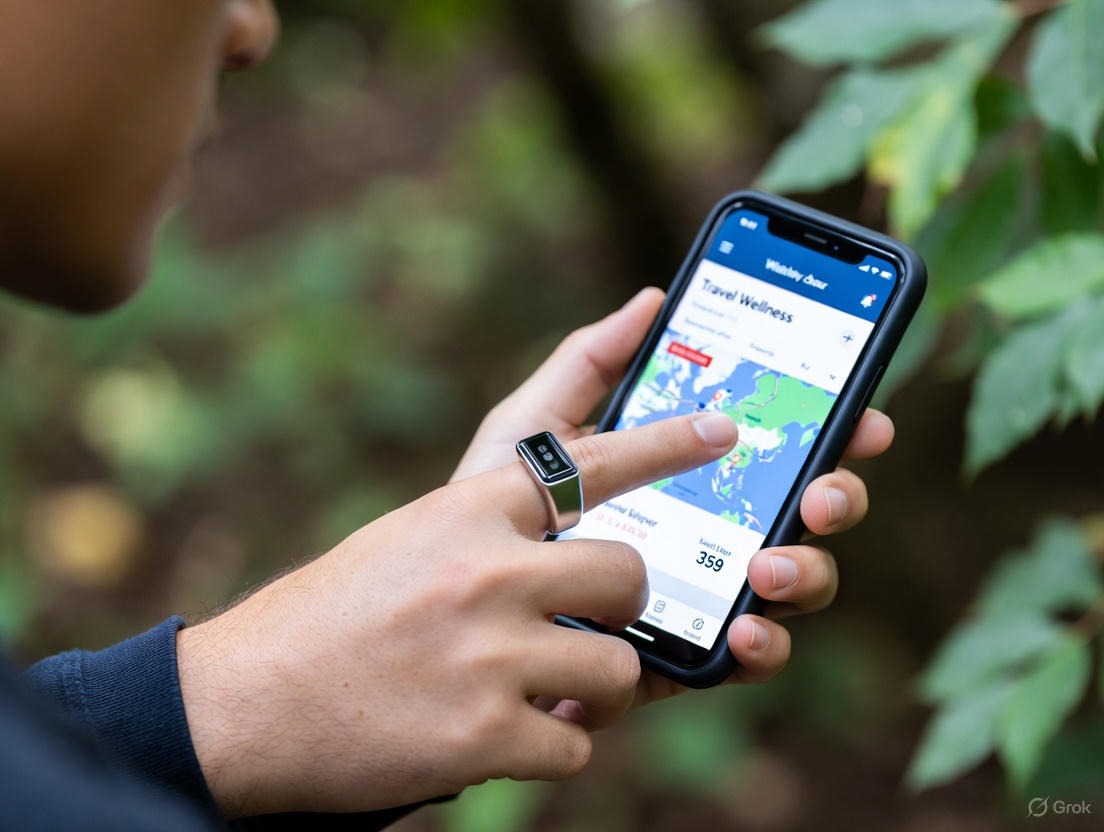
Water is the medium of life, and the gut is no exception. Hydration status profoundly influences gut function, which in turn dictates energy levels. Dehydration is a common, often overlooked cause of fatigue and constipation, creating a sluggish system both literally and metabolically.
Hydration and Gut Motility:
Adequate water intake is essential for maintaining the mucus layer that coats the gut lining and for forming stool of the right consistency. Chronic mild dehydration leads to slower transit time, meaning waste products and toxins spend more time in contact with your intestinal wall, potentially increasing inflammation and bacterial overgrowth risks. Furthermore, the muscular contractions (peristalsis) that move food and waste through your digestive tract require proper electrolyte balance to function efficiently.
Electrolytes: The Spark Plugs of Cellular Energy
Speaking of electrolytes, their role extends far beyond cramping. Sodium, potassium, magnesium, and calcium are critical for every cellular process, including energy production (ATP synthesis) and nerve transmission that controls gut function.
Signs of Suboptimal Hydration/Mineral Status on Your Ring:
Practical Hydration for Gut Health:
Monitoring your waking pulse and HRV can be a great daily hydration check. A higher-than-normal morning pulse can sometimes be your body's way of asking for water and minerals. This attention to a fundamental need is a perfect example of how smart rings make wellness fundamentals accessible and actionable, turning a simple glass of water into a data-informed decision.
The debate between getting probiotics from food versus supplements is common. The truth is, both have their place, but they serve slightly different purposes and your wellness ring can help you discern what works best for your body.
Fermented Foods: The Diverse, Synergistic Community
Fermented foods like yogurt, kefir, kimchi, sauerkraut, miso, and kombucha are complex ecosystems.
Probiotic Supplements: The Targeted, Potent Tool
Supplements contain specific, researched strains in known, high concentrations (measured in CFUs).
Using Your Ring to Guide Your Choice:
This self-experimentation framework empowers you to become an expert on your own microbiome. It moves you from following generic advice to creating a personalized probiotic strategy that your own body's data validates. This is the core of a modern wellness fundamentals approach to healthy aging—using tools to make personalized, proactive decisions that build long-term resilience.
In the quest for low-calorie energy, many turn to diet sodas and processed "health" foods containing artificial sweeteners and emulsifiers. Ironically, these may be sabotaging the very gut health needed for natural energy.
Artificial Sweeteners: The Deceptive Disruptors
Studies, primarily in animals but with growing human data, suggest that non-nutritive sweeteners like sucralose, aspartame, and saccharin can adversely affect the gut microbiome.
Emulsifiers & Thickeners: The Gut Barrier Breakers?
Common food additives like polysorbate 80, carboxymethylcellulose (CMC), and carrageenan are used to improve texture and shelf life in everything from ice cream to plant-based milks to salad dressings.
Your Ring as a Detector of Food Chemical Sensitivity:
You might not have an overt "allergy" to these substances, but they could be contributing to low-grade inflammation that drains your energy. Here’s how to investigate:
This process of elimination and observation, guided by objective data, is incredibly empowering. It helps you identify stealth energy drains hidden in "harmless" diet products. It reinforces the principle that wellness fundamentals matter more than advanced biohacking trends—often, removing harmful things is more powerful than adding exotic new ones.
"Eat more fiber" is sound advice, but it's not one-size-fits-all. For some, a sudden increase in the wrong type of fiber can cause significant bloating, gas, and discomfort, which your ring will detect as sleep disruption and elevated stress. Understanding the different types of fiber and your personal tolerance is key.
Soluble vs. Insoluble Fiber:
The FODMAP Consideration:
FODMAPs (Fermentable Oligosaccharides, Disaccharides, Monosaccharides, and Polyols) are short-chain carbohydrates that are poorly absorbed in the small intestine and are highly fermentable by gut bacteria. For people with a sensitive gut or conditions like Irritable Bowel Syndrome (IBS), high-FODMAP foods (like garlic, onions, certain beans, wheat, and some fruits) can cause extreme bloating, gas, and pain as they are rapidly fermented.
Using Your Ring to Personalize Your Fiber Approach:
This nuanced approach to a fundamental nutrient exemplifies how personalized health truly works. It's not about dogmatically following a rule, but about using feedback to create a sustainable health foundation that works for your unique digestive system.
Up to 70-80% of your immune system resides in the gut-associated lymphoid tissue (GALT). This is not a coincidence. The gut is the body's largest interface with the external environment, and the immune system there is in constant, careful conversation with your microbiome.
The Educated Immune System:
A diverse, balanced microbiome acts as a training ground for your immune cells. It teaches them to distinguish between harmless substances (like food particles and friendly bacteria) and genuine threats (pathogens). This process is critical for developing immune tolerance and preventing overreactions.
The Energy Cost of an Overactive Immune System:
When the gut microbiome is imbalanced (dysbiotic) and the barrier is compromised, this delicate education system breaks down. The immune system becomes chronically activated, leading to a persistent state of low-grade inflammation. As noted earlier, this is metabolically expensive. The energy that could be used for physical activity, cognitive tasks, and cellular repair is perpetually allocated to immune surveillance and inflammatory responses. This is a primary reason why people with autoimmune conditions or chronic allergies often suffer from profound fatigue.
Biomarkers of Immune-Gut Strain:
Your wellness ring can't diagnose an immune condition, but it can show the systemic footprint of an immune system under constant pressure:
Supporting the Gut-Immune Axis for Energy:
The strategies outlined throughout this article—diverse fiber, fermented foods, gut lining support, stress management—all converge here. By cultivating a healthy microbiome, you are essentially calming an overzealous immune system, thereby freeing up a massive reservoir of energy. This is preventative health at its finest, aligning with an approach where wellness fundamentals support immune function from the ground up. The energy you gain is the energy your body is no longer wasting on unnecessary internal battles.
Let's synthesize everything into a practical, 30-day protocol that you can follow, using your wellness ring as your guide and accountability partner. This is a structured experiment in energy renewal.
Phase 1: Days 1-7 – The Reset & Baseline
Phase 2: Days 8-21 – The Building Phase
Phase 3: Days 22-30 – The Refinement & Observation Phase
What Success Looks Like in the Data:
This protocol isn't about perfection; it's about direction. It demonstrates the power of using a system to optimize energy levels through wellness fundamentals, with your smart ring serving as the indispensable feedback mechanism that turns actions into insights and efforts into measurable energy gains.
Moving beyond the broad categories of "probiotics," modern science is identifying specific bacterial strains with targeted, clinically-studied benefits. For the individual seeking to optimize energy through gut health, selecting strains with evidence for reducing fatigue, improving stress resilience, and supporting sleep can be a powerful, precision tool. Your wellness ring is the perfect device to measure the real-world impact of these microscopic allies.
Strains for Energy & Reducing Fatigue:
Strains for Mood & Cognitive Clarity (Indirect Energy):
Brain fog and low mood are massive energy drains. Certain probiotics can support the gut-brain axis.
Strains for Sleep Quality:
Since sleep is the ultimate energy rebooter, probiotics that improve sleep have a direct effect on daytime vitality.
How to Use Your Ring to Test a Probiotic Supplement:
This data-driven method moves you from marketing hype to personalized results. It exemplifies the advanced application of using a smart ring to master wellness fundamentals, allowing you to validate even subtle interventions like specific probiotic strains.
To understand gut health at the deepest energy level, we must go inside the cell, to the mitochondria. These are the tiny organelles often called the "powerhouses of the cell," responsible for producing over 90% of the body's ATP. The health of your mitochondria is the ultimate determinant of your cellular energy, and it is profoundly influenced by your gut.
How the Gut Talks to Mitochondria:
The communication is indirect but powerful, mediated by microbial metabolites and systemic inflammation.
Symptoms of Mitochondrial Dysfunction:
What Your Ring Tells You About Mitochondrial Efficiency:
While no consumer device directly measures mitochondrial function, your ring's biomarkers are excellent proxies for the systemic outcomes of mitochondrial health:
Therefore, when you implement gut-healing strategies, you are not just soothing your intestines; you are removing a primary source of mitochondrial insult and providing the substrates (like butyrate) that help them thrive. This creates a positive cascade: better gut health → less inflammation + more SCFAs → healthier mitochondria → more cellular ATP → higher energy, better recovery, and improved biometrics. This systems-thinking is at the heart of understanding the wellness fundamentals hierarchy of health priorities—the gut and mitochondria are foundational layers.
Your gut microbes don't just respond to what you eat, but when you eat. They possess their own circadian rhythms, synchronized by your feeding-fasting cycles and your body's master clock in the brain. Disrupting these rhythms—through late-night eating, irregular meals, or shift work—can dysregulate your microbiome, harming both gut health and energy levels.
The Science of Microbial Rhythms:
Studies show that the composition and function of the gut microbiome oscillate throughout the 24-hour day. Certain bacterial species peak in abundance during your active, feeding phase, while others peak during your rest, fasting phase. These rhythms influence:
When You Eat Matters for Energy:
Using Your Ring to Optimize Meal Timing:
This practice of circadian meal alignment is a powerful, non-nutritional way to support your gut. It demonstrates that the fundamental habit of building a consistent daily routine extends to when you eat, creating predictable, energy-supporting signals for your entire inner ecosystem.
Travel is a notorious gut disruptor and energy drain. Changes in diet, water, sleep schedule, time zones, and exposure to new microbes can wreak havoc. However, with a proactive plan and your wellness ring as a guide, you can minimize the damage and maintain your energy.
The Travel Threats to Gut & Energy:
Pre-Travel & In-Transit Protocol:
Using Your Ring to Manage Jet Lag & Recovery:
Your ring is your best tool for adapting to new time zones and monitoring your body's stress.
Post-Travel Gut Reset:
Upon return, immediately return to your foundational habits: consistent sleep times, a wide variety of fibrous plants, fermented foods, and perhaps a course of a broad-spectrum probiotic to re-inoculate. Your ring will show you when you've truly recovered.
This proactive approach transforms travel from a health disaster into a manageable, monitored event. It applies the principles of lifelong health strategies using a smart ring to real-world challenges, ensuring your energy and gut health remain priorities no matter where you are in the world.
After an initial period of focused repair and reset, the goal shifts from "healing" to "cultivating." You move from treating your gut as a problem to be solved to tending it as a diverse, resilient internal garden that consistently generates energy. This is the stage of sustainable, lifelong energy ecology.
The Pillars of Long-Term Gut Maintenance:
Your Ring as a Long-Term Guardian:
In this maintenance phase, your smart ring transitions from a diagnostic tool to a guardian system. Its role is to provide early warnings.
This long-term, data-informed relationship with your body fosters a profound form of body literacy. You're not chasing biohacks; you're practicing the art of creating sustainable health through wellness fundamentals, using technology to stay gently aligned with your biology's needs for decades.
A single night of poor sleep is a data point. A week-long pattern of depressed HRV, elevated RHR, and fragmented sleep is a story. Learning to read these complex patterns is where your wellness ring becomes truly powerful for gut-energy optimization.
Common Gut-Related Biometric Patterns:
Pattern 1: The "Inflammatory Load" Pattern
Pattern 2: The "Dysregulated Nervous System" Pattern
Pattern 3: The "Metabolic Sludge" Pattern
Pattern 4: The "Circadian Disruption" Pattern
The Process of Pattern Analysis:
Mastering this turns your ring from a sleep tracker into a sophisticated health interpreter. It provides the evidence you need to make precise adjustments, solidifying the principle that wellness ring data proves the fundamentals work when you know how to listen.
The current wellness ring is a brilliant proxy, measuring the systemic effects of gut health. But the future lies in tracking the gut itself more directly, continuously, and non-invasively. This emerging field will take personalized energy optimization to a whole new level.
On the Horizon:
Integration with the Smart Ring Ecosystem:
The ultimate future is a unified dashboard. Your wellness ring (tracking HRV, sleep, stress) would sync with your CGM (tracking metabolic response), your smart toilet (tracking gut output), and your food-logging app. Artificial intelligence would then analyze these multimodal data streams to provide hyper-personalized advice:
This is the inevitable direction of daily health optimization mastery—a seamless, proactive system that protects your energy by guarding your gut. The current smart ring is the foundational pillar of this future, teaching us the language of our own physiology so we are ready to leverage the next generation of tools.
Your Trusted Sleep Advocate: Sleep Foundation — https://www.sleepfoundation.org
Discover a digital archive of scholarly articles: NIH — https://www.ncbi.nlm.nih.gov/
39 million citations for biomedical literature :PubMed — https://pubmed.ncbi.nlm.nih.gov/
Experts at Harvard Health Publishing covering a variety of health topics — https://www.health.harvard.edu/blog/
Every life deserves world class care :Cleveland Clinic - https://my.clevelandclinic.org/health
Wearable technology and the future of predictive health monitoring :MIT Technology Review — https://www.technologyreview.com/
Dedicated to the well-being of all people and guided by science :World Health Organization — https://www.who.int/news-room/
Psychological science and knowledge to benefit society and improve lives. :APA — https://www.apa.org/monitor/
Cutting-edge insights on human longevity and peak performance:
Lifespan Research — https://www.lifespan.io/
Global authority on exercise physiology, sports performance, and human recovery:
American College of Sports Medicine — https://www.acsm.org/
Neuroscience-driven guidance for better focus, sleep, and mental clarity:
Stanford Human Performance Lab — https://humanperformance.stanford.edu/
Evidence-based psychology and mind–body wellness resources:
Mayo Clinic — https://www.mayoclinic.org/healthy-lifestyle/
Data-backed research on emotional wellbeing, stress biology, and resilience:
American Institute of Stress — https://www.stress.org/


