
Wellness Fundamentals: The Nutrition-Health Connection

We live in an era of unprecedented wellness technology, where smart rings silently monitor our heart rate variability and sleep cycles, offering a torrent of data about our physical state. Yet, for all our advanced tracking, a fundamental truth remains: the most powerful lever for long-term health is not worn on your finger but passes through your lips. Nutrition is the original, most sophisticated, and deeply personal biohack we possess. It is the foundational code that runs every cellular process, fuels every thought, and builds every defense against illness.

Modern wellness often feels fragmented—a workout here, a meditation app there, a supplement to fill the gaps. But true vitality isn'tt assembled from disparate parts; it emerges from a coherent, interconnected system. At the very center of that system lies the profound, unbreakable connection between what we eat and who we become. This isn't about fleeting diets or superfood fads. It's about understanding nutrition as the primary environmental dialogue with our 37.2 trillion cells—a dialogue that directly writes the story of our energy, our resilience, our mental clarity, and our longevity.

This article is a deep exploration of that dialogue. We’ll move beyond oversimplified calories-in-calories-out models and into the complex, beautiful symphony of biochemistry that links your plate to your potential. We’ll examine how food shapes your cellular machinery, influences your genetic expression, and creates the physiological terrain upon which either health or disease can grow. And we’ll connect this ancient wisdom to modern tools, like smart wearables, which can provide real-time feedback on how your nutritional choices manifest in metrics like recovery, sleep quality, and stress resilience. For instance, understanding how certain foods impact your sleep tracking data can be a revelation, linking daytime choices directly to nighttime restoration. Consider how poor sleep, often visible in your wearable's metrics, can be a direct downstream effect of nutritional missteps—a topic we explore in our guide on natural sleep foundations and its building blocks.

Think of your body as the most intricate ecosystem on Earth. Nutrition is the sunlight, water, and soil quality for that ecosystem. No amount of weeding (exercise) or pest control (medication) can fully compensate for barren soil. We must first nurture the foundation. By the end of this exploration, you will have a comprehensive, science-backed framework for leveraging nutrition not as a restrictive practice, but as the most empowering form of self-care—one that your smart ring’s data can help you personalize and perfect.

The Cellular Conversation: How Food Becomes You

To grasp the monumental importance of nutrition, we must descend from the macro view of bodies and meals to the micro view of cells and molecules. Every bite you take is not merely "food"; it is a shipment of raw materials, information packets, and signaling molecules destined for a cellular construction site.

From Macronutrients to Mitochondria

The journey begins with digestion, a process that breaks down complex structures into fundamental units: carbohydrates into glucose, fats into fatty acids, and proteins into amino acids. These are the macronutrients, the bulk suppliers of energy and building blocks. But their true magic happens at the cellular level.

Glucose, for example, isn't just "sugar." In a well-regulated system, it’s the preferred fuel for your brain and a key substrate for cellular energy production within the mitochondria—the famed powerhouses of the cell. The efficiency of this process, called cellular respiration, depends entirely on the presence of micronutrient co-factors like B vitamins and magnesium, which come from the quality of your diet. A diet of processed carbohydrates devoid of these co-factors is like pouring low-grade fuel into a high-performance engine; it sputters, creates oxidative "exhaust" (free radicals), and degrades over time.

Amino acids are the literal building blocks of life. They assemble into the proteins that form your muscles, organs, enzymes, and immune antibodies. Nine of these are "essential," meaning your body cannot manufacture them; they must come from your diet. Without a complete and regular supply, the body’s repair and renewal processes—from healing a wound to rebuilding gut lining—are compromised. The quality of your protein source dictates the completeness of this amino acid delivery.

Fats are perhaps the most misunderstood. They are vital for the structural integrity of every single cell membrane in your body. The fluidity and health of your cell membranes determine how well cells communicate, absorb nutrients, and expel waste. Essential fatty acids, like omega-3s from fish and flax, are incorporated into these membranes and act as precursors for powerful anti-inflammatory signaling molecules. A diet deficient in healthy fats, or overloaded with inflammatory omega-6s from processed oils, directly compromises the integrity and function of your 37.2 trillion cellular fortresses.

Nutrition as Epigenetic Software

Perhaps the most profound discovery in modern nutritional science is the concept of epigenetics—the study of how environmental factors, primarily diet, influence gene expression without altering the DNA code itself. Think of your DNA as the immutable hardware of your computer. Your epigenome is the software that decides which programs (genes) run, when, and for how long.

Nutritional compounds are primary epigenetic programmers. The folate in leafy greens, the sulforaphane in broccoli, the curcumin in turmeric, and the resveratrol in berries—these molecules act like tiny signals that attach to your DNA, telling genes to switch on or off. They can upregulate genes for antioxidant production, downregulate genes for inflammation, and enhance the expression of genes involved in DNA repair and detoxification.

This means your lunch is not just feeding you for the afternoon; it is sending instructions to your genome that can either promote health or accelerate disease pathways. A diet rich in diverse, colorful plant foods and high-quality proteins provides a symphony of beneficial epigenetic signals. A diet of ultra-processed foods, laden with sugar, unhealthy fats, and artificial additives, sends a cacophony of signals that promote inflammation, oxidative stress, and metabolic dysfunction. The choice, at every meal, is literally at the level of your genes.

The Gut: Where Nutrition Meets Nuance

No discussion of the cellular conversation is complete without honoring its headquarters: the gut. Often called the "second brain," your gastrointestinal tract is where food is dissected, absorbed, and transformed in concert with a universe of microbes—the gut microbiome.

This microbiome, weighing several pounds, acts as a master intermediary between your diet and your health. These bacteria ferment fibers you can't digest, producing short-chain fatty acids like butyrate that nourish your gut lining, reduce systemic inflammation, and even influence brain health. They synthesize essential vitamins like B12 and K2. They train your immune system, with roughly 70% of immune cells residing in gut-associated tissue.

What you feed your microbiome is therefore paramount. A diverse diet of fibers, fermented foods, and polyphenols cultivates a diverse, resilient microbial garden. A diet high in sugar and processed foods selectively feeds harmful bacteria and yeasts, leading to dysbiosis—an imbalance linked to everything from bloating and IBS to anxiety, depression, autoimmune conditions, and obesity. The gut lining itself can become permeable ("leaky gut") under the assault of poor diet and stress, allowing undigested food particles and bacterial toxins into the bloodstream, triggering chronic, body-wide inflammation.

This foundational understanding—of food as cellular fuel, building block, epigenetic signal, and microbiome sculptor—forms the bedrock of the nutrition-health connection. It moves us from seeing food as merely calories to understanding it as the most intimate form of environmental interaction. With this cellular lens, we can now zoom out and examine the first critical system nourished (or neglected) by our choices: the intricate dance of energy and metabolism.

Energy & Metabolism: Fueling the Furnace Efficiently

Metabolism is not a singular "thing" you're born with as fast or slow. It is the sum total of all the chemical reactions in your body that sustain life. It's the process of converting the fuel from food into the usable energy currency called ATP (adenosine triphosphate). The efficiency, cleanliness, and resilience of this energy production system are direct reflections of your nutritional intake. When people speak of feeling sluggish, experiencing brain fog, or battling weight gain, they are often describing symptoms of a metabolic system struggling with poor-quality fuel or missing critical parts.

The Blood Sugar Roller Coaster: A Modern Epidemic

The most immediate and palpable way nutrition impacts daily energy is through blood glucose regulation. When you consume simple carbohydrates and sugars—think a bagel, a sugary coffee drink, or a candy bar—they are rapidly broken down into glucose and flood your bloodstream. This triggers a sharp spike in blood sugar.

Your pancreas responds by releasing a large dose of insulin, the hormone whose job is to usher glucose out of the blood and into cells. This often works too well, leading to a rapid drop in blood sugar levels, sometimes below baseline. This is the infamous "crash." You experience it as sudden fatigue, irritability, mental fog, and intense cravings for more quick-energy food, starting the cycle anew.

This roller coaster is metabolically taxing. Chronically high insulin levels (hyperinsulinemia) lead to insulin resistance, a condition where cells stop responding efficiently to insulin's knock. The body then must produce even more insulin to get the job done, creating a vicious cycle. Insulin resistance is a root driver of metabolic syndrome, type 2 diabetes, and is a significant risk factor for cardiovascular disease and certain cancers. It also promotes fat storage, particularly around the abdomen.

Contrast this with the steady energy provided by a meal balanced with fiber, healthy fats, and protein. These nutrients slow the digestion and absorption of carbohydrates, resulting in a gentle, sustained rise in blood sugar and a modest, appropriate insulin response. The result is hours of stable energy, mental clarity, and satiety—with no dramatic peaks and crashes. This stable energy landscape is also crucial for hormonal balance and quality sleep, as blood sugar dysregulation at night can trigger cortisol releases that fragment sleep—a pattern you might clearly see in your sleep tracking metrics the next morning.

Metabolic Flexibility: The Ultimate Fitness Goal

Beyond mere stability, an optimal metabolic state is flexible. Metabolic flexibility is your body's ability to efficiently switch between burning different fuel sources—primarily glucose (from carbs) and fat—based on availability and demand. Our ancestors were metabolically flexible by necessity, feasting after a hunt and then smoothly fasting until the next meal, burning stored fat for fuel.

The modern, high-carb, frequent-eating paradigm trains our bodies to be glucose-dependent. We become like hybrid cars that only know how to use the gasoline engine, letting the electric battery (fat stores) go unused and atrophy. When glucose runs low between meals, the inflexible metabolism hits a wall, demanding another glucose hit instead of comfortably tapping into abundant fat stores.

Nutrition is the primary tool for building metabolic flexibility. It involves:

  • Prioritizing Whole-Food Carbohydrates: Consuming carbs in their fibrous, vitamin-packed forms (vegetables, legumes, low-sugar fruits) that modulate their release.
  • Incorporating Healthy Fats: Training the body to use fat as fuel by including avocados, nuts, seeds, olive oil, and fatty fish.
  • Practicing Nutrient Timing: For some, implementing time-restricted eating (like a 12-16 hour overnight fast) can be a powerful stimulus to enhance fat-burning pathways and cellular cleanup processes like autophagy.
  • Ensuring Adequate Protein: Protein provides satiety, supports muscle mass (a key determinant of resting metabolic rate), and has a higher thermic effect of food (meaning your body burns more calories digesting it).

A metabolically flexible individual experiences consistent energy, fewer cravings, improved body composition, and greater resilience to dietary and schedule variations. They are the antithesis of the "hangry" person desperate for their next snack.

The Thyroid Connection

No discussion of metabolism is complete without mentioning the thyroid gland, the body's master metabolic regulator. This butterfly-shaped gland in your neck produces hormones (T3 and T4) that set the metabolic rate for every cell in your body. Nutritional deficiencies are a primary cause of thyroid dysfunction.

  • Iodine & Selenium: Iodine is a direct component of thyroid hormones, found in seaweed, seafood, and iodized salt. Selenium, found in Brazil nuts, tuna, and eggs, is crucial for converting the inactive T4 hormone into the active T3 hormone.
  • Iron & Zinc: Deficiencies in these minerals, common in diets low in red meat or high in phytates from unprocessed grains, can impair thyroid hormone production.
  • Inflammation: Chronic systemic inflammation, often driven by a diet high in processed foods, sugar, and industrial seed oils, can trigger autoimmune attacks on the thyroid, as seen in Hashimoto's thyroiditis.

Supporting your metabolism through nutrition, therefore, isn't just about managing calories. It's about providing the raw materials for hormonal harmony, training your body to use fuel efficiently, and creating an internal environment of stable energy that powers a vibrant life. This stable energy foundation is also the bedrock upon which restorative sleep is built, a critical pillar of wellness explored in depth in our resource on better sleep naturally through the seasons of life.

The Immune System: Your Internal Defense, Built by Your Plate

If your metabolism is your body's energy economy, your immune system is its standing army, intelligence agency, and peacekeeping force all in one. It is a dazzlingly complex network of cells, tissues, and chemical signals that exists in a perpetual state of vigilant balance—distinguishing self from non-self, neutralizing threats, and remembering past invaders. And like any sophisticated military, it runs on its supply lines. The quality of its "provisions"—the nutrients you consume—directly determines its readiness, response accuracy, and ability to stand down when the battle is won.

Nutrients as the Arsenal

Every phase of the immune response relies on specific nutritional compounds.

  • The Innate Barrier: Your first line of defense is physical: the skin and the mucous membranes of your gut and respiratory tract. Vitamin A is critical for maintaining the integrity of these mucosal linings. Zinc is essential for skin health and the function of neutrophils and natural killer (NK) cells, rapid-response infantry of the innate immune system.
  • The Adaptive Response: When a specific pathogen breaches the initial barriers, your adaptive immune system kicks in. This requires the proliferation of targeted T-cells and B-cells (which produce antibodies). This rapid cell division is highly dependent on vitamins like B6, B12, and folate. A deficiency here is like trying to mobilize an army without enough weapons or uniforms.
  • The Antioxidant Shield: The immune cells themselves, particularly when actively fighting an infection, generate oxidative stress as a weapon. This "friendly fire" needs to be contained by antioxidants to prevent collateral damage to healthy tissues. Vitamin C, Vitamin E, and selenium are vital antioxidant nutrients that protect immune cells and allow them to function optimally. Vitamin C also supports the function of phagocytes (cells that engulf invaders) and the production and movement of lymphocytes.
  • The Communication Network: Immune cells communicate via signaling proteins called cytokines. The balance between pro-inflammatory and anti-inflammatory cytokines dictates whether the immune response is effective and controlled or becomes a runaway, damaging storm (a "cytokine storm"). Omega-3 fatty acids (EPA/DHA) from fish oil are potent precursors to anti-inflammatory resolving molecules that help quell inflammation once a threat is neutralized.

The Gut-Immune Axis: Command Central

As hinted earlier, the gut is ground zero for immune function. The gut-associated lymphoid tissue (GALT) houses the majority of the body's immune cells. Here, immune cells are directly educated by the trillions of microbes in your microbiome. A diverse, healthy microbiome, fed by dietary fiber and fermented foods, trains the immune system to tolerate harmless substances (like food) and respond appropriately to genuine threats.

When nutrition fails the gut—through a lack of fiber, an excess of sugar, or the presence of artificial emulsifiers and additives—dysbiosis occurs. Harmful bacteria can produce metabolites that increase gut permeability and trigger systemic, low-grade inflammation. This constant, background immune activation leaves the system fatigued, confused, and prone to overreactions (allergies, autoimmune flares) or underreactions (increased susceptibility to infections).

The Double-Edged Sword of Inflammation

Acute inflammation is a healthy, life-saving immune response—the heat, redness, and swelling around a cut. Chronic, systemic inflammation, however, is a silent, smoldering fire that underpins almost every modern chronic disease, from heart disease and diabetes to Alzheimer's and cancer.

Nutrition is the primary stoker or extinguisher of this fire.

  • Pro-Inflammatory Diet: Characterized by high intake of refined carbohydrates, added sugars, processed meats, and industrial seed oils (high in omega-6 linoleic acid), and low intake of omega-3s and phytonutrients. This diet pattern directly promotes the production of pro-inflammatory cytokines and oxidative stress.
  • Anti-Inflammatory Diet: Rich in colorful fruits and vegetables (full of polyphenols and antioxidants), fatty fish (omega-3s), nuts, seeds, olive oil, and spices like turmeric and ginger. This pattern provides the compounds that actively resolve inflammation and support regulatory immune cells.

Your dietary pattern doesn't just affect whether you catch a cold this winter; it programs your immune system's overall tone for years, influencing your risk for the most significant diseases of our time. Building a resilient immune system through nutrition is a long-term investment in your body's ability to defend, repair, and maintain peace. And just as nutrition defends your waking hours, establishing robust natural sleep maintenance routines is how you defend your restorative nights, ensuring your immune system gets the recovery it needs to function optimally.

The Brain-Gut Axis: How Food Shapes Mood, Mind, and Mental Clarity

For centuries, the brain was viewed as a privileged, isolated command center, separate from the visceral workings of the body. Modern neuroscience has demolished this view, revealing an intimate, two-way communication superhighway known as the brain-gut axis. What you eat doesn't just affect your waistline; it directly and powerfully influences your emotions, cognitive function, stress resilience, and risk for mental health disorders.

Neurotransmitters: The Chemical Messengers Forged from Food

Your brain's language is one of chemicals called neurotransmitters. Serotonin (the "feel-good" regulator of mood, sleep, and appetite), dopamine (the "motivation and reward" molecule), and GABA (the "calming" neurotransmitter) are not just abstract concepts—they are physical molecules that must be manufactured from nutrients you provide.

  • Serotonin Synthesis: Approximately 95% of your body's serotonin is produced not in the brain, but in the enterochromaffin cells of your gut lining. The raw material for serotonin is the essential amino acid tryptophan, found in turkey, eggs, cheese, and pumpkin seeds. However, for tryptophan to cross the blood-brain barrier and be converted into serotonin in the brain, it requires co-factors like vitamin B6, vitamin C, and zinc. A diet deficient in these co-factors can short-circuit this process, impacting mood and sleep regulation.
  • Dopamine Production: Dopamine is synthesized from the amino acid tyrosine (found in meat, dairy, nuts, and legumes), with iron, vitamin B6, and folate acting as essential co-factors. Low levels can manifest as low motivation, fatigue, and poor concentration.
  • GABA Creation: GABA, which promotes relaxation and reduces neuronal excitability, is made from glutamate. The conversion requires vitamin B6 and the enzyme glutamate decarboxylase, which is highly active in certain strains of gut bacteria (Lactobacillus and Bifidobacterium). This is a direct link: a healthy, probiotic-rich diet can support the production of calming neurotransmitters.

The Microbiome as a Pharmacopoeia

Your gut microbes are active chemists, producing a vast array of neuroactive compounds that influence the brain. Beyond assisting with neurotransmitter precursors, they produce short-chain fatty acids (SCFAs) like butyrate from fermenting fiber. Butyrate has been shown to strengthen the blood-brain barrier, reduce neuroinflammation, and may even support the growth of new brain cells.

Conversely, a dysbiotic microbiome can produce harmful metabolites. Some bacteria can generate lipopolysaccharides (LPS), endotoxins that, if they leak into the bloodstream through a permeable gut lining, can trigger systemic inflammation that directly crosses into the brain, leading to "neuroinflammation." This state is increasingly linked to depression, anxiety, brain fog, and neurodegenerative diseases like Alzheimer's.

Inflammation and the "Foggy Brain"

Neuroinflammation is a key culprit in the experience of brain fog—that feeling of mental fatigue, poor focus, and forgetfulness. When the brain's immune cells (microglia) are chronically activated by inflammatory signals from the body (often stemming from a poor diet), they impair neuronal communication, reduce synaptic plasticity (the brain's ability to learn and adapt), and can even damage neurons.

A diet high in sugar and refined carbs is a prime driver of this process. It spikes blood glucose and insulin, which in turn promotes inflammatory pathways. Studies show that high-sugar diets can reduce levels of Brain-Derived Neurotrophic Factor (BDNF), a crucial protein for memory, learning, and the survival of neurons. The mental clarity and stable mood many experience on whole-food, anti-inflammatory diets are not placebo; they are the result of quieting this inflammatory noise in the brain.

Practical Nutritional Psychiatry

While not a replacement for professional mental health care, nutritional psychiatry is an emerging field that applies these principles:

  • The Mediterranean Diet Pattern: Repeatedly associated with a lower risk of depression. Its hallmarks—abundant plants, olive oil, fish, nuts, and minimal processed foods—provide the full spectrum of anti-inflammatory, gut-nourishing, and neurotransmitter-supporting nutrients.
  • Prioritizing Omega-3s: DHA from fatty fish is a primary structural component of the brain. Adequate intake is crucial for neuronal membrane fluidity and reducing neuroinflammation.
  • Feeding the Microbiome: A diverse intake of fibers (from vegetables, fruits, legumes, whole grains) and probiotic foods (yogurt, kefir, sauerkraut, kimchi) supports the microbial partners essential for brain health.

In essence, every meal is an opportunity to feed not just your body, but your mind. The path to mental clarity, emotional resilience, and long-term cognitive health is profoundly linked to the choices you make at the dining table. This connection extends into the night, where the quality of your day's nutrition can determine the quality of your sleep, a relationship made visible through tools like a smart ring. For those struggling with quieting the mind at night, sometimes the simplest solutions are the most powerful, such as the techniques discussed in our piece on how natural bedtime stories help adults sleep.

Hormonal Harmony: The Endocrine Orchestra Conducted by Nutrients

Hormones are the body's exquisite messaging system. These chemical messengers, secreted by glands like the thyroid, adrenals, pancreas, and gonads, travel through the bloodstream to regulate nearly every physiological process: metabolism, growth, reproduction, mood, and stress response. Like a symphony orchestra, they must be in precise balance and timing for the music of health to play beautifully. Nutrition provides both the instruments and the sheet music for this hormonal orchestra.

Insulin: The Master Regulator Revisited

We've already touched on insulin in metabolism, but its role is so pivotal it bears reiteration in a hormonal context. Chronically high insulin levels, driven by a high-carbohydrate, high-sugar diet, don't just affect blood sugar. They create cascading imbalances across the entire endocrine system:

  • Sex Hormones: In conditions like Polycystic Ovary Syndrome (PCOS), high insulin can stimulate the ovaries to produce excess androgens (like testosterone), disrupting menstrual cycles and fertility. For both men and women, insulin resistance can alter the balance of estrogen and testosterone.
  • Cortisol: Insulin dysregulation can dysregulate the hypothalamic-pituitary-adrenal (HPA) axis, leading to abnormal cortisol patterns. This is a key link between poor diet and chronic stress feelings.
  • Hunger Hormones: Insulin influences leptin (the "satiety hormone") and ghrelin (the "hunger hormone"). Insulin resistance is often coupled with leptin resistance, where the brain no longer gets the "I'm full" signal, leading to persistent hunger and overeating.

Cortisol and the Stress-Nutrition Cycle

Cortisol, the primary stress hormone released by the adrenal glands, is essential for life. It mobilizes energy, modulates inflammation, and helps regulate the sleep-wake cycle. However, chronic psychological stress, compounded by physiological stress from a poor diet, can lead to HPA axis dysfunction.

Nutritionally, this cycle is vicious:

  1. Stress depletes nutrients: Chronic cortisol production increases the utilization and excretion of key nutrients like magnesium, vitamin C, and B vitamins.
  2. Deficiencies impair stress response: Deficiencies in these very nutrients compromise the body's ability to synthesize and regulate stress hormones and neurotransmitters, making you more susceptible to feeling stressed.
  3. Poor diet as a stressor: Consuming sugar and processed foods triggers inflammation and oxidative stress, which the body perceives as a physiological threat, further activating the HPA axis.

Breaking the cycle requires nutrient-dense foods that support the adrenals: foods rich in vitamin C (bell peppers, citrus), B vitamins (leafy greens, eggs, legumes), magnesium (pumpkin seeds, spinach, almonds), and high-quality protein. Stabilizing blood sugar through balanced meals is also a direct way to reduce unnecessary cortisol spikes.

Sex Hormones: Estrogen, Testosterone, and Progesterone

The production and clearance of sex hormones are deeply nutrient-dependent.

  • Cholesterol as a Precursor: All steroid hormones, including sex hormones, are synthesized from cholesterol. Demonizing all dietary cholesterol (from eggs, shellfish, organ meats) can be counterproductive for hormonal health, though the relationship is complex and individual.
  • The Crucial Role of Fats: Saturated and monounsaturated fats are essential for hormone production. Very low-fat diets can disrupt menstrual cycles and libido.
  • Fiber for Estrogen Balance: The liver processes used hormones for elimination. Soluble fiber from oats, flaxseeds, and vegetables binds to excess estrogen in the gut, ensuring it is excreted rather than reabsorbed. This is a key protective mechanism against estrogen-dominant conditions.
  • Micronutrient Support: Zinc is critical for testosterone production. Magnesium supports progesterone synthesis. Iodine and selenium, as discussed, are vital for thyroid hormones, which set the tempo for the entire endocrine system.

The Hormonal Power of Phytonutrients

Plant foods contain compounds that can gently modulate hormone activity. For example, cruciferous vegetables (broccoli, cauliflower, kale) contain indole-3-carbinol and diindolylmethane (DIM), which support healthy estrogen metabolism. Flaxseeds contain lignans, which have weak estrogenic and anti-estrogenic effects, helping to balance levels.

Achieving hormonal harmony isn't about chasing quick fixes or exotic supplements. It's about providing the endocrine system with the consistent, high-quality raw materials it needs to self-regulate. It's about eating in a way that minimizes inflammatory and glycemic stress, thereby allowing your natural hormonal rhythms to flourish. One of the most powerful rhythms to support is your circadian rhythm, which governs not just sleep but hormone release throughout the day and night—a rhythm you can learn to optimize with a structured approach, as detailed in our 12-week transformation plan for better sleep.

Digestion & Detoxification: The Gatekeepers of Nutrient Assimilation and Waste Removal

You can eat the most pristine, nutrient-dense diet on the planet, but if your digestive system cannot properly break down and absorb those nutrients, they are of little use. Similarly, your body is constantly processing metabolic waste, environmental toxins, and used hormones. If your detoxification pathways are sluggish, these compounds can recirculate and cause damage. Nutrition fuels and optimizes both of these critical gatekeeping systems.

The Digestive Cascade: More Than a Simple Tube

Digestion is a north-to-south cascade, and each stage requires specific support.

  1. The Cephalic Phase: It begins in the brain. Smelling, seeing, or even thinking about food triggers the release of saliva and digestive juices. Eating while stressed or distracted dampens this crucial phase.
  2. The Stomach Phase: In the stomach, food is churned with hydrochloric acid (HCL) and the enzyme pepsin. Stomach acid is essential for denaturing proteins, activating pepsin, and killing pathogenic bacteria. Common issues like acid reflux are often not due to too much acid, but too little, leading to poor digestion and gas that forces open the esophageal sphincter. Adequate zinc and B vitamins are needed to produce HCL.
  3. The Small Intestine Phase: This is the main site of nutrient absorption. The pancreas secretes bicarbonate to neutralize the acidic chyme and releases enzymes (proteases, lipases, amylases) to further break down proteins, fats, and carbs. The gallbladder contracts to release bile, emulsifying fats so enzymes can act on them. A diet chronically low in fat can lead to a sluggish gallbladder. The intestinal lining itself, with its villi and microvilli, provides massive surface area for absorption. This lining is nourished by the SCFA butyrate, produced by gut bacteria from fiber.
  4. The Large Intestine Phase: Here, water is absorbed, and the gut microbiome ferments remaining fibers. This phase is critical for forming healthy stools and supporting microbial health.

Nutritional Support for Each Stage:

  • Mindful Eating: Chewing thoroughly and eating in a relaxed state supports the cephalic and stomach phases.
  • Bitterness: Bitter foods (arugula, dandelion greens, lemon) stimulate the production of HCL, bile, and enzymes.
  • Fiber & Prebiotics: Diverse fibers feed the microbiome, produce SCFAs that nourish the gut lining, and provide bulk for healthy elimination.
  • Probiotic Foods: Fermented foods introduce beneficial bacteria to support the ecosystem.
  • Bone Broth/Gelatin: Provides amino acids like glycine and glutamine that can support the repair of the gut lining.

The Liver: Master Chemist of Detoxification

The liver is your body's primary detoxification organ, processing everything from alcohol and medications to pesticides and metabolic byproducts. It performs this in two main phases:

  • Phase I (Activation): Enzymes, primarily the cytochrome P450 family, use nutrients like B vitamins, glutathione, and flavonoids to make toxins water-soluble. This process can sometimes create intermediate compounds that are more reactive.
  • Phase II (Conjugation): These reactive intermediates are then bound (conjugated) to other molecules like sulfur, glycine, or glutathione to become harmless and excretable. This phase is highly nutrient-dependent.

Nutritional Support for Detoxification Pathways:

A diet that supports detoxification is not about extreme "cleanses" but about daily, consistent provision of key nutrients:

  • Cruciferous Vegetables: Broccoli, cauliflower, and Brussels sprouts contain sulforaphane, which upregulates both Phase I and Phase II enzymes.
  • Alliums: Garlic and onions provide sulfur, a critical component for Phase II sulfation pathways.
  • Leafy Greens: Rich in chlorophyll, which can bind to some toxins and support elimination.
  • Adequate Protein: Provides the amino acids (like glycine, cysteine, and methionine) needed to synthesize glutathione, the body's master antioxidant and a key Phase II conjugator.
  • Colorful Fruits & Berries: Provide flavonoids and antioxidants that support the liver and reduce oxidative stress from the detox process.

When digestion is efficient and detoxification pathways are well-supported, you create a virtuous cycle: you absorb more nutrients from your food, which in turn provides the raw materials for all other systems—including detoxification itself. You feel lighter, more energized, and experience less bloating and inflammation. This foundational work of digestion sets the stage for the structural health we will explore next: the literal building of your bones, muscles, and connective tissue.

Structural Integrity: Building Bones, Muscles, and Connective Tissue

Your body is a dynamic structure, constantly remodeling itself. Every day, old bone is resorbed and new bone is laid down. Muscle fibers break down from use and are repaired and strengthened. Tendons, ligaments, and cartilage provide the scaffolding for movement. The integrity of this entire physical architecture is not a given; it is a construction project that is entirely dependent on the delivery of specific raw materials from your diet. You are, quite literally, what you eat.

Bone Health: Beyond Calcium

Bones are living, mineralized tissue that provides structure, protects organs, and serves as a reservoir for minerals. The common refrain is "calcium for strong bones," but this is a dangerous oversimplification.

  • Calcium & Vitamin D: The Classic Pair: Calcium is the primary mineral in bone. Vitamin D is essential for its absorption from the gut. Without sufficient vitamin D (from sun exposure, fatty fish, or supplementation), dietary calcium may not be effectively utilized.
  • Vitamin K2: The Traffic Director: This is the critical, often-missing piece. Vitamin K2 activates proteins like osteocalcin, which directs calcium to be deposited into bone, and matrix GLA protein, which prevents calcium from being deposited in soft tissues like arteries (where it causes calcification). K2 is found in fermented foods like natto, hard cheeses, and pastured egg yolks.
  • Magnesium: The Activator: Over 50% of the body's magnesium is stored in bone. It is required to convert vitamin D into its active form and is a co-factor for enzymes involved in bone formation.
  • Protein: The Matrix: Bone is about 50% protein by volume (primarily collagen). Adequate dietary protein is necessary to provide the amino acids (like glycine, proline) for this collagen matrix, upon which minerals are deposited. Low protein intake is a risk factor for osteoporosis.
  • Other Key Players: Zinc, boron, and vitamin C are all co-factors for collagen synthesis and bone cell function.

A bone-healthy diet is not about chugging milk; it's about a holistic intake of leafy greens (for calcium and magnesium), fatty fish (for vitamin D), fermented foods (for K2), and adequate high-quality protein.

Muscle: The Metabolic Engine

Skeletal muscle is not just for movement. It is a major metabolic organ, a primary site for glucose disposal (helping manage blood sugar), and a reservoir of amino acids. Maintaining muscle mass (sarcopenia prevention) is crucial for metabolic health, functional independence, and longevity.

  • Protein: The Non-Negotiable: Muscle protein synthesis (MPS) is stimulated by two primary factors: resistance exercise and the ingestion of dietary protein, particularly those rich in the essential amino acid leucine (found in meat, poultry, fish, eggs, dairy, and soy). Spreading protein intake evenly across meals (e.g., 30-40g per meal for most adults) is more effective for stimulating MPS than skewing intake to one large dinner.
  • Creatine: Naturally found in red meat and seafood, creatine is not just a supplement for athletes. It helps recycle ATP in muscle and brain cells, supporting energy production and has shown benefits for muscle mass, strength, and even cognitive function in aging populations.
  • Omega-3 Fatty Acids: EPA and DHA have anti-inflammatory properties that can help reduce muscle soreness and may support MPS, especially in older adults.
  • Micronutrients: Magnesium is involved in muscle contraction and relaxation. Iron is essential for oxygen transport to muscles. Vitamin D receptors are present in muscle tissue, and deficiency is linked to muscle weakness.

Connective Tissue: The Glue That Holds You Together

Tendons, ligaments, and cartilage are made primarily of collagen, a fibrous protein. The health of these tissues determines joint integrity, flexibility, and injury resilience.

  • Collagen Synthesis: The body manufactures collagen from amino acids (glycine, proline, hydroxyproline). While eating collagen peptides (from bone broth or supplements) provides these specific amino acids, the body also needs vitamin C as a critical co-factor to assemble them into collagen. A vitamin C deficiency leads to scurvy, which is fundamentally a failure of collagen synthesis.
  • Sulfur & MSM: Sulfur is a component of the connective tissue molecules chondroitin sulfate and glucosamine. Foods like garlic, onions, cruciferous vegetables, and eggs provide sulfur. Methylsulfonylmethane (MSM), found in some plants, is a popular supplement for joint health.
  • Hydration: Connective tissues have a high water content. Chronic dehydration can make them less pliable and more prone to injury.

Investing in your structural health through nutrition pays dividends for decades. It allows you to move freely, maintain strength and independence, and provides a sturdy frame for a vibrant life. This physical vitality is inextricably linked to all other systems; for example, the recovery and repair of muscle and connective tissue happen predominantly during deep sleep, a stage you can learn to measure and understand through sleep tracking for beginners.

Longevity & Disease Prevention: The Cumulative Dividend of Nutritional Choices

The previous sections have detailed how nutrition operates as the fundamental input for every system in your body. When we zoom out to the span of a lifetime, these daily inputs compound. The consistent, quality choices create a physiological trajectory toward vitality and resilience, while the poor choices accumulate as metabolic debt, inflammatory load, and cellular damage. This is the domain of longevity and disease prevention—where nutrition reveals its most powerful role as the primary modifiable factor in our healthspan and lifespan.

The Hallmarks of Aging and Nutritional Countermeasures

Modern geroscience identifies key "hallmarks of aging"—biological processes that deteriorate over time and drive age-related disease. Nutrition directly influences many of these:

  1. Genomic Instability & Telomere Attrition: DNA accumulates damage from oxidative stress. Telomeres, the protective caps on chromosomes, shorten with each cell division. Antioxidants from colorful fruits and vegetables (vitamins C, E, polyphenols) help neutralize free radicals that cause DNA damage. Nutrients like folate (B9) are essential for DNA repair. Some studies suggest diets rich in omega-3s and antioxidants are associated with longer telomere length.
  2. Epigenetic Alterations: As discussed, diet is a primary epigenetic programmer. Compounds in broccoli (sulforaphane), berries (resveratrol, fisetin), and green tea (EGCG) have been shown to promote beneficial epigenetic patterns associated with longevity.
  3. Mitochondrial Dysfunction: Aging mitochondria become less efficient and produce more oxidative waste. Nutrients that support mitochondrial biogenesis and function include:
    • Coenzyme Q10 (CoQ10): Found in organ meats, fatty fish, and nuts.
    • PQQ (Pyrroloquinoline quinine): Found in kiwi, papaya, and fermented soybeans.
    • Alpha-Lipoic Acid & Acetyl-L-Carnitine: Found in red meat and organ meats.
    • Polyphenols: Like resveratrol, which may activate sirtuins, proteins linked to longevity.
  4. Cellular Senescence: "Zombie cells" that stop dividing but secrete inflammatory signals. Senolytics are compounds that help clear these cells. Fisetin (in strawberries) and quercetin (in onions, capers) are among the most studied dietary senolytics.
  5. Deregulated Nutrient Sensing: This refers to pathways like insulin/IGF-1 and mTOR, which sense nutrient availability. Chronic overactivation of these pathways (from constant eating, especially of high-protein and high-carb meals) is associated with accelerated aging. Practices like time-restricted eating and periodic protein restriction can downregulate these pathways, mimicking the longevity benefits of calorie restriction without the need for constant hunger.

The Dietary Patterns of the World's Longest-Lived Populations

Epidemiological studies of Blue Zones—regions with exceptional longevity—reveal common dietary themes, not magic bullets:

  • Plant-Slant: Diets are predominantly, but not exclusively, plant-based. Beans, lentils, and chickpeas are cornerstone foods, providing fiber, protein, and stable energy.
  • Whole Foods: A near-absence of ultra-processed foods, refined sugars, and industrial oils.
  • Healthy Fats: Sources like olive oil (rich in monounsaturated fats and polyphenols) and nuts are staples.
  • Moderate Caloric Intake: Often encoded in cultural habits like the Okinawan principle of "Hara hachi bu"—eating until you are 80% full.
  • Regular, Low-Intensity Activity: Movement is woven into daily life.

Preventing the Big Killers: Heart Disease, Diabetes, Cancer, Neurodegeneration

The same nutritional principles protect against major diseases:

  • Cardiovascular Disease: An anti-inflammatory, high-fiber diet improves blood lipid profiles, lowers blood pressure, reduces endothelial dysfunction (the lining of blood vessels), and prevents oxidative damage to LDL cholesterol.
  • Type 2 Diabetes: The cornerstone is maintaining metabolic health and insulin sensitivity through blood sugar management, weight control, and anti-inflammatory foods.
  • Cancer: While complex, diet influences cancer risk by affecting inflammation, oxidative stress, hormone metabolism, and the health of immune surveillance. Cruciferous vegetables, alliums, berries, and green tea are consistently associated with reduced risk for various cancers.
  • Neurodegenerative Disease (Alzheimer's, Parkinson's): The brain is highly susceptible to oxidative stress and inflammation. The MIND diet, a hybrid of Mediterranean and DASH diets, emphasizes berries, leafy greens, nuts, and omega-3s, and is associated with a significantly slower rate of cognitive decline.

Ultimately, eating for longevity isn't about finding a single "anti-aging" superfood. It's about the lifelong practice of providing your biology with the resources it needs to repair, defend, and function optimally, while minimizing the insults that accelerate decay. It is the ultimate expression of the nutrition-health connection, where today's meal becomes tomorrow's cellular reality. This long-term view of health is perfectly complemented by the immediate, personalized feedback from modern wearables. Understanding how sleep trackers actually work can demystify the data and help you connect your nutritional and lifestyle choices directly to your nightly recovery metrics.

Practical Application: Translating Science to Your Plate

With a deep understanding of why nutrition matters, the crucial next step is the how. Theory must become practice. This section is a pragmatic guide to building a sustainable, health-optimizing way of eating without dogma, deprivation, or overwhelming complexity. The goal is to create a flexible framework, informed by the preceding science, that you can adapt to your preferences, lifestyle, and unique physiology.

The Foundational Plate: A Visual Guide for Every Meal

Forget rigid rules. Use this visual template to build balanced, satisfying meals:

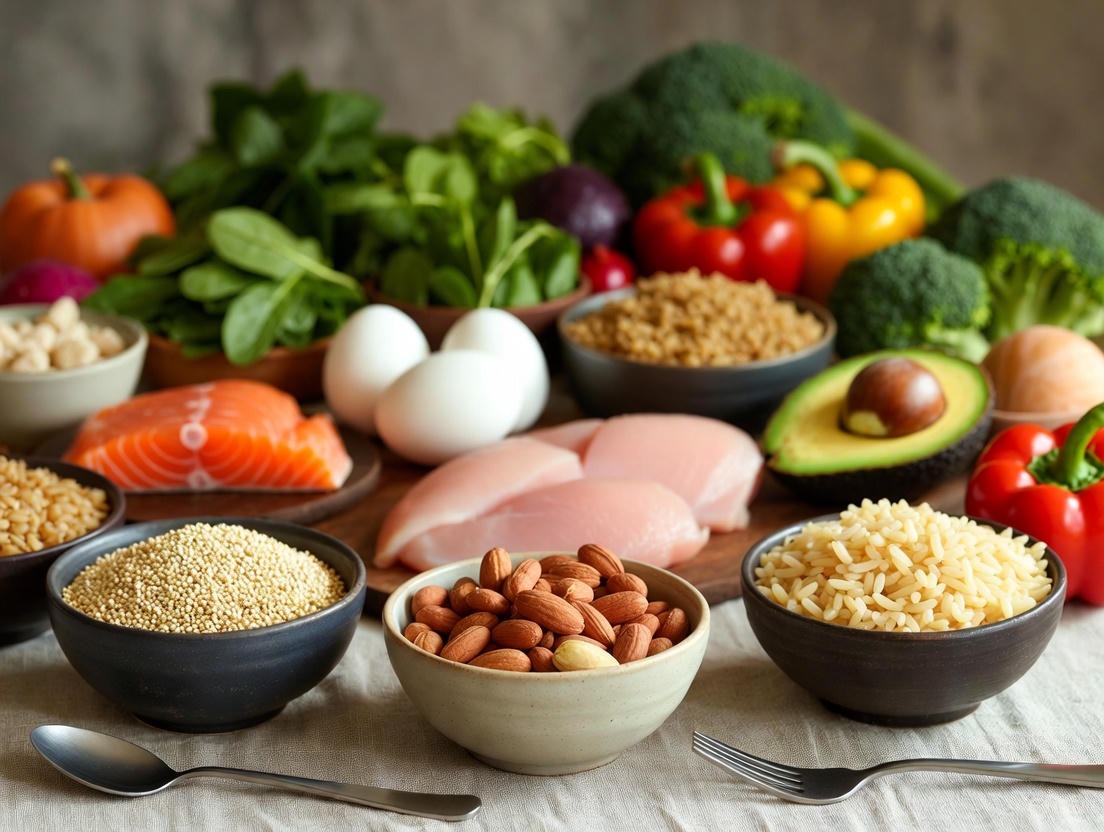
  • ½ Plate Non-Starchy Vegetables: Aim for color and variety (leafy greens, broccoli, peppers, mushrooms, zucchini, etc.). This provides volume, fiber, micronutrients, and phytonutrients with minimal calories.
  • ¼ Plate High-Quality Protein: Choose from animal sources (fish, poultry, eggs, meat) or plant sources (tofu, tempeh, lentils, beans). Prioritize whole-food sources over processed powders or fake meats.
  • ¼ Plate Quality Carbohydrates or More Veggies: For active individuals or those with high energy needs, include a serving of complex carbs (sweet potato, quinoa, brown rice, oats, fruit). For those focusing on metabolic flexibility or weight management, filling this quarter with additional non-starchy vegetables or healthy fats is a great option.
  • Add Healthy Fats: Include a thumb-sized portion of fats for cooking or dressing (olive oil, avocado oil) or as part of the meal (avocado, nuts, seeds).

Prioritizing Food Quality: The Hierarchy of Choices

  1. Whole, Unprocessed Foods: These should form the bulk of your diet. They are as close to their natural state as possible: vegetables, fruits, whole grains, legumes, nuts, seeds, eggs, meat, and fish.
  2. Minimally Processed Foods: These have undergone some processing but retain most of their inherent nutritional value (e.g., plain yogurt, cheese, tofu, frozen vegetables, canned beans with no added sugar/salt).
  3. Processed Culinary Ingredients: These are used to cook and enhance whole foods (e.g., olive oil, butter, vinegar, salt, spices).
  4. Ultra-Processed Foods (Limit Heavily): Industrial formulations with five or more ingredients, often including substances not used in home cooking (hydrogenated oils, high-fructose corn syrup, protein isolates, artificial flavors/colors/preservatives). These are designed to be hyper-palatable and are consistently linked to poor health outcomes.

Hydration: The Essential Solvent

Water is the medium for every biochemical reaction. Chronic low-level dehydration impairs cognition, physical performance, and detoxification.

  • Aim for: ~½ your body weight (in pounds) in ounces of water daily, more if active or in hot climates.
  • Tips: Start your day with a glass of water. Herbal teas and sparkling water count. Limit sugary drinks and be mindful of alcohol and excessive caffeine, which can be dehydrating.

Mindful Eating & The Eating Environment

  • Eat Without Distraction: Avoid screens. Pay attention to the taste, texture, and aroma of your food. This improves digestion and helps you recognize satiety cues.
  • Chew Thoroughly: Digestion begins in the mouth. Chewing signals the rest of the digestive cascade and mechanically breaks down food.
  • Manage Portions: Use smaller plates, serve appropriate portions, and wait 20 minutes before considering seconds to allow satiety signals to reach your brain.

Personalization: The Final Frontier

There is no universally perfect diet. Key factors to consider:

  • Activity Level: More active individuals need more total calories, with a particular emphasis on carbohydrates for fuel and protein for repair.
  • Health Status & Goals: Someone with insulin resistance will prioritize blood sugar management differently than a highly-trained endurance athlete.
  • Food Tolerances & Ethics: Respect allergies, intolerances (like lactose or gluten for those with celiac disease), and ethical choices (vegetarian, vegan). The principles of whole foods, balance, and nutrient density apply within any dietary pattern.
  • Bio-Individuality: This is where technology like smart rings shines. Use your wearable's data—sleep scores, resting heart rate, heart rate variability (HRV), and recovery metrics—as objective feedback. Notice how different foods and meal timings affect these metrics. Did a heavy, late-night meal trash your sleep depth? Did a day of high sugar intake lower your next morning's HRV? This turns nutrition from a generic prescription into a personalized N=1 experiment.

The practical application is a journey, not a destination. It's about progress, not perfection. Start by adding more vegetables to your day. Then focus on protein quality. Then experiment with meal timing. Each positive change compounds, building the foundation of lasting health. And as you make these changes, you can use tools like detailed sleep tracking metrics to see their tangible impact on your body's most restorative state.

The Future of Personalized Nutrition: Data, Technology, and the Quantified Self

We stand at the precipice of a revolution in personal health. The foundational wisdom of nutrition, once passed down through tradition and generalized science, is now merging with cutting-edge technology to create an era of hyper-personalized nourishment. This is the frontier where the ancient art of eating meets the modern science of the quantified self, and it promises to make the nutrition-health connection more precise, actionable, and empowering than ever before.

Beyond Macronutrients: The Rise of Continuous Biomarker Monitoring

The future moves past static food logs and calorie counting. It involves the dynamic, real-time tracking of physiological responses to food through non-invasive or minimally invasive biomarkers.

  • Continuous Glucose Monitors (CGMs): Once solely for diabetics, CGMs are becoming powerful wellness tools. They provide a real-time graph of how your blood glucose responds to specific meals, sleep, stress, and exercise. Two people can eat the same "healthy" food (like oatmeal) and have wildly different glucose responses based on their unique metabolism, microbiome, and activity. A CGM makes this invisible process visible, allowing you to tailor food choices, meal composition (adding fat/protein/fiber to blunt spikes), and timing to your personal biology.
  • Smart Rings & Wearables: Devices like the Oura Ring or Whoop Strap go beyond steps, tracking physiological states directly relevant to nutritional status. Heart Rate Variability (HRV) is a key metric of autonomic nervous system balance and recovery. A low HRV can indicate systemic stress, which may be influenced by inflammation from food, poor sleep due to diet, or inadequate recovery nutrients. Resting Heart Rate (RHR) and sleep architecture (time in deep, REM, light sleep) are also sensitive to dietary inputs. By correlating dietary choices with these objective recovery metrics, you gain profound insight into what truly nourishes versus depletes you.
  • Future Biomarkers: We are seeing the emergence of at-home testing for markers like ketones (for those on low-carb diets), lactate, and even inflammation markers (like CRP through home blood tests). Wearable sweat sensors and breath analyzers are in development to non-invasively track metabolites in real-time.

The Power of the Microbiome Test

Personalized nutrition will increasingly start with a stool sample. Detailed microbiome analysis can reveal:

  • The specific strains of bacteria you host.
  • Your capacity to produce beneficial metabolites like butyrate.
  • The presence of potential pathogens or markers of dysbiosis.
  • Recommendations for specific prebiotic fibers (to feed your good bacteria) and probiotic strains (to replenish what you lack).

This moves gut health from guesswork to a targeted, data-driven endeavor.

AI and Machine Learning: Your Personal Nutritionist

The sheer volume of data from wearables, CGMs, microbiome tests, and genetic profiles is overwhelming for a human to synthesize. This is where artificial intelligence shines. Future apps and platforms will:

  • Aggregate Data: Pull in information from all your devices and tests into a single dashboard.
  • Identify Patterns: Use machine learning to find correlations between your food intake, lifestyle, and biomarker responses that you would never spot yourself (e.g., "Your HRV drops 15% and sleep latency increases when you eat nightshades after 7 PM").
  • Provide Predictive Recommendations: Move from describing the past to predicting the future: "Based on your high-stress day and low sleep score, we recommend a magnesium-rich dinner with extra protein to support recovery tonight."
  • Generate Dynamic Meal Plans: Create shopping lists and recipes tailored not just to your preferences, but to your real-time physiological state and goals.

Ethical Considerations and the Human Element

With this power comes responsibility. We must navigate:

  • Data Privacy: Who owns and protects our intimate physiological data?
  • Nutritional Reductionism: The risk of becoming so focused on biomarkers that we forget the joy, culture, and social connection of food.
  • Accessibility: Ensuring these tools don't widen health disparities, but become more democratized over time.

The goal of personalized nutrition technology is not to turn eating into a sterile, algorithmic chore. It is to provide clarity and confidence. It removes the noise of conflicting dietary advice and answers the most important question: "What works for me?" It empowers you to become the expert on your own body, using objective data to make informed choices that align with your unique physiology and goals.

As we integrate these tools, we close the loop on the nutrition-health connection. We move from theory to practice, and from generalized practice to precise, personal optimization. This is the new frontier of wellness—a synergy of ancient wisdom and modern technology, all aimed at helping you write the healthiest, most vibrant story for your own life. And to truly master this new frontier, a foundational step is learning to accurately interpret the data you're collecting, starting with a complete guide to understanding your sleep tracking data.

Nutrition in the Modern World: Navigating Challenges & Mastering Mindset

The science is clear: a foundation of whole, nutrient-dense foods is the cornerstone of health. Yet, applying this knowledge in the 21st century feels like navigating an obstacle course designed by a mischievous food scientist. We are beset by contradictory headlines, surrounded by engineered hyper-palatable foods, and burdened by time scarcity and stress that drive convenience choices. This section confronts these modern realities head-on, providing a practical playbook for maintaining nutritional integrity in a world that often seems to work against it.
Decoding the Noise: How to Think Critically About Food Trends & Headlines

Nutritional information flows at us from a firehose of social media influencers, documentaries with compelling narratives, news articles touting single-study breakthroughs, and a multi-billion dollar supplement industry. Cutting through this noise requires a critical mindset and a set of evaluative tools.

Red Flags in Nutrition Reporting

Be highly skeptical of information that exhibits these characteristics:

  • The "Silver Bullet" or "Devil Food" Narrative: Headlines proclaiming one food (e.g., kale, coconut oil) will cure all ills or another (e.g., gluten, dairy for everyone) is universally toxic are oversimplified to the point of falsehood. Nutrition is about patterns and context, not magic or poison.
  • Reliance on Anecdote or "Ancient Wisdom" Without Evidence: A compelling personal story or an appeal to tradition ("The XYZ Diet of Ancient Warriors!") is not scientific evidence. While traditional diets hold wisdom, they must be evaluated alongside modern research.
  • Fear-Mongering & Cleanse Culture: Language that labels foods as "toxic," "dirty," or "sinful" and promotes extreme detoxes or cleanses is often designed to sell products, not health. Your liver and kidneys are perpetually effective detoxifiers when supported by good nutrition.
  • Confirmation Bias in Media: Be aware of your own biases. We are naturally drawn to information that confirms our existing beliefs. If a headline perfectly aligns with your dietary ideology, pause and scrutinize it extra carefully.

How to Evaluate a Nutrition Claim: A Simple Framework

  1. Check the Source: Is the information coming from a peer-reviewed journal, a registered dietitian (RD/RDN), a PhD in a relevant field, or a medical doctor with nutritional training? Or is it from a celebrity, a "wellness coach" with questionable credentials, or a company selling a related product?
  2. Look for Consensus, Not Singular Studies: One new study, no matter how exciting, does not overturn established science. Look for meta-analyses and systematic reviews, which pool data from many studies to find the overall signal. Reputable bodies like the World Health Organization (WHO) or national health agencies base recommendations on consensus.
  3. Consider the Study Design: Was it conducted in humans (not just cells or mice)? Was it an observational study (which can find correlations but not prove causation) or a randomized controlled trial (RCT, the gold standard for cause-and-effect)? Who funded the research?
  4. Beware of Extrapolation: Did a study finding benefits from eating 30g of nuts per day get reported as "Nuts Are a Miracle Food!"? The dose and context matter immensely.

The Supplement Conundrum

Supplements are a multi-faceted issue. They can be crucial for addressing specific, diagnosed deficiencies (e.g., Vitamin D in northern latitudes, iron in anemia, B12 for vegans). However, for the general population eating a varied diet, they are not a substitute for food and can even be harmful in megadoses.

  • Food-First Principle: Aim to get nutrients from whole foods where they come packaged with fiber, phytonutrients, and co-factors for optimal absorption.
  • Targeted Supplementation: Consider supplements based on individual need, lifestyle, and ideally, bloodwork. Common candidates for modern life include Vitamin D, Omega-3s (if fish intake is low), and Magnesium (due to soil depletion and stress).
  • Quality Matters: The supplement industry is poorly regulated. Look for third-party tested brands (USP, NSF, Informed-Choice) that verify purity and potency.

Mastering this critical lens transforms you from a passive consumer of food trends into an active, discerning architect of your own diet. It saves you time, money, and mental energy, allowing you to focus on what truly matters: the consistent practice of eating well. This practice is intimately tied to other lifestyle factors; for example, the discipline of evaluating sleep technology claims is similar. Understanding the realistic pros and cons of sleep tracking for 2025 can help you invest wisely in tools that support, rather than complicate, your wellness journey.

The Ultra-Processed Food Dilemma: Identifying and Minimizing the Modern Threat

No discussion of modern nutrition is complete without addressing the elephant in the room: ultra-processed foods (UPFs). As defined by the NOVA classification system, these are not merely "processed" (like ground meat or cheese). They are industrial formulations typically containing five or more ingredients, including substances not commonly used in home cooking like hydrolyzed proteins, maltodextrin, hydrogenated oils, high-fructose corn syrup, artificial sweeteners, and cosmetic additives (emulsifiers, thickeners, flavor enhancers).

Why UPFs Are Problematic: More Than Just "Empty Calories"

The harm of UPFs extends far beyond their often-poor macronutrient profile (high in sugar, unhealthy fats, low in fiber). Their very design and composition disrupt normal physiology:

  1. Hyper-Palatable Engineering: UPFs are scientifically designed to override our natural satiety signals. They create a "bliss point" of perfect salt, sugar, fat, and mouthfeel that makes it easy to consume large quantities of calories very quickly, without feeling full.
  2. Disrupted Gut Microbiome: Emerging research suggests that common UPF additives, like certain emulsifiers (polysorbate-80, carboxymethylcellulose) and artificial sweeteners, can disrupt the gut microbiome, reducing diversity, increasing inflammation, and potentially compromising the gut barrier.
  3. Nutrient Displacement: By definition, UPFs are low in essential micronutrients and phytonutrients. When they make up a large portion of the diet, they displace whole foods, leading to a state of being overfed but undernourished—a paradox of modern malnutrition.
  4. Addictive Properties: The rapid delivery of refined carbs and fats can trigger dopamine surges in the brain's reward pathway, similar to other addictive substances. This can create powerful cravings and a cycle of dependence.

Practical Strategies for Reducing UPFs

You don't need to eliminate them perfectly, but minimizing their dominance in your diet is one of the most powerful health steps you can take.

  • Learn to Spot Them: The single best tool is to read ingredient lists. A long list of unpronounceable, unfamiliar ingredients is a telltale sign. If it looks like a chemistry experiment, it probably is.
  • Shop the Perimeter: This classic advice holds true. Grocery store perimeters typically house whole foods: produce, meat, fish, dairy. The inner aisles are where UPFs reign. Make the perimeter your primary shopping ground.
  • Cook More at Home: This is the ultimate control mechanism. When you cook from whole ingredients, you automatically eliminate thousands of hidden additives.
  • Redefine "Convenience": Batch-cook grains and proteins on weekends. Keep frozen vegetables and pre-washed greens on hand. Stock healthy pantry staples (canned beans, tomatoes, tuna in water, olive oil, spices) for quick, whole-food meals.
  • Be a Savvy Replacement Artist: Craving chips? Try roasted chickpeas or kale chips. Want a sweet treat? Opt for plain yogurt with berries and a drizzle of honey over a fluorescent yogurt cup.

Reducing UPF consumption isn't about embracing a life of culinary austerity. It's about reclaiming the role of food as nourishment and rediscovering the genuine, complex flavors of real ingredients. This shift towards whole foods often has a profound, positive cascading effect on other health metrics, including sleep quality. As you remove inflammatory additives and stabilize your energy, you may see improvements in your sleep tracking accuracy as your body's natural rhythms become more stable and less disrupted by chemical inputs.

Sustainability & Ethics: The Health of Your Plate and the Planet

The nutrition-health connection does not exist in a vacuum. What we choose to eat has profound ripple effects on environmental sustainability, animal welfare, and social justice. A truly holistic view of wellness considers these externalities, recognizing that personal health and planetary health are inextricably linked.

The Environmental Footprint of Food Choices

Different foods require vastly different amounts of land, water, and energy to produce and generate different levels of greenhouse gas (GHG) emissions.

  • The High Impact of Animal Products: Generally, red meat (particularly beef and lamb) has the highest environmental footprint per gram of protein, in terms of land use, water consumption, and methane emissions. Dairy also ranks high.
  • Plant-Based Advantages: Plant-based proteins (legumes, lentils, nuts, seeds) typically have a much lower environmental impact. However, not all plants are equal—crops like almonds are very water-intensive.
  • The "Local" and "Seasonal" Nuance: While buying local produce reduces transportation emissions and supports your community, studies show that transportation is a relatively small part of a food's total carbon footprint. What you eat often matters more than where it's from. However, seasonal produce is usually fresher, more nutrient-dense, and often grown with fewer artificial inputs.

Practical Steps for an Eco-Friendlier Plate

You don't need to go vegan to make a significant difference. Adopting a "flexitarian" or "reducetarian" approach can have a major collective impact.

  1. Embrace Plant-Centric Meals: Make plants the star of your plate more often. Implement "Meatless Mondays" or designate most dinners as plant-based.
  2. Prioritize Quality Over Quantity for Animal Products: When you do eat meat, dairy, and eggs, choose less but better. Opt for products from regenerative, pasture-raised, or organic sources. These often have a better nutrient profile (e.g., higher omega-3s in grass-fed beef) and support farming practices that can improve soil health and carbon sequestration.
  3. Reduce Food Waste: An estimated 30-40% of the food supply in developed nations is wasted. This represents a colossal waste of resources. Plan meals, store food properly, get creative with leftovers, and compost scraps.
  4. Mind Your Seafood: Choose seafood from sustainable sources using guides like the Monterey Bay Aquarium's Seafood Watch. Prioritize smaller, lower-trophic fish (like sardines, mackerel) which are more abundant and less likely to contain high levels of mercury.

Ethical Considerations

For many, wellness includes aligning food choices with ethical values. This encompasses:

  • Animal Welfare: Supporting farming systems that allow animals to express natural behaviors.
  • Labor Practices: Considering the fair treatment and pay of farm and food system workers.
  • Seed Sovereignty & Biodiversity: Supporting heirloom varieties and farmers who preserve genetic diversity, as opposed to monocultures dependent on patented seeds.

Navigating these issues can feel complex, but the core principle is awareness and incremental improvement. Start with one change, like committing to buying eggs only from pasture-raised hens or swapping one beef meal per week for a lentil-based dish. This mindful approach fosters a deeper connection to your food and its journey to your plate, enriching the very act of eating. This mindful connection can extend to all aspects of self-care, including preparing for rest. Creating a peaceful pre-sleep ritual, perhaps informed by insights on natural sleep maintenance for staying asleep all night, completes the circle of conscious living.

The Psychology of Eating: Mindset, Habits, and Breaking the Diet Cycle

You can have all the nutritional knowledge in the world, but if your mindset is rooted in restriction, guilt, and the "on-a-diet/off-a-diet" cycle, sustainable health will remain elusive. Lasting change is less about willpower and more about psychology—understanding the mental patterns that drive our eating behaviors and cultivating a healthy relationship with food.

Moving from Diet Mentality to Nourishment Mentality

The traditional "diet" is characterized by:

  • External Rules: Strict lists of allowed/forbidden foods.
  • Short-Term Focus: A goal weight or event as the finish line.
  • All-or-Nothing Thinking: One "cheat" meal derails the whole plan, leading to a "what the hell" effect and bingeing.
  • Food as Reward/Punishment: Using food to celebrate or comfort, then punishing oneself with restriction.

A nourishment mentality is characterized by:

  • Internal Cues: Eating based on hunger, fullness, and what will make your body feel energized and strong.
  • Long-Term Perspective: Viewing food as a lifelong practice of self-care, not a temporary fix.
  • Flexibility and Progress: Understanding that consistency over time matters more than daily perfection. There are no "good" or "bad" foods, only more or less nutrient-dense choices that fit into an overall pattern.
  • Food as Fuel and Pleasure: Recognizing that food serves both physiological and social/emotional roles, and that both are valid.

Building Sustainable Habits: The Power of Tiny Changes

Willpower is a finite resource. Habits, however, run on autopilot. The key is to build small, positive habits that compound.

  • Use "Habit Stacking": Attach a new, desired behavior to an existing habit. "After I pour my morning coffee, I will drink one full glass of water."
  • Start Inconceivably Small: Want to eat more vegetables? Commit to eating two bites of broccoli with dinner. This seems trivial, but it establishes the identity of "someone who eats vegetables" and makes the next step easier.
  • Optimize Your Environment: Make the healthy choice the easy choice. Pre-cut vegetables and store them at eye level in the fridge. Put fruit on the counter. Don't keep ultra-processed snacks in the house.
  • Focus on Addition, Not Subtraction: Instead of "I can't have chips," think "I'm going to add a side salad to my lunch today." This positive framing is more motivating and builds nutrient density naturally.

Understanding Emotional and Stress Eating

Eating in response to emotions (boredom, sadness, anxiety) rather than physical hunger is incredibly common. Stress, in particular, drives cravings for high-carb, high-fat comfort foods because they can temporarily dampen the stress response.

Strategies to Manage Emotional Eating:

  1. Pause and Identify: When a craving strikes, pause. Ask yourself: Am I physically hungry? (Hunger builds gradually, emotional craving is sudden). What am I feeling? Bored? Stressed? Sad?
  2. Find Non-Food Coping Mechanisms: Create a "menu" of alternatives: a 5-minute walk, deep breathing, calling a friend, drinking herbal tea, journaling.
  3. Practice Mindful Eating: When you do eat, do only that. Sit down, remove distractions, and savor each bite. This slows you down, improves satisfaction, and helps you recognize fullness cues.
  4. Don't Restrict What You Crave: Paradoxically, strict restriction often intensifies cravings. Allow yourself to have the food you want, mindfully and in a reasonable portion, without guilt. This removes its "forbidden fruit" power.

Cultivating a healthy psychology around food is the glue that holds all the nutritional science together. It allows you to apply knowledge with compassion and consistency, turning stress-free, health-supporting eating into your default mode. This psychological resilience is a cornerstone of overall wellness, impacting not just your eating but also your ability to unwind and achieve restorative sleep—a process you can learn to measure and understand without anxiety by starting with sleep tracking for beginners.

Special Considerations: Nutrition Through the Lifespan and for Specific Goals

While the core principles of whole-food, nutrient-dense eating remain constant, our nutritional needs and practical challenges shift throughout life and in pursuit of specific athletic or health objectives. Tailoring the foundational framework to these phases is key to success.

Nutrition Through the Lifespan

  • Pregnancy & Lactation: This is a period of increased demand for nearly all nutrients to support fetal/infant development and maternal health. Critical focuses include: folate (for neural tube development), iron, choline, iodine, DHA (for baby's brain), and ample protein. Food safety (avoiding unpasteurized cheeses, deli meats, high-mercury fish) is also paramount.
  • Childhood & Adolescence: The focus is on establishing healthy eating patterns, supporting rapid growth, and cognitive development. Key needs: adequate calories from whole foods, calcium and vitamin D for bone growth, iron, and high-quality protein. The challenge is navigating preferences, school environments, and the influence of marketing.
  • Adulthood (20s-50s): This is the phase of maintaining metabolic health, supporting career and family energy demands, and preventing the onset of chronic disease. Priorities shift to optimizing nutrient density per calorie, managing stress-related eating, and establishing sustainable habits.
  • Perimenopause & Menopause: Hormonal shifts bring new challenges: a decline in metabolic rate, changes in fat distribution (more abdominal), and increased risk for bone loss and heart disease. Nutritional strategies emphasize: adequate protein to preserve muscle mass, calcium/vitamin D/K2 for bones, phytoestrogens (from soy, flax) for some symptom relief, and a focus on blood sugar management to combat insulin resistance.
  • Older Adulthood (65+): Appetite often decreases (due to less activity, changes in taste/smell, social isolation), yet nutrient needs remain high. The primary goals are preventing sarcopenia (muscle loss) and malnutrition. Tactics include: prioritizing protein at every meal (including breakfast), fortifying foods (adding nut butter, olive oil), ensuring easy-to-eat, nutrient-dense snacks, and paying special attention to hydration and vitamin B12 absorption (which can decline with age).

Nutrition for Fitness & Performance

Whether you're a weekend warrior or a competitive athlete, nutrition is the key to performance and recovery.

  • Fueling for Exercise:
    • Before (2-3 hours): A balanced meal with complex carbs, moderate protein, and low fat/fiber. (e.g., oatmeal with berries and nuts).
    • Before (30-60 mins): A small, easily digestible carb-based snack if needed (banana, applesauce).
    • During (>60 mins activity): For endurance events, intake of easily digestible carbs (gels, chews, sports drinks) to maintain blood glucose.
    • After (The "Window of Opportunity"): Within 30-60 minutes post-exercise, consume a combination of carbs to replenish glycogen and protein (20-40g) to stimulate muscle protein synthesis. A smoothie or chocolate milk are classic, effective options.
  • Macronutrient Adjustments: Active individuals need more total calories, with a particular emphasis on carbohydrate intake to fuel training and adequate protein (1.6-2.2g/kg of body weight) for repair. Hydration and electrolyte balance (sodium, potassium, magnesium) are critical, especially in heat.
  • The Role of Wearables: Here, devices like smart rings become invaluable coaching tools. Monitoring HRV and resting heart rate can indicate whether you are recovered enough for a high-intensity session or need a rest day. Tracking sleep quality and duration is non-negotiable, as this is when the bulk of physical repair and adaptation occurs. An athlete ignoring recovery metrics is leaving performance—and health—on the table.

Nutrition for Weight Management: A Sustainable Approach

Sustainable weight management is not a diet; it is the natural outcome of the health-promoting behaviors we've discussed. It hinges on creating a sustainable, slight calorie deficit (if needed) while maximizing nutrient density and satiety.

  • The Satiety Hierarchy: Protein and fiber are the most satiating nutrients. Healthy fats also promote fullness. Building meals around these ensures you feel satisfied on fewer calories.
  • Energy Density: Vegetables (high in water and fiber, low in calories) allow you to eat large, satisfying volumes for minimal calories. Combining them with protein and fat creates meals that are physically and psychologically filling.
  • Mindful Eating & Hunger Cues: Re-learning to eat when you're physically hungry and stop when you're comfortably full is a cornerstone of weight maintenance without counting.
  • The Non-Scale Victory (NSV) Focus: Shift focus from the scale to how you feel: improved energy, better sleep, clearer skin, stronger workouts, stable mood, and clothes fitting better. These are often better indicators of positive metabolic change.

Understanding these specialized applications demonstrates the flexibility and power of foundational nutritional wisdom. It's not about different rulebooks, but about skillfully adjusting the dials—more protein here, more mindful hydration there—to meet the unique demands of your current life chapter. As these demands change, so too might your need for different types of recovery, something a savvy user can discern by understanding the accuracy and limitations of different sleep tracking devices.

The Synergy of Lifestyle: Where Nutrition Meets Sleep, Stress, and Movement

Nutrition does not operate in a silo. It exists in constant dialogue with the other pillars of wellness: sleep, stress management, and physical activity. These factors form a dynamic, interconnected system. Optimizing one amplifies the benefits of the others, while neglecting one can undermine your efforts in all areas. This is the concept of lifestyle synergy.

The Nutrition-Sleep Feedback Loop

This is a profound two-way street with powerful implications.

  • How Nutrition Affects Sleep:
    • Blood Sugar Stability: As discussed, a blood sugar crash at night can trigger a cortisol release, pulling you out of deep sleep. A balanced dinner with protein/fat/fiber supports stable glucose overnight.
    • Tryptophan & Serotonin: The amino acid tryptophan (in turkey, pumpkin seeds) is a precursor to serotonin and melatonin. Consuming it with complex carbs can facilitate its entry into the brain.
    • Magnesium: This mineral acts as a natural muscle relaxant and GABA co-factor. Magnesium-rich foods (leafy greens, nuts, seeds) or supplementation can support sleep quality.
    • Timing & Size of Meals: A large, heavy, or spicy meal too close to bedtime can cause discomfort and disrupt sleep. Aim to finish eating 2-3 hours before bed.
  • How Sleep Affects Nutrition:
    • Hormonal Chaos: Sleep deprivation (even one night) disrupts leptin (satiety) and ghrelin (hunger). Leptin drops, ghrelin rises, leading to increased appetite, especially for high-carb, high-calorie foods.
    • Impulse Control: The prefrontal cortex, responsible for decision-making and willpower, is impaired by lack of sleep. This makes it much harder to resist cravings and make healthy food choices.
    • Energy Compensation: When you're tired, you instinctively seek quick energy, often in the form of sugary foods and caffeine.

The Nutrition-Stress Nexus

Stress and nutrition are locked in a vicious cycle that can be transformed into a virtuous one.

  • Stress Depletes Nutrients: Chronic stress increases the utilization and excretion of magnesium, B vitamins, and vitamin C.
  • Poor Nutrition Increases Stress: A diet high in sugar and processed foods creates oxidative stress and inflammation, which the body perceives as a physiological threat, further activating the HPA axis and cortisol release.
  • Breaking the Cycle: Consuming a nutrient-dense, anti-inflammatory diet provides the raw materials your body needs to manufacture stress hormones and neurotransmitters properly, building resilience. Adaptogenic herbs (like ashwagandha, rhodiola) and key nutrients (magnesium, omega-3s) can help modulate the stress response.

The Nutrition-Movement Partnership

Exercise and nutrition are the ultimate power couple for body composition and metabolic health.

  • Fueling Performance: As detailed earlier, proper pre-, during-, and post-workout nutrition maximizes the benefits of your training, improving performance, endurance, and recovery.
  • Supporting Muscle Synthesis: Resistance exercise creates the stimulus for muscle growth; dietary protein provides the essential amino acids to execute the build.
  • Enhancing Metabolic Flexibility: Regular exercise, especially high-intensity interval training (HIIT) and strength training, improves insulin sensitivity and your body's ability to burn fat for fuel. This works hand-in-hand with a diet that promotes metabolic flexibility.

Creating a Synergistic Lifestyle Plan

The goal is to create a virtuous, self-reinforcing cycle. For example:

  • Eating a balanced, anti-inflammatory diet → improves sleep quality → better sleep regulates hunger hormones and increases energy → more energy for consistent exercise → exercise reduces stress and improves insulin sensitivity → reduced stress and better metabolism make it easier to choose healthy foods... and the cycle continues.

The modern tool that makes this synergy visible is the holistic wearable. A smart ring that tracks sleep, daytime heart rate, HRV, and activity provides a unified dashboard of this interplay. You can literally see on your phone how a day of poor food choices and high stress decimates your night's deep sleep and next-morning recovery score. Conversely, you can observe how a day of balanced eating, moderate movement, and a mindfulness practice leads to a high HRV and excellent sleep efficiency. This feedback is priceless for understanding your personal lifestyle equation. To fully leverage this, it's helpful to know what sleep trackers can teach you about your overall health, making the data actionable.

Citations:

Your Trusted Sleep Advocate: Sleep Foundation — https://www.sleepfoundation.org

Discover a digital archive of scholarly articles: NIH — https://www.ncbi.nlm.nih.gov/

39 million citations for biomedical literature :PubMed — https://pubmed.ncbi.nlm.nih.gov/

Experts at Harvard Health Publishing covering a variety of health topics — https://www.health.harvard.edu/blog/  

Every life deserves world class care :Cleveland Clinic - https://my.clevelandclinic.org/health

Wearable technology and the future of predictive health monitoring :MIT Technology Review — https://www.technologyreview.com/

Dedicated to the well-being of all people and guided by science :World Health Organization — https://www.who.int/news-room/

Psychological science and knowledge to benefit society and improve lives. :APA — https://www.apa.org/monitor/

Cutting-edge insights on human longevity and peak performance:

 Lifespan Research — https://www.lifespan.io/

Global authority on exercise physiology, sports performance, and human recovery:

 American College of Sports Medicine — https://www.acsm.org/

Neuroscience-driven guidance for better focus, sleep, and mental clarity:

 Stanford Human Performance Lab — https://humanperformance.stanford.edu/

Evidence-based psychology and mind–body wellness resources:

 Mayo Clinic — https://www.mayoclinic.org/healthy-lifestyle/

Data-backed research on emotional wellbeing, stress biology, and resilience:

 American Institute of Stress — https://www.stress.org/
