


How Your Wellness Ring Tracks the Core Wellness Fundamentals
How a wellness ring tracks your adherence to core wellness fundamentals.
How a wellness ring tracks your adherence to core wellness fundamentals.
%402x.svg)
In the quiet hum of a modern life, we are often strangers to ourselves. We chase productivity, navigate stress, and seek rest, yet we lack a consistent, intimate dialogue with our own physiology. We feel tired, but don't know why. We feel off, but can't pinpoint the source. For generations, understanding our core wellness fundamentals—sleep, recovery, stress, and energy—relied on guesswork and vague feelings. No more. Enter the wellness ring: an unassuming piece of wearable technology that has become a personal biometrist, a silent guardian on your finger, translating the subtle, silent language of your body into actionable insight.
This isn't just another gadget; it's a paradigm shift in personal health awareness. By leveraging the unique vascular access point of your finger—a window into your circulatory system rich with data—a wellness ring like Oura, Whoop, or Circular provides a 24/7 stream of objective biometrics. It moves beyond step counting into the profound metrics that truly govern how you feel and function: heart rate variability (HRV), resting heart rate (RHR), skin temperature, and blood oxygen saturation. These are the core vital signs of your nervous system, your metabolic health, and your resilience.
But data alone is meaningless. The magic lies in the synthesis—the way the ring’s algorithms weave these discrete signals into a coherent narrative about your readiness, your sleep quality, and your stress load. It tells you not just that you slept for 8 hours, but how much of that was restorative deep sleep. It doesn't just note an elevated heart rate; it contextualizes it, asking if it’s from a good workout or from hidden stress. This article is your deep dive into that translation process. We will unravel exactly how your wellness ring tracks and interprets each of the core wellness fundamentals, transforming raw photoplethysmography (PPG) signals and accelerometer data into a personalized blueprint for better health. From the mysteries of sleep architecture to the subtle whispers of your autonomic nervous system, we’ll explore the science behind the scores, empowering you to move from passive tracking to active thriving.
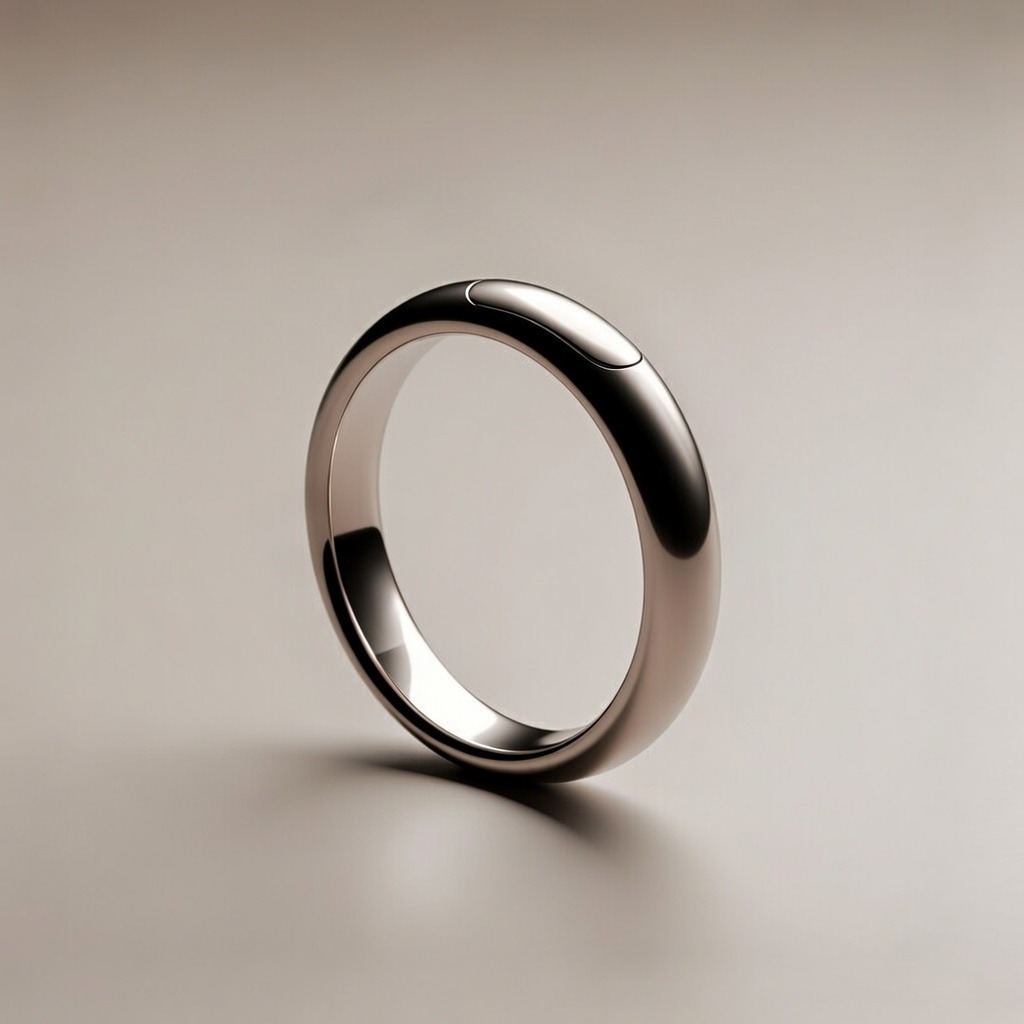
At the heart of every advanced wellness ring lies a fundamental optical technology called Photoplethysmography (PPG). It’s a formidable word for a beautifully simple concept: using light to measure blood volume changes in your microvasculature. While you go about your day, a tiny array of green and infrared LEDs on the inner curve of your ring beams light into the capillary-rich tissue of your finger. A photodetector, sitting beside the LEDs, then measures the amount of light that is reflected back.
Here’s the crucial part: blood absorbs light. When your heart beats and pushes a pulse of blood through your arteries and capillaries, the volume of blood in your finger increases momentarily, absorbing more light. Between beats, blood volume decreases, so more light is reflected back to the sensor. This rhythmic ebb and flow of reflected light creates a waveform—the PPG signal—which is, in essence, a direct visual representation of your pulse at one of your body’s most sensitive extremities.
From this continuous, living waveform, a universe of data is extracted:
But the ring doesn’t rely on light alone. It is a multisensory device. An accelerometer and gyroscope track movement with high precision. This inertial data is fused with the PPG data in a process called sensor fusion. This is critical for context. It helps the ring distinguish between a rising heart rate from a morning jog (associated with high movement) and a rising heart rate from a stressful work meeting (associated with low movement but high physiological arousal). It’s this combination of optical biometrics and motion context that transforms a simple pulse tracker into an intelligent wellness interpreter.
If resting heart rate is the blunt text of your body’s status, Heart Rate Variability is the nuanced poetry. It is the single most insightful metric your wellness ring provides for assessing your fundamental physiological state. Contrary to what one might assume, a healthy heart is not a metronome; it is a dynamic, adaptable system. The time between your heartbeats should vary, typically by tens of milliseconds. This variability is governed by your autonomic nervous system (ANS)—the automatic control center for your body’s unconscious functions.
The ANS has two primary branches in a constant, delicate tug-of-war:
Your HRV score is a direct readout of which system is dominant. A higher HRV generally indicates strong parasympathetic activity and good resilience—your body has the capacity to handle stress and recover efficiently. A lower HRV suggests sympathetic dominance—your body is under strain, whether from physical training, emotional stress, illness, or poor sleep.
Your wellness ring tracks your HRV continuously, but it pays special attention to your nighttime average HRV, often measured during deep sleep. This is considered your baseline, free from the noise of daily activity and conscious stress. By tracking this trend over time, the ring can tell you profound truths:
By learning to interpret your HRV trends alongside other metrics, you move from simply observing data to understanding your body’s readiness state. It becomes your personal biofeedback loop, guiding you to train on days you’re resilient and prioritize rest on days you’re strained.
Your body is a master of thermoregulation, maintaining a core temperature within a narrow, healthy range. However, your peripheral skin temperature—especially in your hands and feet—fluctuates significantly based on blood flow, which is controlled by your autonomic nervous system. Your wellness ring, sitting on your finger, is in the perfect position to monitor these subtle shifts, and it turns out they are incredibly informative, particularly during sleep when external influences are minimized.
A wellness ring tracks your temperature baseline over weeks and months, learning your personal normal. Then, each night, it notes deviations from this baseline. These deviations are not about being "hot" or "cold" in the traditional sense; they are about relative changes that signal internal processes.
It’s important to remember that the ring measures skin temperature, not core temperature. Environmental factors like a heavy blanket or a cold room will affect it. This is why the long-term trend and deviation from your personal baseline are far more meaningful than any single night’s absolute reading. By adding this thermal layer of data, your ring completes a more holistic picture of your internal state, one that goes far beyond what your conscious mind can perceive.
For decades, understanding sleep required an expensive and intimidating polysomnography (PSG) test in a lab, wired with electrodes. Today, your wellness ring brings a sophisticated version of this analysis to your bedside. It doesn’t just track when you’re asleep; it reverse-engineers the complex architecture of your night.
Sleep is not a monolithic state. It’s a cyclical journey through distinct stages, each with unique physiological signatures that your ring is designed to detect:
The ring’s algorithms use a combination of heart rate patterns, HRV, movement, and respiratory rate to assign a sleep stage to every minute of the night. From this, it builds a hypnogram—a visual map of your sleep cycles. The true value is in the derived metrics: total deep sleep, total REM sleep, sleep efficiency (time asleep vs. time in bed), and sleep latency (how long it takes to fall asleep).
This data moves you beyond duration to quality. You learn that eight hours in bed with frequent awakenings (high "restlessness") is less restorative than six hours of solid, cyclical sleep. It can reveal if you’re deficient in crucial deep sleep, which is vital for physical recovery, or REM sleep, essential for memory consolidation and emotional processing. By understanding your personal architecture, you can experiment with natural sleep induction techniques that work in minutes or tailor your evening routine to support a smoother transition into deeper stages, building towards a comprehensive natural sleep reset in 7 days to better rest.

While you are blissfully unaware, your body is engaged in the critical, automatic task of respiration. Blood oxygen saturation (SpO2) is the percentage of your hemoglobin—the oxygen-carrying molecules in your red blood cells—that is fully oxygenated. For a healthy individual at sea level, this typically sits between 95% and 100%. Your wellness ring uses its infrared PPG sensors to estimate this value periodically throughout the night.
Why track it during sleep? Because sleep, particularly for those with undiagnosed conditions, is when breathing can become most vulnerable. The ring isn’t intended as a medical diagnostic device, but as a wellness screening tool, it can identify potentially meaningful trends.
The primary phenomenon it looks for is blood oxygen desaturation—drops in your SpO2 level. Frequent or significant dips can be indicative of sleep-disordered breathing. The most common form is sleep apnea, where the airway becomes partially or fully blocked during sleep, leading to pauses in breathing (apneas) or shallow breaths (hypopneas). Each event causes a drop in blood oxygen, triggering a micro-arousal from sleep to restart breathing, fragmenting sleep architecture and straining the cardiovascular system.
By providing an average SpO2 and noting the number of significant desaturation events per hour, your ring can flag potential issues with nocturnal breathing. This is invaluable because sleep apnea is notoriously under-diagnosed; people may attribute their chronic daytime fatigue and brain fog to stress or poor sleep hygiene alone. A consistent pattern of low average SpO2 or frequent dips is a powerful prompt to seek a professional evaluation from a sleep specialist.
Furthermore, tracking SpO2 can be insightful in other wellness contexts:
Integrating SpO2 with heart rate and movement data creates a more complete picture of your sleep health, ensuring that the rest you think you’re getting is truly restorative at a fundamental cellular level.
If the PPG sensor is the poet, reading the verses of your pulse, the accelerometer is the journalist, recording the facts of your movement. This tiny micro-electromechanical system (MEMS) is the workhorse of context. It measures acceleration forces, allowing the ring to detect motion along multiple axes: are you moving your hand? Is your body walking, running, or completely still? This information is indispensable for making sense of the other, more complex biometrics.
The accelerometer’s primary functions are:
The gyroscope, often paired with the accelerometer, adds orientation data (rotation), further refining activity recognition—distinguishing between a hand movement while typing and the arm swing of a run. This fusion of inertial and biometric data is what separates a smart wellness ring from a simple heart rate monitor. It ensures the story your data tells is not just accurate in its numbers, but intelligent in its interpretation.
This is where the magic of sensor fusion and advanced algorithms culminates: in a single, integrative metric often called a Readiness Score (or Recovery, Readiness, or Daytime Score depending on the brand). This score is not a raw measurement; it is a synthesized conclusion. It’s the ring’s AI-driven answer to the most important question you can ask each morning: "What is my body capable of today?"
The readiness score is a weighted composite of your key overnight metrics, translating the language of your physiology into a simple, actionable number or percentage. While the exact algorithm is proprietary, it consistently draws from these core pillars:
A high readiness score (e.g., 85-100) is a green light. It suggests your body is resilient, recovered, and primed for performance. It’s a good day for an intense workout, a demanding project, or social engagement. A moderate score (e.g., 70-84) is a yellow light—proceed with awareness. Consider a lighter activity, like walking or yoga, and be mindful of stress management. A low score (below 70) is a red light, a strong recommendation to prioritize recovery. This means extra sleep, relaxation, hydration, and nutrition—not adding more strain.
This score empowers you to practice body-based decision making instead of calendar-based or mood-based decision making. You learn to trust the objective data over your sometimes-misleading motivation, leading to smarter training, better stress management, and ultimately, more sustainable high performance. For those in high-stress periods, this objective guide is invaluable for knowing when to push and when to pull back, a strategy explored in depth for how to sleep better naturally during high stress periods.
In the pursuit of fitness and health, we have long worshipped the "burn." More steps, harder workouts, higher calories—the ethos of "more is better." Modern wellness science and your ring reveal a more nuanced truth: Health is not the product of work alone; it is the product of work absorbed.
This is the balance between Strain (or Activity/Exertion) and Recovery. Your wellness ring quantifies both sides of this equation, creating a dynamic, real-time feedback loop.
The ring calculates a daily Activity Score or Strain Score. This isn't just steps. It’s a composite metric that factors in:
This score gives you credit for positive stress (eustress) placed on your body, which is the stimulus for adaptation—getting stronger, faster, more resilient.
However, the critical insight comes from juxtaposing this Activity Score with your Readiness Score. This creates the fundamental dialogue of fitness:
By visualizing this relationship over weeks, you can see your personal cycles of strain and supercompensation. You learn that a rest day after a hard training block isn’t "lazy"; it’s the essential phase where the body repairs and becomes stronger. This teaches periodization—the intentional cycling of training intensity—at a personal level. For athletes, this balance is the cornerstone of recovery-focused rest strategies that maximize performance gains while minimizing injury risk.
Your body is not a static machine; it operates on a near-24-hour cycle known as your circadian rhythm. This internal clock, governed by a master "pacemaker" in the brain called the suprachiasmatic nucleus (SCN), regulates everything from hormone release (cortisol, melatonin) and body temperature to digestion and cognitive performance. Disruption of this rhythm is linked to poor sleep, metabolic issues, and weakened immunity. Your wellness ring passively tracks the outputs of your circadian rhythm, giving you a proxy readout of its timing and strength.
Key metrics that reflect your circadian phase include:
By analyzing these patterns, your ring can infer if your lifestyle is in sync with your biology. Do you go to bed and wake at consistent times? Does your daytime heart rate pattern look healthy? Does your temperature drop predictably at night? This data empowers you to make choices that reinforce your natural rhythm, such as getting morning sunlight, avoiding late-night eating, and managing light exposure after dark—fundamental practices for honoring the role of darkness and your circadian rhythm. It can also reveal the impact of shift work, jet lag, or social jet lag (the weekend sleep-in) on your physiology, showing you the real metabolic cost of living out of sync with your internal clock.
Perhaps the most important—and most overlooked—principle of using a wellness ring is this: Your data is yours alone. There is no "perfect" HRV of 80 ms or "ideal" resting heart rate of 55 BPM that applies to everyone. A woman in her 30s, a male athlete in his 20s, and a man in his 60s will have wildly different normal ranges. The supreme power of continuous wear is that the ring establishes a personalized baseline for you over a period of about two to four weeks.
This baseline is your unique physiological fingerprint. Once established, the ring’s true intelligence shines: it stops comparing you to population averages and starts comparing you to yourself. It tracks deviations from your personal norm, which is where the most meaningful insights are found.
This focus on trends liberates you from score anxiety. You stop chasing an arbitrary number and start listening to the direction and magnitude of change. A steady, gradual increase in your HRV baseline over months is a beautiful sign of improved fitness and resilience. A creeping rise in your resting heart rate might indicate chronic dehydration or cumulative stress.
This personalization is the final, critical layer that transforms a mass-produced device into your private health consultant. It teaches you what "optimal" truly means for your one-of-a-kind body, allowing you to craft a lifestyle—from your natural sleep timeline of when to eat, move, and rest to your workout schedule—that is perfectly attuned to your individual needs and rhythms.

Data is passive; insight is active. The true transformative power of a wellness ring isn't in the dashboard you view each morning, but in the subtle, cumulative shifts it inspires in your daily choices. It creates a closed-loop feedback system where observation leads to insight, insight leads to experimentation, and experimentation leads to validated, lasting behavioral change. This is the bridge between quantified self and qualified life.
Before the ring, the consequences of a poor night's sleep or a stressful week were vague and delayed—a general sense of fatigue or irritability that was easy to dismiss or attribute to external factors. The ring makes these consequences immediate, visible, and personal. You don't just "feel" tired; you see a readiness score of 62, a plummeting HRV graph, and a record of 45 minutes of deep sleep. This objective feedback removes denial and rationalization. It creates a powerful form of bio-accountability.
This process fosters what behavioral scientists call conscious competence. You move from unconsciously making poor choices (Unconscious Incompetence) to being aware of their impact (Conscious Incompetence), to deliberately testing better choices (Conscious Competence), and finally to automatically integrating those healthier habits (Unconscious Competence). The ring accelerates this entire journey. For example, you might:
This feedback loop turns abstract wellness advice into personalized truth. Reading that "alcohol disrupts sleep" is one thing; seeing your own deep sleep percentage crater and your resting heart rate spike by 10 BPM after two glasses of wine is a profoundly motivating lesson. It empowers you to become a scientist of your own life, running small, controlled n-of-1 experiments to discover what truly works for your unique biology. This could involve testing different natural sleep positions that improve rest quality or finding the optimal evening routine that supports your personal natural melatonin production without supplements. The ring provides the lab results.
The implications of continuous, passive biometric monitoring extend far beyond the individual user's curiosity. We are at the dawn of a seismic shift from reactive, symptom-based healthcare to proactive, data-driven health optimization. Wellness rings and similar wearables are the front-line sensors in this new paradigm, creating rich, longitudinal data sets that were previously impossible to gather outside of clinical settings.
For the individual, this means the potential for early anomaly detection. While not diagnostic, consistent trends can serve as powerful prompts for professional consultation. A months-long, gradual rise in resting heart rate could prompt a cardiovascular check-up. Persistent nocturnal oxygen desaturation is a clear flag for a sleep study. This shifts the patient role from passive recipient of care to an active, informed partner equipped with meaningful data about their own baseline.
For medical and wellness professionals, this data is a goldmine. Imagine a patient coming to a doctor not with a vague complaint of "low energy," but with a 90-day trend showing declining HRV, increased sleep fragmentation, and elevated nighttime heart rate correlated with a high-stress work project. This allows for a more precise, root-cause conversation and targeted interventions. Therapists can use sleep and stress data to track the physiological impact of treatment. Nutritionists can see how dietary changes affect recovery metrics. Athletic coaches have long used this data; now it's democratizing for the general population.
On a population health level, aggregated, anonymized data can reveal powerful insights into public health trends. How do major societal events affect collective sleep patterns and stress levels? Are there geographic or demographic patterns in circadian rhythm disruptions? This could inform public policy on work hours, urban lighting, and community wellness programs.
The future points toward integration. The next evolution will see your ring's data seamlessly and securely integrating with electronic health records (with user consent), providing your doctor with a continuous stream of relevant biomarkers. Artificial intelligence will get better at pattern recognition, potentially identifying risk signatures for conditions like atrial fibrillation, hypertension, or metabolic syndrome long before critical symptoms appear. The wellness ring thus ceases to be a mere consumer gadget and becomes a vital node in a smarter, more preventive, and personalized healthcare ecosystem.
As with any powerful technology, a wise approach requires understanding its boundaries. A wellness ring is an extraordinary tool, but it is not an oracle, a doctor, or a perfect source of truth. Its value is maximized when used with awareness of its limitations and a commitment to best practices.
Understanding the Limitations:
Best Practices for Optimal Use:
Ethical and Privacy Considerations:
By navigating these nuances thoughtfully, you harness the full potential of the technology while avoiding its pitfalls, ensuring it remains a tool for empowerment and well-being.
To truly appreciate the interconnected story a wellness ring tells, let's follow a hypothetical user, Alex, through a month of data. Alex is a 35-year-old knowledge worker who exercises regularly.
This narrative arc—baseline, positive intervention, external stressor, intelligent recovery—demonstrates the ring's role as a holistic life dashboard. It turns the invisible visible: the benefit of a small habit change, the tangible impact of stress, and the non-linear path of recovery. For Alex, the key takeaway wasn't a single score, but the understanding of her personal levers and her body's unique language of strain and rebound.
The technology embedded in today's wellness rings is remarkably sophisticated, but it is merely the foundation. The frontier of wearable biometrics is rapidly advancing, promising even deeper, more seamless, and more predictive insights. The next generation of sensors and AI will further blur the line between wearable tech and clinical-grade monitoring.
On the Hardware Frontier:
On the Software and AI Frontier:
The destination is a seamless, ambient, and deeply insightful health guardian. Your wellness ring will become less of a device you use and more of an intelligent layer of your physiology, working quietly in the background to nudge you towards choices that enhance your vitality, longevity, and quality of life. It promises a future where you are no longer a passenger in your own body, but an informed and empowered pilot, with a full and intuitive dashboard guiding your journey.
We often compartmentalize stress as a purely mental phenomenon—a feeling of anxiety, overwhelm, or mental fatigue confined to our minds. Your wellness ring shatters this illusion daily, providing irrefutable evidence that mental and emotional stress are profoundly, measurably physical. It quantifies the "body budget" expenditure of a difficult conversation, a looming deadline, or chronic worry. This is perhaps one of its most enlightening and humbling capabilities: making the invisible weight of stress visible in your physiology.
The mechanism is your autonomic nervous system (ANS). When your brain perceives a threat—be it a charging lion or an angry email—it triggers the sympathetic nervous system (SNS). This "fight-or-flight" response floods your system with cortisol and adrenaline, creating a cascade of physical changes designed for survival: increased heart rate, redirected blood flow, heightened alertness. Your wellness ring captures this symphony of stress in real-time:
By correlating these physiological markers with your daily log (where you can tag stressful events), you begin to identify your unique stress signatures and your most potent stressors. You learn that back-to-back meetings leave a clear fingerprint of elevated heart rate for hours. You see that an unresolved argument literally disrupts your night's recovery. This data empowers you to take stress management out of the abstract realm. Instead of just "trying to relax," you can deploy targeted, evidence-based recovery techniques after you see the physiological need, and proactively protect your physiology before known stressors. For instance, knowing a stressful period is coming, you might preemptively implement strategies from our guide on how to sleep better naturally during high stress periods.
This mind-body feedback is transformative. It turns stress from a vague, internal feeling into a manageable physiological event. It validates the need for recovery practices and provides a metric to gauge their effectiveness. When you do a meditation session and see your HRV lift and your heart rate settle on the screen in real-time, mindfulness transitions from a wellness cliché to a tangible, measurable tool for self-regulation.
Your wellness ring doesn't have a sensor that analyzes the food on your plate or the water in your glass. Yet, through its monitoring of core systems, it leaves little doubt about the impact of your nutritional choices. It acts as a downstream reporter, showing how the fuel you provide is processed by the engine of your body, affecting everything from nightly recovery to daytime readiness.
The Late-Night Meal Effect: One of the most dramatic and common illustrations. Consuming a large, rich, or heavy meal within 2-3 hours of bedtime forces your digestive system into overdrive during a time when it should be winding down. The ring captures this as:
Hydration Status: Dehydration thickens the blood, forcing the heart to work harder to pump it through the body. This often manifests as an unexplained, slight elevation in your resting heart rate. Conversely, proper hydration supports optimal blood volume and viscosity, facilitating efficient circulation and often correlating with a lower, more stable RHR and better HRV.
Food Sensitivities & Inflammation: While not able to diagnose specific intolerances, the ring can flag patterns that suggest inflammatory responses. If you notice a recurring pattern of elevated nighttime skin temperature, poorer sleep scores, and lower next-day readiness after consuming certain food groups (e.g., dairy, gluten, high-sugar foods), it provides a strong, data-driven impetus to explore elimination diets or food logging with a professional.
Caffeine and Alcohol: The ring is a merciless auditor of these common substances.
By using the ring's recovery metrics (Readiness, HRV, Sleep Score) as an outcome measure, you can conduct personal experiments. Try a week of an earlier dinner cutoff, increased water intake, or limiting alcohol. The biometric feedback will tell you, objectively, how your body responds, moving nutrition from dogma ("eat this, not that") to a personalized discovery process.
Your body is in constant dialogue with its environment. The wellness ring acts as a translator, revealing how external factors—light, temperature, noise, and air quality—leave their mark on your internal state. This turns your home and daily routines into a lab for optimizing your personal habitat for health.
Light and Circadian Rhythm: We've covered how the ring tracks your internal clock. It also reveals when that clock is being disrupted by artificial light. Late-night exposure to blue light from screens suppresses melatonin production, confusing your brain into thinking it's still daytime. The ring captures the consequence: delayed sleep onset, a truncated or shifted temperature rhythm, and poorer sleep quality. This data reinforces the importance of practices that honor your circadian rhythm through managing darkness.
Ambient Temperature: Your bedroom temperature is a critical lever for sleep quality. As you fall asleep, your core body temperature must drop. A room that's too warm hinders this process. The ring can show a correlation between warmer nights and increased sleep fragmentation, less deep sleep, and more awakenings. This makes a compelling case for optimizing your sleep climate, whether through thermostat settings, bedding, or cooling strategies, especially for hot sleepers and night sweats.
Altitude and Air Quality: Traveling to a higher altitude lowers the oxygen saturation in the air. Your ring's SpO2 sensor will clearly show this dip, and you may also see an elevated resting heart rate as your body works harder to oxygenate itself. Over days, you can watch your body adapt as your SpO2 and heart rate gradually normalize. Similarly, while it doesn't measure PM2.5, poor air quality can induce subtle inflammation and oxidative stress, which may manifest as a slight, persistent elevation in resting heart rate or a dip in HRV.
Noise Pollution: Sudden or consistent nighttime noise can trigger micro-arousals—brief awakenings you may not remember. The ring's accelerometer and heart rate sensors detect these as spikes in movement or heart rate during sleep, leading to a higher "restlessness" score and lower sleep efficiency. This data can justify investment in white noise machines, earplugs, or soundproofing.
By paying attention to how these environmental factors correlate with your biometric trends, you gain agency. You can make data-backed decisions: installing blackout curtains, setting a bedroom temperature between 60-67°F (15-19°C), using a humidifier, or creating a stricter pre-bed "digital sunset." Your ring helps you engineer an environment that supports, rather than sabotages, your core wellness fundamentals.
Wellness is not solely an individual pursuit. Our physiology is deeply intertwined with those we share our lives and beds with. The sleep and stress patterns of a partner, child, or roommate can directly impact our own. Here, the wellness ring evolves from a personal tool into a instrument for "sleep diplomacy" and shared understanding, particularly for couples.
The Challenge of Sleep Divergence: It's common for partners to have different chronotypes (night owl vs. morning lark), temperature preferences (hot sleeper vs. cold sleeper), or sensitivities to movement and noise. These differences can lead to compromised sleep for one or both, often wrapped in frustration and misunderstanding. Subjective complaints ("you're always tossing and turning") can feel like criticism.
Objective Data as a Neutral Arbiter: This is where simultaneous ring-wearing can be revolutionary. Instead of "you woke me up," the conversation can become, "Look at both of our data. My ring shows I had six awakenings last night, and they correspond with the times your ring shows major movement. I also see my deep sleep is much lower when the room is above 70°F. What solutions can we explore together?" The data depersonalizes the issue, framing it as a shared logistical problem to solve, not a personal fault.
Strategies Informed by Data:
This objective approach fosters empathy and teamwork. It leads to exploring natural ways to sleep better as a couple with different sleep styles, turning a potential source of conflict into a collaborative wellness project. Furthermore, seeing a partner's stress metrics spike can prompt supportive conversations earlier, strengthening the relational bond through shared awareness and care.
The daily and weekly insights from a wellness ring are invaluable for lifestyle management. However, its most profound potential unfolds over years and decades. By building a continuous, long-term biometric record, the ring transitions from a fitness tracker to a longitudinal healthspan journal. It allows you to see the slow, powerful currents of aging, lifestyle, and health interventions on your physiology.
Tracking the Trajectory of Key Biomarkers:
The Power of the Personal Baseline Over Time: This long-term record makes you the world's leading expert on your body. If you ever face a health concern, you can provide your doctor with not just a snapshot from a single office visit, but with years of contextual data: "My normal resting heart rate has been 52-55 for the past five years, and in the last six months it has crept up to 62-65 without any lifestyle change." This is an incredibly powerful clinical data point.
Informing Major Life Decisions: Long-term data can inform bigger life choices. You might see that your sleep and stress scores are consistently better when you work remotely, or that your recovery plummets during certain times of the year. This objective evidence can guide career, relocation, or relationship decisions towards options that better support your physiological well-being.
In essence, the ring becomes a guardian of your healthspan—the period of life spent in good health. It shifts the focus from merely adding years to your life to adding life to your years, providing the feedback necessary to craft a lifestyle that promotes vitality, resilience, and graceful aging. It encourages consistent, minimal lifestyle changes for better sleep that compound into massive long-term health dividends.
We have journeyed from the microscopic flicker of green LEDs capturing your pulse to the macroscopic view of your health over a lifetime. This exploration reveals that a wellness ring is far more than a piece of tech; it is a key to a new kind of self-knowledge. It demystifies the inner workings of your body, translating the silent, complex language of your autonomic nervous system, your sleep cycles, and your metabolic rhythms into a coherent, actionable narrative.
The core revelation is this: The fundamentals of wellness—sleep, recovery, stress management, and energy—are not vague concepts. They are precise, measurable physiological states. Your ring gives you a dashboard for these states, moving you from guessing to knowing.
You are no longer flying blind. You can see the direct line from a mindful evening routine to a high readiness score. You understand the physical cost of a stressful week and the non-negotiable value of true recovery. You learn your personal sensitivities—to caffeine, to late meals, to environmental heat—and can adjust your life accordingly. You gain the tools for breaking bad sleep habits for good based on your own data, not generic advice.
This intimate awareness is the foundation of empowerment. It returns agency to you. In a world filled with external demands and conflicting health advice, your ring provides an internal, unbiased compass. It tells you what your body needs today. It encourages you to respect its signals, to invest in recovery as diligently as you invest in exertion, and to view self-care not as indulgence but as essential maintenance for the complex biological system that is you.
The journey with a wellness ring is ultimately a journey towards a deeper partnership with yourself. It fosters a dialogue where you listen to your body's data, respond with intelligent action, and are rewarded with improved resilience, vitality, and well-being. It is the beginning of a more conscious, intentional, and thriving life, guided by the silent guardian on your finger.
Your Trusted Sleep Advocate: Sleep Foundation — https://www.sleepfoundation.org
Discover a digital archive of scholarly articles: NIH — https://www.ncbi.nlm.nih.gov/
39 million citations for biomedical literature :PubMed — https://pubmed.ncbi.nlm.nih.gov/
Experts at Harvard Health Publishing covering a variety of health topics — https://www.health.harvard.edu/blog/
Every life deserves world class care :Cleveland Clinic - https://my.clevelandclinic.org/health
Wearable technology and the future of predictive health monitoring :MIT Technology Review — https://www.technologyreview.com/
Dedicated to the well-being of all people and guided by science :World Health Organization — https://www.who.int/news-room/
Psychological science and knowledge to benefit society and improve lives. :APA — https://www.apa.org/monitor/
Cutting-edge insights on human longevity and peak performance:
Lifespan Research — https://www.lifespan.io/
Global authority on exercise physiology, sports performance, and human recovery:
American College of Sports Medicine — https://www.acsm.org/
Neuroscience-driven guidance for better focus, sleep, and mental clarity:
Stanford Human Performance Lab — https://humanperformance.stanford.edu/
Evidence-based psychology and mind–body wellness resources:
Mayo Clinic — https://www.mayoclinic.org/healthy-lifestyle/
Data-backed research on emotional wellbeing, stress biology, and resilience:
American Institute of Stress — https://www.stress.org/


