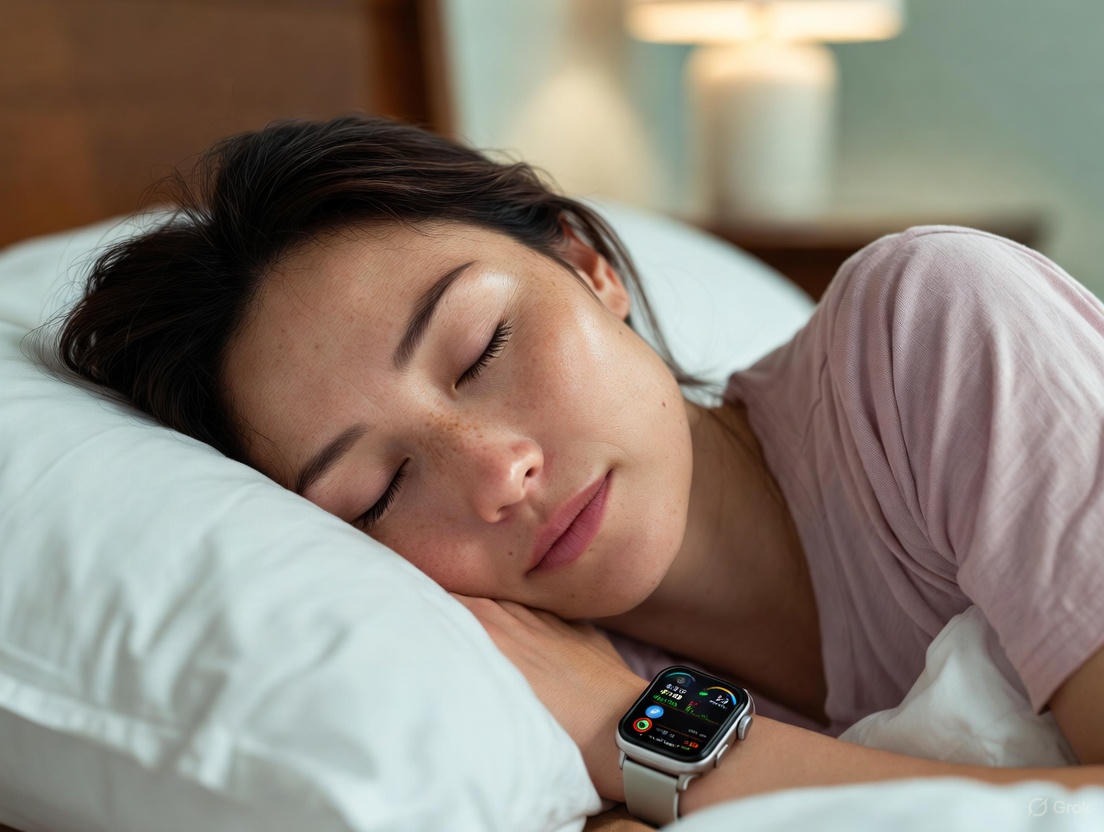
The Beginner-Friendly Guide to Preventing Immune Fatigue (Ring Insights)
Preventing immune system fatigue, with insights from ring data.
The Beginner-Friendly Guide to Preventing Immune Fatigue (Ring Insights)
You know the feeling. It’s not quite the full-blown misery of a cold, but a persistent, low-grade hum of almost sick. You’re dragging through the afternoon, your throat feels a bit scratchy, your sleep is restless, and you can’t seem to shake the brain fog. You might chalk it up to “being tired” or “a bit run down,” but what you’re likely experiencing is the early whispers of a modern epidemic: immune fatigue.
Our immune system, that magnificent and intricate defense network, wasn’t designed for the chronic, low-grade bombardment of 21st-century life. It’s built for acute threats—a brief encounter with a virus, a localized injury—after which it returns to a vigilant baseline. Instead, it’s now asked to constantly manage a storm of perpetual stressors: poor sleep, processed foods, emotional pressures, environmental toxins, and the always-on digital world. This constant state of low-alert, often called chronic low-grade inflammation, exhausts our immune resources. The system becomes overworked, less responsive, and paradoxically, can even turn on itself, setting the stage for long-term health issues.
But what if you could see this fatigue coming? What if you had a personal dashboard that gave you an early warning signal before you felt that familiar drag? This is where the paradigm of health shifts from reactive to proactive, from guessing to knowing. Modern wellness technology, particularly the discreet power of a smart ring, is turning this into a reality. By continuously tracking biomarkers like heart rate variability (HRV), resting heart rate, skin temperature, and sleep quality, these devices provide an unprecedented, real-time window into your body’s stress and recovery status—the very foundation of immune resilience.
This guide is your map to navigating away from immune fatigue and toward sustained vitality. We’ll demystify what immune fatigue truly is, explore the silent signals your body sends, and build a practical, beginner-friendly action plan grounded in data, not dogma. We’ll leverage the insights from wearable technology to move beyond generic advice into personalized, precise strategies that help you build an immune system that is not just surviving, but thriving.
What is Immune Fatigue? (Beyond Just "Feeling Run Down")
Immune fatigue is not a clinical diagnosis, but a highly useful concept describing a state of diminished immune resilience. Think of your immune system not as an on/off switch, but as a sophisticated army with finite resources. In a state of optimal health, this army is well-trained, well-rested, and strategically deployed. Most soldiers are at the barracks (a state of calm vigilance), while specialized scouts and patrols (like innate immunity) monitor for threats.
Immune fatigue occurs when this army is perpetually on high alert. The barracks are empty because the troops are constantly fighting small, unseen skirmishes provoked by non-infectious stressors. This leads to three critical problems:
Resource Depletion: Key immune soldiers like T-cells and Natural Killer (NK) cells become exhausted. They lose their effectiveness and ability to proliferate rapidly when a real threat, like an influenza virus, appears.
Dysregulated Response: The system loses its precision. It may underreact to real threats (leading to more frequent or severe infections) or overreact to harmless substances (contributing to allergies and autoimmune flare-ups). Chronic, systemic inflammation becomes the background noise of the body.
Communication Breakdown: The complex cytokine signaling system—how immune cells "talk" to each other and the rest of the body—becomes chaotic. Pro-inflammatory signals persist, contributing to that persistent feeling of unease and malaise.
The modern culprits are rarely a single pathogen. They are the cumulative load, or allostatic load, from:
Metabolic Stress: From diets high in sugar and refined carbs.
Psychological Stress: Chronic work pressure, financial worries, and relationship strife.
Environmental Stress: Pollution, exposure to synthetic chemicals, and artificial light at night.
Lifestyle Stress: Consistent sleep deprivation and sedentary behavior.
The insidious nature of immune fatigue is that it creeps in. You adapt to feeling at 70% and forget what 100% truly feels like. This is why subjective feeling ("I'm fine") is often a poor barometer. Objective data is key. For instance, a consistently depressed Heart Rate Variability (HRV)—a prime metric tracked by devices like the Oura Ring—is one of the clearest digital signatures of a nervous system under too much stress and an immune system potentially heading toward fatigue. It’s your body’s way of saying its capacity to adapt and recover is compromised.
Understanding this foundational model is the first step. The next is learning to recognize the signals your body is sending you, many of which you might be ignoring or misattributing.
The Silent Signals: How Your Body Warns You of Immune Fatigue
Before a full-blown illness forces you to rest, your body sends up subtle flares. Learning to read these signals is your first line of defense. Often, we dismiss them as minor inconveniences, but in the context of immune fatigue, they are critical data points.
The Physical Whispers:
Persistent Low Energy: This isn't ordinary tiredness. It's a deep fatigue not fully relieved by a night's sleep—a phenomenon known as non-restorative sleep. You wake up feeling as though you never truly powered down.
Recurrent Minor Infections: Needing multiple courses of antibiotics per year, frequent cold sores, stubborn colds that linger for weeks, or recurring sinus issues are red flags. Your immune system is losing the skirmishes at the gates.
Slow Wound Healing: Cuts, scrapes, or bruises that take an unusually long time to heal indicate that the inflammatory and repair phases of immunity are not functioning optimally.
Unexplained Aches and Pains: Diffuse muscle soreness or joint stiffness without intense physical exertion can be a sign of systemic inflammation.
Gut Instability: Given that roughly 70% of the immune system resides in the gut, symptoms like new food sensitivities, bloating, or irregular bowel movements are direct immune communications.
The Mental & Emotional Fog:
Brain Fog: Difficulty concentrating, memory lapses, and a feeling of mental "cotton wool." Inflammatory cytokines can directly impact cognitive function and neurotransmitter balance.
Mood Changes: Increased anxiety, low-grade depression, or irritability. The immune system and the brain are in constant dialogue via the gut-brain axis and inflammatory pathways.
Loss of Motivation: When your body is diverting all resources to basic maintenance, the drive for ambitious projects, socializing, or new hobbies often dwindles first.
This is where passive, continuous biometric tracking transforms your awareness. You move from a vague sense of being "off" to seeing concrete correlations. For example, you might review your smart ring data and notice that your resting heart rate is elevated by 5-8 beats per minute for three nights in a row—a classic sign of physiological stress—coinciding exactly with when you felt that scratchy throat and mental fog. Or, you might see that your nighttime skin temperature is elevated, a common precursor to the body fighting off a pathogen, a full 24 hours before you feel any overt symptoms.
These devices turn silent signals into visible, actionable graphs. They answer the question, "Am I just stressed, or is my body fighting something?" with data. By learning these patterns, you can intervene at the earliest possible stage, shifting your behavior to support your immune system before a minor dip becomes a full-blown crash. This principle of early intervention is the core of a prevention-first approach to lifelong health.
Your Immune System's Best Friend (and Worst Enemy): Sleep
If you take only one action from this guide to combat immune fatigue, let it be optimizing your sleep. Sleep is the non-negotiable foundation of immune function. It is not passive rest; it is a period of intense immunological activity and repair.
During deep slow-wave sleep (SWS), your body enters a state of repair. Growth hormone is released, facilitating tissue repair and muscle growth. Critically for immunity, the production of pro-inflammatory cytokines is dialed down, allowing the system to "reset." Meanwhile, rapid eye movement (REM) sleep is essential for cognitive and emotional processing, which indirectly reduces stress—a key immune suppressor.
The magic happens in the specifics:
T-Cell Mobility: Research shows that during sleep, adhesion molecules on T-cells are upregulated, enhancing their ability to attach to and destroy infected cells.
Cytokine Balance: Sleep deprivation leads to a dangerous increase in inflammatory markers like IL-6 and TNF-alpha, while reducing the production of infection-fighting antibodies.
Immunological Memory: Deep sleep is believed to play a crucial role in consolidating the immune system's "memory" of pathogens, making future responses faster and more effective.
Tracking for Insight, Not Just Quantity: Telling someone to "get 8 hours of sleep" is outdated advice. Sleep quality is paramount. This is the domain where a wellness ring shines brightest, moving beyond guesswork into precision.
You can track:
Sleep Stages: Are you getting sufficient deep and REM sleep? A night with adequate hours but fragmented, light sleep is not restorative.
Resting Heart Rate (RHR): Your RHR typically drops during sleep as your body enters a state of repair. A failure of your RHR to drop by 10-20% from your daytime average, or a rising overnight RHR trend, is a strong indicator of physiological stress or an impending illness.
Heart Rate Variability (HRV): A higher HRV during sleep indicates a robust recovery state and a resilient nervous system. A low or dropping nighttime HRV is one of the most sensitive warning signs of accumulated stress and immune strain.
Body Temperature: A precise body temperature trend can show a dip in the middle of the night (healthy) or an elevated baseline (suggesting inflammation or effort to fight a pathogen).
By observing these metrics, you can connect the dots. That week you "slept fine" but caught a cold? Your data might show your HRV was in a steady decline for four nights prior. This knowledge empowers you to prioritize sleep hygiene—cool, dark room, digital sunset, consistent schedule—not as a vague wellness tip, but as a direct, non-negotiable investment in your immune capital. For a deeper dive into creating the perfect sleep environment, our guide on how to optimize sleep quality for lifelong health explores the science and strategies in detail.
Fueling the Fire: Nutrition's Direct Role in Immune Regulation
You cannot supplement or out-exercise a poor diet when it comes to immune function. The food you eat provides the raw materials—amino acids, fatty acids, vitamins, and minerals—that every immune cell requires to develop, communicate, and mount an effective response. Modern diets often provide abundant calories but are deficient in these critical immune-supporting nutrients, while being overloaded with components that promote inflammation.
The Anti-Immune Fatigue Plate: Build your diet around these pillars to reduce inflammatory load and provide key building blocks:
The Color Spectrum: Phytonutrients in brightly colored fruits and vegetables (berries, leafy greens, bell peppers, sweet potatoes) act as antioxidants and modulate immune cell activity. Aim for a literal rainbow daily.
High-Quality Protein: Antibodies are made of protein. Insufficient protein intake directly impairs the production of immune cells and signaling molecules. Include diverse sources: legumes, fish, poultry, eggs, and lean meats.
Healthy Fats are Crucial: The membranes of every immune cell are made of fat. Omega-3 fatty acids (from fatty fish, walnuts, flaxseeds) are powerfully anti-inflammatory. Monounsaturated fats (olive oil, avocado) support healthy cell function. Reduce processed seed oils high in pro-inflammatory omega-6 fats.
The Fiber-Gut Connection: Soluble fiber (found in oats, apples, beans) is fermented by gut bacteria into short-chain fatty acids (SCFAs) like butyrate, which are vital for maintaining the gut barrier and regulating immune tolerance. A healthy gut microbiome is your immune system's chief trainer.
What to Diminish:
Added Sugar: This is public enemy #1 for immune fatigue. High sugar intake can suppress the phagocytic activity of white blood cells (like neutrophils) for hours after consumption and feeds dysbiotic gut bacteria.
Ultra-Processed Foods: These often contain a combination of refined carbs, unhealthy fats, emulsifiers, and additives that can disrupt the gut lining and promote systemic inflammation.
Personalization Through Data: Nutrition is highly individual. A food that is anti-inflammatory for one person may trigger a response in another. While strict elimination diets aren't necessary for most, observational tracking can be revolutionary.
Notice how your biometrics respond. After a day of high-sugar or processed food, does your resting heart rate spike that night? Does your HRV tank? Does your sleep score plummet due to restlessness? Conversely, after a day of eating whole, nutrient-dense foods, do you see improvements in your recovery metrics? A wellness ring provides this objective feedback loop, helping you identify which foods truly fuel your resilience and which deplete it, allowing you to personalize your lifelong health plan with confidence.
The Stress-Immune Axis: Calming the Storm
If sleep is the immune system's restoration phase, chronic psychological stress is its arch-nemesis. The connection is direct and mediated by the hypothalamic-pituitary-adrenal (HPA) axis. When you perceive stress, your brain signals the release of cortisol, the primary stress hormone. In acute, short-term bursts, cortisol is beneficial—it mobilizes energy and can even have anti-inflammatory effects. However, in the chronic, low-grade stress that defines modern life, cortisol dysregulation wreaks havoc:
Immune Cell Traffic Control: Chronically elevated cortisol can reduce the production of lymphocytes (like T-cells and B-cells) and trap them in lymphoid tissues and bone marrow, preventing them from circulating to where they're needed.
Inflammatory Promotion: Over time, chronic stress can lead to glucocorticoid receptor resistance, meaning immune cells stop "listening" to cortisol's anti-inflammatory signals. This allows inflammation to run rampant.
Barrier Breakdown: Stress can impair the integrity of the gut lining and the respiratory mucosa, making it easier for pathogens to enter the body.
The Modern Stress Cycle: We live in a world of endless to-do lists, digital notifications, and financial pressures. This creates a state of sympathetic nervous system dominance ("fight-or-flight"), leaving little room for the parasympathetic nervous system ("rest-and-digest") to engage and facilitate repair.
Breaking the Cycle with Data-Informed Mindfulness: The goal isn't to eliminate stress (an impossibility), but to improve your stress resilience—your ability to encounter stress and return to baseline quickly. This is where HRV becomes your most important metric. HRV is the beat-to-beat variation in your heart rate. A higher, less variable HRV indicates a healthy, resilient nervous system that can fluidly switch between sympathetic and parasympathetic states. A low HRV indicates a system stuck in "fight-or-flight."
By tracking your HRV trends with a wellness ring, you can:
Identify Your Stress Signatures: See which days, activities, or interactions cause your HRV to drop.
Validate Your Relaxation Practices: Objectively see if your meditation, deep breathing, or nature walk actually improves your recovery metrics. This positive reinforcement builds lasting habits.
Prevent Burnout: A consistent downward trend in HRV is a major red flag for accumulating stress and immune fatigue, allowing you to intervene with deliberate rest before you crash.
Building stress resilience is a skill developed over a lifetime. For strategies on creating a sustainable, decades-long approach to managing stress, our resource on building stress resilience over the decades offers a comprehensive framework. It's about creating a lifestyle where recovery is built-in, not just an emergency protocol.
Movement as Medicine: How Exercise Balances Your Immune Response
The relationship between exercise and immunity is a powerful, dose-dependent curve—a true Goldilocks scenario. Both sedentary behavior and excessive, intense exercise can suppress immune function, while the "just right" moderate, regular activity is profoundly immunoprotective.
The Sedentary Trap: Lack of movement leads to poor circulation, which means immune surveillance cells patrol less efficiently. It also contributes to chronic inflammation and metabolic dysfunction, which directly burden the immune system.
The Sweet Spot (Moderate & Regular): Activities like brisk walking, cycling, swimming, or resistance training 3-5 times per week:
Promote the circulation of immune cells, enhancing surveillance.
Reduce baseline levels of inflammatory cytokines.
Improve metabolic health, taking a load off the immune system.
May help flush bacteria from the lungs and airways.
Induce a temporary, beneficial increase in body temperature, mimicking a fever-like environment that may inhibit bacterial growth.
The Overtraining Danger Zone: Prolonged, high-intensity exercise without adequate recovery (like marathon training) can create an "open window" of immune suppression for 3-72 hours post-exercise. Cortisol rises sharply, inflammatory markers increase, and the production of secretory IgA (an antibody that guards mucosal surfaces in the nose and throat) can decrease.
Listening to Your Body's Readiness: This is where generic workout plans fail. Exercising when your body is already stressed or under-recovered is counterproductive and can accelerate immune fatigue. Biometric data provides the crucial "readiness" score.
Before your workout, ask your data:
Is my resting heart rate elevated by more than 5-7 bpm above my baseline? This is a classic sign of systemic stress or oncoming illness. A hard workout today could be the final straw.
Is my HRV balanced or in a dip? A significantly lower-than-normal HRV suggests your nervous system is stressed. Consider a lighter, restorative activity like yoga or a walk instead of high-intensity interval training (HIIT).
Did I get enough deep and REM sleep? Poor sleep quality means your body hasn't completed its repair work. Pushing it with intense exercise adds more damage without the foundation for repair.
Using this data, you can periodize your training not just for performance, but for immune resilience. Schedule intense sessions on days when your readiness scores are high, and prioritize recovery, mobility work, or gentle movement on days when your metrics indicate stress. This intelligent approach to movement ensures exercise remains the medicine it's meant to be, supporting your lifelong strategies to preserve mobility and metabolic health.
The Hidden Power of Recovery: It's Not Passive, It's Productive
In our achievement-oriented culture, recovery is often viewed as laziness or lost time. For the immune system, nothing could be further from the truth. Recovery is the active, essential process during which adaptation occurs, resources are replenished, and inflammation is resolved. If stress and exertion are the "spend," recovery is the "save and invest." Without it, you go bankrupt—this is immune fatigue.
True recovery happens on multiple levels, and a smart ring helps you track its depth:
Physiological Recovery: This is the most visible to track.
Sleep: As discussed, this is the master recovery switch.
Nutrition: Post-exercise, providing protein and carbs aids muscle repair and replenishes glycogen, reducing systemic stress.
Hydration: Even mild dehydration increases cortisol and impedes all cellular functions, including immunity.
Mental & Emotional Recovery: This is about down-regulating the nervous system.
Deliberate Relaxation: Activities that engage the parasympathetic system: meditation, diaphragmatic breathing, progressive muscle relaxation, spending time in nature (forest bathing), or even reading fiction.
Digital Detox: Constant information processing is a cognitive burden. Scheduled time away from screens is a potent form of mental recovery.
Play and Enjoyment: Engaging in hobbies or social activities purely for joy, without a goal or outcome, is a profound stress reliever.
Social Recovery: Connection is a biological imperative. Positive social interactions release oxytocin, which can dampen stress responses and lower cortisol. Loneliness and social isolation, conversely, are potent chronic stressors linked to increased inflammation and impaired immune function. Cultivating strong relationships is a direct investment in immune resilience, a concept explored in our article on the social connection factor in lifelong health.
The Role of a Wellness Ring in Recovery Optimization: Your device acts as a recovery accountability partner. It quantifies the effectiveness of your recovery strategies. Did that 20-minute meditation before bed actually improve your deep sleep percentage? Did taking a full rest day after a stressful week bring your HRV back into its optimal range? Seeing the tangible, data-driven benefits of a walk in the park or an early night reinforces these behaviors, turning them from chores into cherished tools. This feedback loop is essential for building the kind of consistent, lifelong health habits that actually stick, where recovery is given equal priority to exertion.
Environmental Triggers: Reducing the Invisible Load
Your immune system doesn't only battle what's inside your body; it constantly interfaces with your external environment. Reducing this "invisible load" of environmental stressors can free up immense immune resources, preventing low-grade, chronic activation that leads to fatigue.
Key Areas to Address:
Air Quality: Both outdoor pollution (PM2.5, ozone) and indoor pollutants (VOCs from cleaning products, mold, dust mites) are potent inflammatory triggers. They can irritate mucosal barriers in the lungs and sinuses and provoke a systemic immune response.
Action: Use a high-quality HEPA air purifier in your bedroom, especially. Monitor local air quality and limit intense outdoor exercise on poor air days.
Chemical Exposures: Endocrine-disrupting chemicals (EDCs) found in some plastics, pesticides, and personal care products can dysregulate the immune system by mimicking or interfering with hormones involved in immune regulation.
Action: Opt for fragrance-free products, store food in glass instead of plastic, and choose organic produce for the "Dirty Dozen" list when possible.
Light Pollution: Exposure to bright, blue-rich light at night (from phones, TVs, LEDs) suppresses melatonin production. Melatonin is not just a sleep hormone; it's a powerful antioxidant and immune modulator.
Action: Implement a "digital sunset" 1-2 hours before bed using blue-light blocking glasses or device settings. Ensure your bedroom is pitch dark.
Noise Pollution: Chronic exposure to environmental noise, even at low levels, can elevate cortisol and disrupt sleep architecture, both of which impair immune function.
Action: Use white noise machines or earplugs to create a consistent, soothing sound environment for sleep.
Tracking the Impact: While a smart ring can't measure your room's VOC levels, it can measure your body's response to your environment. If you make a change—like introducing an air purifier—watch your sleep score, resting heart rate, and HRV over the following weeks. Do you see an improvement in sleep stability? A lower overnight heart rate? This biofeedback turns abstract environmental advice into a personalized, validated strategy for reducing your allostatic load. Controlling this inflammatory load is a cornerstone of any effective, long-term plan, as detailed in our guide to an inflammation-control approach for lifelong health.
The Gut-Immune Superhighway: Cultivating Your Inner Ecosystem
To ignore gut health in a discussion about immune fatigue is to miss the central command center. The gut-associated lymphoid tissue (GALT) houses the majority of your body's immune cells. This is not a coincidence. The gut is the body's largest interface with the external world, constantly sampling trillions of microbes and food particles. The health of your gut lining and the diversity of your gut microbiome directly dictate immune tolerance, inflammation levels, and even the production of key immune cells.
How Gut Health Dictates Immune Fatigue:
The Barrier Function: A single layer of epithelial cells, sealed by "tight junctions," is all that separates your internal milieu from the gut lumen. Chronic stress, poor diet, alcohol, and certain medications can cause "leaky gut" or increased intestinal permeability. This allows partially digested food particles and bacterial endotoxins (like LPS) to enter the bloodstream, triggering a persistent, systemic immune response and inflammation.
The Microbiome as Immune Trainer: Your gut bacteria "train" your immune system to distinguish between friend and foe. A diverse microbiome promotes the development of regulatory T-cells (Tregs), which are essential for preventing overreactions (allergies, autoimmunity). A depleted, low-diversity microbiome fails at this training.
Metabolite Production: Gut bacteria ferment fiber to produce short-chain fatty acids (SCFAs), particularly butyrate. Butyrate is the primary fuel for colon cells, strengthens the gut barrier, and has direct anti-inflammatory effects throughout the body.
Supporting the Gut-Immune Axis:
Prebiotic Fiber is Non-Negotiable: Feed your good bacteria with diverse fibers from vegetables, fruits, legumes, nuts, seeds, and whole grains like oats and barley.
Consider Fermented Foods: Incorporate probiotic-rich foods like yogurt, kefir, sauerkraut, kimchi, and kombucha to introduce beneficial bacterial strains.
Mind Your Medications: While sometimes necessary, be aware that antibiotics, NSAIDs (like ibuprofen), and proton-pump inhibitors can disrupt the microbiome. Use them judiciously and under medical guidance.
Manage Stress for Your Gut: The gut-brain axis is a two-way street. Psychological stress alters gut motility, secretion, and permeability, directly impacting gut health.
The Data Connection: While a ring can't analyze your stool, it can show you the systemic consequences of gut issues. A period of poor dietary choices or high stress that disrupts your gut may manifest as:
Elevated resting heart rate and lowered HRV from increased systemic inflammation.
A higher skin temperature trend at night.
By using your biometrics as a guide, you can experiment. After a period of prioritizing gut-supportive foods and habits, do you see a corresponding improvement in your recovery scores and overall sense of vitality? This mind-body-gut connection is fundamental to a holistic strategy for wellness, a topic explored in depth in our article on the mind-body wellness connection for lifelong health.
Building Your Personalized Immune Resilience Protocol
Knowledge is powerless without action. Now, we synthesize everything into a dynamic, personalized protocol you can start today. This isn't a rigid set of rules, but a flexible framework informed by your own data.
Step 1: Establish Your Baseline (Weeks 1-2) Wear your wellness ring consistently. During this period, live your normal life while observing. Don't try to change everything at once. Simply collect data to answer:
What is my average HRV and resting heart rate?
What is my typical sleep duration and quality (deep/REM sleep)?
How do my metrics respond to a typical workday vs. a restful weekend?
Step 2: Implement One Change at a Time & Observe (The 2-Week Cycle) Choose ONE area from this guide to focus on for two weeks. For example:
Cycle 1: Sleep. Commit to a consistent bedtime and a 60-minute screen-free wind-down ritual. Observe: Do my sleep scores improve? Does my HRV rise?
Cycle 2: Nutrition. Add 2 extra servings of vegetables to your daily meals and reduce added sugar. Observe: Does my resting heart rate trend lower? Do I have more stable energy?
Cycle 3: Stress. Practice 10 minutes of guided breathing or meditation daily. Observe: Is my daytime heart rate more stable? Does my sleep latency (time to fall asleep) decrease?
This methodical, data-informed approach prevents overwhelm and creates direct cause-and-effect learning. You become a scientist of your own body.
Step 3: Create Your "Immune Fatigue Red Alert" Checklist Use your ring's data to define your personal early warning signs. When you see 2 or more of these, it's time to drop everything non-essential and prioritize recovery:
HRV drops >15% below your 7-day average for 2 consecutive days.
Resting heart rate elevates >7 bpm above your baseline.
Sleep score is poor (<70) for 2 nights in a row despite adequate time in bed.
Body temperature shows a sustained elevated trend.
When you see this "red alert," your protocol activates: prioritize sleep, eat anti-inflammatory foods, cancel intense workouts in favor of walking or gentle yoga, and double down on stress management. This is how you intercept illness before it takes hold.
Step 4: Embrace the Long Game Immune resilience is not built in a week. It's the product of daily, sustainable choices that compound over time. Use your ring's long-term trend views not to judge yourself, but to see your progress. Is your baseline HRV gradually rising over 6 months? That is the ultimate sign of improving resilience. This journey of continuous learning and adaptation, supported by technology, is what enables truly lifelong health monitoring and progress tracking.
The path to preventing immune fatigue is a journey from noise to signal, from guesswork to self-knowledge. By pairing the timeless wisdom of supporting your body's innate defenses with the modern precision of biometric feedback, you gain an unparalleled advantage. You are no longer a passenger in your health, but an informed, empowered pilot with a detailed dashboard. Start by listening, experiment with kindness, and let your data guide you toward a state of sustained vitality, where your immune system is a source of quiet strength, not constant fatigue.
The Rhythm of Resilience: How Circadian Biology Governs Immunity
Your immune system does not operate at a constant strength throughout the day. It is exquisitely tuned to your circadian rhythm—the roughly 24-hour master clock in your brain (the suprachiasmatic nucleus) that synchronizes all bodily processes, from hormone release to cell repair. Disrupting this rhythm is a direct, powerful driver of immune fatigue.
The science reveals a fascinating dance:
Proactive Day Shift: As you wake, cortisol naturally peaks (the cortisol awakening response). This isn't a stress signal; it's a vital immune-modulating event that prepares immune cells for the day's potential threats, enhancing their surveillance and readiness.
Repair & Reset Night Shift: As evening falls and melatonin rises, a different immune brigade takes over. The production of certain immune signaling molecules (like IL-12) increases, while anti-inflammatory processes ramp up. This is when the immune system "does its homework"—processing the day's antigens, forming memories, and conducting repairs.
When the Rhythm Breaks (Circadian Disruption): This occurs with irregular sleep schedules, jet lag, chronic late-night light exposure, and even late-night eating. The consequences for immunity are severe:
Desynchronized Defenses: Immune cell trafficking and cytokine release become chaotic, reducing efficiency.
Impaired Vaccine Response: Studies show shift workers and those with poor sleep have diminished antibody responses to vaccinations.
Increased Inflammatory Tone: Misaligned circadian rhythms promote a state of constant, low-grade inflammation.
Harnessing Your Ring as a Circadian Compass: Your wellness ring tracks the most reliable proxy for your circadian rhythm’s health: body temperature. A healthy, robust rhythm shows a clear dip in core temperature at night, reaching its nadir in the early morning hours, before rising to prepare you for wakefulness. A flattened temperature curve is a red flag for circadian disruption.
Actionable Steps for Circadian Alignment:
Light is Your Primary Zeitgeber ("Time Giver"): Get bright, natural light exposure within 30-60 minutes of waking. This sets your master clock and suppresses lingering melatonin.
Protect Your Night: Dim lights 2-3 hours before bed. Use amber lighting and blue-light blockers on screens. Complete darkness in the bedroom is non-negotiable.
Time Your Eating: Confine eating to a consistent 10-12 hour window during the day (e.g., 8 am to 7 pm). Late-night eating signals "daytime" to peripheral clocks in your liver and gut, confusing your immune system. This practice is a powerful tool for maintaining metabolic health, which is inextricably linked to immune function.
Be Consistent: Go to bed and wake up at roughly the same time, even on weekends. Variability of more than an hour can induce a form of "social jet lag."
By aligning your lifestyle with your innate biology, you give your immune system the predictable, rhythmic environment it needs to function at its peak, reducing the daily strain that leads to fatigue.
Beyond Vitamin C: The Critical Micronutrients for Immune Cell Function
While Vitamin C gets the headlines, a symphony of micronutrients acts as essential cofactors for the millions of enzymatic reactions that power immune responses. A deficiency in any one can be the weak link that precipitates immune fatigue.
The Key Players & Their Roles:
Vitamin D: Arguably the most important immune modulator beyond basic nutrition. It is not a vitamin but a hormone. Vitamin D receptors are found on almost all immune cells. It enhances the pathogen-fighting effects of monocytes and macrophages, reduces inflammatory cytokine production, and is crucial for activating T-cells. Deficiency is strongly linked to increased susceptibility to infection and autoimmune dysregulation.
Zinc: This mineral is involved in nearly every aspect of immune function. It's vital for the development and function of neutrophils and Natural Killer (NK) cells, acts as an intracellular signaling molecule, and is a cofactor for the thymus—the gland where T-cells mature. Even mild zinc deficiency impairs immune responses.
Selenium: Essential for the production and recycling of glutathione, the body's master antioxidant. It also supports the function of T-cells and reduces viral mutation rates.
Iron: Required for immune cell proliferation and the generation of reactive oxygen species used by immune cells to kill pathogens. However, balance is key, as excess iron can promote oxidative stress and feed certain bacteria.
B Vitamins (Especially B6, B9 Folate, B12): Act as coenzymes in the synthesis of nucleic acids (DNA/RNA) and proteins, which are required for the rapid proliferation of immune cells during an active response.
The Data-Informed Approach to Nutrition: Blind supplementation is not the answer and can be harmful. The goal is to ensure sufficiency primarily through diet, using targeted supplementation only where a known deficiency or increased need exists. Your biometric data can provide indirect clues:
Chronic low-grade inflammation (suggested by persistently elevated resting heart rate, low HRV) might point to a need to assess nutrient status, particularly Vitamin D and Magnesium.
Persistent fatigue and poor recovery despite adequate sleep could be linked to iron (especially in menstruating individuals) or B-vitamin status.
Food-First Strategy: Prioritize a diverse, nutrient-dense plate:
Vitamin D: Fatty fish (salmon, mackerel), egg yolks, fortified foods. Sensible sun exposure is the best source.
Zinc: Oysters, red meat, pumpkin seeds, lentils.
Selenium: Brazil nuts (just 2-3 a day), tuna, eggs.
Iron: Red meat, spinach, lentils (pair plant-based iron with Vitamin C for absorption).
Think of these nutrients as the specialized tools and raw materials in your immune system's workshop. Without them, the most well-designed protocols will fail at the cellular level. This meticulous, science-backed approach to foundational support is a core tenet of the science behind successful lifelong health strategies.
Hormonal Harmony: The Endocrine-Immune Conversation
Your immune system does not operate in a vacuum. It is in constant, bidirectional communication with your endocrine (hormonal) system. Chronic immune fatigue can disrupt hormones, and imbalanced hormones can be a primary cause of immune dysregulation. Understanding this conversation is key for both men and women.
The Major Dialogues:
Cortisol (The Stress Conductor): As discussed, chronic high cortisol is immunosuppressive. But the opposite—low cortisol (as seen in adrenal fatigue or HPA-axis dysfunction)—is equally problematic. The body loses its ability to mount an appropriate anti-inflammatory response, leading to a different kind of immune chaos.
Sex Hormones (Estrogen & Testosterone):
Estrogen tends to enhance immune reactivity, which is why many autoimmune diseases are more prevalent in women. Fluctuations during the menstrual cycle, perimenopause, and menopause can directly impact symptom severity and infection susceptibility.
Testosterone generally has immunosuppressive effects. Chronically low testosterone in men can be associated with increased inflammation, while optimal levels support a balanced response.
Thyroid Hormones (T3/T4): These hormones set the metabolic rate of every cell, including immune cells. Both hypothyroidism (underactive) and hyperthyroidism (overactive) are associated with altered immune function and increased risk of autoimmunity.
Insulin: Chronically high insulin levels (from a high-sugar diet and insulin resistance) are profoundly pro-inflammatory. This creates a state where the immune system is constantly irritated by the internal metabolic environment.
Tracking the Ripples: While a smart ring cannot measure hormone levels directly, it tracks their systemic effects with high fidelity. This makes it an invaluable tool for spotting patterns and dysregulation.
For Women: Use your ring to track biometrics across your menstrual cycle. You may notice a predictable dip in HRV and a rise in resting heart rate in the luteal phase (after ovulation). This is normal. However, extreme crashes or a complete lack of recovery post-period can signal hormonal imbalances like estrogen dominance or progesterone deficiency.
For Everyone: A persistent, unexplained shift in baseline metrics—like a steady decline in HRV over months paired with rising body temperature trends—can be a signal to investigate thyroid or adrenal health with a professional.
Action for Hormonal Support:
Master Blood Sugar: This is the single most impactful action for supporting insulin and, by extension, other hormones. A whole-foods diet with balanced macros is essential.
Prioritize Sleep & Stress Management: These are the bedrock of HPA-axis and hormonal health.
Support Detoxification Pathways: Healthy liver function is crucial for hormone metabolism. Cruciferous vegetables (broccoli, cauliflower), adequate protein, and hydration support this process.
Consider Cycle-Syncing (for Women): Align exercise intensity and nutrition with your cycle phases—higher intensity in the follicular phase, more recovery-focused movement and iron-rich foods in the luteal and menstrual phases.
Achieving hormonal balance is a long-term endeavor that pays dividends across every system in the body. For a dedicated exploration of this critical topic, see our guide on how lifelong health strategies support hormonal balance.
The Inflammation Spectrum: From Acute Defense to Chronic Fatigue
Inflammation is not the enemy; it is the immune system's essential weapon. The problem is not inflammation itself, but its duration and location. Preventing immune fatigue requires becoming an expert in managing the spectrum of inflammation.
The Two Faces of Inflammation:
Acute Inflammation: This is the "good" inflammation. It is localized, short-lived, and purposeful. You see it in a red, swollen cut or a sore throat. It is characterized by a rapid influx of neutrophils and other immune cells to the site, followed by a clean-up and repair phase (resolution). It’s a precise, time-limited military operation.
Chronic, Systemic Inflammation: This is the "bad" inflammation that drives immune fatigue. It is low-grade, body-wide, and persistent. There is no clear "battlefield," so inflammatory cytokines like TNF-alpha, IL-1β, and IL-6 circulate constantly, creating a state of cellular alarm. This is the soil in which chronic diseases (diabetes, heart disease, autoimmunity) take root.
What Fuels the Chronic Fire? The culprits are the pillars we've addressed: poor diet (high in sugar and processed fats), sedentary lifestyle, chronic stress, poor sleep, and environmental toxins. These factors activate inflammatory pathways (like NF-κB) at a cellular level, day after day.
Biomarkers of the Inflamed State (and How a Ring Infers Them): While blood tests (like hs-CRP) are the gold standard, your wellness ring provides daily, non-invasive proxies for systemic inflammation:
Elevated Resting Heart Rate: A heart that beats faster at rest is often working against a backdrop of inflammatory cytokines and sympathetic nervous system overdrive.
Low Heart Rate Variability: A stressed, inflexible nervous system is a hallmark of a pro-inflammatory state.
Disrupted Sleep Architecture: Inflammation directly interferes with the brain's ability to generate deep, restorative sleep.
Elevated Nighttime Skin Temperature: A sustained elevation can indicate the body is in a constant state of "defense," raising its temperature to create a less hospitable environment for perceived threats.
The Anti-Inflammatory Lifestyle Protocol: Your daily choices are your most powerful anti-inflammatory drugs.
The Plate: Center your diet on omega-3s (fatty fish, algae), polyphenols (berries, dark leafy greens, extra virgin olive oil), and spices (turmeric, ginger).
The Movement: Regular, moderate exercise is one of the most potent anti-inflammatory interventions known.
The Mind: Chronic psychological stress is pro-inflammatory. Mindfulness practices actively down-regulate inflammatory gene expression.
The Environment: Reduce exposure to airborne and chemical irritants.
By consciously shifting your daily habits toward anti-inflammatory choices, you directly reduce the relentless burden on your immune system. This is the essence of a sustainable, inflammation-control approach for lifelong health, which is the most effective strategy for preventing not just immune fatigue, but a host of age-related chronic conditions.
Smart Cold & Flu Defense: Using Data to Navigate Sick Season
When pathogens are circulating, a generic "boost your immune system" message is useless. This is where a data-informed strategy shifts from prevention to active, intelligent defense. Your wellness ring becomes your early-warning system and your guide through the illness itself.
Phase 1: The Pre-Symptomatic Surveillance Window This is the most powerful phase for intervention. Your body begins its immune response hours or even days before you feel symptoms. Your ring can detect this:
Elevated Resting Heart Rate: Often the first sign. An RHR 7-10 bpm above your normal rolling average is a major red flag.
Elevated Skin Temperature: A sustained upward trend, especially at night.
Tanking HRV: A significant drop indicates your body is allocating resources to fight a threat, leaving less for nervous system flexibility.
Disrupted Sleep: Particularly increased wakefulness or restless sleep as your body's inflammatory signals disrupt sleep centers.
The "Sick Season" Protocol (When Metrics Deteriorate):
Immediate Lifestyle Triage: The moment you see 2+ red-flag metrics, activate your "Immune Fatigue Red Alert" checklist from the previous section. Prioritize sleep above all else. Hydrate aggressively. Switch to anti-inflammatory, easy-to-digest foods (bone broth, steamed vegetables, ginger tea).
Adjust Exercise Immediately: Cancel all intense training. Listen to your body—sometimes complete rest is needed, but a very gentle walk if you feel up to it may support lymphatic circulation. Let your readiness score or HRV be your guide. If they are in a deep deficit, rest.
Consider Supportive Supplements (Proactively): At the first sign of metrics declining (not when you're fully sick), consider evidence-based supports like Zinc lozenges, Vitamin C, and medicinal mushrooms like Elderberry. The goal is to support the initial response, not to cure an established illness.
Phase 2: Navigating the Illness & The Critical Recovery Phase
Track the Arc: Your RHR and temperature will peak during the acute phase and then slowly decline. Your HRV will be at its lowest.
The Most Common Mistake—Returning Too Soon: The infection may be over, but immune fatigue is at its peak. Your energy may return before your biometrics do. Do not resume intense exercise or stressful work until your RHR and HRV have returned to baseline for at least 2-3 days. Exercising while your RHR is still elevated by just 3-5 bpm dramatically increases the risk of relapse or developing post-viral complications.
Prioritize Recovery as an Investment: See this phase as non-negotiable. The data from your ring validates your lifelong health choices, showing you clearly that returning to baseline is a process, not an event.
This intelligent, staged approach transforms you from a passive victim of seasonal illness into an active, informed manager of your body's response, minimizing severity, duration, and long-term immune cost.
Adaptogens & Herbal Support: Navigating the Natural Pharmacy
Beyond foundational nutrition, certain herbs and compounds, known as adaptogens, can help the body adapt to stress and modulate immune function. They are not magic bullets but can be valuable tools in your resilience toolkit when used thoughtfully. The key principle: they are modulators, not simple stimulants.
Understanding Adaptogens: True adaptogens are non-toxic substances that produce a normalizing effect on the body, helping to balance the HPA-axis and mitigate the physiological impact of stress. By reducing the overall stress load, they indirectly prevent the stress-induced suppression of immunity.
Evidence-Based Immune Modulators:
Ashwagandha: Perhaps the most researched adaptogen. It has been shown to lower cortisol, reduce perceived stress, and improve sleep quality—all of which support immune function. It may also increase Natural Killer (NK) cell activity.
Rhodiola Rosea: Known for reducing fatigue and enhancing mental performance under stress. By improving stress resilience, it helps preserve immune resources.
Medicinal Mushrooms (Reishi, Cordyceps, Turkey Tail): These contain powerful beta-glucans that "train" the immune system. They don't over-stimulate; they help balance the Th1/Timmune response and enhance the activity of macrophages and NK cells. Reishi is particularly noted for its calming, anti-inflammatory properties.
Elderberry: Rich in flavonoids, it has been shown to reduce the duration and severity of cold and flu symptoms by inhibiting viral replication and modulating the immune response. It's best used acutely at the onset of symptoms.
Garlic: Contains allicin, a compound with antimicrobial and immune-enhancing properties. It may reduce the frequency of common colds.
A Data-Informed, Cautious Approach:
Start Low, Go Slow: Begin with one adaptogen at a low dose to assess tolerance.
Track, Don't Guess: Use your ring! When introducing a new supplement like Ashwagandha, monitor your stress metrics and sleep. Do you see an improvement in your nighttime HRV or a decrease in your resting heart rate? Or does it cause agitation (potentially raising your RHR)? Let the data, not just feeling, guide you.
Cycling is Key: The body can adapt to adaptogens. Consider taking them for 6-8 weeks, then taking a 1-2 week break.
Consult a Professional: Especially if you have autoimmune conditions, are pregnant/nursing, or are on medications. Some herbs can be immunostimulatory.
Think of these as specialized reinforcements for your foundational protocol, not replacements for sleep, diet, and stress management. Their role is to help you maintain stress resilience over the decades, providing gentle support during periods of high demand.
The Longevity Link: How Preventing Immune Fatigue Protects Your Future
The pursuit of preventing immune fatigue is not just about avoiding the next cold. It is a direct, powerful investment in your long-term healthspan and lifespan. Chronic, low-grade inflammation (inflammaging) and immune senescence (the aging of the immune system) are primary drivers of the aging process itself. By managing immune fatigue today, you actively slow this decline.
The High Cost of Chronic Immune Activation: A perpetually tired immune system contributes to the pathology of nearly every major age-related disease:
Cardiovascular Disease: Inflammatory cytokines damage arterial walls, contributing to atherosclerosis.
Neurodegeneration (Alzheimer's, Parkinson's): Chronic brain inflammation (neuroinflammation) is a key driver of neuronal death.
Type 2 Diabetes: Inflammation is both a cause and consequence of insulin resistance.
Cancer: An exhausted, dysregulated immune system fails in its surveillance duties, allowing aberrant cells to proliferate.
Sarcopenia (Muscle Loss): Inflammatory cytokines directly promote muscle protein breakdown.
Building an "Age-Proof" Immune System: The strategies in this guide are your anti-inflammaging playbook. They align perfectly with the pillars of longevity science:
Autophagy & Immune Housekeeping: Sleep, fasting, and exercise all stimulate autophagy—the cellular "clean-up" process where old, damaged components (including dysfunctional immune cells) are recycled. This is crucial for maintaining a fresh, functional immune repertoire.
Mitochondrial Health: Your immune cells are energy hogs. Healthy mitochondria are essential for their function. Everything that supports mitochondria—nutrient-dense food, exercise, minimizing toxins—supports immunity.
Epigenetic Modulation: Your lifestyle choices directly influence which genes are turned on or off, including those governing inflammation and immune cell production. A healthy lifestyle promotes a "youthful" epigenetic profile.
Your Ring as a Longevity Tracker: Over years, your wellness ring data becomes a priceless longitudinal study of your health. You're not just tracking daily readiness; you're tracking the trajectory of your biological age.
Is your average resting heart rate gradually decreasing as you get fitter?
Is your HRV baseline trending upward over the years, indicating improving nervous system resilience?
Are you maintaining stable, healthy sleep architecture as you age?
Knowledge and strategy must crystallize into automatic daily action to be effective. The goal is to move from decision fatigue to ritual—creating a set of non-negotiable, daily practices that form the bedrock of your immune resilience, requiring minimal willpower.
The Morning Anchor (15-20 Minutes): This ritual sets your circadian rhythm and stress tone for the day.
Hydration First: Drink a large glass of water, perhaps with a pinch of sea salt or lemon.
Light & Connection: Get outside for 5-10 minutes of natural light exposure (without sunglasses). Leave your phone inside. Breathe deeply.
Check Your Data: Review your ring's readiness score, sleep data, and HRV. Don't judge—observe. Let it inform your day's plan. A low score means prioritize ease; a high score means you can afford to tackle challenging tasks or workouts.
Nutrient-Dense Breakfast: Focus on protein, healthy fats, and fiber (e.g., eggs with avocado and spinach).
The Daily Pulse (Ongoing Habits): These are the threads woven throughout your day.
Movement Snacks: Every 60-90 minutes, stand up and move for 2-3 minutes. Set a reminder. This supports circulation and lymphatic flow.
Mindful Eating: Pause before meals. Eat without screens, chewing thoroughly. This improves digestion and nutrient absorption.
Breathing Breaks: Three times a day, stop for one minute and take 5-6 slow, deep diaphragmatic breaths. This is a direct parasympathetic nervous system reset.
The Evening Wind-Down (60 Minutes): This is perhaps the most important ritual for preventing immune fatigue.
Digital Sunset: Set a hard stop for screens 60 minutes before bed. Use blue-light blocking glasses if you must use devices.
Calming Environment: Dim the lights. Use candles or salt lamps. Consider a warm bath with Epsom salts (magnesium).
Reflection & Gratitude: Journal for 5 minutes—dump worries, list a few things you're grateful for. This closes mental loops that can disrupt sleep.
Gentle Movement or Stretching: 10 minutes of light yoga or myofascial release with a foam roller signals safety to your nervous system.
The Weekly Review (30 Minutes, e.g., Sunday Evening): Use this time to look at your ring's weekly trends. Did your HRV dip mid-week? What happened? How did your sleep average compare to last week? This isn't about perfection; it's about learning and gently adjusting your lifelong health strategy as you gather more self-knowledge. This ritual of review turns data into wisdom.
By embedding these rituals, you automate the majority of your immune support. They become the default setting of your life, creating a buffer against the chaos of the world and ensuring that your foundational health needs are met, day after day. This is the ultimate path to consistency, which beats perfection every time in the realm of lifelong health.
Advanced Biohacking: Interpreting Complex Data Patterns for Proactive Health
Once you’ve mastered the basics of reading your HRV, resting heart rate, and sleep scores, a deeper layer of insight awaits. Preventing advanced immune fatigue involves understanding the relationships between metrics and recognizing subtle, complex patterns that signal shifts in your body’s state long before they become problems.
The Art of Correlation: Connecting the Dots
A single metric in isolation tells a limited story. The true power lies in cross-referencing data streams to form a holistic picture.
Pattern 1: The "High Load, Poor Recovery" Signal. You have a week of high work stress and intense workouts. Your resting heart rate is mildly elevated, but you’re still sleeping 7 hours. However, your HRV is in a sustained decline, and your deep sleep percentage is dropping despite adequate time in bed. This pattern tells you that your body is under significant allostatic load and is failing to achieve restorative sleep. The intervention isn’t more sleep; it’s better recovery. This is when you must prioritize techniques like vagus nerve stimulation (humming, cold exposure on the face), meditation, and perhaps dial back training intensity, even if you "feel fine."
Pattern 2: The "Stealth Inflammation" Signal. Your nighttime skin temperature shows a subtle but persistent upward trend over 4-5 days (+0.3 to 0.5°C). Your HRV is stable, but your resting heart rate begins a very gradual creep upward. You feel no overt symptoms. This pattern often precedes a subclinical inflammatory response—perhaps a food sensitivity you’re unaware of, a low-grade infection, or an autoimmune flare. It’s a cue to audit your diet, stress, and environment meticulously.
Pattern 3: The "Metabolic Strain" Signal. You notice that on days after high-sugar or high-carb meals, your heart rate variability during sleep is significantly more erratic, and your heart rate doesn’t dip as low. This is a direct visualization of how food impacts your nervous system and recovery, going far beyond calories. It provides objective motivation to stabilize blood sugar.
Beyond the App: The Practitioner Partnership
Your wellness ring data is most powerful when shared with a skilled integrative or functional medicine practitioner. Bringing longitudinal graphs of your HRV, sleep, and temperature to an appointment transforms the conversation from "I'm tired" to "Here is a three-month trend showing my recovery capacity declining every luteal phase," or "My RHR elevation correlates perfectly with this new medication." This data can guide targeted testing (e.g., for cortisol, thyroid, or nutrient levels) and create a feedback loop to see if interventions are working at a physiological level. This collaborative, data-informed approach is the future of personalized medicine and is a cornerstone of science-based lifelong health strategies.
Navigating Real-World Challenges: Travel, Social Events, and High-Stress Periods
Your immune resilience protocol must be robust enough to withstand real life. The goal isn’t to live in a bubble, but to develop strategies that allow you to engage with the world while minimizing the collateral damage to your immune system.
1. Mastering Travel (The Ultimate Circadian & Immune Test):
Pre-Travel Prep: For 2-3 days before a trip, especially across time zones, shift your sleep and meal times incrementally toward your destination’s schedule. Hydrate aggressively.
The Flight Ritual: Noise-cancelling headphones, an eye mask, and refusing airplane food (bring your own simple snacks like nuts and fruit) are non-negotiable. Set your watch to destination time upon boarding and try to sleep/eat according to that schedule.
Upon Arrival: Seek bright morning light at your destination to reset your circadian clock immediately. Use your ring to track adjustment—expect your HRV to plummet and RHR to spike for 1-3 days. Do NOT schedule critical meetings or intense activities during this window. Prioritize sleep over sightseeing for the first 48 hours.
Supplement Support: Consider melatonin (0.5-3mg) at local bedtime for the first few nights to encourage sleep-cycle adjustment.
2. The Social & Holiday Conundrum: Immune fatigue often spikes after periods of celebration. It’s not the single glass of wine or slice of cake; it’s the combination of late nights, rich foods, alcohol, and social stress.
The 80/20 Rule with a Buffer: Plan for indulgence, but frame it strategically. If you have a big dinner event, make your breakfast and lunch that day super-clean, high-protein, and anti-inflammatory. This gives your system a buffer.
Hydration is Your Shield: Alternate every alcoholic drink with a full glass of water. This mitigates dehydration, a major driver of next-day inflammation and immune suppression.
Protect Your Sleep Anchor: However late you stay out, commit to a consistent wake-up time the next morning. Sleeping in disrupts your circadian rhythm more than the late night itself. Use your ring’s data after a social weekend not for guilt, but for curiosity: “How long does it take my HRV to recover from two nights like that?” This knowledge helps you adjust your strategy with age and lifestyle.
3. Surviving High-Stress Work Periods (Deadlines, Projects): When stress is unavoidable, the strategy shifts to micro-recovery and damage control.
Schedule Recovery Like a Meeting: Literally block 15-minute slots in your calendar for breathing, a walk outside, or a non-caffeinated tea break. Your performance depends on it.
Double Down on Sleep Hygiene: When stress is high, the temptation to scroll mindlessly is greater. This is when your evening wind-down ritual is most sacred. Protect it fiercely.
Use Your Ring for Triage: Check your readiness score each morning. On a "red" day, your only job is to be efficient, not heroic. Delegate, simplify, and eliminate non-essentials. This ability to dynamically respond to your body’s signals is how you build stress resilience over decades without burning out.
The Mindset Shift: From Fighting Illness to Cultivating Resilience
Ultimately, preventing immune fatigue requires a fundamental reframe of what health means. We must move from a disease-centric model (waiting for something to break, then fixing it) to a resilience-centric model (proactively building robust, adaptive capacity).
Key Pillars of the Resilience Mindset:
Your Body is an Ally, Not an Adversary: Symptoms like fatigue, inflammation, and even getting sick are not failures. They are communication—your body’s intelligent feedback system saying, “The load is too high; change is needed.” Listen to it with curiosity, not anger.
Data is Guidance, Not Judgment: Your wellness ring metrics are not a report card. A low HRV is not a “bad grade”; it’s valuable information, like a check-engine light. It prompts inquiry, not self-criticism. This shift is essential for long-term engagement and is the philosophy behind using a ring to track lifelong health progress without burnout.
Focus on Inputs, Not Just Outputs: Our culture obsesses over outputs (weight, blood pressure, sick days). The resilience model focuses on the daily inputs you control: sleep quality, nutrient density, movement, stress management, and connection. Trust that by optimizing these inputs, the desired outputs (vitality, fewer illnesses) will follow as a natural consequence.
Embrace Non-Linearity: Health is not a linear upward trajectory. It is a dynamic, cyclical process with peaks and valleys. There will be weeks where your metrics are perfect and weeks where they are poor. The goal is to elevate your baseline over years and improve your bounce-back speed. This long-term, compassionate view is captured in the principle that consistency beats perfection.
This mindset transforms health from a burdensome project into an ongoing, compassionate conversation with yourself. It’s the foundation for all lifelong health strategies that help people live to 100 in a state of vitality, not just longevity.
The Future of Immune Intelligence: Where Wearable Tech is Heading
The technology that gives us HRV and sleep staging today is merely the beginning. The frontier of wearable biometrics points toward a future of even more precise, predictive, and personalized immune system support.
Emerging Metrics & Technologies:
Continuous Glucose Monitoring (CGM) Integration: The next leap in understanding the diet-inflammation connection. Seeing your real-time glucose responses to food, stress, and sleep will provide a direct line to understanding metabolic drivers of immune fatigue. Future devices may integrate this seamlessly.
Advanced Biomarkers in Sweat or Interstitial Fluid: Research is ongoing into wearables that can measure cortisol, CRP (C-reactive protein), or cytokine levels non-invasively throughout the day. This would provide a direct, real-time window into inflammatory status.
AI-Powered Predictive Health Forecasting: With enough longitudinal data, artificial intelligence will be able to identify your unique pre-illness patterns with incredible accuracy, potentially giving you a 48-72 hour “immune forecast” to take preemptive action.
Personalized Nutrient & Supplement Guidance: Imagine your device, noting a decline in certain recovery metrics, cross-referencing it with your diet log and suggesting, “Based on your current stress load and historical data, increasing your magnesium intake may improve your sleep depth this week.”
The Ethical & Empowered Use of Data: With great data comes great responsibility. The future must focus on:
Data Ownership & Privacy: Ensuring users own and control their intimate health data.
Avoiding Health Anxiety: Technology should reduce anxiety by providing clarity, not increase it by creating new numbers to obsess over. The focus must remain on trends and patterns, not single data points.
Augmenting, Not Replacing, Intuition: The device should enhance your body awareness, not substitute for it. The final decision-maker must always be the informed human, listening to both data and embodied feeling.
This evolving technology promises to make the strategies in this guide even more precise and personalized, truly enabling the kind of lifelong health monitoring that can preempt chronic disease and maximize human potential.
Your Personalized Immune Resilience Blueprint: A 90-Day Implementation Plan
Knowledge is only potential power. Execution is everything. This 90-day plan breaks the journey into manageable phases, ensuring you build lasting habits without overwhelm.
Phase 1: Foundation & Awareness (Days 1-30)
Goal: Establish consistent tracking and non-negotiable sleep.
Action 1: Wear your ring every night. No exceptions.
Action 2: Implement your Evening Wind-Down Ritual. This is the only habit you focus on this month. Protect your 60-minute screen-free buffer.
Action 3: Each morning, check your data. Simply observe. Note how you feel subjectively alongside the numbers.
Action 4: Keep a simple journal: “Last night’s sleep score: __. How I feel: __. One thing I notice: __.”
Outcome: By Day 30, your sleep hygiene should be automatic, and you’ll have a clear baseline understanding of your metrics.
Action 2: Conduct a 2-week “Clean Eating” experiment. Eliminate added sugars and ultra-processed foods. Focus on whole proteins, fats, and vegetables.
Action 3: Watch your ring data closely during this experiment. Do afternoon energy slumps disappear? Does your resting heart rate drop at night? Does your HRV improve? This creates a powerful food-as-fuel mindset. Learn more about crafting such experiments in our guide to creating a lifelong health strategy using a wellness ring.
Action 4: Post-experiment, slowly reintroduce foods one at a time and observe your biometrics for reactions.
Phase 3: Strategic Movement & Stress Mastery (Days 61-90)
Goal: Use data to optimize exercise and build stress resilience.
Action 1: Let your Readiness Score or HRV guide your workout intensity. On low-readiness days, choose walking, yoga, or mobility work.
Action 2: Implement two “Breathing Breaks” into your daily schedule.
Action 3: Schedule your Weekly Review. Analyze trends. What patterns do you see? What’s working?
Action 4: Define your personal “Immune Fatigue Red Alert” criteria (e.g., HRV drop >15% + elevated RHR for 2 days).
Outcome: You are now using data dynamically to guide your daily energy expenditure and recovery, moving from a fixed schedule to an intuitive, responsive practice.
Conclusion: The Journey to Unbreakable Vitality
Preventing immune fatigue is not a destination you arrive at, but a continuous, empowering journey of self-discovery and smart stewardship. It is the practice of becoming the foremost expert on your own body, equipped with both ancient wisdom and cutting-edge technology.
You have moved from understanding the vague concept of “being run down” to comprehending the intricate dance of circadian rhythms, the gut-immune superhighway, the hormone-immune conversation, and the inflammatory spectrum. You have learned to translate the silent signals of elevated resting heart rate, dipping HRV, and restless sleep into actionable intelligence.
More importantly, you have acquired a framework for action. You know how to build immutable daily rituals, navigate real-world challenges without derailment, and interpret complex data patterns to stay ahead of fatigue. You have shifted your mindset from one of fighting illness to one of cultivating profound, resilient vitality.
Your wellness ring is more than a device; it is a compass, a mentor, and an objective witness to your commitment. It provides the feedback loop that turns guesswork into mastery. As you continue on this path, remember that the goal is not a perfect graph, but a resilient life—a life where you have the energy for your passions, the strength for your responsibilities, and the vitality to enjoy the moments that matter.
This journey is the ultimate investment in yourself. It is how you preserve your independence, protect your cognitive function, and build a foundation of health that supports you through every decade. It begins with a single night of prioritized sleep, a single mindful meal, a single conscious breath. Start there, trust the process, and let your data illuminate the path forward to unbreakable vitality.



%402x.svg)