


How Your Wellness Ring Enables Lifelong Health Monitoring
How a wellness ring allows for health monitoring across your lifespan.
How a wellness ring allows for health monitoring across your lifespan.
%402x.svg)
In an age where information is power, the most critical data about our health has, for most of human history, been locked away. We've visited doctors for snapshots of our health, relying on isolated measurements and our own subjective feelings to guide our wellbeing. But what if your body was telling its story continuously, and you simply needed the right tool to listen? Enter the modern wellness ring—a device so unobtrusive, so seamlessly integrated into daily life, that it's pioneering a new era of proactive, personalized, and lifelong health monitoring.
This isn't about counting steps or tracking workouts. This is about a fundamental shift from episodic care to continuous insight. A wellness ring on your finger is a gateway to understanding the intricate rhythms of your body: the silent language of your autonomic nervous system, the restorative quality of your sleep, the subtle signs of stress, and the foundational metrics of recovery. It transforms you from a passenger in your health journey into an informed pilot, equipped with a real-time dashboard of your most vital systems.
The promise of lifelong health monitoring is no longer science fiction. It's a practical reality made possible by miniaturized sensors, sophisticated algorithms, and the power of longitudinal data. This article will be your definitive guide to understanding how this small piece of technology works, why the finger is the ideal monitoring site, and how the data it collects can illuminate the path to a longer, healthier, and more vibrant life. We will move beyond the basics, diving deep into the physiology, the technology, and the practical applications that make a wellness ring the most personal health device you'll ever own.
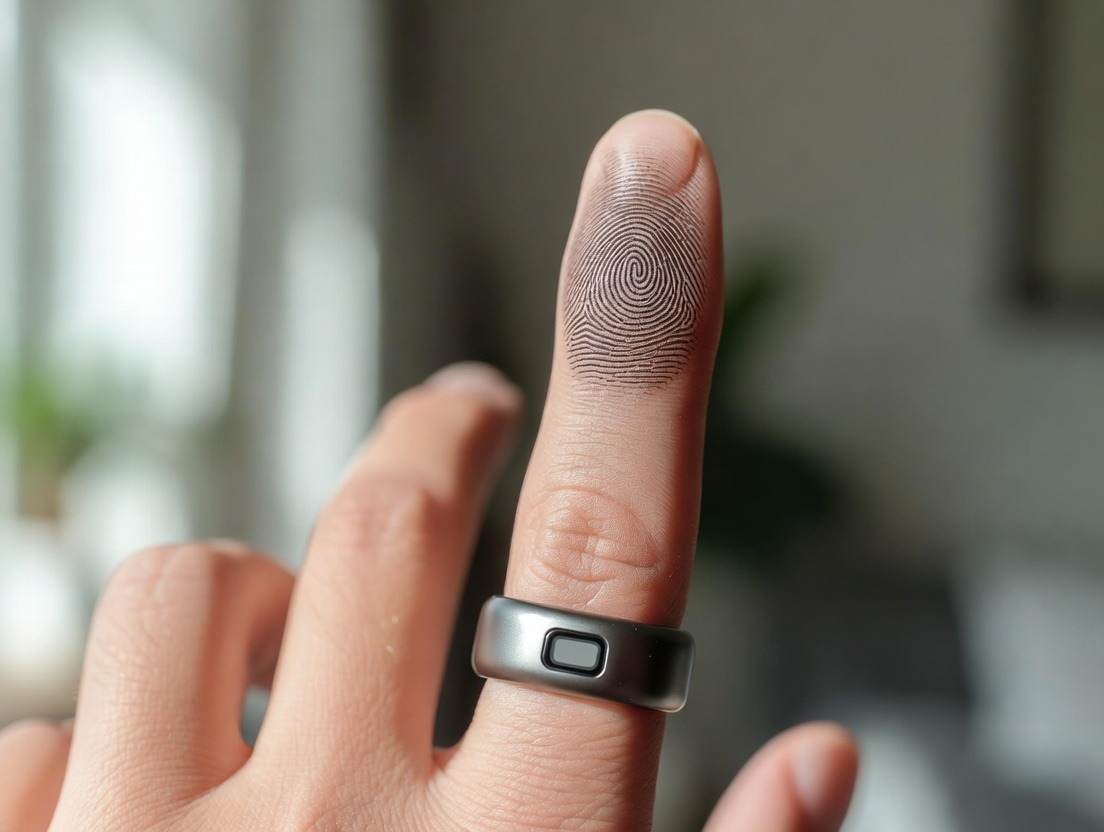
The quest for the perfect health monitoring device has led us from bulky chest straps to wristbands, earbuds, and even smart clothing. Yet, the wellness ring is emerging as a uniquely powerful contender. Its superiority lies in a perfect confluence of anatomical advantage, user compliance, and sensor fidelity.
Your finger, specifically the base of your finger, is a rich vascular bed. Arterioles here are close to the surface, allowing photoplethysmography (PPG) sensors—which use light to measure blood volume changes—to capture a remarkably clear and strong signal of your pulse. Unlike the wrist, which is bony and has more variable blood flow, the finger provides a consistent and reliable location for optical heart rate and heart rate variability (HRV) monitoring. This signal clarity is the bedrock of accurate health data.
Beyond physiology, there's psychology. A ring is a piece of jewelry—a personal artifact we are accustomed to wearing 24/7. This inherent wearability solves the single biggest problem in digital health: adherence. Studies on wearable usage consistently show that a significant percentage of users abandon their devices within months. The reasons often cited include discomfort during sleep, the need to remember to charge too frequently, and aesthetic mismatch. A well-designed wellness ring circumvents these issues. It’s comfortable to sleep in, its battery can last multiple days on a single charge due to its efficient, single-location focus, and it’s designed to be stylish enough for daily wear. You forget it’s a health device, which is precisely why it succeeds in collecting the continuous data necessary for true longitudinal insight.
Furthermore, the ring form factor minimizes motion artifact for core physiological metrics. While a wrist-worn device can be jostled with every keystroke or hand movement, a ring on the finger is relatively stable, especially during the critical periods of sleep and rest. This stability translates to cleaner data for heart rate, respiration, and sleep staging, providing a more accurate baseline of your body’s autonomic state. In essence, the wellness ring leverages a perfect biological vantage point and a culturally accepted form to become what we might call an unobtrusive guardian—always on, always sensing, yet never demanding your attention until you seek its insights.
At first glance, a wellness ring tracks your heart rate. But to stop there is to see only the tip of the iceberg. The true magic lies in the advanced physiological markers it derives from that fundamental pulse signal. These are the metrics that offer a direct line into your nervous system and cardiovascular health.
Heart Rate Variability (HRV) is arguably the crown jewel of autonomic nervous system (ANS) data. Contrary to what the name might imply, a higher HRV is generally better. It represents the subtle, millisecond variations in time between each heartbeat. Think of it as your body's granular ability to adapt. A resilient, healthy system shows high variability—it can quickly ramp up the sympathetic ("fight or flight") response when needed and efficiently return to a calm, parasympathetic ("rest and digest") state. A low, rigid HRV pattern can be a sign of chronic stress, overtraining, illness, or poor recovery. Your wellness ring tracks this nightly, giving you a powerful, objective scorecard of your recovery status and stress load. It’s a proactive metric, often changing before you feel overt symptoms of fatigue or burnout.
Pulse Wave Velocity (PWV), measured by some advanced rings through sophisticated PPG analysis, is a non-invasive glimpse into arterial stiffness. When your heart beats, it creates a pressure wave that travels through your arteries. The speed of this wave is influenced by the health and elasticity of your blood vessels. Stiffer arteries (a sign of aging and cardiovascular risk) result in a faster wave. By tracking trends over time, a wellness ring can provide early indications of vascular changes, offering a powerful incentive for lifestyle interventions long before traditional symptoms appear.
Blood Oxygen Saturation (SpO2) monitoring, once confined to clinical fingertip clips, is now a staple in wellness rings. While its continuous tracking is invaluable for detecting potential sleep apnea events (where blood oxygen levels dip repeatedly), its utility extends further. Tracking nightly SpO2 trends can reveal how well your body is oxygenating during restorative sleep, and unusual deviations can be early flags for respiratory issues. For athletes, it can help assess acclimation to altitude.
Together, this trio of metrics transforms the simple heartbeat into a rich narrative. It’s a story of how your nervous system balances its resources, the health of your vascular highway, and the efficiency of your respiration. This is the core of what makes a wellness ring a monitoring device rather than just a fitness tracker. It’s focused on the internal state of your physiology, providing a dashboard for the systems that underpin lifelong health. To understand how this data is most powerfully applied, one must look at the foundational pillar of health it illuminates best: sleep. For a deeper dive into the nuances of this crucial data, you can explore how sleep tracking algorithms work, explained without the tech jargon.

Sleep is the single most important pillar of recovery and long-term health. For decades, our understanding of our own sleep was limited to duration and a vague sense of quality. The wellness ring has democratized access to what was once only available in a sleep lab: a detailed, nightly analysis of your sleep architecture. This revolution in personal sleep science is a cornerstone of lifelong health monitoring.
A high-quality wellness ring doesn't just tell you how long you slept. It maps your journey through the essential stages of sleep: Light, Deep, and REM (Rapid Eye Movement). Each stage serves a distinct, non-negotiable purpose. Deep sleep is critical for physical restoration, immune function, and memory consolidation. REM sleep, often associated with dreaming, is vital for emotional processing, creativity, and cognitive function. By tracking the duration, timing, and continuity of these stages, your ring reveals your unique nocturnal blueprint. You can see if you're getting enough deep sleep to repair your body, or sufficient REM to refresh your mind.
More importantly, the ring contextualizes this sleep architecture with your physiology. It overlays your heart rate, HRV, respiration rate, and SpO2 onto your sleep timeline. This is where profound insights emerge. You might see your heart rate stubbornly elevated throughout the night after a day of intense mental stress, or spot a correlation between late-night alcohol consumption and a fragmented deep sleep cycle. You could observe how a consistent bedtime leads to a more stable, higher HRV—a concrete metric of better recovery.
This 24/7 monitoring capability is key. Because the ring is always on, it can automatically detect naps, capturing a complete picture of your daily rest. It can identify periods of nighttime wakefulness you might not even remember. This comprehensive data allows you to move from guesswork to precision in optimizing your sleep. You can run experiments: Does a magnesium supplement improve your deep sleep percentage? Does blocking blue light two hours before bed increase your REM duration? The ring provides the objective feedback.
The implications for long-term health are staggering. Consistently poor or disordered sleep is a primary risk factor for a host of chronic conditions, from Alzheimer's disease and depression to hypertension and diabetes. By making your sleep quality visible and actionable, a wellness ring empowers you to defend against these risks proactively. It turns the ancient advice to "get good sleep" into a data-driven, personalized practice. For those curious about the broader impact of this technology, the evolution of sleep tracking technology shows just how far we've come.
If sleep is the foundation, then the balance between stress and recovery is the dynamic process that builds health upon it. Our modern world is a symphony of stressors—physical, mental, emotional, and environmental. The body doesn't discriminate much between these types; it responds through the unified system of the autonomic nervous system (ANS). A wellness ring provides an unprecedented, objective dashboard for this hidden but all-important system.
The primary metric here, as introduced earlier, is HRV. During the day, your ring can track moment-to-moment changes in your stress levels through derived metrics like a "stress score." This isn't a measure of your emotional state, but of your physiological arousal. A high stress score indicates your sympathetic nervous system is activated—your body is mobilized for action. This is normal and healthy in short bursts. The problem, known as allostatic load, arises when this state becomes chronic without sufficient recovery.
The ring’s true power is in revealing your recovery capacity. Your nightly average HRV, along with your resting heart rate and sleep quality, forms a composite picture of your readiness. After a hard workout, a stressful day at work, or even the onset of a mild illness, you will likely see a dip in your HRV and a rise in your resting heart rate. This is your body's signal that resources are being diverted for repair and defense. The wise response is to dial back intensity, prioritize sleep, and manage stress. Ignoring these signals and pushing through is a recipe for burnout, injury, or prolonged illness.
This feedback loop creates a powerful form of biofeedback. By checking your recovery metrics in the morning, you can plan your day with your body’s actual capacity in mind. A low recovery score might prompt you to choose a gentle walk over an intense interval session, or to practice mindfulness during your lunch break. Over time, you learn to recognize the internal sensations that correlate with these physiological states, honing your body awareness.
This transforms health management from a sporadic, symptom-driven activity into a continuous, system-driven practice. You're no longer waiting for a headache, insomnia, or fatigue to tell you something is wrong. You're using the subtle, pre-symptomatic language of your ANS to guide your daily choices, ensuring stress is balanced with adequate recovery. This is the essence of building resilience—the ability to withstand, adapt to, and grow from life's challenges. It’s a cornerstone of not just healthspan, but also lifespan. For athletes and active individuals, this principle is paramount; see how sleep tracking directly improves athletic performance and recovery.
The fitness tracking world has long been dominated by the step count—a simple, arbitrary, and often misleading metric. Lifelong health monitoring via a wellness ring shifts the paradigm from "how much" you move to "how well" you move in the context of your body's readiness. This intelligent approach to activity is what separates sustainable health from short-term, potentially injurious fitness pushes.
A wellness ring typically tracks active calorie burn, movement intensity, and general activity levels. However, its genius lies in how it integrates this activity data with your recovery metrics. This is often presented as a "Readiness" or "Body Battery" score—a single, synthesized metric that advises you on your capacity for physical exertion. A high readiness score, fueled by great sleep and high HRV, is a green light to tackle a challenging workout. A low score is a recommendation to focus on gentle movement, mobility, or complete rest.
This integration prevents the common pitfall of overtraining. Many dedicated individuals follow rigid workout schedules, pushing through fatigue in pursuit of a goal. This can lead to a state of chronic sympathetic dominance, hormonal imbalances, and suppressed immune function. The ring’s readiness feedback provides a scientifically-grounded reason to listen to your body and adapt your plan. It promotes the concept of adaptive training, where your workout regimen is dynamically adjusted based on your physiological state, not just a calendar.
Furthermore, the ring encourages meaningful non-exercise activity thermogenesis (NEAT)—the calories you burn through daily living. By gently nudging you to move after periods of prolonged sitting and by valuing all movement, it supports metabolic health and joint mobility. For lifelong health, this consistent, low-intensity movement is arguably more important than sporadic, high-intensity workouts.
The goal shifts from hitting 10,000 steps at all costs to achieving a harmonious balance between activity that stresses the body positively (exercise) and recovery that allows it to adapt and strengthen. The ring becomes a personalized coach, using your own biological data to prescribe the right dose of movement for that specific day. This personalized, responsive approach is key to maintaining an active lifestyle for decades, not just for a few motivated years.
One of the most sophisticated features emerging in advanced wellness rings is continuous body temperature monitoring. This isn't about detecting a fever after it's already spiked; it's about tracking subtle, circadian-based variations in your basal body temperature (BBT) that reveal deep insights into your metabolic rate, hormonal cycles, and overall physiological rhythm.
Your body temperature follows a predictable circadian pattern, typically lowest in the early morning hours (around 4-5 AM) and highest in the late afternoon or early evening. This rhythm is governed by your master circadian clock and is intimately tied to sleep-wake cycles, hormone secretion (like cortisol and melatonin), and metabolic processes. A wellness ring, measuring skin temperature at the finger (a good proxy for core temperature trends), can map this rhythm with precision.
Deviations from your personal norm are highly informative. A consistently elevated nighttime temperature can be a sign of poor sleep quality, an overactive thyroid, the onset of an infection, or chronic inflammation. For women, temperature tracking is revolutionary for understanding menstrual cycles. The characteristic biphasic pattern—lower temperatures in the follicular phase and a sustained rise after ovulation in the luteal phase—is clearly visible. This provides objective data for fertility awareness, helps identify potential hormonal imbalances like anovulatory cycles, and can explain cyclical changes in sleep, recovery, and performance. For women navigating the profound physiological changes of pregnancy, this data becomes even more valuable; you can read about sleep tracking during pregnancy and what changes to expect.
Longitudinally, tracking temperature trends can offer early warnings. A persistent shift in your circadian temperature rhythm might indicate a disruption in your circadian health, often a precursor to metabolic issues. The ring’s ability to correlate temperature with sleep and HRV data creates a multidimensional picture of your endocrine and metabolic health. It's a passive, continuous lab test, providing clues about your internal state that would be impossible to detect through subjective feeling alone. This makes it a potent tool for anyone interested in optimizing longevity, managing hormonal health, or simply understanding the intricate daily rhythms of their own body.
The individual data points from a single night or day are interesting, but the true, transformative power of a wellness ring is unlocked over months and years. This longitudinal data set becomes your personal health biography—a living document that tells the story of how your body responds to life.
With a year or more of continuous data, you can move beyond daily fluctuations and see powerful trends. You can visualize your seasonal patterns: perhaps your HRV dips and your resting heart rate rises slightly during the stressful holiday season each winter, or your sleep deepens during summer vacations. You can see the long-term impact of a new habit, like a consistent meditation practice, as a gradual upward trend in your average HRV.
This historical perspective is invaluable for detecting subtle, slow-onset changes. A gradual, sustained increase in your resting heart rate or a decline in your average HRV could be an early indicator of overtraining, prolonged stress, or the onset of a subclinical health issue. Conversely, positive lifestyle changes manifest as clear, encouraging trends in your data, providing powerful positive reinforcement.
Most importantly, this biography becomes an incredibly powerful tool in clinical settings. Imagine visiting your doctor not with vague descriptions like "I've been tired lately," but with a quantified report showing a 15% decrease in your average deep sleep and a 10% increase in your nighttime resting heart rate over the past three months. This objective data can guide more precise questioning, inform differential diagnoses, and help track the efficacy of treatments. It empowers you to be an engaged, evidence-based partner in your own healthcare. For those concerned with more serious sleep conditions, this data can be pivotal; learn how sleep tracking helps diagnose sleep disorders early.
The ring becomes a personal health observatory, constantly gathering data that gains meaning and value with time. This long game perspective shifts the focus from short-term biohacking to sustainable lifestyle architecture, all informed by the unassailable evidence of your own body's responses.

An influx of data can be as paralyzing as it is enlightening. The final, and most critical, step in the lifelong health monitoring journey is the translation of raw data into actionable wisdom. A wellness ring provides the numbers, but you must become the interpreter and executor. This requires moving beyond obsession with single metrics and embracing a holistic, trend-based mindset.
The first principle is to focus on trends over absolutes. Don't panic over one night of low HRV or high resting heart rate. Look at the weekly average and the direction of the trend. Is your recovery generally improving or declining? The second principle is to correlate, not isolate. Use the ring's dashboard to see connections. Did a poor readiness score follow a night of disrupted sleep and high nighttime stress? Did a great week of HRV coincide with a week of early bedtimes and no alcohol?
The third principle is to run personal experiments. The scientific method is your best tool. Form a hypothesis: "If I stop using my phone an hour before bed, my deep sleep will increase." Implement the change for 1-2 weeks while keeping other factors as consistent as possible. Observe the data. Did your deep sleep percentage rise? Did your sleep latency (time to fall asleep) decrease? This process turns you into a citizen scientist of your own wellbeing.
Finally, cultivate informed intuition. Over time, you'll start to feel the physiological states your ring reports. You'll recognize the bodily sensation of a high-HRV recovery day versus a low-HRV stressed day. The data trains your self-awareness, allowing you to eventually make intuitive choices that are backed by a deep, data-informed understanding of your body.
This journey from data to wisdom is what prevents "analysis paralysis" or orthosomnia (an unhealthy preoccupation with perfect sleep data). The goal is not to achieve perfect scores every day—that's impossible. The goal is to understand your patterns, respect your body's signals, and use the insights to make incremental, sustainable choices that compound into a lifetime of better health. For those who worry about the potential downsides of this data focus, it's important to understand if sleep tracking can cause anxiety—the orthosomnia problem.
As we embrace the incredible benefits of continuous physiological monitoring, a critical and non-negotiable conversation must accompany it: the security, privacy, and ownership of your most personal data—the digital map of your very life. The data from a wellness ring is not just steps and sleep; it's a continuous log of your autonomic state, potentially revealing stress patterns, sleep disorders, and physiological changes that are deeply private.
When choosing a wellness ring and its accompanying platform, you must become an informed consumer of its data policies. Key questions to consider: Where is your raw data stored? Is it encrypted both in transit and at rest? Does the company anonymize and aggregate data for research, and can you opt out? Most importantly, who owns the data? Legally, you should. Practically, you must ensure the company's terms of service reflect that principle and give you clear options to export, delete, and control your data.
The potential misuse of such intimate data is a real concern. In the wrong hands, trends indicating poor sleep or high stress could be used by insurers or employers in discriminatory ways. While regulations like GDPR (in Europe) and HIPAA (in the US for specific medical data) provide some frameworks, wellness data often occupies a grey area. Your vigilance is your first line of defense.
Look for companies that are transparent about their data practices, employ strong security measures, and design their business model around serving you, the user, rather than monetizing your personal health information. The ideal platform gives you full sovereignty over your data, allowing you to share it with healthcare providers or coaches at your discretion, but never assuming that right for itself.
Your lifelong health record is one of your most valuable assets. The device that helps create it must also be a trustworthy guardian of it. Embracing this technology requires a dual commitment: to use the data wisely for your health, and to demand the highest ethical standards from those who provide the tools. For a comprehensive look at this vital issue, we recommend reading our analysis on sleep tracking and privacy: what you need to understand.
The wellness ring today is a powerful standalone device, but its ultimate destiny is to serve as a seamless node in a larger, integrated healthcare ecosystem. The future of lifelong health monitoring lies not in isolated apps, but in connected, intelligent systems that bridge the gap between daily wellness and formal medical care.
We are already moving in this direction. Advanced rings can now detect potential signs of atrial fibrillation (AFib) through irregular heart rhythm notifications—a direct bridge from consumer wellness to cardiac health. The next steps involve deeper integrations: secure, patient-approved data sharing with electronic health records (EHRs), allowing your primary care physician to view your longitudinal trends at a glance. Imagine a future where your cardiologist can review a year of your pulse wave velocity trends, or your endocrinologist can see your circadian temperature rhythms alongside your sleep data.
This integration will also expand on the personal side. Your ring’s data will intelligently interact with other smart systems in your life—adjusting your home thermostat based on your circadian temperature rhythm to optimize sleep onset, or suggesting meal timing from your metabolic readiness data. It will act as a unified biometric authenticator and personal health agent.
Furthermore, the aggregation of anonymized, population-level data from millions of users holds immense promise for public health and medical research. It could help identify early physiological markers of viral outbreaks, understand the real-world impact of new medications, or map the effects of environmental changes on population health. Of course, this must always be done with rigorous ethical standards and informed consent.
The wellness ring is the ideal platform for this integration because of its continuous wearability and rich data output. It provides the constant, real-world stream of physiological data that has been missing from the episodic model of healthcare. By connecting this stream to the expertise of healthcare providers and the intelligence of other systems, we move towards a model of true preventive, personalized, and participatory medicine. This is the future where health monitoring doesn't just inform your life—it actively collaborates with you and your care team to protect and enhance it. To glimpse where this technology is headed, consider the future of sleep tracking with AI and predictive insights.
The ultimate promise of lifelong health monitoring is not merely to document wellbeing, but to foresee and forestall its decline. A wellness ring, through its continuous, multi-parameter data collection, functions as a silent early warning system, picking up on deviations and patterns that often manifest long before a symptom prompts a doctor's visit. This predictive capacity is the frontier where consumer wellness technology begins to intersect meaningfully with preventive medicine.
Consider the body's response to an oncoming infection. Days before you feel a sore throat or fatigue, your immune system activates. This activation has measurable physiological correlates: your resting heart rate may begin a sustained rise, your heart rate variability may drop, your skin temperature may show an unusual pattern, and your sleep may become more disturbed as your body diverts energy to mount a defense. In isolation, any one of these changes could be noise. But when a sophisticated algorithm analyzes the confluence of these trends against your personal baseline, it can detect an anomaly. Some advanced wellness platforms now offer "sickness alerts" or "immune system activation" indicators based on precisely this type of multi-parameter analysis. This gives you the precious gift of time—to hydrate, rest, and bolster your immune system, potentially mitigating the severity or even averting the illness altogether.
The same principle applies to more chronic, slow-developing conditions. Metabolic syndrome, a precursor to type 2 diabetes and cardiovascular disease, develops over years. Its hallmarks include systemic inflammation and dysregulation of the autonomic nervous system. Longitudinal data from a ring could reveal a gradual, creeping increase in resting heart rate, a decrease in HRV, and a disruption in sleep quality—all subtle signs of a system under increasing metabolic strain. For a woman, a persistent flattening of the biphasic temperature curve could suggest hormonal imbalances worth investigating. These are not diagnoses, but they are powerful, data-driven hypotheses about your health trajectory. They are prompts to seek professional evaluation and to implement lifestyle interventions—like dietary changes, stress management, and improved sleep hygiene—when they can have the greatest impact.
This shifts healthcare from a reactive to a proactive model. Instead of treating hypertension after it's diagnosed, we might be able to see the vascular stiffness (via PWV trends) and sympathetic overactivity (via low HRV) that precede it. It empowers a "find it and fix it early" philosophy. The ring becomes a guardian that never sleeps, constantly checking your vital signs against your established norm and flagging deviations for your attention. This requires sophisticated, validated algorithms and a nuanced understanding that not all deviations are alarming, but it represents a monumental leap toward true health sovereignty. To appreciate the accuracy of these devices, it's helpful to explore how sleep tracking validation compares to clinical sleep labs.
A fundamental truth in medicine is that there is no single "normal"—only what is normal for the individual. A resting heart rate of 55 might be healthy for a conditioned athlete but concerning for someone else. The genius of advanced wellness rings lies in their capacity for deep personalization. They don't just measure you against population averages; they spend weeks and months learning the unique rhythms and ranges of your body to establish a dynamic, living baseline.
The process begins with an initial calibration period, often the first 1-2 weeks of wear. During this time, the ring's algorithms aren't just collecting data; they are observing your personal patterns. What is your typical resting heart rate range? What is your normal HRV sweet spot? When does your body temperature typically trough and peak? What does a good night's sleep look like for you? By the end of this period, the device has built a preliminary model of "you."
This model becomes the reference point for all future measurements. Your daily readiness score, your stress indicators, and your sleep quality assessments are all judged against your baseline, not a generic ideal. This is why two people with identical absolute numbers can receive different readiness interpretations; one may be at their personal best, while the other is significantly below their norm.
Furthermore, this personalization is not static. Your baseline evolves with you. As you get fitter, your resting heart rate may trend downward, and your HRV may trend upward. The ring's algorithms recognize these gradual shifts and adjust your baseline accordingly. They also learn from your feedback. If you consistently tag days with certain activities (like intense travel or heavy drinking) and see the physiological impact, the system gets smarter about how those factors affect you specifically.
This creates a truly bespoke health monitoring experience. The insights become hyper-relevant because they are grounded in your own physiology. The ring can tell you, "Based on your personal history, your body is showing signs of significantly higher stress than usual for this time of day," or "Your recovery metrics are lower than typical after this type of workout." This moves the technology from being a generic measuring tool to being a personal health consultant that understands your unique constitution. It acknowledges that lifelong health is not about conforming to an external standard, but about optimizing your own, individual biological potential.
For centuries, philosophies and healing traditions have spoken of the inseparable link between mind and body. Now, the wellness ring provides a quantitative bridge between the two, making the abstract concept of "stress" tangible and revealing how mental and emotional loads manifest in physical data. This quantification demystifies mental wellbeing and provides concrete levers for its improvement.
We've discussed how HRV and stress scores reflect sympathetic nervous system activation. But let's delve into the practical narrative this creates. Imagine you have a day packed with back-to-back video calls, difficult conversations, and looming deadlines. Subjectively, you feel "wired." Objectively, your ring shows a stress score that remains elevated for hours, your heart rate stays 10-15 bpm above your true resting rate even while you sit, and your HRV plummets. In the evening, despite feeling exhausted, you struggle to wind down. The ring captures this too—a delayed drop in heart rate as you try to sleep, and increased sleep fragmentation.
The next morning, your recovery score is low. This data provides an incontrovertible link: the mental load of yesterday created a measurable physiological burden that impaired your recovery. This is powerful for two reasons. First, it validates subjective feelings. You're not "just being weak"; your nervous system was under a quantifiable siege. Second, it creates accountability and a feedback loop for interventions.
Seeing the physical cost of a chaotic workday might motivate you to implement structured breaks, breathwork, or a digital curfew. You can then test these interventions: does a 5-minute breathing exercise at 3 PM actually lower my stress score and help my heart rate recover? The data will tell you. This turns stress management from a vague wellness trope into an evidence-based practice.
Furthermore, the ring can help identify patterns of rumination and anxiety. A classic sign is an elevated resting heart rate and lower HRV during sleep, particularly in the early hours of the morning when cortisol naturally rises. This "nighttime stress" is a clear indicator that your subconscious mind is working overtime, inhibiting physical restoration. Recognizing this pattern can be the first step toward addressing underlying anxiety with cognitive-behavioral techniques or professional help.
By quantifying the mind-body connection, the wellness ring empowers you to manage your mental landscape with the same precision you might apply to nutrition or exercise. It proves that caring for your mind is not separate from caring for your body—it is the same thing, measured in beats per minute, milliseconds of variability, and degrees of temperature. For those whose work life disrupts natural rhythms, this connection is especially critical; see special considerations for sleep tracking for shift workers.
Your body does not exist in a vacuum. It is in a constant state of exchange with your environment. A wellness ring, by tracking your physiological state 24/7, inadvertently becomes a sensor for how your environment is affecting you. It can reveal the hidden impact of factors like air quality, altitude, light exposure, and even social interactions, turning you into a living bioassay of your surroundings.
Altitude and Hypoxia: When you travel to a higher elevation, your body must acclimatize to lower oxygen partial pressure. A ring vividly captures this struggle. Your blood oxygen saturation (SpO2) will drop, especially during sleep. Your resting heart rate will increase as your heart works harder to deliver oxygen. Your HRV will likely decrease, and your sleep will be more fragmented. Monitoring these metrics allows you to track your acclimatization progress objectively and pace your activities accordingly until your physiology adjusts.
Air Quality and Pollution: Emerging research suggests a link between particulate matter (PM2.5) exposure and autonomic nervous system dysfunction, inflammation, and poor sleep. While a ring doesn't measure air pollution directly, it can show its effects. You might notice a pattern: on days when the local air quality index (AQI) is poor, your resting heart rate is slightly higher, your HRV is lower, and your respiratory rate during sleep might be more erratic. Correlating your physiological data with environmental data (available from many weather apps) can reveal your personal sensitivity, motivating you to use air purifiers or adjust outdoor activities on high-pollution days.
Light and Circadian Disruption: Your circadian rhythm is set primarily by light exposure. The ring’s temperature rhythm is a direct output of this clock. A week of late-night screen use or inconsistent exposure to bright morning light can dampen the amplitude of your temperature rhythm—it won't fall as low at night or rise as high during the day. This blunted rhythm is often coupled with poorer sleep scores and reduced daytime energy. The ring provides the feedback to connect the dots: poor light hygiene leads to a weak circadian signal, which degrades sleep and recovery.
Social and Emotional Environment: Even our social interactions leave a physiological signature. A day spent in positive, connecting social situations may correlate with a better stress profile and higher HRV. Conversely, conflict or loneliness can trigger a defensive physiological state. While harder to isolate, reviewing your data after different types of social days can yield personal insights into what environments are nourishing or depleting for your nervous system.
By acting as a proxy sensor for environmental impact, the wellness ring encourages you to see your health as an ecosystem. It’s not just about what you do to your body, but about how you curate the world around it. This holistic view is essential for crafting a lifestyle that supports lifelong vitality, allowing you to make informed choices about where you live, how you travel, and how you structure your daily environment. For a deeper look at one of the most common environmental disruptors, consider how sleep tracking reveals patterns you'd never notice otherwise.
Embracing the power of a wellness ring requires an equally clear-eyed understanding of its limitations and the ethical boundaries of self-monitoring. Unchecked enthusiasm without this critical perspective can lead to misinterpretation, anxiety, and an unhealthy relationship with one's own body. A tool for empowerment must be used with wisdom.
Technical Limitations: First, it is crucial to remember that these are consumer wellness devices, not medical-grade diagnostic tools. The PPG sensor on your finger is remarkable, but it can be fooled. Poor fit, very cold hands, excessive movement, or tattoos can degrade signal quality. The algorithms that estimate sleep stages, HRV, and PWV are sophisticated models, but they are inferences, not direct measurements like a polysomnogram or an ECG. They are highly accurate for trends and personal baselines but may have occasional errors in absolute values. It is a mistake to treat a single night's data point with the certainty of a lab test.
The Risk of Orthosomnia and Health Anxiety: This is the most significant psychological pitfall. Orthosomnia is a term coined by sleep researchers to describe the condition where individuals become preoccupied with achieving perfect sleep data, to the detriment of their actual sleep. Checking your sleep score immediately upon waking, feeling distress over a "poor" deep sleep percentage, or trying to "hack" your metrics can create performance anxiety around the naturally variable process of sleep. This anxiety itself releases cortisol, which worsens sleep, creating a vicious cycle. The data should be a guide, not a report card. The goal is wellbeing, not a perfect score.
Data Interpretation and the Dunning-Kruger Effect: Access to complex physiological data can create a false sense of medical expertise. Seeing a dip in HRV might lead someone to self-diagnose adrenal fatigue or other conditions far beyond the device's capability to detect. The ring provides clues, not diagnoses. It is essential to use this data as a conversation starter with qualified healthcare professionals, not as a replacement for them. The ethical boundary lies in knowing when the data is suggesting a pattern worth professional investigation versus when it's merely reflecting normal daily variance.
The Equity and Access Question: Lifelong health monitoring through advanced wearables is, for now, a privilege. It requires significant financial investment and digital literacy. This raises ethical questions about health equity and the potential for a "biometric divide," where those who can afford these tools gain further advantages in optimizing their health. As an industry and a society, we must work toward making the insights from this technology more accessible and inclusive.
Acknowledging these limitations is not a critique of the technology, but a necessary part of using it responsibly. The most effective user of a wellness ring is a skeptical optimist—one who is amazed by the insights but remains grounded, uses trends over absolutes, and never lets the pursuit of data undermine the peace of mind it is meant to support. For a balanced view, it's worthwhile to review the known limitations of sleep tracking technology.
Data without action is merely trivia. The final, culminating step in harnessing your wellness ring is to weave its insights into the fabric of your daily life, creating a sustainable, responsive lifelong health protocol. This is not a rigid set of rules, but a dynamic framework informed by your unique physiology. It turns passive monitoring into active living.
The Morning Review (5 Minutes): Make checking your readiness/recovery score and sleep data a mindful part of your morning ritual, like drinking water. Don't just glance at the number. Ask: What is my body's capacity today? Based on this, you can make intentional choices:
The Daytime Check-In (Micro-Moments): Use the ring’s daytime stress or body battery features not to obsess, but for conscious micro-check-ins. If you feel foggy or irritable, glance at your stress graph. Is it elevated? This can be the prompt for a two-minute breathing exercise, a walk around the block, or a few minutes of stretching. It’s a tool for real-time nervous system regulation.
The Evening Wind-Down (Personalized Ritual): Let your historical data design your perfect wind-down. Your ring likely shows you what time you typically fall asleep and how long it takes. Use this to back into your bedtime routine.
The Weekly Reflection (30 Minutes): Once a week, take a longer look at your trends. Most apps provide weekly summaries. This is where you connect the dots.
The Quarterly Audit (Deep Dive): Every few months, look at the macro-trends. Is your average HRV trending up or down over the season? Has your resting heart rate changed? Are you seeing more or less deep sleep? This big-picture view helps assess the overall direction of your health and the efficacy of your lifestyle choices over a longer term.
This protocol transforms the ring from a gadget into a partner. It creates a closed loop: Measure → Interpret → Act → Re-measure. The goal is not to be a slave to the data, but to use it to cultivate such deep body awareness that, over time, you internalize the feedback. You begin to feel your readiness level, you sense your need for recovery, and the ring simply confirms what you already know. That is the pinnacle of integrated, lifelong health monitoring—where technology enhances intuition to create a life lived in fuller harmony with the body's innate wisdom. For practical advice on implementing this, our guide on sleep tracking tips for getting the most accurate data possible is an excellent resource.
A single sensor provides a data point. Multiple sensors, intelligently combined, tell a story. This is the principle of sensor fusion, the technological cornerstone that elevates a wellness ring from a simple heart rate monitor to a comprehensive health observatory. It’s the process of integrating data from disparate sensors—optical PPG, 3D accelerometer, skin temperature sensor, and sometimes even a gyroscope—and using advanced algorithms to synthesize a coherent, multi-dimensional picture of your physiological state that is greater than the sum of its parts.
Consider the challenge of accurately determining sleep stages. A standalone accelerometer can tell if you’re moving or still, crudely differentiating "awake" from "asleep." But to distinguish between light, deep, and REM sleep, movement data is insufficient. This is where fusion excels. The ring’s PPG sensor tracks heart rate and heart rate variability. During deep sleep, your heart rate is at its lowest and most stable, and HRV shows a predictable, slow oscillation. During REM sleep, your heart rate becomes more variable and can spike, resembling wakefulness, but your body is paralyzed (atonia)—so the accelerometer shows minimal movement. The algorithm cross-references these signals: low movement + low, stable heart rate = deep sleep. Low movement + variable, higher heart rate = REM sleep. The skin temperature sensor adds another layer, confirming the circadian-driven drop in core temperature that accompanies sleep onset.
This fusion is equally critical for activity and calorie estimation. An accelerometer alone can count steps and gauge movement intensity, but it can’t distinguish between running with a high heart rate and shaking your hand vigorously with a low heart rate. By fusing motion data with continuous heart rate from the PPG, the ring can far more accurately estimate energy expenditure (calories burned). It understands that the same arm motion with a 160 BPM heart rate represents vigorous effort, while the same motion at 80 BPM is trivial.
The power of fusion is also key to weeding out noise and artifacts. If you’re on a bumpy bus ride, the accelerometer goes wild. A heart-rate-only device might misinterpret the jostling as elevated activity. But a ring using sensor fusion can analyze the PPG signal: if the heart rate hasn’t risen commensurate with the violent movement, it can classify the period as "non-wear" or passive transport, not active exercise. Similarly, a momentary spike in heart rate from a startle reflex can be contextualized by the lack of corresponding movement from the accelerometer, preventing it from skewing your stress score.
This symphony of sensors creates a robust, fault-tolerant system. If one sensor’s signal is temporarily degraded (e.g., loose fit affecting PPG), the others can help fill in the gaps or flag the data as potentially less reliable. The result is a data stream of remarkable richness and contextual awareness. It allows the ring to move beyond reporting isolated metrics to interpreting states: sleep state, stress state, recovery state, activity state. This holistic interpretation is what makes the insights feel intelligent and personalized, because they are based on a synthesized view of your body’s many simultaneous conversations. For a comparative look at how this fusion plays out in different form factors, our analysis of sleep tracking comparisons between rings, watches, and headbands delves deeper.
The utility of lifelong health monitoring is not confined to a single demographic or goal. The wellness ring is a chameleon-like tool, its data speaking differently but profoundly to individuals at every stage of life. Its value evolves as we do, providing relevant insights from the pursuit of peak performance to the management of graceful aging.
For the Athlete and Performance Seeker: Here, the ring is a precision instrument for optimizing the stress-recovery-adaptation cycle. The focus is on readiness scores, training load, and recovery metrics. An athlete uses it to answer critical questions: Have I recovered enough from my last session to perform at my best today? Was that workout’s intensity effectively captured by my physiology (e.g., a significant but not catastrophic dip in HRV)? Is my consistent training yielding the expected long-term improvements in resting heart rate and HRV baseline? It helps prevent overtraining, guides tapering before competition, and identifies the individual physiological responses to different training modalities (e.g., HIIT vs. endurance). The ring provides the hard data to replace guesswork, enabling periodized training that maximizes gains while minimizing injury risk and burnout.
For the Health-Conscious Professional (Ages 25-50): This user is often balancing career, family, and social demands, with time as the scarcest resource. For them, the ring is a guardian against burnout and a guide for sustainable energy management. It quantifies the cost of stress, poor sleep, and travel. It provides objective evidence for the need to set boundaries, showing how a week of late nights directly impacts resilience. The focus is on sleep quality consistency, stress score management, and maintaining a healthy baseline. It answers: How can I structure my week to protect my recovery? What habits (caffeine timing, alcohol, evening screen use) are most disruptive to my sleep? It turns the abstract concept of "work-life balance" into a series of data-informed daily choices.
For the Individual Navigating Hormonal Transitions (e.g., Perimenopause): This is where features like continuous temperature tracking become transformative. The ring can map the increasing irregularity of cycles, providing objective data on cycle length, luteal phase quality, and ovulation confirmation. As menopause approaches and hot flashes begin, the ring captures these nocturnal temperature surges and their impact on sleep fragmentation. This data is empowering when consulting with a healthcare provider, moving the conversation from "I'm not sleeping" to "I am experiencing an average of 4.3 nighttime awakenings correlated with temperature spikes of X degrees." It helps differentiate between hormonal symptoms and other issues, and can track the efficacy of interventions like HRT or lifestyle changes.
For the Aging Adult (60+): Here, the ring shifts towards a focus on health preservation, early detection, and maintaining independence. Longitudinal tracking of resting heart rate, HRV, and pulse wave velocity can provide early indications of cardiovascular changes. Sleep tracking becomes crucial, as sleep architecture naturally changes with age and sleep disorders become more prevalent. The ring can monitor for signs of sleep apnea—a common but often undiagnosed condition in older adults. It also serves as a gentle motivator for daily movement and a check on overall wellbeing for distant family members. A sustained deviation from a long-established baseline can be a valuable prompt for a timely medical check-up. For this demographic, the ring’s ability to detect sleep apnea warning signs is particularly salient.
In each case, the same sensors tell a different story because the context and goals differ. The ring adapts to the user, making it a truly lifelong companion. Its promise is to support not just a longer life, but a higher-quality life, regardless of the chapter you’re in.
The application of wellness rings extends decisively into the realm of chronic condition management. For millions living with conditions like hypertension, Type 2 diabetes, anxiety disorders, or insomnia, continuous physiological data is not a luxury—it’s a powerful tool for daily self-management and partnership with healthcare providers. This moves the device from the wellness aisle into the sphere of digital therapeutics.
Hypertension and Cardiovascular Health: While a ring cannot measure blood pressure directly (yet), it provides powerful proxies. Pulse Wave Velocity (PWV) is a direct indicator of arterial stiffness, a key factor in hypertension. Tracking PWV trends can show the impact of medication, dietary changes (like reducing sodium), or consistent aerobic exercise. Resting heart rate and HRV are also strongly linked to cardiovascular health. A patient can see, in near real-time, how a stressful event spikes their heart rate or how a relaxation practice improves their HRV. This creates a direct feedback loop for non-pharmacological interventions, empowering the patient to be an active participant in managing their condition.
Type 2 Diabetes and Metabolic Health: Sleep, stress, and metabolic function are intricately linked. Poor sleep and high stress can induce insulin resistance. A ring can help a person with diabetes or prediabetes identify these disruptors. Seeing that a night of poor sleep correlates with higher fasting glucose readings the next morning provides a powerful motivator for sleep hygiene. Furthermore, tracking activity and its effect on recovery can help structure an exercise regimen that is sustainable and effective, avoiding the pitfalls of overexertion that leads to burnout.
Anxiety and Mood Disorders: As covered, the ring quantifies the physiological footprint of anxiety—elevated resting heart rate, low HRV, and disrupted sleep. For someone in therapy, this data is invaluable. It can help identify physiological triggers that precede anxious episodes. It provides objective evidence of the efficacy of therapeutic techniques like cognitive-behavioral therapy (CBT), mindfulness, or breathwork. Did a mindfulness session actually lower my physiological stress score? The data doesn’t lie. It also helps differentiate between a "bad day" emotionally and a true physiological crisis, providing a grounding, factual perspective.
Chronic Insomnia and Sleep Disorders: For those with diagnosed insomnia, a ring offers a way to move beyond subjective sleep diaries. It provides an objective record of sleep latency, wake-after-sleep-onset (WASO), and sleep efficiency. This is crucial for therapists using Cognitive Behavioral Therapy for Insomnia (CBT-I), as it tracks progress objectively. It can also help identify perpetuating factors, like spending excessive time in bed awake, which is a common issue in chronic insomnia. The data becomes part of the therapeutic process itself.
In all these cases, the ring facilitates a new model of care: continuous remote patient monitoring (RPM). With patient consent, de-identified or directly shared trends can give a clinician a window into the patient’s life between appointments, allowing for more timely interventions and personalized advice. It transforms the patient from a passive recipient of care into an informed, data-equipped partner. This is the future of chronic disease management—proactive, personalized, and powered by everyday technology. Understanding the full scope of this potential includes being aware of who owns your sleep data in such a clinical partnership.
The raw data streams from a ring’s sensors are a torrent of numbers—heartbeat intervals, movement vectors, temperature points. The transformation of this raw data into intelligible, personalized insights like “Readiness: 85” or “Your deep sleep was low due to late caffeine” is the work of artificial intelligence, specifically machine learning (ML). This invisible engine is what makes modern wellness rings truly smart.
At its core, ML involves training algorithms on massive datasets to recognize patterns. In the context of a wellness ring, this happens on two levels:
These ML models are also responsible for predictive insights. By analyzing your longitudinal trends alongside the time of year, your activity history, and even local weather/illness data (anonymized and aggregated), some platforms are beginning to offer predictions. “Based on your recovery trend and local flu activity, your illness risk is elevated.” Or, “Your data suggests you may be most fertile in the next 48 hours.” These are probabilistic inferences, not certainties, but they represent the frontier of proactive health guidance.
Furthermore, AI powers anomaly detection. The system knows your 30-day baseline for nighttime heart rate. If it detects a significant and sustained deviation, it can flag it. This is how “sickness alerts” or “unusual activity” notifications are generated. The AI is essentially acting as a tireless research assistant, scanning your data 24/7 for patterns that warrant your attention.
It’s important to understand that this AI is not sentient; it’s a complex pattern-matching tool. Its effectiveness is directly tied to the quality and quantity of the data used to train it, and its outputs should always be interpreted with human wisdom. Yet, by turning a firehose of data into a curated stream of actionable insights, machine learning is the indispensable brain that turns a sensor-packed ring into a true lifelong health companion. To see where this AI is headed, consider the future of sleep tracking with AI and predictive insights.
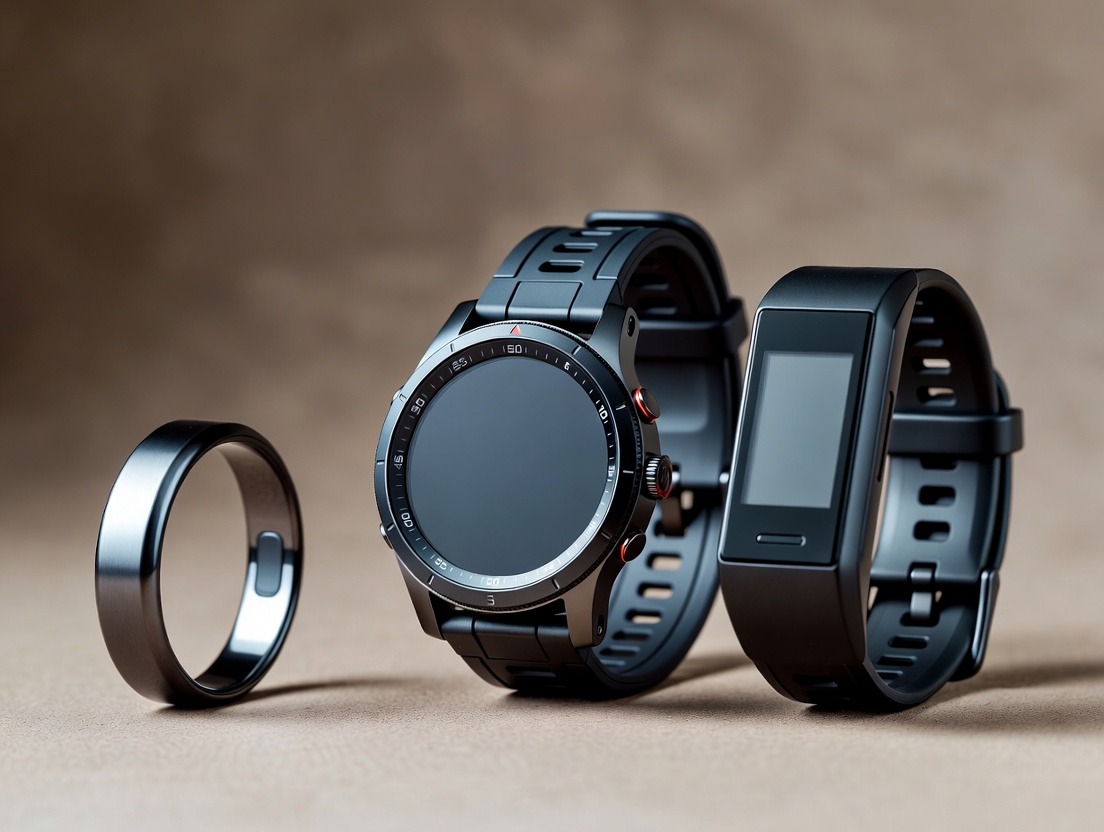
The market for health monitoring is crowded, with devices spanning from basic fitness trackers to FDA-cleared medical wearables. Understanding where a modern wellness ring fits in this ecosystem is crucial for setting realistic expectations and choosing the right tool for your needs. Each form factor has distinct strengths and trade-offs in the pursuit of lifelong health data.
Wellness Ring vs. Smartwatch/Fitness Tracker:
This is the most common comparison. Smartwatches are brilliant jack-of-all-trades devices. They offer notifications, GPS, music control, contactless payments, and a wide array of apps. Their health tracking is often broad but can be less focused on 24/7 physiological baselining.
Wellness Ring vs. Dedicated Medical Wearable (e.g., Continuous Glucose Monitor, ECG Patch):
This comparison highlights the ring’s position as a wellness and early-indication tool, not a diagnostic device.
The Unique Niche of the Ring: The ring carves out its niche through passive compliance. Its greatest strength is that you forget it’s there, yet it’s always collecting. This makes it the optimal device for capturing the most elusive and important data: the quality of your rest and the state of your nervous system when you are not intentionally exercising. In the landscape of health wearables, it is the dedicated, high-fidelity monitor of your internal baseline—the foundation upon which all other activity and health is built. For a detailed feature-by-feature breakdown, our resource on the best sleep tracking features to look for in 2025 is highly relevant.
Your Trusted Sleep Advocate: Sleep Foundation — https://www.sleepfoundation.org
Discover a digital archive of scholarly articles: NIH — https://www.ncbi.nlm.nih.gov/
39 million citations for biomedical literature :PubMed — https://pubmed.ncbi.nlm.nih.gov/
Experts at Harvard Health Publishing covering a variety of health topics — https://www.health.harvard.edu/blog/
Every life deserves world class care :Cleveland Clinic - https://my.clevelandclinic.org/health
Wearable technology and the future of predictive health monitoring :MIT Technology Review — https://www.technologyreview.com/
Dedicated to the well-being of all people and guided by science :World Health Organization — https://www.who.int/news-room/
Psychological science and knowledge to benefit society and improve lives. :APA — https://www.apa.org/monitor/
Cutting-edge insights on human longevity and peak performance:
Lifespan Research — https://www.lifespan.io/
Global authority on exercise physiology, sports performance, and human recovery:
American College of Sports Medicine — https://www.acsm.org/
Neuroscience-driven guidance for better focus, sleep, and mental clarity:
Stanford Human Performance Lab — https://humanperformance.stanford.edu/
Evidence-based psychology and mind–body wellness resources:
Mayo Clinic — https://www.mayoclinic.org/healthy-lifestyle/
Data-backed research on emotional wellbeing, stress biology, and resilience:
American Institute of Stress — https://www.stress.org/


