


Lifelong Health Strategies: The Mind-Body Wellness Connection
The connection between mental and physical wellness over a lifetime.
The connection between mental and physical wellness over a lifetime.
%402x.svg)
In a world of quick fixes and fragmented health advice, we’ve lost sight of the most profound truth of human vitality: the mind and body are not separate entities to be managed in isolation, but a deeply interconnected, dynamic system. The quest for lifelong health has often been reduced to a checklist—eat these foods, hit this step count, sleep eight hours. But what if the real secret lies not in the individual actions, but in the symphony of communication between your thoughts, emotions, and physical state? This is the essence of the mind-body connection—a biological reality, not a philosophical concept. It’s the reason stress can trigger a migraine, joy can boost your immunity, and a calming meditation can lower your blood pressure.
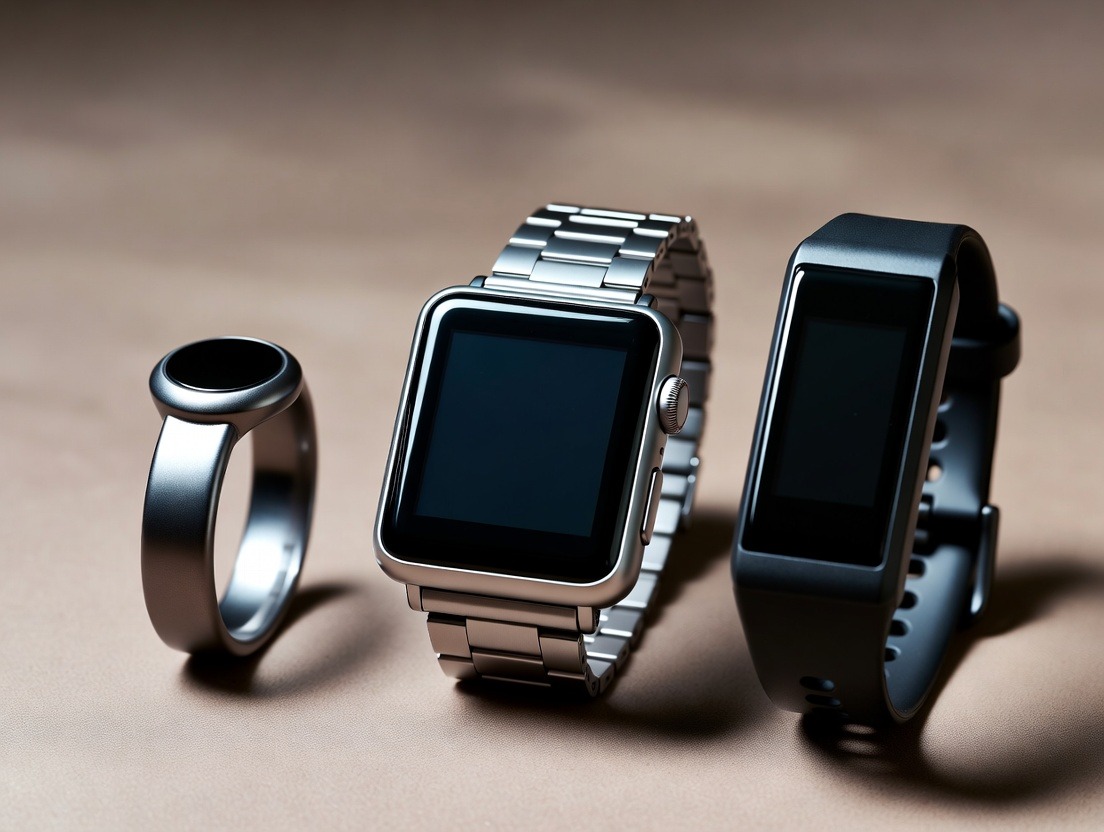
Modern technology, particularly the advent of sophisticated, personal biometric devices like smart rings, has given us an unprecedented front-row seat to this conversation. For the first time in history, we can observe the tangible, data-driven links between a stressful day (mind) and a spike in our resting heart rate or a drop in our heart rate variability (body). We can see how a mindful breathing session before bed can improve our deep sleep score, physically manifesting a mental practice. This isn't just about tracking; it's about translating the subtle language of our nervous system.
This article is your definitive guide to building lifelong health through the lens of the mind-body connection. We will move beyond generic tips and into the realm of personalized, evidence-based strategies that honor this intrinsic link. We'll explore the neuroscience of how your thoughts shape your biology, the physiology of how your body influences your mental state, and the practical, daily rituals that can harmonize the two. With insights drawn from psychoneuroimmunology, cutting-edge wearable technology, and timeless wellness practices, we will build a framework for health that is resilient, adaptive, and deeply sustainable. This is not a temporary program; it is the foundation for a lifetime of thriving.

The idea that our mental and emotional states can directly impact our physical health is ancient, but only in recent decades has science provided the irrefutable wiring diagram. This conversation happens primarily through two major superhighways: the nervous system and the endocrine (hormone) system.
Your central nervous system, specifically the autonomic branch, acts as the constant, unconscious mediator. It has two main settings: the sympathetic ("fight-or-flight") and the parasympathetic ("rest-and-digest"). When your mind perceives a threat—be it a work deadline, a financial worry, or a social conflict—it triggers the sympathetic nervous system. This floods your body with stress hormones like cortisol and adrenaline. Your heart rate accelerates, blood pressure rises, digestion slows, and resources are shunted to your muscles. This is lifesaving in acute crises, but when chronically activated by the persistent low-grade stressors of modern life, it becomes corrosive, linked to inflammation, hypertension, weakened immunity, and anxiety.
Conversely, when you feel safe, content, or focused on your breath, the parasympathetic nervous system takes the lead. This initiates the relaxation response: heart rate decreases, digestion improves, and repair-and-renewal processes kick into high gear. This state is where healing, deep sleep, and cellular regeneration thrive.
The revolutionary insight for lifelong health is this: you can consciously influence which system is in the driver's seat. Your mind, through its perceptions and focus, can flip the switch. A practice like mindfulness doesn't just "calm you down" as a vague notion; it actively stimulates the vagus nerve, the primary conduit of the parasympathetic system, sending direct physiological commands to your heart, lungs, and gut to slow down and recover.
This is where objective data becomes a game-changer. By using a device that tracks metrics like Heart Rate Variability (HRV)—a precise measure of autonomic nervous system balance and resilience—you move from guessing to knowing. You can see in real time how a difficult conversation triggers a sympathetic spike (low HRV), and how a 10-minute meditation guides your body back to parasympathetic dominance (high HRV). This feedback loop transforms abstract concepts like "stress management" into tangible, controllable biology. It proves the connection isn't theoretical; it's measurable, and therefore, manageable. For a deeper look at how modern devices make this visible, explore our analysis on how sleep tracking integrates with other health metrics, creating a holistic picture of your nervous system's daily rhythms.
If the mind-body connection is a harmonious dialogue, chronic stress and emotional disregard represent a constant, shouting argument. The physical manifestations of a prolonged, dysregulated stress response are the most direct evidence of the mind-body link, and they form the bedrock of most modern chronic diseases.
Let's trace the pathway. When your mind is locked in a state of worry, overwhelm, or hostility, cortisol remains elevated. This isn't just about feeling "on edge." High cortisol:
Perhaps the most pervasive and personally felt manifestation is sleep disruption. Here, the mind-body loop becomes a vicious cycle. Anxiety and rumination activate the sympathetic nervous system at the exact time you need parasympathetic dominance to fall asleep. The resulting poor sleep, particularly a lack of deep, restorative sleep, then further dysregulates stress hormones and impairs emotional regulation the next day, creating a self-perpetuating trap. Understanding this cycle is the first step to breaking it. We delve into the specific signs of this crucial sleep deficit in our guide on the silent signs you're not getting enough deep sleep.
The key takeaway is that "stress" is not a mental flaw; it's a full-system physiological event. Recognizing its physical signatures—through both internal awareness and external data—is critical for preemptive intervention long before a formal diagnosis appears.
The conversation between mind and body is conducted in a chemical language. Hormones and neurotransmitters are the vocabulary, carrying instructions that dictate everything from your mood and energy levels to your ability to heal and form memories. Lifelong health strategies must consider how to nurture the production and balance of these vital messengers.
On the "feel-good" side, we have a powerful quartet:
The goal is not to chase constant euphoria, but to cultivate a neurochemical environment that supports resilience and baseline well-being. Lifestyle choices are your primary levers:
Conversely, a lifestyle of isolation, processed foods, irregular sleep, and sedentary behavior can deplete these resources and skew your chemical balance toward anxiety, lethargy, and low mood. Monitoring tools can provide clues here. For instance, consistently poor sleep scores will almost certainly correlate with dysregulated cortisol and serotonin cycles. To understand the pinnacle of restorative sleep's chemical impact, read about the youth-restoring connection between deep sleep and growth hormone, a master repair hormone released primarily during this critical phase.
For centuries, accessing the subtle cues of the mind-body connection required immense introspective skill. Today, biometric technology offers us a mirror—a form of objective biofeedback that makes the invisible visible. This is a paradigm shift from living based on how we think we feel to understanding how we actually are, physiologically.
A modern smart ring, worn continuously, becomes a personal science lab on your finger. It collects data on key autonomic nervous system proxies:
The power is in the pattern recognition. You might notice that on days after you have a high-stakes meeting, your deep sleep percentage plummets. Or that a consistent meditation practice slowly elevates your baseline HRV over a month. This turns intuition into intelligence. It validates your subjective experience—yes, that project was draining—and empowers you with evidence to advocate for your own needs, whether that's saying no to an extra commitment or prioritizing a wind-down routine. For those concerned that data itself can become a stressor, our exploration of the dark side of sleep tracking offers crucial balance, emphasizing that data is a guide, not a judge.
This technological biofeedback, when used wisely, closes the loop. It takes the abstract principle of mind-body unity and gives it a dashboard, allowing you to pilot your health with unprecedented precision and personal evidence.
No discussion of the mind-body connection is complete without a deep dive into the gut, arguably the most vivid illustration of this link. The Gut-Brain Axis (GBA) is a bidirectional communication network involving neural pathways (like the vagus nerve), the immune system, and gut microbiota. Your digestive system doesn't just process food; it profoundly influences your emotions, cognition, and stress response.
Consider this: over 90% of your body's serotonin is produced in the gut. Gut microbes produce a slew of other neurotransmitters, including GABA (which calms the nervous system) and dopamine. These chemicals don't just act locally; they send signals up to the brain. An imbalanced gut microbiome (dysbiosis), often resulting from a poor diet, antibiotics, or chronic stress, can directly contribute to anxiety, depression, and impaired stress resilience.
Furthermore, the gut lining is a critical barrier. Chronic stress and inflammatory foods can compromise its integrity, leading to a condition often called "leaky gut." This allows bacterial endotoxins to enter the bloodstream, triggering systemic inflammation that can reach the brain, contributing to brain fog, fatigue, and mood disorders.
Strategies to support the Gut-Brain Axis are foundational for mind-body health:
The gut is a primary physical lever for mental well-being. By nurturing your gut microbiome, you are, quite literally, cultivating a healthier state of mind. The benefits of this care often show up in your biometrics, particularly in improved sleep quality, as a settled gut contributes to a settled nervous system overnight. Discover which foods that increase deep sleep naturally often do so by supporting gut health and stable blood sugar through the night.
Sleep is not a passive state of inactivity; it is an intensely active period of neurological and physiological housekeeping. It is the night shift where the mind and body perform their most critical collaborative repair work. Prioritizing sleep is the single most effective mind-body wellness strategy, yet it is often the first sacrifice we make.
During sleep, and specifically during deep sleep (N3), the body enters its peak anabolic state. This is when:
Simultaneously, REM sleep is the mind's therapy session. It is crucial for:
When you shortchange sleep, you disrupt this entire delicate process. You wake up with a body that hasn't fully repaired, a brain clouded with metabolic waste, and emotions that are raw and poorly integrated. This manifests as irritability, poor focus, sugar cravings, and a heightened stress response. It’s a recipe for a dysfunctional mind-body loop.
Therefore, sleep optimization is non-negotiable. It begins with sleep hygiene: a cool, dark, quiet environment; a consistent wake-up time (even on weekends); and a deliberate wind-down routine that signals safety to the nervous system. This routine might include gentle stretching, reading, or a mindfulness practice. Technology can again be an ally here, not just for tracking, but for creating the right conditions. Understanding the importance of your core body temperature, for instance, is key. Learn about the deep sleep formula involving temperature, timing, and habits to set the stage for your most restorative rest.
Physical activity is the most potent, readily available tool for enhancing the mind-body dialogue. Its benefits are not merely cosmetic or cardiovascular; they are profoundly neurological and psychological. Exercise is a stressor that, when applied correctly, teaches your entire system resilience.
The neurological effects are remarkable:
From a mind-body perspective, the type of movement matters. The goal is to find forms of exercise that encourage presence and interoception—the awareness of internal bodily sensations.
Crucially, the timing of exercise relative to your circadian rhythm and sleep is part of the mind-body equation. While movement is universally beneficial, when you do it can influence your recovery. For insights on optimizing this, see our analysis on how exercise timing affects your deep sleep tonight. The principle is to listen to your body's data. A smart ring can help you identify if a late-night intense workout is disrupting your sleep for your unique physiology, allowing you to personalize your movement schedule for maximum holistic benefit.

If exercise trains the body to benefit the mind, mindfulness trains the mind to regulate the body. It is the deliberate practice of paying attention to the present moment without judgment. This simple act is a powerful neuroplasticity exercise, physically reshaping the brain and its response patterns.
Decades of neuroscience research on meditation practitioners have shown tangible brain changes:
The physiological effects are equally measurable. A consistent mindfulness practice:
You don't need to sit for hours. The goal is consistent practice. Start with 5-10 minutes daily. Focus on the sensation of your breath, the sounds around you, or a body scan. When your mind wanders (and it will), gently bring it back. This act of noticing and returning is the rep that builds mental muscle. The benefits compound, creating a foundational calm that you can access throughout the day. This practice directly translates to better sleep, as a quieter mind is the prerequisite for a nervous system ready for deep rest. For those struggling with sleep-related anxiety, understanding the psychology of sleep tracking can reveal how combining mindfulness with objective data can create a powerful positive feedback loop for change.
Food is more than calories; it is information and building material for every cell, including your brain cells and the neurotransmitters they use to communicate. A lifelong mind-body health strategy requires viewing nutrition as a core component of mental and emotional well-being, not just physical health.
Key nutritional principles for the mind-body connection:
The mindset with which you eat is part of the nutrition. Mindful eating—eating slowly, without distraction, savoring flavors, and listening to hunger/fullness cues—engages the parasympathetic nervous system, optimizing digestion and nutrient absorption. It transforms eating from a frantic task into a nourishing, sensory ritual that honors the body.
What you eat also directly influences the quality of your sleep. Certain nutrients promote the production of sleep-regulating hormones like melatonin. To discover specific dietary choices that support your most restorative rest, explore our list of 10 foods that increase deep sleep naturally. This is a perfect example of how a nutritional choice (body) directly enhances a critical recovery process (mind).
Human beings are inherently social creatures. Our nervous systems are wired for connection. Loneliness and social isolation are not just emotional pains; they are potent biological stressors with a mortality risk comparable to smoking. Conversely, strong social bonds and a sense of purpose are powerful modulators of the mind-body connection, offering protection against stress and disease.
The physiology of connection is profound:
In our hyper-connected digital age, we must prioritize quality connection over quantity. This means:
Neglecting this pillar can undermine all other efforts. You can eat perfectly, sleep eight hours, and meditate daily, but without meaningful connection and purpose, your health foundation will be incomplete. The stress of loneliness can silently erode your physiological resilience, often showing up in your biometrics as a persistently elevated resting heart rate or depressed HRV. Learning to validate your sleep complaints with data can sometimes be the first step in recognizing that your poor rest is rooted not in habits alone, but in underlying stress from isolation or lack of fulfillment.
We have explored the profound biological unity of mind and body and the many lifestyle strategies to nurture it. Now, we arrive at the modern tool that can either illuminate or obscure this connection: technology, specifically wearable biometric devices. Used wisely, they are the ultimate ally. Used poorly, they can become another source of disembodied anxiety.
The ideal role of a smart ring or similar device is that of a compassionate, objective observer. It provides the "body" side of the feedback loop, giving you concrete data on the physiological consequences of your mental and lifestyle choices. This allows for:
However, the key is to prevent the data from becoming the dictator. This requires a conscious approach:
The goal is a synergistic partnership: your internal awareness (mind) working in concert with external data (body). This integrated approach allows you to fine-tune your lifelong health strategy with a level of personalization and insight that was previously impossible. For guidance on selecting a tool that supports this balanced approach, consider our resource on how to choose the right sleep tracking device for your needs, focusing on metrics that truly illuminate your mind-body connection, like HRV and detailed sleep staging.
Understanding the theory is one thing; implementing it daily is where transformation occurs. A lifelong health strategy is not a rigid set of rules, but a flexible, personalized protocol—a collection of non-negotiable practices that honor the mind-body connection, adapted to the rhythms of your life. This framework is built on consistency, not perfection, and is designed to be your anchor amidst life's inevitable fluctuations.
Start by conducting a Mind-Body Audit. For one week, simply observe without judgment. Use a journal or notes app to track:
Do not try to change anything. The goal is to establish a baseline correlation. You may see that low afternoon energy always follows a high-carb lunch, or that a poor mood correlates with a night of low deep sleep. This audit provides the raw material for your personalized protocol.
Next, identify Two Keystone Habits. These are foundational practices that have a disproportionate positive ripple effect across your entire system. For the mind-body connection, the most powerful keystone habits are typically:
From this stable foundation, you can layer in other practices based on your audit findings. The key is to stack habits. Link a new, desired behavior to an established one. For example: After I pour my morning coffee, I will do one minute of deep breathing. Or, *After I finish my workday, I will take a 15-minute walk without my phone to transition.*
Remember, your protocol is a living document. It must adapt to travel, stress, illness, and different life seasons. The data from your wearable provides the feedback for these adaptations. If your HRV is chronically low, your protocol might temporarily reduce intense exercise and increase meditation and sleep time. This is intelligent, responsive self-care, not failure. To understand the critical importance of this adaptive approach, our piece on sleep tracking for travelers illustrates how to adjust your protocol to maintain mind-body balance even when your environment is disrupted.
Your mind-body system does not operate on a static, 24-hour loop; it thrives on a dynamic, predictable rhythm known as your circadian clock. This internal timing system, governed by a master clock in the brain's hypothalamus and peripheral clocks in every organ, regulates the daily ebb and flow of hormones, body temperature, metabolism, and cognitive function. Aligning your lifestyle with this innate rhythm—a practice called circadian hygiene—is a powerful, often overlooked strategy for lifelong health.
Light is the primary zeitgeber (time-giver). When morning sunlight hits your eyes, it signals the suprachiasmatic nucleus (SCN) to suppress melatonin production, boost cortisol (for healthy morning alertness), and set the timer for all subsequent biological events, including the evening release of melatonin about 12-16 hours later. Disrupting this light-dark signal—through excessive blue light at night, inconsistent sleep schedules, or dim mornings—desynchronizes your entire system. This "circadian misalignment" is linked to poor sleep, metabolic disorders, mood imbalances, and impaired immune function.
To harness your circadian rhythm:
The impact on the mind-body connection is direct. A robust circadian rhythm ensures cortisol and melatonin are released at the right times, promoting stable energy, positive mood, and seamless transitions into sleep. The most restorative deep sleep is heavily concentrated in the first half of the night, when your core body temperature is dropping and melatonin is high. Disrupting your rhythm fragments this crucial sleep stage. For a detailed look at this critical window, read about why the first 3 hours of sleep matter most for capturing your deepest, most restorative rest. Your smart ring can be a brilliant circadian tool, showing you how late meals, evening light exposure, or irregular bedtimes directly impact your sleep architecture and next-day readiness metrics.
Of all the tools available to influence the mind-body connection, breath is the most immediate, portable, and powerful. Unlike your heartbeat or digestion, breathing is unique—it is an automatic function that you can also consciously control. This gives you direct access to the autonomic nervous system's control panel. By changing the pace, depth, and pattern of your breath, you can send deliberate signals of safety or alertness to your brain.
The science is precise: slow, deep, diaphragmatic breathing stimulates the vagus nerve, triggering the parasympathetic relaxation response. It increases HRV, lowers blood pressure, and reduces the stress hormone norepinephrine. Conversely, short, shallow, chest-based breathing (common during stress) activates the sympathetic fight-or-flight response.
Incorporate these evidence-based breathing techniques into your daily protocol:
The application is vast. Use coherent breathing as a daily training session. Employ the physiological sigh before a stressful call. Use box breathing to regain focus. Practice extended exhales when trying to fall asleep. This turns breath from an unconscious process into a strategic tool for moment-to-moment self-regulation. The benefits directly feed into better sleep, as a calm nervous system is the entry ticket to deep sleep. For strategies to use breath and other tools to improve sleep onset and quality, our guide on how to get more deep sleep tonight offers practical, immediate techniques.
Your mind and body are in constant dialogue not only with each other but with your environment. The spaces you inhabit—your home, your office, your bedroom—are not passive backdrops; they are active participants in your physiological state. Proactively designing these environments to reduce stress cues and promote safety signals is a critical, yet often neglected, component of a lifelong health strategy.
The Digital Environment:
The Physical Environment:
The Sensory Environment:
By intentionally crafting your environments, you reduce the daily friction that drains your willpower and stresses your system. You create external conditions that naturally support internal calm and focus. This is the concept of "choice architecture"—making the health-supporting choice the easiest choice. When your environment supports deep, unbroken sleep, you wake up with a nervous system that is truly reset. To ensure your sleep sanctuary is optimized, understand what makes a good sleep score from a biometric perspective; often, the highest scores are achieved in environments meticulously designed for recovery.
The mind-body connection dictates that unprocessed emotions don't just live in the mind; they manifest in the body as tension, inflammation, and dysregulation. Emotional agility—the skill of navigating life's thoughts and feelings with mindfulness and compassion—is therefore not just a psychological tool, but a core physiological wellness practice. It involves feeling feelings fully without being hijacked by them, allowing them to inform you, and then moving forward with your values.
The opposite—bottling up emotions (suppression) or being overwhelmed by them (rumination)—creates a chronic stress state. Suppression requires constant physiological effort, raising blood pressure and cortisol. Rumination keeps the threat circuitry of the brain activated, preventing recovery. Both patterns take a measurable toll.
To build emotional agility:
This process is a physical release valve. By processing the emotion consciously, you complete the stress cycle that the emotion initiated, allowing your nervous system to return to baseline. Journaling can be a powerful extension of this practice, helping to externalize and organize swirling thoughts and feelings.
When you neglect emotional processing, the unresolved energy often surfaces at night, disrupting the transition into restful sleep. Learning to sit with difficult emotions during the day is one of the most effective ways to protect your sleep at night. For those whose sleep is impacted by nighttime worry, understanding the psychology of sleep tracking can reveal how data, when used without self-criticism, can help you connect daytime emotional patterns with nighttime sleep quality, fostering greater self-awareness and compassion.
Just as we exercise our bodies, we must exercise our minds to maintain cognitive resilience—the ability to think clearly, learn, remember, and adapt. Cognitive decline is not an inevitable consequence of aging; it is significantly influenced by lifestyle choices that impact brain structure and function (neuroplasticity). A sharp, agile mind supports better decision-making for health, enhances emotional regulation, and is intrinsically linked to a healthier body.
Key pillars of cognitive fitness include:
The mind-body link here is profound. Physical exercise, particularly aerobic activity, is one of the most potent cognitive enhancers due to increased blood flow, BDNF release, and reduced inflammation. Sleep, especially deep sleep and REM sleep, is when memories are consolidated and metabolic waste is cleared from the brain. Nutrition provides the raw materials for neurotransmitters and protects brain cells from oxidative stress.
Therefore, your cognitive fitness protocol is your entire mind-body wellness strategy in action. When you sleep well, move regularly, eat nutrient-dense foods, and manage stress, you are directly building a more resilient brain. The payoff is a virtuous cycle: a sharper mind makes it easier to maintain the healthy habits that support it. For a deep dive into one of the most critical cognitive benefits of sleep, explore the brain-boosting connection between deep sleep and memory, which details how overnight processes physically solidify learning and clear the neural pathways for new information.
In a culture that glorifies "hustle," intentional recovery is a radical and essential act. Recovery is not the absence of work; it is the positive, deliberate process of restoring your mental, emotional, and physical resources. It is the necessary counterpart to stress. Without adequate recovery, stress becomes toxic, leading to burnout, injury, illness, and a breakdown of the mind-body system.
Recognition must be given to the different types of recovery, all of which are non-negotiable for lifelong health:
The mindset shift is crucial: View recovery as a skill and a strategic investment in your future capacity, not as laziness or lost time. It is what allows you to sustain high performance, creativity, and well-being over decades, not just weeks.
Modern technology excels at quantifying recovery needs. A smart ring tracks your readiness score—a composite of sleep, HRV, RHR, and temperature—providing a daily recommendation on how much strain your system can handle. Learning to trust this data, especially on days you "feel fine" but your body says otherwise, is a masterclass in honoring the mind-body connection. It teaches you that feeling amped up on cortisol (which can feel like energy) is not the same as being truly recovered and resilient. For insights into how top performers use this principle, see our exploration of deep sleep optimization for athletes, where strategic recovery is treated with the same importance as the workout itself.
No lifelong journey is linear. Setbacks—periods of illness, injury, emotional turmoil, work overload, or simply falling out of your healthy routines—are not failures; they are data points and integral parts of the process. The measure of a sustainable mind-body health strategy is not whether you avoid setbacks, but how you navigate and recover from them. This ability to bounce back, and even grow from adversity, is resilience.
Resilience is not a trait you are born with; it is a set of skills and a physiological state built through practice. It is embodied in a nervous system that can withstand stress and return to balance efficiently (high HRV), and a mindset that views challenges as manageable.
When a setback occurs (e.g., a week of poor sleep during a stressful project, a cold that knocks you out, a period of emotional eating), follow this framework:
This resilient approach ensures that a lapse does not become a collapse. It builds what psychologists call "self-efficacy"—the belief in your ability to handle challenges. Each time you navigate a setback with grace and return to balance, you strengthen the neural and physiological pathways of resilience for the future. For those who experience anxiety around health metrics during difficult times, revisiting the concept of the dark side of sleep tracking can be a helpful reminder to use data as a guide for recovery, not a weapon for self-judgment.
A truly lifelong health strategy must evolve with you. The needs of your body and mind at 25 are different from those at 45, 65, and beyond. The goal is not to cling to the physiology of youth, but to cultivate vitality—energy, mental clarity, emotional resilience, and physical capability—at every stage of life. This requires an adaptive, informed approach that respects the natural processes of aging while proactively mitigating their downsides through the mind-body connection.
Key age-related shifts and adaptive strategies include:
The central theme of aging well is adaptation through awareness. You must become a more attentive listener to your body's changing signals. The mind-body practices you've built—mindfulness, breathwork, emotional agility—become even more vital tools for navigating this new landscape with grace and agency. They allow you to maintain a sense of control and well-being amidst change.
This long view reframes the purpose of your daily protocol. It is not a vanity project for today, but an investment in your healthspan—the number of years you live in good health. Every night of good sleep, every managed stress response, every nutrient-dense meal, and every moment of connection is a deposit in the resilience bank you will draw from for decades to come. To understand how to measure one of the most important indicators of restorative sleep as you age, refer to our guide on what your deep sleep tracking numbers should look like across different life stages.
We stand at a unique crossroads in human history, possessing both ancient wisdom about the unity of self and modern tools that can quantify its fluctuations. The final step in a lifelong mind-body health strategy is not to discard technology in favor of pure intuition, nor to become a slave to data at the expense of lived experience. It is to achieve a state of qualified living—where biometric insights and internal awareness inform each other, creating a fluent, integrated dialogue that guides daily choices with both intelligence and wisdom.
This integration requires moving up a hierarchy of insight, from raw data to embodied knowledge:
The goal is to spend less time fixated on Level 1 (Data) and more time operating from Level 4 (Wisdom). A smart ring or wearable should act as a catalyst for this ascent. When you see a poor sleep score, the effective response isn't anxiety; it's a curious investigation (What information does this give me?) leading to a wise action (I will schedule a wind-down ritual and protect my sleep tonight).
To foster this integration:
This integrated approach is the antidote to the fragmentation of modern health advice. It allows you to create a truly personalized, dynamic lifestyle that responds to your unique biology and life circumstances. For a profound look at how this integration revolutionized our understanding of sleep itself, explore the history of the sleep tracking revolution from lab to your bedroom, which democratized the deep knowledge of our restorative cycles.
While the mind-body journey is deeply personal, it is not meant to be solitary. A robust support ecosystem amplifies your efforts, provides accountability, offers expert guidance, and fulfills the fundamental human need for connection—which, as we've established, is itself a pillar of wellness. This ecosystem has three key layers:
1. The Inner Circle: Your Personal Community
This includes friends, family, or partners who understand and respect your health values. Their role is not to police you, but to support you. This might look like:
Cultivating this circle often requires clear communication about your needs and boundaries, which is itself a practice in emotional agility and self-respect.
2. The Knowledge Layer: Trusted Experts and Resources
No one can be an expert in everything. A lifelong strategy leverages the knowledge of professionals:
3. The Broader Community: Finding Your Tribe
Engaging with a wider community of like-minded individuals provides inspiration, normalization, and a sense of belonging. This could be:
The role of technology in your ecosystem is connective. Some wearables have community features that allow for anonymous, positive comparison (e.g., group challenges focused on sleep consistency). Used well, this can foster a sense of shared purpose. However, the core of your ecosystem must be built on human interaction and professional trust. When you face complex issues—like chronic insomnia that doesn't respond to basic hygiene—this ecosystem guides you to seek the right help. A resource like our article on sleep tracking for insomnia can help you and a potential therapist understand how data can be thoughtfully integrated into a clinical treatment plan.
As we look ahead, the convergence of biometric wearables, artificial intelligence, and personalized medicine promises to deepen our understanding of the mind-body connection from a reactive model to a proactive and predictive one. The future lies not just in tracking what happened, but in anticipating needs and offering hyper-personalized guidance.
We can expect several key advancements that will further empower lifelong health strategies:
The ethical use of this deeply personal data will be paramount. The goal must always be user empowerment, not corporate surveillance or dependency. The ultimate promise of this technology is to make the invisible language of the mind-body connection so clear and actionable that maintaining holistic health becomes intuitive, supported by a gentle, intelligent partnership with our tools. To appreciate how far the sensing technology has already come, you can read about the various sleep tracking sensors that currently work together to paint a picture of your nightly restoration.
The pursuit of lifelong health is not a destination to be reached, but a conscious, connected way of traveling through life. We have journeyed through the fundamental science of the mind-body conversation, witnessed how disconnection manifests as disease, and explored the levers we can pull—through sleep, movement, breath, nutrition, emotion, environment, and community—to harmonize this dialogue.
The core truth that emerges is one of agency. You are not a passive passenger in your body. You are the conductor of a complex, beautiful orchestra. Your thoughts, choices, and behaviors cue the strings of your nervous system, the percussion of your heartbeat, the woodwinds of your breath, and the brass of your emotions. With practice and attention, you can learn to direct a symphony of vitality.
This journey requires a shift from a reductionist, symptom-focused mindset to a holistic, systems-based one. It asks you to view a night of poor sleep not as an isolated failure, but as a message about yesterday's stress, nutrition, and circadian cues. It asks you to see anxiety not just as a mental state, but as a physiological event with roots in gut health, breath patterns, and unmet needs.
The integration of modern biometrics offers a powerful compass for this journey. It provides an objective mirror, reflecting the physiological truth of your choices and states. Yet, the final interpretation and action must always spring from your own cultivated wisdom—the synthesis of data, internal awareness, and self-compassion.
Start small. Anchor your day with a consistent wake time and a moment of morning alignment. Observe your breath. Notice the quality of your energy after different meals. Protect your sleep sanctuary. Have one vulnerable conversation. Track your patterns not with judgment, but with the curiosity of a scientist discovering a new landscape—the landscape of you.
Remember, consistency beats intensity. A five-minute daily meditation creates more neural change than a monthly hour-long session. A nightly 15-minute wind-down ritual does more for your sleep than a perfect, yet sporadic, bedtime. This is about building a resilient system, not achieving perfect numbers.
You now hold the map and the tools. The path of lifelong health is the path of integration—of mind with body, of data with intuition, of self-care with community. It is a commitment to listening deeply, responding wisely, and cultivating a life of vitality, resilience, and purpose, at every age and stage. Your connected journey begins with your very next breath.
Your Trusted Sleep Advocate: Sleep Foundation — https://www.sleepfoundation.org
Discover a digital archive of scholarly articles: NIH — https://www.ncbi.nlm.nih.gov/
39 million citations for biomedical literature :PubMed — https://pubmed.ncbi.nlm.nih.gov/
Experts at Harvard Health Publishing covering a variety of health topics — https://www.health.harvard.edu/blog/
Every life deserves world class care :Cleveland Clinic - https://my.clevelandclinic.org/health
Wearable technology and the future of predictive health monitoring :MIT Technology Review — https://www.technologyreview.com/
Dedicated to the well-being of all people and guided by science :World Health Organization — https://www.who.int/news-room/
Psychological science and knowledge to benefit society and improve lives. :APA — https://www.apa.org/monitor/
Cutting-edge insights on human longevity and peak performance:
Lifespan Research — https://www.lifespan.io/
Global authority on exercise physiology, sports performance, and human recovery:
American College of Sports Medicine — https://www.acsm.org/
Neuroscience-driven guidance for better focus, sleep, and mental clarity:
Stanford Human Performance Lab — https://humanperformance.stanford.edu/
Evidence-based psychology and mind–body wellness resources:
Mayo Clinic — https://www.mayoclinic.org/healthy-lifestyle/
Data-backed research on emotional wellbeing, stress biology, and resilience:
American Institute of Stress — https://www.stress.org/


