How to Build Lifelong Health Habits That Actually Stick
How to build lifelong health habits that actually last.
How to Build Lifelong Health Habits That Actually Stick
We all know the feeling. That burst of motivation on a Monday morning, the pristine new planner, the carefully stocked fridge—this time, it will be different. This time, we will become the person who meditates daily, who craves kale, who wakes up at 5 AM glowing with purpose. We ride the wave of initial enthusiasm, often for weeks, only to find ourselves months later back on the couch, the gym membership gathering dust, the juicer now a dedicated storage unit for takeout menus.
Why is this story so universal? Why do 81% of New Year’s resolutions fail by February? The answer isn’t a lack of willpower or desire. It’s a fundamental misunderstanding of how human behavior and the brain actually work. We set monumental goals based on outcomes—"lose 20 pounds," "run a marathon," "get 8 hours of sleep"—without building the microscopic, automatic systems that make those outcomes inevitable.
Building a lifelong health habit isn’t about monumental acts of discipline. It’s about engineering your environment, your identity, and your daily rituals so that the healthy choice becomes the default choice—the path of least resistance. It’s about moving from a cycle of guilt-driven sprints to a system of identity-driven consistency.
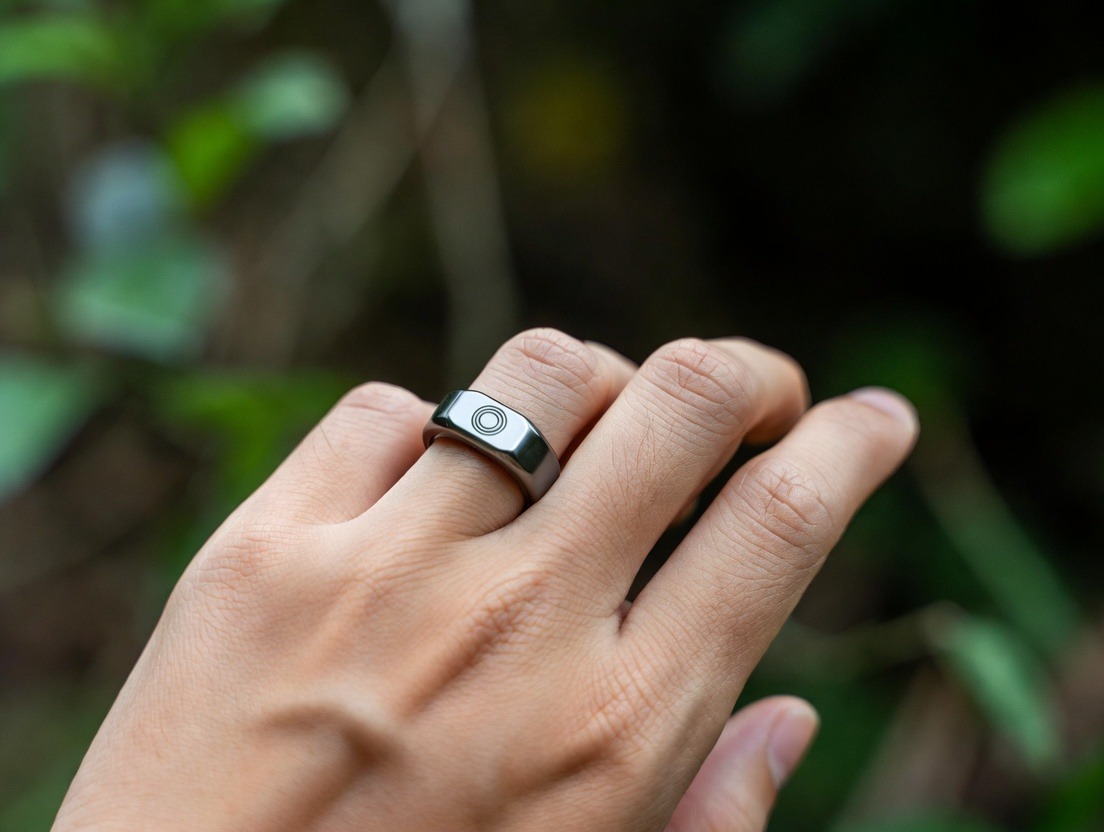
The modern age offers us an unprecedented advantage in this quest: data. For the first time in human history, we can move beyond guesswork about our bodies. We can see the direct, quantifiable impact of our choices. A smart wellness device, like a next-generation smart ring, acts as a 24/7 bio-feedback coach, showing you not just what you think happened, but what actually happened to your nervous system, your sleep cycles, and your recovery. It transforms the abstract goal of "being healthier" into a tangible, daily conversation with your own physiology. This isn't about obsessive tracking; it's about creating a closed feedback loop where your actions meet their consequences, allowing for precise, personalized adjustments.
This guide is your blueprint for that transformation. We will dismantle the myths of habit formation and rebuild your approach from the ground up, integrating ancient wisdom with cutting-edge technology. We won’t just talk about what to do; we will explore the psychology and neuroscience of why it works, ensuring the habits you build don’t just stick for a month, but become woven into the fabric of who you are. Let’s begin the journey from aspiration to automation.
The Psychology of the Habit Loop: Cravings, Routines, and Rewards
To build a habit that lasts, you must first understand its architecture. At the core of every habit—good or bad—lies a neurological loop discovered by researchers at MIT. This loop consists of three elements: a Cue, a Routine, and a Reward.
The Cue is the trigger that launches your brain into automatic mode. It can be a location, a time of day, an emotional state, a preceding action, or the presence of other people. Your phone buzzing (cue) triggers you to pick it up (routine) to satisfy the craving for information or connection (reward). Feeling stressed at 3 PM (cue) triggers a walk to the break room for a cookie (routine) to get a momentary sugar rush and distraction (reward).
The Routine is the behavior itself, the action you take. This is the part we usually focus on—the going for a run, the flossing, the drinking a green smoothie.
The Reward is the positive feeling or benefit your brain gets from the routine, which helps it remember the loop for the future. The reward satisfies the craving initiated by the cue.
But there’s a secret fourth element that powers the entire cycle: the Craving. The craving is the motivational force, the anticipation of the reward. You don’t crave the routine (e.g., scrolling social media); you crave the reward it delivers (validation, novelty, social connection). When a cue reliably predicts a reward, a craving emerges. This craving is what makes the habit loop so powerful and automatic.
To build a new health habit, you must deliberately engineer this loop.
Identify and Design a Crystal-Clear Cue. Vague plans fail. "I will exercise more" has no cue. "When I put my coffee pot on every weekday morning (cue), I will immediately do 10 push-ups (routine)" is specific. The existing habit of making coffee becomes the anchor for the new one. Other powerful cues include: "After I brush my teeth (cue), I will floss one tooth (routine)" or "When I sit down at my desk for work (cue), I will fill my 1-liter water bottle (routine)."
Make the Routine Insanely Easy to Start (The Two-Minute Rule). Your new routine must be so simple you can’t say no. Craving a running habit? The routine is not "run 5k." The routine is "put on my running shoes and step outside." Want to read more? The routine is "read one page." The goal is to master the habit of showing up. Once you’ve started, continuing is often far easier. The momentum builds from the act of initiation, not from the scale of the task.
Find and Celebrate the Right Reward. Your brain needs to feel that the effort was worth it. For an early morning workout, the reward might be the feeling of accomplishment, a delicious post-workout smoothie, or even placing a dollar in a jar for a future treat. The reward must be immediate. Later benefits like "better health" are too distant for the primitive brain to latch onto. This is where technology shines. A smart ring can provide a potent, immediate reward through data. After a week of consistent sleep rituals, you can see your sleep score climb and your resting heart rate drop, providing a powerful, visual reward that reinforces the behavior. Seeing tangible proof of progress satisfies the craving for mastery and achievement.
Fuel the Loop with Craving. To make the habit stick, you must associate the cue with a craving for the reward. You start to look forward to the feeling of checking your activity ring completion or seeing a "Recovery Ready" status in the morning. You crave the clarity that comes from your meditation session. You engineer the desire by focusing on the benefits you will feel immediately after the routine.
By understanding and manipulating this loop, you move from relying on finite willpower to exploiting automatic brain wiring. You’re not fighting yourself; you’re designing for yourself.
Ditching Willpower: Designing Your Environment for Automatic Success
We vastly overestimate the role of willpower and underestimate the power of environment. Willpower is a muscle that fatigues. It’s depleted by decisions, stress, hunger, and fatigue—precisely the states we’re in when trying to make healthy choices. The person with the strongest willpower isn’t the one who resists temptation all day; it’s the one who cleverly arranges their world so they rarely have to.
Environmental design is the art of making good behaviors effortless and bad behaviors difficult. It’s about being the architect of your own life, not just a tenant battling its flaws.
For Positive Habits (Make it Obvious and Easy):
Nutrition: Want to eat more fruit? Wash it, chop it, and place it in a clear container at eye level in your fridge. Want to drink more water? Place a full, attractive water bottle on your desk, in your car, and by your bed. The visual cue and zero-prep effort make the right choice automatic.
Exercise: Lay out your workout clothes the night before. Place your yoga mat in the middle of your living room floor. Keep a pair of resistance bands on your home office desk. If the first step requires no thought or search, you’re far more likely to take it.
Sleep: Create an environment that screams "rest." Use blackout curtains, set a thermostat for a cool temperature, and invest in a comfortable mattress. Charge your phone outside the bedroom. The environment itself becomes the cue for winding down.
For Negative Habits (Make it Invisible and Hard):
Nutrition: Don’t buy the junk food. If it’s not in the house, you can’t eat it when willpower is low. If you must have it for others, place it in opaque containers in hard-to-reach cabinets.
Distraction: Use website blockers during work hours. Put your phone in "Do Not Disturb" mode and place it in another room while you focus. Delete social media apps from your phone and only access them on a computer, adding a layer of friction.
Evening Screen Time: Use an outlet timer to physically cut power to your TV after a certain hour. Enable "Wind Down" modes on your devices that turn screens grayscale, reducing their addictive pull.
The Role of Friction and Priming: Every action has a friction cost. Your goal is to reduce friction for good habits and increase it for bad ones. Similarly, you can prime your environment for success. A visible fruit bowl primes healthy eating. A bookshelf next to your favorite chair primes reading. A meditation cushion in the corner primes mindfulness.
Technology, when used intentionally, becomes the ultimate environmental design tool. A smart ring can automate cues and reduce friction in profound ways. Instead of you needing to remember to wind down, your device can detect your elevated evening heart rate and remind you to begin your pre-sleep ritual. It can track your activity and nudge you when you’ve been sedentary too long, seamlessly integrating into your environment as a gentle, contextual coach. For a deeper look at how accurate data can inform these environmental tweaks, consider reading about sleep tracking validation and how close devices are to sleep labs. This insight helps you trust the prompts and design your sleep environment with confidence.
Your environment is constantly voting for or against your goals. Stop trying to win the mental battle every single time. Instead, spend an afternoon engineering a world where the healthiest choice is the easiest one to make.
Starting Microscopically: The Unbeatable Power of Atomic Habits
The grandest cathedral is built one brick at a time. The most transformative life is built one tiny habit at a time. This is the core philosophy of Atomic Habits: remarkable results are not the product of one-time transformational leaps, but the compound interest of hundreds of small, daily decisions that are easy to overlook and easy to perform.
We fail because we start too big. "Get in shape" becomes a grueling two-hour gym session that leaves us sore and defeated. "Eat healthy" becomes a restrictive, flavorless diet that feels like punishment. These massive efforts are unsustainable because they require massive willpower, which we’ve already established is a faulty fuel source.
The Law of Tiny Gains states that improving by just 1% every day compounds into being nearly 37 times better over a year. Conversely, declining by 1% daily compounds to near-zero. The direction of your daily rituals matters far more than their intensity in any single session.
How to Implement Atomic Habits:
The Two-Minute Rule, Revisited: When you start a new habit, it should take less than two minutes to do. "Run three miles" becomes "tie my running shoes." "Meditate for 20 minutes" becomes "sit on my meditation cushion and take one deep breath." "Read 30 pages" becomes "read one paragraph." You are not aiming for the result; you are aiming for the ritual of showing up. The standard is simply to not break the chain. Once the habit of showing up is ingrained, you can naturally expand it. The habit of sitting on the cushion leads to a five-minute session. The habit of tying your shoes leads to a walk around the block.
Habit Stacking: This is one of the most powerful ways to build a new habit. You "stack" it onto an existing, automatic habit in your life. The formula is: "After [CURRENT HABIT], I will [NEW HABIT]."
After I pour my morning coffee, I will write down three things I’m grateful for.
After I sit down at my desk, I will open my planner and prioritize my top task.
After I brush my teeth at night, I will apply moisturizer with SPF.
After I finish dinner, I will immediately wash my plate. By attaching the new behavior to a strong, existing neural pathway, you piggyback on its automaticity.
Focus on Identity, Not Outcomes: This is the deepest layer of change. Instead of saying "I want to run a marathon" (outcome), you say "I am a runner." Instead of "I need to lose weight," you adopt the identity of "I am someone who eats nutritious food." Your behaviors are a reflection of your identity. Every time you choose the healthy action, you are casting a vote for that new identity. The tiny habit of choosing sparkling water over soda isn’t just about calories; it’s a vote for "I am a healthy person." Over time, these votes add up, and your self-image shifts. You start to believe it, and your actions follow naturally to align with that belief.
A wellness tracker is the ultimate atomic habit tool. It allows you to see the 1% gains that are invisible to the naked eye. You can’t feel your heart rate variability improving by a few milliseconds each night, but your device can show you the trend line over a month. This visual proof of your microscopic progress—your atomic wins—fuels your new identity. You’re not just trying to be healthy; the data shows you that you are becoming healthier. It provides objective evidence for the identity you are building, which is incredibly motivating. For instance, noticing subtle patterns in your sleep can reinforce your identity as someone who prioritizes rest, and you can discover how sleep tracking reveals patterns you’d never notice on your own.
Stop trying to change everything at once. Pick one tiny, atomic behavior connected to the person you wish to become. Master the showing up. Let the compound effect do the heavy lifting.
The Keystone Habit: Finding the One That Changes Everything
Not all habits are created equal. Some habits have a disproportionate ripple effect—they set off a chain reaction that transforms other areas of your life. These are Keystone Habits. They create a culture of success within your own routine. Identify and master your keystone habit, and you’ll find other positive changes following with less effort.
Charles Duhigg, in The Power of Habit, highlights how keystone habits work. For some people, it’s exercise. Regular exercise doesn’t just improve fitness; it often leads to better eating, increased patience, higher productivity, and even more prudent spending. Why? The discipline and self-efficacy from the morning workout spill over. The small win creates a sense of momentum.
Common Keystone Habits to Consider:
Daily Movement or Exercise: As described, it builds discipline, reduces stress, and improves body awareness, which influences food choices.
Making Your Bed: A small, immediate win that creates a sense of order and accomplishment, setting a productive tone for the day.
A Consistent Sleep Schedule: This is perhaps the most powerful keystone habit for modern health. Quality sleep regulates hormones (ghrelin and leptin for hunger), bolsters willpower, improves mood, sharpens cognition, and enhances recovery. When you are well-rested, every other healthy choice becomes easier. When you are sleep-deprived, your brain craves quick energy (sugar, junk food) and lacks the resilience to say no. If you only focus on one habit, make it sleep.
A Morning Planning Ritual: Taking five minutes to review your priorities and schedule creates intentionality, reducing reactive stress throughout the day.
A Weekly Reflection or Review: Habit tracking and slight adjustments ensure you’re not blindly following routines but consciously improving them.
How to Identify Your Keystone Habit: Ask yourself: "What one habit, if I did it consistently, would make other positive habits easier or flow naturally?" What makes you feel most in control of your day? For many, the answer is linked to either sleep or movement.
This is where a holistic wellness tracker proves invaluable. It can help you identify your true keystone habit by showing you the interdependencies in your data. You might start by focusing on sleep and see on your dashboard that on nights you log 7+ hours, your next-day activity levels are 20% higher and your stress measurements are lower. Or, you might see that on days you take a 20-minute walk, your sleep depth improves. This data-driven insight allows you to pinpoint the habit that gives you the biggest leverage. To understand the full impact of focusing on this area, you can explore how sleep tracking changed the way we understand rest and its foundational role in health.
Don’t spread yourself thin. Experiment. Focus on cultivating one potential keystone habit with the atomic habits approach. Observe the ripple effects in your mood, energy, and other behaviors. That habit is your linchpin. Secure it, and the entire structure of your health becomes more stable.
Tracking and Measurement: What Gets Measured Gets Managed (The Right Way)
"You can't improve what you don't measure." This business adage applies perfectly to personal habits. Tracking serves two vital purposes: it creates awareness, and it provides evidence.
Awareness: Before you can change a behavior, you must see it clearly. Most of us are shockingly poor judges of our own behavior. We think we ate pretty well, until we write it down. We feel we slept "okay," but data tells a different story. Tracking—whether on paper, in an app, or via a device—shines a light on reality, eliminating denial and guesswork.
Evidence: Tracking turns abstract feelings into concrete data. "I feel better" becomes "My average resting heart rate has dropped by 5 beats per minute over the last 8 weeks." This evidence is incredibly motivating. It proves your efforts are working, even on days you don’t feel different. It also helps you troubleshoot. If your energy dips, you can look at sleep, nutrition, and activity logs to find a probable cause.
How to Track Without Becoming a Slave to Data:
Choose a Minimalist Method: The simplest method is the habit tracker in a bullet journal or a basic app. A calendar where you put an "X" for each day you performed your atomic habit. The goal is to "not break the chain." This visual streak is a powerful motivator in itself.
Track Inputs, Not Just Outcomes: Don't just track your weight (an outcome). Track the daily habits that lead to a healthy weight: "Did I eat a vegetable with lunch and dinner?" "Did I walk for 20 minutes?" "Did I stop eating by 8 PM?" Manage the inputs, and the outcomes follow.
Use Technology as a Compassionate Mirror: A smart wellness device automates tracking for physiological inputs you can’t easily log: sleep duration and quality, heart rate variability (HRV—a great indicator of recovery and stress), resting heart rate, and activity levels. It gives you a 360-degree view of your body’s responses. The key is to use this data reflectively, not obsessively. Don't chase a perfect sleep score. Instead, ask: "What did I do differently on the nights I had a high Recovery score? Can I do more of that?" For practical guidance on this reflective approach, our article on how to actually use sleep tracking data to sleep better offers a clear framework.
Review Weekly, Not Daily: Avoid the trap of micro-analyzing every single day’s data. Our bodies have natural fluctuations. Instead, set a weekly appointment (Sunday evening is great) to review your habit tracker and your wellness data. Look for trends, patterns, and correlations. Celebrate the uptrends, and non-judgmentally investigate the downturns to plan adjustments for the coming week.
Measurement is not about perfectionism; it’s about feedback. It closes the loop between action and result, turning your life into a series of thoughtful experiments rather than a pass/fail test.
The Forgotten Fuel: Sleep as the Foundation of All Habits
If willpower is the currency of habit change, sleep is the mint that prints it. You cannot build new neural pathways—the very essence of habit formation—effectively on a sleep-deprived brain. Sleep is the non-negotiable foundation upon which all other health habits are built.
The Neuroscience of Sleep and Habits: During deep sleep, your brain engages in "synaptic pruning," consolidating important memories and skills (like your new piano piece or French vocabulary) and clearing out the neural clutter. It's also when the brain solidifies the patterns of behavior you practiced that day. Poor sleep disrupts this process. Furthermore, sleep deprivation:
Impairs the Prefrontal Cortex: This is the brain's CEO, responsible for executive function, decision-making, and impulse control. When it's offline, you are more likely to give in to cravings and skip your workout.
Amplifies the Amygdala: This is the brain's fear and emotion center. When tired, you become more reactive, stressed, and emotional, making it harder to stick to calm, disciplined routines.
Hijacks Your Hunger Signals: It increases ghrelin (the "hunger hormone") and decreases leptin (the "satiety hormone"), leading to increased cravings, especially for high-calorie, sugary, and salty foods.
Building the Keystone Habit of Sleep: You must treat sleep not as a passive state you fall into, but as an active performance you prepare for—a ritual.
Set a Non-Negotiable Biological Bedtime: Base it on your wake-up time. Aim for 7-9 hours prior. This is your anchor.
Create a 60-Minute "Power-Down" Buffer: This is the critical habit stack for sleep. In the last hour before bed:
Dim the lights in your home.
Put all screens away (the blue light suppresses melatonin). Read a physical book instead.
Engage in a calming routine: gentle stretching, meditation, listening to calming music, or having a caffeine-free tea.
Write down a "brain dump" list of anything on your mind for the next day to quiet mental chatter.
Optimize Your Sleep Sanctuary: Cool, dark, and quiet. Consider white noise, blackout curtains, and a cool room temperature (around 65°F or 18°C).
Leverage Data for Personalization: A generic "8-hour" goal isn't as helpful as knowing your personal sleep architecture. A sleep tracker can show you your unique patterns: how long it takes you to fall asleep, your ratio of light/deep/REM sleep, and how often you wake up. You might discover that alcohol, even one glass, destroys your deep sleep. Or that a late meal pushes your resting heart rate up all night. Or that a consistent wake-up time, even on weekends, stabilizes your entire sleep profile. This moves you from blindly following sleep tips to engineering your sleep based on your personal biology. To dive deeper into what this data means, you might be interested in understanding sleep stages—REM, deep, and light—explained.
When you prioritize sleep, you are not being lazy. You are investing in the cognitive capital required to build every other habit you desire. A well-rested you is a more disciplined, resilient, and focused you. Make your sleep ritual your most sacred habit.
Nutrition by Default: Building Habits for Lifelong Eating
Nutrition habit change is fraught with emotion, culture, and misinformation. We swing from restrictive diets to "cheat days," creating a cycle of deprivation and rebellion. The goal is not to follow the perfect diet, but to build default eating habits that nourish you without constant mental negotiation.
Forget Diets, Design Systems: A diet is a temporary set of rules. A system is a permanent set of default behaviors. Your system should make healthy eating the easiest path.
Atomic Habits for Nutrition:
The One-Tweak Rule: Don’t overhaul everything. Change one thing at a time for a month. Month 1: Drink a large glass of water before every meal. Month 2: Add one serving of vegetables to your lunch. Month 3: Switch from refined grains to whole grains for your first meal of the day. These tiny, sustainable changes compound into a completely transformed diet over a year.
Habit Stack for Healthy Prep: "After I unload the groceries, I will immediately wash and chop all my vegetables and store them in clear containers." This one 20-minute stack makes healthy eating effortless for days.
The "Outer Ring" Strategy: When grocery shopping, shop primarily from the store's perimeter—where the fresh produce, meats, and dairy are typically located. The inner aisles are where most of the highly processed foods reside. This simple environmental design rule guides your choices automatically.
Plate Geometry: Create a visual habit for meal assembly. Make half your plate non-starchy vegetables, a quarter lean protein, and a quarter complex carbohydrates. This isn't a strict rule for every meal, but a default template that ensures balance without counting calories.
Mindful Eating (The 80% Rule): Build the habit of eating slowly and stopping when you are 80% full. It takes about 20 minutes for your brain to register satiety. Put your fork down between bites. Drink water. This habit alone can transform your relationship with food and portion sizes.
Using Data to Connect Food with Feeling: This is where subjective awareness meets objective data. Keep a simple food and mood/energy log for a week. Note what you ate and how you felt 1-3 hours later—sluggish, energized, bloated, focused? Now, combine this with physiological data from a wellness tracker. You might see that on days you ate a sugary breakfast, your afternoon stress readings spiked and your focus was scattered. Or that a high-fiber lunch led to more stable energy and a lower resting heart rate overnight. This creates powerful, personal feedback. You’re not avoiding sugar because a magazine said to; you’re avoiding it because you have direct evidence it makes you feel terrible and disrupts your recovery. For a related exploration of how nighttime disruptions can be detected, you can read about how sleep tracking detects sleep apnea warning signs, as dietary choices can sometimes influence inflammation and breathing patterns.
Nutrition habits are built in the grocery store and in your kitchen, not at the dinner table when you're ravenous. Design your defaults, start microscopically, and use your own body's data as your ultimate guide.
Movement as a Non-Negotiable: Embedding Activity into Your Life’s Flow
The habit of movement must be divorced from the punishing, all-or-nothing mentality of "going to the gym." For a habit to be lifelong, it must be flexible, enjoyable, and integrated into the fabric of your day. Your goal is not to be a person who "exercises"; it's to be a person who moves—frequently, variably, and with joy.
Redefining "Exercise": Think in terms of NEAT (Non-Exercise Activity Thermogenesis) and purposeful movement. NEAT is the energy you burn from everything that isn't sleeping, eating, or sports-like exercise: walking, fidgeting, gardening, taking the stairs. For many, increasing NEAT is more sustainable and impactful for long-term health than sporadic, intense workouts.
Habit Strategies for Lifelong Movement:
The Exercise Snack: This is the atomic habit of movement. Spread 1-5 minute bursts of activity throughout your day. Every hour, get up and do 20 air squats, 30 seconds of plank, or a brisk walk up and down the stairs. Set a timer. These snacks improve circulation, break up sedentary time, and build the identity of "someone who moves."
Habit-Stack with Transition Points: Anchor movement to natural transitions in your day.
Morning: After my coffee, I will do 5 minutes of sun salutations or dynamic stretching.
Work: After I finish a meeting, I will stand up and walk to get a glass of water.
Evening: After I clear the dinner table, I will take a 15-minute family walk around the neighborhood.
Make It Social and Fun: The best exercise is the one you'll do. If you dread the treadmill, don't do it. Try dance, hiking, rock climbing, recreational sports, or martial arts. Pair movement with something you love: listen to your favorite podcast only while walking, or watch your favorite show only while on a stationary bike. Use a "temptation bundling" strategy: "I can only listen to my addictive audiobook while I'm at the gym."
Focus on How It Makes You Feel (The Immediate Reward): Post-workout, take 60 seconds to notice the feeling. The increased energy, the cleared mind, the sense of accomplishment. This positive feeling is the reward your brain will start to crave. Write it down in your tracker: "Felt strong and focused after my lunch walk."
Let Data Show You the "Why": A wellness tracker can provide profound positive reinforcement for movement. After a week of consistent activity snacks, you might see your Resting Heart Rate trend downward. After a strength training session, you might see an increase in Deep Sleep that night, showing you the direct recovery benefit. On days you move more, you might see lower stress readings. This transforms movement from a chore for aesthetics into a direct investment in your physiological well-being. The data confirms the reward. To see how this applies to high performers, consider how sleep tracking improves athletic performance and recovery, a principle that applies to everyday movement as well.
Stop thinking in terms of 60-minute workout blocks. Think in terms of making your entire day more dynamic. A body in motion stays in motion. Build the habit of frequent, joyful movement, and the fitness will follow as a natural byproduct.
Mindfulness and Stress Resilience: The Habit of Managing Your Inner State
You can have perfect sleep, nutrition, and exercise habits, but if your mind is a storm of stress, anxiety, and reactivity, your health and happiness will remain out of reach. Chronic stress is a habit loop in itself—a cascade of hormonal responses (cortisol, adrenaline) that damages the body and sabotages all other positive intentions. Therefore, building habits for stress resilience is not optional; it’s essential maintenance for the human system.
Mindfulness is simply the habit of paying attention, on purpose, without judgment. It’s a mental muscle you can train. It allows you to insert a pause between a stressful cue (a critical email) and your routine reaction (firing off an angry reply). In that pause, you regain choice.
Atomic Habits for a Calmer Mind:
The One-Minute Breathing Anchor: This is your fundamental atomic habit. Multiple times a day—after you hang up a call, before you start your car, while waiting for the microwave—take just one minute to focus solely on your breath. Feel the sensations of inhaling and exhaling. When your mind wanders (it will), gently bring it back. This isn't about emptying your mind; it's about practicing the act of returning to the present. This one-minute anchor builds the neural circuitry for focus and calm.
Habit-Stack a "Mindful Check-In": "After I wash my hands (a frequent daily activity), I will pause and ask myself: What is my energy level right now? What emotion am I feeling?" This creates moments of self-awareness throughout the day, preventing you from being hijacked by unrecognized stress.
The "Pause and Respond" Practice: When you feel a surge of frustration or anxiety, build the habit of a physical pause. Put your hand on your heart and take three deep breaths. This tiny action engages the parasympathetic nervous system (the "rest and digest" system) and interrupts the stress cascade, allowing you to choose a more considered response.
Gratitude Stacking: "Before I eat my first meal, I will mentally note one thing I am grateful for." Gratitude is a direct antidote to the brain's negativity bias and actively shifts your physiological state towards calm and openness.
Using Biometric Feedback for Awareness: This is a game-changer. You often aren't consciously aware of your stress levels until they're extreme. A wellness device that measures Heart Rate Variability (HRV) provides an objective window into your nervous system state. A higher HRV generally indicates better resilience and recovery; a lower HRV can indicate stress, fatigue, or illness. By checking your morning HRV reading, you get a "readout" of your body's stress load from the previous day. This allows you to adjust: a low HRV might prompt you to schedule a lighter workout, prioritize an early bedtime, or be extra mindful about taking breathing breaks. It turns the vague concept of "stress management" into a tangible, daily metric you can optimize. Understanding the algorithms behind this can demystify the process, so you might appreciate learning about sleep tracking algorithms explained without tech jargon, as similar principles apply to stress and recovery metrics.
Building mindfulness habits isn't about achieving perpetual zen. It's about installing a mental circuit breaker so that life's inevitable stresses don't short-circuit all the other healthy systems you’re working so hard to build.
Social Scaffolding: How Your Community Makes or Breaks Your Habits
Humans are social creatures wired for connection and mimicry. We unconsciously adopt the habits, attitudes, and even body language of the people we spend time with. Your social network is an invisible force that either propels you toward your goals or pulls you away from them. To build lasting habits, you must be intentional about your social environment.
The Powerful Influences:
The Mimicry Effect: You are likely to match the health behaviors of your close friends and family. If your social circle prioritizes active weekends, you'll likely join in. If every social gathering revolves around heavy food and drink, that becomes your norm. This isn't about blame; it's about awareness.
Accountability & Shared Identity: Committing to a goal with another person (a workout buddy, a "healthy eating" partner) creates powerful external accountability. More importantly, it fosters a shared identity: "We are runners." "We are meal-preppers." This group identity is a stronger motivator than individual willpower.
Normalization: When the people around you engage in a behavior, it seems normal and acceptable. If your coworkers take walking meetings, it normalizes movement. If your family discusses mindfulness, it normalizes emotional awareness.
Strategies for Building a Pro-Habit Social Scaffold:
Find Your Tribe: Actively seek out communities that embody the habits you want. Join a running club, a hiking group, a meditation class, or an online community focused on a health goal. Your engagement with these groups makes the desired behavior seem more normal and achievable.
Create an Accountability Partnership: Go beyond "I'm trying to eat better." Make a specific pact with a friend: "We will text each other a photo of our vegetable-packed lunch every weekday." Or "We will meet at the park every Saturday at 9 AM for a walk, no excuses." The social expectation dramatically increases follow-through.
Reframe Social Events: Become the catalyst for healthier socializing. Instead of "Let's get drinks," suggest "Let's try that new climbing gym and then grab a smoothie." Host a dinner party with a "everyone brings a healthy dish" theme. You influence your circle as much as they influence you.
Leverage Technology for Social Connection: Many wellness apps and devices have social features. You can share activity goals with friends, join challenges, or simply see when a friend has completed a workout. This gentle, positive peer pressure can be highly motivating. Seeing a friend’s high activity score can nudge you off the couch. Sharing your own sleep improvement journey can inspire others and solidify your own commitment.
Communicate Your Intentions: Tell your close friends and family about the new habits you're building and why they are important to you. Ask for their support. A simple "I'm trying to wind down earlier, so I might leave the party by 10" sets an expectation and makes it easier to follow through.
Your environment isn't just physical; it's social. You don't need to abandon friends who don't share your goals, but you do need to consciously cultivate relationships with people who support the person you are becoming. Surround yourself with people whose default habits you wouldn't mind adopting, and you'll find your own journey immeasurably easier.
From Setback to Strength: The Art of Bouncing Back
No habit journey is a straight line ascending a mountain. It is a path through a varied landscape with rolling hills, unexpected valleys, and occasional detours. The myth of perfect consistency is one of the greatest demotivators in behavior change. You will miss a workout. You will have a night of terrible sleep. You will eat an entire pizza. This is not failure; it is data. The single most important skill in building lifelong habits is not avoiding lapses, but mastering the art of the productive recovery.
The Difference Between a Lapse and a Relapse: A lapse is a single, temporary slip—one skipped meditation session, one indulgent meal. A relapse is a full-blown return to old patterns, where the lapse becomes the new normal and you abandon the effort entirely. The goal is to prevent a lapse from cascading into a relapse.
The "What the Hell" Effect: This destructive psychological pattern is the arch-nemesis of habit formation. It goes like this: You have one cookie while on a "no sugar" plan. You think, "I've already broken my diet, what the hell," and proceed to eat the entire box. You then think, "My day is ruined," and order takeout for dinner, vowing to start again "on Monday." This all-or-nothing thinking turns a minor, human lapse into a catastrophic relapse.
Strategies for Productive Recovery:
Practice Self-Compassion, Not Self-Flagellation: Research shows that self-criticism after a lapse is strongly linked to giving up, while self-compassion is linked to greater resilience and a higher likelihood of getting back on track. Talk to yourself as you would a good friend: "Okay, that wasn't the plan. You're tired and stressed, and it happened. It's one meal. The next one can be back on track." This isn't making excuses; it's ending the punitive spiral that fuels the "What the Hell" effect.
Implement the "Next Decision" Rule: The entire trajectory of your health is determined by the next decision you make after a slip-up. The pizza is eaten. The decision is now in the past. The powerful question is: "What is the very next healthy decision I can make?" It could be drinking a large glass of water. It could be taking a 10-minute walk. It could be setting your alarm for your normal bedtime. By focusing on the next right decision, you regain agency immediately and break the cascade.
Conduct a Neutral Post-Mortem: After the emotional dust has settled, analyze the lapse with detached curiosity, like a scientist reviewing an experiment. Ask: "What was the cue? What need was I trying to meet with that routine? Was I tired, stressed, bored, or social? How can I redesign my environment or prepare a better routine for that cue next time?" Perhaps the cue was late-night stress, and the routine was raiding the pantry. A better routine could be a pre-prepared cup of herbal tea and five minutes of deep breathing.
Use Your Data as a Diagnostic, Not a Damnation: This is where passive tracking is invaluable. Look at your wellness data from the day of or day before a lapse. Did you see a warning sign? Was your HRV plummeting for days, indicating accumulated stress? Was your sleep score low for several nights, depleting your willpower? Often, a behavioral lapse is the final symptom, not the first cause. The data allows you to diagnose the root cause (chronic sleep debt, high stress load) and address that, rather than just berating yourself for the symptom (eating junk food). For example, understanding the connection between poor recovery and decision-making can be eye-opening, as discussed in our analysis of the limitations of sleep tracking you should know about, which often highlights the human element behind the numbers.
Building resilience is about shortening the distance between your lapse and your recovery. The person with the strongest habits isn't the one who never falters; it's the one who has practiced getting back up so many times that it's now an automatic, graceful part of the process.
Beyond the Self: The Physical Environment and Tools for Success
While we've touched on environment, we must now explore it as an ecosystem that includes both low-tech anchors and high-tech augmentation. Your physical space and the tools you choose are silent partners in your habit journey. They can be inert obstacles or active allies.
The Low-Tech Foundation: Priming Your Space Your environment should constantly whisper reminders of your desired identity.
Visual Cues: Leave your journal and pen open on your desk. Place your vitamins next to your coffee machine. Put your yoga mat in the middle of your living room floor. These are "activation energy" reducers—they make starting the next action require almost no thought.
The Single Choice Architecture: Reduce decision fatigue by creating defaults. Have a standard, healthy breakfast you eat 80% of the time (e.g., oatmeal with berries). Create a weekly dinner menu template (e.g., Monday: Soup, Tuesday: Fish, Wednesday: Stir-fry). You’re not deciding what to eat; you’re just executing the plan.
The "Out of Sight" Principle: Apply this ruthlessly to habit detractors. Get a phone charger for outside your bedroom. Use a browser extension that blocks distracting sites during work hours. Store tempting foods in opaque containers in inconvenient places.
The High-Tech Ally: Wearables and Data This is where modern technology transitions from a distraction to a profound habit-formation tool. A sophisticated wellness device, like a smart ring, acts in several key roles:
The Compassionate Mirror: It provides objective, non-judgmental feedback. You can't argue with your resting heart rate trend. This data cuts through stories like "I'm fine on 6 hours of sleep" or "This stress isn't affecting me."
The Predictive Nudge: Advanced devices don't just report the past; they can help you plan the future. By analyzing trends in your readiness or recovery score, a device can suggest whether today is optimal for an intense workout or better suited for gentle movement and recovery. This helps you align your actions with your body's actual state, preventing burnout and injury.
The Connective Tissue: It shows you the interplay between your habits. Your app dashboard might visually link a week of consistent early bedtimes with a steady rise in your HRV and a drop in your resting heart rate. It shows you that the night you drank alcohol, your deep sleep percentage cratered. It reveals that your most stressful work day correlated with a dramatically higher nighttime heart rate. This turns abstract health principles into personal, undeniable cause-and-effect stories. To see the pinnacle of this interconnected tracking, explore insights into the future of sleep tracking with AI and predictive insights.
The Gateway to Mindfulness: Devices with continuous stress or body battery monitoring can prompt you to take a breathing break when they detect prolonged physiological stress you may have tuned out. This is environmental design for your nervous system—an external cue to engage a healthier internal routine.
Choosing Your Tools Wisely: The best tool is the one you use consistently and interpret wisely. It should simplify, not complicate. Its data should lead to insights and action, not anxiety. The goal is for the tool to eventually fade into the background, its teachings internalized, your habits so strong they run on autopilot, subtly supported by a environment you've designed to make success almost inevitable.
The Long Game: Evolving Your Habits with Your Life
A lifelong habit is not a monument, frozen in time. It is a living, breathing part of you that must grow and adapt as your life circumstances change. The fitness routine of a 25-year-old single professional will not serve a 40-year-old parent of two. The sleep schedule of a retiree differs from that of a shift worker. The key to true longevity is habit flexibility and seasonal thinking.
Embracing Life's Seasons: Your life has seasons—periods of intense career focus, family-building, creative exploration, or dedicated recovery. Your habits should have seasons too.
The Maintenance Season: Periods of stability where you can execute your ideal routines with high consistency.
The Intensive Season: Periods dedicated to a specific goal (training for a race, launching a project) where other habits may need to simplify or support that primary goal.
The Survival Season: Life events like illness, a new baby, grief, or a major move. Here, your habit standards must radically adapt. The goal is not to excel, but to sustain your identity with micro-habits that keep the thread intact. During survival mode, your atomic habit might shrink to "take a multivitamin" or "get 60 seconds of sunlight." The habit is kept alive at a pilot light level, ready to be stoked when the season changes.
Strategies for Adaptive Habit Evolution:
Schedule Quarterly Habit Reviews: Every three months, conduct a formal review. Look at your tracked habits and your wellness data. Ask: "Are these routines still serving my current goals and season of life? Do I need to increase the challenge, simplify, or pivot entirely?" A habit that becomes boring or too easy will stop engaging you.
Introduce Controlled Variation: To prevent plateau and boredom, use the concept of habit stacking with a variable reward. Keep the cue and routine consistent, but vary the reward or the specifics. For your workout, the cue (time of day) and routine (go to the gym) stay the same, but you might cycle through different programs (strength, hypertrophy, endurance) every 6-8 weeks. This keeps the brain engaged.
Redefine "Success" by Season: In a Maintenance Season, success might be hitting 90% of your habit targets. In a Survival Season, success is hitting 10% and being kind to yourself. Giving yourself permission to scale your ambitions up and down with life’s demands prevents the discouragement that leads to total abandonment.
Let Your Data Guide the Evolution: Your biometrics are a leading indicator that your habits may need to evolve. If you've been faithfully following the same workout routine for months but see your recovery scores consistently declining and your performance plateauing, your data is telling you it's time for a deload week or a change in stimulus. If you see your sleep efficiency drop during a period of high work stress, it might be a signal to temporarily incorporate more wind-down time or stress-management techniques, rather than rigidly chasing the same bedtime. This is personalized, adaptive health in action. For those in particularly demanding life seasons, such as new parents or caregivers, specialized guidance can be helpful, like our article on sleep tracking during pregnancy and what changes to expect, which exemplifies adapting to a profound physiological shift.
Building lifelong habits isn't about finding a perfect set of rules and clinging to them forever. It's about cultivating the meta-habit of self-awareness and intelligent adaptation. You are both the scientist and the experiment, constantly learning, adjusting, and evolving your practices to best serve the person you are becoming.
Identity and Belief: The Deepest Layer of Lasting Change
We have engineered cues, crafted routines, and designed environments. Yet, if this work is not rooted in a fundamental shift in who you believe yourself to be, it will remain a fragile facade, vulnerable to the first strong wind of stress or inconvenience. The ultimate habit hack is not about your actions, but about your self-perception. Every action you take is a vote for the type of person you wish to become.
The Hierarchy of Change: Imagine change on three levels:
Outcome Change: This focuses on results—losing weight, publishing a book, running a faster mile.
Process Change: This focuses on systems and habits—implementing a meal plan, a writing schedule, a new training program.
Identity Change: This focuses on your beliefs, worldview, and self-image.
Most people start at the outcome level. The most effective, lasting change starts at the identity level. You don’t get fit to become a runner; you start believing you are a runner, and then the actions (running) flow naturally to support that identity. The goal is not to read a book, but to become a reader. The goal is not to meditate, but to become a mindful person.
How to Reshape Your Identity Through Habits:
Cast Votes with Your Actions: Every time you choose the salad, you are casting a vote for "I am a healthy person." Every time you lace up your shoes for a walk, you are casting a vote for "I am an active person." You do not need unanimous approval from your actions. You don't need to be perfect. You just need the majority of votes. A missed workout is not a failure of character; it's simply one vote for the "old you." Your job is to ensure the "new you" gets more votes over time. This reframes setbacks as losing a single ballot in a long election, not losing the entire war.
Ask Identity-Based Questions: Shift your internal dialogue from outcome-focused to identity-focused.
Instead of: "I want to lose weight." (Outcome)
Ask: "What would a healthy, vibrant person do in this situation?" (Identity)
Instead of: "I need to get this report done." (Outcome)
Ask: "What would a focused, professional do right now?" (Identity) This simple mental pivot connects your momentary choices to your aspirational self, making the right action feel more authentic and aligned.
Use Affirmations as Habit Stackers: Pair a new, tiny identity statement with an existing habit. As you brush your teeth (established habit), look in the mirror and mentally repeat: "I am the kind of person who takes care of my body." As you prepare your morning coffee, think: "I am a calm and centered person." These micro-affirmations, linked to strong cues, subtly rewire your self-narrative over time.
Let Data Cement Your New Identity: This is where quantifiable tracking becomes psychologically transformative. Seeing the evidence of your new identity in hard data is incredibly powerful. When you look at your wellness dashboard and see a 90-day trend of improving sleep scores, it's not just data; it's proof that "I am a person who prioritizes and achieves good rest." When you see your activity rings consistently closed, it's evidence that "I am an active person." This external, objective validation helps solidify the internal identity shift, especially on days when you don't feel like that person. It provides a bedrock of fact against the shifting sands of daily motivation. To understand the full power of this evidential reinforcement, consider how sleep tracking motivates better sleep habits through visual proof of progress.
Navigating Identity Conflict: The old identity will fight back. The "you" who loves late-night snacks will mock the "you" who wants to be healthy. This is normal. In these moments, acknowledge the old identity with compassion—"I see that part of me wants comfort"—and then consciously cast your vote for the new identity with a small, decisive action. The conflict diminishes as the new identity gathers more evidential votes.
True behavior change is identity change. You fall to the level of your systems, but you rise to the level of your identity. Build the identity first, and the processes and outcomes become its natural, almost effortless, expression.
The Digital Landscape: Taming Technology to Serve Your Habits
Our modern environment includes a pervasive, powerful, and deliberately addictive layer: the digital world. Social media, news cycles, streaming services, and constant notifications are not neutral. They are engineered to capture attention and create dependency loops that directly compete with your carefully built health habits. Therefore, building lifelong health in the 21st century requires a proactive strategy for digital habit hygiene.
The Threat: Digital Habits Hijack the Loop These platforms expertly exploit the same cue-routine-reward loop we seek to master:
Cue: Phone buzz (notification), feeling bored, a moment of pause.
Routine: Open app, scroll, refresh, watch.
Reward: Novelty, social validation, distraction from discomfort.
The problem is that these digital routines often deliver empty calories for the brain, draining the time, focus, and mental energy needed for your substantive health habits. They increase stress, disrupt sleep, and fracture attention.
Strategies for Digital Habit Design:
Environmental Design for Your Devices: This is your first line of defense.
Notification Neutering: Turn off all non-essential notifications. The only things that should be allowed to interrupt you are people (phone calls, perhaps texts from family). Social media, email, and news apps get zero notification privileges.
Homepage Sanity: Make your phone's home screen boring. Remove all social media and entertainment apps. Place only tools (calendar, maps, notes, camera) and your wellness/habit tracking apps front and center. Move distracting apps to folders on a back screen, adding friction.
Use Grayscale: Switching your phone display to grayscale makes it visually less stimulating and appealing, reducing the addictive pull. It’s a surprisingly effective friction tactic.
Create Sacred Tech-Free Zones and Times:
The Bedroom: The single most important rule. Charge your phone outside the bedroom. Use a traditional alarm clock. This protects your sleep environment from blue light and mental clutter, directly supporting your keystone sleep habit.
The First and Last Hour: Institute a digital sunrise and sunset. No screens for the first hour after waking (allow time for meditation, planning, movement) and the last hour before bed (allow time for reading, reflection, connection). This bookends your day with intention.
Habit-Stack "Do Not Disturb": Make activating focus mode a ritual. "When I sit down at my desk to start deep work, I will turn on 'Do Not Disturb' for 90 minutes." "When I start my evening wind-down routine, I will enable 'Sleep' mode on my phone."
Use Technology to Limit Technology: Leverage built-in tools like Screen Time (iOS) or Digital Wellbeing (Android) to set app limits. Use website blockers like Freedom or Cold Turkey to block distracting sites during work hours.
Consume with Purpose, Not Passivity: Reframe your relationship with digital content. Instead of mindless scrolling, practice intentional consumption. Go to YouTube to watch a specific tutorial. Go to a news site once a day to catch up, then leave. Listen to an audiobook or educational podcast while walking. Make technology a deliberate tool, not a default pastime.
Aligning Digital and Physiological Wellness: Your wellness tracker can provide the stark motivation needed for this digital detox. You will likely see a direct correlation between evenings of heavy screen use before bed and poor sleep latency (time to fall asleep) and reduced deep sleep on your tracker. You might see that days filled with constant email checking correlate with higher stress readings. This data personalizes the cost of digital chaos, making the abstract "bad for you" into a concrete "this is how it's hurting me." For a deeper ethical consideration of this interconnected data, you might reflect on sleep tracking ethics and who owns your sleep data, as it parallels concerns about all personal biometric information in the digital age.
Taming your digital landscape isn't about becoming a Luddite. It's about reclaiming your most precious resources—your attention, your time, and your mental peace—and reallocating them to the health habits that truly nourish you.
Social Dynamics and Communication: Enlisting Your World as an Ally
Your habit journey does not occur in a social vacuum. Friends, family, coworkers, and partners are part of your environment, and their reactions can accelerate or derail your progress. Proactively managing these dynamics is not manipulative; it's strategic self-preservation and clear communication.
Navigating Common Social Scenarios:
The Well-Meaning Saboteur: This is the loved one who insists you have "just one more slice" of cake, who pressures you to skip the gym for drinks, or who jokes about your "weird" health food. Their behavior usually stems from their own discomfort with change (your improvement can feel like an implicit critique of their choices) or a simple desire for shared connection the old way.
The Unsupportive Environment: Living with a partner or family who has opposite habits can be a constant test of your environmental design. Junk food in the pantry, late-night TV in the bedroom, a culture of sedentary weekends.
Social Events and Dining Out: These are predictable friction points where your default habits meet group norms.
Strategies for Social Success:
Lead with "I" Statements and Identity Communication: Frame your choices around your own identity and feelings, not judgments about their choices. This is less threatening and more effective.
Instead of: "That cake is so unhealthy." (Judgmental)
Say: "I'm really focusing on how certain foods make me feel, and I'm going to pass for now, but it looks delicious!" (Personal)
Instead of: "I can't, I have to go to the gym." (Feels like a chore)
Say: "I've committed to my morning workout because it makes me feel great all day. Rain check for coffee afterward?" (Identity & Positive Framing)
Offer Alternative Social Scripts: Be the architect of new, healthier ways to connect. You become a positive influence.
"Instead of meeting for drinks, want to try that new hiking trail on Saturday?"
"I'd love to have dinner. How about we cook a meal together at my place instead of going out?"
"Let's catch up during a walk instead of sitting at a cafe."
Negotiate Shared Spaces: For cohabitation, have a respectful conversation focused on your needs, not their faults.
"Sleep is really important for my stress, so I'd love to make our bedroom a phone-free zone. Would you be open to trying that with me?"
"I'm trying to eat more whole foods. Could we keep the treats in that one cabinet, so they're not on the counter? It would help me a lot."
The Power of Pre-commitment: Before a social event, decide on your boundaries. "I will have one drink." "I will order the grilled fish and a side salad." "I will leave by 10 PM." Telling a supportive friend your plan, or even just writing it down, increases accountability. You are no longer deciding in the moment amid social pressure; you are simply executing a prior decision.
Find Your Tribe (Again): Reinforce your social scaffolding. The more you connect with people who share your health values—whether in a local running club, an online mindfulness group, or a weekly meal-prep circle—the more your new habits feel normal and supported. Your identity as a "healthy person" is reinforced by your community.
Using Data as a Neutral Explanatory Tool: Sometimes, sharing a glimpse of your objective data can help others understand this isn't a fad or a judgment, but a personal science project. "My tracker showed my resting heart rate was sky-high all last week when I was drinking coffee after 2 PM, so I'm cutting it out to experiment." This depersonalizes the choice and makes it about curiosity and optimization, not rejection of shared norms. This is especially useful when habits affect others, like in a shared bed, which is explored in considerations for sleep tracking for couples monitoring two sleep patterns.
By communicating clearly, reframing social interactions, and proactively designing your social engagements, you turn potential obstacles into sources of support and shared joy. Your health journey can become a way to deepen connections, not strain them.
Beyond the Basics: Advanced Concepts in Habit Mastery
With a solid foundation in place, we can explore nuanced concepts that elevate habit formation from a mechanical process to an art form. These are the refinements that separate good systems from great, resilient ones.
1. Motivation Rituals: Priming the Inner State We often wait for motivation to strike before acting. The advanced move is to create motivation through a ritual. A motivation ritual is a short, consistent series of actions performed before a challenging habit to get you in the right headspace.
Before a Workout: A specific 3-minute playlist you always listen to while putting on your shoes, followed by three dynamic stretches. The ritual cues your body and mind: "It's time to perform."
Before Deep Work: A 60-second meditation, brewing a cup of tea, and clearing your desk. The ritual signals a transition from shallow to deep focus.
Before Sleep: Your power-down routine (dim lights, herbal tea, reading) is a motivation ritual for sleep—it creates the craving for rest.
2. The Role of Novelty and Challenge The brain adapts. A habit that becomes too routine can lead to boredom and plateau. Integrate the concept of "Goldilocks Challenges"—tasks that are not too easy, not too hard, but just right. Every 6-12 weeks, slightly increase the challenge of a habit to keep it engaging. Add 5 minutes to your walk. Increase the weight slightly. Try a new vegetable recipe. This controlled novelty maintains interest and drives progress. Your wellness data is perfect for guiding this—only increase the challenge when your recovery metrics show you are consistently adapting well.
3. Habit Layering and Chaining Once a core habit is solid (e.g., morning workout), you can "layer" a micro-habit onto it to compound benefits.
After your workout (solid habit), you immediately do 2 minutes of mindful cool-down stretching (new layer).
After your stretching (now a habit chain), you drink a protein shake (next layer). This creates powerful, efficient routines that run on autopilot.
4. Strategic Rest and Deloading Pushing harder every day is a recipe for burnout and injury. Building rest into your system is an advanced habit. Schedule a deload week every 6-8 weeks where you reduce volume or intensity by 40-50%. Plan a complete rest day each week. This isn't laziness; it's a proactive habit that ensures long-term sustainability and super-compensation (where your body rebuilds stronger). A smart device is invaluable here, as a suddenly dipping HRV trend or a rising resting heart rate can be your biological cue to initiate a rest period before you consciously feel overtrained.
5. The Reflection Habit The meta-habit of all habits is regular, structured reflection. This goes beyond tracking. It's a weekly or monthly practice where you review not just what you did, but how it felt and what you learned.
What habit felt most effortless this week? Why?
Where did I encounter the most friction?
What is one tiny tweak I can make next week to reduce that friction?
What did my biometric data suggest about my stress and recovery balance? This habit of reflection turns your life into a continuous learning loop, ensuring your systems evolve with you. For a framework on when to engage in this review for maximum insight, see our guide on the best times to check your sleep tracking data and why, a principle applicable to all habit data.
Mastering these advanced concepts moves you from being a follower of routines to a designer of a dynamic, personalized, and resilient life architecture. You are no longer just building habits; you are cultivating wisdom about your own operating system.
Putting It All Together: Your Personalized Blueprint for Lifelong Health
We have traversed the landscape of habit science, from the neurological loops to identity shifts, from environmental hacks to social strategy. Now, it is time to synthesize this knowledge into a living, breathing, personalized blueprint. This is not a one-size-fits-all plan, but a dynamic framework you will populate with your own values, goals, and discoveries.
Step 1: The Foundation Audit (The Clear Honest Look) Before building, survey the land. Dedicate one week to pure, non-judgmental observation. Do not try to change anything.
Track Current Habits: Note your natural wake-up and bedtimes, your default meals, your activity patterns, your screen time, your moments of stress.
Gather Baseline Data: If using a wellness device, simply wear it and collect a week of baseline biometrics—sleep scores, resting heart rate, HRV, activity levels. This is your "before" snapshot.
Identify Pain Points & Joys: Where do you feel drained, sluggish, or stressed? Where do you feel energized, focused, and at peace? The goal is to move from the former and toward the latter.
Step 2: Define Your Cornerstone Identity (The North Star) Ask the fundamental question: "Who do I want to become?" Not what you want to achieve, but who you wish to be in 12 months. Frame it in simple, present-tense identity statements.
"I am a resilient and energetic person."
"I am a mindful and present parent/partner/friend."
"I am a strong and capable body." Choose one core identity to focus on initially. This is your guiding star; all habits will be votes for this identity.
Step 3: Select Your Keystone Habit & Atomic Seed (The First Domino) Based on your audit and identity, choose the one habit that will have the greatest ripple effect. For most, this is Sleep or Mindful Movement. Then, break it down to its atomic seed.
If Sleep is Keystone: Identity: "I am a well-rested person." Atomic Seed: "I will be in bed with lights out by 10:30 PM on weeknights."
If Movement is Keystone: Identity: "I am an active person." Atomic Seed: "I will put on my walking shoes and step outside every day after my morning coffee."
Step 4: Engineer Your Loop and Environment (The Setup) Design for automatic success.
Cue: Link your atomic seed to an existing habit (habit-stacking). "After my coffee, I will put on my shoes."
Routine: The atomic seed itself (put on shoes).
Reward: Create an immediate reward. A delicious post-walk smoothie, the feeling of checking off your tracker, or reviewing the positive mood you feel afterward.
Environment: Prepare the night before. Lay out your shoes and clothes. Charge your wellness device. Ensure your wind-down environment is ready for your sleep cue.
Step 5: Implement Tracking and the Weekly Review (The Feedback Loop)
Use a simple habit tracker (digital or paper) for your atomic seeds.
Let your wearable device collect physiological data passively.
Schedule Your Weekly Review: Every Sunday evening, spend 20 minutes.
Review your habit tracker. Celebrate your streaks.
Review your wellness data. Look for trends and correlations.
Plan and prepare for the week ahead (meal ideas, schedule your workouts, set your intentions).
Ask your reflection questions: What worked? What needs a tweak?
Step 6: Practice Compassionate Adaptation (The Evolution) Understand that your blueprint is written in pencil, not ink. Life will happen. Use the strategies for productive recovery from lapses. Conduct neutral post-mortems. Let your data and your weekly review inform gentle course corrections. When you enter a new life season, revisit Step 1 and adapt your blueprint accordingly.
The Synergy of Self-Knowledge and Technology: Your personalized blueprint is powered by the synergy between your subjective experience and objective data. Your feelings tell you "I feel more focused." Your device data shows your improved sleep consistency and lower resting heart rate. Together, they create an undeniable narrative of progress. This self-knowledge is the ultimate goal—to understand your body's unique language so deeply that you can intuitively nurture it, using technology as a occasional check-in rather than a constant crutch. For those ready to select their technological partner in this journey, understanding the best sleep tracking features to look for in 2025 can help you choose a tool that aligns with this blueprint philosophy.
You now hold the map and the tools. The journey of a thousand days begins with a single, well-designed step. Start small, start smart, and trust the compound effect of showing up, day after day, for the person you are committed to becoming. This is the path to lifelong health habits that don't just stick, but that become the very essence of a vibrant, intentional life.



%402x.svg)