


How Your Smart Ring Tracks Lifelong Health Progress
How your smart ring tracks your health progress over a lifetime.
How your smart ring tracks your health progress over a lifetime.
%402x.svg)
In the palm of our hands, we hold devices that connect us to the entire world. Yet, on a finger, we can now wear a device that connects us to something far more profound: our own lifelong well-being. The smart ring represents a fundamental shift in health technology—a move from reactive diagnostics to proactive, continuous, and deeply personal health companionship. This isn't about counting steps in a day; it’s about connecting the dots over decades.
Imagine having a detailed, objective log of your body’s responses to life’s major events: career changes, the birth of a child, dietary shifts, fitness peaks, periods of stress, and the gentle process of aging. This is the promise of the smart ring. By moving beyond the wrist and integrating seamlessly into life’s fabric, these devices collect a symphony of physiological data—heart rate, heart rate variability, body temperature, blood oxygen, and movement—transforming it into a coherent narrative of your health.
This article is your deep dive into how that narrative is written. We will explore the sophisticated technology packed into a tiny band of titanium, decode the metrics that matter, and reveal how this continuous stream of data can illuminate patterns you’d never notice on your own. More importantly, we’ll chart a course for how this information can guide you not toward a fleeting fitness goal, but toward a lifetime of improved healthspan—the quality and vitality of your years. This is the beginning of understanding your body’s unique language, as translated by the most personal computer you’ll ever own.

For over a decade, the wrist has been the default territory for wearable health tech. But a quiet revolution is underway, moving from the flashy screen on your wrist to the subtle, unassuming band on your finger. This isn’t just a fashion statement; it’s a biomechanical and physiological masterstroke. The finger, specifically the base of it, offers unique advantages for capturing the truest signals of your body’s inner workings.
Firstly, the finger provides exceptional vascular access. The palmar digital arteries are close to the surface and are a rich source of pulsatile blood flow. This allows photoplethysmography (PPG) sensors—the core optical heart rate monitors in wearables—to get a stronger, cleaner signal with less motion noise compared to the wrist. The wrist’s bones and tendons can interfere, while the finger’s fleshy pad offers a more direct path. This results in more accurate 24/7 heart rate and, crucially, Heart Rate Variability (HRV) readings, a gold-standard metric for nervous system balance and recovery.
Secondly, the form factor enables all-day, all-night wearability. A smart ring doesn’t have a bulky face to dig into your wrist while you sleep or type. This unobtrusive nature is the key to continuous, uninterrupted data collection, especially during sleep, our most regenerative state. You’re far more likely to wear a ring consistently than a watch you take off to charge or to avoid discomfort during activities. This consistency is the absolute bedrock of lifelong tracking—gaps in data create gaps in understanding.
Finally, the finger is an ideal site for core body temperature estimation. While true core temperature is measured internally, the capillary-rich bed under the fingernail (the distal phalanx) provides a reliable proxy that follows your body’s circadian rhythm and can signal early signs of illness, ovulation, or poor recovery. Placing a temperature sensor here, continuously, is a breakthrough for personalized baselining.
The smart ring, therefore, isn’t a competitor to the smartwatch; it’s a specialist. It sacrifices the interactive screen for a deeper, more intimate, and less obtrusive connection to your autonomic nervous system. It chooses the path of silent, persistent observation over intermittent notification. By solving the wearability problem, it unlocks the potential for truly longitudinal data—the kind that reveals not how you performed today, but how you are trending over a year, or a decade.

Your smart ring tracks HRV continuously, often using the rMSSD or SDNN calculations, to provide a daily score or trend line. This isn’t a metric to obsess over day-to-day, but rather one to observe over weeks, months, and years. It’s your physiological fingerprint of stress, recovery, and overall fitness.
The Lifelong Story HRV Tells:
Unlike a snapshot from a doctor’s visit, your ring’s HRV data provides context. It knows your baseline. It can tell the difference between a low HRV because you ran a marathon (positive stress) and a low HRV because you’ve been grappling with work anxiety for three weeks (negative stress). By understanding how sleep tracking reveals patterns you'd never notice, you begin to see how HRV interplays with sleep quality, creating a full picture of recovery. This deep, contextual insight is what transforms a data point into a guidepost for lifelong health decisions.
Sleep is not a passive state; it’s a dynamic, essential process of restoration, memory consolidation, and hormonal regulation. For lifelong health, consistently good sleep is arguably the most powerful lever you can pull. Your smart ring, worn effortlessly through the night, becomes a personal sleep lab, generating a detailed report card that goes far beyond just "hours in bed."
Modern smart rings use a combination of accelerometers, PPG heart rate sensors, and temperature sensors to paint a detailed picture of your sleep architecture:
The power for lifelong tracking lies in the aggregation of this data. Night after night, your ring builds a baseline. It can answer questions like: Does my Deep sleep decrease when I drink alcohol, even just one glass? Does my REM sleep increase after a day of intense learning? How does my sleep architecture change with age, and can I influence that change?
This longitudinal view helps move you from chasing a perfect "sleep score" to understanding your personal sleep phenotype. For a deeper look at the technology behind this, you can explore the evolution of sleep tracking technology and where we are now. Furthermore, this data is instrumental in how sleep tracking helps diagnose sleep disorders early, by highlighting persistent anomalies like frequent awakenings or oxygen dips that could suggest sleep apnea. By treating sleep as a cornerstone metric, your smart ring provides the foundational data upon which all other daily health choices are built.
For centuries, a fever has been a clear, acute signal of illness. But what about the subtle, half-degree shifts that tell a more nuanced story about your health, metabolism, and hormonal cycles? Continuous body temperature tracking via a smart ring unveils this hidden rhythm, providing a dynamic biomarker that changes throughout your day, month, and life.
Unlike a single forehead scan, your ring measures distal body temperature (at your finger) continuously. This peripheral temperature is influenced by your core temperature and follows a circadian pattern dictated by your master body clock. It typically dips to its lowest point in the early morning hours (around 4-5 AM) and rises throughout the day, preparing you for wakefulness.
The Lifelong Insights from a Temperature Trendline:
By creating a personal temperature baseline that spans months and years, you gain a powerful frame of reference. You’re no longer comparing yourself to a textbook "normal" of 98.6°F. Instead, you know your normal dip and rise, your luteal phase increase, and your typical response to a vaccine or a cold. This turns temperature from a binary "sick/not sick" metric into a continuous, informative vital sign of your body’s internal environment, offering a unique window into the slow, steady processes that define lifelong health.
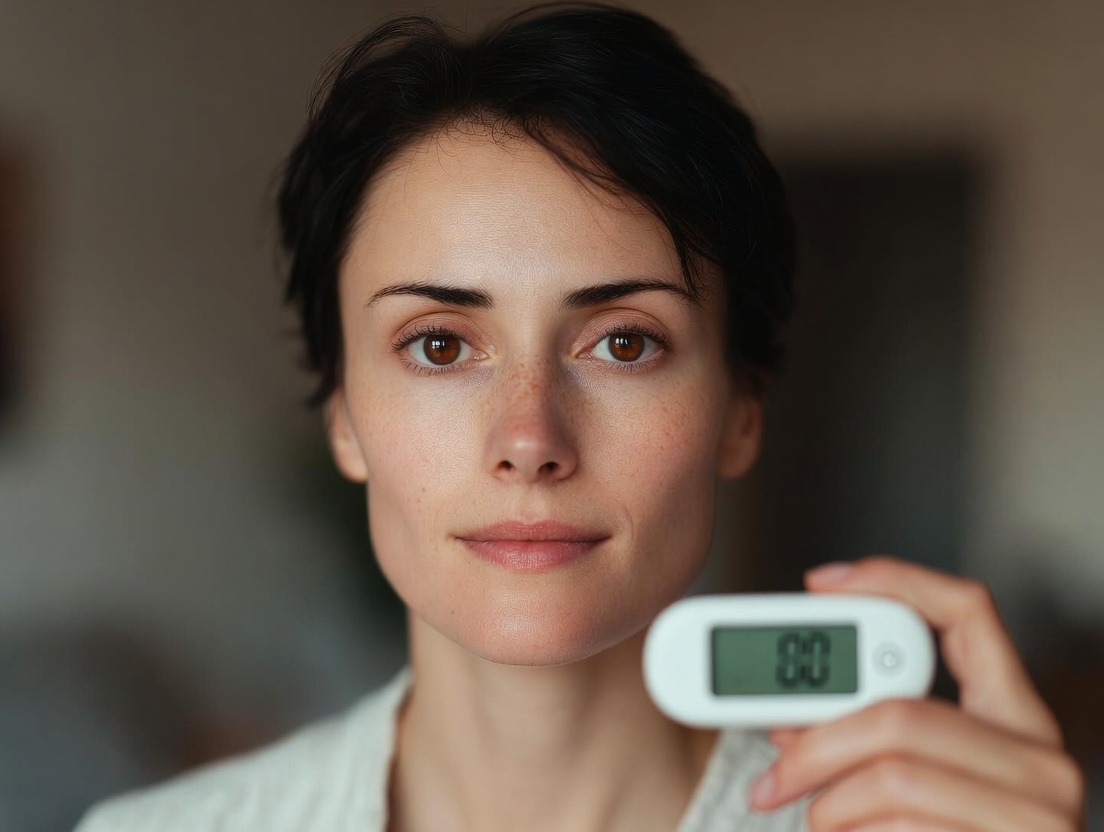
Blood oxygen saturation (SpO2) measures the percentage of hemoglobin in your blood that is carrying oxygen. It’s a critical vital sign that, until recently, was only checked in clinical settings or with a fingertip pulse oximeter. Your smart ring brings this measurement into the continuous, daily stream of health data, offering profound insights, especially when viewed over the long term.
Using the same red and infrared LEDs that measure heart rate, the ring estimates SpO2 by analyzing how much light is absorbed by your blood. Oxygen-rich blood absorbs light differently than oxygen-poor blood. While not medical-grade, the consistent overnight tracking provides exceptionally valuable trend data.
The Longitudinal Power of SpO2 Monitoring:
For lifelong health, the value of SpO2 is in its silent, nightly vigil. It’s a metric that often shows no daytime symptom but reveals crucial information during the vulnerable state of sleep. Building a multi-year SpO2 profile means you have a concrete record of your respiratory health through different life stages, environments, and fitness levels. It turns an emergency-room metric into a proactive, wellness-focused one, highlighting trends that are invisible to the naked eye but fundamental to your vitality.
In the pursuit of health, activity has long been king. But lifelong fitness isn’t about maximizing every single day; it’s about balancing exertion with recovery to avoid burnout and injury over decades. This is where the smart ring’s holistic data shines, moving beyond simple step counts to inform a "Readiness" or "Recovery" score—a personalized recommendation engine for your daily activity.
This score is a synthesized metric, typically combining:
The algorithm weighs these factors against your established personal baselines to suggest whether today is a day to push hard, train moderately, or prioritize rest.
The Lifelong Habit of Listening: This daily recommendation cultivates a critical skill: body awareness. Over time, you start to internalize the patterns. You learn that for you, a poor night’s sleep paired with a 10% drop in HRV means a light walk is better than a heavy lift. You discover that your body needs two full days of recovery after a marathon, not one. This feedback loop helps you align your ambition with your actual physiological capacity, which naturally changes with age, stress, and lifestyle.
This approach fundamentally shifts fitness from a rigid, external plan ("I must run 5 miles today") to an adaptive, internal dialogue ("My body is signaling for recovery, so I’ll do yoga instead"). This is the key to sustainability. It prevents the all-too-common cycle of intense training followed by injury or exhaustion. By honoring your body’s readiness signals day after day, year after year, you build a durable practice of movement that supports, rather than depletes, your lifelong health reserves. To get the most accurate data for these critical calculations, it's worth reading these sleep tracking tips for getting the most accurate data possible.
Stress is not the enemy; it’s an essential part of life. The enemy is a lack of recovery—when the "fight-or-flight" sympathetic nervous system stays activated without the counterbalance of the "rest-and-digest" parasympathetic system. Lifelong health is deeply tied to your ability to navigate this balance. Your smart ring provides an objective, continuous map of your nervous system’s landscape, helping you identify stress sources and measure the effectiveness of your recovery tools.
Beyond HRV, rings now use a combination of metrics to estimate stress levels throughout the day:
The magic for long-term tracking is in the correlation. Your ring’s app might show you that your "stress" graph peaks consistently at 3 PM. With this objective data, you can investigate: Is it the afternoon slump and caffeine crash? A daily stressful meeting? This moves stress management from a vague concept ("I'm stressed") to a targeted intervention ("My body shows a stress response every Tuesday afternoon, so I will block that time for a walk").
Building a Recovery Toolkit: The longitudinal view lets you test and validate what recovery truly works for you. Does a 10-minute meditation practice actually lower your heart rate and raise your HRV in the evening? Does a weekend in nature reset your baseline more effectively than a weekend at home? Over months, you amass personal evidence, turning wellness advice into personalized truth.
This lifelong mapping is invaluable. It helps you see the cumulative effect of a stressful job over a year, or the profound positive shift after a lifestyle change. It can reveal hidden stressors like chronic low-grade inflammation or poor diet that keep your nervous system on edge. By making the invisible visible, the smart ring empowers you to become an active architect of your nervous system health, building resilience not for a week, but for a lifetime. It’s important to be aware, however, that an over-focus on this data can have downsides, as explored in can sleep tracking cause anxiety? The orthosomnia problem.
In the doctor’s office, your numbers are compared to population averages. While useful, this misses the most important context: you. What’s normal for a 40-year-old male may be a warning sign for you if your personal baseline is different. The single most transformative aspect of lifelong smart ring tracking is the establishment of your Personal Health Baseline—a multi-faceted fingerprint of your unique physiology at its balanced, healthy state.
This baseline isn’t one number; it’s a dynamic range for every metric across seasons, cycles, and life phases. It includes:
Why This Changes Everything: With a robust baseline established over months of data, every new day’s data is interpreted in the correct context. A heart rate of 55 bpm might be dangerously low for one person but perfectly normal for a well-conditioned athlete. A body temperature of 99.0°F might be a fever for someone whose baseline is 97.8°F, but insignificant for someone else. Your ring learns your normal, so it can accurately detect your abnormal.
This is the essence of "You vs. You." Lifelong progress isn’t about hitting arbitrary targets (10,000 steps, 8 hours sleep). It’s about observing how your personal baselines shift in response to life. Does your HRV baseline gently rise as you incorporate regular cardio over two years? Does your deep sleep baseline decline slightly as you enter your 50s, and can you mitigate it with strength training? This personalized frame turns health into a continuous, self-referential journey of optimization and understanding, free from comparison.

Raw data—sleep scores, heart rate graphs, temperature lines—is overwhelming. The true value of a smart ring over a lifetime isn’t in the petabytes it collects; it’s in the analysis that finds meaning in the noise. This is where advanced algorithms and artificial intelligence (AI) transform a data stream into personal wisdom.
Modern platforms don’t just show you metrics; they look for complex, multidimensional patterns across time:
This analytical layer is what turns a tracking device into a health companion. It does the heavy lifting of pattern recognition, presenting you with digestible, actionable insights like: "Your recovery is consistently lower on Sundays. Looking back, alcohol on Saturday nights appears to be the primary factor." Over years, this builds a deeply personalized book of knowledge about your body’s rules—rules that may defy general wellness advice. It helps you move from reactive health management ("I feel tired") to predictive and preventative care ("My data suggests I need to prioritize sleep this week to maintain my resilience").
A lifelong health narrative is not a straight line. It’s a series of chapters, each with its own physiological themes: the athletic peak of your 20s, the career-and-family intensity of your 30s and 40s, the perimenopausal transition, the wisdom and recalibration of your 50s and beyond. A smart ring provides an objective, compassionate log through all of it, helping you navigate each transition with data-informed grace.
Chapter Examples:
In each stage, the ring acts as a stable observer. It reminds you that a dip in metrics during a difficult life chapter is not a personal failure, but a physiological response. It then provides the evidence when you start to climb out, showing how new habits slowly move your baselines in a positive direction. This longitudinal view fosters self-compassion and a long-game mentality, reinforcing that health is a marathon paced over a lifetime, not a series of disconnected sprints.
Your smart ring is not an island. Its true power for lifelong health is unlocked when it connects to a broader digital ecosystem, acting as the central, trusted source of physiological truth that informs other apps and services. This interoperability creates a seamless, automated health management system.
Connected Pathways:
This connected ecosystem moves health management from manual and siloed to automatic and holistic. You’re no longer tasked with remembering to log food, check recovery, and adjust your thermostat. Your data flows between trusted platforms that act on your behalf, based on a deep understanding of your real-time state. Over a lifetime, this reduces friction and decision fatigue, making healthy choices the default, effortless path. It’s a step towards a truly personalized, ambient health environment that evolves with you.
As your smart ring compiles decades of your most intimate physiological data—your sleep struggles, stress responses, hormonal cycles, and illness patterns—it creates something profoundly valuable: your lifelong health diary. This raises critical, non-negotiable questions. Who owns this data? How is it protected? And what is it being used for? Navigating these questions is essential for trusting a device with the story of your body.
The Foundation: Data Ownership and Consent
At the outset, you must understand the legal terms and privacy policy. In an ideal model, you own your raw data. You are merely licensing the device and software to collect and interpret it. Reputable companies will make this clear, providing you with the ability to export your complete data history in a standard format (like CSV or JSON). This ensures your lifelong record is portable, not locked into a single ecosystem if you choose to switch platforms or share it with a researcher or new doctor.
Consent should be layered and specific. You should be asked if your anonymized, aggregated data can be used to improve algorithms (e.g., "help us better understand sleep stages across a diverse population"). This is generally low-risk and beneficial. Separate, explicit consent should be required for any use of data that could identify you, such as for targeted advertising or sharing with third-party partners. The gold standard is "opt-in" for every distinct use case, not a blanket "opt-out" buried in a terms-of-service document.
Security: Building the Digital Fort Knox
The security protocols guarding this data are as important as the medical insights themselves. Data should be encrypted both in transit (as it moves from ring to phone to cloud) and at rest (on servers). Look for companies that use strong, modern encryption standards. Authentication should be robust, ideally with two-factor authentication for your account.
A critical question is where the processing happens. Some advanced rings now use on-device processing for sensitive metrics. This means your raw PPG signal is turned into a heart rate or SpO2 reading on the ring itself, and only the final metric—not the underlying blood-flow waveform—is ever sent to the cloud. This minimizes exposure of your most granular physiological data. For more on the nuanced balance between insight and intrusion, consider sleep tracking and privacy: what you need to understand.
The Ethical Horizon: Insurance, Employers, and Beyond
The most significant ethical debates lie in potential future uses. Could this data affect insurance premiums or employment? While regulations like HIPAA (in the U.S.) protect data collected by healthcare providers, data from consumer wellness devices largely exists in a less-regulated space. Currently, most insurers cannot directly access this data without your explicit, voluminous consent. However, "wellness programs" that offer discounts for sharing data are a grey area.
The lifelong perspective makes this even more profound. A 30-year trend of perfect sleep and low stress could be seen as a marker of lower risk, but a trend showing periodic depression or high stress could be misused. Advocating for strong digital health rights legislation is part of adopting this technology responsibly. Your lifelong health diary should empower you, not be used to profile or penalize you. As you build this record, patronize companies that are transparent, advocate for user rights, and treat your data not as a commodity to sell, but as a sacred trust to protect.
For lifelong tracking to be meaningful, the data must be trustworthy. You’re making decisions based on trends that unfold over years, so you need confidence that a change in your HRV graph reflects a real physiological shift, not a sensor artifact. Understanding the validation and limitations of your smart ring is key to being an informed user.
The Validation Pyramid: From Labs to Real Life
The highest standard for validation is the peer-reviewed clinical study, where the wearable is tested against gold-standard medical equipment in a controlled lab setting. For sleep tracking, this means polysomnography (PSG); for heart rate, an ECG chest strap; for SpO2, a medical-grade pulse oximeter. Top-tier smart ring companies invest in these studies and publish the results, showing metrics like correlation coefficients and limits of agreement. These studies prove the device can perform under ideal conditions.
The next level is real-world validation. How does it perform when you’re tossing, turning, and the ring is slightly loose? This is harder to quantify but is reflected in the sophistication of the sensor fusion algorithms. The best devices use inertial measurement units (IMUs) to detect motion and either discard poor-quality heart rate data or use algorithms to filter out the noise. They also use signal quality indices to tell you when a reading might be unreliable (e.g., "poor signal detected" during a workout).
Understanding the Inherent Limitations
No consumer wearable is a medical device. It's crucial to understand their designed purpose and boundaries:
For lifelong tracking, consistency is often as important as absolute accuracy. If the device is consistently biased (e.g., it always reads your HRV 5ms lower than a chest strap), the trends it shows are still perfectly valid. You’re tracking relative change from your own baseline. The goal is a precise (repeatable) tool, even if it’s not always perfectly accurate against a medical standard in every moment. To dive deeper into this comparison, you can read about sleep tracking validation: how close are devices to sleep labs?
This understanding allows you to use the data wisely. You can confidently observe that your sleep efficiency has trended down 8% over the last two months, knowing that while the exact percentage might be off, the direction of the trend is real. You become a savvy interpreter of your own data story.
Data without action is just noise. The ultimate purpose of your lifelong health log is to inform small, sustainable changes that compound over time. But you cannot and should not react to every blip on a graph. The key is to establish simple, effective rituals for reviewing and acting on your data at the right intervals.
The Daily Check-In (30 Seconds)
Each morning, your goal is not to judge your sleep score, but to set an intention for the day based on your body’s state. Open your app and look at just two things:
The Weekly Review (10-15 Minutes)
This is where the real insight happens. Once a week (Sunday evening works well), look at the trends.
Based on this, you can make one small adjustment for the upcoming week. For example: "My HRV trend dipped. This week, I will be in bed by 10:30 PM every night to focus on sleep consistency."
The Quarterly & Annual Audit (1 Hour)
Every three months and at each year's end, zoom out. This is for observing the slow, powerful shifts.
This audit is celebratory and strategic. It’s where you see the proof that your efforts are working on a timeline that matters. It turns abstract health goals into a tangible, documented journey. For strategies on turning this data into better habits, explore how sleep tracking motivates better sleep habits.
By creating these rituals, you integrate the ring’s intelligence into your life without letting it become a source of anxiety. The device serves you, not the other way around.
While fitness and sleep are primary applications, the true magic of a lifelong dataset often reveals itself in unexpected corners of your life. The continuous, passive nature of smart ring data makes it a powerful tool for optimizing cognitive performance, emotional well-being, and creative output.
Cognitive Performance & Work Productivity
Your brain is a physiological organ, utterly dependent on the state of your body. Your ring data can predict your optimal work windows.
Emotional Resilience and Mental Well-being
Mental health has physical correlates. Longitudinal data can provide an objective anchor during subjective emotional experiences.
Creative Insight and Flow States
The elusive "flow state" has a physiological signature: a calm, focused nervous system, often with a moderate, steady heart rate. By reviewing data from days where you experienced profound creativity or flow, you might discover your personal prerequisites. Was it after a night of exceptional REM sleep (linked to memory consolidation and novel connections)? Was it on a day with a high recovery score? Over years, you can identify the lifestyle recipe that most reliably sets the stage for your own genius to emerge. This turns the art of creation into a gently science-informed practice.
In these domains, the smart ring ceases to be just a health device and becomes a bio-feedback tool for holistic human performance. It helps you align your external ambitions with your internal biological reality, leading to a more sustainable, fulfilling, and effective life.
The ring is the data collector, but the companion smartphone app and web dashboard are the lenses through which you view and interpret your lifelong story. A well-designed platform is intuitive, insightful, and avoids overwhelming you with raw numbers. It should translate data into wisdom.
The Hierarchy of a Great Dashboard:
The Importance of Personal Context (Tagging):
Your subjective experience is the missing piece that turns data into understanding. Leading platforms allow you to tag your days. Did you have an intense argument? Drink alcohol? Take a new medication? Start your period? Fly across time zones? By tagging these events, you empower the algorithm—and your own review—to find cause-and-effect relationships. Over five years, you could query: "Show me my HRV for the three days after every transatlantic flight." The answer is your personal, quantified jet lag recovery profile.
Coaching and Community:
Some platforms integrate human or AI coaching. An AI coach might suggest a wind-down routine based on your consistent late sleep onset. A human coach, with your permission to view your trends, can provide expert guidance tailored to your unique physiology. Furthermore, anonymous, opt-in community benchmarks (e.g., "Your sleep consistency is in the top 20% for women your age") can provide healthy, non-competitive context. It’s not about being the best, but about understanding where you sit in the broader human landscape.
The platform is your portal to a century of your life’s data. Its design philosophy should be one of clarity, empowerment, and context. It should make you feel informed and in control, not surveilled or judged. It’s the difference between having a filing cabinet full of charts and having a wise, personal health historian.
The "average" user doesn't exist. Lifelong health tracking must be flexible enough to provide profound value for people whose lives, bodies, and goals deviate from the mainstream. Modern smart rings, with their configurable algorithms and sensitive sensors, are uniquely positioned to serve these specialized populations.
For the Shift Worker: Guarding Against Circadian Chaos
The night shift worker fights against millions of years of evolutionary biology. A smart ring becomes an essential tool for damage mitigation and adaptation.
For the Competitive Athlete: From Performance to Longevity
For the athlete, the ring is the bridge between high-performance training and career-longevity.
For Women: Mapping the Hormonal Landscape
This is perhaps the most transformative application. From menarche to menopause, the female body operates on a cyclical, non-24-hour rhythm that most health tech ignores.
For these groups, the smart ring does more than track health—it validates unique experiences, provides a tool for navigation in challenging environments, and delivers personalized insights that generic wellness advice never could. It democratizes deep health understanding.
We are on the cusp of a monumental shift: moving from descriptive analytics ("This is what happened to your sleep last night") to predictive and prescriptive insights ("Based on your current data trajectory, you are at high risk for a migraine in 48 hours; here's how to potentially mitigate it"). This is the future of lifelong tracking—a shift from a rearview mirror to a smart, health-focused GPS.
The Predictive Engine: AI Trained on You
The foundation is an artificial intelligence model trained not just on millions of anonymous datasets, but deeply on your personal historical data. By analyzing thousands of days of your own life, it learns your unique patterns and precursors.
Prescriptive and Automated Interventions
Prediction is powerful, but action is what changes outcomes. The future platform will offer tailored suggestions.
This future turns the smart ring from a tracking tool into a true health partner. Its goal is no longer just to inform you about your body, but to help you actively steer it away from pitfalls and toward vitality. It’s a proactive stance on health, built on a foundation of deep, personal historical knowledge. For a glimpse at what's coming, read about the future of sleep tracking: AI and predictive insights.
Embarking on a journey of lifelong health tracking is an act of profound self-investment. Yet, like any long journey, it has its challenges: moments of doubt, confusion, and weariness. The path isn't about perfection, but navigation. Understanding these common obstacles—data fatigue, accuracy anxiety, and motivation dips—is key to moving past them and sustaining a healthy, empowered relationship with your technology.
Data Fatigue: When the Numbers Overwhelm
In the first weeks, the data is novel and exciting. By month six, the daily stream of scores and graphs can start to feel like a chore, or worse, a source of constant low-grade judgment. This is data fatigue—the sense that you are being measured rather than empowered.
Accuracy Anxiety and the "Orthosomnia" Trap
A growing phenomenon, sometimes called "orthosomnia," is the anxiety or poor sleep caused by an excessive preoccupation with achieving perfect sleep data. You may find yourself lying awake, worrying about your sleep score, which in turn ruins your sleep score. This is a cruel irony of self-tracking.
The Motivation Valley: Sustaining Engagement for Years
The initial motivation spike wears off. The "new toy" effect fades. This is the critical juncture where lifelong tracking either becomes an integrated, background habit or gets abandoned in a drawer.
Overcoming these obstacles is part of the maturation process with the technology. It leads to a balanced, sustainable partnership where you are in control, using data as a compass rather than letting it become a cage.
Wearing a device that constantly measures your physiology inevitably leads to larger questions: What does it mean to know oneself through numbers? Does this data capture the essence of a life well-lived? The "Quantified Self" movement, of which smart rings are a part, is not just a technical practice; it's a modern philosophical inquiry into human nature, agency, and well-being.
From Mystery to Managed Process?
A critique of lifelong tracking is that it can medicalize and mechanize the human experience, turning the sacred, mysterious process of living into a series of optimized inputs and outputs. There is a risk of reducing the richness of life—the joy of a spontaneous late night, the deep sleep after hard physical labor, the restorative power of laughter—to cold, clinical graphs.
Agency in an Age of Biology
These devices fundamentally enhance human agency. For millennia, we had only subjective feelings and occasional doctor's visits to understand our health. Now, we have a continuous, objective stream of information about our own biology. This demystifies the body. You are no longer a passive passenger in your physical self, subject to mysterious ailments. You are the pilot, with an advanced instrument panel.
This fosters a sense of self-efficacy—the belief that you can influence your own health outcomes. Seeing a direct correlation between a lifestyle change (e.g., daily walking) and an improved physiological marker (e.g., lower resting heart rate) is powerfully motivating. It turns health from a lottery into a practice.
The Search for Meaning in the Patterns
Ultimately, the lifelong data log becomes a unique form of biography. It’s the story of your body through time. In your later years, reviewing this data could be a profound act of reflection: "Here is the year I became a parent, and see the sleep fragmentation. Here is the decade I built my company, and see the slow grind on my HRV. Here is the year I retired to the mountains, and see my nervous system finally find its deep rhythm."
This quantitative biography doesn't replace the qualitative story of your life—your relationships, achievements, and loves. It complements it. It provides the physiological substrate upon which your lived experience was built. In this light, lifelong tracking is a modern attempt at the ancient dictum: Know Thyself. It is knowing thyself not just in mind and spirit, but in the very pulse, temperature, and rhythm of the animal body you inhabit.
The ultimate destination for lifelong health data is not confined to your smartphone. Its most profound impact will be realized when it bridges the chasm between daily wellness and formal healthcare. We are moving toward a future where the continuous, rich data from your smart ring becomes a vital component of your medical record, transforming episodic, reactive care into continuous, proactive health management.
Closing the Data Loop with Your Doctor
Imagine walking into your annual physical not with vague descriptions ("I've been tired lately"), but with a Annual Health Trends Report generated by your device. This one-page summary highlights:
This transforms the 15-minute appointment. Your physician can immediately focus on investigating objective anomalies rather than extracting basic history. It makes you a collaborative, informed partner in your care. The data provides context no questionnaire ever could.
Preventive Alerts and Early Intervention
With proper privacy safeguards and user consent, the future could include secure, clinician-monitored data streams for high-risk patients. For someone with congestive heart failure, a smart ring detecting a steady, concerning rise in resting heart rate and nocturnal breathing disturbances could trigger an automated, low-level alert to a nurse care coordinator, enabling early intervention before a costly and dangerous ER visit becomes necessary. This is the promise of remote patient monitoring (RPM) powered by comfortable, consumer-grade devices.
The Engine for True Personalized Medicine
Today, most medical guidelines are based on population averages. Personalized medicine aims to tailor prevention and treatment to the individual. Your lifelong dataset is the key.
This integration requires solving significant challenges: data standardization, interoperability between different tech and health record systems, and of course, ironclad privacy and security. But the direction is clear. The smart ring on your finger is not just a wellness gadget; it is a front-line sensor in the emerging, distributed network of continuous healthcare—a system that aims to keep you healthy and out of the hospital, for life.
With the understanding that this device could be your companion for decades, the choice of which smart ring to wear becomes significant. It's not about the flashiest features of the moment, but about durability, philosophy, and the ecosystem that will support your long-term health narrative.
Selection Criteria for the Long Haul:
This is an investment in a health tool, not a piece of fashion tech. The right ring will fade into the background of your life while faithfully recording its physiological story, supported by a company you trust to be a partner in your health for the long run. For a practical comparison of how this form factor stacks up, you might find value in this analysis of sleep tracking comparison: ring vs. watch vs. headband.
You have your ring. The journey of a thousand miles begins. The first year is about foundation-building: establishing your personal baselines, learning your body's language, and forming sustainable habits. Here is a practical, phase-based plan to start your lifelong tracking journey without overwhelm.
Months 1-3: The Observation Phase
Months 4-6: The Curiosity Phase
Months 7-9: The Habit Stacking Phase
Months 10-12: The Integration & Looking Ahead Phase
This first-year plan teaches patience and the scientific method. It builds a rock-solid personal baseline and proves to you, with your own data, that you have agency over your health trajectory. You are no longer just wearing a ring; you have begun a conscious, documented practice of living.
We have traveled from the micro—the photons of light sensing blood flow in your finger—to the macro—the vision of a healthcare system informed by a lifetime of your personal data. We've explored the metrics that matter, the rhythms they reveal, and the profound philosophy of knowing oneself through the lens of gentle, continuous measurement.
This is not a conclusion, but a commencement. You stand at the beginning of a new relationship with your health. The smart ring is an invitation to pay a different kind of attention—not the frantic, judgmental attention of a diet or a 30-day challenge, but the patient, curious attention of a gardener tending a lifelong tree. You will learn its seasons, its needs, its signals of distress and flourishing.
The data you collect will, at times, surprise you, frustrate you, and delight you. Let it. It is all information. The ultimate goal is not a perfect graph, but a richer, more resilient, more conscious life. It is to exchange the anxiety of the unknown for the empowerment of understanding. It is to have a companion that silently witnesses your struggles and celebrates your recoveries, year after year.
Your health is the longest project you will ever work on. For the first time in human history, you have the tools to document that project in real-time, to see the narrative arc of your own vitality. Put on the ring. Start the clock. Your lifelong story awaits.
Your Trusted Sleep Advocate: Sleep Foundation — https://www.sleepfoundation.org
Discover a digital archive of scholarly articles: NIH — https://www.ncbi.nlm.nih.gov/
39 million citations for biomedical literature :PubMed — https://pubmed.ncbi.nlm.nih.gov/
Experts at Harvard Health Publishing covering a variety of health topics — https://www.health.harvard.edu/blog/
Every life deserves world class care :Cleveland Clinic - https://my.clevelandclinic.org/health
Wearable technology and the future of predictive health monitoring :MIT Technology Review — https://www.technologyreview.com/
Dedicated to the well-being of all people and guided by science :World Health Organization — https://www.who.int/news-room/
Psychological science and knowledge to benefit society and improve lives. :APA — https://www.apa.org/monitor/
Cutting-edge insights on human longevity and peak performance:
Lifespan Research — https://www.lifespan.io/
Global authority on exercise physiology, sports performance, and human recovery:
American College of Sports Medicine — https://www.acsm.org/
Neuroscience-driven guidance for better focus, sleep, and mental clarity:
Stanford Human Performance Lab — https://humanperformance.stanford.edu/
Evidence-based psychology and mind–body wellness resources:
Mayo Clinic — https://www.mayoclinic.org/healthy-lifestyle/
Data-backed research on emotional wellbeing, stress biology, and resilience:
American Institute of Stress — https://www.stress.org/


