


The Lifelong Health Strategies of People Who Live to 100
The health strategies of centenarians (people who live to 100).
The health strategies of centenarians (people who live to 100).
%402x.svg)
What if the secret to a long, vibrant life wasn't a single miracle supplement, a punishing fitness regime, or a radical diet, but a tapestry of simple, consistent habits woven throughout a lifetime? This is the profound discovery emerging from the world's Blue Zones—regions like Okinawa, Japan; Sardinia, Italy; Nicoya, Costa Rica; Ikaria, Greece; and Loma Linda, California—where centenarians are not statistical anomalies but celebrated members of the community. These individuals don't just survive to 100; they thrive, often maintaining startling levels of physical mobility, mental clarity, and social joy deep into their tenth decade.
Our modern quest for longevity has become paradoxically complex, obsessed with biohacking and data optimization, often at the expense of timeless wisdom. Yet, by studying those who have successfully navigated a century of life, we uncover a masterclass in sustainable human health. Their strategies are not about restriction or strenuous effort, but about alignment—aligning our daily rhythms, our food, our movement, and our connections with the fundamental design of our biology and psychology.
This article delves into the core, evidence-based pillars that form the foundation of a centenarian lifestyle. We will move beyond anecdote into the science of senescence, exploring how these practices alter our physiology at the cellular level, from telomere length to inflammation markers. Crucially, we will also examine how modern technology, particularly the nuanced, continuous health data from devices like smart rings, can serve as a bridge—helping us translate these ancient, collective wisdom into personalized, actionable insights for our own lives. This isn't about mimicking a remote villager's life; it's about adapting the universal principles of their longevity to the reality of the 21st century, creating a personalized path to your own century of wellness.
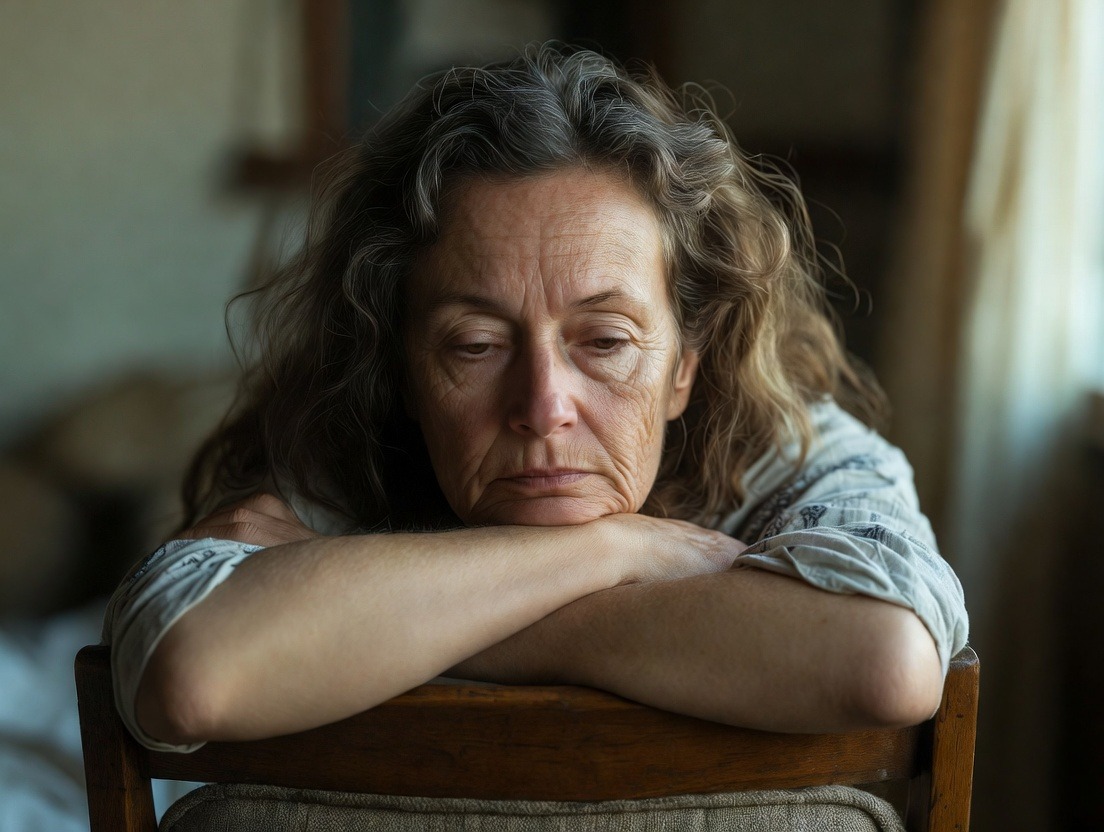
Before examining diet or exercise, we must begin with the foundational software of longevity: the mind. Across all Blue Zones, researchers have identified a common psychological bedrock that seems to inoculate individuals against the ravages of chronic stress and aimlessness—two of modern life's most potent accelerants of aging.
In Okinawa, it’s called "Ikigai," a concept translating roughly to "the reason for which you wake up in the morning." In Nicoya, it’s "Plan de Vida," a strong sense of life purpose. This isn't abstract philosophy; it's a practical, daily driver. Studies have consistently linked a strong sense of purpose to a lower risk of cardiovascular events, better sleep, improved immune function, and even a reduced risk of cognitive decline. Purpose provides a physiological buffer. When daily stressors arise—as they inevitably do—they are processed through the filter of a larger narrative, diminishing their corrosive, chronic impact on the body's stress-response systems.
This leads to the second pillar: the centenarian's relationship with stress. They experience stress, of course, but their cultures have evolved built-in, daily rituals to shed it. For the Seventh-day Adventists of Loma Linda, it’s the mandatory 24-hour Sabbath, a true digital and work detox. For the Sardinian shepherds, it’s the evening aperitivo—laughter and wine with friends. For the Okinawans, it’s a moment each day to remember their ancestors. These are non-negotiable pressure-release valves.
The modern consequence of lacking these rituals is a constant, low-grade drip of cortisol and adrenaline, keeping the body in a state of sympathetic ("fight-or-flight") overdrive. This chronic stress inflames tissues, raises blood pressure, impairs digestion, and fragments sleep. The centenarian strategy is not to eliminate stress but to ritualize its recovery. The lesson for us is to engineer our own daily and weekly "downshifts"—whether a mindful walk without a phone, a tech-free evening, or a dedicated hobby that induces a state of flow.
How do we know if our stress-recovery rituals are working? This is where passive, continuous monitoring becomes invaluable. A device that tracks physiological markers like heart rate variability (HRV) and resting heart rate can provide an objective window into your nervous system's state. You might find that your "relaxing" scroll through social media actually keeps your HRV depressed, while ten minutes of deep breathing shows a measurable, positive shift. This biofeedback allows you to move from guessing to knowing, personalizing your own modern versions of the Sardinian aperitivo for maximum neurological recovery. Understanding these underlying patterns is key, as explored in our analysis of how sleep tracking reveals patterns you'd never notice.
The centenarian diet is a masterclass in what not to overthink. There are no superfood fads, macronutrient calculators, or rigid fasting windows. Instead, there is a centuries-old pattern of eating that naturally promotes balance, moderation, and profound nutrient density. We can distill this pattern into several powerful principles.
First, plant-based abundance. 95% of their food comes from plants or plant products. Meals are built around vegetables, legumes, whole grains, nuts, and fruits. Beans—black beans in Nicoya, lentils in Ikaria, soybeans in Okinawa—are the cornerstone protein, providing fiber, stable energy, and phytonutrients that support gut health and reduce inflammation. Meat is consumed on average only five times per month, and in portions about the size of a deck of cards, treated as a celebratory condiment rather than a main event.
Second, the 80% rule. The Okinawans practice "Hara Hachi Bu," the Confucian-inspired adage to eat until you are 80% full. This 20% gap between satiety and fullness likely reduces caloric intake without conscious restriction, limits oxidative stress from metabolism, and keeps body weight stable for decades. It is a practice of mindful, slow eating that allows the body's satiety signals to catch up.
Third, smart hydration and sensible libations. Water, herbal teas, and coffee are common. Perhaps most interestingly, moderate alcohol consumption—typically 1-2 glasses of red wine per day with friends and food—is the norm in most Blue Zones (excluding Loma Linda). The key is the moderation, the social context, and the polyphenol content of drinks like Sardinian Cannonau wine.
Fourth, food simplicity and preparation. Meals are cooked from scratch using whole ingredients. There are no artificial additives, and sugar intake is a fraction of the Western average—often coming only from natural sources like honey or fruit. This eliminates a major source of hidden calories and metabolic disruption.
The modern application isn't about importing exotic foods, but about adopting the framework: make plants the star, downsize meat to a supporting role, stop eating before you're stuffed, cook real food, and share a glass of wine with good company. It’s a diet of community and context as much as it is of chemistry. The focus is on nourishment—of the body and the social self—rather than restrictive nutrition.
You will not find a 103-year-old in Ikaria on a spin bike or lifting barbells. Yet, you will find them gardening, walking steep village paths, kneading bread, or hand-tending to their animals. Their fitness regimen is inseparable from daily life; it is "natural movement" woven into the fabric of their environment and chores. This non-exercise activity thermogenesis (NEAT) burns a significant number of calories, maintains functional strength, promotes joint mobility, and sustains cardiovascular health—all without the need for a scheduled "workout."
This incidental activity has profound benefits. It keeps metabolism active throughout the day, supports lymphatic drainage, and preserves the muscle mass critical for metabolic health and independence (a condition known as sarcopenia is a major risk for aging populations). The constant, low-grade movement also supports posture, balance, and bone density, dramatically reducing the risk of catastrophic falls.
The modern environment is designed to eliminate movement. We sit in cars, at desks, and on couches. The centenarian lesson is to re-engineer movement back into our day. This means adopting a "movement-rich" lifestyle: taking the stairs, walking or cycling for transport, using a standing desk, gardening, doing manual household tasks, and simply going for regular, meandering walks—what some call "kinetic sandboxes" where the body moves in varied, unstructured ways.
How can technology support this? A smart ring or activity tracker isn't there to shame you for not hitting an arbitrary 10,000 steps. Instead, it can help you benchmark and cultivate this baseline of natural movement. By monitoring your daily activity patterns and heart rate, you can see if your daily life provides the gentle, consistent physiological stimulus that centenarians get organically. It can remind you to move after periods of prolonged sitting and help you appreciate the cumulative impact of those "non-workout" activities. For those looking to optimize their physical recovery, understanding the full picture of daily strain and rest is crucial, a topic covered in depth in our article on how sleep tracking improves athletic performance and recovery.
If you had to point to one factor that rivals diet in its impact on longevity, it would be social connection. In the Blue Zones, individuals are born into and remain embedded in strong, intergenerational social networks throughout their lives. They put family first, keeping aging parents and grandparents nearby, committing to a life partner, and investing time and love in their children. This provides a powerful, lifelong safety net of emotional and practical support.
Beyond family, they belong to the right tribe. Social circles in Blue Zones naturally support healthy behaviors. The Framingham Heart Studies showed that health behaviors—like obesity, smoking, and even happiness—are contagious within social networks. Centenarians are surrounded by friends who also garden, walk, eat wholesome food, and gather to laugh and share stories. There is no room for loneliness, which some researchers now posit is as damaging to health as smoking 15 cigarettes a day.
Most also participate in some form of faith-based community. Attending a spiritual service—regardless of the specific denomination—four times per month has been shown to add 4-14 years of life expectancy. The benefits likely come from the combined effects of reduced stress (through meditation/prayer), the built-in social network, and the sense of hope and meaning it provides.
This "social portfolio" acts as a powerful shock absorber for life's hardships and a constant source of positive reinforcement for healthy living. For modern society, fractured by individualism and digital connection, the mandate is clear: curate your social environment with the same intention you curate your diet. Invest in close relationships, seek out communities (in-person or otherwise) that align with your wellness values, and consider the health habits of those you spend the most time with—their influence is silently shaping your own biological destiny.
While diet and movement get most of the attention, the centenarian approach to sleep is perhaps the most quietly radical in our hyper-caffeinated, always-on world. In Blue Zones, sleep is not a luxury or an afterthought; it is a sacred, non-negotiable pillar of repair. There is no burning the candle at both ends. They tend to have consistent, early sleep and wake times, aligning closely with the natural light-dark cycle—a rhythm known to support robust circadian biology.
Their sleep is also qualitatively different. The combination of physical activity, plant-rich diet, low chronic stress, and strong social bonds creates the perfect physiological preconditions for deep, restorative sleep. They experience the full, healthy architecture of sleep cycles, including ample slow-wave (deep) sleep for physical repair and REM sleep for memory consolidation and emotional processing.
The contrast with modern sleep habits is stark. We suffer from epidemic levels of sleep deprivation and circadian disruption, fueled by artificial light, screen time, erratic schedules, and anxiety. Poor sleep is a direct driver of inflammation, impaired glucose metabolism, hormonal imbalance, and cognitive decline—effectively accelerating every aspect of the aging process.
The centenarian prescription is simple yet profound: prioritize sleep as your primary recovery tool. Create a dark, cool, quiet sleeping environment. Establish a wind-down ritual (like the Sardinians ending their day with friends). Go to bed and wake up at consistent times, even on weekends. Get morning sunlight to anchor your circadian rhythm. This isn't about tracking every minute of REM; it's about creating the lifestyle that naturally generates it.
For those seeking to understand and optimize this critical pillar, modern sleep-tracking technology offers unprecedented insights. By moving beyond simple duration to metrics like sleep stages, restlessness, and biometrics like nighttime HRV, we can close the feedback loop. For instance, you can see how that evening glass of Cannonau wine actually affects your deep sleep, or how a stressful day depresses your recovery metrics. To truly master this data, it's essential to understand how to actually use sleep tracking data to sleep better. Furthermore, as this technology evolves, understanding its current capabilities is key, as detailed in our look at the evolution of sleep tracking technology and where we are now.
A fascinating and often misunderstood aspect of Blue Zones is their consumption of what modern health dogma might label "vices." Centenarians in Sardinia, Ikaria, and Nicoya regularly enjoy wine. Ikarians and many others drink coffee daily. This isn't a contradiction; it's a lesson in context, quality, and, above all, moderation.
Let's examine wine. In Sardinia and Ikaria, wine is typically consumed with a meal and almost always in a social setting—a shared bottle among friends and family over a long, conversational dinner. The quantity is moderate (1-2 glasses), the pace is slow, and the psychological context is one of relaxation and connection. The wine itself is often local, traditionally made, and potentially higher in polyphenols. This ritual contrasts sharply with the modern pattern of solitary, stress-driven consumption.
Coffee, too, is a social ritual and is almost always consumed black or with minimal sweetener. It provides antioxidants and is often part of a mindful morning or afternoon pause. The key is that these substances are not used as stimulant crutches to override a sleep-deprived body or as emotional anaesthetics. They are integrated pleasure points within a otherwise pristine health landscape.
This teaches a vital anti-dogma lesson: Longevity is not about Puritanical elimination of pleasure; it's about the intelligent, mindful integration of enjoyment within a holistic healthy framework. The centenarian approach recognizes that joy, conviviality, and tradition are themselves nutrients. For the modern health seeker, this means there is no need for an all-or-nothing approach. It suggests that the best diet or lifestyle is one you can sustain joyfully for 80-100 years, not one you can white-knuckle for 80 days. The poison is in the dose—and the context.
We are not separate from our environment; we are in constant dialogue with it. The Blue Zones are not accidental. Their geography, climate, and urban design actively promote the healthy behaviors we've outlined. They are "nudging" environments that make the healthy choice the easy, default, and often only choice.
Consider the design: Ikarian and Sardinian villages are built on hillsides, making every trip to a neighbor's house or the market a gentle cardiovascular workout. The climate encourages outdoor living and gardening year-round. Homes are not temperature-controlled bubbles, allowing the body to experience natural thermal variation. The food environment is dominated by home gardens, local markets selling fresh produce, and a lack of fast-food outlets or mega-markets filled with ultra-processed foods.
Perhaps most importantly, the social environment is inescapable. Front porches face the street, town squares are the center of life, and people are visible and engaged with one another. This design fosters the constant, low-grade social interaction that staves off loneliness.
For us, this means we must become architects of our own immediate environments. We can't move to a Greek island, but we can: make our homes movement-friendly (e.g., putting a bike in a visible spot, having a standing desk); curate our kitchen (keeping fruit on the counter, prepping vegetables, hiding processed snacks); and optimize for social connection (creating inviting spaces for guests, living in walkable neighborhoods if possible). We can also seek to spend more time in natural environments, which has been shown to reduce stress hormones and inflammatory markers. The lesson is to stop fighting against a toxic environment and start building a supportive one.
A common, romanticized mistake is to imagine Blue Zone life as a century of unbroken serenity. The truth is, these individuals lived through wars, famines, economic depressions, personal losses, and immense hardship. Their longevity is not the result of a stress-free life, but of a highly resilient response to stress. They possess what researchers call "adaptive resilience"—the ability to weather a storm, recover, and even grow from adversity.
This resilience is cultivated through the very pillars we've discussed: a strong social network to share burdens, a sense of purpose to provide meaning in suffering, daily rituals to process emotion, and a physical body maintained well enough to be a source of strength, not fragility. Their plant-based, anti-inflammatory diets may also literally bolster the body's resilience at a cellular level, reducing the allostatic load (the cumulative wear and tear) from stress.
Furthermore, many centenarians display a remarkable trait of emotional equanimity. They don't hold onto grudges or simmer in chronic anger—emotions that flood the body with cortisol and adrenaline. They practice forgiveness, live in the present, and maintain a generally optimistic (yet realistic) outlook. This isn't naive positivity; it's a learned cognitive habit that protects their internal biochemistry.
In our modern context, building resilience is an active practice. It means developing coping skills like mindfulness or gratitude journaling, maintaining our physical health as a buffer, and most importantly, nurturing our social support systems before crisis hits. It's understanding that the goal is not to avoid all stress, but to become a vessel that can withstand the pressure and not crack. Monitoring tools can even help here, showing us how different coping mechanisms (like meditation vs. venting) actually affect our nervous system's recovery, providing a data-driven path to building greater personal resilience.
Centenarian life is not ruled by the clock in the abstract, 24/7 sense of global capitalism. It is ruled by natural rhythms: the daily arc of the sun and the annual turn of the seasons. This alignment, known as chronobiology, is a silent yet powerful driver of health.
Their days are structured by light: rising with or before the sun, being active during daylight, and winding down as darkness falls. This simple pattern robustly entrains the master circadian clock in the brain's suprachiasmatic nucleus, which in turn regulates hundreds of downstream processes—hormone release (cortisol in the morning, melatonin at night), metabolism, digestion, cell repair, and immune function. When this clock is dysregulated by artificial light and erratic schedules, every one of these systems suffers, increasing the risk for metabolic disease, cancer, and mood disorders.
Similarly, their eating aligns with this rhythm. They tend to eat a larger, earlier lunch and a lighter, earlier dinner, giving the digestive system a long overnight fast—a pattern now validated by research on time-restricted eating. Their diet also changes with the seasons, eating what is locally available, which provides a diverse array of nutrients and phytonutrients throughout the year.
The modern application is to re-synchronize with natural time. Seek bright light (preferably sunlight) in the morning. Dim artificial lights and limit blue-light exposure from screens in the evening. Try to make your largest meal midday and finish eating 2-3 hours before bed. Observe the seasons in your food choices. This isn't about rigidly mimicking an agrarian past, but about giving our ancient biological rhythms the basic cues they need to orchestrate health. The profound impact of this alignment is often visible first in our sleep data, underscoring why sleep tracking without wearables is often missing this critical biometric layer.
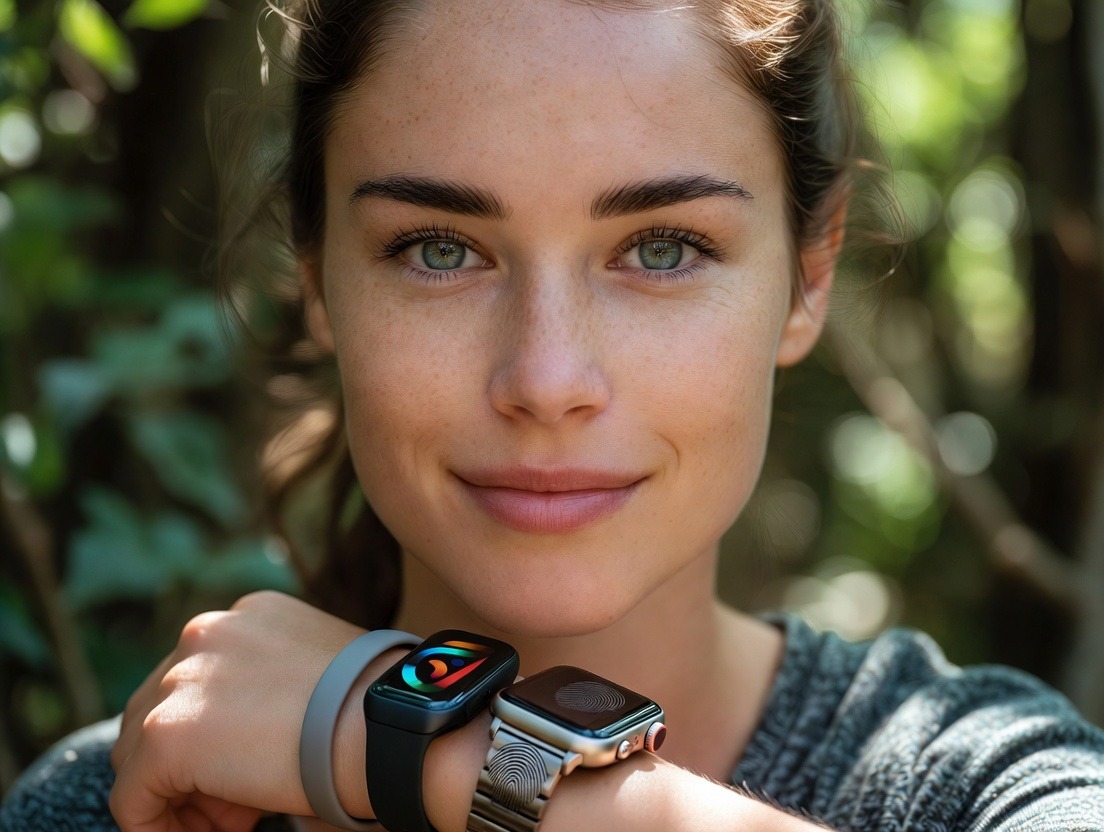
Emerging as one of the most exciting frontiers in longevity science is the gut microbiome—the trillions of bacteria living in our digestive tract. Research is revealing that centenarians possess a distinct and highly diverse gut ecosystem, which appears to be a significant contributor to their resilience and vitality.
Their diet is essentially a prebiotic and probiotic feast. The high fiber content from beans, vegetables, and whole grains acts as fuel (prebiotics) for beneficial bacteria, which ferment it into anti-inflammatory compounds like short-chain fatty acids. Many traditional foods are also naturally fermented—think sourdough bread, pickled vegetables, kefir, yogurt, and traditional wines. These provide a regular influx of live, beneficial bacteria (probiotics) that bolster the gut community.
This healthy microbiome doesn't just aid digestion. It directly modulates the immune system (70% of which resides in the gut), produces essential vitamins, helps regulate metabolism, and even communicates with the brain via the gut-brain axis, influencing mood and cognitive health. A diverse, stable microbiome is linked to lower systemic inflammation, a key hallmark of slowed aging.
For us, the path is clear: feed your gut ecosystem. This means dramatically increasing our intake of diverse plant fibers (aiming for 30+ different plants per week) and incorporating fermented foods. It also means avoiding the things that damage the microbiome: excessive antibiotics, artificial sweeteners, and a diet high in processed foods and sugar, which feed inflammatory bacterial strains. Cultivating gut health is a slow, steady gardening process, perfectly mirroring the centenarian's patient, long-term approach to all aspects of wellness.
Finally, centenarians do not retire in the modern sense of withdrawing from meaningful roles. They remain contributors. They garden, cook, care for grandchildren, share stories, and participate in community rituals. In Okinawa, the word for retirement doesn't even exist. This continuous engagement provides the powerful "Ikigai" or "Plan de Vida" we began with, but it also has concrete cognitive and physical benefits.
Staying engaged in meaningful work—whether paid or unpaid—maintains cognitive reserve, the brain's resilience to pathology. It provides social structure, a sense of being needed, and a reason to move and care for oneself. The act of contributing, of passing knowledge and care to the next generation, creates a powerful feedback loop of purpose and belonging.
The modern cult of retirement as a 30-year vacation may be antithetical to longevity. The lesson is to never stop contributing in ways that align with your evolving capacities. This could mean shifting careers, mentoring, volunteering, creating art, or deepening community involvement. The goal is to always have a reason to wake up that is bigger than yourself. This forward-looking, generative mindset may be the ultimate psychological signature of a life destined to be long, and deeply lived.
For decades, the lifestyles of Blue Zone inhabitants were fascinating anecdotes. Today, they are a rigorous scientific frontier. Advanced genomics, longitudinal studies, and cellular biology are now decoding why these simple habits confer such profound longevity. We are moving from observation to mechanism, finding that centenarian strategies directly target the hallmarks of aging at a molecular level. This validation is crucial; it transforms folk wisdom into actionable, evidence-based medicine for the rest of us.
Take the concept of chronic inflammation, or "inflammaging." This persistent, low-grade inflammatory state is a root driver of nearly every age-related disease, from atherosclerosis to Alzheimer's. The centenarian diet is a potent anti-inflammatory protocol. The high intake of polyphenols from colorful plants, the omega-3s from nuts and seeds, and the fiber that feeds anti-inflammatory gut bacteria all work in concert to quiet systemic inflammation. Blood tests of centenarians consistently show lower levels of inflammatory markers like IL-6 and C-reactive protein compared to their younger, less healthy counterparts.
Then there's cellular repair and autophagy. The practice of Hara Hachi Bu (the 80% rule) and the natural time-restricted eating window (early, light dinner) create regular, mild metabolic challenges. This calorie restriction, even if intermittent, upregulates autophagy—the body's cellular housekeeping process where damaged components are recycled. This cleanup is essential for cellular health and is a key target of longevity research. Furthermore, the physical activity embedded in their daily life acts as a hormetic stressor, stimulating mitochondrial biogenesis (the creation of new cellular energy plants) and enhancing the body's endogenous antioxidant defenses.
At the very tips of our chromosomes, telomeres act as protective caps, shortening with each cell division—a process accelerated by stress, inflammation, and poor lifestyle. Remarkably, studies show that lifestyle interventions mirroring Blue Zone principles—a plant-based diet, stress management like meditation, and regular moderate exercise—can increase the activity of telomerase, the enzyme that maintains telomere length. Their social connections may even be telomere-protective; loneliness and chronic stress are associated with accelerated telomere shortening.
Even their microbiome diversity, once just an assumption, is now being mapped. Sequencing reveals that centenarians harbor unique microbial species and strains that produce beneficial metabolites, outcompete pathogens, and contribute to their remarkable metabolic health. This gut ecosystem is a direct product of their lifelong dietary pattern and environment.
This scientific validation demystifies their longevity. It’s not magic or merely "good genes." In fact, research from the New England Centenarian Study suggests that extreme longevity is only mildly heritable. The overwhelming factor is lifestyle. Their habits actively modulate gene expression (a field called epigenetics), turning on protective pathways and silencing deleterious ones. They are, in effect, expert managers of their own biology, using daily choices to write a health-promoting script for their cells to follow for a century.
We now face the central challenge: We have the timeless blueprint and the scientific validation, but we live in a world profoundly different from Ikaria or Okinawa. Our environments are often obesogenic, our social structures fragmented, and our rhythms dictated by artificial schedules and light. How do we translate these universal principles into a personalized, sustainable practice? This is where contemporary technology, specifically passive, continuous health monitoring, enters not as a dictator, but as a translator and a guide.
Imagine trying to adopt the 80% rule (Hara Hachi Bu). It’s a subjective, internal feeling easily overridden by distraction or habit. Now imagine if you could see a gentle, corresponding dip in your post-meal heart rate and a stable glucose trend, confirming you’ve eaten just enough. The abstract principle becomes a tangible, learnable sensation. This is the power of biofeedback.
Consider natural movement. A smart ring tracking your activity can show you the stark difference between a day spent gardening and walking versus a sedentary day at a desk. It can celebrate the cumulative impact of those "non-workout" activities, validating their worth and motivating you to build more into your week. It turns an invisible benefit into a visible metric.
Most powerfully, this technology shines a light on recovery and rhythm—the most stolen elements of modern health. You can objectively see how a late-night screen session delays your body's wind-down, suppressing heart rate variability (HRV). You can witness how a stressful workday elevates your resting heart rate overnight, quantifying the physiological cost of stress. Conversely, you can prove the restorative power of that weekend hike or an evening with friends. This creates a closed feedback loop, allowing you to experiment and see what truly moves your personal health metrics in the right direction. For a deeper understanding of what to look for in this technology, our guide on the best sleep tracking features to look for in 2025 is an essential resource.
The goal is not to become slaves to data, but to use it as a bridge to embodied wisdom. The data from a well-designed tracker helps you reconnect with your body's signals, which we have often learned to ignore. It educates your intuition. Over time, you may need to check the data less because you've internalized the feelings of enough food, good sleep, and managed stress. The technology serves as a temporary scaffold, supporting you as you build the lasting habits that will one day make it obsolete. This mindful approach is critical to avoid the pitfalls of obsession, a phenomenon examined in our article can sleep tracking cause anxiety? The orthosomnia problem.
Knowing the principles is one thing; implementing them is another. The following framework is designed to help you integrate centenarian strategies without overwhelm, focusing on sustainable progression rather than perfection. Think of it as cultivating a garden, not building a machine.
Phase 1: The Foundation Audit (Weeks 1-4)
Phase 2: The Keystone Habit Integration (Weeks 5-12)
Phase 3: Environmental Redesign (Ongoing)
Phase 4: Ritual Stacking & Community Building (Months 4+)
Phase 5: The Feedback Loop & Iteration (Lifelong)
Moving from the framework to the plate, let's translate the Blue Zone diet into a practical, modern weekly eating pattern. This is not a rigid meal plan, but a flexible template that emphasizes principles over prescriptions.
The Core Weekly Structure:
A Sample Day for Inspiration:
The "Celebration" Meal: Once a week, enjoy a meal that includes a small portion (3-4 oz.) of high-quality animal protein if desired—think wild salmon, pasture-raised chicken, or even a lean cut of red meat. This honors the "meat as celebratory condiment" principle and adds flexibility.
This pattern naturally achieves a high-fiber, nutrient-dense, anti-inflammatory diet without calorie counting. It supports stable energy, gut health, and healthy weight management. The key is preparation: batch-cooking grains and beans, prepping vegetables, and having healthy staples on hand makes this pattern effortless.
To combat our sedentary destiny, we must design movement into our lives. Here is a blueprint for creating your own "movement-rich" environment, categorized by modern life scenarios.
For the Home Environment:
For the Work Environment:
For the Social Environment:
The Daily Non-Negotiables:
The metric for success here is not sweat or heart rate zones, but the consistent breaking up of sedentary time and the accumulation of gentle, functional movement throughout the waking hours. A wearable can help you see these patterns, showing you the tangible benefits of a "non-exercise" day that is nonetheless full of life.
Your social network is your most powerful health intervention. Building a modern "moai" (the Okinawan term for a lifelong social support group) requires intention. Here’s how to curate and cultivate your longevity tribe.
Audit Your Current Network:
Seek Pro-Health Communities:
Deepen Existing Connections with Intention:
Be the Architect of Social Recovery:
Your "moai" should feel like a source of energy, not drama; of support, not competition; of joy, not obligation. Investing in these relationships is not a distraction from your health journey—it is the very heart of it.
Sleep is the ultimate recovery metric, and centenarians excel at it because their entire day is a preparation for rest. Here is a comprehensive protocol to reclaim your sleep sanctuary, integrating ancient wisdom with modern understanding.
The Daytime Foundation (Circadian Alignment):
The Evening Wind-Down (The 90-Minute Transition): Begin shifting from "sympathetic" (alert) to "parasympathetic" (rest) dominance.
The Sleep Sanctuary Itself:
Leveraging Technology for Insight, Not Anxiety:
Use a sleep tracker not to obsess over a single night's score, but to identify long-term trends. Look for correlations:
This data empowers you to make informed tweaks to your protocol. For instance, seeing the direct impact of evening blue light might motivate you to stick to the digital curfew. Understanding your personal patterns is the first step to improving them, a process detailed in our guide on sleep tracking tips for getting the most accurate data possible. Furthermore, for those with specific concerns, this technology can be instrumental, as in how sleep tracking helps diagnose sleep disorders early.
While personal transformation is powerful, the full promise of the centenarian blueprint can only be realized if we also work to reshape our societies. We must advocate for policies and designs that make the healthy choice the default choice for everyone, not just the privileged few.
Urban Planning & Design:
Food Systems & Policy:
Workplace Culture:
Social Infrastructure:
By engaging at this level, we move from being consumers of wellness to being citizens of a healthier world. We help create the environmental conditions under which future centenarians can thrive, making the path to a long, healthy life not a steep climb of individual willpower, but a gentle walk along a well-designed, supportive path. The journey to 100, it turns out, is one we must take together.
The preceding sections have laid out a comprehensive map: the centenarian mindset, the diet, the movement, the social fabric, and the science that binds it all. Yet, knowledge alone is insufficient. The central challenge of the 21st-century longevity seeker is integration. How do we weave these disparate threads—many of which feel at odds with modern demands—into a cohesive, sustainable, and joyful daily life? The answer lies not in a rigid, time-managed schedule, but in developing a flexible, principles-based operating system for living.
Integration begins with recognizing that these pillars are not separate items on a checklist; they are synergistic forces that amplify one another. Good sleep improves willpower for better food choices and stress resilience. Strong social connections make physical activity more enjoyable and provide emotional ballast. A plant-rich diet fuels the gut microbiome, which in turn produces neurotransmitters that improve mood and sleep quality. The goal is to create virtuous cycles, where success in one area naturally propels you forward in others.
The Operating System Approach:
This integrated approach moves us away from a compartmentalized view of health ("my diet," "my workout," "my sleep") and toward a holistic view of living well. It allows for adaptation when life intervenes—a sick child, a work deadline, travel. If you can't get your walk, can you do 5 minutes of stretching? If you can't cook a from-scratch meal, can you choose the most whole-food option available and practice the 80% rule? The operating system is resilient because it's built on adaptable principles, not brittle rules.
In our quest to modernize the centenarian blueprint, we have championed technology as a translator. Yet, a critical boundary must be drawn: the line between being informed by data and being driven by it. The centenarians’ wisdom is fundamentally intuitive and embodied; they feel when they’ve eaten enough, they sense their body’s need for rest, they are attuned to their emotional state through community feedback. Our danger is outsourcing this intuition to a device.
The optimal relationship with health data is that of a consultant, not a commander. The ring on your finger provides a report; you remain the CEO. This means:
This mindful approach prevents the rise of "orthosomnia"—the unhealthy obsession with perfect sleep data—and other forms of health anxiety. It ensures that the quest for longevity enhances your quality of life today, rather than becoming a source of daily stress. For a balanced perspective on what these devices can and cannot tell you, it's helpful to understand the limitations of sleep tracking you should know about. Ultimately, the data should lead you back to a richer, more attuned experience of your own body, not further away from it.
Life in the developed world presents specific, pervasive challenges to the longevity blueprint. Here’s how to apply centenarian principles to navigate them.
Scenario 1: The Sedentary Office Job
Scenario 2: The Standard American Diet (SAD) Environment
Scenario 3: Chronic Digital Overload & Busyness
Scenario 4: Travel and Disruption
By having pre-decided strategies for these common scenarios, you move from being reactive to being proactive. You carry your Blue Zone with you, in the form of adaptable principles and prepared responses.
The strategies for a vibrant life are not static; they must evolve as we move through different decades. What serves a 30-year-old professional differs in emphasis from what sustains a 70-year-old retiree, though the core principles remain constant.
In Your 20s & 30s (The Foundation Layers):
In Your 40s & 50s (The Pressure Cooker & Pivot):
In Your 60s & Beyond (The Harvest & Contribution):
Throughout all stages, the centenarian mindset—purpose, resilience, and joy in simple daily rituals—is the golden thread. The habits laid down early make the later transitions graceful, not desperate.
To move from theory to tangible inspiration, let’s examine synthesized case studies of individuals applying these principles in a modern context.
Case Study A: The Corporate Strategist (Age 42)
Case Study B: The Retired Teacher (Age 68)
These cases illustrate that the blueprint is not about geography or genetics, but about the intentional application of universal principles within one's unique life context. The tools and tactics differ, but the foundational pillars are the same.
As we passionately pursue a century of health, we must pause to consider a crucial, often overlooked dimension: equity. The Blue Zones are largely homogeneous, close-knit communities with shared traditions and environments. For many in the modern world, the barriers to adopting such a lifestyle are not a lack of willpower, but a lack of access and agency.
Therefore, a truly ethical approach to promoting longevity must operate on two tracks:
The goal cannot be a century of healthy life for a privileged few. The centenarian communities show us that longevity is a collective phenomenon. Our modern "collective" must be inclusive. Our advocacy for walkable cities, clean air, and nutritious food for all children is as much a longevity strategy as our personal decision to eat more beans. This broader view aligns with the centenarian spirit of community-first living, scaling it to meet the challenges of our complex world.
Finally, we arrive at the most elusive, yet perhaps most essential, element of the centenarian secret: the sheer joy of living. This is not a metric. It cannot be tracked by a ring or quantified in a study. Yet, in every Blue Zone, it is palpable. It’s in the sardonic humor of the Ikarians, the festive gatherings of the Sardinians, the serene smiles of the Okinawan elders.
This joy springs from sources that our hyper-rational, optimization-focused culture often marginalizes:
To ignore this dimension is to risk creating a long, healthy, but joyless life—a tragic misunderstanding of the centenarian example. Therefore, as you build your personal longevity protocol, you must audit for joy. Does your week include moments of unfettered play, of artistic expression, of spiritual connection, of awe? Schedule these with the same importance as your workout. They are the nutrients for the soul, and the soul, it seems, is a required component for a body that wishes to thrive for ten decades.
In this first third of our exploration, we have journeyed from the sun-drenched hills of the Blue Zones to the data streams of modern wearables, from cellular biology to community design. We have seen that the path to 100 is not a secret held by a remote few, but a mosaic of universal principles waiting to be assembled in the unique context of your one precious life. The foundation is laid. The principles are clear. The work of integration—the joyful, lifelong work of building your century—now begins.
Your Trusted Sleep Advocate: Sleep Foundation — https://www.sleepfoundation.org
Discover a digital archive of scholarly articles: NIH — https://www.ncbi.nlm.nih.gov/
39 million citations for biomedical literature :PubMed — https://pubmed.ncbi.nlm.nih.gov/
Experts at Harvard Health Publishing covering a variety of health topics — https://www.health.harvard.edu/blog/
Every life deserves world class care :Cleveland Clinic - https://my.clevelandclinic.org/health
Wearable technology and the future of predictive health monitoring :MIT Technology Review — https://www.technologyreview.com/
Dedicated to the well-being of all people and guided by science :World Health Organization — https://www.who.int/news-room/
Psychological science and knowledge to benefit society and improve lives. :APA — https://www.apa.org/monitor/
Cutting-edge insights on human longevity and peak performance:
Lifespan Research — https://www.lifespan.io/
Global authority on exercise physiology, sports performance, and human recovery:
American College of Sports Medicine — https://www.acsm.org/
Neuroscience-driven guidance for better focus, sleep, and mental clarity:
Stanford Human Performance Lab — https://humanperformance.stanford.edu/
Evidence-based psychology and mind–body wellness resources:
Mayo Clinic — https://www.mayoclinic.org/healthy-lifestyle/
Data-backed research on emotional wellbeing, stress biology, and resilience:
American Institute of Stress — https://www.stress.org/


