


The Beginner-Friendly Guide to Sleep-Based Fatigue Prevention (Ring-Optimized)
Optimizing sleep based on ring data is a key strategy for preventing fatigue.
Optimizing sleep based on ring data is a key strategy for preventing fatigue.
%402x.svg)
In a world that glorifies busyness, fatigue has become a silent epidemic. You know the feeling—that persistent, heavy fog that dims your focus, saps your motivation, and makes even simple tasks feel like a marathon. We reach for another coffee, promise ourselves an early night (that never comes), and push through, accepting exhaustion as the tax for modern living.
But what if fatigue isn’t an inevitability, but a preventable condition? The answer lies not in a magic pill, but in the very foundation of our health: sleep. Not just any sleep, but the right kind of sleep. For decades, we’ve been flying blind, guessing at our sleep quality with questions like “Did I sleep well?” Now, a revolution is happening on our fingertips. Smart ring technology, like that used by Oxyzen, is transforming sleep from a mysterious black box into a rich, data-driven narrative about our health. This device, worn unobtrusively, tracks the core biometrics of your rest—heart rate, heart rate variability (HRV), blood oxygen, respiration, and body temperature—giving you an objective, personalized blueprint of your recovery.
This guide is your first step off the treadmill of exhaustion. We’re moving beyond generic advice like “get 8 hours” and into the era of personalized, precision sleep optimization. By leveraging the continuous, accurate data from a smart ring, we can identify the exact sleep disruptions fueling your fatigue and build a targeted, beginner-friendly system to prevent it. This is about building sustainable energy from the ground up, starting with the most fundamental pillar of health: restorative sleep.
The journey to beating fatigue begins with understanding. Let’s decode the messages your body is sending every night.
We often use the words “tired” and “fatigued” interchangeably, but in the realm of health optimization, they represent distinctly different states. Understanding this difference is the crucial first step toward effective prevention.
Tiredness is a temporary, often predictable state. It’s the feeling after a long hike, a productive workday, or an intense workout. It’s resolved relatively quickly with a single night of good rest or a period of relaxation. Tiredness is a signal, not a symptom; it’s your body’s way of saying a recovery period is due.
Fatigue, however, is a persistent, debilitating sense of physical, emotional, or mental exhaustion that isn’t relieved by rest alone. It’s the anchor that drags you down day after day. You might sleep for 9 hours and still wake up feeling unrefreshed. This is chronic fatigue, and it’s a red flag that your body’s fundamental recovery systems are failing to keep up with demand.
This is where the smart ring transitions from a fancy gadget to an essential diagnostic tool. While you feel uniformly exhausted, your ring’s data can pinpoint the specific physiological roots of your fatigue. For instance:
By moving from the vague symptom (“I’m always tired”) to specific, data-backed insights (“My deep sleep is consistently low and my resting heart rate is 10 BPM above my baseline”), you can stop fighting a shadow and start addressing the real target. This precision is at the heart of modern, ring-optimized health strategies. For a deeper dive into establishing and understanding your personal health baseline, which is critical for interpreting this data, our guide on wellness fundamentals understanding personal baseline is an essential read.
Fatigue prevention, therefore, starts with becoming a student of your own sleep data. The ring provides the translation. Your job is to learn the language.
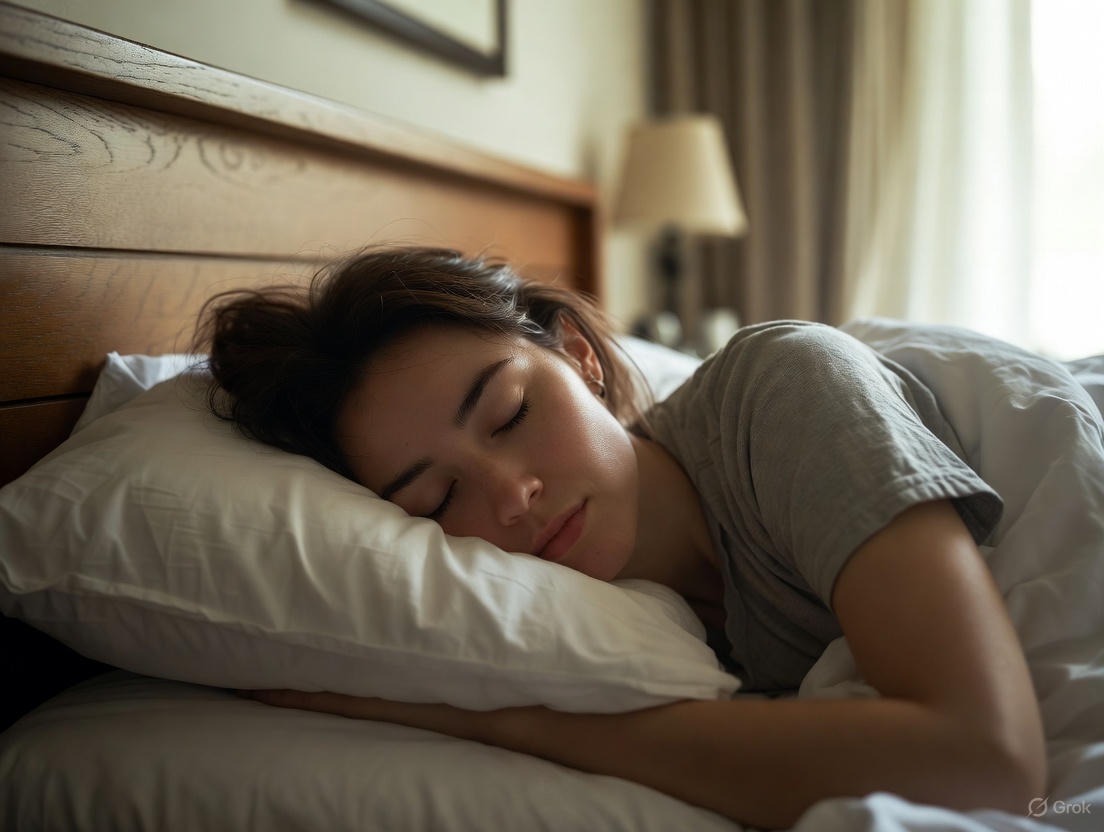
To prevent fatigue, we must first appreciate the monumental, multi-system work that happens during quality sleep. It is not a passive state of inactivity; it is an intensely active period of repair, restoration, and cognitive processing. When this process is disrupted, the downstream effects create the perfect storm for chronic fatigue.
Sleep architecture—the cyclical pattern of light, deep, and REM (Rapid Eye Movement) sleep stages—is a finely tuned production. Each stage has a non-negotiable role:
A smart ring doesn’t just guess at these stages; it infers them with remarkable accuracy by measuring their physiological correlates. A rise in HRV and a steady, low heart rate often correlate with deep sleep. Increased heart rate variability and brainwave-like patterns in your movement and heart rate data can indicate REM.
When these stages are fragmented—by stress, environment, lifestyle, or underlying issues—the consequences are immediate:
In essence, poor sleep doesn’t just make you sleepy. It systematically degrades every system your body uses to generate and sustain energy. This is why a holistic approach, focusing on the interconnected wellness fundamentals sleep movement recovery stress, is the only sustainable path to defeating fatigue. You cannot out-supplement or out-exercise bad sleep.
You might wonder, “Why a ring? Don’t smartwatches and phone apps do the same thing?” The difference is not just in form, but in function, accuracy, and, most importantly, in facilitating the fundamental behaviors that prevent fatigue.
The Form Factor Advantage: A ring is unobtrusive, comfortable, and can be worn 24/7. You can sleep with it, shower with it, and live your life without a bulky device on your wrist or the need to remember to put it on at night. This continuous wear is non-negotiable for fatigue prevention. It allows for seamless, all-day biometric tracking, giving you context on how your daily activities (stress, exercise, meals) directly impact your sleep and readiness scores. A device you take off is a data stream full of gaps.
Clinical-Grade Data from the Finger: The vasculature at the finger is rich and provides a strong signal for photoplethysmography (PPG) sensors, which measure heart rate, HRV, and blood oxygen. This placement can often yield more consistent nocturnal data than a wrist-based device, which can be affected by arm position and motion during sleep. The ring form also allows for accurate core body temperature tracking—a critical metric for understanding circadian rhythm and sleep onset that is impractical for most wrist-worn devices.
From Data to Actionable Wisdom: This is where the magic happens. A ring like Oxyzen doesn’t just dump data on you; it synthesizes it into intuitive, personalized scores.
This is the cornerstone of fatigue prevention: listening to your body’s objective signals instead of relying on your subjective (and often inaccurate) feelings. You might feel ready to crush a hard workout, but if your Readiness Score is low due to poor recovery, that workout could deepen your fatigue hole instead of digging you out. The ring empowers you to make proactive, protective choices—to swap the intense workout for gentle movement or meditation, preventing the energy crash before it happens.
This ability to validate and personalize your health practices is why this technology is so transformative. As explored in wellness ring validates fundamental health practices, seeing concrete data that confirms, for example, that your new wind-down routine actually improves your deep sleep, creates a powerful feedback loop that reinforces positive, fatigue-fighting habits for life.
You can have the most advanced sleep-tracking ring in the world, but if your sleep environment is working against you, you’re trying to bail water out of a sinking ship with a teaspoon. Optimizing your bedroom is the most direct and immediate action you can take to improve sleep quality. Think of it as engineering a cave.
1. Darkness: The King of Circadian Cues
Total darkness is critical for the production of melatonin, your sleep hormone. Even small amounts of light from streetlights, electronics, or a digital clock can disrupt this process.
2. Temperature: The Catalyst for Sleep Onset
Your core body temperature must drop by about 1-2 degrees Fahrenheit to initiate sleep. A room that’s too warm prevents this drop.
3. Silence & Sound: Controlling Auditory Disruptions
Unexpected noises—a car alarm, a snoring partner, a creaking house—can cause micro-arousals that fragment sleep cycles, even if you don’t remember waking.
4. The Bed Itself: Your Recovery Platform
An old, unsupportive mattress or uncomfortable pillows can cause minor discomforts that lead to constant shifting, preventing deep, sustained sleep stages.
Your smart ring becomes the auditor of these changes. After implementing one change—say, installing blackout curtains—you can watch your sleep data over the next week. Did your time to fall asleep decrease? Did your deep sleep duration increase? This creates a powerful, data-driven confirmation that your efforts are working. Optimizing your environment is a fundamental step in the larger process of build wellness fundamentals daily routine, creating a physical space that automatically supports your health goals every single night.
In our hyper-connected world, the biggest enemy of sleep is the constant state of low-grade alertness. We scroll through stressful news or engaging social media until the moment we close our eyes, expecting our brain to instantly switch from “high alert” to “deep rest.” This is like slamming the brakes on a speeding car and expecting the engine to calmly turn off. A wind-down ritual is the gradual downshift your nervous system desperately needs.
A consistent 60-90 minute pre-sleep buffer period is not a luxury; it’s a biological necessity for fatigue prevention. Its purpose is to lower cortisol, increase melatonin, and activate the parasympathetic (“rest and digest”) nervous system.
Building Your Personalized Wind-Down:
How Your Ring Measures Success: Your wind-down ritual’s effectiveness is clearly reflected in your morning data. A successful ritual should lead to:
This practice is a core component of wellness fundamentals stress management foundation. By actively managing stress before bed, you’re not just improving sleep; you’re preventing the next day’s fatigue at its source.
Your smart ring dashboard can feel overwhelming at first. Let’s demystify the four most critical metrics for fatigue prevention, transforming raw data into actionable insights.
1. Heart Rate Variability (HRV): Your Nervous System’s Dashboard
2. Resting Heart Rate (RHR): Your Metabolic Idle Speed
3. Sleep Stages (Deep & REM): The Quality of Your Restoration
4. Blood Oxygen (SpO2) & Respiratory Rate: The Unseen Disruptors
Mastering the interpretation of these metrics is how you move from being a passive wearer of technology to an active steward of your own energy. This is the essence of using a smart ring monitors wellness fundamental compliance, turning abstract health concepts into measurable, daily outcomes.
How you spend the first 60-90 minutes after waking sets the metabolic, hormonal, and psychological tone for your entire day. A chaotic, stressed morning often leads to an energy-crash afternoon. A ring-optimized morning routine leverages your sleep data to build stability and prevent fatigue before it starts.
Step 1: Consult Your Data, Not Just Your Mood.
Before you even get out of bed, check your ring’s Readiness/Recovery Score and your Sleep Score. This is your objective briefing for the day. A low score isn’t a failure; it’s vital intelligence. It tells you, “Today is a day for protection and recovery, not peak performance.” Honor that data.
Step 2: Hydrate Before You Caffeinate.
After 7-9 hours of breathing and metabolizing, you wake up mildly dehydrated. Drinking 16-20 ounces of water immediately upon waking rehydrates your cells, kickstarts metabolism, and aids cognitive function. Add a pinch of high-quality salt for electrolyte balance.
Step 3: Seek Bright, Natural Light (The Sun’s Alarm Clock).
Within the first 30 minutes of waking, get 5-15 minutes of direct morning sunlight in your eyes (without sunglasses). This is not about vitamin D; it’s about setting your master circadian clock. The low-angle morning light contains specific wavelengths that suppress melatonin and signal to your body that the day has begun, cortisol is released at an appropriate time and level, and your energy production systems are activated. This simple habit, tracked over time, can profoundly improve your sleep-wake cycle and is a pillar of wellness fundamentals role consistent sleep schedule.
Step 4: Move Your Body Gently.
This isn’t about a grueling workout. It’s about gentle movement to circulate blood and lymph, ease stiffness, and signal wakefulness to your body. A 5-10 minute routine of dynamic stretching, a short walk, or a few yoga sun salutations is perfect. On days with a low Readiness Score, this gentle movement is your workout.
Step 5: Delay and Mindfully Dose Caffeine.
Resist the urge to drink coffee immediately. Your cortisol is naturally peaking in the morning; adding caffeine on top can create a sharper spike and a harder crash later. Wait 60-90 minutes after waking. This allows your body to naturally clear adenosine (the sleep-pressure chemical) and lets the caffeine work more effectively when you do consume it, providing sustained energy rather than a jittery burst.
This intentional morning leverages the data from your night to create a day of stable energy. It’s the proactive counterpart to your evening wind-down, and together they form the bookends of a fatigue-resistant day.
What you eat—and when you eat it—profoundly influences sleep architecture and, by extension, next-day energy. It’s not just about avoiding caffeine; it’s about strategically using food to support your body’s nocturnal repair processes.
The Circadian Rhythm of Eating: Your body expects food during daylight hours when you’re active. Eating large, heavy, or sugary meals too close to bedtime forces your digestive system to work overtime when it should be winding down. This can lead to discomfort, acid reflux, and elevated core temperature—all enemies of sleep onset and quality.
Strategic Evening Nutrition:
Hydration & Sleep: Proper hydration is crucial, but timing matters. Drink the majority of your water earlier in the day. Reducing fluid intake 1-2 hours before bed can minimize disruptive middle-of-the-night trips to the bathroom (nocturia), which are major sleep cycle interrupters.
How Your Ring Tells the Story: Pay attention to how different evening meals affect your sleep data. Did that late pizza dinner result in a higher resting heart rate and lower HRV all night? Did a lighter, earlier meal correlate with more deep sleep? This biofeedback is invaluable for creating personalized, fatigue-fighting nutritional habits.
Nutrition is a fundamental lever in the holistic system of wellness. To understand how it connects to and supports other pillars of health, our resource on the wellness fundamentals nutrition health connection provides a broader context for these meal-timing strategies.
Fatigue prevention is a 24-hour job. The choices you make from the moment you wake up directly program the quality of your sleep that night. Many common daytime habits are silent thieves of your rest.
1. Caffeine Mismanagement: The Long Shadow of Your Latte
Caffeine has a half-life of 5-6 hours. That means if you have a coffee at 3 PM, half the caffeine is still in your system at 8-9 PM, antagonizing adenosine receptors and making it harder for sleep pressure to build. For those sensitive, it can fragment sleep architecture.
2. Sedentary Days: The Tiredness Trap
Paradoxically, being completely inactive all day can lead to poorer sleep. Your body hasn’t accumulated enough physiological “drive” for deep, restorative sleep. Physical fatigue (from healthy exertion) promotes sleep; mental fatigue alone does not.
3. Erratic Light Exposure: Confusing Your Internal Clock
Your circadian rhythm thrives on consistency and contrast. Spending all day in dim indoor lighting and then blasting your eyes with bright screens at night sends conflicting signals.
4. Chronic Dehydration: The Energy Vacuum
Even mild dehydration increases cortisol and can make you feel sluggish. Dehydration also thickens blood, making your cardiovascular system work harder, potentially elevating nighttime heart rate.
5. Unmanaged Stress: The 24/7 Background Noise
Daytime anxiety and unresolved stress keep your nervous system in a state of heightened alert. This tension doesn’t magically disappear at bedtime; it manifests as a high resting heart rate, low HRV, and racing thoughts as you try to fall asleep.
By becoming aware of these daytime sleep stealers, you can use your daytime choices to write the script for a restorative night, breaking the cycle of fatigue before it even begins.
Even with the most meticulous routine, life happens. A stressful work project, travel across time zones, a sick child, or a social event can throw your sleep—and your energy—into disarray. The goal isn’t perfection; it’s resilience. How you respond to a setback is what defines your long-term fatigue prevention strategy.
Step 1: Diagnose with Data, Not Drama.
When you feel wrecked, first consult your ring’s data from the disrupted night. Was it short total sleep? Low deep sleep? Elevated heart rate? The data tells you what broke down, so you can address it specifically. This removes emotional catastrophizing (“I’m ruined!”) and replaces it with objective problem-solving (“My deep sleep was 30% below baseline”).
Step 2: Practice Strategic Recovery, Not Defeat.
A bad night’s sleep creates a “sleep debt” and increases sleep pressure for the following night. Your job is not to “push through” but to create the ideal conditions for repayment.
Step 3: Avoid the Energy Loan Sharks.
When tired, the temptation is to reach for quick fixes that ultimately worsen the cycle.
Step 4: Practice Self-Compassion.
One bad night does not ruin your health. The stress of worrying about poor sleep is often more damaging than the sleep loss itself. Trust the process and your body’s drive to return to equilibrium. Your smart ring’s trends over weeks and months are what matter, not a single data point.
Setbacks are not failures; they are learning opportunities. They test and ultimately strengthen your fatigue prevention system, proving that you have the tools and knowledge to course-correct and return to a state of sustainable energy.
A single good night's sleep is a relief. A week of good sleep is a good start. But true freedom from chronic fatigue—the kind that makes you resilient against stress, travel, and life's inevitable disruptions—requires embedding sleep-supportive habits into the very fabric of your life. This is the shift from a short-term "sleep hack" mentality to a long-term "sleep lifestyle" philosophy, where your daily routines automatically generate energy rather than deplete it.
The Power of Circadian Rhythm Entrainment: Your body craves predictability. When you wake, eat, move, and sleep at roughly the same times each day, you train your internal clock, or circadian rhythm, to function like a precision timepiece. This rhythm governs not just sleepiness, but the daily release of hormones like cortisol and melatonin, digestion, body temperature fluctuation, and even gene expression. A strong, well-entrained rhythm means your body knows exactly when to ramp up for energy production and when to initiate deep repair. Disrupting it with erratic bedtimes or meal times is like constantly resetting a stopwatch mid-race—your body never finds its optimal pace.
How Your Ring Becomes Your Rhythm Coach: The true power of continuous wear is seeing these rhythms visualized in your long-term data. Your ring shows you not just a single night, but the trends.
This longitudinal view allows you to identify the subtle, cumulative impact of your routines. It validates the power of consistency. For instance, committing to a regular sleep schedule isn't just good advice; it's a strategy that becomes visibly effective in your data, reinforcing the habit. This approach is the cornerstone of wellness fundamentals consistency beats intensity. A perfectly optimized but inconsistent week is far less powerful than a simple, slightly imperfect routine you can sustain for years.
Building Your Personalized Routine Stack: A fatigue-proof lifestyle isn't a rigid, joyless schedule. It's a flexible framework of keystone habits that support each other. Think of it as a stack:
When these anchors are in place, your entire day flows with more stability. You're not fighting your biology; you're cooperating with it. This stack builds a foundation so resilient that the occasional late night or stressful period becomes a manageable bump in the road, not a derailment into chronic fatigue.
We've all heard of "night owls" and "early birds," but this isn't just a personality quirk—it's a genetically influenced biological predisposition known as your chronotype. Your chronotype determines your natural inclination for sleep and wake times, as well as your peaks and troughs in energy, focus, and even physical performance throughout the day. Fighting against your innate chronotype is a guaranteed recipe for fatigue.
The Science of Chronotypes: While influenced by age and environment, your chronotype is largely hardwired. It's governed by variations in your PER3 gene and the specific length of your circadian cycle (which isn't exactly 24 hours for everyone). "Night owls" often have a slightly longer internal cycle, making it naturally harder for them to fall asleep early and wake early. Society's typical 9-5 schedule is often biased toward morning types, leaving evening types in a state of perpetual "social jetlag," which is strongly linked to chronic fatigue, metabolic issues, and mood disturbances.
Identifying Your Chronotype with Your Ring: While questionnaires like the Morningness-Eveningness Questionnaire (MEQ) can provide clues, your smart ring offers objective, physiological proof. Look for these trends in your long-term data:
Optimizing Your Life for Your Type (Not Against It):
The goal is not to change your chronotype (which is very difficult), but to align your life with it as much as possible and use strategic habits to gently nudge it when necessary. Honoring your biological design is a profound act of fatigue prevention, as explored in wellness fundamentals understanding homeostasis balance. You are working with your body's natural set point for timing, not against it, reducing the constant internal friction that drains energy.
Exercise and sleep have a bidirectional, symbiotic relationship. Done correctly, they form a virtuous cycle that is the engine of sustained energy. Done incorrectly, they become a vicious cycle of fatigue. The key lies in understanding the type, timing, and most importantly, the dose of movement that optimizes your sleep, rather than disrupting it.
How Movement Improves Sleep:
How Your Ring Informs Intelligent Movement: This is where generic fitness advice fails and personalized guidance begins. Your smart ring's Readiness/Recovery Score is your daily prescription for movement intensity.
The Timing Factor: For most people, finishing intense exercise at least 3 hours before bedtime is wise. Exercise elevates core body temperature, heart rate, and stimulates the release of stimulants like epinephrine—all opposite of what you need for sleep onset. However, gentle movement like yoga or stretching in the evening can be part of a successful wind-down ritual. Use your ring to test: does an evening workout consistently lower your sleep score or delay your sleep onset? Let the data guide you.
This intelligent, feedback-driven approach to movement turns exercise from a potential sleep disruptor into its most powerful ally. It embodies the principle that wellness fundamentals movement non negotiable medicine, but like all medicine, the dose and timing are everything. Your ring provides the precision dosing instructions.

Stress is public enemy number one for sleep and the primary accelerant of fatigue. It’s not just the big, acute stressors, but the low-grade, chronic worry, busyness, and hyper-connectivity that keep our nervous system in a persistent state of sympathetic ("fight or flight") arousal. This state is biologically incompatible with deep, restorative sleep. To sleep deeply, we must activate its counterpart: the parasympathetic ("rest and digest") nervous system, largely governed by the vagus nerve.
The Vagus Nerve: Your Body's Natural Brake Pedal
The vagus nerve is the longest cranial nerve, acting as a superhighway of communication between your brain and your heart, lungs, and digestive system. When toned and active, it acts as a brake on the stress response, slowing heart rate, promoting digestion, and inducing a state of calm. A well-functioning vagus nerve is your best friend for sleep onset and quality.
How Chronic Stress Sabotages Sleep:
Vagus Nerve Toning: Practical Exercises for Better Sleep
The good news is you can actively stimulate and "tone" your vagus nerve to improve its function. Think of these as direct dials to turn on your body's relaxation system.
Seeing the Results in Your Ring: The impact of vagal toning practices is beautifully quantifiable. After incorporating daily breathing exercises, you should see:
Managing stress isn't just about feeling calm; it's about creating the precise physiological state required for biological restoration. This makes stress management a non-negotiable pillar, as detailed in wellness fundamentals stress management foundation, and your smart ring is the proof that your efforts are working at a systemic level.
Travel is a notorious sleep-wrecker and fatigue generator. Whether it's a red-eye flight, crossing multiple time zones, or simply sleeping in an unfamiliar hotel room, your carefully crafted sleep routine is thrown into chaos. However, with a smart ring and a strategic plan, you can minimize the damage and recover much faster.
Pre-Travel Preparation (The Proactive Phase):
During Travel (The Damage Control Phase):
Post-Arrival Recovery (The Reset Phase):
The Takeaway: Travel disruption is inevitable, but chronic fatigue from it is not. By using your ring to objectively monitor your recovery state and applying these strategic countermeasures, you transition from being a passive victim of jet lag to an active manager of your circadian health. This proactive approach is a perfect example of using technology to master wellness fundamentals using smart ring in challenging real-world scenarios.
While daily scores are incredibly useful, the true genius of a smart ring lies in its ability to reveal long-term patterns and hidden correlations. This is where you move from managing day-to-day fatigue to understanding the overarching themes of your health and making profound, lasting changes. Think of it as moving from reading a daily weather report to understanding your personal climate.
How to Analyze Trends (Weekly/Monthly View):
Conducting Personal N=1 Experiments: This is the most powerful application. Your ring allows you to become a scientist of your own life.
Correlating Lifestyle with Data: The ring’s app often allows you to add tags or notes. Use this! Tag days with "High Stress Workday," "Evening Workout," "Ate Late," "Sick," "Vacation." Over time, you'll be able to filter your data and see, indisputably, how these factors impact your biometrics. You might discover that your "high stress workdays" don't impact your sleep as much as your "evening social events" do, revealing a previously hidden stressor.
This analytical approach transforms health from a guessing game into an evidence-based practice. It provides the ultimate validation that the foundational habits you're building are working, as discussed in smart ring data proves wellness fundamentals work. You're not just following advice; you're generating your own personal proof.
A smart ring is a phenomenal personal wellness tool, but it is not a medical device. Its purpose is to optimize health and prevent issues, not to diagnose or treat disease. One of its most valuable roles, however, is acting as an early-warning system, providing objective data that can empower a more productive conversation with a healthcare professional.
Potential Red Flags in Your Ring Data:
While variations are normal, persistent, severe patterns warrant attention. Discuss the following with a doctor if they are consistent over several weeks:
How to Prepare for a Doctor's Visit:
Your ring data turns subjective complaints ("I'm always tired") into an objective, detailed patient history. It can help a professional decide to order a clinical sleep study (polysomnography), which is the gold standard for diagnosis. Using your ring in this way elevates it from an optimization tool to a true partner in proactive healthcare, supporting the principle that a focus on wellness fundamentals approach disease prevention begins with awareness and early detection.
Now, we synthesize everything into a living, breathing action plan. This is not a rigid set of rules, but a customizable framework based on your personal data, goals, and lifestyle. Follow these steps to build your blueprint for sustainable energy.
Step 1: The Baseline Assessment (Weeks 1-2)
Step 2: Foundational Implementation (Weeks 3-6)
Choose ONE foundational pillar to focus on improving for a 2-3 week period. Master it before adding another.
Step 3: Lifestyle Integration & Experimentation (Weeks 7-12+)
Step 4: The Maintenance & Adaptation Phase (Ongoing)
The Role of the Ring: Your smart ring is the central dashboard of this entire plan. It provides the feedback loop that turns actions into results and results into lasting habits. It moves you from guessing to knowing. This process of building a personalized, data-informed system is the ultimate expression of learning to use smart ring master wellness fundamentals, creating a sustainable path to health that is uniquely tailored to you.
When you successfully prevent fatigue through superior sleep, the benefits cascade into every corner of your existence. It's not just about feeling less tired; it's about upgrading the quality of your entire life. This is the ultimate ROI on your investment in sleep.
Cognitive & Professional Transformation:
Physical Health & Performance:
Quality of Life & Relationships:
In essence, by mastering sleep-based fatigue prevention, you are not just fixing a deficit. You are unlocking your full human potential. You are building a life with more energy, clarity, resilience, and joy. The smart ring is the tool that guides this transformation, providing the map and the milestones on your journey from chronic fatigue to vibrant, sustainable vitality. This is the promise of a truly foundational approach to health, where optimizing one core pillar—sleep—elevates everything else, creating a powerful, positive ripple effect throughout your entire life.
Your Trusted Sleep Advocate: Sleep Foundation — https://www.sleepfoundation.org
Discover a digital archive of scholarly articles: NIH — https://www.ncbi.nlm.nih.gov/
39 million citations for biomedical literature :PubMed — https://pubmed.ncbi.nlm.nih.gov/
Experts at Harvard Health Publishing covering a variety of health topics — https://www.health.harvard.edu/blog/
Every life deserves world class care :Cleveland Clinic - https://my.clevelandclinic.org/health
Wearable technology and the future of predictive health monitoring :MIT Technology Review — https://www.technologyreview.com/
Dedicated to the well-being of all people and guided by science :World Health Organization — https://www.who.int/news-room/
Psychological science and knowledge to benefit society and improve lives. :APA — https://www.apa.org/monitor/
Cutting-edge insights on human longevity and peak performance:
Lifespan Research — https://www.lifespan.io/
Global authority on exercise physiology, sports performance, and human recovery:
American College of Sports Medicine — https://www.acsm.org/
Neuroscience-driven guidance for better focus, sleep, and mental clarity:
Stanford Human Performance Lab — https://humanperformance.stanford.edu/
Evidence-based psychology and mind–body wellness resources:
Mayo Clinic — https://www.mayoclinic.org/healthy-lifestyle/
Data-backed research on emotional wellbeing, stress biology, and resilience:
American Institute of Stress — https://www.stress.org/


