


Wellness Fundamentals: Understanding Homeostasis and Balance
Understanding your body's state of balance and stability.
Understanding your body's state of balance and stability.
%402x.svg)
In a world that glorifies the grind and celebrates relentless hustle, the concept of wellness often gets reduced to quick fixes: a green juice after a poor night's sleep, a meditation app session to quell work anxiety, or a hard workout to "burn off" stress. But what if true, sustainable health wasn't about compartmentalized solutions or weekend recoveries? What if the most profound insight into your well-being was hidden in a principle discovered over a century ago—a silent, automatic process that governs every cell in your body?
Welcome to the cornerstone of human health: homeostasis.
Derived from the Greek words for "similar" and "steady," homeostasis is the biological imperative of all living systems to maintain a stable, constant internal environment despite the chaotic, changing world outside. It is the reason your body temperature hovers around 98.6°F (37°C) whether you're in a snowstorm or a sauna. It's the meticulous regulation that keeps your blood pH slightly alkaline, your hydration levels balanced, and your energy stores replenished. It is, in essence, the art of biological balance.
For decades, homeostasis was a concept confined to biology textbooks. Today, however, it has emerged as the single most important framework for modern, personalized wellness. Understanding homeostasis transforms how you view sleep, nutrition, stress, and exercise. It moves you from chasing symptoms to supporting your body's innate wisdom. It reveals that fatigue isn't just a lack of coffee, but a signal that your energy homeostasis is off. That afternoon slump isn't a character flaw, but a clue about your metabolic balance. That feeling of being "wired but tired" is a direct report from your nervous system's struggle to find equilibrium.
This article is your deep dive into this fundamental principle. We will dismantle the complex machinery of balance, exploring how your body orchestrates thousands of processes every second to keep you in a state of optimal function. More importantly, we'll connect this ancient biology to the technology on your finger—the modern smart ring—that finally allows you to see these internal rhythms in real-time. This isn't just theory; it's a practical guide to becoming an active participant in your body's most crucial project: maintaining the delicate, dynamic balance that is the foundation of vitality, resilience, and long-term health.
Let's begin at the beginning, with the elegant science of stability itself.

Imagine the most sophisticated climate control system ever built. It doesn't just react to temperature changes; it anticipates them. It monitors humidity, air quality, and pressure, making microscopic adjustments 24/7 to keep the environment within a perfect, narrow range. It does this not for a building, but for the trillions of cells that comprise you.
That is homeostasis in action. Coined by American physiologist Walter Cannon in the 1920s, the term describes the self-regulating processes by which biological systems maintain stability while adjusting to changing external conditions. It is the "golden mean" of physiology, the zone of optimal operation where all enzymes work best, neurons fire most efficiently, and cells repair themselves effectively.
At its core, every homeostatic process relies on a feedback loop, a biological circuit with three key components:
The most common type is the negative feedback loop, which works to reduce the stimulus. Think of your home's thermostat: when the temperature (the variable) drops below the set point, the heater (the effector) turns on to warm the house back up. Once the set point is reached, the heater turns off. In your body, when blood glucose rises after a meal, sensors signal the pancreas (the control center), which releases insulin. Insulin instructs cells to absorb glucose, lowering its level in the blood back to the normal range.
This ceaseless, invisible dance governs hundreds of variables:
The profound implication for wellness is this: every symptom of "unwellness" is, at some level, a sign of homeostatic strain or failure. Feeling thirsty is a late-stage signal from your osmoregulatory system. Chronic stress is a sign that your hypothalamic-pituitary-adrenal (HPA) axis is stuck in a positive feedback loop, unable to down-regulate. Persistent fatigue indicates your energy homeostasis is depleted, unable to match demand with supply.
In our modern context, we bombard these ancient systems with novel stressors: artificial light at night, processed foods, constant digital notifications, and sedentary lifestyles. We ask our bodies to maintain balance while actively pulling the levers of imbalance. Understanding this basic science is the first step toward making choices that support, rather than sabotage, your internal stability. It shifts the goal from "feeling better" to "supporting my body's innate ability to balance itself." And as we'll see, the first step in providing that support is learning to listen to the signals your body is already sending—a task where modern technology like the smart ring becomes an invaluable translator.
Homeostasis isn't maintained by a single "balance organ." It's a symphony performed by multiple, deeply interconnected systems. To effectively support your overall wellness, you must understand the roles of the major players. Think of them as the foundational pillars holding up your temple of health, each one essential to the structural integrity of the whole.
The Nervous System: The Master Communicator
Your central and autonomic nervous systems form the body's high-speed, real-time communication network. The hypothalamus, a tiny but mighty region in your brain, acts as the supreme control center for many homeostatic processes. It's your body's ultimate smart hub, receiving data on temperature, hunger, thirst, fatigue, and emotional state. It then sends instructions via nerve signals to make immediate adjustments. The autonomic nervous system (ANS) is its primary executive branch, operating subconsciously. The ANS has two crucial, opposing arms that must be in balance:
Modern life, with its chronic low-grade stressors, often traps the SNS in a state of persistent activation, undermining the restorative power of the PNS. This imbalance is at the root of countless wellness complaints, from poor digestion to sleeplessness.
The Endocrine System: The Chemical Messenger
While the nervous system uses electrical wires, the endocrine system uses a bloodstream "wireless" network. Glands like the pituitary, thyroid, adrenals, and pancreas secrete hormones—powerful chemical messengers—that travel to target organs to enact slower, longer-lasting changes. Key homeostatic hormones include:
These hormonal cascades are deeply interwoven with nervous system signals. For instance, a stress signal from the hypothalamus triggers a hormonal chain (the HPA axis) ending in cortisol release from the adrenals.
The Immune System: The Defender and Regulator
Traditionally seen as a defense force, the immune system is also a critical homeostatic player. Its role is to maintain internal purity and integrity by distinguishing "self" from "non-self." But its function is double-edged. A balanced, well-regulated immune response protects against pathogens and clears cellular debris. However, chronic homeostatic imbalance—from poor sleep, toxic stress, or inflammatory foods—can lead to a dysregulated, overactive immune state. This results in systemic inflammation, which is now recognized as a key destabilizing force underlying everything from metabolic syndrome to brain fog and accelerated aging. Thus, supporting homeostasis directly calms inappropriate immune activity.
The Circadian Rhythm: The Timing Conductor
Perhaps the most overlooked pillar is your internal clock. Your circadian rhythm is a roughly 24-hour biological cycle that governs the timing of nearly every physiological process: sleep-wake cycles, hormone secretion, body temperature fluctuations, and digestive enzyme production. It is the temporal framework for homeostasis. This master clock, located in the brain's suprachiasmatic nucleus (SCN), synchronizes itself primarily with light and darkness. When your daily habits (like late-night screen time, irregular meals, or inconsistent sleep) are misaligned with this natural rhythm—a state called circadian disruption—it throws every other homeostatic system into confusion. Your body doesn't know when to release cortisol, digest food, or enter deep repair sleep. Aligning with your circadian rhythm is perhaps the most powerful single action you can take to fortify all pillars of balance.
Understanding these interconnected pillars makes it clear: you cannot optimize one in isolation. A stressful day (nervous system) elevates cortisol (endocrine system), which can suppress immune function and disrupt your sleep that night (circadian rhythm). This systemic view is crucial. In the following sections, we'll explore the tangible signs that these systems are out of balance and how the data from a wearable, like a smart ring, can provide the first objective clues to guide you back to equilibrium.
Your body is not silent. Long before a condition manifests as a diagnosable illness, your homeostatic systems send up flares—subtle (and sometimes not-so-subtle) signals that balance is under threat. Learning to decode this biological language is the art of preventative wellness. These signals fall on a spectrum, from gentle daily nudges to blaring alarm bells.
The Subtle Nudges: Early Whispers of Strain
These are the signals we often dismiss as "just part of life" or blame on a busy schedule. They represent low-grade, chronic homeostatic strain.
The Clear Alarms: When Systems Are Overloaded
When nudges are ignored, systems ramp up their communication.
The Problem of Modern Deafness
We have become adept at silencing these signals with stimulants (caffeine for fatigue), suppressants (sleep aids for insomnia), and distractors (scrolling for stress). This doesn't resolve the imbalance; it merely mutes the alarm while the underlying strain continues. Furthermore, our subjective perception of these signals is often flawed. We might think we're handling stress well, while our physiology tells a different story. We might believe we slept "okay," only to feel drained all day.
This is where the objective data from a smart ring becomes revolutionary. It acts as a continuous, unbiased monitor of your foundational homeostatic outputs. It doesn't ask how you feel you slept; it measures your heart rate variability (HRV)—a direct proxy for your autonomic nervous system balance. It tracks your resting heart rate (RHR), which elevates under systemic stress. It monitors your core body temperature rhythm, a master biomarker of circadian health. By quantifying these signals, the ring translates your body's whispers and alarms into a clear, actionable dashboard. It moves you from guessing about your balance to knowing. For instance, seeing a consistently depressed HRV and elevated RHR is an objective alert of nervous system strain, long before it manifests as burnout or illness, allowing you to intervene proactively. To understand how this technology captures such intimate data, you can explore how sleep trackers actually work the technology explained.
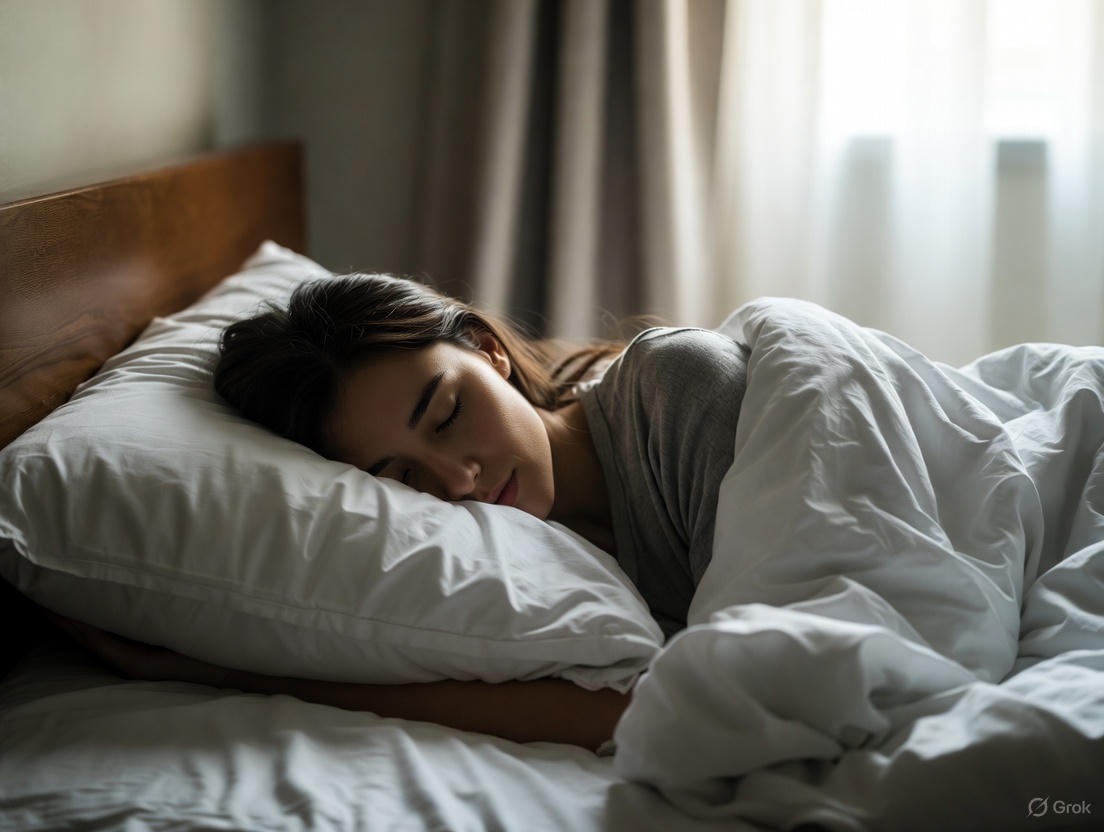
If homeostasis is the symphony of balance, then sleep is its non-negotiable intermission—the period when the orchestra retunes, repairs instruments, and rehearses for the next performance. Sleep is not a passive state of inactivity; it is an active, orchestrated, and essential homeostatic process for the brain and body. In fact, the very drive to sleep is governed by a homeostatic mechanism called Process S, which builds sleep pressure the longer you are awake and dissipates it during sleep.
During sleep, every pillar of balance undergoes critical maintenance:
1. Nervous System Recalibration & Memory Consolidation
Sleep, particularly deep (slow-wave) sleep, is the prime time for the parasympathetic nervous system to dominate, lowering heart rate, blood pressure, and cortisol levels. This is the deep restoration phase. Meanwhile, the brain is busy with "housekeeping": clearing metabolic waste via the glymphatic system (including beta-amyloid, associated with Alzheimer's disease) and consolidating memories, transforming short-term impressions into long-term knowledge. Poor sleep means a foggy brain and a nervous system stuck in sympathetic overdrive.
2. Endocrine System Replenishment
Sleep is a hormonal renaissance. Key events include:
3. Immune System Reinforcement
During sleep, your immune system releases proteins called cytokines, some of which are needed to fight infection or inflammation. Sleep deprivation decreases the production of these protective cytokines. This is why you're more likely to get sick when run down, and why rest is the best medicine. Sleep is immune homeostasis in action.
4. Metabolic & Cardiovascular Maintenance
Sleep is when your body shifts from glucose-burning to fat-burning for energy. It improves insulin sensitivity, helping to regulate blood sugar. Chronic short sleep is a major independent risk factor for type 2 diabetes and obesity. Furthermore, the nightly dip in blood pressure and heart rate gives your cardiovascular system a much-needed respite.
The Consequence of Sleep Debt
When you shortchange sleep, you don't just incur a debt of "feeling tired." You incur a homeostatic debt. The systems described above cannot complete their regulatory and repair work. This debt accumulates, forcing the body into a state of chronic compromise. You are asking it to perform its daily functions on a shaky, unstable foundation. The body's response is to enter a survival mode, prioritizing short-term energy availability and acute stress response over long-term repair and balance. This is why sleep is the first and most critical lever to pull in any wellness journey. As highlighted in our resource on what sleep trackers can teach you about your health, consistent tracking often reveals sleep as the root node connecting to nearly all other health metrics.
Understanding the multi-system impact of sleep makes it clear: prioritizing sleep isn't about being lazy; it's about being strategic. It’s the most efficient way to support all pillars of homeostasis simultaneously. In our next section, we'll explore another pillar deeply tied to both sleep and energy: the intricate dance of nutrition and how it fuels—or disrupts—your internal balance.
Food is far more than calories; it is information. Every bite you take sends instructions to your genes, hormones, immune system, and gut microbiota. Nutritional homeostasis, therefore, is about providing the right signals at the right times to support the body's equilibrium, rather than provoking constant regulatory fires that need to be put out.
Blood Sugar: The Master Metabolic Signal
The homeostasis of blood glucose is one of the body's most tightly regulated processes. When functioning well, insulin gently ushers glucose from your bloodstream into cells for energy. However, the modern diet of refined carbohydrates and sugars creates violent waves of glucose influx. This forces an exaggerated insulin response, which can lead to a subsequent crash (hypoglycemia), triggering stress hormones like cortisol and adrenaline to release stored glucose. This blood sugar rollercoaster is a primary driver of homeostatic chaos, causing energy spikes and crashes, mood swings, inflammation, and, over time, insulin resistance. Eating for blood sugar balance means prioritizing fiber-rich whole foods, healthy fats, and quality proteins that create a slow, steady release of glucose.
The Gut-Brain Axis: The Second Brain's Role
Your gastrointestinal tract is home to a vast ecosystem of bacteria—the microbiome—that plays a stunning role in overall homeostasis. This "gut-brain axis" is a two-way communication superhighway linking your enteric nervous system (the "second brain" in your gut) with your central nervous system. The microbiome:
An imbalanced microbiome (dysbiosis), caused by poor diet, antibiotics, or chronic stress, disrupts this communication, contributing to everything from anxiety to autoimmune conditions. Eating for gut homeostasis means consuming diverse, prebiotic fiber (to feed good bacteria) and probiotic foods (to introduce them), while minimizing processed foods that promote harmful bacteria.
Inflammation: The Silent Homeostatic Disruptor
Acute inflammation is a healthy immune response to injury or infection. Chronic, low-grade systemic inflammation is a state of constant homeostatic alarm. Pro-inflammatory foods—like refined sugars, industrial seed oils, and processed meats—activate the immune system repeatedly. Anti-inflammatory foods—like fatty fish, berries, leafy greens, nuts, and olive oil—provide compounds that help calm this response. Nutritional homeostasis requires shifting the balance toward the latter.
Hydration and Electrolytes: The Fluid Matrix
Every biochemical reaction in your body occurs in water. Homeostasis of fluid and electrolytes (sodium, potassium, magnesium, calcium) is critical for nerve conduction, muscle contraction, pH balance, and nutrient transport. Even mild dehydration forces the body into a stress state, increasing cortisol. Thirst is a late-stage signal; drinking water consistently throughout the day is a proactive homeostatic practice.
Practical Frameworks for Eating in Balance
Rather than chasing fad diets, consider these homeostatic principles:
What you eat directly influences the quality of your sleep, which in turn regulates the hormones that govern your hunger and cravings. It’s a closed loop. Poor sleep, as we know, disrupts leptin and ghrelin, making you crave the very foods that disrupt blood sugar balance. Breaking this cycle starts with awareness, and using tools to track how different foods and meal timing affect not just your digestion, but your sleep and next-day energy. For those looking to systematically improve this foundational area, a structured approach like the one outlined in the better sleep naturally your 12-week transformation plan can be invaluable, as it addresses the holistic lifestyle factors that influence both sleep and metabolic health.
Stress is not inherently bad. In homeostatic terms, it is a vital, adaptive response—a positive feedback loop designed for short-term survival. The problem arises when this acute survival mechanism becomes chronic, flipping the system from a state of balance to a state of sustained alarm. This primarily occurs through the dysregulation of the Hypothalamic-Pituitary-Adrenal (HPA) axis, the body's central stress response system.
The HPA Axis: The Stress Response Circuit
When your brain perceives a threat (be it a looming deadline, a financial worry, or a traffic jam), it initiates a precise cascade:
Cortisol's job is brilliant in the short term: it mobilizes glucose for immediate energy, sharpens focus, suppresses non-essential functions (like digestion and reproduction), and modulates inflammation. Once the threat passes, cortisol levels should fall, completing the negative feedback loop that tells the hypothalamus to stop the cascade.
Chronic Stress: The Broken Feedback Loop
Modern life is filled with persistent, non-life-threatening psychological stressors. Under these conditions, the HPA axis can become either:
Both states represent a severe loss of homeostatic flexibility. The body loses its ability to mount an appropriate cortisol response to actual challenges and then return to baseline.
The Allostatic Load: The Wear and Tear of Chronic Strain
The concept of allostatic load quantifies the cumulative cost of chronic stress on the body. It's the physiological "wear and tear" that results from the body repeatedly trying to regain homeostasis in the face of persistent challenges. High allostatic load is associated with elevated resting heart rate, blood pressure, inflammation, and a flattened cortisol rhythm. It is a direct predictor of chronic disease risk.
Managing Stress for Homeostatic Resilience
The goal is not to eliminate stress, but to improve your stress recovery—the speed and efficiency with which your nervous system returns to a calm, parasympathetic state after a stressor. This is where HRV becomes a critical biomarker. A high HRV indicates a resilient, flexible autonomic nervous system that can switch smoothly between stress and recovery. A low HRV suggests a system stuck in "fight-or-flight."
A smart ring that tracks HRV and resting heart rate provides an objective, real-time readout of your nervous system state and stress recovery capacity. It can show you how a stressful meeting affected your physiology for hours afterward, or how a meditation practice is gradually improving your baseline HRV. This biofeedback is transformative, moving stress management from a vague concept to a measurable skill. For those navigating particularly stressful life stages, understanding how to maintain balance is crucial, as discussed in better sleep naturally through seasons of life.
While the HPA axis manages the hormonal side of stress, the Autonomic Nervous System (ANS) is the electrical, real-time operator. Its balance is the most immediate reflection of your homeostatic state, and its primary biomarker—Heart Rate Variability (HRV)—is your window into this unseen world.
Beyond the Beat: What HRV Really Measures
Your heart does not beat with the metronomic regularity of a drum machine. The time interval between successive heartbeats fluctuates by milliseconds. This is Heart Rate Variability. Counterintuitively, a higher HRV is generally better. It indicates a strong, resilient heart that receives nuanced signals from both branches of the ANS. When you inhale, your heart rate increases slightly (SNS influence); when you exhale, it decreases (PNS influence). This creates variability. A high HRV means your body can adapt fluidly to demands, recovering quickly from stress. A low, rigid HRV suggests an ANS stuck in sympathetic overdrive, with less "breath" between the beats—a sign of chronic strain, fatigue, or illness.
HRV as Your Daily Homeostatic Report Card
Unlike a snapshot metric like blood pressure, HRV is dynamic and responsive. It is one of the most sensitive non-invasive measures of your overall system load. It will drop in response to:
By tracking your HRV trend over time—especially your nighttime HRV, which is less influenced by momentary events—you get an objective measure of your recovery status and homeostatic reserve. A consistently low or dropping trend is a clear signal to pull back, prioritize rest, and investigate lifestyle factors. A rising trend indicates improving resilience and effective recovery.
Resting Heart Rate (RHR): The Simpler Complement
Your Resting Heart Rate, measured upon waking, is a simpler but equally telling metric. A well-rested, fit, and balanced system will have a lower RHR (often in the 50s or 60s for adults). An elevated RHR, especially upon waking, is a classic sign of systemic stress, dehydration, illness, or insufficient recovery from training. Tracking RHR alongside HRV provides a more complete picture of ANS balance.
The Temperature Rhythm: Your Circadian Compass
Your core body temperature follows a predictable circadian wave, dipping to its lowest point in the early morning hours (around 4-5 AM) and peaking in the late afternoon. This rhythm is a master regulator, signaling to other systems when to be active and when to rest. A disrupted or flattened temperature rhythm is a hallmark of circadian misalignment, often seen in shift workers or those with highly irregular sleep schedules. Advanced wearables like smart rings can estimate this distal temperature trend, offering profound insight into the health of your master clock.
Together, HRV, RHR, and temperature rhythm form a trinity of autonomic and circadian biomarkers. They tell the story your conscious mind might miss: that you're fighting off a virus two days before symptoms appear; that your "productive" week is actually draining your reserves; that your new workout routine is effectively building resilience, or that it's pushing you toward overtraining. Learning to interpret this data is the cornerstone of biohacking for true homeostasis. To dive deeper into what these numbers mean, our sleep tracking metrics decoded what each number means guide is an essential resource.

Our bodies evolved for a world of physical activity, natural light-dark cycles, whole foods, and acute physical stressors followed by long periods of rest. The 21st-century environment presents a constant, low-grade assault on these ancient homeostatic systems. Recognizing these disruptors is the first step in designing a counter-strategy for balance.
Circadian Disruption: Living Against the Clock
The single greatest modern disruptor is likely artificial light at night, particularly the blue light emitted by screens. Light is the primary "zeitgeber" (time-giver) for your SCN. Blue light exposure after sunset tricks your brain into thinking it's still daytime, suppressing the release of melatonin, the sleep-onset hormone. This delays your circadian phase, making it harder to fall asleep and degrading sleep quality. The result is a form of permanent, low-grade jet lag. Compounding this are irregular sleep schedules, which prevent your body from establishing a stable rhythm. The health consequences are far-reaching, linking circadian disruption to metabolic disorders, mood issues, and cancer risk.
The Sedentary Trap: Movement Deficiency
Human physiology is built on the expectation of regular, low-to-moderate intensity movement throughout the day. Prolonged sitting creates a state of metabolic stillness: muscle glucose uptake plummets, lipoprotein lipase (an enzyme that helps process fats) drops, and circulation slows. This is the opposite of a homeostatic state; it's a state of physiological stagnation that promotes inflammation and insulin resistance. Exercise, while crucial, does not fully undo the damage of sitting all day. The body needs frequent, gentle movement to maintain circulatory, lymphatic, and metabolic homeostasis.
Digital Hyper-Connection and Cognitive Overload
The constant barrage of emails, messages, and notifications creates a state of continuous partial attention, which keeps the sympathetic nervous system on a low-level alert. This "always-on" culture prevents the deep focus and mental rest required for cognitive and nervous system recovery. The brain's default mode network (DMN), active during daydreaming and introspection—crucial for creativity and emotional processing—is never given downtime.
Dietary Evolution Mismatch
Our modern food environment is characterized by an abundance of ultra-processed, hyper-palatable foods engineered to override natural satiety signals. These foods are often high in refined sugars, inflammatory fats, and salt, while being low in fiber and phytonutrients. This combination disrupts blood sugar homeostasis, promotes gut dysbiosis, and drives systemic inflammation—all while providing suboptimal building blocks for cellular repair.
Environmental Toxins and Endocrine Disruptors
From plastics (BPA, phthalates) to pesticides and pollutants, we are exposed to a low-level cocktail of chemicals that can interfere with hormonal (endocrine) signaling. These endocrine disruptors can mimic or block natural hormones like estrogen or thyroid hormone, subtly throwing off delicate homeostatic feedback loops.
The Antidote: Conscious Design for Homeostasis
The goal isn't to retreat to a cave, but to become aware of these forces and intentionally design buffers:
Technology, which is often the disruptor, can also be part of the solution when used wisely. A smart ring isn't just a tracker; it's a biofeedback tool that reveals how these modern disruptors are affecting your core physiology. It can show you the direct impact of a late-night scrolling session on your sleep score and next-day HRV, making the abstract consequence tangible and motivating change. For a deeper look at how to use such data without getting overwhelmed, consider sleep tracking for beginners getting started without overwhelm.
For millennia, tuning into homeostasis was an art of subjective introspection—listening to fatigue, noticing hunger cues, sensing mood shifts. Today, we have the unprecedented ability to quantify these internal states through wearable technology. This isn't about becoming obsessed with data; it's about cultivating interoceptive awareness—an accurate sense of the internal self—with objective feedback. The right wearable, like a smart ring worn 24/7, provides a continuous stream of biomarkers that act as a direct dialogue with your homeostatic systems.
Why a Smart Ring? The Unique Advantage
While wrist-worn devices are common, a smart ring offers distinct advantages for homeostasis tracking:
Key Biomarkers and What They Tell You
A sophisticated wellness ring tracks a suite of interlinked metrics:
1. Heart Rate Variability (HRV): As discussed, your primary resilience score. Track the trend (e.g., a 7-day rolling average) rather than daily fluctuations. A rising trend is golden.
2. Resting Heart Rate (RHR): Your metabolic and stress barometer. Note your waking RHR. A sudden, unexplained increase of 5-10 bpm can indicate onset of illness, overtraining, or severe stress.
3. Sleep Staging & Quality:
4. Blood Oxygen Saturation (SpO2) Trends: While not a medical-grade spot check, tracking nocturnal SpO2 trends can reveal patterns of breathing disturbances during sleep, which are massive homeostatic stressors.
5. Body Temperature Trend: The 24-hour rhythm is key. A consistently shifted or flattened curve suggests circadian misalignment.
6. Respiratory Rate: Your breaths per minute during sleep. A elevated respiratory rate can be a subtle sign of physical stress, illness, or sleep disruption.
7. Activity & Recovery Balance: The ring tracks daily movement and caloric expenditure, but its true power is in correlating this output with recovery metrics (HRV, RHR). This creates a strain-recovery feedback loop, showing you when you're effectively challenging your system and when you need to pull back.
Moving from Data to Wisdom
Data alone is noise. The power lies in correlation and context. The journal feature in most apps is critical. Did your HRV plummet? Check your notes: Was it the two glasses of wine? The late work night? The intense workout? Over time, you move from guessing to knowing your personal homeostatic levers. You learn that for you, a workout after 8 PM hurts sleep, or that eating within 3 hours of bedtime fragments your deep sleep. This personalized feedback loop is the foundation of modern, precision wellness. To fully understand the potential and limits of this data, it's wise to explore sleep tracking accuracy what your device can and cant measure.
Collecting data is step one. The transformative step is learning to interpret the patterns and translate them into behaviors that actively support homeostasis. This turns a passive tracking device into an active coaching tool.
Establish Your Personal Baselines
Forget population averages. What's "normal" is what's normal for you. The first 2-4 weeks of consistent wear are about establishing your personal baseline ranges for HRV, RHR, sleep duration, etc. This baseline becomes your reference point for detecting meaningful deviations.
Look for Trends, Not Dailies
A single night of poor sleep or a low HRV score is not a crisis—it's feedback. The human body is dynamic. Obsessing over daily scores can create its own stress. Instead, focus on weekly and monthly trends. Is your HRV trending gently upward over the last month? That's a sign of improving resilience. Is your deep sleep percentage on a slow decline? That warrants investigation into potential causes.
The Art of Correlation: The "Why" Behind the "What"
When you see a significant deviation from your baseline, play detective. Use the app's journal or notes feature to tag potential influences. Common correlative investigations include:
The Strain vs. Recovery Dashboard
Advanced platforms will provide a readiness or recovery score that synthesizes HRV, RHR, sleep, and temperature data. This is your daily "green light, yellow light, red light" guide:
Creating Your Personal Homeostasis Playbook
Over months of observation, you will build your own playbook—a set of personalized, non-negotiable rules for maintaining balance. For example:
This process transforms wellness from a generic prescription ("get 8 hours of sleep") to a personalized protocol ("I need 7.5 hours with a sleep efficiency over 90% to maintain my HRV baseline, and here are the specific behaviors that make that happen"). It empowers you to be the expert on your own body. For a comprehensive walkthrough of this interpretation process, our complete guide to understanding your sleep tracking data is an excellent next step.
Armed with an understanding of the science and the data from your body, the final step is implementation. How do you build a daily life that proactively supports homeostasis, rather than constantly reacting to imbalance? It begins with small, consistent, foundational habits stacked together. These are the non-negotiable pillars of a resilient system.
1. The Circadian Anchor: Light and Timing
2. Sleep as a Sacred Practice
3. Movement as Rhythm, Not Punishment
4. Mindful Nourishment
5. Intentional Stress Recovery
The Power of the Feedback Loop
This is where your wearable data completes the circle. You implement a new habit—say, a consistent 10 PM bedtime. You then watch your sleep data: does your sleep latency decrease? Does your deep sleep increase? Does your morning HRV gradually rise over the next two weeks? This positive feedback is immensely motivating. It turns abstract health advice into a tangible, rewarding game of optimizing your own biology.
Building this foundation isn't about perfection; it's about progressive consistency and curious self-experimentation. It’s about becoming an active, informed steward of the most complex and elegant system you'll ever own: your own body in its quest for perfect, dynamic balance.
The pursuit of homeostasis is ancient. The tools for that pursuit have undergone a revolution. We've moved from introspection and guesswork to quantification and correlation. This merging of biological wisdom with digital intelligence—often called biohacking—represents a new frontier in personalized wellness. It's not about transcending human limits with silicon implants; it's about using technology as a high-fidelity mirror, reflecting back the truth of our physiology so we can make smarter, more supportive choices.
Biohacking, at its best, is applied homeostasis. It asks: "What levers can I pull, based on my unique data, to move my system toward greater balance and resilience?" This shifts wellness from a one-size-fits-all dogma to a personalized, iterative experiment of one.
From Wearable to Partner: The Evolving Role of the Smart Ring
The modern smart ring is the ideal platform for this partnership. Unlike a phone that lives in your pocket or a watch that can be obtrusive, the ring is a seamless, always-on companion. It collects data passively in the background, building a rich, continuous narrative of your life as seen through your physiology. Its evolution from a simple sleep tracker to a holistic autonomic nervous system (ANS) dashboard is what makes it transformative.
The most advanced devices now use multi-sensor fusion—combining photoplethysmography (PPG) for heart rate, an accelerometer for movement, a skin temperature sensor, and advanced algorithms—not just to report numbers, but to infer state. They can identify:
This is the essence of modern biohacking: using objective data to make subjective life management more intelligent.
Contextual Awareness: The Missing Link
The next leap in this technology is contextual awareness. The raw biomarker (e.g., low HRV) is a signal, but the context provides the meaning. Leading platforms now encourage or automatically integrate context through:
This creates a powerful learning loop. You see that a stressful work meeting spiked your heart rate for two hours. You learn that a late dinner pushed your temperature rhythm out of sync. This isn't surveillance; it's self-awareness amplification.
The Ethics of Deep Data: A Balanced Approach
With great data comes great responsibility—to yourself. The pitfall of biohacking is orthosomnia: an unhealthy preoccupation with perfect sleep or biomarker scores that ironically creates more anxiety and worse sleep. The data should serve you, not enslave you. The goal is to use the ring to build intuitive trust in your body, not to outsource that trust to an algorithm. Periodically, it can be healthy to take a day or two off from checking scores, to simply live in the feeling of your body, using the intuition you've honed through data literacy. For a balanced look at this, our article on is sleep tracking worth it honest pros and cons for 2025 delves into maximizing benefits while avoiding common pitfalls.
Technology is the bridge between understanding homeostasis intellectually and applying it practically in the chaos of daily life. It provides the feedback necessary to turn guesswork into grace—the grace of moving through your days in better harmony with your own biological rhythms.

Homeostasis is not a static endpoint achieved in your twenties and maintained forever. It is a dynamic equilibrium that must be recalibrated across the lifespan. The "set points" and regulatory priorities of your body evolve with age, hormonal changes, and life circumstances. A wellness strategy that worked at 25 may be ineffective or even counterproductive at 45. Recognizing these shifts and adapting your approach is the hallmark of sustainable, lifelong health.
The Hormonal Landscapes: Puberty, Reproduction, and Menopause
Hormones are master homeostatic regulators, and their major life transitions create new balance equations.
Aging and Metabolic Flexibility
As we age, our homeostatic capacity—our body's ability to respond to and recover from stressors—naturally declines. This is called homeostenosis. Systems become less resilient.
Life Stressors: Career, Caregiving, and Grief
Major life events are not just psychological; they are full-system physiological stressors.
The key takeaway is that your "wellness protocol" must be a living document. What constitutes balance for you at 30—maybe characterized by high-intensity exercise and social endurance—will look different at 50, where balance may be defined by deep sleep consistency, joint mobility, and emotional equilibrium. Your smart ring’s longitudinal data becomes an invaluable diary of these transitions, helping you navigate them with awareness rather than frustration. It shows you not just what’s wrong, but how you are changing, allowing you to meet your evolving self with appropriate support.
We’ve explored the brain’s hypothalamus and the adrenal glands as control centers. But there exists another vast, complex regulatory network that profoundly influences mood, immunity, metabolism, and even cognition: the gut-brain axis. This bidirectional communication superhighway links your central nervous system with your enteric nervous system (the "second brain" in your gut) and its trillions of microbial inhabitants, the microbiome. Understanding this axis is fundamental to a holistic view of homeostasis.
The Microbiome: A Microbial Organ of Balance
Your gut microbiota is not a passive collection of bacteria; it is a dynamic, metabolic organ that:
How the Gut Talks to the Brain
Signals travel along this axis via multiple pathways:
Dysbiosis: When Gut Homeostasis Fails
An imbalance in gut microbial communities—dysbiosis—is a major disruptor of systemic homeostasis. It is linked to:
Dysbiosis is fueled by the modern disruptors: diets low in fiber and high in processed foods, chronic stress, antibiotics, and environmental toxins.
Supporting Gut Homeostasis: Feeding Your Second Brain
You can't track your microbiome diversity with a smart ring (yet), but you can track its downstream effects on sleep, HRV, and energy. And you can support it with deliberate habits:
When you support your gut, you are not just aiding digestion. You are directly modulating your nervous system, immune function, and metabolic health. It’s a powerful reminder that homeostatic balance is a whole-body endeavor, and the gut is one of its most influential command centers. The improved sleep and stabilized mood that often result from gut-healing protocols are a testament to this deep connection. If sleep disturbances are a primary symptom for you, addressing gut health could be a key part of the puzzle, complementing the strategies in our guide on natural sleep foundation building blocks of great rest.
Our bodies strive for internal balance, but they do not operate in a vacuum. They are in constant dialogue with the external environment. Environmental homeostasis is the practice of shaping your immediate surroundings—your light, sound, temperature, and air—to send supportive, rather than disruptive, signals to your internal systems. It’s about creating a "homeostatic habitat."
Light: The Supreme Zeitgeber
We’ve touched on avoiding blue light at night, but optimizing light exposure is a 24-hour strategy.
Temperature: Beyond Comfort
Your body expends significant energy on thermoregulation. You can assist it.
Sound and Noise Pollution
Chronic exposure to low-level noise pollution (traffic, constant office hum) elevates cortisol and sympathetic nervous system activity, even if you’re not consciously aware of it.
Air Quality and Oxygenation
The air you breathe directly impacts cellular energy production and inflammation.
The Digital Environment: Information Hygiene
Your sensory environment isn't just physical; it's digital. The constant stream of information is a cognitive load.
By intentionally designing these environmental factors, you reduce the constant low-grade stress on your homeostatic systems. You free up energy and resilience for the things you can't control. Your wearable data often reflects this: you may see your sleep score improve after blackout curtains are installed, or your daytime HRV become more stable after decluttering your digital workspace. It's a powerful form of indirect self-care. For those whose sleep is easily fragmented by environmental noise, the techniques in natural sleep maintenance staying asleep all night long become even more critical.
Human beings are inherently social creatures. Our relationships and emotional lives are not separate from our biology; they are powerful modulators of it. Social homeostasis refers to the need to maintain optimal, stable connections with others, while emotional homeostasis is the process of regulating our internal emotional state. When these are out of balance, the physiological consequences are measurable and profound.
Loneliness and Connection: A Biological Imperative
Chronic loneliness and social isolation are not just feelings; they are states of physiological stress recognized as significant health risks, comparable to smoking or obesity. They are associated with:
Conversely, positive social connection releases oxytocin, which dampens the stress response, lowers blood pressure, and promotes feelings of trust and bonding. It is a potent homeostatic buffer.
The Quality of Your "Tribe"
It’s not about the number of connections, but their quality. Toxic or high-conflict relationships can be more stressful than loneliness. Homeostasis in this realm involves:
Emotional Regulation: The Skill of Balance
Emotions are energy in motion. Emotional homeostasis isn't about suppressing feelings, but about processing and regulating them effectively so they don't become chronic physiological states.
The Data of Connection
While a smart ring can't measure your friendship quality, it can quantify the physiological impact of your social and emotional world.
This data underscores that taking care of your relationships and emotional health is not a luxury or mere psychology; it is core metabolic maintenance. Investing in connection and developing emotional regulation skills are direct investments in your physiological homeostasis. In times of relational stress or grief, the need for foundational restorative practices is amplified, making resources on building a natural sleep foundation building blocks of great rest especially relevant for preserving core resilience.
Theory and data are essential, but integration is where transformation happens. Let’s walk through a hypothetical week for "Alex," who uses the principles of homeostasis and data from a smart ring to guide daily choices. This isn't a rigid prescription, but an illustration of how awareness and feedback can shape a fluid, responsive lifestyle.
Alex's Baseline Profile: 38-year-old, knowledge worker, tends toward night owl, fitness enthusiast.
Primary Wearable Metrics Monitored: Nightly HRV, RHR, Sleep Score (duration, efficiency, deep/REM), Readiness Score.
Sunday (Recovery & Planning Day)
Monday (High Readiness - "Green" Day)
Tuesday (Moderate Readiness - "Yellow" Day)
Wednesday (Stressor Day - "Yellow/Red" Boundary)
Thursday (Recovery from Stress - Data Informed)
Friday (Rebound & Social)
Saturday (Flexible Recovery)
The Takeaway:
Alex’s week isn't perfect. It involves compromise, stress, and late nights. The difference is awareness and responsive adjustment. The wearable data provides an objective, non-judgmental feedback loop that replaces guilt with information. It turns "I'm tired" into "My nervous system needs recovery," which leads to actionable steps instead of just pushing through. This is the ultimate promise of understanding homeostasis: not a life of rigid control, but a life of intelligent, compassionate conversation with the body you inhabit. For someone starting this journey, beginning with sleep as the anchor is often most effective, as outlined in sleep tracking for beginners getting started without overwhelm.
We have journeyed from the cellular machinery of feedback loops to the practical, data-informed rhythms of a modern life. This first portion of our exploration has laid the essential groundwork: Homeostasis is the unifying principle of health. It is the silent, intelligent process that governs everything from your morning alertness to your resilience in the face of challenge.
We've seen that this balance is maintained by interconnected pillars—the nervous, endocrine, immune, and circadian systems—each vulnerable to the unique disruptors of contemporary life. More importantly, we've discovered that we are no longer blind to these internal rhythms. Technology, embodied in devices like the smart ring, has given us a lantern to see into the dark corners of our own physiology. We can now track the whispers of our autonomic nervous system through HRV, the steadfast beat of our metabolism through RHR, and the grand dance of our daily cycle through temperature trends.
This knowledge is emancipating. It moves us from being passive passengers in our bodies to becoming active stewards. We shift from generic health advice to personalized protocols. We learn that a glass of wine isn't "good" or "bad"; it's a input that reliably lowers HRV and fragments sleep for us. We learn that an 8 AM workout might be energizing, while a 8 PM workout is disruptive. We build, through curious self-experimentation, our own Homeostatic Playbook.
The journey doesn't end here. With this foundation of understanding and these tools of awareness, we are now prepared to delve deeper. In the next portion of this guide, we will explore the advanced applications of this knowledge:
The path to true wellness is not a straight line to a fixed destination. It is a continuous, dynamic process of adjustment and learning—a homeostatic process in itself. You have now acquired the map and the compass. The territory ahead is your own life, waiting to be lived with greater harmony, vitality, and intelligence. Continue to listen, learn, and adjust. The balance you seek is not a distant goal, but a practice, informed by the timeless wisdom of your body and the clarifying light of modern insight.
Your Trusted Sleep Advocate: Sleep Foundation — https://www.sleepfoundation.org
Discover a digital archive of scholarly articles: NIH — https://www.ncbi.nlm.nih.gov/
39 million citations for biomedical literature :PubMed — https://pubmed.ncbi.nlm.nih.gov/
Experts at Harvard Health Publishing covering a variety of health topics — https://www.health.harvard.edu/blog/
Every life deserves world class care :Cleveland Clinic - https://my.clevelandclinic.org/health
Wearable technology and the future of predictive health monitoring :MIT Technology Review — https://www.technologyreview.com/
Dedicated to the well-being of all people and guided by science :World Health Organization — https://www.who.int/news-room/
Psychological science and knowledge to benefit society and improve lives. :APA — https://www.apa.org/monitor/
Cutting-edge insights on human longevity and peak performance:
Lifespan Research — https://www.lifespan.io/
Global authority on exercise physiology, sports performance, and human recovery:
American College of Sports Medicine — https://www.acsm.org/
Neuroscience-driven guidance for better focus, sleep, and mental clarity:
Stanford Human Performance Lab — https://humanperformance.stanford.edu/
Evidence-based psychology and mind–body wellness resources:
Mayo Clinic — https://www.mayoclinic.org/healthy-lifestyle/
Data-backed research on emotional wellbeing, stress biology, and resilience:
American Institute of Stress — https://www.stress.org/


