


The Complete Beginner-Friendly Guide to Evening Aromatherapy and Ring Data
Using aromatherapy in the evening affects sleep and recovery, trackable with your ring.
Using aromatherapy in the evening affects sleep and recovery, trackable with your ring.
%402x.svg)
In the quiet hours of the evening, as the world’s demands finally recede, you have a profound opportunity. This is the time to turn inward, to shift from doing to being, and to consciously shape the final hours of your day into a launchpad for restoration. Yet, for many, this transition is anything but smooth. The mental chatter of the day persists, physical tension holds on, and the promise of deep sleep feels just out of reach. What if you had a personalized, data-informed ritual to bridge this gap? A practice that not only feels deeply soothing but also provides tangible feedback on its effectiveness for your unique biology?
Welcome to the modern fusion of ancient wisdom and cutting-edge technology: Evening Aromatherapy paired with the insightful data from a smart wellness ring. This is not just about lighting a candle or wearing a gadget. It’s about creating a synergistic dialogue between your nervous system’s innate need for calm and the objective metrics that reveal how your body truly responds. For the beginner, this might seem like a complex dance between essential oils and heart rate variability graphs. But fear not. This guide is designed to demystify both worlds, showing you how to craft a simple, powerful evening practice that leverages scent to guide your body into rest, while using the quantifiable data from a smart ring to refine and perfect that practice over time.
Imagine knowing not just that lavender should be relaxing, but seeing on your dashboard that your resting heart rate drops 5 beats per minute and your sleep latency decreases by 15 minutes on the nights you use a specific blend. Consider the empowerment of moving beyond guesswork, understanding how your unique physiology reacts to bergamot versus sandalwood. This is the future of personalized wellness—a closed-loop system where your intentional actions (aromatherapy) create measurable outcomes (ring data), which in turn inform and optimize your future actions.
This guide will walk you through every step. We’ll start by establishing a foundational understanding of your evening biology and the core principles of aromatherapy. We’ll then dive deep into the world of smart ring data, teaching you how to interpret the key metrics that matter for relaxation and sleep. From there, we’ll build your custom aromatherapy toolkit and design a seamless pre-sleep ritual. Finally, we’ll master the art of correlating your scent practice with your biometric data, troubleshooting common issues, and building a long-term, evolving practice that grows with you. This is the beginning of a journey toward truly intelligent rest.
Before you select a single essential oil or glance at your sleep readiness score, it’s crucial to understand the physiological shift you are trying to encourage. Your body doesn’t have an “off” switch; it has a elaborate, hormone-driven process for winding down, known as the circadian rhythm. This internal 24-hour clock is governed by a master pacemaker in your brain called the suprachiasmatic nucleus (SCN), which responds primarily to light cues.
As daylight fades, your SCN signals the pineal gland to begin secreting melatonin, the “hormone of darkness.” Melatonin’s job is to gently lower your core body temperature, reduce alertness, and promote feelings of sleepiness. Simultaneously, the production of cortisol, your primary stress and alertness hormone, should be reaching its daily nadir. This seesaw—melatonin rising, cortisol falling—is the golden ticket to restorative rest. However, modern life is brilliantly designed to sabotage this natural process. The blue light from screens mimics midday sun, tricking your SCN into suppressing melatonin. Lingering work stress or evening anxiety can keep cortisol elevated. The result? You’re physically exhausted but mentally wired—a state often called “tired but wired.”
Your autonomic nervous system (ANS) is the other key player in this evening transition. The ANS has two main branches: the sympathetic (“fight-or-flight”) and the parasympathetic (“rest-and-digest”). A healthy evening wind-down involves a deliberate shift from sympathetic dominance—the state you’ve likely been in all day managing tasks and stress—to parasympathetic dominance. This shift is measurable. One of the most sensitive indicators is Heart Rate Variability (HRV). Contrary to what you might think, a healthy heart does not beat with the monotonous regularity of a metronome. The tiny, millisecond variations in time between each heartbeat are a sign of your heart’s responsiveness to your nervous system. High HRV indicates strong parasympathetic activity and good resilience, meaning your body can smoothly transition into recovery mode. Low HRV suggests your sympathetic nervous system is still holding the reins, leaving you in a state of physiological stress even as you try to relax.
This biological backdrop is why your evening ritual is so critical. You are not just “relaxing”; you are actively engineering a biochemical and neurological environment conducive to recovery. You are supporting the natural rise of melatonin, encouraging the decline of cortisol, and facilitating the vital shift toward parasympathetic nervous system dominance. Understanding this goal transforms your ritual from a vague “self-care” activity into a targeted biological intervention. As we explore later, your smart ring provides a direct window into this process, tracking HRV, resting heart rate (RHR), and sleep stages to show you how successfully you’re making this transition. For a deeper dive into how your baseline state functions, you can explore our article on understanding your emotional set point, which is closely tied to these physiological rhythms.
With your evening biology in mind, let’s explore one of the most elegant tools for influencing it: your sense of smell. Aromatherapy is the therapeutic use of volatile plant essences, known as essential oils, to support physical, emotional, and mental well-being. Unlike other senses, smell has a direct, unfiltered pathway to your brain’s emotional and memory centers. When you inhale a scent, odor molecules travel up the nostrils to the olfactory epithelium, where they bind to receptors. These receptors send signals directly to the olfactory bulb, which has intimate connections to two powerful brain regions: the amygdala (the seat of emotion and emotional memory) and the hippocampus (key for memory formation). This is why a scent can instantly evoke a powerful memory or shift your mood before you’ve even had time to consciously process it.
This direct pathway also influences the hypothalamus, a master gland that acts as a command center for your nervous and endocrine systems. The hypothalamus helps regulate stress responses, body temperature, hunger, thirst, and—crucially—sleep-wake cycles. By sending specific signals via scent, we can gently nudge the hypothalamus and, by extension, the entire autonomic nervous system, toward a desired state. For evening purposes, we are primarily interested in oils that are sedative, calming, anxiolytic (anxiety-reducing), and grounding.
Essential oils are complex chemical cocktails. Their effects are derived from these constituent compounds. For example:
It’s important to approach aromatherapy with both respect and realistic expectations. Essential oils are potent plant medicines, not just pleasant fragrances. They should be used with care, properly diluted for topical use, and chosen for their proven therapeutic actions. For the beginner, the goal is to start simple, with a small selection of high-quality, well-respected calming oils, and to learn how your unique system responds to them. This is where the marriage with smart ring data becomes revolutionary—it moves you from believing in the potential benefits to knowing your personal, measurable response. This practice of mindful, data-informed self-regulation is a cornerstone of developing greater emotional balance without numbing your feelings.
If aromatherapy is the gentle language you use to speak to your nervous system, a smart wellness ring is its translator, providing clear feedback on what it “heard” and how it responded. Worn on your finger, these sleek devices house miniature sensors that track a wealth of biometric data throughout the night, offering an objective look at your body’s restoration process. For your evening ritual, three core metrics are paramount: Heart Rate Variability (HRV), Resting Heart Rate (RHR), and Sleep Stages.
We’ve touched on HRV as the gold standard for measuring autonomic nervous system balance. In the context of your evening ritual, you’ll want to observe your nightly average HRV and, more importantly, its trend over time. A successful wind-down ritual should, over weeks, contribute to a gradual increase in your average nightly HRV, indicating improved resilience and parasympathetic tone. A sudden dip can be a flag that your ritual wasn’t effective, you’re under recovery from illness, or external stress is taking a toll.
Resting Heart Rate (RHR) is the number of times your heart beats per minute while you are fully at rest. A lower RHR generally indicates better cardiovascular fitness and efficient autonomic function. During deep sleep, your RHR should reach its lowest point of the 24-hour cycle. Monitoring your sleeping RHR and the time it takes to drop after you begin your ritual can show how quickly your body is transitioning into recovery mode. If your RHR remains elevated at bedtime or throughout the night, it’s a clear signal your sympathetic nervous system is still active.
Sleep Staging (Light, Deep, REM, Awake) is derived from analyzing movement, heart rate, and sometimes temperature patterns. For recovery, Deep Sleep (Slow-Wave Sleep) is critical. This is when tissue repair, muscle growth, immune strengthening, and cellular detoxification occur. Your ritual should aim to increase the percentage and quality of your deep sleep. Sleep Latency—the time it takes you to fall asleep—is another key data point. An effective aromatherapy practice should help reduce this latency.
Finally, many rings generate a composite Sleep Score or Readiness Score. These scores synthesize the raw data (HRV, RHR, sleep duration/quality, temperature) into a single, easy-to-digest number. While it’s essential to look at the underlying metrics, this score serves as an excellent daily indicator of how well your body recovered. The ultimate goal of combining aromatherapy with ring data is to see a positive correlation: on nights you perform your ritual, your sleep latency decreases, deep sleep increases, HRV improves, and your morning readiness score is higher. This feedback loop turns abstract wellness into a tangible, personalized science. Understanding this data is a powerful step in the long-term project of building emotional stability and equilibrium.
Armed with the knowledge of why and how to measure, it’s time to assemble your practical toolkit. Starting with a minimal, high-quality collection is better than being overwhelmed by dozens of bottles. Here is a beginner-friendly selection of essential oils renowned for their evening-supportive properties:
Methods of Application for Evening Use:
Start by experimenting with single oils to learn their individual personalities. Then, you can begin simple blending. A classic beginner’s bedtime blend could be 2 drops Lavender, 1 drop Cedarwood, and 1 drop Bergamot in your diffuser. Notice not just how it smells, but how you feel. Does it ease the tension in your shoulders? Quiet the mental list-making? This mindful observation is the first layer of data—your subjective experience—which you will now pair with objective data from your ring. This process of conscious experimentation and self-observation is a form of mindfulness practice that develops emotional balance over time.
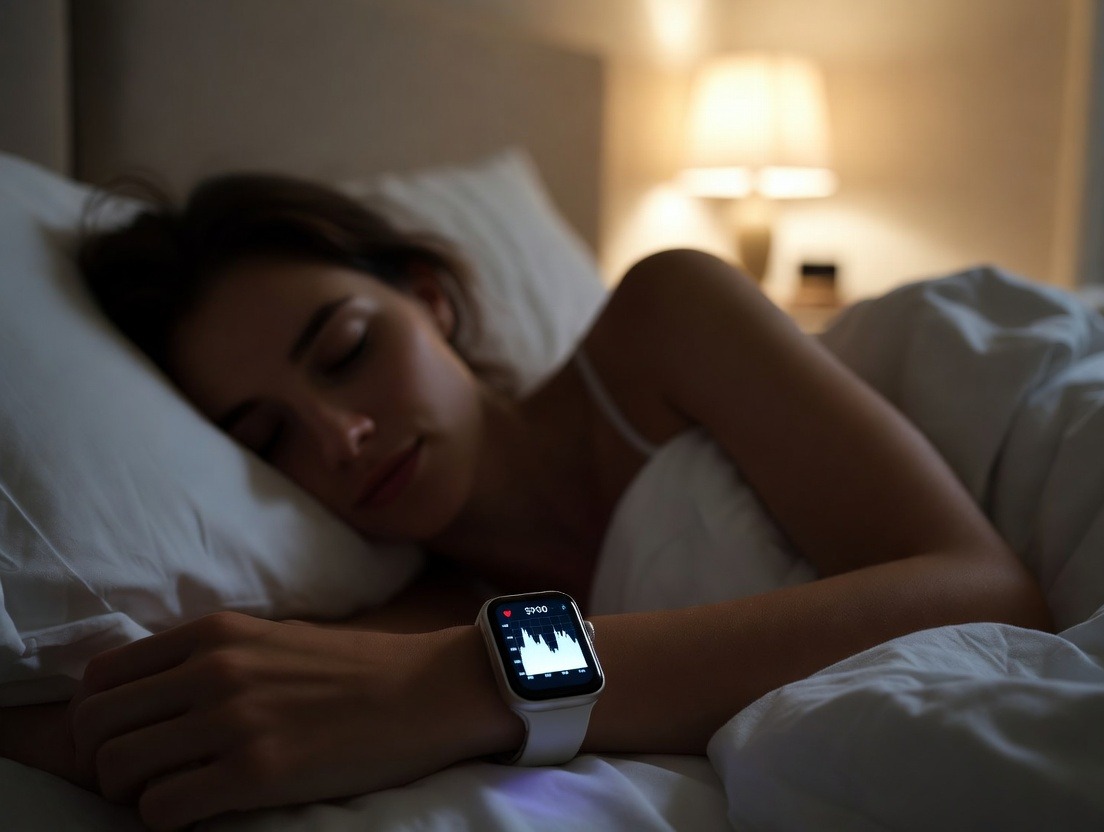
A ritual is more than a series of actions; it’s a consistent, intentional container that signals to your mind and body that the day is over. It creates a conditioned response, training your system to begin the wind-down process as soon as you initiate the first step. Here is a flexible, 60-minute framework you can adapt. The key is consistency—performing it at roughly the same time each evening.
Minutes 60-30 Before Bed: The Digital Sunset & Environment Prep.
Minutes 30-10 Before Bed: The Mind-Body Connection.
Minutes 10-0 Before Bed: The Final Descent.
This ritual isn’t about perfection. Some nights you’ll only manage 20 minutes. That’s okay. The framework is a guide, not a law. The consistent elements—dim light, calming scent, and a deliberate shift in activity—are what build the neuro-association over time. For those in relationships, this ritual can be adapted to be a shared practice, fostering connection and synchronized relaxation, which supports emotional balance in romantic relationships.
This is where your practice transforms from an art into a personal science. After a week of consistent ritual, you begin the detective work. Open your smart ring’s companion app each morning and don’t just glance at your sleep score. Practice active observation.
Key correlations to look for:
This analytical approach empowers you to become the expert on your own nervous system. You’ll learn, for example, that a certain blend works brilliantly for Sunday night anxiety about the week ahead, while a different, simpler scent is perfect for midweek recovery. This practice of self-inquiry and data analysis is a profound way to conduct an emotional audit and assess your current balance level.
Even with the best-laid rituals, you will encounter nights where the data tells a confusing or disappointing story. This is not failure; it’s invaluable feedback. Here’s how to troubleshoot common scenarios using your ring data as a guide.
Scenario 1: High Resting Heart Rate at Bedtime & Throughout the Night.
Scenario 2: Falling Asleep Quickly, But Low Deep Sleep and Frequent Awakenings.
Scenario 3: Consistently Low or Dropping HRV Trend.
Scenario 4: The Data Shows No Obvious Correlation.
By learning to troubleshoot, you move from a passive user of wellness tools to an active participant in your own well-being. This skill is especially crucial during life’s inevitable upheavals, such as hormonal transitions like menopause or andropause, where your baseline physiology is in flux.
While aromatherapy is your primary olfactory tool, your other senses also play a critical role in the wind-down process. Optimizing your entire sensory environment creates a cocoon of cues that reinforce the message of safety and rest.
Sight (Light): We’ve mentioned dim lights. Take it further. Use red or amber nightlights in hallways and bathrooms if you need to get up. Red light has the least impact on melatonin production. Consider blackout curtains or a high-quality sleep mask to eliminate artificial light pollution, which can fragment sleep even with your eyes closed.
Sound: Silence can be unsettling for some, while street noise can be disruptive. Sound masking is a powerful tool. A white noise machine, a fan, or a dedicated app playing nature sounds (steady rain, ocean waves) or brown/pink noise can drown out jarring interruptions and provide a consistent auditory blanket. The rhythmic, predictable pattern of these sounds is inherently calming to the brain.
Touch (Texture and Temperature): Your tactile environment is key. Invest in the most comfortable bedding you can afford. Natural fibers like cotton, linen, or bamboo are often recommended for breathability. Temperature is a primary driver of sleep onset. Your core body temperature needs to drop by about 1-2 degrees Fahrenheit to initiate sleep. A cool room (around 65-68°F or 18-20°C) is ideal. A warm bath 1-2 hours before bed is effective because it raises your core temperature slightly, leading to a more pronounced drop when you get out, signaling sleep readiness.
Taste: Be mindful of your last consumption. Caffeine has a half-life of 5-6 hours, so a 3 p.m. coffee can still be affecting you at 9 p.m. Heavy, rich, or spicy meals close to bedtime demand digestive effort, raising core temperature and potentially causing discomfort. A small, sleep-supportive snack like a banana, a handful of almonds, or tart cherry juice about 60 minutes before bed can be beneficial for some, providing tryptophan or natural melatonin precursors.
When you combine intentional scent with a curated environment for your other senses, you create a holistic, multi-sensory sanctuary. This comprehensive approach ensures you’re not fighting against environmental stressors but are instead supported by every element of your surroundings. This level of environmental control is a practical application of the time-out method for strategic emotional disengagement, creating a physical and temporal space for recovery.
The most perfectly designed ritual is useless if it’s not performed. The neuroscience of habit formation is clear: consistency wires new neural pathways, turning effortful actions into automatic behaviors. Your goal is to make your evening ritual as non-negotiable as brushing your teeth.
1. Start Extremely Small (The Two-Minute Rule).
If a 60-minute ritual feels daunting, don’t start there. Begin with a “micro-ritual” so easy you can’t say no. For the first week, your only goal is: “At 9:30 p.m., I will turn on my diffuser with one drop of lavender and sit quietly for two minutes.” That’s it. The next week, add two minutes of applying oil to your wrists. By starting small, you build momentum and avoid the resistance that comes with overwhelming change.
2. Stack Your Habit.
Habit stacking, coined by James Clear, involves anchoring a new habit to an existing one. The formula is: “After/Before [CURRENT HABIT], I will [NEW HABIT].”
3. Track for Motivation, Not Perfection.
Use a simple habit tracker in your journal or app. The visual satisfaction of marking off a successful day builds momentum. Remember, you are tracking completion of the ritual, not the “perfect” sleep score. The action is the win. The data is the bonus insight.
4. Design for Frictionlessness.
Make your toolkit obvious and easy to use. Keep your diffuser on your nightstand with the oil bottle next to it. Have your pre-diluted rollerball in a drawer that’s easily opened. The fewer steps between intention and action, the more likely you are to do it.
5. Practice Self-Compassion and the “Never Miss Twice” Rule.
You will miss a night. Life happens. The key to long-term sustainability is to break the chain of failure at one link. The rule is simple: never miss two days in a row. If you skip Tuesday, Wednesday is non-negotiable. This prevents a single off-day from spiraling into abandonment of the practice altogether.
Building this consistent evening anchor does more than improve sleep; it builds self-trust and a sense of agency over your well-being. It becomes a foundational practice that supports all other areas of life, contributing to greater emotional balance and work performance by ensuring you are truly recovered each morning.
Once you are comfortable with single oils and have gathered data on your responses, the creative and scientific fun begins: crafting your own personalized blends. Blending allows you to combine the properties of multiple oils to create a synergistic effect greater than the sum of its parts. Think of it like composing music—you have individual notes (oils) that, when played together, create a unique chord (the blend) that resonates with your specific needs.
The Blending Philosophy: Top, Middle, and Base Notes.
This concept from perfumery is useful for creating balanced, well-rounded blends that evolve over time.
A balanced blend might include a ratio like 1 part Top : 2 parts Middle : 2 parts Base. For a 5-drop diffuser blend: 1 drop Bergamot (Top), 2 drops Lavender (Middle), 2 drops Cedarwood (Base).
Thematic Blending for Specific Needs:
Based on your troubleshooting and data, you can create targeted “formulas.”
The Experimentation Protocol:
This advanced practice is deeply empowering. It turns you from a consumer of wellness into a formulator of your own well-being, guided by the unerring feedback of your own body. It’s a beautiful integration of creativity and science, and a powerful way to develop emotional balance through intentional practice over time.
The true power of merging evening aromatherapy with biometric tracking lies not in daily fluctuations, but in the long-term narrative it reveals about your nervous system's resilience and your ritual's efficacy. After the first month of consistent practice, step back from the daily graphs and begin analyzing the trends. This macro-view transforms data from points on a line into a story of transformation.
Identifying Meaningful Trends:
Look for directional shifts over 30, 60, and 90-day periods. Use your ring’s trend analysis features or export data to a simple spreadsheet. Key long-term indicators include:
The "Before and After" Snapshot:
Create a quarterly report for yourself. Compare your first week’s averages to your most recent week’s averages across these core metrics. This tangible evidence of progress is a powerful motivator. You might write: "In Q1, my average sleep latency was 22 minutes with an HRV of 38ms. In Q2, after implementing my cedarwood-lavender ritual, latency averages 14 minutes and HRV averages 45ms."
Subjectively Mapping Your Journey:
Pair this data with a quarterly journal reflection. Ask yourself:
This longitudinal analysis moves you beyond "did this work last night?" to "is this practice making me more resilient over time?" It provides irrefutable, personal evidence that your intentional actions are sculpting your biology. This practice of reflective tracking is a form of using journaling for emotional balance and regulation, adding a qualitative layer to your quantitative data.
Your evening aromatherapy ritual is a potent cornerstone, but it reaches its full potential when integrated into a broader ecosystem of evening wellness practices. Think of it as the central note in a harmony, made richer by complementary instruments.
Pairing with Gentle Movement:
As mentioned, gentle yoga or stretching is ideal. The synergy here is potent: physical movement releases muscular tension stored from the day, while inhaled essential oils work on the nervous system. Focus on poses that promote a sense of safety and inward focus: Balasana (Child’s Pose), Supta Baddha Konasana (Reclining Bound Angle), or legs-up-the-wall. Apply your topical oil blend after your gentle movement, as warmed skin may increase absorption slightly and the act of massage furthers relaxation.
Synergy with Meditation and Breathwork:
This is perhaps the most powerful combination. Use your aromatherapy to create the container, then use breathwork to dive deep into it.
The Role of Herbal Teas:
Incorporate nervine herbal teas into the first phase of your ritual. Sipping a warm cup of chamomile, lemon balm, passionflower, or valerian root tea provides gentle phytochemical support for relaxation. The warmth itself is soothing, and the ritual of preparing tea is a mindful act. The internal action of the herbs complements the external/external action of the inhaled essential oils, creating a multi-pathway approach to calm.
Digital Wind-Down Integration:
Your ritual is the antidote to digital overstimulation. Make it a strict rule: the ritual begins the moment you enact a "digital sunset." Use app blockers to shut down social media and email. If you listen to something, make it an audiobook, calming music, or a guided meditation on a dedicated device—not your smartphone, which is a portal to stress. The scent becomes the anchor that pulls you back from the urge to "just check one more thing."
This holistic integration ensures you are addressing relaxation from multiple angles: physiological (movement, breath), neurological (scent, meditation), and behavioral (digital boundaries). It builds a robust, fail-safe wind-down routine where if one element is skipped, the others hold the structure. This comprehensive self-regulation strategy is key to managing complex situations, such as how to support emotional balance in loved ones with mental illness, by first solidifying your own practices.
As you deepen your practice, respecting the power of the tools you’re using is paramount. Essential oils are concentrated plant compounds, and smart rings are sensitive electronic devices that collect personal health data. Navigating this space with knowledge ensures a safe, effective, and ethical practice.
Essential Oil Safety:
Selecting High-Quality Essential Oils:
The market is saturated with adulterated and synthetic oils. For therapeutic use, quality is critical.
Smart Ring Data Privacy and Security:
Your biometric data is deeply personal. When choosing and using a ring:
Using both tools responsibly reflects a mature approach to wellness—one that honors the potency of nature, the power of technology, and the sanctity of your personal health information. This mindful, informed approach is a critical component of developing emotional balance through deliberate, conscious choices.
The insights you gain from your evening practice are not confined to the night. The knowledge of how specific scents affect your nervous system, validated by data, becomes a portable toolkit for managing daytime energy, focus, and emotional states.
The Strategic Morning Reset:
If your evening data shows that a particular oil (like bergamot) consistently correlates with lower waking cortisol or a better mood upon rising, introduce it into your morning. Diffuse an uplifting, non-sedative blend while you get ready. A citrus-forward blend with rosemary can promote alertness and positive mood, setting a different tone than caffeine alone.
The Afternoon Transition Scent:
The ubiquitous 3 p.m. slump is often a combination of circadian dip and mental fatigue. Instead of reaching for sugar or another coffee, use a scent to signal a shift. Peppermint or a bright citrus like lemon or wild orange inhaled from a personal inhaler can provide a clean, alerting reset without affecting sleep later. Your evening data will confirm if this brief intervention causes any disruption—likely it won't, especially if used 6+ hours before bed.
Managing Acute Stress and Emotional Peaks:
This is where your practice becomes truly dynamic. You’ve learned that vetiver grounds you. When you feel an emotional spike during the day—anxiety before a presentation, irritation in traffic, overwhelm from a inbox—your personalized "rescue scent" is ready. Keep a personal inhaler with your grounding blend in your bag. A few deep inhales provide a non-pharmaceutical, immediate cue to your amygdala and hypothalamus, helping to down-regulate the stress response in real-time. This is a practical application of the principles behind recovering emotional balance after emotional outbursts.
Creating Focused Work Environments:
Data may show you that certain oils (like frankincense or certain woods) help quiet mental chatter at night. Leverage this for deep work sessions. Diffusing a small amount in your home office can create a conditioned environment of focused calm. Rosemary and sage essential oils have research linking them to improved cognitive performance and memory recall.
By extending the principles of your evening practice into the day, you create a continuous loop of self-awareness and regulation. You move from having a "sleep ritual" to cultivating "olfactory intelligence"—the ability to use scent with intention to modulate your state throughout the 24-hour cycle, all informed by the objective feedback of how your body responds. This skill is invaluable for maintaining emotional balance and work performance, allowing you to navigate professional demands with greater resilience.
As the popularity of both aromatherapy and biometric wearables has exploded, so have misconceptions. Let's clarify the record to ensure your practice is built on a foundation of facts, not folklore.
Myth 1: "More oil equals a stronger effect."
Reality: In aromatherapy, less is often more. Essential oils are potent. Excessive use can lead to olfactory fatigue (your nose stops registering the scent), headaches, and even paradoxical effects (e.g., lavender becoming stimulating in high doses). The therapeutic window is achieved with modest, consistent doses. Your ring data can prove this: try a night with one drop in the diffuser versus five, and see if your deep sleep or HRV shows a linear improvement. It likely won't.
Myth 2: "My smart ring tells me exactly how much deep sleep I got."
Reality: Consumer-grade wearables, including the most advanced rings, provide estimates of sleep stages based on movement and heart rate patterns. They are highly accurate at differentiating sleep from wake and are very good at tracking trends over time, but they are not medical-grade polysomnography (PSG). The absolute number of minutes of REM or deep sleep should be viewed as a close approximation. The trend—whether that number is going up or down over weeks—is the most valuable and reliable data point.
Myth 3: "If my readiness score is low, I had a bad night and my ritual failed."
Reality: A low score is not a failure; it's crucial information. It could mean your ritual was even more necessary than usual. Perhaps it prevented the score from being even lower. These scores are influenced by factors far beyond your control in the evening: intense exercise the day before, an immune response to a pathogen, hormonal shifts, or significant life stress. The score is a measure of your body's need for recovery, not a grade on your evening performance. Use it to be gentler with yourself, not more judgmental.
Myth 4: "All lavender is created equal."
Reality: The species, chemotype, and growing conditions matter immensely. Lavandula angustifolia (true lavender) is known for its calming properties. Lavandula latifolia (spike lavender) is higher in camphor and can be more stimulating. Adulterated lavender oil may have synthetic linalool added, which lacks the full spectrum of therapeutic compounds. This is why sourcing from reputable suppliers who provide botanical names is critical for predictable results.
Myth 5: "You need to change oils frequently or your body gets used to them."
Reality: While olfactory fatigue is real (your nose stops noticing a constant scent), there's no strong evidence that your nervous system develops a "tolerance" to the therapeutic effects of a correctly used essential oil in the way it might to a drug. However, rotating blends can keep your ritual fresh and engaging for your mind, and it allows you to target different needs as they arise. Let your data guide you: if a blend stops correlating with good results, it might be time to explore a change, not because of tolerance, but because your needs have shifted.
Dispelling these myths fosters a more rational, effective, and forgiving practice. It aligns your expectations with reality, allowing you to engage with both technologies as informed partners rather than magical solutions. This clear-eyed perspective is essential for navigating the often-misunderstood journey of emotional balance during chronic illness, where managing expectations is key.
We are on the cusp of a revolution in personalized wellness, where the feedback loop between your actions and your biometrics becomes instantaneous and intelligent. The current model—you act, you sleep, you review data the next morning—is powerful. The future model will be predictive and adaptive in real-time.
AI-Driven Scent Recommendation:
Imagine your smart ring app, noticing a trend of elevated resting heart rate and decreased HRV every Sunday evening, cross-referencing this with your journal entries tagged "work anxiety." It could then suggest: "Based on your data patterns, try our 'Sunday Unwind' blend tonight," automatically triggering your smart diffuser to prepare that recipe. The AI learns not just from population data, but from your unique, longitudinal response patterns.
Dynamic Diffusion Based on Real-Time Biometrics:
Next-generation smart diffusers could interface directly with your ring or other wearables. As you begin your wind-down, the diffuser starts with a bright, anxiety-reducing top note (like bergamot). As your real-time heart rate begins to drop, signaled from your ring, the diffuser could automatically shift its blend composition, introducing more deep, sedative base notes (like vetiver) to carry you into deeper relaxation.
Environmental Integration:
Your entire "sleep sanctuary" could become responsive. As your ritual begins, smart lights dim to a specific amber hue proven to support melatonin, the thermostat lowers to the ideal sleeping temperature for your profile, and sound masking begins playing a frequency shown to improve your deep sleep. All initiated by a single command or even geofencing as you enter your bedroom.
Personalized Phytochemical Profiles:
Beyond essential oils, future rituals may include tailored herbal supplements or teas based on your evening biometrics and next-day calendar. If your data shows poor recovery and you have a high-stakes meeting, a formulated adaptogen blend could be recommended for the morning, creating a 24-hour cycle of data-informed support.
This future is not about replacing human intuition but augmenting it. It provides a scaffolding of hyper-personalized suggestions, taking the guesswork out of "what do I need tonight?" You remain the author of your ritual, but you have a co-pilot with access to a vast database of your own physiological history. This represents the ultimate integration of the neuroscience of emotional contagion and self-regulation, using technology to create a buffer against internal and external stressors.
You have now been equipped with the foundational knowledge, practical steps, and strategic mindset to begin a transformative practice. You understand the evening biology you're guiding, the power of scent as a neurological tool, and the language of your smart ring's data. You have a framework for a ritual, a toolkit for troubleshooting, and a vision for long-term progress.
The most important step is the first one. Do not attempt to implement everything at once. Start tonight with a single, small action:
Light a candle, put one drop of lavender on a tissue beside your bed, and spend five minutes away from screens before you lie down. Put on your ring.
That is enough. From that simple seed, your practice will grow. Tomorrow morning, observe your data with curiosity, not judgment. Did you fall asleep a minute faster? Did your heart rate look calmer? There is no "bad" data, only information.
This journey is the opposite of a quick fix. It is a slow, rewarding cultivation of self-knowledge and nervous system stewardship. It’s about building a relationship with your own body, learning its unique language through the dialogue of scent and data. As you continue, you will not only sleep better, but you will carry a greater sense of agency and calm into your waking life. You are building more than a ritual; you are building resilience.
In the next portion, we will delve even deeper into advanced integration, exploring how to navigate social scenarios and travel, how to involve partners or family in your practice, and how to adapt your rituals through major life transitions. We'll also tackle advanced data analysis techniques and explore the fascinating intersection of scent, memory, and long-term emotional health. Your path to mastering the art and science of intelligent rest has begun.
Your carefully crafted evening ritual provides sanctuary at home, but life happens elsewhere. Late dinners with friends, work travel, and family visits can feel like they pull the rug out from under your hard-won routine. However, with some intelligent planning, your wind-down practice can become portable and flexible, transforming from a fragile habit into a resilient life skill.
The Compact Travel Toolkit:
The key to portability is minimalism and multi-use products. Assemble a small pouch containing:
The Data-Enabled Travel Mindset:
When traveling, your smart ring data becomes even more valuable. Jet lag, unfamiliar beds, and changed routines will disrupt your metrics—this is normal and expected. The goal is not to maintain perfect scores but to mitigate the disruption. Use your ritual to accelerate acclimatization.
Socializing Without Sabotage:
Late nights out don't have to mean a total abandonment of your practice. It's about intelligent compromise and strategic recovery.
This flexible approach empowers you to live fully without feeling like your wellness is a cage. It turns your practice into a loyal companion that travels with you, providing stability amidst change. This skill of maintaining core routines amid disruption is a cornerstone of building emotional stability and long-term equilibrium.
Your evening ritual can be a solitary sanctuary, but it also holds tremendous potential to become a connective, shared practice that improves the emotional and sleep health of your entire household. Introducing aromatherapy and data-awareness to partners or family requires sensitivity, education, and a spirit of invitation rather than prescription.
Initiating the Conversation:
Frame the practice around shared benefits and curiosity, not correction. Avoid: "You need to do this to sleep better." Instead, try: "I've been exploring this interesting combination of calming scents and sleep tracking. I'm finding it really helps me unwind. Would you be open to trying the diffuser in our room this week? We could see if we both like the atmosphere it creates."
Designing a Collaborative Ritual:
Create a new, shared routine that incorporates elements important to both people.
Addressing Data Disparities and Different Needs:
It is highly likely that you and your partner will have different biometric responses. One may show dramatic HRV improvement with lavender; the other may show little change.
A shared practice, built on mutual respect for individual biology, can deepen connection and create a harmonized home environment conducive to collective rest. It turns personal wellness into relational wellness.
Your nervous system is not static. It evolves through different life stages, each with unique hormonal, psychological, and social landscapes. Your evening ritual must be a living practice that adapts alongside you. The constant throughline? Your smart ring data, which serves as an objective guide through these changes.
Pregnancy and Postpartum:
This is a time of extreme hormonal fluctuation, physical discomfort, and emotional intensity. Essential oil safety is paramount—many common oils are contraindicated. Always consult with a healthcare provider and a certified aromatherapist. Generally safe, gentle oils like lavender (Lavandula angustifolia), mandarin, and frankincense can be a solace.
Perimenopause and Menopause:
Falling estrogen and progesterone can wreak havoc on sleep, causing night sweats, anxiety, and insomnia. Your ritual needs to address both thermal regulation and nervous system calm.
Periods of Intense Stress or Grief:
During loss, career crises, or family illness, sleep often becomes elusive. The goal of your ritual here is grounding and containment, not performance.
Aging and Changing Sleep Architecture:
As we age, deep sleep naturally decreases and sleep becomes more fragmented. The ritual adapts to support the new normal.
By allowing your practice to fluidly adapt, you ensure it remains a relevant and supportive companion for a lifetime, not just a phase. It teaches resilience and responsiveness, which are the hallmarks of emotional maturity.
We've discussed how scent bypasses the thalamus to reach the amygdala and hippocampus. This isn't just a biological footnote; it's the key to using evening aromatherapy for something even more profound than sleep: emotional re-patterning and memory consolidation.
Scent-Linked Memory Consolidation:
During sleep, especially during Slow-Wave and REM stages, your brain actively processes and consolidates the day's memories and learning. It integrates emotional experiences, deciding what to store and what to discard. By introducing a consistent, calming scent during this process, you are essentially "tagging" the consolidation period with a positive, safe olfactory cue.
Re-patterning Traumatic or Stressful Memories:
For memories associated with anxiety or trauma, the consolidation process during sleep can be maladaptive, strengthening fearful neural pathways. While not a substitute for therapy, aromatherapy can be a supportive adjunct.
Enhancing Learning and Creativity:
The opposite is also true. You can use scent to enhance the consolidation of positive learning.
Your smart ring data provides the confirmation that this deep neurological work is happening. Increased deep sleep and high HRV on nights you use your "learning blend" indicate optimal conditions for memory consolidation. This elevates your practice from relaxation to active brain optimization, a powerful component of a long-term project of emotional and cognitive balance.
To become a true connoisseur of your own data, you must learn to look behind the simplified scores provided by your ring's app. Exporting and analyzing raw data unlocks a deeper layer of insight, allowing you to see subtleties that composite scores can obscure.
Key Metrics for Advanced Analysis:
Conducting a Personal "Research Week":
Design a single-variable experiment.
Using Data to Prevent Burnout:
Long-term trends are your early warning system. A steady, multi-week decline in HRV coupled with a creeping rise in RHR is a classic biometric signature of accumulating stress leading toward burnout—often before you consciously feel it. Your evening ritual, when you see this trend, should become non-negotiable preventive medicine. You might intensify it (longer duration, more grounding oils) and use the data as objective justification to lighten your daytime load. This is proactive emotional audit and boundary setting in action.
Mastering your data turns you from a passive user into an active biohacker. You begin to see your body not as a black box, but as a complex system you can observe, understand, and gently optimize.
Perhaps the most advanced lesson in combining aromatherapy with data is learning to hold both with a loose grip. An obsessive focus on "perfect" data can itself become a source of sleep-disrupting performance anxiety, a phenomenon sometimes called "orthosomnia." The true goal is to cultivate a mindset of curious observation and non-attachment.
The Paradox of Data-Driven Relaxation:
You are using data to optimize an experience that fundamentally requires surrender. The minute you lie in bed thinking, "My HRV had better be high tonight," you have left the state of surrender and entered one of striving and judgment—sympathetic states.
The Ritual as the Reward:
Shift your primary focus from the outcome (the sleep data) to the process (the ritual itself). The 30-60 minutes of gentle, self-honoring wind-down is inherently valuable, regardless of the numbers that follow. The scent, the quiet, the breath—these are gifts you give yourself each night. The improved sleep is a likely and welcome side effect, but not the sole purpose.
Embracing the Pendulum Swing:
Emotional and physiological states are not meant to be static. Balance is not stillness; it is the graceful movement between states. Your data will have highs and lows. This is a sign of a living, responsive system. A practice of true resilience is about returning to center with compassion after a low, not preventing all lows. This concept is explored in depth in our article on the emotional pendulum and why balance means movement, not stillness.
When to Take a Data Holiday:
If you find yourself becoming anxious or obsessive, give yourself permission to take a "data holiday." Wear your ring (to maintain the habit), but commit to not opening the app for 3-7 days. Simply perform your ritual for the pleasure of it. Re-engage with the data later from a place of relaxed curiosity. This breaks the cycle of performance anxiety and reaffirms that you, not the device, are the author of your well-being.
This mindful mindset is the final, essential ingredient. It ensures that your practice remains a source of peace, not another item on your performance to-do list. It is the practice of developing emotional balance through patience and acceptance over time.
You have now journeyed from the basic biology of sleep to the advanced neuroscience of scent and memory, from selecting your first bottle of lavender to interpreting the subtle trends in your nightly HRV timeline. You have learned to build a ritual, adapt it through life's seasons, share it with loved ones, and carry it across time zones. Most importantly, you have begun to cultivate the mindset that holds this entire practice: one of gentle curiosity, self-compassion, and intelligent partnership with your own body.
This is not a endpoint, but a beginning. The fusion of evening aromatherapy and ring data is a lifelong dialogue. Your body will change, your life circumstances will shift, and your practice will evolve in response. Your ring's data is the faithful record of that evolution, and your essential oils are the gentle, malleable tools you use to navigate it.
Start tonight, not with the full grandeur of everything you've learned, but with a single, simple step. Light your diffuser. Apply a drop of oil. Breathe. Observe tomorrow's data not as a grade, but as a piece of a fascinating, ongoing story—the story of you learning the art and science of your own restoration.
In the final portion of this guide, we will explore community and continuity—how to find and create support networks for this practice, how to become a resource for others beginning their journey, and how to envision the future of this personalized wellness paradigm. We will also provide comprehensive resource lists, further reading, and answer the most frequently asked questions from practitioners at all levels.
Your Trusted Sleep Advocate: Sleep Foundation — https://www.sleepfoundation.org
Discover a digital archive of scholarly articles: NIH — https://www.ncbi.nlm.nih.gov/
39 million citations for biomedical literature :PubMed — https://pubmed.ncbi.nlm.nih.gov/
Experts at Harvard Health Publishing covering a variety of health topics — https://www.health.harvard.edu/blog/
Every life deserves world class care :Cleveland Clinic - https://my.clevelandclinic.org/health
Wearable technology and the future of predictive health monitoring :MIT Technology Review — https://www.technologyreview.com/
Dedicated to the well-being of all people and guided by science :World Health Organization — https://www.who.int/news-room/
Psychological science and knowledge to benefit society and improve lives. :APA — https://www.apa.org/monitor/
Cutting-edge insights on human longevity and peak performance:
Lifespan Research — https://www.lifespan.io/
Global authority on exercise physiology, sports performance, and human recovery:
American College of Sports Medicine — https://www.acsm.org/
Neuroscience-driven guidance for better focus, sleep, and mental clarity:
Stanford Human Performance Lab — https://humanperformance.stanford.edu/
Evidence-based psychology and mind–body wellness resources:
Mayo Clinic — https://www.mayoclinic.org/healthy-lifestyle/
Data-backed research on emotional wellbeing, stress biology, and resilience:
American Institute of Stress — https://www.stress.org/


