


The Complete Beginner-Friendly Guide to Preventing Burnout With Ring Data
Preventing burnout by paying attention to warnings in your ring's recovery data.
Preventing burnout by paying attention to warnings in your ring's recovery data.
%402x.svg)
You wake up to the alarm, but the fatigue feels deeper than your bones. You reach for the coffee before your feet even hit the floor, your mind already racing through a to-do list that seems to grow in the night. There’s a constant, low hum of stress—a feeling of being perpetually behind, perpetually drained. You tell yourself it’s just a busy season, that you’ll rest “soon,” but “soon” never comes. This isn't just tiredness; it’s the slow, insidious creep of burnout.
For decades, we’ve treated burnout as a purely psychological phenomenon—a state of mind to be managed with meditation apps, productivity hacks, or sheer willpower. We’ve waited for the crash, the breakdown, the moment our minds scream “enough!” before we take action. But what if you could see the warning signs of burnout weeks or even months before your mind consciously acknowledges them? What if your body was whispering its distress signals long before your brain started shouting?
This is the new frontier of burnout prevention, and it’s powered by data you wear on your finger. A modern smart ring, like those from Oura, Ultrahuman, or Circular, is more than a sleep tracker. It’s a 24/7 biometrical sentinel, continuously monitoring the fundamental pillars of your wellbeing: your nervous system’s state, your sleep architecture, your energy expenditure, and your body’s readiness for stress. It translates the silent language of your physiology into a dashboard of actionable insights.
This guide is your roadmap to using that data. We’re moving beyond reactive “cure” and into the realm of proactive “prevent.” We will demystify every metric, from Heart Rate Variability (HRV) and Resting Heart Rate to sleep stages and body temperature. More importantly, we will teach you how to connect these data points into a coherent narrative about your stress resilience. You’ll learn to spot the early-warning patterns that signal you’re depleting your reserves and, crucially, what specific, personalized actions to take to recharge them.
Forget generic advice. This is about building your personal, data-informed shield against burnout. It starts not with a major life overhaul, but with understanding the subtle, quantifiable whispers of your body. By the end of this guide, you will no longer be a passive victim of your schedule. You will be the active, informed guardian of your energy, using the most intimate data stream possible—the story of your own body—to build a sustainable, thriving life.
Let’s begin by understanding the true enemy.
We throw the term “burnout” around casually. “I’m so burned out from that project,” we say after a busy week. But clinical burnout, as defined by the World Health Organization in its International Classification of Diseases (ICD-11), is a syndrome conceptualized as resulting from chronic workplace stress that has not been successfully managed. It is characterized by three distinct dimensions:
It’s crucial to understand that burnout is a process, not an event. It’s not something that happens to you on a Tuesday afternoon. It’s the slow accumulation of unmet recovery needs. Think of your body and mind as having a “stress battery.” Every demand—a deadline, a difficult conversation, even a tough workout—draws power from this battery. Sleep, relaxation, and genuine downtime are the charging process. Burnout is what happens when you continuously withdraw energy without ever plugging in long enough to reach a full charge. Eventually, the battery degrades. It won’t hold a charge, everything feels harder, and the system starts to fail.
The problem with relying solely on how we feel to diagnose this process is that humans are notoriously bad at subjective self-assessment, especially under chronic stress. We normalize the abnormal. The creeping rise in resting heart rate, the gradual decline in HRV, the increasingly fragmented sleep—these are objective, measurable data points that don’t lie. They tell the true story of your systemic load long before you consciously feel “burned out.”
This is where the paradigm shifts. Instead of waiting for the emotional and cognitive symptoms (the cynicism, the brain fog, the sense of ineffectiveness), we can use physiological data to monitor the preconditions of burnout. Your smart ring provides a continuous readout of your “stress battery” level. It moves burnout prevention from the vague realm of psychology into the precise, actionable world of physiology. To build a foundation for understanding this, it’s essential to first master the core principles that govern our health. Our detailed resource on wellness fundamentals explains how these basic, non-negotiable needs form the bedrock of resilience, a concept we’ll return to again and again as your shield against burnout.

Your smart ring is a powerhouse of sensors, but the data it provides can seem like a foreign language at first. Let’s translate the three most critical metrics for burnout prevention. Think of them as your body’s primary dashboard warnings.
Heart Rate Variability (HRV): Your Resilience Score
HRV is arguably the single most important metric for tracking your nervous system state and stress resilience. Contrary to what you might think, a healthy heart does not beat with the monotonous regularity of a metronome. The time between successive heartbeats (measured in milliseconds) constantly varies. Higher HRV indicates a robust, adaptable autonomic nervous system—one that can effortlessly switch between the energy-expending “fight or flight” (sympathetic) mode and the restorative “rest and digest” (parasympathetic) mode. It’s a sign of resilience.
When you are under sustained stress without adequate recovery, your HRV trend will drop. Your nervous system gets “stuck” in a more sympathetic-dominant state, losing its flexibility. A consistently low or declining HRV trend is one of the clearest, earliest physiological signs that you are depleting your reserves and moving toward burnout territory.
Resting Heart Rate (RHR): Your Baseline Engine Idle
Your Resting Heart Rate is exactly what it sounds like—your heart rate when you are fully at rest, typically during your deepest sleep. It’s a beautifully simple metric with profound implications. A lower RHR generally indicates better cardiovascular fitness and more efficient heart function.
For burnout tracking, it’s the trend that matters. A rising RHR trend (e.g., from 50 BPM to 58 BPM over several weeks) is a major red flag. It means your body’s engine is idling higher, a classic sign of systemic stress, inflammation, or that your body is working harder to maintain baseline function. It’s like your internal alarm system is set to a more sensitive trigger.
Sleep Data: The Non-Negotiable Recovery Pillar
Sleep is not a passive state; it’s when your body performs critical repair, memory consolidation, and hormonal regulation. Your ring tracks:
These metrics don’t exist in isolation. They form a story. A classic pre-burnout pattern might look like this: HRV begins a slow, steady descent. After a week or two, RHR starts to tick up. Sleep latency increases, and deep sleep percentages drop, even if you’re in bed for 8 hours. Seeing this pattern in data gives you a powerful, objective reason to intervene now, not when you’re already crying at your desk. To dive deeper into how these pillars interconnect, explore our piece on the wellness fundamentals of sleep, movement, recovery, and stress, which are the very levers you’ll learn to pull.
Most smart rings synthesize your nightly data into a single, easy-to-grasp morning metric: the Readiness Score (Oura), Readiness (Ultrahuman), or a similar composite. This score is your daily directive. It’s not a judgment; it’s a recommendation from your own body on how to approach the day.
What Goes Into This Score?
While algorithms differ, they generally weigh:
How to Interpret and ACT on Your Score:
The revolutionary habit is to check this score before you check your email. Let your body’s data inform your plan for the day, not the other way around. This one habit flips the script from being driven by external demands to being guided by internal capacity.
This is the most critical step for beginners, and the one most people skip. You cannot spot meaningful deviations if you don’t know your own normal. The averages and guidelines you see online are useless compared to your personal baseline.
The 14-Day Baseline Observation Period:
When you first get your ring, or when starting this guide, commit to a 14-day period of observation without intervention. Your goal is not to “hack” your scores, but to faithfully record them under your current, typical life conditions.
What You’re Looking For:
After 14 days, look at the range and trend.
This baseline is your unique health fingerprint. It is what makes this guide personal. A stressor that crashes one person’s HRV might not even register for another. Your job is to learn your body’s specific language. Understanding this personal baseline is the first step toward understanding your body's basic needs at a fundamental level, a skill that pays dividends for a lifetime.
Now that you know your baseline, you can become a detective of your own wellbeing. Burnout doesn’t arrive suddenly; it telegraphs its arrival through a predictable, multi-week data signature. Learning to recognize this pattern is your superpower.
The Classic Physiological Cascade:
Real-World Example:
Sarah, a project manager, felt “busy but okay.” Her ring data told a different story. Over three weeks, her average HRV dropped from 62ms to 48ms. Her RHR climbed from 56 to 61. Her deep sleep decreased by 25%. Her readiness scores were all in the 40s. The data provided an undeniable, objective picture of a system under unsustainable pressure. She used this evidence to have a conversation with her manager about deadlines before she missed one or broke down. This data-driven approach supports mental health proactively by providing tangible evidence of strain, often making it easier to legitimize your need for recovery to yourself and others.
Not all stress is bad. In fact, stress is essential for growth. The key is the balance between stress (the challenge) and recovery (the repair). Your ring data helps you distinguish between the two.
Eustress (The Positive Challenge):
This is the stress from things that are difficult but aligned with your goals and values: a challenging but rewarding workout, preparing for a presentation you’re excited about, or a busy day of meaningful work.
Distress (The Toxic Drain):
This is chronic, uncontrollable, and unrelenting stress: constant workplace anxiety, unresolved conflict, financial worry, or feeling perpetually overwhelmed without a sense of agency.
Your Ring as a Stress Audit Tool:
Use your daily and weekly data to ask:
This turns abstract “stress” into specific, identifiable inputs that you can manage. This process of connecting inputs to physiological outputs is how you begin to create sustainable health, building a system that withstands pressure without breaking.

If you take only one action from this guide, let it be this: protect and optimize your sleep above all else. Sleep is the most powerful recovery tool you have. It’s when your body clears metabolic waste from the brain, consolidates memories, repairs tissues, and balances hormones like cortisol (stress) and growth hormone (repair).
How Burnout Disrupts Sleep (And Vice Versa):
It’s a vicious cycle:
Using Your Ring to Break the Cycle:
Go beyond just “8 hours.” Use your data to target sleep quality.
When your readiness is low, your primary mission is to get one or two nights of truly superb, long sleep. It is the single most effective reset button you possess. For a comprehensive system that turns sleep into your superpower, integrate these practices with the principles in our guide to daily health optimization mastery.
Exercise is a keystone habit for health, but in the context of burnout, it becomes a double-edged sword. A brutal workout when your body is pleading for rest is not discipline—it’s self-sabotage. Your ring data is essential for intelligent, periodized training.
The Principle of Supercompensation (Revisited):
Fitness improves through a cycle: Stress (workout) → Recovery → Adaptation (you become fitter/stronger). The adaptation happens during recovery, not during the workout. If you skip the recovery, you just accumulate fatigue.
Using Your Ring for Truly Smart Training:
This approach ensures your fitness regimen builds you up instead of burning you out. It aligns perfectly with the philosophy that wellness fundamentals create health momentum—small, daily, data-informed actions that compound into massive, sustainable results over time.
Your ring is a brutally honest lifestyle auditor. It will show you the direct, physiological cost of choices that we often mentally justify or ignore.
Alcohol: The Recovery Saboteur
Even one or two drinks have a measurable, negative impact on almost every metric.
Nutrition & Meal Timing
Large, heavy, or spicy meals close to bedtime force your digestive system to work overnight, raising body temperature and reducing sleep quality.
Screen Time & Blue Light
Evening exposure to blue light from phones, tablets, and computers suppresses melatonin production, the hormone that regulates your sleep-wake cycle.
Armed with the knowledge of what drains you and what your data means, it’s time to build your personalized first-aid kit for low readiness days and declining trends. This is a menu of interventions; your data will tell you which ones you need.
For Nervous System Reset (Low HRV, High RHR):
For Sleep Optimization (When Sleep Scores Suffer):
For Cognitive and Emotional Unloading (When You Feel Overwhelmed):
Your protocol should have options for a 5-minute intervention (breathing), a 30-minute intervention (walk), and a full-evening intervention (sleep buffer). The goal is to always have a next action to help your body recover. As you master this, you’ll see how these fundamentals work together to support immune function and build systemic resilience from the ground up.
Daily scores are your tactical guidance, but the true power for preventing burnout lies in spotting long-term trends. This requires a shift from a daily glance to a dedicated weekly review. Think of this as a strategic meeting with your most important employee: your own physiology. This 20-30 minute weekly ritual is where you connect the dots, celebrate wins, and course-correct before small dips become dangerous declines.
How to Conduct Your Weekly Burnout Audit:
Set a recurring appointment with yourself, ideally on a Sunday evening or Monday morning.
This practice transforms data from numbers into wisdom. It moves you from “My score is low today” to “My body shows a pattern of depletion when I have back-to-back late meetings, so I need to block recovery time after such days.” This is the essence of using a smart ring to master wellness fundamentals—it provides the feedback loop necessary for true self-regulation and lifelong learning about your own health.
Some of our most potent stressors are not tracked by step counts or active minutes. They are the difficult conversation with a colleague, the draining family obligation, or the day spent in back-to-back Zoom meetings. Remarkably, your ring can often capture the physiological footprint of these psychosocial stressors, making the intangible, tangible.
The “Meeting Marathon” Effect:
You sit still for 8 hours in virtual or in-person meetings. It feels exhausting, but it wasn’t “exercise.” Your ring data will frequently show:
The “Conflict Hangover”:
A heated argument or period of intense anxiety can leave a clear mark. You may see:
How to Use This Insight:
This ability to see the cost of non-physical stress underscores a core principle: burnout is a whole-body syndrome. Managing it requires a holistic strategy that honors the deep connection between all body systems. Your mind and your immune system, your emotions and your heart rate, are inextricably linked through your nervous system, and your ring makes that link visible.
Travel is a perfect storm for burnout precursors: sleep disruption, changed routines, poor food choices, dehydration, and the stress of logistics. For the frequent traveler, managing this disruption is a critical burnout prevention skill. Your ring is your co-pilot.
The Physiology of Jet Lag & Travel Stress:
A Data-Driven Travel Protocol:
By using your ring to navigate travel, you transition from arriving exhausted to arriving resilient. This proactive management of life’s inevitable disruptions is a cornerstone of lifelong health strategies using a smart ring. It’s about building adaptability into your health protocol, ensuring you can maintain your foundational wellbeing no matter where you are in the world.
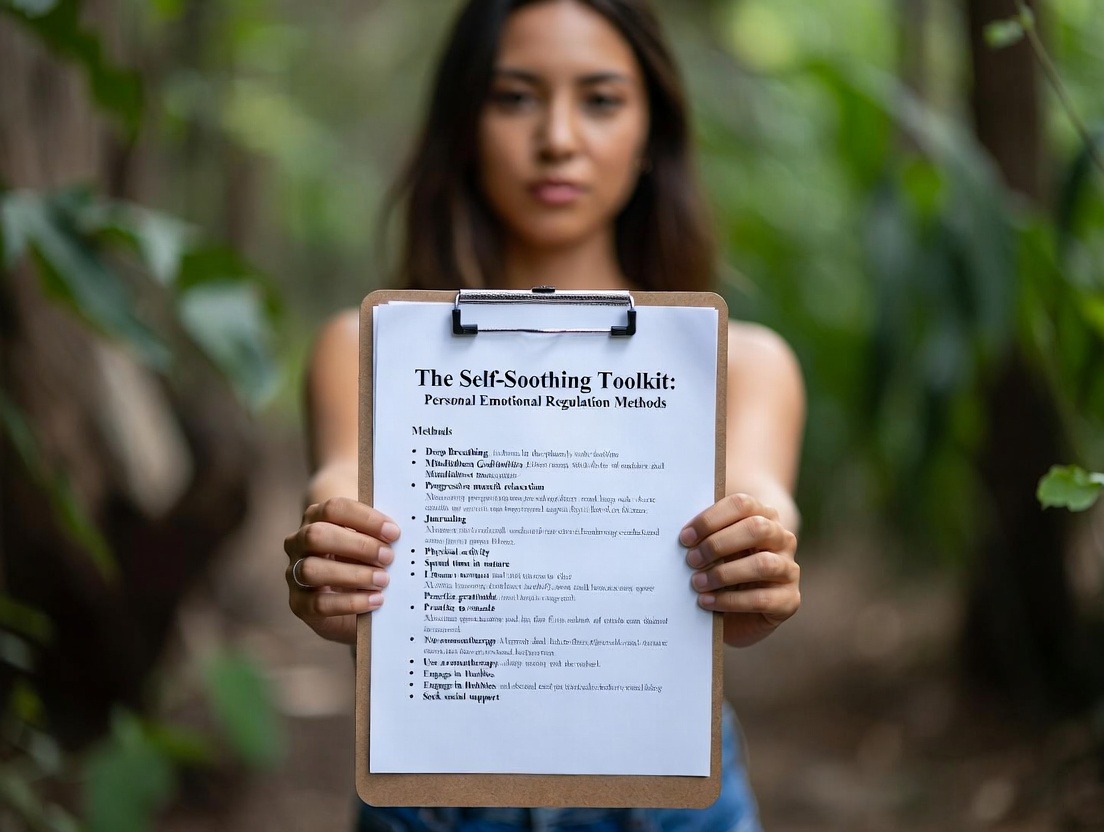
Data is indispensable, but it is not the entirety of the human experience. Burnout has cognitive and emotional dimensions—feelings of cynicism, detachment, and reduced accomplishment—that may not always have a perfect 1:1 correlation with HRV. The most powerful prevention system integrates the objective (ring data) with the subjective (your conscious feelings).
The Daily “How Do I Feel?” Bridge:
Create a simple, two-part morning check-in:
Look for Alignment or Discord:
Practices for Subjective Awareness:
This integration creates a full-spectrum awareness. You are no longer just a body to be optimized or a mind to be soothed. You are a whole person, using technology to listen to your biology while using introspection to listen to your heart. This balanced approach is what ultimately allows you to master wellness fundamentals in a way that is both sustainable and deeply human.
This may seem like heresy in a data-driven guide, but it’s a vital principle: Your smart ring is a tool, not a tyrant. The algorithm provides a powerful recommendation, but you are the conscious human with context it cannot see. There are times to respectfully overrule the score.
Valid Reasons to “Override” a Low Readiness Score:
The Principle of “Know Your Why”:
Before acting against a low-readiness recommendation, pause and ask:
If you have clear, positive answers, proceed with awareness. If not, the data is likely telling you a truth you need to hear. This nuanced judgment is the art that complements the science, ensuring your pursuit of health doesn’t become a new source of anxiety. It’s about using technology to create a sustainable health practice, not a rigid, joyless regimen.
Knowledge is only power when applied. It’s time to synthesize everything into a living, breathing action plan—your personal playbook for sustained energy. This is not a static document but a dynamic set of guidelines based on your unique data patterns.
Tier Your Responses: Build an “If This, Then That” Protocol.
Use the following framework and customize it with your own most effective recovery tools.
Data Signal (Trigger)
Immediate Action (That Day)
Follow-Up Action (Next 1-3 Days)
Single Low Readiness Day (< 30)
• Gentle movement only (walk, stretch).
• No caffeine after 2 PM.
• Enforce digital sunset & early bedtime.
• Prioritize sleep over all non-essentials.
• Check AM data: if score recovers, resume moderate activity.
3+ Consecutive Low Readiness Days OR Sustained 5-Day HRV Downtrend
• Declare a “Recovery Weekend.”
• Cancel non-essential social plans.
• Schedule a nap or long rest period.
• Double down on sleep fundamentals.
• Conduct a weekly audit to identify root cause (work, sleep debt, overtraining?).
• Implement one structural change (e.g., block “no meeting” times, hire help for a task).
RHR Trend Elevated (+5 BPM over baseline for 5+ days)
• Assess for illness (check temp).
• Increase hydration dramatically.
• Incorporate daily calming breathwork (2x10 mins).
• Examine diet & alcohol intake – reduce inflammatory inputs.
• Consider gentle anti-inflammatory practices (turmeric, omega-3s).
Sleep Score Consistently Low despite 7+ hours in bed
• Audit sleep environment (dark, cool, quiet).
• Implement a strict 60-minute pre-bed buffer with no screens.
• Experiment with a slightly earlier bedtime to increase sleep opportunity.
• If problem persists, consider a CBT-I app or professional consultation.
Institutionalize Your “Burnout Buffer” Habits:
These are daily or weekly non-negotiables that keep your baseline resilience high, making you less reactive to stress.
This plan turns you from passive observer to active commander of your health. You are building the system that prevents the fire, rather than just reacting to the flames. It is the ultimate application of the principle that wellness fundamentals matter more than advanced tactics—consistent sleep, managed stress, and balanced movement are your bedrock.
The ultimate goal of this journey is not merely to avoid crashing. It’s to shift your entire operating system from one of scarcity and depletion to one of abundance and sustained energy. This is the transition from burnout prevention to thriving. Your ring data will begin to show you what this thriving state looks like physiologically and how to cultivate it.
The Physiology of Thriving:
Cultivating Thriving: Levers Beyond the Basics
Once your fundamentals are solid, you can explore advanced levers that compound your resilience, always guided by your data.
This long-game perspective is what makes this a lifelong practice. Your ring becomes less of a burnout alarm and more of a thriving compass, guiding you toward choices that not only prevent breakdown but promote breakthrough. It empowers you to write a new story for your health, one where you are not defined by your capacity to endure stress, but by your ability to navigate it with grace, recover with speed, and expend your energy on what matters most. This is the promise of truly personalized, data-informed wellbeing—a journey you are now fully equipped to begin.
Your chosen career might be your passion, but it can also be the primary architect of your stress landscape. For those in law, medicine, tech, entrepreneurship, finance, or caregiving, chronic high stress isn't an occasional event—it's the weather system you live in. Traditional advice like "just meditate" often feels laughably inadequate. This is where ring data transitions from a wellness tool to an essential piece of professional survival gear. It provides an objective, non-negotiable reality check in environments where the culture often glorifies burnout as a badge of honor.
The Physician's Paradox: Healing Others While Depleting Themselves
Doctors, nurses, and healthcare workers face shift work, emotional trauma, and life-or-death decisions. A resident notices her HRV plummets and RHR spikes not on her 24-hour call shifts (where adrenaline is high), but on her first post-call recovery day. Her ring reveals the truth: the physiological crash comes when the emergency is over and her nervous system finally attempts to process the load. The data forces her to defend that first recovery day as sacred for true rest, not errands, proving that recovery is as important as action.
Actionable Protocol for Shift Workers:
The Tech/Startup Grind: When Hustle Culture Meets Physiology
In environments where "crunch time" is normalized, your readiness score is the ultimate boundary. An engineer tracks his data and discovers that his productivity and code quality sharply decline when his readiness score is below 40, despite him pulling longer hours. He uses this data to make a case to his manager: "For sustained high-output work, I need to protect my sleep. I will be offline from 10 PM to 7 AM." He frames it not as laziness, but as biohacking for peak performance.
Actionable Protocol for Knowledge Workers:
The Caregiver's Dilemma: The Invisible Workload
Parents of young children, or those caring for aging relatives, perform relentless, often unseen labor. Sleep is fragmented, personal time is scarce, and stress is constant. A new parent sees her HRV trend hit an all-time low, not from work, but from the cumulative sleep debt of infant night feedings. The data isn't a criticism; it's validation. It helps her and her partner create a more equitable night schedule and reinforces the necessity of accepting help, because the numbers show the system is unsustainable.
Actionable Protocol for Caregivers:
Across all professions, the ring acts as a neutral third party. It doesn't buy into the company's hustle narrative or the inner critic's demand to do more. It simply reports the physiological facts. This allows you to make professional choices—from delegating a task to negotiating a deadline—from a place of empowered, evidence-based self-awareness, not guilt or bravado. It is the tool that helps you perform at a high level by ensuring you enable peak performance through strategic recovery, not self-destruction.
Life’s major transitions—even positive ones like a promotion, marriage, or a new home—are profound stressors on your system. They disrupt routines, demand cognitive and emotional energy, and often come with a hidden physiological tax. During these periods, your ring data is your anchor, helping you navigate change without capsizing your health.
The "Good Stress" of a New Job or Promotion:
You’re excited, but your data tells a story of activation. Learning new systems, proving yourself, and building new social networks is cognitively taxing. You may see:
Protocol for Positive Transitions:
The Grieving Process: Data as a Companion Through Loss
The death of a loved one, a breakup, or any profound loss creates a stress response that is both emotional and physical. Grief is exhausting. Your data during this time may show:
Protocol for Periods of Grief:
Through all transitions, the ring’s role is to provide contextual awareness. It answers the question: "How is this change affecting my body?" With that answer, you can allocate your finite energy more wisely, advocate for your needs more clearly, and navigate life’s inevitable upheavals with resilience, knowing you have a tool to help you understand your personal baseline even as it shifts beneath you.
Burnout is rarely an isolated phenomenon. In a household, stress is contagious; one partner’s demanding work project or a child’s difficult phase can raise the ambient stress load for everyone, draining the family’s collective "resilience battery." When multiple people wear smart rings, you move from individual to collective burnout prevention, creating a data-informed culture of mutual support within your home.
The "Family Readiness" Check-In:
Imagine a morning ritual where, over breakfast, family members share not just their schedules, but their capacity.
This transforms subjective grumpiness or tiredness into objective, non-blaming communication. It depersonalizes the need for help, making it about "the data" rather than a character flaw.
Data-Driven Support Strategies:
Navigating the Pitfalls:
This requires a agreement: Data is for empathy, not weaponization. It is never used to say, "Your score is higher, so your stress isn't valid." It is used to say, "Your system is showing strain; how can I help?" The goal is to create a sanctuary where the home becomes a place that actively recharges its members, using objective insights to fuel compassionate action.
Your smart ring provides a powerful, continuous stream of autonomic nervous system and sleep data. To build a truly comprehensive picture of your health and burnout risk, you can thoughtfully layer in other discrete data points. This creates a multi-dimensional matrix, allowing for deeper detective work when something is "off."
Blood Glucose Monitoring: The Energy Flux Lens
Continuous Glucose Monitors (CGMs) are no longer just for diabetics. They show how your food, stress, and sleep affect your blood sugar stability.
Strength & Training Metrics: The Mechanical Load Lens
Apps like Hevy or Strong, or devices like a Whoop strap or fitness watch, track your workout volume, intensity, and heart rate zones during exertion.
Journaling & Mood Tracking: The Subjective Layer
Using an app like Daylio or a simple notes column in your health spreadsheet, log daily mood, energy levels (1-10), and major events.
By integrating these streams, you become the CEO of your own health biofeedback loop. You can run experiments: "If I improve my sleep consistency for two weeks, how does it affect my glucose stability and workout recovery?" This systematic approach is the hallmark of someone moving from fundamentals to mastery, using all available tools to optimize energy levels and build unshakable resilience.
An ironic but real danger in this quantified-self journey is that the tool meant to reduce stress can become a source of it. Data anxiety—obsessive checking, negative emotional attachment to scores, and catastrophic thinking over a single low data point—can itself activate the sympathetic nervous system, undermining the entire mission.
Recognizing the Signs of Data Anxiety:
Cultivating a Healthy Relationship with Your Data:
The goal is informed intuition. The data should teach you so much about your body’s signals that eventually, you can often feel when your HRV is low or your recovery is insufficient. The ring then becomes a periodic validator, not a constant oracle. It’s there to confirm your hunches and alert you to silent, insidious trends you might miss. When used this way, it liberates rather than enslaves, providing the confidence to live fully, backed by the security of a physiological safety net.
Preventing burnout isn't just a "soft" wellness goal; it's a hard-nosed economic and performance strategy with a measurable return on investment (ROI). For the individual, this isn't about money saved on doctor's visits alone (though that is a factor); it's about protecting your most valuable asset: your sustainable capacity for high-quality output and innovation.
The Cost of Burnout:
The Ring as an ROI Tool:
You can start to frame your data in terms of capacity management.
Making the Case (To Yourself or Your Employer):
When you view burnout prevention through an ROI lens, it shifts from a "nice-to-have" self-care activity to a non-negotiable core strategy for anyone serious about long-term performance in any domain of life. The ring provides the auditable track record of that strategy in action.
Theory is powerful, but narrative makes it stick. Let’s follow a composite case study—we’ll call her Anya—through a full six-month journey from the brink of burnout to a state of data-informed thriving.
The Baseline (Month 0): The "Functioning" Exhaustion
Anya, 38, is a marketing director and mother of two. She feels constantly behind, snappish with her family, and relies on caffeine to get through the afternoon slump. She gets a smart ring.
Phase 1: The Low-Hanging Fruit (Months 1-2)
Anya doesn’t try to change everything. She picks ONE focus: Sleep Protection.
Phase 2: Listening to the Readiness Score (Month 3)
Empowered by the sleep win, Anya starts using her daily score to guide activity.
Phase 3: Advanced Detective Work (Months 4-6)
Anya’s data plateaus. She’s doing well, but not improving. Her weekly audit reveals a pattern: her scores always dip on Thursdays.
The Thriving State (Month 6+):
Anya’s new baseline: HRV ~60 ms, RHR ~60 BPM, consistent 7.5h of high-efficiency sleep. Readiness scores are consistently in the 70-90 range. More importantly:
Anya’s journey illustrates the stepwise, compassionate, and data-validated path out of burnout. It wasn’t a radical overhaul, but a series of small, smart adjustments, each prompted and validated by her ring, building a system of sustainable health that can withstand the pressures of her full life.
The technology and science behind this field are evolving rapidly. The tools of tomorrow will make today’s prevention strategies even more precise, predictive, and seamlessly integrated into our lives.
Near-Future Advancements:
The Human Constant:
Despite these advances, the core principle will remain: Technology is a tool to enhance human wisdom, not replace it. The most advanced algorithm cannot tell you what brings your life meaning or joy. The future of burnout prevention is not a world where we are slaves to our biometrics, but where we use these profound insights to design lives, careers, and societies that are inherently more sustainable. It’s about building structures that respect human physiology, using data as the compelling evidence to drive that change.
Your journey with your ring today is the first step into that future. You are learning the language of your body, building the habits of resilience, and reclaiming the authority over your own energy and health. This is the foundation upon which a lifetime of thriving is built.
Your Trusted Sleep Advocate: Sleep Foundation — https://www.sleepfoundation.org
Discover a digital archive of scholarly articles: NIH — https://www.ncbi.nlm.nih.gov/
39 million citations for biomedical literature :PubMed — https://pubmed.ncbi.nlm.nih.gov/
Experts at Harvard Health Publishing covering a variety of health topics — https://www.health.harvard.edu/blog/
Every life deserves world class care :Cleveland Clinic - https://my.clevelandclinic.org/health
Wearable technology and the future of predictive health monitoring :MIT Technology Review — https://www.technologyreview.com/
Dedicated to the well-being of all people and guided by science :World Health Organization — https://www.who.int/news-room/
Psychological science and knowledge to benefit society and improve lives. :APA — https://www.apa.org/monitor/
Cutting-edge insights on human longevity and peak performance:
Lifespan Research — https://www.lifespan.io/
Global authority on exercise physiology, sports performance, and human recovery:
American College of Sports Medicine — https://www.acsm.org/
Neuroscience-driven guidance for better focus, sleep, and mental clarity:
Stanford Human Performance Lab — https://humanperformance.stanford.edu/
Evidence-based psychology and mind–body wellness resources:
Mayo Clinic — https://www.mayoclinic.org/healthy-lifestyle/
Data-backed research on emotional wellbeing, stress biology, and resilience:
American Institute of Stress — https://www.stress.org/


