


The Impact of Medications on Understanding Body Recovery
How certain medications can support or potentially interfere with recovery.
How certain medications can support or potentially interfere with recovery.
%402x.svg)
We live in an era of unprecedented access to biofeedback. From step counts to sleep scores, we are constantly measuring, quantifying, and optimizing our bodies. The pursuit of peak performance and holistic wellness has become a cultural cornerstone, driven by a powerful desire to understand the subtle language of our own physiology. At the heart of this movement is a single, fundamental concept: recovery. It is the silent, essential partner to exertion; the darkroom where the photographic negative of our effort is developed into a positive gain. For athletes, busy professionals, and wellness enthusiasts alike, mastering recovery is the final frontier of true health.
But what if the very tools we use to decode our body's recovery signals—our smart rings, wearables, and biometric devices—are presenting a picture that is missing a crucial piece of the puzzle? What if a dominant, yet often invisible, variable is constantly reshaping the data landscape, altering the baseline, and rewriting the rules of what "recovered" truly means?
That variable is medication.
From a daily antihistamine to manage allergies, to a prescription beta-blocker for blood pressure, to a course of antibiotics for an infection, medications are a ubiquitous part of modern life. Their primary purpose is to treat, manage, or cure. Yet, their secondary, systemic effects ripple through every physiological process, including the intricate dance of stress and recovery. They can dampen inflammation, alter heart rate variability, shift sleep architecture, modify core body temperature, and influence hormone regulation. In doing so, they directly impact the core metrics that devices like the Oxyzen smart ring track so meticulously: Heart Rate Variability (HRV), Resting Heart Rate (RHR), respiratory rate, skin temperature, and sleep stages.
This article embarks on a critical exploration of this hidden interface. We will dissect how common classes of medications act as silent editors of your body's data story, potentially making you feel "recovered" while your biometrics suggest otherwise, or vice-versa. More importantly, we will build a framework for the modern wellness enthusiast: how to intelligently integrate the reality of medication use with cutting-edge recovery tracking. This isn't about discarding your data; it's about learning to read it with a more sophisticated, contextual lens. By understanding the impact of medications, we move from simply collecting data to cultivating genuine wisdom—the kind that empowers truly personalized, effective, and resilient recovery strategies. It's time to bring this invisible catalyst into the light.
To understand how medications intervene, we must first master the language of recovery itself. Your body is a symphony of interconnected systems, and its state of repair or strain is broadcast through a suite of physiological signals. For decades, this symphony was silent to us, felt only through vague sensations of fatigue or soreness. Today, advanced wearable technology, like a sophisticated wellness ring, translates these signals into a precise, actionable biometric blueprint.
At the forefront is Heart Rate Variability (HRV). Often misunderstood, HRV is not about your heart rate's speed, but the subtle, millisecond variations in the time interval between each heartbeat. Think of it as the body's finest tuning dial for stress and recovery. A high, robust HRV indicates a dominant "rest and digest" (parasympathetic) nervous system state—your body is resilient, adaptable, and primed for recovery. A low, depressed HRV signals a "fight or flight" (sympathetic) state, indicating systemic stress, whether from physical training, emotional anxiety, illness, or poor sleep. It is one of the most sensitive and non-invasive measures of your autonomic nervous system's balance and your overall readiness.
Closely tied to HRV is Resting Heart Rate (RHR). While HRV measures the variation between beats, RHR measures their frequency at complete rest. A well-recovered body operates efficiently, requiring fewer beats per minute to circulate blood. A downward trend in your RHR over time is a classic sign of improved cardiovascular fitness. Conversely, a sudden, unexplained elevation in your morning RHR—often by 7-10 beats per minute or more—is a glaring red flag. It’s your body’s early warning system, signaling that it is fighting something: impending illness, insufficient recovery from prior exertion, or excessive life stress.
Sleep, however, is the cornerstone upon which this biometric blueprint is drawn. Recovery is not a passive state; it's an active, hormonally-driven process that occurs in distinct stages. Deep sleep (N3) is the physical restoration phase, where tissue repair, muscle growth, and immune function are prioritized. REM sleep is the mental restoration phase, crucial for memory consolidation, learning, and emotional processing. Disruptions in the architecture of your sleep—reduced deep or REM sleep, frequent awakenings, or irregular timing—directly cripple your body’s ability to execute its repair protocols. A device that tracks sleep stages provides the critical context for interpreting your HRV and RHR scores. A low HRV after a night of fragmented sleep tells a coherent story; a low HRV after eight hours of pristine sleep demands a different investigation.
Beyond these pillars, modern wearables track a constellation of supporting metrics. Nocturnal skin temperature is a sensitive marker of inflammation and circadian rhythm health. Respiratory rate during sleep can signal metabolic strain or respiratory issues. Blood Oxygen Saturation (SpO2) can indicate sleep-disordered breathing. Together, these data points form a holistic picture of your Recovery Quality Score—a composite index many advanced systems provide each morning to guide your day.
Understanding this blueprint is the first step to intelligent self-management. It moves you from guessing to knowing. As explored in our deep dive on smart ring metrics that predict recovery quality, these signals are your body's raw, unfiltered communication. But to have a true dialogue, you must also be aware of what can alter its voice. That’s where the story gets more complex, and where the influence of everyday medications begins.
If your body’s recovery signals are a detailed news report, then medications often act as editors-in-chief. They can emphasize certain headlines, bury others, change the tone, and sometimes even introduce entirely new narratives. This editorial process isn't malicious; it's a direct consequence of the medication's therapeutic mechanism. However, for the individual tracking their biometrics, it can create a perplexing disconnect between how they feel and what the data says. To navigate this, we need to understand the most common "editorial styles" of major drug classes.
First, consider cardiovascular and neurological agents. Beta-blockers, prescribed for hypertension, anxiety, or migraine prevention, work by blocking adrenaline's effects. This directly lowers resting heart rate—a metric we typically associate with fitness and recovery. On your wellness ring dashboard, you might see a beautifully low, steady RHR. However, beta-blockers also blunt Heart Rate Variability. They suppress the very nervous system fluctuations that HRV measures, often leading to an artificially low score that does not accurately reflect your true recovery or stress state. Similarly, certain antidepressants, particularly SSRIs (Selective Serotonin Reuptake Inhibitors), can have complex effects on the autonomic nervous system, sometimes reducing HRV and altering sleep architecture by suppressing crucial REM sleep.
Next, anti-inflammatory and pain medications. NSAIDs (like ibuprofen or naproxen) are ubiquitous for managing pain and inflammation. Acute inflammation is a natural, necessary part of the recovery process—it's the signal that draws healing resources to a damaged area. By pharmacologically dampening this inflammatory response, NSAIDs can make you feel more recovered from muscle soreness, potentially masking a signal your body is still trying to send. Furthermore, some emerging research suggests chronic NSAID use may interfere with the cellular pathways of muscle protein synthesis, the very foundation of adaptation. Your ring might show improved sleep due to pain relief, while the underlying tissue repair process is being subtly altered.
The impact of hormonal medications is particularly profound. Oral contraceptives, for instance, introduce exogenous hormones that fundamentally change a woman's natural endocrine rhythm. This can influence baseline body temperature, fluid retention (potentially affecting ring fit and sensor accuracy), and sleep patterns. Thyroid hormone replacements (like levothyroxine) are literally setting your metabolic pacemaker. An incorrect dosage can lead to biometric signs of hyper- or hypothyroidism—elevated RHR and low HRV, or lethargy and depressed scores, respectively—that look identical to overtraining or poor recovery. Interpreting data without this context is like trying to navigate with a compass during a magnetic storm.
Even common antihistamines and sleep aids, often considered benign, are potent editors. First-generation antihistamines (like diphenhydramine) are strongly anticholinergic, meaning they inhibit a key neurotransmitter. While they may help you fall asleep, they significantly degrade sleep quality, often reducing deep and REM sleep. You might log a solid 8-hour sleep block on your ring, but the stage breakdown could reveal a night of light, un-restorative sleep, leading to a poor Recovery Quality Score despite the duration. Your body didn't recover well, but the medication masked the feeling of restlessness.
The consequence of this silent editing is a phenomenon we call "Biometric Dissonance"—the jarring gap between subjective feeling and objective data. You may pop an anti-inflammatory after a hard workout, wake up feeling fresh, and see a surprisingly low HRV and elevated RHR on your wellness ring's morning recovery score. The medication eased the sensation of strain, but your autonomic nervous system is still broadcasting the true cost of the exertion. Learning to recognize these patterns is the first step toward reconciling the dissonance and using your data with true wisdom.
Armed with the knowledge that medications can profoundly shape your biometric landscape, the goal shifts from collecting static data points to weaving a dynamic, contextualized narrative. This is where raw information transforms into personal wisdom. The key is to move beyond viewing your recovery score in isolation and start building a layered understanding of your unique physiology. This process turns your wellness ring from a simple reporter into a sophisticated diagnostic partner.
The foundational step is establishing your "Medicated Baseline." This is your normal, day-to-day biometric signature while on your regular medication regimen. It requires a period of conscious observation. For 2-4 weeks during a period of stable health and consistent medication use, diligently track your key metrics: HRV, RHR, sleep duration/quality, and your overall Recovery Quality Score. Don't judge the numbers; simply observe and document their typical ranges. What is your average HRV on your beta-blocker? What does your sleep architecture look like when taking your SSRI at night? This medicated baseline becomes your new personal "normal." It is the reference point from which all meaningful deviations will be measured. A low HRV is only "low" if it's low for you, relative to this established baseline.
Once this baseline is set, you can begin the sophisticated work of trend analysis versus snapshot obsession. Daily fluctuations are noise; long-term trends are signal. If you start a new medication or change a dosage, expect a period of biometric adjustment—this is a major physiological event. Watch for sustained directional shifts over 7-14 days, not the day-one blip. For example, beginning a thyroid medication should, at the correct dose, trend your RHR toward a healthier range and potentially improve your HRV over time. The goal is to see the medication's therapeutic effect reflected in a positive trend in your baseline data, not just a one-day "good" score. This longitudinal view is what powers truly personalized insights, as detailed in our guide on personalized exercise-recovery balance your smart ring discovers.
Perhaps the most powerful application is using your biometrics as a feedback loop for medication efficacy and side effects. This is a revolutionary shift from passive patient to active participant. Are you taking a new sleep aid? Don't just ask, "Did I sleep?" Ask your data: "What was my deep sleep percentage? How many times did I wake up? What was my HRV this morning compared to my baseline?" The data provides objective evidence that supplements subjective feeling. If a medication for anxiety is working, you might observe a gradual upward trend in your HRV and more stable sleep metrics, indicating a calmer autonomic state. Conversely, if you notice a steep, consistent decline in HRV or a fragmentation of sleep after starting a new drug, that is a critical data point to discuss with your physician. You are bringing quantified evidence to the conversation about your quality of life.
This approach also empowers you to conduct careful self-experimentation (with professional guidance). For instance, with your doctor's approval, you might explore the timing of a medication. Does taking your SSRI in the morning versus the evening produce a better sleep architecture score? Does an afternoon dose of a beta-blocker affect your next morning's HRV differently than a morning dose? Your ring provides the feedback to find your optimal schedule. This level of nuanced self-knowledge is the ultimate goal of modern wellness technology.
Finally, this contextual wisdom is vital for avoiding misinterpretation. Without it, you risk making poor decisions. You might see a chronically low HRV (due to a beta-blocker) and incorrectly assume you are perpetually overtrained, leading you to unnecessarily reduce beneficial activity. Or, you might feel great after an NSAID-masked workout and push too hard based on feeling, ignoring your body's true recovery needs and accumulating recovery debt your smart ring can track. Context turns data from a potential source of confusion into your most trusted guide.
To truly grasp the depth of medication's impact, we must descend to the fundamental control layer of recovery: the autonomic nervous system (ANS). This ancient, involuntary regulatory network is the master conductor of your body's stress and recovery cycles. It operates through a delicate balance between its two branches: the sympathetic nervous system (SNS), the accelerator for "fight or flight," and the parasympathetic nervous system (PNS), the brake for "rest and digest." The dynamic tension between these two systems—measured most sensitively by HRV—dictates your physiological readiness, resilience, and capacity for repair.
Many medications exert their primary or side effects by directly intervening in this autonomic dialogue, effectively enacting a "Stress-Response Override." They can manually apply the brake, jam the accelerator, or disrupt the communication between the two. This creates a state where your biometrics reflect the drug's influence more than your body's authentic state.
Sympathetic Suppressors are a prime example. Beta-blockers, as discussed, are the classic case. By blocking beta-adrenergic receptors, they prevent adrenaline and noradrenaline from exerting their full stimulating effects. This is therapeutic for lowering blood pressure and heart rate. However, from an ANS perspective, it's like putting a governor on your car's engine. The SNS is trying to rev in response to stress (exercise, mental work, an argument), but the medication physically prevents the RPMs from rising. Your heart rate stays calm, but the underlying sympathetic tone may still be high—it's just being pharmacologically muted. This is why HRV, which relies on the nervous system's ability to modulate heart rate moment-to-moment, is often suppressed. Your ring's data shows a calm, flat line, not because your system is truly calm and resilient, but because its ability to express variation has been limited. It’s a state of forced tranquility, not earned homeostasis.
On the other side, we have Parasympathetic Modulators. Certain medications can enhance or inhibit the "rest and digest" functions. Anticholinergic drugs (found in some antihistamines, antidepressants, and medications for overactive bladder) work by blocking acetylcholine, a primary neurotransmitter of the PNS. This can lead to a faster heart rate, dry mouth, and—critically for recovery—impaired sleep quality and reduced HRV. Your body is being pulled out of its restorative state. Conversely, some medications used for heart failure or specific arrhythmias can enhance parasympathetic activity. While potentially beneficial for the condition, this can also create an artificially elevated HRV that doesn't necessarily correlate with a broader state of recovery and readiness for physical stress.
The real-world consequence of this override is a breakdown in your body's "Truth-Telling" Capacity. Your ANS is designed to be a faithful mirror of your total load—physical, mental, emotional. It integrates these signals and outputs a clear readiness score. When medications alter this output, the mirror becomes distorted. You might go for a hard run while on a beta-blocker. Your heart rate will not climb as high as it normally would (blunted chronotropic response), and it will recover faster post-exercise. This could lead you to believe the workout was less stressful than it actually was. However, the muscular, metabolic, and inflammatory stress on your body was real. Your ANS, however, was prevented from telling you the full truth about the cost. Without this accurate feedback, the risk of accumulating fatigue and hitting a performance plateau increases significantly.
Understanding this override is not a reason to avoid necessary medication. It is a reason to refine your interpretation. If you are on a sympathetic suppressor, you must learn to listen to other "voices." Pay more attention to subjective muscle soreness, energy levels throughout the day, and motivation. Look at your nocturnal skin temperature and respiratory rate—metrics less directly suppressed by beta-blockade. They may provide clearer secondary signals of systemic inflammation and metabolic strain. You are learning to read a different dialect of your body's language, one where the loudest speaker (heart rate response) has been turned down, making the quieter voices more important.

Sleep is not a uniform state of unconsciousness. It is a highly structured, cyclical progression through distinct stages—light sleep (N1, N2), deep sleep (N3), and REM sleep—each with a unique physiological purpose. This structure is your sleep architecture, and its integrity is non-negotiable for true recovery. Deep sleep drives physical restoration, human growth hormone release, and immune function. REM sleep facilitates cognitive repair, memory consolidation, and emotional processing. Disrupt this architecture, and you disrupt the very machinery of healing.
This is where the impact of many medications becomes starkly evident. A significant number of drugs, particularly those acting on the central nervous system, function as "Chemical Carpenters"—they don't just help you fall asleep; they actively remodel the architecture of your night. The result can be a state of "sleep" that satisfies duration goals on a tracker but fails miserably at its restorative job.
REM Sleep Suppressants are one of the most common architectural disruptors. Many widely prescribed antidepressants, especially SSRIs and SNRIs, have a known side effect of suppressing REM sleep. This is not a minor glitch; REM is critical for mental recovery, learning, and emotional regulation. A person on such medication might sleep a solid 7 hours, yet wake up feeling emotionally flat, foggy, or struggle with memory. Their wellness ring data would tell the tale: adequate total sleep time, but a disproportionately low or even absent REM percentage. The medication provided the chemical impetus for sleep but robbed it of a key restorative phase. Over time, this can contribute to a sense of burnout and hinder cognitive performance, despite "getting enough sleep."
Conversely, other substances can suppress Deep Sleep (N3). The classic culprits are alcohol and certain sedative-hypnotics. While they may induce sleep onset quickly, they often lead to a fragmented second half of the night, with frequent micro-awakenings and a significant reduction in deep, slow-wave sleep. This is the physical repair phase. Without it, muscle recovery is impaired, tissue repair lags, and the immune system doesn't get its full nightly tune-up. You wake up not feeling physically restored, even if the sleep tracker shows you were "in bed" for long enough. Some pain medications and stimulants (even caffeine taken too late) can have similar deep-sleep sabotaging effects.
Then there are the Anticholinergic Agents, which we've touched on but deserve emphasis in the sleep context. Drugs like diphenhydramine (Benadryl, and many over-the-counter "PM" pain relievers) are notorious for creating a low-quality, sedated state rather than natural sleep. They can reduce both deep and REM sleep, increase sleep fragmentation, and contribute to next-day grogginess ("sleep hangover"). This creates a vicious cycle: you take a pill to sleep, it degrades your sleep quality, you feel worse the next day, leading to more fatigue and potentially a perceived need for the pill again. Your smart ring becomes an essential truth-teller in this cycle, revealing the poor architecture behind the long duration.
The danger here is the Illusion of Recovery. You clock 8 hours of "medicated sleep" and assume your body has done its repair work. You check your ring and see a high sleep duration score but a paradoxically low Recovery Quality Score. This dissonance is the data screaming that sleep quantity and sleep quality are not the same. The medication may have provided the raw material of time, but it corrupted the construction process.
This knowledge empowers you to have better conversations with your healthcare provider. If your wellness ring's sleep stage data consistently shows suppressed REM or deep sleep after starting a new medication, it's a powerful piece of evidence. Perhaps the dosage can be adjusted, the timing changed (taking an SSRI in the morning sometimes mitigates REM suppression), or an alternative with a different side effect profile can be considered. The goal is to use medication as a tool to support your body's natural recovery architecture, not to replace it with a structurally unsound imitation. Your data is the blueprint that shows whether the tool is building you up or quietly tearing you down.
Inflammation is the body's primal alarm and repair system. In the context of recovery, acute, localized inflammation is not the enemy—it is an essential, orchestrated response to tissue stress. When you lift weights or run hard, you create microscopic damage in muscle fibers. The inflammatory response that follows brings in immune cells, clears debris, and initiates the signaling cascade that ultimately leads to repair and supercompensation (making the muscle stronger). This process is precisely timed and regulated.
Enter pharmacological interventions, primarily Non-Steroidal Anti-Inflammatory Drugs (NSAIDs) like ibuprofen and naproxen. Their job is to dampen this inflammatory response by inhibiting cyclooxygenase (COX) enzymes, reducing the production of prostaglandins, key signaling molecules of inflammation and pain. For an acute injury or debilitating pain, this is a godsend. But for the individual tracking recovery from planned, productive exercise, the use of NSAIDs presents a complex dilemma: are you silencing the pain but also muting the repair signal?
This is the "Muted Alarm" phenomenon. By taking an NSAID proactively after a hard training session, you effectively turn down the volume on your body's internal recovery dashboard. The soreness (pain) is reduced, making you feel more recovered. Subjectively, you're ready to go again. However, the underlying physiological processes—the very inflammation that is calling in the repair crews—have been pharmacologically suppressed. Research is mixed but suggests that chronic or high-dose NSAID use may interfere with muscle protein synthesis, the fundamental process of building stronger tissue. Your body experienced the stress, but the medication may have blunted its adaptive response.
From a biometric perspective, this creates a gap. You might feel great, but your recovery metrics could tell a different story. Skin temperature, a key metric tracked by advanced wearables, is a sensitive marker of inflammation. A localized or systemic inflammatory response often manifests as a slight elevation in nocturnal distal skin temperature. An NSAID might normalize this temperature reading, not because the recovery is complete, but because the inflammatory signal itself has been quieted. Similarly, the overall stress of tissue repair contributes to your autonomic nervous system load. By masking the inflammation, you might see a less depressed HRV than you otherwise would, potentially misrepresenting your true recovery debt.
This doesn't mean never using NSAIDs. It means using them strategically and interpreting your data accordingly. The key questions become:
The principle extends to other anti-inflammatory agents, including corticosteroids (like prednisone). These are far more potent and systemic in their effects, profoundly altering immune function, metabolism, and fluid balance. They can dramatically affect weight, sleep, heart rate, and mood. Recovery data while on a steroid course is often rendered almost unusable for standard interpretation due to the massive physiological override. The wisest course is often to acknowledge the temporary disruption, focus on the therapeutic goal, and use your wearables to monitor for extreme side effects (like sky-rocketing RHR or severe sleep disruption) rather than to gauge fitness recovery.
Understanding this double-edged sword allows you to move from reflexive pill-popping to strategic partnership with your body. Sometimes, managing pain and function is the priority. Other times, for planned athletic adaptation, tolerating the soreness and letting the inflammatory process run its natural, productive course may be optimal. Your biometric data, read with the context of medication use, helps you make that call. It guides you in adjusting your exercise based on a smarter recovery score, one that accounts for both your body's raw signals and the knowledge of how you may have altered them.
The endocrine system is the body's slow, powerful messaging network, using hormones to regulate metabolism, growth, mood, and—critically—the balance between catabolism (breakdown) and anabolism (building up). Recovery is, at its core, an anabolic state. Hormones like testosterone, growth hormone, and insulin-like growth factor 1 (IGF-1) promote tissue repair and growth. Cortisol, the primary stress hormone, is catabolic, breaking down tissue to provide energy. The rhythmic, contextual dance between these hormones dictates whether stress leads to adaptation or breakdown.
Medications that influence the endocrine system are therefore master conductors of your recovery symphony. They can change the tempo, volume, and melody of your hormonal landscape, with direct implications for every recovery metric you track.
Oral Contraceptives (OCs) provide a profound example. By delivering a steady stream of synthetic estrogen and/or progestin, they override the natural ovarian cycle. This has several potential recovery implications:
A woman tracking her recovery must know if her "baseline" is a natural cycle or a pharmacologically managed one. The data interpretation differs entirely. It underscores the need for that personal "Medicated Baseline." For more on navigating training around hormonal cycles, our article on the hormone optimization approach to balance offers deeper insights.
Thyroid Hormone Replacements (e.g., levothyroxine) are another clear case. Thyroid hormone sets your metabolic rate. Too little (hypothyroidism) leads to fatigue, weight gain, low heart rate, and depressed mood—biometrically, this looks like a very high RHR, low HRV, and poor sleep. Too much (hyperthyroidism) causes anxiety, weight loss, a racing heart, and heat intolerance—biometrically mirroring severe overtraining or extreme stress. The goal of medication is to find the precise dose that makes you euthyroid (normal function). Your recovery metrics can be an excellent feedback tool here. As your dosage is adjusted, you should aim to see your RHR trend into a healthy, stable range and your HRV improve, reflecting a balanced autonomic state. Your wearable becomes a continuous monitor of therapeutic efficacy.
Corticosteroids, as mentioned, are the hormonal equivalent of a sledgehammer. They are synthetic versions of cortisol. When prescribed, they create an artificial, high-stress (catabolic) hormonal environment. This can cause insulin resistance, muscle breakdown, fluid retention, and severe sleep disruption. Recovery data during a steroid taper is chaotic and should not be used to guide training intensity. The focus shifts to using biometrics to monitor for severe adverse effects and to gently observe the return to a natural rhythm as the medication is withdrawn.
The lesson here is one of hormonal context. You cannot interpret recovery data in a hormonal vacuum. Is a low HRV and high RHR due to overtraining, or is it a sign that your thyroid medication dose is too high? Is a flat temperature curve a sign of poor metabolic health, or the expected result of your birth control pill? By pairing your medication list with your biometric trends, you move from seeing confusing patterns to understanding coherent stories. This empowers you to work with your doctor to optimize not just for disease management, but for performance and vitality—using your own body's data as the guide.
We have now deconstructed the myriad ways medications interact with your body's recovery signaling. The challenge—and the opportunity—is to synthesize this knowledge into a practical, actionable system. This is your Personal Recovery Intelligence (PRI) Framework. It's a living methodology that integrates medication awareness, biometric data, and subjective feeling to generate true wisdom about your body's state. It turns you from a passive data consumer into an active, savvy interpreter of your own physiology.
Step 1: The Foundational Audit. Begin with ruthless clarity. Create a list of every substance you ingest with regularity: prescription medications, over-the-counter drugs, supplements, and even habitual use of alcohol or caffeine. For each, note the name, dosage, timing, and primary purpose. Then, research or discuss with your pharmacist/doctor their known effects on: heart rate, HRV, sleep architecture, inflammation, and hormone function. This is your "Medication Impact Map." It is the key to your cipher.
Step 2: Establish Your Medicated Baselines. As outlined earlier, dedicate a minimum of two weeks during a period of stable health and consistent medication use to observe without judgment. Use your wellness ring to document your average and range for:
Step 3: Implement the "Annotation Protocol." Your data stream is meaningless without context. Make it a habit to annotate any deviation from your standard regimen. Did you take an NSAID before bed for a headache? Note it. Did you have two glasses of wine with dinner? Note it. Did you start a new prescription or change a dose? This is a major annotation. Most advanced wellness platforms allow you to add tags or notes to your daily data. Use this feature religiously. Over time, you will build a searchable database of cause-and-effect relationships unique to you.
Step 4: Trend Analysis Over Snapshot Obsession. Train yourself to look at the forest, not the trees. A single day of low HRV is noise. A consistent 10% drop in your HRV average over a 7-day period, especially when correlated with a new medication annotation, is a critical signal. Use the weekly and monthly view features on your app. Look for directional shifts that coincide with pharmacological changes. This is how you spot the real impact of a beta-blocker on your HRV trend, or how a new sleep aid affects your deep sleep percentage over time.
Step 5: Bridging the Subjective-Objective Gap. Each morning, perform a simple ritual. First, check your Recovery Quality Score and key metrics. Then, before getting out of bed, ask yourself: "How do I feel? Rested? Fatigued? Sore? Energized?" Now, compare. Is there alignment or dissonance?
Step 6: Informed Dialogue with Healthcare Providers. You are now equipped to be a powerful partner in your own care. Instead of saying, "I feel tired on this drug," you can say: "Since starting this medication, my average HRV has dropped 20%, my resting heart rate is up 8 beats, and my deep sleep has decreased by 15%. Can we discuss dosage timing or alternatives?" This data-driven approach is transformative. It moves conversations from the subjective realm into a shared, objective space, leading to more personalized and effective treatment plans. For those managing complex regimens, our FAQ on integrating wearables with health management can be a helpful resource.
By building and refining this PRI Framework, you transcend the limitations of both raw data and medication side effects. You create a synergistic system where each informs the other, leading to unprecedented self-knowledge and control over your own recovery and performance journey.
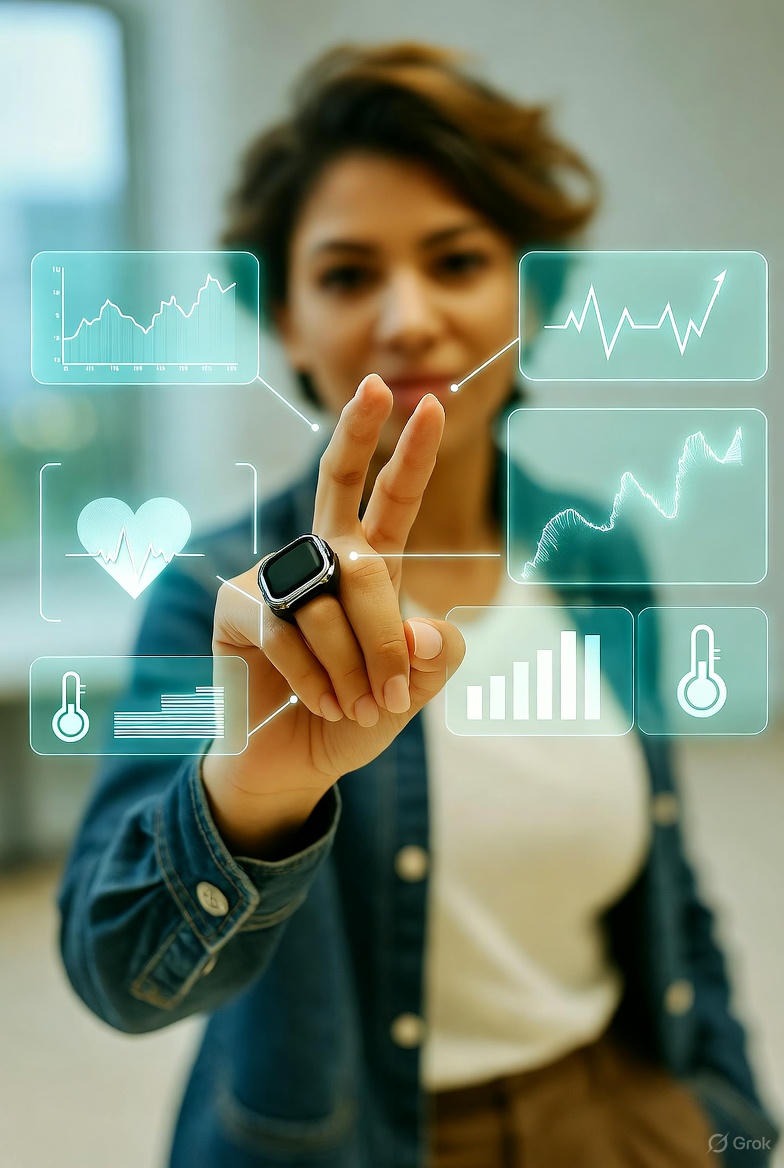
Theory provides the map, but real-world stories illuminate the path. Let's explore three anonymized case studies that demonstrate the power—and necessity—of contextualizing medication use with biometric recovery data. These examples show how the Personal Recovery Intelligence Framework operates in practice, turning confusion into clarity and guesswork into strategy.
Case Study 1: The "Fit" Hypertensive – Beta-Blockers and Blunted Feedback
Case Study 2: The Sleepless Executive – SSRIs and REM Suppression
Case Study 3: The Aching Athlete – NSAIDs and the Muted Alarm
These stories underscore a universal truth: data without context is noise, but context turns data into empowerment. Your journey with medications and recovery is unique, but the framework for understanding it is universal.
The journey toward recovery intelligence doesn't end with understanding broad drug classes; it requires navigating the specific aisles of our own medicine cabinets. From the over-the-counter (OTC) remedies we take without a second thought to the complex prescription regimens for chronic conditions, each substance carries its own biometric signature. This section delves into the practical, everyday implications of common medications, providing a guide for the wellness-aware individual to audit, understand, and contextualize their own pharmacological landscape.
Begin with the Over-The-Counter (OTC) ecosystem. This is where self-medication meets self-quantification, often with little awareness of the interaction. The NSAID aisle—ibuprofen, naproxen, aspirin—is a prime example. As discussed, their inflammation-dampening effect can create a "feel-good" disconnect. But consider timing: a dose taken at 8 PM for knee pain may effectively reduce soreness, allowing you to fall asleep faster (a positive sleep metric), but it may also slightly alter kidney function and fluid balance overnight, potentially affecting morning heart rate variability (HRV) readings. The antihistamine aisle is another minefield. A single dose of a first-generation type like diphenhydramine for allergies can suppress REM sleep for that entire night, leading to a higher sleep duration score but a lower recovery quality score the next morning—a clear data discrepancy that explains daytime grogginess. Even common decongestants like pseudoephedrine are mild stimulants; taken later in the day, they can increase resting heart rate and reduce heart rate variability during sleep, painting a picture of physiological stress even if you’re just battling a cold.
The prescription landscape requires a more formalized approach to your PRI Framework. Here, the goal is to understand the intended therapeutic effect and the common autonomic or systemic side effects. Antihypertensives beyond beta-blockers, such as ACE inhibitors or calcium channel blockers, generally have less direct impact on HRV but can still influence resting heart rate and peripheral circulation. Psychiatric medications are particularly potent editors. Atypical antipsychotics or mood stabilizers often have significant metabolic side effects, influencing weight and core temperature, while also frequently causing sedation that degrades sleep architecture. Hormonal therapies, from testosterone replacement to breast cancer treatments like aromatase inhibitors, directly shift the endocrine milieu your recovery physiology depends upon. For those on such regimens, the concept of a "medicated baseline" is not a convenience—it is an absolute necessity for making any sense of nightly biometric data. Without it, you are interpreting a foreign language without a dictionary.
This leads to the critical practice of "Start, Stop, and Change" monitoring. Any alteration in your medication regimen is a major physiological event that should trigger a dedicated observation period in your biometric tracking.
Finally, we must address the synergistic and conflicting interactions of polypharmacy—the use of multiple medications. This is increasingly common, especially with age. The effects are not simply additive; they can be multiplicative or paradoxical. A person taking both a beta-blocker (lowers HR, blunts HRV) and an SSRI (may further lower HRV, disrupt sleep) might present with an exceptionally flat, non-reactive autonomic profile. Adding a nightly antihistamine for sleep would further degrade sleep quality. The combined biometric output could look like a state of deep chronic fatigue or severe overtraining, when in fact it is the pharmacologically engineered outcome of three separate, perhaps necessary, treatments.
Navigating this requires meticulous annotation and, ideally, partnership with a pharmacist or doctor who appreciates your data-driven approach. By presenting a timeline of medication changes alongside graphs of your HRV, RHR, and sleep scores, you can collaboratively assess which combinations are most disruptive to your recovery and quality of life, and explore alternatives. It transforms medication management from a game of symptom-whack-a-mole into a strategic endeavor to optimize both health and vitality. This holistic view is at the core of what we believe in at Oxyzen, where we aim to provide tools that offer more than just data, but contextual understanding—a principle you can read more about in our company's mission.

For the dedicated athlete—from the weekend warrior to the elite competitor—the line between pushing limits and crossing into breakdown is notoriously thin. Recovery is the sacred ground where adaptation occurs. In this high-stakes environment, the use of medications to manage pain, reduce inflammation, or alter physiological responses presents a profound ethical and practical dilemma. The drive to train through pain, to accelerate recovery, and to maximize performance can clash with the body's natural signaling and long-term health.
The most common battleground is pain management versus signal masking. Athletic training is supposed to be stressful; muscle soreness (Delayed Onset Muscle Soreness or DOMS) is a normal byproduct of eccentric loading and tissue microtrauma. This soreness is a potent biological signal that says, "Repair is underway, proceed with caution." The reflexive use of NSAIDs to eliminate this soreness is, from a pure adaptation standpoint, counterproductive. By dampening the inflammatory prostaglandins, you may be dampening the very cellular signals that upregulate muscle protein synthesis. Studies on resistance training have shown that habitual NSAID use can attenuate gains in muscle strength and hypertrophy. For the athlete, this means the hard work in the gym may yield diminishing returns. Biometrically, it creates the dangerous illusion discussed earlier: you feel ready to perform, but your HRV and RHR may indicate your nervous system is still processing the load. This disconnect can directly lead to overtraining, burnout, and plateaus.
Beyond NSAIDs, the use of prescription pain medications like opioids for acute injuries is a more severe version of this masking. They not only block pain but also severely depress the central nervous system, crashing HRV, disrupting sleep architecture (especially REM), and slowing digestive motility. Recovery data during opioid use is essentially void—it reflects drug effect, not bodily state. The return to training post-injury must be guided by functional movement and objective biometrics after the medication has cleared, not by a pain-free feeling induced by the drug.
Then there's the controversial realm of performance-altering medications that have legitimate medical uses. Beta-2 agonists, like albuterol for asthma, are potent bronchodilators. At therapeutic doses, they can also have mild stimulant and anabolic-like effects, potentially increasing alertness and reducing muscle breakdown. For an athlete with legitimate asthma, this is essential medicine. But the medication will also increase resting heart rate and can decrease HRV, mimicking a state of sympathetic arousal. An athlete tracking their data must understand that their "normal" RHR and HRV are medically influenced. Corticosteroid injections for joint inflammation provide powerful local relief, but the systemic spillover can disrupt sleep and glucose metabolism for days, affecting overall recovery metrics. The decision to use them involves weighing the benefit of pain-free movement against the temporary disruption to systemic recovery physiology.
This leads to the critical concept of "Medicated Tapering" for Competition. An athlete on a necessary daily medication (e.g., for hypertension or anxiety) faces a unique challenge: their baseline is pharmacologically set. A common, and dangerous, mistake is to abruptly stop medication before a competition to "get clean" or avoid side effects. This can lead to rebound hypertension, anxiety spikes, or other withdrawal effects that are far more detrimental to performance than the stable, medicated state. The smarter approach, developed with a physician, is to use the consistency of the medication as a foundation. Use your long-term biometric data to establish your reliable medicated baseline for HRV, RHR, and sleep. Then, in peak training phases, you can fine-tune other variables (nutrition, training load, sleep hygiene) around that stable foundation. Your data validates that you are recovered and ready within the context of your necessary treatment, as outlined in strategies for how proper exercise-recovery balance improves all performance metrics.
The ethical imperative is clear: true performance is built on sustainable adaptation, not pharmacological masking. The modern athlete's toolkit must include the wisdom to distinguish between pain that signals danger and soreness that signals growth, and the patience to let inflammation do its short-term repair work. The most powerful performance enhancer isn't found in a pill bottle; it's the accurate feedback loop between training stress and recovery capacity. By respecting the body's signals—even when mediated by necessary medications—and using tools like a wellness ring to interpret them honestly, athletes can build durability, resilience, and performance that stands the test of time, not just the next workout.
Our exploration thus far has often focused on acute interactions: a medication's effect on tonight's sleep or tomorrow's recovery score. But for millions managing chronic conditions—hypertension, diabetes, autoimmune disorders, mood disorders—medication is a lifelong partner. Here, the relationship between drugs and recovery metrics shifts from a short-term adjustment to a long-term dialogue. The goal is no longer just interpreting daily data, but fostering recovery resilience: the capacity to maintain physiological stability and adaptive potential in the face of a permanent pharmacological intervention.
Consider Type 2 Diabetes and Metformin. This first-line medication improves insulin sensitivity and reduces hepatic glucose production. Its positive metabolic effects are profound. From a recovery standpoint, stabilizing blood glucose improves sleep quality (reducing nighttime awakenings from glycemia swings) and reduces systemic inflammation. Over months, a person effectively managing diabetes with metformin and lifestyle may see a positive trend in their biometrics: improved HRV, lower resting heart rate, and more consistent sleep scores. The medication isn't a disruptor in this case; it's an enabler, helping to correct a pathological state that was itself a major recovery blocker. The biometric data becomes a feedback tool for overall disease management success, beyond just HbA1c readings.
For autoimmune diseases like rheumatoid arthritis or lupus, the medication landscape often involves Disease-Modifying Anti-Rheumatic Drugs (DMARDs) and biologics. These powerful immunosuppressants aim to quiet the overactive immune system attacking the body. Their impact on recovery is twofold. First, by reducing the massive systemic inflammation of a flare, they can dramatically improve sleep, lower resting heart rate, and allow HRV to recover. This is a therapeutic win reflected clearly in the data. Second, however, by suppressing immune function, they may increase susceptibility to common infections, which will then appear as acute downturns in recovery metrics (low HRV, high RHR, temperature spikes). Long-term tracking helps differentiate between a disease flare (requiring medical attention) and a common cold. It also helps identify the optimal "steady state" where the medication controls the disease with minimal side-effect disruption to daily recovery rhythms.
The management of chronic mental health conditions with medications presents a unique long-term recovery challenge. Conditions like major depression or generalized anxiety disorder are themselves states of profound physiological dysregulation—characterized by low HRV, high RHR, poor sleep, and elevated cortisol. Effective medication (like an SSRI or SNRI) aims to correct this neurochemical imbalance. The long-term biometric goal is not to return to a pre-medication "normal," but to establish a new, healthier steady state. Success might look like: HRV stabilizing at a moderate level with less day-to-day volatility, RHR decreasing from an anxious high to a calm range, and sleep architecture normalizing with restored REM sleep (if dosage/timing is optimized). Over many months, this pharmacological support can create the physiological stability that allows for the reintroduction of positive stressors like structured exercise, which then further improves the recovery metrics—a virtuous cycle. This aligns with the principles of listening to your body's smart ring data to build sustainable habits.
The long-term lens also reveals the creeping impact of polypharmacy for aging. It's not uncommon for older adults to be on 5, 10, or more daily medications. The combined anticholinergic burden (from drugs for sleep, allergies, bladder control, mood) can significantly degrade cognitive function and recovery capacity. The cumulative sedative effect can destroy sleep architecture. The interplay between cardiac meds, diuretics, and pain relievers can create a biometric profile of constant, low-grade strain. Here, recovery tracking with a wearable becomes a powerful advocacy tool. Demonstrating a consistent pattern of poor sleep and low HRV can motivate a physician or geriatrician to conduct a "medication review," aiming to deprescribe where possible and simplify the regimen to reduce side effects and improve quality of life.
Ultimately, the long-term relationship with medication for chronic conditions is a marathon, not a sprint. Recovery resilience is built by using your data to:
In this framework, medication is not an adversary to natural recovery; for many, it is the essential scaffold that makes recovery possible. The intelligence lies in using your data to ensure that scaffold is as unobtrusive and supportive as possible.
In the pursuit of optimized recovery and performance, the modern wellness enthusiast often turns not just to the pharmacy, but to the health food store, the online supplement shop, and the biohacker forum. The world of dietary supplements, adaptogens, and nootropics represents a vast, minimally regulated "natural" pharmacopoeia. The perception that "natural equals harmless" is pervasive, but from a biometric standpoint, these substances are active compounds that can edit your body's data story just as potently as prescription drugs. Navigating this landscape requires the same rigor as the traditional medicine cabinet.
Consider common recovery supplements. Magnesium is widely touted for its role in muscle relaxation and sleep support. A high-quality magnesium glycinate supplement at night can indeed improve deep sleep percentage and heart rate variability for some individuals—a positive, measurable effect. Melatonin, a hormone, is a direct chronobiotic; it signals sleep time. While it can help with sleep onset, especially across time zones, supra-physiological doses (common in OTC pills) can lead to next-day grogginess, vivid dreams that disrupt sleep continuity, and even a slight depression of morning HRV. Your sleep data will show you if it's helping you achieve consolidated, high-quality sleep or simply knocking you out for a fragmented night.
The category of adaptogens—like ashwagandha, rhodiola, and panax ginseng—presents a more complex picture. These herbs are meant to help the body "adapt" to stress. Ashwagandha, for instance, has evidence showing it can lower cortisol and improve HRV in chronically stressed populations. This would appear as a positive upward trend in your recovery metrics. Rhodiola is often used for mental fatigue and may have mild stimulant properties; taken later in the day, it could impair sleep onset, showing up as a decrease in sleep efficiency. The key is that these are not inert. They are pharmacological agents with variable effects, and their impact should be tracked with the same "start-and-monitor" protocol you'd use for a new prescription.
The nootropic and stimulant zone is where data editing becomes most dramatic. Caffeine is the world's most popular psychoactive drug. Its half-life is 5-6 hours. A 3 PM coffee can significantly reduce deep sleep and increase sleep fragmentation, clearly visible in your sleep stage breakdown, and lead to a higher morning RHR. L-Theanine, often paired with caffeine, may smooth out the stimulant effect and promote alpha brain waves, potentially improving focus without the jitters, which might translate to a less pronounced negative impact on nocturnal HRV. More potent nootropic stacks or stimulants like modafinil (prescription) or even high-dose L-Tyrosine will profoundly alter autonomic balance, elevating sympathetic tone, increasing RHR, and crashing HRV for their duration of action. Using these substances while tracking recovery creates a data set dominated by drug effect, making it impossible to assess your body's authentic state.
This leads to the essential practice of the "Supplement Holiday & Audit." Just as with medications, your body can develop tolerance, and effects can change. Periodically—perhaps for 2-4 weeks—taper off non-essential supplements (under guidance if needed). Re-establish your true, un-supplemented baseline for HRV, RHR, and sleep. This reset serves two purposes:
Finally, we must confront the issue of purity and interaction. The supplement industry is not held to pharmaceutical-grade standards. Contaminants, fillers, and inaccurate dosages are common. A "sleep blend" might contain undiscovered sedating herbs that conflict with a prescription. A "testosterone booster" might contain compounds that interact with blood pressure medication. The biometric consequence can be unpredictable spikes or drops in your metrics that are impossible to explain without suspecting a supplement.
The rule here is simple: apply your Personal Recovery Intelligence Framework with equal vigilance to your supplement stack. Annotate when you start, stop, or change a supplement. Observe the multi-week trends. Correlate changes with your recovery scores. Be skeptical of miraculous claims. Let your own data—the objective readout from your nervous system and sleep—be the final judge of a supplement's value for you. This empirical, self-experimental approach is the cornerstone of modern, data-informed wellness, moving you beyond marketing and into a true understanding of your own unique physiology. For more on building these personalized systems, explore our blog dedicated to recovery and performance strategies.
We stand at the precipice of a revolution in healthcare, one where the lines between treatment, prevention, and optimization blur into a seamless continuum of personalized care. In this future, the passive consumption of medication—one standard dose for all—will give way to dynamic, responsive regimens guided by real-time physiological feedback. Your recovery biometrics, collected seamlessly by a device like a smart ring, will not just be for personal interest; they will become critical clinical data points, transforming you from a patient into a co-pilot of your own health. This is the dawn of biometric-guided pharmacotherapy.
Imagine a world where your SSRI dosage is titrated based on your HRV and sleep stability. Instead of the standard 6-8 week trial of a fixed dose based on subjective mood reports, your psychiatrist monitors your nocturnal HRV trend and REM sleep percentage. The therapeutic goal shifts from just "feeling less sad" to "achieving a stable, resilient autonomic profile with restored sleep architecture." Dosage increases or decreases are made based on whether your biometrics are moving toward a healthier, more variable pattern. A dosage that crushes your HRV and obliterates REM sleep would be quickly identified as suboptimal, regardless of how you say you feel.
Consider the management of hypertension. Today, blood pressure is a snapshot, often taken in an anxious clinical setting. Tomorrow, your 24/7 RHR and HRV data, combined with periodic cuffless blood pressure estimates from your wearable, will paint a complete picture of your cardiovascular load. Your cardiologist could adjust your beta-blocker or ACE inhibitor based on your nocturnal dipping pattern and exercise recovery heart rate, not just a once-a-week morning reading. The goal becomes optimizing for a healthy, responsive cardiovascular system around the clock, minimizing side effects like excessive HRV suppression.
This is particularly powerful for medications with narrow therapeutic windows, like thyroid hormone or blood thinners (warfarin). Small dosage changes have big effects. Today, adjustment is based on infrequent lab draws. In the future, continuous biometrics could provide early warning signals. A creeping rise in resting heart rate and a fall in HRV might signal that your thyroid dose is becoming slightly too high, prompting a lab check before full-blown symptoms of hyperthyroidism appear. For someone on warfarin, while not replacing INR testing, trends in resting heart rate and heart rate variability could potentially correlate with states of heightened inflammation or stress that affect clotting risk, prompting extra vigilance.
The technology also enables chronopharmacology—optimizing drug timing. We already see hints of this with the example of taking SSRIs in the morning to protect REM sleep. With detailed sleep and temperature data, we could time medications to sync with circadian rhythms. For instance, certain chemotherapy drugs or blood pressure medications might be timed to minimize disruption to core recovery processes based on an individual's unique circadian phase, as determined by their wearable data.
Of course, this future is not without challenges. It requires clinical validation and regulatory frameworks. Not every dip in HRV is medication-related; it could be due to training, a virus, or emotional stress. Algorithms will need to be developed to distinguish "medication effect signals" from "life noise." It demands data literacy from healthcare providers and secure, interpretable data sharing from patients. The privacy and security of such intimate, continuous health data are paramount.
Yet, the potential is staggering. This approach moves us from reactive, symptom-based medicine to proactive, systems-based health optimization. It aligns perfectly with the ethos of companies pushing the boundaries of personal biometrics. At Oxyzen, we envision a future where our technology doesn't just tell you how you slept, but helps inform the conversations that guide your long-term health strategy. This is about building a bridge between daily wellness and clinical care, a journey you can learn more about through our story.
For you, the individual, this future is already beginning. By conscientiously tracking your biometrics in relation to your medications today, you are building the dataset and the literacy that will make you an empowered partner in this coming revolution. You are pioneering the practice of listening to your body's most subtle whispers, and understanding how the substances you take change its voice. This is the ultimate form of recovery intelligence: using data to harmonize the tools of modern medicine with the ancient, innate wisdom of the human body.

Understanding the theory is one thing; living it is another. This chapter translates the principles of medication-aware recovery tracking into actionable, day-to-day protocols. For the individual managing both a health condition and a desire for peak performance or vitality, this is the operating manual. It’s about creating systems that prevent confusion and foster confidence, ensuring your biometric data serves you, rather than misleads you.
The cornerstone of this practice is the Recovery Journal Annotation Protocol. Your app’s daily score is a snapshot; your journal provides the captions. This goes beyond a simple “feel tired” note. Implement a structured logging system, either within your wellness app’s note function or a dedicated digital journal. Key annotations include:
The power emerges in pattern recognition. After 90 days, you can search your journal. You might find that every instance of “prednisone” correlates with a 5-point average drop in your Recovery Quality Score and fragmented deep sleep. Or that “forgot PM beta-blocker” is followed by a 10% spike in morning RHR. This turns anecdote into evidence.
Building on this, you must develop Personalized Metric Hierarchies. When medications blunt primary signals, you promote secondary ones. For example:
This hierarchical thinking is a form of biometric triage. It ensures you are making decisions based on the clearest, least-edited signals available to you. It’s a practice echoed by elite athletes who use similar prioritization, as seen in our analysis of how pro athletes use wellness rings for exercise-recovery balance.
Finally, establish Clear Decision Trees for Action. Ambiguity leads to inaction. Create simple “if-then” rules based on your annotated data.
These protocols transform you from a passive observer of graphs into an active biohacker of your own health, using medications as precise tools and your biometrics as the calibrated measuring device.
Walking into a doctor’s office armed with pages of heart rate variability graphs and sleep stage charts can be met with skepticism or dismissal. The traditional medical model is not yet built for the quantified self. Therefore, the onus is on you, the patient, to communicate this data effectively, translating it into a narrative that is clinically relevant and actionable. This is the art of becoming a data-equipped partner in your own care.
The first step is curation, not data dumping. Your physician does not have 30 minutes to scroll through 90 days of raw data. Your job is to synthesize. Before an appointment regarding medication management, prepare a One-Page Summary. This should include:
This approach is professional, respectful of the clinician’s time, and frames the data as useful evidence rather than amateur obsession. It shifts the conversation from “I feel weird” to “Here is an objective physiological correlate of the side effect I’m experiencing.”
Master the language of clinically relevant correlations. Don’t say, “My Oura score is low.” Say, “My device measures heart rate variability, which is a well-researched proxy for autonomic nervous system balance. Since starting this dose, my HRV has dropped into a range associated with high sympathetic stress, which correlates with my increased feelings of anxiety and morning fatigue.” You are bridging the gap between consumer wellness metrics and established medical physiology.
Prepare for common provider pushback with informed responses.
The goal of these conversations should be collaborative problem-solving. Frame your requests as explorations: “Would it be reasonable to experiment with taking this medication in the morning instead of at night, and I can monitor the impact on my sleep data for a month?” or “Based on this data showing poor recovery, could we run a basic thyroid panel to rule out that as a contributor?”
This empowered approach is transformative. It can lead to:
By bringing curated, trend-based data to the appointment, you elevate the dialogue. You are no longer just a recipient of care; you are a source of valuable, continuous physiological monitoring. This partnership is the future of personalized medicine, and it starts with your preparedness. For those navigating these conversations, our FAQ section often addresses how to integrate wearable data into a health management plan.
As we integrate technology and pharmacology to sculpt our recovery and performance, we inevitably confront deep ethical and philosophical questions. Where is the line between treatment and enhancement? What does it mean to pursue “authentic” health when we routinely use substances to alter our physiological state? Does pharmacological masking of discomfort and fatigue ultimately disconnect us from the innate wisdom of our bodies? These are not abstract musings; they are practical concerns for anyone using medications while seeking optimization.
The Treatment-Enhancement Spectrum is a continuum. At one end, taking levothyroxine for hypothyroidism is clear-cut treatment: replacing a deficient hormone to restore normal function. At the other, using a stimulant like modafinil to crush jet lag for a business meeting is pure enhancement. But vast gray areas exist. Is using a beta-blocker for performance anxiety before a public speech treatment of a social anxiety disorder, or enhancement of a professional skill? Is taking an NSAID to train through minor tendon pain enabling necessary athletic pursuit, or enhancing performance at the cost of long-term tissue health? Your biometric data doesn’t answer these ethical questions, but it can inform them. If the NSAID allows you to train but your HRV remains chronically suppressed, the data suggests you are borrowing recovery capacity from your future self—a form of physiological debt.
This leads to the core dilemma of Masking vs. Healing. Medications often provide symptomatic relief—they mask pain, lower fever, reduce inflammation, calm anxiety. This is their purpose and their value. But in a culture obsessed with uninterrupted productivity and performance, masking can become a way of life. We take pills to sleep, pills to wake up, pills to focus, pills to relax, pills to not feel pain. The danger is that we stop asking why the symptom exists. Is the poor sleep from circadian disruption, needing light therapy and schedule changes, or just a pill? Is the low-grade inflammation from a poor diet, needing nutritional intervention, or just a daily ibuprofen? Biometric tracking, when used wisely, can be an antidote to perpetual masking. It can show you the root cause. A pattern of low HRV and high RHR might lead you to discover chronic stress or overtraining, prompting you to address the source (meditation, deloading) rather than just seeking a drug to artificially raise HRV.
The pursuit, then, should be Authentic Recovery Resilience—a state where your body’s systems are robust, responsive, and capable of handling stress and rebounding from it efficiently. Medications should be tools to enable this resilience, not substitutes for it. For someone with rheumatoid arthritis, a biologic drug that quells autoimmune inflammation is what allows their body to engage in the healing processes of sleep and moderate exercise, thereby building genuine resilience. The medication isn’t the resilience; it’s the key that unlocks the door to it. Conversely, using stimulants to bypass sleep and sedatives to force it builds a house of cards—a state of artificial performance with no resilient foundation, vulnerable to collapse.
This philosophy demands a hierarchy of intervention:
Your recovery metrics are the compass for this journey. They tell you if you are building resilience or constructing a facade. A rising HRV trend coupled with better sleep after improving your diet is a sign of authentic resilience. A flatlined HRV with great sleep scores only when aided by a sedative is a sign of pharmacological management. Both have their place, but the wise individual knows the difference and chooses their path consciously. This nuanced balance is what we explore in depth in articles like Exercise and Recovery Balance: The Mastery of Optimizing Your Training Life.
In the end, the goal is not a life free of pharmacological intervention. It is a life of informed agency. It is the ability to use every tool available—from broccoli to beta-blockers, from meditation to metformin—with clear intention, understanding the trade-offs, and always steering toward the North Star of long-term, sustainable vitality. Your body’s data, in its unvarnished truth, is your most trusted guide on that path.
Your Trusted Sleep Advocate (Sleep Foundation — https://www.sleepfoundation.org/)
Discover a digital archive of scholarly articles (NIH — https://www.ncbi.nlm.nih.gov/
39 million citations for biomedical literature (PubMed — https://pubmed.ncbi.nlm.nih.gov/)
experts at Harvard Health Publishing covering a variety of health topics — https://www.health.harvard.edu/blog/)
Every life deserves world class care (Cleveland Clinic -
https://my.clevelandclinic.org/health)
Wearable technology and the future of predictive health monitoring. (MIT Technology Review — https://www.technologyreview.com/)
Dedicated to the well-being of all people and guided by science (World Health Organization — https://www.who.int/news-room/)
Psychological science and knowledge to benefit society and improve lives. (APA — https://www.apa.org/monitor/)
Cutting-edge insights on human longevity and peak performance
(Lifespan Research — https://www.lifespan.io/)
Global authority on exercise physiology, sports performance, and human recovery
(American College of Sports Medicine — https://www.acsm.org/)
Neuroscience-driven guidance for better focus, sleep, and mental clarity
(Stanford Human Performance Lab — https://humanperformance.stanford.edu/)
Evidence-based psychology and mind–body wellness resources
(Mayo Clinic — https://www.mayoclinic.org/healthy-lifestyle/)
Data-backed research on emotional wellbeing, stress biology, and resilience
(American Institute of Stress — https://www.stress.org/)


