


The Smart Ring Metrics That Predict Recovery Quality
Which ring metrics predict how well you'll recover.
Which ring metrics predict how well you'll recover.
%402x.svg)
In the silent, unseen hours of the night, the true foundation of your health is laid. For years, we’ve equated recovery with simply logging eight hours of sleep, only to wake feeling inexplicably drained. We've chased performance through grueling workouts and meticulous nutrition, overlooking the critical truth that progress isn’t forged in the gym or the kitchen, but in the quality of our rest. The bridge between effort and results is recovery, and for too long, it has been a black box—a mystery governed by guesswork and how we "feel" in the morning.
Enter the era of the smart ring. This unassuming piece of wearable technology is revolutionizing our understanding of personal well-being by moving beyond simple step counts and sleep duration. It delves into the biometric deep end, translating the subtle whispers of your nervous system into a clear, actionable language of recovery. No longer are you guessing if you’re ready to tackle a heavy lift, a high-stakes presentation, or simply a demanding day. The data now speaks.
But with a cascade of graphs and numbers—HRV, resting heart rate, skin temperature, sleep stages—a new challenge emerges: What does it all mean? Which metrics are the true harbingers of a body and mind that have been thoroughly renewed? This is where knowledge becomes power. By learning to interpret the key biometric signals that predict recovery quality, you can transform from a passive observer of your health data into an active architect of your resilience, energy, and long-term vitality.
This deep dive will demystify the core metrics that your smart ring tracks, explaining not just what they are, but why they matter and how they interconnect to paint a holistic picture of your recovery status. We’ll move beyond the basics into the nuanced insights that allow you to predict your readiness, prevent burnout, and truly optimize your life. Whether you’re a biohacker, a stressed professional, an aging adult focused on vitality, or an athlete seeking an edge, understanding these predictors is the key to unlocking a more intentional, responsive, and healthier you.
We live in a culture obsessed with output. We track miles run, weights lifted, calories burned, and tasks completed. This performance mindset has seamlessly infiltrated the wellness world, but it tells only half the story—the "stress" half. Every workout, work deadline, emotional strain, or late night is a stressor placed upon your system. Your body’s response to this stress is what leads to adaptation and growth, but only if given adequate resources and time to repair.
Recovery metrics are the dashboard for your body’s repair process. They answer the fundamental question: "Has my system successfully managed the stressors of yesterday, and is it primed to handle more today?" Ignoring these signals is like flooring the accelerator of a car while ignoring the engine temperature and oil pressure gauges. You might keep moving forward for a while, but eventually, the system will overheat or seize.
A smart ring, worn continuously, provides a unique advantage in this monitoring. Unlike wrist-worn devices that can be removed daily, a ring is less obtrusive and more likely to be worn 24/7, capturing data during the most critical recovery window: sleep. It collects physiological signals directly linked to autonomic nervous system (ANS) function—the automatic control center governing your stress response (sympathetic "fight or flight") and your recovery state (parasympathetic "rest and digest").
By shifting your focus to these predictive recovery metrics, you enact a profound change in your health strategy. You move from reactive care (treating illness and fatigue after they appear) to proactive and preventative optimization. You learn your body’s unique rhythms, identify your personal baselines, and spot downward trends before they manifest as injury, illness, or burnout. This is the cornerstone of sustainable high performance and healthy aging. For a deeper exploration of how continuous monitoring supports long-term wellness, our blog delves into how a wellness ring validates effective healthy aging tips by providing this exact type of feedback loop.
Ultimately, understanding your recovery metrics empowers you to make daily decisions that compound over time. It tells you when to push, when to pull back, when to prioritize sleep, and when your body is fighting an invisible battle (like an impending illness). It transforms recovery from an abstract concept into a measurable, manageable pillar of health.
Heart Rate Variability (HRV): The Gold Standard of Nervous System Balance
If you were to choose one metric to rule them all in the realm of recovery prediction, Heart Rate Variability (HRV) would be the uncontested champion. Despite its clinical-sounding name, HRV represents a beautifully simple concept: the variation in time intervals between successive heartbeats. Contrary to what one might assume, a healthy heart does not tick with the metronomic regularity of a clock. Instead, it exhibits subtle, millisecond variations. A higher HRV generally indicates a heart that is responsive and adaptable, a sign of a resilient nervous system with strong parasympathetic (rest and digest) tone.
Think of your autonomic nervous system as a dynamic tug-of-war. Your sympathetic system presses the gas pedal in response to stress, speeding up your heart. Your parasympathetic system taps the brakes, slowing it down to promote recovery. HRV is the measure of this constant, fine-tuned interplay. When you are well-recovered and resilient, your parasympathetic system has a strong voice, creating more variability between beats. When you are stressed, fatigued, or overreached, the sympathetic system dominates, leading to a more rigid, less variable heart rate pattern.
Your smart ring calculates HRV most accurately during sleep, particularly during deep sleep stages when external influences are minimized. By tracking your nightly HRV, you establish a personal baseline. The single most important pattern to observe is the trend. A consistent or rising HRV trend relative to your baseline is a powerful indicator of positive adaptation and good recovery. You are effectively training your nervous system to be more resilient. Conversely, a sustained dip in HRV is a glaring red flag. It’s your body’s earliest whisper that it is struggling—perhaps from excessive training, emotional stress, poor sleep, dehydration, or the onset of illness.
It’s crucial to remember that HRV is highly individual. Comparing your number to someone else’s is meaningless. A value of 50ms might be excellent for one person and low for another. The magic lies in tracking your numbers over time. For instance, you might notice your HRV consistently drops after intense late-night work sessions or spikes after a dedicated relaxation day. This feedback is invaluable. It allows you to connect lifestyle choices directly to a core physiological outcome, making abstract concepts like "stress management" tangibly measurable.
For those focused on long-term vitality, understanding this nervous system balance is paramount. As explored in our resource on HRV monitoring supports healthy aging goals, maintaining a higher HRV trend is associated with better stress resilience, cardiovascular health, and overall physiological flexibility as we age—key components of not just living longer, but living well.

While HRV measures the nuance between beats, Resting Heart Rate (RHR) provides a broader, steadier read on your cardiovascular efficiency and metabolic load. Defined as the number of times your heart beats per minute while you are completely at rest (optimally measured during sleep or immediately upon waking), RHR is a classic but profoundly insightful metric.
A lower RHR typically indicates a stronger, more efficient heart muscle that can pump a greater volume of blood with each beat, requiring fewer beats per minute to sustain the body’s basal functions. Aerobic fitness is a primary driver of a low RHR. However, RHR is also exquisitely sensitive to your recovery status and overall stress load on the body.
In the context of predicting recovery quality, the direction of change in your RHR is more telling than the absolute number. When you are well-recovered, your RHR should stabilize near or dip slightly below your personal baseline. It’s a sign that your body is in a low-stress, maintenance state.
A telltale sign of incomplete recovery or systemic stress is an elevated RHR. If your smart ring shows a resting heart rate that is 5-10+ beats per minute above your normal baseline for a given night, it’s a clear signal that your body is working harder than it should be at rest. This could be due to:
By tracking your RHR trend alongside HRV, you get a powerful one-two punch of insight. Often, a state of fatigue or overreaching will manifest as a simultaneous drop in HRV and a rise in RHR. This combination is a virtually unmistakable instruction from your body to prioritize rest. Learning to heed this signal can prevent the downward spiral into overtraining syndrome or burnout. For a practical example of how this data informs daily decisions, you can discover how Oxyzen works to synthesize these metrics into a clear recovery score.
For generations, sleep was a monolith—we either got "a good night’s sleep" or we didn’t, judged almost solely by its duration. Modern biometric tracking has shattered this simplistic view, revealing sleep as a complex, architecturally structured process critical to recovery. Your smart ring uses movement and heart rate patterns to estimate your time in the four primary sleep stages: Light Sleep, Deep Sleep (Slow-Wave Sleep), REM (Rapid Eye Movement) Sleep, and periods of wakefulness. The proportion and cycling of these stages—your sleep architecture—are far more predictive of recovery quality than total time in bed alone.
Each stage serves a distinct, non-negotiable purpose:
A recovery-promoting night of sleep isn’t just about totals; it’s about a healthy cycling through these stages in roughly 90-minute intervals. A good sleep architecture shows sufficient time in both deep and REM sleep, with minimal disruptions that fragment the cycles.
Your smart ring helps you predict recovery by showing you the integrity of this architecture. For example, you may log 8 hours in bed, but if the data shows excessive wakefulness after sleep onset (WASO) or a severe lack of deep sleep, you can predict you’ll wake feeling unrefreshed. Factors like alcohol consumption, late-night eating, or an overheated room can profoundly disrupt deep sleep, even if they initially make you fall asleep faster. Similarly, high stress or certain medications can suppress REM sleep.
By analyzing your sleep stages, you move from knowing that you slept to understanding how well you slept. This allows for targeted interventions. If deep sleep is lacking, you might focus on evening relaxation rituals and optimal sleep temperature. If REM is low, stress management and consistent sleep timing become priorities. This granular understanding is why we’ve identified that sleep quality became the foundation of healthy aging, as it directly supports the cellular and cognitive repair processes that slow decline.
Your core body temperature isn’t a fixed setting; it follows a delicate circadian rhythm, and this rhythm is intrinsically linked to sleep quality and recovery. As evening approaches and melatonin rises, your body initiates a subtle drop in core temperature, a signal that helps initiate sleep. Throughout the night, a cooler peripheral environment (like your fingers, where a smart ring sits) is essential for maintaining uninterrupted deep sleep.
A smart ring with a temperature sensor (often a negative temperature coefficient thermistor) tracks this distal skin temperature trend. While it doesn’t measure core temperature directly, the skin temperature pattern is a reliable proxy for these circadian-driven thermal shifts. A healthy, recovery-oriented night typically shows a stable or gently declining skin temperature curve after sleep onset. It’s a sign that your body’s thermoregulation is functioning smoothly in sync with your sleep cycles.
Deviations from this pattern are highly informative. A pronounced elevation in nocturnal skin temperature, even by a fraction of a degree, is one of the earliest and most sensitive predictors of a few key states:
Therefore, monitoring your nocturnal skin temperature trend provides a crucial, predictive layer of insight. A sudden, unexplained upward drift is your body’s early-warning system. It allows you to act preemptively—by scaling back training, increasing hydration, prioritizing sleep, and supporting your immune system—potentially mitigating the full impact of a cold or flu. For women navigating perimenopause and menopause, this data is especially valuable for understanding how hormonal changes affect core body regulation and sleep, a topic we explore in our guide to healthy aging tips for women navigating hormonal changes.
Blood Oxygen Saturation (SpO2) measures the percentage of hemoglobin in your blood that is carrying oxygen. While a healthy, awake individual typically maintains a level between 95-100%, it’s the nocturnal SpO2 pattern that holds predictive power for recovery and broader health. During sleep, especially during REM when muscle atonia occurs, the airways can relax and narrow. For most, this is inconsequential. But for some, it can lead to brief, repeated drops in oxygen levels—a condition known as sleep-disordered breathing, with obstructive sleep apnea (OSA) being the most common form.
Your smart ring uses reflective pulse oximetry (typically with red and infrared LEDs) to estimate SpO2 throughout the night. It’s not a medical-grade diagnostic tool, but it is an exceptional screening tool for identifying concerning trends.
A recovery-promoting night should show a stable, high SpO2 line with minimal fluctuation. What you want to watch for are significant, repetitive dips. These episodes, called desaturations, force your brain to partially awaken (often without you remembering it) to reopen your airway and restore breathing. This is immensely disruptive to sleep architecture, fragmenting cycles and stealing away precious deep and REM sleep.
The impact on recovery is severe. Even if you spend 8 hours in bed, frequent desaturations mean your sleep is of poor quality. You wake feeling unrefreshed, experience daytime fatigue and brain fog, and your body has been under the stress of intermittent hypoxia (low oxygen) and micro-awakenings all night. Your HRV will likely be low, and your RHR high. Long-term, untreated sleep apnea is a major risk factor for hypertension, cardiovascular disease, and cognitive decline.
Therefore, a smart ring’s SpO2 data is a critical predictor of recovery quality. Consistently poor SpO2 scores, even in the absence of loud snoring or other classic symptoms, are a powerful reason to seek a professional sleep evaluation. By identifying this hidden disruptor, you can address a root cause of poor recovery that no amount of extra time in bed can fix. For a holistic view of how various metrics interconnect, you can read our complete guide on integrating smart ring data into your health strategy.
Often overlooked, respiratory rate—the number of breaths you take per minute—is a fundamental vital sign and a direct window into autonomic nervous system state. Like heart rate, it has a normal range (typically 12-20 breaths per minute for adults at rest), but its pattern, especially during sleep, is remarkably stable in a healthy, recovered individual.
Your smart ring derives respiratory rate from the rhythmic patterns in your heart rate data or via subtle motion analysis. During sound, parasympathetic-dominant sleep, your breathing should be slow, steady, and regular. A low and stable nocturnal respiratory rate is a hallmark of efficient recovery and a calm nervous system.
Significant deviations from your personal baseline can be predictive. An elevated average nighttime respiratory rate can indicate:
Tracking this metric adds another layer of context. For example, if you see a night with elevated skin temperature, a slightly higher RHR, and an elevated respiratory rate, the pattern strongly suggests your body is fighting something, giving you even more confidence to take a rest day. Its stability, on the other hand, is a quiet reassurance that your physiological systems are operating smoothly. It’s a subtle metric, but in the symphony of recovery data, it provides important harmonic context.
The Integration: Readiness Scores & The Art of Synthesis
Faced with this wealth of data—HRV, RHR, sleep stages, temperature, SpO2, respiratory rate—a person could easily suffer from "analysis paralysis." This is where the true intelligence of a smart ring platform comes into play: the Readiness or Recovery Score.
This single number (often out of 100) is not a random guess. It is an algorithmically derived synthesis of the key predictive metrics discussed above. Advanced systems don’t just average numbers; they weight them based on their relative importance and the context of your own historical baselines. The algorithm asks: How did your HRV compare to your recent trend? Was your RHR elevated? Did you get sufficient deep and REM sleep? Was your temperature or respiratory rate anomalous?
A high Readiness Score (e.g., 85+) is a green light. It predicts that your body has recovered well from prior stressors and is physiologically prepared to handle new challenges—be it a tough workout, a demanding cognitive task, or a socially draining event. It’s your data’s way of saying, "You’ve got this."
A low or significantly dropped Readiness Score is a yellow or red light. It’s a predictive warning that your system is under-recovered. Pushing hard on a low-score day is an invitation to injury, illness, or poor performance. Instead, the data directs you towards restorative behaviors: prioritizing sleep, opting for gentle movement like walking or yoga, managing stress, and eating nourishing foods.
The art lies in learning to trust this synthesis while also understanding the "why" behind it. A good platform will always allow you to drill down into the contributing factors. Did your score drop primarily due to low HRV, or was it poor sleep efficiency? This insight turns a simple score into a coaching tool, guiding your daily choices with unprecedented personalization. To see how this integrated approach helps people track their long-term progress, consider how a smart ring tracks healthy aging progress over time by turning daily scores into meaningful trends.

While nocturnal metrics are the primary outputs that predict recovery quality, a holistic picture requires considering the daytime inputs. Recovery doesn’t exist in a vacuum; it is the consequence of how you spent your previous waking hours. Modern smart rings are beginning to incorporate daytime data streams to contextualize the night’s results.
Two of the most significant daytime inputs are:
1. Activity Strain & Workout Load: Your ring tracks your all-day movement and can specifically recognize and log workouts. The duration, intensity, and type of activity create a specific physiological load. A algorithm that is aware of yesterday’s intense cycling session or long run will interpret a slightly depressed HRV and elevated RHR that night as a normal, expected response to a positive stressor (eustress). Without this context, the same data might look like a sign of poor recovery. Furthermore, ensuring you have an active lifestyle that includes daily non-exercise movement is a cornerstone of vitality, as detailed in our article on healthy aging tips with movement strategies for every decade.
2. Daytime Stress & Recovery Moments: Some rings now include sensors that can spot signs of sympathetic nervous system activation (like sharp heart rate spikes not caused by movement) during the day, suggesting moments of acute stress. More importantly, they can guide you toward and track moments of deliberate recovery—such as guided breathing sessions where you can see your heart rate drop in real-time. A day punctuated with small recovery breaks can lead to a better overall recovery state by nightfall, compared to a day of sustained, unbroken tension.
By integrating these daytime inputs, the predictive model becomes smarter. It learns what a "good" stress response looks like for you versus a "bad" one. It can start to answer more nuanced questions: "Given that I had a very stressful workday and a moderate workout, did I still recover adequately?" This creates a full 24-hour feedback loop, where your daytime choices are informed by yesterday’s recovery, and tonight’s recovery is shaped by today’s actions. For those looking to optimize this balance, our blog offers additional resources on stress and connection as key pillars of a healthy life.
Personal Baselines & Trends: The End of Comparison, The Rise of Self-Knowledge
In the world of quantitative biometrics, the single most liberating and powerful concept is this: Your data is only meaningful in the context of yourself. The societal habit of comparison is not only futile here; it is counterproductive and misleading. The athlete with an HRV of 100ms is not inherently "healthier" than the busy parent with a baseline of 35ms. The true predictive power of your smart ring data is unlocked not by hitting arbitrary population averages, but by understanding your own unique, dynamic baseline and observing meaningful deviations from it.
Establishing a personal baseline is the foundational step. This isn't a single number, but a range—a "corridor of normal"—for each metric, established over a period of at least 2-4 weeks of relatively normal, healthy living. Your baseline HRV, RHR, and sleep architecture are as unique as your fingerprint, shaped by genetics, age, fitness level, lifestyle, and even personality. A robust platform will calculate this for you, showing your personal averages and the typical range of daily variation.
Once this baseline is established, you shift from asking "Is my number good?" to asking the infinitely more useful questions: "Where is my number in relation to my normal?" and "What is the trend over time?"
A trend is the direction your metrics are moving over days and weeks, and it is the master key to predicting medium and long-term recovery capacity.
This focus on personal baselines and trends empowers you to become your own best health advocate. You learn what "normal" looks and feels like for you. You can then detect the subtle, early-warning signs of deviation. Perhaps your deep sleep percentage dips 10% for three nights in a row before you consciously feel more tired. Maybe your skin temperature shows a slight but sustained rise as you enter a period of work stress. These are predictive insights that allow for proactive course correction long before problems manifest in your daily life or performance. For a deeper look at how this personalized tracking empowers long-term strategies, our article on science-backed healthy aging tips that actually work emphasizes the importance of this individualized, data-informed approach.
Data without action is merely trivia. The transformative potential of smart ring metrics lies in closing the feedback loop: using the predictive insights to inform tangible, daily decisions that enhance your recovery and overall well-being. This turns the ring from a passive recorder into an active coaching partner.
Let’s translate the predictive metrics into a practical daily workflow:
Morning (The Assessment):
You wake up and check your Readiness Score and the underlying metrics. A high score with balanced sleep, good HRV, and low RHR is your green light. It predicts high energy and resilience. Today is a day to perform—schedule that intense workout, tackle the complex project, or be socially expansive.
A low or significantly dropped score, driven perhaps by low HRV, high RHR, and poor deep sleep, is a directive, not a judgment. It predicts that your system is taxed. Today is a day to protect and restore. This is where the real power lies. Instead of blindly pushing through fatigue, you now have permission—backed by your own physiology—to:
Daytime (The Input):
Your ring can help you stay aware. If you feel a wave of stress, a quick breathing session where you watch your real-time heart rate drop is a powerful biofeedback tool. Noticing a high resting heart rate during a work meeting can be a cue to take a break. The goal is to smooth out the stress curve, preventing massive spikes that will hamper tonight’s recovery.
Evening (The Preparation):
Your day’s data and how you feel provide context for the night ahead. A high-stress day means your nervous system needs extra help winding down. Your predictive metrics from the previous night already set the stage for this intentional evening routine.
This daily loop—Assess, Act, Prepare—creates a dynamic and responsive relationship with your body. You are no longer following a rigid, one-size-fits-all plan. You are engaging in a continuous conversation, using data as the language. This is the essence of truly personalized wellness. To explore a wide range of daily practices validated by such feedback, you can explore our blog for more wellness tips.
Smart ring data is incredibly revealing, but it is not omniscient. It measures physiological outputs, not the direct causes. To accurately interpret the predictions, you must become a detective, overlaying the context of your lifestyle. Certain factors are notorious for skewing the metrics, creating "false positives" or "false negatives" in your recovery prediction if not accounted for.
The Major Influencers:
The solution is tagging or journaling. Most advanced apps allow you to log these factors. After a few weeks, you can review your data and filter for "nights after alcohol" or "nights after late work." The patterns will become starkly clear. This context turns confusing data into crystal-clear lessons. You move from "Why was my recovery so bad?" to "Ah, my recovery is always poor when I have a glass of wine within 3 hours of bed." This is actionable intelligence that drives lasting behavior change. For common questions on how to interpret data with these factors in mind, our FAQ page offers detailed support.
Human biology is not one-size-fits-all, and this is profoundly true when it comes to recovery metrics. For roughly half the population—women and individuals with menstrual cycles—hormones create a predictable, cyclical pattern that directly influences nearly every biomarker a smart ring tracks. Ignoring this lens leads to gross misinterpretation of data. A drop in HRV during the luteal phase is not a sign of failing fitness; it’s a normal physiological response to progesterone.
A smart ring, worn continuously, becomes an unparalleled tool for mapping this inner landscape. Here’s how key metrics shift across a typical cycle and what it predicts for recovery:
For women in perimenopause and menopause, the patterns become less predictable but no less important. Fluctuating and declining estrogen can lead to more frequent sleep disturbances (hot flashes are vividly captured in skin temperature spikes), increased resting heart rate, and more variable HRV. Tracking this data provides objective evidence of what’s happening, reduces frustration ("Why do I feel this way?"), and guides targeted interventions for sleep and stress management.
The predictive power here is immense. By understanding your hormonal phase, you can:
This nuanced understanding is why we dedicated an article specifically to healthy aging tips for women navigating hormonal changes, showcasing how data empowers this journey.
The ultimate application of predictive recovery metrics is not optimizing for next week’s race, but for the race of life. The gradual decline in physiological resilience—often termed "aging"—is, at a cellular level, a decline in the body’s ability to recover from stress and maintain homeostasis. Therefore, the metrics that predict daily recovery are, in their long-term trends, powerful predictors of your rate of biological aging and your future healthspan.
Tracking these metrics over years provides an unparalleled dashboard of your systemic resilience. Here’s how the story unfolds:
By paying attention to these long-term trends, you shift from a reactive healthcare model ("treat the disease when it appears") to a proactive resilience model ("fortify the system to prevent decline"). You can see the impact of a new meditation practice on your HRV trend over six months. You can witness how a commitment to strength training helps preserve stable sleep and metabolism. This is the essence of data-driven healthy aging. For a comprehensive collection of strategies that this data can help you implement, we have compiled 50 healthy aging tips a smart ring helps implement daily.
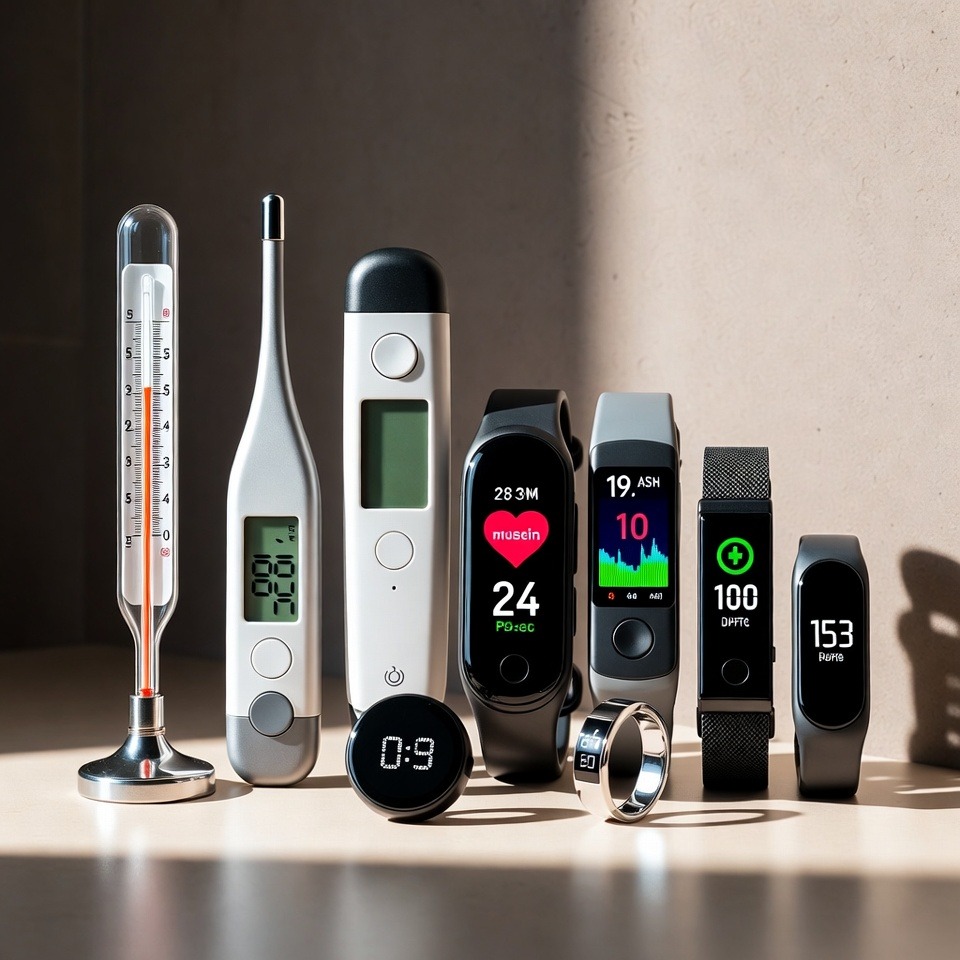
To move from theory to practice, let’s walk through three hypothetical but data-realistic scenarios showing how these metrics interconnect to predict recovery and guide action.
Case Study 1: The Overtraining Executive
*Sarah, 42, is training for a marathon while managing a high-pressure job. For two weeks, she’s pushed through evening runs after long workdays.*
Case Study 2: The Silent Immune Battle
David, 55, feels "a bit off" but not sick. He has a busy weekend planned.
Case Study 3: The Hormonal Mapping
Priya, 38, is trying to understand her energy fluctuations and optimize her fitness.
The current suite of metrics is just the beginning. As sensor technology and algorithms advance, the predictive power of smart rings will grow more sophisticated. Here’s a glimpse at the horizon:
The core principle will remain: using non-invasive, continuous physiological monitoring to predict your body’s state and needs, transforming guesswork into guided action. This journey of discovery is part of our story and mission to make this advanced personal insight accessible.
Conclusion of This Portion: Becoming the Architect of Your Resilience
We have journeyed from the foundational "why" of recovery metrics, through the detailed "what" of each predictive biomarker—HRV, RHR, sleep architecture, skin temperature, SpO2, and respiratory rate—and into the practical "how" of integration, contextualization, and long-term application. The through-line is empowerment.
A smart ring does not make you healthier. You make yourself healthier. What this technology provides is the clarity and confidence to do so effectively. It turns the opaque process of recovery into a transparent, measurable feedback loop. It gives a voice to your body’s silent signals, allowing you to predict your readiness, preempt setbacks, and personalize your path to well-being.
You are no longer flying blind. You have an instrument panel. The metrics are your gauges, and the trends are your navigation chart. By learning to read them—by understanding that a rising HRV whispers "adaptation," a climbing RHR warns of "load," and a stable temperature hums "balance"—you transition from passenger to pilot. You become the active architect of your own resilience, building a foundation of recovery that supports not just your performance tomorrow, but your vitality for all the decades to come. This is the promise of truly intelligent health technology: not to replace self-knowledge, but to illuminate it.
To begin applying these principles with a tool designed for this depth of insight, you can discover the Oxyzen smart ring at our main storefront. And remember, the journey of optimization is continuous; for ongoing learning and community insights, we invite you to browse real customer reviews and testimonials to see how others are transforming their health through data.
With great data comes great responsibility. The predictive power of smart ring metrics is profound, but it is not infallible. To avoid misinterpretation, anxiety, or drawing faulty conclusions, a sophisticated user must understand the technology's inherent limitations and the common psychological traps associated with constant self-tracking.
Technical & Physiological Limitations:
Psychological & Behavioral Pitfalls:
The Antidote: Intelligent Engagement
Use your ring data as a guide for patterns and trends, not absolute truth from every single data point. Look at weekly averages. Use the journaling feature to add context. And occasionally, practice taking the ring off. A weekend where you simply live by feel, without tracking, can be a healthy mental reset and reaffirm that you, not the device, are in charge of your wellbeing. For a balanced perspective on integrating technology with timeless wellness practices, our blog discusses healthy aging tips that start working at any age, emphasizing that data supports, but does not replace, fundamental principles.
Understanding the metrics is step one. Actively improving them is step two. Here, we move from prediction to prescription, outlining evidence-based strategies to positively influence each key recovery biomarker. Think of this as your toolkit for turning red and yellow scores into consistent green.
Optimizing Heart Rate Variability (HRV):
HRV reflects autonomic balance. To boost it, you must strengthen your parasympathetic "brake."
Optimizing Resting Heart Rate (RHR):
A lower RHR indicates cardiovascular efficiency and low metabolic stress.
Optimizing Sleep Architecture:
You need both sufficient Deep Sleep (physical repair) and REM Sleep (mental/emotional repair).
Optimizing Skin Temperature & Thermoregulation:
Aim for a stable, declining nocturnal curve.
Optimizing Blood Oxygen Saturation (SpO2):
Stable, high nighttime SpO2 indicates unobstructed breathing.
The most advanced recovery optimization doesn't just ask what to do, but when to do it for maximum effect. Your body's hormonal and circadian rhythms create predictable windows of opportunity and periods of vulnerability.
Circadian Rhythm Syncing:
Your body operates on a roughly 24-hour internal clock influencing hormone release, metabolism, and sleep propensity.
Menstrual Cycle Syncing (For Women):
Aligning activities with your hormonal phases leverages your natural physiology.
By timing your efforts to these biological rhythms, you work with your body, not against it. This reduces perceived effort, improves results, and enhances overall recovery because you are not forcing stress onto a system that is not primed to receive it. Your smart ring data will validate this approach, showing more stable metrics and better adaptation when you are in sync. This principle of harmony is central to a resilient life, as discussed in our article on healthy aging tips to preserve independence longer.
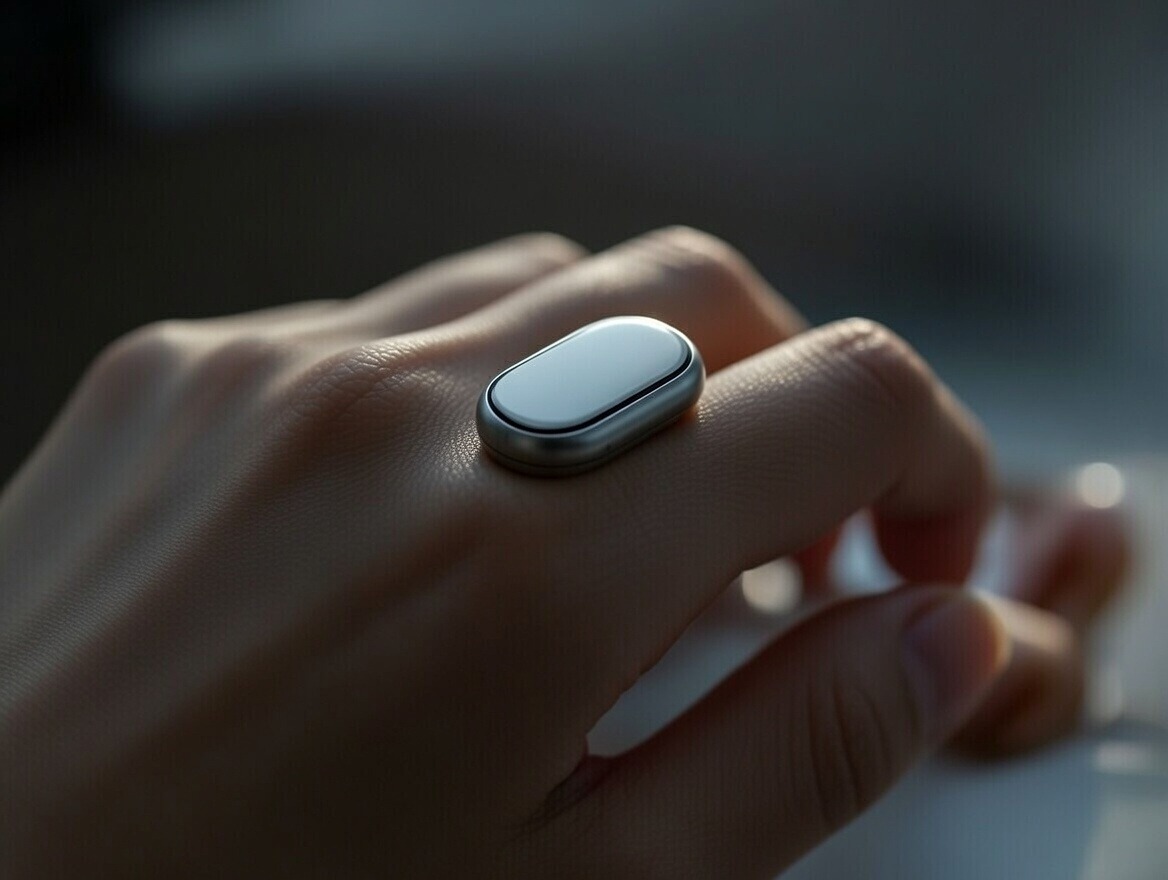
While your smart ring may not have a direct "social connection" sensor, its influence is indelibly written across all your physiological data. Humans are fundamentally social creatures, and the quality of our connections is a powerful modulator of stress and recovery. Loneliness and chronic social conflict are profound stressors, activating the sympathetic nervous system and inflammatory pathways. Conversely, positive social engagement, touch, and a sense of belonging activate the parasympathetic system and release oxytocin, a buffer against stress.
How Social Connection Manifests in Your Data:
Using Data to Optimize Your Social Health:
This holistic view underscores that recovery isn't just physical. True resilience is built on a foundation of physical repair, emotional regulation, and social wellbeing. Your ring's biometric data is often the first objective indicator that your social world needs attention. For a deep dive into this critical factor, explore our dedicated piece on the social connection factor in healthy aging.
While your personal journey is unique, there is collective wisdom to be gleaned from the aggregated trends observed across thousands of smart ring users. These macro-patterns validate long-held health principles and reveal fascinating insights about modern life.
Observed Collective Trends:
What This Means for You:
Your personal data contributes to this larger understanding, and in turn, the observed collective patterns can help you contextualize your own experiences. You are both a unique individual and part of the human tapestry, and your smart ring data reflects that beautiful duality. To learn more about the philosophy behind this community of knowledge, you can read about our mission and company.
Now, we synthesize everything into a actionable, living framework—your Personal Recovery Protocol (PRP). This is a dynamic set of guidelines, informed by your data, that you adjust over time.
Step 1: The Baseline Assessment (Month 1)
Step 2: The Correlation Phase (Month 2)
Step 3: The Protocol Design (Month 3)
Based on your correlations, create your "Green Zone" rules—the non-negotiables that lead to your best scores and feelings.
Step 4: The Refinement & Adaptation Phase (Ongoing)
The Mindset: Your PRP is not a prison. It's the guardrails on the highway that allow you to travel safely at higher speeds toward your health goals. It provides the structure that enables freedom and resilience. For inspiration and to see how others have built their protocols, browse real customer testimonials and experiences.
We stand at the precipice of a revolution in personalized, predictive health. The smart ring is the vanguard, but its integration into a broader ecosystem will redefine preventive care.
Near-Term Horizon (1-3 Years):
Long-Term Vision (5-10 Years):
The ethical considerations—data privacy, algorithmic bias, ensuring equitable access—will be paramount. But the core promise is undeniable: a future where each person has a continuous, intelligent window into their own health, allowing them to predict and prevent rather than simply react and treat. This journey of innovation is part of our story and vision, driving us to refine the tools that empower this future.
We have traversed the landscape of predictive recovery metrics, from the cellular whispers of HRV to the systemic story told by long-term trends. The journey reveals a profound synthesis: Recovery optimization is both a science and an art.
The Science is in the metrics themselves—the objective, quantifiable data that reveals the hidden workings of your autonomic nervous system, your circadian rhythm, and your adaptive capacity. It provides the "what": What is my body's state? What is the trend? What factors correlate with positive or negative shifts?
The Art is in the interpretation and application. It's in knowing when to rigidly follow the data's suggestion to rest and when to override it with lived wisdom. It's in weaving the data into the rich tapestry of your life—your relationships, your work, your joys, and your challenges—without letting it become the tapestry itself. It's in using the numbers to deepen your mind-body connection, not replace it.
The ultimate goal of mastering these predictive metrics is not to achieve a perfect, static score of 100 every day. That is neither possible nor desirable. Life is a series of stressors and adaptations. The goal is to increase your resilience bandwidth—to widen the range of stress you can healthfully encounter and recover from. It's to shorten the time it takes you to bounce back. It's to build a system so robust that you can enjoy the intense peaks of life—the epic adventures, the passionate projects, the deep connections—without fearing the valleys, because you trust in your capacity to navigate and recover from them.
Your smart ring is the tool that illuminates this path. It turns the abstract concept of "listening to your body" into a concrete, learnable skill. You are no longer guessing; you are engaging in a informed dialogue. You are learning the unique language of your own physiology.
So, begin. Establish your baseline. Observe without judgment. Experiment with curiosity. Build your Personal Recovery Protocol. Watch not just for the numbers, but for the feeling of vitality that follows when you align your actions with your data. You are embarking on the most important optimization project of all: the optimization of you. For the tools to begin this journey, visit our main storefront to discover the Oxyzen smart ring, and for continued learning on this path, our blog is a resource for further reading. The future of your health is not just predicted—it's in your hands.
Your Trusted Sleep Advocate (Sleep Foundation — https://www.sleepfoundation.org/)
Discover a digital archive of scholarly articles (NIH — https://www.ncbi.nlm.nih.gov/
39 million citations for biomedical literature (PubMed — https://pubmed.ncbi.nlm.nih.gov/)
experts at Harvard Health Publishing covering a variety of health topics — https://www.health.harvard.edu/blog/)
Every life deserves world class care (Cleveland Clinic -
https://my.clevelandclinic.org/health)
Wearable technology and the future of predictive health monitoring. (MIT Technology Review — https://www.technologyreview.com/)
Dedicated to the well-being of all people and guided by science (World Health Organization — https://www.who.int/news-room/)
Psychological science and knowledge to benefit society and improve lives. (APA — https://www.apa.org/monitor/)
Cutting-edge insights on human longevity and peak performance
(Lifespan Research — https://www.lifespan.io/)
Global authority on exercise physiology, sports performance, and human recovery
(American College of Sports Medicine — https://www.acsm.org/)
Neuroscience-driven guidance for better focus, sleep, and mental clarity
(Stanford Human Performance Lab — https://humanperformance.stanford.edu/)
Evidence-based psychology and mind–body wellness resources
(Mayo Clinic — https://www.mayoclinic.org/healthy-lifestyle/)
Data-backed research on emotional wellbeing, stress biology, and resilience
(American Institute of Stress — https://www.stress.org/)


