


The Mental Side of Body Recovery Basics
Addressing the mental and emotional aspects essential for full-body recovery.
Addressing the mental and emotional aspects essential for full-body recovery.
%402x.svg)
We’ve all been there. You’ve pushed through a grueling workout, aced a demanding project, or simply navigated the relentless pace of modern life. Your body is screaming for rest, and you dutifully oblige—taking a rest day, maybe even two. You eat the right foods, you stretch, you drink water. Yet, days later, you still feel depleted, foggy, and oddly unrestored. The fatigue lingers like a stubborn guest. What gives?
The missing piece, the silent orchestrator of your entire recovery process, is your mind.
For decades, the conversation around recovery—whether from athletic exertion, stress, or illness—has been overwhelmingly physical. We measure heart rate variability, track sleep cycles, count protein grams, and target muscle groups with foam rollers. This data is invaluable, but it tells only half the story. It’s the hardware report, missing the software update. True, holistic recovery occurs at the intersection of the physiological and the psychological. It’s where your nervous system’s state dictates your muscle’s ability to repair, where your mindset determines your hormonal balance, and where your perception of effort and fatigue can either accelerate your rebound or trap you in a cycle of depletion.
This is the mental side of body recovery. It’s not just “positive thinking.” It’s a concrete, trainable skill set involving neurobiology, behavioral psychology, and self-awareness. It’s about learning to listen to the subtle signals before they become screams, to calm the internal storm that inhibits healing, and to use your own cognitive patterns as a powerful tool for regeneration.
Welcome to a new paradigm of restoration. In this deep dive, we’ll move beyond the foam roller and into the foundations of your nervous system. We’ll explore how stress—both physical and mental—creates a unified debt in your body. We’ll decode the language of your autonomic nervous system, the master switch for recovery, and introduce you to the powerful concept of Allostatic Load: the cumulative wear and tear from chronic stress that truly dictates your need to recover. We’ll then equip you with the mental frameworks and biofeedback tools—like those provided by modern wellness wearables such as the Oxyzen smart ring—to not just recover, but to build a more resilient, adaptable, and vibrant you. This journey begins not with a massage, but with a thought.
Close your eyes and recall the last time you felt truly, deeply relaxed. Not just lounging on a couch scrolling, but a state of profound calm where your breathing slowed, your muscles felt heavy and soft, and your mind was quiet. Now, recall the last time you felt a jolt of panic or sudden stress—a near-miss in traffic, a looming deadline. Your heart raced, your muscles tensed, your senses sharpened.
These two extremes are governed by a single, elegant, and automatic system: your autonomic nervous system (ANS). Think of it as your body’s autopilot, constantly fine-tuning tens of thousands of functions without your conscious input. For recovery, the ANS isn't just a player; it’s the stadium, the coach, and the rulebook all in one.
The ANS has two primary branches that work in a delicate, dynamic balance:
The critical misunderstanding in traditional recovery is believing that the absence of physical activity automatically engages the PNS. In our modern world, this is a dangerous fallacy. You can be physically still on your sofa while your sympathetic nervous system is red-lining—buzzing with anxiety about work, stewing over an argument, or bombarded by the hyper-stimulation of a screen. This state of "stress at rest" is the single greatest thief of recovery.
Your body cannot effectively repair muscle tissue, consolidate memory, regulate inflammation, or rebalance hormones if it’s perpetually interpreting its environment as threatening. The biochemical signals of stress (primarily cortisol and adrenaline) actively suppress the anabolic, repair-focused processes.
Therefore, the first and most fundamental principle of mental recovery is this: You must actively, intentionally engage your parasympathetic nervous system. Recovery is not a passive default state; it is an active state of nervous system management that you must cultivate.
This is where awareness becomes power. For generations, the inner workings of the ANS were a mystery, felt but not seen. Today, technology like the Oxyzen smart ring brings this invisible architecture into clear view. By continuously monitoring key biomarkers like Heart Rate Variability (HRV)—a direct, non-invasive window into ANS balance and resilience—you gain objective feedback. You can see, in real data, whether your body is in a sympathetic-dominant state of stress or a parasympathetic-dominant state of recovery. This transforms an abstract concept like "nervous system health" into a tangible, trackable metric. You can learn which activities (a meditation session, a walk in nature, reading a book) genuinely shift your system toward recovery, and which seemingly relaxing habits (late-night doomscrolling, intense drama before bed) might be keeping your foot on the gas.
Understanding this architecture is the foundation. The next step is to identify what’s overloading the system in the first place. To do that, we need to move beyond acute stress and examine the cumulative toll—the concept that truly defines your need to recover.
Imagine your body’s stress response as a brilliant, ancient survival bank. Every time you encounter a stressor—be it a hard sprint, a difficult conversation, a poor night’s sleep, or even a processed meal—your body withdraws a small amount of adaptive energy from this bank to cope. This is normal. This is allostasis: the process of achieving stability through change. A withdrawal is followed by a deposit when you rest, eat well, laugh, and connect. The account stays balanced.
Allostatic Load is the scientific term for what happens when the withdrawals chronically outpace the deposits. It’s the interest accruing on a growing stress debt. It’s the cumulative, long-term cost of your body constantly having to adapt to challenges without adequate recovery in between.
This concept, pioneered by researcher Bruce McEwen, is the master key to understanding why you might feel run-down even when you’re “doing everything right” in your immediate recovery routine. Your body isn’t just recovering from yesterday’s workout; it’s trying to pay down months or years of compounded physiological wear and tear from:
Unlike acute stress, which is a spike on a chart, allostatic load is the area under the curve. It’s the heavy background noise that lowers your system’s baseline resilience, making you more reactive to new stressors and slower to bounce back. High allostatic load is associated with a staggering array of health issues: cardiovascular disease, depression, anxiety, cognitive decline, and weakened immune function. It literally accelerates aging at a cellular level.
From a recovery standpoint, a high allostatic load means your "recovery threshold" is vastly higher. A single rest day is a drop in a bucket that’s already full of holes. Your nervous system is so primed for threat that it resists entering the deep, reparative parasympathetic state. You sleep, but it’s not restorative. You eat nutrients, but your body struggles to utilize them optimally.
The mental side of recovery, therefore, must involve an audit of your allostatic load. It requires shifting your focus from micromanaging the single workout to macro-managing your total life stress portfolio. Questions to ask become: Where are the constant, low-grade drains on my system? What thought patterns (like chronic worry or perfectionism) are creating daily micro-stressors? How is my lifestyle contributing to a background hum of inflammation or hormonal dysregulation?
Tools that provide longitudinal data are invaluable here. A smart wellness ring isn’t just for tracking last night’s sleep; it’s for observing your trends over weeks and months. Are your resting heart rate and HRV baseline gradually improving or declining? How do your recovery metrics shift during a stressful work quarter versus a vacation? This data moves you from guessing to knowing, allowing you to connect life events to physiological outcomes. You can begin to make empowered choices to reduce chronic load, not just acute fatigue. For a deeper exploration of how this longitudinal data empowers proactive health, our article on how health tracking technology enables personalized wellness delves into the transformative power of this approach.
Tackling allostatic load is the ultimate proactive recovery strategy. It’s about building a life and a mindset that makes deposits more often than withdrawals. The first deposit we must learn to make is the most fundamental one: mastering the art of listening to our body’s true signals.

In a world dominated by external metrics—steps counted, calories burned, weights lifted, hours worked—we have systematically unlearned our most innate recovery tool: the ability to perceive and understand the internal sensations of our own bodies. This sense is called interoception.
Interoception is your brain’s perception and interpretation of the internal state of your body. It’s the feeling of your heartbeat, the knot of hunger or fullness in your stomach, the tension in your shoulders, the subtle flutter of anxiety in your chest, the deep sigh of relief, and the profound fatigue that begs for rest. It’s the raw data stream from which you generate feelings and emotions. Poor interoception is like having a state-of-the-art smart ring on your finger but never checking the app. The data is there, vital and rich, but you’re making decisions in the dark.
When we are disconnected from our interoceptive signals, we override our body’s wisdom with rigid schedules and external “shoulds.” We force a workout when our body whispers it needs rest because the calendar says it’s “leg day.” We eat a full meal when we’re not truly hungry because it’s “lunchtime.” We ignore creeping exhaustion and push through, mistaking the numbness of burnout for resilience. This chronic override is a primary driver of high allostatic load and poor recovery.
Cultivating interoceptive awareness is, therefore, a cornerstone of mental recovery. It’s the process of tuning the radio dial from the noisy static of external expectations back to the clear signal of your somatic self. It allows you to:
So, how do you rebuild this atrophied skill? It begins with simple, regular check-ins.
This practice of mindful sensing bridges the gap between subjective feeling and objective data. For instance, you might feel unusually fatigued. A check of your Oxyzen app might show a significantly lower HRV and higher resting heart rate, objectively confirming your subjective sense. This concordance builds self-trust. Conversely, you might feel fine, but your data shows signs of strain—a powerful early warning to preemptively prioritize recovery before you consciously feel the crash. This fusion of inner wisdom and outer data creates a powerful, holistic feedback loop. To see how this plays out in real-world user experiences, you can read testimonials from individuals who have integrated this very practice.
By honing interoception, you move from being a passenger in your body to a skilled navigator. You can now begin to use your mind not just to listen, but to directly influence your recovery biology through one of the most powerful levers available: your breath.
If you could take a single, voluntary action that immediately lowers your heart rate, reduces blood pressure, dampens stress hormone production, and signals your brain that it’s safe to rest and repair, would you do it? You already possess this superpower. It’s your breath.
Breathing is the unique bodily function that operates automatically but is also instantly accessible to conscious control. This makes it the ultimate remote control for your autonomic nervous system. By changing the rhythm, depth, and pattern of your breath, you send direct messages to your brainstem, altering the balance between your sympathetic and parasympathetic systems.
The science is profound. Slow, deliberate, diaphragmatic breathing stimulates the vagus nerve—the longest cranial nerve and the main information superhighway of the parasympathetic system. This triggers the release of acetylcholine, a neurotransmitter that acts as a brake on the heart, promoting a state of calm. This isn’t spiritual speculation; it’s measurable neurophysiology.
1. As an Acute Recovery Catalyst (The "Brake"):
After intense physical or mental exertion, your SNS is activated. A dedicated breathing practice can actively downshift this state, accelerating the transition into recovery mode. A simple, highly effective method is 4-7-8 breathing:
The extended exhale is key, as it directly stimulates vagal tone, triggering the relaxation response. Performing this after a workout, before sleep, or during a stressful work break resets your nervous system landscape, creating the optimal biochemical environment for repair.
2. As a Resilience-Building Practice (Strengthening the "Brake"):
Regular breathwork doesn’t just calm you in the moment; it trains your nervous system to be more resilient over time. It’s like strength training for your vagus nerve. Consistent practice can improve your baseline HRV, a key metric of ANS flexibility and recovery capacity. It teaches your body that it can move smoothly from a state of arousal back to a state of calm, reducing the overall allostatic load of stress cycles.
Integrating this practice with technology creates a powerful validation loop. You can do a 5-minute guided breathing session and then observe the direct, near-immediate impact on your HRV and heart rate in your wellness tracking app. This tangible proof reinforces the habit, turning an abstract “wellness practice” into a concrete, results-driven recovery protocol. Understanding the science behind these sensors can deepen your appreciation; our explainer on the sensors and algorithms powering modern health tracking breaks down how this magic happens.
Breath is the bridge between the mind and the body. By mastering it, you take conscious, scientific command of your recovery physiology. With this direct line to calm established, we can address one of the greatest mental barriers to recovery: our relentless, judgmental inner critic.

You’ve taken a rest day. Your data shows low HRV. You’re honoring your body’s signal. Yet, a nagging voice in your head begins: “You’re being lazy.” “You’ll lose your progress.” “Everyone else is training harder.” This inner critic, fueled by a culture that glorifies “no days off” and perpetual productivity, can single-handedly sabotage your recovery. It keeps your sympathetic nervous system engaged with psychological stress, even while your body is physically at rest.
This is where cognitive reframing becomes an essential mental recovery skill. Rooted in Cognitive Behavioral Therapy (CBT), reframing is the practice of identifying, challenging, and altering distorted or unhelpful thought patterns. In the context of recovery, it’s about shifting your mindset from one of lack and guilt to one of strategy and strength.
Your thoughts about recovery are not trivial; they create a biological reality. A thought like “I’m wasting time” can generate subtle stress chemicals that inhibit the very reparative processes you’re trying to promote. A thought like “I am investing in my resilience” can promote a sense of safety and permission, supporting parasympathetic activation.
Let’s reframe some common recovery traps:
This reframing turns recovery from a passive state of not doing into an active, intentional state of strategic being. You are not “skipping” a workout; you are “prescribing” a regeneration session. This shift in narrative is profoundly empowering and directly impacts your physiological state by reducing the cognitive stress that hampers recovery.
To implement this, start by simply noticing your self-talk around rest and downtime. Write down the critical thoughts. Then, consciously craft and repeat a more accurate, compassionate alternative. Pair this with your objective data—seeing “Recovery Needed” on your app can be the external authority that gives you permission to internalize this new frame: “My body and my technology are aligned. This is the smart move.”
With a kinder internal dialogue, we can now tackle one of the most potent yet misunderstood aspects of mental recovery: the deliberate use of our own imagination.
If you can worry—which is vividly imagining negative future scenarios and experiencing a real stress response—then you possess the neural hardware for a powerful recovery tool: positive, deliberate visualization. The brain is an astonishingly powerful simulator. It often cannot distinguish between a vividly imagined experience and a real one, especially at the level of activating neural pathways and, to a significant degree, physiological systems.
In the athletic world, visualization is a well-established tool for skill acquisition and performance. Seeing yourself execute a perfect movement primes the neural circuits for that action. For recovery, we apply the same principle to the internal processes of healing and restoration. This isn’t mystical thinking; it’s a form of directed mental practice that can reduce perceived pain, lower stress markers, and promote a state of calm conducive to repair.
How to Use Visualization for Recovery:
These practices do more than just distract you. They engage the mind in a task that is inherently calming and focused inward (promoting interoception). They can directly reduce activity in the amygdala (the brain’s fear center) and increase activity in prefrontal regions associated with control and healing. When paired with biofeedback—like watching your heart rate drop on your smart ring during a visualization session—the effect is reinforced. You learn that your mind can directly steer your physiology toward recovery. For those interested in building such habits, our guide on how wellness rings can help build healthy habits offers practical strategies.
Visualization is the mind’s way of practicing the state you want your body to inhabit. It prepares the neural and psychological soil for physical repair to take root. And there is no more critical arena for this repair than the one we spend a third of our lives in: the world of sleep.
Sleep is the non-negotiable peak of the recovery cycle. It’s when growth hormone surges, cellular repair kicks into high gear, the brain’s glymphatic system washes away metabolic waste, and memories are consolidated. Yet, for many, “trying to sleep” becomes a source of anxiety—a performance to be worried about, tracked, and often failed at. This turns the sanctuary of sleep into a battleground, keeping the sympathetic nervous system engaged and undermining the very process we seek.
The mental side of sleep recovery involves shifting your relationship with sleep from an outcome you demand to a process you curate and trust. It’s about creating conditions so conducive to sleep that your nervous system can’t help but surrender to it.
The Pre-Sleep Ritual: Signaling Safety to the Brain
Your brain needs a clear signal that the time for vigilance is over and the time for restoration has begun. A consistent, 45-60 minute “brain dimmer switch” ritual is essential. This isn’t just about avoiding blue light (though that’s important); it’s about a sequential lowering of cognitive and sensory arousal.
Reframing Wakefulness and Data
Here’s where mindset is crucial. If you wake up in the middle of the night or have a “poor” sleep score, anxiety about it will make everything worse. Reframe it:
By treating sleep preparation as a sacred, non-negotiable performance of self-care, you build a powerful mental association between your ritual and the state of rest. You teach your brain that this sequence means safety, and safety means sleep. This creates a virtuous cycle where better sleep improves your daily resilience, and better daily habits improve your sleep.
Your body is not a machine that runs at a constant rate. It is an exquisite, living orchestra governed by a master conductor: your circadian rhythm. This roughly 24-hour internal clock, centered in the brain’s suprachiasmatic nucleus (SCN), regulates almost every physiological process—hormone release, body temperature, digestion, cognitive function, and, of course, sleep-wake cycles. Ignoring this rhythm is like trying to repair a complex instrument while it’s being played. Aligning with it is the final, powerful layer of mental recovery.
Circadian alignment means organizing your day’s activities—including your recovery practices—in harmony with your natural biological peaks and troughs. It’s about working with your body, not against it.
A Simplified Circadian Recovery Timeline:
The Mental Shift: From Arbitrary Scheduling to Biological Harmony
Aligning with your circadian rhythm requires a mental shift from a social clock (“I workout at 7pm because that’s when the class is”) to a biological one (“I will schedule intense demands when my biology is primed for them, and protect my wind-down time fiercely”). It’s about respecting your body’s innate wisdom.
Technology can be a powerful ally here. A wellness ring tracking your body temperature and sleep/wake consistency can help you identify your personal rhythm. You might discover your natural sleep onset is later than you thought, or that late caffeine truly disrupts your deep sleep. This objective feedback allows you to craft a personalized, not generic, recovery schedule that works in concert with your unique biology.
When your daily habits are in sync with your circadian rhythm, you reduce the internal friction and stress of fighting your own physiology. This lowers allostatic load, improves sleep quality, enhances daytime energy, and makes every other recovery practice more effective. You are no longer recovering from your life; you are designing your life to be inherently more recoverable. For a fascinating look at where this personalized, rhythmic health tracking is headed, explore our piece on the future of wearable health technology in 2025.
Understanding the circadian rhythm provides the macro-structure for recovery—the daily tide we must surf rather than fight. But within that structure, we navigate a world filled with stimuli, interactions, and choices. The next layer of mental mastery involves navigating the social and psychological landscapes that can either drain or replenish us. Recovery doesn’t happen in a vacuum; it’s deeply influenced by the company we keep, the boundaries we set, and the meaning we derive from our efforts.
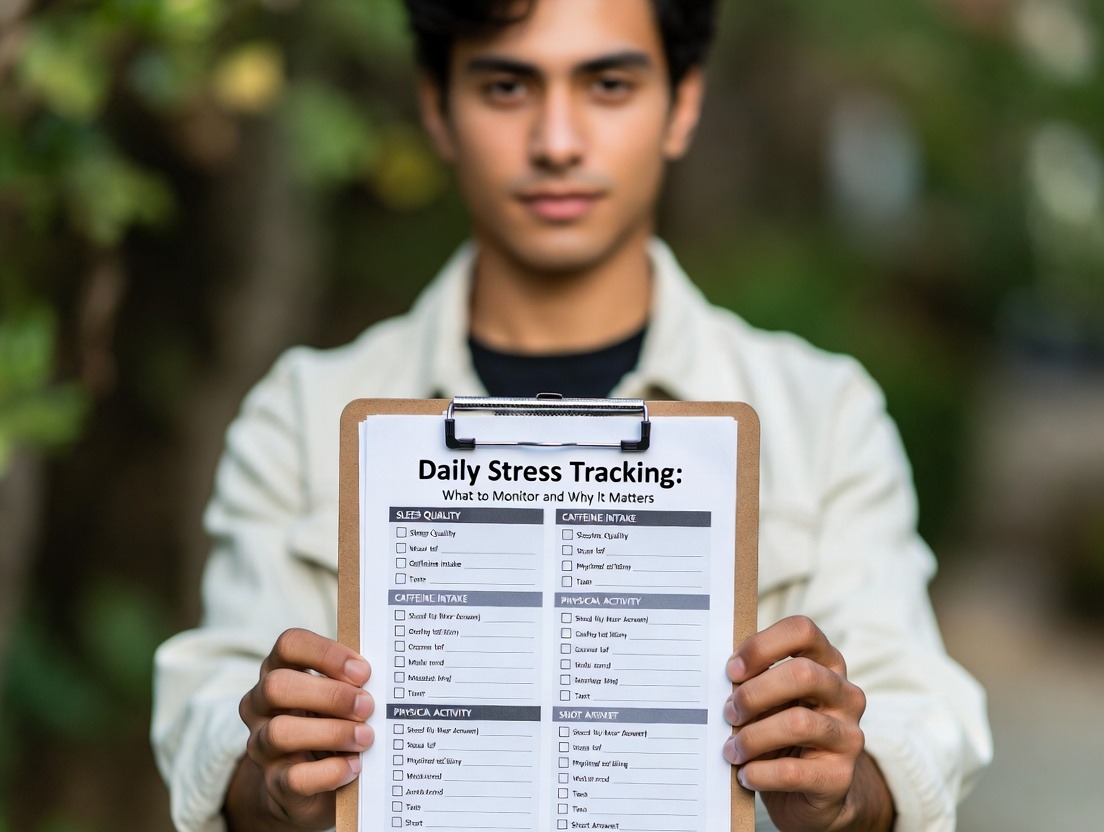
Humans are fundamentally social creatures, and our nervous systems are wired for connection. This biological reality makes our social environment a potent modulator of recovery—for better or worse. Positive social interactions can be profoundly restorative, triggering the release of oxytocin (the “bonding hormone”), which dampens cortisol and promotes feelings of safety and relaxation. A laugh with a friend, a supportive hug, or a deep, empathetic conversation can actively shift your physiology into a parasympathetic state.
Conversely, toxic or stressful relationships are a relentless source of allostatic load. Chronic conflict, loneliness, lack of support, or the pressure of social comparison activate the threat response, keeping your SNS engaged and your recovery systems suppressed. The mental energy spent managing difficult dynamics is energy diverted from repair and restoration.
Building a Recovery-Supportive Social Scaffold:
Your social world is an ecosystem. Just as you wouldn’t expect a plant to thrive in polluted soil, you cannot expect your body to achieve deep recovery in a socially toxic or isolating environment. Curating this scaffold is an act of profound self-care. This curation naturally leads us to the essential skill that protects both your social and personal energy: the art of boundary setting.
If recovery is the state where repair happens, then boundaries are the walls that protect that sacred space. A boundary is a clear limit you set to define what is acceptable and what is not in terms of others’ behavior, your own commitments, and your time and energy. Without boundaries, your recovery becomes perpetually interruptible, subject to the demands and emergencies of others. This creates psychological fragmentation and chronic low-grade stress, as your nervous system never receives a clear, sustained signal that it is safe to fully rest.
Why Boundaries Are a Recovery Non-Negotiable:
Types of Boundaries Critical for Recovery:
The Mental Shift: From Guilt to Preservation
Setting boundaries often triggers guilt, especially for people pleasers. The key reframe is to see boundaries not as walls you build against others, but as the foundation you lay for your own health and sustainability. You are not saying “you are not important.” You are saying “my ability to be present, healthy, and effective requires that I protect this time and space.” It is an act of preservation, not rejection.
Enforcing boundaries gets easier with practice and with objective feedback. When you see the tangible payoff—a higher HRV on mornings after you’ve protected your evening wind-down, a deeper sleep score when you’ve left your phone outside the bedroom—the data reinforces that your boundary is serving a vital biological purpose. It moves the justification from “I feel like I need this” to “The data proves my body needs this.” For those navigating the practicalities of setting up a device to support these boundaries, our FAQ page offers helpful guidance on features like Do Not Disturb sync and focus modes.
With the space created by healthy boundaries, we can fill it not with more demands, but with activities that actively generate a sense of purpose and joy—the ultimate psychological antidotes to stress.
Chronic stress and high allostatic load often arise from a perceived lack of control or meaning—feeling like a cog in a machine, stuck on a hamster wheel of obligation. Two of the most powerful psychological counters to this state are purpose and play. While they may seem like opposites—one serious, one frivolous—they are two sides of the same coin: engagement in activities that are intrinsically rewarding, absorbing, and separate from performance-oriented outcomes.
Purpose in Recovery: This is about connecting your daily habits, including recovery, to a larger “why.” Why are you prioritizing sleep? Not just to “get 8 hours,” but to have the mental clarity to be a better parent, the energy to pursue a creative passion, or the health to enjoy an active retirement. This bigger picture transforms recovery from a chore into a meaningful investment in the life you want to live. It provides the motivation to uphold boundaries and stick to rituals, even when it’s difficult. Research shows that a strong sense of purpose is linked to lower levels of inflammatory markers, better stress resilience, and even longer lifespans.
Play in Recovery: Play is any activity done for its own sake, purely for enjoyment, with no external goal or pressure. It is the state of flow experienced by a child building a sandcastle or an adult lost in a hobby. Play is a potent parasympathetic activator because it is inherently non-threatening and engaging. It quiets the self-critical prefrontal cortex and allows for spontaneous, joyful expression.
Play is the mental equivalent of dynamic stretching for the soul. It introduces variability, novelty, and pleasure—key ingredients for psychological recovery that counterbalance the rigidity of routines and the weight of responsibilities.
Integrating Purpose and Play:
When your life contains both a sense of purposeful direction and moments of purposeless joy, you build a resilient psychological buffer against stress. Your recovery is no longer just about repairing damage; it’s about replenishing the source of your vitality. This holistic mindset is perfectly complemented by the next evolution in personal wellness: the rise of objective, personalized data.
For centuries, the internal landscape of the body was a realm of subjective guesswork. We relied on vague feelings of “being run down” or “feeling good.” The advent of accessible, sophisticated biometric tracking has changed this paradigm. A device like the Oxyzen smart ring provides a continuous, objective narrative of your body’s internal state—a story told through heart rate variability, resting heart rate, skin temperature, and sleep architecture.
This data is not meant to turn you into a paranoid slave to numbers. Rather, its highest purpose is to objectify the subjective, validate your intuition, and disrupt harmful narratives.
1. Objectifying the Subjective:
You might feel “stressed.” Your biometrics can show you what that looks like physiologically: a suppressed HRV, an elevated resting heart rate, increased nighttime awakenings. This demystifies your experience. It moves stress from a fuzzy, overwhelming feeling to a measurable physiological state with a beginning, middle, and end. You can see it on a chart, which inherently makes it feel more manageable.
2. Validating Your Intuition:
This is where interoception and technology form a powerful partnership. You listen inward and feel deep fatigue. You look at your data and see a “Low Recovery” score with objective metrics to back it up. This concordance builds profound self-trust. It gives you the confidence to cancel an intense workout in favor of rest, knowing it’s not laziness but a data-driven decision. Conversely, you might feel hesitant to exercise, but see a “High Recovery” score, giving you the green light to proceed with confidence.
3. Disrupting Harmful Narratives:
Our minds are storytelling machines, and sometimes the stories are unkind or inaccurate. The narrative might be “I’m so lazy and unproductive,” when you’ve taken a rest day. But the data tells a different story: “Your body was managing a significant immune response (elevated nighttime skin temperature) and needed all resources for healing. That ‘laziness’ was intelligent prioritization.” The data can also disrupt the “push through at all costs” narrative by showing the clear physiological cost of overreaching.
How to Engage with Data Wisely:
Data, when used with this mindful, curious mindset, becomes a compassionate coach and a neutral witness. It removes the drama and guesswork, allowing you to make clear-eyed decisions about your recovery. It’s the final piece that ties the mental and physical together in a coherent, personalized plan. But a plan is only as good as its execution, especially when faced with the ultimate recovery disruptor: travel and routine disruption.
Travel—whether for work or pleasure—is a notorious recovery wrecker. It disrupts circadian rhythms (jet lag), exposes you to novel pathogens, imposes unfamiliar food and sleep environments, and breaks your cherished routines. The mental challenge is to avoid seeing travel as a “recovery vacation” and to instead approach it as a recovery mission: the proactive maintenance of your well-being in a suboptimal environment.
The goal isn’t perfection; it’s damage control and resilience preservation. With the right mental frameworks and portable tools, you can create a “sanctuary anywhere.”
Pre-Travel: The Proactive Mindset
In-Transit and On-Site: The Tactical Game
The Mental Mantra: Flexibility, Not Failure
The mental key is flexibility. You will deviate from your ideal. The recovery-sabotaging thought is, “I’ve blown it, might as well give up.” The recovery-supportive thought is, “That’s okay. The next decision is a new opportunity to support my body.” This is interoception in action: checking in and asking, “What do I need right now to feel more grounded?” It might be a glass of water, a short walk, or five minutes of quiet.
By viewing travel through this lens of strategic adaptation, you turn a potential recovery setback into a test and strengthening of your resilience skills. You prove to yourself that your well-being is not fragile and dependent on perfect conditions, but is a portable practice you carry within. This resilience prepares you for the final, and perhaps most transformative, mental shift: changing your relationship with the most challenging recovery days.

In our pursuit of optimal performance and consistent energy, we often view low-energy days, low HRV scores, or forced rest as failures—obstacles on the path to our best selves. This mindset creates a secondary layer of psychological stress (frustration, anxiety) on top of the physiological state that is already asking for rest. What if we reframed these “troughs” not as setbacks, but as the most critical, information-rich phases of the entire recovery cycle?
A low recovery score or a day of profound fatigue is not your body breaking. It is your body communicating profoundly. It is the clearest signal you will receive that your system is actively engaged in deep work—processing stress, fighting a pathogen, repairing tissue, or consolidating learning. The “low” is the work site; the subsequent rebound is the finished construction.
The Mental Practices for the “Low” Days:
The Long-Term Value:
When you learn to embrace the lows, you stop wasting energy on resisting them. This acceptance itself lowers allostatic load. You also become exquisitely attuned to the early, subtle signs of a coming trough, allowing you to proactively adjust before you crash. This is the pinnacle of interoceptive mastery and data-informed awareness.
Furthermore, it is in these periods of forced stillness that we often have our clearest insights, moments of creativity, or emotional releases. The mind, unburdened by the need to perform, can wander and connect dots in novel ways. The low becomes not a void, but a fertile ground.
By honoring the trough, you complete the cycle. You acknowledge that recovery is not a linear ascent to a perpetual high, but a rhythmic wave of effort and integration, stress and restoration. Your mental job is to surf this wave with grace, using every phase—the peak, the descent, and the trough—as information and opportunity. This holistic integration is the final stage of mastering the mental side of body recovery, transforming it from a series of techniques into a way of being.
The journey through the mental landscape of recovery has taken us from the deep biology of the nervous system to the practical psychology of embracing low-energy days. We’ve built a scaffold of understanding: that recovery is an active, neurological state we must cultivate, not a passive default. We’ve equipped ourselves with tools for interoceptive listening, cognitive reframing, and boundary setting. Now, we arrive at the synthesis: moving from theory and isolated practices to a cohesive, personalized, and sustainable way of living. This is where we build your unique Mental Recovery Protocol—a living system that integrates awareness, technology, and habit into the fabric of your daily life.
A protocol is not a rigid set of rules. It’s a flexible, evolving framework of principles and practices that you adapt based on continuous feedback from your two most important sources: your subjective sense of self and your objective biometric data. The goal is to create a self-reinforcing loop where awareness informs action, action generates data, and data deepens awareness.
Step 1: Establish Your Baselines and "Why"
Before you can manage deviation, you need to understand your norm. Use your wellness tracker consistently for at least 2-4 weeks without trying to “optimize” anything. Just live your normal life. This establishes your personal baselines for:
Step 2: Design Your Daily Non-Negotiables (The Pillars)
These are the 3-5 daily activities that form the bedrock of your mental and physical recovery. They should be so simple and non-negotiable that they happen even on your worst day. Examples:
Step 3: Create Your Menu of "Boosters" and "Buffers"
These are practices you deploy based on the signals from your daily check-ins and your biometric data.
Step 4: Implement the Decision Matrix
This is the logic that ties it all together—a simple flow chart for your daily decisions.
Your protocol lives in a simple document or note-taking app. Review it weekly, noting what worked and what didn’t. The Oxyzen app’s trend data is perfect for this weekly review. Did your HRV improve on weeks you consistently did your morning ritual? Did it dip after poor sleep, and how did you bounce back? This is the "living" part—your protocol evolves as you learn about yourself. For a deeper dive into setting up supportive technology, our guide on wellness ring basics for beginners is an excellent resource.
No protocol, no matter how well-designed, will prevent setbacks. Life is inherently unpredictable. Illness, injury, personal loss, work crises, or simply a streak of poor sleep will occur. The mental mastery of recovery is perhaps most critically tested not when things are going well, but in the aftermath of these disruptions. A setback can trigger a cascade of negative thoughts: "I've lost all my progress," "My protocol failed," "I'll never get back on track." This cognitive spiral is the true adversary, often causing more prolonged dysfunction than the setback itself.
The Neuroscience of the Setback Spiral:
A setback activates the brain’s threat response (amygdala). In this state, the prefrontal cortex—responsible for rational planning, self-compassion, and long-term thinking—goes offline. We become emotionally reactive, black-and-white in our thinking, and self-critical. This neural state is the opposite of the one needed for a smart, phased return.
The Compassionate Comeback Framework:
Setbacks are not deviations from the path of recovery; they are part of the path. A well-navigated setback, managed with compassion and intelligence, builds far more profound and durable resilience than a streak of untroubled progress. It teaches your nervous system that it can be disrupted and reorganize itself into strength—the very definition of antifragility. This journey of integration now points us toward the horizon, where the lines between mind, body, and technology are set to blur even further.
We stand at the frontier of a revolution in personal wellness. The current generation of biometric wearables, like smart rings, has brought invisible internal states into the light. The next decade will see this technology evolve from a monitoring tool to an integrated recovery partner, leveraging AI, advanced sensing, and neurotechnology to close the loop between detection and intervention.
1. Predictive, Not Just Reactive, Recovery:
Future algorithms won’t just tell you your recovery is low today; they will predict it tomorrow or three days from now based on a confluence of data: your HRV trend, sleep architecture, skin temperature (an early sign of illness or inflammation), voice stress analysis from your smart speaker, and calendar stress (e.g., a packed meeting schedule). You might receive a notification: *"Based on your elevated nighttime temp and declining HRV, there's an 85% probability of heightened stress reactivity in 48 hours. Consider prioritizing 8+ hours of sleep tonight and scheduling a light movement session tomorrow instead of high-intensity training."* This shifts recovery from damage control to intelligent pre-habilitation.
2. Closed-Loop Bioregulation:
The ultimate integration is technology that doesn’t just inform you, but helps directly regulate your state. We see early glimpses with wearable devices that guide breathing to increase HRV. The future may include:
3. The Quantified "Self" Becomes the Qualified "Context":
The future isn’t just more data points; it’s smarter contextualization. AI will weave together your biometrics, your journal entries (processed via natural language for emotional tone), your location, and even weather data to provide hyper-personalized insights. It might learn that your recovery is uniquely sensitive to pollen count, or that video calls with a specific client consistently spike your stress response, allowing you to prepare accordingly. This moves wellness from generic advice to a deeply personal understanding of your unique stress fingerprints and recovery levers. Explore the possibilities in our article on what's possible in health tracking technology by 2025.
4. Democratizing Advanced Biomarkers:
Technology will bring lab-grade insights to the consumer. Continuous, non-invasive monitoring of biomarkers like blood glucose (already emerging), blood oxygen variation, hydration status at a cellular level, and even certain neurotransmitters’ metabolic byproducts could provide a real-time dashboard of your metabolic and hormonal health, offering unparalleled insight into the drivers of recovery and fatigue.
The mental implication of this future is profound. As technology handles more of the detection and even some of the regulation, our mental role evolves. It becomes less about vigilance and calculation, and more about curation, trust, and embodiment. We will use technology to offload the cognitive burden of tracking, freeing our mental energy for the higher-order tasks of finding meaning, cultivating joy, and engaging in the human connections that no algorithm can replicate. The tech becomes the compass, but we remain the navigators of our own lived experience.
This initial portion of our exploration has laid the comprehensive foundation for mastering the mental side of body recovery. We began by illuminating the master controller—the autonomic nervous system—and the cumulative toll of stress known as allostatic load. We then equipped you with the fundamental skills: honing interoception to hear your body’s whispers, using breath as a direct dial to calm, and reframing cognitive narratives that sabotage rest.
We expanded the view to the ecosystem of recovery, emphasizing the power of social scaffolds, the necessity of boundaries, and the regenerative power of purpose and play. We explored how biometric data transforms subjective feeling into an objective narrative, empowering smarter decisions. We tackled the challenges of travel and the hidden wisdom of low-energy troughs. Finally, we synthesized this into a framework for building a personal protocol, navigating setbacks with compassion, and glimpsed a future where technology becomes a seamless partner in well-being.
The through line is this: Recovery is a state of nervous system safety that you must actively cultivate. It is a skill you practice, not a prize you find. It requires treating your mind with the same strategic care as your muscles—training it for awareness, flexibility, and compassion.
The journey continues. In the next portion, we will delve into the practical application of this mindset across specific domains: creating recovery-centric nutrition strategies, designing intelligent movement progressions that respect neural fatigue, mastering the art of strategic deloading, and building a recovery-supportive environment. We will also explore advanced biohacking techniques, the role of community and accountability, and how to make this holistic approach sustainable for a lifetime.
You have learned the language of your inner landscape. Now, let’s build the life that speaks it fluently.
Your Trusted Sleep Advocate (Sleep Foundation — https://www.sleepfoundation.org/)
Discover a digital archive of scholarly articles (NIH — https://www.ncbi.nlm.nih.gov/
39 million citations for biomedical literature (PubMed — https://pubmed.ncbi.nlm.nih.gov/)
experts at Harvard Health Publishing covering a variety of health topics — https://www.health.harvard.edu/blog/)
Every life deserves world class care (Cleveland Clinic -
https://my.clevelandclinic.org/health)
Wearable technology and the future of predictive health monitoring. (MIT Technology Review — https://www.technologyreview.com/)
Dedicated to the well-being of all people and guided by science (World Health Organization — https://www.who.int/news-room/)
Psychological science and knowledge to benefit society and improve lives. (APA — https://www.apa.org/monitor/)
Cutting-edge insights on human longevity and peak performance
(Lifespan Research — https://www.lifespan.io/)
Global authority on exercise physiology, sports performance, and human recovery
(American College of Sports Medicine — https://www.acsm.org/)
Neuroscience-driven guidance for better focus, sleep, and mental clarity
(Stanford Human Performance Lab — https://humanperformance.stanford.edu/)
Evidence-based psychology and mind–body wellness resources
(Mayo Clinic — https://www.mayoclinic.org/healthy-lifestyle/)
Data-backed research on emotional wellbeing, stress biology, and resilience
(American Institute of Stress — https://www.stress.org/)


