


Travel Wellness Tips: How Your Wellness Ring Adapts to Time Zone Changes
Adapting to time zone changes with a wellness ring.
Adapting to time zone changes with a wellness ring.
%402x.svg)
There's a peculiar moment that happens somewhere over the Atlantic, roughly four hours into an eight-hour flight. You've watched two movies, declined the second meal service, and your neck has developed a mysterious crick that seems to defy all known laws of anatomy. You glance at your wrist—or rather, at the subtle silicone band wrapped around your finger—and wonder what kind of internal chaos your body is currently navigating at 38,000 feet.
The answer, as your wellness ring will later reveal, is quite a lot.
Travel has always been a paradox for the health-conscious. We embark on journeys seeking renewal—vacations meant to restore us, business trips designed to expand us—yet the very act of getting there often leaves us depleted. Jet lag isn't merely about feeling tired at the wrong times; it's a fundamental disruption of the intricate biological systems that govern everything from your digestion to your decision-making capacity. When you cross time zones rapidly, you're essentially asking your body to operate in a new temporal reality while its internal clock stubbornly insists it's still Tuesday afternoon in your home city.
This is where the convergence of wearable technology and travel wellness becomes genuinely revolutionary. Your wellness ring, that unassuming piece of circular tech, happens to be one of the most powerful tools you can pack for any journey involving time zone changes. While you're busy fumbling with airport security and calculating currency exchange rates, your ring is quietly doing something far more sophisticated: it's building a comprehensive map of your unique physiological response to travel stress, sleep disruption, and circadian misalignment.
The modern wellness ring has evolved far beyond simple step counting or sleep tracking. Today's devices—particularly those designed with sophisticated energy monitoring capabilities—offer travelers something unprecedented: real-time insight into how their bodies are adapting (or struggling to adapt) to the demands of cross-country and transcontinental travel. When you understand what your ring is revealing about your recovery needs, stress levels, and energy expenditure during travel, you transform from a passive victim of jet lag into an active participant in your own circadian realignment.
Consider this your comprehensive guide to mastering travel wellness through the lens of your most insightful travel companion. We'll explore how your wellness ring detects the earliest signs of travel fatigue, why your heart rate variability responds so dramatically to time zone changes, and most importantly, how you can use this data to make smarter decisions about everything from meal timing to light exposure when you're on the road. Whether you're a frequent flyer accumulating status miles or an occasional traveler preparing for that once-yearly international adventure, understanding the relationship between your ring's metrics and your travel wellness will fundamentally change how you experience life in transit.
The science of circadian rhythms has come a long way since the term was first coined in the late 1950s. We now understand that nearly every cell in your body contains its own clock mechanism, and these peripheral clocks look to your brain's master clock—the suprachiasmatic nucleus—for synchronization. When you fly from New York to London, you're not just losing five hours of sleep; you're creating a situation where your liver thinks it's time to process dinner while your brain is screaming for breakfast. Your wellness ring, tracking metrics like heart rate variability, skin temperature, and resting heart rate, becomes the decoder ring for this internal chaos.
Throughout this extensive guide, we'll draw connections between what your ring measures and what your body actually needs during and after travel. You'll learn why energy level optimization for shift workers offers surprisingly relevant insights for international travelers, since both groups face the challenge of functioning during circadian misalignment. You'll discover how natural energy boosters through circadian alignment can accelerate your adaptation to new time zones. And you'll understand why how your wellness ring tracks the impact of natural energy boosters becomes particularly valuable when you're experimenting with jet lag remedies in unfamiliar environments.
The journey ahead is substantial—we're covering everything from pre-travel preparation strategies to post-trip recovery protocols, all through the lens of your ring's biometric feedback. By the time you've worked through this material, you'll possess not just theoretical knowledge about travel wellness, but practical, data-informed strategies that you can implement on your very next trip. Your wellness ring is about to become the smartest item in your carry-on.

Before we dive into specific strategies for using your wellness ring during travel, it's essential to understand exactly what's happening inside your body when you cross time zones—and more importantly, how your ring detects these changes long before you consciously register them. The human body is remarkably predictable in its home environment, but introduce a time zone shift, and suddenly everything becomes beautifully, chaotically variable.
Your wellness ring monitors several key physiological markers that are exquisitely sensitive to circadian disruption. The most significant of these is heart rate variability, or HRV. If you've spent any time exploring your ring's app dashboard, you've likely noticed that HRV is treated as something of a celebrity metric—and for good reason. HRV measures the variation in time between consecutive heartbeats, and it reflects your autonomic nervous system's ability to shift between sympathetic (fight-or-flight) and parasympathetic (rest-and-digest) states. When you're well-rested and aligned with your circadian rhythm, your HRV shows healthy variation. When you're stressed, exhausted, or suffering from jet lag, HRV typically drops.
What's fascinating is the timeline of this drop. Research suggests that HRV begins to decrease within hours of circadian disruption, often before you feel subjectively jet-lagged. Your wellness ring might show a declining HRV trend while you're still in the air, signaling that your nervous system is already working overtime to maintain homeostasis despite the confusion of conflicting time cues. This early warning system is invaluable because it allows you to intervene before you crash.
Skin temperature represents another critical data point. Your body temperature follows a predictable daily rhythm—cooler at night, warmer during the day—that's tightly controlled by your circadian clock. When you cross time zones, this rhythm becomes desynchronized from the local environment. Your ring detects even minute changes in peripheral skin temperature, and a deviation from your personal baseline can indicate that your internal thermostat is struggling to recalibrate. Many travelers notice their ring reporting slightly elevated nighttime temperatures for several days after arrival, a sign that the body's heat-regulation mechanisms are working overtime to adjust.
Resting heart rate tells its own story. In a well-aligned state, your resting heart rate should be lowest during your biological night. But when you're jet-lagged, you might see elevated resting heart rates during the local night because your body is still operating on home-time. This is particularly noticeable if you're flying eastward, which requires advancing your sleep-wake cycle. Your heart rate may remain stubbornly elevated at the new local bedtime because, biologically speaking, it's still afternoon back home.
Perhaps the most sophisticated metric your ring tracks in relation to travel is your recovery score—a composite measure that typically includes HRV, resting heart rate, sleep quality, and sometimes respiratory rate. Watch what happens to this score in the days following a long-haul flight. Even if you feel reasonably functional, your recovery score may tell a different story, revealing that your body is expending significant energy on adaptation. This is where the complete beginner-friendly guide to energy optimization during recovery becomes essential reading, because travel is fundamentally a recovery challenge.
The respiratory rate data your ring collects is equally telling. Your breathing pattern changes during sleep based on your circadian phase, and jet lag can disrupt these patterns, leading to more variable or elevated respiratory rates during the night. Some travelers notice their ring flagging potential respiratory irregularities in the first few nights after arrival—not because they're sick, but because their brainstem is confused about when it's supposed to be in deep sleep versus REM.
What makes all of this data so powerful is its objectivity. Human memory is notoriously unreliable when it comes to self-assessment. We tend to think we're handling jet lag better than we actually are, or conversely, we catastrophize temporary discomfort. Your wellness ring provides an unbiased account of your physiological state, cutting through subjective noise to reveal what's actually happening. This objectivity becomes your compass for decision-making during travel.
Consider the practical implications. If your ring shows declining HRV and elevated resting heart rate during a flight, you might decide to prioritize sleep immediately upon arrival rather than pushing through to "beat" jet lag. If your skin temperature readings suggest your circadian rhythm is shifting more slowly than expected, you might adjust your light exposure strategy. The data transforms jet lag from a mysterious malaise you simply endure into a manageable condition you can actively influence.
Understanding what your ring detects also helps you distinguish between different types of travel fatigue. Not all post-travel exhaustion is true circadian jet lag. Sometimes what you're experiencing is simply travel fatigue—the cumulative effect of airport stress, cramped seating, dehydration, and disrupted routines. Your ring can help differentiate these conditions. True circadian disruption typically shows specific patterns: HRV changes that persist beyond the first day, temperature rhythms that remain misaligned, and sleep architecture that's fragmented in particular ways. Travel fatigue, by contrast, might resolve more quickly with rest and hydration.
This distinction matters because the interventions differ. True jet lag requires strategic light exposure, melatonin timing, and patience while your suprachiasmatic nucleus recalibrates. General travel fatigue responds better to sleep, nutrition, and gentle movement. When you can look at your ring's data and understand which condition you're dealing with, you can apply the right remedy rather than guessing.
For the frequent traveler, this physiological awareness becomes increasingly refined over time. You begin to recognize your personal patterns—how your HRV typically responds to westward versus eastward travel, how many days your temperature rhythm usually takes to shift, what your recovery score looks like when you're adapting well versus when you're struggling. This personalization is where the real power lies, because while jet lag affects everyone, it affects everyone differently. Your ring captures your unique response.
The most effective travel wellness strategies don't begin when you arrive at your destination—they begin days or even weeks before you depart. Preparing your body for an impending time zone shift can dramatically reduce the severity of jet lag and accelerate your adaptation upon arrival. Your wellness ring serves as both your preparation guide and your accountability partner during this pre-travel phase.
The concept of circadian preparation rests on a simple principle: the more stable and resilient your baseline physiology is before travel, the better equipped you'll be to handle the disruption of time zone changes. Think of it as building a buffer. If you're already sleep-deprived, stressed, and running on empty before your flight, jet lag will hit you like a freight train. If you're well-rested, nutritionally balanced, and managing stress effectively, you'll have physiological reserves to draw upon during the adaptation period.
Start by examining your ring's data from the week before your planned travel. What do your sleep consistency scores look like? Are you maintaining relatively stable bedtimes and wake times, or is your schedule already erratic? How to master energy level optimization using your smart ring as energy dashboard becomes particularly relevant here, because you need to see the full picture of your energy trends before introducing the variable of travel.
If your data reveals inconsistencies, the week before departure is the time to address them. Prioritize sleep timing regularity above almost everything else. Going to bed and waking within the same thirty-minute window each day helps anchor your circadian rhythm, making it less likely to fragment when you cross time zones. Your ring will confirm your progress through improving sleep consistency scores and stable HRV trends.
Nutrition timing plays a surprisingly significant role in circadian preparation. Your body's peripheral clocks—particularly those in your liver and digestive system—respond to meal timing as a powerful Zeitgeber, or time cue. When you eat sends signals about when you're supposed to be awake and active. In the days before eastward travel (which requires advancing your schedule), you might gradually shift your meal times earlier. For westward travel, shifting meals later can help. Your ring can't directly track meal timing, but it will show you the downstream effects through your overnight recovery metrics.
Hydration status deserves special attention. Aircraft cabins are notoriously dehydrating, with humidity levels often dropping below 20 percent. Entering a flight already dehydrated compounds the stress on your cardiovascular system and can amplify the negative effects of jet lag on cognitive function. Your ring's metrics, particularly resting heart rate, can indicate hydration status indirectly—dehydration often elevates resting heart rate. In the 48 hours before departure, prioritize water intake and minimize alcohol and caffeine, both of which have diuretic effects.
Light exposure in the pre-travel phase represents another preparation lever. For eastward travel, seeking morning light in the days before departure can help phase-advance your circadian rhythm, making the adjustment to an earlier time zone slightly easier. For westward travel, evening light exposure can help phase-delay your rhythm. Your ring's sleep and activity data can confirm whether these light exposure strategies are affecting your sleep onset and offset times as intended.
Stress management before travel often gets overlooked in the chaos of packing and planning, but it's crucial. Travel preparation itself can be stressful—flights to book, accommodations to confirm, work responsibilities to hand off. This stress elevates cortisol, which in turn can disrupt sleep and recovery. Your ring's HRV trends will reflect this stress if you pay attention. If you see HRV declining in the pre-travel days, that's a signal to intentionally incorporate stress-reduction practices. Even ten minutes of breathwork or gentle movement can make a difference in your physiological state.
For those who take supplements, the pre-travel phase is the time to ensure consistency with whatever you normally use. This isn't the moment to experiment with new supplements or dosages—save that for when you're not about to disrupt your circadian system. However, if you've found through the beginner-friendly guide to energy supplements what your smart ring reveals that certain supplements support your sleep or recovery, maintaining that routine through travel provides continuity for your body.
Physical activity in the pre-travel days deserves strategic consideration. A vigorous workout the day before departure might leave you with elevated muscle soreness and recovery needs just as you're about to sit in a cramped airplane seat for hours. Conversely, complete inactivity might leave you feeling restless and stiff during the flight. The sweet spot is moderate movement—perhaps a walk, gentle yoga, or light strength training—that maintains blood flow without creating additional recovery demands. Your ring's activity and recovery scores will help you gauge the appropriate intensity.
Sleep banking is a concept worth understanding. While you can't truly store sleep in advance, entering travel well-rested means your body has less sleep debt to repay during the adaptation period. If your ring shows you've been accumulating sleep debt (indicated by lower-than-usual sleep scores or extended time in bed without corresponding recovery), use the pre-travel days to catch up. This might mean going to bed slightly earlier or allowing yourself to wake naturally without an alarm.
Packing your wellness ring accessories might seem trivial, but forgetting your charger or having it inaccessible during travel defeats the purpose of continuous monitoring. Most rings offer several days of battery life, but long-haul travel with layovers can extend the time between charging opportunities. Pack your charger in your carry-on, not your checked luggage, and consider a portable battery pack for extended trips.
The psychological preparation matters too. When you understand that your ring will likely show temporarily disrupted metrics after travel, you can approach these changes with curiosity rather than alarm. A low recovery score after a long flight isn't a failure—it's a normal physiological response to an abnormal situation. Your ring is simply documenting reality, not judging it. This mindset shift reduces the stress response to the data itself, creating a virtuous cycle where you use information without becoming distressed by it.

The moment you step into an airport, your body begins responding to an environment that's fundamentally at odds with its evolutionary expectations. Fluorescent lighting that bears no resemblance to natural light cycles, constant ambient noise, irregular meal timing, prolonged sitting, and the psychological demands of navigation through security and gates—all of these factors register in your physiology. Your wellness ring, faithfully recording throughout, captures this cascade of stress responses in real time.
Understanding what happens to your body during air travel helps explain why your ring's metrics often look so peculiar on travel days. Let's start with the cabin environment itself. At cruising altitude, the air pressure in a commercial aircraft is equivalent to being at approximately 6,000-8,000 feet above sea level. This reduced pressure means less oxygen is available to your bloodstream with each breath. Your body compensates by increasing your heart rate and breathing rate to maintain oxygen delivery to tissues. Your ring detects this as elevated heart rate, potentially reduced HRV, and sometimes changes in blood oxygen saturation if your device tracks that metric.
The dehydration factor compounds this cardiovascular stress. Low cabin humidity accelerates water loss through respiration and skin evaporation. As your blood volume decreases slightly from dehydration, your heart must work harder to maintain circulation. This often appears in your ring data as a persistently elevated heart rate that doesn't return to baseline even during periods of relative rest. If you're wearing your ring during the flight, you might notice that your heart rate remains higher than it would during similar inactivity on the ground.
Then there's the matter of immobility. Sitting for extended periods allows fluid to pool in your legs, reducing venous return to the heart. When you eventually stand, your cardiovascular system must rapidly adjust to the changed dynamics. Some travelers experience orthostatic intolerance—dizziness upon standing—as a result. Your ring's heart rate data might show dramatic spikes when you stand after prolonged sitting, reflecting this adjustment challenge.
Sleep during flights presents its own complexities. Even in premium cabins with lie-flat seats, the sleep you achieve on an aircraft differs from your normal sleep. The combination of ambient noise, unfamiliar positioning, cabin pressure changes, and the psychological state of being in transit disrupts normal sleep architecture. Your ring will likely show less deep sleep and potentially more light sleep than you'd experience in your own bed. This isn't a failure of your sleep system—it's an appropriate response to an environment where deep sleep might actually be maladaptive from an evolutionary perspective.
What's particularly interesting is how your ring distinguishes between different types of in-flight rest. If you're simply sitting with eyes closed but not truly sleeping, your ring's algorithms will detect this based on movement patterns and heart rate characteristics. You might see periods marked as "rest" rather than sleep in your data. This distinction matters because rest provides some recovery benefit but doesn't offer the same restorative value as actual sleep, particularly slow-wave and REM sleep.
For those flying in economy or premium economy, the challenges multiply. Limited recline, restricted legroom, and the impossibility of achieving a horizontal position mean that any sleep obtained will be fragmented and light. Your ring's sleep stages will reflect this fragmentation, showing frequent wake periods and minimal deep sleep. This is where managing expectations becomes crucial—you're not going to get quality sleep on most flights, so planning for recovery upon arrival is more realistic than hoping for restorative in-flight rest.
The timing of your flight relative to your home time zone and destination time zone influences what your ring shows. A daytime flight that keeps you awake during your biological day might result in minimal sleep disruption but significant fatigue from the cumulative demands of travel. An overnight flight that attempts to align with your destination's nighttime might result in poor-quality sleep but better circadian alignment upon arrival. Your ring's data helps you understand which pattern you're experiencing and how your body is responding.
In-flight meals create their own physiological signatures. Digestion requires significant energy and redirects blood flow to your gastrointestinal system. Eating a large meal before attempting to sleep on a flight can interfere with sleep onset and quality because your body is actively digesting rather than resting. Your ring might show elevated heart rate and reduced HRV during sleep periods following in-flight meals. This is why many experienced travelers advocate for light eating during flights, particularly when trying to sleep.
Alcohol consumption during flights deserves special attention. The combination of cabin pressure and alcohol amplifies alcohol's effects on the body. Blood alcohol concentration rises faster and peaks higher than at ground level. Alcohol also disrupts sleep architecture, reducing REM sleep and causing more frequent awakenings. Your ring will reflect this through poorer sleep quality metrics and potentially lower HRV. While a glass of wine might feel relaxing in the moment, your data will tell the story of its actual physiological cost.
Caffeine presents a more complex picture. Used strategically, caffeine can help maintain alertness during times when you need to be awake to align with your destination's schedule. Used indiscriminately, it can disrupt sleep and increase cardiovascular stress. Your ring's heart rate data will show caffeine's stimulating effects through elevated rates, and your sleep data will reveal its disruption if consumed too late in your biological day.
Movement during flights—when possible and safe—appears in your ring's activity tracking. Walking the aisle, doing seated stretches, or simply changing position frequently registers as movement that, while minimal, provides important benefits for circulation and comfort. Some travelers set reminders to move every hour during long flights, and their ring data confirms these movement bouts through step counts and activity minutes.
Perhaps the most valuable in-flight use of your wellness ring is simply as a source of objective feedback. When you feel tired but your ring shows you haven't actually slept, you can adjust your expectations and strategies. When you feel relatively okay but your ring shows elevated heart rate and reduced HRV, you can recognize that your body is working harder than you realize and adjust your post-flight plans accordingly. The ring transforms the subjective experience of flying into something measurable and therefore manageable.
The moment you step off the aircraft, the clock starts on your circadian adaptation. How you spend the first 24 hours at your destination significantly influences how quickly your body aligns with the new time zone—and your wellness ring provides the guidance system for this critical period. Rather than relying on generic advice about "staying awake until local bedtime" or "taking a short nap," you can use your real-time physiological data to make informed decisions.
Let's address the most contentious question in jet lag management: to nap or not to nap? Conventional wisdom often insists on powering through until local bedtime, but this one-size-fits-all approach ignores the reality of individual variation in sleep need and circadian flexibility. Your ring offers a more nuanced perspective. Upon arrival, check your ring's data from the journey—how much actual sleep did you get during the flight? What was the quality of that sleep? How has your HRV responded to the travel stress?
If your ring shows you obtained minimal or poor-quality sleep during transit, and your HRV is significantly below your baseline, attempting to stay awake for 16+ hours until local bedtime may be counterproductive. Extreme sleep deprivation elevates stress hormones, impairs cognitive function, and can actually make it harder to sleep at the desired time due to the "wired but tired" phenomenon. A strategic nap might serve you better.
The key word is strategic. A nap of 20-30 minutes can provide restorative benefits without significantly interfering with subsequent nighttime sleep. Longer naps, particularly those exceeding 90 minutes, risk including deep sleep that will reduce your sleep drive for the coming night. Your ring can help you time and limit your nap by setting an alarm and then checking afterward how much actual sleep you achieved versus simply resting.
Light exposure on arrival day serves as your primary circadian reset tool. Light is the most powerful Zeitgeber for the human circadian system, and strategic exposure can accelerate adaptation by hours or even days. For eastward travel (where you need to advance your clock), seek bright light in the morning of your destination time and avoid light in the late afternoon and evening. For westward travel (where you need to delay your clock), seek bright light in the afternoon and evening while minimizing morning light exposure.
Your ring can't directly measure light exposure, but it will show you the downstream effects through your subsequent sleep timing and quality. If you nail your light exposure strategy, you'll likely see your sleep onset shifting toward the desired time more quickly. If your light exposure is mis-timed, your ring's sleep data will show persistent misalignment.
Meal timing on arrival day provides another circadian input. Your liver and digestive system have their own clocks, and when you eat sends signals about the time of day. Aligning your meals with local mealtimes—even if you're not particularly hungry—helps synchronize these peripheral clocks with the new time zone. This might mean having lunch shortly after arrival even if your body thinks it's the middle of the night, or having dinner at the local time even if you'd rather sleep.
Hydration continues to matter enormously on arrival day. The dehydration from flying persists, and the excitement or stress of arrival can distract you from drinking enough water. Your ring's resting heart rate the following morning will reflect your hydration status—dehydration typically elevates resting heart rate. Keep water accessible and sip throughout the day, monitoring your urine color as a simple additional check.
Physical activity on arrival day requires careful calibration. Gentle movement—a walk outside, some light stretching—can help reduce travel stiffness, support circulation, and provide natural light exposure. Intense exercise, however, may be counterproductive if you're already stressed and sleep-deprived. Your ring's recovery score offers guidance here. If your score is significantly below baseline, consider this a signal for gentle movement rather than a workout. Save the intense training for when your recovery metrics have rebounded.
The temptation to use alcohol as a "reward" for making it through travel or as a sleep aid is strong, but your ring's data will tell a clear story about alcohol's effects. Even small amounts of alcohol disrupt sleep architecture, reduce REM sleep, and lower HRV. On arrival night, when you're already dealing with circadian disruption, adding alcohol to the mix compounds the challenges. Your sleep quality metrics will suffer, and your recovery the next day will reflect this.
Caffeine timing requires strategic thinking on arrival day. Used early in the day, caffeine can help maintain alertness and support the goal of staying awake until local bedtime. Used after mid-afternoon, caffeine may interfere with your ability to fall asleep at the desired time. Your ring's sleep onset data the following night will reveal whether your caffeine timing was appropriate.
Perhaps most importantly, arrival day is when you begin observing the patterns that will guide your subsequent adjustments. Pay attention to how your ring's metrics respond to different interventions. Does exposure to morning light seem to improve your subsequent HRV? Does a short nap leave you feeling refreshed or groggy? Does early dinner timing correlate with better sleep quality? You're essentially running experiments, with your ring as the measurement device.
For those traveling with others, your ring data can help you communicate your needs more effectively. Rather than saying "I'm tired" (which is subjective and easily dismissed), you might note that your recovery score is at 42 compared to your baseline of 78, and that your HRV dropped by 30 percent during the flight. This objective framing can help travel companions understand why you need to prioritize rest or why you're not up for an evening out on arrival night.
The first night's sleep at your destination will be captured in detail by your ring. Pay attention to sleep onset latency—how long it takes you to fall asleep. Extended latency might indicate that your circadian timing isn't aligned with local bedtime. Look at sleep continuity—how many times you wake during the night. Frequent awakenings suggest ongoing circadian disruption. Examine sleep stages—particularly deep sleep and REM—as these will likely be reduced until adaptation occurs.
Don't expect perfection on arrival night. Your sleep will almost certainly be disrupted, fragmented, or mistimed. This is normal. The goal isn't immediate perfect alignment but rather gradual improvement, with each night bringing you closer to your baseline patterns. Your ring will document this progression, providing encouragement as you see metrics trending in the right direction.
Flying eastward presents unique challenges for your circadian system. When you travel east, you're asking your body to advance its internal clock—to go to sleep earlier and wake earlier than it's programmed to do. For most people, advancing the circadian clock is physiologically more difficult than delaying it. Your body's natural free-running rhythm tends to be slightly longer than 24 hours, making it easier to stay up later (phase delay) than to go to bed earlier (phase advance).
Understanding why eastward travel is harder helps explain what your ring will show in the days following an eastbound flight. Your sleep onset will likely be delayed relative to local bedtime—you may find yourself lying awake at 10 p.m. local time because your body thinks it's still late afternoon. Your sleep offset will also be delayed; you may struggle to wake up at the local morning time because your body thinks it's the middle of the night. This combination—delayed sleep despite needing to advance—creates a frustrating misalignment.
Your ring's sleep data will reflect this through prolonged sleep onset latency and potentially reduced total sleep time if you have to wake at a fixed time for work or activities. The sleep you do achieve may be lighter and more fragmented, with reduced deep sleep in the first part of the night when you're trying to sleep but your body isn't fully ready.
Heart rate variability tells an interesting story during eastbound adaptation. HRV typically follows a circadian pattern, with higher values during sleep and lower values during wakefulness. When your sleep is mistimed, your HRV may not show the expected nocturnal elevation because your body isn't fully in rest-and-digest mode during the local night. Instead, you might see HRV remaining relatively low throughout the 24-hour cycle, reflecting the ongoing stress of circadian misalignment.
Skin temperature rhythms also go awry. Your body temperature should drop at night to facilitate sleep onset and maintenance. When your circadian clock is delayed relative to local time, your temperature may not drop sufficiently at local bedtime, making it harder to fall asleep. Conversely, your temperature may still be low when the local morning arrives, making it harder to wake up feeling alert. Your ring's temperature trend data will show this misalignment, often taking several days to resynchronize with the new schedule.
Strategic light exposure becomes your primary intervention tool for eastbound travel. The goal is to advance your clock, which requires exposure to bright light in the early part of your biological day and avoidance of light in the late part of your biological evening. In practical terms, this means seeking bright light as soon as possible after your desired wake time at the destination, and wearing sunglasses or dimming lights in the hours before your desired bedtime.
Morning light exposure is particularly powerful for phase advancement. If you can get outside into natural light within the first hour after waking, you're sending a strong signal to your suprachiasmatic nucleus that the day has started. Even on cloudy days, outdoor light is typically much brighter than indoor lighting. Your ring's activity tracking will confirm you've been outside if you take a morning walk, though it won't measure the light itself.
Afternoon and evening light requires more careful management. Bright light in the late afternoon or evening can push your clock in the wrong direction—toward further delay rather than the advance you need. This might mean dimming screens, using blue-blocking glasses, or simply keeping lights lower in the hours before bed. Your ring's sleep onset data the next morning will tell you whether your evening light management was effective.
Melatonin timing deserves consideration for eastbound travel. Melatonin is a hormone your body naturally produces in the evening to facilitate sleep onset, and supplemental melatonin can serve as a chronobiotic—a substance that helps shift circadian timing. For eastbound travel, low-dose melatonin taken in the early evening at your destination (roughly 3-4 hours before desired bedtime) can help advance your clock. However, individual responses vary significantly, and the beginner-friendly guide to energy supplements what your smart ring reveals can help you understand how your body responds to melatonin or other supplements.
The timing of physical activity also influences circadian adaptation. Morning exercise can help advance your clock, particularly if performed outdoors with concurrent light exposure. Evening exercise, particularly intense workouts close to bedtime, may delay sleep onset and work against your advance goals. Your ring's recovery data the following morning will show whether your exercise timing supported or hindered your adaptation.
Meal timing for eastbound travel means shifting your eating schedule earlier as well. If you can have breakfast shortly after waking (even if you're not hungry), lunch at local midday, and dinner at least three hours before local bedtime, you're providing consistent time cues to your peripheral clocks. Your ring won't track meals directly, but the downstream effects on sleep quality and HRV will reflect the success of your timing strategy.
Napping during eastbound adaptation requires particular care. A nap that's too long or too late in the day can reduce sleep drive for the upcoming night, perpetuating the cycle of delayed sleep onset. If you must nap, keep it short (under 30 minutes) and early in the day. Your ring's sleep staging will confirm whether your nap included deep sleep—if it did, that's a sign the nap was likely too long and may interfere with nighttime sleep.
The number of days required for full adaptation to eastbound travel varies by individual and by the number of time zones crossed. Generally, most people adapt at a rate of about one time zone per day, though some adapt faster and others slower. Your ring's trending data across multiple nights will show your personal adaptation rate. Watch for sleep onset moving earlier, HRV beginning to show a clearer circadian pattern, and resting heart rate stabilizing.
What's particularly valuable about ring data during eastbound adaptation is the confirmation that progress is happening even when it doesn't feel like it. You might feel exhausted and disoriented for several days, but your ring's metrics may show gradual improvement in sleep efficiency or HRV that you don't subjectively perceive. This objective evidence can provide reassurance and motivation to stick with your adaptation strategies rather than abandoning them out of frustration.

Westward travel, while generally easier for most people than eastward, presents its own distinct challenges and opportunities. When you fly west, you're asking your body to delay its internal clock—to stay awake later and wake later than it's programmed to do. Because your body's natural tendency is to run slightly longer than 24 hours, phase delay comes more naturally than phase advance. However, this doesn't mean westward adaptation is without difficulties.
Your ring's data after a westbound flight will show a different pattern than after eastbound travel. Sleep onset typically isn't a problem—you'll likely fall asleep easily at the local bedtime because it's later than your biological bedtime. The challenge comes in the morning, when your body may still want to be sleeping even though the local day has started. You might find yourself waking naturally at 4 or 5 a.m. local time, unable to return to sleep, then crashing with fatigue by mid-afternoon.
Sleep architecture during westbound adaptation often shows an interesting pattern. You may achieve adequate total sleep time, but the distribution of sleep stages may be abnormal. Deep sleep might be concentrated in the first part of the night (when your body thinks it's prime time for deep sleep), while REM sleep might be compressed or reduced. Your ring's sleep staging will reveal these patterns, helping you understand why you might feel less refreshed despite adequate sleep duration.
Heart rate variability during westbound travel often recovers more quickly than during eastbound travel, but it may show a shifted circadian pattern. You might see your HRV remaining elevated later into the morning because your body's rest-and-recovery period is extended relative to local time. This can actually be advantageous if you have flexibility in your morning schedule, allowing you to sleep in and align with your body's natural rhythm.
Skin temperature rhythms follow a similar delayed pattern. Your body temperature may remain low later into the local morning, contributing to morning grogginess and difficulty waking. As the day progresses, your temperature may rise later than desired, potentially contributing to the late-afternoon slump that many westward travelers experience. Your ring's temperature trend data will document this shifted rhythm.
Light exposure strategy for westward travel aims to support phase delay. This means seeking bright light in the afternoon and evening to push your clock later, while minimizing light exposure in the early morning to prevent unwanted phase advancement. If you're waking at 4 a.m. local time and can't sleep, staying in dim light until closer to your desired wake time can help prevent your clock from shifting in the wrong direction.
Afternoon and evening light become your primary tools for westward adaptation. Bright light in the hours before your desired bedtime signals to your brain that the day is still ongoing, encouraging your clock to delay further. This might mean spending time outdoors in the late afternoon, keeping lights bright in the evening, or using light therapy devices if natural light isn't available.
Morning light management is equally important. If you're waking too early, exposing yourself to bright light at that time will reinforce the early wake time, making it harder to shift later. Instead, stay in dim conditions until your target wake time. Blackout curtains, sleep masks, and dim bedroom lighting all support this strategy. Your ring's wake time data will confirm whether your morning light management is working.
Melatonin for westward travel is used differently than for eastbound. For phase delay, melatonin is typically taken in the morning upon waking to help shift the clock later—counterintuitive, but supported by circadian science. However, melatonin can cause drowsiness, so morning use must be balanced against the need to function during the day. Low doses (0.5mg or less) are typically recommended for this purpose to minimize sedative effects while maintaining chronobiotic benefits.
Caffeine timing requires strategic thinking for westward travel. Morning caffeine, particularly if consumed early, may actually work against your delay goals by promoting alertness at a time when you're trying to gradually shift your wake time later. Delaying your first caffeine of the day until closer to your target wake time can support the delay process. Afternoon caffeine, used judiciously, can help maintain alertness during the late afternoon slump that often accompanies westward travel.
Physical activity for westward adaptation is most beneficial when timed in the afternoon or early evening. Exercise in the late afternoon can help delay your clock, particularly if performed outdoors with concurrent light exposure. Morning exercise, especially early morning, may have the opposite effect, reinforcing an early wake time that you're trying to shift later.
Meal timing for westward travel means gradually shifting your eating schedule later as well. If you're waking at 4 a.m. local time, having breakfast at that hour reinforces an early schedule. Instead, try to delay your first meal until closer to your target wake time, even if you're awake earlier. This helps align your peripheral clocks with your desired schedule rather than your current accidental schedule.
The "second wind" phenomenon that many westward travelers experience deserves attention. You may feel profoundly fatigued in the late afternoon, only to find yourself more alert in the evening when you should be winding down. This occurs because your circadian clock, still operating on home time, is promoting alertness in the evening while your homeostatic sleep drive (accumulated wakefulness) is peaking in the afternoon. Your ring's HRV and activity data will reflect this pattern, showing lower HRV and possibly reduced movement during the afternoon slump, followed by improvements in the evening.
Napping during westward adaptation requires different considerations than for eastbound travel. A short nap during the afternoon slump can help you function better without significantly interfering with nighttime sleep, as long as the nap isn't too close to bedtime. However, napping too late in the day can reduce sleep drive for the night, perpetuating the cycle of early morning awakening. Your ring's sleep staging for subsequent nights will reveal whether your napping strategy is helping or hindering.
The duration of westward adaptation typically matches the rate of eastbound adaptation—about one time zone per day for most people—but the experience often feels easier because you're delaying rather than advancing. However, for those with rigid morning schedules (like required 8 a.m. meetings), westward travel can be surprisingly challenging because the early morning awakenings conflict with the need for late-night alertness.
Your ring's data throughout westward adaptation provides crucial feedback. Watch for your wake time gradually shifting later toward your target. Monitor whether your afternoon slump becomes less pronounced as your circadian rhythm aligns with local time. Track whether your sleep efficiency improves as your sleep drive and circadian timing come into better alignment. Each of these metrics confirms that your adaptation strategies are working, even when the process feels slow.
Sleep is not a single state but a dynamic process involving distinct stages, each serving different physiological and cognitive functions. Your wellness ring's ability to estimate these stages—wake, light sleep, deep sleep, and REM sleep—provides unprecedented insight into how circadian disruption affects the quality, not just quantity, of your rest. Understanding these changes helps you interpret what your ring is showing and, more importantly, what your body actually needs during adaptation.
Deep sleep, also known as slow-wave sleep, serves primarily restorative functions. During deep sleep, your body repairs tissues, clears metabolic waste from the brain, and consolidates certain types of memories. Deep sleep is typically concentrated in the first half of the night, driven by both circadian timing and the duration of prior wakefulness (sleep pressure). When you travel across time zones, the timing of deep sleep becomes disrupted.
For eastbound travelers, deep sleep may be reduced in the first part of the local night because your circadian system isn't yet promoting sleep during that time. You might lie awake for hours, missing the window when deep sleep would normally occur. When sleep finally comes, it may be lighter and more fragmented, with deep sleep compressed into a shorter period. Your ring's sleep staging will show reduced deep sleep percentages, and you'll likely wake feeling unrefreshed despite having spent adequate time in bed.
For westbound travelers, deep sleep may occur earlier in the night relative to local time, then taper off earlier in the morning. This can result in waking after 4-5 hours of sleep feeling reasonably rested, only to crash later in the day as sleep pressure accumulates. Your ring's data will show adequate or even above-average deep sleep in the first part of the night, but total sleep time may be insufficient if you can't return to sleep after that early awakening.
REM sleep tells a different story. REM sleep, associated with dreaming and emotional processing, is typically concentrated in the second half of the night and is heavily influenced by circadian timing. REM sleep propensity peaks in the early morning hours, driven by your internal clock. When your circadian rhythm is misaligned, REM sleep may be reduced or mistimed.
Eastbound travelers often experience reduced REM sleep because they're waking before their REM peak occurs. If you're falling asleep late and waking early due to schedule demands, you may truncate the morning hours when REM would normally dominate. Your ring's sleep staging will show reduced REM percentages, and you might notice emotional volatility or difficulty with complex cognitive tasks as a result.
Westbound travelers face the opposite pattern. REM sleep may occur earlier in the night than desired, and you may complete most of your REM requirements before waking in the early morning. This can leave you feeling emotionally flat or cognitively dull later in the day, even if total sleep time seems adequate. Your ring's data will show normal or even elevated REM in the first part of the night, with reduced REM in the hours before waking.
Sleep continuity—the degree to which sleep is uninterrupted—suffers during circadian disruption regardless of travel direction. Frequent awakenings, even if brief, fragment sleep and reduce its restorative value. Your ring detects these awakenings through movement and heart rate changes, reporting them as wake episodes or restless sleep. High fragmentation scores correlate with next-day fatigue, cognitive impairment, and reduced HRV.
Sleep onset latency—the time it takes to fall asleep—provides another valuable metric. Extended latency suggests that your circadian timing isn't aligned with your desired bedtime. You might be going to bed at 10 p.m. local time, but if your circadian clock thinks it's 4 p.m., falling asleep will be difficult. Your ring's detection of sleep onset helps quantify this misalignment.
Sleep efficiency, calculated as the percentage of time in bed actually spent sleeping, summarizes these various disruptions. A healthy sleep efficiency is typically above 85 percent. During jet lag, efficiency may drop to 70 percent or lower, reflecting the combined effects of delayed onset, frequent awakenings, and early morning awakening. Your ring's sleep score incorporates efficiency as a key component.
The relationship between sleep stages and recovery becomes clearer when you examine your ring's data across multiple nights post-travel. You might notice that deep sleep recovers first, often within 2-3 days, while REM sleep takes longer to normalize. This pattern makes evolutionary sense—deep sleep addresses immediate physical restoration needs, while REM sleep's more complex functions can tolerate temporary disruption.
What's particularly valuable about ring data is the ability to correlate sleep quality with next-day metrics. You can examine whether a night with adequate deep sleep but reduced REM leads to better physical performance but worse cognitive function the next day. Or whether a night with good continuity but shifted timing still leaves you with reduced HRV the following morning. These correlations help you understand your personal response patterns.
For travelers who experience significant sleep disruption, the complete beginner-friendly guide to sleep as ultimate natural energy booster offers deeper context on why sleep quality matters and how to protect it during challenging periods. The principles outlined there—consistent timing, appropriate sleep environment, pre-sleep routines—become even more important when your circadian system is under stress.
Sleep architecture also interacts with other metrics your ring tracks. For example, low HRV during the night often correlates with reduced deep sleep, as both reflect sympathetic nervous system activation. Elevated nighttime heart rate similarly correlates with lighter, more fragmented sleep. Watching these metrics together provides a more complete picture than any single measurement alone.
The environment at your destination affects sleep architecture beyond circadian factors. Unfamiliar beds, different noise levels, changes in temperature and humidity—all register in your sleep data. Your ring can't distinguish between jet lag effects and environmental effects, but the combination of factors will appear in your sleep metrics. Over several nights, as you acclimate to both the environment and the time zone, you should see progressive improvement.
Strategic use of sleep aids—whether behavioral, environmental, or pharmacological—should be guided by your ring's feedback. If you try a new sleep strategy (like blackout curtains or a white noise app), your ring's subsequent sleep data will show whether it helped. This turns sleep optimization during travel from guesswork into an evidence-based process.
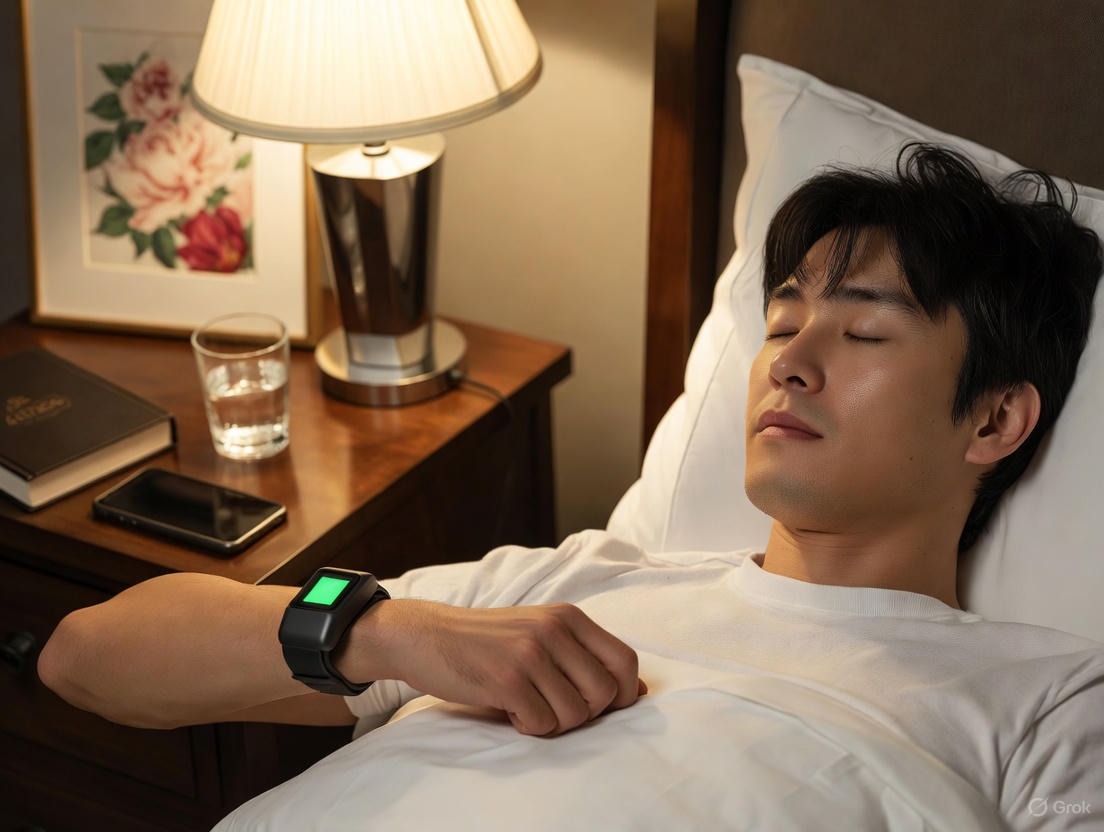
If you had to choose a single metric from your wellness ring to guide your travel decisions, heart rate variability would be the strongest candidate. HRV reflects the balance between your sympathetic and parasympathetic nervous systems, providing a window into your body's current capacity to handle stress and recover from demands. During travel, HRV becomes your most responsive and informative guide.
Understanding what HRV measures helps explain its value for travelers. Your heart doesn't beat at perfectly regular intervals like a metronome. Instead, the time between beats varies constantly as your autonomic nervous system responds to internal and external demands. Higher HRV (greater variation between beats) generally indicates a more resilient, adaptable nervous system capable of shifting between states as needed. Lower HRV (less variation) suggests a system under stress, operating closer to its limits with less flexibility.
During travel, multiple stressors converge to suppress HRV. Sleep disruption, circadian misalignment, dehydration, altered nutrition, psychological stress from navigating unfamiliar environments, and the physical demands of transit all contribute. Your ring captures the cumulative effect of these stressors through declining HRV readings. What makes this valuable is the timing—HRV typically changes before you feel subjectively stressed or fatigued.
Imagine landing at your destination and feeling reasonably alert and functional. You might be tempted to push through, attend meetings, explore the city, or maintain your usual activity level. But if your ring shows HRV significantly below your personal baseline, that's a signal that your body is already working hard to maintain homeostasis, even if you don't feel it. Honoring that signal—by resting, hydrating, eating well, and avoiding additional stress—can prevent a crash later.
HRV also helps you distinguish between different types of travel stress. A modest HRV drop that recovers quickly after a good night's sleep suggests your body is adapting well to the time zone change. A sustained HRV decline that persists despite adequate sleep may indicate something else—perhaps illness onset, overtraining, or cumulative stress that needs addressing. Your HRV trend across multiple days provides context that single-night readings cannot.
The time of day you measure HRV matters. Most wellness rings capture HRV during sleep, when external influences are minimized and readings reflect your baseline physiological state. This overnight HRV is your most reliable metric for tracking adaptation. Morning HRV readings upon waking provide another useful data point, reflecting how well your body recovered during the night.
Comparing your travel HRV to your baseline reveals your personal adaptation rate. Some people see HRV return to normal within 2-3 days after crossing 3-5 time zones. Others take a week or longer. Knowing your typical pattern helps you plan realistic expectations for post-travel performance. If you know your HRV usually takes five days to recover after Europe trips, you can schedule lighter commitments for those first few days back.
HRV also guides your activity decisions during travel. Exercise, while beneficial for health and circadian adaptation, also stresses the body. When your HRV is low, high-intensity exercise adds additional load to an already stressed system, potentially prolonging recovery. Gentle movement—walking, stretching, yoga—may be more appropriate until HRV begins trending upward. Your ring's HRV data helps you make this call objectively rather than guessing.
The relationship between HRV and other travel metrics adds depth to your understanding. You might notice that low HRV correlates with elevated resting heart rate, suggesting cardiovascular stress. Or that HRV drops on days when you had poor sleep the night before, confirming the connection between rest and recovery. These correlations help you identify which factors most influence your travel resilience.
For travelers managing chronic health conditions, HRV becomes particularly valuable. Conditions like anxiety, depression, autoimmune disorders, and cardiovascular disease all affect autonomic function, and travel stress can exacerbate symptoms. Monitoring HRV provides early warning of deterioration, allowing for proactive adjustments before symptoms become severe. Energy level optimization through stress management ring HRV connection explores this relationship in greater depth.
HRV also helps you evaluate the effectiveness of your jet lag interventions. If you try a new strategy—like morning light exposure or melatonin timing—watch what happens to your overnight HRV over subsequent days. Improvement suggests the strategy is working for your body. No change or further decline suggests the strategy isn't helpful or needs adjustment. This turns travel wellness into an iterative, personalized process.
The psychological benefits of HRV monitoring during travel shouldn't be underestimated. Travel anxiety often stems from uncertainty—not knowing how your body will respond, whether you'll be able to function, when you'll feel normal again. HRV data provides objective information that reduces this uncertainty. Even when your HRV is low, knowing that fact helps you understand why you feel the way you do and what you need to do about it.
For business travelers who need to perform at cognitive and interpersonal tasks, HRV offers a window into mental readiness. Low HRV correlates with reduced executive function, emotional regulation difficulties, and impaired decision-making. Checking your HRV before important meetings or presentations can help you calibrate expectations and implement strategies to compensate—perhaps by simplifying your presentation, relying on notes, or building in extra preparation time.
The recovery process after travel is similarly guided by HRV. As your HRV gradually returns to baseline, you gain confidence that your body has adapted. You can gradually increase activity intensity, return to normal eating patterns, and resume your regular routine. Pushing too hard before HRV recovers risks prolonging the adaptation process or inviting injury.
The journey home presents its own set of challenges, often compounded by the fatigue accumulated during your trip. After you've finally adapted to your destination's time zone, you must now reverse the process and readapt to your home schedule. This return transition can be surprisingly difficult, sometimes more so than the original adaptation, because you're dealing with travel fatigue on top of circadian disruption.
Your ring's data from the end of your trip provides crucial context for planning your return. How well have you adapted to the destination time zone? If your metrics—HRV, temperature rhythm, sleep stages—have fully normalized, you're starting from a better place than if you're still partially adapted. If you've been running a sleep deficit during your trip (common on vacations where you sacrifice sleep for experiences or business trips where early meetings truncate rest), you have additional recovery needs.
The direction of return travel matters enormously. Returning westward after an eastbound trip means you're now dealing with a phase delay after having just completed a phase advance. Returning eastward after a westbound trip means you're now dealing with a phase advance after having just completed a phase delay. The combined effect can be disorienting, as your body has been pushed in both directions within a short period.
Many travelers find that return adaptation takes at least as long as outbound adaptation, sometimes longer. This makes intuitive sense when you consider the cumulative load. Outbound travel involved anticipation, excitement, and novelty—factors that can buffer stress. Return travel often involves post-trip letdown, accumulated fatigue, and the immediate demands of resuming normal life.
Your ring becomes particularly valuable during this return period because it helps you distinguish between lingering jet lag and post-travel fatigue. True circadian misalignment will show in your temperature rhythm and sleep timing. General fatigue from accumulated sleep debt and travel stress may appear primarily in your HRV and recovery scores without clear circadian disruption. The interventions differ—circadian misalignment requires light and melatonin strategies, while fatigue primarily requires rest and nutrition.
Sleep debt accumulated during travel represents a physiological liability that must be repaid. If you averaged 6 hours of sleep per night during a 10-day trip when you normally need 8, you've accumulated 20 hours of sleep debt. Your body will attempt to repay this debt through longer sleep, deeper sleep, or both. Your ring will show increased total sleep time, elevated deep sleep percentages, and potentially higher sleep efficiency as your body prioritizes recovery.
The first few nights back home often show interesting patterns. You might fall asleep easily (relief to be in your own bed) but wake frequently (residual circadian disruption). You might experience exceptionally deep sleep for the first part of the night, then lighter sleep thereafter. You might have vivid or unusual dreams as your REM sleep normalizes. Your ring captures all of this, providing reassurance that these patterns are normal parts of recovery.
Returning to work or school immediately after travel adds another layer of stress. Your ring's data can guide your schedule during this transition. If your HRV remains low, consider postponing demanding cognitive tasks or important meetings if possible. If your sleep timing remains shifted, adjust your schedule to accommodate later or earlier starts rather than fighting your biology.
Light exposure strategies for return travel reverse those used for outbound. If you're returning east after a westbound trip (needing to advance your clock), seek morning light and avoid evening light. If you're returning west after an eastbound trip (needing to delay your clock), seek afternoon/evening light and minimize morning light. Your ring's sleep timing data will confirm whether these strategies are working.
Meal timing for return travel similarly reverses. Shift meals back toward your home schedule gradually rather than abruptly. If you've been eating dinner at 9 p.m. destination time but need to return to 7 p.m. home time, consider a gradual transition over several days. Your ring's overnight recovery metrics will reflect how well your digestive system is handling the transition.
The psychological aspect of return travel affects your physiology. Post-vacation blues, work stress accumulation, and the demands of catching up all elevate cortisol and suppress HRV. Your ring may show lower recovery scores in the days after return even as your circadian system realigns. Recognizing this as normal helps prevent additional stress about the stress.
For frequent travelers, the pattern of repeated adaptations creates its own physiological signature. Your body may become more efficient at shifting rhythms over time—a phenomenon sometimes called "circadian plasticity." Your ring's historical data can reveal whether you're adapting more quickly now than you did years ago, or whether certain strategies consistently improve your outcomes.
The return period is also when many travelers discover the value of their accumulated data. Reviewing your trip's metrics—how your HRV responded to different phases, how quickly your temperature rhythm shifted, which strategies seemed most effective—provides insights for future travel. 15 energy level optimization insights from your wellness ring monthly reports offers guidance on extracting these lessons from your data.
Ultimately, return travel reminds us that wellness is a practice, not a destination. Your ring doesn't promise perfect adaptation or effortless travel. Instead, it offers something more valuable: the information you need to navigate the inevitable disruptions with greater awareness and intention. Each trip becomes not just a journey to somewhere else, but a journey of self-discovery—learning how your unique body responds to the challenge of time zone travel, and how you can support it through the process.
The data your ring collects during travel tells a story. It's the story of your resilience, your adaptability, and your body's remarkable capacity to find equilibrium even when the external world is anything but stable. Learning to read that story transforms travel from something you endure into something you actively shape. And that, perhaps, is the ultimate travel wellness tip of all.
Your Trusted Sleep Advocate: Sleep Foundation — https://www.sleepfoundation.org
Discover a digital archive of scholarly articles: NIH — https://www.ncbi.nlm.nih.gov/
39 million citations for biomedical literature :PubMed — https://pubmed.ncbi.nlm.nih.gov/
Experts at Harvard Health Publishing covering a variety of health topics — https://www.health.harvard.edu/blog/
Every life deserves world class care :Cleveland Clinic - https://my.clevelandclinic.org/health
Wearable technology and the future of predictive health monitoring :MIT Technology Review — https://www.technologyreview.com/
Dedicated to the well-being of all people and guided by science :World Health Organization — https://www.who.int/news-room/
Psychological science and knowledge to benefit society and improve lives. :APA — https://www.apa.org/monitor/
Cutting-edge insights on human longevity and peak performance:
Lifespan Research — https://www.lifespan.io/
Global authority on exercise physiology, sports performance, and human recovery:
American College of Sports Medicine — https://www.acsm.org/
Neuroscience-driven guidance for better focus, sleep, and mental clarity:
Stanford Human Performance Lab — https://humanperformance.stanford.edu/
Evidence-based psychology and mind–body wellness resources:
Mayo Clinic — https://www.mayoclinic.org/healthy-lifestyle/
Data-backed research on emotional wellbeing, stress biology, and resilience:
American Institute of Stress — https://www.stress.org/


