


Energy Level Optimization Through Stress Management: Ring HRV Connection
Managing stress to improve energy, shown through the connection with ring HRV data.
Managing stress to improve energy, shown through the connection with ring HRV data.
%402x.svg)
In a world that glorifies busyness, where fatigue is worn as a badge of honor, we’ve fundamentally misunderstood the currency of vitality. Energy isn’t an infinite resource we deplete by the day; it’s a dynamic current we can learn to regulate, recharge, and optimize. The real thief of our vigor isn’t our to-do list—it’s the silent, corrosive force of mismanaged stress. For decades, we’ve gauged our energy by the crude metrics of hours slept and cups of coffee consumed, flying blind in our own bodies. We crash by 3 PM or lie awake at 2 AM, disconnected from the biological signals that whisper our true capacity.
This paradigm is shifting, powered by a convergence of neuroscience, physiology, and wearable technology. At the heart of this revolution lies a deceptively simple metric: Heart Rate Variability (HRV). Far more than just a number, HRV is the master dial on your body’s stress and recovery system, a real-time, non-negotiable readout of your nervous system’s balance. It tells the story your conscious mind often misses—the story of resilience, strain, and readiness.
Enter the smart wellness ring. Sleek, unobtrusive, and worn 24/7, this device moves beyond counting steps. It becomes a continuous biofeedback loop, a personal stress translator sitting on your finger. It captures the nuanced language of your HRV, along with sleep architecture, body temperature, and activity, painting a holistic, actionable picture of your energy systems. This is no longer about tracking for tracking’s sake; it’s about connecting cause and effect. It’s about discovering that the anxiety you felt on Tuesday lowered your HRV on Wednesday, sapping your Thursday energy. It’s about learning that the mindful breathing you did in the morning raised your HRV, insulating you from the afternoon’s chaos.
This article is your deep dive into that connection. We will dismantle the myth that stress management is merely a soft skill for mental calm. Instead, we will frame it as the most critical, non-negotiable practice for physical energy optimization. We will explore the hard science of how stress drains your cellular batteries, how HRV serves as the ultimate dashboard warning light, and how the continuous data from a wellness ring can guide you from exhausted to energized. This is a roadmap for turning insight into action, for using objective data to build subjective vitality. Let’s begin the journey from surviving on borrowed energy to thriving on renewable, self-generated power.

We live in an era of unprecedented health awareness. Superfoods line grocery shelves, fitness trackers are ubiquitous, and meditation apps are downloaded by the millions. Yet, a pervasive fatigue defines our age. We sleep eight hours but wake unrefreshed. We exercise but feel drained, not energized. We eat clean yet hit debilitating afternoon slumps. This is the paradox of the modern energy crisis: we are following the rules, but the promised vitality remains elusive. The problem isn’t the individual strategies; it’s our fundamental misunderstanding of energy as a singular resource.
Traditionally, we’ve viewed energy through a simplistic lens: calories in, calories out. If you’re tired, you need more sleep or more caffeine. This model is dangerously incomplete. Human energy is a multi-system output, governed primarily by the autonomic nervous system (ANS). The ANS has two critical branches: the sympathetic (gas pedal, “fight-or-flight”) and the parasympathetic (brake pedal, “rest-and-digest”). True, sustainable energy isn’t just about having a full tank of gas; it’s about the delicate, dynamic balance between hitting the gas and gently applying the brake. Chronic, low-grade stress—from work deadlines, financial worry, digital overload, and social tension—jams our foot on the sympathetic gas pedal. We are stuck in a low-grade “fight-or-flight” mode, a state that is metabolically expensive and utterly draining.
This state creates a vicious cycle. Stress hormones like cortisol and adrenaline, designed for acute emergencies, flood our system chronically. They elevate heart rate, increase blood pressure, and shunt energy to muscles while stealing it from long-term repair processes like digestion, immunity, and cellular regeneration. You are, quite literally, burning the furniture to heat the house. The result is burnout, inflammation, and a profound depletion that sleep alone cannot fix. Furthermore, our modern “solutions” often exacerbate the problem. High-intensity workouts on an already stressed system can be catabolic. Intermittent fasting under high cortisol can signal starvation. Even our pursuit of perfect health becomes another source of performance anxiety, another tap on the gas pedal.
The first step to solving this crisis is recognition. We must move from a calorie-based energy model to a nervous-system-based energy model. Our primary goal shifts from doing more to recovering better. It’s about creating the physiological conditions where energy can be generated and renewed, not just spent. This requires data, not guesswork. How stressed is your system right now? Is that 5 AM workout building resilience or breaking you down? Did your difficult conversation with your boss leave a physiological signature? This is where objective biomarkers, accessible 24/7, become non-negotiable. You cannot manage what you do not measure. By understanding the root cause of our fatigue—a dysregulated nervous system—we can begin the true work of energy level optimization, moving beyond symptomatic fixes to systemic repair. For a broader look at how technology bridges this gap, you can explore how technology like wellness rings transforms healthy aging.
If you could have one number to gauge your body’s readiness, resilience, and energy potential, Heart Rate Variability would be it. Contrary to what the name might imply, a higher HRV is generally better. It’s not the rhythm of your heart, but the subtle, millisecond variations in the time intervals between each heartbeat. Think of it not as a metronome’s rigid tick-tock, but as a symphony conductor’s dynamic timing—the mark of a system that is responsive, adaptable, and resilient.
Here’s the crucial science: Your heart rate is not controlled by a single, steady signal. It’s a tug-of-war between the two branches of your autonomic nervous system. The sympathetic nervous system (stress response) accelerates your heart, making beats more uniform. The parasympathetic nervous system (rest-and-digest) applies the brakes and introduces variability, allowing the heart to respond sensitively to your breath, thoughts, and environment. Therefore, HRV is a direct, non-invasive window into this balance. A high HRV indicates strong parasympathetic tone and a system that can handle stress effectively and recover quickly. A low HRV suggests sympathetic dominance—your body is under strain, stuck in survival mode, and has limited capacity for recovery and energy generation.
HRV is profoundly sensitive. It dips before you get sick. It drops after a hard workout (a sign of stress), and a robust rebound indicates good recovery. It decreases after poor sleep, emotional distress, or overeating. It increases with deep, coherent breathing, meditation, quality sleep, and positive social connection. It is your body’s most honest, real-time feedback system, cutting through your subjective feelings of “I’m fine” to tell the objective truth of your physiological state.
For decades, measuring HRV required clinical ECG machines. Today, photoplethysmography (PPG) sensors in wearable devices like smart rings have made continuous, comfortable monitoring a reality. A wellness ring, worn day and night, captures your HRV throughout sleep—the gold standard for measurement, as it’s free from the noise of daily movement and food intake. It establishes your personal baseline and shows daily fluctuations. This transforms HRV from an abstract concept into a practical, daily guide. You no longer have to wonder why you’re exhausted; your HRV data can show you the physiological cost of yesterday’s events. It answers the critical question: Is my body in a state of stress or recovery? Is it generating energy or depleting it? By learning to read and respond to this dashboard, you gain agency over your energy levels in a way that was previously impossible. To understand how this data fits into a larger picture of well-being, consider reading about how a wellness ring tracks healthy aging biomarkers.
The wearable market is saturated with devices that tell you what happened—how many hours you slept, how many steps you took. The true innovation of the modern wellness ring lies in its ability to tell you why it happened and, more importantly, what it means for your energy today. It shifts the paradigm from retrospective reporting to prospective readiness guidance. This is the difference between a fitness tracker and a health guardian.
A sophisticated wellness ring synthesizes multiple data streams into a coherent narrative of recovery. While HRV is the star, it doesn’t work alone. It’s interpreted in concert with other key metrics:
The magic is in the algorithm. By fusing this data, the ring doesn’t just give you numbers; it generates a Readiness or Recovery Score. This single, actionable metric answers the question: “Based on how my body recovered last night, what is my capacity for stress, performance, and energy expenditure today?”
This transforms daily decision-making. A high readiness score suggests your system is resilient. It’s a green light for that intense workout, important meeting, or social engagement. A low score is a yellow or red light—not a command to stop, but a data-driven recommendation to prioritize restoration. It’s your body telling you, “Today, choose the gentle yoga, the walk in nature, the early bedtime. Protect your energy.” This biofeedback loop closes the gap between action and consequence. You learn, through objective data, that the late-night scrolling truly did impact your recovery score. You see the tangible boost from your 10-minute meditation. The ring becomes a coach, empowering you to align your daily choices with your body’s actual needs, not your mind’s ambitions or societal pressures. This is the cornerstone of intelligent, personalized energy management.
To master energy optimization, we must follow the trail of stress through the body. It’s a precise, biochemical cascade with direct consequences for every watt of energy we produce. When your brain perceives a threat—be it a looming deadline, an argument, or a relentless news cycle—it triggers the hypothalamic-pituitary-adrenal (HPA) axis. The end product is cortisol. In acute doses, cortisol is life-saving, mobilizing glucose (energy) to muscles, sharpening focus, and suppressing non-essential functions. The problem in modern life is dose and duration. We live under a slow, continuous drip of cortisol, and this changes everything.
Chronic cortisol elevation directly sabotages our energy production systems:
This pathway isn’t theoretical; it’s measurable. A wellness ring tracks the output of this cascade. A plummeting HRV and elevated resting heart rate are the direct physiological signatures of this stress state. By monitoring these metrics, you can catch the drain early, long before it manifests as full-blown exhaustion or illness. You move from being a passenger on the road to burnout to being the driver with a precise GPS, able to see the potholes of stress ahead and navigate around them. Understanding this balance is key, and you can delve deeper into strategies for balancing activity and rest for optimal health.
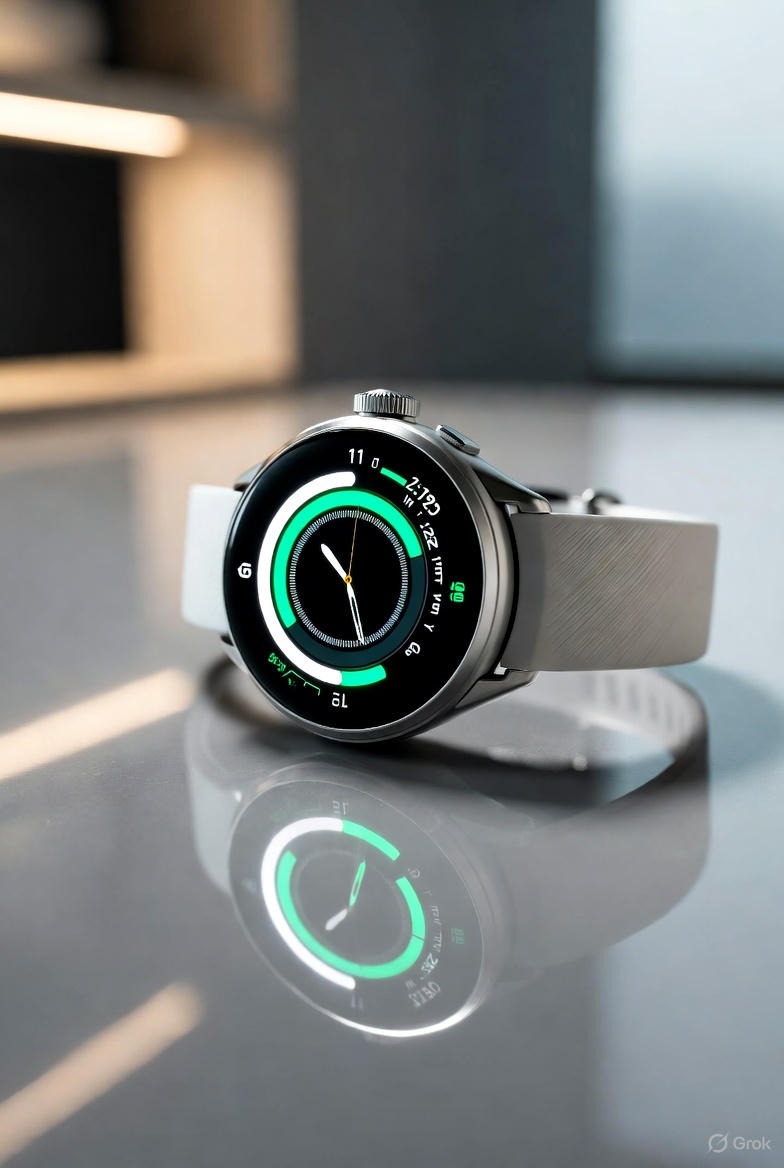
Raw data is noise; interpreted data is power. Waking up to a dashboard of numbers—HRV, RHR, sleep score, readiness—can be overwhelming without a framework for understanding. The true value lies not in a single day’s reading, but in the trends and the personal context. Here’s how to move from seeing numbers to gaining actionable insight.
First, establish your personal baseline. Your HRV is uniquely yours. Comparing your 45 ms to someone else’s 80 ms is meaningless. The ring will, over several weeks of consistent wear (especially during sleep), calculate your individual baseline range. This is your physiological “home base.” All insights stem from deviations from this baseline.
Interpreting Daily Fluctuations:
Understanding Your Recovery/Readiness Score:
This composite score is your cheat sheet. Treat it as your body’s opening statement for the day.
The insight comes from connecting these scores to your life log. Most ring apps allow you to tag daily activities, stress, meals, and exercise. Did your score drop after three consecutive days of hard workouts? After a night of poor sleep? After a difficult family event? Over time, you will identify your personal “stressors” and “rechargers” with pinpoint accuracy. This process turns the ring from a tracker into a teacher, showing you the quantifiable impact of your lifestyle on your fundamental energy capacity. For a practical approach to using this data without overwhelm, learn how to optimize daily health without obsessing over numbers.
Armed with insight, we move to action. Energy optimization through stress management is built on daily, foundational habits that widen your “stress buffer”—the gap between a stressor and a debilitating physiological reaction. These habits aren’t about eliminating stress (an impossible goal), but about strengthening your system’s ability to navigate it and return to baseline quickly. This is where you invest in your energy capital.
1. Sleep as Non-Negotiable Infrastructure:
Sleep is the ultimate recovery and stress-resilience tool. It’s when growth hormone is released (for repair), cortisol drops, and the glymphatic system cleans metabolic waste from the brain. A wellness ring provides the proof: consistent, high-quality sleep is the strongest correlate with a high, stable HRV. Prioritizing 7-9 hours of sleep in a cool, dark, quiet environment is the #1 most effective energy optimization strategy. Your ring’s sleep stage data helps you refine this—showing if caffeine too late cuts your deep sleep, or if alcohol ruins your REM.
2. Coherent Breathing: The Instant Nervous System Hack.
Breathing is the only autonomic function you can easily control, and it directly influences your HRV. “Coherent breathing” or resonance frequency breathing (typically at a pace of 4.5-6 breaths per minute) has been shown to instantly increase HRV and activate the parasympathetic system. It’s a portable, zero-cost tool to halt the stress cascade. A simple practice: Inhale for a count of 5, exhale for a count of 5, for 5-10 minutes daily. Use your ring to test it—do a breathing session and watch your real-time HRV respond.
3. Nature Exposure & “Green Exercise”:
Time in nature, especially without digital devices, reduces cortisol, lowers inflammatory markers, and boosts mood. Combining light movement like walking with nature immersion—“green exercise”—is a potent double therapy for stress. It provides gentle physical stimulus without the sympathetic overdrive of a gym workout, perfect for days when your readiness score is medium or low.
4. Nutrient Timing for Stable Energy:
Chronic stress dysregulates blood sugar. Skipping meals or eating high-sugar foods causes spikes and crashes, which the body perceives as stress, releasing more cortisol. Eating balanced meals and snacks with protein, healthy fats, and fiber at regular intervals provides a steady stream of glucose to the brain and stabilizes mood and energy. Your ring’s resting heart rate data can be surprisingly reflective of digestive stress; notice if it elevates after large, late, or inflammatory meals.
5. Digital Sunset & Mindful Mornings:
The constant ping of notifications is a low-grade sympathetic stimulant. Implementing a “digital sunset”—turning off screens 60-90 minutes before bed—protects melatonin production and sleep quality. Conversely, starting the day with intention (a few minutes of meditation, sunlight exposure, a calm breakfast) instead of immediately checking email sets a parasympathetic tone for the day. These habits protect your circadian rhythm, a master regulator of energy. For more on this critical rhythm, see our guide on circadian rhythm preservation for healthy aging.
These habits create the physiological bedrock for energy. They are not glamorous, but they are extraordinarily effective. By layering them consistently and using your ring to validate their positive impact on your HRV and readiness, you build a resilient system that generates more energy than it wastes.
This concept may seem counterintuitive: to become more resilient to stress, you must strategically expose yourself to it. This is the principle of hormesis—the biological phenomenon where a low dose of a stressor activates adaptive repair mechanisms, making the system stronger. Think of it as a vaccine for your energy systems. The key is the dose: it must be acute, controlled, and followed by adequate recovery. This is where your wellness ring’s data becomes critical for precision dosing.
The Three Pillars of Strategic Stress:
1. Strategic Exercise (The Right Dose):
Exercise is a controlled stressor. It temporarily increases cortisol and heart rate, challenges the cardiovascular system, and creates micro-tears in muscle. The adaptation to this stress—stronger muscles, more efficient mitochondria, improved cardiovascular function—is what boosts your baseline energy capacity. However, the wrong dose is destructive. Overtraining is a classic cause of chronically low HRV and burnout.
2. Thermal Stress (Heat & Cold Exposure):
Deliberate exposure to heat (sauna) and cold (cold plunges, showers) is a powerful hormetic stressor. Both modalities:
3. Cognitive & Intermittent Challenges:
Learning a new skill, engaging in complex problem-solving, or practicing public speaking are cognitive stressors. Similarly, intermittent fasting is a mild metabolic stressor that can improve insulin sensitivity and cellular cleanup (autophagy). Both, when applied thoughtfully, can build mental and metabolic resilience.
The principle is “stress + rest = growth.” The wellness ring quantifies both sides of that equation. It allows you to apply the optimal stressor at the optimal time and then verifies that you provided the optimal recovery. This intelligent, data-informed cycle is how you systematically expand your energy capacity and become antifragile. For high performers, this approach is essential; learn about daily health optimization routines for high performers.
Your body is not a static machine; it’s a rhythm. Every cell operates on a roughly 24-hour cycle called the circadian rhythm, governed by a master clock in the brain and peripheral clocks in every organ. This rhythm dictates the ebb and flow of hormones, body temperature, metabolism, and, critically, your stress response and energy levels. Ignoring this rhythm is like rowing against the current of your own biology—it expends a tremendous amount of energy for minimal gain. Synchronizing your stress management and energy expenditure with your circadian clock is a force multiplier for vitality.
Your Daily Energy & Stress Hormone Cycle:
How Your Wellness Ring Tracks Circadian Health:
The ring is a premier circadian monitoring tool. It tracks two gold-standard markers:
Actionable Synchronization:
By aligning your life with your biology, you reduce the internal friction that wastes energy. You allow stress to occur at the “right” time and ensure recovery happens profoundly. Your ring provides the feedback to fine-tune this alignment, showing you the tangible benefits of a regular schedule and the costs of late nights and erratic habits. This is the essence of using a daily health optimization strategy that compounds over time.
We often divorce “stress” from its emotional roots, treating it as a purely physiological problem to be solved with sleep and supplements. Yet, our thoughts, emotions, and relationships are among the most potent modulators of our nervous system. Anxiety, resentment, loneliness, and perfectionism are not just “in your head”—they have a direct, measurable line to your heart rate variability and energy levels. The wellness ring, by capturing the physiological output of these states, helps us bridge the mind-body gap with objective data.
The Physiology of Emotional Stress:
A worried thought activates the amygdala, which triggers the HPA axis and sympathetic nervous system just as a physical threat would. The resulting cortisol and adrenaline increase heart rate, reduce HRV, and initiate the same energy-draining cascade. Conversely, feelings of gratitude, safety, love, and connection stimulate the vagus nerve—the main highway of the parasympathetic system—boosting HRV and promoting recovery. Your ring doesn’t know you had an argument with a friend, but it will register the subsequent drop in your overnight HRV. It provides undeniable proof: your inner world has an outer, physical cost.
Social Connection as an Energy Multiplier:
Loneliness and social isolation are profound stressors, linked to increased inflammation and mortality risk. Positive, supportive social interaction, on the other hand, is a powerful buffer. Oxytocin, released during bonding, has anti-stress effects and can enhance parasympathetic tone. Your ring can help you see this: a day spent with close friends or a loving partner often correlates with better sleep and a higher readiness score the next day. It quantifies the energy-renewing power of community.
Using the Ring for Emotional Biofeedback:
This is where journaling or tagging in your ring’s app becomes powerful.
The ring becomes a mirror, reflecting the somatic truth of your emotional life. It moves stress management from an abstract concept of “think positive” to a concrete practice of observing cause and effect. It empowers you to say, “This relationship/work pattern/thought habit is costing me measurable energy. I need to address it.” By managing your emotional and social landscape with the same intention as your sleep and nutrition, you protect a massive, often overlooked, reservoir of your daily vitality. This holistic approach is key for busy professionals; discover time-efficient daily health optimization strategies.
Knowledge and insight are useless without a plan. This final section of our foundational exploration is about synthesis—weaving together the science of stress, the data from your ring, and the array of habits and strategies into a living, breathing, personalized protocol. This is not a rigid set of rules, but a dynamic framework that adapts to the daily feedback from your own body. Your wellness ring is the control panel for this system.
Step 1: The Observation Phase (Weeks 1-2)
Wear your ring consistently, day and night. Do not try to change anything yet. Simply live your normal life and observe. Let the ring establish your true baselines for HRV, RHR, and sleep. Use the journal/tagging feature to note key events: workdays vs. weekends, social events, exercise sessions, stressful incidents. This phase is about collecting your personal data story without judgment.
Step 2: The Connection Phase (Weeks 3-4)
Start looking for patterns. In your app, review the data and your tags.
Step 3: The Intervention & Experimentation Phase (Ongoing)
Now, begin to intentionally experiment.
Step 4: The Refinement & Long-Term Cycle
Over months, your protocol will evolve. Your baseline HRV may rise as you become more resilient. A stressor that once tanked your score may have less impact. You’ll learn the precise amount of strategic stress you need and the exact recovery you require. You’ll develop an intuitive sense, backed by data, of your energy flow.
Your personalized protocol is a living document, authored by you and edited by the continuous feedback from your body via your ring. It turns the grand goal of “more energy” into a daily, manageable practice of intelligent stress management and conscious recovery. This is the path from chronic exhaustion to sustained vitality, where you are no longer at the mercy of your stress, but the master of your energy. For a comprehensive look at building such a life-transforming system, delve into our complete guide to daily health optimization with wellness rings.
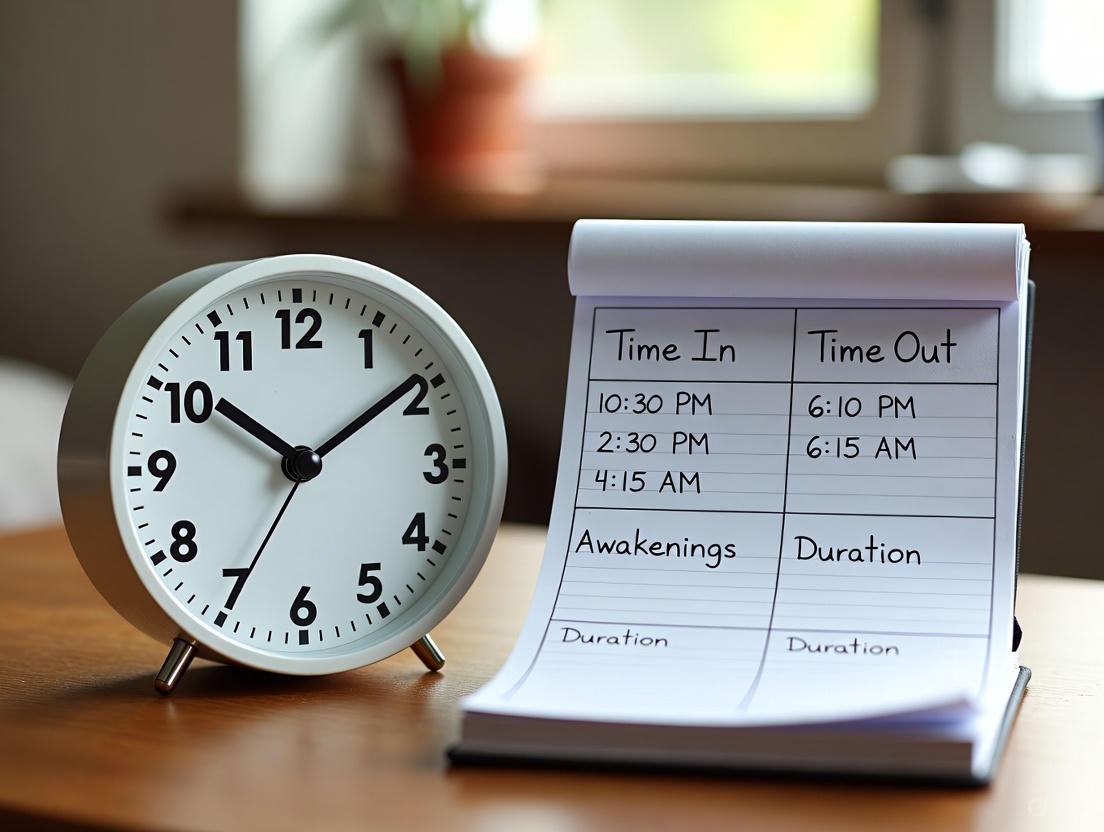
You know the feeling all too well. The morning started with promise—good sleep, clear focus, a productive sprint. Then, like clockwork, between 2 PM and 4 PM, the invisible fog descends. Your brain slows, willpower evaporates, and the siren call of caffeine or sugar becomes overwhelming. This “midday meltdown” is often dismissed as a normal part of modern life, but it is, in fact, a critical data point in your personal energy ledger. It’s a signal that your morning activities—whether cognitive, dietary, or emotional—have overdrawn your stress buffer, and your body is demanding repayment.
With a wellness ring providing continuous physiological insight, we can move beyond blaming the afternoon slump and start deconstructing its precise causes. The meltdown is not an inevitability; it’s the consequence of specific, measurable misalignments between your energy expenditure and your nervous system’s capacity.
The Physiology of the Afternoon Crash:
While a natural, minor dip in circadian alertness can occur post-lunch, a debilitating crash is usually amplified by specific stressors. A high-cortisol morning—driven by back-to-back meetings, multitasking, or intense focus without breaks—depletes neurochemicals like dopamine and norepinephrine. Pair this with a lunch high in refined carbohydrates, causing a rapid spike and subsequent crash in blood glucose, and you have a perfect storm. The body interprets both mental strain and glycemic instability as stress, further taxing the sympathetic nervous system. The result is a parasympathetic backlash—an overwhelming urge to shut down and recover.
Your Ring as an Early Warning System:
A smart ring tracking HRV and heart rate throughout the day provides a live feed of your stress buffer depletion. Instead of waiting for the cognitive fog, you can see the physiological signature emerging.
Actionable Interventions, Guided by Data:
The goal is to intervene before the crash, using your ring’s data or even its gentle alerts (if it has a vibration function for stress detection) as a cue.
By demystifying the midday meltdown and viewing it through a data lens, you reclaim agency over your daily energy curve. The afternoon no longer needs to be a write-off; it can become a period of sustained, calm productivity, facilitated by intelligent, timely interventions informed by your body’s own signals. This approach is a core tenet of using daily health optimization for mental clarity and focus.
The adage “you are what you eat” finds profound truth in the context of HRV and stress. Every meal is not just a delivery of calories; it’s a hormonal and inflammatory event that your autonomic nervous system must manage. Food can be either a primary stressor or a powerful tool for stabilization and resilience. The data from your wellness ring provides the missing link, showing you the direct, often delayed, impact of your dietary choices on your recovery metrics.
The Inflammatory Cascade:
Chronic, low-grade inflammation is a silent saboteur of energy and a primary driver of low HRV. Highly processed foods, refined sugars, industrial seed oils, and even certain food sensitivities can trigger an immune response. This inflammatory state activates the sympathetic nervous system, as the body perceives a threat. The resulting cytokines (inflammatory signaling molecules) can directly disrupt mitochondrial function and neurotransmitter balance, leading to both physical and mental fatigue.
Blood Sugar Rollercoasters:
The most immediate dietary impact on your energy and stress levels is glycemic variability. A rapid spike in blood glucose after a high-sugar or high-refined-carb meal triggers a large insulin release to shuttle sugar into cells. This often leads to a reactive hypoglycemic “crash” hours later. This crash is a major stress event: the body releases cortisol and adrenaline to mobilize stored glucose, putting you back into fight-or-flight mode. This cycle of spikes and crashes creates hormonal chaos, destabilizes mood, and erodes your energy foundation.
Nutrients That Build Resilience:
Conversely, specific nutrients actively support parasympathetic tone and mitochondrial health:
Using Your Ring for Nutritional Biofeedback:
This is where personalization becomes powerful. Two people can eat the same meal and have vastly different physiological responses.
By viewing food as information for your nervous system, you can strategically eat to widen your stress buffer, not weaken it. Your wellness ring turns every meal into an experiment, providing the feedback necessary to build a personalized nutrition protocol that fuels stable energy from the cellular level up. This proactive use of data is key to long-term health, as explored in using daily health data to prevent chronic disease.
Exercise is the quintessential hormetic stressor—it breaks you down to build you back stronger. But this beneficial adaptation is entirely dependent on the delicate balance between stress and recovery. Get it right, and you boost mitochondrial density, improve cardiovascular efficiency, and elevate your baseline HRV—all massive wins for energy capacity. Get it wrong, and you push yourself deeper into sympathetic overdrive, creating systemic inflammation, hormonal disruption, and chronic fatigue. The difference between these two outcomes often comes down to timing, intensity, and listening to your body’s readiness—a skill the wellness ring masters.
Exercise as a Sympathetic Storm:
Every workout, especially intense anaerobic (e.g., HIIT, heavy weightlifting) or long-duration aerobic work, is a significant stressor. It acutely raises cortisol, adrenaline, and heart rate, and temporarily lowers HRV. This is the intended stress signal that triggers adaptation. The problem arises when the frequency or intensity of these storms outpaces your body’s ability to rebuild in the calm (recovery) between them. This is overtraining syndrome, characterized by persistently low HRV, elevated resting heart rate, irritability, insomnia, and of course, perpetual exhaustion.
Recovery as the Adaptation Engine:
The magic doesn’t happen during the workout; it happens after. During sleep and rest, with parasympathetic activity high, the body repairs micro-tears, clears metabolic waste, and upgrades its systems. A rising HRV in the 24-48 hours post-exercise is a sign of successful adaptation—your body has handled the stress and is now more resilient. A flat or declining HRV trend after repeated sessions is a red flag that you are digging a recovery debt you cannot repay.
Data-Driven Movement Prescription:
This is where a one-size-fits-all workout plan fails. Your optimal exercise regimen changes daily, based on sleep, life stress, and overall strain. Your wellness ring’s readiness score provides the personalized prescription.
Beyond the Score: Listening to the Trend:
A single low score might mean you need an easy day. A week-long trend of declining scores and HRV indicates you need a deload week—a scheduled period of significantly reduced volume and intensity to allow for supercompensation. Your ring provides the objective evidence to make this call, preventing the ingrained “no pain, no gain” mentality from leading you to burnout.
By syncing your movement with your metrics, you transform exercise from a potential energy drain into the most powerful tool for expanding your energy capacity. You learn to work with your body, not against it, ensuring every drop of sweat contributes to a higher, more vibrant baseline of vitality. This intelligent balancing act is central to a daily health optimization approach that manages stress and performance in harmony.
Our hyper-connected environment has introduced a novel, pervasive, and insidious form of stress: digital overload. It’s not merely the time spent on screens; it’s the cognitive and neurological cost of constant context-switching, the dopamine-driven feedback loops of social media, the blue light exposure after sunset, and the never-ending “availability” that blurs work-life boundaries. This digital stress operates in the background, slowly draining our nervous system’s reserves, often without our conscious awareness. The wellness ring makes this invisible drain visible.
The Neurology of Notification Anxiety:
Each ping, buzz, or badge triggers a micro-stress response. The brain’s novelty-seeking centers are activated, prompting a release of cortisol and dopamine as you check the source. This creates a state of continuous partial attention, where the prefrontal cortex—the seat of focus and executive function—is constantly being hijacked. This neurological juggling act is metabolically costly, leading to mental fatigue, reduced productivity, and, as your ring will show, a suppressed ability to relax and recover.
Blue Light & Circadian Sabotage:
Perhaps the most measurable impact is on sleep. Light, especially in the blue spectrum emitted by LEDs and screens, is the primary cue for our circadian clock. Exposure in the evening suppresses melatonin production, delaying sleep onset and degrading sleep quality. Poor sleep, as tracked by your ring via reduced deep/REM sleep and elevated nighttime heart rate, is a direct hit to next-day HRV and energy.
Quantifying Your Digital Footprint:
Your wellness ring serves as an unbiased auditor of your digital habits’ true cost.
Building Digital Boundaries for Energy Preservation:
Armed with data, you can build an effective digital hygiene protocol:
By treating digital input as a cognitive and physiological load, and using your ring to measure its impact, you can reclaim mental space and nervous system bandwidth. Reducing digital stress is not about Luddism; it’s about strategic disconnection to preserve your most valuable resource: focused, sustainable human energy. This is a critical component of morning routines that set the stage for successful daily health optimization.
Our physiology is in constant conversation with our environment. Light, temperature, sound, and air quality are not passive backdrops; they are active inputs that shape our nervous system state, circadian rhythms, and ultimately, our energy levels. We often overlook these environmental factors because their effects are subtle and cumulative. Yet, by applying the principles of “biohacking” to our personal spaces and using a wellness ring to measure the outcomes, we can engineer habitats that passively support stress resilience and energy generation.
Light: The Master Zeitgeber
As covered, light is the primary driver of circadian biology. Optimizing light exposure is the single most effective environmental intervention.
Temperature: The Thermoregulation Link
Your body needs to drop its core temperature by about 1-2 degrees Fahrenheit to initiate and maintain deep sleep. This is why your ring tracks nocturnal temperature—it’s a direct indicator of sleep quality.
Sound & Silence: Auditory Stress
Noise pollution, even at low levels, is a subconscious stressor. It can trigger micro-awakenings during sleep (visible as movement spikes on your ring’s sleep graph) and raise cortisol during the day.
Air Quality & CO2: The Invisible Drain
Stale, CO2-rich indoor air can impair cognitive function, increase feelings of drowsiness, and promote inflammation. Oxygen is fundamental to mitochondrial energy production.
The Ring as Your Environmental Auditor:
Your wellness ring validates all these tweaks. After implementing a “cooler bedroom” policy, does your deep sleep increase? After committing to morning light walks, does your daytime HRV show more stability? After using a white noise machine, does your sleep disturbance score go down? This feedback loop turns your living and working spaces into personalized laboratories for energy optimization, where every change is assessed by its impact on your ultimate biomarkers of recovery and readiness. For a deeper dive into optimizing all aspects of your daily rhythm, explore our resource on gaining a circadian rhythm advantage.

The brain is not merely a passive interpreter of physiological data; it is the master conductor of the stress symphony. Your beliefs, expectations, and narrative about your energy and stress levels have a direct, bi-directional relationship with your physiology. This is the powerful realm of mindset—where the placebo effect (positive expectation leading to positive outcome) and its evil twin, the nocebo effect (negative expectation leading to negative outcome), play out in your HRV and vitality. Understanding this allows you to harness your psychology as a legitimate tool for energy optimization.
Anticipatory Stress: The Energy Tax You Pay in Advance.
Worrying about a future event—a presentation, a difficult conversation, a travel day—triggers the same stress response as the event itself. Your brain cannot distinguish between a real and vividly imagined threat. This “anticipatory stress” means you pay the physiological cost (elevated cortisol, lowered HRV) long before the actual stressor occurs, draining your energy reserves prematurely. Your ring can capture this: a gradual decline in HRV in the days leading up to a known stressful event.
The Story You Tell Yourself:
Labeling yourself as “a stressed person” or “someone with low energy” can become a self-fulfilling prophecy. This narrative keeps the brain scanning for evidence to confirm the story, amplifying minor stressors and overlooking moments of resilience. This nocebo effect reinforces the very neural pathways that maintain the state of exhaustion.
Cultivating an Energy-Optimizing Mindset:
Visualizing Recovery:
Just as athletes use visualization to improve performance, you can use it to enhance recovery. During a breathing session or before sleep, visualize your cells repairing, your nervous system calming, and your HRV rising. This focused intention can positively influence autonomic tone.
By aligning your mindset with your physiological goals, you stop fighting your own biology. You use your thoughts to support your recovery, not sabotage it. The wellness ring provides the objective truth that allows you to challenge limiting beliefs and build a new, evidence-based narrative: “I am someone who listens to my body, respects its signals, and possesses the tools to manage my energy effectively.” This psychological shift is the final, crucial layer in a holistic daily health optimization protocol designed to prevent burnout.
For those who wish to move beyond the composite HRV score or readiness metric, a deeper layer of analysis awaits. Modern wellness rings and their accompanying apps often provide access to more granular HRV data, such as RMSSD and sometimes even frequency-domain metrics like LF (Low Frequency) and HF (High Frequency) power. Understanding these can offer a more nuanced picture of your autonomic nervous system balance and the specific nature of your stress or recovery state.
RMSSD (Root Mean Square of Successive Differences):
This is the most common time-domain metric used in consumer wearables and is an excellent, reliable indicator of parasympathetic (vagal) activity. It is particularly sensitive to acute changes. A high RMSSD generally indicates strong vagal tone and good recovery capacity. It’s the metric that will spike quickly after a bout of coherent breathing or drop sharply after an intense workout. Tracking your RMSSD trend is a direct way to gauge the effectiveness of your relaxation practices and your short-term recovery from stressors.
Frequency-Domain Analysis: LF, HF, and the LF/HF Ratio
While more common in clinical settings, some advanced apps break down the HRV signal into its frequency components, much like a music equalizer separates bass from treble.
Practical Application for Energy Optimization:
For most people, focusing on RMSSD trends and the composite readiness score is perfectly sufficient. However, diving deeper can satisfy scientific curiosity and provide additional confirmation.
The key takeaway is that these advanced metrics are pieces of a larger puzzle. They should be interpreted in concert with your resting heart rate, sleep data, and subjective feelings. The goal is not to become a cardiac electrophysiologist, but to use these data streams to build a more complete and confident understanding of how your lifestyle is shaping your nervous system—the ultimate governor of your daily energy. This detailed understanding empowers the kind of personalized daily health recommendations that a wellness ring makes possible.
Theory and data come alive through story. To solidify the principles we’ve explored, let’s examine hypothetical but data-informed case studies of individuals using a wellness ring and HRV-focused stress management to transform their energy levels. These illustrate the personalized, non-linear journey of energy optimization.
Case Study 1: The Burnt-Out Executive (Sympathetic Overdrive)
Case Study 2: The Dedicated but Overtraining Athlete (Recovery Deficit)
Case Study 3: The Anxious Knowledge Worker (Emotional-Physiological Loop)
These cases demonstrate that the path to optimized energy is not about adding more to your life, but about making smarter, data-informed choices to reduce unnecessary strain and amplify recovery. The ring provides the objective compass for that journey. This transformative process is built on the kind of small, consistent changes that yield massive results over time.
Your Trusted Sleep Advocate: Sleep Foundation — https://www.sleepfoundation.org
Discover a digital archive of scholarly articles: NIH — https://www.ncbi.nlm.nih.gov/
39 million citations for biomedical literature :PubMed — https://pubmed.ncbi.nlm.nih.gov/
Experts at Harvard Health Publishing covering a variety of health topics — https://www.health.harvard.edu/blog/
Every life deserves world class care :Cleveland Clinic - https://my.clevelandclinic.org/health
Wearable technology and the future of predictive health monitoring :MIT Technology Review — https://www.technologyreview.com/
Dedicated to the well-being of all people and guided by science :World Health Organization — https://www.who.int/news-room/
Psychological science and knowledge to benefit society and improve lives. :APA — https://www.apa.org/monitor/
Cutting-edge insights on human longevity and peak performance:
Lifespan Research — https://www.lifespan.io/
Global authority on exercise physiology, sports performance, and human recovery:
American College of Sports Medicine — https://www.acsm.org/
Neuroscience-driven guidance for better focus, sleep, and mental clarity:
Stanford Human Performance Lab — https://humanperformance.stanford.edu/
Evidence-based psychology and mind–body wellness resources:
Mayo Clinic — https://www.mayoclinic.org/healthy-lifestyle/
Data-backed research on emotional wellbeing, stress biology, and resilience:
American Institute of Stress — https://www.stress.org/


