


Energy Level Optimization for Shift Workers: Ring-Adapted Irregular Schedules
For shift workers, ring-adapted strategies to manage energy on irregular schedules.
For shift workers, ring-adapted strategies to manage energy on irregular schedules.
%402x.svg)
For millions, the world doesn’t operate on a 9-to-5 clock. Nurses, factory workers, first responders, pilots, and countless other professionals form the backbone of our 24/7 society, working while the rest of the world sleeps. This comes at a profound, often hidden, cost: a systemic and relentless drain on their most vital resource—their energy. The conventional advice of "get more sleep" or "eat better" feels like a cruel joke when your body’s innate circadian rhythm is in a constant state of jet lag, and your schedule flips from days to nights with brutal irregularity. The result isn't just fatigue; it's a cascading impact on metabolic health, cognitive sharpness, emotional resilience, and long-term vitality.
But what if the very technology we wear could become our most intelligent ally in this fight? This is not about generic wellness tips. This is a strategic deep dive into Energy Level Optimization for Shift Workers, a data-driven, personalized framework made possible by the continuous, nuanced biometric tracking of advanced wellness rings. We move beyond survival mode, exploring how a device on your finger can decode your body’s unique responses to irregularity and guide you toward a state of optimized performance and protected health, no matter what the shift board throws at you.
To understand how to optimize energy, we must first grasp the depth of the disruption. Our bodies are not designed for nocturnal vigilance or rotating schedules. We operate on a sophisticated circadian rhythm—a roughly 24-hour internal clock governed by a master pacemaker in the brain (the suprachiasmatic nucleus) and peripheral clocks in every organ. This system is exquisitely tuned to environmental cues, primarily light, but also temperature, food intake, and social interaction.
When you work a night shift, you are essentially asking your liver to be metabolically active at its biologically programmed time of rest, your digestive system to process food when it expects to be dormant, and your brain to be alert during its natural melatonin-driven wind-down phase. This creates what scientists call circadian misalignment—a state where your internal clocks are out of sync with both the external environment and with each other.
The consequences are far-reaching and well-documented:
This isn't mere tiredness; it's a whole-body state of physiological conflict. Generic advice fails because it assumes a stable baseline rhythm. For the shift worker, the baseline is constant change. The first step toward optimization is moving from a calendar-based view of your schedule to a circadian-aware view. This foundational understanding is critical, and for a deeper exploration of preserving your biological timing, our resource on circadian rhythm preservation strategy offers crucial insights.
The goal, therefore, shifts from "getting good sleep" to "strategically managing circadian alignment within the constraints of an irregular life." This is where a passive, always-on biometric tracker becomes indispensable, providing the personal data map needed to navigate this complex terrain.
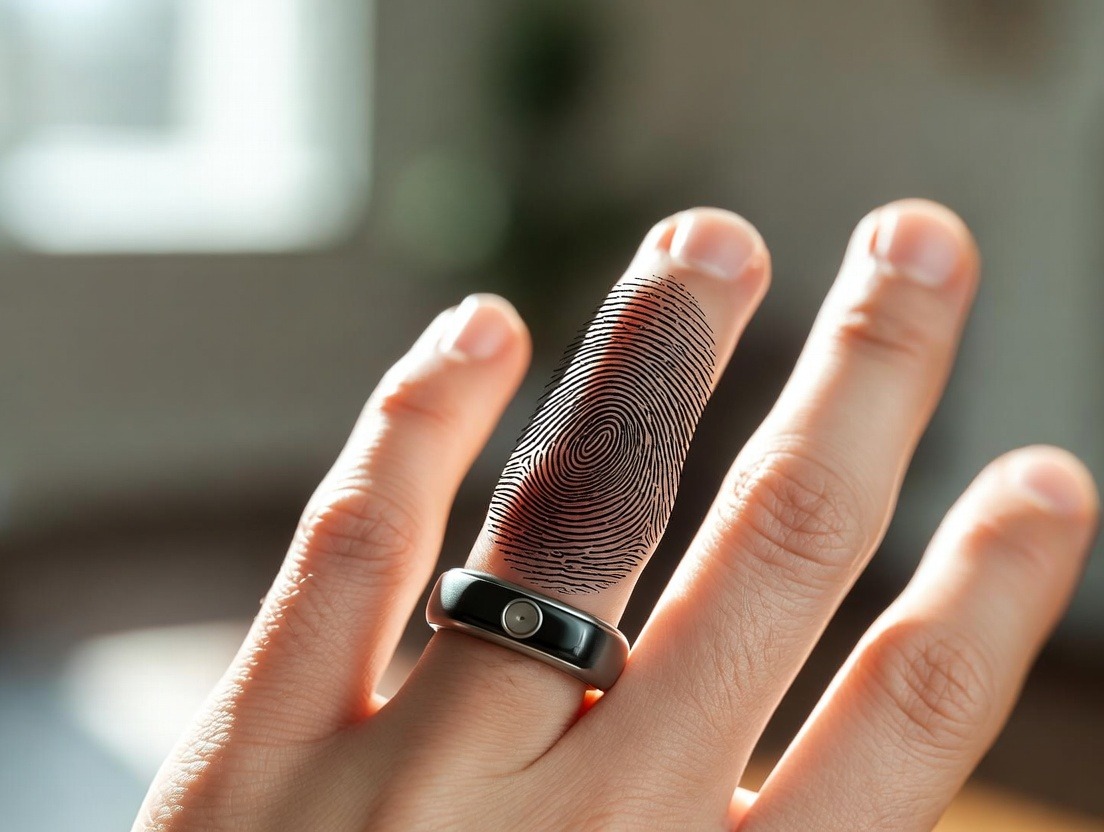
You cannot manage what you do not measure, and self-assessment of energy and sleep is notoriously unreliable, especially under chronic fatigue. A wellness ring, worn continuously, acts as a personal biometrical lighthouse, cutting through the fog of subjective feeling with objective data. But it’s not just about counting steps or tracking sleep stages in isolation. For the shift worker, the profound value lies in the correlation and trends across multiple, interconnected biomarkers.
Consider the key metrics a sophisticated ring tracks and, more importantly, what their interplay reveals:
The magic for the shift worker is in the pattern recognition. Does your HRV plummet on the second consecutive night shift? Does your deep sleep percentage only recover two full days after switching back to days? Does your nighttime body temperature rhythm stay "flipped" on your days off, making it hard to enjoy daytime activities?
By establishing your personal biometric baseline across different schedule types, the ring transforms from a tracker to a diagnostic tool. It answers the critical, personalized questions: "What does my 'recovered' state actually look like in data?" and "What specific shift pattern costs my body the most?" This objective feedback loop is the cornerstone of intelligent energy optimization, a concept explored in depth in our article on how smart ring feedback loops enable better daily health choices.
For the shift worker, sleep is a non-negotiable battle that must be fought strategically. It’s about sleep hygiene engineered for chaos. The goal is to maximize sleep quality and circadian alignment regardless of when you need to be unconscious.
1. Light: Your Primary Zeitgeber (Time-Giver): Light exposure is the most powerful lever you have. The rule is simple: Seek bright light during your intended "waking day," and obsessively avoid it before your intended "sleep night."
* After a Night Shift: Wear blue-light-blocking sunglasses on your drive home in the morning. Once home, use blackout curtains, a sleep mask, and consider smart bulbs that emit no blue light. Your mission is to convince your brain it’s night.
* Before a Night Shift: If you need to sleep in the afternoon prior, create a dark, cool cave. Upon waking, get bright light exposure immediately—go outside, use a light therapy lamp—to signal the start of your "day" and boost alertness for the coming night.
2. Temperature & Environment: Your body needs to drop its core temperature to initiate and maintain sleep. A cool room (around 65°F or 18°C) is critical. Use your ring’s temperature data! If it shows you’re overheating at your day-sleep time, it’s a direct cue to improve cooling—better blackout curtains, a fan, a cooling mattress pad.
3. The Wind-Down Protocol: You can’t flip a switch. Create a consistent 60-90 minute pre-sleep ritual, even if "sleep" is at 9 AM. This might include dim lights, gentle stretching, listening to an audiobook or calming music, and a light, non-stimulating snack if hungry. The consistency itself becomes a circadian cue.
4. Strategic Napping: Short, strategic naps can be a powerful tool. A 20-minute "power nap" before a night shift can boost alertness without causing sleep inertia. A 90-minute nap (allowing a full sleep cycle) on a break during a long shift can be revolutionary. Use your ring’s sleep readiness or recovery score to guide nap timing and duration on your days off.
Your wellness ring is the auditor of your sleep sanctuary. It tells you not just if these strategies are working, but how well. Did your deep sleep increase after installing blackout curtains? Did your HRV improve after implementing a strict wind-down routine before day sleep? This data-driven refinement turns guesswork into a precise science. This approach is a key component of a broader strategy for achieving a balance between activity and rest, which is fundamental for long-term wellness.
When you eat is as crucial as what you eat for shift workers. The goal is to fuel your active period and allow your digestive system to rest during your sleep period, all while managing energy crashes and cravings.
The Core Principle: Align Meals with Your Active Phase.
Practical Strategies for Common Shifts:
Macro-Management for Stable Energy:
Use your ring’s data, especially HRV and sleep quality, to experiment. Does a high-protein snack before bed help or hurt your recovery score? Does a large meal right after a night shift lead to restless sleep? This biofeedback turns nutrition from a one-size-fits-all doctrine into a personalized fueling strategy for your unique schedule, a key part of any effective daily health optimization strategy for busy professionals.
Caffeine is the shift worker’s double-edged sword. Used strategically, it’s a powerful performance tool. Used haphazardly, it’s a primary destroyer of sleep quality and a driver of circadian chaos.
The Half-Life Problem: Caffeine has a half-life of 5-6 hours. That means if you consume 200 mg at 2 AM, about 100 mg is still active in your system at 7 AM when you’re trying to sleep. This significantly fragments sleep, reducing deep and REM stages.
A Data-Informed Caffeine Protocol:
Beyond Caffeine: Consider safer, non-sleep-disrupting alertness aids for the latter part of your shift:
Managing stimulants isn’t about deprivation; it’s about precision. By using your biometric data to guide your protocol, you harness caffeine’s power while safeguarding the sanctity of your recovery sleep, a delicate balance central to managing stress and performance.
For the 9-to-5 worker, a standard workout schedule might work. For the shift worker, blindly adhering to a Monday-Wednesday-Friday gym routine while running on empty from two night shifts is a recipe for injury, burnout, and suppressed immunity. This is where Heart Rate Variability (HRV) becomes your personal recovery coach.
HRV measures the subtle variations in time between each heartbeat. It’s a direct window into the balance of your autonomic nervous system. A higher, stable, or rising HRV trend suggests good recovery and adaptability—your "green light" for higher-intensity training or demanding activities. A low or sharply dropping HRV is a "yellow or red light," indicating your system is stressed and needs rest, gentle movement, or recovery-focused practices.
Implementing an HRV-Guided Life:
This is the essence of energy management over arbitrary time management. By letting your body’s objective recovery status guide your activity choices, you work with your physiology, not against it. This prevents the all-too-common cycle of overtraining and burnout, allowing for sustainable performance. For a comprehensive look at using this vital metric, see our guide on using HRV to guide your day.

For the shift worker, days off are not merely the absence of work; they are the essential repair period. However, the instinct to "crash" and be completely sedentary or, conversely, to cram all of life’s errands and social obligations into these days, can undermine recovery. The goal is strategic, active recovery that supports circadian realignment and physical restoration.
The Re-Alignment Challenge: After a block of night shifts, your body is biochemically and hormonally misaligned with the daylight world. The goal is to gently nudge it back without causing further shock.
A Framework for Optimal Off-Days:
Your wellness ring provides the report card for your off-day strategy. Did a morning walk after nights improve your next sleep score? Did a day of gentle movement instead of intense training lead to a better HRV rebound? This turns your days off into a powerful, intentional recovery tool, a practice that builds towards long-term vitality and longevity.
Willpower is finite, especially under fatigue. Relying on massive overhauls is a recipe for failure. The solution is the micro-habit—tiny, almost effortless behaviors that, when stacked and automated, create massive compound benefits for energy. A wellness ring excels at providing the immediate, positive feedback that makes these habits stick.
Examples of Shift-Work-Specific Micro-Habits:
The Role of the Ring:
The ring transforms these from abstract "good ideas" into reinforced behaviors. When you see your sleep depth score improve after three days of consistent blue-light blocking, the habit is no longer a chore—it’s a validated, personal success. When you see your resting heart rate lower after a week of better hydration, the water bottle becomes your tool, not an obligation.
This focus on small, sustainable changes is the engine of lasting transformation, proving that small changes can lead to massive results.
The epidemiological data is clear: chronic shift work is associated with increased risks for cardiovascular disease, metabolic disorders, certain cancers, and mental health conditions. While schedule change may not always be possible, a proactive, data-aware health strategy can help mitigate these risks through early detection and intervention.
Your Wellness Ring as an Early-Warning System:
By establishing your personal biometric norms, you can detect concerning trends long before they manifest as symptoms or a diagnosis.
Actionable Vigilance:
This shift from passive patient to active health guardian is perhaps the most profound benefit. The ring empowers you to take charge of your long-term health trajectory, turning what is often a passive risk into an actively managed variable. This aligns with the broader goal of using daily health data to prevent chronic disease.
The physical toll of shift work is compounded by a significant psychological load: social isolation, missing family events, the feeling of living out-of-sync with society, and the constant battle against fatigue. Protecting mental energy is as critical as managing physical resources.
Data-Driven Emotional Awareness:
Your biometrics don’t lie about stress. A stressful family interaction or work crisis will show up as a spike in resting heart rate, a dip in HRV, and can ruin that night’s sleep score. This objective feedback serves two purposes:
Strategies for Psychological Fortitude:
By treating your mental energy with the same strategic respect as your physical energy, you build a holistic resilience. This integrated approach is key to achieving not just physical health, but lasting mental clarity and a balanced life.
For the shift worker, managing energy isn't just about personal wellness—it's a critical matter of professional performance and safety. A lapse in attention for a nurse drawing medication, a factory worker operating machinery, or a driver navigating empty dawn highways can have serious consequences. Moving beyond mere fatigue management, we enter the realm of cognitive performance optimization, using biometric data to create a personal framework for sustained alertness and sharp decision-making during work hours.
The human brain's capacity for focused attention, working memory, and complex problem-solving is not static. It follows ultradian rhythms (90-120 minute cycles) within the broader circadian framework. Under shift work conditions, both of these rhythmic systems are under attack. The goal is to use your wellness ring's insights to identify your personal performance windows and vulnerabilities, then deploy countermeasures strategically.
Identifying Your Personal Performance Curve:
Start by correlating your subjective feelings of alertness or fog with objective data. Note the times during a long night shift when you struggle most. Then, look at your ring's data for those periods. You may notice subtle but telling signs:
This creates your personal performance risk profile. For instance, you might learn that your most vulnerable period is between 3:00 AM and 5:00 AM, a common circadian low point known as the "night shift nadir."
Deploying Tactical Countermeasures:
Once you know your vulnerable zones, you can preemptively intervene with science-backed alertness strategies:
The Safety Net of Objective Data:
Your ring provides a crucial, objective check on your subjective sense of readiness. You may "feel okay" to drive home after a string of nights, but if your app shows a severely depressed readiness score and high resting heart rate, it's a data-driven mandate to take extra caution: drink an extra glass of water, listen to an engaging podcast, or even take a 20-minute power nap in the break room before getting behind the wheel. This transforms the device from a wellness tracker into a safety-critical monitoring tool, a key application in a broader strategy for daily health optimization that compounds over time.
One of the most profound and overlooked challenges of shift work is the social zeitgeber problem. Just as light is a primary time-giver for your biological clock, social interaction is a powerful secondary cue. Regular meals with family, evening social events, and weekend routines anchor us in shared time. When your active hours are the world's resting hours, these cues disappear, leading to social isolation and relationship strain. The paradox is that while you must protect your sleep, you cannot sacrifice your social connections, as they are fundamental to mental health and longevity.
The strategy here is intentional, quality synchronization over passive, quantity-based time.
Redefining "Quality Time":
Communicating Your Biometric Reality:
This is where the tangible data from your ring can be a relationship saver. Instead of the vague "I'm too tired," you can show your partner or family: "Look, my readiness score is a 25% today because I'm on my third night shift. My body is in a deep recovery deficit. I would love to see you, but a quiet movie at home would help me recharge, whereas a loud restaurant would be really stressful on my system right now."
This moves the conversation from a personal rejection to a collaborative management of a physiological reality. It fosters empathy and turns your family into your support team, helping them understand when to encourage you to socialize and when to protect your rest. This holistic view of wellness, encompassing social health, is part of a comprehensive approach to optimizing health across multiple life domains.
As wellness ring technology advances, the suite of available biomarkers is expanding, offering even deeper insights for the shift worker committed to mastery-level optimization. Understanding these advanced metrics allows for a more granular and proactive approach.
Skin Temperature Trends & Circadian Phase:
While we've discussed temperature broadly, advanced analysis looks at the 24-hour curve of your distal (wrist/finger) temperature. A healthy, day-aligned rhythm shows a clear trough at night and a rise during the day. For shift workers, this curve becomes chaotic or inverted.
Continuous Blood Oxygen (SpO2) & Respiratory Analysis:
Persistent low SpO2 during sleep (even subtle drops below your baseline) or a high, variable respiratory rate can indicate sleep-disordered breathing. Shift workers are at higher risk for conditions like sleep apnea, as fatigue leads to relaxed airway muscles, and circadian disruption affects respiratory control.
Electrodermal Activity (EDA) or Skin Conductance:
This measures tiny changes in the skin's sweat levels, which are directly tied to sympathetic nervous system ("fight or flight") arousal. It's a direct metric for acute stress events.
The Power of Combined Metrics:
The true sophistication lies in the interplay. For example: a night of poor sleep (low deep sleep score) leads to a high resting heart rate and low HRV the next afternoon. You then consume caffeine and have a stressful work event (shown by an EDA spike), which then leads to an even worse sleep the following day, despite exhaustion. This biomarker cascade becomes visible, allowing you to break the cycle at its weakest link—perhaps by prioritizing a nap instead of caffeine, or using a breathing exercise to blunt the stress response. Learning to read this holistic story is what turns data into wisdom, a process detailed in our guide to the key metrics a smart ring tracks.
For some shift workers—particularly pilots, flight attendants, and international business personnel—the challenge is compounded by rapid time zone changes. This creates a scenario of superimposed circadian disruption: the inherent strain of irregular hours layered with the biological chaos of jet lag. The optimization strategies must therefore be hyper-aggressive and impeccably timed.
Pre-Shift (Flight) Preparation:
In-Flight Tactics:
The Ring as Your Copilot:
During these transitions, your wellness ring is indispensable for adopting a destination-based schedule as quickly as possible.
This rigorous, data-informed approach to managing superimposed rhythms is the pinnacle of personal circadian engineering, ensuring that even the most disruptive travel schedules don't have to derail your health and energy for weeks. It represents the ultimate application of a daily health optimization protocol designed to prevent burnout.
Biological sex influences circadian rhythms, hormonal cycles, and the physiological impact of sleep deprivation. Therefore, a one-size-fits-all approach to shift work optimization is incomplete. Women, in particular, face unique challenges due to the interplay between shift work and the menstrual cycle, pregnancy, and menopause.
The Menstrual Cycle as a Circadian Modulator:
The female menstrual cycle is governed by its own intricate hormonal rhythm, which interacts with the master circadian clock. Research suggests that circadian disruption from shift work can exacerbate menstrual irregularities, PMS symptoms, and conditions like polycystic ovary syndrome (PCOS).
Pregnancy and Postpartum:
Shift work during pregnancy is associated with higher risks of adverse outcomes like preterm birth and low birth weight, likely due to circadian disruption and stress. The need for optimization becomes critically important.
Menopause Transition:
The hormonal fluctuations of perimenopause and menopause often bring sleep disturbances (night sweats, insomnia) that can mirror and magnify the sleep issues caused by shift work.
Acknowledging and adapting optimization strategies for these biological realities is not a niche concern; it's a matter of equity and effective health preservation. A smart ring that tracks these nuanced interactions empowers women to advocate for their health with concrete data.
There is a profound, often unacknowledged connection between financial stress and physiological health—a connection that is acutely felt by many shift workers. While shift differentials (extra pay for nights or weekends) can boost income, the irregular schedule can also lead to financial fragmentation: inconsistent income streams, higher costs for childcare at odd hours, and the "convenience spending" on takeout and other services because you lack the time or energy to manage tasks yourself. This financial pressure creates a chronic low-grade stress that directly drains energy reserves, measured by your biometrics.
The Stress-Biomarker Link:
Financial worry activates the sympathetic nervous system, releasing cortisol and adrenaline. Chronically, this leads to:
For a shift worker, this is stress piled upon stress. Your ring will see it as an indistinguishable part of your total allostatic load—the wear and tear from chronic stress.
An Optimization Strategy for Your Finances:
Just as you optimize your sleep and nutrition, you must optimize your financial processes to reduce this hidden energy tax.
By viewing financial stability as a core component of your energy optimization strategy, you protect your biological resources from a preventable drain. This holistic approach to well-being, integrating fiscal health, is explored in our article on the connection between financial wellness and health.
The impact of shift work doesn't end when you clock out, nor does it necessarily end when you retire. Emerging research in the field of epigenetics suggests that lifestyle and environmental factors—including chronic circadian disruption—can influence how our genes are expressed, and that these changes may have intergenerational implications. While the science is still evolving, the principle is clear: the choices you make to manage the stress of shift work today are an investment in your long-term health and the health legacy you pass on.
Shift Work, Aging, and Telomeres:
Telomeres are the protective caps on the ends of our chromosomes that shorten with each cell division, a key marker of biological aging. Chronic stress and inflammation are associated with accelerated telomere shortening. Given that shift work is a pro-inflammatory, chronic stress state, it logically poses a risk for accelerated cellular aging.
Modeling Resilient Health:
For shift workers with families, your approach to managing this challenge becomes a powerful lesson in resilience, self-awareness, and proactive health for your children and loved ones. You are demonstrating that when faced with a significant environmental challenge to well-being, you don't succumb passively. You:
This is a masterclass in modern health literacy and personal agency. You are showing that health is not merely the absence of disease, but the daily, intentional practice of energy optimization and system protection. This mindset can create a generational health benefit, influencing how your family thinks about technology, data, and self-care for decades to come.
The Retirement Transition:
A final, crucial consideration is the eventual shift back to a "normal" schedule upon retirement. After decades of an inverted rhythm, this transition can be surprisingly difficult. Your circadian system is deeply conditioned. Continuing to use your wellness ring during this transition can provide gentle guidance, helping you gradually and naturally re-anchor your sleep, temperature, and activity rhythms to the daylight world, ensuring your hard-earned retirement is lived with vitality.
By framing your daily optimization efforts within this long-term, legacy-minded context, the motivation transcends the immediate fatigue of the next night shift. It becomes a meaningful practice of stewardship over your one precious, lifelong source of energy: your biology. This comprehensive perspective is what we define as healthy aging mastery.
Beneath the rhythms of sleep and wakefulness lies a complex symphony of neurotransmitters—the brain's chemical messengers. For shift workers, this symphony is often thrown into discord. The constant battle against natural circadian cues and sleep debt directly depletes key neurotransmitters responsible for mood, motivation, focus, and calm. Understanding this neurochemical dimension allows for more precise, lifestyle-based interventions to restore balance, moving beyond mere fatigue management to true cognitive and emotional optimization.
Dopamine: The Motivation and Reward Molecule
Dopamine drives our sense of motivation, pleasure, and reward. It's crucial for initiating action and maintaining focus during long, monotonous night shifts. Chronic circadian disruption and poor sleep are linked to blunted dopamine receptor sensitivity and dysregulated release.
Serotonin: The Mood, Calm, and Sleep Precursor
Serotonin stabilizes mood, promotes feelings of well-being and calm, and is the raw material for melatonin, the sleep hormone. Light exposure, particularly to natural daylight, is its primary regulator. By working nights, you sever this critical supply line, leading to depletion.
GABA: The Brain's Brake Fluid
Gamma-aminobutyric acid (GABA) is the primary inhibitory neurotransmitter. It slows down neural activity, promoting relaxation, reducing anxiety, and quieting the mind for sleep. Chronic stress and poor sleep deplete GABA, leaving the brain's "accelerator" (glutamate) unchecked.
Your wellness ring provides the external validation for these internal chemical shifts. As you implement strategies to support dopamine, serotonin, and GABA, you should see the results reflected in improved HRV (better stress resilience), lower resting heart rate, more stable sleep scores, and a higher daily readiness metric. The ring quantifies the success of your neurochemical rebalancing act, turning abstract brain chemistry into manageable, trackable daily habits. This forms the biological foundation for the daily health optimization approach to mental clarity.
The human gastrointestinal tract is not a passive tube; it's a complex, rhythmically active organ system often called the "second brain." It houses its own nervous system and a vast ecosystem of microbes—the gut microbiome—that follow robust circadian rhythms. Shift work doesn't just disrupt the brain's master clock; it desynchronizes every "peripheral clock" in the gut, leading to a cascade of digestive, metabolic, and immune issues.
Circadian Rhythms of the Gut:
The Consequences of Gut Clock Disruption:
When you eat and are active at night, you send contradictory signals. The gut's local clocks receive food cues saying "be active!" while the master clock, confused by darkness, is signaling "it's time for rest." This leads to:
A Gut-Optimization Protocol for Shift Workers:
By treating your gut as a core, rhythm-dependent component of your shift work strategy, you address a root cause of inflammation and metabolic dysfunction. A happier gut often translates directly to better energy, clearer skin, improved mood, and stronger immunity—all reflected in the composite wellness score of your smart ring. This digestive health is a cornerstone of the holistic tracking of healthy aging biomarkers.
Your home environment is typically a sanctuary, but for a shift worker, it can inadvertently become a source of circadian conflict. Light leaks at 10 AM, noise from daytime neighborhood activity, and a partner on a standard schedule can all sabotage hard-won sleep. The solution is to proactively engineer your living space into a chrono-adaptive environment—one that can dynamically support your body's needs, whether it's deep daytime sleep or alert evening wakefulness.
The Light-Controlled Sleep Chamber:
Soundscaping for Daytime Sleep:
Temperature Zone Management:
Communicating Your Needs:
Engineer the social environment, too. Use visual cues:
A significant, often unaddressed source of energy drain for shift workers is psychological resistance—the internal fight against the reality of one's schedule. This constant mental battle of wishing for a "normal" life, resentment toward the schedule, and feelings of being out-of-sync with society is profoundly exhausting. True energy optimization requires a psychological shift from resistance to skillful adaptation, building a positive and resilient shift worker identity.
The Stages of Adaptation:
Rituals for Transition:
Create distinct rituals to mark the psychologically challenging transitions:
Community and Shared Identity:
Seek out or build community with others who understand. This could be colleagues, or online forums for shift workers, nurses, pilots, etc. Sharing optimization strategies (like how you use your ring) and frustrations in a understood space reduces isolation and reinforces your adaptive identity. You are not an outlier; you are part of a necessary and skilled tribe.
This psychological work is not trivial. It reduces the constant background stress of resentment, freeing up significant mental and emotional energy. This conserved energy is then available for your work, your relationships, and your passions. It is the ultimate internal optimization, ensuring your mindset is as resilient as the physiological systems you're training with your ring. This mental fortitude is a key component of strategies that allow older adults to age independently at home, another group that often must adapt to new life rhythms.
Elite athletes don't train at the same intensity year-round; they periodize their training into cycles of stress and recovery to peak for competition. For the shift worker, your "competition" is your work schedule, and your "performance" is sustained energy, safety, and health. Adopting a periodization mindset allows you to strategically plan your energy expenditure and recovery across different shift cycles, preventing burnout and promoting long-term adaptability.
Mapping Your Shift Cycle:
View your schedule not as a random series of days but as a predictable cycle with different physiological demands. A common pattern might be: 2 Days → 2 Nights → 5 Off (DDNNOOOOO).
Implementing Periodized Habits:
Your wellness ring is the indispensable tool for this approach. It answers: "Am I recovered enough to train hard today?" and "How long does it actually take my body to bounce back from that night block?" By planning your life's demands around your physiological cycles instead of a standard calendar, you stop fighting your body and start working in harmony with its rhythms of stress and renewal. This is the essence of a sophisticated daily health optimization routine for high performers.
We are on the cusp of a revolution in personalized health technology. The current model of wellness rings provides superb retrospective data—telling you what happened to your sleep, stress, and recovery. The next frontier is predictive and prescriptive analytics, where AI-driven insights proactively guide you, turning your ring into a true 24/7 circadian coach.
Predictive Readiness and Vulnerability:
Future algorithms will analyze your historical biometric data (sleep, HRV, temperature, activity) against your logged shift schedule. Instead of a daily readiness score, you might receive a weekly forecast:
Prescriptive, Context-Aware Micro-Interventions:
The device or its app will move from showing charts to giving specific, timely commands:
Integration with Smart Environments:
Your ring will communicate seamlessly with your chrono-adaptive home. As your sleep time approaches, it could automatically trigger your "wind-down" light scene and lower the thermostat. If it detects you are in a light sleep stage near your desired wake time, it could begin a gradual sunrise simulation with your smart lights.
Long-Term Risk Stratification:
Advanced AI could analyze multi-year trend data to provide personalized risk assessments: "Your longitudinal data shows a slow decline in deep sleep and a rise in resting heart rate trend that is 15% faster than the average for your shift pattern. A focus on cardiovascular and metabolic health markers with your physician is recommended. Here is a data report to share with them."
This future transforms the shift worker from a data collector to a guided recipient of hyper-personalized, actionable intelligence. It represents the ultimate convergence of biometric tracking, circadian science, and machine learning to not just track a problem, but to actively solve it in real-time. This is the direction in which continuous daily health optimization is rapidly evolving.
We have journeyed through the multifaceted challenge of shift work, from the cellular level of circadian clocks and gut bacteria to the psychological level of identity and the technological future of AI coaching. This is not merely an intellectual exercise; it is a practical manifesto for reclaiming your energy and health. The final step is synthesis—taking these insights and constructing your own living, breathing Personalized Shift Optimization Protocol (PSOP).
Your PSOP Blueprint:
Embracing the Journey:
This is not about achieving perfection. It is about progressive mastery. Some shifts will still be brutal. Some sleep periods will be fragmented. The goal is to raise your energy floor—to make your worst days better than they were before—and to elevate your recovery ceiling—to bounce back faster and more completely.
You hold in your hand (or on your finger) the most powerful tool ever available for navigating the unnatural challenge of shift work. It provides the objective truth your subjective, fatigued mind can no longer discern. It illuminates the path from surviving to thriving.
Begin today. Start with one micro-habit. Observe the data. Celebrate the small win. You are not just working a shift; you are mastering a complex biological art form. You are optimizing a life that defies the ordinary clock, and in doing so, you are building a legacy of resilience, health, and vitality that transcends any schedule. For a comprehensive starting point that brings many of these principles together, explore our complete guide to daily health optimization with wellness rings.
Your Trusted Sleep Advocate: Sleep Foundation — https://www.sleepfoundation.org
Discover a digital archive of scholarly articles: NIH — https://www.ncbi.nlm.nih.gov/
39 million citations for biomedical literature :PubMed — https://pubmed.ncbi.nlm.nih.gov/
Experts at Harvard Health Publishing covering a variety of health topics — https://www.health.harvard.edu/blog/
Every life deserves world class care :Cleveland Clinic - https://my.clevelandclinic.org/health
Wearable technology and the future of predictive health monitoring :MIT Technology Review — https://www.technologyreview.com/
Dedicated to the well-being of all people and guided by science :World Health Organization — https://www.who.int/news-room/
Psychological science and knowledge to benefit society and improve lives. :APA — https://www.apa.org/monitor/
Cutting-edge insights on human longevity and peak performance:
Lifespan Research — https://www.lifespan.io/
Global authority on exercise physiology, sports performance, and human recovery:
American College of Sports Medicine — https://www.acsm.org/
Neuroscience-driven guidance for better focus, sleep, and mental clarity:
Stanford Human Performance Lab — https://humanperformance.stanford.edu/
Evidence-based psychology and mind–body wellness resources:
Mayo Clinic — https://www.mayoclinic.org/healthy-lifestyle/
Data-backed research on emotional wellbeing, stress biology, and resilience:
American Institute of Stress — https://www.stress.org/


