


Travel Wellness Tips: Using Your Ring to Recover From Red-Eye Flights
Recovering from red-eye flights using your ring.
Recovering from red-eye flights using your ring.
%402x.svg)
The overnight flight. It promises efficiency—wake up in a new city, ready to seize the day. But for most of us, the reality of a red-eye is far from that aspirational morning shot of an elegant traveler sipping espresso while watching the sunrise over an unfamiliar skyline. The reality is usually a foggy brain, heavy eyelids, achy joints, and a profound sense of depletion that no amount of airport caffeine seems to fix.
I remember my first transatlantic red-eye from New York to London. I was young, ambitious, and convinced I could beat the system. I boarded at 10 PM, watched a movie, slept maybe two hours in a contorted position that would make a pretzel jealous, and landed at Heathrow with a full day of meetings ahead. By 3 PM London time, I was hallucinating sleep. My decision-making was shot, my mood was irritable, and I spent the next four days playing catch-up, never quite feeling like myself. I chalked it up to the cost of adventure, a necessary evil of a global lifestyle.
But it doesn't have to be that way.
In the age of personalized wellness, we have a secret weapon that fits in our pocket and lives on our finger. The modern smart ring has evolved from a simple step counter into a sophisticated physiological monitoring device. It tracks your heart rate variability (HRV), skin temperature, respiratory rate, and sleep stages with clinical-grade precision. It doesn't just tell you how poorly you slept; it tells you why your body is struggling and, more importantly, provides a roadmap for recovery.
This article is your comprehensive guide to mastering the art of the post-red-eye recovery. We are going to move beyond generic advice like "drink water and take a nap." We'll dive deep into the physiology of jet lag and sleep deprivation, and we'll explore how the granular data from your wellness ring can be your co-pilot, guiding you through the treacherous first 72 hours after a long-haul flight. We'll look at how to interpret your recovery scores, how to use temperature tracking to detect inflammation, and how to leverage HRV to know when your nervous system is ready for a workout or desperately needs rest.
Whether you're a road warrior, a weekend adventurer, or someone planning a once-in-a-lifetime trip, understanding how to strategically recover from a red-eye using biometric data will transform your travel experience. You'll land not as a zombie, but as a person equipped with the knowledge to reset your internal clock, replenish your energy reserves, and actually enjoy your destination from the moment you step off the plane. Let's get started on this journey to reclaiming your wellness, one flight at a time.
To effectively recover from something, we must first understand what we are recovering from. A red-eye flight isn't just a bad night's sleep on a moving vehicle. It's a multi-faceted assault on your body's intricate systems. When you wake up after a red-eye feeling terrible, it's not simply because you're tired; it's because your body is in a state of acute physiological stress. Your smart ring acts as a window into this internal chaos, quantifying the damage in ways your subjective feelings cannot.
Let's break down the perfect storm that is the red-eye experience.
Your body operates on a roughly 24-hour internal clock known as the circadian rhythm. This master clock, located in the brain, regulates the release of hormones like melatonin (for sleep) and cortisol (for alertness), body temperature, digestion, and countless other processes. It's exquisitely sensitive to light.
On a red-eye, you're asking your body to sleep when its internal programming screams that it should be awake. You're suppressing melatonin production with cabin lights and the glow of seatback screens, while simultaneously trying to force sleep in an upright, noisy, and often anxious environment. When you land, you're thrust into a new time zone with a completely different light-dark cycle. Your internal clock is still running on "home time," leading to a mismatch between your body's expectations and the external environment. This is jet lag, and its symptoms—daytime fatigue, insomnia, digestive issues, brain fog—are the direct result of your desynchronized circadian rhythm. Your wellness ring will capture this immediately through erratic sleep patterns and a depressed HRV.
We rarely think about the air we breathe on a plane, but it's a critical factor in post-flight fatigue. Commercial aircraft are pressurized to simulate an altitude of 6,000 to 8,000 feet above sea level. At this altitude, the partial pressure of oxygen in the air is lower than what we're used to on the ground. This leads to a mild state of hypoxemia, or lower-than-normal oxygen levels in your blood.
Your body responds to this by working harder. Your heart rate increases to pump more oxygen-carrying blood to your tissues. Your breathing rate may quicken. This is a physiological stressor that your body must actively combat. While you're sitting still, your internal systems are running a low-grade marathon. For the duration of the flight, you are essentially in a state of sustained, low-level stress. Your smart ring's SpO2 sensor will often show slightly lower oxygen saturation levels during flight, and you'll likely see a higher-than-normal resting heart rate, reflecting the extra work your heart is doing to maintain oxygen delivery.
Airplane cabins are notoriously dry. The humidity level inside a cruising aircraft is often less than 20%, which is drier than most deserts. This low humidity accelerates the evaporation of moisture from your respiratory tract and skin. You lose significant amounts of water vapor every time you exhale.
Dehydration on its own is problematic. It thickens your blood, making your heart work harder to pump it. It reduces blood flow to the brain, contributing to brain fog and headaches. It dries out your mucous membranes, making you more susceptible to airborne pathogens. When combined with sleep deprivation and the stress of hypoxia, dehydration acts as a multiplier, exacerbating every other negative effect. You might not feel thirsty until it's too late, but your body is already feeling the strain. Your ring can't measure hydration directly, but you'll see its downstream effects: a higher resting heart rate and potentially a lower HRV as your cardiovascular system struggles with reduced fluid volume.
Sitting in a cramped economy seat for six, ten, or fourteen hours is not a neutral activity. It's a physical stressor. Your muscles, deprived of movement, become stiff and sore. Your hip flexors shorten. Your lower back protests against the unnatural, unsupported position.
More critically, immobility leads to venous stasis—the pooling of blood in your legs. This can cause swelling (edema) in your feet and ankles, and in worst-case scenarios, it increases the risk of deep vein thrombosis (DVT). The lack of muscle contractions in your calves means your "secondary heart" isn't helping to pump blood back up to your torso. This stagnation places additional strain on your cardiovascular system when it finally does need to move blood around. When you finally stand up after landing, the rush of blood and fluids can make you feel dizzy and lightheaded. Your ring's movement and inactivity tracking will highlight just how long you were sedentary, providing a stark reminder of the physical toll of immobility.
All of these factors—circadian disruption, hypoxia, dehydration, and immobility—converge on your autonomic nervous system (ANS). The ANS is the control center for your body's involuntary functions, and it has two main branches: the sympathetic ("fight or flight") and the parasympathetic ("rest and digest").
A red-eye flight is a powerful activator of the sympathetic nervous system. Your body perceives the entire experience as a threat. Your sympathetic system kicks in to help you cope with the stress, keeping you alert despite the hour, elevating your heart rate, and diverting energy away from non-essential functions like digestion and deep tissue repair.
This is where your smart ring's most powerful metric comes into play: Heart Rate Variability (HRV) . HRV measures the variation in time between consecutive heartbeats. Contrary to what you might think, a higher HRV is generally a sign of a healthy, resilient nervous system. It indicates that your body is in a balanced state, able to switch effortlessly between sympathetic and parasympathetic responses. A low HRV suggests that your sympathetic system is dominating, and your body is under stress and struggling to adapt.
After a red-eye, your ring will almost certainly show a significant drop in your HRV. This is the numerical representation of your body's distress. It's not just a number; it's a composite score reflecting the cumulative toll of the flight. It tells you that your nervous system is exhausted and your "fight or flight" mode is stuck in the "on" position. Your recovery score, often calculated from HRV, sleep data, and resting heart rate, will tank. This is not a judgment; it's a data point. It's the starting line from which your recovery journey begins. By understanding what this number means, you move from a vague feeling of being "off" to a clear, objective understanding of your body's current state, empowering you to take precise and effective action. This is the first step in transforming from a passive victim of travel to an active manager of your own wellness.

You've landed. You've stumbled through customs, retrieved your bag, and are now facing the world. Your body feels like a bag of spare parts, but your mind is buzzing with a strange mix of exhaustion and the adrenaline of arrival. This is the critical moment. Before you grab that first espresso or collapse into bed, you need to consult your co-pilot: your wellness ring.
The data on your phone isn't just a post-mortem of a terrible night; it's a forward-looking prescription. Learning to read these numbers in the context of travel fatigue is the secret to a rapid and effective recovery. Let's decode the key metrics and what they're telling you to do next.
Most smart rings aggregate your nightly data into a single, easy-to-understand Recovery Score, Readiness Score, or similar metric. On a normal day, you might aim for a score of 80 or above. After a red-eye, don't be surprised to see a score in the 40s, 30s, or even lower. This is your baseline. It's the official confirmation that your body is in a significant energy deficit.
What your Recovery Score is telling you: It's a red light. It's your body's way of saying, "Proceed with extreme caution. Resources are critically low." This score should dictate the tone of your entire first day. It's not a challenge to be overcome by sheer willpower; it's a physiological limit to be respected. A very low score means your body is primed for illness, injury, and poor decision-making. It's a mandate for rest and strategic intervention, not for pushing through.
As mentioned, HRV is the star of the show. You should compare your post-flight HRV (specifically, the first night's reading after you land, or even a daytime reading if your ring supports it) to your 30-day or 60-day average. A drop of 20-30% is common. A drop of 50% or more signals extreme stress.
What your HRV is telling you: Your sympathetic nervous system ("fight or flight") is running the show. Your body is in a state of high alert, even if you feel mentally calm. This has profound implications. High sympathetic activity shuts down digestion (hello, bloating), impairs immune function, and inhibits deep, restorative sleep. Your HRV number is telling you that your primary goal for the next 24-48 hours is to actively stimulate your parasympathetic nervous system. You need to coax your body out of defense mode and into repair mode.
Your resting heart rate is the number of times your heart beats per minute when you're completely at rest. It's a measure of baseline cardiovascular load. After a red-eye, you'll likely see your RHR spike by several beats per minute. This is due to the combination of dehydration, the sympathetic nervous system dominance, and the inflammatory stress of the flight.
What your RHR is telling you: Your heart is working overtime just to maintain basic functions. It's like your car engine idling at a higher RPM. This elevated RHR is a direct call for hydration and passive recovery. Anything that further elevates your heart rate—like intense exercise, excessive caffeine, or even a hot shower—adds to the load on an already strained system. Your RHR is telling you to keep things cool, calm, and collected.
Many advanced smart rings include skin temperature sensors. While external factors can influence it, a sustained deviation from your personal baseline (often displayed as a temperature trend) can be a powerful indicator of internal stress or inflammation. After a flight, it's not uncommon to see your temperature run slightly higher than normal.
What your skin temperature is telling you: This could be a sign of systemic inflammation, a byproduct of the immune system being activated by stress, dehydration, and potential exposure to germs in the recirculated cabin air. It could also be a very early indicator that your body is fighting off something it picked up during the journey. If your temperature is elevated, it reinforces the need for anti-inflammatory interventions: hydration, antioxidant-rich foods, and plenty of rest. It's a signal to be extra gentle with your body.
The first night's sleep after a red-eye is often bizarre. You might crash hard, sleeping for ten hours, or you might toss and turn, your body confused by the new time zone. Your ring will break down this sleep into Light, Deep, and REM stages. What you're looking for is quality, not just duration.
What your sleep data is telling you: In the first night or two, you might get a lot of sleep, but the composition will likely be off. You may see a deficit in Deep sleep, which is responsible for physical repair and growth hormone release, because your body was too stressed to fully "let go." You may also see disruptions in REM sleep, which is crucial for mental and emotional processing. This data tells you that even if you feel like you slept a lot, your body might not have gotten the specific type of rest it needed most. It guides your expectations and informs your strategy for the following day (e.g., prioritizing a nap to capture lost Deep or REM sleep later in the day).
Your ring's activity tracking will show you exactly how long you were sedentary on the plane. You'll likely see a long, uninterrupted block of zero movement. This is a stark visual reminder of the physical stagnation you endured.
What your inactivity data is telling you: It's a prompt to move, but strategically. It's telling you that your body needs to circulate lymphatic fluid and blood, to stretch out those shortened hip flexors, and to re-lubricate stiff joints. However, it's not telling you to go for a five-mile run. It's telling you to engage in gentle, restorative movement. Think walking, not running. Think stretching, not HIIT.
By taking just five minutes upon landing to review these five key metrics, you transform your post-flight experience. You stop guessing and start knowing. You replace generic advice with a personalized plan. Your ring provides the diagnosis; now, it's time to write the prescription. The following sections will show you exactly how to use this data to guide every decision you make, from the moment you step off the plane to the moment you finally feel like yourself again. To understand how these small, data-informed actions compound over time for sustained energy, you can explore our blog for more wellness tips.
If there's one action that provides the highest return on investment for your post-red-eye recovery, it's strategic rehydration. We've established that the cabin environment is a desiccating nightmare. You've lost fluids through respiration and possibly through the diuretic effects of alcohol or caffeine consumed on the flight. Your blood is thicker, your cells are slightly deflated, and your entire system is running inefficiently.
But not all hydration is created equal. Chugging a giant bottle of water upon landing is better than nothing, but it's not optimal. Your body needs more than just H2O to rebalance after the unique stress of a flight. It needs electrolytes—the minerals that facilitate fluid absorption, nerve signaling, and muscle function. Let's look at how to execute a precision hydration strategy, guided by the insights from your ring.
Water follows salt. If you drink a large volume of plain water without adequate electrolytes, especially sodium and potassium, a significant portion of it will pass through you, providing only temporary relief and resulting in frequent trips to the bathroom. You need electrolytes to help your body actually absorb and retain the fluid at the cellular level.
Here’s how to execute this, using your ring's data as your guide.
Step 1: Assess the Need (Immediately Upon Landing)
Check your resting heart rate. Is it significantly elevated compared to your normal baseline? That's a primary indicator of dehydration, as your heart has to pump thicker blood faster. A low HRV reading reinforces that your cardiovascular system is under load. Even if you don't feel thirsty, these numbers are your objective cue to start hydrating.
Step 2: Choose Your Weapon (The First 30 Minutes)
Skip the giant, plain bottle of water. Instead, opt for a high-quality electrolyte solution. This could be:
Your goal is not to chug it, but to sip it steadily. Consume 16-20 ounces of electrolyte-infused water over the first 30-60 minutes after you land.
Step 3: Monitor the Response (Throughout the Day)
Your ring isn't a real-time hydration monitor, but it gives you feedback over the hours and days that follow. As you rehydrate, you should ideally see your resting heart rate begin to trend downward. It won't snap back to your baseline immediately, but it shouldn't continue to climb. You should also start to feel more mentally clear—a sign that your brain, which is highly sensitive to dehydration, is rehydrating.
Step 4: The Long Game (First 48 Hours)
Continue to prioritize electrolyte balance for the first 48 hours. Every time you drink water, consider if it's an opportunity to add electrolytes. Pay attention to your body's signals. If you experience muscle twitches, cramps, or persistent headaches, that's a sign you need more electrolytes, particularly magnesium and potassium. You can also use your skin temperature. If it remains elevated, it could indicate ongoing inflammation, which proper hydration can help flush out.
Don't forget that hydration comes from food, too. After you've had your initial electrolyte drink, seek out water-rich, nutrient-dense foods. A smoothie with spinach, banana (potassium), and coconut water is a fantastic option. A salad with leafy greens and avocado (potassium, magnesium) is another. Soups and broths are excellent, providing both fluid and sodium in a form your body easily assimilates.
Avoid diuretics. This means going very easy on caffeine and alcohol for the first 24-48 hours. While the temptation for a celebratory glass of wine or a "wake-up" coffee is strong, both will counteract your rehydration efforts and add stress to your nervous system, potentially keeping your HRV low and RHR high. If you must have coffee, have just one small cup, and drink an additional glass of electrolyte water alongside it. By making strategic rehydration your first and most fundamental priority, you lay a solid foundation upon which all other recovery efforts—sleep, movement, nutrition—can be built.
After rehydrating, the most pressing need is almost always sleep. But the "when" and "how" of napping after a red-eye is a delicate art. A poorly timed nap can ruin your first night's sleep in the new time zone, prolonging your jet lag for days. A well-executed, strategic nap, however, can pay down your sleep debt, restore cognitive function, and help reset your circadian rhythm without sabotaging the upcoming night.
Your smart ring is your essential tool for navigating this nap minefield. It provides the data to time your naps perfectly and to understand the quality of the rest you're getting.
The core challenge is this: your body is exhausted and needs sleep, but your internal clock, still set to your home time zone, may be telling you it's the middle of the day. If you give in and take a long, deep, four-hour nap in the afternoon, you will likely have depleted your sleep drive so much that you won't be able to fall asleep at the local bedtime. This keeps you trapped in your original time zone and makes the first few days of your trip a foggy struggle.
The goal of the post-red-eye nap is not to "catch up" on all the sleep you missed. That's impossible in one nap. The goal is to take the edge off the most acute sleep deprivation, to improve alertness and performance for the remainder of the day, without dipping so far into deep sleep that you disrupt the next nocturnal sleep cycle.
Research shows that naps of varying lengths have different effects:
Here's how to use your ring to execute the perfect post-red-eye nap.
Step 1: Timing is Everything (The Circadian Window)
The best time for a nap when battling jet lag is generally in the early afternoon, local time, roughly between 1:00 PM and 3:00 PM. This aligns with a natural dip in the human circadian rhythm (the post-lunch dip), making it easier to fall asleep. Napping any later than 4:00 PM local time is risky, as it will likely steal sleep drive from the night ahead.
Step 2: The Pre-Nap Data Check
Before you lie down, glance at your ring's app. Your HRV is likely still low, and your RHR may be elevated. This confirms your body's need for rest. This isn't a time to push through. It's a time to listen to the data and honor your body's request.
Step 3: Set Your Alarm (The Precision Waking)
This is where your ring becomes invaluable. Don't just guess. Based on your goals, set an alarm:
Step 4: Analyze Your Nap (The Post-Sleep Feedback)
After you wake up, check how your ring categorized your nap. Did you actually sleep, or did you just lie there? (We've all been there). Your ring's sleep staging will show you how much of the nap was spent in light vs. deep sleep.
This feedback loop transforms napping from a guessing game into a trainable skill. Over time, you'll learn exactly how your body responds to naps of different lengths at different times, guided by objective data. This is especially powerful for frequent travelers, allowing them to build a personalized nap strategy that maximizes recovery without compromising their ability to adapt to a new time zone. To understand how power naps fit into a broader strategy of natural energy boosting, you can read this beginner-friendly guide to power naps.
While hydration addresses the physical deficit and napping manages the acute sleep debt, the single most powerful tool for actually resetting your circadian rhythm to the new time zone is light. Light is the primary "zeitgeber" (time-giver) for your internal clock. It signals to your brain's suprachiasmatic nucleus (SCN) whether it's time to be awake and alert or time to wind down for sleep.
After a red-eye, your internal clock is out of sync. Strategic light exposure is the key to nudging it back into alignment. Your wellness ring can't measure light exposure directly, but it can measure the results of your light-exposure strategy through changes in your sleep patterns and HRV. This allows you to experiment and find what works best for you.
Here's a simplified version of how it works. When bright light (especially the blue wavelength) enters your eyes, it hits specialized cells in the retina that are not involved in vision. These cells send a signal to the SCN, which then suppresses the production of melatonin, the sleep hormone. This promotes alertness and anchors your body's perception of "daytime."
Conversely, as light fades, the SCN allows the pineal gland to start producing melatonin, preparing your body for sleep. This is why looking at bright screens before bed can disrupt sleep; you're giving your brain a "it's daytime" signal when it should be winding down.
The strategy for using light to reset your clock depends entirely on which direction you flew.
Traveling East (e.g., USA to Europe): You need to advance your internal clock. You need to trick your body into thinking it's earlier than it is, so you can fall asleep at the local bedtime.
Traveling West (e.g., Europe to USA): You need to delay your internal clock. You need to trick your body into thinking it's later than it is, so you can stay awake until the local bedtime.
Your ring provides the feedback loop that tells you if your light-exposure strategy is working.
Track Your Sleep Onset: Did you fall asleep at a reasonable hour? If you traveled east and did everything right—morning light, evening darkness—your ring should show you falling asleep within a reasonable window of your target bedtime. If you're still lying awake for hours, your light exposure may have been off (e.g., too much evening light, or not enough morning light).
Monitor Sleep Quality: Beyond just falling asleep, how well did you sleep? Your ring's breakdown of deep and REM sleep will tell you. Successfully resetting your circadian rhythm leads to more consolidated, higher-quality sleep. Your sleep stages will start to look more like your normal baseline.
Watch Your HRV and RHR Trends: As your internal clock aligns with the new time zone, your autonomic nervous system will begin to calm down. You should see your HRV begin its gradual climb back toward your personal average, and your resting heart rate should start to drop back to normal. This physiological shift is the ultimate confirmation that your master clock is resetting.
By combining a disciplined light-exposure strategy with the objective feedback from your ring, you move from being a victim of jet lag to its master. You're not just hoping your body adjusts; you are actively guiding it, using light as your primary tool and biometric data as your map.
The instinct after a long flight might be either to collapse on the nearest horizontal surface or to hit the hotel gym hard, believing that sweating it out will "flush out the toxins" and restore normalcy. As with most things in recovery, the optimal path lies in the nuanced middle ground, guided by your body's real-time data.
Exercise is a stressor. That's not inherently bad; it's how we build strength and endurance. But stress on top of stress is a recipe for breakdown, not recovery. After a red-eye, your body is already under immense physiological stress. Throwing a high-intensity workout into the mix is like pouring gasoline on a fire. It can further suppress your immune system, elevate cortisol levels that are already too high, and delay your return to baseline. Your ring's data is your safeguard against this well-intentioned but counterproductive urge.
Before you even think about lacing up your running shoes, consult your recovery metrics.
Ignoring these signs doesn't make you tough; it makes you foolish. It increases your risk of injury, illness, and overtraining, setting your recovery back by days. For a deeper understanding of how to use your ring to prevent this kind of training-related fatigue, you can explore this guide to overtraining prevention.
So, what does movement look like when your ring says "red light"? It looks gentle, intentional, and restorative. The goal is not to burn calories or build muscle, but to stimulate blood flow, mobilize stiff joints, and gently activate the parasympathetic nervous system. Think of it as "movement as medicine" rather than "exercise as punishment."
Option 1: The Walk
This is your number one post-flight movement tool. A 20-40 minute walk outdoors serves multiple purposes simultaneously. It gets your lymphatic system pumping, which helps clear metabolic waste. It gently mobilizes stiff hips and knees. And, crucially, if timed right, it provides that all-important light exposure for circadian reset. Leave the headphones at home. Pay attention to your breath and your surroundings. Make it a meditative experience. Let your ring track the walk, noting that your heart rate should stay low and steady in Zone 1 or low Zone 2.
Option 2: Restorative Stretching or Yoga
After hours of sitting in a cramped position, your body craves elongation. Focus on gentle stretches for the areas that took the biggest hit: hip flexors, hamstrings, lower back, chest (from hunched shoulders), and neck. A 15-minute gentle yoga flow, or even just a series of static stretches held for 60 seconds each, can work wonders. Pay attention to your breathing; long, slow exhales are a direct signal to your nervous system to switch into parasympathetic mode. The goal is to feel an opening, not pain. To learn more about the specific benefits of stretching for energy restoration, check out this guide to stretching as a natural energy booster.
Option 3: Self-Myofascial Release (Using a Foam Roller or Massage Ball)
If you have access to a foam roller or a simple massage ball (a tennis ball works great), spend 10 minutes doing some light self-massage. Gently roll out your calves, quads, glutes, and upper back. This can help break up fascial adhesions formed during prolonged sitting and improve circulation to sore muscles. Again, gentle is key. The aim is to release tension, not to cause pain.
This is where your ring's trend data becomes your guide. You aren't looking for a single good morning. You're looking for a trend of improvement.
The "Green Light" Checklist:
Only when you see this combination of objective data and subjective readiness should you consider resuming your normal exercise routine. And even then, start with a light version of your usual workout—maybe a shorter run or a less intense weights session—and see how your body responds. Check your ring's "stress" or "body response" feature during and after the workout. If your heart rate spikes unusually high for the effort, or if your recovery afterwards is poor, your body is telling you it's not quite ready. Listen to it. The data doesn't lie. By respecting your body's need for gentle movement and waiting for the biometric green light, you'll return to peak performance faster than if you'd tried to force it.
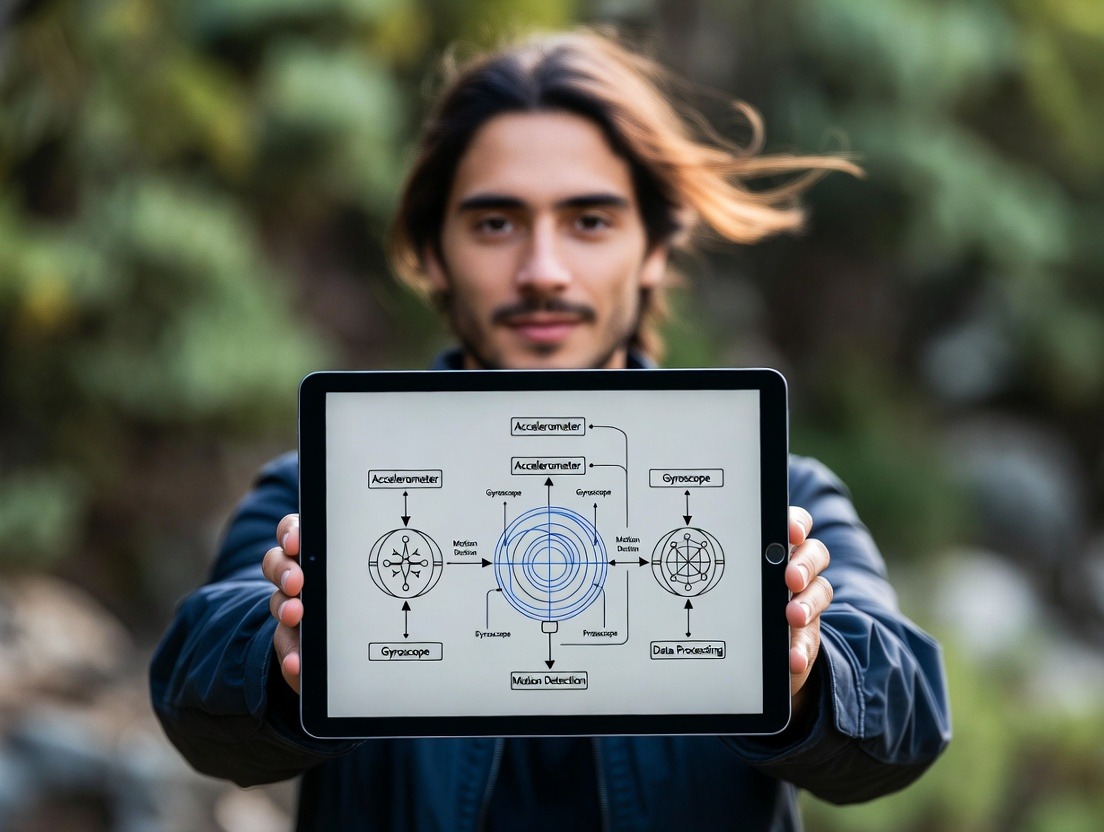
After a red-eye, your body isn't just hungry; it's biochemically depleted. It has been running on stress hormones, fighting mild hypoxia, and operating without its usual fuel. Reaching for the nearest airport bagel or a greasy fast-food meal might satisfy a momentary craving, but it will do little to help your nervous system recover and may actually prolong the fatigue. This is a time for precision nutrition, where food becomes a tool to rebuild neurotransmitters, reduce inflammation, and stabilize blood sugar.
Your smart ring can't tell you exactly what to eat, but it provides the context for why you need to eat certain things. Your low HRV tells you your nervous system needs support. Your elevated skin temperature suggests inflammation needs to be quelled. Your poor sleep quality indicates that neurotransmitter production (like serotonin and GABA) is off. Let's build a post-flight eating strategy that addresses these specific needs.
1. Blood Sugar Stabilization: Taming the Cortisol Rollercoaster
The stress of the flight has likely caused your blood sugar to fluctuate wildly. You may have eaten at odd hours, consumed sugary snacks or refined carbs from the plane meal, and run on adrenaline. When you land, your body might be craving sugar for a quick hit of energy. This is a trap. A high-sugar meal will cause a sharp spike in blood glucose, followed by a crash that will leave you feeling more fatigued and irritable than before. It will also further stress your already overworked adrenal glands, which produce cortisol.
What to do: Prioritize meals that combine lean protein, healthy fats, and complex carbohydrates. This combination slows down the absorption of sugar into your bloodstream, providing a steady, sustained release of energy.
2. Inflammation Reduction: Cooling the Internal Fire
Your elevated skin temperature is a proxy for systemic inflammation. Certain foods are pro-inflammatory (sugar, refined vegetable oils, processed meats), while others are powerfully anti-inflammatory. This is the time to load up on the latter.
3. Neurotransmitter Support: Rebuilding the Brain's Chemistry
Sleep deprivation and stress deplete key neurotransmitters. Your brain needs specific building blocks to replenish them.
While you can't log your meals in your ring, you can look for correlations. Over the next few days, pay attention to how your body responds to different foods. Does a sugary breakfast lead to a mid-afternoon energy crash that shows up as a period of high stress on your ring's stress tracker? Does a dinner rich in healthy fats and protein correlate with a slightly higher HRV the next morning? By becoming a student of your own biology, you can use your ring's data to build a personalized, evidence-based nutrition plan that supports your recovery from travel and from life's daily stresses. This is the ultimate form of biohacking—using data to make informed choices that align with your body's unique needs. To see how your gut health and nutrition choices directly influence the metrics your wellness ring tracks, explore this guide to gut health and your wellness ring.
We've covered light, movement, and nutrition. Now, let's integrate these concepts with a powerful tool that directly addresses the root cause of jet lag: the misalignment of your internal clock. Intermittent fasting, specifically what we might call "Circadian Fasting," can be an incredibly effective lever for accelerating your body's adaptation to a new time zone.
The principle is simple: when you eat is as important as what you eat. Your digestive system has its own circadian rhythm. It is primed to process food efficiently during the daylight hours and to rest and repair during the night. By strategically timing your food intake upon arrival, you can send powerful signals to your master clock that help it synchronize with the new local time.
Your body has multiple peripheral clocks in organs like the liver, pancreas, and gut. These clocks are heavily influenced by feeding and fasting cycles. When you eat a meal, it sends a signal to these peripheral clocks that "daytime" has begun. By controlling when you deliver these signals, you can help drag your entire system into alignment.
Think of it this way: your brain's master clock is primarily set by light. Your body's peripheral clocks are primarily set by food. If you arrive in a new time zone and immediately eat a large meal according to local time, you are giving your digestive system a powerful time cue that matches the new schedule. Conversely, if you eat at times that correspond to your old time zone's meal times, you reinforce the old rhythm and make it harder to adjust.
This protocol is most powerful when combined with the light-exposure strategies we discussed earlier.
Step 1: The In-Flight Fast (Optional, but Powerful)
For maximum impact, consider a strategic fast during your red-eye flight. If you're flying overnight, try to avoid the in-flight meal. This prevents your digestive system from having to work while your body is trying to rest (or at least be sedentary). It also means you land in a fasted state, making you ready for your first meal in the new time zone. This is challenging, but highly effective for frequent travelers.
Step 2: Time Your First Meal
This is the cornerstone of the protocol. Your first meal after landing should ideally be eaten at a time that corresponds to a normal breakfast or lunch hour in your destination time zone.
Step 3: Time Your Last Meal
This is equally critical. To help your body prepare for sleep at the correct local time, you should finish your last meal of the day at least 3-4 hours before your target bedtime. This is a crucial component of sleep-based fatigue prevention. If your target bedtime is 10:00 PM, finish dinner by 6:00 or 7:00 PM at the latest. This ensures that your digestive system is not actively working when you try to fall asleep. Digestion is a parasympathetic activity, but the process of metabolizing food can raise your body temperature and heart rate, interfering with sleep onset and quality. An empty stomach allows your body to focus its energy on repair and regeneration during the night, rather than on digestion.
Step 4: Maintain a Consistent Eating Window
For the first few days, try to keep your eating confined to a roughly 10-12 hour window that aligns with the daylight hours of your destination. For example, eat between 8:00 AM and 7:00 PM. This consistency reinforces the new circadian rhythm and helps stabilize energy levels throughout the day.
If you successfully implement this Circadian Fasting Protocol, you should see tangible improvements in your ring's data.
By integrating this fasting protocol with your light-exposure strategy, you attack the problem of jet lag from two complementary angles. You're using light to reset your brain's master clock and food timing to reset your body's peripheral clocks. This one-two punch is remarkably effective and can shave days off your typical recovery time, getting you back to feeling like yourself and ready to fully experience your destination.
In our data-driven quest for recovery, we must not forget the power of ancient, low-tech interventions. While your smart ring provides the objective "what" of your physiological state, practices like aromatherapy and breathwork give you the tools to actively influence the "how." They are direct levers you can pull to coax your stressed-out nervous system from sympathetic dominance back toward a state of parasympathetic calm. And the best part? You can use your ring in real-time to see if these practices are actually working.
Think of it as a biofeedback loop. You engage in a relaxation practice, and your ring shows you the immediate physiological results: a slight dip in heart rate, a change in your stress score, or a more balanced HRV reading over the next hour. This real-time validation is incredibly empowering. It transforms these practices from "woo-woo" into "what works."
Aromatherapy, or the use of essential oils, is often dismissed as merely pleasant-smelling. However, the olfactory system has a direct and privileged pathway to the brain's emotional and memory centers, including the amygdala and hippocampus. This means that scent can have an almost immediate impact on your mood and stress levels.
For post-red-eye recovery, we are interested in scents that promote relaxation and prepare the nervous system for rest.
Your In-Room Protocol: Upon arrival at your hotel or accommodation, pull out a small, travel-sized diffuser or simply put a few drops of lavender oil on a tissue and place it on your nightstand. As you go through your evening wind-down routine, the scent acts as a Pavlovian cue for your brain, signaling that the day is over and it's time to prepare for sleep. Combine this with the Circadian Fasting and light-dimming protocols for a powerful pre-sleep ritual. To explore other scents and methods for using aromatherapy as an energizer (when you need it) or relaxant (when you need to recover), read this complete guide to aromatherapy.
If aromatherapy is a gentle nudge, breathwork is a direct command to your nervous system. Your breathing rate is one of the few bodily processes that is both automatic and voluntary. By consciously controlling your breath, you can send powerful signals to the vagus nerve, the main highway of the parasympathetic nervous system. Activating the vagus nerve slows your heart rate, lowers blood pressure, and promotes a state of calm.
This is where your smart ring becomes a live biofeedback device.
The 4-7-8 Breath (The Relaxation Breath)
This technique, popularized by Dr. Andrew Weil, is a simple but powerful way to induce calm.
Your Ring-Guided Breathwork Session
This immediate feedback is a game-changer. It proves to you, in black and white, that you have the power to change your physiological state in just a few minutes. It turns breathwork from a nice idea into a non-negotiable part of your post-flight recovery toolkit. When you're feeling the fog and stress of a red-eye, knowing that you have a portable, free, and scientifically proven tool to calm your system—and a device to prove it's working—is incredibly empowering. It puts the control back in your hands.
Everything you've done since landing—the hydration, the strategic nap, the light exposure, the gentle movement, the carefully timed meals, the evening breathwork—has been building toward one critical goal: a successful first night's sleep in your new time zone. This night is the cornerstone of your entire recovery. If you nail it, you wake up the next morning significantly closer to your baseline, ready to engage with the world. If you fail, you prolong the misery and set yourself up for another day of fog and fatigue.
Your smart ring is your ally in this mission, not just for tracking the result, but for guiding the process. Let's walk through a step-by-step, data-informed protocol for the perfect first-night sleep.
This is where you actively use the information from your ring and the practices we've discussed to create the ideal physiological conditions for sleep.
T-3 Hours: Final Meal and Light Management
T-2 Hours: Disconnect and De-stress
T-1 Hour: The Sanctuary Setup
Now it's time for the main event. As you get into bed, your goal is to let go and trust the process you've set in motion.
The "Do Not Disturb" Mindset
You've made it through the night. Now, it's time for the debrief. This is where you become a sleep scientist, analyzing your own data to understand what worked and what you can improve for night two.
Wake Up, Then Check Your Ring
Give yourself a few minutes to wake up before diving into the data. Then, open your app and analyze the key metrics:
Plan for Day Two
Armed with this data, you are no longer guessing. You have a clear picture of your current state and a roadmap for the day ahead.
This feedback loop—preparation, action, data analysis, and strategy adjustment—is the essence of using your wellness ring as a tool for mastery over your own biology. The first night is rarely perfect, but each night provides the data you need to make the next one better. By systematically applying these principles, you can dramatically accelerate your recovery and reclaim your energy and vitality, no matter how many time zones you've crossed.
In the final layer of our post-red-eye recovery protocol, we turn to the world of adaptogens and targeted supplementation. While whole foods, strategic light exposure, and sleep are the foundational pillars, certain herbs and nutrients can provide an extra boost, helping your body adapt to the specific stresses of travel more rapidly and efficiently. Think of them as tactical reinforcements you can call upon when your system is under siege.
It is crucial, however, to view supplements not as a magic bullet, but as a support system for the foundational work you're already doing. They work best when layered on top of good hydration, smart nutrition, and a disciplined sleep schedule. Your smart ring can help you determine if a particular supplement is actually working for your unique physiology.
Adaptogens are a unique class of herbal compounds that help the body "adapt" to stress—whether physical, chemical, or biological. They work by modulating the release of stress hormones from the adrenal glands, helping to bring an overactive system back into balance (homeostasis). They are non-toxic and work gradually to increase your overall resistance to stress.
For post-flight recovery, we are primarily interested in adaptogens that can help calm an overstimulated nervous system (low HRV) and support deep, restorative sleep.
Key Adaptogens for Post-Flight Recovery:
Beyond adaptogens, specific supplements can directly support the sleep architecture we're trying to rebuild.
This is where the true power of personalized wellness comes in. You can use your ring as a personal research device to see if a supplement is having the desired effect on your physiology.
The Experiment Protocol:
This data-driven approach takes the guesswork out of supplementation. It moves you away from following generic advice and toward building a personalized "recovery stack" based on your own body's objective responses. By combining ancient herbal wisdom with modern biometric technology, you can create a powerful, personalized system for bouncing back from the stresses of travel faster and more effectively than ever before.
Your Trusted Sleep Advocate: Sleep Foundation — https://www.sleepfoundation.org
Discover a digital archive of scholarly articles: NIH — https://www.ncbi.nlm.nih.gov/
39 million citations for biomedical literature :PubMed — https://pubmed.ncbi.nlm.nih.gov/
Experts at Harvard Health Publishing covering a variety of health topics — https://www.health.harvard.edu/blog/
Every life deserves world class care :Cleveland Clinic - https://my.clevelandclinic.org/health
Wearable technology and the future of predictive health monitoring :MIT Technology Review — https://www.technologyreview.com/
Dedicated to the well-being of all people and guided by science :World Health Organization — https://www.who.int/news-room/
Psychological science and knowledge to benefit society and improve lives. :APA — https://www.apa.org/monitor/
Cutting-edge insights on human longevity and peak performance:
Lifespan Research — https://www.lifespan.io/
Global authority on exercise physiology, sports performance, and human recovery:
American College of Sports Medicine — https://www.acsm.org/
Neuroscience-driven guidance for better focus, sleep, and mental clarity:
Stanford Human Performance Lab — https://humanperformance.stanford.edu/
Evidence-based psychology and mind–body wellness resources:
Mayo Clinic — https://www.mayoclinic.org/healthy-lifestyle/
Data-backed research on emotional wellbeing, stress biology, and resilience:
American Institute of Stress — https://www.stress.org/


