


How to Use Your Smart Ring to Build Sustainable Healthy Lifestyle Habits
A guide to creating lasting healthy habits by using the feedback loop provided by your smart ring.
A guide to creating lasting healthy habits by using the feedback loop provided by your smart ring.
%402x.svg)
In an age of constant digital noise and health fads that flash and fizzle, building lasting wellness habits feels like a superhuman task. We’re bombarded with data from fitness trackers, overwhelmed by contradictory nutrition advice, and left exhausted by the sheer effort of trying to "optimize" our lives. The gap between knowing what to do and consistently doing it remains the grand canyon of personal wellness.
But what if the key to crossing that chasm wasn't more willpower, but a smarter, more intuitive system? Enter the smart ring—a device so subtle it becomes a part of you, and so insightful it can guide you toward genuine, sustainable change. This isn't about counting steps in a frantic race to 10,000; it's about listening to your body's foundational signals—sleep, recovery, stress, and circadian rhythm—to build a lifestyle that naturally fosters health, energy, and resilience.
Unlike conspicuous wrist-worn devices, a smart ring operates like a silent mentor. It gathers continuous, nuanced biometric data from the rich vascular network in your finger, offering a more accurate picture of your readiness and strain than ever before. It doesn’t shout; it whispers insights. It doesn't just track activity; it interprets your body's unique language of restoration and effort.
This guide is your masterplan for transforming that elegant piece of technology from a passive data collector into the active architect of your healthiest life. We'll move beyond the basics of reading your stats and delve into the psychology of habit formation, the science of biometrics, and the practical strategies for using real-time data to make choices that stick. We’re building a system, one sustainable habit at a time. Let’s begin.

Before you can build anything lasting, you must understand the ground upon which you're building. In the realm of health, that ground is your unique, personal baseline. This is where most generic wellness plans fail—they assume a one-size-fits-all starting point. Your smart ring is your personal surveyor, providing the precise metrics of your physiological terrain.
Your baseline isn't a single number; it's a dynamic profile of your body at rest and in its recovered state. Key metrics include your Resting Heart Rate (RHR), Heart Rate Variability (HRV), sleep architecture (deep, light, REM), and body temperature trends. For instance, a downward trend in your RHR and an upward trend in your HRV over weeks typically indicate improving cardiovascular fitness and autonomic nervous system resilience. Your smart ring tracks these passively, 24/7, giving you a picture no single morning check-in ever could.
The critical first step is to observe, not judge, for at least two weeks. Wear your ring consistently, go about your normal life, and let it gather data. Resist the urge to immediately "fix" anything. This period is about discovery. You might learn that your "normal" sleep is highly fragmented, or that your resting heart rate is consistently elevated on workdays, or that your HRV plummets after even moderate alcohol consumption.
This baseline phase answers the fundamental question: "What is normal for me?" Only with this knowledge can you identify meaningful deviations. Is a drop in HRV a sign of impending illness, or simply a hard workout? Is a high nighttime heart rate due to stress, a late meal, or the start of an infection? Your baseline is your reference point for all the experiments and habits to come. It transforms data from confusing numbers into a coherent story about your body.
James Clear, in his seminal work Atomic Habits, brilliantly outlines the habit loop: Cue, Routine, Reward. Sustainable habits are built by engineering these loops. Your smart ring is a powerful tool for every single stage of this cycle, making the invisible visible and the intangible, tangible.
First, the Cue. Cues can be internal (a feeling of stress, fatigue) or external (a time of day, a location). Your ring can help you identify hidden internal cues. For example, you might notice that feelings of afternoon irritability consistently follow mornings with a low HRV score or poor sleep efficiency. The ring's data turns a vague "I feel off" into a specific, identifiable cue: "My body is signaling depleted recovery."
Next, the Routine. This is the behavior you want to enact. Here, the ring shifts from diagnostician to guide. Instead of a generic "meditate more," your routine becomes, "When my afternoon readiness score dips below 70, I will do a 10-minute breathing exercise to raise my HRV." The ring provides the precise trigger for a specific, positive action.
Finally, the Reward. This is where smart rings excel. The immediate reward for a healthy action is often delayed or subtle. Eating a salad doesn't feel as rewarding as eating cake in the moment. But what if you could see the reward? Your ring provides immediate, positive feedback in the form of data. After that breathing exercise, you can watch your live HRV climb and your heart rate settle. After a week of consistent sleep hygiene, you'll see your deep sleep percentage increase. This data-driven feedback loop is a potent reward for your brain, reinforcing the positive routine.
By aligning your desired habits with your body's real-time biometric cues and rewards, you move from fighting willpower battles to following a smarter, data-informed system. The habit is no longer something you "should" do; it's the logical, supported response to what your body is telling you it needs.

If there is one habit that serves as the foundation for all others, it is sleep. Author and sleep scientist Matthew Walker calls it the "single most effective thing we can do to reset our brain and body health." Your smart ring is arguably most powerful in its capacity as a sleep analyst, offering insights far beyond simple duration.
Think of sleep as your body's nightly renovation project. Deep sleep is for physical restoration and cellular repair. REM sleep is for cognitive function, memory consolidation, and emotional processing. Your smart ring shows you the balance of these stages, the timing of your circadian rhythm (via temperature and heart rate drops), and your overall sleep efficiency (time asleep vs. time in bed).
Using this data, you can build a truly personalized sleep protocol. For instance, if your ring consistently shows you are getting less than an hour of deep sleep, you can prioritize habits that enhance deep sleep: heavy resistance training earlier in the day, a hot bath 90 minutes before bed to trigger a core temperature drop, or ensuring absolute darkness and coolness in your bedroom. If your latency to fall asleep is long, you can experiment with digital curfews or specific nighttime wellness rituals that take less than 30 minutes to calm your nervous system.
Furthermore, your ring’s Readiness or Recovery Score—often a composite of sleep data, HRV, and RHR—is your daily instruction manual. A high score means your body is primed for stress, learning, and intense activity. A low score is a directive to prioritize recovery: choose gentle movement, manage stress deliberately, and perhaps even implement the minimal nighttime wellness routine: 5 essential steps to protect your next sleep cycle.
By making sleep quality your primary metric for success, every other habit—nutrition, exercise, stress management—falls into place around supporting it. You begin to ask, "Will this late meal affect my deep sleep?" or "Will this intense workout tomorrow be supported by my recovery tonight?" Sleep stops being an afterthought and becomes the central pillar of your sustainable health architecture.
Your body runs on a master internal clock known as your circadian rhythm—a roughly 24-hour cycle governing everything from hormone secretion and metabolism to alertness and sleep propensity. Fighting this rhythm is exhausting; aligning with it is energizing. Your smart ring provides unique biomarkers, like continuous body temperature and heart rate patterns, to help you discover and sync with your personal cadence.
A key signal is your core body temperature rhythm. It naturally rises throughout the day, promoting alertness, peaks in the late afternoon, and then begins to drop in the evening, initiating sleepiness. Your ring’s temperature sensor can track this descent. A sharp, steady drop at night correlates with better sleep onset and quality. If your temperature is flat or erratic, it’s a sign of circadian misalignment, often caused by late light exposure, irregular meal times, or inconsistent sleep schedules.
Use this data to structure your day for natural energy:
By observing your daily biometric patterns over weeks, you can move from living by the clock on the wall to living in harmony with the clock within you. This alignment reduces the friction of daily life, making healthy actions feel more natural and effortless.

Stress is not inherently bad; it’s a physiological response. The problem is chronic, unmanaged stress that keeps our nervous system in a prolonged "fight or flight" (sympathetic) state. Until now, measuring this state subjectively was difficult. Your smart ring changes that by giving you a direct window into your autonomic nervous system through Heart Rate Variability (HRV).
HRV is the measure of the time variation between your heartbeats. A higher HRV generally indicates a healthy, resilient nervous system that can smoothly transition between stress and recovery. A lower HRV suggests your body is under strain—whether from physical training, emotional stress, illness, or poor sleep.
This is revolutionary for habit formation. Instead of waiting until you feel burned out, you can see the signs of accumulating stress days in advance. Your ring’s stress score or HRV trend becomes your early-warning system.
Here’s how to build data-driven stress resilience habits:
By quantifying stress, you remove the stigma and ambiguity. It becomes a manageable metric, not a moral failing. You learn that stress + intentional recovery = growth, while stress without recovery = breakdown. Your smart ring helps you master that equation.
The old paradigm of exercise was punishing: no pain, no gain, on a fixed schedule regardless of feel. This often leads to overtraining, injury, and burnout. The new paradigm, enabled by your smart ring, is responsive training. It answers the daily question: "What type of movement does my body need today to grow stronger without breaking down?"
Your ring’s Readiness/Recovery Score is your daily training commander. It synthesizes sleep, HRV, RHR, and temperature data into a single, actionable metric.
This approach builds a sustainable, lifelong movement habit because it’s intuitive and respectful. It prevents the boom-and-bust cycles of fitness and helps you appreciate that rest is not idleness; it's an active and essential part of the fitness process. You stop fighting your body and start collaborating with it, using data as your shared language.
Nutrition is deeply personal. What fuels one person can inflame another. While smart rings don't (yet) track glucose directly, they provide powerful proxy metrics that reveal how your body is responding to your diet through its effect on your foundational systems: sleep, recovery, and stress.
This turns your ring into a biofeedback tool for nutritional experimentation. The process is simple:
The data provides objective feedback that transcends cravings and subjective feelings. You might feel fine after a late-night dessert, but if your ring consistently shows fragmented sleep and a lowered HRV afterward, you have a clear, personal reason to shift that habit. Conversely, you might discover that a hearty breakfast leads to a more stable stress score throughout your morning.
This method moves you away from dogmatic diets and toward a curious, evidence-based relationship with food. You are not following external rules; you are learning the unique nutritional language of your own body, using recovery and sleep quality as your primary outcomes.
In our achievement-oriented culture, recovery is often viewed as lost productivity. In reality, it is the phase where growth and adaptation actually occur. Muscles grow during rest, not the workout. Memories consolidate during sleep. Your smart ring makes the invisible process of recovery visible, allowing you to master the art of strategic rest.
A deload is a planned period of reduced training volume or intensity to allow for full systemic recovery and super-compensation (where your body rebounds to a higher level of fitness). Traditionally, these were scheduled arbitrarily every 4-8 weeks. With a smart ring, you can implement autoregulated deloading.
Watch for these biometric signs that your body is asking for a strategic recovery week:
When you see a cluster of these signals, it’s time to proactively schedule a "deload week." Reduce training volume by 40-60%, focus on mobility, long walks, and extra sleep. The goal is to return to training only when your biometrics have rebounded solidly back into their optimal ranges.
This practice is a master habit in self-awareness and patience. It teaches you that long-term progress is non-linear and that respecting your body’s need for valley periods is what allows you to reach higher peaks. It’s the ultimate strategy against plateaus and burnout.
Motivation is fleeting; systems are forever. The most sustainable habits are those woven so seamlessly into your existing life that they require minimal decision-making. This is the power of habit stacking, a concept popularized by James Clear, and it is supercharged by the contextual data from your smart ring.
Habit stacking involves anchoring a new, desired habit to an existing, automatic one. The formula is: "After/Before [CURRENT HABIT], I will [NEW HABIT]."
Your smart ring adds a powerful data-driven cue to this mix. Here are examples of "smart" habit stacks:
The ring also helps you build micro-routines around your most important keystone habit: sleep. For example, a wind-down routine isn't one big task; it's a stack of tiny habits. You can build this by exploring resources like how to build a nighttime routine that actually sticks, adapting the principles to the cues your body gives you via your ring data.
By linking new behaviors to either existing routines or irrefutable biometric cues, you drastically reduce the cognitive load required to make the healthy choice. The system does the work for you.
Life is not a controlled lab experiment. Weddings, vacations, deadlines, and social gatherings will arise. A sustainable lifestyle isn't one that shuns these events; it’s one that navigates them intelligently and bounces back quickly. This is where "data empathy"—using your insights to guide choices without guilt—comes in.
Your smart ring is your compass during these times. Before a known disruptive event (e.g., a weekend trip, a busy work project), check your baseline. Are you starting from a place of high recovery, or are you already depleted?
The true power lies in the rebound strategy. After the event, don't just jump back into your normal intense routine. Check your readiness score. It will likely be low. Honor that data. Make your next few days focused on sleep nutrition, hydration, gentle movement, and stress management. Use the principles in articles like nighttime wellness for busy professionals: realistic routines to get back on track efficiently.
This approach eliminates the "I've blown it" mentality that derails so many people. Instead, you see life as a series of pulses and recoveries. The ring gives you the feedback to manage both phases skillfully, ensuring that life’s pleasures don’t come at the cost of your long-term well-being.
The final, and most rewarding, habit you will build is the habit of reflection. Sustainable change is not a straight line upward; it's a upward-trending spiral with lessons learned at every turn. Your smart ring’s historical data is a goldmine for this quarterly or biannual reflection.
Set a calendar reminder to sit down with your long-term trends (most apps offer 90-day or yearly views). Look for the story they tell:
Use this reflection not for self-critique, but for strategic planning. Ask yourself: "Based on what my body has shown me it responds to, what is one new habit I want to test in the next quarter? What is one habit I need to let go of?"
This practice of data-informed reflection closes the loop. It transforms your journey from a passive experience of being tracked into an active, collaborative dialogue with your own physiology. You are no longer just a user of technology; you are the scientist, subject, and beneficiary of your own ongoing experiment in living well.
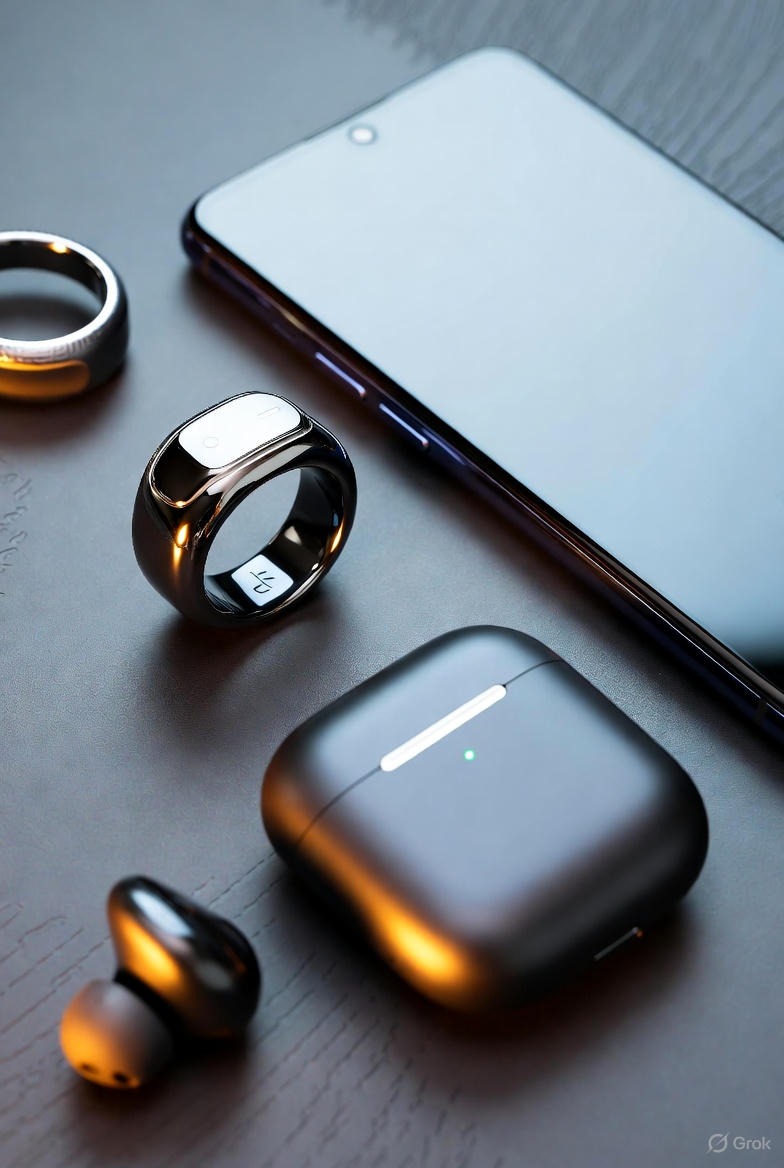
Data in a vacuum is meaningless. The true power of your smart ring emerges when its insights are seamlessly woven into the fabric of your daily decision-making. This requires moving beyond simply checking an app in the morning to creating a Personal Health Dashboard—a holistic, integrated view that connects biometrics with your subjective experience, goals, and environment.
Your dashboard is both mental and digital. It starts with the core metrics from your ring: Readiness Score, Sleep Score, HRV trend, and activity strain. But to make it truly personal, you must add layers of context. This is best done through a simple daily log—a two-minute practice of noting a few key variables alongside your data: energy levels (1-10), mood, diet highlights, stress triggers, and workout details. Over time, you’ll start to see powerful correlations that the ring alone cannot see. For example, you may discover that your HRV dips not after intense workouts, but after days filled with back-to-back video calls, revealing a hidden stressor.
The next step is setting intelligent, adaptive goals. Instead of a static goal like "get 8 hours of sleep," set a goal like "maintain a Sleep Score above 85 for 21 out of the next 30 days." This allows for life’s variability while keeping you focused on consistency. Your ring provides the accountability. Seeing a streak of green high-sleep-score days can be a powerful motivator, while a sudden drop prompts gentle, curious investigation rather than self-criticism.
Finally, use this integrated dashboard for weekly planning. Every Sunday, review your past week’s data and log. Notice your recovery patterns. If you see that you consistently deplete your readiness by Thursday, use that insight to plan a lighter Friday. Block time for recovery before you crash. Schedule demanding tasks for the times of day when your historical data shows you are most resilient. This proactive planning, informed by your unique biological patterns, transforms your smart ring from a reporter into a strategic life-management tool.
Our biology is in constant conversation with our environment. Light, temperature, noise, and even the layout of our spaces profoundly impact our nervous system, sleep, and recovery. Your smart ring acts as a detective, revealing how your surroundings are affecting you, and provides the evidence you need to create a truly restorative habitat.
Start with light, the master circadian cue. Your sleep data is a direct report card on your light environment. Persistent trouble falling asleep or low deep sleep may indicate excessive blue light exposure in the evening. Use your ring to test interventions: try amber-tinted glasses after sunset for a week, or commit to a strict phone-in-another-room policy an hour before bed. Observe the impact on your sleep latency and overall score. You might be surprised to find that a simple change like installing smart bulbs that dim and warm at night, as part of the perfect nighttime wellness routine step-by-step guide, leads to a measurable improvement in your morning readiness.
Next, leverage temperature data. Your ring tracks your subtle skin temperature variations, which are tied to sleep quality and stress. If your data shows frequent nighttime awakenings or a restless sleep graph, your bedroom temperature might be to blame. The ideal range for most people is between 60-67°F (15.5-19.5°C). Run a week-long experiment: lower your thermostat by 3 degrees. Watch how it affects your sleep continuity and the smoothness of your temperature-drop curve. The data makes the investment in a better thermostat or cooling mattress pad an evidence-based decision.
Don’t forget the acoustic environment. While rings don’t measure sound, you can correlate spikes in your nighttime heart rate with environmental noise. A sudden HR spike logged at 2 a.m. might align with a neighbor’s late return or street noise. This data-driven insight can justify solutions like a white noise machine or earplugs, turning a suspicion into a targeted fix. By systematically testing and optimizing these environmental levers, you build a living space that actively supports your health goals around the clock.
Human beings are wired for connection. Loneliness and social isolation are profound stressors, linked to increased inflammation, poorer sleep, and higher risks of chronic disease. Conversely, positive social interactions can boost mood, enhance immune function, and even improve heart rate variability. Your smart ring can provide fascinating, objective feedback on this deeply subjective area of your life.
Pay attention to how your biometrics shift after social interactions. Review your data log after a coffee with a close friend, a tense family gathering, a collaborative work meeting, or a night out with a group. You might discover:
This isn’t about judging your relationships, but about understanding their physiological impact. Use this insight to be more intentional with your social energy, a concept known as "social dosage." If you are an introvert whose data shows high strain after lots of back-to-back socializing, the ring validates your need for recovery time. It gives you permission to decline an invitation when your readiness is already low, guilt-free.
Furthermore, you can use this data to optimize the quality of your connections. The feedback might encourage you to invest more time in the relationships that leave you feeling energized and recovered, and to set healthier boundaries in those that are chronically depleting. You can even experiment with social recovery: after a demanding social event, schedule time alone for a walk or reading, and watch how your stress metrics respond. In this way, your smart ring helps you cultivate not just personal health, but relational health—a critical, yet often overlooked, pillar of sustainable wellness.

Mindfulness is the practice of anchoring your awareness in the present moment. Ironically, a piece of technology can become one of the most effective tools for cultivating this non-digital state. Your smart ring provides a real-time, objective mirror for your internal state, offering a powerful anchor for attention and a direct feedback loop for calming practices.
The simplest technique is breath-aware meditation with live biometric feedback. Sit quietly, open your ring’s app to the live heart rate or HRV screen, and begin a slow, diaphragmatic breathing pattern (e.g., 4 seconds in, 6 seconds out). As you focus on your breath, watch the numbers on the screen. You will literally see your heart rate descend and, with practice, your HRV increase in real-time. This creates a powerful, almost gamified feedback loop. The abstract goal of "feeling calm" is replaced with the tangible goal of "lowering my heart rate by 5 BPM." This makes mindfulness immediately rewarding and demystifies the process.
Beyond formal meditation, use your ring’s stress alerts as mindfulness bells. When the notification buzzes on your wrist (or phone) indicating elevated stress, don’t dismiss it. Treat it as a kind, digital nudge to pause. Stop what you’re doing for 60 seconds. Feel your feet on the floor, take three deep breaths, and observe your thoughts without judgment. This habit transforms the stress signal from a source of anxiety into a cue for a micro-mindfulness break, effectively short-circuiting the stress spiral.
Finally, use your sleep and readiness data to cultivate acceptance and self-compassion. On a morning when your score is low, instead of forcing yourself into a punishing routine, the data can give you permission to practice mindful self-care. It’s a concrete reason to choose a gentle yoga session over a hard workout, reinforcing that listening to your body is the productive choice. This alignment of data with mindful intention helps build a healthier, less adversarial relationship with yourself, where technology supports inner peace rather than detracts from it.
For individuals with menstrual cycles, the body is not on a 24-hour cycle, but a 25-35 day rhythm of profound hormonal shifts that impact energy, recovery, metabolism, and temperature. Generic health advice fails here. A smart ring, with its continuous temperature and HRV tracking, becomes an indispensable tool for cycle-syncing—aligning habits with your unique phases to optimize energy and well-being.
The most immediate application is basal body temperature (BBT) tracking. Your ring’s overnight temperature data can precisely pinpoint ovulation (marked by a sustained temperature rise) and confirm the different phases of your cycle (follicular and luteal). This is more effortless and accurate than manual morning measurements, providing a clear, automated chart of your cycle.
With this phase awareness, you can interpret all your other ring data through the correct lens:
This knowledge is empowering. A low readiness score in the luteal phase is reframed from "I'm lazy" to "My body is doing important work, and I need to support it with gentler practices." It allows for self-compassion and intelligent planning, reducing the friction of healthy living across the entire month. You stop fighting your physiology and start working in harmony with it.
The most profound utility of long-term biometric monitoring is its predictive potential. By establishing your deeply personal baseline, you can detect deviations that often signal an oncoming challenge days before symptoms appear. This turns your smart ring into an early-warning system, allowing you to take proactive steps to mitigate severity and accelerate recovery.
The classic biomarker for impending illness is a significant, unexplained elevation in resting heart rate (RHR). While a high RHR after hard exercise or a poor night's sleep is normal, a sustained elevation of 5-10 BPM above your personal baseline over 24-48 hours, coupled with a drop in HRV, is your body sounding the alarm that it’s fighting something. You may feel perfectly fine, but your autonomic nervous system is already mobilizing resources. When you see this pattern, it’s a clear signal to:
Similarly, the ring is exceptional at predicting overtraining syndrome (OTS), a state of prolonged fatigue and performance decline. OTS isn't just about one hard workout; it's a systemic breakdown from chronic under-recovery. The signs in your data are a persistent downward trend in HRV, an upward creep in RHR that doesn’t resolve with a night’s sleep, chronically low readiness scores, and disrupted sleep despite exhaustion. Seeing this cluster of signals over a week or more is a non-negotiable directive for a strategic deload or complete rest, as discussed in the section on recovery.
This predictive capacity transforms your relationship with your body from reactive to proactive. You learn to act on subtle whispers (the data) so you don’t have to endure the shouts (full-blown illness or injury). It’s the ultimate form of body literacy and preventive care.
While the quantitative data from your smart ring is powerful, it is only one side of the coin. The other is your subjective experience—the "Voice of the Body" (VOB). The most effective sustainable habit strategy is a marriage of the two: using objective data to inform and validate your subjective feelings, and using your feelings to add rich context to the numbers.
Practice this by performing a daily subjective check-in alongside your data review. On a scale of 1-10, rate:
Now, compare these subjective scores to your ring’s readiness and sleep scores. Often, they will align—a high readiness score with high energy. But the gold is found in the discrepancies. For instance, you might have a readiness score of 85 but feel mentally foggy and unmotivated. This disconnect is critical information. It tells you that while your body is physiologically recovered, something else—perhaps psychological stress, boredom, or lack of purposeful engagement—is affecting you. The solution isn’t more physical rest; it might be a change of scenery, a creative task, or a conversation with a mentor.
Conversely, you might feel energetic and eager but see a low readiness score of 62. This is a classic trap that leads to overreaching. In this case, you must learn to "trust the ring over the feeling." Your subjective enthusiasm might be driven by caffeine or excitement, but your autonomic nervous system is signaling that it's still in repair mode. Honoring the data prevents you from digging a deeper recovery hole.
By routinely comparing the VOB with the data, you develop a more nuanced, integrated self-awareness. You learn to ask not just "What does my ring say?" but "What does my ring say in the context of how I feel?" This holistic view is the bedrock of truly personalized, sustainable self-care.
Travel is one of the most disruptive events for your circadian rhythm and overall health. Jet lag is more than just feeling tired; it's a state of internal desynchrony where your master clock is out of alignment with local time. Your smart ring is the perfect tool to measure the impact and guide a faster, smoother adaptation to new time zones.
Before you travel, use your ring to fortify your baseline. In the days leading up to a trip, especially a long-haul one, be extra diligent with sleep, using techniques from nighttime routine mistakes that ruin your sleep to avoid common pitfalls. A strong, recovered starting point gives your body more resilience to handle the disruption.
During the flight, use your ring to monitor strain. The combination of cabin pressure, dehydration, and cramped seating creates significant physiological stress. You might see your heart rate and stress score elevated even while you’re sitting still. This data can remind you to get up, stretch, and drink water proactively.
Upon arrival, your mission is to use light exposure to reset your clock, guided by your data. Your ring’s temperature rhythm will show you how out of sync you are. The goal is to get your body temperature to drop at the appropriate local nighttime.
Your sleep data in the first few nights will be messy—expect low scores and fragmented graphs. Don’t panic. Use this feedback to be strategic. If you’re waking at 3 a.m. wide awake, your ring will confirm the poor sleep efficiency. Instead of lying in bed frustrated, get up and do a quiet, low-light activity for 30-60 minutes until you feel sleepy again. This helps reassociate bed with sleep. Track how each day’s light exposure and activity affects the following night’s sleep metrics. You’ll see your data gradually normalize, providing tangible proof that your adaptation strategies are working, turning a stressful experience into a fascinating biological experiment.
As smart rings and other wearables become more sophisticated and validated, they are moving from the realm of consumer wellness into the frontier of participatory medicine. The continuous, longitudinal data they provide offers clinicians a view of a patient’s health that is impossible to capture in a 15-minute annual check-up.
Imagine going to your doctor not just with symptoms, but with a data history. You can show trends demonstrating chronic sleep deficiency correlating with rising blood pressure. You can present a graph showing how a new medication coincides with a steady decline in HRV or disrupted sleep architecture. You can provide objective evidence of how a suspected condition, like sleep apnea (showing as repetitive blood oxygen drops and heart rate spikes), manifests every single night.
This shifts the patient-provider dialogue. You move from describing how you "sometimes feel tired" to presenting a report: "My data shows my resting heart rate is 15 BPM higher on average during the workweek, and my deep sleep is consistently below 45 minutes, which correlates with my reported fatigue." This empowers more precise, collaborative decision-making. Your doctor might use this data to:
For chronic condition management—such as hypertension, anxiety disorders, or metabolic syndrome—the ring becomes a daily management partner. It can help identify early warning signs of a flare-up or confirm that a new diet/exercise regimen is having a positive systemic effect. It’s crucial, of course, to work with a healthcare provider who is open to this data and can help interpret it within a full clinical context. This collaborative model, where you are an informed, data-equipped partner in your own care, represents the future of sustainable, proactive health management.

A potential pitfall of any tracking technology is the slide into obsession, anxiety, or simply burnout from the constant stream of information—a state often called "data fatigue." The goal is for your smart ring to be a supportive guide, not a digital overlord. Cultivating a healthy relationship with your device is itself a critical, meta-habit for sustainability.
First, establish data-free zones and times. The constant accessibility of biometrics can trigger compulsive checking. Designate specific times to review your data—perhaps once in the morning to check readiness and plan your day, and once in the evening to reflect on the day’s strain. Outside of those times, close the app. Do not wear your ring to bed with the intention of checking it if you wake up; that disrupts sleep. Trust that it’s collecting data for your later, calm review.
Second, practice trend-thinking over day-thinking. Do not over-interpret a single day’s low score. Biology is variable. Look at the weekly and monthly trends. Is your average HRV over the last 90 days higher than the previous 90? That’s meaningful progress. A single red day is noise; a pattern is a signal. This long-view perspective reduces daily anxiety and keeps you focused on the big picture of sustainable health.
Third, schedule regular “ring holidays.” Consider taking a day or a weekend off every month or quarter. Leave the ring on the charger. Reconnect with your body’s innate, unmeasured feelings of energy, hunger, and tiredness. This practice prevents you from outsourcing all your bodily awareness to a device and reminds you that you are more than your data. When you put the ring back on, it will feel like a tool again, not a tether.
Finally, if you find that checking your data consistently increases your stress or leads to unhealthy restrictive behaviors, it’s time to step back. Use the ring’s data to identify this pattern (e.g., “my stress score spikes every time I open the app”), and let that be the final, insightful cue to take a longer break. The ultimate measure of success is not a perfect biometric score, but a life of greater ease, energy, and resilience—with or without the ring.
We've established that Heart Rate Variability (HRV) is a key metric for recovery and stress. But you can move beyond simply observing it to actively training your nervous system using HRV biofeedback. This advanced practice turns your smart ring into a real-time gym for your autonomic nervous system, directly teaching your body to shift into a calmer, more resilient state on command.
The principle is simple: through controlled breathing, you can influence your heart rate rhythm, increasing HRV and enhancing parasympathetic ("rest and digest") tone. Your smart ring provides the live feedback to make this training precise and effective.
Here’s a step-by-step protocol:
The power of this practice is that it provides instant mastery feedback. You learn exactly what "calm" feels like in your body and see its objective signature. Over weeks of practice, you’ll find you can elicit this state more quickly, even without the visual feedback. This is an invaluable tool for managing acute stress, preparing for sleep, or recovering from mental exertion. It’s a habit that builds direct physiological self-regulation.
Emerging science continually highlights the deep connection between our gut microbiome, sleep quality, and stress resilience—a triangle known as the gut-sleep-stress axis. Your smart ring, while not a gut sensor, provides the crucial sleep and stress data that allows you to experiment with and observe the impact of your dietary choices on this system.
The communication is bidirectional. Poor sleep (as measured by low deep/REM sleep on your ring) can disrupt gut barrier function and alter microbiome composition. Conversely, an inflamed gut can signal the brain via the vagus nerve, leading to fragmented sleep and elevated sympathetic nervous system activity (shown as low HRV/high RHR).
Use your ring to run targeted nutritional experiments focused on this axis:
This data-driven approach to nutrition moves you away from calorie-centric thinking and toward nutrient-timing and food-quality thinking, with the explicit goals of improving sleep architecture and autonomic balance. It helps you eat for recovery, not just for fuel.
In elite athletics, training is not random; it’s structured into cycles of stress and recovery called periodization to maximize performance and avoid plateaus. You can apply this same powerful framework to your entire life, using your smart ring’s long-term data to guide macro-cycles of focus across different wellness domains.
The concept is to intentionally shift your primary health focus in 6-12 week blocks, allowing for deep adaptation in one area while maintaining others. Your ring provides the objective metrics to plan and evaluate each cycle.
After a peak cycle, you would schedule a Regeneration Cycle—a 2-4 week period of deliberately lower strain, focused on active recovery, flexibility, and psychological rest. Your ring ensures you don’t slip into deconditioning but allows for super-compensation.
This "Periodization for Life" approach prevents the common burnout from trying to optimize everything at once. It brings purpose, variety, and a strategic rhythm to your wellness journey, with your biometrics serving as your coach and scoreboard.
The future of sustainable habits is contextual and automated. Your smart ring can be the central biometric brain that communicates with your Internet of Things (IoT) ecosystem, creating a living environment that dynamically responds to your physiological state. This moves health from something you do to something your environment supports seamlessly.
Imagine these scenarios, all possible with current technology:
To start, identify one pain point. Is it falling asleep? Connect your ring data (via Apple Health or Google Fit) to a smart light system to automate a red-light environment an hour before your average bedtime. The key is to use the automation to remove friction from good habits. You’re not deciding to dim the lights; your body’s own signals trigger it to happen. This seamless integration makes the healthy choice the automatic choice, which is the holy grail of sustainable behavior change.
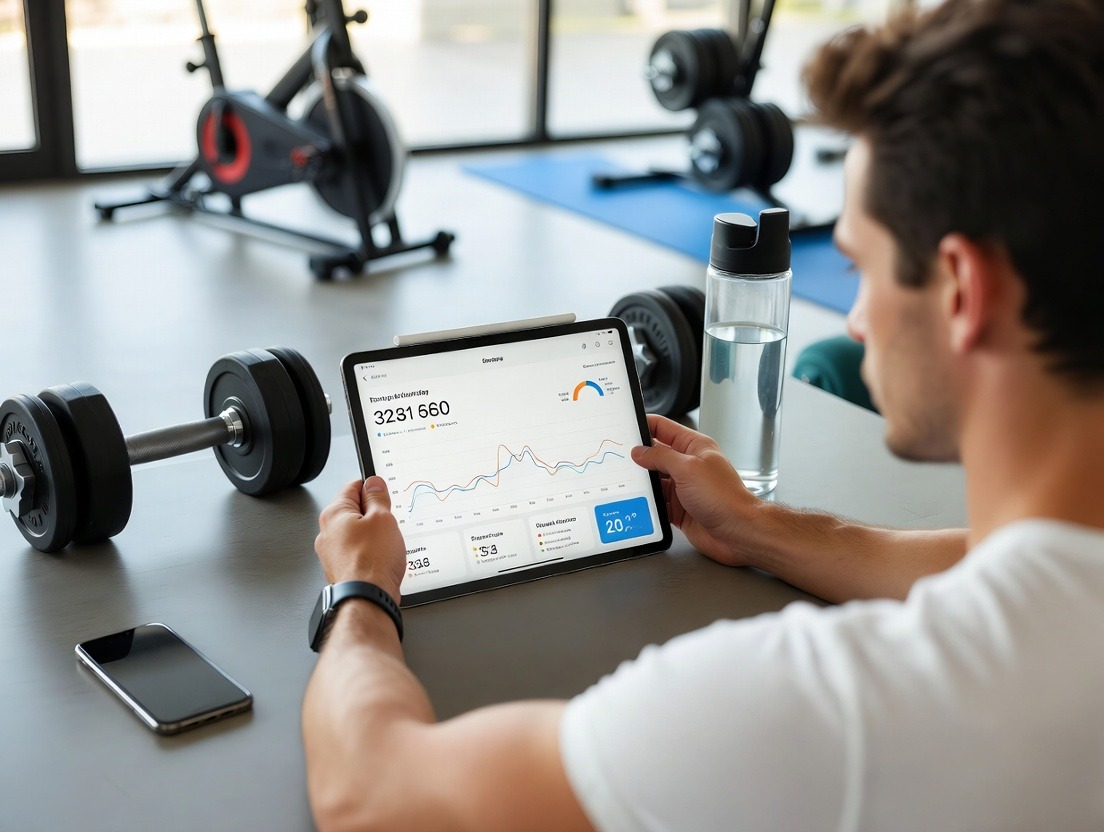
Beyond daily performance and recovery, your smart ring is quietly compiling a long-term dataset on key biomarkers of aging. These are metrics whose trends over years are strongly correlated with systemic health, disease risk, and longevity. Monitoring these provides a profound, big-picture motivation for sustaining healthy habits.
The primary longevity metrics your ring tracks are:
Make it a habit to download and save your annual data report. Create a simple spreadsheet or document where you record your yearly averages for these four metrics. This long-view tracking transforms your daily and weekly habits into a compelling longevity project. Seeing your HRV average climb from 45 to 55 over three years is a more powerful motivator than any single workout. It connects the small, daily choices—choosing to sleep instead of scroll, to walk instead of stress—to the grand narrative of living a longer, healthier, more vibrant life.
As we invite these powerful devices deeper into our lives, it’s imperative to pause and consider the ethical dimensions and practice digital mindfulness. Who owns your intimate biometric data? How is it used? And what is the psychological impact of quantifying your very being?
First, data sovereignty. Before purchasing or deeply integrating a ring, read the company’s privacy policy. Understand where your raw data is stored, if it is anonymized and aggregated for research, and if it can be sold to third parties. Opt out of data-sharing where possible. Your sleep patterns, stress levels, and heart rate are uniquely identifying and sensitive. Treat them with the same discretion you would your medical records.
Second, beware of the "quantified self" trap. There is a risk that constant tracking can lead to orthosomnia—an unhealthy obsession with achieving perfect sleep data. It can externalize your sense of well-being, making you trust the numbers over your own felt experience. Combat this by regularly practicing the subjective check-ins and ring holidays mentioned earlier. Remember, the data is a map of your territory (your body), but it is not the territory itself. You are not a dashboard.
Third, consider the social and relational impact. Is checking your ring score during a conversation with a loved one enhancing your life or detracting from it? Be intentional about when and where you engage with the data. The goal of this technology is to free up mental bandwidth and energy for meaningful human connection, not to become a barrier to it.
Finally, use your data for self-compassion, not self-critique. The ring’s alerts and scores are information, not verdicts. A low readiness score is a cue for kindness and recovery, not a grade you’ve failed. By maintaining this mindful, ethical, and balanced perspective, you ensure that your smart ring remains a tool for empowerment and freedom, not for anxiety or control.
We are on the cusp of a revolution in personal health technology. The current generation of smart rings is diagnostic, telling you what has happened. The next generation will be predictive and prescriptive, leveraging artificial intelligence to tell you what will happen and what you should do about it.
Imagine these near-future capabilities, all built upon the continuous data stream your ring already collects:
To prepare for this future, focus now on building a rich, consistent data history. The more high-quality longitudinal data you have—through daily wear and mindful habit-tracking—the more accurate and personalized these future AI insights will be for you. You are training your own algorithm. The habits of consistency and curious experimentation you build today will unlock exponentially more powerful tools tomorrow, making the path to sustainable health increasingly intelligent and effortless.
As we culminate this portion of our exploration, the final step is synthesis. It’s time to move from consuming information and experimenting to creating your own Personal Health Constitution—a living document, informed by your unique data, that outlines your core principles, non-negotiable habits, and flexible guidelines for sustainable living.
This Constitution is not a rigid set of rules, but a statement of self-knowledge. It is built directly from the insights you’ve gained by using your smart ring as a guide.
Your Constitution Should Include:
Write this constitution down. Review it quarterly alongside your long-term data trends, and be prepared to amend it as you learn and grow. This document transforms you from a passive user of technology into the sovereign author of your own health story, with your smart ring as your most trusted advisor and scribe.
Your Trusted Sleep Advocate: Sleep Foundation — https://www.sleepfoundation.org
Discover a digital archive of scholarly articles: NIH — https://www.ncbi.nlm.nih.gov/
39 million citations for biomedical literature :PubMed — https://pubmed.ncbi.nlm.nih.gov/
Experts at Harvard Health Publishing covering a variety of health topics — https://www.health.harvard.edu/blog/
Every life deserves world class care :Cleveland Clinic - https://my.clevelandclinic.org/health
Wearable technology and the future of predictive health monitoring :MIT Technology Review — https://www.technologyreview.com/
Dedicated to the well-being of all people and guided by science :World Health Organization — https://www.who.int/news-room/
Psychological science and knowledge to benefit society and improve lives. :APA — https://www.apa.org/monitor/
Cutting-edge insights on human longevity and peak performance:
Lifespan Research — https://www.lifespan.io/
Global authority on exercise physiology, sports performance, and human recovery:
American College of Sports Medicine — https://www.acsm.org/
Neuroscience-driven guidance for better focus, sleep, and mental clarity:
Stanford Human Performance Lab — https://humanperformance.stanford.edu/
Evidence-based psychology and mind–body wellness resources:
Mayo Clinic — https://www.mayoclinic.org/healthy-lifestyle/
Data-backed research on emotional wellbeing, stress biology, and resilience:
American Institute of Stress — https://www.stress.org/


