


Wearable Wellness 101: The Accuracy and Reliability Question
Addresses common questions about how reliable and accurate consumer wearable data really is.
Addresses common questions about how reliable and accurate consumer wearable data really is.
%402x.svg)
For a generation that tracks everything from steps to sleep stages, wearables have become the modern oracle of health. We glance at our wrists—or increasingly, at a sleek ring on our finger—to divine our readiness for the day, the quality of our rest, and the state of our nervous system. This data transforms into a narrative about ourselves: Am I improving? Am I recovering? What is my body trying to tell me? The promise is profound: a democratization of health insight, putting personalized, continuous biofeedback directly on our bodies.
But this power hinges on a single, critical assumption: that the numbers we see are true. Can a device on your finger accurately measure the oxygen saturation in your blood? Can an optical sensor on your wrist discern the subtle architecture of your sleep? The question of accuracy and reliability isn't just a technical footnote; it's the foundation of trust upon which the entire edifice of wearable wellness is built. Without it, we risk making misinformed decisions, fostering unnecessary anxiety, or missing genuine health signals.
This deep dive moves beyond marketing claims and sleek design to explore the complex reality under the hood. We’ll dissect how these devices work, where they excel, where they falter, and what the peer-reviewed science actually says. Most importantly, we’ll equip you with the framework to become a discerning, empowered user—someone who can leverage wearable technology not as an infallible oracle, but as a powerful, informed guide on your personal wellness journey. The age of data-driven health is here. Let’s ensure we’re reading it correctly.
The journey of wearable wellness is a story of miniaturization and ambition. It began with a simple mechanical goal: counting steps. The humble pedometer, inspired by Leonardo da Vinci’s designs and popularized in the 1960s, was a physical, click-clacking counter. Its goal was straightforward and its mechanism easily understood. The shift began when these devices became digital, then connected, and finally, intelligent.
The pivotal moment arrived with the convergence of three technologies: low-power accelerometers (motion sensors), optical heart rate sensors (photoplethysmography or PPG), and ubiquitous smartphone connectivity. Suddenly, a wrist-worn device wasn’t just counting steps; it was estimating calories, tracking heart rate, and, ambitiously, interpreting sleep. This was the birth of the modern fitness tracker. The goal expanded from simple activity logging to holistic wellness monitoring.
Today, we stand at the next evolutionary leap: the smart ring and advanced health watches. These devices incorporate a wider array of sensors—including skin temperature monitors, electrodermal activity (EDA) sensors for stress, and advanced PPG for blood oxygen (SpO2) and heart rate variability (HRV). The ambition is no longer just to track, but to predict and prevent. Devices now offer “readiness” scores, stress alerts, and even warnings of potential illness based on physiological deviations.
This cultural shift towards the “Quantified Self” is driven by a desire for agency. In a complex healthcare landscape, individuals are taking more ownership of their health data. A wearable provides a continuous, personal stream of biomarkers, creating a sense of control and awareness. It turns the abstract concept of “health” into tangible, daily metrics. However, this very empowerment makes the accuracy question paramount. If we are to base lifestyle decisions—when to push hard, when to rest, when to be concerned—on this data stream, we must understand its fidelity. Trusting a step count is one thing; trusting a biomarker that suggests your body is under significant strain is another entirely.
The appeal is undeniable. By tracking trends over time, users can see the direct impact of lifestyle choices, like how a late-night meal affects their resting heart rate or how a week of meditation improves their heart rate variability. This feedback loop is powerful for behavior change. But the first step in this journey is establishing what our devices are truly capable of telling us.

To grasp the limits of accuracy, we must first understand the core mechanics. Most wellness wearables are not medical-grade diagnostic tools; they are sophisticated estimators using indirect measurements. Here’s how the key features work:
Heart Rate: The Workhorse Metric
This is typically measured via Photoplethysmography (PPG). A tiny LED light, usually green, shines onto the skin. A photodetector then measures the amount of light reflected back. Blood absorbs light, so with each heartbeat, blood volume in the capillaries changes slightly, creating a rhythmic modulation in the reflected light. An algorithm finds this pulse to calculate beats per minute. It’s clever, but it’s indirect and susceptible to noise from motion, skin tone, tattoo ink, and even a loose fit.
Heart Rate Variability (HRV): The Subtle Signal
HRV, a critical metric for assessing recovery and nervous system balance, is derived from the heart rate data. It’s not a direct sensor measurement. The device uses the PPG signal to pinpoint the exact timing of each heartbeat, creating a sequence of “R-R intervals.” The variability between these intervals is then calculated using complex algorithms (like RMSSD or SDNN). Any error in detecting the exact beat timing is magnified in HRV calculation, making it highly sensitive to motion artifact and signal quality.
Sleep Tracking: An Educated Guess
Wearables don’t have a direct window into your brainwaves (like a clinical polysomnogram). Instead, they use a cocktail of data: movement (accelerometer), heart rate, HRV, and sometimes skin temperature and ambient noise. Algorithms are trained on large datasets to correlate these signals with sleep stages. Reduced movement, a lowered heart rate, and a stable HRV pattern might be classified as deep sleep. Frequent movement and elevated heart rate might indicate light sleep or wakefulness. It’s pattern recognition, not direct measurement, which is why they are generally better at telling when you’re asleep than accurately parsing every minute of what kind of sleep you’re in.
Blood Oxygen (SpO2): The Challenging Measurement
Pulse oximetry in hospitals uses a transmitted light source (through a fingertip or earlobe). Most wearables use reflective PPG, which is inherently less reliable. They use red and infrared LEDs to estimate the oxygen saturation of hemoglobin in the blood. This measurement is highly sensitive to fit, skin perfusion (cold hands are a problem), motion, and skin tone. Regulatory clearances for SpO2 on consumer devices are often for “wellness” tracking, not for diagnosing conditions like sleep apnea, though they can be useful for spotting trends.
Stress & Recovery Scores: The Algorithmic Synthesis
This is where data fusion happens. Devices combine HRV, skin temperature, EDA (which measures tiny sweat changes), and sleep data to create proprietary “stress” or “readiness” scores (like Oura’s Readiness Score, Whoop’s Recovery, or Garmin’s Body Battery). These are composite metrics designed to simplify complex physiology. Their accuracy is entirely dependent on the quality of the underlying data and the validity of the algorithmic model. They are excellent for observing relative, day-to-day changes for an individual, but their absolute value is less meaningful, and comparisons between different brands’ scores are futile.
Understanding this mechanistic foundation is liberating. It moves us from blind faith to informed interpretation. We stop seeing the number as gospel and start seeing it as a signal—one that must be interpreted in context, with an awareness of its potential noise.
A persistent point of confusion lies in the difference between clinical validation and consumer-grade tracking. This distinction is the bedrock of the accuracy debate.
Clinical-Grade Devices: The Laboratory Benchmarks
In a medical or research setting, measurements are taken under controlled conditions with specialized, often intrusive, equipment.
These devices are highly accurate for specific, snapshot-in-time measurements but are impractical for continuous, 24/7 living.
Consumer Wellness Wearables: The All-Day Companions
Consumer devices prioritize convenience, comfort, and continuous wear. They make trade-offs:
The key is that consumer wearables are optimized for longitudinal trending, not absolute diagnostic accuracy. A smart ring might not be able to tell you with clinical precision that your SpO2 is 97% at 3:14 AM, but it can reliably show you a trend that your nightly SpO2 dips significantly when you drink alcohol or are fighting a cold. For an individual user, this trend data is often more actionable than a single, perfect measurement.
Setting the expectation correctly is crucial. You wouldn’t use a bathroom scale to measure the exact weight of a diamond, but you’d trust it to show you if you’re gaining or losing weight over weeks. Similarly, your wearable is a tool for observing patterns and changes in your personal physiology, not a substitute for a doctor’s diagnosis. Its greatest power lies in showing you how your body responds to your life, helping you identify what enhances your physical health markers and what detracts from them.
Given their centrality to almost every wellness metric, the accuracy of heart rate and HRV demands a dedicated examination.
Heart Rate: Generally Good, With Caveats
During rest and steady-state activities (like walking or slow jogging), most modern wearables show strong correlation with ECG chest straps, often within 1-5% error. This is sufficient for most wellness purposes—tracking resting heart rate trends, monitoring cardio zones during moderate exercise.
However, significant error creeps in during:
For fitness enthusiasts seeking precise training data, a chest strap (which uses electrical signals like an ECG) is still the gold standard. For general wellness and recovery tracking, optical HR is reliable enough to establish strong personal baselines and trends.
Heart Rate Variability: The Delicate Indicator
HRV accuracy is a tighter rope to walk. Because it measures millisecond variations, any error in detecting the exact moment of each heartbeat is magnified.
The consensus is that for tracking longitudinal recovery and training load, the trend of your HRV (particularly your sleep-average HRV) is trustworthy and immensely valuable. Obsessing over a single-day dip is less useful than noting a week-long downward trend, which may genuinely indicate you need more restful living and recovery.

Sleep is the cornerstone of wellness, and it’s the feature most users scrutinize. The promise of understanding our sleep architecture is tantalizing, but the reality is nuanced.
Consumer wearables are excellent sleep/wake detectors. They can tell with high accuracy what time you fell asleep and what time you woke up, thanks to the absence of movement and changes in heart rate. This alone is valuable for monitoring sleep consistency.
Where they become less precise is in sleep stage classification—distinguishing between light, deep, and REM sleep. Remember, they are guessing based on correlates.
Studies show that while consumer devices have high agreement with PSG for total sleep time and sleep efficiency, their agreement for specific stage-by-stage accuracy is moderate at best. They may correctly classify sleep stages about 70-80% of the time, but the 20-30% error is not random—it often systematically underestimates REM and overestimates light sleep.
Therefore, the wise approach is to focus on macro-trends, not micro-details. Don’t fret that your ring said you got 72 minutes of REM instead of 90. Instead, pay attention if your deep sleep percentage has been consistently low for a week, or if your REM sleep is unusually high after a day of intense learning. Look for correlations: “On nights after I follow a restful evening routine, my device consistently reports higher sleep scores and more deep sleep.” The trend is the truth.
The latest generation of wearables ventures beyond basic vitals into more holistic, synthesized metrics. These are compelling but require even more nuanced interpretation.
Electrodermal Activity (EDA) & Stress:
Some devices (like the Fitbit Sense or Apple Watch) measure EDA, tiny electrical changes on the skin linked to sweat gland activity, which is tied to sympathetic (“fight or flight”) nervous system arousal. It’s a direct physiological marker of acute stress response. However, EDA can be triggered by physical exertion, a warm room, or emotional excitement—not just negative stress. A single EDA spike is hard to interpret, but a pattern of elevated EDA throughout a workday could be a meaningful signal of chronic stress, perhaps indicating a need to design a more calming workspace.
Skin Temperature:
Nightly wrist or finger temperature is a fantastic trend metric. It’s not useful for knowing your exact body temperature like a thermometer. Instead, it tracks deviations from your personal baseline. A sustained elevation of ~1°C above your baseline can be a very early, reliable indicator of oncoming illness, inflammation, or, for women, ovulation. Its accuracy for trend-based alerts is high because it’s a simple, relative measurement.
Composite Readiness/Recovery Scores:
These scores (Oura Readiness, Whoop Recovery, Garmin Body Battery) are the ultimate synthesis. They combine HRV, resting heart rate, sleep, temperature, and sometimes activity to spit out a single, easy-to-digest number. Their primary value is in creating a simplified, actionable recommendation. Their “accuracy” is not about matching a medical truth, but about whether the recommendation (“Take it easy today”) aligns with how you actually feel.
The best practice is to use these scores as a conversation starter with your own body, not a final decree. If your score is low but you feel energetic, proceed with caution but listen to your body. If your score is high but you feel drained, consider whether you are experiencing mental or emotional fatigue that the sensors can’t see.
Even the most perfectly calibrated sensor can give bad data if the conditions are wrong. User-dependent variables are a massive source of inaccuracy.
Fit is Fundamental: This is the #1 rule. A wearable must be snug but comfortable. A loose ring or watch will allow ambient light to “bleed” into the optical sensor, corrupting PPG data. A device that’s too tight can restrict blood flow, also ruining the signal. The fit is especially critical for nighttime data, the most important for recovery metrics.
Skin Tone and Tattoos: Melanin absorbs light. Standard green PPG LEDs can have more difficulty getting a clean signal through darker skin tones, potentially leading to higher error rates in heart rate and SpO2 during exercise. This is a known and serious issue the industry is working to address with multi-wavelength sensors. Tattoos, especially dense, dark ink, can completely block the light, making readings impossible.
Anatomy and Physiology: Cold hands/feet reduce peripheral blood flow (vasoconstriction), making it harder for PPG sensors to find a pulse. Individuals with naturally low perfusion may get more “reading errors.” The placement also matters; the finger’s vascular richness often gives rings an advantage for nighttime HRV over the wrist.
Motion Artifact – The Great Corruptor: Any rapid or jarring movement creates noise that can drown out the physiological signal. This is why sleep data is cleaner than daytime data, and why steady-state cardio is tracked better than CrossFit.
The Caffeine and Alcohol Effect: These substances directly alter your physiology in ways your device measures accurately, but you must interpret wisely. Alcohol might give you a high sleep score because it sedates you and lowers your heart rate, but it will devastate your sleep quality and HRV. Caffeine can elevate your resting heart rate and lower your HRV, making you look “stressed” or “unrecovered” even if you feel fine. The device is reporting the truth of your body’s chemical state, not the truth of your perceived energy.
Understanding these variables empowers you to be a better data collector. It encourages you to wear the device correctly, be consistent, and view your data through the lens of your life’s context.
This is the most critical skill for any wearable user: moving from data obsession to insightful interpretation. Raw numbers are noisy; trends tell the story.
Establish Your Personal Baseline. The most important numbers are your numbers. Before comparing to anyone else or an app’s “ideal,” spend a few weeks collecting data during a period of normal, healthy activity. What is your average resting heart rate? Your typical HRV range? Your normal sleep duration? This personal baseline is your only meaningful reference point.
Look for Sustained Deviations. A single bad night of sleep or a low HRV reading is meaningless—it happens to everyone. What matters is a pattern. Three consecutive nights of elevated resting heart rate and plummeting HRV is a strong signal from your body that something is off—perhaps you’re fighting an infection, are deeply stressed, or are profoundly overtrained. This is your cue to prioritize true recovery, perhaps over a dedicated weekend.
Correlate with Subjective Feelings. Keep a simple journal (many apps have a spot for this). Note your energy, mood, stress, and soreness. Do this for a month, then look back. You’ll likely find powerful correlations: “My readiness score was low every time I felt anxious about work,” or “My deep sleep was highest on nights I turned off screens by 9 PM.” This turns abstract data into personal, actionable insight. You might discover, for instance, that your most creative periods follow days of high restful living and calm.
Use Data to Ask Better Questions, Not Get Final Answers. Your wearable shouldn’t tell you what to do; it should help you ask better questions. Instead of “My HRV is low, what’s wrong?” ask “What changed? Was it my diet, my stress, my workout intensity, my sleep timing?” It becomes a tool for self-experimentation and awareness.
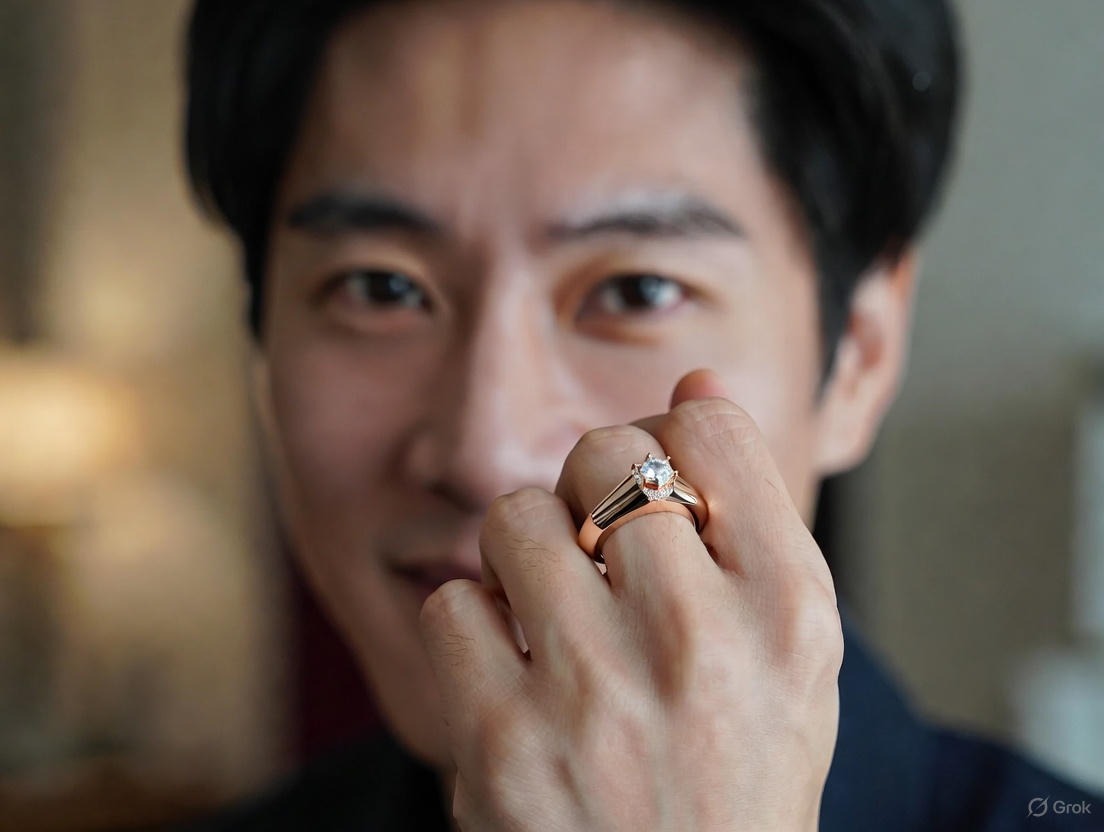
The emergence of the smart ring (led by Oura, Circular, and others) isn’t just an aesthetic choice; it offers distinct technical advantages for certain types of accuracy, particularly for recovery-focused metrics.
Superior Nighttime Signal: The finger, especially the base, has rich capillaries and consistent blood flow. During sleep, the hand is relatively still and the ring maintains a consistent position. This often results in a cleaner, more reliable PPG signal for heart rate and, crucially, for HRV during the night—the most important time for measuring recovery.
Continuous Wear Compliance: A ring is less obtrusive than a watch. You can wear it while typing, playing sports, or sleeping without it getting in the way. This higher compliance rate means more consistent data and fewer gaps, leading to more robust trends.
Focused Sensor Suite: Rings typically forgo a bright screen and GPS, focusing energy on core health sensors: temperature, PPG, and accelerometer. This specialization can allow for more power to be dedicated to collecting high-fidelity data from these core sensors.
The Limitations: Rings are not ideal for continuous, real-time heart rate during dynamic upper-body exercises (like weightlifting or tennis), as gripping can affect blood flow. They also lack the immediate, glanceable feedback of a watch screen, positioning them more as nightly analysis tools than daytime fitness coaches.
For the individual whose primary goal is optimizing recovery, sleep, and understanding their body’s stress-response patterns, the smart ring’s form factor can provide a more accurate and consistent dataset for those specific purposes. It’s a tool designed not for the gym wall, but for the sanctuary of home and rest.
The market is saturated with bold claims. Cutting through the marketing requires a critical eye. Here’s how to be a savvy consumer:
Look for Published, Peer-Reviewed Validation Studies. The most credible brands fund or participate in independent research published in scientific journals. Search for “[Brand Name] validation study” in PubMed. Be wary of brands that only cite “internal validation” or unnamed “third-party labs.”
Scrutinize the Language. “Clinically validated” or “FDA-cleared” are specific, regulated terms. “Clinical-grade sensors” or “hospital-grade accuracy” are often marketing fluff. An FDA clearance for a specific feature (like the Oura Ring’s ECG feature) is a strong positive signal.
Understand the Intended Use. Are you buying a fitness device for workout tracking, or a wellness device for recovery and sleep? A hardcore Garmin or Polar watch will excel at GPS and workout metrics. An Oura or Whoop will focus on recovery and sleep. No single device is best at everything.
Check for Transparency on Limitations. A trustworthy brand will openly discuss where its technology may have limitations (e.g., effects of skin tone, motion, etc.) in its support documentation. Avoid brands that present an image of infallibility.
Prioritize What Matters to You. Make a list: Is 24/7 heart rate during workouts your top need? Is non-invasive temperature trending for cycle tracking crucial? Is a simple, screen-free recovery score your goal? Align the device’s strengths with your personal wellness priorities.
Choosing a device is the first step in a partnership. By selecting a tool whose capabilities and claims align with reality and your needs, you set the stage for a trusting and productive relationship with your data.
The final, and perhaps most important, consideration is the psychological relationship we build with these devices. The goal is to use technology to enhance well-being, not undermine it.
Beware of Orthosomnia: Coined by sleep researchers, this is the unhealthy preoccupation with achieving perfect sleep data. It’s the anxiety that arises from chasing a “perfect” sleep score, which can itself cause insomnia. Remember, the data is a tool to support better sleep, not a report card to fear.
Avoid Comparisonitis: Your HRV of 40 is not “worse” than someone else’s 80. These metrics are highly individual, influenced by age, genetics, fitness, and more. Compare yourself only to your own baseline.
Embrace the “So What?” Test. When you see a data point, ask: “So what? Is this actionable?” A slightly low SpO2 reading with no symptoms is likely noise. A week-long trend of poor sleep and low readiness is actionable—it’s a signal to audit your habits and prioritize rest.
Practice Data Detoxes. It’s healthy to occasionally take the device off for a day or a weekend. Tune back into your body’s innate signals—hunger, fatigue, energy—without a digital intermediary. This prevents you from outsourcing your intuition to an algorithm.
A wearable is at its best when it fosters a kinder, more attentive relationship with your body. It should help you recognize the need for rest without guilt, understand the impact of your choices, and celebrate positive trends. It is a compass, not the destination. The ultimate metric of success is not a number on a screen, but an increased sense of vitality, balance, and awareness in your daily life—a true state of restful living, supported by technology, not dictated by it.
As wearable data becomes more sophisticated, a new frontier is opening: the integration of consumer-generated health data (CGHD) into professional medical care. This shift turns passive tracking into an active dialogue, but it requires navigating a new set of challenges around clinical utility and communication.
The Potential for Proactive Care. Imagine walking into your doctor’s office not just with symptoms, but with a multi-week log showing a gradual elevation in resting heart rate, a dip in nightly SpO2, and a rise in skin temperature preceding an illness. For chronic condition management—like atrial fibrillation (AFib) detection, hypertension monitoring, or sleep apnea screening—continuous data can fill the critical gaps between sparse clinical check-ups. An ECG-enabled smartwatch that catches intermittent palpitations or a ring that shows severe sleep disruption can be the catalyst for a life-saving referral.
The Burden of the Data Deluge. The flip side is the potential to overwhelm. Most primary care physicians have 15-20 minutes per patient. Handing them a PDF of 30 days of raw, unsorted heart rate data is unhelpful. The data must be curated, summarized, and presented as a clear narrative. The onus is on the patient (or the device’s software) to highlight relevant trends: “Doctor, for the two weeks leading up to these dizzy spells, my device recorded three episodes of heart rates over 160 bpm while I was sitting at my desk. Here are the graphs of those events.”
Building a Shared Language. Effective communication starts with understanding what data is clinically meaningful. A doctor will care more about:
The Evolving Medical Stance. The medical community is cautiously optimistic. Professional societies are beginning to publish guidelines on how to interpret CGHD. Many forward-thinking providers are open to reviewing well-organized data, especially for cardiology, sleep medicine, and endocrinology. The key is to approach it collaboratively: “This is the data I’ve been collecting. I’d appreciate your perspective on whether it warrants further investigation.” This frames the wearable as a collaborative tool, not a diagnostic usurper.
For the user, this means moving from self-interpretation to co-interpretation. It empowers you to be a prepared, informed participant in your own care, using long-term data to tell a more complete story of your health than a snapshot office visit ever could.
The numbers on your screen are not raw sensor outputs; they are the product of complex, proprietary algorithms. These hidden lines of code are the true brains of the device, and understanding their role is key to understanding your data’s reliability.
From Noise to Signal. The raw PPG signal is messy—a squiggly line corrupted by motion, pressure changes, and environmental light. The first job of the algorithm is signal processing: filtering out this noise to find the underlying physiological pulse. Different companies use different mathematical filters, which can lead to slight variations in heart rate detection, especially during challenging conditions.
The Black Box of Scores. Composite scores like Readiness or Sleep Score are where algorithms reign supreme. They assign weights to different inputs. For one brand, HRV might be 40% of your readiness score, while for another, sleep performance is 60%. These weightings are based on the company’s research and philosophical stance on what constitutes “recovery.” This is why you cannot compare scores across platforms. Your “82” on one device could be a “65” on another. The algorithm defines the reality.
Machine Learning and Personalization. The most advanced systems use machine learning (ML) to adapt to you over time. The device learns your personal ranges, your typical activity patterns, and your unique physiological responses. This is a double-edged sword.
Firmware Updates: Your Device Evolves. A device’s accuracy is not static. When a company releases a firmware update, it often includes improved algorithms. Your sleep staging might change overnight, not because your sleep changed, but because the company’s interpretation model changed. This requires a flexible mindset. Trust the direction of your long-term trends more than the absolute values of any given metric post-update.
Recognizing the algorithm’s central role demystifies the data. It encourages you to focus on the directional insights from your specific device (“My readiness is trending down”) rather than getting lost in the absolute numbers or cross-brand comparisons.
To provide deep insights, wearables must collect deeply personal data. This creates the privacy paradox: we seek intimate knowledge of our bodies, but that knowledge resides on corporate servers. Navigating this trade-off is a non-negotiable part of being an informed user.
What’s Actually Collected? Beyond heart rate and steps, modern devices can collect:
How Is It Used? The Good and The Grey.
Ownership and Access. Legally, you own your raw data. Practically, accessing it can be tricky. Reputable companies provide ways to export your raw data (often as CSV files) for your own archives or to share with a researcher. This should be a key criterion in your device selection.
Minimizing Your Risk. You can take proactive steps:
Your biometric data is your property. Using a wellness device should be an act of self-care, not a surrender of privacy. Making conscious choices about data stewardship is as important as interpreting the data itself.
Theory meets reality in the lived experience of users. These anonymized case studies illustrate how accuracy and interpretation play out in practical, sometimes critical, ways.
Case Study 1: The Overtrained Athlete
Sarah, a marathoner, noticed her Oura Ring’s Readiness score had been “yellow” or “red” for 10 days straight, with HRV down 25% and resting heart rate up 8 bpm. She felt fine—even energetic—and was tempted to ignore it, trusting her perceived vigor. The data, however, was persistent. She reluctantly swapped two intense speed sessions for gentle cycling. Within four days, her metrics began rebounding. A week later, she returned to training feeling stronger than ever. The device’s objective metrics detected systemic fatigue (overtraining syndrome) before her subjective feeling of fatigue caught up, likely preventing injury or illness.
The Takeaway: Longitudinal physiological data can provide an early warning system that transcends subjective feeling, allowing for proactive recovery.
Case Study 2: The Sleep Apnea Signal
*David, 52, bought a smart ring out of curiosity about his sleep. He didn’t consider himself a “bad sleeper.” The ring consistently reported low blood oxygen (SpO2) scores, with frequent “dips” throughout the night, and his heart rate variability was chronically low. He shared this trend graph with his doctor during a physical. The doctor, noting his mild hypertension, ordered a sleep study. David was diagnosed with moderate obstructive sleep apnea. After beginning CPAP therapy, his ring-reported SpO2 normalized, his HRV improved dramatically, and his daytime energy skyrocketed.*
The Takeaway: Consumer devices are not diagnostic, but persistent, trend-based anomalies in metrics like SpO2 can be powerful catalysts for seeking professional medical evaluation for conditions like sleep apnea.
Case Study 3: The Stress Blind Spot
Anita, a startup founder, used a wrist-based device that gave her daily “stress” scores. They were always high. She dismissed it as the cost of doing business—an inaccurate reflection of her resilient mindset. However, when she began practicing structured restful living techniques, she kept a journal alongside her data. She saw that on days she practiced lunchtime walks and breathwork, her device’s “stress” graph showed clear, measurable dips. The data wasn’t wrong about her high stress; it was showing her the physiological cost her ambition was incurring, and more importantly, it objectively proved the value of her new mitigation strategies.
The Takeaway: Data can reveal a disconnect between perception and physiology. It can validate the impact of lifestyle interventions, turning abstract wellness practices into quantifiable results.
Case Study 4: The Misleading Midnight Snack
*Mark noticed his deep sleep percentage plummeted every Thursday night. He couldn’t figure out why. Reviewing his habits, he remembered his weekly late-night poker game with friends, which always involved beers and salty snacks. He experimented: one week he abstained from alcohol and food after 8 PM on poker night. His deep sleep percentage remained stable. The device accurately reflected the known physiological impact of late-night eating and alcohol on sleep architecture.*
The Takeaway: Wearables excel at revealing personalized cause-and-effect relationships, turning anecdotal suspicions (“I think that hurts my sleep”) into data-driven certainties.
These stories highlight the core principle: Accuracy is not about a single perfect measurement, but about the reliable detection of patterns and changes that correlate meaningfully with lifestyle and health outcomes.
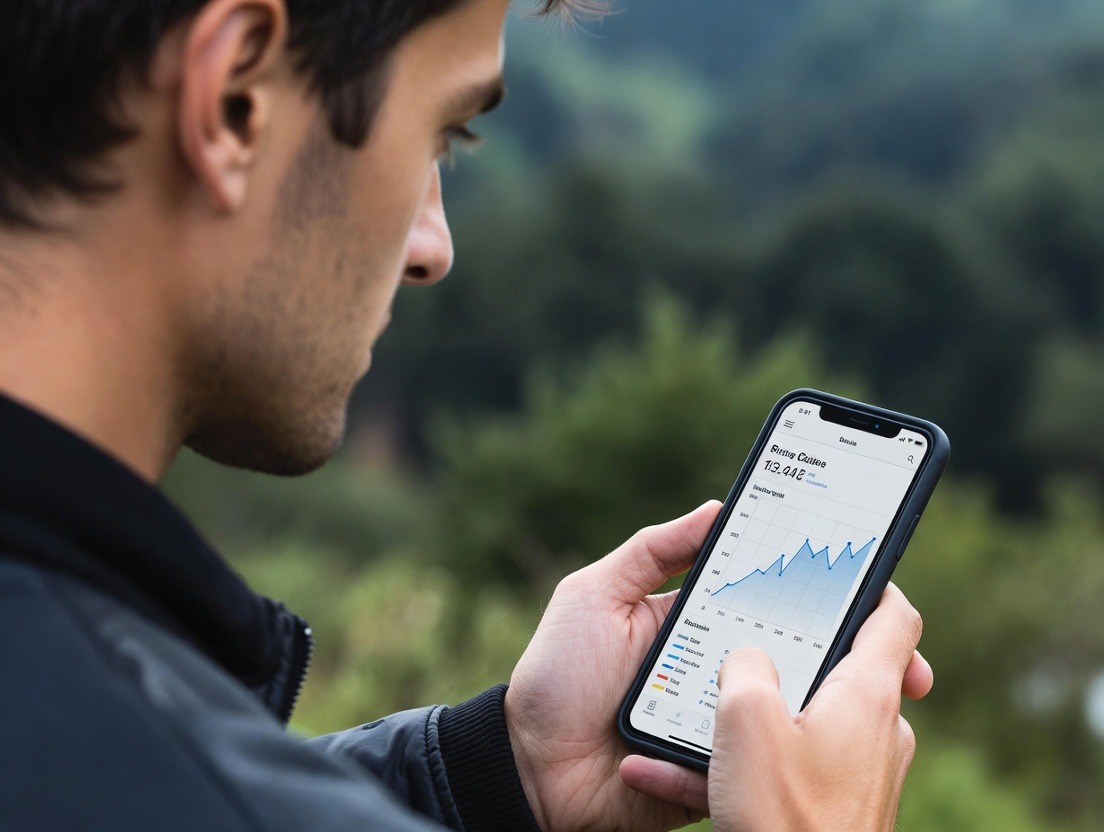
The sensor-laden hardware is only one component of your wellness tracking system. Its accuracy and utility are profoundly shaped by the digital ecosystem that surrounds it: the app, the community, and the company behind it.
The App: Your Data’s Interpreter. A poorly designed app can render accurate data useless. A great app turns data into insight. Key features to evaluate:
The Community: Wisdom (and Noise) of the Crowds. Online user communities (Reddit, Facebook groups, Discord) are treasure troves of anecdotal experience and troubleshooting. They are where you learn that “a loose fit will tank your HRV accuracy” or that “the latest firmware changed how sleep is calculated.” However, they can also amplify anxiety and pseudoscience. Use them for practical tips and shared experience, not for medical advice or to fuel comparisonitis.
Company Philosophy and Support. The ethos of the company matters. Do they engage with the scientific community? Do they transparently address limitations? Is their customer support responsive? A company that views itself as a wellness partner, not just a hardware vendor, is more likely to invest in the long-term accuracy and utility of its platform. Their approach to supporting holistic well-being often reflects in how they design their user experience.
This ecosystem is your support structure for interpretation. The right app helps you ask better questions. A sensible community provides shared learning. A responsible company provides a stable foundation for it all.
The trajectory of wearable technology points toward ever-greater integration, personalization, and clinical relevance. Here’s what is on the horizon to address today’s accuracy limitations.
Multi-Wavelength and Multi-Sensor Fusion. To combat the skin tone bias and motion artifact of current PPG, next-gen devices will use additional light wavelengths (e.g., orange, infrared) to get a cleaner signal. They will also more intelligently fuse data from multiple sensor types—like using the accelerometer to subtract motion noise from the PPG signal in real-time, or using temperature and EDA to contextualize a heart rate spike.
Non-Invasive Blood Biomarkers. The holy grail is moving from physiological proxies to direct chemistry. Research is advancing rapidly in using spectroscopic sensors (light analysis) to estimate blood glucose, lactate, hydration, and even markers like cortisol or CRP (for inflammation) through the skin. While early versions will be trend-based, not diagnostic, this would revolutionize personalized nutrition, stress management, and chronic disease monitoring.
Enhanced Form Factors and Placement. The ear canal and the torso (via a patch or smart clothing) offer more stable, clinically relevant measurement sites than the wrist or finger for certain metrics. We will see a proliferation of form factors, each optimized for different use cases: rings for sleep/recovery, chest patches for intense training, smart clothing for all-day comfort.
Regulatory Evolution and Standardization. As evidence grows, regulatory bodies like the FDA will likely create new classifications for “digital wellness therapeutics” or “software as a medical device (SaMD).” This will bring more rigorous, standardized testing requirements for claims about stress, recovery, and metabolic health tracking, raising the bar for accuracy across the industry.
AI-Powered, Truly Personalized Baselines. Future algorithms won’t just compare you to population averages or a static personal baseline. They will use AI to model your unique physiology, learning how you respond to sleep deprivation, different food types, heat, cold, and mental stress. Insights will shift from “Your HRV is low” to “Your HRV is lower than predicted for your current sleep debt and stress load, suggesting you may be fighting a virus.”
The future wearable will be less of a tracker and more of an intelligent health partner, offering not just data, but highly contextualized, predictive guidance. The journey from counting steps to understanding our body’s complex, real-time language is just beginning.
Beyond the hardware and algorithms lies the most complex variable of all: the human mind. Our psychological state doesn’t just affect our physiology (which the device measures); it fundamentally shapes how we collect, interpret, and react to the data itself. This interplay is critical for sustainable, healthy use.
Confirmation Bias and the Data We Seek. We often look to our data to confirm what we already believe. The runner who feels sluggish will scrutinize her sleep data for proof of poor recovery, potentially overlooking a good HRV score. The person convinced they are a “bad sleeper” will focus on the one red segment in their sleep graph, ignoring seven hours of solid green. Wearables can, ironically, amplify anxiety if we use them as a tool to prove our negative self-narratives rather than to discover objective truths. Combating this requires conscious effort to view the whole picture, not just the data that confirms our fears.
The Hawthorne Effect: Being Observed Changes Behavior. The mere act of tracking can alter the behavior being tracked. Knowing your sleep is being monitored may make you go to bed earlier. Seeing your step count lag might spur an evening walk. This is arguably one of the greatest benefits of wearables—they make us more mindful. However, it also means the data reflects a “tracking-aware” version of your life, not a purely natural one. This isn’t a flaw; it’s a feature. The device acts as a gentle, persistent nudge towards more conscious living.
The Pitfall of Performance Orientation. When health becomes a score to optimize, it can strip the joy from intuitive living. The pleasure of a spontaneous, leisurely meal can be poisoned by worrying about its effect on tomorrow’s readiness score. The restorative value of a lazy Sunday can be undermined by guilt over a low activity count. This turns wellness into a stressful performance metric. The antidote is to use the data as feedback, not a judgment. It’s the difference between “I failed because my score is 65” and “My body is asking for more rest today; I’ll honor that.”
Developing Data Literacy and Emotional Resilience. The ultimate skill is separating the signal (meaningful, sustained trends) from the noise (daily fluctuations) and your emotional reaction from the objective number. This is a form of modern emotional intelligence. It involves asking: “Am I feeling anxious because of this number, or is this number simply validating a feeling I already had?” Building this resilience ensures the device serves your well-being, rather than undermining it. It allows you to use data to support a permission-based approach to rest, not another source of obligation.
Recognizing the human factor allows us to be in a healthier relationship with our technology. We become the conscious interpreter in the loop, using data to enhance self-awareness, not replace self-trust.
With an expanding array of form factors, each promises a different path to insight. But where does each truly excel and compromise in the realm of accuracy? Understanding these trade-offs is essential for matching a device to your primary goals.
The Smart Ring: The Nocturnal Specialist & Recovery Proxy
The Smartwatch: The Fitness Workhorse & Daily Companion
The Chest Strap/Adhesive Patch: The Clinical-Grade Gold Standard for Activity
The Future: Multi-Device Ecosystems. The savvy user may ultimately adopt an ecosystem: a ring for sleep and recovery baselines, a watch for daytime activity and workouts, and a chest strap for peak performance sessions. The apps that can synthesize this multi-source data into a unified insight will lead the next wave, offering a truly comprehensive view of the user’s physiology across all contexts of life.
This is the central, clarifying principle for the wellness wearer: The supreme value of these devices lies in their ability to track changes within you over time. This longitudinal accuracy is a different, and often more meaningful, benchmark than spot-check accuracy.
The Power of the Personal Baseline. A one-off HRV measurement of 35 ms is meaningless in isolation. Is that good or bad? However, if you know your baseline range is 45-65 ms, a reading of 35 ms represents a significant, meaningful deviation. The device’s primary job is to establish and vigilantly monitor that personal baseline with high consistency (reliability), even if its absolute accuracy against a medical device has a slight bias. A device that is consistently “off” by 5 ms but is extremely stable will still perfectly capture a 15 ms drop—which is the actionable insight.
Detecting Deviations, Not Diagnosing States. Wearables excel at answering the question: “Am I different from my normal self today?” This is profound for early illness detection (a sustained temperature rise), managing overtraining (a trend of depressed HRV), or understanding cycle phases. This longitudinal sensitivity is why a user can feel a cold coming on 24 hours before symptoms appear—the data has shown the body’s internal shift.
Trends Trump Daily Numbers. A healthy practice involves softening the focus on today’s score and instead observing the weekly or monthly trend line. Is your sleep duration slowly creeping upward after implementing a new wind-down routine? Is your average resting heart rate drifting down over six months of consistent cardio? These long-term trend confirmations are where wearables provide irrefutable, motivating feedback on lifestyle changes. They can objectively show you, for example, how a commitment to restful living practices gradually improves your physiological resilience.
The Calibration of Life’s Experiments. Longitudinal data turns your life into a series of informed experiments. “If I cut caffeine after 2 PM for two weeks, what happens to my deep sleep trend?” “If I start a daily mindfulness practice, how does my daytime stress graph change?” The device provides the objective before-and-after measurements, allowing you to make personalized, evidence-based decisions about what truly works for your biology.
Embracing the long-game mindset liberates you from daily score anxiety and harnesses the true, transformative power of wearable technology: the story of you, written in data over time.
You don’t need a lab to develop reasonable confidence in your device’s data. Employing simple verification techniques can help you understand its behavior and trust its signals.
The Manual Heart Rate Check. This is the simplest and most powerful. When you are at complete rest (sitting quietly for 5 minutes), take your pulse manually. Place two fingers on your wrist (radial artery) or neck (carotid artery). Count the number of beats in 30 seconds and multiply by 2. Compare this to the device’s reading at that exact moment. Do this several times over different days. A discrepancy of 1-3 BPM is normal. Consistent differences of 5-10 BPM suggest a fit or calibration issue.
The “Sick Day” Correlation Test. When you are legitimately ill with a fever or infection, your physiology is markedly different. Observe your data. You should see clear, unambiguous deviations: a significantly elevated resting heart rate, a plummeting HRV, a higher skin temperature, and likely poor sleep scores. If your device shows “all systems normal” while you’re bedridden with the flu, its sensitivity is poor. If it clearly reflects your sick state, it’s validating its ability to detect major physiological shifts.
The Consistent Condition Test. Choose a simple, repeatable activity—like a 10-minute steady-pace walk on a treadmill or a fixed route. Wear your device and perform this activity several times under similar conditions (time of day, pre-activity rest). Look at the heart rate graph and calorie estimate (though calorie accuracy is notoriously low across all devices). While absolute numbers may vary, the pattern and range should be very similar. High variance suggests the device is struggling with signal lock during that type of movement.
Cross-Validation with Another Metric (If Possible). If you have access to a blood pressure monitor, check your resting heart rate on it and compare it to your wearable. During exercise, if you have a chest strap, wear both and compare the heart rate curves. Note: Do not expect perfection, but look for general agreement in trend and magnitude, especially during steady-state efforts.
The Subjective-Objective Alignment Journal. For one month, keep a brief daily log of your subjective energy, mood, and stress (on a simple 1-5 scale). Don’t look at your device scores until the end of the day or week. At the end of the month, look for correlations. Do your low-energy days generally align with low readiness scores? Do high-stress subjectively logged days correspond with high-stress graph data? Strong alignment over time builds trust that the device is measuring something real that connects to your lived experience, a core tenet of integrating data with self-awareness.
These checks empower you to be an active participant, transforming you from a passive data consumer into a knowledgeable validator of your own health insights.
As we invite these devices deeper into our lives, we must consciously navigate the ethical terrain they create, both personally and societally.
Self-Optimization vs. Self-Acceptance. The drive to “hack” and optimize every biomarker can lead to a pathological relationship with the self, where the body is seen as a machine to be tuned perfectly. This ignores the natural, healthy fluctuations of a human organism and can erode self-acceptance. The ethical use of a wearable balances the desire for improvement with the wisdom to accept off-days, natural cycles, and the fact that some aspects of health are not meant to be maximized, but harmonized. It supports a balanced life where rest is valued as much as activity.
Data as a Tool, Not a Tyrant. Who is in charge? The ethical line is crossed when the device’s recommendation overrides deep bodily wisdom or causes significant distress. Skipping a friend’s birthday dinner because your “readiness score” is low, or feeling intense anxiety over a poor night of sleep data, signals that the tool has become a tyrant. The device should inform choice, not eliminate it.
The Social and Workplace Implications. As this data becomes richer, who else might want access? Could insurance companies incentivize (or penalize) based on wellness data? Could employers monitor employee “readiness” or stress levels? The potential for discrimination and privacy invasion is significant. Ethically, we must advocate for strong legal protections that prevent biometric data from being used against individuals in these contexts. Personal wellness data must remain a tool for personal empowerment, not corporate or institutional surveillance.
The Accessibility Divide. High-accuracy wearables are expensive. This risks creating a two-tiered system where the wealthy have access to deep personal health insights and early warnings, while others do not. Promoting broader accessibility and ensuring that the public health benefits of aggregated data are used for the common good are important ethical considerations for the industry.
Promoting Holistic Health. An over-focus on quantifiable metrics (sleep, HRV, steps) can overshadow equally vital, unquantifiable pillars of health: deep social connection, purpose, joy, and creativity. The most ethical approach to wearable use is one that leverages data to support these richer human experiences—using good sleep data to have more energy for loved ones, or stress tracking to protect time for creative pursuits and inspiration—not letting data collection become the experience itself.
By mindfully engaging with these questions, we ensure that the wearable revolution truly enhances human flourishing, rather than reducing it to a set of graphs to be gamified.
Armed with knowledge, how do you operationalize it? This framework turns the preceding chapters into a sustainable, daily practice.
Step 1: Define Your "Why." Before looking at a single data point, clarify your primary goal. Is it to improve sleep quality? Manage stress? Optimize athletic performance? Detect early signs of illness? Guide your financial wellness by understanding stress triggers? Your goal determines which metrics you prioritize and how you interpret them.
Step 2: Establish a Baseline (The First 30 Days). Wear the device consistently with good fit. Do not try to change your behavior. Just live normally and let it collect data. At the end of 30 days, you’ll have your personal baselines for key metrics: average resting heart rate, HRV range, sleep duration, etc. This is your new "normal."
Step 3: Integrate Contextual Logging. Make tagging a habit. Log workouts, alcohol consumption, high-stress days, illness, travel, and menstrual cycles. This is the single most powerful action you can take to move from "What does this number mean?" to "Ah, that's why my number is like this today."
Step 4: Adopt a Trend-Based Review Rhythm.
Step 5: Run Informed Experiments. Based on your weekly reviews, formulate a hypothesis. “I think my sleep is worse on days I work late.” Test it: For two weeks, implement a strict work cut-off time and tag those days. Observe the sleep data trend. This turns you into a scientist of your own life.
Step 6: Practice Data Detachment. Schedule regular periods—a weekend, a vacation—where you take the device off or hide the app. Reconnect with your innate bodily sensations. This prevents algorithmic dependency and reinforces that the device is a tool in service of your well-being, not the source of it.
Step 7: Curate Your Data for Healthcare Conversations. When preparing for a doctor’s visit, don’t show raw data. Create a one-page summary: “Over the past 3 months, I’ve observed these three concerning trends [show simple graphs]. They correlate with these symptoms. What are your thoughts?” This is professional, respectful of their time, and highly effective.
By following this framework, you transcend being a user and become an architect of your own health intelligence, using wearable data as a powerful, balanced, and insightful companion on your journey.
Your Trusted Sleep Advocate: Sleep Foundation — https://www.sleepfoundation.org
Discover a digital archive of scholarly articles: NIH — https://www.ncbi.nlm.nih.gov/
39 million citations for biomedical literature :PubMed — https://pubmed.ncbi.nlm.nih.gov/
Experts at Harvard Health Publishing covering a variety of health topics — https://www.health.harvard.edu/blog/
Every life deserves world class care :Cleveland Clinic - https://my.clevelandclinic.org/health
Wearable technology and the future of predictive health monitoring :MIT Technology Review — https://www.technologyreview.com/
Dedicated to the well-being of all people and guided by science :World Health Organization — https://www.who.int/news-room/
Psychological science and knowledge to benefit society and improve lives. :APA — https://www.apa.org/monitor/
Cutting-edge insights on human longevity and peak performance:
Lifespan Research — https://www.lifespan.io/
Global authority on exercise physiology, sports performance, and human recovery:
American College of Sports Medicine — https://www.acsm.org/
Neuroscience-driven guidance for better focus, sleep, and mental clarity:
Stanford Human Performance Lab — https://humanperformance.stanford.edu/
Evidence-based psychology and mind–body wellness resources:
Mayo Clinic — https://www.mayoclinic.org/healthy-lifestyle/
Data-backed research on emotional wellbeing, stress biology, and resilience:
American Institute of Stress — https://www.stress.org/


