


Wearable Wellness 101: The Core Metrics You Should Track
Identifies the most important health metrics for beginners to pay attention to initially.
Identifies the most important health metrics for beginners to pay attention to initially.
%402x.svg)
In a world that never stops moving, where productivity is prized above peace and notifications dictate our attention, a quiet revolution is taking place. It’s not about doing more; it’s about understanding more—starting with ourselves. For years, the promise of wellness felt abstract, a collection of vague intentions and fleeting New Year's resolutions. We knew we should sleep better, move more, and stress less, but the "how" remained frustratingly elusive. How can you improve what you don't truly measure? How can you navigate your path to well-being without a map?
Enter the era of wearable wellness technology. No longer clunky wristbands or inaccurate step counters, the latest generation of devices—led by sophisticated smart rings—offers a profound, personalized, and passive window into your body's most vital signals. This is the convergence of biometric precision and actionable lifestyle insight. It’s the move from guessing to knowing, from hoping to optimizing.
But with great data comes great responsibility. A device alone is just a collector of numbers. The true transformation begins when you learn to translate those numbers into a richer, more balanced, and more vibrant life. This journey, your Wearable Wellness 101, isn't about becoming a slave to metrics. It's about using those metrics to reclaim your autonomy, to design a life that aligns with your body's innate needs for rest, recovery, and rhythm. It’s about moving from being busy to being balanced, from being drained to being energized.
Consider this article your foundational guide. We will begin by exploring the very philosophy of data-driven well-being, helping you set intentions that matter. We'll demystify the technology, helping you choose the perfect companion for your journey. Then, we'll dive deep into your first weeks of wear, teaching you to interpret the core pillars of your health—sleep, stress, activity, and recovery—not as isolated metrics, but as an interconnected symphony. By the end of this guide, you will not just own a device; you will possess the knowledge and confidence to build a truly restful, resilient, and rejuvenated life. Let's begin.

Before you even slide a smart ring onto your finger or sync a new wearable, the most critical step happens not on your wrist, but in your mind. This is the phase of setting intention. In a culture obsessed with optimization, it’s easy to fall into the trap of chasing numbers for their own sake: aiming for a perfect "sleep score," fixating on a daily step count, or obsessing over a heart rate variability (HRV) reading. This approach often leads to "data anxiety," where the tool designed to reduce stress becomes a source of it.
The true purpose of wearable wellness is not to grade you, but to guide you. It’s a compass, not a report card. Therefore, your starting point must be a personal, meaningful "Why." What does "wellness" truly mean for you at this moment in your life? Is it about having more consistent energy to play with your kids after work? Is it about calming a relentless mind to improve your focus and creativity? Perhaps it’s about supporting your physical training with better recovery, or simply understanding why you always feel drained by 3 PM.
Storytelling with Data: Imagine Sarah, a mid-level manager and mother of two. She feels constantly "on" but never truly productive, perpetually tired yet unable to sleep well. Her initial intention with a smart ring isn't "get a sleep score of 90." It's "understand the patterns behind my afternoon energy crashes so I can be more present with my family in the evenings." This intention frames every piece of data she sees. A low HRV reading isn't a failure; it's a clue. A night of fragmented sleep isn't a bad grade; it's a question: "What did my day look like yesterday that led to this?"
This shift from judgment to curiosity is the bedrock of sustainable wellness. Your wearable becomes a partner in a gentle investigation of your own life. To solidify this, I encourage a practice called "Intention Before Intervention." Write down your primary wellness intention. Keep it simple and emotional. Next, list 2-3 life domains you hope this journey will positively impact (e.g., work focus, personal relationships, creative projects). This written anchor will be invaluable when the data feels overwhelming.
Remember, the goal is restful living—a state of sustainable energy and calm, not frantic biohacking. As you’ll discover, the insights from your wearable often point you toward the profound power of rest and recovery. For a deeper dive into framing this mindset, consider exploring The Restful Living Assessment: How Calm Is Your Life, which can help you establish a baseline for your journey beyond just numbers.
With your intention set, you now face the exciting, and sometimes overwhelming, array of wearable technology. From smartwatches to fitness bands, chest straps to the newest generation of smart rings, each form factor offers different strengths. Making the right choice is crucial, as this device will be your constant companion, your silent observer. The key is to match the device's capabilities with your personal intention and lifestyle.
Let’s break down the primary contenders:
The Deciding Factors: When choosing, consider:
The rise of the smart ring, like the Oura Ring or similar devices, marks a pivotal shift in wearable tech. It moves the focus from the external, productivity-oriented "doing" of a smartwatch to the internal, recovery-oriented "being." It’s a device you often forget you’re wearing, yet it’s constantly listening to the subtle language of your nervous system. This makes it an unparalleled tool for anyone ready to commit to a journey of deep self-awareness and sustainable health, rather than just fitness tracking. It is the instrument of choice for building the foundational habits you’ll find in The Restful Living Checklist: Daily Non-Negotiables.
Your device has arrived. The battery is charged. The app is installed. Now comes the most important, and often most challenging, phase: The Observation Week. Resist the urge to immediately change your behavior. Do not try to "perform" for your new wearable. The goal of this first week is to establish your unique, unvarnished baseline.
Wear the device consistently—day and night, as instructed. Go about your life as you normally would. Have that extra cup of coffee. Stay up late binge-watching that show. Skip your usual workout if you feel like it. This is not about being "bad"; it’s about being real. The data collected during this period is priceless gold. It shows you your body’s honest, unfiltered response to your current lifestyle.
During this week, your only tasks are:
What you will likely begin to see, even in this first week, are correlations. Perhaps on the night after your intense yoga session, your deep sleep percentage was higher. Maybe after that late, heavy meal, your resting heart rate was elevated and your heart rate variability dipped. That afternoon you had three coffees? Your body stress metric might show a noticeable climb.
This phase teaches you the fundamental language of your body. You start to learn that "restful living" isn't a vague concept; it’s a physiological state reflected in tangible metrics. You begin to connect the dots between your external actions and your internal state. This foundational observation is the first step in How Restful Living Prevents Decision Fatigue, as you start to see how daily choices deplete or restore your system.
After your observation week, you’ll have a treasure trove of sleep data. Sleep is arguably the most critical pillar of wellness, the time when your body repairs, your brain consolidates memories, and your hormonal system rebalances. Your wearable provides a detailed breakdown far beyond just "hours in bed." Understanding these components is key to transforming your sleep from a passive state into an active recovery tool.
Let’s decode the core metrics:
Actionable Insights: Your data tells a story. Consistently low deep sleep? It might be time to look at evening alcohol consumption or room temperature. Poor sleep efficiency? Your partner’s snoring or a street light outside your window could be culprits. A downward trend in your HRV? Your body might be asking for a lighter training week or more intentional stress-management practices.
Improving sleep is a holistic endeavor. It’s about creating a sanctuary and a ritual. This is where your wearable data becomes a guide for environmental and behavioral change. For a comprehensive approach to designing your perfect sleep environment, which works hand-in-hand with this data, explore The Restful Living Workspace: Designing for Focus and Calm—principles that apply perfectly to the bedroom.

While sleep looks backward, Readiness or Recovery scores (the name varies by platform) look forward. This composite score is your wearable’s synthesized opinion on how prepared your body is to take on the day’s physical and mental demands. It is typically based on a combination of last night’s sleep data, your HRV trend, RHR, and sometimes body temperature.
Think of it as your body’s daily briefing. A high readiness score suggests you have the physiological resources to tackle a tough workout, a big presentation, or a demanding social schedule. A low or decreased score is not a reprimand; it’s crucial information. It’s your body whispering, "Hey, I’m dealing with something. Let’s take it easy today."
This is the heart of true wellness: learning to respect your body’s signals and adapting your plans accordingly. It’s the antithesis of "pushing through" at all costs.
This practice of listening and adapting fosters incredible resilience. It prevents the chronic accumulation of stress that leads to burnout. By honoring a low readiness day with a walk in nature instead of a HIIT class, or by using a guided meditation when you see your stress score spike, you are training your nervous system to recover more efficiently. This is a core principle in Restful Living and Hormone Balance: The Recovery Connection, where honoring these signals directly supports your endocrine health.
In the early days of fitness trackers, the message was simple: Move More. 10,000 steps. Close your rings. Burn X calories. We now understand that a more nuanced equation governs sustainable fitness and health: Effective Training = Stress + Recovery.
Your wearable is the perfect tool to balance this equation. It quantifies both sides.
The Golden Rule: Let your recovery metrics guide your activity intensity.
This approach, often called autoregulation, turns your fitness plan from a rigid schedule into a dynamic, intelligent conversation with your body. You stop blindly following a Monday-Wednesday-Friday program and start training on the days your body is ready, and recovering when it needs to. This not only leads to better performance gains but also deeply supports the philosophy of restful living, where rest is seen as an active, productive component of fitness, not laziness.
The relationship between what you consume and how your body responds is deeply personal. Your wearable can offer surprising and objective insights into this dialogue, moving far beyond simplistic calorie counting.
This biofeedback turns nutrition from a dogma into a personal experiment. You can test how your body reacts to going 14 hours without food (intermittent fasting), or to a higher protein breakfast versus a carb-based one. The data provides non-judgmental feedback, helping you build an eating pattern that truly supports your energy, recovery, and restful state. This kind of personalized experimentation is a cornerstone of taking control of your overall wellness, much like the principles discussed in Restful Living for Entrepreneurs: Sustainable Business Building, where optimizing personal fuel is key to professional endurance.
After 2-4 weeks of consistent wear, you will have moved beyond random daily data points. You are now ready to establish your Personal Baseline and, more importantly, start observing Meaningful Trends. This is where the true power of longitudinal data is unleashed.
Your baseline is your unique fingerprint of health. It is not a comparison to population averages or your ultra-fit friend. It is your normal range for:
The app will often calculate this for you. Once established, stop focusing on absolute daily numbers and start watching for deviations from your own baseline.
This process turns you into the expert on your own body. You become adept at forecasting. You can see burnout approaching from a mile away and proactively schedule a light week. You can confirm that a new supplement or practice is actually having a measurable, positive effect. This objective feedback loop is incredibly motivating and demystifies the often-frustrating process of behavior change. It’s the ultimate tool for The Restful Living Measurement: Tracking Your Calm, allowing you to quantify progress in your journey toward sustainable peace.
Data without action is just trivia. Now that you can interpret your body's signals, the next step is to build small, sustainable rituals that address the opportunities you've identified. The key is to start micro-small and attach new habits to existing ones (a technique called "habit stacking").
Based on common insights, here are foundational rituals to consider:
The goal is not to implement all of these at once. Choose ONE ritual that addresses your most pressing insight from your baseline data. Practice it for 2 weeks. Use your wearable to observe its impact. Did your sleep latency improve? Did your afternoon stress graph show a lower peak? This positive reinforcement makes the habit stick. For a curated set of foundational daily practices, you can integrate the principles from The Restful Living Checklist: Daily Non-Negotiables into this ritual-building phase.
As with any journey, your wearable wellness path will not be a straight line upward. You will hit plateaus. Some mornings, you’ll feel great but your scores will be mediocre. Other times, you’ll feel drained but your data looks perfect. You may also experience "data fatigue," where the constant monitoring starts to feel oppressive rather than empowering.
This is completely normal and marks your transition from a beginner to an advanced user. Here’s how to navigate it:
Wearable technology doesn't exist in a vacuum. It connects to apps, shares data with companies, and often has social features where you can connect with friends. As you deepen your journey, it’s crucial to be mindful of this dimension.
This journey, which starts with a piece of technology, ultimately leads you back to yourself—more attuned, more respectful, and more empowered. It’s a tool for cultivating a life of awareness, where every choice is an opportunity to support your well-being, leading to the kind of profound harmony explored in How Restful Living Changes Your Relationship with Time. You stop racing against the clock and start moving in rhythm with your own biological wisdom.
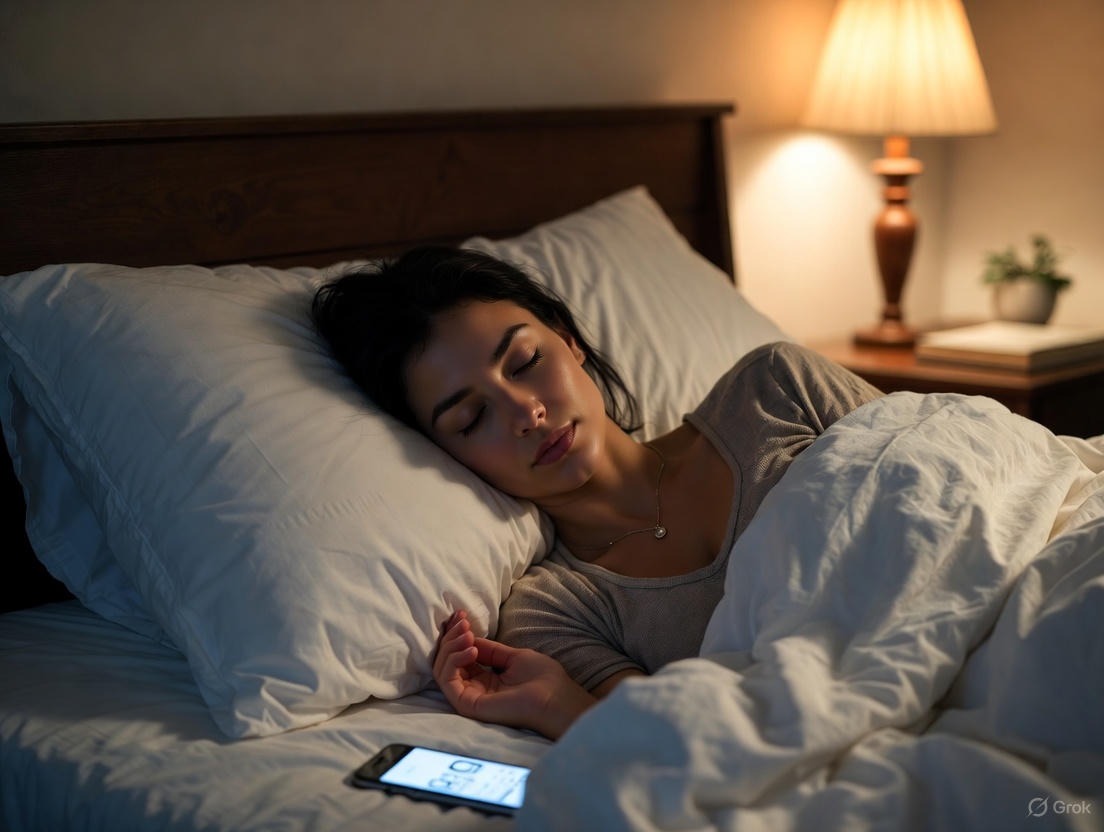
You have your baseline. You understand your metrics. Now, the true artistry of wearable wellness begins: systematic correlation and experimentation. This moves you from being a passive observer of your health to an active architect. Your body is a complex system, and your wearable is the dashboard showing how different inputs affect its outputs. The goal is to run clean, insightful "n=1" experiments to discover what truly works for you.
The Scientific Method for Self-Care:
Example in Action: Mark, a software developer, noticed his HRV was consistently lowest on Thursdays. His hypothesis: "My weekly Thursday night trivia at a loud bar is disrupting my nervous system recovery." He isolated the variable by skipping trivia for two weeks, maintaining his other routines. The result? His Thursday-night HRV rose to match his weekly average. The data confirmed the cost of that particular social activity. With this knowledge, he could make an empowered choice: either accept the trade-off joyfully, knowing the data dip was "worth it," or suggest a quieter venue. The data removed the guilt and ambiguity.
This process empowers you to cut through the noise of generic wellness advice. Should you try intermittent fasting? Your wearable can tell you by tracking your stress scores and energy levels during the fasting window. Does a morning cold shower boost your day? Check your HRV and body temperature response. This empirical approach is the ultimate tool for personalization, leading to a life that is not just optimized, but authentically yours. It turns self-care from a guessing game into a confident practice, closely aligned with the mindset needed for Restful Living for Entrepreneurs: Sustainable Business Building, where data-driven decisions are key to longevity.
Your body is not a machine that runs at a constant rate; it’s an organism deeply tuned to natural cycles—the daily solar cycle (circadian rhythm) and the longer seasonal cycles. Your wearable provides a brilliant mirror to reflect your harmony, or disharmony, with these primal rhythms. Ignoring them is a major source of modern "dis-ease," while syncing with them is a foundation of restful living.
Honoring Your Circadian Rhythm:
Your data will vividly show the cost of circadian disruption. Key metrics to watch:
Actionable Sync Steps:
Seasonal Rhythms: Your body also changes with the seasons. It’s normal for sleep needs to increase slightly in winter, or for your HRV to have a different baseline in summer versus winter. Tracking these annual trends helps you adjust your expectations and routines compassionately, rather than fighting your biology. This deep connection to natural rhythm is a powerful antidote to the always-on, artificially lit modern world, and is a core theme in Restful Living and Creativity: The Inspiration-Rest Connection, where creativity flourishes in tune with natural cycles.
Your wearable tracks your body’s response to the world. One of the most pervasive elements of that world is digital technology. Screens, notifications, and the endless scroll have a profound, measurable impact on your nervous system. The data doesn't lie: a frantic day of back-to-back video calls and email checking will show up as elevated stress scores and likely disrupt that night's sleep. Therefore, curating your digital environment is not a separate task from wearable wellness; it is a direct intervention the data demands.
Metrics That Reveal Digital Stress:
Building a Restful Digital Habitat:
By using your wearable data to see the physiological cost of digital chaos, you gain the motivation to set firmer boundaries. The resulting calm you cultivate in your digital life directly supports the environmental calm discussed in The Restful Living Workspace: Designing for Focus and Calm, creating a holistic ecosystem for well-being.
While the core principles of wearable wellness are universal, your specific life context presents unique challenges and opportunities. Tailoring the practice to your reality is key to sustainable adoption.
For the Student:
The student life is a perfect storm of erratic schedules, academic pressure, social demands, and financial stress. A wearable can be a lifeline.
For the Parent:
Parenting, especially with young children, means your sleep and schedule are often not your own. The goal here is not perfect scores, but damage control and efficient recovery.
For the Remote Worker:
The home office blurs all boundaries. A wearable is essential to create structure and prevent the slow creep of burnout.
Beyond sleep and activity, advanced wearables (especially smart rings) track subtler biomarkers that offer a deeper, more nuanced look into your internal state. Learning to interpret these can provide early warnings and confirm the effectiveness of your lifestyle.
Basal Body Temperature (BBT):
Heart Rate Variability (HRV) – The Master Metric:
We've discussed HRV, but its depth warrants a closer look. Think of HRV as your "resilience score."
Respiratory Rate: Your breathing rate during sleep is a stable, vital sign. A significant increase can indicate sleep apnea, illness, or high altitude. Tracking its baseline makes any deviation a valuable data point.
By becoming fluent in these advanced biomarkers, you move from general wellness to truly personalized, predictive health. You learn to read the whispers of your body before they become screams.
Your wearable provides the perfect feedback mechanism to validate and refine popular wellness practices. It answers the question: "Is this actually working for me?"
Meditation & Mindfulness:
Structured Breathwork:
Cold Exposure:
These practices are no longer based on guru statements or trends. They become personalized tools in your kit, with your wearable providing clear, immediate, and long-term feedback on their efficacy. This empirical approach builds deep self-trust and is a hallmark of mature wellness practice.
We often think of stress as an emotional experience, but your wearable quantifies it as a physiological tax with real-world costs on your time, health, and finances. Seeing this link in your data can be the most powerful motivator for change.
The Stress-Tax on Your Time:
A day that begins with a low readiness score is a less productive day. You work slower, make more errors, and struggle to focus. What might take 1 hour in a recovered state takes 2 hours in a depleted state. Over a week, that’s 5-10 hours of lost productive time. Your wearable makes this inefficiency visible. Investing 30 minutes in an evening wind-down ritual or a midday nap might "cost" time upfront but repay you with 2 hours of focused efficiency later—a net gain. This redefines time management, as explored in How Restful Living Changes Your Relationship with Time.
The Financial Link:
Chronic stress, as shown in persistently low HRV and elevated RHR, has direct financial implications:
By using your wearable to identify and mitigate chronic stress, you are making a proactive investment in your financial future. You are literally saving money on future healthcare and preserving your earning capacity. This tangible connection makes the case for rest not as a luxury, but as a strategic financial asset, a theme thoroughly examined in Restful Living and Financial Wellness: The Stress-Money Link.
The journey of self-improvement can feel isolating. Sharing your wearable wellness journey with a trusted community—whether a partner, a close friend, or a dedicated online group—can provide invaluable support, accountability, and perspective.
Shared Goals, Not Shared Scores:
The purpose of community is not to compare absolute numbers ("My HRV is higher than yours"). It is to share challenges and strategies. You can form a "recovery accountability" partnership where you check in on each other's readiness scores and encourage each other to honor low-readiness days with rest. You can share experiments: "I tried this breathing app and my stress score dropped 15 points. Want to try it?"
Family Integration:
When family members understand your journey, they become allies. Showing a child, "Look, my body is still tired from yesterday, so let's have a quiet afternoon," teaches emotional intelligence. Explaining to a partner, "My data shows I really need to protect my sleep this week because of my big project," turns a personal need into a shared family priority, fostering the environment discussed in How to Teach Restful Living to Your Family.
Professional Support:
Sharing long-term trend data with a coach, therapist, or doctor elevates the professional dialogue. Instead of saying "I'm tired," you can show a 3-month graph of declining HRV and fragmented sleep. This objective data leads to more targeted, effective support.
A supportive community reinforces that wellness is not a solitary pursuit of perfection, but a shared human experience of striving for balance. It provides encouragement on difficult days and celebrates your insights and progress. Finding your people is a critical step in sustaining this lifelong practice, which is why we emphasize The Restful Living Community: Finding Your Support System.

This may seem like a contradiction, but it is the final, most important lesson of wearable mastery: Knowing when to take the ring off and listen to the quieter wisdom within.
Your wearable measures the physiological aspects of stress and recovery. It cannot measure joy, love, meaning, or spiritual connection. There will be times when the data says "no," but your heart says "yes." And that "yes" might be the most restorative choice you can make.
The Joy Exception: A late night laughing with old friends may result in a poor sleep score, but the psychological and social nourishment is invaluable. The data dip is the cost of a profoundly life-affirming experience. In these cases, the data is information, not instruction. You accept the trade-off with gratitude, not guilt.
The Intuition Override: You may wake up feeling refreshed and eager, but your readiness score is low. Perhaps your body is still processing something, but your mind and spirit are ready. On these days, you can proceed with cautious optimism, using the data as a reminder to be gentle, not as a command to stop.
Scheduled Disconnection: To prevent data obsession and reconnect with your innate bodily wisdom, schedule regular "data holidays." A weekend a month where you leave the device in its charger. Live purely by feel. This practice prevents you from outsourcing your self-awareness to an algorithm and strengthens your internal compass.
This balance is the essence of Restful Living Without Guilt: Permission to Rest, and extends to permission to live, connect, and sometimes ignore the metrics. The goal is to use the technology until its lessons become integrated into your being, so you no longer need it to tell you what you already know.
You have now moved through the foundational and intermediate stages of your wearable wellness journey. You are no longer a novice; you are a practitioner. The final step in this phase is to synthesize everything you’ve learned into a Personalized Wellness Blueprint—a living document that outlines your unique formula for thriving.
This is not a rigid set of rules, but a flexible guide based on your empirical self-discovery. Your blueprint should include:
This blueprint is your anchor. When life gets chaotic, you can return to it. It is the tangible outcome of your investment in self-knowledge. It represents a life designed in harmony with your biology, leading to sustained energy, resilience, and a profound sense of restful vitality.
In the initial stages of your wearable journey, your goals were likely problem-oriented: fix poor sleep, reduce stress, increase energy. These are excellent starting points. But as you master the fundamentals and your baseline metrics stabilize, a beautiful shift occurs. Your focus naturally evolves from remediation to optimization for flourishing.
This is the transition from "Wellness 101" to "Advanced Well-Being." The questions become more nuanced and aspirational:
Your wearable becomes the tool to answer these richer questions. You start to correlate data with subjective states of flow, creativity, connection, and joy.
The Flourishing Experiment:
This stage is about using quantitative data to qualify and amplify the very best parts of the human experience. It’s where technology serves not just health, but a life well-lived.
Wearable technology’s most profound gift may be its ability to reframe our relationship with aging. Rather than a passive decline, aging can be viewed as the accumulation of lifestyle choices—and your wearable provides a real-time ledger. The goal shifts from merely living longer to extending your health span—the number of years you live in good health, free from chronic disease.
Your Wearable as an Early Warning System:
The power of continuous monitoring is its sensitivity to deviation. A single night of poor sleep is noise. But a sustained, unexplained shift in your baseline is a signal.
Proactive, Not Reactive, Healthcare:
With years of personalized data, you move from reactive sick-care to proactive health-care. You can walk into a doctor’s appointment not with vague complaints, but with evidence: "My nighttime resting heart rate has been trending up by 4 BPM over the last 6 months, and my deep sleep has decreased by 15%. Let’s investigate."
This empowers you and your provider to catch potential issues in their earliest, most treatable stages. It turns aging into a guided journey of preservation and optimization, where you have the data to make choices that directly support your long-term vitality. This proactive mindset is the ultimate application of the principles in How Restful Living Enhances Physical Health Markers.
The field of wearable wellness is not static; it’s accelerating. Understanding the trajectory helps you be a savvy consumer and a prepared participant in the future of health.
Artificial Intelligence and Personalization:
The next leap is AI-driven prescription, not just description. Future devices and apps will move beyond showing you your data to telling you precisely what to do.
Multi-Device Integration & the Digital Twin:
The smart ring or watch will become the hub of a broader biometric ecosystem.
Ethical Considerations & Data Sovereignty:
As the technology grows more powerful, vigilance is required. Who owns your deeply intimate biometric data? How is it being used or sold? The future must be built on user-centric data models, where you have complete control over your information. Choosing companies with transparent, ethical policies and strong data security will be paramount. This future isn't about being quantified against your will, but about leveraging integrated intelligence to consciously craft your life, a theme that resonates with the intentional design of The Restful Living Weekend: True Recovery in Two Days.
Your personal wearable wellness journey, while deeply individual, never exists in a vacuum. As you become more attuned, resilient, and balanced, that state radiates outward, creating a positive ripple effect in your circles of influence. This is where personal well-being transforms into a social good.
Modeling Behavior for Loved Ones:
You cannot force someone to be well, but you can inspire them by example. When your family, friends, or colleagues see you making empowered choices based on self-knowledge—choosing rest without apology, managing stress with tools, prioritizing sleep—you give them permission to do the same. You demonstrate that health is not about rigid discipline, but about intelligent self-care. This is living the lessons of How to Teach Restful Living to Your Family through embodiment.
Creating Health-Conscious Environments:
Your data-driven insights can inform the design of shared spaces. At work, you might advocate for quiet rooms, better lighting, or meeting-free blocks based on the collective need for cognitive recovery. At home, you might create tech-free zones or establish wind-down rituals that benefit everyone. You become an agent for cultivating environments that support human biology, not work against it.
The Collective Data Potential:
Anonymized, aggregated wearable data from millions of individuals holds immense potential for public health. It could help identify community-wide stress trends, track the spread of illnesses faster, and understand the real-world impact of policies on population well-being. By participating (consciously and consentingly), you contribute to a larger pool of knowledge that can help shape a healthier society.
Your journey, therefore, transcends self-improvement. It becomes a quiet, powerful act of leadership—showing that a different, more harmonious way to live is not only possible but measurable and attainable.
Where does this journey end? The beautiful answer is: it doesn't. Wearable wellness is not a project with a finish line; it is the beginning of a lifelong practice of conscious living. It is the ongoing conversation between your intentions, your actions, and your body's wisdom.
Your wearable is the facilitator of this conversation, but you are the author of your story.
Your legacy of wellness will be written in the daily choices that compound over decades: the thousands of nights you prioritized sleep, the moments you chose a breath over a reaction, the times you honored your need for recovery, and the occasions you chose joy even when the data suggested caution.
This practice evolves with you. In your 20s, it might focus on optimizing energy for building a career and social life. In your 30s and 40s, it may center on sustaining resilience while raising a family. In your 50s, 60s, and beyond, it becomes about preserving health span, vitality, and cognitive function to fully enjoy the fruits of your life's work.
The constant thread is awareness. The wearable simply holds up a mirror. Your legacy is built by how you respond to what you see.
To sustain this practice for a lifetime, remember the core principles:
Whether you are reading this with a brand-new device in its box or you are years into tracking your metrics, the invitation is the same: Begin again, with fresh eyes.
If you're new, start with observation. Wear the device. Let it learn you. Set one simple intention. Practice curiosity.
If you're experienced, re-examine your blueprint. Have your goals evolved from fixing to flourishing? Where can you deepen your practice? Can you use your hard-won self-knowledge to create ripples of calm in your world?
This journey—your Wearable Wellness 101—is ultimately not about the ring on your finger or the graphs on your screen. It is about reclaiming the most fundamental relationship you will ever have: the one with yourself. It is about learning your body's unique language so you can give it what it truly needs to thrive.
It is a path toward a life of less friction and more flow, less burnout and more vitality, less guesswork and more grace. It is the practical, measurable path to restful living—a state of being where you are not battling your biology, but moving in concert with it.
The data is the map. But the territory—the rich, complex, beautiful experience of your one wild and precious life—is yours to explore. Your wearable has given you the compass. Now, the adventure truly begins.
Your Trusted Sleep Advocate: Sleep Foundation — https://www.sleepfoundation.org
Discover a digital archive of scholarly articles: NIH — https://www.ncbi.nlm.nih.gov/
39 million citations for biomedical literature :PubMed — https://pubmed.ncbi.nlm.nih.gov/
Experts at Harvard Health Publishing covering a variety of health topics — https://www.health.harvard.edu/blog/
Every life deserves world class care :Cleveland Clinic - https://my.clevelandclinic.org/health
Wearable technology and the future of predictive health monitoring :MIT Technology Review — https://www.technologyreview.com/
Dedicated to the well-being of all people and guided by science :World Health Organization — https://www.who.int/news-room/
Psychological science and knowledge to benefit society and improve lives. :APA — https://www.apa.org/monitor/
Cutting-edge insights on human longevity and peak performance:
Lifespan Research — https://www.lifespan.io/
Global authority on exercise physiology, sports performance, and human recovery:
American College of Sports Medicine — https://www.acsm.org/
Neuroscience-driven guidance for better focus, sleep, and mental clarity:
Stanford Human Performance Lab — https://humanperformance.stanford.edu/
Evidence-based psychology and mind–body wellness resources:
Mayo Clinic — https://www.mayoclinic.org/healthy-lifestyle/
Data-backed research on emotional wellbeing, stress biology, and resilience:
American Institute of Stress — https://www.stress.org/


