


Wearable Wellness 101: How Technology Transformed Personal Health
Discusses the transformative impact wearable technology has had on how individuals manage their health.
Discusses the transformative impact wearable technology has had on how individuals manage their health.
%402x.svg)
For millennia, the pursuit of health was reactive, shrouded in mystery, and guided by generalities. You felt a pang, consulted a physician (or a village elder), and received advice based on the limited data point of a brief examination. Wellness was a static picture—a snapshot of how you felt on one day, in one moment. The human body, however, is a symphony of continuous data: a real-time, dynamic flow of heartbeats, chemical fluctuations, electrical impulses, and restorative cycles. We simply lacked the instruments to listen.
Then, a quiet revolution began. It started on our wrists, evolved into our pockets, and is now elegantly encircling our fingers. Wearable technology has fundamentally transformed personal health from a reactive, guesswork-based model into a proactive, data-driven journey of self-knowledge. We are no longer passengers in our own bodies; we have become pilots, equipped with a sophisticated dashboard that reads the vital metrics of our existence. This is the dawn of hyper-personalized wellness—a world where your ring knows you’re getting sick before you do, your watch warns of rising stress during a meeting, and your sleep data becomes the blueprint for a more energized tomorrow.
This article is your comprehensive guide to that revolution. We will journey from the clunky pedometers of the past to the sleek, AI-powered smart rings of today, exploring how continuous biometric monitoring is rewriting the rules of preventative health, performance optimization, and restful living. We’ll demystify the sensors, interpret the data, and chart a course for how you can harness this technology not to become self-obsessed, but to become profoundly self-aware—empowered to make daily choices that compound into a lifetime of vibrant well-being.
The story of wearable wellness is a tale of miniaturization, sensor fusion, and a paradigm shift in perspective. It didn’t begin with heart rate zones or SpO2 readings; it began with a simple, mechanical question: How many steps did I take?
The first chapter was written by the humble pedometer. Based on a 15th-century Leonardo da Vinci design and popularized in Japan in the 1960s, these devices used a mechanical swing-arm to count steps. Their goal was singular and quantifiable: reach 10,000 steps a day (a target born more from Japanese marketing than rigorous science). While limited, the pedometer introduced a revolutionary concept: quantified daily activity. It provided objective feedback, turning an abstract notion of "being active" into a tangible number.
The digital era catapulted this forward. In the early 2000s, companies like Fitbit transformed the pedometer into a connected device. These clip-on trackers synced with online dashboards, introducing graphs, daily goals, and friendly competition. The focus broadened from steps to calories burned, floors climbed, and very basic sleep tracking (using movement alone). The wristwatch, a timeless piece of personal technology, became the next logical canvas. The advent of the smartwatch, epitomized by the Apple Watch’s 2015 debut, was a watershed moment. It merged health tracking with a smartphone’s connectivity and utility, making the device indispensable.
This shift to the wrist unlocked new biometric frontiers. Optical heart rate sensors, using photoplethysmography (PPG), became standard. Accelerometers and gyroscopes grew more sophisticated, allowing for exercise recognition—differentiating a run from a swim. GPS integration mapped our routes. We were no longer just counting; we were analyzing.
But the wrist has its limitations. For truly continuous, medical-grade data—especially during sleep—a watch can be bulky, prone to shifting, and its battery often requires daily charging, creating data gaps. This friction created an opening for a more seamless form factor: the smart ring.
The ring represents the current apex of wearable evolution. It’s always on, unobtrusive, and positioned on a finger where it can capture strong vascular signals for heart rate, heart rate variability (HRV), and blood oxygen saturation. It’s the perfect form factor for capturing the most critical, yet often ignored, pillar of health: restful living. By providing unparalleled insights into sleep quality, recovery, and daily stress, the smart ring closes the feedback loop, offering a 24/7 picture of how our body responds to life’s demands. For a deeper exploration of how recovery forms the foundation of health, consider reading our piece on the connection between restful living and longevity.
Today, we stand at the brink of the next phase: predictive and prescriptive analytics. Modern wearables are no longer just data loggers; they are intelligent systems. By applying machine learning to longitudinal biometric data, they can identify personal baselines and detect subtle deviations. A rising resting heart rate and dipping HRV might signal the onset of an infection or overtraining. Poor sleep continuity coupled with elevated nighttime heart rate could indicate unmanaged stress. The device moves from telling you what happened to warning you what might happen next, empowering truly preventative action.
With a sophisticated wearable on your wrist or finger, you’re granted access to a torrent of data. But data without understanding is just noise. To pilot your health effectively, you need to learn the language of your body’s signals. Let’s decode the core metrics that form your personal wellness dashboard.
Heart Rate (HR): More Than Just a Beat
Your heart rate, measured in beats per minute (BPM), is your body’s fundamental metronome. But its significance changes with context:
Heart Rate Variability (HRV): The Golden Metric of Resilience
If there’s one metric that has revolutionized personalized wellness, it’s HRV. Contrary to intuition, a healthy heart does not beat with the monotonous regularity of a metronome. The time interval between beats is constantly fluctuating by milliseconds. This is Heart Rate Variability.
Sleep Architecture: Beyond Just "Hours in Bed"
Modern wearables have moved far beyond simply tracking "time asleep." They now attempt to map your sleep architecture—the cyclical journey through light, deep, and REM (Rapid Eye Movement) sleep stages.
Blood Oxygen Saturation (SpO2): The Breath of Life
SpO2 measures the percentage of oxygen-carrying hemoglobin in your blood. Normally at 95-100%, it’s a vital sign of respiratory health. Wearables track it overnight to screen for potential issues like sleep apnea, where breathing repeatedly stops and starts, causing dangerous dips in oxygen levels.
Body Temperature: The Ancient Signal, Digitized
Continuous wrist or finger-based temperature sensing tracks your circadian rhythm and can detect subtle shifts. A elevated baseline temperature can be one of the earliest signs of infection, inflammation, or, for women, ovulation.
Activity and Readiness Scores: The AI Synthesis
This is where modern algorithms shine. Instead of making you a data scientist, devices now synthesize multiple metrics (HRV, RHR, sleep, temperature) into simple, actionable scores.

For most of human history, sleep was a black box. We closed our eyes, lost consciousness, and hoped for the best come morning. The only metrics were subjective: "I slept like a rock" or "I tossed and turned all night." Wearable technology has blown the doors off that black box, illuminating the complex, vital biological theater that performs each night. This isn't just about counting sheep; it's about quantifying restoration.
Before wearables, sleep science was confined to labs with polysomnography (PSG)—a cumbersome, wired procedure. Now, with advanced PPG and accelerometer data processed through validated algorithms, we have a personal sleep lab on our body every night. This has democratized sleep insight, revealing profound truths.
First, it has debunked the cult of the "eight-hour mandate." Sleep quality is radically more important than a rigid duration. You might spend nine hours in bed but receive only minimal deep sleep due to factors like alcohol, late-night eating, or an irregular schedule. Your wearable shows you the architecture: the precious minutes of deep and REM sleep that truly matter. It highlights disturbances—those moments of waking you may not even remember—which fragment sleep cycles and impair cognitive function. By identifying the causes of these disturbances (e.g., a room that's too warm, noise pollution, or nighttime stress), you can engineer a better sleep environment.
Second, wearables expose the brutal impact of modern life on our sleep. The blue light from screens suppresses melatonin. The "always-on" work culture elevates cortisol at night. Irregular bedtimes confuse our circadian rhythm. Your sleep data provides an unforgiving audit of these choices. Seeing a graph that shows your heart rate staying elevated for hours after a stressful evening work session is a powerful motivator for change. It creates a direct line of causation between daytime habits and nighttime recovery.
Perhaps the most significant revolution is in understanding sleep consistency. Our bodies thrive on rhythm. Going to bed and waking up at vastly different times each day—a common feature of modern life, dubbed "social jet lag"—is as disruptive as crossing time zones. Wearables track your sleep midpoint and variability, showing you the metabolic and cognitive price of an inconsistent schedule. Sticking to a regular sleep-wake cycle, even on weekends, is often the single most effective change for improving sleep quality.
This new knowledge empowers targeted interventions, a practice you can expand with a structured weekly restful living plan. You can experiment and see the results in your data:
The sleep revolution powered by wearables is ultimately a revolution in respect. It teaches us to honor sleep not as lost productivity, but as our most potent performance-enhancing, health-sustaining, and life-prolonging activity. By optimizing this third of our lives, we transform the quality of the other two-thirds.
Stress is often called the "silent killer," but with modern wearables, it is silent no more. For the first time, we can objectively measure our body's physiological stress response in real-time, moving beyond vague feelings of being "wound up" to seeing quantifiable, biometric evidence of our nervous system's burden. This demystification is the first critical step toward effective management.
The primary tool for this is, once again, Heart Rate Variability (HRV). As a proxy for autonomic nervous system balance, a dip in your HRV is a direct signal that your sympathetic ("fight-or-flight") system is dominant. Your wearable tracks this throughout the day and night, creating a stress response curve. You can see your stress activation spike during a difficult commute, a tense meeting, or even while watching an intense movie. More importantly, you can see if it returns to baseline quickly (showing resilience) or stays elevated for hours (showing poor recovery).
Resting Heart Rate (RHR) is the other key indicator. A daytime RHR that sits 5-10 BPM above your personal norm is a classic sign of cumulative stress, whether from psychological anxiety, physical overtraining, or an impending illness. Many devices now offer a continuous "stress score" or "stress level" feature, which primarily uses HRV and heart rate data to provide a moment-to-moment assessment of your physiological tension.
This data is revolutionary because it separates perceived stress from physiological stress. You might feel mentally calm, but if your HRV is chronically low and your RHR is high, your body is telling a different story—it is operating under a hidden load. This is common in cases of burnout, where individuals have become numb to their own exhaustion. Conversely, you might feel anxious before a public speech, but see your body recover efficiently afterward, revealing a healthy, adaptive stress response.
The practical power lies in intervention and biofeedback. With this data, you can:
This quantification also helps combat the cultural glorification of "busyness." When you can see the tangible physiological cost of back-to-back meetings, constant connectivity, and poor boundaries, it becomes easier to reprioritize. It makes the case for restful living not as a luxury, but as a biological imperative for sustained performance and health. Establishing clear restful living boundaries by saying no to protect your energy is a strategic skill directly supported by this data.
The fitness industry has long been dominated by one-size-fits-all prescriptions: "Run 3 miles, 4 times a week." "Lift weights for 45 minutes." Wearable technology has shattered this generic model, ushering in an era of hyper-personalized, data-informed training that aligns with your body’s unique readiness and responses. Fitness is no longer just about output; it’s about intelligent, sustainable input.
Gone are the days of guessing your workout intensity. Optical heart rate monitors provide real-time feedback, ensuring you stay in your target zone. Want to improve endurance? The device guides you to maintain a steady, aerobic heart rate. Aiming for peak cardio capacity? It alerts you when you hit and sustain your VO2 Max intervals. This precision maximizes the efficiency of every single workout, turning arbitrary exercise into targeted training.
But the true transformation lies in recovery-based training. This is the paradigm shift from "more is always better" to "train smart, not just hard." Your wearable’s Readiness or Recovery Score is the gatekeeper to this approach. By synthesizing last night’s sleep data, HRV trend, RHR, and body temperature, it gives you a daily recommendation:
This approach mirrors the practices of elite athletes, for whom recovery is as structured as training. It prevents the all-too-common cycle of overtraining, which leads to plateaus, illness, and loss of motivation. By honoring your body’s signals, you create a positive feedback loop: better recovery leads to higher-quality workouts, which leads to better adaptation and improved fitness, all while minimizing injury risk.
Furthermore, wearables provide detailed post-workout analytics. They track your Exercise Load and measure your post-exercise heart rate recovery—how quickly your heart rate drops after you stop. A faster recovery indicates better cardiovascular fitness. Over time, you can see this metric improve, providing powerful positive reinforcement.
This data-driven methodology also helps balance different fitness modalities. It can show how a heavy strength day impacts your sleep and next-day HRV versus a long run or a yoga session. This teaches you how your body uniquely responds to different stresses, allowing you to periodize your training for optimal results. Ultimately, wearable technology transforms fitness from a game of effort and willpower into a symphony of effort, recovery, and precise adaptation.

For decades, nutrition advice has been a battleground of conflicting ideologies: low-fat vs. low-carb, intermittent fasting vs. frequent meals, plant-based vs. carnivore. Wearable technology offers a way to cut through the noise by providing a personalized, objective report card on how your body actually responds to the food you eat. It moves nutrition from dogma to data.
While wearables cannot (yet) directly measure calorie absorption or micronutrient levels, they provide powerful proxy metrics that reveal the systemic impact of your dietary choices.
Glucose Response: The Emerging Frontier
The most direct link is emerging with Continuous Glucose Monitors (CGMs), often integrated with wearable ecosystems via apps. A CGM measures interstitial glucose levels every few minutes, painting a real-time picture of your blood sugar stability. The insights are profound:
Biometric Feedback: The Indirect Signals
Even without a CGM, standard wearables offer crucial feedback:
This biofeedback loop enables the concept of "nutrient timing" personalized to your life. Your wearable can inform you:
This approach fosters a mindful, experimental relationship with food. It’s not about restrictive rules, but about discovering the foods that make you feel energized, stable, and promote restorative sleep. It aligns closely with the principles of a restful living diet focused on foods that calm your nervous system. By connecting the dots between your plate and your physiological data, you gain unparalleled agency over your metabolism and daily vitality.
The Cartesian divide between mind and body is a fiction that wearable technology definitively debunks. Every anxious thought, moment of joy, or period of focus has a direct, measurable correlate in our physiology. By tracking these biometric signatures, wearables are opening a new frontier in self-awareness and emotional regulation, creating a powerful feedback loop for mental well-being.
We’ve established that HRV is a mirror of the autonomic nervous system. This makes it an extraordinary tool for monitoring mental and emotional states. Periods of anxiety, worry, or rumination are almost invariably accompanied by a dip in HRV and a rise in heart rate. Conversely, states of calm, focus, or meditation promote higher HRV. Your wearable acts as an objective witness to your internal emotional landscape, often revealing patterns you might intellectually suppress or ignore.
This has profound implications. For someone managing anxiety, the device can serve as an early-warning system. A gradually declining HRV trend throughout a stressful week is a concrete signal to proactively employ coping strategies before a panic attack or burnout occurs. It turns mental health management from a reactive to a proactive practice.
Furthermore, wearables validate and optimize mindfulness practices. You can conduct a simple experiment:
Seeing your stress score plummet and your HRV rise in real-time is a powerful form of positive reinforcement. It proves, unequivocally, that the practice is "working" on a physiological level, strengthening your commitment to it. This biofeedback loop can be used to find the most effective techniques for you—perhaps breathwork works faster for you than a body scan, or a walking meditation in nature has a more lasting impact.
The data also highlights the impact of digital consumption on mental state. Scrolling through social media, consuming alarming news, or engaging in heated online debates can trigger a measurable stress response. This objective data provides a compelling reason to engage in a digital detox to enhance restful living, not as a moralistic choice, but as a physiological necessity.
Perhaps most importantly, this technology helps destigmatize the conversation around mental health. When stress and anxiety are shown to have clear, physical footprints—just like a fever or a high heart rate during exercise—they are legitimized as real health concerns. Tracking your "stress load" becomes as normal as tracking your step count. This feedback loop empowers you to take concrete action, whether it’s setting better boundaries, scheduling therapy, or simply recognizing when you need a quiet walk. It fosters emotional resilience by giving you the data to understand, predict, and nurture your own nervous system.
In the wearable ecosystem, a new champion has emerged for the 24/7 wellness enthusiast: the smart ring. While watches and bands dominate the wrist, rings are capturing the finger—and for compelling reasons that go far beyond aesthetics. The form factor of a ring isn't just a design choice; it's a fundamental engineering decision that optimizes for the most critical aspect of health tracking: continuous, uninterrupted, and comfortable biometric monitoring.
The primary advantage is seamlessness. A well-designed smart ring is lightweight, unobtrusive, and forgettably comfortable. There’s no bulky screen to bump on doorframes, no need to take it off for typing or certain workouts, and no uncomfortable strap to adjust. This dramatically increases compliance—the single most important factor in gathering useful longitudinal data. You simply put it on and forget it, for weeks at a time, thanks to impressive battery life that minimizes charging gaps.
Superior Signal Acquisition is the technical triumph. The finger is a vascular-rich area with strong blood flow close to the surface. This allows the ring's PPG sensor to get a strong, clear signal for heart rate, HRV, and SpO2 measurements, often cited as more consistent than the wrist, especially during sleep and high-movement activities. The wrist's bones and tendons can interfere with optical readings, while the finger provides a more direct path.
This makes the ring the ultimate sleep tracker. Its comfort and superior nighttime data capture provide the most accurate picture of your sleep architecture and recovery metrics. Since sleep is the cornerstone of restful living and metabolic health, having a device optimized for this purpose is invaluable. It becomes your dedicated nocturnal biomonitor, offering insights that a device you might charge on your nightstand simply cannot.
The ring also represents a move toward minimalist intentionality. In a world of buzzing, beeping, screen-dominated devices, the smart ring is a quiet observer. It collects data passively without the constant notifications and distractions of a wrist-worn computer. This aligns perfectly with a mindful approach to technology—using it as a tool for insight rather than a source of interruption. It embodies the principle of how minimalism enables restful living by reducing digital clutter while maximizing meaningful data.
Finally, the ring is a personal, always-on companion. It doesn’t look like a piece of medical equipment or tech gear; it looks like jewelry. This subtlety allows it to integrate into every aspect of life—from the boardroom to the gym to a formal event—without drawing attention. It collects data across the full spectrum of your life, providing a holistic view that isn't segmented by when you chose to wear a sportier-looking device.
The rise of the smart ring signifies a maturation in wearable technology. It’s no longer about who has the most features or the brightest screen, but about who can provide the most reliable, continuous, and actionable health insights with the least friction and intrusion. For the user focused on deep wellness, recovery, and sustainable habit change, the ring is becoming the form factor of choice.
Data is powerful, but it is inert without action. The true transformation promised by wearable wellness occurs not when you glance at a graph, but when you translate that insight into sustainable, daily behaviors that compound into a lifetime of better health. The goal is to use the data not to fuel obsession, but to foster a more intuitive, restful, and balanced life.
The first step is moving from monitoring to mindfulness. Your wearable provides the "what," but you must provide the "why" and the "how." Instead of fixating on a single night’s poor sleep score, look for weekly trends. What patterns precede your best recovery nights? Perhaps it's the nights you finish eating before 7 PM, take a warm bath, and read a book instead of scrolling. Your data validates these rituals, turning them from nice-to-haves into non-negotiables.
Use your biometrics to structure your day according to your body’s natural rhythms, a concept known as circadian hygiene.
The data also empowers seasonal adaptation. Your body’s needs in the energizing, long days of summer are different from the introspective, shorter days of winter. You might see your sleep needs increase in winter or your tolerance for intense exercise change. Your wearable provides the feedback to adapt your routines accordingly, a practice explored in adapting your restful living approach through the seasons.
Perhaps the most profound habit change is learning to honor rest as active health maintenance. When your recovery score is low, the most productive thing you can do is to prioritize sleep, nutrition, and relaxation. This reframes rest from laziness into a strategic investment in tomorrow's performance and resilience. It encourages you to build non-negotiable recovery periods into your week and to protect them fiercely.
Finally, use the data to simplify, not complicate. The goal isn't to track 50 metrics perfectly. It’s to identify the 2-3 key leverage points in your life—maybe sleep consistency, managing a specific daily stressor, or improving workout recovery—and use the data to focus your efforts there. By building small, data-informed habits, you create a positive flywheel: better habits lead to better data, which motivates the continuation of better habits, leading to a fundamentally more restful and vibrant life.
The power of wearable technology extends far beyond the individual. When anonymized and aggregated, this torrent of personalized biometric data holds the potential to revolutionize our understanding of population health, disease prevention, and medical research. We are moving from a world of sporadic health surveys to one of continuous, real-world, real-time physiological census-taking.
On a community level, wearables are fostering new forms of social wellness. Shared activity challenges, sleep competitions among friends, or group mindfulness streaks create positive peer pressure and accountability. This social fabric turns personal health into a collaborative journey, providing motivation and support that apps alone cannot. For individuals, this communal aspect can significantly improve relationships and mood through shared restful practices.
The implications for medical research are staggering. Traditional clinical trials rely on infrequent check-ins and subjective patient surveys. Imagine a trial for a new hypertension drug where researchers have continuous, 24/7 blood pressure and HRV data from thousands of participants, in their natural environments. Studies on sleep disorders, mental health interventions, and chronic disease management could achieve unprecedented levels of granularity and validity. Wearables enable large-scale "N-of-1" studies, where patterns across millions of individuals can reveal insights about human physiology that were previously impossible to detect.
This leads to the frontier of predictive public health. By analyzing aggregated, anonymized data from a city or region, health officials could potentially detect the early spread of an infectious illness before clinics report cases—noting trends in elevated resting heart rates and decreased HRV across the population. They could study the physiological impact of heatwaves, air quality events, or even social stressors on a community's well-being.
For personalized medicine, the future is one where your doctor reviews your long-term wearable data alongside your annual physical. This longitudinal record provides context that a single snapshot in a clinic cannot. "Your HRV has been trending down for three weeks, and your sleep efficiency dropped 15% starting last Tuesday. What changed?" This data-driven dialogue can lead to earlier interventions and more tailored treatment plans.
Of course, this future hinges on critical challenges: data privacy, security, and equity. Who owns this incredibly intimate data? How is it protected? Can access to these insights exacerbate health disparities? Addressing these questions ethically is paramount. The promise is a healthcare system that shifts from sick-care to true well-care, from treating symptoms to preventing disease, and from population-level guidelines to truly personalized health pathways—all fueled by the quiet, continuous data stream from the devices we choose to wear.
The intimate portrait of our health painted by wearables comes at a price—not monetary, but in the currency of personal data. Every heartbeat logged, every sleep stage mapped, every stress spike recorded constitutes the most personal information imaginable: the continuous story of our bodily existence. As we embrace this technology, we must grapple with the critical questions of who owns this narrative, how it is protected, and what ethical obligations accompany its collection.
The Data Goldmine: What’s Really Being Collected?
Modern wearables collect a staggering array of data, which can be broadly categorized:
This data is often synced to cloud servers, where it is stored, processed, and frequently aggregated for research and development. While terms of service agreements grant companies broad rights to use anonymized data, the line between anonymous and identifiable is notoriously thin. A specific sequence of location data, sleep times, and activity patterns can often re-identify an individual.
Ownership and Control: Who Holds the Keys?
Legally, in most jurisdictions, you own your raw data. Practically, you license its use to the company when you click "Agree." The crucial power lies in portability and access. The best companies provide robust, easy-to-use tools for users to download all their raw data in standard formats (like CSV or JSON). This empowers you to take your data elsewhere—to another app, a research project, or to your doctor. The lack of this feature should be a red flag.
Ethical companies also practice data minimization—collecting only what is necessary for the stated service—and implement privacy-by-design, using on-device processing where possible to keep sensitive data off servers. For instance, a smart ring that calculates your sleep score on the device itself, sending only the summary score to the cloud, offers greater privacy than one that streams your raw heart rate signal all night.
The Ethical Imperative: From Data to Decisions
The ethics of wearables extend beyond privacy policies. There is an obligation to ensure data is used to empower, not manipulate or discriminate.
As users, our responsibility is to be informed. Read privacy policies. Choose devices with strong local processing and clear data ownership terms. Periodically audit app permissions. Use strong, unique passwords and enable two-factor authentication. Your biometric data is your biological fingerprint; its stewardship requires vigilance. The goal is to harness the power of this technology while building a personal fortress of digital autonomy around your most intimate information.
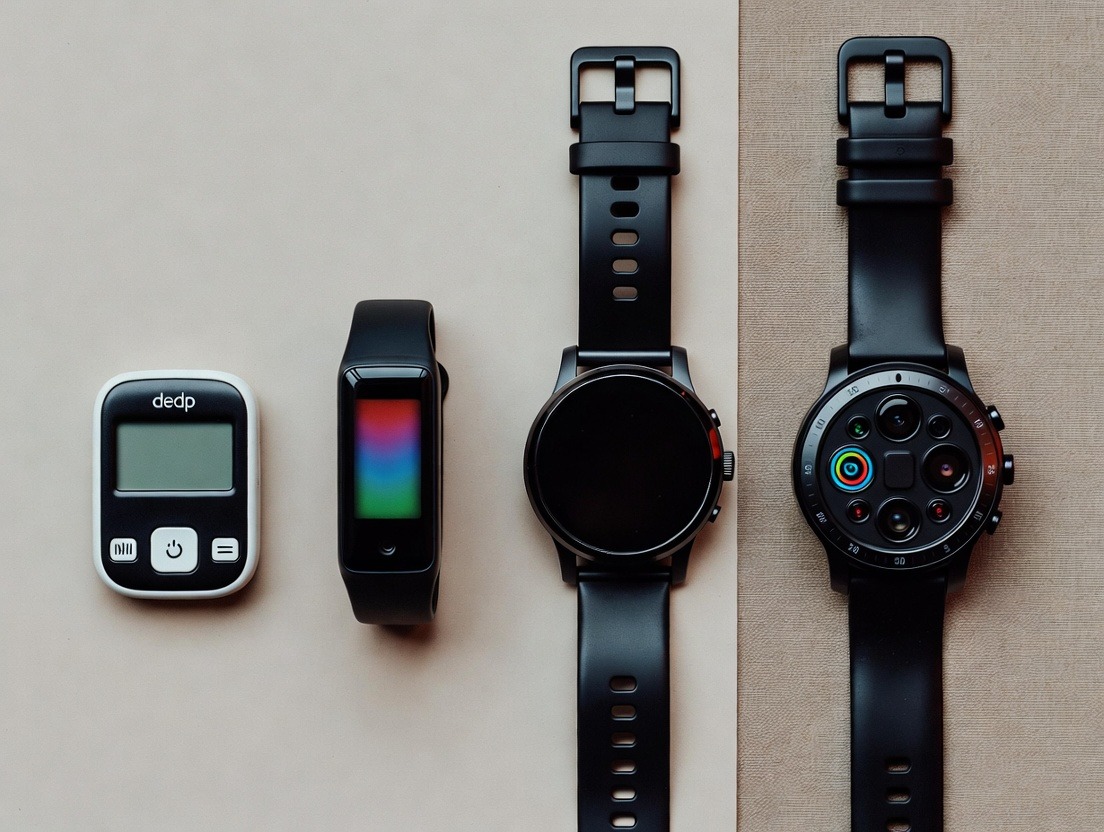
For decades, clinical medicine has suffered from the "snapshot problem." A doctor sees you for 15 minutes, takes a few measurements (blood pressure, heart rate, a blood draw), and makes assessments based on that single point in time, combined with your subjective report of symptoms. This is like trying to understand the plot of a novel by reading one random sentence. Wearable technology is providing the missing chapters, offering clinicians a continuous, real-world record of a patient’s physiology, fundamentally changing the diagnostic and management landscape.
This shift enables Remote Patient Monitoring (RPM) on an unprecedented scale. For patients with chronic conditions like hypertension, atrial fibrillation (AFib), or diabetes, wearables provide continuous surveillance outside the clinic.
This continuous data stream facilitates early intervention and preventative care. A wearable might detect a progressive increase in resting heart rate and decrease in HRV—a signature often preceding clinical symptoms of infection, autoimmune flare-ups, or mental health crises. A physician, alerted to this trend, could intervene earlier, potentially preventing hospitalization. It transforms healthcare from reactive to proactive.
Perhaps the most profound impact is in improving the clinician-patient partnership. Instead of relying on a patient's memory of how they’ve felt over the last month, the doctor can review objective graphs. "You said you've been tired. I can see your deep sleep has decreased by 40% over the last two weeks, and your nighttime heart rate is elevated. Let's talk about what changed." This data-driven dialogue reduces guesswork, increases diagnostic accuracy, and makes the patient an active, informed participant in their own care. It validates patient experiences with hard data, which is especially powerful for conditions like chronic fatigue or fibromyalgia that lack simple biomarkers.
However, integration into clinical workflow presents challenges. Doctors are overwhelmed with data already; adding a 30-day stream of biometrics is not feasible without effective clinical-grade analytics. The future lies in intelligent software that synthesizes wearable data into concise, actionable reports—highlighting trends, flagging significant deviations, and providing clear insights rather than raw data dumps. Furthermore, establishing clinical validation for these consumer devices is essential. Not all PPG sensors are created equal, and healthcare providers need to know which metrics from which devices meet standards for clinical decision-making.
The trajectory is clear: the clinic of the future will begin on your wrist or finger. Your wearable will act as a sentinel, creating a living health record that bridges the vast gap between annual check-ups, empowering a new model of continuous, collaborative, and profoundly personalized medicine.
Today’s wearables—rings, watches, patches—are merely a transitional form factor. The ultimate destination of this technology is invisibility: sensors so small, so integrated, and so passive that they disappear into our environment and our persons, while the intelligence behind them becomes more present and personalized than ever. We are moving from wearing a device to inhabiting a responsive health ecosystem.
The next wave will be embedded and ambient sensing.
At the same time, the AI-driven health coach will evolve from a simple app notification to a true contextual partner. This won't be a chatbot, but a sophisticated intelligence built on your unique longitudinal data.
This future also points toward multi-modal data fusion. The most powerful insights won't come from a single sensor, but from the fusion of data streams: wearable biometrics + genomic data + gut microbiome analysis + continuous lab data. Your AI coach will synthesize this into a unified, holistic health model, identifying complex interactions between your genetics, lifestyle, and environment that are impossible to see today.
The "device" as we know it will fade. The sensors will disappear into our world, and the intelligence will manifest as a calm, guiding voice in our ear—or simply as a series of perfectly timed, contextually brilliant suggestions that feel less like technology and more like intuition. The goal is not to spend more time looking at health data, but to spend less, because our environment and our AI partner are quietly orchestrating the conditions for optimal well-being in the background. Health management becomes ambient, proactive, and effortlessly integrated into the flow of a restful, purposeful life.
Owning a sophisticated wearable is akin to possessing a high-performance sports car; its potential is unlocked not by merely sitting in the driver's seat, but by learning to interpret the gauges and understanding how to handle it on various terrains. The transition from data overwhelm to actionable insight is a skill. This guide provides the framework to move from passive observer to active architect of your health using your wearable’s data.
Step 1: Establish Your Personal Baselines (The 30-Day Audit)
Before making any changes, you must understand your normal. For the first month, resist the urge to "optimize" everything. Simply wear your device consistently and live your typical life. The goal is to collect baseline data for your key metrics:
This baseline is your personal fingerprint. All future changes will be measured against your normal, not population averages. Note that baselines fluctuate naturally; they are different for women across menstrual cycles and for anyone experiencing seasonal changes, reinforcing the need for adapting your restful living approach through the seasons.
Step 2: The Art of Single-Variable Experimentation
The most common mistake is changing multiple habits at once. If you start meditating, taking a new supplement, and going to bed earlier all in the same week, you cannot attribute any biometric change to a specific cause. Instead, practice single-variable experiments:
This methodical approach turns self-improvement into a personal science project, yielding clear, trustworthy results about what your body uniquely needs.
Step 3: Learning to Interpret Trends, Not Dots
Daily fluctuations are normal. A single night of poor sleep or a low HRV reading is not a crisis; it’s a data point. The power lies in spotting trends. Your wearable’s weekly and monthly view graphs are its most important feature.
Step 4: Creating Actionable Feedback Loops
Turn data into automatic habits by creating simple rules for yourself based on your metrics.
These rules pre-decide your response, preventing you from rationalizing away the data when you’re tired or busy. They build discipline on a foundation of self-knowledge.
Step 5: Integrating Data into Quarterly Reviews
Set a calendar reminder for a quarterly "Health & Performance Review." Block an hour to:
This practice elevates health management from a daily chore to a strategic, goal-oriented process. It ensures you are continually learning from your data and steering your habits toward a more sustainable, restful, and high-performing life. The data becomes not a tyrant, but a trusted advisor in your long-term journey.
The potential of wearable wellness is universal, but the path to sustained, meaningful adoption is littered with barriers: technological intimidation, data overwhelm, "wearer's remorse," and plain old forgetfulness. For this revolution to fulfill its promise, it must be accessible and sticky for everyone—not just the biohackers and early adopters. Overcoming these hurdles requires thoughtful design, user education, and a shift in mindset.
Barrier 1: The Intimidation of Technology and Data
For many, a dashboard of graphs and medical-sounding terms like "HRV" and "SpO2" is alienating. The solution lies in abstracting complexity into simple insight.
Barrier 2: "Wearer's Remorse" and Health Anxiety
The constant flow of data can backfire, leading to obsessive checking and anxiety over imperfect numbers—a condition sometimes called "quantified self-induced stress." Combatting this requires designing for psychological safety.
Barrier 3: The Forgetting and Charging Problem
A device in a drawer is useless. Adoption hinges on seamless integration into daily life.
Barrier 4: Lack of Perceived Relevance
For individuals without specific fitness goals or health issues, the "why" can be unclear. The narrative must expand beyond fitness to holistic life enhancement.
By addressing these barriers—through empathetic design, clear communication, and focusing on human outcomes over raw data—wearable technology can transition from a niche gadget to an indispensable, welcoming tool for lifelong wellness for everyone.
The utility of wearable technology is not one-size-fits-all. Its applications morph and specialize to meet the distinct physiological and lifestyle needs of different populations across the lifespan. From the aspiring athlete to the new parent, from the menopausal woman to the senior managing chronic conditions, personalized biometrics offer targeted insights that generic advice cannot match.
For the Athlete and Serious Fitness Enthusiast:
This was the early adopter group, and the tools have grown extraordinarily sophisticated. Beyond basic training metrics, wearables enable:
For Women’s Health:
The female body operates on a complex, cyclical hormonal landscape that most consumer wearables historically ignored. The new frontier is cycle-aware tracking.
For Parents and Caregivers:
This chronically sleep-deprived and stressed population gains unique value from objective data that validates their experience and guides self-preservation.
For the Aging Population and Chronic Condition Management:
Here, wearables shift from performance optimization to safety, independence, and early intervention.
For the Corporate Wellness Seeker:
In workplace wellness programs, wearables move beyond step challenges to address the root cause of burnout: systemic stress and poor recovery.
In each case, the technology’s value is magnified when it is applied to the specific questions, challenges, and physiological realities of the individual. This specialization is the true hallmark of personalized wellness.

The most profound impact of wearable technology may be invisible in the short term. Its true power is not in helping you win a sleep score competition this week, but in how the subtle, daily feedback it provides compounds over years and decades into a radically different health trajectory. This is the concept of biometric compounding: small, data-informed adjustments that, sustained over time, alter the slope of your healthspan and potentially your lifespan.
Consider the analogy of financial compounding. Investing a small amount consistently, with the benefit of time and reinvested interest, leads to exponential growth. Health operates on a similar principle, but the currency is physiological capital—the resilience of your heart, the efficiency of your metabolism, the robustness of your immune system, and the stability of your nervous system.
How Wearables Enable Biometric Compounding:
The long game isn't about chasing perfect scores every day. It's about consistency, course-correction, and the profound understanding that the small, daily decisions—to rest, to move, to eat mindfully, to manage stress—are the individual deposits that build the fortune of a long, healthy, and fulfilling life. The wearable is the ledger that makes that compounding interest visible.
Your Trusted Sleep Advocate: Sleep Foundation — https://www.sleepfoundation.org
Discover a digital archive of scholarly articles: NIH — https://www.ncbi.nlm.nih.gov/
39 million citations for biomedical literature :PubMed — https://pubmed.ncbi.nlm.nih.gov/
Experts at Harvard Health Publishing covering a variety of health topics — https://www.health.harvard.edu/blog/
Every life deserves world class care :Cleveland Clinic - https://my.clevelandclinic.org/health
Wearable technology and the future of predictive health monitoring :MIT Technology Review — https://www.technologyreview.com/
Dedicated to the well-being of all people and guided by science :World Health Organization — https://www.who.int/news-room/
Psychological science and knowledge to benefit society and improve lives. :APA — https://www.apa.org/monitor/
Cutting-edge insights on human longevity and peak performance:
Lifespan Research — https://www.lifespan.io/
Global authority on exercise physiology, sports performance, and human recovery:
American College of Sports Medicine — https://www.acsm.org/
Neuroscience-driven guidance for better focus, sleep, and mental clarity:
Stanford Human Performance Lab — https://humanperformance.stanford.edu/
Evidence-based psychology and mind–body wellness resources:
Mayo Clinic — https://www.mayoclinic.org/healthy-lifestyle/
Data-backed research on emotional wellbeing, stress biology, and resilience:
American Institute of Stress — https://www.stress.org/


