


12 Lifestyle Improvement Strategies That Raise Your Smart Ring Scores
Twelve strategies that consistently lead to higher scores across your ring's metrics.
Twelve strategies that consistently lead to higher scores across your ring's metrics.
%402x.svg)
You wake up feeling… fine. Rested? Not exactly. Energetic? Hardly. Focused? Your brain feels like a browser with too many tabs open. For years, we’ve navigated our well-being by these vague, subjective gut feelings—"I’m a bit run down," "I didn’t sleep well," "I’m so stressed." But what if you could replace that foggy intuition with crystalline clarity? What if your body had a direct, unfiltered channel to communicate its deepest needs, its quiet stresses, and its restorative triumphs?
Enter the smart ring. This unassuming piece of wearable technology is revolutionizing personal wellness by moving the conversation from "I think" to "I know." Clad on your finger, it becomes a 24/7 biometric guardian, silently tracking the physiological whispers of your nervous system: your heart rate variability (HRV), your resting heart rate, your sleep stages, your body temperature, and your activity. It translates these whispers into scores—a Readiness Score that tells you how prepared your body is for the day’s demands, a Sleep Score that quantifies your restoration, and a Stress Score that mirrors your nervous system’s balance.
But here lies the modern dilemma: data is not destiny. A low score isn't a life sentence; it’s an invitation. It’s the starting point of a profound conversation between you and your own biology. The smart ring doesn’t just hand you a report card; it hands you the keys to your own laboratory. The question it poses is the most important one you’ll ever answer: Now that you know, what will you do?
This article is your master guide to answering that question. We are moving beyond passive tracking and into active transformation. We will explore 12 powerful, evidence-based lifestyle improvement strategies engineered to directly and positively influence the core biometrics your ring measures. This isn’t about gaming the algorithm; it’s about aligning your daily habits with the fundamental principles of human physiology to raise your baseline health. From the science of sleep to the art of recovery, from nutritional timing to emotional resilience, each strategy is a lever you can pull to optimize your scores and, more importantly, your lived experience.
Think of your smart ring as the dashboard of your most valuable vehicle: you. These strategies are your navigation system for peak performance. Let’s begin the journey of turning insightful data into transformative, life-enhancing action.
You’ve heard about getting 8 hours, but your smart ring is revealing a more nuanced truth: when you sleep may be just as critical as how long you sleep. Your body thrives on predictability. It operates on a symphony of internal clocks—known collectively as your circadian rhythm—that regulate everything from hormone release (like melatonin and cortisol) to body temperature, digestion, and cellular repair. When you vary your sleep schedule wildly, you throw this symphony into cacophony, a state known as "social jet lag." Your ring sees this as poor Sleep Scores, lowered HRV, and a Readiness Score that never quite peaks.
Why Consistency Is Your #1 Lever
Your circadian rhythm is entrained primarily by light, but a consistent sleep-wake time is its second-most powerful anchor. Going to bed and waking up at the same time every day (yes, even on weekends) stabilizes your biological clock. This regularity allows your body to anticipate and optimally time the complex processes of sleep. You fall asleep faster, spend more time in deep (Stage 3) and REM sleep—the most restorative phases—and wake up feeling more refreshed. The data on your ring will show this as improved sleep efficiency, higher Sleep Scores, and a subsequent boost in your morning Readiness Score, as your body has had a predictable, high-quality recovery period.
The Implementation Protocol: Building Your Sleep Sanctuary
The Ring Will Show You: Within 7-10 days of strict consistency, you should see a marked improvement in your sleep timing graphs, with fewer mid-night awakenings, increased deep and REM sleep, and a more stable overnight heart rate. Your HRV will begin to trend upward as your nervous system learns to trust the predictable rest period. This foundational rhythm sets the stage for every other strategy that follows, proving that sometimes, the most powerful biohack is simply showing up for yourself at the same time, every day.
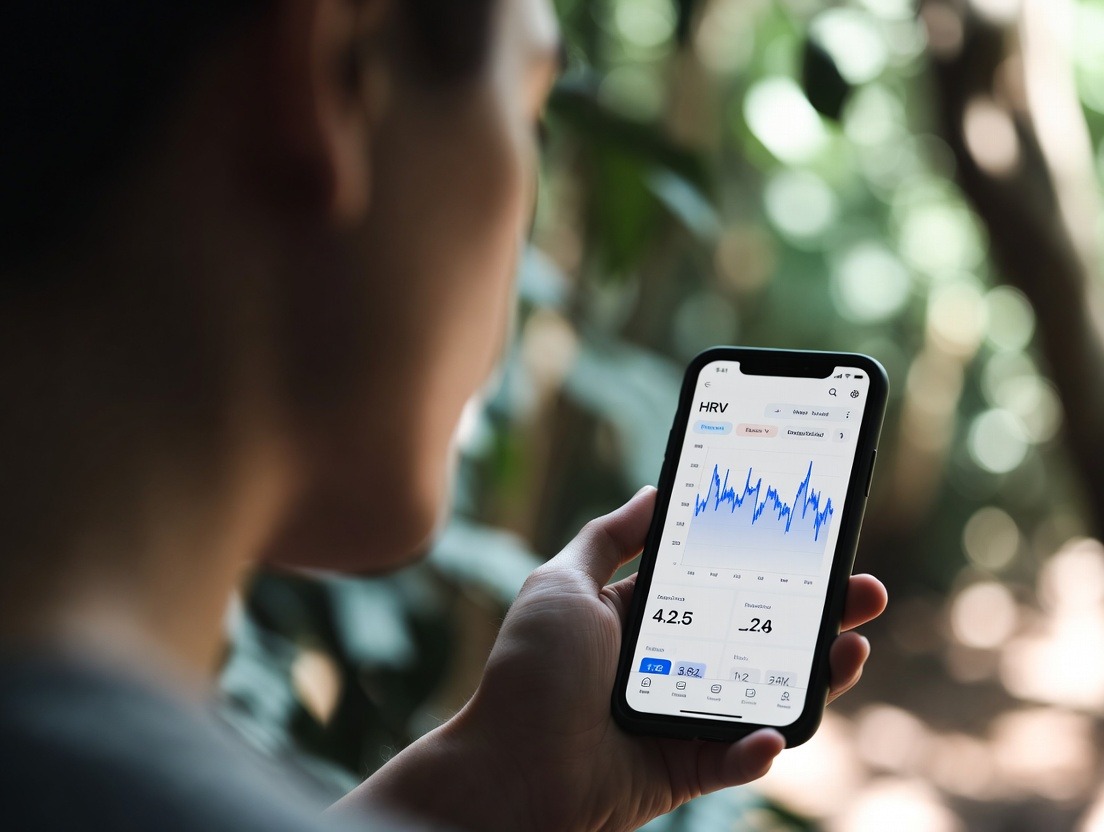
Your smart ring tracks your steps and active minutes, but the story of movement is far richer than a single daily total. The human body is designed for varied, rhythmic activity punctuated by rest—not for being sedentary for 16 hours and then intensely active for one. "Exercise" is a dedicated workout; "movement" is a lifestyle. Strategic daytime movement, often called Non-Exercise Activity Thermogenesis (NEAT), is a colossal lever for improving circulation, regulating blood sugar, managing stress, and priming your body for deep sleep. It tells your ring that you are a vibrant, dynamic system, not a static one.
Why Movement Beats Mere Exercise
A 60-minute gym session cannot compensate for 10 hours of chair-bound stillness. Prolonged sitting creates physiological stagnation: muscles become inactive, metabolism slows, and circulation pools. This can lead to increased resting heart rate and decreased HRV over the course of the day. In contrast, frequent, low-grade movement acts as a continuous pump for your lymphatic and cardiovascular systems, delivers oxygen to your brain, and helps buffer stress hormones. It prevents the metabolic and postural "crust" that builds from inactivity, leading to a body that recovers more efficiently at night.
The Implementation Protocol: Weaving Motion into Your Matrix
The Ring Will Show You: Consistent daytime movement will manifest as a more stable, lower resting heart rate throughout your waking hours. You may notice your heart rate recovers more quickly after meals or minor stressors. Most notably, it creates a healthy "sleep pressure"—a natural tiredness that comes from an actively engaged body, not a mentally exhausted mind. This leads to faster sleep onset and more robust deep sleep, as recorded by your ring’s sleep staging algorithm. Your activity graph will no longer be a flat line with a single spike, but a gentle, health-promoting rhythm.
You are when you eat. In the pursuit of wellness, we obsess over the "what"—macros, superfoods, elimination diets—while often ignoring the powerful circadian dimension of digestion: the "when." Your body’s ability to process food, manage blood sugar, and utilize energy fluctuates dramatically over the 24-hour cycle. Your smart ring, through metrics like resting heart rate, heart rate variability (HRV), and sleep quality, is a sensitive reporter on your metabolic harmony. Aligning your eating window with your circadian biology can be one of the most direct ways to improve your nightly recovery scores.
The Circadian Metabolism Principle
Your pancreas, liver, and gut have their own internal clocks that sync with your master brain clock. Insulin sensitivity (your body’s ability to use glucose efficiently) is highest in the morning and early afternoon, and naturally declines as evening approaches. Eating late, especially large or high-carbohydrate meals, forces your digestive system to work during its biological "night," when it should be focusing on repair and detoxification. This misalignment leads to elevated overnight heart rate, reduced HRV (as energy is diverted to digestion instead of recovery), more frequent awakenings, and less deep sleep. Your ring interprets this as a failed recovery night.
The Implementation Protocol: Aligning Food with Sunlight
The Ring Will Show You: Adhering to a circadian-aligned eating pattern typically produces noticeable improvements within one week. You’ll see a lower and more stable overnight heart rate, as your body isn’t working to digest a late meal. Your HRV during the first half of the night—a critical recovery period—will often rise. Sleep scores improve due to fewer disturbances and better sleep architecture. Furthermore, you may notice your waking temperature is more stable, a sign of a well-regulated metabolic system. This strategy isn’t about restriction; it’s about respecting your body’s innate schedule for peak efficiency and recovery.
Water is the medium of life, and your body is approximately 60% of it. Every cellular process, from energy production to waste removal, depends on adequate hydration. Yet, most of us live in a state of chronic, low-grade dehydration, relying on thirst—a late-stage warning signal—as our guide. Your smart ring provides a more proactive lens. Subtle changes in your skin temperature, heart rate, and even HRV can reflect your hydration status. Purposeful hydration isn’t about chugging gallons; it’s about strategic, consistent intake that supports your physiology without disrupting your sleep.
Why Hydration Is a Bioelectric Priority
Water is essential for maintaining blood volume. When you’re dehydrated, your blood becomes more viscous, forcing your heart to work harder to pump it—raising your resting heart rate. Dehydration also increases core body temperature, as the body has less fluid available for sweating and cooling. This can destabilize sleep, particularly the transition into deep sleep which requires a slight drop in core temperature. Furthermore, electrolyte imbalances from poor hydration can affect nerve conduction and muscle function, potentially influencing HRV. Your ring’s data makes these connections visible, showing you how fluid intake is a direct dial on cardiovascular and thermoregulatory efficiency.
The Implementation Protocol: Hydrating for Performance & Recovery
The Ring Will Show You: Optimal hydration leads to a lower and more stable daytime resting heart rate. You may see fewer unexplained spikes in your heart rate graph during light activity. Overnight, your core body temperature (inferred by the ring’s peripheral measurements) may show a cleaner, more pronounced dip, facilitating better sleep onset and deep sleep. Over time, as cellular processes become more efficient, you may even see a gradual upward trend in your HRV. It’s a testament to how a fundamental, often overlooked habit can fine-tune the very metrics of vitality your ring is designed to track.
Your mind and body are not separate entities; they are a single, integrated bioemotional system. A stressful thought can trigger the same cascade of cortisol and adrenaline as a physical threat. Your smart ring, particularly through its HRV and Stress Score metrics, is a mirror to your autonomic nervous system (ANS)—the balance between the gas pedal (sympathetic "fight or flight") and the brake pedal (parasympathetic "rest and digest"). High, chronic stress flattens HRV and elevates your Stress Score, signaling a nervous system stuck in overdrive. Cultivating emotional resilience isn’t about eliminating stress; it’s about developing the capacity to move through it and return to balance efficiently. This is the work of building emotional stability, creating an architecture for long-term equilibrium.
HRV: The Language of Nervous System Flexibility
Heart Rate Variability is the subtle variation in time between each heartbeat. A higher HRV generally indicates a flexible, resilient nervous system that can adapt swiftly to challenges and then recover. A low HRV suggests a system that is rigid, overly stressed, or fatigued. Your daily stressors—work deadlines, difficult conversations, financial worries—directly talk to your ANS, and your HRV is the transcript. By engaging in practices that actively stimulate your parasympathetic nervous system, you can train your body to downshift from stress more effectively, which your ring will reflect in improved scores.
The Implementation Protocol: Daily Practices for ANS Balance
The Ring Will Show You: Consistent nervous system training leads to a higher average HRV, particularly noticeable in your morning reading (a key input for Readiness Scores). Your daily Stress Score graph will show fewer and less severe peaks, and the valleys of recovery will be deeper. Perhaps most profoundly, you’ll see the impact on sleep: falling asleep becomes easier as the mental "chatter" quietens, and your sleep HRV will improve, indicating truly restorative rest. You are not just managing your emotions; you are reprogramming your physiological stress response.

Caffeine is the world's most widely consumed psychoactive drug, praised for its ability to enhance focus, mood, and physical performance. However, its relationship with your smart ring data is a complex dance. Caffeine works by blocking adenosine receptors in the brain—adenosine being a neurotransmitter that promotes sleepiness and relaxation. While this creates a feeling of alertness, it also has a half-life of 5-6 hours, meaning it continues to exert significant effects long after your last sip. For the data-driven individual, mismanaging caffeine is like pouring noise into a signal you're trying to clarify: it artificially elevates heart rate, can suppress HRV, and most critically, it fragments and lightens sleep architecture, the bedrock of your recovery scores.
Why Your 3 PM Latine is Stealing From Your Sleep Score
The adenosine that caffeine blocks doesn't disappear; it accumulates. When the caffeine finally clears your receptors in the late evening, you may experience a "wave" of sleep pressure, but the architecture of your sleep is often already compromised. Studies show caffeine reduces total sleep time, sleep efficiency, and the percentage of deep, slow-wave sleep—even when you don't feel it. Your ring will detect this as increased sleep latency (time to fall asleep), more frequent awakenings (especially in the second half of the night), reduced deep and REM sleep, and an elevated resting heart rate throughout the night. It’s a debt your afternoon self takes out against your nighttime recovery.
The Implementation Protocol: Caffeine as a Precision Tool
The Ring Will Show You: Adhering to a strict caffeine curfew typically yields results within 3-4 days. You will likely see a decrease in your sleep onset time and a reduction in mid-sleep awakenings on your hypnogram. The most telling change is often in your deep sleep (Stage 3) percentage, which may increase noticeably. Your overnight heart rate graph will show a lower, smoother baseline. Your morning Readiness Score, which partially reflects sleep quality, will begin to climb as your sleep becomes less chemically perturbed and more biologically pure.
Light is not just for vision; it is the primary zeitgeber ("time-giver") for your master circadian clock. The specific intensity, spectrum, and timing of light exposure you receive fundamentally dictate your sleep-wake cycle, hormone production, and even metabolism. In the modern world, we are bombarded by artificial light at all hours, effectively living in "circadian chaos." Your smart ring, tracking sleep, readiness, and body temperature, is a precise auditor of this chaos. By deliberately managing your light environment, you send unambiguous time-of-day signals to your biology, allowing it to optimize its processes—a practice that aligns perfectly with the principles of mindful living in the digital age.
The Physiology of Light: Blue vs. Red
Light-sensitive cells in your eyes (ipRGCs) are most responsive to short-wavelength blue light (~460-480 nm). Morning blue light from the sun suppresses melatonin and boosts cortisol and alertness, perfectly aligning you with the day. However, blue light from LEDs, screens, and overhead lights in the evening does the same thing, tricking your brain into thinking it's still daytime and delaying the melatonin surge necessary for sleep. Conversely, longer wavelength red and amber light has minimal impact on melatonin, making it ideal for evening.
The Implementation Protocol: Harnessing Light for Rhythm
The Ring Will Show You: Optimizing light exposure produces clear, sometimes dramatic, changes in your ring data. You will likely see a reduction in sleep latency (the time it takes to fall asleep) as your natural melatonin onset aligns with bedtime. Your sleep graph will show more consolidated sleep, with fewer and shorter awakenings. The quality of your deep sleep often improves. Furthermore, by anchoring your rhythm with morning light, you may notice a more stable and energetic pattern in your daytime heart rate, and your body temperature rhythm (a core circadian marker) will become more pronounced, dipping reliably at night and rising in the morning. You are literally programming your biology with photons.
Your body's core temperature is not constant; it follows a distinct circadian rhythm, falling by about 1-2 degrees Fahrenheit (0.5-1 degree Celsius) in the evening to initiate sleep, reaching its nadir in the early morning hours, and then rising to wake you up. This temperature drop is not a side effect of sleep; it is a necessary prerequisite for sleep onset and the maintenance of deep, restorative slow-wave sleep. Your smart ring, often measuring peripheral temperature, provides a proxy for this core rhythm. An environment that is too warm disrupts this critical cooling process, leading to fragmented, shallow sleep and the corresponding poor scores you see in the morning.
Why You Need to Get Cool to Get Deep
The initiation of sleep is tightly coupled with heat loss from the body's core to the extremities (hands and feet). This is why people often have cold hands and feet before falling asleep—it's a sign of vasodilation and heat dissipation. A cool sleeping environment (around 65°F or 18°C) facilitates this process. If your room is too warm, your body struggles to lose heat, delaying sleep onset and preventing you from reaching and sustaining the deepest, most physically restorative stages of sleep. Furthermore, temperature spikes during the night (from a heavy duvet or a warm room) can cause micro-awakenings as your brain briefly arouses to regulate.
The Implementation Protocol: Mastering Your Thermal Environment
The Ring Will Show You: A cool, stable sleep environment produces a distinct signature in your data. You will see a cleaner, more pronounced dip in your peripheral temperature graph after bedtime. Your sleep staging will likely show an increase in deep sleep (Stage 3) percentage and duration. The number of "awake" or "restless" periods logged by your ring should decrease. Most tellingly, your sleep efficiency (time asleep vs. time in bed) will improve, and your overnight heart rate will maintain a lower, steadier baseline. By becoming an expert in your own thermal regulation, you directly engineer the conditions for premium recovery.
The transition from the stimulus-rich, demanding state of modern life to the vulnerable, quiet state of sleep is not an automatic switch. It is a process—a descent. Attempting to jump directly from answering work emails or watching an intense show into bed is akin to slamming on the brakes at highway speed; it’s jarring and inefficient. Your sympathetic nervous system remains activated, cortisol is elevated, and your mind is racing. Your smart ring quantifies this failed transition as high sleep latency, a elevated resting heart rate at bedtime, low initial sleep HRV, and a fractured first sleep cycle. An intentional wind-down routine is your ritual to guide this descent, signaling to every cell in your body that it is now safe to shift into restoration mode. This is the practical application of developing a mindful evening routine to close your day with awareness.
The Physiology of the Descent
A wind-down routine works by actively stimulating the parasympathetic nervous system (PNS) and reducing sensory and cognitive load. It creates a predictable, calming buffer zone that allows cortisol levels to fall, melatonin to rise, and the brain's default mode network (associated with rumination) to quieten. This state of "quiet wakefulness" is the optimal launching pad for sleep. Without it, you are asking your body to perform the complex, coordinated task of falling asleep while it's still in a state of high alert.
The Implementation Protocol: Crafting Your 60-Minute Sanctuary
The Ring Will Show You: A consistent wind-down ritual pays rapid dividends. The most immediate change will be a reduction in your "Time to Fall Asleep" metric. Your heart rate graph will show a clear, steady decline in the hour before bed, rather than a jagged line. The first few hours of your sleep, which are typically the deepest, will become more stable and less interrupted. Over time, your average Sleep Score will rise, and you may notice your HRV begins to increase earlier in the night, indicating a faster and more complete transition into a restorative state. You are not just going to sleep; you are performing a graceful, deliberate landing.
Your smart ring is a phenomenal data collector, but data without context is just noise. The true magic—the transformation from passive tracking to active mastery—happens when you marry objective biometrics with subjective experience. This is the practice of the "Ring Journal." By logging your daily behaviors, moods, and choices alongside your scores, you move from observing correlations to understanding causation for your unique biology. You become your own principal investigator, running n-of-1 experiments to discover what truly moves the needle on your vitality metrics. This process cultivates a profound sense of agency and is the essence of mindful living beyond the buzzword.
Why Your Anecdote is Your Best Data Point
Generalized health advice has limits. "Exercise is good" doesn't tell you if an intense 6 PM CrossFit session ruins your sleep, while a 7 AM run boosts it. "Alcohol is bad" doesn't reveal if one glass of wine with dinner has a negligible effect on you but destroys your partner's HRV. Your ring shows the what (e.g., "my deep sleep was low last night"). Your journal provides the why ("I had two cocktails at that work event"). This feedback loop is the engine of personalized optimization.
The Implementation Protocol: Becoming a Biohacking Detective
The Ring Will Show You: This practice transforms the app from a report card into a conversation. You will start to see clear, personal cause-and-effect chains. You might discover that for you, yoga nidra before bed raises your sleep HRV by 15%, or that a heavy lunch drops your afternoon HRV for hours. This knowledge is power. It allows you to make confident, informed decisions. You stop following generic rules and start crafting a lifestyle protocol that is exquisitely tuned to your body's responses. Your scores will stop being mysterious numbers and become predictable outcomes of your conscious choices.
Humans are a profoundly social species. Our connections—or lack thereof—are not merely psychological experiences; they are biological events with direct physiological consequences. Loneliness and social conflict are potent stressors, activating threat responses in the brain and elevating cortisol and inflammation. Conversely, positive, supportive social interaction triggers the release of oxytocin and endorphins, promotes feelings of safety, and stimulates the parasympathetic nervous system. Your smart ring is sensitive to this social-physiology link. A day filled with conflict or isolation can manifest as a suppressed HRV and a high Stress Score, while a day of warm connection can support recovery. Navigating this, especially in close relationships, requires the skill of maintaining emotional balance in romantic relationships, balancing intimacy with healthy independence.
The Biology of Belonging
When we feel socially safe and connected, our threat detection system (primarily the amygdala) quiets down. This reduces the background load on the sympathetic nervous system, allowing for better PNS activity, which is reflected in higher HRV. Positive touch, laughter, and empathetic conversation all stimulate the vagus nerve. On the flip side, social rejection or hostility activates the same neural pathways as physical pain. Chronic loneliness is associated with higher resting heart rate, blood pressure, and inflammatory markers—all factors that can degrade the very health metrics your ring is tracking.
The Implementation Protocol: Prescribing Connection
The Ring Will Show You: Pay attention to the data on days with strong social components. After a positive, connective social event, you may see a noticeable bump in your evening HRV or a lower-than-average resting heart rate overnight. Conversely, after a day of conflict or loneliness, your Stress Score might be elevated for hours, and your sleep graph may show more restlessness. Over the long term, cultivating a rich social ecosystem contributes to a higher baseline HRV and more resilience in the face of non-social stressors. Your ring confirms what we instinctively know: we heal and thrive in community.
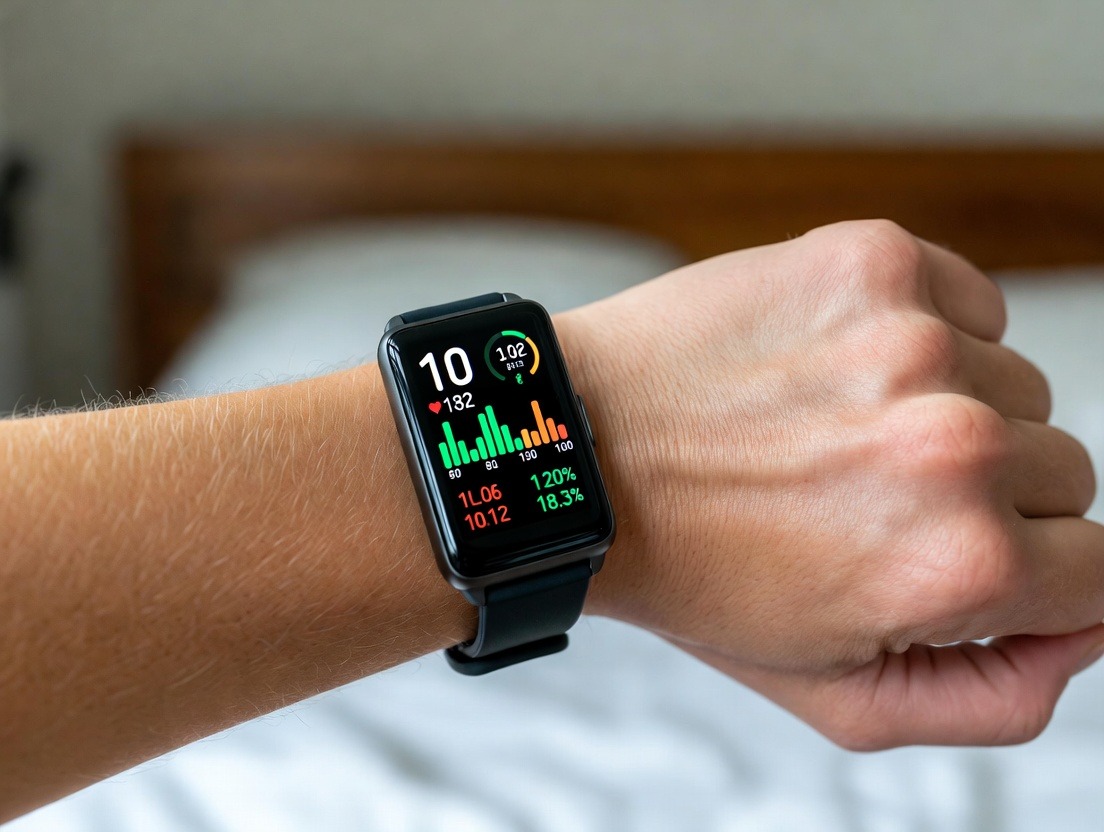
You’ve optimized sleep, nutrition, and movement. Now, we enter the realm of advanced recovery—the deliberate application of environmental stressors to stimulate profound adaptive responses. Modalities like cold exposure, heat therapy (sauna), and compression aren't just for elite athletes; they are powerful biohacks with measurable effects on the very biomarkers your smart ring tracks: heart rate variability (HRV), heart rate, sleep quality, and even body temperature regulation. When used strategically, they act as a "reset button" for your nervous and circulatory systems, pushing your recovery scores into new territories.
The Hormetic Principle: Stress to Strengthen
These techniques operate on the principle of hormesis—the idea that a mild, acute stressor can trigger beneficial adaptations that make the organism more resilient to future stress. A 3-minute cold plunge is a controlled, acute sympathetic storm (elevated heart rate, norepinephrine surge) followed by a powerful, compensatory parasympathetic rebound (slowed heart rate, elevated HRV). Regular sauna use induces a "fake fever," upregulating heat shock proteins that aid cellular repair and promoting cardiovascular adaptations similar to moderate exercise. Your ring is the perfect tool to quantify this rebound effect and ensure you're applying the stress in a recovery-promoting, not depleting, manner.
The Implementation Protocol: Precision Application
The Ring Will Show You: These advanced tools require careful self-experimentation. Use your ring's journal to tag when you use them. The data will be clear: on days you implement cold or heat therapy correctly, you'll see a "sawtooth" pattern—a deliberate stressor followed by a supercompensation in recovery metrics. Your body's resilience, as measured by your HRV baseline over weeks, will likely climb. It provides objective proof that you are not just recovering from life's stresses, but actively building a more robust system.
Your mind has a processing budget, just like your body has an energy budget. Every notification, every endless scroll, every piece of alarming news or trivial gossip is a cognitive transaction—it requires attention and emotional processing. This "cognitive load" has a direct physiological cost, often manifesting as low-grade, persistent sympathetic nervous system activation. Your smart ring's Stress Score and resting heart rate are exquisitely sensitive to this invisible tax. A digital detox isn't about Luddism; it's about cognitive hygiene. It’s the practice of mindful living in a digital age, strategically choosing what information you consume to protect your mental space and, by extension, your biometric harmony.
The Physiology of Information Overload
The constant, reactive state of checking devices triggers micro-doses of cortisol and dopamine, keeping your nervous system in a vigilant, distracted state. This "always-on" mentality prevents the deep parasympathetic rest necessary for true recovery. It fractures attention, making it harder to enter flow states, and can lead to emotional dysregulation as you're bombarded with curated extremes of human experience. Your ring sees this as a heart rate that rarely finds a true, low baseline during the day and an HRV that is suppressed from the chronic, low-grade stress.
The Implementation Protocol: Reclaiming Your Attention Capital
The Ring Will Show You: The effects of a digital detox can be surprisingly rapid. Within days, you may see your daytime resting heart rate graph display lower peaks and deeper valleys, indicating a more regulated nervous system. Your Stress Score may show fewer unexplained spikes. The most profound impact is often on sleep: with a quieter mind, sleep latency decreases, and you may experience less "brain chatter" upon waking in the night. Your overall HRV baseline may begin a steady climb as the background cognitive noise is turned down. You are not just disconnecting from the internet; you are reconnecting with your own biological rhythms.
For over 99% of human history, our environment was the natural world. Our physiology evolved in concert with the rhythms of sunlight, the sound of wind and water, and the electrical charge of the earth itself. The modern move indoors has severed many of these subtle but vital connections. "Nature immersion" and "grounding" (or earthing) are not mere folk remedies; they are evidence-based strategies to recalibrate stressed systems. Your smart ring, sensitive to HRV and stress, is an ideal tool to measure the shift from the overstimulating built environment to the inherently regulating natural one.
Biophilia and the Physiology of Awe
The Biophilia Hypothesis suggests humans have an innate tendency to seek connections with nature. Time in green spaces has been shown to lower cortisol, blood pressure, and heart rate, while boosting mood and immune function. Part of this may be due to the involuntary attention nature commands—its "soft fascination" allows the brain's directed attention networks to rest and recover. Grounding—making direct skin contact with the earth's surface—is theorized to allow the body to absorb free electrons, which can neutralize reactive oxygen species (inflammatory compounds) and synchronize biological rhythms with the earth's subtle electrical field.
The Implementation Protocol: Re-wilding Your Daily Life
The Ring Will Show You: After a substantial period in nature (an hour or more), you may see an immediate drop in your resting heart rate and a rise in your HRV that persists for hours. Consistently incorporating daily nature exposure can elevate your baseline HRV over time. You might notice your Stress Score remains lower on days with a "green pill." For those tracking it closely, grounding may contribute to more stable sleep and a reduction in markers of systemic inflammation (which can indirectly affect HRV and recovery). Your ring data will begin to tell a story of a system that is less frazzled by synthetic stimuli and more harmonized with its evolutionary home.
Food first. That is the non-negotiable foundation. However, even with a pristine diet, modern life, soil depletion, genetic predispositions, and intense training can create gaps or increased demands that strategic supplementation can help address. The key word is strategic. This isn't about taking a dozen pills on a whim. It's about using your smart ring data as a feedback loop to identify potential areas of support and then using targeted, high-quality supplements to gently nudge your biology toward better balance and recovery. Think of it as fine-tuning the engine after you've already put in premium fuel.
Using Your Ring as a Biofeedback Tool for Supplements
Before starting any supplement, establish a 2-week baseline of your key ring metrics (HRV, resting heart rate, sleep scores). Introduce only one new supplement at a time, and monitor the data for at least 2-3 weeks. Look for meaningful trends, not daily fluctuations. Did your average sleep score go up? Did your morning HRV become more stable? Did your Stress Score during work hours decrease? This n-of-1 trial approach is far more valuable than anecdotal reports.
The Implementation Protocol: Targeted Support Based on Ring Data
The Ring Will Show You: When a supplement is effective for you, the data will reflect it. Magnesium might lead to an increase in deep sleep percentage and a lower overnight heart rate within a week. Omega-3s might contribute to a gradual uptrend in your HRV baseline over a month. Adaptogens might lower your average daily Stress Score. Conversely, you may find a supplement does nothing or even causes disruptions (some stimulant-based or poor-quality products can raise heart rate). Your ring removes the guesswork, turning supplementation from a shot in the dark into a data-informed experiment in self-optimization.

If you could access a lever that directly controls your heart rate, blood pressure, and stress response in real-time, would you use it? You already possess that lever: your breath. Breathwork is the conscious, voluntary control of breathing patterns to produce specific psychological and physiological states. Unlike meditation, which focuses on the mind, breathwork acts directly on the body to influence the mind. Your smart ring's live heart rate and HRV readings make you a pilot with an instant dashboard, showing you the immediate effects of different breathing techniques. It is the most portable, powerful, and measurable stress-management tool you have. Mastering it is a core component of how mindfulness practice develops emotional balance over time, by training the body to regulate itself.
The Physiology of Controlled Breathing
Breathing is unique—it's both automatic and under voluntary control. By changing the depth, pace, and pattern of your breath, you send direct signals via the vagus nerve to your brainstem, influencing your autonomic nervous system (ANS). Slow, diaphragmatic breathing stimulates the parasympathetic (rest-and-digest) branch, lowering heart rate and increasing HRV. Specific rhythmic patterns can synchronize heart and respiratory rhythms (a high HRV state known as respiratory sinus arrhythmia), promoting coherence and resilience.
The Implementation Protocol: Three Breathwork Techniques to Master
The Ring Will Show You: Breathwork provides the most immediate, tangible feedback of any practice. You can literally watch your heart rate drop as you breathe coherently for two minutes. A daily 10-minute coherent breathing practice will, over weeks, produce a measurable upward trend in your average HRV and a lower average resting heart rate. Your body's ability to recover from stressors (as seen in the speed of your heart rate recovery after exercise or a stressor) will improve. Your ring transforms breathwork from an abstract concept into a quantifiable biofeedback session, proving you have direct agency over your nervous system state.
Your gut is your "second brain," housing a vast network of neurons and a diverse ecosystem of microbes (the microbiome) that profoundly influence everything from immune function and inflammation to neurotransmitter production (like serotonin and GABA) and even mood. A distressed gut—characterized by bloating, irregularity, or food sensitivities—creates systemic inflammation and sends stress signals via the gut-brain axis. This low-grade turmoil is detectable by your smart ring as a suppressed HRV, a slightly elevated resting heart rate, and disrupted sleep (much of the body's repair and gut maintenance happens during deep sleep). Optimizing digestion isn't just about comfort; it's about removing a chronic stressor from your system.
How Gut Health Talks to Your Ring
When your gut is inflamed or imbalanced, your immune system is activated, releasing inflammatory cytokines. This inflammation can directly affect the autonomic nervous system, making it harder to achieve a parasympathetic-dominant (restful) state, thus lowering HRV. Furthermore, poor sleep (which your ring tracks) negatively impacts gut barrier integrity, creating a vicious cycle. Improving gut health breaks this cycle, reducing systemic noise and allowing your body to allocate more resources to recovery and resilience.
The Implementation Protocol: Feeding Your Second Brain
The Ring Will Show You: As your gut health improves, you'll likely notice a reduction in post-meal heart rate spikes (as digestion becomes more efficient). Your overnight heart rate may become lower and more stable. Over the course of weeks, you may see a gradual but steady rise in your HRV baseline as systemic inflammation decreases. Improved sleep, particularly deep sleep, is also a common outcome, as the body's nighttime repair work is no longer hijacked by gut distress. Your ring confirms that a happy gut is a cornerstone of a high-recovery, low-stress physiology.
One of the most fascinating and powerful forces in human health is the placebo effect—the phenomenon where a person's belief in a treatment leads to a real, measurable improvement in their condition, even if the treatment is inert. The opposite, the nocebo effect, occurs when negative expectations cause negative outcomes. Your smart ring, as a source of objective biometric data, places you in a unique position to consciously harness the placebo effect for your benefit while guarding against the nocebo effect. By framing your lifestyle changes positively and believing in their efficacy, you can amplify their physiological impact, and your ring will provide the proof.
The Neuroscience of Belief
Expectations trigger real neurobiological changes. Believing a pill will reduce pain can cause the brain to release endogenous opioids. Believing a stressful task is a "challenge" rather than a "threat" changes the hormonal response (more anabolic DHEA vs. catabolic cortisol). When you look at your ring's high Readiness Score and believe you are primed for a great day, you are more likely to engage in behaviors that make it a great day, creating a positive feedback loop. Your belief in the efficacy of your wind-down routine is part of what makes it effective.
The Implementation Protocol: Programming for Positive Outcomes
The Ring Will Show You: When you pair positive belief with positive action, the data often shows a compounded benefit. You might notice that on days you start with a confident, positive mindset (perhaps after seeing a good score), your Stress Score remains lower despite similar daily challenges. The act of believing your new supplement or routine is working may lead to faster and more pronounced improvements in your metrics than if you were skeptical. Your ring becomes more than a sensor; it becomes a catalyst for a beneficial cycle of belief, action, and confirmation, proving that the mind is not a passenger in your health journey—it is the driver.
Life, fitness, and work are not meant to be pursued at a constant, maximum intensity. Yet, many of us live in a chronic state of "go," which leads to the predictable outcome captured by your smart ring: a gradual decline in HRV, a creep up in resting heart rate, and consistently poor recovery scores—the biometric signature of burnout. The antidote is periodization: the intentional planning of stress and recovery cycles. Originally an athletic concept, periodization is crucial for anyone seeking sustainable high performance in life. It means scheduling demanding periods followed by deliberate recovery, just as you would plan a workout and a rest day. Your ring is the perfect tool to guide this planning and keep you honest.
Listening to Your Ring vs. Your Ego
Your ego (or work ethic) might say "push through." Your ring provides the objective truth of your physiological readiness. Periodization requires you to subordinate the former to the latter. A high Readiness Score is permission to challenge yourself—to have that intense workout, tackle the big project, or engage in strenuous social activities. A low Readiness Score is a prescription for recovery—for lighter activity, more sleep, and more relaxation. Ignoring these signals is how you dig a hole; heeding them is how you build a resilient foundation.
The Implementation Protocol: Creating Your Personal Cycle
The Ring Will Show You: When you adopt a periodized approach, your biometrics stop looking like a random walk and start to display a healthy, rhythmic wave pattern. You'll see your HRV and Sleep Scores climb during your recovery blocks, reaching new peaks. Your resting heart rate will reach new lows. Then, as you enter a productive stress block, you'll be able to sustain higher performance with less degradation of your scores because you started from a higher baseline. Over time, your "floor" for low scores will rise, and your "ceiling" for high scores will expand. You are no longer burning out; you are practicing the art of sustainable flourishing, with your ring as your coach.
This is the culmination. After exploring advanced techniques, mind-body hacks, and strategic planning, we arrive at the most critical strategy of all: integration. The goal is not to live like a biohacking monk, obsessed with every data point, but to weave these evidence-based principles into the fabric of your life so seamlessly that they become your new normal. Optimization should feel less like a rigid protocol and more like an expression of self-care. Your smart ring transitions from a daily coach to a quarterly consultant, providing check-ins on a lifestyle that naturally supports high vitality. This is the essence of the long-term project of emotional and physical balance—a journey of patience and consistent progress.
From Obsession to Intuition
Initially, you check your ring constantly, correlating everything. This phase of hyper-awareness is necessary for learning. But the ultimate aim is to develop a calibrated intuition. You want to reach a point where you can feel your need for an early night, sense your rising stress, and choose a breathing technique without first checking an app. The ring becomes a tool for calibration, not for constant validation. It confirms what you're learning to sense from within.
The Implementation Protocol: The 80/20 Rule of Sustainable Health
The Ring Will Show You: When successfully integrated, your ring data tells a story of stability and resilience. The wild swings from poor choices will diminish. Your scores will cluster in a healthier range. You’ll see a clear, positive response when you return to your fundamentals after a period of deviation. The data becomes a mirror reflecting a life well-lived—a life with built-in rhythms of effort and ease, connection and solitude, challenge and recovery. You have not just raised your smart ring scores; you have used them as a compass to guide you toward a more vibrant, resilient, and intentional way of being.
Your Trusted Sleep Advocate: Sleep Foundation — https://www.sleepfoundation.org
Discover a digital archive of scholarly articles: NIH — https://www.ncbi.nlm.nih.gov/
39 million citations for biomedical literature :PubMed — https://pubmed.ncbi.nlm.nih.gov/
Experts at Harvard Health Publishing covering a variety of health topics — https://www.health.harvard.edu/blog/
Every life deserves world class care :Cleveland Clinic - https://my.clevelandclinic.org/health
Wearable technology and the future of predictive health monitoring :MIT Technology Review — https://www.technologyreview.com/
Dedicated to the well-being of all people and guided by science :World Health Organization — https://www.who.int/news-room/
Psychological science and knowledge to benefit society and improve lives. :APA — https://www.apa.org/monitor/
Cutting-edge insights on human longevity and peak performance:
Lifespan Research — https://www.lifespan.io/
Global authority on exercise physiology, sports performance, and human recovery:
American College of Sports Medicine — https://www.acsm.org/
Neuroscience-driven guidance for better focus, sleep, and mental clarity:
Stanford Human Performance Lab — https://humanperformance.stanford.edu/
Evidence-based psychology and mind–body wellness resources:
Mayo Clinic — https://www.mayoclinic.org/healthy-lifestyle/
Data-backed research on emotional wellbeing, stress biology, and resilience:
American Institute of Stress — https://www.stress.org/


