


12 Travel Wellness Tips That Optimize Your Smart Ring Metrics Abroad
Twelve tips to optimize smart ring metrics while abroad.
Twelve tips to optimize smart ring metrics while abroad.
%402x.svg)
The moment your plane touches down in a new country, something shifts inside your body. It's not just the excitement of adventure or the mild anxiety of navigating unfamiliar streets—it's a cascade of physiological changes that your smart ring is quietly recording. The heart rate variability that normally hovers in your optimal zone begins to fluctuate. Your resting heart rate ticks upward, sometimes imperceptibly, sometimes alarmingly. Your sleep patterns fragment, and your readiness score takes a hit that leaves you wondering if you're getting sick or just suffering from the peculiar exhaustion that seems to follow you through airport terminals.
For years, travelers accepted these disruptions as the unavoidable price of exploration. Jet lag was jet lag. Travel fatigue was travel fatigue. Dehydration was simply what happened when you forgot to drink water during an eight-hour flight. But we're now living in an era where the invisible becomes visible, where the physiological story of our bodies is written in data streams we can access with a glance at our wrists—or in this case, our fingers.
Your smart ring isn't just a sophisticated pedometer or a glorified sleep tracker. It's a window into your autonomic nervous system, a lens through which you can observe how your body responds to the chaos and wonder of international travel. And when you learn to read that data correctly, you can do more than just observe the damage—you can actively intervene to protect your vitality, maintain your energy, and actually enhance your wellness while abroad rather than returning home needing a vacation from your vacation.
The conventional wisdom about travel wellness hasn't caught up with the technology we now wear daily. Most travel blogs still offer the same generic advice: stay hydrated, get some sleep, take your vitamins. While these recommendations aren't wrong, they're about as precise as using a paper map when you have GPS in your pocket. Your smart ring offers something far more valuable: personalized, real-time feedback on exactly how your body is handling the unique stressors of travel.
This comprehensive guide bridges that gap. Over the next several thousand words, we'll explore twelve specific strategies for using your smart ring's metrics to optimize your wellness while traveling. You'll learn how to interpret the data your ring collects in the context of time zone changes, unfamiliar environments, dietary shifts, and altered activity patterns. You'll discover that travel doesn't have to mean abandoning your wellness protocols—it can actually become an opportunity to understand your body more deeply than you ever could in the controlled environment of your daily routine.
Before we dive into the specific tips, it's worth understanding why travel affects your smart ring metrics so dramatically in the first place. Your body craves predictability. It operates on circadian rhythms honed over thousands of generations, rhythms that expect light and darkness to arrive at roughly the same times each day, meals to occur at predictable intervals, and physical activity to follow certain patterns. When you disrupt these expectations by crossing time zones, eating at unfamiliar hours, sleeping in strange beds, and subjecting yourself to the physical stress of airports and airplanes, your nervous system responds as if under threat.
Your sympathetic nervous system—the "fight or flight" branch—activates. Your parasympathetic system—the "rest and digest" branch—suppresses. Your heart rate variability drops as your body shifts toward a state of heightened alertness. Your resting heart rate creeps up. Your sleep becomes lighter and more fragmented. Your body temperature regulation may falter. All of these changes appear in your smart ring data as clear, quantifiable signals.
The challenge isn't that these changes occur—it's that most travelers remain blind to them until the consequences become unavoidable. By the time you feel the afternoon energy crash, the brain fog, or the irritability that signals physiological distress, the damage is already done. Your smart ring gives you the power to see these shifts as they happen, to catch the early warning signs before they compound into full-blown travel exhaustion.
Learn more about how your wellness ring shows which habits increase your vitality and begin understanding the connection between your daily choices and the data your ring collects. This foundational knowledge becomes even more critical when you're navigating the unpredictable terrain of international travel.
Throughout this guide, we'll treat your smart ring not as a passive data collector but as an active wellness coach—one that happens to be small enough to wear on your finger and sophisticated enough to detect changes in your physiology that you'd never notice on your own. The twelve tips that follow are organized to help you move through every phase of your journey, from pre-trip preparation through your return home, with your wellness intact and your metrics optimized.
Let's begin by understanding how to prepare your body—and your ring—for the journey ahead.
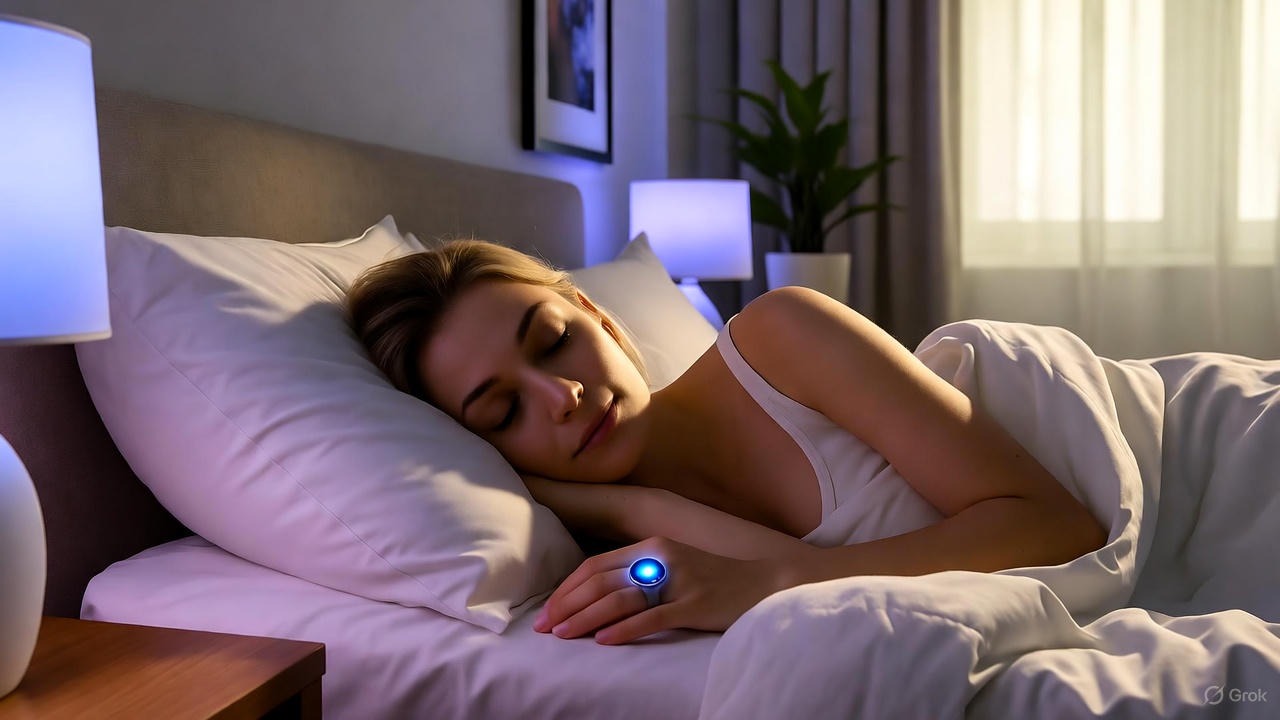
The most common mistake travelers make with their smart rings is treating travel data as an isolated phenomenon. They arrive in a new country, check their metrics, see that their heart rate variability has dropped 20 percent, and panic—assuming something is wrong, that they're getting sick, that they shouldn't have taken this trip. But without context, that 20 percent drop tells you very little. The question isn't whether your metrics have changed; it's how they've changed relative to your normal fluctuations, and whether those changes represent a healthy adaptation or a dangerous deviation.
This is why establishing a robust baseline before you travel isn't just helpful—it's essential. Your smart ring has been collecting data on your physiology for weeks or months, building a picture of what "normal" looks like for you specifically. Not for some hypothetical average person, not for the studies you've read online, but for your unique body with its unique rhythms and responses. That baseline becomes your north star when everything else is unfamiliar.
Start by reviewing at least two weeks of data before your trip, paying particular attention to three key metrics: heart rate variability (HRV), resting heart rate (RHR), and sleep quality. These three indicators form the tripod on which your travel wellness strategy will rest. Discover what your smart ring's HRV reveals about life force to deepen your understanding of why this metric matters so much for travel adaptation.
Your HRV, measured in milliseconds, reflects the variation in time between your heartbeats. Higher variability generally indicates a more resilient nervous system, one that can shift smoothly between sympathetic and parasympathetic states as circumstances demand. Lower variability suggests your system is under stress, operating in a more rigid, fight-or-flight mode. When you travel, your HRV will naturally trend downward as your body copes with novel stressors. The question is whether it's dropping within a healthy range or plummeting into dangerous territory.
Your resting heart rate tells a complementary story. When you're well-rested and recovered, your heart beats fewer times per minute because your system is efficient. When stress accumulates, your resting heart rate rises. Travel typically causes a modest increase—perhaps three to five beats per minute—as your body works harder to maintain homeostasis in unfamiliar conditions.
Sleep quality, measured through duration, consistency, and time spent in various sleep stages, reveals how well your body is recovering from the day's demands. During travel, you'll likely see reductions in deep sleep and REM sleep, particularly in the first few nights after crossing time zones. These reductions aren't necessarily problematic if they're temporary and if your body compensates later in the trip.
The key to establishing your baseline isn't just knowing your average numbers—it's understanding your ranges. What's your HRV on a great day? What's it on a mediocre day? How much does it fluctuate with your menstrual cycle if you have one? How does your resting heart rate respond to alcohol, late meals, or intense exercise? The more intimately you understand your own patterns, the better equipped you'll be to interpret the changes travel brings.
Consider keeping a simple log alongside your ring data for the two weeks before your trip. Note factors like your meals, your exercise, your stress levels, and your sleep environment. When you later compare this log to your travel data, you'll be able to distinguish between changes caused by travel itself and changes caused by specific behaviors you engaged in during your trip.
This baseline work also helps you identify your personal vulnerability windows. Some people handle sleep disruption well but struggle with dietary changes. Others sail through time zone shifts but crash when their exercise routine is disrupted. Your smart ring data will reveal these patterns if you know how to look. Perhaps your HRV remains stable through the first two days of a trip but crashes on day three—that tells you something about your adaptation timeline. Perhaps your resting heart rate spikes immediately after a heavy meal—that tells you something about your digestive sensitivity.
Explore how your wellness ring reveals your true vitality level to understand why establishing this baseline matters not just for travel but for every aspect of your health journey. Your ring is most powerful when it serves as a mirror reflecting your unique physiology, not as a judge comparing you to population averages.
With your baseline established, you're ready to address one of the most consequential travel stressors: the flight itself. What happens in the air doesn't stay in the air—it shapes your entire travel experience.
Most travelers choose flights based on price, convenience, or loyalty programs. These factors matter, of course, but they overlook something your smart ring data will quickly reveal: not all flights are created equal when it comes to physiological impact. The difference between a red-eye that arrives at 6 AM and a midday flight that lands in the evening isn't just about when you'll check into your hotel—it's about how your nervous system will cope with the transition, and how many days of your trip you'll sacrifice to recovery.
Your smart ring gives you the power to make flight decisions based on your personal recovery patterns rather than generic advice about jet lag. Some people handle eastward travel better than westward travel because their natural circadian rhythm runs slightly long. Others find morning arrivals easier because they can power through the first day and crash at a reasonable local bedtime. Still others prefer evening arrivals so they can go straight to sleep upon reaching their accommodation. There's no universal right answer—only what's right for you.
Begin by examining your chronotype through your ring data. If your sleep onset naturally occurs late and you struggle to wake early, you're likely an evening type who will find westward travel (which lengthens your day) easier than eastward travel (which shortens it). If you're a morning person who naturally wakes early and tires early, eastward travel may actually suit you better because it aligns with your tendency to start the day early and end it early.
Read our guide to daily energy management using your smart ring readiness score strategically to understand how your chronotype affects your optimal travel schedule. Your readiness score isn't just a morning number—it's a window into how your energy systems respond to timing disruptions.
Once you understand your chronotype, consider how different flight timings will interact with your sleep architecture. A flight that departs at 10 PM might seem convenient because you can sleep on the plane, but your smart ring data likely shows that your best sleep occurs in your own bed under familiar conditions. Plane sleep is rarely restorative sleep. The cramped seats, the cabin pressure, the ambient noise, the interruptions—all of these factors mean that an eight-hour flight might yield only two or three hours of low-quality sleep. If you're counting on that flight to fulfill your sleep needs, you're setting yourself up for a recovery deficit before your trip even begins.
Longer flights present additional considerations. Your ring tracks more than just sleep—it also monitors activity, stress, and recovery. A fourteen-hour flight to Asia will show up in your data as a period of extreme inactivity punctuated by the micro-stresses of navigating airports, standing in lines, and hauling luggage. Your step count will plummet. Your heart rate variability may drop as cabin pressure and dehydration stress your system. Your resting heart rate may climb slightly as your body works to maintain oxygen saturation in the pressurized cabin environment.
Some travelers find that breaking up long journeys with a layover actually improves their metrics, even though it extends total travel time. A layover gives you the chance to walk, to eat a proper meal, to hydrate, and to reset your nervous system before the next flight segment. Your smart ring data will show this reset in real time—your HRV may begin to recover, your stress metrics may drop, and your overall readiness for the next flight may improve.
Conversely, some travelers do better with direct flights despite the longer continuous travel time because they avoid the additional stress of deplaning, re-clearing security, and adapting to a new environment mid-journey. Again, your personal data holds the answer. Review previous travel experiences in your ring's history. How did your metrics respond to direct flights versus flights with connections? Which pattern left you more recovered upon arrival?
The timing of your flight also affects how you'll manage your first day in the new time zone. A flight that arrives in the morning gives you a full day to stay awake and align with local time, but it demands that you push through significant fatigue. A flight that arrives in the evening lets you go straight to sleep, but you may wake at 2 AM local time with your body convinced it's midday. Your smart ring's sleep and readiness data from previous trips will reveal which pattern your nervous system handles better.
Don't forget to consider the direction of travel in your calculations. Eastward travel—flying from New York to London, for example—requires you to go to sleep earlier than your body expects. Westward travel—Los Angeles to Tokyo—requires you to stay awake later. Most people find westward travel slightly easier because it's less demanding to stay awake an extra few hours than to force sleep before your body is ready. But again, your data may tell a different story.
Learn how your wellness ring shows daily energy patterns over months to identify your personal travel adaptation tendencies. These patterns will guide your flight selection decisions far more reliably than generic internet advice.
If there's one wellness intervention that delivers consistently outsized returns for travelers, it's strategic hydration. Yet most travelers approach hydration exactly backward: they drink when they're thirsty, they rely on airline beverages, and they wonder why they feel depleted upon arrival. Your smart ring can transform this dynamic by showing you, in real time, the relationship between your hydration status and your physiological metrics.
The cabin of a commercial aircraft is a uniquely dehydrating environment. At cruising altitude, relative humidity typically drops below 20 percent—drier than most deserts on Earth. Every breath you exhale removes moisture from your body. Every hour in the air accelerates fluid loss beyond what you'd experience on the ground. By the time you land, you may be functionally dehydrated even if you've drunk what feels like plenty of water.
Your smart ring doesn't directly measure hydration, but it tracks metrics that hydration powerfully influences. Heart rate variability responds to hydration status because blood volume affects cardiovascular function. When you're dehydrated, your blood becomes slightly thicker, your heart works harder to maintain circulation, and your nervous system shifts toward sympathetic dominance. Your ring captures this shift as a drop in HRV.
Resting heart rate also rises with dehydration. Your heart must beat more frequently to maintain cardiac output when blood volume is reduced. Even mild dehydration—loss of just 1-2 percent of body weight in fluids—can increase resting heart rate by several beats per minute. Your ring will detect this increase, though you might not consciously notice it.
Body temperature, another metric many smart rings track, also responds to hydration. Dehydration impairs your body's ability to regulate temperature through sweating and evaporative cooling. If you notice your skin temperature rising during flight, dehydration may be a contributing factor.
Explore how your wellness ring helps you manage daily energy intelligently to understand why hydration matters for every aspect of your physiological function, not just travel recovery.
The key to effective pre-hydration is timing. Drinking a gallon of water in the hour before your flight won't help—your kidneys will simply excrete the excess, and you'll spend the flight running to the lavatory. Instead, begin hydrating 24 to 48 hours before departure. Gradually increase your fluid intake so your body has time to absorb and distribute the water where it's needed.
Electrolytes matter as much as water. Plain water hydrates, but electrolyte-balanced fluids hydrate more effectively because they help your body retain and utilize the water you consume. Consider adding an electrolyte supplement to your water in the days before travel, particularly one containing sodium, potassium, and magnesium. These minerals support the cellular processes that maintain hydration balance.
Your smart ring can guide your electrolyte strategy if you pay attention to certain patterns. Magnesium deficiency, for example, often correlates with reduced HRV and increased muscle tension. If your HRV trends downward in the days before travel despite adequate sleep and low stress, a magnesium-rich electrolyte supplement might help stabilize your nervous system before the flight begins.
During the flight itself, your hydration strategy should account for the unique demands of the cabin environment. The general recommendation of eight ounces of water per hour in the air is a reasonable starting point, but your individual needs may vary based on your body size, your activity level in the airport, and your baseline hydration status. Your ring's metrics can serve as a rough guide: if you notice your HRV dropping more rapidly than expected or your resting heart rate climbing, increase your fluid intake and see if the trend reverses.
Be strategic about what you drink. Alcohol and caffeine both have diuretic effects that can compound the dehydrating impact of the cabin environment. This doesn't mean you must avoid them entirely—travel is about enjoyment, after all—but it does mean accounting for their effects. If you have a glass of wine with your in-flight meal, add an extra glass of water to compensate. If you drink coffee to stay alert, follow it with equal parts water.
Your smart ring will show you the consequences of these choices. Review your flight day data after you land and notice how different beverages affected your metrics. You may find that one glass of wine drops your HRV more than two glasses of water can correct, or that caffeine before landing helps you stay awake but compromises your first night's sleep. These insights become the foundation for your future travel protocols.
Discover 12 vitality and wellness patterns your smart ring reveals over time to see how hydration patterns emerge in your long-term data. What looks like isolated flight stress may actually be a recurring pattern tied to your hydration habits.
Light is the most powerful zeitgeber—time-giver—for your circadian rhythm. It tells your body when to be alert and when to prepare for sleep, when to release cortisol and when to secrete melatonin. When you cross time zones, you disrupt this light-based signaling system, and your body struggles to recalibrate. Your smart ring can't directly measure light exposure, but it can show you the consequences of getting that exposure wrong—and help you optimize it for faster adaptation.
The conventional advice about jet lag focuses on melatonin supplements and sleep schedules, but light exposure actually matters more. Melatonin tells your body it's time to sleep, but light tells your body what time it is. Without proper light signaling, melatonin supplementation is like setting your watch to the wrong time zone and wondering why you're still late for meetings.
Your smart ring's sleep and activity data reveals how well your circadian system is functioning. When your sleep onset and wake times shift erratically, when your sleep efficiency drops, when your HRV shows abnormal patterns—these are all signs that your internal clock is struggling to synchronize with local time. Light exposure management is your primary tool for accelerating that synchronization.
The strategy differs depending on your direction of travel. For eastward travel—flying to a time zone ahead of your origin—you need to advance your circadian rhythm, to shift your body clock earlier. This means seeking light exposure in the early part of the local day and avoiding light in the hours before your target bedtime. For westward travel—flying to a time zone behind your origin—you need to delay your rhythm, which means seeking light exposure in the later part of the day and avoiding light in the early morning hours.
Read how your wellness ring tracks vitality across multiple health dimensions to understand why circadian alignment affects far more than just sleep—it influences everything from digestion to immune function to emotional regulation.
Practical implementation requires planning. Before your trip, research sunrise and sunset times at your destination. Map out when you'll need to seek or avoid light during your first few days. Pack tools that support your strategy: blue-blocking glasses if you'll need to avoid light in the evening, a portable light therapy lamp if you'll need extra morning light and the weather doesn't cooperate.
Your smart ring can help you evaluate whether your light exposure strategy is working. Track your sleep onset latency—how long it takes you to fall asleep—each night. If you're consistently taking more than 30 minutes to fall asleep despite following proper light exposure guidelines, you may need to adjust your timing. Track your wake time and whether you're waking before your alarm. Early waking often indicates that your circadian rhythm hasn't shifted enough to match local bedtime.
The ring's temperature data also provides circadian information. Your body temperature naturally drops at night and rises in the morning, following a pattern controlled by your internal clock. If your ring tracks skin temperature, you may notice that this pattern shifts gradually as you adapt to a new time zone. Some travelers find that their temperature rhythm adapts faster than their sleep-wake rhythm—a useful insight that tells them their body is making progress even if sleep still feels difficult.
Be mindful of light exposure at the wrong times, which can actively work against your adaptation efforts. Screen time before bed is problematic in any context, but it's particularly damaging when you're trying to shift your circadian rhythm. The blue light from phones, tablets, and laptops signals your brain that it's still daytime, suppressing melatonin and delaying sleep onset. If you're traveling east and need to fall asleep earlier than usual, screen time in the hours before bed will sabotage your efforts.
Consider using your smart ring's activity tracking to remind you when to begin winding down. Set an alert for two hours before your target bedtime, signaling that it's time to dim lights, put away screens, and begin your pre-sleep routine. Your ring can't enforce this behavior, but it can make you aware of the choice you're making each time you pick up your phone in the evening.
Outdoor light exposure during the day is equally important. Indoor light, even in well-lit spaces, is typically hundreds of times dimmer than outdoor light. Spending time outside during the hours when you need light exposure sends a much stronger signal to your circadian system than staying indoors with artificial lighting. Even overcast days provide more usable light for circadian alignment than indoor illumination.
Learn 10 daily energy management strategies your wellness ring validates to integrate light exposure management with your broader energy optimization approach. Light isn't just about sleep—it's about daytime energy, focus, and mood as well.
If light is the primary signal for your circadian rhythm, food is a powerful secondary signal—one that many travelers overlook entirely. When you eat tells your body what time it is, particularly for peripheral clocks in your digestive system, liver, and pancreas. These organ-specific clocks don't align instantly with your new time zone, and until they do, you may experience digestive discomfort, blood sugar fluctuations, and energy crashes that your smart ring will faithfully record.
The conventional approach to travel eating focuses on what you eat—avoiding heavy meals, choosing easily digestible foods, being cautious with street food. While these considerations matter, when you eat may have an even greater impact on your adaptation speed. Your smart ring data will show you this connection through patterns in your heart rate variability, resting heart rate, and sleep quality.
Consider what happens when you eat a meal at a time your body considers night. Your digestive system operates on its own circadian rhythm, producing fewer enzymes, slower motility, and reduced blood flow during hours when it expects to be resting. Food arriving during this biological night sits in your stomach longer, ferments more, and triggers a greater inflammatory response. Your smart ring captures this as a drop in HRV and possibly an increase in resting heart rate as your body works to process the meal under suboptimal conditions.
Explore how your wellness ring tracks the connection between vitality and recovery to understand why meal timing affects your recovery capacity. Every meal you eat at a circadian-mismatched time imposes a recovery cost that shows up in your metrics.
The strategy for using meal timing as an entrainment tool is straightforward but requires discipline: eat your meals according to local time from the moment you arrive. If you land at 2 PM local time and your body thinks it's 8 AM, eat lunch anyway. If you wake at 3 AM local time and your body thinks it's noon, resist the urge to eat until a reasonable breakfast hour.
This discipline is hardest on the first day, when your appetite is still aligned with your origin time zone. You may not feel hungry at local lunchtime because your body thinks it's breakfast. You may feel starving at 3 AM because your body thinks it's dinner. Your smart ring can help you push through these mismatches by showing you the long-term payoff: travelers who align meal timing immediately typically show faster HRV recovery and better sleep by day three than those who eat according to their internal clock.
Breakfast deserves special attention because it serves as a critical timing signal for your entire circadian system. Eating a substantial breakfast shortly after waking tells your body that the active phase has begun, reinforcing the light signal you've already provided through morning light exposure. Skipping breakfast or eating it at a highly mismatched time weakens this signal and may prolong your adaptation.
Your smart ring's morning readiness score can guide your breakfast decisions. If your score is unusually low—indicating that your nervous system is under stress—consider a lighter breakfast that's easier to digest. If your score is decent despite the time zone change, a more substantial breakfast may help anchor your circadian rhythm for the day ahead.
Dinner timing matters equally, particularly for sleep quality. Eating too close to bedtime, regardless of time zone, impairs sleep by keeping your digestive system active when it should be resting. This effect is magnified when you're already dealing with circadian disruption. Aim to finish your last meal at least three hours before your target bedtime, giving your body time to shift from digestive mode to sleep preparation mode.
Alcohol complicates meal timing further. A glass of wine with dinner may help you relax in the evening, but alcohol significantly disrupts sleep architecture, particularly REM sleep. Your smart ring will show this disruption clearly: reduced REM percentage, increased heart rate during sleep, and lower HRV the following morning. If you choose to drink while traveling, account for these effects in your interpretation of your metrics. A low readiness score after a night with alcohol doesn't necessarily mean you're adapting poorly to the time zone—it may simply reflect the alcohol's lingering effects.
Discover how your smart ring proves vitality comes from lifestyle, not genetics to reinforce why these behavioral choices matter more than any innate resilience you might possess. Meal timing is a lifestyle factor entirely within your control.
Napping presents one of the greatest dilemmas for travelers trying to optimize their smart ring metrics. On one hand, sleep deprivation impairs every aspect of physiological function—your HRV drops, your resting heart rate rises, your immune function suffers, your cognitive performance declines. On the other hand, napping at the wrong time can sabotage your circadian adaptation, making it harder to shift to the new time zone and prolonging the period of disrupted metrics.
Your smart ring gives you the data you need to navigate this dilemma strategically. By tracking your sleep debt, your circadian phase, and your real-time recovery needs, you can make napping decisions that support rather than undermine your adaptation.
The first principle of strategic napping is timing. If you're traveling east and need to advance your circadian rhythm—to fall asleep earlier than usual—napping late in the day is counterproductive because it reduces your sleep drive before your target bedtime. If you're traveling west and need to delay your rhythm, napping early in the day may similarly reduce your ability to stay awake until an appropriate local bedtime.
Read our guide to managing energy for multiple roles to understand why nap timing matters for overall energy management. Your body has limited adaptive capacity, and how you allocate that capacity determines how quickly you adjust.
The optimal nap window for most travelers is early to mid-afternoon, roughly 1 PM to 3 PM local time. This window aligns with the natural dip in circadian alertness that occurs regardless of time zone, making it the time when your body is most receptive to sleep. A nap taken during this window is less likely to interfere with nighttime sleep than a nap taken later in the day.
Duration matters as much as timing. A short nap of 10 to 20 minutes can restore alertness without triggering deep sleep, making it easier to wake and resume your day. A longer nap of 60 to 90 minutes allows you to complete a full sleep cycle, which can be more restorative but also leaves you vulnerable to sleep inertia—that groggy, disoriented feeling upon waking that can persist for 30 minutes or more.
Your smart ring can help you calibrate your ideal nap duration by showing you how different nap lengths affect your subsequent metrics. If you consistently wake from 20-minute naps feeling refreshed and maintain good nighttime sleep, that duration works for you. If you find that 20-minute naps leave you craving more sleep and you end up napping again later, you might benefit from extending to a full 90-minute cycle that includes REM and deep sleep.
The most dangerous nap from an adaptation perspective is the late-afternoon or early-evening nap taken when you're exhausted but trying to stay awake until bedtime. This nap, often unintentional, can consume several hours of sleep drive and leave you staring at the ceiling at 2 AM. If you feel yourself nodding off in the late afternoon while traveling, stand up, move around, expose yourself to bright light, and do anything necessary to stay awake until your target bedtime.
Your smart ring's real-time activity and heart rate data can help you recognize when you're at risk of an unintentional nap. If your heart rate drops and your movement ceases for an extended period in the late afternoon, your ring will register this as sleep or rest. Reviewing this data after the fact can help you identify patterns—perhaps you consistently struggle at 4 PM on day two of eastward travel—and plan interventions for future trips.
Some travelers benefit from what sleep researchers call "prophylactic napping"—napping before travel to build a sleep reserve that buffers the impact of expected deprivation. If you're facing a red-eye flight or an overnight journey, a strategic nap in the afternoon before departure can improve your resilience. Your smart ring's readiness score that morning can guide this decision: if your score is already low, prioritize pre-travel rest. If your score is high, you may not need the extra sleep.
Learn 12 vitality and wellness habits that improve your smart ring scores to see how strategic napping fits into a broader pattern of recovery optimization. Napping is just one tool in a comprehensive wellness toolkit.
The relationship between physical activity and your smart ring metrics becomes more complex during travel. On one hand, movement supports nearly every aspect of wellness—it improves circulation, enhances mood, regulates blood sugar, and promotes better sleep. On the other hand, the wrong type or timing of movement can add stress to an already stressed system, pushing your metrics further from optimal rather than bringing them back into balance.
Your smart ring's activity tracking provides the feedback you need to calibrate your movement during travel. Unlike your daily routine at home, where you likely have established patterns and know how different activities affect you, travel presents novel movement challenges: walking miles through unfamiliar cities, carrying luggage through airports and train stations, standing for extended periods in museums or queues. All of this activity registers in your ring, and all of it carries recovery costs.
The key insight from your ring data is the distinction between movement that supports adaptation and movement that compounds fatigue. Low-intensity movement—gentle walking, stretching, easy exploration—tends to support nervous system regulation by promoting blood flow and maintaining mobility without triggering a significant stress response. High-intensity movement—running, heavy lifting, intense workouts—adds stress that your already-taxed system may not be equipped to handle.
Discover how your wellness ring shows daily energy patterns over months to identify how your body typically responds to different activity levels. This historical data becomes your guide for travel movement decisions.
Consider the timing of your movement as carefully as its intensity. Morning movement, particularly exposure to daylight while walking, reinforces circadian signals and helps anchor your rhythm to local time. Evening movement, particularly intense exercise close to bedtime, can raise core temperature and heart rate at the wrong time, delaying sleep onset and reducing sleep quality.
Your ring's heart rate data during movement tells a story about your current stress load. If you notice that your heart rate is higher than usual for a given pace—say, your walking heart rate is 10 beats per minute above normal—your body is signaling that it's under strain. Pushing harder with more intense activity may not be wise. Instead, honor that signal by keeping movement gentle and prioritizing recovery.
Step count goals require rethinking during travel. The 10,000-step target that serves you well at home may be either too low or too high depending on your travel activities. A day spent exploring a new city on foot might easily exceed 20,000 steps, while a travel day with long flights and airport waiting might barely reach 5,000. Your ring's data should guide your response to these variations, not some fixed external target.
If you log an extremely high step day, your ring will likely show reduced HRV and increased resting heart rate that night as your body works to repair the accumulated micro-damage. This isn't necessarily bad—it's the normal recovery process—but it's information you can use to plan the following day. Perhaps after a 20,000-step museum marathon, you schedule a lighter day with less walking and more sitting in cafes.
If you log an extremely low step day during travel, don't panic. Travel days are physiologically demanding in other ways—the stress of airports, the dehydration of flights, the disruption of routines—and your body may benefit from the relative inactivity. Your ring's readiness score the next morning will tell you whether that low-activity day served you well or left you under-stimulated.
Read about 8 daily energy management mistakes your wellness ring data exposes to avoid common pitfalls in activity management during travel. Many travelers err on the side of either doing too much or doing too little, missing the sweet spot of optimal movement.
Among the least discussed but most informative data points your smart ring collects is temperature. Skin temperature, and in some models continuous body temperature tracking, provides a window into how your body is responding to your environment—and travel inevitably means environmental changes that your temperature metrics will reflect.
Your body maintains its core temperature within a narrow range through complex regulatory mechanisms. When you encounter a new climate—hotter, colder, more humid, drier than you're accustomed to—your temperature regulation system must adapt. This adaptation requires energy and influences your nervous system state, which appears in your ring's other metrics.
Explore how your smart ring enables precision daily energy management to understand why temperature regulation matters for your overall energy budget. Every degree of environmental mismatch costs you energy that could otherwise go toward enjoyment and exploration.
The most obvious temperature shift travelers face is moving between climate zones. Flying from a Northern winter to a tropical beach destination subjects your body to a dramatic temperature increase. Flying from a temperate summer to a cold climate does the opposite. Your ring's temperature data will show this shift clearly, often with a lag as your body gradually acclimates to the new conditions.
Less obvious but equally significant are the micro-environmental changes travel brings: air-conditioned hotels, heated buildings, dry airplane cabins, humid outdoor environments. Your body constantly adjusts to these micro-climates, and each adjustment carries a small energy cost. Over the course of a travel day, these costs accumulate.
Your ring's skin temperature during sleep offers particularly useful information about your adaptation status. Normally, your body temperature drops at night as you prepare for sleep and reaches its minimum in the early morning hours. If you're sleeping in a room that's too warm, this natural temperature drop may be blunted, reducing sleep quality. If the room is too cold, your body may work harder to maintain temperature, also disrupting sleep.
Review your sleep temperature data in the context of your hotel room conditions. Did you sleep with the air conditioning running? Did you use the provided blankets or did you need to adjust the thermostat? Your ring will show you the consequences of these choices. Some travelers find that a slightly cooler room improves their sleep quality even if it feels uncomfortable at first—their temperature data confirms this by showing a more pronounced nighttime drop.
Humidity matters as much as temperature, though your ring may not measure it directly. High humidity impairs your body's ability to cool itself through sweat evaporation, which can increase perceived heat stress. Low humidity, as in airplane cabins and desert climates, accelerates fluid loss and can dry mucous membranes, increasing susceptibility to respiratory infections. Your ring's temperature and heart rate data may show higher cardiovascular strain in humid environments even when the actual temperature is moderate.
Learn how your wellness ring tracks vitality across multiple health dimensions to appreciate how environmental factors interact with your other metrics. Temperature doesn't exist in isolation—it influences everything from sleep to recovery to daytime energy.
Jet lag itself affects temperature regulation. Your circadian rhythm controls your body temperature cycle, so when that rhythm is disrupted, your temperature regulation becomes less precise. You may feel hot when you should feel cool, or cold when you should feel warm. Your ring's temperature data can help you distinguish between environmental discomfort and circadian dysregulation.
If your temperature metrics show unusual patterns—failing to drop at night, spiking during the day at unexpected times—this information can guide your interventions. Perhaps you need to adjust your room temperature, change your bedding, or modify your clothing choices. Perhaps you need more time outdoors to strengthen your circadian signals. Perhaps you simply need patience as your body gradually recalibrates.
Travel to high altitudes adds another layer of temperature consideration. At elevation, temperatures typically fluctuate more dramatically between day and night, and your body must work harder to maintain oxygen saturation, which affects circulation and temperature regulation. Your ring may show higher resting heart rate and altered temperature patterns during high-altitude travel, reflecting this additional physiological load.
Travel is ultimately about experience—the people you meet, the cultures you encounter, the memories you create. Yet these very experiences, the ones you traveled to have, can become sources of physiological stress if pursued without awareness of your body's limits. Your smart ring offers a unique tool for navigating this tension, helping you engage fully with your destination while recognizing when you're approaching your adaptive capacity.
The concept of allostatic load—the cumulative burden of chronic stress on your body—applies powerfully to travel. Every novel experience, every social interaction, every sensory input requires some degree of physiological adaptation. Individually, these demands are manageable. Accumulated over a day or a trip, they can overwhelm your system, leading to the paradoxical experience of returning from vacation feeling more exhausted than when you left.
Discover how your wellness ring teaches you personal energy management patterns to recognize your unique social and cultural engagement limits. Some travelers thrive on constant stimulation; others need more recovery time between experiences.
Your ring's stress tracking feature, available in many models, provides real-time feedback on how your nervous system is responding to your activities. When you're engaged in a fascinating conversation or exploring a bustling market, your sympathetic nervous system activates appropriately—this is the engagement that makes travel rewarding. But when that activation persists without adequate parasympathetic recovery, stress accumulates.
Learn to read your ring's signals during your travel days. After an intense museum visit, does your stress level remain elevated during your subsequent cafe stop, or does it drop as you sit and rest? After a large group dinner, does your heart rate stay higher than usual as you prepare for bed? These patterns reveal how different types of engagement affect you and can guide your scheduling decisions.
Consider building recovery periods into your itinerary intentionally. A busy morning of sightseeing might be followed by a quiet afternoon with no scheduled activities. A day of social interaction might be balanced with an evening alone. Your ring's metrics will show you whether these recovery periods are sufficient—if your HRV remains depressed or your resting heart rate stays elevated despite downtime, you may need more recovery or different types of rest.
The concept of "energy accounting" applies here. Every social engagement, every cultural experience, every hour of exploration draws from your physiological energy reserves. Your ring's readiness score each morning represents your opening balance for the day. Your activity and stress tracking throughout the day shows your withdrawals. By evening, you can see whether you've stayed within your budget or over-drafted.
Read the complete guide to energy budgeting per ring insights to develop a systematic approach to allocating your physiological resources during travel. This framework transforms your ring data from passive observation to active planning tool.
Language barriers, cultural navigation, and the constant need to make decisions in unfamiliar contexts all add to cognitive load, which has physiological consequences. Your ring doesn't measure cognitive load directly, but it captures the downstream effects: increased heart rate, reduced HRV, elevated stress indicators. When you're struggling to order food in a foreign language or find your way through an unfamiliar transit system, your body is working harder than it would in familiar territory.
Acknowledge this hidden cost and build in margins accordingly. Perhaps you schedule fewer activities on your first full day in a new country, when cultural navigation demands are highest. Perhaps you alternate between high-cognitive-load activities (navigating a new city) and low-cognitive-load activities (sitting in a park, people-watching). Your ring's data will show you whether these margins are sufficient or whether you need more buffer.
Some travelers find that their social engagement capacity varies by time of day based on their natural rhythms. Morning people may handle social interactions better early in the day and need solitude by evening. Evening types may need to ease into their days slowly and come alive socially later. Your ring's data on your chronotype, derived from your sleep and activity patterns, can guide the timing of your social and cultural engagements.

The hotel bed is not your bed. The hotel room is not your bedroom. The sounds, the light levels, the temperature, the smells—all differ from what your body expects. Your smart ring will faithfully record the consequences of these differences in your sleep data, often showing reductions in deep sleep, REM sleep, and overall sleep efficiency that persist throughout your trip unless you actively intervene.
The good news is that many of the factors that degrade sleep quality in unfamiliar environments are within your control. Your ring's data can guide your optimization efforts by showing you, night by night, which interventions improve your metrics and which make little difference.
Learn how your wellness ring helps you manage daily energy intelligently through better sleep, even when your sleep environment is far from ideal. The principles of sleep hygiene apply everywhere—they just require more intentional implementation when traveling.
Light control is often the first challenge in hotel rooms. Blackout curtains vary wildly in effectiveness, and even small light leaks from electronics, alarm clocks, or street lights can disrupt sleep by suppressing melatonin production. Your ring's sleep data may show lighter sleep or more awakenings in rooms with light intrusion, even if you don't consciously notice the light.
Pack solutions: a sleep mask that completely blocks light, small stickers to cover LED lights on electronics, or even clothespins to secure curtains that don't quite meet. After each night, check your ring's sleep continuity data to see if these interventions are working. If you're still experiencing frequent awakenings, light may not be the primary issue.
Noise presents a similar challenge. Hotel corridors, neighboring rooms, street traffic, and unfamiliar building sounds all create an acoustic environment your body hasn't learned to filter out. Your brain remains partially alert to novel sounds, pulling you toward lighter sleep stages or full awakenings when unexpected noises occur.
White noise apps or portable sound machines can mask disruptive sounds by providing consistent background noise that your brain learns to ignore. Earplugs offer another solution, though some sleepers find them uncomfortable. Your ring's data will show you whether these interventions improve your sleep continuity. If you still show frequent awakenings despite white noise, investigate whether temperature, light, or other factors are at play.
Temperature regulation becomes more challenging when you can't control your environment as precisely as at home. Hotel thermostats may be imprecise, locked, or located in awkward positions. Bedding may be heavier or lighter than you're accustomed to. Your ring's temperature data during sleep will show you whether you're sleeping in conditions that support or hinder your natural temperature drop.
If your skin temperature remains elevated through the night, your room may be too warm. Request a fan, adjust the thermostat if possible, or sleep with lighter covers. If your temperature drops too dramatically or you wake feeling cold, add layers or adjust the thermostat upward. The goal is to support your body's natural temperature rhythm, not to impose an arbitrary temperature preference.
Explore 15 vitality and wellness insights from your smart ring data to understand how sleep environment factors show up in your metrics. These insights accumulate over multiple nights, revealing patterns you might miss in a single night's data.
Bed quality—mattress firmness, pillow height, sheet texture—also affects sleep, though it's often the hardest factor to modify when traveling. Your ring's data may show differences in sleep quality between hotels, even when other factors are controlled. This information can guide future hotel selections. If you consistently sleep poorly in certain types of beds, you can prioritize accommodations with bed types that support your sleep.
The first night in a new environment almost always produces worse sleep than subsequent nights, regardless of environmental quality. This "first night effect" represents your brain's heightened vigilance in unfamiliar surroundings—a vestigial survival mechanism that keeps you somewhat alert to potential threats. Your ring's data will likely show reduced deep sleep and more awakenings on night one, even in a perfectly comfortable room.
Don't over-interpret this first night data. It's normal. What matters more is the trend: does your sleep improve on night two and three? If your metrics remain poor throughout your stay despite environmental optimization, you may need to consider other factors like circadian misalignment, dietary choices, or accumulated stress.
The end of your trip presents its own wellness challenges—challenges that many travelers ignore entirely, assuming that returning home automatically restores their metrics to baseline. Your smart ring will show you otherwise. The transition home requires its own adaptation period, and how you manage that transition determines whether you return to full function in days or struggle for weeks with lingering travel fatigue.
The most common mistake in return transitions is attempting to resume normal life immediately. You land, you unpack, you go back to work, you resume your exercise routine, you catch up with friends—and you wonder why you feel exhausted despite being "home." Your body doesn't recognize home as an automatic reset button. It recognizes that you've just subjected it to another major environmental shift, and it needs time to adapt.
Read the complete guide to vitality restoration after illness for principles that apply equally to travel recovery. The same patience and strategic approach that supports recovery from illness supports recovery from travel stress.
Begin your return transition before you leave. In your final days at your destination, gradually shift your schedule toward your home time zone if possible. Eat meals at times that approximate home hours. Seek light exposure that matches what you'll experience upon return. These small adjustments reduce the magnitude of the shift your body must make when you land.
Upon returning, give yourself at least one buffer day before resuming full responsibilities. This doesn't necessarily mean taking vacation days—though that's ideal if possible—but it does mean protecting your first days home from excessive demands. Schedule lightly. Avoid important meetings or decisions. Give your body space to recalibrate.
Your ring's metrics will guide your return to normal activities. Monitor your readiness score each morning and let it inform your plans. If your score remains low several days after returning, you're still in recovery mode. Honor that by keeping activity light, prioritizing sleep, and avoiding additional stressors.
Sleep debt accumulated during travel doesn't resolve in one night. Your ring's sleep data will show you how many hours of sleep you lost during your trip and how long it takes to repay that debt. Some travelers find that they need several nights of extended sleep to fully recover, with their metrics only returning to baseline after a week or more.
The return transition also involves psychological factors that affect your physiology. Post-travel letdown—the contrast between the novelty of travel and the familiarity of home—can influence your mood, which in turn affects your nervous system state. Your ring may show reduced HRV and altered sleep patterns during this psychological adjustment period, even after your circadian system has realigned.
Discover how your wellness ring reveals your true vitality level through the lens of post-travel recovery. The speed and completeness of your return to baseline tells you something important about your overall resilience.
Some travelers find that reviewing their trip data after returning provides valuable insights for future travel. Which parts of the trip correlated with the largest metric disruptions? Which interventions seemed most protective? What would you do differently next time? Your ring's historical data transforms each trip into a learning experience, making you better equipped for the next adventure.
The return transition is also an opportunity to appreciate how far your body has come. Before you had a smart ring, you experienced post-travel fatigue without understanding its contours—you simply felt tired and eventually felt better. Now you can see the recovery process unfold in your data, watching your HRV climb back toward baseline, your resting heart rate normalize, your sleep architecture stabilize. This visibility transforms recovery from a passive waiting period into an active process you can observe and support.
Your smart ring has accompanied you through every phase of your journey, from pre-trip preparation through return recovery. It has recorded your body's responses to time zone changes, flight stress, environmental shifts, and the countless novel experiences that make travel rewarding. And in doing so, it has given you something invaluable: the ability to optimize your wellness not despite travel, but through travel.
The twelve tips we've explored form a comprehensive framework for using your ring's data to protect and enhance your vitality abroad. But they're not rules to follow rigidly—they're principles to adapt to your unique physiology and your unique travel style. Some travelers will find that light exposure management matters most for their adaptation. Others will discover that meal timing or strategic napping makes the biggest difference. Your ring's data will reveal your personal priorities.
As you plan your next adventure, carry these insights with you. Let your baseline data guide your flight selection. Let your real-time metrics inform your daily decisions. Let your post-trip analysis shape your future travel strategies. Your smart ring isn't just tracking your wellness—it's teaching you how to thrive anywhere in the world.
The journey doesn't end when you return home. It continues in your data, in the patterns you observe, in the wisdom you accumulate with each trip. Travel well, recover fully, and let your ring light the way.
The final tip in our comprehensive guide addresses what happens after you return home—specifically, how to interpret the wealth of data your smart ring collected during your travels and how to integrate those insights into your ongoing wellness practice. Most travelers close their apps the moment they return, eager to resume normal life without revisiting the physiological story of their journey. This is a missed opportunity of staggering proportions.
Your trip data represents something unique: a record of how your body responds to novel stressors, environmental shifts, and lifestyle disruption under real-world conditions. No laboratory study could replicate this information. No generalized wellness advice could substitute for it. Your ring has captured your personal adaptation signature—the specific ways your nervous system, cardiovascular system, and sleep architecture respond to the challenges of travel.
Explore how your wellness ring shows daily energy patterns over months to understand why post-trip analysis matters for your long-term health awareness. The patterns that emerge during travel often illuminate patterns that exist in subtler forms during daily life.
Begin your post-trip analysis by reviewing your data chronologically, from pre-trip baseline through return recovery. Look for the major inflection points: the moment your HRV dropped after departure, the night your sleep efficiency returned to baseline, the day your resting heart rate normalized. These inflection points tell you how long each phase of the journey actually took to adapt to—not how long you expected it to take, but how long your body required.
Compare this timeline to your subjective experience. Did you feel recovered before your metrics showed recovery? Or did you feel fatigued even after your data normalized? The relationship between subjective experience and objective metrics varies among individuals, and understanding your personal pattern helps you make better decisions in the future. If you tend to feel recovered before your metrics confirm recovery, you may be prone to pushing too hard too soon. If you feel fatigued after your metrics have normalized, you may be dealing with psychological rather than physiological factors.
Pay particular attention to the relationship between different metrics during your trip. Did your HRV and sleep quality move together, or did one recover faster than the other? Did your resting heart rate spike on days with certain activities? Did your skin temperature show patterns that correlated with sleep disruption? These cross-metric relationships reveal how different physiological systems interact under stress.
Read how your smart ring tracks vitality across multiple health dimensions to deepen your understanding of these interactions. Your body doesn't operate in isolated systems—everything connects, and your ring captures those connections.
Identify your biggest metric disruptions and trace them back to specific causes. Was it the long flight? The time zone change? The rich food? The late nights? The unfamiliar bed? Sometimes the answer is obvious; other times, you'll need to correlate your ring data with your travel journal or photo timestamps to identify patterns. A note you made about a particularly heavy dinner might align with a night of poor sleep. A day of intense sightseeing might precede a morning of low readiness.
This analysis isn't about blame or judgment—it's about information. Travel involves trade-offs, and understanding the physiological cost of different choices helps you make intentional decisions about which trade-offs are worth it. Perhaps the late nights with friends are worth the recovery cost, and you'll plan for them accordingly. Perhaps the rich local cuisine matters more to you than optimal sleep, and you'll accept the metric impact as part of the experience. The goal isn't to eliminate all disruptions—it's to choose your disruptions consciously.
Some travelers find that their post-trip analysis reveals previously unrecognized sensitivities. Perhaps you discovered that your HRV crashes after exposure to certain environmental conditions—high altitude, extreme humidity, poor air quality. Perhaps you noticed that your sleep suffers more in noisy environments than you realized, or that your nervous system handles some time zone shifts much better than others. These insights have value far beyond travel; they inform your choices about where to live, where to vacation, and how to structure your environment for optimal wellness.
Learn 12 vitality and wellness patterns your smart ring reveals over time to recognize recurring themes in your data. What looks like an isolated travel response may actually be a pattern that appears in other contexts once you know what to look for.
Document your insights in a format you'll remember. Whether you keep a wellness journal, create notes in your phone, or simply make mental notes, capturing what you learned from this trip ensures you'll apply it to the next one. Future you will thank present you for noting that eastward travel requires three full days of adaptation, or that you need to avoid dairy for the first 48 hours after landing, or that morning light exposure is your most powerful tool for resetting your circadian rhythm.
The post-trip period is also an opportunity to reset your baseline. After your metrics have fully recovered—typically one to two weeks after returning—establish a new baseline that reflects your current physiology. Travel can sometimes catalyze changes in your baseline metrics, particularly if you made discoveries about what supports your wellness. Perhaps you'll maintain some of the habits you developed while traveling, like earlier bedtimes or more morning light exposure, and your new baseline will reflect these improvements.
Compare your new baseline to your pre-trip baseline. Has your HRV improved? Has your resting heart rate dropped? Have your sleep patterns shifted? Sometimes the disruption of travel creates an opportunity for positive change, breaking old patterns and allowing new, better patterns to emerge. Your ring's data will show you whether this has happened and what it looks like in numbers.
Finally, use your travel insights to plan your next trip more strategically. Armed with data about how your body responds to different flight times, different accommodations, different activity levels, and different destinations, you can design travel experiences that maximize enjoyment while minimizing physiological cost. This isn't about avoiding all disruption—it's about making disruption work for you rather than against you.
Your Trusted Sleep Advocate: Sleep Foundation — https://www.sleepfoundation.org
Discover a digital archive of scholarly articles: NIH — https://www.ncbi.nlm.nih.gov/
39 million citations for biomedical literature :PubMed — https://pubmed.ncbi.nlm.nih.gov/
Experts at Harvard Health Publishing covering a variety of health topics — https://www.health.harvard.edu/blog/
Every life deserves world class care :Cleveland Clinic - https://my.clevelandclinic.org/health
Wearable technology and the future of predictive health monitoring :MIT Technology Review — https://www.technologyreview.com/
Dedicated to the well-being of all people and guided by science :World Health Organization — https://www.who.int/news-room/
Psychological science and knowledge to benefit society and improve lives. :APA — https://www.apa.org/monitor/
Cutting-edge insights on human longevity and peak performance:
Lifespan Research — https://www.lifespan.io/
Global authority on exercise physiology, sports performance, and human recovery:
American College of Sports Medicine — https://www.acsm.org/
Neuroscience-driven guidance for better focus, sleep, and mental clarity:
Stanford Human Performance Lab — https://humanperformance.stanford.edu/
Evidence-based psychology and mind–body wellness resources:
Mayo Clinic — https://www.mayoclinic.org/healthy-lifestyle/
Data-backed research on emotional wellbeing, stress biology, and resilience:
American Institute of Stress — https://www.stress.org/


