


Vitality and Wellness: What Your Smart Ring's HRV Reveals About Life Force
Your ring's HRV data reveals information about your underlying life force or vitality.
Your ring's HRV data reveals information about your underlying life force or vitality.
%402x.svg)
For centuries, the quest to measure the intangible essence of vitality—the "life force"—has captivated healers, philosophers, and scientists. From ancient concepts of qi and prana to the modern quantification of biomarkers, we have sought a reliable gauge of our fundamental resilience. Today, that search converges on a silent, powerful metric available on your finger: Heart Rate Variability, or HRV.
Your smart ring, an unassuming band of titanium or ceramic, has become a portal to your autonomic nervous system. It captures a profound biological truth that a simple pulse check misses: the subtle, millisecond variations in the time between your heartbeats. This is not about how fast your heart beats, but about the elegant, complex rhythm within that beat. A higher, more variable rhythm is the signature of a body brimming with adaptability, resilience, and vitality. A suppressed, monotonous rhythm often signals a system under siege from stress, fatigue, or illness.
This article is your deep exploration into the world of HRV. We will move beyond the simple numbers on your wellness app to understand the story they tell about your physiological and psychological state. We'll decode what it means for your energy, your focus, your recovery, and your long-term health trajectory. More than just interpreting data, this is about connecting a sophisticated biomarker to the lived experience of your daily vitality. By understanding what your HRV reveals, you gain more than insight—you gain agency. You can move from passively observing your health to actively shaping it, building a life of sustained energy and resilience that a simple smart ring can help you track and achieve. For a foundational understanding of how these devices capture such nuanced data, you can explore our detailed guide on how a wellness ring calculates complex health metrics.
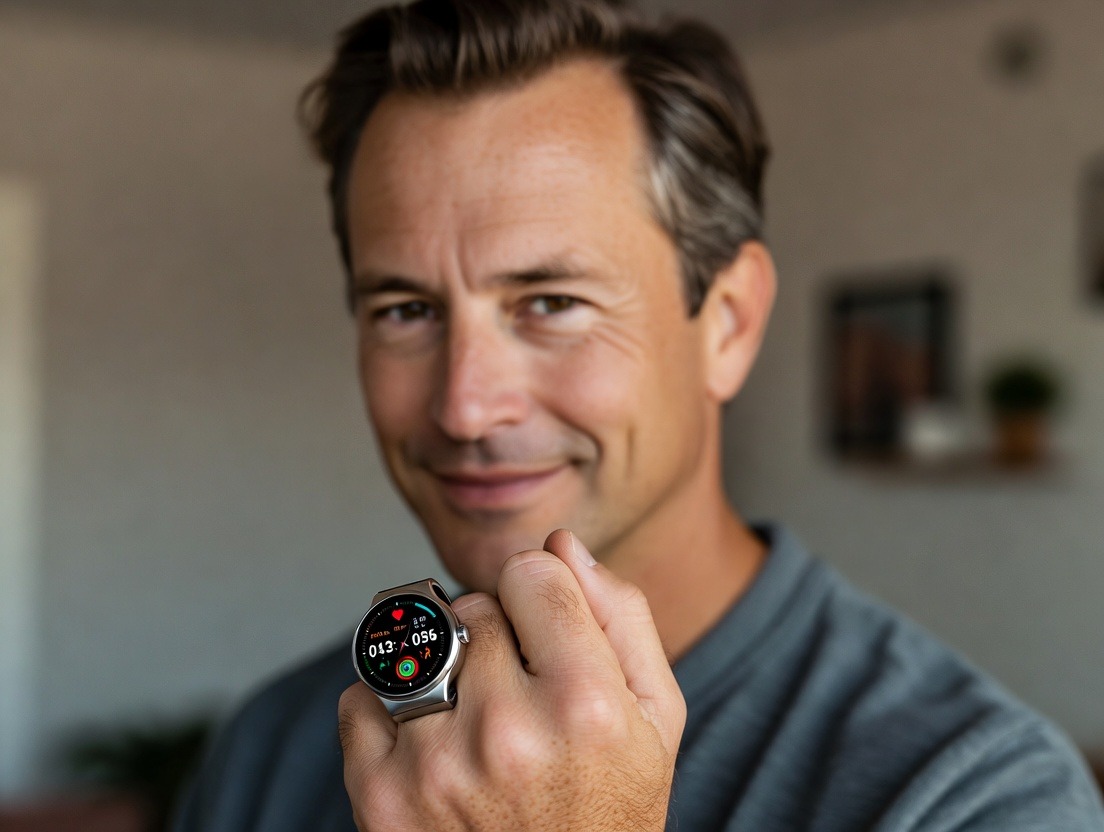
To appreciate HRV, you must first listen to your heart differently. Forget the steady lub-dub you learned in school. That’s the gross anatomy. The reality is a masterpiece of subtle timing. Imagine a skilled musician playing a steady rhythm on a drum. Even if they aim for perfect intervals, the actual milliseconds between beats will vary minutely—a reflection of their breath, their focus, their connection to the music. Your heart is that musician, and your brain and body are the conductors.
Technically, HRV is the measure of the fluctuation in time intervals between successive heartbeats, known as R-R intervals. These intervals are controlled by your autonomic nervous system (ANS), the unconscious regulatory network that governs everything from digestion to stress response. The ANS has two primary branches in a constant, dynamic tug-of-war:
A high HRV indicates a robust, balanced ANS. It means your body can swiftly and efficiently switch between drive and recovery, between expending energy and restoring it. You are adaptable. A low HRV suggests the SNS is dominant or the PNS is impaired—your system is stuck in a state of high alert or is simply unable to recover effectively. It's a sign of static strain.
Your smart ring, through its photoplethysmography (PPG) sensors, detects the pulse of blood volume in your capillaries thousands of times a night. Advanced algorithms then parse this data to calculate your HRV, most accurately during sleep when external "noise" is minimized. This nightly reading becomes your baseline, a pure signal of your body's internal state, free from the day's temporary distractions. Understanding this number is the first step, and you can learn to read your smart ring health metrics like a doctor to fully grasp its clinical significance.
While HRV is famously a marker of stress, that label sells it short. It is, in truth, a holistic dashboard reflecting the integrated health of multiple systems. Think of it as the central readout for your body's operational efficiency.
Metabolic Health: Research consistently links low HRV to insulin resistance and metabolic syndrome. A flexible nervous system supports efficient glucose metabolism and energy utilization. When HRV is chronically low, it can be an early warning sign of metabolic dysregulation, long before blood tests show significant changes.
Cardiovascular Resilience: HRV is a powerful predictor of cardiovascular health. Reduced variability is associated with a higher risk of hypertension, atherosclerosis, and adverse cardiac events. It reflects the heart's ability to respond to the ever-changing demands of the circulatory system.
Immune Function: Your nervous system and immune system are in constant dialogue. A high HRV, indicative of strong parasympathetic tone, is linked to a more regulated inflammatory response and robust immune surveillance. When you're fighting an infection, you'll often see your HRV plummet as resources are diverted—a clear sign your body is under internal siege.
Cognitive and Emotional Regulation: The brain-heart connection is bidirectional. A balanced ANS supports prefrontal cortex function—the area responsible for executive function, focus, and emotional control. High HRV is correlated with better stress resilience, emotional stability, and even greater cognitive flexibility. Conversely, anxiety and depression often manifest with lowered HRV.
Your smart ring, by tracking HRV alongside other metrics like resting heart rate and respiration rate, provides a multidimensional picture. For instance, a low HRV coupled with a high resting heart rate and elevated nighttime body temperature paints a clear picture of systemic stress or an oncoming illness. This interconnected view is what transforms data into actionable insight, allowing you to see how your lifestyle directly impacts your biological bedrock.
One of the most common and frustrating mistakes in HRV tracking is comparison. Seeing a friend post a "score" of 100 ms while yours averages 45 ms can be disheartening. This is fundamentally misguided. HRV is profoundly personal. A "good" HRV is one that is optimal for you.
Individual HRV is influenced by a constellation of fixed and modifiable factors:
Therefore, the golden rule is: Track your own trend, not someone else's absolute value. Your smart ring's true power lies in establishing your baseline range over weeks of observation. What is your normal? From there, you watch for meaningful deviations.
A sustained drop of 20-30% from your personal baseline is a far more significant signal than whether your number is "above average." This drop is your body's whispered (or shouted) report that it is struggling to maintain equilibrium. It could be from overtraining, poor sleep, emotional stress, dehydration, or dietary inflammation. The ring alerts you to the state, and you become the detective for the cause. This personalized approach is at the core of using a wellness ring for multi-decade health planning, where long-term trends matter infinitely more than daily scores.
Daytime HRV measurements can be useful for tracking acute responses, but they are inherently noisy. A challenging work email, a cup of coffee, a brisk walk—all can cause moment-to-moment fluctuations. For a true, uncontaminated reading of your autonomic baseline, sleep is the laboratory.
During deep, non-REM sleep, your body enters its most potent state of physical restoration. The parasympathetic nervous system is dominant, orchestrating repair, memory consolidation, and metabolic regulation. Measuring HRV during this window, particularly the latter part of the night, provides the clearest snapshot of your recovery capacity and systemic resilience.
Your smart ring leverages this perfectly. While you are unconscious, it collects thousands of data points. Advanced algorithms then filter out movement artifacts and stage your sleep, isolating your HRV during your most stable, restorative periods. This results in a single, powerful number each morning: your Sleep HRV or Nightly Average HRV.
This number tells you not just if you slept, but how effectively your body used that sleep for repair. You can log eight hours in bed, but if your nightly HRV is crushed, it indicates your sleep quality was poor or your body is battling underlying stress (from illness, digestion, or psychological load) that even sleep couldn't fully resolve. It’s a deeper layer of insight beyond simple duration, connecting directly to your sleep stages and overall sleep quality scores. By prioritizing habits that boost your nighttime HRV—like consistent bedtimes, a dark/cool room, and avoiding late meals/alcohol—you are investing directly in your foundational vitality.
Stress is not an abstraction; it is a measurable physiological event. When your brain perceives a threat (be it a looming deadline, a financial worry, or an argument), it triggers a cascade of hormones like cortisol and adrenaline. This SNS activation prepares your body for action: heart rate increases, blood vessels constrict, and—critically—your heart rate variability decreases.
Your smart ring’s HRV acts as an objective stress compass. It translates subjective feelings of being "overwhelmed" or "wired" into a concrete biological metric. This is revolutionary for two reasons:
By tracking your HRV trends, you can start to connect the dots. Does your HRV dip every Sunday night? (Anticipatory work stress.) Does it plummet after certain social interactions or news consumption? (Emotional or psychological stress.) Does it fail to recover after a week of intense cognitive work, even without physical training? (Mental fatigue.)
Armed with this knowledge, you can use your HRV to test the efficacy of your stress-management techniques. After a 20-minute meditation, does your HRV show a calming response? Does a nature walk or a digital detox day lead to a measurable rebound? This turns wellness from a guessing game into a science, helping you balance discipline with flexibility in your approach based on real-time biological feedback.
For athletes and fitness enthusiasts, HRV has moved from a niche biohacking tool to a central pillar of intelligent training. The principle is simple yet profound: you get fitter during recovery, not during the workout itself. Training provides the stimulus; adaptation happens during rest. If you interrupt recovery with another intense stimulus, you erode gains and risk overtraining.
HRV-guided training flips the traditional, calendar-based plan on its head. Instead of training Monday, Wednesday, Friday regardless of how you feel, you let your body's readiness dictate the session.
Here’s how it works with your smart ring:
This practice, known as auto-regulation, prevents the boom-bust cycles of overtraining and injury. It respects the fact that recovery is influenced by more than just yesterday's workout—sleep, life stress, nutrition, and menstrual cycle (for women) all contribute. By honoring your HRV data, you accumulate quality training when your body can best absorb it and prioritize restoration when needed. This leads to more consistent progress and a longer, healthier athletic lifespan. It's a key strategy to maximize your healthspan through intelligent exertion.
You are not just what you eat; your HRV reflects what you eat. Every meal is a metabolic event that your autonomic nervous system must manage. The digestion, absorption, and processing of nutrients—especially the inflammatory potential of foods—directly impact your nervous system balance.
Observations from consistent HRV tracking reveal powerful patterns:
Your smart ring turns your body into a real-time biofeedback lab for nutrition. By noting your HRV response after different meals, you can begin to identify which foods are truly nourishing for your system and which are depleting. This moves you from dogmatic dieting to personalized, evidence-based eating. It helps answer questions like: Does my body thrive on higher fats or higher carbs? Is that nightly glass of wine really "relaxing," or is it crushing my overnight recovery metrics? This data-driven approach is a cornerstone of creating a proactive, lifelong health strategy.

The autonomic nervous system and the endocrine system are inseparable dance partners. Fluctuations in key hormones have a direct and pronounced effect on HRV, offering a non-invasive window into your hormonal landscape.
The Cortisol Rhythm: Cortisol, your primary stress hormone, should follow a diurnal rhythm—high in the morning to help you wake, tapering throughout the day, and low at night. Chronic stress flattens this rhythm, leading to elevated evening cortisol, which directly suppresses parasympathetic activity and lowers nighttime HRV. Tracking your HRV can be an indirect monitor of your HPA-axis (stress-axis) health.
The Menstrual Cycle: For women, HRV demonstrates a clear, physiological pattern across the menstrual cycle, driven by estrogen and progesterone.
Thyroid Function: Both hyperthyroidism and hypothyroidism can disrupt autonomic balance and manifest as abnormal HRV patterns, often alongside other ring metrics like resting heart rate and body temperature.
By observing HRV trends in the context of these cycles, you move from fighting your physiology to flowing with it. Your smart ring data helps you distinguish between a pathological low HRV and a natural, cyclical dip, empowering you to adjust your self-care accordingly. This nuanced understanding is vital for any 50-year wellness blueprint that accounts for the changing hormonal landscape of a lifetime.
Perhaps the most compelling aspect of HRV is its predictive power. It is not just a snapshot of today's vitality; it is a leading indicator of tomorrow's health. Epidemiological studies have consistently shown that low HRV is a significant independent predictor of all-cause mortality and future cardiovascular events.
Think of HRV as the "canary in the coal mine" of your systemic health. Its decline often precedes the clinical diagnosis of disease by years. A gradually descending HRV trend line can signal the slow accumulation of lifestyle-induced wear and tear—the very process that leads to chronic disease and frailty.
This is where daily tracking transforms into strategic health investment. By using your smart ring to monitor and actively support your HRV, you are not just optimizing for tomorrow's workout or next week's energy. You are engaging in a powerful form of preventive medicine. You are building resilience capital.
Every night of good sleep that boosts HRV, every managed stress response, every nutritious meal, and every appropriate bout of exercise is a deposit into this biological bank account. Over months and years, a higher average HRV reflects a system that is more robust, more adaptable, and more resistant to the insults of time and disease. This proactive, data-informed approach is the essence of working to prevent frailty in old age by building strength and resilience decades in advance. Your ring provides the feedback loop to ensure your daily choices are aligned with this long-term vision.
Understanding your HRV is the first step; improving it is the ultimate goal. This isn't about chasing a number, but about cultivating the lifestyle that naturally produces a high-vitality physiology. Based on the pillars that most influence autonomic balance, here is a practical, actionable framework.
1. Prioritize Sleep as Non-Negotiable Foundation: Sleep is the most potent HRV booster. Aim for 7-9 hours of quality, uninterrupted sleep. Use your ring data to optimize your sleep environment (cool, dark, quiet) and schedule (consistent bedtime/wake time, even on weekends). Notice how alcohol, late caffeine, and screen time before bed affect your Sleep HRV, not just your sleep duration.
2. Master Your Stress Response: Incorporate daily practices that actively stimulate the parasympathetic nervous system.
* Controlled Breathing: Practices like box breathing (4-second inhale, 4-second hold, 4-second exhale, 4-second hold) or prolonged exhales can increase HRV almost instantly.
* Mindfulness & Meditation: Even 10-15 minutes daily can strengthen vagal tone and improve your HRV baseline over time.
* Nature Immersion: "Forest bathing" and time in green spaces have been shown to lower stress hormones and boost HRV.
3. Apply Intelligent Movement: Exercise is a double-edged sword—it stresses the system to build resilience, but requires recovery.
* Follow HRV-guided training principles as discussed.
* Don't neglect low-intensity steady-state (LISS) cardio, like walking, which is profoundly beneficial for metabolic and autonomic health without the recovery cost.
* Incorporate regular mobility and flexibility work to reduce musculoskeletal stress.
4. Nourish for Stability: Adopt an anti-inflammatory, nutrient-dense dietary pattern.
* Hydrate consistently throughout the day.
* Experiment with meal timing; for many, an earlier dinner (3+ hours before bed) improves overnight HRV.
* Use your ring to identify potential food sensitivities by noting HRV dips after meals.
5. Cultivate Connection and Purpose: Loneliness and lack of purpose are profound stressors. Strong social bonds, meaningful work, and acts of gratitude have all been linked to better autonomic function and higher HRV.
The key is consistency and self-experimentation. Your smart ring is your guide. Implement one change at a time—like adding a breathing exercise for two weeks—and observe the trend in your HRV dashboard. This process of testing, learning, and adapting is how you turn raw metrics into genuine health insights and actions.
The conversation around HRV often centers on physical readiness, but its most immediate and profound impact for many is on the landscape of the mind. Your heart’s rhythm is not just a physiological metric; it is a live feed into your emotional and cognitive state. This connection forms a powerful feedback loop where physiology influences psychology, and psychology, in turn, reshapes physiology.
Emotional Granularity and Regulation: High HRV is strongly associated with emotional intelligence—specifically, the ability to recognize, process, and regulate emotions effectively. The prefrontal cortex (PFC), the brain's executive control center, requires a calm, regulated physiological state to function optimally. When the SNS is dominant (low HRV), the amygdala (the fear center) becomes more active, and its connection to the PFC is weakened. This is the neurobiological basis of being "hijacked" by emotion—reacting impulsively out of anger, anxiety, or overwhelm.
Conversely, a higher HRV reflects a state where the PFC can maintain its inhibitory control over the amygdala. You gain what neuroscientists call a "longer fuse." You can feel frustration but choose a measured response. You experience anxiety but can cognitively reframe the situation. Your smart ring, by showing a low HRV, can serve as an early-warning system that your emotional regulation capacity is currently depleted. It’s a cue to pause, breathe, and engage a calming practice before reacting—essentially using a physiological signal to trigger a psychological intervention.
Cognitive Performance and Flow States: The link between HRV and cognitive function is equally compelling. Tasks requiring focus, working memory, decision-making, and creative problem-solving all benefit from a balanced autonomic state. Research shows that higher baseline HRV correlates with better performance on cognitive tests and greater resilience in high-pressure situations.
Furthermore, the state of "flow"—that immersive, timeless zone of peak performance—is characterized by a specific physiological signature. Contrary to the excitement often associated with it, flow states are marked by a calm, focused physiology: a moderate, steady heart rate with high coherence, a related measure of heart rhythm orderliness that often accompanies high HRV. By tracking your HRV, you can identify the conditions (time of day, stress level, activity type) under which your nervous system is primed for deep focus. You can then deliberately cultivate those conditions for important cognitive work, learning to harness your biology for mental performance in the same way an athlete does for physical performance. This precision approach to mental fitness is a key component of modern wellness, detailed further in our article on how health metrics correlate with quality of life.
In our pursuit of vitality, we often fall into the trap of thinking that if some recovery is good, more must be better. However, the relationship between rest and HRV reveals a more nuanced truth: recovery has a Goldilocks zone—not too little, not too much, but just right. This creates what we term the "Recovery Paradox."
The Pitfalls of Under-Recovery: This is the most common and understood scenario. Insufficient sleep, relentless training without breaks, and chronic stress lead to a suppressed, low HRV. The SNS is chronically active, the PNS is unable to gain traction, and the system is in a state of perpetual drain. Your ring’s readiness score will be persistently low, and the path forward is clear: prioritize rest, dial back intensity, and manage stress.
The Surprising Challenge of Over-Recovery: Less discussed is that excessive, passive recovery can also dampen HRV. The autonomic nervous system thrives on appropriate challenge—it is a "use it or lose it" system. Prolonged inactivity, such as days spent entirely sedentary or in bed while not ill, can lead to a decrease in parasympathetic tone. Your body adapts to the extremely low demand, and HRV can actually drift downward. The rhythm becomes not the dynamic, responsive signature of vitality, but a flat, unvarying line of stagnation.
Finding the "Sweet Spot": Optimal recovery, as reflected in a robust and responsive HRV, is active and dynamic. It includes:
Your smart ring helps you navigate this paradox. A readiness score that remains low after several days of full rest might be telling you it’s time for some gentle movement, not more couch time. It teaches you that recovery is an active process of restoration, not merely the absence of stress. This nuanced understanding is essential for interpreting the recovery and readiness scores your ring provides, moving beyond a simple "good/bad" binary.
Your autonomic nervous system is exquisitely sensitive to its environment. Beyond food and exercise, the physical and sensory world you inhabit daily sends constant signals that directly modulate your HRV. Tuning into these environmental factors allows you to craft a "vitality-supportive" ecosystem.
Light: The Master Zeitgeber: Light exposure is the most powerful cue for your circadian rhythm, which in turn governs your autonomic rhythm. Morning sunlight viewing (without sunglasses) signals your body to suppress melatonin, boost cortisol appropriately, and set a clear day/night cycle. This synchronizes your physiology, leading to higher daytime energy and more robust nighttime recovery, reflected in a stronger HRV rhythm. Conversely, blue light exposure from screens in the evening confuses this signal, delaying melatonin, disrupting sleep architecture, and blunting overnight HRV recovery.
Temperature: A Thermal Workout: Both external and internal temperature play a role. A cool sleeping environment (around 65-68°F or 18-20°C) is critical for initiating and maintaining deep sleep, the phase most associated with HRV elevation. On the other hand, deliberate exposure to thermal variation—like finishing a hot shower with a 30-60 second cold blast—is a potent autonomic workout. The acute cold stress strongly activates the SNS, followed by a powerful parasympathetic rebound, often leading to a significant, sustained increase in HRV. This practice of "hormetic stress" trains your nervous system's resilience.
Noise and Chaos: Chronic exposure to low-level noise pollution (traffic, office din) or visual clutter is a subtle but persistent stressor. It keeps the brain's attentional networks and the SNS slightly engaged, even subconsciously, making deep relaxation more difficult. Creating periods of true silence or listening to nature sounds can lower cortisol and foster a state conducive to higher HRV.
Nature and Biophilia: The "biophilia hypothesis" suggests humans have an innate tendency to seek connections with nature. Studies show that even short exposures to green spaces lower cortisol, blood pressure, and heart rate, while increasing HRV. The mechanisms are likely a combination of fresh air, phytoncides (airborne chemicals from plants), fractal patterns in nature, and a mental shift away from directed attention.
By using your smart ring's HRV as a biofeedback tool, you can experiment with these environmental levers. Does wearing blue-light blocking glasses after sunset improve your sleep HRV? Does a 10-minute walk in a park during your lunch break positively impact your afternoon readings? This empowers you to become an architect of your daily environment for optimal nervous system function, a principle explored in depth in our piece on health metrics and personalizing your time.
Human connection is not a psychological luxury; it is a biological imperative. The quality of our social bonds is written directly into our autonomic nervous system, with HRV serving as a sensitive barometer. This "social synapse" reveals that our interactions are a form of physiological regulation.
The Coherence of Connection: Positive, supportive social interactions—characterized by trust, empathy, and laughter—tend to increase HRV and promote heart rhythm coherence. This is the physiology of "feeling seen and safe." When we connect authentically, it downregulates threat responses and upregulates the PNS. Studies have shown that even holding hands with a loved one can buffer cardiovascular stress responses. In this state, our biological systems are in sync, fostering both individual and relational well-being.
The Toxicity of Conflict and Loneliness: Conversely, social threats—hostility, criticism, rejection—are processed by the brain similarly to physical threats. They trigger strong SNS activation, cortisol release, and a consequent drop in HRV. Chronic marital conflict, a toxic work environment, or persistent social anxiety can maintain the ANS in a defensive, low-variability state.
Perhaps more insidious than acute conflict is chronic loneliness. It is not merely an emotional state but a recognized health risk, associated with inflammation, impaired immunity, and cardiovascular disease. From an autonomic perspective, loneliness represents a persistent state of hypervigilance—the nervous system is constantly scanning for social threat without the soothing balm of connection. This chronically elevates SNS tone and suppresses HRV.
Your smart ring data can make this invisible dynamic visible. You might notice your HRV is consistently higher on days spent with close friends or after a meaningful conversation with a partner. It might be persistently lower during periods of isolation or after tense interactions. This data isn't meant to make you avoid conflict, but to highlight the real physiological cost of negative social dynamics and the profound restorative value of positive ones. It encourages you to invest in relationships that foster coherence and to manage the stress of necessary conflicts with intention and repair. Understanding these deep connections is part of a holistic strategy for creating a lasting family health legacy, where social and emotional health are recognized as pillars of biological vitality.
While the ideal is a stable, high HRV trending gently upward over time, real life is a series of perturbations. The value of tracking lies in learning to interpret these fluctuations—not to panic at every dip, but to understand their language. Here is a guide to common HRV patterns and their likely meanings.
The "Training Dip" (Expected & Healthy):
The "Illness Plunge" (A Clear Warning):
The "Stress Plateau" (Chronic Drain):
The "Hangover Cliff" (Lifestyle-Induced):
The "Random Volatility" (Potential Measurement Issue):

This brings us to the highest-order application of HRV data: using it not just to manage today, but to strategically invest in the vitality of your future self. Your nightly HRV is a daily deposit—or withdrawal—from your resilience bank account. The long-term trend line is your financial statement.
Establishing Your Decade Baseline: The first step is to establish a multi-year baseline. A single year of data is informative, but seeing how your HRV changes from your 30s to your 40s, or 40s to 50s, provides unparalleled insight into your personal aging trajectory. Is your decline gradual and gentle, or is it steep? This trend is more personally relevant than any population-based biomarker.
Identifying Intervention Points: With this long-term view, you can identify concerning trends early. A steady, multi-month downward drift in your baseline, independent of acute stressors, is a critical red flag. It’s a sign that your current lifestyle equilibrium is no longer supporting your autonomic health. This is the moment for a proactive "lifestyle overhaul"—consulting a professional, changing your training regimen, or deeply addressing stress—rather than waiting for a diagnosable condition to appear.
Testing Lifestyle Investments: Every significant lifestyle change can be viewed as an experiment for your future self. Starting a consistent meditation practice, shifting to a Mediterranean-style diet, taking up regular sauna use, or improving your sleep hygiene—these are all "interventions" whose long-term ROI can be tracked through your HRV trend. A positive, sustained upward shift in your baseline after such a change is direct, personalized evidence that this action is building your resilience capital.
The Ultimate Goal: Flattening the Curve: While an age-related decline in HRV is normal, the slope of that decline is not fixed. The goal of proactive healthspan planning is to "flatten the curve"—to maintain a higher average HRV for longer, delaying the steep descent associated with frailty and loss of resilience. Your smart ring provides the continuous feedback to know if your daily choices are achieving this.
This forward-looking, data-informed approach transforms health from a reactive game of treating problems to a proactive practice of cultivating potential. It aligns perfectly with the concept of using your wearable data for precise, personalized wellness planning. By listening to the subtle language of your heart's variability today, you gain the power to write a stronger, more vibrant story for your decades to come.
HRV never exists in a vacuum. It is the conductor of a complex orchestra of physiological metrics, each instrument playing its part in the symphony of your vitality. Your smart ring’s true power lies in its ability to capture this ensemble performance in real-time. Understanding the interplay between HRV and other key metrics transforms isolated data points into a coherent story of your systemic state.
HRV & Resting Heart Rate (RHR): The Fundamental Duet. These two are the primary indicators of autonomic balance, but they tell different parts of the same story. RHR is about the speed of the engine; HRV is about the fine-tuning of its rhythm. Typically, they move inversely: when your body is recovered and parasympathetic tone is high, you’ll see a lower RHR and a higher HRV. When stressed or fatigued, RHR creeps up and HRV drops. A simultaneous spike in RHR and crash in HRV is one of the clearest signs of impending illness or severe overreaching. Tracking their relationship is foundational, and you can learn more about the meaning of resting heart rate in our dedicated explainer.
HRV & Sleep Metrics: The Nightly Dialogue. Your sleep HRV is deeply conversational with other sleep data. A high HRV is typically found nestled within a night of high sleep efficiency, sufficient deep sleep (N3), and strong REM sleep. Conversely, if your HRV is low despite logging 8 hours, examine your sleep stages. A lack of deep sleep suggests physical restoration is incomplete; disrupted REM can point to emotional or cognitive stress. Sleep latency (time to fall asleep) and wake-after-sleep-onset are also telling—high stress (low HRV) often manifests as difficulty falling or staying asleep. Viewing HRV in the context of your sleep efficiency and latency metrics provides a complete picture of your nocturnal recovery quality.
HRV & Body/Skin Temperature: The Thermal Signal. Nocturnal core body temperature dips are essential for initiating and maintaining deep sleep. An elevated nighttime temperature can disrupt sleep and suppress HRV, signaling everything from a brewing infection to hormonal fluctuations or a too-warm sleep environment. Skin temperature trends, especially for women, can indicate hormonal phase (progesterone raises it), but a persistent elevation paired with low HRV can indicate systemic inflammation or metabolic strain. The connection between temperature and autonomic function is a critical link, detailed in our article on body temperature and health signals.
HRV & Respiratory Rate (RR): The Breath-Brain Connection. This is a profound, often overlooked interaction. Your breathing pattern directly influences your autonomic state via the vagus nerve. Slow, diaphragmatic breathing (typically 4.5-6.5 breaths per minute) can instantly increase HRV by stimulating the PNS. Your ring’s nighttime respiratory rate is a stable biomarker; a sustained increase can be a sign of respiratory disturbance, anxiety, or cardiac stress. Observing how deliberate breathwork changes your real-time HRV is one of the most direct demonstrations of biofeedback available. Understanding your baseline respiration rate and its link to health completes this picture.
By learning to read these metrics not as separate numbers but as an interconnected system, you move from data observation to physiological interpretation. Your ring’s dashboard becomes a diagnostic cockpit, with HRV as the central gauge of system resilience, constantly informed by the readings from all other instruments.
Behind the simple number or graph on your app lies a world of sophisticated computation. Your smart ring’s raw PPG signal—a waveform of blood volume changes—undergoes a remarkable transformation to yield your HRV and, ultimately, a digestible "Readiness" or "Recovery" score. Understanding this process demystifies the results and builds trust in the guidance.
From Pulse to Interval: The Signal Processing Journey.
The Synthesis of the Readiness Score: Your HRV (likely rMSSD) is then not used in isolation. It is fed into a proprietary algorithm alongside other key nocturnal metrics:
The algorithm weighs these inputs, often using your own multi-week baseline as the reference point, to generate a single composite score. This is crucial: a low HRV might be offset by excellent sleep and a normal RHR, resulting in a middling readiness score. Conversely, a decent HRV paired with a high RHR and poor sleep might still yield a low score.
This algorithmic synthesis is what turns complex physiology into actionable guidance. It answers the question, "Given everything my body reported last night, how prepared is my system for stress today?" It simplifies without oversimplifying, as the underlying data remains available for those who wish to dive deeper. To appreciate the sophistication behind this, explore our breakdown of the algorithms that calculate your health metrics.
A static HRV does not exist. Your variability is a river, constantly shaped by the terrain of your life. Mapping your "Adaptation Atlas"—how your HRV responds to different, predictable phases and challenges—empowers you to navigate them with grace and strategy, rather than being blindsided by physiological shifts.
Lifecycle Transitions:
Training Cycles & Periodization:
Work & Cognitive Sprints: It’s not just physical stress that leaves a mark. A week of intense deadlines, creative projects, or exams can suppress HRV as effectively as hard training. This "cognitive load" pattern highlights the need for mental recovery. Your atlas should note that after a major project concludes, your physiology needs deliberate downtime—not just physical rest, but digital detox, nature time, and play—to restore autonomic balance.
By consciously observing and recording how your HRV responds to these different phases, you build a personal guidebook. You learn that a 10% dip during your luteal phase is normal for you, or that you need two full days of rest after a major work presentation. This turns your life into a series of informed experiments, moving from being a passenger to a skilled navigator of your own biology. This longitudinal mapping is the essence of using data for a multi-decade health plan.
Beyond foundational sleep, diet, and exercise, a suite of targeted practices can provide a direct "stimulus" to the autonomic nervous system, training it like a muscle for greater resilience. These are the tools for those who wish to actively engineer a higher HRV baseline.
1. Resonance Frequency Breathing (RFB): This is the most potent and precise breathing technique for HRV enhancement. It involves breathing at your individual resonance frequency—typically 4.5 to 6.5 breaths per minute for most adults—where the rhythms of your heart, blood pressure, and breathing synchronize to create maximal amplitude in your HRV. Practicing RFB for 10-20 minutes daily has been shown to significantly increase HRV and improve baroreflex sensitivity. Many biofeedback apps can help you find and practice your specific frequency.
2. Controlled Cold Exposure: As mentioned, cold showers, ice baths, or cold plunges create a sharp, acute sympathetic shock followed by a powerful and prolonged parasympathetic rebound. The adaptive response to repeated exposure is a strengthened vagal tone and a higher resting HRV. Consistency (e.g., 2-3 minutes at the end of a shower, 2-4 times per week) is key. The ring can vividly show the HRV spike in the hours and night following exposure.
3. HRV Biofeedback Training: This takes RFB a step further by using real-time visual or auditory feedback of your HRV (via a compatible sensor/app) to guide your breathing and mental state. You literally watch your HRV increase as you breathe calmly and focus on positive emotions. This trains the mind-body connection at a profound level, teaching you the specific internal state that generates coherence.
4. Humming, Singing, and Chanting: These activities naturally slow exhalation and create vibrations that directly stimulate the vagus nerve, which runs through the vocal cords and neck. Simple humming for 5-10 minutes can be a surprisingly effective way to induce calm and boost HRV.
5. Probiotics & Gut-Brain Axis Support: Emerging research suggests certain probiotic strains (like Lactobacillus and Bifidobacterium) can positively influence mood and stress response, potentially mediated through vagal pathways and reflected in improved HRV. Supporting a healthy gut microbiome through fermented foods and fiber may have indirect autonomic benefits.
Important Caveat: These are "stimulus" tools. Just like exercise, they require appropriate recovery. Bombarding a stressed system with daily ice baths and intense breathwork can be counterproductive. The goal is to use them thoughtfully, observing their impact on your ring’s metrics, particularly your nocturnal HRV and recovery score. They are meant to be part of a holistic strategy, not replacements for sleep or proper nutrition. For a deeper look at metrics that indicate your system's readiness for such stimuli, see our guide on stress and relaxation indicators.
In our quest for quantified vitality, we must guard against a modern pitfall: data worship. The smart ring is a brilliant advisor, but it is not an oracle. There will be times when the most advanced metric to consult is your own embodied sense—your intuition, your energy, your joy. This is the "Zone of Authenticity."
The Lag Time of Physiology: HRV, especially as a trend, is a lagging indicator. It tells you about the strain your body processed yesterday and the night before. There are moments when you need to make a decision today based on a feeling, not yesterday's data. You might wake up with a mediocre readiness score from a poor night's sleep, yet after a gentle morning walk and sunlight, you feel energized and clear-headed. Your body in the present moment is giving you a "green light" that the historical data hasn't yet captured.
The Metric of Meaning: Not all stress is equal. The nervous system response to a stressful but deeply meaningful event—giving a wedding toast, competing in a long-awaited race, working passionately on a project you love—is physiologically different from the response to chronic, draining drudgery. The former can be "eustress," which, while it may temporarily lower HRV, is associated with growth and fulfillment. Your ring will show the dip, but only you can assign the value. Sometimes, a depressed HRV in service of a profound life experience is a worthwhile trade, as long as it's followed by intentional recovery.
The Risk of Anxiety Amplification: For some, constant tracking can breed anxiety—"score obsession." Checking the app first thing in the morning and letting a low number dictate your mood and self-worth is counterproductive. It creates a secondary layer of psychological stress about your physiology, which can further suppress HRV. This is the opposite of the intended effect.
Cultivating a Wise Partnership: The solution is to cultivate a partnership with your data, not a dependency. Use the ring to:
Then, learn to set it aside. Practice checking in with your body directly: How is your energy? Your focus? Your sense of calm? If the subjective feeling and objective data are in conflict, pause. Sometimes, you proceed with caution based on the data. Other times, you trust the feeling and use the subsequent data to learn more about your unique responses. This balanced approach is fundamental to sustainable wellness and is a theme in strategies for lifelong health mastery.
The proliferation of consumer wearables is quietly sparking a revolution in proactive and personalized medicine. Forward-thinking clinicians are no longer dismissing smart ring data as "fitness tracking"; they are beginning to incorporate it as a valuable source of continuous, real-world physiological data—a form of "daily life telemetry."
Pre-Consultation Insights: A patient can now share weeks or months of trend data—HRV, RHR, sleep, activity—before an appointment. This provides the clinician with a window into the patient's life that goes far beyond a snapshot blood test or a subjective recounting of symptoms. A trend of gradually declining HRV and rising RHR can corroborate reports of fatigue and point to adrenal dysfunction, subclinical inflammation, or escalating stress long before pathology appears on standard tests.
Remote Patient Monitoring (RPM) & Post-Op Recovery: For patients recovering from surgery or managing chronic conditions like heart failure, HRV is a critical indicator. A smart ring can provide continuous, passive monitoring outside the clinic. A sustained drop in a patient's HRV post-discharge could be an early warning of infection or complication, prompting a timely check-in. This enables more dynamic, responsive care.
Mental Health Support: In psychiatry and therapy, objective biomarkers are scarce. HRV data offers a tangible way to track the physiological impact of mental health interventions. A therapist can see if a patient's HRV improves alongside cognitive behavioral therapy (CBT) or in response to a new medication. It can also help patients recognize the somatic signs of anxiety (low HRV) and validate the effectiveness of their coping techniques. The predictive potential of this is explored in how health metrics can predict mental health changes.
Motivation & Adherence: For lifestyle medicine, data is a powerful motivator. When a patient sees their HRV climb after a month of consistent sleep hygiene or drop after a week of poor diet, it provides objective proof that their choices matter. This "quantified self" feedback loop can drive adherence better than abstract advice.
Challenges and the Future: This integration is not without hurdles. Data standardization, validation of consumer-grade sensors for clinical use, and clinician education are ongoing challenges. However, the trajectory is clear. The future of medicine includes a "digital biomarker" panel from devices like smart rings, complementing traditional lab work. For this to work effectively, patients need to understand their data, which is why resources on how to share smart ring data with doctors are becoming increasingly important. This partnership between personal tracking and professional interpretation heralds a new era of collaborative, preventive healthcare.
The journey through HRV is more than a lesson in physiology; it is a masterclass in a fundamental principle of life: optimal health and vitality exist not in rigidity, but in adaptive variability. This philosophy, reflected in the beat of your heart, can become a guiding principle for your entire approach to wellness.
The Wisdom of Non-Attachment to a Single State: A healthy heart does not cling to a single, perfect interval. It embraces the dynamic dance between acceleration and deceleration. Similarly, a resilient life is not one of constant peak performance or unbroken calm. It is the capacity to move fluidly between states of high energy expenditure and deep recovery, between focused effort and playful release, between social engagement and solitary reflection. A chronically high HRV that never dips might indicate a lack of meaningful challenge, just as a life devoid of stress is a life devoid of growth. The goal is the capacity to vary, not to remain static at any point.
Resilience Over Robustness: A rigid system (low variability) may seem strong but shatters under unexpected pressure. A resilient system (high variability) bends, absorbs shock, and returns to center. Your HRV is a direct measure of this physiological resilience. By cultivating it, you are not building an impenetrable wall against life's stressors; you are developing a flexible, agile system that can navigate, learn from, and be strengthened by them. This reframes "stress management" from avoidance to skilled navigation.
The Symphony of the Self: Just as HRV is the conductor harmonizing the instruments of your physiology (heart rate, breath, temperature), you are the conductor of your life's domains: physical, mental, emotional, social, and spiritual. High life-force vitality emerges when these domains are not in conflict but are allowed to vary in priority, creating a coherent, adaptable whole. A period of intense career focus (a dip in social "variability") is sustainable if followed by reinvestment in relationships. This philosophical lens turns your smart ring from a simple tracker into a mirror reflecting your holistic capacity for adaptive living. It aligns with the profound goal of using data not for compartmentalized optimization, but for creating a cohesive, lifelong health legacy.
In our enthusiasm for quantified self, we must cultivate data literacy—which includes understanding the limits of our tools. Your smart ring is a technological marvel, but it is not a medical device, and HRV, while profound, is not a omnipotent crystal ball. Acknowledging "the dark data" prevents misinterpretation and magical thinking.
The Specificity Problem: A low HRV tells you your autonomic nervous system is under strain. It does not tell you why. The "why" could be overtraining, emotional grief, a latent virus, financial anxiety, poor air quality, or an inflammatory meal. The ring provides the urgent alert: "System compromise detected." You must be the diagnostician, using context and other symptoms to identify the root cause. It is a signal, not a diagnosis.
The Individual Baseline Enigma: While we stress personal baselines, establishing a true, optimal "normal" is complex. Your baseline can shift with long-term lifestyle changes, age, and season. The ring shows you your current normal, but discerning if that normal is optimal for you requires correlation with your subjective sense of vitality. You might adapt to a lower HRV baseline under a demanding but fulfilling life chapter; the data alone cannot judge if that trade-off is "good" or "bad."
Missing Biochemical Context: HRV is a functional metric of the nervous system. It is influenced by, but does not directly measure, key biochemical factors like vitamin D status, magnesium levels, thyroid hormone function, or sex hormone profiles. A persistent low HRV could be driven by a subclinical nutrient deficiency that the ring cannot see. It is a powerful piece of the puzzle, but must be integrated with other health information, including metrics that a doctor would review with you.
The Emotional Valence Blind Spot: As mentioned, the ring measures autonomic arousal, not the emotional quality of that arousal. The same low HRV reading could stem from paralyzing fear or breathless excitement. It records the physiological intensity, but you must provide the narrative. This is where the "Zone of Authenticity" is critical—the data quantifies the storm, but only you can describe its nature.
Sensor and Algorithmic Limits: PPG sensors on rings are excellent for nocturnal, resting measurements but can be less reliable during high-motion activities or for those with poor peripheral circulation. Algorithms that synthesize readiness scores are proprietary models—effective generalizations that may not perfectly capture your unique physiology in every edge case.
Understanding these limits is not a criticism; it is the mark of a sophisticated user. It positions your smart ring as an incredibly insightful guide and early-warning system, not an omniscient authority. This realistic perspective ensures you use the technology to empower your intuition and professional healthcare, not replace them.
The ultimate value of tracking HRV is not in the daily check-in, but in the ritual of reflection it can inspire. Without conscious review, data is just noise. By building a simple, sustainable practice of weekly or monthly reflection, you transform information into wisdom and numbers into narrative.
The Weekly Review (10-15 minutes):
The Monthly Insight (20-30 minutes):
The Quarterly Retrospective: Every 3-4 months, step back further. How has your baseline changed across a season? Are you responding better to stress? Is the long-term trend aligning with your healthspan goals? This is where you connect daily rituals to your 50-year wellness blueprint.
This ritual moves you from being a passive data collector to an active sense-maker. The ring provides the objective report; your reflection provides the meaning. This practice ensures the technology serves you and your unique life context, preventing the tail from wagging the dog. It is the essential bridge between having data and cultivating genuine self-knowledge.
As we reach the culmination of this exploration, the focus expands outward. The intimate knowledge of your own HRV and life force is not an end in itself. It is the foundational practice for contributing to something larger: a legacy of vitality that extends beyond the self.
Informed Advocacy for Your Health: Armed with a deep understanding of your physiology and trends, you become a empowered partner in your medical care. You can walk into a doctor's office not just with symptoms, but with data—demonstrating patterns of sleep disruption, stress responses, or recovery challenges. This facilitates more productive, precise conversations and collaborative decision-making.
Modeling for Your Circle: When you embody the principles of listening to your body, respecting recovery, and managing energy, you become a quiet model for family, friends, and colleagues. Sharing not just your scores, but the philosophy of adaptive resilience and self-awareness, can inspire others to take a more proactive, kind approach to their own well-being. It’s about demonstrating that health is a dynamic practice, not a static achievement.
The Ripple of Systemic Health: On a societal level, the widespread adoption of tools that promote self-awareness and prevention has the potential to shift our collective health paradigm. A population more attuned to its stress signals and recovery needs is a population less likely to reach the point of chronic disease burnout. This proactive, personalized approach to vitality is the antithesis of a sick-care system. It represents a move toward cultivating health as a form of personal and collective capital.
Your smart ring, therefore, becomes more than a personal gadget. It is a tool for a quiet revolution—one that begins with the millisecond intervals of your own heartbeat and radiates outward into the choices you make, the conversations you have, and the life you design. It supports a vision where technology fosters not dependency, but deeper human connection to our own biology and to each other, in pursuit of a longer, healthier, more vibrant life for all. This is the ultimate promise of turning data into a proactive, lifelong health strategy.
We began by seeking a modern measure for the ancient concept of "life force." We found it not in a single, dramatic number, but in the subtle, ever-changing spaces between heartbeats. Heart Rate Variability, as revealed by your smart ring, is that measure—a continuous, intimate conversation between your conscious life and the ancient, autonomic wisdom of your body.
This journey has taken us from the microscopic timing of nervous system impulses to the macroscopic planning of a healthspan legacy. We've seen how HRV connects the food on your plate to the quality of your sleep, the stress of your workday to the strength of your immune system, the depth of your breath to the agility of your mind. It is the unifying thread in the complex tapestry of your well-being.
The most important lesson is this: You are both the student and the author of this conversation. Your ring provides the feedback—the honest, unfiltered report of your body's current state. But you provide the meaning, the context, and the action. You learn its language—the dip that says "rest," the rise that says "thrive," the trend that whispers of a future needing attention.
Do not chase an arbitrary score. Instead, cultivate the conditions—through sleep, nourishment, movement, connection, and purpose—that allow your own unique variability to flourish. Use the data not as a judge, but as a compass. Let it guide you toward greater resilience, deeper recovery, and more sustainable energy.
In the end, your vitality is not a destination to be reached, but a rhythm to be practiced. It is the dynamic, variable, beautiful rhythm of a heart—and a life—fully engaged with the present moment, yet wisely investing in all the moments to come. Your smart ring is merely the tool that helps you listen, learn, and ultimately, dance to that rhythm with greater awareness and grace than ever before.
Your Trusted Sleep Advocate: Sleep Foundation — https://www.sleepfoundation.org
Discover a digital archive of scholarly articles: NIH — https://www.ncbi.nlm.nih.gov/
39 million citations for biomedical literature :PubMed — https://pubmed.ncbi.nlm.nih.gov/
Experts at Harvard Health Publishing covering a variety of health topics — https://www.health.harvard.edu/blog/
Every life deserves world class care :Cleveland Clinic - https://my.clevelandclinic.org/health
Wearable technology and the future of predictive health monitoring :MIT Technology Review — https://www.technologyreview.com/
Dedicated to the well-being of all people and guided by science :World Health Organization — https://www.who.int/news-room/
Psychological science and knowledge to benefit society and improve lives. :APA — https://www.apa.org/monitor/
Cutting-edge insights on human longevity and peak performance:
Lifespan Research — https://www.lifespan.io/
Global authority on exercise physiology, sports performance, and human recovery:
American College of Sports Medicine — https://www.acsm.org/
Neuroscience-driven guidance for better focus, sleep, and mental clarity:
Stanford Human Performance Lab — https://humanperformance.stanford.edu/
Evidence-based psychology and mind–body wellness resources:
Mayo Clinic — https://www.mayoclinic.org/healthy-lifestyle/
Data-backed research on emotional wellbeing, stress biology, and resilience:
American Institute of Stress — https://www.stress.org/


