


How Your Wellness Ring Enables Proactive Lifelong Health
How your wellness ring enables proactive health management for life.
How your wellness ring enables proactive health management for life.
%402x.svg)
For centuries, the pursuit of health was reactive. You waited for a symptom—a cough, a pang, a persistent fatigue—and then sought a cure. Medicine was a fortress to be stormed only when illness breached the walls. Today, a quiet revolution is happening not in a doctor’s office or a laboratory, but on your finger. The modern wellness ring represents a fundamental paradigm shift: from reactive sickness care to proactive, data-driven, lifelong health creation.
This is not merely about counting steps. The latest generation of sophisticated wearables, like the Oxyzen ring, integrates a suite of clinical-grade sensors with powerful AI to create a continuous, holistic narrative of your body’s inner workings. It moves beyond vanity metrics to deliver actionable, personalized insights into the pillars of long-term vitality: sleep architecture, nervous system balance, metabolic fitness, and recovery capacity. This article is your definitive guide to understanding how this unassuming piece of technology can become your most trusted partner in building a longer, healthier, and more resilient life. We will explore the profound physiological signals it deciphers, translate the data into a blueprint for daily optimization, and reveal how this constant, compassionate feedback loop empowers you to make choices today that your future self will thank you for.
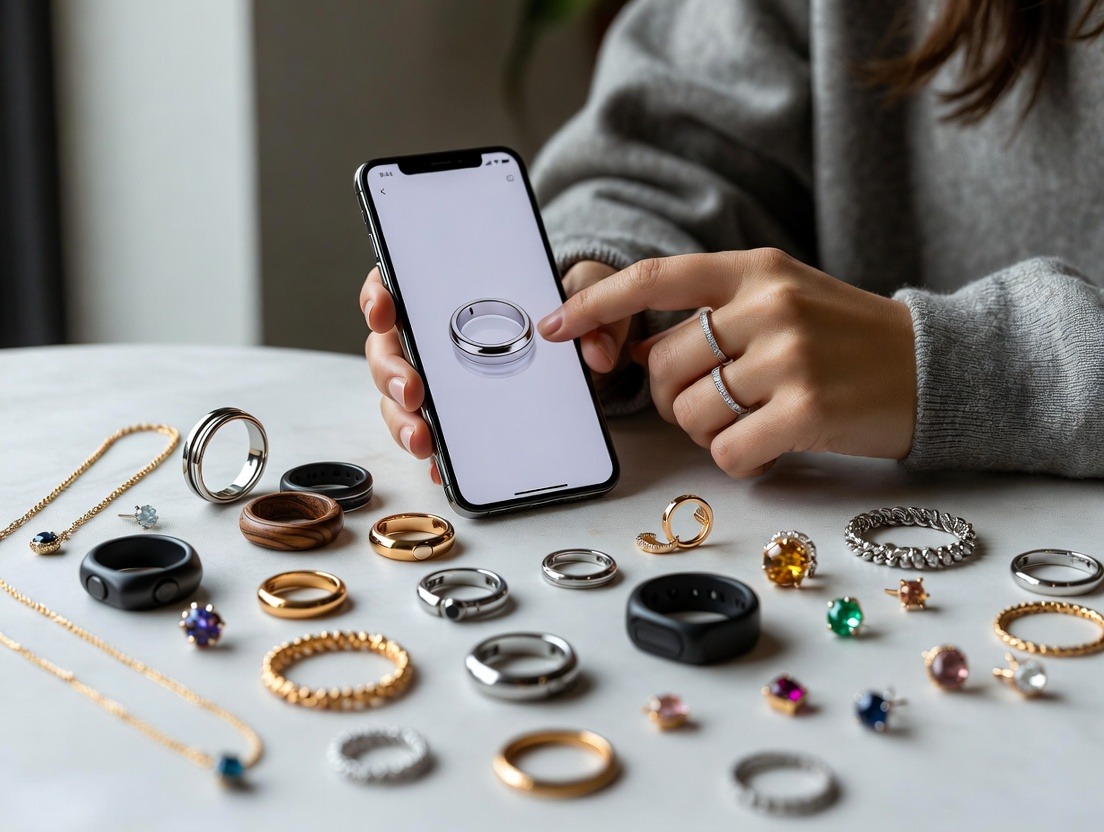
The journey to proactive health begins with accurate, consistent data. While wrist-worn devices pioneered the consumer health-tracking space, they come with inherent limitations that can compromise the very insights we seek. The finger, it turns out, is a uniquely privileged location for physiological monitoring, offering distinct advantages that make a wellness ring the superior form factor for lifelong health enablement.
First, consider signal fidelity. The radial artery on the wrist is a decent pulse point, but it is easily disturbed by arm movement, a phenomenon known as "motion artifact." Typing, gesturing, or even slight shifts during sleep can generate noise in the data. The finger’s palmar digital arteries, however, are rich, superficial, and less prone to such interference. This allows the photoplethysmography (PPG) sensors in a ring to capture a cleaner, more reliable pulse waveform—the fundamental signal from which heart rate, heart rate variability (HRV), blood oxygen saturation (SpO2), and even respiratory rate are derived. This is especially critical during sleep, where precise, undisturbed readings are paramount for staging sleep cycles and identifying disturbances. For a deeper dive into the sensor technology powering this accuracy, see our exploration of sleep tracking sensors: optical, accelerometer, and temperature.
Second, the ring form factor solves the compliance problem. A device you don't wear is useless. Many people find wristbands uncomfortable to sleep in, forget to charge them, or remove them for daily activities like washing dishes or typing. A well-designed ring, however, becomes a seamless part of you. It’s unobtrusive, socially acceptable, and comfortable for 24/7 wear. This continuous wear is non-negotiable for building a true baseline of your health. Health is not a snapshot; it’s a movie. A ring captures the full story—your circadian rhythms, your stress responses throughout the day, your recovery patterns—without asking you to change your behavior. This consistency is the bedrock of proactive health, as irregular monitoring leads to fragmented, misleading data. Learn why sleep tracking and consistency matters for meaningful insights.
Finally, the finger provides access to core body temperature, a vital sign largely inaccessible to wrist devices. A high-precision thermistor on the inner band of a ring measures the temperature of the blood perfusing the finger. This is a proxy for distal body temperature, a key metric with profound implications. It is the gold-standard, non-invasive method for tracking the female reproductive cycle by detecting the subtle biphasic shift of ovulation. Beyond that, nocturnal temperature trends are intimately linked to sleep quality and circadian phase. A drop in core temperature is a biological prerequisite for sleep onset, and disturbances in this pattern can signal circadian misalignment or underlying health issues. In short, the ring’s position gives it a direct line to a broader, cleaner set of biomarkers, turning passive wear into a powerful stream of actionable truth about your body’s state.
Your body is constantly speaking in a language of rhythms, waves, and subtle fluctuations. Until now, this language was silent to us. A wellness ring acts as a translator, decoding this continuous stream of biomarkers into a clear dashboard of your physiological state. Understanding what these metrics mean is the first step toward proactive health. Let’s demystify the core biomarkers your ring is tracking 24/7.
Heart Rate Variability (HRV): The Master Metric of Resilience. If you learn only one biomarker, make it HRV. Contrary to what the name suggests, HRV is not about the heart rate itself, but the variation in time between each heartbeat. A healthy, resilient heart does not tick like a metronome; it has subtle, millisecond variations controlled by the autonomic nervous system. High HRV generally indicates a strong, adaptable system where the "rest-and-digest" (parasympathetic) branch is dominant, allowing the body to recover and respond to stress effectively. Low HRV can signal that the "fight-or-flight" (sympathetic) branch is overactive, often due to physical, mental, or emotional strain, poor recovery, or illness. By tracking your HRV trend—especially your nighttime average, which is the cleanest reading—you get an objective, daily readout of your nervous system balance and overall stress load. It’s your body’s truth-teller about whether you’re building resilience or burning through your reserves.
Resting Heart Rate (RHR) & Respiratory Rate: Vital Signs for the 21st Century. Your resting heart rate is more than just a number; it’s a barometer of cardiovascular fitness and systemic inflammation. A downward trend in your RHR over weeks or months is a classic sign of improving aerobic fitness. Conversely, a sudden, unexplained elevation in your nightly RHR can be one of the earliest signs of oncoming illness, overtraining, or dehydration. Similarly, respiratory rate—the number of breaths you take per minute, especially during sleep—is a critical vital sign. While most of us never think about it, an elevated sleep respiratory rate can be a subtle indicator of sleep-disordered breathing, stress, or cardiopulmonary issues. Together, RHR and respiratory rate form a foundational picture of your basic physiological efficiency.
Blood Oxygen (SpO2) and Temperature: The Contextual Signals. Nocturnal blood oxygen saturation monitoring moves wellness tracking from optimization to potential early detection. Brief, minor dips are normal, but persistent or significant desaturations during sleep can be a key indicator of sleep apnea, a serious condition often undiagnosed for years. As mentioned, skin temperature is a dual-purpose signal. Its circadian rhythm reinforces sleep-wake cycles, while deviations can indicate menstrual cycle phases, the onset of fever, or poor sleep environment conditions.
The true power lies not in viewing these metrics in isolation, but in seeing their symphony. A night of poor sleep (low deep sleep score) might be followed by a depressed morning HRV and elevated RHR. This interconnected feedback is how your ring tells a cohesive story, moving you from wondering "Why am I so tired?" to understanding the precise physiological chain of events that led there. This holistic view is essential for proactive health, as discussed in our article on how sleep tracking integrates with other health metrics.
If proactive health is a temple, sleep is its non-negotiable foundation. For too long, we’ve obsessed over a single, flawed metric: sleep duration. "I got 8 hours" was the badge of honor, regardless of how those hours were spent. A wellness ring shatters this simplistic view, revealing the intricate architecture of your sleep—the cyclical journey through light, deep, and REM stages—each with its own non-negotiable role in physical repair, cognitive function, and emotional regulation. Optimizing sleep isn’t about more time in bed; it’s about maximizing the quality and proportion of each critical stage.
Deep Sleep: The Physical Restorer. Deep sleep (or slow-wave sleep) is your body’s most anabolic state. During this stage, growth hormone is released, facilitating tissue repair, muscle growth, and cellular regeneration. Your brain’s glymphatic system, a waste-clearance network, kicks into high gear, flushing out metabolic debris like beta-amyloid, a protein associated with cognitive decline. It’s also crucial for immune function and energy restoration. A wellness ring tracks the duration and consistency of your deep sleep, providing a clear metric for physical recovery. If you’re training hard but not seeing progress, or constantly fighting off minor illnesses, your deep sleep data may hold the answer. For a comprehensive look at this critical stage, explore our resource on what is deep sleep and why you're not getting enough.
REM Sleep: The Mental and Emotional Integrator. REM (Rapid Eye Movement) sleep is often called "paradoxical sleep" because your brain is nearly as active as when you’re awake, while your body is paralyzed. This is the stage of vivid dreaming, and its functions are profoundly cognitive and emotional. REM sleep is essential for memory consolidation—the process of transferring short-term memories into long-term storage. It also plays a key role in emotional processing, helping to regulate mood and strip the emotional charge from the day’s experiences. Skimping on REM can leave you feeling foggy, emotionally fragile, and forgetful. Understanding the distinct roles is key; learn more about the difference between deep sleep and REM sleep and why it matters.
The Sleep Score: Your Nightly Performance Review. To make this complex architecture actionable, advanced wellness rings synthesize dozens of data points—duration, consistency, balance of stages, restlessness, and physiological signals like HRV and SpO2—into a single, easy-to-understand Sleep Score. This is not a arbitrary number; it’s a nuanced evaluation of how restorative your sleep truly was. A high score indicates your body and brain received the repair and integration they needed. A low score prompts investigation: Was your deep sleep fragmented? Did you get insufficient REM? Were there oxygen dips or an elevated heart rate?
This granular insight transforms sleep from a mystery into a manageable system. Instead of guessing, you can see the direct impact of evening habits: that late-night alcohol may have suppressed your REM, or the intense evening workout might have boosted your deep sleep but delayed sleep onset. It empowers you to move beyond chasing a generic 8 hours and toward architecting a night of truly restorative sleep, which is the ultimate proactive health hack. For strategies rooted in this understanding, our guide on how to get more deep sleep tonight offers proven strategies.
Health is not defined in the doctor’s office or even during your workout; it is forged and broken in the countless moments of daily life. The unique, all-day wearability of a wellness ring allows it to function as a real-time stress and recovery dashboard, mapping the dynamic interplay between the demands you face and your body’s capacity to meet them. This moves proactive health from the theoretical to the practical, giving you moment-by-moment awareness of your physiological state.
Daytime Stress Tracking: Seeing the Invisible. We often aren’t aware of our stress levels until they boil over. Your ring changes that by providing an objective measure of your autonomic nervous system activity throughout the day. By analyzing heart rate and HRV patterns in response to events—a tense meeting, a difficult commute, a stressful conversation—the ring can identify periods of heightened sympathetic (“fight-or-flight”) activation. This isn’t about labeling stress as “bad”; it’s about making the invisible visible. Seeing a tangible spike on your graph creates a powerful moment of mindfulness. It allows you to connect internal physiology with external triggers, fostering self-awareness. You might discover that your morning coffee on an empty stomach sends your stress metrics soaring, or that a post-lunch walk dramatically calms your nervous system. This biofeedback loop enables you to manage your day with greater intelligence, intervening with a breathing exercise or a short break before stress becomes overwhelming or chronic.
Recorency and Readiness Scores: Your Body’s Daily Prescription. At the heart of proactive health is the balance between strain and recovery. Every night, your ring analyzes your sleep data and morning biomarkers (like HRV and RHR) to generate a Recovery or Readiness Score. This score is your body’s personalized prescription for the day ahead. A high score indicates your systems are fully charged and resilient; it’s a green light to tackle intense workouts, demanding projects, or social engagements. A low score is a crucial warning sign. It suggests your body is still repairing from prior stress—be it physical training, mental load, or immune activity—and needs a gentler day. This is where the ring transcends tracking and becomes a true coach.
Ignoring a low readiness score and pushing through with a high-intensity workout is a classic recipe for injury, burnout, or illness—a reactive health pattern. Conversely, heeding the score and opting for yoga, a walk, or extra rest is a profoundly proactive act. You are respecting your body’s signals and actively investing in long-term resilience by allowing for complete repair. This dynamic guidance prevents the all-too-common cycle of overdoing it and crashing, instead promoting sustainable, consistent progress. It teaches you to work with your body, not against it. For those who struggle with the anxiety that can sometimes accompany data, it’s important to balance this insight with a healthy mindset, as explored in our piece on the dark side of sleep tracking when data creates stress.

One of the most profound levers for lifelong health is hidden in plain sight: your circadian rhythm. This internal, roughly 24-hour clock governs not just sleep and wakefulness, but virtually every physiological process—hormone release, metabolism, digestion, cellular repair, and cognitive function. Modern life, with its artificial light, erratic schedules, and constant connectivity, is a war on our circadian biology. A wellness ring serves as both a revealer of your unique rhythm and a guide to resynchronizing with it, a practice known as circadian alignment.
Your Ring as a Circadian Compass. How does a ring track something as abstract as a circadian rhythm? It does so by monitoring the outputs of that rhythm: core body temperature and heart rate dynamics. Your body temperature follows a predictable daily curve, reaching its lowest point in the early morning hours (around 4-5 AM) and its peak in the late afternoon. The steepness and timing of this decline in the evening are critical signals for sleep onset. Similarly, your resting heart rate follows a circadian pattern, typically lowest during sleep and rising toward waking. By tracking these curves over time, your ring can identify your personal chronotype tendencies (are you naturally an early bird or a night owl?) and, more importantly, spot deviations that indicate misalignment. Are you going to bed later on weekends, causing “social jet lag”? Is your temperature drop blunted because of late-night screen time? The data provides an objective map of your biological timing.
The Health Cost of Misalignment. Ignoring your circadian rhythm isn’t just about feeling groggy. Chronic misalignment is linked by robust science to a staggering array of health risks: obesity, type 2 diabetes, cardiovascular disease, compromised immune function, mood disorders, and even certain cancers. When you eat or exercise at a time when your body is primed for rest, or when you expose yourself to light when your biology expects darkness, you create metabolic and hormonal confusion. This state of internal desynchrony is a form of low-grade, systemic stress that erodes health over decades.
Actionable Insights for Sync. Proactive health means using your ring’s data to nudge your habits back into alignment. The insights are practical and powerful:
By treating your circadian rhythm as a core pillar of health, guided by your ring’s feedback, you move from fighting your biology to leveraging it. You create an internal environment where healing, repair, and energy production happen optimally, automatically. This is the essence of working smarter, not harder, for lifelong vitality. The timing of your activities is crucial; for instance, see how exercise timing affects your deep sleep tonight.
The most dangerous number in health is the population average. We are bombarded with generalized advice: "Get 8 hours of sleep," "A normal resting heart rate is 60-100 BPM," "Aim for an HRV above X." This one-size-fits-all approach is not just ineffective; it can be misleading and demotivating. Proactive health is personal. The revolutionary power of a wellness ring lies in its ability to discard generic benchmarks and establish your unique, dynamic baseline—the only reference point that truly matters.
Establishing Your Personal Normal. During an initial setup period, a sophisticated wellness ring doesn’t just collect data; it learns you. It observes how your body responds to your normal life—your typical sleep patterns, your daily stress fluctuations, your recovery capacity. It calculates what is normal for you. This is critical because two equally healthy individuals can have wildly different baselines. One person may have a genetically influenced RHR of 48, while another’s healthy normal is 68. One might have a deep sleep sweet spot of 90 minutes, while another thrives on 70. By establishing your personal ranges, the ring’s AI can identify what is a meaningful deviation versus normal day-to-day variation.
Detecting Meaningful Deviations. This personalized benchmarking turns the ring into an early warning system. Instead of alarming you because your HRV is "low" compared to an arbitrary scale, it alerts you when your HRV drops significantly relative to your own recent trend. This is a far more sensitive and specific signal. A sustained 15% drop in your personal HRV average, a 5 BPM unexplained rise in your nightly RHR, or a noticeable reduction in your typical deep sleep percentage—these are the whispers from your body that something is off. It could be the prodromal phase of an illness, the cumulative effect of hidden stress, overreaching in training, or a negative reaction to a new food or medication.
The Power of the Longitudinal View. Over months and years, this personalized data set becomes your most valuable health asset. It transforms episodic doctor visits. Instead of saying, "I’ve been tired lately," you can present a timeline: "My resting heart rate has been trending up by 8 beats per minute over the last six weeks, and my deep sleep has decreased by 20%, despite no change in my routine." This is actionable, objective information for a healthcare provider. Furthermore, you can run personal experiments. Want to know if a new supplement, a different workout time, or a meditation practice truly works for you? Implement the change and watch its impact on your personal biomarkers over a few weeks. The ring provides the objective feedback to separate placebo from real, physiological effect.
In essence, personalized benchmarking shifts the question from "Am I healthy?" to "How is my health today compared to my optimal state?" It fosters a deeply intuitive understanding of your own body, empowering you to be the expert on your own well-being and to intervene with precision at the earliest sign of imbalance. To understand what optimal looks like for a key metric, you can review what your deep sleep tracking numbers should look like.
A mountain of raw data, no matter how accurate, is useless without interpretation and guidance. This is where the modern wellness ring separates itself from simple data loggers. Through sophisticated artificial intelligence and machine learning, it acts as a personalized, 24/7 health coach, translating complex biomarker streams into clear, contextual, and actionable insights. This transformation from data to wisdom is what enables true proactive behavior change.
Contextualization is Key. Advanced AI does more than just report numbers; it seeks to understand the why behind the patterns. By correlating your physiological data with your self-reported lifestyle inputs (which you can often log easily in a companion app), the system builds a model of cause and effect. Did your stress levels spike after that double espresso? Did your deep sleep increase on the nights you finished eating three hours before bed? Did your readiness score plummet after two consecutive nights of poor sleep? The AI identifies these correlations and surfaces them as insights, not just charts. It might prompt you: "Your resting heart rate was elevated last night. This can sometimes be linked to late meals. Consider finishing dinner a bit earlier tonight." Or, "Your HRV recovery was exceptional after yesterday's yoga session. This activity seems to work well for your recovery."
Personalized, Adaptive Recommendations. This is where coaching becomes dynamic. Instead of static, generic health tips, the ring’s AI can offer recommendations tailored to your current state and goals. If your readiness score is low, it might suggest a restorative walk instead of a planned HIIT workout, or a guided breathing session to lower stress. If your sleep data shows consistent late-night awakenings, it might recommend adjusting your bedroom temperature or experimenting with a magnesium supplement, pointing you to science-backed resources like our analysis of deep sleep supplements and what works according to science. For the athlete, it can analyze recovery metrics to suggest optimal training load, helping to prevent overtraining. For someone focusing on metabolic health, it can highlight the impact of meal timing on nocturnal glucose stability (if integrated with a CGM) or heart rate patterns.
The Feedback Loop That Fosters Mastery. This creates a powerful positive feedback loop: Action → Measured Result → Adjusted Action. You try a recommended behavior (e.g., a digital sunset at 9 PM), you see the positive impact on your sleep score and next-morning HRV, which reinforces the habit. This is the psychology of sustainable change. The ring provides the immediate, objective reward that our brains crave, making healthy choices feel winning and tangible. It moves you from relying on willpower to being guided by a system that shows you what works specifically for your biology. This process of self-experimentation and validated learning is the cornerstone of proactive, lifelong health management. You are no longer following a rigid plan; you are engaging in a continuous dialogue with your body, with AI as your interpreter and coach.
The pinnacle of proactive health is not just optimization but prevention—and the earliest possible detection of imbalance. While a consumer wellness ring is not a medical device and cannot diagnose disease, its continuous, multimodal monitoring positions it as a uniquely powerful sentinel, capable of spotting subtle, early-warning deviations that often precede overt symptoms by days, weeks, or even longer. This shifts your health strategy from crisis management to vigilant stewardship.
The Prodromal Signal. Many acute illnesses, from the common cold to more serious infections, begin with a subclinical phase where the immune system activates before you feel "sick." This mobilization has clear physiological signatures: a rise in resting heart rate, a drop in HRV, and often an increase in skin temperature as the body creates a less hospitable environment for pathogens. By tracking your personal baseline, a ring can detect these anomalies with high sensitivity. An alert that your "nighttime heart rate is elevated above your normal range for the second night in a row" can be a cue to prioritize rest, hydration, and immune support. This is a game-changer. Instead of being blindsided by full-blown illness, you gain a 24-48 hour window to support your body's defenses, potentially mitigating the severity or duration of the sickness.
Monitoring Chronic Condition Management. For individuals managing known conditions like hypertension, anxiety disorders, or sleep apnea, the ring provides invaluable daily feedback. It can help correlate perceived stress with objective autonomic nervous system data, showing the efficacy of meditation or medication. For those with treated sleep apnea, consistent SpO2 monitoring can provide peace of mind that therapy (like a CPAP machine) is effective throughout the night, offering a form of validation for your sleep experience. It turns abstract management into a tangible, data-informed process.
The Long-Term Trend Analysis for Metabolic and Cardiovascular Health. Perhaps the most profound preventative application is in the longitudinal tracking of metabolic and cardiovascular risk markers. While a single reading is a snapshot, a trend over months and years is a story. A gradual, creeping increase in average resting heart rate could be an early indicator of declining cardiovascular fitness or rising chronic inflammation. Consistently elevated sleep heart rate or respiratory rate trends warrant a discussion with a doctor. For women, the ring’s precise temperature tracking can reveal more than just ovulation; changes in the luteal phase or cycle length can be early signs of hormonal imbalances that affect long-term metabolic and bone health.
This preventative shield is about empowerment, not anxiety. It’s about having a tool that listens to your body’s whispers so you never have to hear its screams. It provides a continuous audit of your health practices, allowing you to course-correct in real-time. By partnering this data with regular medical check-ups, you become an informed, active participant in your healthcare, equipped with a rich, objective history to share with your provider. This collaborative model is the future of medicine, and the wellness ring is the patient-side technology enabling it.
The true potential of a wellness ring is unlocked not in isolation, but when it becomes the central, unifying hub of your personal health ecosystem. No single device can measure everything, but a ring’s continuous, foundational data stream—covering sleep, stress, recovery, and circadian rhythm—provides the essential context for interpreting data from other specialized tools. This integration creates a holistic, multi-dimensional picture of your health that is far greater than the sum of its parts.
Synergy with Fitness Trackers and Smartwatches. While rings excel at sleep and autonomic nervous system metrics, wrist-based devices often have advantages in specific daytime activity tracking, such as precise GPS for outdoor runs or swim tracking. The future-forward approach is not either/or, but both. Imagine your ring providing the recovery and sleep quality data that informs the workout recommendations on your smartwatch. Your watch suggests a run, but your ring’s low readiness score tempers that to a recovery-paced jog. Post-workout, the ring measures the depth of your physiological recovery, while the watch details the workout's external load. Together, they tell the complete story of strain and adaptation.
The Powerful Partnership with Continuous Glucose Monitors (CGMs). This is where integration becomes truly revolutionary. CGMs provide a real-time view of blood glucose levels, revealing how different foods, meals, stress, and exercise affect your metabolic health. However, glucose data alone lacks context. Why did you spike after a usually safe meal? Was it due to poor sleep the night before (as measured by your ring)? Did a stressful work event cause a glucose rollercoaster due to cortisol release (also captured by your ring’s stress metrics)? By layering CGM data atop ring data, you can unravel the complex interactions between lifestyle and metabolism. You may discover that your best glucose control happens on days following high HRV sleep, or that afternoon stress is a primary driver of unwanted glucose variability. This integrated insight allows for breathtakingly personalized dietary and lifestyle optimization for sustained energy, weight management, and metabolic resilience. The ring provides the "why" behind the glucose "what."
Feeding Data to Your Healthcare Provider. The ultimate integration is with the professional healthcare system. Apps connected to wellness rings are increasingly allowing users to generate detailed PDF reports summarizing weekly or monthly trends. Sharing this with a doctor, nutritionist, or therapist provides them with objective, quantitative evidence that goes far beyond subjective recall. It can help diagnose conditions like insomnia or circadian rhythm disorders, monitor the effectiveness of a treatment for anxiety or hypertension, and provide motivation in behavioral health programs by showing tangible progress in stress resilience or sleep improvement.
By acting as the central pillar of your health data, the wellness ring transforms a collection of gadgets and apps into a coherent, intelligent system. It ensures that every piece of data is interpreted through the lens of your overall physiological state—how rested you are, how stressed you’ve been, how well you’re recovering. This is the ecosystem approach to proactive health: a closed-loop system where insights from one domain inform actions in another, creating a continuously self-optimizing path toward lifelong vitality. For a look at how this principle applies to the evolution of sleep technology itself, explore the sleep tracking revolution from lab to your bedroom.

Data, insights, and even early warnings are futile if they don't lead to lasting behavioral change. This is the final and most crucial frontier of proactive health: the translation of knowledge into automatic, sustainable habit. The design and functionality of a modern wellness ring are deeply informed by behavioral psychology, employing strategies that make building healthy habits easier, more rewarding, and ultimately, self-sustaining.
The Power of Immediate Feedback and Micro-Rewards. Human brains are wired for immediate feedback. We struggle with actions that have delayed, abstract rewards (e.g., "exercise to avoid heart disease in 30 years"). A wellness ring closes this feedback loop dramatically. When you go for a morning walk, you don't have to wait for a future health benefit; you can see a positive impact on your daytime stress graph within the hour. When you prioritize a consistent bedtime, you wake up to a higher Sleep Score and a green "Recovered" status. These are micro-rewards—small, frequent, positive reinforcements that make the healthy behavior itself feel rewarding. This taps into the dopamine-driven learning cycle, effectively training your brain to associate healthy choices with immediate positive feelings of accomplishment and mastery. The psychology behind this motivation is powerful, as discussed in why numbers motivate change in sleep tracking.
Gamification and Goal Setting. Advanced wellness platforms incorporate elements of gentle gamification and personalized goal setting. Rather than overwhelming you, the system might focus on one or two "Focus Areas" per week, such as "Improve Sleep Consistency" or "Manage Daytime Stress." It provides a simple, trackable goal (e.g., "Get a Sleep Score above 85 on 5 nights this week") and celebrates when you achieve it. This structured, goal-oriented approach breaks down the monumental task of "getting healthy" into manageable, weekly wins. It provides clarity, reduces decision fatigue, and creates a sense of progress that fuels motivation.
Fostering Self-Awareness and Intrinsic Motivation. Perhaps the most profound psychological shift comes from the cultivation of embodied self-awareness. Over time, as you consistently observe the link between your choices and your biomarkers, you begin to internalize the knowledge. You start to feel when your HRV is likely low, or sense the impact of a poor night's sleep without even looking at the data. The ring becomes a tool for calibration, not a crutch. This moves your motivation from extrinsic (chasing a score) to intrinsic (valuing the feeling of vitality and balance). You no longer avoid late-night scrolling because it "ruins your score," but because you have learned through experience that it makes you feel anxious and fragmented the next day.
Creating Identity-Based Habits. Ultimately, the ring supports the transition from doing healthy things to being a healthy person. When you consistently act on your data—choosing rest when needed, managing stress proactively, protecting your sleep—you are not just checking boxes. You are reinforcing a new identity: someone who listens to their body, respects their limits, and invests in their long-term well-being. This identity is the bedrock of lifelong health. The wellness ring, through its constant, compassionate feedback, serves as the mirror and guide on that journey, making the path of proactive health not a chore, but a rewarding and enlightening process of self-discovery.
The journey from baseline health to optimized, peak performance is where the wellness ring transitions from a health guardian to a high-performance tool. For athletes, executives, artists, and anyone seeking to maximize their human potential—the "biohackers"—the granular, continuous data from a ring provides an unprecedented edge. This is about moving beyond avoiding illness and into the realm of amplifying energy, focus, resilience, and output. It's the science of precision living.
Training Load and Recovery: The Holy Grail of Athleticism. For the physically active, the greatest challenge is balancing stress and recovery—applying enough training load to stimulate adaptation (getting stronger, faster, more efficient) without tipping into overtraining, injury, or burnout. Subjective feelings are notoriously unreliable here. A wellness ring provides the objective metrics to solve this equation.
By tracking Heart Rate Variability (HRV) and resting heart rate (RHR) trends alongside workout data (often synced from other fitness apps), the ring creates a precise recovery dashboard. A rising HRV trend and stable or declining RHR post-training indicate positive adaptation: your body is absorbing the workload and getting stronger. Conversely, a sharp, sustained drop in HRV and a rise in RHR are classic signs of "non-functional overreaching"—you're digging a hole, not building a foundation. This allows for dynamic periodization. An athlete might see a low readiness score on a planned hard training day and intelligently swap it for a light technique session or full rest, thus preventing a downward spiral. This data-driven approach is critical, as explored in our article on deep sleep optimization for athletes and recovery while you rest.
Sleep Staging for Cognitive and Physical Repair. For the biohacker, sleep isn't a blanket metric; it's a targeted recovery protocol. The ring’s detailed sleep staging reveals which type of recovery you need most. An endurance athlete in a heavy training block should prioritize deep sleep for physical repair and growth hormone release. A student preparing for exams or a creative professional needs to safeguard REM sleep for memory consolidation and creative problem-solving. By tracking these stages, you can tailor your pre-sleep routine. If your deep sleep is lacking, emphasizing cooling, heavy lifting earlier in the day, and specific nutrients might help. If REM is suppressed, managing evening stress and light exposure becomes key. This allows you to "hack" your sleep architecture for your specific performance goals.
Circadian Timing for Everything. The advanced practitioner uses circadian rhythm data to time everything for maximum effect. The ring helps identify your personal peak for different activities:
By aligning demanding tasks with your biological peaks and scheduling recovery, administrative work, or social activities during troughs, you work with your biology to achieve more with less perceived effort. This is the essence of biohacking: leveraging data to become the most efficient version of yourself. Understanding your body's nightly repair schedule is part of this; the deep sleep window and why the first 3 hours matter most is a key principle in this optimization.
Life is not a controlled laboratory experiment. It throws curveballs: international travel, intense work deadlines, periods of grief, illness, or major life changes. During these times, rigid health routines often crumble. This is where the compassionate, non-judgmental perspective of your wellness data becomes invaluable. It shifts from being a strict coach to a supportive compass, helping you navigate turbulence with minimal damage and a faster return to equilibrium.
Managing Jet Lag and Shift Work. Circadian disruption is one of the most severe physiological stressors. For travelers or shift workers, a wellness ring is an indispensable tool. By tracking your core body temperature rhythm and sleep patterns, it provides a clear visualization of your internal clock's struggle to realign. The data offers personalized strategies. It can show you precisely how a flight across time zones has delayed your temperature nadir, and based on that, suggest the most effective times for light exposure (to advance or delay your rhythm) upon arrival. It can help you strategically schedule naps to mitigate fatigue without further damaging nighttime sleep. For an in-depth look at this application, our guide on sleep tracking for travelers monitoring across time zones is essential reading. The goal is no longer to "power through" but to manage the disruption as intelligently as possible, using data to accelerate adaptation.
Stressful Periods and Burnout Prevention. During a high-pressure project, a family crisis, or any period of sustained emotional load, subjective perception can fail. You might think you're "handling it" while your physiology tells a different story. A continuous read on your HRV and resting heart rate provides an objective stress barometer. Seeing a multi-week downtrend in HRV is a non-negotiable signal to insert recovery protocols, even if you feel you "don't have time." It forces you to prioritize micro-acts of resilience: a 10-minute breathing session, a 20-minute walk, protecting your sleep window at all costs. The ring becomes an early-warning system for burnout, allowing for proactive intervention before you reach a state of exhaustion that requires months to recover from. It teaches you that managing stress isn't about avoiding it, but about balancing the scale with deliberate recovery.
Illness and Convalescence. When you do get sick, the ring’s data serves two crucial purposes. First, as mentioned, it can often provide early prodromal detection. Second, and perhaps more importantly, it provides a clear roadmap for convalescence. Your readiness score will likely be in the basement for days after the acute symptoms fade. The data gives you permission to rest fully, without guilt, by showing you that your body is still in a massive repair state (elevated RHR, low HRV). It then objectively signals when you are truly ready to return to normal activity—not when you think you should be, but when your biomarkers have returned to your personal baseline. This prevents the all-too-common cycle of relapsing because you returned to exercise or work too soon.
In essence, during life’s challenges, the ring provides grounding truth. It cuts through the noise of "shoulds" and societal pressure, connecting you directly to the needs of your biology. It says, "I know you have a deadline, but your nervous system is in overdrive—take a break." Or, "I know you want to get back to the gym, but your body is still fighting—give it one more day." This guidance is the cornerstone of sustainable, lifelong health, allowing you to bend without breaking.
We stand on the brink of the next frontier in proactive health: the shift from real-time and retrospective insights to truly predictive personal health forecasting. The foundation for this future is being laid today by the continuous, multimodal data streams from devices like wellness rings. When combined with next-generation artificial intelligence, this data has the potential not just to inform your present choices, but to model probable future states, creating a powerful, pre-emptive health management system.
From Correlation to Causation to Prediction. Current AI in wellness devices excels at identifying correlations: "On days you log high stress, your sleep score tends to be lower." The next step is building causal inference models that understand the unique weight of different factors on your biology: "For you, evening screen time has twice the negative impact on sleep latency as caffeine after 2 PM." The ultimate step is prediction. By analyzing your longitudinal data—your sleep patterns, stress responses, recovery cycles, and even environmental data like local pollen counts or weather changes—advanced algorithms could begin to forecast:
Personalized, Prescriptive Interventions. A predictive model is useless without a prescriptive response. The future system won't just say, "You have a 70% chance of getting a cold in the next 48 hours." It will offer a personalized protocol: "Based on your data, prioritize 9 hours in bed tonight, increase your zinc and vitamin C intake, and schedule a 30-minute mindfulness session tomorrow afternoon to modulate stress response." It will shift the user's role from detective ("What's wrong?") to executive, simply choosing to enact a pre-packaged, highly personalized prevention plan generated by their own biological data.
Integrating Multi-Omic Data. The most exciting horizon is the integration of ring data with other layers of personal biomedicine. Imagine a future where your continuous physiology data (from the ring) is layered with periodic at-home blood tests (tracking lipids, HbA1c, inflammation markers), gut microbiome analyses, and even genetic data. The AI could then build a "digital twin"—a dynamic computer model of your unique physiology. You could simulate the effects of a new diet, a change in medication, or a different training regimen on this digital twin before trying it in real life. This would represent the ultimate form of personalized, preventive medicine: a safe, virtual sandbox for testing health strategies.
While this predictive future is still emerging, today’s wellness rings are collecting the foundational data that will make it possible. By wearing a ring now, you are not just optimizing your present; you are building the richest possible dataset to feed the life-saving, health-extending AI tools of tomorrow. You are future-proofing your health journey.
The value of the data generated by wellness rings extends far beyond the individual wearer. When aggregated and anonymized, this rich dataset has the potential to revolutionize our understanding of human health on a population scale, accelerate medical research, and contribute to public health initiatives in ways previously unimaginable. This creates a powerful virtuous cycle: individuals contribute data to advance science, and science, in turn, generates new insights that feed back into better algorithms and health recommendations for all users.
The Largest-Ever Longitudinal Health Study. Traditional cohort studies are expensive, slow, and rely on infrequent check-ins (yearly surveys, periodic clinic visits). They capture a thin slice of life. A network of thousands or millions of ring wearers, consenting to share their anonymized data, creates a continuous, real-world, longitudinal study of unprecedented scale and granularity. Researchers could observe, for example:
Accelerating Clinical Research and Drug Development. In clinical trials, wellness rings could serve as powerful digital biomarkers. Instead of relying solely on patient-reported outcomes (which can be subjective), researchers could objectively measure a drug's impact on sleep quality, autonomic function, and activity levels in real-time and in the patient's natural environment. This could lead to more sensitive detection of treatment efficacy or side effects, faster trial cycles, and more patient-centric outcomes. For conditions like depression, anxiety, or insomnia, continuous physiological data could identify subtypes of the disorder based on biological signatures, paving the way for more targeted therapies.
Early Detection of Public Health Trends. On an aggregate level, anonymized data could serve as an early-warning system for public health threats. A regional, synchronized uptick in resting heart rates and a drop in HRV across a user population could signal the early, asymptomatic spread of an infectious illness, potentially before hospital admissions spike. Similarly, monitoring population sleep trends could highlight the mental health impact of societal stressors.
The Ethical Imperative: Privacy and Consent. This vision hinges entirely on robust ethical frameworks. User control, explicit and informed consent, and ironclad data anonymization and security are non-negotiable. The model must be transparent and opt-in, where users understand the potential societal benefit and have the absolute right to control their own data. When done correctly, this collective approach allows individuals to become citizen scientists, contributing to a grand project of human understanding while retaining autonomy over their personal information.
In this way, the humble wellness ring transcends its role as a personal tool. It becomes a node in a vast, distributed network of human health sensing, contributing to a collective intelligence that can illuminate the patterns of health and disease for all of humanity. The path to proactive lifelong health, therefore, is both deeply personal and profoundly communal.
We have traversed the landscape of how a modern wellness ring enables proactive lifelong health—from its superior form factor and the biomarkers it deciphers, to its role as a sleep architect, stress dashboard, circadian compass, and personal baseline establisher. We've seen it evolve into an AI coach, a preventative shield, an ecosystem hub, and a habit-forming companion. We've glimpsed its future as a predictive tool and its potential for collective good.
The unifying thread through all these functions is awareness. For millennia, we lived in ignorance of our internal states, forced to interpret our health through the crude lens of overt symptoms. The wellness ring lifts this veil. It provides a continuous, objective, and compassionate dialogue with the most complex system you will ever manage: your own body.
This awareness is the first and most critical step on the path from reactive sickness care to proactive health creation. You cannot optimize what you do not measure. You cannot manage what you do not understand. The ring provides the measurement and fosters the understanding. It transforms health from a vague concept of "feeling good" into a tangible, manageable set of interconnected systems: sleep, recovery, stress, rhythm.
This journey is not about achieving perfection or chasing arbitrary scores. It is about empowerment. It is about having the knowledge to make informed choices—to know when to push and when to rest, to see the impact of your daily habits, and to have an early warning when things are going off course. It’s about building a resilient constitution that can handle life’s inevitable stresses and bounce back stronger.
The decision to wear a wellness ring is a commitment to that journey. It is a declaration that your health is not a matter of chance or genetics alone, but a lifelong project that you can actively and intelligently guide. The data is your map, your ring is your compass, and your daily choices are the steps you take. The destination is a longer, healthier, more vibrant life—not by chance, but by design.
Ready to take the next step? The world of proactive health is deep and nuanced. Continue your exploration with our detailed guides on specific aspects of optimization, such as the science of what happens to your body during deep sleep or understanding the potential pitfalls in our examination of the dark side of sleep tracking when data creates stress. Your journey to lifelong health is just beginning.

Having established the "why" and the "how," we now turn to the "what now?"—the practical integration of this technology into the fabric of your life for decades to come. This portion moves from theory to applied strategy, addressing common pitfalls, demographic-specific needs, financial considerations, and the philosophical shift required to make a wellness ring a cornerstone of a truly proactive, lifelong health strategy.
Data overload is a real risk. The sheer volume of information a wellness ring provides—from live stress readings to detailed sleep breakdowns—can be paralyzing without a structured approach. The key to long-term success is not obsessive, minute-by-minute monitoring, but a disciplined, ritualistic review that turns data into deliberate action. Here’s a practical framework for mastering your metrics without becoming enslaved by them.
The Morning Ritual: The 3-Minute Check-In. Your morning interaction with your data should be brief, positive, and forward-looking. This is not the time for deep analysis; it’s for setting the day’s intention based on your body’s state.
This ritual replaces morning guesswork with grounded awareness. It connects how you feel with objective data, building self-trust. For those new to this process, understanding what makes a good sleep score is an essential first step in interpretation.
The Weekly Deep Dive: The 20-Minute Strategy Session. Once a week—perhaps on a Sunday evening—schedule a short review session to spot trends and plan adjustments. This is where you move from reactive to strategic.
This structured approach prevents "analysis paralysis" and turns data into a sustainable practice. It ensures the ring remains a tool for empowerment, not a source of anxiety. For individuals who find themselves prone to the latter, our exploration of when sleep tracking creates stress offers crucial balancing perspectives.
A one-size-fits-all approach to health is obsolete. A 25-year-old athlete, a 40-year-old new parent, a 60-year-old navigating menopause, and a 75-year-old focused on longevity have vastly different physiological priorities. The power of a wellness ring is its ability to provide relevant insights for every chapter of life. Here’s how to tailor its use to your specific demographic and lifestyle context.
For the Athlete and Fitness Enthusiast: Your focus is on the delicate balance between performance and recovery.
For the Professional and Knowledge Worker: Your performance currency is cognitive function, emotional regulation, and stress resilience.
For Women and Hormonal Health: The ring’s temperature sensor makes it uniquely valuable for anyone tracking cyclical hormonal changes.
For the Aging Population and Longevity Seekers: The focus shifts to maintaining function, resilience, and detecting age-related changes early.
By focusing on the metrics that matter most for your life stage, the ring remains perpetually relevant, its insights evolving as you do.
No powerful tool is without its potential for misuse. The very features that make a wellness ring empowering—constant feedback, detailed scores, trend tracking—can, for some, become sources of anxiety, obsessive behavior, or a disconnect from bodily intuition. A proactive health strategy must include strategies to maintain a healthy relationship with the data itself.
Orthosomnia: The Quest for Perfect Sleep. Coined by sleep researchers, "orthosomnia" refers to an unhealthy preoccupation with achieving perfect sleep data. It manifests as excessive anxiety over a slightly lower sleep score, compulsive checking of the app, and changing behavior not for felt wellness but to "game" the algorithm. This ironically leads to worse sleep due to performance anxiety. The antidote is to treat the data as a guide, not a grade. Remember that the algorithms are estimates, not clinical polysomnography. A 10-point night-to-night variation is normal. The long-term trend is what matters. If you find yourself feeling more anxious than empowered, consider a "data holiday"—wearing the ring but not looking at the app for a few days, reconnecting with how you feel subjectively.
The Tyranny of the Score: Losing Touch with Intuition. Your body’s subjective signals—hunger, fatigue, joy, tension—are ancient and wise. A danger of quantification is outsourcing all authority to the device. You might ignore feelings of tiredness because your readiness score is high, or force yourself to exercise when you feel run down because the ring says you’re "recovered." This is backward. The ring should be used to validate and understand your intuition, not replace it. If you feel awful but the data looks good, investigate. Are you coming down with something the metrics haven’t caught yet? Is it emotional fatigue not reflected in autonomic metrics? Use the data as one input among many, including your own lived experience.
Comparison and Generic Benchmarks. Comparing your deep sleep percentage or HRV to a friend’s or an online forum’s average is a recipe for frustration. As established, your baseline is uniquely yours. A 12% deep sleep might be perfectly optimal for you, while someone else thrives at 20%. Focus relentlessly on your own trends. Is your number improving, declining, or stable within your range? This personal frame of reference is the only one that holds meaning for your health journey.
Strategies for a Balanced Relationship:
By acknowledging and navigating these pitfalls, you ensure the technology remains a servant to your well-being, not a master of your anxiety. This balanced approach is the hallmark of a mature, sustainable, lifelong practice. For a deeper understanding of this psychological dynamic, the examination of the psychology of sleep tracking and why numbers motivate change offers valuable insights.
Adopting a wellness ring is not just a health decision; it’s a consumer and ethical one. The market has evolved from a one-time hardware purchase to a often subscription-based software service model. Understanding this landscape is crucial for making an informed, long-term commitment that aligns with your values and budget.
The Subscription Model: Paying for Evolving Intelligence. Many advanced rings require a monthly or annual subscription to access the full suite of insights, advanced analytics, and personalized coaching. This can feel like a "paywall," but it’s important to understand what you’re funding:
The Sovereign Data Question: Who Owns Your Biology? This is the paramount ethical consideration. Your physiological data is arguably the most personal data you can generate.
Calculating Long-Term Value: Health Insurance vs. Health Investment. It’s helpful to reframe the cost. Instead of comparing it to a gadget, compare it to other health expenditures: a monthly gym membership ($40-$100), several therapy co-pays ($60-$120), or a daily premium coffee habit ($100+). The ring is a foundational health infrastructure investment. Its potential to prevent even one minor illness through early detection, improve sleep to enhance daily productivity, or provide early warning of a metabolic issue could yield a return that dwarfs its cost—both financially and in quality of life.
Making an informed choice means weighing the hardware cost, the ongoing software value, the company’s data ethics, and the potential return on your lifelong health. It is a decision that deserves as much consideration as the data the device itself provides.
The wellness ring you wear today is merely the first chapter. The convergence of sensor miniaturization, battery technology, artificial intelligence, and biotechnology points to a future where this form factor will become even more powerful, integrated, and essential. Let’s explore the probable evolution over the next five to ten years.
Non-Invasive Blood Biomarker Monitoring. The holy grail of wearable tech is the ability to measure key blood chemicals without a needle. Several technologies are in advanced development:
Enhanced Local AI and Real-Time Intervention. Future rings will have more onboard processing power, enabling true real-time analysis without constant cloud dependency.
Dexterity and New Form Factors. The ring will likely become more "aware" of what you are doing.
Seamless Integration with the Medical and Smart Home Ecosystem. The ring will become a seamless data conduit.
The future ring will be less of a "tracker" and more of an integrated health guardian—a semi-autonomous system that not only reports on your state but also understands your context and can intervene in your environment and behavior to maintain homeostasis. It will be the central, intelligent node in your personalized health ecosystem.
With knowledge of the tool, an understanding of its pitfalls, and a vision for its future, the final step is synthesis: creating a living, breathing personal health protocol that uses your ring as its central feedback mechanism. This is not a rigid set of rules, but a dynamic framework for decision-making that evolves with you.
Step 1: Define Your "North Star" Health Goals. What does "proactive lifelong health" mean to you? Be specific. Examples: "Maintain energy to play with my grandchildren at 70," "Complete a marathon in under 4 hours," "Manage my anxiety without medication," "Navigate menopause with minimal disruption," "Prevent the type 2 diabetes that runs in my family." Your ring’s data will help you measure progress toward these qualitative goals with quantitative metrics.
Step 2: Establish Your Core Non-Negotiables (The Pillars). Based on your goals and your ring’s data, identify the 3-4 foundational health pillars that most influence your outcomes. For almost everyone, this includes:
Step 3: Implement the Feedback Loops. This is where the protocol comes alive.
Step 4: Schedule Quarterly "Health Audits." Every 3 months, conduct a longer review.
Step 5: Embrace Iteration, Not Perfection. Your protocol is a living document. Some experiments will fail—a new supplement may do nothing, a later workout time might ruin your sleep. This is not failure; it is valuable data. The protocol evolves based on what the data tells you works for your unique biology.
By creating this personalized protocol, you move from being a passive wearer of a device to the active architect and CEO of your health. The ring provides the boardroom data; you make the strategic decisions.
Ultimately, the greatest impact of a wellness ring may not be on our biomarkers, but on our identity and relationship with our own bodies. It facilitates a profound philosophical shift: from being a passive patient within a sick-care system to becoming an active, informed sovereign of your own health.
Reclaiming Agency and Authority. The traditional medical model often disempowers: you present symptoms, an expert provides a diagnosis and treatment, and you comply. While vital for acute care, this model fosters dependency for chronic, lifestyle-driven health. The ring reverses this dynamic. It makes you the primary investigator of your daily well-being. You gather the evidence, observe the patterns, and test the interventions. You enter a healthcare provider’s office not with vague complaints, but with a dossier of personal data. This shifts the dynamic to a collaborative partnership where you are the expert on your lived experience, and the clinician is the expert on disease and treatment. You become the CEO; they become a specialized consultant.
Cultivating Body Literacy and Intuition. Far from distancing you from your body, good data literacy enhances your embodied intuition. Before the ring, a feeling of "offness" was a mystery. Now, you can correlate it: "I feel anxious and scattered today... and my data shows I had very low REM sleep and a high stress response yesterday afternoon. It makes sense." This builds a deeper, more trusting relationship with your physical self. You learn its unique language—what a dip in HRV truly feels like, how optimal recovery manifests as morning vibrancy.
Adopting a Preventive Mindset for Life. This shift is generational. We are moving from a culture that glorifies "pushing through" and "burning the candle at both ends" to one that values sustainable energy, strategic recovery, and longevity. The ring embodies this new mindset. Taking a rest day because your data says so becomes a sign of sophistication, not weakness. Protecting your sleep becomes a non-negotiable investment. This mindset, when adopted widely, has the power to reduce the burden of chronic disease and redefine what it means to live well at every age.
The Journey of a Lifetime. Proactive lifelong health is not a destination with a finish line; it is a continuous journey of learning, adapting, and growing. The wellness ring is the perfect companion for this journey—a technology that is with you through every life stage, challenge, and triumph. It doesn’t promise immortality or perfect health, but it does promise something equally powerful: awareness, agency, and the tools to navigate your one precious life with greater intelligence, resilience, and grace.
The invitation is open. The data is waiting. The journey to becoming the sovereign of your health begins with a single, conscious choice to listen—and now, you have the means to hear what your body has been saying all along.
Your Trusted Sleep Advocate: Sleep Foundation — https://www.sleepfoundation.org
Discover a digital archive of scholarly articles: NIH — https://www.ncbi.nlm.nih.gov/
39 million citations for biomedical literature :PubMed — https://pubmed.ncbi.nlm.nih.gov/
Experts at Harvard Health Publishing covering a variety of health topics — https://www.health.harvard.edu/blog/
Every life deserves world class care :Cleveland Clinic - https://my.clevelandclinic.org/health
Wearable technology and the future of predictive health monitoring :MIT Technology Review — https://www.technologyreview.com/
Dedicated to the well-being of all people and guided by science :World Health Organization — https://www.who.int/news-room/
Psychological science and knowledge to benefit society and improve lives. :APA — https://www.apa.org/monitor/
Cutting-edge insights on human longevity and peak performance:
Lifespan Research — https://www.lifespan.io/
Global authority on exercise physiology, sports performance, and human recovery:
American College of Sports Medicine — https://www.acsm.org/
Neuroscience-driven guidance for better focus, sleep, and mental clarity:
Stanford Human Performance Lab — https://humanperformance.stanford.edu/
Evidence-based psychology and mind–body wellness resources:
Mayo Clinic — https://www.mayoclinic.org/healthy-lifestyle/
Data-backed research on emotional wellbeing, stress biology, and resilience:
American Institute of Stress — https://www.stress.org/


