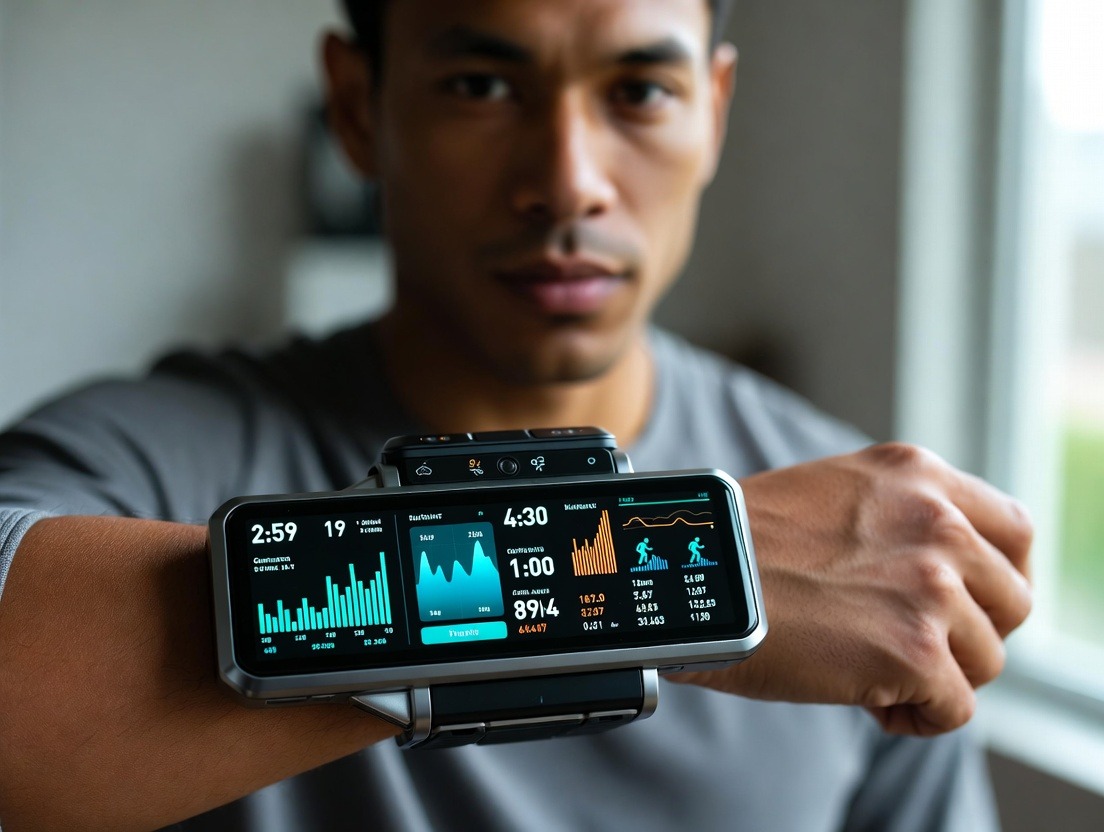
How to Use Your Smart Ring for Multi-Decade Health Planning
How to use a smart ring for health planning across multiple decades.
How to Use Your Smart Ring for Multi-Decade Health Planning
For decades, health was a snapshot—a single cholesterol reading, an annual physical, a reaction to a symptom. We operated on a model of fixing problems after they arrived, a strategy as effective as planning a road trip by only looking in the rearview mirror. But what if you could map the entire journey of your health, not just for next week, but for the next thirty years? What if you could move from reactive healthcare to proactive, predictive health planning?
Enter the smart ring: a device so subtle it fades into your daily life, yet so powerful it holds the potential to become the single most important tool in your long-term health arsenal. This isn’t about counting steps or tracking a single night’s sleep. This is about leveraging continuous, passive biometric monitoring to build a dynamic, living blueprint of your well-being—a blueprint you can actively shape, season by season, year by year, decade by decade.
Imagine having a digital twin of your physiological self, learning your unique rhythms, spotting deviations from your baseline long before they manifest as problems, and validating subtle changes you feel with hard data. That’s the promise of the smart ring in the context of multi-decade health planning. This guide will show you how to transform this wearable from a novelty into a lifelong health companion, turning daily data into a strategic plan for a longer, healthier, and more vibrant life.
The Paradigm Shift: From Fitness Tracking to Lifelong Health Forecasting
We are witnessing a fundamental shift in personal health technology. The first wave was fitness tracking—quantifying activity. The second wave became wellness monitoring—understanding sleep and recovery. We are now entering the third wave: health forecasting. This is the critical foundation for any multi-decade plan.
A fitness tracker answers the question, "What did I do?" A health forecasting device, like a sophisticated smart ring, answers the questions, "How is my body responding?" and, more importantly, "Where is it likely heading?" This shift is powered by three core capabilities unique to the form factor and technology of advanced smart rings:
1. Continuous, Unobtrusive Monitoring: Unlike a watch you charge nightly or a phone you set down, a ring is worn 24/7. This allows for the collection of true basal metrics—your body’s status at rest, without the noise of constant movement. It captures your heart rate variability (HRV) during a quiet moment of reading, your skin temperature as you sleep, and your respiratory rate during meditation. This creates a rich, uninterrupted data stream that is impossible to get from intermittent checks.
2. The Power of Basal Biomarkers: For long-term planning, trends in foundational biomarkers are far more valuable than peak performance metrics. Key among these are:
Resting Heart Rate (RHR): A long-term trend of creeping RHR can be an early indicator of cardiovascular strain, overtraining, or the onset of illness.
Heart Rate Variability (HRV): Your body’s resilience score. Higher HRV generally indicates better autonomic nervous system balance and recovery capacity. Tracking its long-term trend is like monitoring your "stress buffer."
Sleep Core Body Temperature: Minute, trended shifts in nighttime temperature can signal metabolic changes, hormonal fluctuations (like the onset of perimenopause), or inflammatory responses long before you feel a fever.
Blood Oxygen Saturation (SpO2): Nighttime SpO2 trends can reveal patterns related to sleep apnea or respiratory health.
3. The Compound Data Effect: The real magic happens not in a single data point, but in the aggregation of billions of data points over years. This longitudinal dataset is your personal goldmine. It allows algorithms to learn your normal, making them exquisitely sensitive to what is abnormal for you. A heart rate spike that might be meaningless for one person could be a significant deviation from your personal pattern.
Transitioning your mindset is the first step. Stop asking, "Did I get a good sleep score last night?" and start asking, "What is the six-month trend of my deep sleep, and how does it correlate with my stress load and dietary changes?" This is the language of health forecasting, and it’s the language your smart ring is designed to speak.
Decoding Your Body's Silent Language: Key Metrics for Long-Term Baselines
To plan for the future, you must first understand the present with profound depth. Your smart ring translates your body’s silent, autonomic language into actionable data. Let’s establish what these key metrics mean for a decades-long timeline and how to interpret their baselines.
Heart Rate Variability (HRV): Your Neurological Resilience Score HRV is the time variation between successive heartbeats, controlled by your autonomic nervous system. A higher, less variable HRV indicates a robust, adaptable system where the "rest-and-digest" (parasympathetic) branch is strong. A lower, more consistent HRV suggests your "fight-or-flight" (sympathetic) system is dominant.
For Long-Term Planning: Your HRV baseline is your resilience benchmark. A gradual, sustained decline over months or years is a major red flag, often preceding burnout, chronic fatigue, or increased susceptibility to illness. Conversely, a rising trend indicates improving fitness and stress tolerance. By monitoring this, you can time interventions—like a vacation, a meditation regimen, or a deload training week—before you crash.
Sleep Architecture: The Nightly Repair Log Sleep is non-negotiable for long-term health. A smart ring goes beyond duration, analyzing the structure of your sleep: light, deep, and REM stages. Each has a critical, long-term function.
Deep Sleep (N3): This is physical restoration prime time. It’s when tissue repair, muscle growth, and immune system strengthening occur. A consistent deficit in deep sleep accelerates physical aging and hampers recovery. Over decades, protecting this stage is paramount for cellular health. For a deep dive into this critical phase, explore our article on the science of deep sleep and what happens to your body.
REM Sleep: The mental and emotional processing stage. It’s crucial for memory consolidation, learning, and emotional regulation. Long-term REM deprivation can impact cognitive sharpness and emotional resilience.
Establishing Your Baseline: Use your ring’s data over a 3-6 month period of "normal" life to establish your personal sleep architecture percentages. This is your benchmark. Future deviations become meaningful data points, not just "a bad night."
Skin Temperature & Respiratory Rate: The Subtle Early-Warning System These are two of the most underrated yet powerful metrics for forecasting.
Skin Temperature: A sustained upward trend in your nocturnal core temperature can be one of the earliest signs of systemic inflammation, a hormonal shift (like changing estrogen levels), or metabolic adaptation. For women, this data can be revolutionary for tracking perimenopausal transitions years before other symptoms arise.
Respiratory Rate: The number of breaths you take per minute, best measured at rest. A gradual increase can signal cardiopulmonary inefficiency or chronic stress. It’s a vital sign that most people never measure until they’re in a doctor’s office, but your ring tracks it nightly.
The goal here is not daily obsession, but quarterly review. Every three months, step back and look at the trend lines for these five metrics: HRV, Deep Sleep %, REM Sleep %, Skin Temp, and Respiratory Rate. Are they stable? Are they moving in a desirable direction? This is the core dashboard of your long-term health forecast.
Building Your Personal Health Timeline: From Data Points to Decades
With an understanding of your key metrics, the next step is architectural: constructing your Personal Health Timeline. This is a living framework where past data informs present actions that shape future outcomes. Think of it as your health biography, written in data, with chapters you can proactively edit.
The Concept of 'Health Spans' Instead of viewing your life as one long stretch, break it into strategic, overlapping "health spans" with distinct priorities. Your smart ring data provides the feedback to navigate each transition.
The Foundation Span (Ages 25-40): Priority: Stress Resilience & Habit Cementing. Data Focus: Establishing rock-solid HRV and sleep baselines. Using activity and recovery data to find your optimal workout formula. The goal is to build a buffer of resilience before natural age-related decline begins.
The Optimization Span (Ages 40-55): Priority: Metabolic & Hormonal Navigation. Data Focus: Meticulously tracking changes in resting heart rate, sleep temperature, and recovery needs. This is when early signs of metabolic shift (like prediabetes) or perimenopause can be spotted via subtle data trends, allowing for precise dietary and lifestyle interventions. Understanding how age affects deep sleep and how to compensate becomes crucial here.
The Sustainability Span (Ages 55-70): Priority: Cardiovascular & Cognitive Maintenance. Data Focus: Vigilance on heart rate trends, sleep consistency, and movement quality over quantity. Using data to optimize for strength retention and inflammation management. Monitoring for significant deviations in nocturnal SpO2 or respiratory rate.
The Vitality Span (Age 70+): Priority: Functional Independence & Immune Vigilance. Data Focus: Consistency of routine as a health metric. Using data to prevent falls (via activity detection), manage medication effects, and ensure sleep quality supports immune function.
Creating Milestones and Check-Ins Your timeline isn’t passive. Populate it with proactive, data-informed check-ins.
Annual Deep Dive: Once a year, export a full year of data. Look for macro-trends. Did your average annual HRV rise or fall? How did your deep sleep average change? Correlate this with major life events (job change, move, loss, birth).
Seasonal Adjustments: Use quarterly reviews to adjust habits seasonally. You may find your HRV dips every winter; plan for more stress-management tools in Q4. Your sleep temperature may rise in summer; adjust your bedroom cooling accordingly.
Pre- and Post-Event Monitoring: Use your ring before and after any major life intervention. Starting a new medication? Get a 2-week baseline before. Undergoing a fitness program? Track recovery metrics meticulously to avoid overtraining. This turns you into a scientist of your own health.
This timeline transforms amorphous "getting older" into a navigable map. You’re not waiting to see what happens; you’re using data to guide what you make happen at every juncture.
Sleep as the Cornerstone: Leveraging Nightly Data for Lifelong Resilience
If long-term health is a cathedral, sleep is its foundation. A single night’s poor sleep is a crack in the pavement; chronic sleep debt is a fissure in the foundation that will compromise the entire structure over decades. Your smart ring provides the tools to be a master architect of this foundation, moving beyond simple scoring to strategic sleep engineering.
Beyond the Score: The Longitudinal Sleep Analysis Forget chasing a perfect 90 every night. For multi-decade planning, the trends within your sleep stages are what matter.
Deep Sleep Preservation: As we age, deep sleep naturally decreases. However, the rate and extent of this decline are heavily influenced by lifestyle. Your ring’s data allows you to fight for every minute. If you notice a 10% decline in your 3-month deep sleep average versus last year, it’s a direct call to action. You can investigate proven strategies to increase your most restorative sleep, focusing on factors like evening routine, temperature, and exercise timing.
Consistency as a Metric: Research shows that irregular sleep schedules are as harmful as short sleep duration. Your ring’s sleep consistency tracking (bedtime/waketime variance) is a critical long-term health metric. A stable circadian rhythm supports everything from hormone regulation to cancer-fighting cellular processes.
The Sleep-Stress Feedback Loop Sleep and stress exist in a vicious or virtuous cycle, and your ring quantifies this loop via HRV and sleep data.
High Daytime Stress -> Low Nighttime HRV -> Poor Sleep Quality -> Lower Daytime Resilience -> Higher Stress. Your ring can show you this cycle in stark data. Breaking it requires targeted interventions. For example, if your data shows you consistently have poor sleep after high-stress days, you can implement a mandatory "wind-down" protocol on those days, using the ring to verify its effectiveness on your sleep architecture.
Temperature and Timing: The Two Levers of Sleep Quality Your smart ring tracks two of the most powerful, controllable levers for lifelong sleep health.
Temperature: Your body needs to drop its core temperature by about 1-2°F to initiate and maintain deep sleep. Your ring’s skin temperature data shows you if your body is achieving this drop. If not, you have a clear target: improve sleep hygiene through cooler room temps, breathable bedding, or earlier hot baths (which paradoxically aid cooling). This is the core principle behind the deep sleep formula of temperature, timing, and habits.
Timing: Your chronotype isn’t static; it can shift with age and lifestyle. Your ring’s data on sleep latency (time to fall asleep) and wake-up times can help you discover your evolving ideal sleep window. Aligning your life with this window is a gift to your future self, reducing circadian strain.
By treating sleep not as a nightly reset but as a cumulative, investable asset, you use your ring to make nightly deposits into your long-term health bank. The compounding interest over 30 years is incalculable.
Stress and Recovery: Using HRV to Map Your Lifetime Resilience Curve
If sleep is the foundation, then stress management and recovery are the load-bearing walls of your health. In a long-term plan, the goal isn’t to eliminate stress—that’s impossible—but to build a system where your recovery capacity always outpaces your stress accumulation. Heart Rate Variability (HRV) is your direct, real-time ledger for this balance.
HRV: Your Personal, Evolving Benchmark The "good" or "bad" of an HRV number is almost meaningless without personal context. A reading of 45ms might be excellent for one person and a sign of trouble for another. This is why establishing your baseline over a 90-day period is the first critical step. From that point forward, you’re not comparing yourself to others; you’re comparing yourself to yourself from last month or last year.
Identifying Your Unique Stress Signatures Not all stress looks the same in your data. Over time, you’ll learn to recognize your body’s unique signatures:
Mental/Emotional Stress: Often shows as elevated resting heart rate (RHR) and lowered HRV, but sleep architecture may remain initially intact.
Physical/Overtraining Stress: Shows as elevated RHR, plummeting HRV, and disrupted sleep, particularly a reduction in deep sleep as the body struggles to repair.
Immunological Stress (Fighting an Illness): Often presents with a rising nighttime skin temperature and respiratory rate before HRV crashes and you feel symptoms. This is predictive power. By mapping these signatures, you can diagnose the type of "withdrawal" from your resilience bank and make the correct "deposit"—rest, meditation, deloading training, or extra nutrition.
Planning Life Chapters Around Recovery Capacity Your HRV trend is a permission slip for ambition and a guardrail against burnout. Use it to plan major life chapters.
Starting a Business or Intensive Project? Establish a 6-month HRV baseline before you start. As the stress mounts, you’ll have objective data telling you when you’re in a sustainable "stress groove" and when you’re nearing a dangerous cliff. This allows for proactive micro-breaks instead of a catastrophic collapse.
Becoming a Parent? The sleep disruption is a given. But monitoring HRV can help you and a partner tag-team more effectively. The parent with higher HRV (better recovery) might take the night shift, preserving the recovery of the more depleted partner. Over years, this data-informed teamwork can prevent total parental burnout.
Navigating Menopause/Andropause? Hormonal fluctuations are a massive stressor on the system. A gradually declining HRV trend during this transition is a clear signal to prioritize adaptogenic practices—like yoga, controlled breathing, and targeted supplementation—to support your nervous system.
The long-term goal is to flatten the curve—not of infection, but of resilience depletion. By using your HRV data to guide your decisions, you aim for a life where your recovery capacity declines only gently with age, rather than falling off a cliff from decades of unmanaged strain. Your ring provides the map to navigate that gentler, more sustainable slope.
Nutrition and Metabolism: Correlating Dietary Choices with Biofeedback Over Time
Diet advice is often generic and static: "Eat more vegetables, less sugar." But for a multi-decade plan, the question is: "How do specific foods affect my unique metabolism, inflammation levels, and sleep over time?" Your smart ring provides the biofeedback to move from generic rules to a personalized, evolving nutrition strategy.
The 72-Hour Ripple Effect The impact of a meal isn’t confined to the hour after you eat. It ripples through your system for days, affecting sleep, recovery, and inflammation. Your ring’s longitudinal data allows you to spot these patterns.
Experiment: Have a high-sugar, late-night meal. Observe your ring data for the next three nights. You’ll likely see: Night 1: Reduced deep sleep, elevated nighttime heart rate. Night 2: Possibly disrupted REM sleep as your body deals with glucose spikes. Night 3: A gradual return to baseline if the offense isn’t repeated. Now, imagine this pattern repeated weekly for 10 years. The cumulative damage to sleep architecture is significant. Conversely, experiment with an anti-inflammatory meal rich in omega-3s and greens. You might see a subtle but measurable boost in HRV and deeper sleep over the following 48 hours.
Tracking Inflammation Through Temperature and HRV Chronic, low-grade inflammation is a primary driver of age-related disease. While rings can’t measure CRP (a blood inflammation marker), they proxy it brilliantly.
Nocturnal Skin Temperature: A sustained, slight elevation (even 0.3°C) over weeks can be a sign of systemic inflammation. If you introduce a new food group (e.g., switching to a high-dairy or high-gluten diet), monitor this metric. A creeping temperature trend is a signal to reconsider.
HRV as an Inflammatory Barometer: Inflammation stresses the nervous system, lowering HRV. If you start a new supplement or diet like keto or vegan, watch your HRV trend. A sustained rise suggests your body is thriving on it. A sustained drop suggests it may be causing inflammatory or metabolic stress, regardless of what the mainstream advice says.
Building Your Personal "Food Reactivity" Timeline Over years, you can build a powerful personal database.
Decade 1 (30s): Use your ring to identify foods that disrupt sleep or spike RHR. Eliminate or minimize them. Focus on foods that maximize your deep sleep and recovery, like those outlined in 10 foods that increase deep sleep naturally.
Decade 2 (40s): Metabolism begins to shift. Your ring can catch it early. You may notice that carbohydrates, especially at dinner, now have a more pronounced negative effect on your sleep temperature and morning RHR than they did in your 30s. This is data-driven permission to adjust macronutrient timing.
Decade 3 (50s+): Prioritize foods that support cardiovascular and cognitive health. Correlate meals high in specific nutrients (e.g., nitrates from beets, flavonoids from berries) with positive next-day HRV, blood pressure (if you track it), and cognitive sharpness. Your ring’s recovery metrics validate what’s working.
This turns nutrition from a dogma into a dialogue—a continuous conversation between your choices and your body’s measurable response, with your smart ring acting as the translator. The outcome after decades is a deeply personalized, highly effective way of eating that evolves perfectly in sync with your aging metabolism.
Movement and Fitness: Optimizing Exercise for Longevity, Not Just Performance
The fitness industry glorifies the "beat-down" workout. But for a 50-year health plan, the optimal strategy is "minimum effective dose" training that maximizes adaptation while minimizing wear, tear, and injury risk. Your smart ring is the ultimate coach for this longevity-first approach, ensuring your fitness regimen builds your future rather than borrowing from it.
The Recovery-First Training Model Flip the script: instead of planning your workout and hoping you recover, let your recovery metrics dictate your workout.
The Morning Readiness Check: Before you decide on today’s exercise intensity, check your ring’s data: Was your HRV high and RHR low last night? Did you get sufficient deep sleep? If yes, it’s a green light for intensity. If your HRV is low, RHR is elevated, and sleep was poor, that’s a red flag. The plan should shift to gentle movement (walking, yoga), rest, or mobility work. Forcing a hard workout on a red day is how you dig a recovery hole that takes weeks to climb out of—a pattern that accumulates into injury or burnout over years.
Auto-Regulation: This is a professional athlete’s secret. Let’s say your plan says "5 sets of 5 squats." Your readiness is middling (yellow light). You could auto-regulate: do 3 sets of 5 with perfect form, or 5 sets of 3. You’ve stimulated the muscle, practiced the movement, and respected your body’s need for recovery. Your ring gives you the confidence to make these smart adjustments.
Tracking the Long-Term Adaptation Signals Fitness is a long-term adaptation. Your ring tracks the signals of that adaptation (or lack thereof).
Positive Adaptation: Over a 12-week training block, you should see a gradual upward trend in your baseline HRV (measured on rest days) and a downward trend in your baseline RHR. Your sleep quality should stabilize or improve. This data confirms you’re getting fitter without overtaxing your system.
Stagnation or Overtraining: If your baseline HRV is declining and RHR rising over a training block, you are not recovering. You are either doing too much, not sleeping enough, or not eating to support the work. This is a critical intervention point to prevent a long-term plateau or injury.
The Shift from Intensity to Consistency and Quality In your 20s, you might prioritize maxing your bench press. In your 60s, you’ll be grateful for the ability to get up from a chair unaided. The bridge between those points is decades of consistent, joint-friendly movement.
Use Activity & Readiness Data to Balance Stress: Your ring’s activity score and readiness score should be in a dynamic balance. A week of high activity should be followed by a focus on high readiness (recovery). Planning active vacations? Check your readiness score upon return to know how to re-enter your routine without getting sick.
Spotting Mobility & Asymmetry Issues: While not a motion coach, a ring can hint at issues. Consistently poorer sleep or higher resting heart rate after specific activities (e.g., running vs. swimming) may indicate which movements are more systemically stressful for you, guiding you toward more sustainable forms of exercise as you age.
By letting biofeedback guide your fitness, you transition from chasing arbitrary performance metrics to cultivating a resilient, adaptable, and pain-free body that can move and thrive for decades. The ring ensures your fitness journey is a marathon, not a series of sprints ending in burnout.
Hormonal Health and Transitions: Data-Driven Navigation Through Life's Phases
Hormones are the invisible conductors of your body’s symphony, influencing everything from metabolism and sleep to mood and cellular repair. Their natural transitions—perimenopause, menopause, andropause—are not sudden events but slow, often erratic processes spanning years or even decades. This is where the continuous, trend-spotting power of a smart ring becomes an indispensable compass, turning a confusing journey into a navigable one.
For Women: Charting the Perimenopausal Passage Perimenopause can begin a full decade before the final menstrual period. Symptoms are famously variable and often misattributed. Your ring’s data provides objective, trend-based evidence of this shift.
The Nighttime Temperature Map: One of the earliest and most reliable signs is a disruption in the body’s thermoregulation during sleep. You may see increased variability in your nighttime skin temperature—higher peaks and valleys—long before you experience a noticeable hot flash during the day. Over months, the baseline temperature may begin a sustained, step-wise increase. This data is powerful for discussions with healthcare providers and for timing interventions like adjusting room temperature or exploring hormone therapy.
Sleep Architecture Shifts: Progesterone, which declines in perimenopause, is a potent sleep-promoting and anti-anxiety hormone. Its drop often leads to a measurable decrease in deep sleep and more frequent nighttime awakenings (shown as increased "awake time" on your ring’s hypnogram). Recognizing this as a hormonal signature, not just "bad sleep," allows for targeted solutions like optimizing your sleep environment and habits to fiercely protect the sleep you can get.
HRV and Stress Resilience: The hormonal rollercoaster is a profound stressor on the nervous system. Many women see a gradual, long-term decline in their HRV baseline during this transition. Monitoring this can motivate the prioritization of non-negotiable stress-reduction practices, knowing they are directly supporting neurological resilience during a taxing time.
For Men: Tracking the Androgen Transition While more gradual, the age-related decline in testosterone (andropause) also leaves data signatures.
Recovery and Metabolism Shifts: A lower testosterone level can slow muscle protein synthesis and reduce metabolic rate. In your ring data, this may manifest as needing longer to recover from the same workout (lower HRV for more days post-exercise) and a more pronounced negative impact of poor diet on sleep and morning RHR.
Sleep Quality Connection: Testosterone is primarily produced during deep sleep. A decline in deep sleep, which also happens with age, can exacerbate hormonal decline in a vicious cycle. Using ring data to aggressively defend deep sleep through the strategies in the deep sleep optimization guide becomes a direct hormonal support strategy.
The Proactive Intervention Framework With this data, you move from passive experience to active management.
Establish a Pre-Transition Baseline (Late 30s/Early 40s): Have 1-2 years of solid HRV, sleep, and temperature data before significant shifts begin.
Spot the Deviations: Use quarterly reviews to spot sustained changes in temperature or sleep trends. This is your early warning.
Correlate and Act: Bring this objective data to your doctor. It moves the conversation from "I feel tired and hot" to "My nocturnal skin temperature baseline has risen 0.5°C over the past 18 months, and my deep sleep has declined by 15%. How can we address this?"
Track Intervention Efficacy: If you start a therapeutic intervention (HRT, supplements, lifestyle change), your ring data becomes the report card. Is your sleep temperature stabilizing? Is your HRV trend reversing? This closes the feedback loop.
Navigating hormonal changes with a smart ring means you’re not flying blind through fog. You have instruments—a altimeter (temperature), a compass (HRV), and a terrain map (sleep architecture)—guiding you safely to the other side.
Cardiovascular and Metabolic Health: Early Warning Signs and Proactive Management
Heart disease and metabolic disorders like Type 2 diabetes develop over decades, not days. They are the quintessential "lifestyle diseases," where daily choices compound silently until a crisis occurs. Your smart ring offers a unique opportunity to listen to the whispers of your cardiovascular and metabolic systems years before they start screaming, allowing for early, often reversible, interventions.
Resting Heart Rate (RHR): The Slow, Silent Storyteller While your RHR fluctuates daily with stress and recovery, its long-term trend is a profound health indicator. A study in Heart found that a middle-aged man whose RHR increased from under 70 to over 85 bpm over a decade had a 90% higher risk of dying from heart disease.
The Multi-Decade Tracking Plan: Plot your annual average RHR. The goal is stability or a gentle decline through fitness. A slow, steady creep upward of 1-2 bpm per year is a major red flag. It can signal declining fitness, chronic inflammation, autonomic nervous system imbalance, or early thyroid issues. This trend gives you a 5-10 year head start to investigate and intervene with diet, exercise, and stress management.
Nocturnal Blood Oxygen (SpO2) and Respiratory Rate: Windows to Respiratory and Cardiac Health These metrics, measured effortlessly by your ring as you sleep, are vital signs you would otherwise never see.
Spotting Sleep Apnea Patterns: Sleep apnea is a massive risk factor for hypertension, stroke, and heart failure. It often goes undiagnosed for years. Your ring can’t diagnose it, but it can show highly suggestive patterns: repeated, cyclical dips in SpO2 (e.g., dropping from 98% to 92% multiple times per hour) paired with spikes in heart rate and movement. Seeing this pattern is a urgent prompt to seek a professional sleep study. You can learn more about how this technology validates concerns in how sleep tracking validates your sleep complaints.
Resting Respiratory Rate (RRR): A normal RRR for adults is 12-20 breaths per minute. A trend toward the higher end, or a gradual increase over time, can be an early sign of cardiopulmonary inefficiency or chronic metabolic stress (as the body produces more CO2). It’s a subtle metric, but tracking its trend adds another piece to the puzzle.
HRV and the Metabolic Connection Your autonomic nervous system, reflected in HRV, is deeply entwined with metabolic health. Low HRV is strongly associated with insulin resistance, the precursor to Type 2 diabetes.
The Postprandial Signal: After a large, carbohydrate-heavy meal, you might see a temporary drop in HRV as your body deals with the glucose load. If this drop becomes more pronounced or prolonged over the years, it can be an early sign of declining metabolic flexibility—your body’s ability to efficiently switch between fuel sources. This data can motivate dietary changes (like reducing refined carbs or trying time-restricted eating) long before your fasting blood glucose rises.
Building a Proactive Action Plan
Baseline in Your 30s: Establish your norms for RHR, HRV, and RRR.
Annual Review: Each year, note the direction of these trends. Combine this with your annual physical bloodwork (cholesterol, HbA1c).
Correlate with Lifestyle: Did your RHR trend up the year you had a highly stressful job? Did your HRV improve the year you took up regular meditation? These correlations empower you.
Act on Subtle Shifts: A 2-year upward trend in RHR is not an emergency, but it is a mandate. It’s time to commit to 6 months of focused cardio, a dietary audit, or a stress-management program. Then, use your ring to track the impact of that intervention on the very metric that prompted it.
This approach transforms your smart ring from a sleep tracker into a pre-clinical screening device. It empowers you to partner with your doctor not just with symptoms, but with compelling, longitudinal data that shows the trajectory of your most vital systems.
Cognitive Health and Sleep: Protecting Your Brain for the Long Haul
We often plan for physical longevity but neglect the organ that defines our experience: the brain. Cognitive decline, like physical decline, is a process, not an event. The path to Alzheimer’s and other dementias is paved over 20-30 years. The most powerful, modifiable factor in this journey is sleep, and your smart ring provides the tools to optimize this brain-protective factor for life.
Deep Sleep: The Brain's Nightly Power Wash During deep sleep, your brain undergoes the "glymphatic system" clearance process. Cerebrospinal fluid washes through brain tissue, flushing out metabolic waste products, including beta-amyloid and tau proteins—the very proteins that clump together in Alzheimer’s disease. A single night of poor deep sleep leads to an immediate increase in amyloid in the brain.
The Long-Term Implication: Chronic deep sleep deprivation, even if mild, means your brain is not completing its essential nightly maintenance. Over decades, this allows toxic waste to accumulate. Defending your deep sleep is thus one of the most direct actions you can take for long-term cognitive health. To understand this critical connection, read about deep sleep and memory: the brain-boosting connection.
REM Sleep: The Neural Network Architect REM sleep is when your brain consolidates memories, processes emotions, and connects new learning with old knowledge. It’s essential for cognitive flexibility, creativity, and emotional resilience—all facets of brain health that we want to preserve.
Tracking for Brain Resilience: A decline in REM sleep percentage over the years can correlate with subjective "brain fog" and reduced emotional buoyancy. Protecting REM (by ensuring you get enough total sleep and avoiding alcohol, which suppresses REM) is protecting your brain’s integrative capacity.
Using Your Ring as a Brain Health Sentinel Your smart ring doesn’t measure amyloid, but it measures the process that clears it. This is a profound proxy.
Establish a Deep Sleep Baseline: Know your typical deep sleep percentage and duration in your 40s and 50s.
Monitor for Age-Related Declines: It’s normal for deep sleep to decrease with age. However, the rate matters. A precipitous drop linked to lifestyle factors (new medication, chronic stress, poor sleep hygiene) is a reversible problem. A gentle, managed decline is the goal.
Correlate Lifestyle Experiments: Did increasing your aerobic exercise improve your deep sleep? Did learning to manage a specific stressor boost your REM? Your ring provides the feedback, turning "maybe this is good for my brain" into "this measurably improves my brain’s recovery process."
The Sleep-Cardiovascular-Cognitive Triangle Brain health is not isolated. Poor sleep elevates blood pressure and promotes inflammation, both of which damage the delicate blood vessels in the brain, leading to vascular dementia—the second most common type. Your ring’s metrics for RHR, HRV (inflammation/stress proxy), and sleep form a triangle. By optimizing for better sleep and lower chronic stress (higher HRV), you are simultaneously protecting your brain from both Alzheimer’s and vascular pathways of decline.
In a multi-decade plan, every night of high-quality sleep is a deposit in your cognitive reserve bank. Your smart ring is the bank statement, showing you your balance and the interest you’re earning on your future clarity, memory, and sense of self. It makes the abstract goal of "staying sharp" a concrete, nightly practice.
Integrating with Your Healthcare Ecosystem: From Personal Data to Professional Insight
The ultimate power of your lifelong smart ring dataset is realized when it bridges the gap between your daily life and the clinical world. Used wisely, it transforms you from a passive patient reciting symptoms into an engaged partner presenting structured observations. This integration is the final, crucial step in making your data actionable for decades of health.
Creating a 'Data Dossier' for Medical Appointments Walking into a doctor’s office with a printout of 6 months of heart rate, sleep, and temperature trends is a game-changer.
For the Primary Care Physician: Instead of "I’m tired," you can say, "Over the past six months, my resting heart rate has trended up by 8 BPM, my deep sleep has decreased by 20%, and my average nocturnal temperature has risen 0.4°C. I’ve correlated this with a high-stress project at work. What should we check?" This guides the conversation toward potential investigations like thyroid function, anemia, or sleep apnea, and frames lifestyle as a central cause.
For the Sleep Specialist: Presenting hypnograms showing frequent awakenings or SpO2 graphs with cyclical dips provides concrete evidence that validates your subjective experience and can fast-track diagnosis. It demonstrates the value of consistent monitoring in uncovering patterns.
For the Cardiologist: Longitudinal RHR and HRV trends, especially around episodes of palpitations or dizziness, can provide context that a single in-office EKG cannot.
The Art of Data Storytelling The key is curation, not data dumping. Doctors have minutes, not hours.
Pre-Appointment Prep: Before your visit, analyze your own data. Create a simple, one-page summary with:
The Concern: (e.g., "Persistent fatigue and poor sleep").
The Timeline: (e.g., "Trends noticeable since March 2023").
Key Data Visuals: Two or three simple line graphs showing the most relevant 3-6 month trends (e.g., RHR, Deep Sleep %, Nightly Temp Avg).
Your Hypotheses: (e.g., "I suspect this is stress-related, but I’m concerned about thyroid or apnea given the temperature and sleep disruption.").
Focus on Trends, Not Dailies: A doctor doesn’t care that your HRV was 32 last Tuesday. They care that your 90-day average has fallen 15% from the previous year. Trends are clinically meaningful; daily numbers are often noise.
Navigating the Limitations and Opportunities Be an informed user. Understand what your ring is and is not.
It’s a Screening & Trend Tool, Not a Diagnostic Device: It can say, "Something has changed; investigate." It cannot say, "You have atrial fibrillation" (though it may detect an irregular rhythm flag, which you must get checked).
Provider Education: Some doctors are data-savvy; some are not. Be prepared to briefly explain what HRV or nocturnal temperature signifies. Frame it as "consumer biometrics that provide context for my symptoms."
Syncing with Other Data: The most powerful health picture emerges when you combine your ring’s autonomic data with other metrics you might track: periodic blood pressure readings, blood glucose (if diabetic/prediabetic), and standard bloodwork. Look for correlations. Does a rise in LDL cholesterol on your labs coincide with a dip in HRV? This holistic view is true health forecasting.
By mastering this integration, you elevate your smart ring from a personal curiosity to a node in your professional healthcare network. You become the CEO of your own health, with your ring providing the quarterly reports that inform your strategy sessions with your medical advisory board. This collaborative, data-informed model is the future of personalized, preventative medicine, and it starts on your finger today.
Environmental and Seasonal Adaptation: Optimizing Your Health Against External Forces
Your body does not exist in a vacuum. It is in a constant, dynamic dialogue with its environment—the changing seasons, the air you breathe, the light you absorb, and the climate you inhabit. For a health plan spanning decades, understanding and adapting to these external rhythms is not optional; it's essential for reducing systemic stress and leveraging natural cycles. Your smart ring provides the biofeedback to harmonize your internal rhythms with the external world, turning environmental challenges into opportunities for resilience.
Circadian Rhythms and Light: The Foundational Signal Your circadian clock, governed primarily by light exposure, regulates nearly every physiological process: hormone release, metabolism, body temperature, and sleep-wake cycles. Disruption of this clock (circadian misalignment) is linked to increased risk for metabolic disorders, mood disorders, and even certain cancers.
Using Data to Find Your Light Sweet Spot: Your sleep timing and consistency metrics are direct readouts of your circadian health. If your ring shows you consistently fall asleep later and wake later in winter, you're experiencing a natural, light-driven shift. The question is: does it serve you? If your data also shows poorer sleep scores and lower daytime HRV, it's a sign you need to aggressively manage light exposure—using bright light therapy in the morning and limiting blue light at night to realign your clock with your social obligations.
Seasonal Affect and Biomarkers: For those with Seasonal Affective Disorder (SAD) or milder "winter blues," the data trend is revealing. You may see a predictable annual dip in HRV and increase in RHR during darker months, alongside a craving for more sleep but often with less quality. Recognizing this as a seasonal pattern allows for proactive intervention—starting light therapy or adjusting workout intensity—in October, rather than reacting to a slump in January.
Temperature and Thermoregulation Across a Lifetime Your body's ability to regulate its core temperature is a key pillar of homeostasis. This ability can change with age, health status, and acclimatization.
Seasonal Acclimatization: Your resting heart rate and sleep data will often reflect seasonal changes. In peak summer heat, you may see a slightly elevated RHR and more fragmented sleep as your body works harder to cool itself. Over weeks, as you acclimatize, these metrics may improve. Your ring validates the need for hydration, electrolyte balance, and adjusted expectations during heat waves.
The Home Environment Audit: Your nocturnal skin temperature and restlessness data are the ultimate test of your bedroom environment. Is your thermostat set optimally for you? An experiment: set your bedroom to 65°F (18°C) for a week, then 68°F (20°C) for a week. Compare your deep sleep scores and temperature variability graphs. The data will reveal your personal ideal, which may shift as you age. This isn't a guess; it's a measured optimization for decades of better sleep.
Travel and Chrono-Disruption: Managing the Multi-Decade Impact of Jet Lag Frequent travel across time zones is a profound, recurrent stressor. While a single trip is recoverable, the cumulative effect of decades of frequent jet lag can have significant health consequences. Your smart ring is your chief science officer for managing this.
Proactive Trip Planning: Before a major east-coast to Europe trip, you can use your ring to gently shift your sleep schedule earlier by 15 minutes per day for a week, using the resulting sleep latency and wake-time data to confirm the shift is working without destroying your sleep quality pre-trip.
Post-Trip Recovery Benchmarking: The true value is in tracking your recovery after you return. How many days does it take for your HRV to return to its pre-trip baseline? For your sleep architecture to normalize? Over years, you'll learn your personal recovery formula. You might find that after a major trip, scheduling a "buffer day" with no meetings and prioritizing morning sunlight gets you back to baseline in 3 days instead of 5. This data-driven recovery protocol becomes a non-negotiable part of your travel planning, preserving your long-term health. For a dedicated guide on this, see sleep tracking for travelers: monitoring across time zones.
Air Quality and Inflammatory Response While most rings don't measure air quality directly, they measure your body's response to it. Poor air quality (high PM2.5, ozone) is a source of oxidative stress and inflammation.
Correlating External Data: On days with poor local air quality alerts, check your HRV and RHR trends. Do you see a dip? Do you wake with a slightly elevated resting heart rate? If you use an air purifier, can you see a corresponding improvement in these metrics on days you use it in your bedroom? This biofeedback turns the abstract concept of "bad air" into a measurable physiological impact, empowering you to take concrete actions like using purifiers or adjusting outdoor activity on high-pollution days.
By consciously using your ring to track your interaction with your environment, you move from being a passive subject of the seasons and climate to an active participant in a symbiotic relationship. You learn to dress, eat, sleep, and move in harmony with the external world, reducing friction and building a health plan that is as adaptable as it is enduring.
Social and Psychological Wellbeing: The Quantifiable Impact of Connection and Mindset
For too long, the "quantified self" movement has focused on physical metrics, often at the exclusion of the psychological and social dimensions that are equally vital for longevity. Harvard's famed Grant Study, tracking lives for over 80 years, found that close relationships and social integration were the strongest predictors of long life and happiness. Your smart ring, perhaps surprisingly, can provide objective windows into this subjective world, linking your social health to your physiological state in a powerful feedback loop.
Stress Signatures: Differentiating Between Good Stress and Toxic Stress Not all stress is created equal. "Eustress" (the stress of a challenge you feel equipped to handle) can be stimulating and growth-promoting. "Distress" (chronic, uncontrollable stress) is corrosive. Your autonomic nervous system, via HRV and RHR, reflects the difference.
The Engagement Pattern: You might see a temporary dip in HRV the day before a big presentation you're excited about, followed by a strong rebound and even a higher baseline afterwards—a sign of positive adaptation and resilience building.
The Depletion Pattern: In contrast, ongoing work-related anxiety or relationship strife often shows as a sustained, low-grade suppression of HRV, a creep in RHR, and disrupted sleep architecture (particularly less REM sleep, as the brain struggles to process emotional experiences). Over months, this pattern is a clear data signal that your psychological environment is harming your physical system. For more on the psychological impact of tracking, read the psychology of sleep tracking: why numbers motivate change.
The Physiology of Connection and Loneliness Social interactions leave a biometric signature. Positive, warm social engagement often triggers a parasympathetic ("rest-and-digest") response, which can manifest as a gentle rise in HRV during or after the interaction.
Experiment and Observe: After an evening with close friends where you laughed and felt connected, check your sleep data. You may find improved sleep efficiency and higher HRV. Conversely, after a conflict or a period of isolation, you might see more restless sleep and a lower recovery score. This isn't to make you obsessive, but to validate the profound physical truth: connection is medicine, and loneliness is a physiological stressor. This data can motivate you to prioritize social rituals as seriously as you prioritize the gym.
Mindfulness and Meditation: From Subjective Feeling to Objective Metric The benefits of mindfulness are often described in vague terms: "I feel calmer." Your ring can quantify that calm.
Tracking the Training Effect: If you start a daily meditation practice, don't just ask how you feel. Watch the trends. Over 8-12 weeks, you should see a gradual increase in your baseline HRV, indicating improved autonomic balance. You might see a decrease in your average resting heart rate. You may even see improvements in your sleep latency (time to fall asleep) as your mind learns to disengage from the day's chatter. This biofeedback is incredibly reinforcing, turning a "soft" practice into a "hard" science with visible results.
Setting Boundaries with Data One of the most powerful applications is using your data to enforce psychological boundaries for the sake of long-term health.
The "Last Call" for Screens: If you consistently see that using your phone after 10 PM correlates with 30 minutes longer sleep latency and less deep sleep, that graph is a powerful motivator to institute a digital curfew. It’s not a nagging spouse or a trendy article telling you—it’s your own body's data.
The Work-Life Balance Barometer: If your work email habit on weekends is associated with a suppressed weekend HRV rebound, you have objective evidence that this habit is costing you real recovery. This can be the catalyst for a firm "offline Sabbath" policy.
By integrating these psychosocial dimensions, your smart ring transcends being a mere fitness device. It becomes a holistic health mirror, reflecting not just the state of your heart, but the state of your mind and connections. It grounds the often-abstract pursuit of "wellbeing" in the concrete reality of your nervous system, providing a lifelong roadmap for nurturing the relationships and mental habits that truly make a long life worth living.
Injury Prevention and Musculoskeletal Health: Listening to Your Body's Whispers Before They Become Shouts
The ability to move freely and without pain is the cornerstone of independence and vitality as we age. Musculoskeletal decline—arthritis, chronic pain, sarcopenia (muscle loss), and increased injury risk—is often seen as an inevitable consequence of aging. In reality, it is the cumulative result of decades of micro-traumas, imbalances, and ignored signals. Your smart ring offers a proactive, early-warning system to detect these signals in the subtle language of recovery and inflammation, allowing you to intervene long before an injury sidelines you or pain becomes chronic.
Recovery Data as an Injury Forecast Overtraining and under-recovering are the primary pathways to overuse injuries. Your ring’s recovery metrics (HRV, RHR, sleep quality) are the canaries in the coal mine.
The Pre-Injury Pattern: Often, before a tendonitis flares or a stress fracture occurs, the body is in a state of chronic, low-grade breakdown. This state is frequently visible in your data as a persistent, multi-week suppression of HRV, an elevated RHR that won't come down, and increasingly poor sleep scores despite fatigue. The body is screaming for rest through your autonomic nervous system. Ignoring this data and pushing through with high-impact training is a direct recipe for a structural injury. Learning to de-load or cross-train at the first signs of this pattern is a skill that will protect your joints for decades.
Asymmetry and Compensation: While a ring on one hand can't detect a limp, it can detect the systemic cost of compensation. An unresolved ankle sprain from years ago that causes subtle biomechanical shifts can create a higher overall physiological stress load during activity. This may show up as a poorer recovery score (lower HRV, higher RHR) after runs compared to swims or bike rides, steering you toward lower-impact activities that maintain fitness without the injury risk.
Inflammation Tracking for Joint Health Chronic, systemic inflammation is a key driver of joint degradation and pain conditions like osteoarthritis. Your nocturnal skin temperature trend is a powerful, non-specific proxy for this inflammation.
The Dietary Trigger Detective: If you have a latent susceptibility to joint inflammation, certain foods (like high omega-6 oils, sugar, or for some, nightshades) may trigger a low-grade inflammatory response. This might not cause immediate pain but could manifest as a 0.2-0.3°C elevation in your average nighttime temperature for 2-3 nights after consumption. Tracking this correlation over time allows you to build a personal "anti-inflammatory diet" based on your body's unique responses, potentially slowing degenerative processes by decades.
Post-Workout Inflammation: A sharp, intense workout will cause acute, beneficial inflammation. This should resolve with good sleep. Your ring helps you distinguish between acute and chronic. A healthy pattern: temperature and RHR spike slightly after a hard workout, then return to or below baseline after a night of good recovery sleep. An unhealthy pattern: temperature and RHR remain elevated for multiple days, indicating your system is struggling to resolve the inflammation, moving you closer to an overuse state.
Sleep: The Non-Negotiable Repair Shift for Tissue Deep sleep is when growth hormone is released, driving muscle repair and tissue regeneration. It’s also when the inflammatory response is regulated.
The Deep Sleep & Recovery Link: Consistently shortchanging deep sleep is like running a manufacturing plant without the night shift for maintenance and repairs. Sooner or later, equipment fails. Your ring’s deep sleep tracking is a direct measure of your body's physical repair capacity. A long-term trend of declining deep sleep is a major risk factor for slower recovery from minor strains, increased injury risk, and accelerated sarcopenia. Protecting it is a direct investment in your musculoskeletal future. For targeted strategies, explore how to get more deep sleep tonight with 7 proven strategies.
Building a Long-Term Mobility Plan with Data
Establish Activity-Specific Baselines: Know your typical recovery profile after a leg day vs. an upper body day, or after running vs. cycling.
Respect the Red Flags: Make it a personal rule: two days in a row of "low" readiness scores (low HRV, high RHR, poor sleep) mandate a shift to restorative activity only—walking, mobility work, yoga.
Use Data to Periodize Your Life: Plan intense training blocks when life stress is low (as shown by stable, high HRV). During high-stress life chapters (new job, new baby), switch your fitness focus to maintenance and mobility, using your ring's readiness score as your daily guide.
This approach transforms injury prevention from a matter of luck to a science of listening. Your smart ring gives you the data to hear your body's whispers—the slight changes in recovery and inflammation—so you never have to endure its shouts of pain or face a debilitating injury that could have been avoided.
Longevity Biochemistry: Interpreting Biomarkers for Cellular Aging and Lifespan
At the very frontier of multi-decade health planning is the field of longevity science—the study of the biological processes of aging itself. While we cannot yet stop the clock, we can aim to influence its speed, a concept known as "healthspan extension." This moves beyond managing disease risk to actively promoting cellular repair and efficiency. Your smart ring, while not a DNA sequencer, provides surrogate markers for several key "hallmarks of aging," offering a daily, actionable view into your biochemical terrain.
Autonomic Balance as a Proxy for Systemic Aging The aging process is characterized by a decline in the body's ability to maintain homeostasis—its stable internal environment. The autonomic nervous system (ANS) is the master regulator of homeostasis. Therefore, the resilience of your ANS, as measured by Heart Rate Variability (HRV), is arguably one of the best single, non-invasive biomarkers of your overall biological age.
HRV and All-Cause Mortality: Extensive research links lower HRV to higher all-cause mortality. A higher HRV indicates a robust, adaptable system capable of responding to stress and returning to balance efficiently—a hallmark of a younger biological age. Tracking your HRV trend over decades is not just tracking stress; it's tracking the functional age of your nervous system, one of the core systems that orchestrates all others.
The Rate of Decline Matters: Everyone's HRV declines with chronological age. The critical variable for your long-term plan is the rate of that decline. A gentle, shallow slope suggests you are doing things right. A steep drop suggests accelerated systemic aging and is a powerful call to investigate and intervene across all lifestyle domains.
Nocturnal Metabolism and the Cellular Cleanup Crew Two critical cellular processes for longevity are autophagy (the body's recycling of damaged cellular components) and the glymphatic system (the brain's waste clearance process). Both are predominantly upregulated during deep, restorative sleep.
Deep Sleep as a Longevity Metric: Therefore, the amount and quality of your deep sleep, as tracked by your ring, is a direct proxy for the efficiency of these nightly rejuvenation processes. Consistently maximizing deep sleep is like ensuring the nightly maintenance crew in your cellular city has enough time and resources to do its job. Over decades, this can have a profound impact on the accumulation of cellular "junk" linked to neurodegenerative and other age-related diseases. Discover the ideal targets in deep sleep sweet spot: ideal duration by age.
Inflammation: The Common Accelerant of Aging Inflammaging—the chronic, low-grade inflammation that accompanies aging—is a key driver of nearly all age-related pathologies, from atherosclerosis to Alzheimer's. While your ring can't measure inflammatory cytokines like IL-6 directly, it provides excellent proxies.
Resting Heart Rate (RHR): A chronically elevated RHR is often a sign of systemic inflammation and sympathetic nervous system dominance.
Nocturnal Skin Temperature: A sustained upward trend can indicate an inflammatory state.
Resting Respiratory Rate (RRR): A higher RRR can be associated with metabolic and inflammatory stress. By tracking the confluence of these trends, you can gauge your body's inflammatory load. Seeing them all creep upward over a season is a signal to deploy your most potent anti-inflammatory tools: improving sleep, optimizing diet, managing stress, and incorporating regular, moderate movement.
The Longevity Feedback Loop: Experimentation and Validation The emerging field of longevity is full of potential interventions: supplements (e.g., NMN, resveratrol), dietary protocols (e.g., time-restricted eating, fasting-mimicking diets), and emerging therapies. Your smart ring is the perfect tool to n=1 experiment with these safely.
Structured Testing: Introduce one change at a time for a minimum of 4-6 weeks. For example, adopt a 14-hour daily eating window.
Measure the Impact: Did your baseline HRV improve? Did your deep sleep percentage increase? Did your average RHR or nocturnal temperature trend down? If yes, the intervention is likely benefiting your systemic health and resilience. If no change or negative changes occur, it may not be right for your biology, or the dose/timing may need adjustment.
Avoiding the Dark Side: The quest for longevity data must be balanced with psychological health. It's vital to avoid the dark side of sleep tracking: when data creates stress. The goal is informed curiosity, not obsessive anxiety. The trends over months matter, not the daily score.
By framing your smart ring data through the lens of longevity biochemistry, you elevate every choice—what you eat, when you sleep, how you manage stress—from a matter of daily wellness to a strategic investment in your cellular future. It provides a framework to not just add years to your life, but to add vibrant, healthy life to your years.
The Technology Evolution: Future-Proofing Your Data for Decades to Come
Committing to a multi-decade health plan with a smart ring is an act of faith in both the technology and your own consistency. The ring on your finger today is a Version 1.0 of a lifelong health companion. The algorithms, sensors, and even the company behind it will evolve. To ensure your decades of data remain a coherent, valuable asset, you must adopt a strategy for technological resilience. This isn't just about backing up files; it's about cultivating a flexible, critical, and forward-looking relationship with the tools you use.
The Imperative of Raw Data Ownership and Export The most valuable asset is not your sleep score; it's the underlying raw or granular data: minute-by-minute heart rate, HRV samples, skin temperature readings, and movement data.
Monthly Export Ritual: Make it a habit to export your full, detailed data (usually as CSV or JSON files) from your ring's app or web platform at least monthly. Store these in a dedicated, backed-up folder (e.g., cloud storage like Google Drive or Dropbox). This archive is your personal biobank.
Why This Matters: Apps change. Companies pivot or shutter. Subscription models can lock away your historical data. By owning the raw files, you ensure that no matter what happens to the platform, your longitudinal record is preserved. In the future, new analysis tools, research studies, or AI doctors may be able to glean insights from this historical dataset that are impossible today.
Understanding Sensor and Algorithm Lifecycles The technology in your ring will become obsolete. This is a feature, not a bug, of progress.
The 3-5 Year Upgrade Cycle: Plan for it. Expect that every few years, a new sensor (e.g., continuous glucose monitoring, advanced hydration tracking, blood pressure) or a radically improved algorithm will emerge. Your strategy should be to maximize the value from your current device while being prepared to transition.
Graceful Migration: When upgrading, choose a platform that allows data import or at least parallel viewing. The goal is to add a new, higher-resolution data stream, not to lose the context of the old one. Your historical trends provide the baseline against which new, more precise measurements can be compared.
The Rise of the Personal Health Dashboard (PHD) The future of health data is interoperability. Your ring data will be most powerful when combined with data from other sources: your DNA report (23andMe, Ancestry), blood test results (from companies like InsideTracker or your lab work), and even your microbiome analysis.
Start Building Your PHD Now: Use apps or platforms like Apple Health, Google Fit, or specialized services that act as aggregation hubs. Feed your ring data, step count from your phone, manual blood pressure readings, and periodic bloodwork into this central repository. Over time, you'll start to see breathtaking correlations: how a drop in Vitamin D levels on a lab test coincided with a dip in HRV that winter; how a specific gut microbiome profile associates with your best sleep months.
You Become the Integrator: Until seamless AI does this for us, you are the chief analyst. The quarterly review of your combined dashboard is where true health forecasting emerges. You're not just looking at sleep data; you're looking at sleep data in the context of nutrition, genetics, and blood chemistry.
Ethical and Privacy Considerations for a Lifetime of Data You are creating the most intimate dataset possible—a digital twin of your life. Protecting it is paramount.
Read the Terms of Service: Understand who owns your aggregated, anonymized data and how it might be used for research or sold to third parties. Choose companies with transparent, user-centric data policies.
Use Strong, Unique Credentials: The account holding your lifetime of health data deserves a unique, complex password and two-factor authentication. This is not a streaming service login; it's your medical history.
Consider the Legacy: Have a plan for this data in your estate. Should it be passed to your children, giving them a profound head start on understanding their genetic and lifestyle inheritance? Should it be donated to medical research under appropriate privacy safeguards? These are new questions for the digital age.
By embracing the role of a tech-savvy health data steward, you ensure that the story your ring helps you write—a story of resilience, adaptation, and proactive care—is not trapped on a forgotten server or in an obsolete app. It becomes a living, evolving document that you control, a foundation upon which you can build a healthier future, no matter what new technologies emerge in the decades to come. This forward-thinking approach completes the transformation of a simple wearable into a lifelong partner in your most important project: you.



%402x.svg)