


The Lifelong Health Strategies That Maximize Healthspan
Strategies designed to maximize the number of healthy years in your life.
Strategies designed to maximize the number of healthy years in your life.
%402x.svg)
We live in an era of unprecedented medical advancement, yet we face a paradoxical crisis. Lifespans are stretching longer than ever, but the years we gain are often burdened by chronic disease, disability, and cognitive decline. The dream of a long life is universal; the dream of a long life spent in pain, on medications, or in a fog of forgetfulness is not. This has sparked a fundamental shift in focus from simply extending lifespan—the number of years we live—to maximizing healthspan: the number of years we live in full, vibrant health.
Healthspan is your functional longevity. It’s the quality of your years, measured by your energy, mobility, mental clarity, and independence. It’s about compressing the period of morbidity—the time spent sick—into the very end of a long, active, and engaged life. The goal is not to become a centenarian confined to a bed, but to be 90 and still hiking, creating, learning, and contributing.
But how do we navigate this journey? For decades, health advice has been fragmented, contradictory, and often driven by fleeting trends. One year, fat is the enemy; the next, it’s the savior. The path to a long, healthy life seemed shrouded in mystery, reliant on genetics and luck. Today, that is no longer the case. A convergence of cutting-edge science—from genomics and cellular biology to neuroscience and wearable technology—is providing us with a clear, actionable blueprint. We are moving from guesswork to precision, from generic advice to personalized strategy.
This article is your definitive guide to that blueprint. We will dive deep into the lifelong, foundational strategies that directly influence your healthspan. This is not a quick-fix list of "biohacks," but a holistic exploration of the core pillars of lasting vitality: sleep, nutrition, movement, stress resilience, metabolic health, cognitive fitness, and more. We will examine how these pillars interact, how their importance shifts across different decades of life, and crucially, how modern tools like smart rings and continuous health monitoring can transform your understanding of your own body, providing the data and feedback necessary to optimize these strategies in real-time.
Think of your healthspan as the most important project of your life. You are both the architect and the foreman. The strategies outlined here are your building materials and blueprints. The journey begins not with a dramatic leap, but with understanding the first and most critical foundation of all: the profound, non-negotiable role of sleep. Let’s build.

If you were to invest in one single behavior to extend your healthspan, sleep would offer the greatest return. It is the ultimate multi-system regulator, the foundation upon which every other aspect of health is built. While we once viewed sleep as a passive state of brain shutdown, we now understand it to be a period of intense biological activity—a nightly tune-up for your entire organism.
During sleep, your brain engages in a sophisticated cleanup process. The glymphatic system, a waste-clearance network, becomes exponentially more active, flushing out metabolic debris like beta-amyloid proteins, which are implicated in Alzheimer's disease. This is why chronic poor sleep is one of the most significant modifiable risk factors for cognitive decline. Simultaneously, the brain consolidates memories, transferring information from the short-term hippocampus to the long-term neocortex, solidifying learning and problem-solving.
The body is equally busy. Cellular repair and regeneration peak. Muscle tissue is rebuilt, and bones are strengthened. The immune system releases cytokines, proteins that help fight infection and inflammation. Sleep deprivation, even for a single night, can suppress immune function, making you more susceptible to illness. Crucially, sleep is the master regulator of your hormonal landscape. It balances ghrelin (the hunger hormone) and leptin (the satiety hormone). Poor sleep reliably increases ghrelin, decreases leptin, and drives cravings for high-calorie, high-carbohydrate foods, directly sabotaging metabolic health.
Perhaps the most dramatic process occurs during deep sleep, also known as slow-wave sleep. This is the most restorative phase, where the brain waves slow to a synchronized rhythm. It is during deep sleep that human growth hormone (HGH) is primarily secreted. HGH is not just for children; in adults, it is essential for tissue repair, muscle growth, bone density, and fat metabolism. The connection is so powerful that optimizing deep sleep is akin to tapping into a natural, nightly fountain of youth. You can explore the science behind this vital process in our detailed article, The Science of Deep Sleep: What Happens to Your Body.
The consequences of neglecting this pillar are severe and cumulative. Chronic sleep deprivation (typically defined as less than 7 hours per night for most adults) is linked to a staggering increase in the risk of nearly every major chronic disease: heart disease, stroke, type 2 diabetes, obesity, depression, and immune dysfunction. It accelerates biological aging at the cellular level, as measured by telomere shortening.
Therefore, prioritizing sleep is not a luxury or a sign of laziness; it is the most fundamental act of preventive medicine you can perform for your healthspan. Every other strategy we discuss—nutrition, exercise, stress management—will be significantly less effective if built on a foundation of poor sleep. The first step to maximizing your healthspan is to defend your sleep with the same ferocity you would defend your most valuable asset. Because, in truth, you are.
Knowing sleep is important is one thing. Understanding how to achieve restorative, high-quality sleep is another. It’s not just about logging 8 hours in bed; it’s about ensuring those hours are composed of the right architecture. Sleep is cyclical, moving through stages of light sleep, deep sleep, and REM (Rapid Eye Movement) sleep. Each cycle lasts about 90 minutes, and we need multiple cycles per night for full restoration. Disrupting this architecture—through poor habits, environment, or disorders—robs you of specific benefits, even if your total time asleep looks sufficient on paper.
The quest for better sleep starts long before your head hits the pillow. It begins with your daily habits and your environment, a concept known as sleep hygiene.
Crafting Your Sleep Sanctuary: Your bedroom must be a temple for sleep. This means cool (around 65°F or 18.3°C), dark, and quiet. Darkness is critical for the production of melatonin, your sleep-inducing hormone. Invest in blackout curtains and eliminate light from electronic devices. Sound can be managed with white noise machines or earplugs. Your mattress and pillows should provide proper support. This isn’t about luxury; it’s about creating the optimal physiological conditions for sleep initiation and maintenance.
The Pre-Sleep Wind-Down: The hour before bed is a transition period. Your brain needs to shift from the alert, sympathetic "fight-or-flight" state to the calm, parasympathetic "rest-and-digest" state. A stimulating routine—scrolling social media, watching intense TV, working, or having heated discussions—activates the brain and suppresses melatonin. A wind-down ritual signals safety and readiness for sleep. This could include dimming lights, reading a physical book, taking a warm bath (the subsequent drop in body temperature promotes sleepiness), practicing gentle stretching or meditation, or writing in a journal to offload worries.
The Daytime Foundations: What you do during the day profoundly impacts your night. Regular exposure to bright, natural light in the morning helps set your circadian rhythm, the body’s 24-hour internal clock. Physical activity, particularly when timed correctly, deepens sleep. However, intense exercise too close to bedtime can be stimulating for some. Caffeine has a half-life of 5-6 hours; that afternoon coffee may still be in your system at bedtime. Nicotine and alcohol are also potent sleep disrupters; while alcohol may induce sleepiness, it fragments sleep architecture and severely reduces deep and REM sleep.
Despite perfect habits, many still struggle. This is where understanding your personal sleep data becomes revolutionary. How do you know if your wind-down is working? Are you actually reaching the deep sleep sweet spot for your age? Is that late dinner affecting your sleep continuity? Subjective feeling is often misleading. You might think you slept "okay," while your data shows severely disrupted deep sleep.
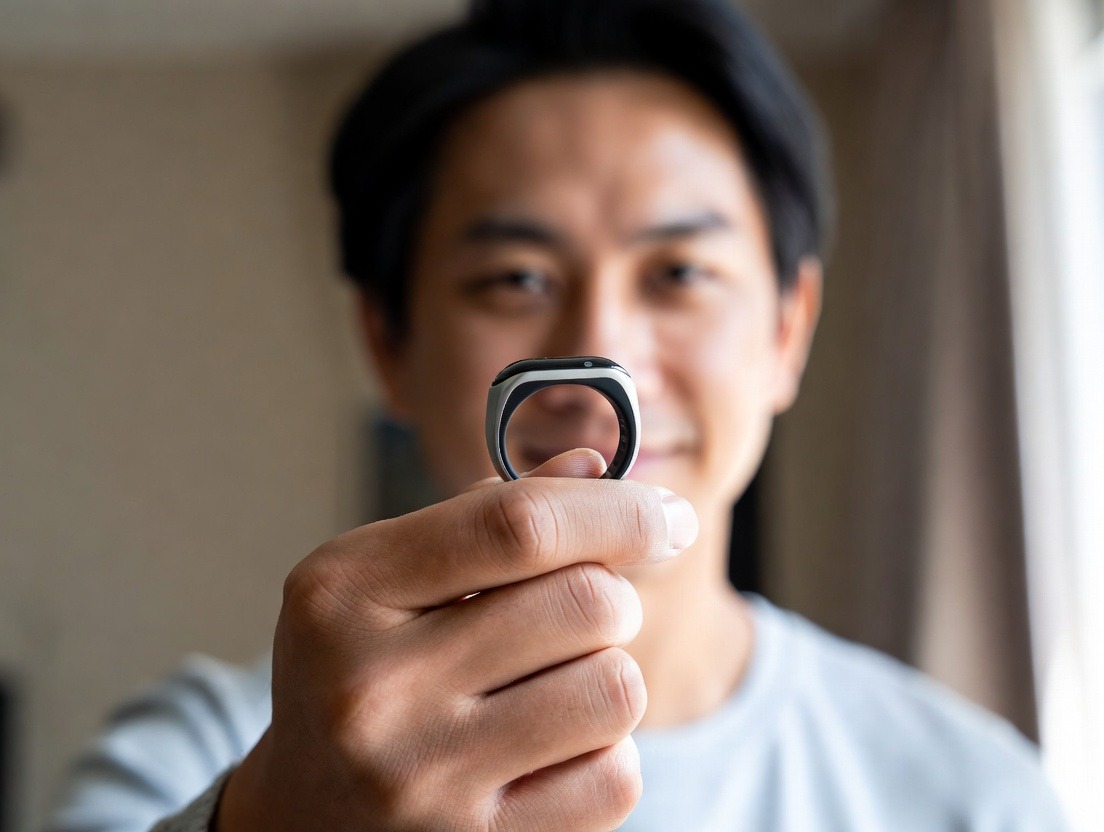
This is the power of objective tracking. Modern devices, like advanced smart rings, use sensors like optical photoplethysmography (PPG), accelerometers, and skin temperature monitors to provide insights into your sleep stages, heart rate variability (HRV), and nightly readiness. By tracking consistently, you move from guessing to knowing. You can see the direct impact of a 9 PM coffee versus a 2 PM one, or how a evening meditation practice lowers your resting heart rate. To understand what your sleep numbers should look like and how to interpret them, our guide on Deep Sleep Tracking: What Your Numbers Should Look Like is an essential resource.
Mastering sleep architecture turns a vague intention ("sleep better") into a precise, data-informed practice. It allows you to identify your personal deep sleep killers and systematically eliminate them, paving the way for truly restorative rest.
Nutrition is the fuel for your healthspan engine. But the modern dialogue around food is broken, dominated by restrictive fads, moralistic language ("good" vs. "bad" foods), and short-term weight loss goals. Maximizing healthspan requires a different paradigm: viewing food as information and medicine for your cells, across an entire lifetime. The goal shifts from losing weight to nourishing every system, reducing inflammation, and building resilience.
The core principle of longevity nutrition is to eat for cellular and metabolic health. This means prioritizing foods that reduce oxidative stress, support mitochondrial function (the energy powerhouses of your cells), and promote healthy gene expression. While specific needs may vary, several universal pillars form the bedrock of this approach.
The Power of Plants (and Protein): A longevity-focused plate is overwhelmingly colorful and plant-rich. Vegetables, fruits, legumes, nuts, seeds, and whole grains provide a symphony of phytonutrients, antioxidants, vitamins, minerals, and fiber. Fiber, in particular, is a healthspan superstar. It feeds your gut microbiome, the trillions of bacteria that influence everything from immunity to mood to metabolism. It regulates blood sugar and promotes satiety. Aim for a "rainbow" intake to ensure a broad spectrum of protective compounds.
Adequate, high-quality protein is equally critical, especially as we age. Sarcopenia, the age-related loss of muscle mass and strength, is a primary driver of frailty and loss of independence. Consuming sufficient protein throughout the day provides the amino acids necessary for muscle protein synthesis, preserving metabolic rate and functional strength. Sources matter: prioritize lean poultry, fish, eggs, legumes, and in some cases, thoughtfully sourced red meat.
The Fat Focus: The fear of dietary fat has been thoroughly debunked. Healthy fats are essential for brain health, hormone production, and absorbing fat-soluble vitamins (A, D, E, K). Focus on monounsaturated fats (avocado, olive oil, nuts) and omega-3 polyunsaturated fats (fatty fish like salmon, walnuts, flaxseeds). Omega-3s are powerfully anti-inflammatory and crucial for cognitive health. Minimize processed seed oils high in inflammatory omega-6 fats and avoid trans fats entirely.
Timing and Frequency: The Rhythm of Eating: When you eat is becoming as important as what you eat for longevity. Time-Restricted Eating (TRE), a form of intermittent fasting, involves consuming all your daily calories within a consistent window, typically 8-12 hours, and fasting for the remaining 12-16. This practice aligns with your circadian rhythm, giving your digestive system a prolonged break. It can improve metabolic flexibility (your body's ability to switch between burning carbs and fat for fuel), enhance cellular cleanup processes (autophagy), and improve blood sugar regulation. It’s not about severe calorie restriction, but about compressing your eating window.
The Longevity Lifestyle, Not a Diet: This approach is inherently anti-diet. It is flexible, sustainable, and focused on addition, not deprivation. It allows for enjoyment and social connection around food. The 80/20 rule is a useful guide: nourish your body with high-quality, whole foods 80% of the time, and leave 20% for flexibility and pleasure without guilt. This prevents the binge-restrict cycle that disrupts metabolic and psychological health.
The challenge, of course, is personalization. How do you know if your current diet is supporting your metabolic health? How does that "healthy" meal actually affect your blood glucose? Again, data transforms the game. Continuous monitoring via devices that estimate metrics like glucose trends (through proxies like heart rate variability and skin temperature) can reveal your unique responses to different foods, sleep patterns, and stress events. This is the essence of integrating health metrics—seeing the interplay between nutrition, sleep, and recovery in real-time. You can learn more about this holistic view in our article, How Sleep Tracking Integrates with Other Health Metrics.
By shifting from dieting to strategic, lifelong nourishment, you provide your body with the raw materials it needs to repair, defend, and thrive for decades.

If sleep is the foundation and nutrition is the fuel, then movement is the catalyst that makes everything work better. Physical activity is the closest thing we have to a miracle drug for healthspan. It strengthens the cardiovascular system, builds and preserves muscle and bone, improves insulin sensitivity, enhances brain function, boosts mood, and reduces systemic inflammation. Yet, the "how" of exercise must evolve significantly from our 20s to our 80s and beyond. The goal is not to be a lifelong competitive athlete, but to maintain functional independence, resilience, and joy in movement for life.
The modern exercise prescription for longevity is multifaceted. It moves beyond the old cardio-vs-weights debate to embrace four essential pillars: strength, stability, aerobic efficiency, and mobility. Neglecting any one pillar creates vulnerabilities that can shorten healthspan.
Strength: The Non-Negotiable Priority. Muscle is not just for aesthetics; it is a vital metabolic organ and your reservoir of resilience. After age 30, we naturally begin to lose muscle mass (sarcopenia) and strength at a rate of 3-8% per decade, accelerating after 60. This loss directly impacts metabolic rate, increases fall risk, and reduces the ability to perform activities of daily living. Counteracting this requires consistent progressive resistance training. This means challenging your muscles with enough load to stimulate adaptation—using weights, resistance bands, or bodyweight. Focus on compound movements that mimic real-life patterns: squats, hinges (deadlifts), pushes (presses), pulls (rows), and carries. The adage "use it or lose it" has never been more literally true.
Stability and Balance: The Forgotten Skills. Strength is useless without the ability to control it. Stability—the ability to maintain joint alignment under load—and balance are critical for preventing injuries, especially as we age. Falls are a leading cause of injury and loss of independence in older adults. Incorporate single-leg exercises (like lunges or single-leg deadlifts), exercises on unstable surfaces (like a Bosu ball, with caution), and dedicated balance practice (like standing on one leg) into your routine. Tai Chi and yoga are also excellent for building proprioception (body awareness) and balance.
Aerobic Efficiency: Engine for Life. Cardiovascular exercise strengthens your heart and lungs, improves blood vessel health, and boosts mitochondrial density. For healthspan, the focus is on building a strong aerobic base. This is best developed through low-to-moderate intensity steady-state cardio (where you can hold a conversation) and, crucially, Zone 2 training. Zone 2 is a specific intensity (approximately 60-70% of your maximum heart rate) that maximizes fat burning, improves metabolic flexibility, and builds mitochondrial efficiency without excessive systemic stress. Think brisk walking, cycling, or swimming at a comfortable yet sustained pace. Complement this with occasional, shorter bouts of higher-intensity interval training (HIIT) to boost cardiovascular peak performance and metabolic rate, but HIIT should be used sparingly as it places high stress on the body.
The Symphony of Movement: The ideal weekly movement plan for healthspan interweaves these elements. It might include 2-3 days of strength training, 2-3 days of Zone 2 cardio (45-60 minutes), daily movement "snacks" (short walks), and dedicated mobility or flexibility work. But perhaps the most underrated component is Non-Exercise Activity Thermogenesis (NEAT)—the energy you burn from all activity besides formal exercise. Fidgeting, standing, walking to the printer, gardening. High NEAT is strongly correlated with metabolic health and longevity. Get a standing desk, take walking meetings, and break up sedentary time every 30 minutes.
Crucially, your body's readiness for this movement is dictated by your recovery, which is dominated by sleep. Poor sleep impairs muscle repair, coordination, and motivation. Exercise timing can also be a powerful tool for sleep optimization. While intense late-night workouts can disrupt some, consistent moderate exercise, especially in the morning or afternoon, is one of the most reliable ways to deepen sleep quality. For a deeper dive into this synergistic relationship, explore How Exercise Timing Affects Your Deep Sleep Tonight.
By embracing a balanced, evolving movement practice, you invest directly in your future mobility, independence, and vitality. You are literally building the physical capital of your healthspan.
Stress is an inevitable part of life. In acute, short bursts, it is adaptive—the "fight-or-flight" response that helps us meet a deadline or avoid danger. The problem for modern healthspan is chronic stress: the persistent, low-grade activation of our stress-response systems due to work pressures, financial worries, relationship strains, information overload, and social comparison. Unlike a predator we can run from, these stressors are psychological and unrelenting, leaving our bodies awash in stress hormones like cortisol for weeks, months, or years. This chronic state is a silent saboteur of healthspan, accelerating aging at the cellular level.
The physiological toll is extensive. Chronically elevated cortisol dysregulates blood sugar, promotes abdominal fat storage (a key risk factor for metabolic disease), suppresses immune function, and impairs digestion. It can disrupt the delicate balance of neurotransmitters, contributing to anxiety and depression. Over time, it can even shrink the hippocampus, the brain region critical for memory and learning. Perhaps most damningly, chronic stress shortens telomeres, the protective caps on our chromosomes that are a key marker of cellular aging.
Therefore, building stress resilience—the ability to adapt to stressors, recover from them, and not be chronically worn down by them—is not a soft skill for wellness enthusiasts. It is a hard requirement for a long healthspan. Resilience is built not by avoiding all stress, but by changing your relationship to it and actively engaging your body's "rest-and-digest" parasympathetic nervous system.
The Breath as a Remote Control: The most immediate and accessible tool for stress modulation is your breath. The autonomic nervous system is uniquely influenced by respiration. Slow, deep, diaphragmatic breathing (e.g., inhaling for 4 counts, exhaling for 6-8 counts) directly stimulates the vagus nerve, the main pathway of the parasympathetic system, triggering a relaxation response. This can lower heart rate, reduce blood pressure, and calm the mind in minutes. Practicing this daily, even for 5-10 minutes, builds a baseline of calm.
Mindfulness and Cognitive Reframing: Stress begins with perception. Mindfulness meditation trains you to observe thoughts and feelings without judgment, creating space between a stressful event and your reaction. This breaks the cycle of rumination and catastrophic thinking. Cognitive reframing involves consciously challenging stress-inducing thoughts. Is this a true catastrophe, or a challenge I can manage? What is within my control? This shifts your mindset from helpless to resourceful.
Movement as Medicine (Again): Physical activity is a potent stress-buffer. It metabolizes excess stress hormones, releases endorphins (natural mood elevators), and provides a mental break. Mindful movement practices like yoga, tai chi, or even a walk in nature combine physical benefits with meditative focus, offering a double dose of resilience-building.
The Foundational Role of Sleep (Again): Here, the pillars intersect powerfully. Chronic stress severely disrupts sleep, creating a vicious cycle: stress causes poor sleep, and poor sleep lowers stress tolerance, leading to more stress. Protecting your sleep is therefore a primary stress-management strategy. Conversely, using these resilience techniques improves sleep quality, creating a virtuous cycle. However, for some, an obsessive focus on sleep data can itself become a source of stress—a phenomenon known as orthosomnia. It's vital to use data as a guide, not a gospel. To understand this delicate balance, our article The Dark Side of Sleep Tracking: When Data Creates Stress offers crucial perspective.
Social Connection: Often overlooked, strong social bonds are a powerful antidote to stress. Positive social interaction releases oxytocin, which dampens cortisol production. Feeling supported and connected provides a psychological buffer against life's challenges.
Building stress resilience is a daily practice of small investments. It’s the 5-minute breathing break, the 10-minute walk, the conscious reframe of a frustrating email. Over time, these practices don’t just help you "feel less stressed"; they rewire your nervous system, protect your cells from the ravages of cortisol, and add robust, healthy years to your life.
The term "metabolism" is often reduced to a simple measure of how fast you burn calories. For healthspan, it means something far more profound: the sum of all chemical processes that sustain life within your cells. Metabolic health is the optimal functioning of this vast network. When it goes awry, it sets the stage for the so-called "diseases of aging": type 2 diabetes, cardiovascular disease, neurodegenerative disorders, and many cancers. Therefore, mastering your metabolic health is arguably the most direct path to compressing morbidity and extending vitality.
The gold standard markers of metabolic health are simple yet profound: balanced blood sugar, healthy blood lipids (cholesterol), normal blood pressure, and a healthy waist circumference. Dysfunction in these areas, known as metabolic syndrome, is a glaring red flag for shortened healthspan. The central player in this drama is insulin.
Insulin: The Master Hormone: Insulin’s primary job is to shuttle glucose from your bloodstream into your cells for energy. However, chronic overconsumption of refined carbohydrates and sugars, combined with inactivity and poor sleep, can lead to insulin resistance. In this state, your cells become "numb" to insulin's signal. The pancreas pumps out more and more insulin to force glucose into cells, leading to chronically high insulin levels (hyperinsulinemia). This is a metabolic disaster. High insulin promotes fat storage, inhibits fat burning, drives inflammation, and is a key contributor to nearly every chronic disease.
Therefore, the core strategy for metabolic mastery is to cultivate insulin sensitivity. This means keeping your blood sugar and insulin levels stable and low throughout the day. The strategies we’ve already covered are your primary tools:
The Power of Personalized Data: While the principles are universal, your personal metabolic responses are unique. Two people can eat the same meal and have vastly different blood glucose responses based on their insulin sensitivity, microbiome, and recent activity. This is where continuous health monitoring transcends generic advice. By tracking metrics like heart rate variability (HRV), resting heart rate, and skin temperature—which are influenced by metabolic and inflammatory states—you can get a proxy view of your systemic stress and recovery. A sudden, unexplained rise in resting heart rate or a drop in HRV might indicate your body is fighting inflammation or struggling with a metabolic load, prompting you to investigate your diet, sleep, or stress.
This integrated feedback loop is the future of metabolic health. Instead of waiting for an annual blood test to show pre-diabetes, you can make daily, data-informed choices that keep your metabolism flexible and robust. You learn which foods cause disruptive spikes for you, how a poor night's sleep affects your next-day energy and cravings, and how exercise improves your biomarkers.
Furthermore, the link between metabolism and brain health is undeniable. Insulin resistance in the brain is now considered a key feature of Alzheimer's disease, sometimes called "Type 3 Diabetes." By protecting your metabolic health, you are directly protecting your cognitive healthspan. The deep, restorative sleep we discussed earlier is critical here, as it is during deep sleep that your brain's metabolic waste is cleared and neural connections are repaired.
Mastering your metabolism is not about extreme dieting; it's about creating a lifestyle that promotes hormonal harmony. It’s the ultimate preventive strategy, ensuring your cellular engines run cleanly and efficiently for a lifetime, preventing the diseases that steal quality years.
When we envision a long healthspan, we picture not just a body that moves, but a mind that thrives. Cognitive decline—the slow erosion of memory, processing speed, and executive function—is one of the greatest fears of aging. Yet, like our muscles and metabolism, the brain is not a static organ doomed to decay. It possesses neuroplasticity: the lifelong ability to form new neural connections, strengthen existing ones, and adapt in response to experience. Cognitive fitness is the active cultivation of this plasticity, building a resilient, agile, and durable brain.
Cognitive healthspan is about more than avoiding dementia. It’s about maintaining the sharpness, creativity, and learning capacity that make life engaging and meaningful. The strategies are multifaceted, engaging the brain in novel, challenging, and nourishing ways.
Novelty and Challenge: The Brain's Exercise Routine. Just as muscles atrophy without use, cognitive routines lead to neural stagnation. The antidote is cognitive enrichment: consistently challenging your brain with new, complex activities. This could mean learning a new language, picking up a musical instrument, mastering a new software program, or engaging in strategic games like chess or complex puzzles. The key is that the activity should be sufficiently difficult to require focused attention and problem-solving. This process stimulates the production of brain-derived neurotrophic factor (BDNF), a protein that supports the survival of existing neurons and encourages the growth of new ones.
The Body-Brain Connection Revisited. Physical exercise is arguably the most potent pro-brain activity. Aerobic exercise increases blood flow to the brain, delivering oxygen and nutrients. It directly boosts BDNF levels, promoting neurogenesis (the birth of new neurons) in the hippocampus. Resistance training also shows clear benefits for executive function. This isn't just about "feeling sharper" after a workout; it's about inducing structural and chemical changes that protect the brain over decades.
Nutrition for the Mind: The MIND Diet. Building on the general longevity nutrition plan, specific dietary patterns like the MIND (Mediterranean-DASH Intervention for Neurodegenerative Delay) diet have shown remarkable promise in preserving cognitive function. It emphasizes leafy green vegetables, berries (especially blueberries, rich in flavonoids), nuts, whole grains, olive oil, and fish. It minimizes processed foods, red meat, and saturated fats. The combination of antioxidants, anti-inflammatory fats, and phytonutrients protects neurons from oxidative stress and reduces neuroinflammation.
The Social Brain. Humans are inherently social creatures, and isolation is toxic to the brain. Meaningful social engagement is a complex cognitive workout. It requires listening, empathy, emotional regulation, and recall—all of which stimulate diverse neural networks. Strong social networks are associated with a lower risk of cognitive decline and dementia. Prioritizing deep, in-person connections is a powerful cognitive preservation strategy.
Sleep: The Brain's Maintenance Window. This pillar cannot be overstated in the context of cognitive fitness. During deep sleep, the brain's glymphatic system is most active, clearing out metabolic waste, including the beta-amyloid proteins associated with Alzheimer's. During REM sleep, the brain consolidates emotional memories and fosters creative connections. Chronic sleep deprivation impairs all these processes, accelerating cognitive aging. To understand the specific, irreplaceable role of one sleep stage, read about Deep Sleep and Memory: The Brain-Boosting Connection.
Managing the Cognitive Load of Modern Life. The constant digital distractions, multitasking, and information overload of modern life fracture attention and induce low-grade stress, both of which are detrimental to deep cognitive work. Practices like "deep work" sessions (focused, uninterrupted blocks of time), digital detoxes, and mindfulness can help protect your cognitive resources.
Building a fit brain is a proactive, lifelong endeavor. It requires the same intentionality as building a fit body. By combining novelty, physical vigor, smart nutrition, rich social connections, and protected sleep, you are not just hoping to avoid decline; you are actively architecting a brain that remains curious, adaptable, and vibrant for all the years of your life.
We often think of our health as dictated by our genes and our choices. But there is a third, massive player: the environment inside our bodies. This "internal terrain"—composed of our gut microbiome, our cellular and systemic inflammation levels, and our hormonal milieu—creates the biochemical context in which every cell functions. Optimizing this terrain is like preparing fertile soil for a garden; it allows all other healthspan strategies to take root and flourish. Neglect it, and even the best diet and exercise plan will struggle to yield full benefits.
The Gut Microbiome: Your Inner Ecosystem. Your gut is home to trillions of bacteria, viruses, and fungi, collectively weighing about as much as your brain. This microbiome is not a passive passenger; it's an active organ that influences digestion, immune function (70% of your immune system resides in your gut), metabolism, and even brain health via the gut-brain axis. A diverse, balanced microbiome is linked to better metabolic health, reduced inflammation, and improved mood. A disrupted microbiome (dysbiosis), often caused by a low-fiber, high-sugar diet, overuse of antibiotics, and chronic stress, is linked to a host of chronic diseases.
Feeding your microbiome is simple: give it plenty of prebiotic fiber from diverse plant sources (onions, garlic, leeks, asparagus, artichokes, legumes, whole grains). This is their preferred fuel. Incorporating fermented foods (yogurt, kefir, sauerkraut, kimchi, kombucha) introduces beneficial probiotic strains. Diversity is key—aim for 30 different plant foods per week.
Inflammation: The Double-Edged Sword. Acute inflammation is a healthy, localized immune response to injury or infection (think a swollen, red cut). The problem is chronic, systemic inflammation: a low-grade, body-wide fire that never extinguishes. This silent inflammation is a primary driver of almost every age-related disease, from atherosclerosis to cancer to neurodegeneration. It damages tissues, accelerates cellular aging, and disrupts normal function.
Lifestyle is the primary regulator of this fire. Pro-inflammatory drivers include: a diet high in processed foods, sugar, and unhealthy fats; chronic stress; poor sleep; sedentary behavior; and smoking. Anti-inflammatory strategies are the pillars we've already established: a whole-foods, phytonutrient-rich diet (especially foods like fatty fish, turmeric, berries, and leafy greens); regular exercise; quality sleep; and stress management. Monitoring markers like resting heart rate and HRV can provide clues about your inflammatory state, as systemic inflammation places stress on the cardiovascular system.
Hormonal Harmony: The Body's Communication Network. Hormones are chemical messengers that regulate everything from metabolism and sleep to mood and reproduction. Healthspan requires not extreme manipulation, but balance and rhythmic harmony. We've discussed insulin and cortisol. Others, like sex hormones (estrogen, testosterone) and thyroid hormones, also need to function optimally. While these naturally shift with age, lifestyle can support their healthy function or accelerate their decline.
The foundation for hormonal health is, once more, the core pillars. Adequate, high-quality protein and healthy fats are building blocks for hormones. Consistent, restorative sleep is when many hormones are secreted and regulated (e.g., growth hormone, leptin, ghrelin). Managing stress keeps cortisol in check. Resistance training supports healthy testosterone and growth hormone levels. Avoiding endocrine-disrupting chemicals found in some plastics and personal care products is also prudent.
The Role of Smart Monitoring. You can't directly "feel" your microbiome composition or your level of systemic inflammation. However, you can track their downstream effects. A smart ring that measures skin temperature, for instance, can detect subtle shifts that may indicate an inflammatory response or the onset of illness. Consistently poor HRV and elevated resting heart rate can be signs of a burdened system. This data allows you to connect dots: "After that weekend of poor food choices and late nights, my HRV plummeted and my skin temp rose—my internal terrain is stressed." This feedback loop empowers you to take corrective action—prioritizing sleep, choosing anti-inflammatory foods, de-stressing—to restore balance.
Optimizing your internal terrain is the work of creating a hospitable, resilient biochemical environment. It’s the deep, foundational work that amplifies every other healthspan investment, ensuring your body's own systems are primed for repair, defense, and longevity.
We are living through a revolution in self-knowledge. For the first time in history, we can move beyond population-level health advice and vague feelings of "wellness" to access continuous, objective data about our own unique physiology. This isn't about becoming data-obsessed; it's about using technology to close the feedback loop between our actions and our body's responses, enabling a truly personalized approach to healthspan maximization.
The old model of health assessment was episodic and lagging: you feel unwell, you visit a doctor, you get a snapshot of blood work from a single point in time. The new model is continuous and real-time. Devices like advanced smart rings, which are worn 24/7, provide a stream of biometric data that paints a dynamic picture of your health trends. This data falls into two powerful categories: tracking and readiness.
Tracking: The Objective Mirror. This tells you what happened. It includes detailed sleep stage analysis (light, deep, REM), sleep duration, and disturbances. It tracks daily activity, steps, and active calories. For the first time, you can answer questions with data, not guesswork: "Did I actually get enough deep sleep?" or "How sedentary was my workday?" This objectivity is crucial. Many people chronically overestimate their sleep quality and underestimate their sedentary time. As explored in How Sleep Tracking Validates Your Sleep Complaints, this data can move discussions with healthcare providers from subjective complaints to objective evidence.
Readiness: The Daily Guide. This is the more transformative layer. Readiness scores synthesize multiple data points—like sleep quality, resting heart rate (RHR), heart rate variability (HRV), and body temperature—into a single metric that suggests how prepared your body is for stress or exertion that day. A high readiness score might mean it's a great day for an intense workout or a demanding project. A low score, driven by poor recovery, high resting heart rate, or low HRV, is your body's signal that it needs rest, gentler movement, and recovery focus. This turns a generic daily routine into an adaptive, responsive practice. You learn to listen to your body's signals through its data.
Personalization in Action. This is where healthspan strategies become bespoke. With data, you can:
Avoiding the Pitfalls: Data as a Guide, Not a Tyrant. The power of this technology comes with a caveat. It is a tool for empowerment, not a source of anxiety. The goal is to develop a healthy relationship with the data—using it to inform choices, not to fuel obsessive control or create new stress (as discussed in the article on the potential dark side of tracking). The numbers are not a judgment; they are information. The focus should be on trends over weeks and months, not daily fluctuations.
The integration of this personal biometric data with the broader pillars creates a powerful synergy. You are no longer blindly applying sleep hygiene tips; you are testing them and seeing their direct impact on your deep sleep score. You're not just following a generic workout plan; you are modulating its intensity based on your daily readiness. This is the essence of precision wellness—using the technology of you to build the longest, healthiest life possible, tailored uniquely to your biology.
Life on Earth evolved under a consistent 24-hour cycle of light and darkness. It's no surprise that nearly every process in our bodies—from hormone secretion and cellular repair to cognitive performance and metabolism—follows a corresponding internal rhythm known as the circadian clock. This isn't just a sleep-wake cycle; it's a fundamental biological oscillator that governs the timing of our physiology. Aligning our lifestyle with this innate rhythm (circadian alignment) is a profound yet often overlooked strategy for healthspan. Fighting against it (circadian disruption) is a surefire way to accelerate aging and disease.
Your master circadian clock resides in a tiny region of the brain called the suprachiasmatic nucleus (SCN). It is primarily set by exposure to light, especially the blue-wavelength light of morning sun. When light hits your eyes, it signals the SCN to suppress melatonin (the sleep hormone) and ramp up cortisol (for alertness), setting your entire system into "daytime" mode. As darkness falls, melatonin rises, preparing the body for sleep and repair.
The Consequences of Misalignment: Modern life is a war on circadian rhythms. We get insufficient bright light in the morning and are bombarded with artificial light (from screens and LEDs) late into the night. We eat at erratic times, sometimes very late. We cross time zones. This confusion, called social jet lag, forces our internal organs (which have their own peripheral clocks) out of sync with the master clock and with each other.
The health toll is massive. Chronic circadian disruption is linked to:
Strategies for Circadian Alignment: The goal is to give your body clear, consistent time cues.
Tracking Your Rhythm: How do you know if you're in sync? Your sleep data provides strong clues. Consistently falling asleep quickly, achieving sufficient deep sleep in the first half of the night (when it is naturally concentrated), and waking feeling refreshed are signs of good alignment. Devices that track skin temperature can also detect your circadian temperature rhythm. A disrupted rhythm may show as erratic sleep, low deep sleep scores, and poor readiness metrics. For travelers, maintaining rhythm is a special challenge. Our article on Sleep Tracking for Travelers: Monitoring Across Time Zones offers strategies for rapid resynchronization.
Honoring your circadian biology is not about living like a hermit; it's about creating a supportive structure. By syncing your habits with the ancient rhythm of day and night, you reduce systemic stress, optimize organ function, and tap into a natural cycle of daily renewal that is foundational for a long and healthy life.
In the pursuit of healthspan, we meticulously track biomarkers, optimize macros, and perfect our workout splits. Yet, we often undervalue what might be the most powerful longevity "technology" of all: other people. Robust scientific evidence now places social connection on par with diet, exercise, and sleep as a determinant of long-term health and lifespan. Loneliness and social isolation are associated with a significant increase in the risk of premature mortality, rivaling the dangers of smoking and obesity. Conversely, strong social ties are linked to better immune function, lower rates of cognitive decline, improved cardiovascular health, and greater resilience to stress.
This isn't merely about having a large number of acquaintances. The quality and depth of connections matter most. Healthspan is nurtured by relationships that provide a sense of belonging, attachment, and reliable alliance. These bonds create a psychological and physiological safety net.
The Physiology of Connection: Positive social interaction triggers the release of oxytocin, sometimes called the "bonding hormone" or "love hormone." Oxytocin counters the effects of cortisol, reducing stress and promoting feelings of calm and trust. It also has anti-inflammatory properties. Feeling supported buffers the negative cardiovascular and neuroendocrine impacts of stress. In contrast, chronic loneliness creates a state of heightened vigilance and threat, keeping the body in a low-grade fight-or-flight mode, which increases inflammation and accelerates cellular aging.
Purpose and Meaning: The Why That Fuels Longevity. Closely tied to social connection is a sense of purpose—having compelling goals, directions, and reasons for living that extend beyond oneself. This could be found in work, caregiving, creative pursuits, volunteering, or spiritual practice. Purpose provides a cognitive framework that organizes behavior, motivates healthy habits, and fosters resilience in the face of adversity. Studies show that individuals with a strong sense of purpose have a lower risk of cognitive decline, cardiovascular events, and disability as they age. They literally have more to live for, and their biology reflects it.
Community and Collective Wisdom. Beyond one-on-one relationships, being part of a community—whether based on geography, shared interests, faith, or heritage—provides a broader web of support, shared identity, and collective knowledge. Communities can encourage and reinforce healthy behaviors (like group exercise or cooking), provide practical assistance, and offer a sense of being part of something larger than oneself.
Integrating the Social Pillar: This means intentionally investing in relationships and activities that foster connection and meaning. It requires the same scheduling priority as a gym session. This could look like:
The interplay here is critical. The energy and vitality to be socially engaged often come from the other pillars: good sleep, balanced nutrition, and managed stress. Conversely, feeling connected and purposeful makes it easier to maintain those healthy habits—you have support, accountability, and a reason to stay well. It creates a virtuous cycle where physical health supports social vitality, and social vitality reinforces physical health.
In a world of digital connection and busyness, cultivating deep, real-world social bonds and a sense of purpose is a radical and essential act of healthspan investment. It ensures that the long life you are building is not just lived, but lived well—with joy, support, and meaning.
A long healthspan is not a smooth, upward trajectory. It is a marathon filled with unpredictable terrain: injuries, illnesses, personal losses, career shifts, and global events that disrupt our best-laid plans. The difference between those who see their healthspan truncated by adversity and those who emerge from it with vitality intact often comes down to resilience and adaptability. These are not innate traits possessed by a lucky few, but skills that can be cultivated. They form the psychological and practical shock absorbers for your lifelong health journey.
Resilience is the capacity to withstand, recover from, and grow in the face of stress and challenge. Adaptability is the ability to adjust your strategies, goals, and expectations when circumstances change. Together, they allow you to bend without breaking.
The Mindset of the Adaptable: At the core of resilience is a specific cognitive style. Psychologists call it a growth mindset—the belief that abilities and circumstances can change through effort and learning. When facing a health setback like a diagnosis or injury, a fixed mindset says, "This is my fate; I'm declining." A growth mindset asks, "What can I learn from this? What aspects can I influence? How can I adapt my approach?" This reframe transforms a passive experience into an active, problem-solving challenge. It's the difference between seeing a forced break from intense training as a failure versus an opportunity to focus on mobility, nutrition, or other recovery modalities.
Practical Stress-Inoculation: Resilience is built in small doses, not born from catastrophe. You can "inoculate" yourself by voluntarily stepping outside your comfort zone in controlled ways. This could be trying a new physical skill you're not good at, taking on a challenging project, or practicing mindfulness during minor annoyances (like a long line). These micro-stressors, when successfully navigated, build confidence in your ability to handle discomfort and uncertainty. They strengthen the neural pathways for calm problem-solving under pressure.
The Toolkit for the Inevitable Downturn: Even with the best prevention, your body will sometimes need to slow down. Having a recovery toolkit ready is crucial. This is a pre-planned set of gentle, supportive practices you can deploy when you're sick, injured, or burned out. It might include:
The key is to see using this toolkit not as "giving up" but as strategic recovery—an active phase of the healthspan plan, as important as the growth phases.
The Role of Data in Navigating Setbacks: Here, health tracking shifts from optimization to navigation. During an illness, you might see your resting heart rate elevate and your HRV plummet. This data isn't a cause for alarm; it's objective confirmation that your body is under stress and needs rest. As you recover, watching these metrics slowly return to baseline provides tangible evidence of healing, often before you "feel" fully better. This can prevent the common mistake of returning to full activity too soon, which can lead to relapse or secondary injury. Furthermore, long-term tracking helps you identify patterns. Do you tend to get sick when your sleep consistency drops for a week? Does work stress reliably precede a flare-up of a chronic issue? This awareness allows for proactive intervention. For insights on why consistent monitoring is key to spotting these patterns, see Sleep Tracking and Consistency: Why Regular Monitoring Matters.
Cultivating Flexibility in Goals: A rigid attachment to specific outcomes ("I must run a marathon at 60," "I must never get sick") sets you up for psychological distress when life intervenes. Adaptability involves shifting from outcome-based goals to process-based or identity-based goals. Instead of "run a marathon," the goal becomes "be a person who prioritizes cardiovascular health and enjoys movement." This identity can be expressed through swimming, cycling, or brisk walking if running becomes impossible. The core value—vitality—remains, but the expression of it can flex.
Building resilience and adaptability ensures that the inevitable storms of life do not shipwreck your healthspan voyage. They allow you to chart a new course, learn from the squalls, and continue sailing toward a long and vibrant life, no matter what the seas bring.
The principles of healthspan are universal, but their application must evolve. A strategy that fuels a 25-year-old's ambitious career and social life will not optimally serve a 55-year-old navigating perimenopause or a 75-year-old focused on maintaining independence. A lifelong approach requires intelligent pivots, anticipating the changing needs and priorities of each decade. This is not about decline, but about strategic reinvestment in different areas of your physiological portfolio.
Your 20s & 30s: The Foundation Years.
Your 40s & 50s: The Pivot Point.
Your 60s & 70s: The Resilience Decades.
Your 80s and Beyond: The Vitality Priority.
Throughout all decades, the role of continuous monitoring adapts. In your 40s, it might help you navigate metabolic changes. In your 70s, it might provide reassurance that your daily walk is maintaining your cardiovascular fitness or alert you to a potential health issue through a sudden change in baseline metrics. It’s a lifelong companion for self-awareness.
This blueprint is a guide, not a prison. Individual genetics, health history, and circumstances vary wildly. The core lesson is to be proactive, not reactive. By anticipating the needs of the next decade and adjusting your strategies accordingly, you stay ahead of the curve, compressing morbidity and extending vitality at every stage of life.

While the core pillars of sleep, nutrition, movement, and stress management will always form the bedrock of healthspan, the frontier of longevity science is rapidly expanding. This research explores interventions at the cellular and molecular level, seeking to directly target the hallmarks of aging. While many of these are still in early stages or require medical supervision, understanding them provides a glimpse into the future of proactive longevity medicine and empowers you to have informed conversations with healthcare providers.
Targeting the Hallmarks of Aging: Scientists have identified several interconnected biological processes that contribute to aging. Emerging strategies aim to influence these:
The Critical Role of Medical Screening and Biomarkers: A proactive healthspan approach involves partnering with medicine for prevention, not just treatment. Regular, advanced screening allows you to catch deviations early, when they are most reversible.
The Promise and Peril of "Biohacking": The term "biohacking" encompasses a wide range of DIY biology practices, from the sensible (cold exposure, strategic supplementation) to the extreme. The healthspan mindset encourages evidence-based experimentation, not reckless experimentation.
Integrating the Frontier with the Foundation: It is vital to view these advanced strategies as adjuvants, not alternatives, to the foundational pillars. No supplement can compensate for chronic sleep deprivation. No senolytic can overcome a diet of ultra-processed foods. The most powerful "hack" remains a lifestyle that supports cellular health naturally: nourishing food, restorative sleep, purposeful movement, and managed stress. Technology like smart rings helps you master those foundations. As you solidify them, exploring the frontier with caution and professional guidance can be the next step in optimizing your personal healthspan trajectory. For those considering technological aids for foundational monitoring, a guide like How to Choose the Right Sleep Tracking Device for Your Needs can help navigate the options.
The frontier is exciting because it represents a shift from treating diseases of aging to potentially delaying aging itself. By staying informed and grounded, you can discern between promising science and mere hype, ensuring your healthspan strategy is both cutting-edge and profoundly sensible.
We have journeyed through the core pillars, the internal terrain, the necessity of adaptability, the evolution of strategy across decades, and the emerging frontiers. Now, the most critical step remains: synthesis. Knowledge without application is powerless. The final stage is to weave these threads into a Personalized Healthspan Action Plan—a living, breathing framework that guides your daily choices and evolves with you over time. This is not about creating a rigid, unsustainable regimen, but about designing a flexible system that supports your unique biology, goals, and life circumstances.
Step 1: The Honest Audit (The Baseline).
Begin with clear-eyed assessment, not judgment. Use both subjective and objective data.
Step 2: Identify Your Keystone Habit (The Lever).
You cannot overhaul everything at once. Identify one keystone habit—a small, manageable change that will have a ripple effect across multiple pillars. Often, this is the area of your greatest deficit or the one you feel most motivated to address.
Commit to this single habit for at least 30 days until it becomes automatic. Use your tracking data to observe its effects.
Step 3: Build Your Supportive Ecosystem (The Environment).
Your environment will always trump willpower. Design your physical and social spaces to make the healthy choice the easy choice.
Step 4: Implement the Feedback Loop (The Data).
This is where technology transforms intention into intelligence. Choose one or two key metrics to monitor that relate to your keystone habit.
Review this data weekly, not daily. Look for trends. Did your new bedtime routine improve your deep sleep average? Did your post-lunch walks lower your afternoon resting heart rate? This feedback is motivating and informative. It tells you what's working. If you see no change, it prompts a thoughtful adjustment to your strategy.
Step 5: Schedule Quarterly Reviews (The Adaptation).
Every 3 months, conduct a mini-audit. Revisit Step 1. Has your baseline improved? How do you feel? Has your keystone habit become effortless? If so, it's time to add or refine another habit. Maybe you now add two strength training sessions per week to your established walking routine. Or you start practicing a 5-minute breathing exercise in the morning.
The Philosophy of the Plan: Progress, Not Perfection.
Your Healthspan Action Plan will have great weeks and off weeks. The goal is not a perfect streak but a positive long-term trajectory. A missed workout, a poor night's sleep, or a indulgent meal is not a failure; it's a data point. The system—your weekly review and adaptive quarterly plan—is designed to absorb these fluctuations and keep you oriented toward your north star: a long, healthy, vibrant life.
By taking these steps, you move from being a passive consumer of health information to the active architect of your own vitality. You are equipped not just with knowledge, but with a practical, personalized method for applying it—today, this year, and for all the decades to come. The journey to maximize your healthspan starts with a single, intentional step. Take it.
Your Trusted Sleep Advocate: Sleep Foundation — https://www.sleepfoundation.org
Discover a digital archive of scholarly articles: NIH — https://www.ncbi.nlm.nih.gov/
39 million citations for biomedical literature :PubMed — https://pubmed.ncbi.nlm.nih.gov/
Experts at Harvard Health Publishing covering a variety of health topics — https://www.health.harvard.edu/blog/
Every life deserves world class care :Cleveland Clinic - https://my.clevelandclinic.org/health
Wearable technology and the future of predictive health monitoring :MIT Technology Review — https://www.technologyreview.com/
Dedicated to the well-being of all people and guided by science :World Health Organization — https://www.who.int/news-room/
Psychological science and knowledge to benefit society and improve lives. :APA — https://www.apa.org/monitor/
Cutting-edge insights on human longevity and peak performance:
Lifespan Research — https://www.lifespan.io/
Global authority on exercise physiology, sports performance, and human recovery:
American College of Sports Medicine — https://www.acsm.org/
Neuroscience-driven guidance for better focus, sleep, and mental clarity:
Stanford Human Performance Lab — https://humanperformance.stanford.edu/
Evidence-based psychology and mind–body wellness resources:
Mayo Clinic — https://www.mayoclinic.org/healthy-lifestyle/
Data-backed research on emotional wellbeing, stress biology, and resilience:
American Institute of Stress — https://www.stress.org/


