


15 Fatigue Prevention Tips Your Wellness Ring Monitors Automatically
Fifteen fatigue prevention tips are automatically monitored by your wellness ring.
Fifteen fatigue prevention tips are automatically monitored by your wellness ring.
%402x.svg)
You know the feeling. That 3 p.m. slump that feels like a lead weight on your eyelids. The mental fog that turns simple tasks into monumental efforts. The persistent, bone-deep tiredness that a full night’s sleep doesn’t seem to touch. In our relentless, always-on world, fatigue has become a silent epidemic, a universal experience we’ve come to accept as the cost of modern living.
But what if fatigue isn’t just an inconvenient side effect of a busy life? What if it’s your body’s most sophisticated communication system, sending you a cascade of data-driven signals about your fundamental health? For decades, we’ve been forced to guess at the causes of our exhaustion—Was it poor sleep? Bad diet? Stress? We played a frustrating game of trial and error, often missing the mark entirely.
Enter the era of the intelligent wellness ring. This unassuming piece of wearable technology represents a seismic shift in personal health management. No longer are we passive observers of our own decline; we are now empowered with a continuous, clinical-grade stream of biometric intelligence. A modern wellness ring is more than a sleep tracker; it is a 24/7 guardian of your vitality, a personal fatigue prevention analyst worn on your finger.
This article will unveil the 15 critical fatigue prevention tips that your wellness ring monitors automatically. We will move beyond generic advice into the realm of personalized, data-driven insight. You’ll discover how this device transforms abstract health concepts into concrete, actionable feedback, measuring everything from the quality of your deep sleep to the subtle balance of your nervous system while you’re awake. By understanding the exact levers your body uses to signal and combat fatigue, you can move from feeling constantly drained to operating with sustained, resilient energy. This is not about a quick fix; it’s about building a foundational, lifelong health strategy using a wellness ring that prioritizes prevention and empowers you with knowledge.

We all know sleep is important, but until recently, we’ve had to judge its quality by how groggy we felt in the morning. Your wellness ring changes the game entirely by providing a detailed architectural blueprint of your night. It doesn’t just track duration; it analyzes the very structure of your sleep—the cyclical journey through light sleep, deep sleep (Slow-Wave Sleep), and REM (Rapid Eye Movement) sleep. Each stage serves a non-negotiable, physiological purpose for fatigue prevention.
Deep Sleep: The Physical Restoration Phase
This is your body’s prime time for physical repair. During deep sleep, tissue growth and repair accelerate, energy is restored, and critical hormones for growth and development are released. Your wellness ring tracks the duration and consistency of this phase. A pattern of insufficient deep sleep is a direct pipeline to physical fatigue—your muscles haven’t had adequate time to recover, and your cellular energy stores are depleted. The ring’s data answers the crucial question: “Did my body get the physical restoration it needs?”
REM Sleep: The Mental & Emotional Processing Phase
While your body is quiet during REM sleep, your brain is fiercely active. This stage is essential for memory consolidation, learning, and emotional regulation. It’s when your brain processes the events of the day, filing away memories and stripping away the emotional charge from stressful events. Consistently low REM sleep, as flagged by your ring, can manifest as brain fog, poor concentration, emotional volatility, and mental fatigue. You slept for eight hours, but did your mind get the rest it requires?
Sleep Continuity: The Unbroken Chain of Rest
Perhaps one of the most revealing metrics is sleep fragmentation—how many times you wake up, even briefly, during the night. These micro-awakenings, which you are likely unaware of, shatter the continuity of your sleep cycles. Each interruption forces your brain to start a sleep stage over again, drastically reducing the efficiency of your rest. Your wellness ring detects these events through subtle changes in movement and heart rate. It can pinpoint if your restlessness is clustered in the early night (perhaps due to digestion or environmental factors) or in the early morning (often linked to stress hormones or blood sugar dips). By identifying these invisible disruptors, you can take targeted action, transforming fractured sleep into a solid, restorative block.
This granular view turns sleep from a mystery into a managed pillar of health. It allows you to connect the dots: “That week of mental exhaustion coincided with a 40% drop in my REM sleep,” or “My workouts feel harder when my deep sleep dips below an hour.” It’s the first and most fundamental layer in a comprehensive, prevention-first approach to lifelong health.
If you were to choose one single, most powerful metric for forecasting fatigue and overall resilience, it would be Heart Rate Variability (HRV). Contrary to what you might assume, a healthy heart does not beat with the monotonous regularity of a metronome. The time interval between heartbeats is constantly fluctuating, measured in milliseconds. This variation is controlled by your autonomic nervous system (ANS)—the unconscious regulator of your body’s core functions.
A high HRV indicates a flexible, resilient, and responsive nervous system. It means your body can easily adapt to stress, recover from exertion, and maintain balance (homeostasis). It’s a sign of good cardiovascular health, fitness, and effective recovery. Think of it as your body having a wide “emotional range” to handle life’s demands.
A low HRV, on the other hand, signals a stressed and fatigued system. It suggests your sympathetic nervous system (“fight or flight”) is dominant, keeping your body in a state of high alert with less capacity to relax and recover. Chronically low HRV is a strong, research-backed predictor of burnout, overtraining, impending illness, and chronic fatigue.
Your wellness ring calculates your HRV continuously, most accurately during sleep when external variables are minimized. It establishes your personal baseline and then tracks daily and weekly trends.
How Your Ring Uses HRV for Fatigue Prevention:
By making the invisible visible, HRV monitoring transforms how you manage your energy. It moves you from “pushing through” to “listening and adapting,” which is the cornerstone of building lifelong health habits that actually stick. You learn to respect your body’s signals, building resilience instead of depleting it.
Your core body temperature is not a fixed number; it follows a delicate, circadian rhythm that is fundamental to energy regulation and sleep quality. A healthy rhythm shows a clear drop in body temperature as you approach bedtime (signaling sleepiness) and a gradual rise towards morning (promoting alertness). This rhythm is governed by your master circadian clock and is intimately tied to your metabolic health.
Your wellness ring, worn on the finger—a prime location with rich blood flow—tracks your distal body temperature trends throughout the night. Deviations from your personal norm are packed with information about impending fatigue.
How Temperature Data Prevents Fatigue:
This silent stream of temperature data turns your ring into a predictive health tool. It helps you understand the metabolic and immune underpinnings of your energy levels, allowing you to act proactively rather than reactively to crashes.

Your breathing rate—the number of breaths you take per minute—is a vital sign that most of us never think about until we’re out of breath. Yet, it is a profoundly informative metric, especially when monitored at rest and during sleep. Your resting respiratory rate (RRR) and sleep respiratory rate reflect the efficiency of your cardiovascular system and the state of your autonomic nervous system.
A normal adult respiratory rate at rest is between 12-20 breaths per minute. During deep sleep, it typically slows and becomes very regular. Your wellness ring uses its optical sensors to detect the subtle chest or finger-volume changes with each breath, calculating your rate throughout the night.
Why Monitoring Breath Prevents Fatigue:
In essence, your breath is a direct window into your nervous system and recovery status. By quantifying it, your wellness ring helps you ensure that the very act of breathing—especially at rest—is supporting, not sabotaging, your energy reserves.
The relationship between movement and energy is paradoxical. The right amount energizes you; too little leads to stagnation and fatigue, while too much leads to exhaustion and breakdown. Finding your personal “Goldilocks Zone” has always been guesswork—until now. Your wellness ring provides an objective, 24/7 account of your activity, not just during workouts but through every step, stair, and fidget of your day.
This comprehensive activity profile is crucial for fatigue prevention in two key ways.
1. Identifying Chronic Under-Movement (Non-Exercise Activity Thermogenesis - NEAT):
You might hit the gym for 45 minutes, but what about the other 23 hours? Prolonged sitting creates physiological stagnation—sluggish circulation, stiff muscles, and a depressed metabolic rate that can contribute to feelings of lethargy. Your ring tracks your overall step count and, more importantly, your periods of inactivity. It can alert you if you’ve been sedentary for an hour, prompting you to take a brief walk. This simple feedback loop helps you increase your NEAT, which is essential for maintaining baseline energy, metabolic health, and preserving mobility and independence throughout life. Combating sedentary behavior is a direct attack on one form of fatigue.
2. Preventing Overtraining Syndrome (OTS):
This is where ring data becomes exceptionally powerful. OTS is a state of prolonged fatigue and performance decline caused by excessive training without adequate recovery. It’s the ultimate energy thief. Your ring helps you avoid it by providing the recovery data (HRV, sleep quality, resting heart rate) to balance your activity data.
By closing the loop between exertion and recovery, your wellness ring ensures your activity is a sustainable source of vitality. It teaches you that recovery is not laziness; it’s the essential, non-negotiable long-term investment in your health where your body actually gets stronger and more resilient.
Your resting heart rate—the number of times your heart beats per minute while you are completely at rest—is a classic, powerful indicator of cardiovascular fitness and overall health. A lower RHR generally indicates a stronger, more efficient heart muscle that can pump more blood with each beat, requiring fewer beats to sustain the body. Your wellness ring provides your most accurate RHR by measuring it during your deepest periods of sleep, free from the influences of standing, eating, or caffeine.
Tracking the trend of your RHR is where its true fatigue-prevention power lies. While your absolute number matters, the changes from your personal baseline are immediate, actionable alerts.
How RHR Trends Warn of Impending Fatigue:
Your resting heart rate is your body’s idle speed. Your wellness ring ensures you’re informed when that idle speed becomes inefficiently high, signaling that your engine is under strain before you even feel the full weight of fatigue on the road ahead.
You’ve likely heard of “night owls” and “early birds.” These preferences are more than habit; they are expressions of your innate chronotype—your body’s genetically influenced natural timing for sleep, activity, and cognitive function. Fighting against your chronotype is a surefire way to invite chronic sleep deprivation and fatigue. Your wellness ring acts as an objective chronotype detective, analyzing your data to reveal your body’s true preferred rhythm.
It does this by tracking the consistency of your sleep and wake times, the timing of your body temperature nadir (lowest point), and periods of peak movement. Over time, a clear pattern emerges.
Fatigue Prevention Through Chronotype Alignment:
Your wellness ring doesn’t judge your schedule; it reveals it. By honoring the rhythm it uncovers, you stop wasting energy fighting yourself and start harnessing your natural cycles for sustained vitality.
In our context, “stress” isn’t just a feeling of anxiety; it is any real or perceived threat that triggers a physiological response in your body. This can be a hard workout (physical stress), a tight deadline (psychological stress), an argument (emotional stress), or a poor meal (metabolic stress). All these stressors trigger a similar cascade: the release of cortisol and adrenaline, increased heart rate, diverted blood flow, and heightened alertness.
Acute stress is normal and healthy. The problem for fatigue is chronic, unmanaged stress exposure—a constant drip of stressors that keeps your nervous system stuck in “fight or flight,” depleting your energy reserves. Your wellness ring maps this exposure by interpreting a symphony of biomarkers.
Your Ring’s Stress Indicators:
Modern rings often synthesize these data points into a “Stress” or “Strain” score throughout the day. This isn’t about creating anxiety; it’s about creating awareness.
Using the Map to Prevent Fatigue:
By mapping your stress exposure, your ring gives you the power to intervene in real-time. You learn to take a breathing break before you’re fried, to reschedule a difficult conversation when your resilience is higher, and to truly disconnect in the evenings. You move from being a victim of stress to being the manager of your nervous system.
In a culture that glorifies hustle, recovery is often an afterthought—something that happens if there’s time left over. This is a fundamental misunderstanding. Recovery is not the absence of work; it is the active, physiological process where adaptation and strengthening occur. It is where energy is restored. Poor recovery quality directly manufactures next-day fatigue.
Your wellness ring conducts a continuous, silent audit of your recovery quality across three domains: nocturnal, daily, and seasonal.
Nocturnal Recovery (The Deep Reset):
This is the audit of your sleep, as detailed in Section 1. The ring assesses: Did you get enough deep sleep for physical repair? Enough REM for mental reset? Was your sleep continuous, or was it fragmented? A poor nocturnal recovery score predicts fatigue with high accuracy.
Daily Recovery (The Micro-Breaks):
This is about what happens between waking and sleeping. Your ring assesses this through:
A day with no valleys of recovery—only peaks of stress and activity—is a day that drains your battery without a chance to recharge.
Seasonal/Periodized Recovery (The Strategic Reset):
This is the macro view. By tracking trends over weeks and months, your ring can indicate when you might need a dedicated recovery block. A gradual, multi-week decline in HRV, a creeping rise in resting heart rate, and a trend of increasingly fragmented sleep are all signals that your system is carrying residual fatigue. This data makes the case for a “deload” week with lighter activity, more focus on sleep and nutrition, and perhaps a short vacation—a strategic intervention to reset your baseline and prevent a full-blown state of overtraining or burnout.
The Fatigue Prevention Action:
Your ring’s recovery metrics force you to schedule and honor recovery with the same intention as you schedule a meeting. Seeing a poor recovery score is a non-negotiable cue to:
It reframes recovery as the most productive thing you can do for sustained energy and performance. This mindset is essential for anyone committed to a science-backed, successful lifelong health strategy. You stop glorifying fatigue as a badge of honor and start celebrating recovery as the source of true, sustainable power.
Fatigue isn’t always generated from within. Often, it is a reaction to your external environment. Two critical, yet often overlooked, environmental factors that your wellness ring can help you investigate are light exposure and temperature—both of which are key drivers of your circadian rhythm and sleep quality.
Light: The Master Zeitgeber
Light is the most powerful signal for your master circadian clock, located in your brain’s hypothalamus. The timing, intensity, and color (wavelength) of light you are exposed to directly dictate your production of melatonin (the sleep hormone) and cortisol (the wakefulness hormone).
Your Ring as a Light Detective:
While most rings don’t have ambient light sensors, they measure the impact of your light habits through your sleep and circadian metrics.
Temperature: The Sleep Catalyst
As covered in Section 3, your body needs to drop its core temperature to initiate sleep. A bedroom that is too warm (typically above 68°F or 20°C for most people) can prevent this critical drop.
Your Ring as a Thermostat Validator:
Your nocturnal body temperature graph shows you if your body successfully achieved its cooling phase. If your temperature remains flat or elevated, it’s a strong indication your room is too warm. You can then experiment with lowering the thermostat, using lighter bedding, or a cooling pad. An improved temperature drop graph will correlate with better sleep scores and less next-day fatigue.
The Fatigue Prevention Action:
Your ring turns your environment from a passive backdrop into an active variable you can control. It empowers you to conduct personal experiments:
By optimizing these environmental levers, you remove invisible barriers to restorative sleep, which is fundamental to any plan focused on optimizing sleep quality for lifelong health. You create surroundings that actively support your energy, rather than stealthily drain it.
This is where the true power of continuous monitoring shines: the ability to connect cause and effect in your daily life. Your wellness ring acts as an unbiased feedback machine, showing you the tangible, physiological impact of your lifestyle choices—how you “fuel” your system. This moves you from following generic rules to developing a personalized, data-informed owner’s manual for your body.
The Experimentation & Correlation Process:
Key Fatigue-Prevention Correlations Your Ring Can Reveal:
This process of correlation is empowering. It replaces dogma (“never eat after 7 p.m.”) with personal truth (“When I eat after 9 p.m., my deep sleep drops by 15%”). It turns health into a personalized science experiment, where you are both the researcher and the subject. This level of self-knowledge is the ultimate tool for fatigue prevention, allowing you to craft a daily routine that proactively supports your energy levels. It is the practical application of letting smart ring data guide your lifelong health decisions, moving you from guesswork to precision.
In the first part of our exploration, we established the foundational pillars of fatigue prevention that a modern wellness ring monitors autonomously. We journeyed through the architecture of sleep, the predictive power of HRV, the silent signals of temperature and breath, and the critical importance of aligning activity, recovery, and environment with your personal biology. This data-driven awareness is the first, crucial step out of the fog of chronic tiredness.
But knowledge alone isn't power; it's potential power. The true transformation from fatigued to vital lies in the consistent, daily application of these insights. It's about moving from observing your metrics to engaging in a responsive dialogue with your body. The remaining four tips we will uncover focus on this dynamic interplay—the subtle, yet powerful, daily behaviors and long-term patterns that your ring illuminates, turning passive tracking into active vitality management. This is where you transition from having data to cultivating wisdom, forging a path of resilient energy that is not just for today, but for a lifetime.
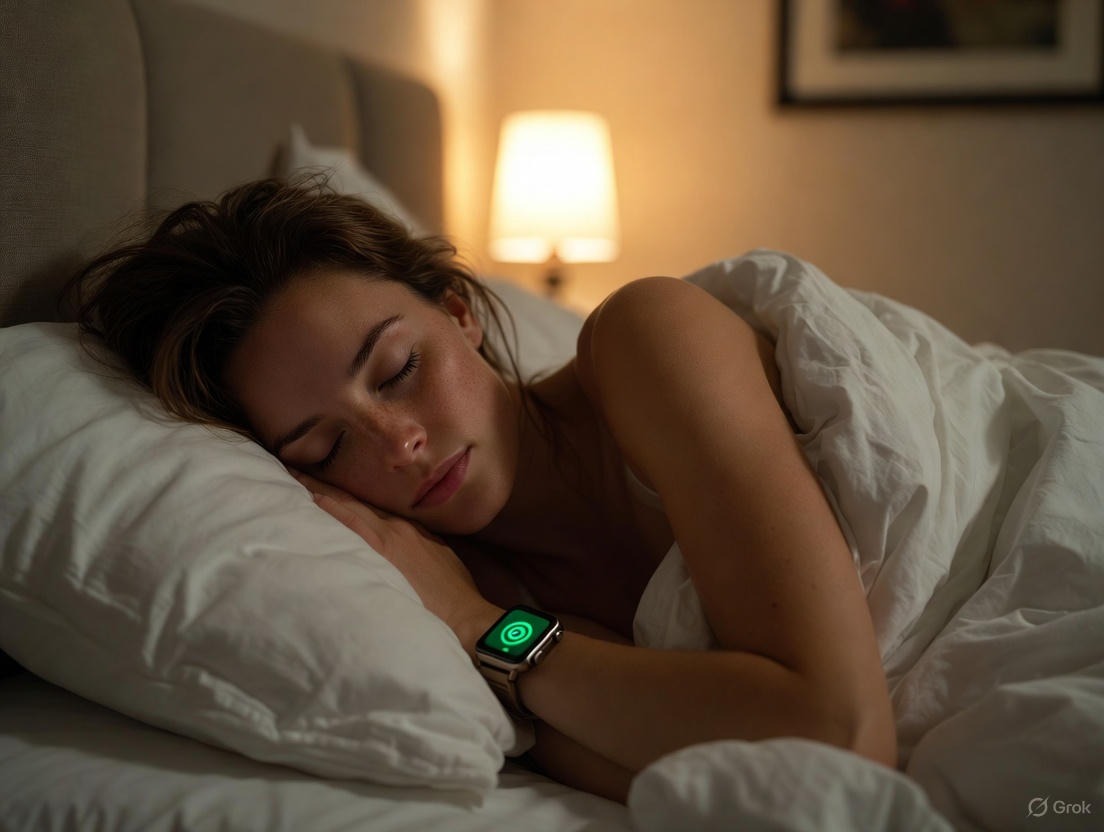
In many cultures, the afternoon siesta is a time-honored tradition. Modern science now confirms its wisdom: a brief, strategic nap can significantly enhance alertness, cognitive performance, and mood. However, like any tool, napping is double-edged. Done incorrectly, it can fragment nighttime sleep and exacerbate fatigue. The key lies in precision—duration, timing, and personal need. Your wellness ring provides the empirical feedback necessary to master the art of the strategic pause.
The Goldilocks Zone of Napping: Duration Matters
Research consistently points to two effective nap lengths:
Naps between 30-60 minutes, however, often result in waking from deep sleep, causing severe sleep inertia that can leave you feeling worse than before.
Your Ring as Nap Coach:
While actively napping with your ring on provides the most data, even your nighttime metrics can reveal a nap's impact.
Fatigue Prevention Protocol:
Mastering the strategic pause transforms a nap from a guilty pleasure into a deliberate performance-enhancing and fatigue-fighting tool. It teaches you that strategic rest is not lost time, but invested time, a concept central to the compound interest of wellness, where small, smart investments in recovery yield massive long-term energy dividends.
Your circadian rhythm thrives on predictability. The most powerful signal you can send to your internal clock is consistency—going to bed and waking up at roughly the same time every day, including weekends. This regularity stabilizes your melatonin and cortisol rhythms, improves sleep efficiency (less time tossing and turning), and leads to more sustained daytime energy. "Social jetlag," the shift in sleep timing on free days, is a major contributor to Monday morning fatigue and overall metabolic dysregulation.
Your wellness ring is the ultimate auditor of your rhythm. It doesn't just record your sleep times; it calculates your consistency and shows you the tangible cost of variability.
Key Metrics Your Ring Tracks:
Fatigue Prevention Through Rhythm Solidification:
By making your rhythm visible, the ring transforms consistency from a vague good idea into a non-negotiable pillar of energy management. It proves that discipline equals freedom—the freedom from debilitating afternoon slumps and foggy mornings. This commitment to rhythm is a proactive strategy to preserve cognitive function and mental clarity over the long term, as a stable circadian rhythm is intrinsically linked to brain health.
This tip explores a more subtle, yet profoundly important, layer of fatigue prevention: the impact of your social world on your physiological state. While a wellness ring doesn't directly measure your social calendar, it provides an incontrovertible biofeedback loop on how social interactions—both positive and negative—affect your nervous system and recovery. Human connection is a fundamental human need, and its quality directly fuels or drains our energy reserves.
The Physiology of Connection:
Your Ring as a Social Biofeedback Tool:
You can use your ring's stress, HRV, and sleep data to conduct insightful personal experiments on your social patterns.
Fatigue Prevention Through Conscious Connection:
By bridging the gap between your social life and your physiology, your wellness ring helps you curate a social ecosystem that actively supports your energy, making connection a deliberate part of your fatigue prevention strategy.
The final, and perhaps most sophisticated, fatigue prevention tip is about zooming out. Daily and weekly data is crucial for tactical adjustments, but the real magic—and the ultimate guardrail against chronic fatigue—lies in observing multi-week and seasonal trends. Your wellness ring’s true power is realized when you use it not as a daily report card, but as a long-term health journal that reveals the slow-moving currents beneath the surface of your daily life.
What Long-Term Trends Reveal:
Proactive Pivot Protocol:
This longitudinal view cultivates a mindset of stewardship rather than crisis management. You learn to see fatigue not as a sudden enemy, but as the endpoint of a trajectory you can observe and correct long before it becomes debilitating. It is the practice of adapting your health strategy to every life stage with intelligence and f
Your Trusted Sleep Advocate: Sleep Foundation — https://www.sleepfoundation.org
Discover a digital archive of scholarly articles: NIH — https://www.ncbi.nlm.nih.gov/
39 million citations for biomedical literature :PubMed — https://pubmed.ncbi.nlm.nih.gov/
Experts at Harvard Health Publishing covering a variety of health topics — https://www.health.harvard.edu/blog/
Every life deserves world class care :Cleveland Clinic - https://my.clevelandclinic.org/health
Wearable technology and the future of predictive health monitoring :MIT Technology Review — https://www.technologyreview.com/
Dedicated to the well-being of all people and guided by science :World Health Organization — https://www.who.int/news-room/
Psychological science and knowledge to benefit society and improve lives. :APA — https://www.apa.org/monitor/
Cutting-edge insights on human longevity and peak performance:
Lifespan Research — https://www.lifespan.io/
Global authority on exercise physiology, sports performance, and human recovery:
American College of Sports Medicine — https://www.acsm.org/
Neuroscience-driven guidance for better focus, sleep, and mental clarity:
Stanford Human Performance Lab — https://humanperformance.stanford.edu/
Evidence-based psychology and mind–body wellness resources:
Mayo Clinic — https://www.mayoclinic.org/healthy-lifestyle/
Data-backed research on emotional wellbeing, stress biology, and resilience:
American Institute of Stress — https://www.stress.org/


