Lifelong Health Strategies: The Cardiovascular Protection Plan
A long-term plan to protect heart health.
Lifelong Health Strategies: The Cardiovascular Protection Plan
In the quiet hours before dawn, while the world still sleeps, a silent rhythm pulses within you. It’s the steady, life-sustaining beat of your heart—a marvel of biological engineering that will contract over three billion times in an average lifetime. Yet, for something so vital, we grant it remarkably little conscious thought until a warning sign flashes. Cardiovascular disease remains the world’s leading cause of death, claiming nearly 18 million lives each year, according to the World Health Organization. But here is the profound and empowering truth: the vast majority of these deaths are preventable. Your heart’s fate is not written in your genes alone; it is crafted, day by day, by the choices you make. This isn't about a short-term diet or a fleeting fitness trend. This is about constructing a Cardiovascular Protection Plan—a living, breathing, lifelong strategy built on modern science, personalized data, and sustainable habits that shield your heart for decades to come.
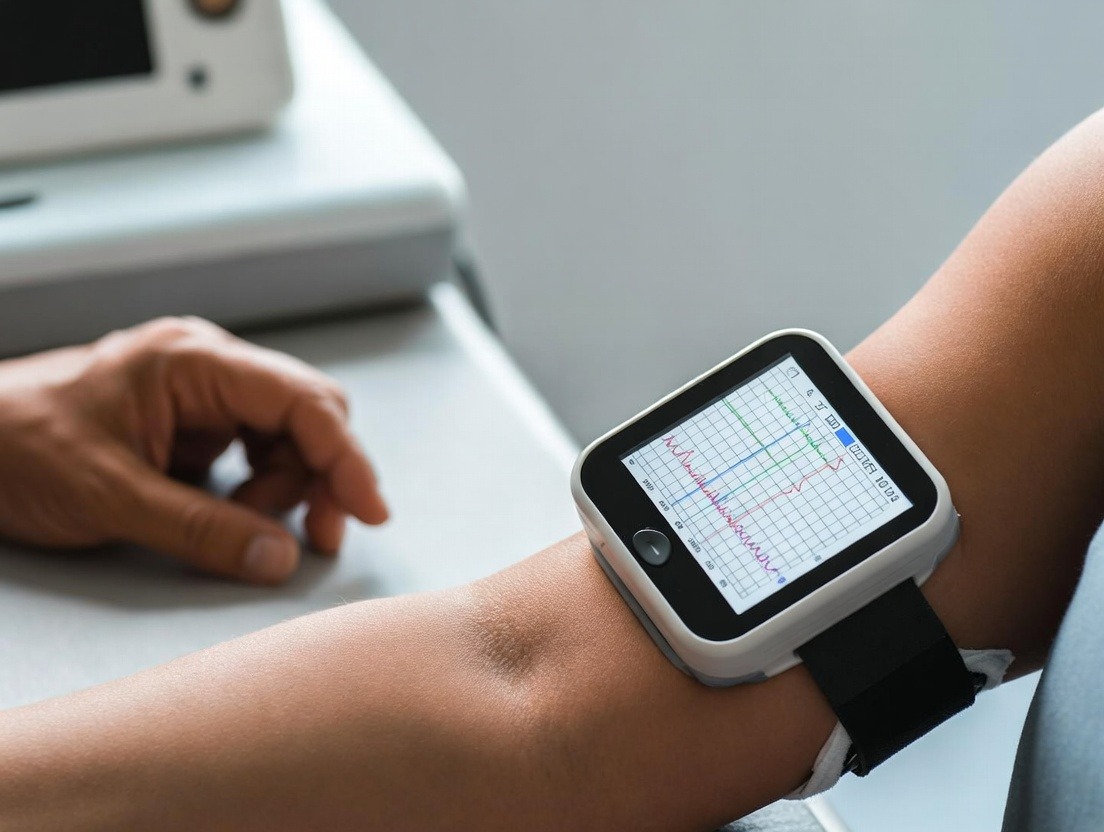
We stand at a unique crossroads in human health history. For the first time, we can move beyond generic advice and understand the intimate, real-time story of our own bodies. Wearable technology, especially the discreet intelligence of smart rings, now allows us to monitor the very pillars of cardiovascular wellness—sleep, recovery, stress, and activity—as a continuous, interconnected stream of data. This plan integrates that personal feedback loop with timeless nutritional wisdom and cutting-edge physiological understanding. It’s not about fear; it’s about agency. It’s about transforming that quiet, rhythmic pulse from a vulnerable system into a fortress of resilience. Let’s begin building yours.
The Unseen Enemy: Understanding Modern Threats to Heart Health
For centuries, the heart was considered the seat of the soul, but medical science has revealed it as the central engine of our circulatory system. Its primary threat—cardiovascular disease (CVD)—is an umbrella term for disorders of the heart and blood vessels, including coronary artery disease, heart attacks, strokes, and heart failure. The traditional risk factors are well-known: high blood pressure, high LDL cholesterol, smoking, diabetes, obesity, and physical inactivity. However, the modern understanding of these threats has evolved in two critical ways.
First, we now know the disease process begins much earlier and more subtly than previously believed. Atherosclerosis, the buildup of plaque in artery walls, can start in adolescence. Inflammation is the fiery catalyst that turns benign fatty streaks into dangerous, unstable plaques that can rupture and cause a catastrophic blockage. This means the “silent” phase of heart disease spans decades, offering a massive window for intervention long before symptoms appear.
Second, contemporary life has introduced a new layer of stealth risk factors that traditional models didn't fully capture. Chronic psychological stress, poor sleep quality, social isolation, and environmental pollutants now play recognized, significant roles. For instance, chronic stress keeps cortisol and adrenaline levels elevated, which increases blood pressure, promotes inflammation, and can lead to unhealthy coping behaviors like overeating. Similarly, research into the connection between sleep and recovery shows that poor sleep disrupts metabolic hormones like leptin and ghrelin, drives up blood pressure overnight, and is a powerful independent risk factor for hypertension and heart failure.
The modern threat isn't just a clogged pipe; it's a system under constant, low-grade siege from dietary choices, sedentary lifestyles, and environmental and psychological pressures. The old model of waiting for high cholesterol numbers at a yearly physical is a reactive, often too-late strategy. The protection plan is proactive. It requires understanding your personal baseline, identifying which of these myriad threats are most relevant to your physiology and lifestyle, and building defenses accordingly. The journey to lifelong heart health starts not with a dramatic overhaul, but with clear-eyed awareness of what you're truly defending against.
Beyond the EKG: The New Vital Signs of Heart Health
When you think of heart health metrics, your mind likely jumps to cholesterol panels, blood pressure readings, and electrocardiograms (EKGs). These are, without question, foundational clinical tools. But they are episodic snapshots, brief moments captured in the sterile environment of a doctor's office, often influenced by "white coat syndrome." The new paradigm of cardiovascular protection demands continuous, dynamic, and personalized vital signs that tell the story of how your heart lives, not just how it reacts in a clinic.
This is where physiological data from daily life becomes revolutionary. These new vital signs include:
Heart Rate Variability (HRV): This is not your heart rate, but the subtle variation in time between each heartbeat. A higher, more variable HRV indicates a robust, resilient autonomic nervous system—your body can swiftly and effectively switch between stress (sympathetic) and recovery (parasympathetic) states. A consistently low HRV is a strong predictor of systemic inflammation, overtraining, and future cardiovascular events. It’s a direct window into your nervous system's balance.
Resting Heart Rate (RHR): While simple, a trend of your resting heart rate, especially your sleeping heart rate (its lowest, most restorative point), is profoundly informative. A creeping increase over time can signal overtraining, impending illness, chronic stress, or poor metabolic health.
Nocturnal Blood Pressure & Pulse Wave Velocity: Advanced wearables are beginning to infer vascular dynamics. The idea is to understand "vascular aging"—the stiffness of your arteries. Softer, more elastic arteries are a hallmark of cardiovascular youth and health.
Recovery Scores: How quickly your heart rate drops after exertion and how well your body recuperates overnight are composite metrics of cardiovascular fitness and systemic stress load.
A smart ring that tracks deep sleep, for instance, provides critical data here. Deep sleep (N3 sleep) is when the body performs its most intensive cellular repair, releases human growth hormone for tissue regeneration, and allows the cardiovascular system to dial down. Consistently low deep sleep is linked to hypertension. By monitoring these new vital signs, you move from managing disease to optimizing function. You can see how a stressful meeting affected your nervous system, how a late meal impacted your overnight recovery, or how a new exercise routine is genuinely improving your cardiac efficiency. This is the cornerstone of a modern, data-informed Cardiovascular Protection Plan.
The Foundation Stone: How Sleep Architecture Dictates Cardiovascular Resilience
You cannot build a fortress on sand, and you cannot build a resilient cardiovascular system on poor sleep. Sleep is the non-negotiable foundation of the entire protection plan. It is during these critical hours that your heart and blood vessels undergo essential maintenance. During deep sleep, your heart rate and blood pressure naturally dip by 10-20%—a phenomenon known as "nocturnal dipping." This gives your cardiovascular system a much-needed respite, a daily period of lower pressure and reduced workload.
Failure to achieve this dip, a condition known as "non-dipping," is a significant risk factor for stroke and heart attack. Furthermore, sleep is the prime time for the glymphatic system—the brain's waste clearance system—to flush out metabolic toxins like beta-amyloid. Disrupted sleep means a backlog of inflammatory waste.
Sleep’s architecture is key. It’s not just duration, but quality and structure. The sleep cycle consists of light sleep (stages N1 & N2), deep sleep (N3), and REM (Rapid Eye Movement) sleep. Each plays a role:
Deep Sleep: The physical restoration phase. It’s crucial for tissue repair, immune function, and, as noted, cardiovascular rest. Understanding the science of deep sleep reveals it's when the body releases growth hormone, essential for repairing the endothelial lining of your blood vessels.
REM Sleep: The mental restoration phase. It’s vital for cognitive function and emotional regulation, which indirectly supports heart health by moderating stress response.
Disorders like sleep apnea are particularly devastating, causing repeated oxygen deprivation (hypoxia) and surges in blood pressure hundreds of times a night, directly damaging the cardiovascular system. But even mild, chronic sleep deprivation—getting less than 6-7 hours regularly—elevates inflammatory markers like C-reactive protein (CRP), increases hunger hormones leading to weight gain, and impairs glucose metabolism.
Therefore, the first actionable pillar of your protection plan is to prioritize and protect your sleep. This goes beyond just going to bed earlier. It involves creating a cool, dark sleep sanctuary, establishing a wind-down ritual, managing light exposure (especially blue light from screens), and being mindful of caffeine and alcohol timing. Tracking your sleep provides the feedback necessary to see what works. For example, you might discover that a workout too close to bedtime, while tiring, actually raises your core temperature and disrupts your deep sleep window, preventing that crucial cardiac rest. By fixing sleep, you build a solid, stable base upon which all other heart-healthy habits will stand.
The Fuel of Life: Nutrition’s Direct Line to Your Arteries
Every meal is a powerful intervention in your cardiovascular health story. The food you consume directly influences your blood lipids, blood pressure, inflammation levels, blood sugar stability, and the very health of the endothelial cells that line your 60,000 miles of blood vessels. The outdated model of "low-fat" everything has been replaced by a nuanced understanding of food as information and medicine.
The cornerstone of a heart-protective diet is not a strict set of rules, but a pattern of eating that emphasizes whole, anti-inflammatory foods. The Mediterranean diet is the most extensively researched model for this, showing dramatic reductions in heart attack and stroke risk. Its principles form an excellent blueprint:
Plant-Based Abundance: Fruits, vegetables, legumes, nuts, and seeds are rich in fiber, antioxidants, potassium, and phytonutrients. Fiber binds to cholesterol in the digestive tract and removes it. Potassium helps balance sodium and regulate blood pressure. Antioxidants combat the oxidative stress that damages artery walls.
Healthy Fats as the Primary Fat Source: This means monounsaturated fats (from olive oil, avocados, nuts) and omega-3 polyunsaturated fats (from fatty fish like salmon, sardines, and from flaxseeds, walnuts). These fats improve cholesterol profiles (raising protective HDL and lowering dangerous triglycerides), reduce inflammation, and promote endothelial function. They are not an add-on; they are central.
Quality Protein with a Seafood Emphasis: Lean poultry, eggs, legumes, and especially fish. The omega-3s in fish (EPA and DHA) are so potent at reducing inflammation and stabilizing heart rhythms that they are considered cardioprotective nutrients.
Minimization of Processed Foods, Sugars, and Refined Grains: This is the "avoid" side. Ultra-processed foods are often laden with refined carbohydrates, added sugars, unhealthy trans and saturated fats, and excess sodium—a perfect storm for promoting insulin resistance, inflammation, and hypertension.
Beyond this pattern, specific nutritional strategies have outsized impacts:
Sodium & Potassium Balance: It’s less about extreme sodium restriction and more about achieving a healthy potassium-to-sodium ratio (aim for more potassium). Potassium relaxes blood vessel walls.
The Fiber Goal: Strive for at least 30-40 grams of fiber daily from diverse sources (oats, beans, berries, vegetables). It feeds your gut microbiome, which itself produces metabolites that influence heart health.
Strategic Fasting: Time-restricted eating (e.g., confining eating to an 8-10 hour window) can improve metabolic flexibility, reduce oxidative stress, and aid in weight management, all benefiting the heart.
Your diet is the fuel that can either corrode or polish the engine. By choosing foods that reduce inflammation, manage blood sugar, and provide the raw materials for repair, you are directly programming your cardiovascular system for longevity.
The Heart’s Best Training Partner: Designing an Optimal Cardio & Strength Regimen
The heart is a muscle, and like any muscle, it grows stronger and more efficient with proper training. Exercise is a direct stimulus for cardiovascular adaptation: it lowers resting heart rate and blood pressure, improves the cholesterol profile, enhances insulin sensitivity, reduces inflammation, promotes capillary growth, and strengthens the heart's contraction. But not all exercise is created equal for heart protection. The optimal regimen is a strategic blend of different modalities.
Aerobic (Cardio) Exercise: This is the classic heart workout. It improves the heart's ability to pump blood and the muscles' ability to extract oxygen. The key is consistency and a mix of intensities.
Moderate-Intensity Steady State (MISS): Activities like brisk walking, cycling, or swimming where you can talk but not sing. Aim for at least 150 minutes per week. This builds a strong aerobic base and enhances metabolic health.
High-Intensity Interval Training (HIIT): Short bursts of near-maximum effort followed by recovery periods. HIIT is exceptionally efficient at improving VO2 max (a gold-standard measure of cardiovascular fitness), endothelial function, and insulin sensitivity. Even 20-minute sessions 1-2 times per week yield profound benefits.
Resistance (Strength) Training: This is the unsung hero of cardiovascular protection. Building lean muscle mass is not just for aesthetics. Muscle is metabolically active tissue that improves glucose metabolism and basal metabolic rate. Strength training also:
Lowers blood pressure as effectively as some medications.
Improves cholesterol ratios.
Reduces visceral fat, the dangerous fat stored around organs that drives inflammation.
Supports skeletal and joint health, enabling you to maintain aerobic activity for life.
Aim for at least two full-body strength sessions per week, focusing on compound movements like squats, lunges, pushes, and pulls.
The Critical Link to Recovery: This is where modern tracking is invaluable. Your wearable data tells you if your training is actually strengthening your heart or simply adding to your stress load. A consistently depressed Heart Rate Variability (HRV) and elevated resting heart rate are clear signs you need a rest day. Overtraining is pro-inflammatory and counterproductive. The true gains—the cardiac remodeling and vascular improvements—happen during recovery, especially during deep sleep for physical repair. Listen to this data. Balance hard days with easy days, and prioritize sleep on training days. Exercise is the stimulus, but recovery is where the heart-protective adaptation occurs.
The Silent Accelerant: Managing Chronic Stress and Psychological Wellbeing
If poor sleep undermines your foundation and poor nutrition provides faulty fuel, then chronic stress is the corrosive acid eating away at the entire system. The "fight-or-flight" response, mediated by the sympathetic nervous system and hormones like cortisol and adrenaline, is life-saving in acute danger. But when triggered constantly by modern worries—work deadlines, financial pressure, traffic, digital overload—it becomes a chronic, low-grade poison for your heart.
The physiological links are direct:
Blood Pressure & Heart Rate: Stress hormones cause immediate vasoconstriction (narrowing of blood vessels) and increase heart rate, raising blood pressure. Chronic stress can lead to sustained hypertension.
Inflammation: Cortisol, in healthy pulses, is anti-inflammatory. But chronically elevated levels can lead to cortisol resistance, allowing inflammation to run rampant, damaging artery walls.
Metabolic Dysfunction: Stress promotes the accumulation of visceral fat (the most dangerous kind) and can lead to insulin resistance.
Behavioral Pathways: Stress often drives unhealthy coping behaviors—emotional eating of sugary/fatty foods, alcohol consumption, smoking, and abandonment of exercise routines.
Therefore, stress management is not a luxury for mental peace; it is a mandatory cardiovascular intervention. Effective strategies must move beyond "just relax" and become concrete practices:
Nervous System Training: Techniques like deep, diaphragmatic breathing (e.g., box breathing: 4-second inhale, 4-second hold, 6-second exhale) directly stimulate the vagus nerve, activating the "rest-and-digest" (parasympathetic) system. This lowers heart rate and blood pressure on demand.
Mindfulness & Meditation: Regular practice reduces amygdala (the brain's fear center) reactivity and lowers baseline cortisol and inflammatory markers. It cultivates a gap between stimulus and reaction, allowing for healthier choices.
Nature Exposure & Movement: "Green exercise" like walking in a park combines the benefits of physical activity with the proven stress-reducing effects of nature.
Social Connection: Loneliness and social isolation are potent risk factors for CVD. Nurturing positive relationships provides a buffer against stress.
Your body's data can be your guide here. By tracking your HRV, you get an objective measure of your nervous system's balance. You can run experiments: try 10 minutes of meditation before bed for a week and observe its impact on your HRV and sleep score consistency. This turns the abstract concept of "stress management" into a tangible, optimized component of your protection plan.
The Data Layer: How Wearable Tech and Smart Rings Personalize Your Plan
A generic plan has limited power. The human body is a complex, adaptive system, and what works perfectly for one person may be ineffective or even counterproductive for another. This is the revolutionary promise of wearable technology—it closes the feedback loop, transforming health from a guessing game into a science of the self. A smart ring, worn continuously, becomes the central data hub for your Cardiovascular Protection Plan, monitoring the four pillars 24/7: Sleep, Activity, Stress, and Recovery.
Unlike wrist-worn devices, a ring on your finger can often provide more accurate physiological readings due to the denser vascularity in the finger and reduced motion artifact during sleep. The insights it provides are what make your plan truly personal:
Personalized Baselines: It tells your normal resting heart rate, your typical HRV range, and your optimal sleep duration. This allows you to spot meaningful deviations that signal illness, overtraining, or excessive stress.
Causal Link Identification: Did that extra glass of wine really affect your sleep? Did your heart rate stay elevated for hours after a difficult conversation? Data reveals the direct cause-and-effect relationships between your lifestyle choices and your cardiovascular physiology.
Optimal Timing: It can help you find your ideal exercise timing by showing how workouts at different times impact your subsequent sleep and recovery scores. It can guide you on when to wind down for bed based on your body's readiness for sleep.
Motivation & Adherence: Seeing positive trends—a gradual increase in HRV, a decrease in resting heart rate, more consistent deep sleep—provides powerful, intrinsic motivation. This is the psychology of tracking: when you see the data improve, you're more likely to stick with the habits that caused it.
Preventive Alerts: While not a medical device, significant, sustained trends in your data (like a creeping RHR or plummeting HRV) can serve as an early warning to consult your doctor, potentially catching issues well before they become symptomatic.
The data layer doesn't replace medical advice; it empowers you to have a more informed, proactive conversation with your healthcare provider. It shifts the paradigm from sporadic, reactive healthcare to continuous, personalized health optimization. Your smart ring is the silent guardian, quantifying the invisible, so you can make visible, powerful changes to protect your heart.
The Forgotten Factor: Environmental and Lifestyle Toxins
We meticulously consider the food we put in our mouths, but often overlook the "environmental diet"—the air we breathe, the water we drink, the chemicals we touch, and the light we absorb. These silent exposures form a pervasive backdrop of low-grade toxicity that can erode cardiovascular health over a lifetime. Your protection plan must account for this hidden layer of risk.
Air Pollution: Particulate matter (PM2.5), ozone, and nitrogen dioxide from vehicle exhaust, industrial emissions, and wildfires are a major, underappreciated cardiovascular threat. These microscopic particles enter the lungs, cause systemic inflammation, increase oxidative stress, can directly damage the endothelium, and make blood more prone to clotting. Studies show clear links between air pollution exposure and increased rates of heart attack, stroke, and arrhythmias. Mitigation strategies include using high-quality HEPA air purifiers at home, checking local air quality indexes (avoiding strenuous outdoor activity on bad days), and considering a protective mask in highly polluted areas.
Endocrine Disrupting Chemicals (EDCs): Found in some plastics (BPA, phthalates), pesticides, canned food linings, and personal care products, EDCs can mimic or interfere with the body's hormones. Some are linked to metabolic dysfunction, obesity, and may adversely affect lipid profiles and blood pressure. Choose glass or stainless steel over plastic for food/water storage, eat organic when possible (especially for the "Dirty Dozen" produce), and scrutinize product labels.
Heavy Metals: Chronic, low-level exposure to lead (from old pipes, some spices), cadmium (from cigarette smoke, some soils), and arsenic (from some well water, rice) is associated with hypertension, vascular damage, and increased CVD risk. Have your home's water tested, be mindful of rice consumption sources, and ensure your home is free of lead-based paint hazards.
Noise Pollution: Chronic exposure to traffic, airplane, or industrial noise is a potent psychological stressor that activates the sympathetic nervous system and has been linked to hypertension, increased heart rate, and higher incidence of coronary artery disease. Soundproofing, white noise machines, and ear protection can be helpful.
Light at Night: Beyond disrupting sleep, exposure to blue light in the evening suppresses melatonin, which has its own antioxidant and blood-pressure-lowering properties. Protecting your circadian rhythm by dimming lights and using blue-light blockers after sunset supports overall metabolic and cardiovascular health.
Addressing these factors involves creating a "clean" personal environment. It’s a form of defensive living that reduces the cumulative toxic burden on your system, allowing your body's natural repair and maintenance processes to function optimally.
The Power of Consistency: Building Habits That Last a Lifetime
A perfect plan executed for a month is worthless. A good plan followed consistently for decades is transformative. The single greatest predictor of success in your Cardiovascular Protection Plan is not the sophistication of the diet or the intensity of the workouts, but the consistency of application. Cardiovascular disease develops over a lifetime; preventing it requires a lifestyle, not a sprint.
Habit formation science provides the blueprint. The goal is to make healthy choices the default, automatic behavior, requiring minimal willpower. The key is to start small, stack habits, and create an environment that supports your goals.
Habit Stacking: Attach a new, small habit to an existing one. "After I brush my teeth at night (existing habit), I will do 2 minutes of deep breathing (new habit)." "After I pour my morning coffee (existing), I will take my vitamins (new)."
Environmental Design: Make the right choice the easy choice. Keep fruit on the counter, not in the drawer. Pre-pack your gym bag the night before and leave it by the door. Use apps to block social media after 9 PM to protect sleep.
Focus on Systems, Not Goals: Don't just say, "I want to lower my blood pressure." Build a system: "I will walk for 20 minutes every day after lunch." The system, consistently executed, achieves the goal.
Embrace Imperfection: The "all-or-nothing" mindset is the killer of consistency. Missing a workout, having a poor night's sleep, or eating an unhealthy meal is not a failure; it's data. The plan is resilient. What matters is returning to the pattern immediately at the next opportunity. This is where tracking helps immensely—you see the trend, not the single bad data point. Regular monitoring shows your progress over time, making a single off-day irrelevant in the broader narrative of improvement.
Find Your "Why": Connect your daily habits to a deep, personal value. Is it to be active with your grandchildren? To travel the world with vitality? To simply feel energetic and clear-headed every day? This intrinsic motivation is far more powerful than any external pressure.
Consistency is the compound interest of health. The small, daily deposits of a good night's sleep, a nutritious meal, a bout of movement, and a moment of calm compound over years into an enormous wealth of cardiovascular resilience. Your protection plan is not a temporary fix; it is the story of how you choose to live, written one consistent day at a time.
The First 30 Days: Launching Your Personalized Protection Plan
Knowledge is only potential power; execution is true power. This initial 30-day period is not about perfection or dramatic transformation. It is about awareness, establishment, and calibration. It's the launch sequence for your lifelong mission. We will focus on setting up your data stream, establishing foundational habits, and creating a personal baseline without overwhelm.
Week 1: The Observation Phase
Action: If you have a wearable device, wear it consistently. If not, start a simple journal.
Focus: Do not try to change anything yet. Simply observe and record. Note your sleep times, energy levels, general food intake, and stress feelings. The goal is to establish an honest baseline. You might be surprised to see, for instance, how your sleep complaints are validated by the data, showing frequent awakenings or low deep sleep percentages.
Key Metric: Average sleep duration and subjective energy at 3 PM.
Week 2: The Foundation Phase (Sleep & Hydration)
Action 1 - Sleep Hygiene: Based on your Week 1 observations, implement one sleep improvement. This could be setting a consistent bedtime, making your room pitch black and cool (65-68°F is ideal), or instituting a 30-minute screen-free buffer before bed.
Action 2 - Hydration: Aim to drink half your body weight (in pounds) in ounces of water daily. Start your day with a large glass of water.
Focus: Nail these two fundamentals. Everything else—metabolism, recovery, cognitive function—rests upon proper hydration and sleep. Observe in your data if your resting heart rate begins to lower slightly as sleep improves.
Week 3: The Fuel Phase (Nutrition)
Action: Implement one nutritional upgrade. Do not overhaul your diet. Choose one of the following:
Add one serving of vegetables to both lunch and dinner.
Swap your afternoon sugary snack for a piece of fruit and a handful of nuts.
Add one serving of oily fish (like salmon) to your week.
Focus: Quality over quantity. Introduce one nutrient-dense, anti-inflammatory food habit. Notice how this change affects your afternoon energy slumps and possibly your sleep quality.
Week 4: The Movement & Calm Phase
Action 1 - Movement: Add two 15-minute walks this week. Schedule them like an important meeting. They can be after a meal, during a work break, or while on a phone call.
Action 2 - Calm: Practice 5 minutes of diaphragmatic breathing before bed. Lie down, place a hand on your belly, and breathe deeply so your belly rises, then falls.
Focus: Connect gentle movement and direct stress modulation. After your breathing session, check your heart rate on your device—see the direct, immediate physiological effect of calming your nervous system.
At the end of 30 days, review your data and journal. What improved? What was easy? What was hard? Your protection plan is now alive. You have moved from theory to practice, and you have the beginnings of your own personal dataset to guide you forward. The journey of ten thousand miles has begun with these first, deliberate steps.
Beyond the Basics: Advanced Longevity Levers for Lifelong Protection
Once the foundational pillars of sleep, nutrition, exercise, and stress management are firmly in place and consistently practiced, you can explore advanced strategies that act as "longevity levers." These are interventions supported by emerging science that target the fundamental hallmarks of aging at a cellular and systemic level, offering an extra layer of cardiovascular defense.
Cold Exposure: Regular, controlled cold exposure (e.g., cold showers, ice baths) has been shown to increase brown adipose tissue ("good fat" that burns calories for heat), reduce inflammation, improve insulin sensitivity, and enhance vascular function through a process called cold-induced vasodilation. It also provides a potent hormetic stressor, training your nervous system and cardiovascular system to be more resilient.
Heat Exposure (Sauna): Regular sauna use (especially Finnish-style dry sauna) mimics the cardiovascular effects of moderate exercise. It increases heart rate, dilates blood vessels, improves endothelial function, and induces a deep, detoxifying sweat. Epidemiological studies have linked frequent sauna use with a significantly reduced risk of fatal cardiovascular events.
Hyperbaric Oxygen Therapy (HBOT): While more specialized, HBOT involves breathing pure oxygen in a pressurized chamber. It can enhance tissue oxygenation, reduce systemic inflammation, and stimulate the release of stem cells and growth factors, which may aid in vascular repair. It's an area of active research for cardiovascular recovery.
Pharmaceutical-Grade Supplements (Under Medical Guidance): Beyond basic vitamins, certain compounds show promise for heart health when used correctly. These include:
Omega-3s (EPA/DHA): At therapeutic doses (2-4 grams daily of combined EPA/DHA), they are powerful anti-inflammatories and triglyceride-lowers.
Coenzyme Q10 (CoQ10): Essential for cellular energy production, and levels decline with age. It may help with statin-related muscle side effects and support endothelial function.
Bergamot BPF: A specific, high-polyphenol extract from bergamot fruit shown in studies to improve lipid profiles and reduce arterial stiffness.
It is critical to discuss any supplement regimen with a healthcare provider, especially if you are on medication.
Lipoprotein(a) or Lp(a): A genetically influenced, highly atherogenic particle that standard cholesterol tests miss.
ApoB: A direct count of the number of atherogenic particles in your blood, considered superior to LDL-C alone.
High-Sensitivity CRP (hs-CRP): A sensitive measure of systemic inflammation.
Coronary Artery Calcium (CAC) Scan: A CT scan that directly visualizes calcified plaque in your coronary arteries, providing a personalized "arterial age" and risk score. It is one of the most powerful tools for motivating and tailoring preventative action.
These advanced levers are not for beginners. They are the fine-tuning tools for someone who has mastered the fundamentals and is committed to an aggressive, science-backed approach to maximizing their cardiovascular healthspan. They represent the frontier of proactive, personalized medicine, where the goal shifts from preventing disease to optimizing human performance and longevity.
Integrating Your Plan: The Art of Holistic Tracking and Interpretation
You have the data, you have the habits, and you have the knowledge. The final, master-level skill of the Cardiovascular Protection Plan is the art of integration and interpretation. This is where you move from seeing isolated metrics to understanding the symphony of your physiology. A low HRV score isn't just a "bad number"; it's a message. It could be telling you about poor sleep two nights ago, a hard workout yesterday, an argument with a loved one, or an impending illness. Your job is to become the expert translator of your own body's language.
Holistic tracking means looking at correlations and patterns, not just daily scores.
The Sleep-Stress Cycle: Did a stressful day lead to poor sleep, and did that poor sleep then lead to higher stress reactivity the next day? Breaking this negative feedback loop is key. You might need to deploy more aggressive stress-downregulation techniques on high-tension days to protect your sleep.
The Exercise-Recovery Balance: An elevated resting heart rate and low HRV for multiple days after introducing a new HIIT routine is a clear signal of overreaching. The intelligent response isn't to push harder, but to insert a rest or active recovery day. This is how you use data to optimize recovery while you rest, ensuring your training is truly protective, not destructive.
Nutritional Impact: Try an experiment. After a week of your normal diet, have a week where you dramatically increase your vegetable and fiber intake while cutting processed foods. Don't just watch the scale; watch your HRV trend, your resting heart rate, and your sleep scores. You may see tangible, data-backed proof of how food acts as medicine, validating the nutritional pillar of your plan.
The goal is to stop chasing single metrics in isolation. Don't obsess over hitting a specific sleep score every single night. Instead, look at your weekly and monthly trends. Is your average HRV gently sloping upward over three months? That is a powerful sign of improving autonomic resilience. Is your deep sleep percentage becoming more consistent? That suggests your sleep hygiene is solidifying. This longitudinal view protects you from the dark side of tracking, where daily data creates unnecessary stress. You learn to accept daily fluctuations as normal while steering the long-term trajectory firmly in the right direction. Your wearable and your journal become tools for compassionate self-inquiry, not for judgment.
Navigating Medical Care: How to Be Your Own Best Advocate
Your Cardiovascular Protection Plan exists in partnership with the traditional medical system, not in opposition to it. To be effective, you must learn to navigate that system as an informed, prepared, and proactive partner—your own best advocate. This transforms the typical 15-minute doctor's visit from a passive receipt of instructions into a strategic collaboration.
Before Your Appointment:
Organize Your Data: Do not show your doctor 90 days of raw heart rate graphs. Synthesize it. Prepare a brief, one-page summary: "Over the past three months, my average resting heart rate has decreased from 68 to 62 BPM. My wearable data shows my deep sleep has increased from an average of 45 minutes to 75 minutes per night after implementing a 10 PM screen curfew. I've logged 150 minutes of moderate exercise weekly."
Know Your Family History: Have a clear, written account of immediate family members' cardiovascular conditions and the age of onset.
Prepare Your Questions: Prioritize 2-3 key questions. Examples: "Given my family history and my current lipid panel, would a Coronary Artery Calcium (CAC) scan be appropriate for me?" or "My home blood pressure readings average 128/82, but in your office it's always higher. How should we interpret this?"
During Your Appointment:
Lead with Your Summary: Present your one-page data summary and your active role in your health. This immediately changes the dynamic.
Ask for Specifics: If medication is suggested, ask about the goal. "What specific biomarker are we trying to improve with this statin, and by how much?" If a test is ordered, ask, "How will the result of this test change your recommendations or our plan?"
Discuss Lifestyle as Treatment: Frame your habits as co-therapy. "I'm committing to this nutritional plan to reduce inflammation. How can we monitor to see if it's effective enough to avoid or delay medication?"
Understand Key Tests:
Basic Lipid Panel: Know your numbers, but also ask for ApoB or a NMR Lipoprofile for a more accurate particle count.
Blood Pressure: Advocate for ambulatory blood pressure monitoring (a 24-hour wearable cuff) if you suspect white-coat hypertension or want to confirm your nocturnal dipping status.
Inflammation: Request a high-sensitivity CRP (hs-CRP) test.
Advanced Imaging: Understand the role of a CAC Scan for personalized risk assessment, especially if you are a "mixed-risk" individual (e.g., good cholesterol but strong family history).
Your doctor is a consultant with expert knowledge of disease and pharmacology. You are the expert on your own daily life, behaviors, and now, your physiological data. By bringing these two domains of expertise together in a respectful, prepared manner, you create the most powerful possible team for protecting your heart.
The Social Heart: The Profound Impact of Community and Connection
Human beings are not meant to be solitary creatures, and our hearts are not designed to beat in isolation. A wealth of research has solidified what intuition has long told us: strong social connections are a powerful determinant of cardiovascular health and longevity. Loneliness and social isolation carry a risk equivalent to smoking 15 cigarettes a day and are greater risk factors for mortality than obesity.
The mechanisms are both behavioral and direct. Socially connected individuals are more likely to engage in healthy behaviors, have better mental health, and receive practical support. But the effect goes deeper:
Stress Buffering: Positive social interactions dampen the physiological stress response. Talking to a supportive friend can lower cortisol levels and blood pressure.
Inflammation Reduction: Chronic loneliness is associated with higher levels of pro-inflammatory cytokines.
Vagal Tone: Healthy relationships can stimulate the vagus nerve, promoting the "rest-and-digest" state that is antithetical to the fight-or-flight mode that damages the heart.
Therefore, nurturing your social ecosystem is not separate from your Cardiovascular Protection Plan; it is a core component of it. This involves both quality and quantity.
Deepen Existing Bonds: Schedule regular, device-free time with close friends and family. Focus on active listening and shared experiences, not just shared logistics.
Build Community Around Health: Find or create a "heart-healthy" community. This could be a walking group, a cooking club focused on Mediterranean recipes, or a mindfulness meditation class. Shared purpose powerfully reinforces habits.
Contribute and Volunteer: Altruism and generativity (contributing to the well-being of others) are strongly linked to better health outcomes and a sense of purpose, which itself is a protective factor.
Address Digital Isolation: Be mindful that online connections, while valuable, often lack the physiological co-regulation of in-person interaction. Prioritize face-to-face or voice-to-voice contact.
If you are tracking your HRV, you might conduct a personal experiment. After an evening spent laughing with close friends, check your morning HRV. Compare it to a morning after a night spent alone scrolling through social media. The data will likely tell a compelling story about the heart's need for genuine connection. Protecting your heart means protecting your relationships, for they are the living, breathing context that gives all your other healthy habits meaning and sustainability.
Adapting the Plan: Your Heart’s Journey Through the Decades
A static plan is a doomed plan. Your cardiovascular system, and the threats it faces, evolve dramatically from your 20s to your 90s. A protection plan that doesn't adapt is like wearing the same coat in every season. The core pillars remain, but their emphasis, expression, and specific goals must shift intelligently with each life stage.
The 20s & 30s: The Foundation Years
Threats: Often minimal overt risk, but this is the critical period where the silent process of atherosclerosis can begin. Lifestyle habits solidified here set the trajectory.
Focus: Establishment and Prevention. Build peak bone density and muscle mass through strength training. Develop a consistent sleep-wake cycle. Learn to manage stress without unhealthy coping mechanisms. Use wearable data to understand your personal baselines at peak physical potential. This is the time to invest in your "health capital."
The 40s & 50s: The Pivotal Decades
Threats: Metabolic changes become apparent. Hormonal shifts (perimenopause, andropause) can affect cholesterol, blood pressure, and body fat distribution. Stress from career and family peaks. This is when subclinical plaque often starts to become detectable.
Focus: Vigilance and Defense. Prioritize sleep quality, as it often deteriorates. Double down on strength training to combat sarcopenia (muscle loss). Begin more sophisticated biomarker testing (e.g., CAC scan, ApoB). Intensify stress management as a non-negotiable practice. This is the era to be proactive with your doctor, using data to guide conversations. Understanding how age affects deep sleep becomes crucial, as you may need to employ more deliberate strategies to protect this vital recovery phase.
The 60s and Beyond: The Longevity Optimization Phase
Threats: Increased stiffness of arteries, higher prevalence of hypertension, and a natural decline in physiological reserve. Recovery from stressors takes longer.
Focus: Preservation, Resilience, and Joyful Movement. Shift exercise emphasis from high intensity to consistency, mobility, and balance to prevent falls (a major cardiac stressor). Protein intake becomes even more critical to preserve muscle. Social connection is vital for cognitive and emotional health, which directly impacts physical health. Work closely with your doctor to fine-tune medications and monitor kidney function, as the pharmacology of heart protection becomes more central. The goal is to maintain function, independence, and quality of life.
At every stage, your wearable data provides the guide. It tells you when your recovery is slowing, signaling the need for more rest. It shows you the direct benefit of maintaining strength and social activity. Your protection plan is a living document, and you are its author, editing the script wisely as the chapters of your life unfold.
The Mind-Heart Connection: Cognitive Strategies for Unshakable Commitment
The most sophisticated plan in the world will fail without the right mindset. Protecting your heart for a lifetime is a marathon of the mind as much as the body. It requires navigating boredom, setbacks, plateaus, and the siren call of old habits. Cognitive behavioral strategies provide the mental toolkit for unshakable commitment.
Reframe Your Identity: Move from "I am trying to be healthy" to "I am a person who prioritizes heart health." This identity-based change is far more powerful. Every time you choose the stairs, the vegetables, or the early bedtime, you are not exercising willpower; you are acting in alignment with your core identity as a protector of your own vitality.
Practice Implementation Intentions: This is a specific "if-then" plan for obstacles. "If I am tempted to skip my workout after work because I'm tired, then I will put on my walking shoes and just go for a 10-minute walk." "If I am at a party and see only unhealthy food, then I will fill my plate first with the vegetable platter and drink a full glass of water." This pre-programming removes the mental load in the moment of decision.
Use Temptation Bundling: Pair a habit you should do with one you want to do. Only listen to your favorite podcast or audiobook while on your daily walk. Only watch your favorite show while on the stationary bike. This leverages pleasure to reinforce discipline.
Cultivate Self-Compassion: When you inevitably have an off-day or week, respond with curiosity, not cruelty. Ask, "What was the trigger? What can I learn?" instead of "I've failed." Self-flagellation increases stress hormones and makes returning to good habits harder. Self-compassion is the psychological equivalent of a rest day—it allows for recovery and renewed effort.
Visualize the Future Self: Create a vivid, sensory-rich mental image of your healthy, vibrant future self—active, energetic, and fully engaged with life. Connect your daily actions to serving that person. This future self is the ultimate beneficiary of every small choice you make today.
Your mindset is the operating system that runs your protection plan. By deliberately cultivating a resilient, identity-based, and compassionate inner dialogue, you ensure that the plan is not a burdensome chore, but a graceful expression of who you are and who you are becoming.
Case Study in Resilience: Applying the Plan to Real-World Scenarios
Theory meets reality in the chaos of daily life. Let's examine how the Cardiovascular Protection Plan, guided by data, adapts and triumphs in three common, challenging scenarios.
Scenario 1: The High-Pressure Business Trip
Threats: Disrupted circadian rhythm, poor airplane food, alcohol at client dinners, zero exercise, high stress, and sleeping in an unfamiliar hotel.
The Adapted Plan:
Pre-Trip: Hydrate aggressively. Pack healthy snacks (nuts, protein bars, dark chocolate). Download a meditation app. Research hotel gym or nearby walking routes.
Sleep: Bring a travel white noise machine and a sleep mask. Use the "Do Not Disturb" sign. Prioritize sleep over late-night hotel TV. Use your ring to monitor how travel across time zones affects your specific physiology.
Nutrition: At dinners, order first (avoiding social pressure) and choose a vegetable-based starter and a grilled fish or lean protein main. Sip one drink slowly, then switch to sparkling water. At breakfast, load up on eggs and fruit, avoiding pastries.
Movement: Perform a 15-minute bodyweight workout (squats, push-ups, planks) in your room first thing. Take walking meetings.
Stress: Use flight time for breathing exercises. Block out 10 minutes of solo time between meetings to reset.
Post-Trip: Expect lower HRV and higher RHR. Don't schedule intense workouts. Focus on sleep, hydration, and whole foods to guide your system back to baseline. The data helps you recover intelligently.
Scenario 2: The New Parent (or Caregiver)
Threats: Severe, chronic sleep fragmentation, erratic eating, high stress, no time for exercise, social isolation.
The Adapted Plan:
Sleep: Abandon the ideal of 8-hour blocks. Instead, protect sleep quality at all costs. When you do sleep, make it count. Blackout the room, use earplugs if needed, and sleep when the baby sleeps when possible. Track your sleep to identify any precious windows where deep sleep is most likely and guard that time fiercely.
Nutrition: Embrace batch cooking and simple, whole foods. Hard-boiled eggs, pre-cut vegetables, Greek yogurt, and slow-cooker meals are your allies. Hydration is critical, especially if breastfeeding.
Movement: Reframe exercise as "movement snacks." 5 minutes of stretching while the baby naps. 10 minutes of bodyweight exercises. A walk with the stroller is a triple win: movement, sunlight (for circadian rhythm), and potential naptime.
Stress & Connection: Practice micro-meditations—one minute of focused breathing. Join a parent group for social support. Communicate needs with your partner to share the load.
Mindset: This is a season. The goal is not optimization, but resilience preservation. Your data will look different; that's okay. Use it to ensure you're not in a dangerous deficit, and to guide your recovery when the season changes.
Scenario 3: Managing a Chronic Condition (e.g., Hypertension)
Threats: Fear, medication management, feeling defined by a diagnosis.
The Adapted Plan:
Data as Empowerment: Use a home blood pressure cuff and your wearable not to obsess, but to demonstrate agency. See the direct impact of a daily walk on your BP reading. See how a meditation practice lowers your resting heart rate over time. You become the scientist of your own body.
Partnership with Your Doctor: Bring your lifestyle data to appointments. "Doctor, since we last met, I've averaged 7 hours of sleep and my home BP readings have been in this range. How does this affect our medication strategy?"
Focus on Inflammation: With a condition like hypertension, the anti-inflammatory aspects of the plan become paramount. Emphasize omega-3s, colorful plants, and consistent, moderate exercise.
Stress as a Primary Target: Stress management is no longer a wellness add-on; it is direct therapy. Practices that improve vagal tone (humming, deep breathing, cold exposure) can have a measurable, favorable impact on blood pressure regulation.
Community: Connect with others managing similar conditions (in-person or in reputable online forums) for shared tips and moral support.
These scenarios prove the plan's robustness. It is not a fair-weather strategy; it is a flexible framework that provides clarity and control even when life is at its most demanding.
The Future of Heart Health: Emerging Technologies and Personalized Medicine
The Cardiovascular Protection Plan you are building today is at the beginning of a staggering curve of innovation. The next decade will see a convergence of biosensing, artificial intelligence, and genomics that will make personalized prevention more precise, predictive, and powerful than ever before.
Next-Generation Biosensors: Smart rings and other wearables will evolve from tracking proxies to providing clinical-grade data. Continuous, non-invasive blood glucose monitoring (already here for diabetics) will become mainstream, providing instant feedback on metabolic health. Rings with ECG capabilities can screen for atrial fibrillation. Sensors measuring capillary blood flow and pulse wave velocity will give real-time assessments of arterial stiffness and endothelial function.
AI-Powered Health Coaches: Artificial intelligence will analyze your multi-modal data stream (sleep, activity, heart, nutrition logs, blood markers) to provide hyper-personalized insights. It won't just tell you your HRV is low; it will say, "Your HRV pattern suggests you are fighting off a virus; consider extra rest and hydration today," or "Based on your past data, a workout after 7 PM has an 80% probability of reducing your deep sleep. Suggest moving it to the morning."
Digital Therapeutics and Gamification: Prescription-grade apps will deliver cognitive behavioral therapy for stress, insomnia, and dietary change. Gamified elements tied to your physiological data will make habit formation more engaging, turning your protection plan into a rewarding, personalized journey.
Genomics and Epigenetics: While you can't change your DNA, understanding your genetic predispositions (e.g., for high Lp(a), salt-sensitive hypertension, or caffeine metabolism) allows for ultra-targeted strategies. More importantly, epigenetics—how your lifestyle influences gene expression—is the true frontier. Your plan is already an epigenetic modulator. Future tests may show you how your diet and exercise are literally altering the expression of genes related to inflammation and repair.
The Integration with Medical Records: Secure, patient-controlled data sharing will become standard. You will be able to seamlessly integrate your wearable data stream with your electronic health record, allowing your doctor to see not just a snapshot from your annual physical, but the story of your year.
This future is not about replacing the human element or the foundational pillars of sleep, nutrition, exercise, and stress management. It is about illuminating the path with an ever-brighter light, removing guesswork, and providing motivation through clear, personal evidence of progress. Your role will shift from data collector to strategic decision-maker, empowered by an unprecedented understanding of your own unique biology. The lifelong protection of your heart is becoming the most personalized, scientifically supported endeavor of your life.
The Gut-Heart Axis: How Your Microbiome Programs Cardiovascular Destiny
For centuries, the heart and the gut were considered separate domains. Today, we know they are in constant, intimate conversation through a network known as the gut-heart axis. Your gastrointestinal tract is home to trillions of microbes—your microbiome—that act as a metabolic organ, producing compounds that directly influence inflammation, immunity, and crucially, cardiovascular health. Nurturing this internal ecosystem is a non-negotiable component of modern heart protection.
The primary messengers are microbial metabolites:
Short-Chain Fatty Acids (SCFAs): When you consume dietary fiber (prebiotics), your gut bacteria ferment it, producing SCFAs like butyrate, acetate, and propionate. These compounds are powerhouse protectors. They reduce systemic inflammation, strengthen the gut barrier (preventing "leaky gut" and the translocation of inflammatory molecules into the bloodstream), improve insulin sensitivity, and can directly help regulate blood pressure.
Trimethylamine N-Oxide (TMAO): This metabolite exemplifies the gut-heart link's double-edged nature. When gut bacteria digest nutrients like choline (found in red meat, eggs, some fish) and L-carnitine (abundant in red meat), they produce trimethylamine (TMA), which the liver converts to TMAO. High blood levels of TMAO are strongly associated with increased risk of atherosclerosis, thrombosis, and major adverse cardiac events. It appears to promote inflammation and alter cholesterol metabolism.
Therefore, your nutritional strategy must include a deliberate microbiome-nourishing protocol:
Diversify Plant-Based Fiber: Aim for 30+ different plant-based foods per week. Each fruit, vegetable, legume, nut, seed, and whole grain provides unique fibers and polyphenols that feed different beneficial bacterial strains. Diversity begets resilience.
Prioritize Fermented Foods: Incorporate probiotic-rich foods like live-culture yogurt, kefir, sauerkraut, kimchi, kombucha, and miso. These introduce beneficial live bacteria to your gut environment.
Be Strategic with Animal Protein: This doesn't mean eliminating red meat or eggs entirely, but it does mean contextualizing them. If your diet is already high in fiber and rich in plants, the impact of occasional TMAO precursors may be mitigated. However, a diet high in red meat and low in fiber is a recipe for a harmful gut metabolite profile.
Consider Targeted Prebiotics: Foods like garlic, onions, leeks, asparagus, oats, and bananas are excellent sources of inulin and other prebiotics that selectively fuel good bacteria.
The state of your gut is reflected in markers of systemic inflammation like hs-CRP. By feeding your microbiome a diverse, fiber-rich diet, you are essentially programming it to produce anti-inflammatory, heart-protective compounds daily. It is one of the most profound ways your diet directly "talks" to your cardiovascular system. Think of your gut not just as a digestive tube, but as the command center for your body's inflammatory response, a command center you can influence with every meal.
Mastering Hydration: Water as a Fundamental Vascular Regulator
Water is so basic that its role in elite health is often overlooked. Yet, hydration status is a primary modulator of vascular function, blood viscosity, and blood pressure. Every cell in your body, including the endothelial cells lining your 60,000 miles of blood vessels, requires adequate hydration to function optimally.
Chronic, low-grade dehydration has insidious cardiovascular effects:
Increased Blood Viscosity: Dehydration reduces plasma volume, making blood thicker and "sludgier." This increases the heart's workload (it must pump harder to move thicker fluid) and raises the risk of clot formation.
Elevated Blood Pressure: The body responds to low fluid volume by releasing hormones like vasopressin and aldosterone, which cause the kidneys to retain sodium and water and promote vasoconstriction, directly increasing blood pressure.
Impaired Endothelial Function: Dehydrated cells cannot efficiently perform their duties, including the production of nitric oxide, the molecule that keeps blood vessels dilated and pliable.
The old "8 glasses a day" rule is a crude starting point. Individual needs vary dramatically based on body size, activity level, climate, and diet (water-rich foods count!). A more personalized approach is essential.
Your Hydration Optimization Strategy:
Use Your Urine as a Guide: Aim for pale straw-colored urine throughout the day. Dark yellow urine is a clear sign of dehydration.
Weigh the Evidence: For a precise assessment, weigh yourself naked first thing in the morning (after voiding). This is your baseline euhydrated weight. A loss of 1-2% of body weight during the day from fluid loss is normal; more than that signals significant dehydration needing correction.
Preempt Thirst: Thirst is a late-stage indicator of dehydration. Drink consistently throughout the day. Keep a water bottle visible.
Electrolyte Balance Matters: Pure water is perfect for mild hydration. However, during prolonged sweating (exercise, heat), or if you follow a very low-carb diet, you also lose electrolytes—sodium, potassium, magnesium. Replenishing with an electrolyte solution or adding a pinch of high-quality salt to your water can improve fluid retention and cellular hydration. This is key for maintaining blood volume and preventing cramps and dizziness.
Monitor the Impact: Observe your wearable data. Do you see a correlation between poor hydration days and slightly elevated resting heart rate or lower HRV? Many people find that proper hydration leads to more stable energy and better sleep, as the body's systems, including those governing sleep and recovery, simply operate more smoothly.
Hydration is the simplest, cheapest, and most foundational cardiovascular support you can provide. It is the essential solvent in which all other biochemical protections are dissolved and delivered.
The Light-Dark Cycle: Circadian Rhythms as a Metabolic Pacemaker
Your cardiovascular system does not operate on a flat, 24-hour schedule. It follows a powerful, innate circadian rhythm dictated by a master clock in your brain (the suprachiasmatic nucleus) and peripheral clocks in every organ, including your heart. This rhythm governs daily fluctuations in blood pressure, heart rate, hormone release, and metabolic function. Aligning your lifestyle with this rhythm—a practice known as circadian hygiene—is a potent, often-missed lever for heart health.
The primary timekeeper is light, especially blue-wavelength light. Morning sunlight exposure signals your brain to suppress melatonin, boost cortisol (for healthy morning alertness), and set the timing for all subsequent rhythms. Conversely, darkness at night allows melatonin to rise, triggering repair processes.
When you disrupt this cycle (via shift work, late-night screen use, erratic eating times), you create circadian misalignment, which is strongly linked to:
Impaired Glucose Metabolism: The body is less efficient at processing food at night.
Dysregulated Blood Pressure: The normal nocturnal dip can be blunted or absent.
Increased Inflammation: Disrupted clocks lead to dysregulated immune and inflammatory responses.
Morning Light Anchor: Within 30-60 minutes of waking, get 10-30 minutes of bright, outdoor light (without sunglasses if safe). This is the most powerful signal to set your clock. On cloudy days, a bright light therapy lamp can help.
Daytime Light Feast: Seek bright, natural light throughout the day. This reinforces the "day" signal.
Evening Light Famine: Starting 2-3 hours before bed, dim indoor lights and eliminate blue light from screens. Use blue-light-blocking glasses or device settings (Night Shift, f.lux). Use warm, dim lamps instead of overhead lights.
Time-Restricted Eating (TRE): Confine all caloric intake to a consistent 8-12 hour window during the day (e.g., 8 AM to 6 PM). This gives your digestive system and metabolism a predictable daily fast, aligning with your liver's circadian metabolic cycles. Studies show TRE can improve blood pressure, cholesterol, and insulin sensitivity, independent of calorie reduction.
Consistent Sleep/Wake Times: Go to bed and wake up at roughly the same time every day, even on weekends. This regularity strengthens the circadian signal.
Your wearable is a brilliant circadian tool. It shows you the direct result of these practices: a lower, more stable sleeping heart rate, improved sleep scores, and better HRV. By honoring your biology's innate timing, you reduce metabolic stress and allow your cardiovascular system to function in its optimal, rhythmic flow. You are not just living in time; you are living with time as an ally.
Hormetic Stress: The Science of "What Doesn't Kill You Makes You Stronger"
The principle of hormesis is central to advancing your Cardiovascular Protection Plan beyond basic maintenance. Hormesis is the biological phenomenon where exposure to a low-dose stressor or challenge triggers an adaptive, overcompensatory response that makes the organism more resilient. It's the molecular basis for the adage, "What doesn't kill you makes you stronger." Strategic, controlled exposure to hormetic stressors trains your cardiovascular system at a cellular level.
Key Hormetic Practices for Heart Health:
Exercise: The premier hormetic stressor. The "damage" of lifting weights or the oxidative stress of intense cardio stimulates mitochondrial biogenesis (creation of new cellular energy factories), enhances antioxidant defenses, and improves vascular function.
Heat Exposure (Sauna): As mentioned, the cardiovascular strain of sauna use (increased heart rate, sweating, vasodilation) mimics moderate exercise. The repeated adaptation improves endothelial function, increases plasma volume, and upregulates heat shock proteins, which help protect other proteins in cells from damage.
Cold Exposure: The shock of cold water activates the sympathetic nervous system, followed by a powerful parasympathetic rebound. It reduces inflammation, increases brown fat (which burns calories for heat), improves insulin sensitivity, and enhances vascular function through cold-induced vasodilation after the initial constriction.
Intermittent Fasting/Caloric Restriction: The mild metabolic stress of going without food for periods enhances autophagy (cellular "clean-up" of damaged components), improves insulin sensitivity, and reduces oxidative stress.
Phytochemicals from Plants: Many plant compounds (e.g., sulforaphane in broccoli, resveratrol in grapes) are actually mild toxins that, in the doses we consume, activate beneficial cellular defense pathways like Nrf2, which upregulates antioxidant production.
Implementing Hormesis Safely: The key is the dose. These are challenges to be titrated, not ordeals to be endured.
Start Low and Go Slow: Begin with 30 seconds of cold at the end of a warm shower, not a 5-minute ice bath. Start with one 10-15 minute sauna session, not an hour. Begin with a 12-hour eating window, not a 48-hour fast.
Listen to Your Data: Hormetic stressors should be followed by successful adaptation, seen in your recovery metrics. If your HRV crashes and stays low for days after a cold plunge, the dose was too high. The goal is to see a "bounce back" to a higher baseline of resilience over time.
Prioritize Recovery: Hormetic stress + adequate recovery = adaptation. Hormetic stress + inadequate recovery = overtraining and breakdown. Ensure you are optimizing your deep sleep for physical repair to capitalize on the benefits.
By intelligently incorporating hormetic practices, you are essentially giving your cardiovascular system a "vaccination" against future, uncontrolled stressors. You train your cells, blood vessels, and heart to be more robust, adaptable, and resistant to the true threats of chronic inflammation and metabolic dysfunction.
Nutritional Deep Dive: Supplements and Nutraceuticals with Cardiovascular Evidence
While a food-first philosophy is paramount, certain supplements and nutraceuticals can act as powerful adjuncts in your protection plan, filling gaps or providing therapeutic doses of compounds difficult to obtain from diet alone. It is critical to approach this area with an evidence-based mindset and in consultation with a healthcare provider, especially if you are on medication.
Tier 1: Foundational Support (Widely Beneficial, Strong Evidence)
High-Quality Omega-3s (EPA & DHA): For cardiovascular protection, therapeutic doses (2-4 grams daily of combined EPA/DHA) are often needed. They are potent anti-inflammatories, lower triglycerides, and may help stabilize arterial plaque. Look for products certified for purity and potency.
Magnesium: Essential for over 300 enzymatic reactions, including muscle and nerve function, blood glucose control, and blood pressure regulation. Many are deficient. Forms like magnesium glycinate are well-absorbed and gentle. It can also support sleep quality and stress resilience.
Vitamin D: While not directly a "heart pill," widespread deficiency is linked to higher cardiovascular risk, likely through its role in regulating inflammation and cell growth. Maintain optimal blood levels (40-60 ng/mL) through sensible sun exposure, diet, and supplementation if needed.
Tier 2: Targeted Support (For Specific Goals or Gaps)
Coenzyme Q10 (CoQ10): A crucial component of the mitochondrial electron transport chain (energy production). Levels decline with age. Statin medications can deplete CoQ10, potentially contributing to side effects like muscle pain. Supplementation may support energy production and endothelial function.
Bergamot BPF (Bergamot Polyphenol Fraction): A specific extract from the Calabrian bergamot fruit. Multiple studies show it can significantly improve lipid profiles (lowering LDL and triglycerides, raising HDL) and reduce measures of arterial stiffness, likely due to its unique polyphenol profile.
Aged Garlic Extract: Shown in studies to modestly lower blood pressure and slow the progression of coronary artery calcification. It may also have mild anti-platelet effects.
Psyllium Husk (Soluble Fiber): A potent, dose-dependent supplement for lowering LDL cholesterol. Taking 5-10 grams daily can be as effective as some first-line dietary interventions.
Tier 3: Emerging & Pharmacological Aids (Require Medical Supervision)
Niacin (Nicotinic Acid): A B-vitamin that, at prescription-level doses, powerfully raises HDL and lowers LDL and Lp(a). However, due to side effects (flushing, potential liver issues, and mixed outcomes in some trials), it is now used less commonly and only under strict medical guidance.
Bempedoic Acid: A newer, prescription-only LDL-lowering medication that works differently than statins. It's an option for those who cannot tolerate statins.
Low-Dose Naltrexone (LDN): While primarily used for autoimmune conditions, its off-label use for reducing chronic systemic inflammation is being explored. This is a highly specialized intervention.
The Golden Rule: Supplements should complement, not replace, a heart-healthy diet and lifestyle. They are the fine-tuning agents, not the engine. Always choose high-quality brands that undergo third-party testing (look for USP, NSF, or ConsumerLab seals). Your doctor and your own biomarker testing (lipid panels, inflammation markers) should guide what, if anything, you add to your regimen.
Advanced Biomarker Tracking: From Basic Panels to Predictive Insights
Moving beyond the standard annual physical requires a more sophisticated approach to blood testing. Advanced biomarker tracking provides a granular, predictive view of your cardiovascular risk and the specific effectiveness of your protection plan. This is the language of personalized, preventive medicine.
Essential Advanced Panels to Discuss with Your Doctor:
Advanced Lipid Profile:
LDL Particle Number (LDL-P) or ApoB: This is the single best measure of atherogenic particle burden. LDL-C (the standard "bad cholesterol") only estimates the amount of cholesterol inside LDL particles. ApoB counts the actual number of dangerous particles. You can have "normal" LDL-C but a high ApoB, meaning you have many small, dense, dangerous particles—a significant risk.
Lipoprotein(a) [Lp(a)]: A genetically determined, highly atherogenic and thrombogenic particle. It's a major independent risk factor for early heart disease and stroke. Standard panels don't test for it. Knowing your Lp(a) level is critical for understanding your genetic risk and motivating aggressive management of all other modifiable factors.
HDL Particle Number (HDL-P): Similar to LDL, the number of HDL particles may be more protective than the amount of cholesterol they carry (HDL-C).
Inflammation & Metabolic Health:
High-Sensitivity C-Reactive Protein (hs-CRP): The gold-standard marker of systemic, low-grade inflammation. Your lifestyle plan should aim to drive this down.
Hemoglobin A1c (HbA1c): A 3-month average of your blood sugar levels. Optimal is below 5.4%; pre-diabetes is 5.7-6.4%. This is a critical marker of metabolic health.
Fasting Insulin: Often rises years before blood sugar does. A high fasting insulin level indicates insulin resistance, a core driver of metabolic syndrome and heart disease.
Uric Acid: Elevated levels are linked to hypertension, inflammation, and endothelial dysfunction.
Imaging & Functional Tests:
Coronary Artery Calcium (CAC) Scan: A non-contrast CT scan that quantifies the amount of calcified plaque in your coronary arteries. A score of zero indicates very low near-term risk. Any score above zero provides a powerful, personalized motivation to intensify your protection plan. It is the most direct way to see the "age" of your arteries.
Carotid Intima-Media Thickness (CIMT) Test: An ultrasound that measures the thickness of the inner two layers of your carotid artery. Increased thickness is a marker of generalized atherosclerosis.
Creating Your Biomarker Timeline: Don't just get tested once. Establish a baseline, then re-test key markers (like lipids, hs-CRP, HbA1c) every 6-12 months to see the trend. Is your ApoB dropping? Is your hs-CRP consistently low? This objective feedback is the ultimate validation of your plan's effectiveness. It turns abstract health concepts into hard, personal evidence of success, fueling long-term adherence. When you see your numbers move in the right direction because of your daily choices, the plan ceases to be an effort and becomes a source of deep empowerment.
Navigating Pharmaceuticals: When Medication is a Smart Part of the Plan
For some individuals, despite an impeccable lifestyle, genetics dictate that pharmaceutical intervention is necessary to achieve optimal risk reduction. Medications are not a failure or a substitute for a healthy lifestyle; they are a powerful complement. The most successful outcomes occur when the two are combined synergistically. Understanding common medications demystifies them and allows you to be an active participant in your care.
Common Cardiovascular Medications & Their Synergy with Lifestyle:
Statins (Atorvastatin, Rosuvastatin, etc.):
Purpose: Primarily lower LDL cholesterol by inhibiting its production in the liver. They also have pleiotropic effects, including reducing inflammation and stabilizing plaque.
Lifestyle Synergy: A heart-healthy diet can enhance a statin's effectiveness and potentially allow for a lower dose. Exercise helps mitigate potential muscle side effects. CoQ10 supplementation may be considered (discuss with your doctor).
Purpose: Lower blood pressure through various mechanisms (relaxing blood vessels, reducing fluid volume).
Lifestyle Synergy: Weight loss, sodium reduction, potassium increase, stress management, and exercise can significantly lower BP, often reducing the dose of medication needed. Consistent monitoring with a home cuff provides the data to show this synergy to your doctor.
SGLT2 Inhibitors & GLP-1 Receptor Agonists:
Purpose: Originally diabetes drugs, they have revolutionized cardiology. SGLT2 inhibitors (e.g., empagliflozin) cause the kidneys to excrete glucose and have profound benefits for heart failure. GLP-1 agonists (e.g., semaglutide) regulate appetite and blood sugar and have been shown to reduce major cardiovascular events.
Lifestyle Synergy: These medications can be transformative for individuals struggling with obesity and metabolic syndrome. They can provide the physiological "breathing room" needed to more effectively implement dietary and exercise changes, creating a powerful positive feedback loop.
Being a Proactive Partner with Medication:
Understand the "Why": Ask your doctor: "What specific risk are we targeting with this medication, and what is our numeric goal? (e.g., 'To get your ApoB below 60 mg/dL')."
Discuss Side Effects Proactively: Know what to watch for and have a plan. For statin-related muscle pain, options include trying a different statin, a lower dose, or alternate dosing.
Use Data to Guide Therapy: Bring your home BP logs, your wearable trends showing improved recovery, and your serial biomarker results to appointments. This information helps your doctor tailor your regimen precisely.
Never Stop Medication Without Consultation: Suddenly stopping certain heart medications can be dangerous.
The goal of the Cardiovascular Protection Plan is to minimize lifetime risk. For many, that will involve a period or a lifetime of pharmaceutical support. Embracing it as a smart, evidence-based tool in your arsenal, rather than a sign of defeat, is a mature and effective approach to lifelong health.
The Psychology of Setbacks: Building Resilience Through the Inevitable Lapses
No lifelong journey is a straight, upward line. Holidays, injuries, periods of intense work, grief, or simple loss of motivation will occur. These are not failures; they are data points in the human experience. The psychological skill of navigating setbacks determines whether your plan snaps or bends, whether a lapse becomes a collapse.
The Adaptive Mindset for Setbacks:
Anticipate and Plan: Know your vulnerable times (travel, holidays, stressful projects). Have a "maintenance mode" plan ready. This is a stripped-down version of your plan: "When traveling, my only goal is to walk 10,000 steps a day and avoid sugary drinks." Or, "During this project deadline, I will protect my sleep above all else, even if exercise slips."
Practice the "Next-Meal, Next-Day" Rule: A poor food choice doesn't ruin a day; it ends at that meal. A missed workout doesn't ruin a week; it's just one day. The most important decision is the very next one. Immediately return to your positive habits at the next opportunity. This prevents the "what-the-hell effect" where one slip triggers a full-blown derailment.
Conduct a Non-Judgmental Debrief: After a lapse, ask with curiosity: What triggered this? (Emotional stress, environment, poor planning?) What can I learn? (I need healthy snacks at my desk; I'm vulnerable when tired.) How can I adjust my environment or plan? This turns a setback into a learning opportunity that strengthens your plan.
Re-engage with Your Data: After a lapse, put your wearable back on and look at your journal. Don't avoid it out of shame. Use it as a neutral reset. Often, seeing the tangible impact of a lapse (elevated RHR, poor sleep score) is the motivation needed to recommit.
Cultivate Self-Compassion: Research shows self-criticism after a lapse increases stress hormones and makes returning to healthy habits harder. Speak to yourself as you would a friend: "That was a tough week. It's okay. Let's get a good night's sleep and start fresh tomorrow." This psychological "soft landing" is crucial for resilience.
Remember, cardiovascular disease develops over decades. A week, or even a month, off-plan is irrelevant in the grand scheme if you consistently return to your positive baseline. The goal is long-term adherence, not short-term perfection. Your protection plan must be resilient enough to withstand life's inevitable storms. By building psychological flexibility and self-compassion into its very fabric, you ensure it can.
Legacy and Longevity: Extending Your Healthspan to Influence Future Generations
The ultimate goal of the Cardiovascular Protection Plan is not merely to add years to your life, but to add life to your years—to maximize your healthspan, the period of life spent in good health, free from chronic disease and disability. This pursuit has a profound ripple effect, creating a legacy of health that influences your family, your community, and potentially even the genetic expression of future generations through epigenetics.
The Pillars of Healthspan Extension for the Heart:
Preserving Function: The focus shifts from just avoiding disease to maintaining physical and cognitive capacity. This means prioritizing strength, balance, and mobility to prevent frailty. It means nurturing brain-heart health through cognitive engagement, social activity, and a diet rich in neuroprotective fats and polyphenols. A healthy cardiovascular system is the best delivery network for a healthy brain.
Purpose and Connection: In later decades, a strong sense of purpose and deep social integration are among the most powerful predictors of longevity and well-being. Engaging in meaningful activities, mentoring, volunteering, and maintaining close relationships provide the psychological and emotional fuel that sustains physical health.
Epigenetic Influence: Your lifestyle choices don't just affect you. Through epigenetic mechanisms, factors like your diet, stress levels, and toxin exposure can influence how your genes are expressed, and some of these changes can be passed to offspring. By living a heart-healthy life, you are potentially setting a healthier genetic baseline for your children and grandchildren.
Building Your Legacy Plan:
Model the Behavior: The most powerful thing you can do is live your plan visibly. Your children, partner, and friends learn more from what they see you do than what you say.
Create Shared Rituals: Institute family walks, weekly cooking nights with heart-healthy recipes, or group meditation sessions. Make health a source of connection and joy, not restriction.
Share Knowledge, Not Judgment: Offer resources, share articles (like this one on the science of deep sleep), or give the gift of a wearable device to a loved one as a tool for self-discovery, not as a critique.
Advocate for Heart-Healthy Environments: Support policies for cleaner air, safer walkable communities, and healthier school lunches. Extend your protection plan beyond your body to your community.
Your Cardiovascular Protection Plan, therefore, becomes more than a personal project. It is an act of stewardship—stewardship of your own miraculous biology, and a contribution to a culture that values vitality, prevention, and the profound interconnectedness of our health. By protecting your heart, you are, in a very real sense, protecting the heart of your family and your future.



%402x.svg)