


8 Lifestyle Improvement Strategies Backed by Your Wellness Ring Data
Eight lifestyle strategies are backed up by data from your wellness ring.
Eight lifestyle strategies are backed up by data from your wellness ring.
%402x.svg)
For generations, the quest for better health was guided by intuition, generic advice, and the occasional doctor’s visit. We made changes based on how we felt—a subjective, often misleading metric clouded by a bad day, a good meal, or fleeting motivation. Today, that paradigm has fundamentally shifted. We are no longer flying blind. Strapped to our wrists or, more elegantly, worn on our fingers, a new class of devices—the modern wellness ring—provides a continuous, objective stream of data that speaks the intimate language of our physiology.
This isn't about counting steps. This is about decoding the silent signals your body broadcasts 24/7: the subtle dip in heart rate variability that whispers of stress before you feel overwhelmed, the restless sleep architecture that explains your midday fog, the core temperature shift that confirms your body is fighting an invader. Your wellness ring transforms you from a passive passenger in your body to an informed pilot with a detailed dashboard.
But data, in isolation, is just noise. The profound value lies in the interpretation and, crucially, the actionable strategy derived from it. This article is your master guide to that translation. We will move beyond simply observing metrics and into the realm of deliberate, evidence-based lifestyle engineering. Here, we explore eight powerful, data-backed strategies to elevate every pillar of your well-being. By aligning your daily choices with the objective feedback from your ring, you can optimize your sleep, master your stress, fuel your body precisely, and unlock a state of sustained vitality. This is the future of personal wellness: hyper-personalized, deeply informed, and radically effective. Let's begin.
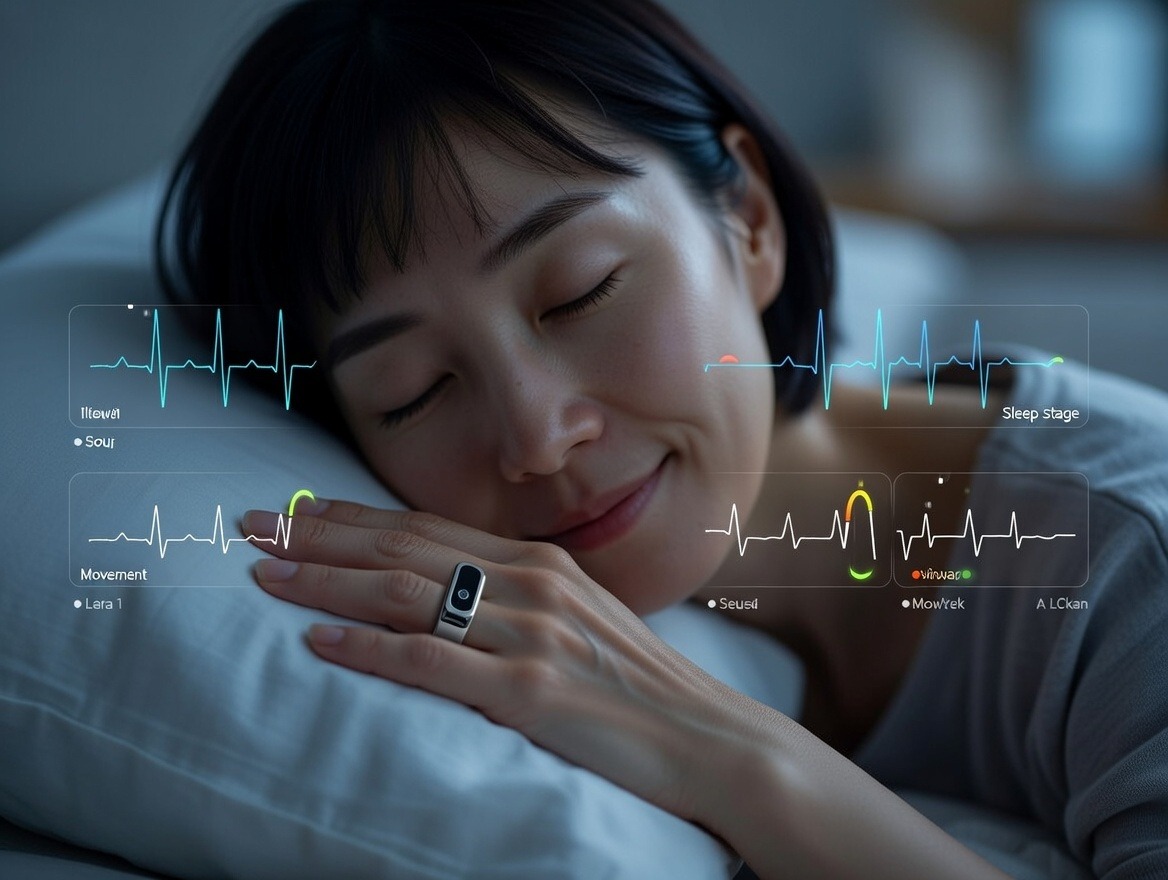
Sleep is not a monolithic state of unconsciousness; it is a complex, architecturally precise biological process essential for cognitive function, emotional regulation, and physical repair. Your wellness ring, through its sophisticated sensors, acts as a sleep archaeologist, excavating detailed insights into your nightly journey. It tracks not just duration, but quality—measuring time in light, deep, and REM sleep, monitoring restlessness, and identifying disruptions. This data is the blueprint from which you can rebuild your sleep from the ground up.
The first strategic lever is chronotype alignment. Your ring’s data on sleep onset latency (how long it takes you to fall asleep) and morning readiness scores can reveal your natural biological rhythm. Are you a wolf, a bear, a lion, or a dolphin? The data doesn't use labels; it shows the truth. If your sleep efficiency is low despite an early bedtime, you might be forcing a lion's schedule on a wolf's biology. By analyzing weeks of data, you can pinpoint your ideal sleep window and gradually shift your schedule to match your endogenous circadian rhythm, leading to faster sleep onset and more restorative cycles.
Next, we employ data-driven environmental tuning. Your ring’s sleep temperature data is a goldmine. It can show the correlation between a rising core temperature and nighttime awakenings. This insight directs a precise intervention: lowering your bedroom thermostat to an ideal 60-67°F (15-19°C), using breathable bedding, or even employing a cooling mattress pad. Similarly, spikes in resting heart rate or movement during the night might correlate with late-evening screen time or alcohol consumption. Seeing the direct physiological impact of that 9 PM glass of wine or scrolling session creates a powerful feedback loop that motivates behavioral change.
Finally, we craft a personalized wind-down protocol. Your Heart Rate Variability (HRV) trending downward in the evening is a clear sign your nervous system is stuck in "fight or flight." Use this signal as your trigger to initiate a calming routine. This isn't a generic "read a book" suggestion. It’s a targeted regimen informed by your body’s own stress markers. Perhaps it's 20 minutes of light stretching when HRV is low, a guided breathing exercise from your ring’s app, or a digital curfew one hour before your data-identified ideal bedtime. The goal is to create a predictable, sensory-dampening ritual that guides your nervous system into the parasympathetic "rest and digest" state, setting the stage for synchronized, high-quality sleep.
Mastering sleep is the foundational strategy, as it amplifies the effectiveness of all others. From this bedrock of recovery, we can now tackle the pervasive challenge of modern life: stress.
Stress is not the enemy; it's an inevitable physiological response. The enemy is chronic, unmanaged stress that dysregulates your system, a state your wellness ring detects with stunning clarity through metrics like HRV, resting heart rate (RHR), and body temperature. The strategy here shifts from reacting to feeling overwhelmed to proactively managing your nervous system's tone based on its real-time signals.
Identify Your Unique Stress Signatures. Your ring’s data reveals your personal physiological fingerprint of stress. For one person, stress manifests as a steep, sustained drop in HRV. For another, it's a creeping elevation in resting heart rate throughout the day. For a third, it might be a subtle increase in skin temperature. By reviewing your daily graphs, you can start to correlate these biomarkers with your diary entries or calendar—was that HRV dip during a long meeting? That RHR climb before a difficult conversation? This process of biofeedback creates what we call emotional awareness from the inside out. You begin to recognize the physical harbingers of stress before the emotional flood arrives. For a deeper exploration of understanding your baseline state, consider reading about your emotional set point.
Implement Micro-Recovery Interventions. The data doesn't lie: a 10-minute spike in stress is normal; a 3-hour elevated RHR plateau is damaging. The strategy is to intercept the stress response before it becomes chronic. Use your ring’s "moment" feature or periodic check-ins. When you see your live HRV drop or RHR rise, that's your cue to deploy a 2-5 minute strategic emotional disengagement. This could be a box-breathing exercise (4-second inhale, 4-second hold, 6-second exhale), a brief walk without your phone, or simply gazing out a window. The time-out method for strategic emotional disengagement is a perfect framework for these data-triggered breaks. These micro-interventions reset your autonomic nervous system, preventing stress accumulation.
Leverage Long-Term Biomarker Trends. Beyond daily firefighting, your ring’s long-term trends are vital for lifestyle design. Is your average nightly HRV trending downward over the month? This is a critical sign of allostatic load—your body's cumulative stress burden. This data demands a strategic review: Are you overtraining? Is work unsustainable? Do you need better boundaries? This objective feedback allows you to have a fact-based conversation with yourself about necessary life changes, such as implementing stronger emotional boundaries for protecting your peace. It moves stress management from coping to systemic prevention.
The era of one-size-fits-all diets is over. Your wellness ring provides a personal laboratory on your finger, offering clues about how your unique metabolism responds to different foods, eating windows, and meal compositions. This strategy is about moving from calorie counting to physiological response monitoring.
The Postprandial Pulse & Temperature Insight. After a meal, your body works to digest and metabolize food—a process called diet-induced thermogenesis. Your ring can detect this through a slight, sustained rise in skin temperature and an increase in resting heart rate. The magnitude and duration of this response are telling. A large, prolonged spike might indicate a meal high in processed carbohydrates or one that your system finds inflammatory. By conducting self-experiments—eating a balanced meal one day and a carb-heavy one the next while observing the physiological data—you can identify which foods create a smoother, less taxing metabolic response, leading to more stable energy levels.
Glucose Response Correlation (The Indirect Method). While rings don't (yet) measure blood glucose directly, they are brilliant proxies. A sharp rise in heart rate and a drop in HRV can often correlate with a subsequent glucose spike and crash. Pair your ring data with a food log. Do you notice a "crash" signature—elevated RHR, lower HRV, and increased skin temperature—90 minutes after that sugary snack? This biofeedback makes the abstract concept of a "sugar crash" a visible, physiological reality, powerfully reinforcing healthier choices.
Timing Through Temperature. Your body's core temperature follows a circadian rhythm, and food intake can influence it. Your ring’s temperature data can help you experiment with meal timing. Some early data suggests that aligning larger meals with your body’s natural temperature peak (typically afternoon) and eating lighter when temperature is falling (evening) may support metabolic health and sleep quality. Notice if a large dinner coincides with a disrupted temperature curve and poorer sleep scores. This could be a sign to experiment with an earlier eating window or a lighter evening meal.
Hydration & Heart Rate. Chronic mild dehydration can elevate resting heart rate. If you see an unexplained, gradual creep in your daytime RHR over several days, cross-reference it with your hydration intake. This simple correlation can serve as a powerful, objective reminder to drink water, not based on thirst (a lagging indicator), but on your cardiovascular system's direct need.
The "more is better" and "no pain, no gain" mantras of fitness are obsolete and dangerous. Your wellness ring provides the intelligence to train smarter, using data to balance exertion with essential recovery, maximizing gains while minimizing injury and burnout.
HRV as Your Daily Readiness Score. Your morning HRV reading is one of the most powerful single metrics for guiding daily activity. Think of it as your body's "readiness to perform" score. A consistent or slightly elevated HRV suggests good recovery and a green light for intense training. A significant drop from your baseline is a yellow or red flag—your nervous system is stressed, possibly from prior training, lack of sleep, or life stress. On a low HRV day, the strategic move is to swap the planned high-intensity interval training (HIIT) for gentle movement, yoga, or a walk. This prevents digging a deeper recovery hole and aligns your workout with your body's actual capacity.
Resting Heart Rate (RHR) Trends for Overtraining Detection. While daily RHR fluctuates, a sustained upward trend over 5-7 days, especially upon waking, is a classic biomarker of overreaching or impending overtraining. Your ring automatically tracks this. Ignoring this objective data and pushing through is a recipe for regression and illness. The intelligent strategy is to respond to a rising RHR trend with a "deload" week—reducing volume and intensity by 40-60% to allow for supercompensation.
Sleep Data: The Ultimate Recovery Report. Your workout is the stimulus; growth and adaptation happen during recovery, primarily sleep. Therefore, your post-workout sleep data is your performance review. Did that evening workout truncate your deep sleep? Did a very intense session lead to unusually high restlessness or a elevated sleeping heart rate? This feedback allows you to fine-tune workout timing and intensity. You might learn that finishing intense sessions at least 3 hours before bedtime optimizes your sleep architecture, or that certain types of workouts are more disruptive than others.
Active Recovery, Quantified. On rest days, "active recovery" is often prescribed vaguely. Your ring makes it precise. The goal is to keep your heart rate in a very low zone (often 50-60% of max) to promote circulation without adding stress. Use your ring's live heart rate during a leisurely walk or foam rolling session to ensure you stay in that therapeutic zone, truly making it a recovery activity rather than additional, covert strain.
Your circadian rhythm is the master conductor of your biology, orchestrating hormones, metabolism, cognition, and mood on a roughly 24-hour cycle. Disrupting this rhythm—through irregular sleep, mistimed light exposure, or erratic eating—is linked to a host of negative health outcomes. Your wellness ring, particularly through its temperature and sleep data, helps you see and synchronize with this intrinsic rhythm.
Temperature Rhythm as Your Core Bio-Curve. Your core body temperature follows a predictable wave: lowest in the early morning hours, rising through the day, peaking in the late afternoon, and falling in the evening to initiate sleep. Advanced wellness rings track this distal temperature trend continuously. By observing your personal curve, you can identify your unique peak and nadir. The strategic application is in scheduling: place demanding cognitive work during your temperature ascent and peak (often late morning to late afternoon). Schedule creative or administrative tasks for other times. Aligning your most demanding work with your physiological peak maximizes performance.
Light Exposure Optimization. Light is the primary "zeitgeber" (time-giver) for your circadian clock. Your ring’s data on sleep timing and quality indirectly reflects your light habits. Poor sleep onset? Check your evening light exposure. Morning fatigue? You may need more bright light in the first hour after waking. Use your sleep data to experiment: commit to 10 minutes of morning sunlight and observe if your sleep latency improves over a week. Install blue-light filtering apps after sunset and see if your deep sleep percentage increases. Your sleep metrics become the report card for your light hygiene.
Social Jet Lag Detection. This is the mismatch between your biological clock (your body's preferred sleep time) and your social clock (work, social commitments). Your ring starkly reveals this. Compare your sleep midpoint on free days (e.g., weekends) vs. work days. A difference of more than 60-90 minutes indicates significant social jet lag, which is metabolically stressful. The strategy is to minimize this gap. Gradually shift your weekday bedtime earlier, and avoid drastically sleeping in on weekends. A more consistent schedule, guided by your natural rhythm as shown on free days, leads to more stable energy and better metabolic health.

Mindfulness and meditation are often discussed in abstract, subjective terms. Your wellness ring bridges this gap by showing the direct, quantifiable impact of these practices on your nervous system, transforming them from vague concepts into tangible, data-validated tools.
Quantifying the "Calm" State. What does "calm" look like in your body? Your ring defines it objectively: an increase in Heart Rate Variability (HRV) and a decrease in Resting Heart Rate (RHR). Start a simple practice. Sit for a 10-minute guided breathing meditation using your ring's breathing exercise feature or a companion app. Immediately afterward, observe your live HRV and RHR. You will likely see a visible, positive shift. This biofeedback is incredibly powerful—it proves the practice "worked" on a physiological level, reinforcing the habit. Over time, you can track how your baseline HRV improves with consistent practice, a sign of greater autonomic resilience. For a structured approach to beginning this journey, our guide on mindful living for beginners offers an essential roadmap.
Stress-Response Interception with Data. As covered in the stress section, a drop in HRV is an early warning sign. Here, mindfulness is the targeted intervention. Instead of practicing at random times, use a data-triggered approach. Set a notification for when your ring detects a period of sustained stress (e.g., 15 minutes of elevated RHR). Let that notification be your cue to pause for a 3-minute mindful breathing space. This creates a conditioned response, directly linking the physiological stress signal with a de-escalation technique.
Sleep Preparation Through Body Scans. Mindfulness practices like body scans are exceptionally effective for sleep preparation. Your ring can measure their efficacy. Perform a 15-minute body scan in bed and note your "sleep onset latency" and "restlessness" scores the next morning. Compare it to nights you don't practice. Does the data show faster sleep onset and less movement? This objective validation encourages you to make the practice a non-negotiable part of your wind-down routine, knowing it has a measurable impact on your sleep architecture.
Emotional Granularity and Recovery. Intense emotions leave a physiological footprint—a spike in heart rate, a drop in HRV. Mindfulness helps you process emotions without becoming overwhelmed. After an emotional event, use a mindfulness practice to center yourself. Afterwards, check your ring's data. Observing your physiology return to baseline (rising HRV, lowering RHR) provides concrete evidence of emotional regulation. It demonstrates that you are not suppressing emotion, but processing and moving through it, a key distinction explored in depth in our article on how to build emotional balance without numbing feelings.
Your well-being is not determined in a vacuum. It is continuously shaped by your environment and social interactions. Your wellness ring, often seen as a tool for internal metrics, is also a brilliant detector of these external influences, allowing you to curate a surroundings for optimal health.
The Physiology of Social Connection. Meaningful social interaction typically supports well-being, while toxic or stressful interactions degrade it. Your ring provides an unbiased record. After a coffee with a close friend, does your HRV show a positive trend? Following a contentious work call, is there a prolonged elevation in your resting heart rate? This data helps you identify which relationships and social contexts are truly nourishing versus those that are depleting. It empowers you to invest more time in connections that foster physiological calm and resilience, a cornerstone of emotional balance in romantic relationships and beyond.
Environmental Stressor Detection. Your body reacts to subtle environmental stressors before your conscious mind registers them. Continuous noise pollution, poor office lighting, or stuffy air quality can trigger low-grade stress responses. If you notice periods of unexplained elevated RHR or decreased HRV at specific locations (e.g., your office desk, a certain room at home), investigate the environment. Is it noisy? Is the air stagnant? Is the lighting harsh? Your physiological data serves as a diagnostic tool to pinpoint and remediate these hidden stressors, perhaps prompting you to add a white noise machine, an air purifier, or warmer lighting.
Digital Diet & Cognitive Load. The constant ping of notifications, the endless scroll, and the context-switching of modern digital life impose a heavy "cognitive load" that triggers micro-stress responses. Use your ring to experiment with digital boundaries. Implement a 60-minute "focus block" with all notifications silenced. Observe your HRV during this period compared to a normal, interruption-filled hour. The data often shows a marked improvement. This turns abstract advice about "digital detox" into a proven, personal strategy for mental clarity, supporting the principles of mindful living in the digital age.
Travel and Routine Disruption. Travel, whether for work or pleasure, is a major disruptor of routine and circadian rhythm. Your ring is an indispensable travel companion. Use it to track the effects of time zone changes on your sleep architecture and temperature rhythm. Let the data guide your adjustment strategy—using light exposure at strategic times based on your new location. It also helps you pace yourself; if your resting heart rate is elevated and HRV is low on a trip, it's a sign you need rest, not another packed activity, to truly recover and enjoy the experience.
Lasting change is not about monumental, overnight transformations. It is about the compound interest of small, consistent habits, expertly stacked and reinforced. Your wellness ring provides the ultimate feedback loop for this process, turning vague intentions into concrete, tracked behaviors with visible physiological rewards.
The Data Feedback Loop. The fundamental psychology of habit formation requires a clear cue, a routine, and a reward. Your ring supercharges the reward. The reward for a new bedtime routine isn't a vague "I should feel better"; it's seeing your deep sleep score increase by 12% and your resting heart rate drop by 3 beats per minute over two weeks. The reward for a daily 10-minute meditation is watching your weekly average HRV climb steadily on a graph. This tangible, visual reward is far more reinforcing than subjective feeling, cementing the new behavior.
Trigger Stacking with Biometric Cues. Advanced habit stacking involves using one habit as a cue for the next. Your ring’s biometric data provides powerful natural cues. For example:
Linking behaviors to these objective, physiological signals integrates them seamlessly into your biology's natural flow.
Experimentation & Iteration. Your ring turns your life into a personal wellness lab. The strategy is to run two-week "sprints" focused on one micro-habit. For example: "For the next 14 days, I will be in bed by 10:30 PM with no screens." At the end of the sprint, analyze the aggregate data: Did my sleep consistency score improve? Did my average HRV rise? Did my readiness scores get better? If yes, the habit is validated and worth keeping. If the impact is negligible, you can iterate or try a different intervention without wasting months on guesswork. This scientific approach removes the emotional guilt from habit change and replaces it with curiosity and data.
The Long-Term Narrative. Perhaps the most profound psychological benefit is viewing your long-term data trends. Scrolling back through months or a year of data, you see the story of your progress: the gradual upward slope of your HRV, the downward trend of your resting heart rate, the increasing blocks of consistent, high-quality sleep. This narrative is a powerful antidote to the "I haven't changed" feeling that derails so many. It provides irrefutable evidence of your growth, building resilience and motivation for the long-term journey of well-being, much like the long-term project of building emotional balance.
For decades, productivity gurus have championed rigid, one-size-fits-all schedules: the 5 AM club, the 90-minute work block, the power hour. But what if your brain’s prime time doesn’t conform to a bestselling book’s template? Your wellness ring provides the answer, revealing your unique ultradian rhythms—the 90-120 minute cycles of alertness and recovery your brain undergoes throughout the day. By aligning your most demanding cognitive work with your physiological peaks, you can achieve more in less time, with less effort and mental strain.
Decoding Your Personal Energy Waveform. Two key metrics from your ring illuminate your cognitive rhythm: Heart Rate Variability (HRV) and Resting Heart Rate (RHR) trends across the day. Contrary to popular belief, higher HRV isn't just a marker of recovery; in a rested state during the day, a higher, stable HRV correlates with greater cognitive flexibility, better executive function, and emotional regulation—all essential for deep work. Conversely, a dipping HRV or creeping RHR often signals cognitive fatigue, stress accumulation, and diminishing returns on mental effort.
Start by observing your daytime HRV pattern. For many, there’s a natural peak in the late morning, a post-lunch dip (more pronounced depending on meal composition), and a secondary, often lower peak in the mid-to-late afternoon. Your ring’s app can graph this. This is your brain’s raw energy waveform. The strategic imperative is to schedule tasks to the waveform. Place your most demanding, creative, or strategic work—writing complex reports, coding, strategic planning—squarely within your HRV peak periods. Schedule administrative tasks, meetings that require less creativity, and routine communication during the natural dips.
The Temperature-Focus Connection. Your core body temperature rhythm, which your ring tracks, is intrinsically linked to cognitive performance. Alertness and reaction time tend to be highest during the rising phase of your temperature curve, peaking near its zenith (usually late afternoon for most). When your temperature begins its evening decline, so does your capacity for analytical, focused work. Use this data defensively: if you have a critical task, ensure it’s scheduled before your personal temperature peak begins its descent. Trying to force intense cognitive work during your body’s natural wind-down phase is not only inefficient but also creates stress, disrupting your evening and subsequent sleep—a vicious cycle explored in the context of emotional balance and work performance.
Strategic Recovery for Sustained Focus. The brain cannot maintain peak focus for 8 hours straight. The data proves it. Notice the small, periodic dips in your daytime HRV every 90 minutes or so? Those are your brain’s signals for a micro-break. Ignoring them leads to the "stress accumulation" pattern—a steadily declining HRV and rising RHR as the day progresses. The intelligent strategy is to obey the dip.
When you sense fatigue or see a small dip in your live HRV, that’s your cue for a 5-10 minute cognitive reset. This is not scrolling social media. This is a true neurological break: looking out a window at a distant object (resting your focusing muscles), a short walk without a phone, some light stretching, or a mindful breathing exercise. These micro-recoveries, strategically timed to your body’s signals, allow your HRV to rebound, preventing the steep afternoon crash and enabling you to enter another productive cycle. Think of it as interval training for your mind.
Sleep’s Role in Cognitive Capital. Your cognitive performance today is funded by last night’s sleep. Your ring’s sleep data—specifically REM and Deep Sleep—are direct deposits into your cognitive bank account. REM sleep is crucial for memory consolidation, creativity, and emotional processing. Deep sleep is for physical restoration and clearing metabolic waste from the brain. A night poor in REM might leave you feeling emotionally ragged and uncreative. A deficit in deep sleep can manifest as brain fog and slow processing speed.
Therefore, the first step in optimizing daily cognitive performance is analyzing your sleep performance. If you have a major presentation or exam, you need several nights of high-quality sleep leading up to it, not just one. Your ring’s Sleep Score and breakdown provide the audit. If your deep sleep is consistently low, it may be a cue to examine evening caffeine, alcohol, or late eating—all of which can suppress deep sleep. Protecting your sleep is the foundational investment for all cognitive gains.
Perhaps one of the most profound applications of continuous physiological monitoring is in the realm of predictive health. Your wellness ring can act as an early warning system, detecting the subtle shifts that often precede full-blown illness, allowing you to intervene proactively. It transforms you from a passive victim of a cold to an active defender of your immune system.
The Telltale Rise: Resting Heart Rate (RHR) as a Sentinel. A sustained elevation in your resting heart rate, particularly your nighttime RHR, is one of the most reliable biomarkers of impending illness or systemic inflammation. When your body mounts an immune response to a pathogen (even a mild one), it releases inflammatory cytokines. These chemicals increase your metabolic rate and heart rate to help fight the infection. Your ring, by establishing your personal baseline, can detect a deviation long before you feel a sore throat.
The strategy is to monitor your 7-day rolling average RHR, especially the sleeping average. A jump of 5-8 beats per minute above your norm that persists for 24-48 hours is a significant red flag. This is not a signal to panic, but to switch to defensive protocols: prioritize sleep above all else, hydrate aggressively, reduce or eliminate intense exercise (which is an additional stressor), increase intake of nutrient-dense foods, and consider supportive supplements like zinc or vitamin C. By heeding this early signal, you can potentially mitigate the severity or even abort the illness entirely.
Temperature Dynamics: Beyond the Single Fever. While a single temperature reading of 100.4°F (38°C) defines a clinical fever, your ring’s continuous temperature tracking reveals more subtle, equally important patterns. It can detect a elevated temperature baseline—your body running 0.5-1.0°F warmer than usual throughout the day and night, indicating a low-grade inflammatory state. It can also show a blunted circadian rhythm, where the normal nightly temperature drop is diminished. This pattern is common when the body is fighting something.
Furthermore, women can use this data to differentiate between illness and normal hormonal fluctuations. A temperature rise due to ovulation or the luteal phase will follow a predictable cycle pattern. A temperature rise that is erratic, coupled with an elevated RHR, is far more likely to indicate illness. This discernment prevents unnecessary alarm and helps target your response accurately.
Heart Rate Variability (HRV) Crash: A System Under Siege. When your body diverts massive resources to an immune battle, it reduces the “flexibility” of your autonomic nervous system. This manifests as a sudden, sharp drop in HRV. An illness-related HRV drop is often more dramatic and prolonged than a dip from a hard workout or a bad night’s sleep. Seeing your HRV plummet while your RHR soars creates a classic “stress/illness fingerprint” in your data.
This combined signal is a non-negotiable command to rest. Pushing through with work, social events, or exercise when this fingerprint appears is a surefire way to prolong recovery and risk more serious complications like post-viral fatigue. The data gives you permission, backed by biology, to cancel plans and focus on recovery without guilt. This practice of listening to your body’s objective signals is a cornerstone of managing overall health, especially for those navigating the complexities of emotional balance and chronic illness.
Recovery Tracking: The Return to Baseline. Your ring is equally valuable in guiding your return to activity post-illness. The old rule of thumb was to wait until symptoms subsided. A better rule is to wait until your biometrics return to baseline. Just because your cough is gone doesn’t mean your immune system has fully de-escalated. Use your ring’s data as your guide: Has your RHR returned to its normal range for at least 48 hours? Has your HRV recovered to its pre-illness baseline? Is your temperature rhythm normal?
Only when these metrics are stable should you gradually reintroduce exercise, starting at 50% intensity and duration. Returning too early, while your body is still in a state of elevated stress, can trigger relapse or long-term fatigue. Your ring provides the objective, patient timeline your body actually needs.

We’ve explored eight powerful, discrete strategies. Now, we arrive at the pinnacle of data-driven wellness: integration. This is where isolated metrics transform into a holistic narrative, and data matures into actionable wisdom. Your wellness ring’s dashboard is not just a collection of numbers; it is the control panel for your life’s operating system. The final strategy is learning to read the symphony, not just the individual instruments.
Correlation is King: The Interplay of Metrics. The true power lies in observing how metrics influence each other. This is where you move from tracking to insight. For example:
Start looking for these stories in your weekly review. Did a poor night’s sleep predict a difficult, low-focus day? Did a week of high-stress work meetings manifest as a lower sleep score by Friday? These correlations reveal your personal leverage points—the areas where a small change creates disproportionate positive ripple effects. For instance, investing in better sleep hygiene might be the single most effective thing you can do for your stress management and dietary choices, a principle supported by the neuroscience of emotional contagion and self-regulation.
The “Readiness” Composite: Your Daily North Star. Many advanced ring algorithms generate a single Readiness or Recovery score. This is a weighted composite of your sleep data, HRV, RHR, temperature, and recent activity. This single number is your ultimate guide for the day. It integrates all the complex signals into one directive.
The strategy is simple but profound: Let your Readiness Score dictate your day’s intensity.
Trend Analysis Over Perfection: The Big Picture. Daily fluctuations are normal. Obsessing over a single day’s low HRV or poor sleep score is counterproductive. Wisdom comes from analyzing trends over weeks and months. Is your baseline HRV slowly trending upward over the quarter? That’s a sign of improved fitness and resilience. Is your average sleep duration increasing? That’s a major lifestyle win.
Use the long-term trend view to assess the impact of major life changes: a new job, a new exercise regimen, a dietary shift, or even a meditation practice. The data will show you, unequivocally, what is working and what is not. This removes guesswork and emotional bias from lifestyle design.
From Self-Knowledge to Self-Compassion. This is perhaps the most unexpected yet vital outcome. Continuous data, when viewed correctly, fosters profound self-knowledge. You learn your true limits, your unique rhythms, and how your body honestly responds to the world. This knowledge naturally breeds self-compassion. You stop blaming yourself for being “lazy” on a low-energy day; you understand it’s a physiological state signaled by your data. You stop forcing yourself into unsustainable routines because you have evidence they don’t work for your biology.
This journey from data to wisdom is, at its heart, a journey toward a more authentic and harmonious relationship with yourself. It’s about replacing “should” with evidence, and guilt with understanding. It’s the ultimate lifestyle improvement strategy: using technology not to optimize yourself into a machine, but to honor the intelligent, nuanced, and deeply human organism that you are. As you continue this practice, you may find it beneficial to periodically conduct an emotional audit to assess your current balance level, integrating subjective feeling with objective data for a complete picture of your well-being.
Aging is inevitable, but the rate at which we age—our "vitality velocity"—is profoundly influenced by lifestyle. For centuries, we’ve relied on chronological age, a crude and often misleading number. The new paradigm is biological age: the functional state of your systems. Your wellness ring doesn't just track daily wellness; it monitors key biomarkers strongly associated with longevity and healthy aging. This strategy is about shifting from managing symptoms to optimizing the fundamental processes that determine your healthspan.
Resting Heart Rate (RHR): The Cardiovascular Longevity Signal. Your average resting heart rate is more than a fitness metric; it’s a powerful predictor of cardiovascular health and longevity. Epidemiological studies consistently show that a lower RHR (within a normal, healthy range of 50-70 bpm for most adults) is associated with decreased risk of cardiovascular events and all-cause mortality. Your ring provides your true resting heart rate, measured during undisturbed sleep, which is the gold standard.
The strategy is to use your sleeping RHR trend as a long-term health dashboard. A gradual, age-appropriate decrease or stabilization in your sleeping RHR over months and years of consistent training and stress management is a positive sign of improving cardiovascular efficiency. Conversely, a creeping upward trend, after accounting for illness or acute stress, can be an early warning to reassess cardio fitness, chronic stress levels, or other lifestyle factors. It’s a silent, continuous check on your heart's workload and resilience.
Heart Rate Variability (HRV): The Metric of Autonomic Resilience. If RHR is about the engine’s idle speed, HRV is about the sophistication of its control systems. HRV reflects the balance and flexibility of your autonomic nervous system (ANS)—the interplay between the stress-responsive sympathetic branch and the restorative parasympathetic branch. A higher HRV (relative to your own baseline) indicates a robust, adaptable ANS, which is a hallmark of physiological youth and resilience.
Chronic stress, inflammation, and poor metabolic health degrade ANS function, lowering HRV. Therefore, your long-term HRV trend is a direct readout of your systemic wear and tear. An upward or stable trend suggests your lifestyle is building resilience and potentially slowing biological aging. A declining trend is a critical alert to investigate areas of chronic load—be it psychological stress, overtraining, poor sleep, or diet. It’s your body’s report card on how well you’re managing the demands of life. Cultivating this resilience is a practice that extends to all areas, including navigating major life shifts, much like maintaining emotional balance during hormonal transitions.
Sleep Architecture: The Nightly Repair Cycle. Deep (Slow-Wave) sleep is non-negotiable for longevity. It’s when human growth hormone is released (vital for tissue repair and muscle maintenance), cellular repair processes peak, and metabolic waste is cleared from the brain via the glymphatic system. The percentage of deep sleep you get tends to decrease with chronological age, but the rate of decline is variable and influenced by behavior.
Your ring’s detailed sleep staging allows you to track your deep sleep percentage and duration over time. The goal isn’t to achieve a 25-year-old’s profile indefinitely, but to maximize quality within your current potential and slow the decline. If your deep sleep is consistently low (<15% of total sleep), interventions like consistent timing, temperature cooling, minimizing alcohol (a major deep sleep disruptor), and managing evening stress become critical longevity strategies. Protecting deep sleep is protecting your body’s fundamental repair mechanism.
Temperature Rhythm Stability: The Circadian Health Marker. A strong, stable circadian rhythm is a pillar of longevity. Disrupted rhythms are linked to accelerated aging, metabolic syndrome, and cognitive decline. Your ring’s continuous temperature data provides the clearest objective view of your circadian health. A robust rhythm shows a clear, predictable wave: a distinct nightly nadir and a daytime peak.
The marker to watch for is amplitude and consistency. A “dampened” rhythm—where the difference between your daily high and low temperatures shrinks—or a highly irregular pattern, signals circadian misalignment. This can be caused by inconsistent sleep schedules, excessive evening light, or shift work. The strategy is to use your temperature data to reinforce rhythm strength through absolute consistency with light exposure (bright light in morning, darkness at night), meal timing, and sleep/wake times, even on weekends. A strong circadian wave is a sign of a well-tuned, youthful biology.
Humans are wired for connection. But the quality of our social interactions, from brief exchanges to deep intimacy, leaves a measurable imprint on our physiology. Your wellness ring can reveal how your relationships truly affect you, moving beyond subjective feeling to objective data. This strategy uses biometric feedback to cultivate nourishing connections and manage the drain of toxic ones, fostering a social ecosystem that supports your well-being.
The Physiology of Positive and Negative Engagement. Every social interaction is a neurochemical and physiological event. Positive, supportive exchanges typically trigger a gentle parasympathetic (rest-and-digest) response: a calming or slight elevation in HRV, a stable or lowered RHR. Conflict, criticism, or interactions with draining individuals often trigger a sympathetic (fight-or-flight) response: a drop in HRV, a rise in RHR, and sometimes an increase in skin temperature.
Use your ring’s data for post-interaction audits. After a long phone call with a supportive friend, check your HRV graph. After a tense meeting or argument, observe the physiological aftermath. Does your RHR remain elevated for an hour? Does your HRV stay suppressed? This data removes the “it’s all in my head” doubt. It provides concrete evidence of which relationships and social contexts are truly restorative versus those that are physiologically costly. This awareness is the first step in setting boundaries and allocating your social energy more wisely, a key component of emotional balance and boundaries for protecting your peace.
Co-Regulation and Partner Syncing. In close relationships, especially with partners and family, we engage in “physiological co-regulation”—our nervous systems influence each other. Your ring can make this invisible dance visible. Partners who track their data may notice their sleep patterns, resting heart rates, or even illness patterns beginning to synchronize over time.
This insight can be used proactively for relationship harmony. For example, if one partner’s data shows high stress (low HRV) after work, the other can use that as a cue to create a calming transition instead of immediately discussing household logistics. Scheduling important conversations when both parties’ readiness scores are in the moderate-to-high range can lead to more productive and less conflict-prone dialogue. It fosters empathy through data, allowing you to respond to your partner’s unspoken physiological state. This deepens intimacy while maintaining the independence necessary for emotional balance in romantic relationships.
Loneliness Detection Through Biomarkers. Chronic loneliness and social isolation are not just emotional states; they are severe physiological stressors linked to inflammation, poor sleep, and higher mortality risk. Your ring can detect the physiological signature of prolonged isolation, even if you’re not consciously labeling it as “loneliness.”
Look for patterns that mimic chronic, low-grade stress: a gradual downtrend in HRV, an uptick in RHR, and fragmented sleep, without an obvious cause like overtraining or work deadlines. This biometric pattern can be a prompt for honest self-reflection and action. It moves the need for connection from a vague emotional want to a physiological necessity. The data might push you to schedule a regular social activity, join a club, or prioritize quality time with loved ones, recognizing it as a non-negotiable part of your health regimen, as vital as eating vegetables.
Social Recovery: The Need for Downtime. Even positive socializing is a cognitive and sensory load. Introverts, in particular, but everyone to some degree, needs time alone to reset their nervous system. Your ring can help you identify your personal social battery capacity and recovery needs.
After a day of back-to-back meetings or a large social gathering, check your data. A significant drop in HRV and a sleep score lower than usual despite being tired are signs you’ve exceeded your optimal social dosage. Use this feedback to strategically schedule recovery days after major social events. Block out time for solitude, nature walks, or low-stimulation activities to allow your physiology to return to baseline. Honoring this need is not antisocial; it’s essential for sustaining the energy to be truly present in future connections.
Your body is in constant conversation with its environment. Light, sound, air, and temperature aren't just background settings; they are active inputs that shape your physiology. Your wellness ring acts as a translator in this dialogue, showing you exactly how your surroundings affect your internal state. This strategy moves you from passively enduring your environment to actively engineering it for optimal performance and health.
Light: The Master Zeitgeber, Quantified. We know light affects sleep, but your ring shows you the degree. The most powerful application is using your sleep onset latency and morning readiness scores to fine-tune your light exposure. Experiment systematically:
Your sleep data will provide a clear verdict. You may find that morning light is your most powerful lever, or that evening light control is critical. This turns the generic advice "get morning sun" into a personalized, data-validated protocol.
Temperature & Thermoregulation. Beyond the sleep environment, your daily temperature data reveals how your body handles thermal stress. Do you see spikes in skin temperature and RHR during a hot, stuffy commute or in an over-heated office? This is a sign of thermal strain, which diverts energy and creates stress.
Use this data to optimize your personal microclimates. It can justify investing in a personal fan, a cooling vest, breathable clothing, or advocating for better office temperature control. Conversely, if you see your temperature struggling to rise on cold mornings, leading to stiffness and low energy, it might validate strategies like morning warm showers, heating pads, or targeted warming layers. You are optimizing for your body’s thermoregulatory ease.
Altitude and Travel Adaptation. For travelers and athletes, altitude presents a unique physiological challenge. Your ring is an invaluable tool for tracking acclimatization. Upon arriving at high altitude, you will see a dramatic spike in resting heart rate and a drop in HRV as your body works harder to oxygenate itself. Sleep will be severely disrupted, with low blood oxygen (SpO2) readings if your ring has that sensor.
The strategy is to use the data to pace your activity. Don’t attempt a strenuous hike until your RHR has come down significantly and your sleep has stabilized, even if you feel subjectively okay. The data protects you from overexertion that can lead to altitude sickness. Similarly, it provides a clear timeline of how long full acclimatization takes for your body, informing future trips.
Noise Pollution and Auditory Stress. Constant, low-level noise—traffic, office chatter, humming appliances—triggers a subtle but chronic stress response. Your ring can help you identify this invisible aggressor. If you notice periods of unexplained elevated RHR or lower HRV in specific locations (your desk, your apartment), conduct a sound audit.
Use a sound meter app to measure decibel levels, but let your physiology be the ultimate judge. If your data improves when you wear noise-canceling headphones in that environment, you have both identified the problem and validated the solution. This approach can be applied to create "quiet zones" in your home or to make a case for a quieter workspace, directly linking environmental change to measurable physiological calm. This intentional curation of your sensory world is a practical expression of mindful living in a fast-paced urban environment.
We are on the cusp of a revolution in personal health: the shift from reactive and descriptive monitoring to predictive and prescriptive guidance. Your current wellness ring is the foundation of this future. By understanding the trajectory of this technology, you can better leverage today’s data and anticipate the even more powerful tools on the horizon. This final strategy is about adopting a forward-looking mindset, preparing for a world where your device doesn’t just tell you what happened, but tells you what’s likely to happen and what to do about it.
From Trends to Predictions: Algorithmic Personal Health Forecasting. The next evolution of ring software will move beyond showing weekly trends to offering personalized health forecasts. By combining your historical biometric data (sleep, HRV, RHR, temperature) with personal inputs (planned schedule, menstrual cycle phase, travel) and even environmental data (local pollen count, weather), machine learning algorithms will generate predictions.
Imagine a notification: "Based on your declining HRV trend, elevated nighttime RHR, and the high pollen count tomorrow, there's a 75% probability you'll experience high fatigue and allergy symptoms. Suggested action: Consider taking an antihistamine tonight, schedule a lighter workout, and prioritize 8 hours in bed." This transforms the device from a historian into a proactive health ally. The groundwork for this is being laid today as you consistently collect high-fidelity data, building the unique dataset that will train your personal algorithm.
Integration with Digital Therapeutics (DTx). The future ring will not operate in a silo. It will seamlessly integrate with clinically validated digital therapeutic programs for conditions like insomnia (CBT-I), anxiety (CBT-A), or hypertension. Your biometric data will automatically feed into these programs, tailoring them in real-time.
For example, a CBT-I app would receive your sleep efficiency and latency data each morning, automatically adjusting your sleep restriction and stimulus control instructions for that night. A stress management DTx would receive your daytime HRV dips and prompt you with a specific, contextual mindfulness exercise. This creates a closed-loop system: measure, analyze, intervene, and measure again—all automatically. It brings the precision of a clinical intervention into daily life, a natural extension of concepts like developing emotional balance through therapy and counseling.
Multi-Modal Sensing and Non-Invasive Blood Chemistry. The sensor suite on wellness rings will expand. We will see the integration of technologies like:
This will create a near-complete "digital twin" of your physiological state, all from your finger. The actionable insights will become staggeringly precise, moving from "you might be getting sick" to "your glucose response to meal X suggests early insulin resistance; consider adjusting carbohydrate type and timing."
The Ethical and Personal Framework: Staying in the Driver's Seat. With great predictive power comes great responsibility. The final, and most crucial, strategy is to develop a healthy relationship with this data-driven future. The goal is augmented intuition, not replacement of it. The data should inform your choices, not dictate them with algorithmic tyranny.
You must remain the final arbiter of your well-being. This means:
The future of predictive wellness is brightest when the technology serves to deepen your own self-knowledge and agency. It’s about using the ring to live more fully, more consciously, and more resiliently in a complex world, ultimately mastering the long-term project of emotional and physical balance. The journey that began with simple sleep tracking culminates in a sophisticated partnership between human wisdom and machine intelligence, all dedicated to the singular goal of helping you thrive.
You are now armed with deep insights across sleep, stress, nutrition, movement, cognition, immunity, and more. The challenge—and the ultimate opportunity—is to synthesize this ocean of data into a coherent, sustainable, and personalized daily practice. A protocol is not a rigid set of rules, but a dynamic framework that turns strategic knowledge into habitual action. This is where data-driven wellness transitions from an interesting experiment to a lived reality.
The Foundational Audit: Establishing Your Baseline and Priority Matrix. Before building anything, you must survey the landscape. Start with a 30-Day Observational Phase. During this month, your goal is not to change everything, but to consistently track and observe without judgment. Use your ring’s full suite of metrics and keep a simple journal noting energy levels, mood, diet, and major daily events.
At the end of the 30 days, conduct a structured audit. Answer these questions with your data:
This audit prevents you from trying to fix everything at once, which leads to burnout. It allows you to create a Priority Matrix: a simple list of 1-3 focus areas for the next 90 days, ranked by potential impact and your readiness to change. For many, this process of structured self-assessment begins not just with physiology, but with an honest look at one's emotional landscape, much like conducting an emotional audit to assess your current balance level.
The Tiered Protocol: Non-Negotiables, Flexibles, and Experimentals. A sustainable protocol has layers of commitment. Think of it as a pyramid.
The Weekly Review: Your Ritual of Refinement. Your protocol is a living document, and the weekly review is its update cycle. Set a recurring 30-minute appointment with yourself, perhaps Sunday evening. In this time:
This ritual transforms data from a passive stream into an active conversation. It’s where you connect the dots between what you did and how your body responded, fostering a deeper sense of agency. Incorporating a mindful decision-making framework into this review can help you choose your next experiment with intention, not impulse.
Integration with Life Roles: The Protocol in Context. You are not just a wellness optimizer; you are a professional, a partner, a parent, a friend. A protocol that conflicts with these essential roles will fail. The key is integration, not addition.
The goal is for your protocol to become the invisible architecture of your day, supporting—not competing with—the life you want to live.
The initial weeks of wearing a wellness ring are often marked by rapid discovery and quick wins. But what happens when the novelty fades? When you hit a plateau in your HRV, when sleep scores stagnate, or when the simple act of charging the device feels like a chore? This phase separates casual users from those who reap lifelong benefits. The strategy here is psychological, designed to maintain engagement and navigate the inevitable lulls.
Reframing the Plateau: From Stagnation to Consolidation. A plateau in your biometric data is not a sign of failure; it is a sign of adaptation. Your body has reached a new, higher set point of stability. The initial dramatic improvements were your system moving from dysregulation to a regulated state. Maintaining that new state is an achievement.
Instead of viewing a flatlining HRV graph with disappointment, reframe it: "My nervous system has consolidated its gains at this higher level of resilience." The plateau is your new foundation. From here, further improvements will be smaller, more incremental, and require more nuanced interventions. This requires a shift in mindset from seeking constant linear progress to valuing the maintenance of a hard-won equilibrium. It’s the same patience required for the long-term project of emotional balance.
The Cycle of Motivation: Tapping into Intrinsic Drivers. External motivation (gamified scores, badges) fades quickly. To sustain the practice, you must connect it to your deepest intrinsic values. Ask yourself:
When you feel motivation waning, return to your "why." Look at your long-term trend graph not as numbers, but as a map leading toward the person you want to be. Use journaling for emotional balance and regulation to explore these values and reconnect your daily tracking to them.
Embrace the "Off-Day" and the "Off-Week." Paradoxically, sustainable tracking requires permission to not be optimal. An obsession with perfect green scores is a fast track to orthorexia of wellness. Your ring should be a tool for self-compassion, not self-flagellation.
Strategically schedule data-blind periods. This could be a weekend vacation where you leave the ring at home, or a conscious decision not to check your scores for a day after a night of poor sleep. This breaks the cycle of anxiety and reminds you that you are more than your data. It allows you to experience life directly, without the filter of quantification. Coming back to the data after a short break often provides fresher, more useful perspective.
Community and Shared Curiosity. Humans are tribal. Sharing the journey transforms a solo pursuit into a connected one. Find or create a small community—a partner, a few friends, an online group—who also value data-driven wellness.
This shared curiosity adds a layer of social accountability and makes the process more fun and less clinical. It’s especially powerful when helping teach emotional balance skills to teenagers or supporting loved ones, making it a shared language of care.
We have journeyed from the microscopic—the subtle beat-to-beat variations of your heart—to the macroscopic: the lifelong project of crafting a vital, resilient, and fulfilling existence. The synthesis of all these strategies is not a final destination, but a master practice: The Art of Living by Data.
This art has three master principles:
1. Data as Dialogue, Not Dictator. The highest purpose of your wellness ring is to start a richer, more honest conversation with yourself. The numbers on the screen are not verdicts; they are your body’s side of the dialogue. Your role is to listen, interpret with curiosity, and respond with kindness and intelligence. When your data says you’re tired, the question isn't "How do I push through?" but "What is my body trying to tell me about my recent choices, and how can I support it?" This shifts the relationship from one of control (trying to force the body to perform) to one of collaboration (partnering with your biology). It is the essence of moving from a harsh internal critic to a wise internal coach, a transformation central to building emotional balance without numbing feelings.
2. The Pendulum Principle: Balance is Dynamic. A common misconception is that optimal wellness is a flat line—a state of perfect, unchanging calm and high scores. Your data shows this is a fantasy. Health is rhythmic. It is a pendulum swing between stress and recovery, effort and rest, social engagement and solitude, challenge and ease.
The goal is not to stop the pendulum but to optimize its swing. A wide, healthy arc means you can dive deeply into a demanding project (sympathetic stress) and then fully recover into deep sleep and relaxation (parasympathetic restoration). A shallow, stuck pendulum signifies burnout or depression. A wild, erratic swing indicates dysregulation. Your ring’s metrics, especially HRV, are direct measurements of your pendulum’s quality of motion. Living by data means honoring both sides of the arc: not fearing the productive stress of a good workout, and not guilt-tripping yourself about the essential recovery of a lazy Sunday. This embodies the understanding that true emotional balance means movement, not stillness.
3. The Integration of the Quantified and the Qualified. The final, and most human, art is to weave the quantitative insights of your ring with the qualitative experience of being alive. The data tells you what is happening; your lived experience tells you why it matters.
Your ring provides the feedback to calibrate your actions, but the meaning is derived from the life you live between the data points. It informs a more mindful morning routine, a more present approach to your work, and more resilient relationships. It ultimately supports what we all seek: not just a longer life, but a richer, more vibrant, and more authentic life—a life where you are the author, with data as your most trusted editor.
In this synthesis, the wellness ring transcends its identity as a piece of technology. It becomes a mirror reflecting your current state, a compass pointing toward your values, and a companion on the lifelong journey of becoming. You are not being tracked. You are being understood. And from that understanding, empowered to build a life of unparalleled vitality, one data point, one conscious choice, at a time.
Your Trusted Sleep Advocate: Sleep Foundation — https://www.sleepfoundation.org
Discover a digital archive of scholarly articles: NIH — https://www.ncbi.nlm.nih.gov/
39 million citations for biomedical literature :PubMed — https://pubmed.ncbi.nlm.nih.gov/
Experts at Harvard Health Publishing covering a variety of health topics — https://www.health.harvard.edu/blog/
Every life deserves world class care :Cleveland Clinic - https://my.clevelandclinic.org/health
Wearable technology and the future of predictive health monitoring :MIT Technology Review — https://www.technologyreview.com/
Dedicated to the well-being of all people and guided by science :World Health Organization — https://www.who.int/news-room/
Psychological science and knowledge to benefit society and improve lives. :APA — https://www.apa.org/monitor/
Cutting-edge insights on human longevity and peak performance:
Lifespan Research — https://www.lifespan.io/
Global authority on exercise physiology, sports performance, and human recovery:
American College of Sports Medicine — https://www.acsm.org/
Neuroscience-driven guidance for better focus, sleep, and mental clarity:
Stanford Human Performance Lab — https://humanperformance.stanford.edu/
Evidence-based psychology and mind–body wellness resources:
Mayo Clinic — https://www.mayoclinic.org/healthy-lifestyle/
Data-backed research on emotional wellbeing, stress biology, and resilience:
American Institute of Stress — https://www.stress.org/


