


The Beginner-Friendly Guide to Cognitive Health: Lifestyle Tips Your Ring Validates
A beginner's guide to lifestyle factors that support brain health, validated by ring data.
A beginner's guide to lifestyle factors that support brain health, validated by ring data.
%402x.svg)
The Beginner-Friendly Guide to Cognitive Health: Lifestyle Tips Your Ring Validates
We live in an era of cognitive optimization. From nootropics to brain-training apps, the pursuit of a sharper, more resilient mind is a modern ambition. Yet, for all the complexity surrounding neuroscience, the most profound levers for cognitive health are remarkably simple, woven into the fabric of our daily lives. The challenge has never been a lack of information, but a lack of validation. How do you know if your eight hours of sleep was truly restorative? Does your 20-minute meditation actually calm your nervous system? Is your chosen exercise genuinely reducing your stress load?
Enter the smart ring—a silent, continuous biometric guardian that moves through life with you. Unlike wrist-worn devices, it captures data from the body’s vascular highway with clinical-grade precision, offering an unprecedented window into the physiological underpinnings of your mental performance. This isn't about more data for data's sake; it's about closing the feedback loop between intention and biological outcome.
This guide bridges the timeless wisdom of cognitive well-being with the modern magic of empirical validation. We will explore foundational lifestyle pillars—sleep, stress, activity, recovery, and more—not as abstract concepts, but as measurable, optimizable systems. Your smart ring becomes your personal lab, turning daily habits into experiments with clear results. You’ll learn not just what to do, but how to know it’s working, transforming guesswork into a personalized, data-informed journey to a clearer, calmer, and more capable mind. Let’s begin.
Before we can optimize, we must understand. Cognitive health is not an isolated phenomenon happening solely within the confines of your skull. It is the pinnacle output of a vast, interconnected biological system. Every thought, memory, and moment of focus is a neurochemical event fueled by your physiology. The smart ring’s genius lies in its ability to monitor the key inputs and stressors of this system in real-time, providing a proxy for what’s happening upstream in your brain.
Consider your heart. Its rhythm is not just a metronome for life; it’s a rich language of autonomic nervous system (ANS) activity. The ANS is the master regulator of your "rest-and-digest" (parasympathetic) and "fight-or-flight" (sympathetic) states. When you are stressed, anxious, or cognitively overwhelmed, your sympathetic nervous system dominates, leading to a faster, more rigid heart rate. When you are truly relaxed, recovered, and primed for cognitive clarity, your parasympathetic system is in charge, creating subtle, healthy variations between heartbeats—a measure known as Heart Rate Variability (HRV).
This is where your ring speaks volumes. By measuring HRV and resting heart rate (RHR) continuously, especially during sleep when external distractions are minimized, it provides an objective scorecard for your nervous system's balance. A high, resilient HRV and a low RHR typically indicate strong parasympathetic tone, which is scientifically linked to better emotional regulation, faster cognitive processing, and enhanced neuroplasticity—the brain’s ability to adapt and learn. Conversely, a depressed HRV can be an early warning sign of systemic stress, inflammation, or poor recovery, all of which cloud thinking and drain mental energy.
Furthermore, the ring tracks core body temperature and blood oxygen saturation (SpO2). Minor deviations in nightly temperature trends can signal the onset of illness or inflammation long before you feel symptoms, both notorious for causing "brain fog." Similarly, consistent dips in blood oxygen during sleep can fragment sleep architecture, robbing the brain of the deep, restorative stages it needs to clear metabolic waste and consolidate memories.
In essence, the smart ring translates the silent, unseen processes of your body into a coherent narrative about your brain’s operating environment. It answers the critical question: Is my biology currently supporting or sabotaging my mental performance? By establishing this baseline understanding, we can now move to the first and most powerful pillar of cognitive health: the non-negotiable role of sleep.

If you prioritize only one thing for your cognitive health, it must be sleep. This is not a wellness cliché; it is a biological imperative. During sleep, your brain engages in a series of vital housekeeping duties that are impossible to replicate during wakefulness. The glymphatic system, a recently discovered waste-clearance network, goes into overdrive, flushing out neurotoxic debris like beta-amyloid, a protein implicated in cognitive decline. Memories are transferred from short-term storage in the hippocampus to long-term storage in the cortex, a process called consolidation. Neurotransmitters are replenished, and neural pathways are pruned and strengthened.
Poor sleep doesn’t just make you tired; it directly impairs attention, executive function, working memory, mood, and metabolic health. The goal, therefore, shifts from just "getting hours" to securing quality sleep architecture. This is where passive, ring-based tracking becomes revolutionary.
A smart ring doesn’t just tell you you were in bed for eight hours. It breaks down the night into its constituent stages: Light, Deep, and REM sleep. Each plays a unique cognitive role:
Your ring provides tangible scores—like a Sleep Score or Recovery Score—that synthesize these metrics. You can then run experiments:
This empirical approach ends the cycle of guesswork. You no longer have to wonder, "Do I feel better because I slept more, or because I slept better?" The data shows you. By focusing on the measurable levers of sleep quality, you are directly investing in your brain’s daily reset and long-term health. Of course, the foundation for great sleep is often built during the day, through our next pillar: strategic movement.
The link between physical activity and cognitive vitality is one of the most robust in all of health science. Exercise is far more than a tool for physique; it is a potent neurotrophic—literally, it grows brain tissue. Aerobic activity increases blood flow, delivering oxygen and nutrients to the brain while stimulating the release of Brain-Derived Neurotrophic Factor (BDNF), a protein that acts like fertilizer for neurons, promoting the growth of new connections and protecting existing ones. Strength training, meanwhile, has been linked to improved executive function and working memory.
But the question for the optimizing individual is not if to exercise, but how to exercise for maximum cognitive return without tipping into counterproductive overtraining. This is the sweet spot your smart ring helps you find.
Worn during activity, a smart ring tracks heart rate zones, providing an objective measure of workout intensity rather than relying on perceived effort alone. More importantly, it measures the impact of that exercise through your overnight recovery data. This creates a powerful feedback loop:
Furthermore, the ring can highlight the cognitive benefits of non-exercise activity thermogenesis (NEAT)—the energy you burn from walking, taking the stairs, or fidgeting. Consistently low daily activity levels (visible as low calorie expenditure) can correlate with feelings of sluggishness. By setting a simple goal to raise your average daily heart rate by a small margin through more movement, you can often see improvements in sleep quality and subjective mental clarity.
The takeaway is that exercise is a dose-dependent cognitive drug. Your smart ring acts as your pharmacokinetic guide, helping you find the right dose, type, and timing to maximize neurogenesis and resilience while avoiding the mental fatigue of overtraining. As we move and challenge our bodies, we must also cultivate the skill of downshifting our nervous systems, which leads us to the critical art of managing stress.
Stress is the arch-nemesis of cognitive function. In acute, short bursts, it can sharpen focus. But chronic, unmanaged stress—the kind that defines modern life—is a neurotoxin. It floods the brain with cortisol, a hormone that, in sustained high doses, can damage the hippocampus (essential for memory), shrink the prefrontal cortex (the seat of executive function), and amplify the amygdala (the fear center), leading to anxiety and impaired emotional regulation.
You cannot manage what you cannot measure. Subjectively, you might "feel fine," while your physiology tells a different story. A smart ring provides an objective, continuous read on your stress load through two primary lenses: Heart Rate Variability (HRV) and Resting Heart Rate (RHR).
Throughout the day, your ring can track your stress levels via HRV reactivity. A sudden dip in HRV in response to an email, a conversation, or a commute is a direct signal of a sympathetic nervous system spike. Observing these patterns helps you identify your unique, unconscious stressors. Perhaps your "low-stress" scroll through social media or your late-afternoon coffee is creating a measurable physiological disturbance you’ve been ignoring.
The more profound data, however, comes from your night. During sleep, your body should be in its deepest state of parasympathetic recovery. A low, stable resting heart rate and a high, resilient HRV here are the gold standards of a system that is effectively discharging stress. If your nighttime data shows a elevated RHR or a suppressed HRV, it indicates that stress from the day is carrying over, hindering your brain’s essential recovery processes.
With this insight, you can deploy targeted interventions and measure their efficacy:
By using your ring’s stress metrics as a biofeedback tool, you move from a vague sense of being "stressed" to a precise understanding of what stresses your body, when it happens, and which practices genuinely bring you back to baseline. This mastery over your nervous system is perhaps the most direct path to sustained mental clarity and emotional balance. A key component of managing stress is learning the subtle art of true recovery, which extends far beyond mere inactivity.
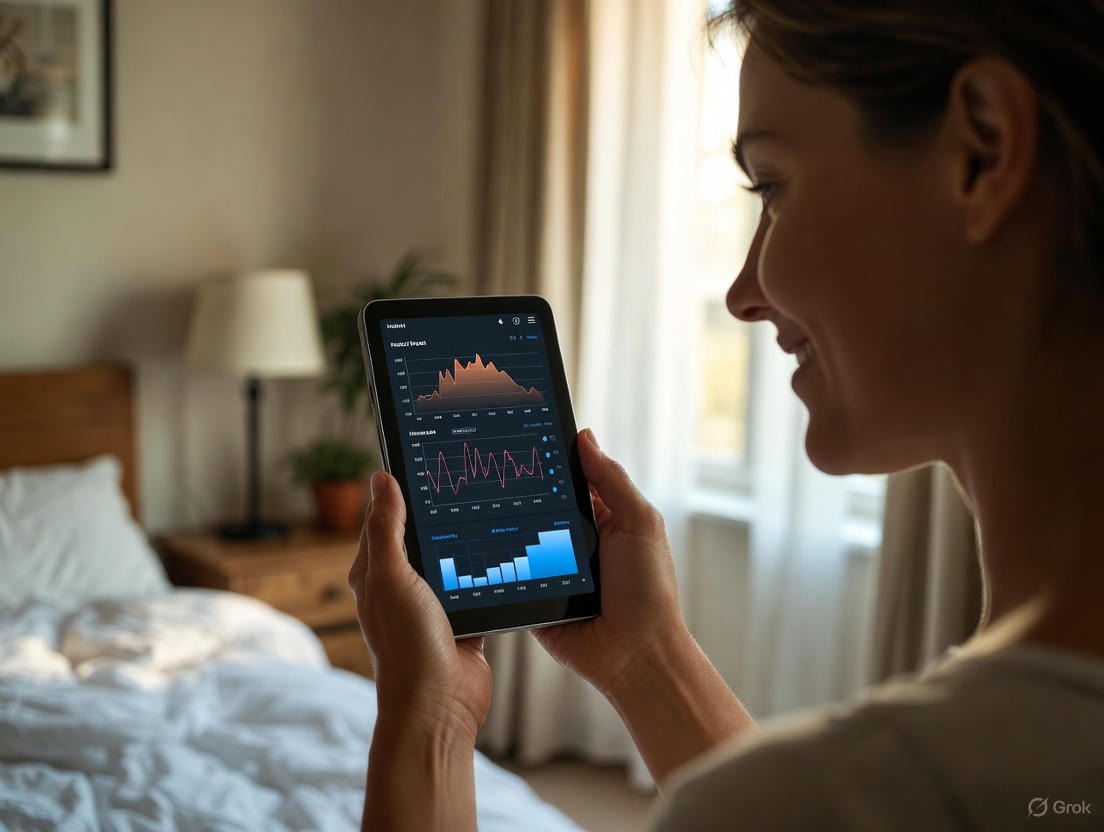
In our high-achievement culture, recovery is often misunderstood as laziness or merely the absence of work. From a physiological and cognitive standpoint, true recovery is an active, positive process where the body and brain repair, adapt, and grow stronger. It’s when the benefits of your healthy stressors—like exercise and mental work—are actually realized. Failing to recover effectively means those stressors simply accumulate, leading to stagnation and burnout.
Your smart ring redefines recovery from a feeling to a dataset. It moves the concept from "I took a rest day" to "My nervous system achieved a state of profound parasympathetic dominance last night, my tissue repair markers are high, and my metabolic patterns are optimal." The primary metrics for this are, once again, HRV, RHR, and sleep quality, but viewed through a specific lens: the trend.
A single night of good data is pleasant; a positive trend is transformative. Your ring’s longitudinal tracking allows you to see your recovery trajectory. Are your baseline HRV and deep sleep slowly improving month-over-month as you maintain consistent habits? That’s a sign of increasing resilience—your cognitive "immune system" is getting stronger. Conversely, a downward trend is a critical early warning to reassess your load.
True, active recovery practices can be directly validated:
This data-driven view also helps you personalize your recovery needs. You’ll learn that for you, recovery might mean a 9-hour sleep window, while for someone else, 7.5 hours with a 20-minute nap is optimal. You’ll see how factors like timing your supplements correctly or perfecting your bedroom's temperature control move your recovery metrics.
By honoring and optimizing recovery as a pillar equal to activity, you ensure your brain has the downtime it needs to integrate learning, regulate emotions, and return to challenges with renewed capacity. This holistic rhythm of stress and recovery is deeply influenced by the consistent daily structures we build, particularly as the day winds down.
The human brain is a prediction machine. It thrives on rhythm and predictability. Chaotic, inconsistent daily patterns force the brain's regulatory systems (like the hypothalamic-pituitary-adrenal axis, which governs stress response) to work overtime, creating unnecessary cognitive load and metabolic strain. Conversely, consistent daily rhythms—especially around wake-up time, meals, and bedtime—entrain your circadian biology, leading to more stable energy, sharper focus, and easier sleep.
Your smart ring is a master auditor of your biological rhythm, or lack thereof. It doesn't just track what you do; it reveals when your body prefers to do it, based on its physiological outputs. The most critical rhythm is your circadian rhythm, reflected in the daily cycle of your core body temperature and heart rate. A healthy circadian rhythm shows a clear temperature minimum in the early morning (promoting wakefulness) and a steady rise through the day, with a gradual decline in the evening to facilitate sleep onset.
Disrupt this rhythm with erratic sleep times, late-night eating, or excessive evening light, and the data will show it: a flattened temperature curve, poor sleep efficiency, and depressed HRV. The ring makes the invisible cost of inconsistency visible.
This is where the power of a structured routine, particularly a nighttime routine, comes in. It’s not about rigidity for its own sake, but about sending a cascade of predictable, calming signals to your brain and body that the time for wakefulness is ending. You can build this ritual progressively, from a beginner to an advanced nighttime routine progression, using your ring to validate each step’s effectiveness.
Key anchors to measure include:
Even when life disrupts your ideal rhythm, the data can guide you back. For those who work late or need to maintain wellness while traveling, the ring provides feedback on which adaptive strategies actually work for your biology. By using your biometrics to craft and adhere to a personal rhythm, you reduce the daily cognitive tax of unpredictability, freeing up mental resources for what truly matters. A cornerstone of this rhythm, and a profound influencer of cognitive state, is how we fuel our bodies.
The adage "you are what you eat" holds profound truth for the brain, an organ that consumes about 20% of the body’s energy despite being only 2% of its weight. Food is more than calories; it’s information that directly affects inflammation, neurotransmitter production, gut health (the "second brain"), and mitochondrial function. Poor nutritional patterns can lead to oxidative stress, insulin resistance, and systemic inflammation—all of which degrade cognitive function and mood.
While a smart ring cannot track specific nutrients or glucose directly (without integration), it is exceptionally adept at measuring the systemic downstream effects of your dietary choices. It turns your body into a bioassay, revealing how well your current fuel is powering the machine.
Key correlations to observe include:
The goal here is not to create a restrictive diet but to cultivate mindful eating patterns that your physiology validates. You can experiment: try a week of a whole-food, anti-inflammatory diet rich in omega-3s and antioxidants and note the trends in your HRV and sleep scores. The data provides objective feedback, moving nutrition from dogma ("This diet should work") to personalized discovery ("This way of eating works for me"). How we consume our fuel is just as important as when, leading us to the potent cognitive tool of intentional fasting.
Intermittent fasting (IF) has surged in popularity, primarily for metabolic benefits. However, its potential cognitive impacts are equally compelling. The theory is that during a fasting window, once the body exhausts its glucose stores, it begins to produce ketones from fat, which are a highly efficient fuel for the brain, potentially enhancing mental clarity and focus. Furthermore, fasting triggers autophagy, a cellular "clean-up" process where the body breaks down and recycles damaged cells and proteins, including in the brain, which may have neuroprotective effects.
But does it work for you? And what is the optimal fasting protocol for your cognitive performance without hindering recovery? This is another area where biometric feedback is invaluable. A smart ring can help you navigate IF not by ideology, but by how your body responds.
Important metrics to watch when experimenting with IF:
The ring allows for nuanced experimentation. You might compare:
The key takeaway is that fasting is a metabolic stressor—potentially a positive, hormetic one. Your ring’s recovery and stress metrics tell you if it’s a stress you are adapting to and benefiting from, or one that is pushing you into overload. This principle of finding your personalized "sweet spot" applies equally to the final pillar we’ll explore in this section: the delicate balance of our social and environmental inputs.
Cognitive health does not exist in a vacuum. It is profoundly shaped by our environment and our connections. Chronic loneliness is as damaging to health as smoking 15 cigarettes a day, directly impacting stress levels and cognitive decline. Conversely, positive social interactions can boost oxytocin and dampen cortisol. Our physical environment—from air quality and noise pollution to light exposure and clutter—also constantly signals our nervous system, priming it for either calm or alertness.
While a smart ring cannot measure your social calendar or room aesthetics directly, it captures the physiological residue of these factors with remarkable clarity. It quantifies the cost of a toxic interaction and the benefit of a nurturing space.
Consider these observable data points:
You can use this insight to intentionally design your cognitive ecosystem:
By viewing your social choices and environmental design through the lens of biometric feedback, you can curate an ecosystem that actively supports, rather than passively depletes, your cognitive resources. This holistic awareness brings us to the ultimate application of all these pillars: weaving them into a sustainable, personalized practice for lifelong mental fitness.

We have explored the pillars—sleep, movement, stress, recovery, rhythm, nutrition, fasting, and environment—not as isolated tips, but as interconnected systems, each leaving a unique fingerprint on your biometric data. Now comes the synthesis: moving from passive tracking to active, intelligent protocol design. This is the journey from being data-rich to being insight-wise.
Your smart ring is not a judge; it is a guide. Its purpose is to empower self-experimentation and foster a deeper connection with your body's signals. The goal is to build a sustainable, flexible lifestyle protocol that elevates your cognitive baseline. Here’s how to approach this final, integrative step:
1. Establish Your Baselines: Before changing anything, wear your ring consistently for 2-3 weeks to understand your natural rhythms. What is your average sleep score, HRV, and RHR? How do they fluctuate with your normal weekly cycle? This is your neutral starting point.
2. Introduce Singular Interventions: Change one variable at a time for a minimum of one week (preferably two) to see a clear trend. For example, if you want to improve sleep, don’t simultaneously start a new bedtime routine, change your meal timing, and buy blackout curtains. Start with optimizing your bedroom temperature. Observe the effect on your deep sleep and HRV. Then, layer in another change.
3. Listen to Contextual Feedback: Your optimal protocol is not static. It must adapt to life’s phases. Your nighttime routine will need to adjust as you age. The recovery needs of a new parent are worlds apart from those of a solo traveler. The ring provides the feedback to make these adjustments intelligently, ensuring your habits serve your current reality.
4. Embrace the 80/20 Principle: Perfection is the enemy of progress. Aim for consistency in the high-impact areas 80% of the time. Your data will clearly show which levers have the biggest effect for you. For one person, it’s strictly protecting sleep time. For another, it’s managing stress through daily meditation. Focus your energy there, and allow flexibility elsewhere.
5. Integrate Subjective Feelings: The data is paramount, but it must be married with your lived experience. Keep a brief daily note of your energy, focus, and mood (this can be part of your journaling practice). Do days with a higher HRV consistently feel better? Do you notice brain fog when your deep sleep dips below a certain threshold? This creates your personal cognitive-biometric dictionary.
By following this process, you are no longer following a generic health blog or a fleeting trend. You are conducting the most important research project of your life: the study of you. You are building a cognitive health protocol that is validated not by gurus, but by your own physiology. This is the promise of modern wellness technology—not to make us dependent on devices, but to make us more autonomous, attuned, and resilient in the pursuit of a vibrant, clear, and capable mind for years to come.
Productivity experts champion habit stacking—attaching a new, desired behavior to an existing routine—as a powerful tool for consistency. When applied to cognitive health through the lens of biometric validation, this concept evolves into something more profound: Synergistic Habit Stacking. This is the intentional layering of complementary habits whose combined positive impact on your nervous system is greater than the sum of their parts. Your smart ring is the perfect tool to identify and validate these powerful synergies.
Instead of viewing habits in isolation, consider them as a formula. For example:
How to Use Your Ring to Discover Stacks:
This approach moves you from a checklist of health tasks to crafting powerful, efficient daily rituals that compound your cognitive returns. To protect these rituals, we must become adept at managing the disruptors that life throws our way.
Consistency is the engine of progress, but life is inherently inconsistent. Travel, work deadlines, social obligations, illness, and family demands will disrupt your ideal routine. The goal is not to live in a protective bubble, but to build resilience and strategic adaptability. Your smart ring becomes your essential co-pilot during these times, helping you minimize the cognitive tax of disruption and recover more swiftly.
The key is to shift from a rigid protocol to flexible Cognitive Guardrails. These are non-negotiable minimums or adaptive strategies you deploy when your ideal plan isn't possible. Your data tells you which guardrails are most critical for you.
Common Disruption Scenarios & Data-Informed Strategies:
By planning for disruptions with specific, data-tested guardrails, you prevent total derailment. You learn that you can bend without breaking, and your ring provides the confidence that you can always find your way back to equilibrium. A critical component of this equilibrium, especially as we age, is the health of our brain's very structure, influenced profoundly by a factor we can now measure: cardiovascular fitness.
For decades, the mantra "what's good for the heart is good for the brain" has echoed in medical corridors. Modern neuroscience has proven this to be literally true. The link is not merely metaphorical but physiological: the brain is an exquisitely vascular organ. Every neuron relies on a dense network of capillaries to deliver oxygen and glucose. Cardiovascular fitness—the efficiency of your heart, lungs, and circulatory system—directly determines the quality of that delivery.
Therefore, your cardiorespiratory fitness (often measured as VO2 Max) is one of the strongest predictors of long-term cognitive health and a lower risk of dementia. Improving it enhances cerebral blood flow, boosts BDNF, and improves the health of the blood-brain barrier.
While a lab test is needed for a precise VO2 Max, your smart ring provides an excellent, trending proxy through Resting Heart Rate (RHR) and Heart Rate Recovery (HRR).
Creating a Brain-Healthy Cardio Protocol with Your Ring:
By focusing on the heart-brain axis, you reframe exercise from a purely aesthetic or weight-focused pursuit to a direct investment in your cognitive capital. The ring’s data provides the satisfying proof that your efforts are strengthening the very foundation your mind operates upon. As we strengthen the hardware, we must also tend to the software through deliberate mental practices.
If cardiovascular fitness trains the heart, then meditation is strength training for the mind's attentional muscles. The cognitive benefits are well-documented: reduced mind-wandering, improved emotional regulation, enhanced focus, and even structural changes in the brain like increased gray matter density in the prefrontal cortex.
Yet, for beginners, meditation can feel abstract. "Am I doing it right?" "Is this working?" Your smart ring cuts through the doubt by providing physiological validation. It measures the state you're trying to cultivate: a calm, parasympathetic-dominant nervous system.
What a Successful Practice Looks Like in Your Data:
Using Your Ring to Build a Practice:
This biometric validation transforms meditation from a vague spiritual exercise into a tangible, skill-based training regimen for your brain. You're not just "sitting quietly"; you're actively lowering your biological stress load and improving your brain's operational baseline. An often-overlooked factor that can sabotage this baseline, however, is the very air we breathe and the unseen light we absorb.
Our cognitive ecosystem extends beyond people and places to the fundamental elements of our sensory environment: light, air, and sound. These are constant, passive inputs that our brains must process, and they have direct pathways to our physiology. Optimizing them is a high-leverage, low-effort way to support mental performance, and your ring can help you pinpoint the most impactful adjustments.
1. Light: The Master Circadian Driver
We touched on light’s role, but the devil is in the details. It’s not just about "less blue light at night." It’s about the pattern and intensity.
2. Air Quality: The Unseen Cognitive Drag
Indoor CO2 levels can rise significantly in enclosed spaces, especially with multiple people. Elevated CO2 (levels common in offices and bedrooms) is directly linked to reduced cognitive function, impaired decision-making, and drowsiness. Poor air quality also promotes systemic inflammation.
3. Sound: The Constant Neurological Filter
Intermittent, unpredictable noise (traffic, office chatter, a partner’s snoring) is a major cognitive disruptor. It triggers micro-arousals, even if you don't fully wake, fragmenting sleep and keeping the stress response mildly activated during the day.
By treating light, air, and sound as variables in your cognitive health experiment, you take control of your microenvironment. Your ring helps you move from "I think it's stuffy in here" to "When I open the window, my sleep HRV improves by 10%." This granular control sets the stage for the ultimate cognitive optimization: aligning your most demanding mental work with your body's natural peaks.
We all experience natural fluctuations in energy, focus, and willpower throughout the day. These are governed by our ultradian rhythms (90-120 minute cycles within the day) and the broader circadian rhythm. Fighting these rhythms is a recipe for frustration and poor output. "Chrono-productivity" is the practice of scheduling tasks according to your biological and cognitive capacity. Your smart ring provides the personal blueprint to master this.
Your body’s core temperature rhythm is a near-perfect proxy for your cognitive performance curve. As temperature rises from its morning nadir, alertness, working memory, and analytical thinking improve. For most people, this peak occurs in the late morning. After a post-lunch dip (a normal circadian phenomenon), a second, often more creative peak can occur in the late afternoon/early evening before the temperature decline toward sleep begins.
How to Use Your Ring to Find Your Prime Time:
Applying Chrono-Productivity:
By aligning your work with your biology, you accomplish more with less strain. Your ring validates this by showing lower stress (higher HRV) during your workday and better recovery at night because you’re not chronically fighting your own rhythms. This respectful alignment with your body’s natural cycles is a form of self-care that pays massive cognitive dividends. As we master our days, we must also adopt a long-term view, preparing our brains for the decades ahead.
Cognitive health is not a sprint; it's a marathon measured in decades. The goal of all these optimizations transcends feeling sharp this week. It is to build Cognitive Reserve—the brain's resilience to age-related changes or pathology. Think of it as a "brain savings account." The more neural connections, synaptic density, and healthy vasculature you develop over your lifetime, the more you can draw upon later to maintain function even if some pathways are damaged.
Your daily habits are your deposits into this account. And while the payoff is long-term, your smart ring provides the short-term feedback that proves you're making wise investments. It shows you that the habits which boost tonight's HRV and tomorrow's focus are the same ones that, compounded over years, build a formidable cognitive reserve.
The Pillars of Reserve, Validated Daily:
The Role of the Ring in the Long Game:
It provides the motivation for consistency. Seeing a positive trend in your physiological metrics over months and years is incredibly reinforcing. It turns the abstract concept of "healthy aging" into a tangible, monitored journey. It also allows for graceful adaptation, as your needs and routines will inevitably change as you age.
By framing each day's choices as contributions to your cognitive reserve, monitored by your wearable biobank, you cultivate a mindset of stewardship over your most precious asset: your mind. This journey, while personal, does not have to be solitary. The final frontier of this technology is how it can enhance our most human attribute: our connection to others.
Humans are wired for connection. Our cognitive and emotional states are contagious—a phenomenon underpinned by "neural coupling" observed in brain scans during conversation. What if we could extend this empathy from the neural to the physiological level? The emerging frontier of shared, consenting biometric awareness—where partners, family members, or even team members understand each other's physiological states—has profound implications for cognitive and relational health.
This isn't about surveillance; it's about attunement. When we can "see" the physiological state of a loved one, we can respond with greater empathy and support, reducing relational stress and fostering a healthier shared environment.
Practical Applications for Cognitive Health:
The Ring as a Communication Tool:
This fosters a culture of psychological safety and biological awareness. It moves interpersonal dynamics from blame ("Why are you so snappy?") to curiosity ("My data shows we're both in a high-stress state; what do we need to regulate?"). Reducing relational friction is one of the most powerful ways to lower chronic stress and free up cognitive resources for everything else in life.
With all these pillars, habits, and layers, the data stream from your smart ring can feel overwhelming. The final skill in your beginner-friendly journey is learning to curate your own cognitive health dashboard. You must move from looking at every metric every day to identifying the 2-3 Leading Indicators that most succinctly tell the story of your cognitive well-being.
For most people, these are:
How to Build Your Dashboard:
Your personalized dashboard turns a flood of information into a clear, actionable compass. It tells you when to push, when to rest, what to keep doing, and what to change. It is the culmination of this beginner-friendly guide: transforming you from a passive recipient of health information into an active, informed, and validated architect of your own cognitive destiny.
This portion of the guide has taken you from foundational pillars to applied strategy, from individual habits to social synchronicity, and from daily tracking to lifelong planning. The journey continues as we explore even more nuanced facets of cognitive optimization—from the gut-brain connection and advanced nutraceuticals to the intersection of technology and cognitive longevity. The path to a sharper, more resilient mind is now illuminated not just by science, but by your own physiological truth.
Productivity experts champion habit stacking—attaching a new, desired behavior to an existing routine—as a powerful tool for consistency. When applied to cognitive health through the lens of biometric validation, this concept evolves into something more profound: Synergistic Habit Stacking. This is the intentional layering of complementary habits whose combined positive impact on your nervous system is greater than the sum of their parts. Your smart ring is the perfect tool to identify and validate these powerful synergies.
Instead of viewing habits in isolation, consider them as a formula. For example:
How to Use Your Ring to Discover Stacks:
This approach moves you from a checklist of health tasks to crafting powerful, efficient daily rituals that compound your cognitive returns. To protect these rituals, we must become adept at managing the disruptors that life throws our way.
Consistency is the engine of progress, but life is inherently inconsistent. Travel, work deadlines, social obligations, illness, and family demands will disrupt your ideal routine. The goal is not to live in a protective bubble, but to build resilience and strategic adaptability. Your smart ring becomes your essential co-pilot during these times, helping you minimize the cognitive tax of disruption and recover more swiftly.
The key is to shift from a rigid protocol to flexible Cognitive Guardrails. These are non-negotiable minimums or adaptive strategies you deploy when your ideal plan isn't possible. Your data tells you which guardrails are most critical for you.
Common Disruption Scenarios & Data-Informed Strategies:
By planning for disruptions with specific, data-tested guardrails, you prevent total derailment. You learn that you can bend without breaking, and your ring provides the confidence that you can always find your way back to equilibrium. A critical component of this equilibrium, especially as we age, is the health of our brain's very structure, influenced profoundly by a factor we can now measure: cardiovascular fitness.
For decades, the mantra "what's good for the heart is good for the brain" has echoed in medical corridors. Modern neuroscience has proven this to be literally true. The link is not merely metaphorical but physiological: the brain is an exquisitely vascular organ. Every neuron relies on a dense network of capillaries to deliver oxygen and glucose. Cardiovascular fitness—the efficiency of your heart, lungs, and circulatory system—directly determines the quality of that delivery.
Therefore, your cardiorespiratory fitness (often measured as VO2 Max) is one of the strongest predictors of long-term cognitive health and a lower risk of dementia. Improving it enhances cerebral blood flow, boosts BDNF, and improves the health of the blood-brain barrier.
While a lab test is needed for a precise VO2 Max, your smart ring provides an excellent, trending proxy through Resting Heart Rate (RHR) and Heart Rate Recovery (HRR).
Creating a Brain-Healthy Cardio Protocol with Your Ring:
By focusing on the heart-brain axis, you reframe exercise from a purely aesthetic or weight-focused pursuit to a direct investment in your cognitive capital. The ring’s data provides the satisfying proof that your efforts are strengthening the very foundation your mind operates upon. As we strengthen the hardware, we must also tend to the software through deliberate mental practices.
If cardiovascular fitness trains the heart, then meditation is strength training for the mind's attentional muscles. The cognitive benefits are well-documented: reduced mind-wandering, improved emotional regulation, enhanced focus, and even structural changes in the brain like increased gray matter density in the prefrontal cortex.
Yet, for beginners, meditation can feel abstract. "Am I doing it right?" "Is this working?" Your smart ring cuts through the doubt by providing physiological validation. It measures the state you're trying to cultivate: a calm, parasympathetic-dominant nervous system.
What a Successful Practice Looks Like in Your Data:
Using Your Ring to Build a Practice:
This biometric validation transforms meditation from a vague spiritual exercise into a tangible, skill-based training regimen for your brain. You're not just "sitting quietly"; you're actively lowering your biological stress load and improving your brain's operational baseline. An often-overlooked factor that can sabotage this baseline, however, is the very air we breathe and the unseen light we absorb.
Our cognitive ecosystem extends beyond people and places to the fundamental elements of our sensory environment: light, air, and sound. These are constant, passive inputs that our brains must process, and they have direct pathways to our physiology. Optimizing them is a high-leverage, low-effort way to support mental performance, and your ring can help you pinpoint the most impactful adjustments.
1. Light: The Master Circadian Driver
We touched on light’s role, but the devil is in the details. It’s not just about "less blue light at night." It’s about the pattern and intensity.
2. Air Quality: The Unseen Cognitive Drag
Indoor CO2 levels can rise significantly in enclosed spaces, especially with multiple people. Elevated CO2 (levels common in offices and bedrooms) is directly linked to reduced cognitive function, impaired decision-making, and drowsiness. Poor air quality also promotes systemic inflammation.
3. Sound: The Constant Neurological Filter
Intermittent, unpredictable noise (traffic, office chatter, a partner’s snoring) is a major cognitive disruptor. It triggers micro-arousals, even if you don't fully wake, fragmenting sleep and keeping the stress response mildly activated during the day.
By treating light, air, and sound as variables in your cognitive health experiment, you take control of your microenvironment. Your ring helps you move from "I think it's stuffy in here" to "When I open the window, my sleep HRV improves by 10%." This granular control sets the stage for the ultimate cognitive optimization: aligning your most demanding mental work with your body's natural peaks.
We all experience natural fluctuations in energy, focus, and willpower throughout the day. These are governed by our ultradian rhythms (90-120 minute cycles within the day) and the broader circadian rhythm. Fighting these rhythms is a recipe for frustration and poor output. "Chrono-productivity" is the practice of scheduling tasks according to your biological and cognitive capacity. Your smart ring provides the personal blueprint to master this.
Your body’s core temperature rhythm is a near-perfect proxy for your cognitive performance curve. As temperature rises from its morning nadir, alertness, working memory, and analytical thinking improve. For most people, this peak occurs in the late morning. After a post-lunch dip (a normal circadian phenomenon), a second, often more creative peak can occur in the late afternoon/early evening before the temperature decline toward sleep begins.
How to Use Your Ring to Find Your Prime Time:
Applying Chrono-Productivity:
By aligning your work with your biology, you accomplish more with less strain. Your ring validates this by showing lower stress (higher HRV) during your workday and better recovery at night because you’re not chronically fighting your own rhythms. This respectful alignment with your body’s natural cycles is a form of self-care that pays massive cognitive dividends. As we master our days, we must also adopt a long-term view, preparing our brains for the decades ahead.
Your Trusted Sleep Advocate: Sleep Foundation — https://www.sleepfoundation.org
Discover a digital archive of scholarly articles: NIH — https://www.ncbi.nlm.nih.gov/
39 million citations for biomedical literature :PubMed — https://pubmed.ncbi.nlm.nih.gov/
Experts at Harvard Health Publishing covering a variety of health topics — https://www.health.harvard.edu/blog/
Every life deserves world class care :Cleveland Clinic - https://my.clevelandclinic.org/health
Wearable technology and the future of predictive health monitoring :MIT Technology Review — https://www.technologyreview.com/
Dedicated to the well-being of all people and guided by science :World Health Organization — https://www.who.int/news-room/
Psychological science and knowledge to benefit society and improve lives. :APA — https://www.apa.org/monitor/
Cutting-edge insights on human longevity and peak performance:
Lifespan Research — https://www.lifespan.io/
Global authority on exercise physiology, sports performance, and human recovery:
American College of Sports Medicine — https://www.acsm.org/
Neuroscience-driven guidance for better focus, sleep, and mental clarity:
Stanford Human Performance Lab — https://humanperformance.stanford.edu/
Evidence-based psychology and mind–body wellness resources:
Mayo Clinic — https://www.mayoclinic.org/healthy-lifestyle/
Data-backed research on emotional wellbeing, stress biology, and resilience:
American Institute of Stress — https://www.stress.org/


