


The Beginner-Friendly Guide to Focus Time: Using Your Wellness Ring HRV
A beginner's guide to scheduling focused work sessions based on your Heart Rate Variability (HRV) from your ring.
A beginner's guide to scheduling focused work sessions based on your Heart Rate Variability (HRV) from your ring.
%402x.svg)
Imagine a world where your smart ring gently nudges you, not with another notification, but with a quiet, data-backed insight: “Your nervous system is ready. Now is your perfect time to focus.” This isn’t science fiction. It’s the revolutionary promise of using Heart Rate Variability (HRV) from your wellness ring to unlock states of deep, effortless concentration you may have thought were lost to the digital age.
Forget rigid Pomodoro timers and generic productivity hacks. What if the ultimate tool for mastering your focus wasn’t an app, but a biomarker? Heart Rate Variability—the subtle variation in time between your heartbeats—is your body’s real-time communication channel, whispering secrets about your stress, recovery, and cognitive readiness. It tells you not just when to work, but when you are physiologically primed to do your best work.
This guide is your beginner-friendly gateway to translating those whispers into action. We will demystify HRV, connect it directly to your capacity for deep work, and provide a practical, step-by-step framework for using your wellness ring data to design a “Focus Time” protocol that is uniquely, perfectly tuned to you. Get ready to move from guessing to knowing, from forcing focus to flowing into it. Your most productive self isn’t a matter of willpower; it’s a matter of timing, and your body holds the schedule.

Before we can harness Heart Rate Variability (HRV) to command our focus, we must first understand this silent signal pulsing within us. At its simplest, HRV is the measure of the variation in milliseconds between consecutive heartbeats. Contrary to what you might assume, a healthy heart does not tick like a metronome. It dances—speeding up slightly with each inhalation and slowing down with each exhalation. This dance is orchestrated by your autonomic nervous system (ANS), the dual-axis autopilot controlling your body’s unconscious functions.
Your ANS has two primary branches, constantly in a delicate push-pull:
HRV is the score of this dance. A higher HRV generally indicates a strong, resilient nervous system—one where the brake pedal (PNS) is effective, allowing for agile shifts between stress and recovery. It suggests your body has resources to spare. A lower HRV often signals a system under chronic stress, where the gas pedal (SNS) is perpetually pressed, leaving less room for variability and recovery.
So, what does this have to do with focusing on a spreadsheet or writing a report? Everything.
Cognitive focus is a high-energy state. It requires prefrontal cortex engagement, working memory, and inhibitory control (the ability to block out distractions). This is neurologically expensive. When your nervous system is already taxed—indicated by a lower HRV—your brain’s resources are diverted. You’re in a state of physiological "defense," primed to scan for threats (or check email, social media, and Slack), not to dive into deep, analytical thought. Your willpower depletes rapidly.
Conversely, a higher or rising HRV suggests a state of physiological "safety" and readiness. Your PNS is engaged, providing a stable platform. From this calm, recovered state, you can direct energy volitionally toward complex tasks. Focus becomes less of a struggle and more of a natural outflow of a balanced system. Your wellness ring, by capturing your nocturnal HRV (the gold standard for measurement), gives you a daily readout of this foundational capacity.
Think of your HRV not as a productivity metric, but as a capacity metric. It doesn’t measure output; it measures your biological readiness to generate high-quality output. It answers the critical question: "Do I have the physiological resources to support deep focus today?" By learning to read this signal, you stop trying to force focus on empty and start aligning your most demanding work with your body’s natural peaks of readiness. This shifts the paradigm from "time management" to "energy and capacity management," which is the true cornerstone of sustainable productivity. For a deeper dive into how foundational metrics like this transform your health approach, consider understanding how a deeper analysis of your sleep patterns transforms your health.
Understanding HRV as a capacity metric is the first step. Now, let’s connect the dots directly to your cognitive function. The state of your autonomic nervous system, reflected in your HRV, doesn't just influence your heart; it fundamentally alters your brain's operating environment. This is the neurophysiological bridge between a biomarker and your ability to concentrate.
When your HRV is higher, it signifies greater vagal tone—the activity level of your vagus nerve, the superhighway of the parasympathetic system. High vagal tone is associated with a cascade of benefits directly relevant to focus:
Conversely, a suppressed HRV creates a brain state antithetical to deep work:
Your wellness ring’s morning HRV reading is therefore a powerful predictor of your potential focus ceiling for the day. It’s not a destiny—you can still work with a lower HRV—but it is a crucial piece of situational awareness. It tells you if today is a day for:
By respecting this data, you work with your biology, not against it. You stop wasting your peak cognitive windows on low-value tasks and stop flogging a fatigued system into unproductive frustration. This alignment is the core superpower granted by your wellness ring.
To use HRV as your focus guide, you must trust the data. That starts with ensuring your wellness ring is set up and worn correctly to capture the cleanest, most actionable HRV readings. While different brands (Oura, Ultrahuman, RingConn, etc.) have their own nuances, the core principles of accurate biometric tracking are universal.
1. The Right Fit is Non-Negotiable.
Your ring must be snug but not tight. It should sit comfortably at the base of your finger, with a slight resistance when you try to remove it. A ring that’s too loose will shift, causing motion artifacts and optical sensor errors that corrupt heart rate data. A ring that’s too tight can restrict circulation and be uncomfortable for all-day and all-night wear. Most companies provide a sizing kit—use it diligently, and remember your finger size can fluctuate slightly with temperature, time of day, and sodium intake.
2. Finger Placement Matters.
For optimal photoplethysmography (PPG) sensor performance—the technology that reads blood flow changes—the ring should be worn on your index, middle, or ring finger. These fingers typically have better blood perfusion than the pinky. Choose the finger where you get the most consistent fit. Consistency is key: pick a finger and stick with it to reduce data variability from sensor placement.
3. Nightly Wear is the Golden Standard.
While some rings offer daytime HRV snapshots, the most reliable, clinically relevant HRV reading comes from nocturnal HRV averages. During sleep, confounding variables like movement, talking, eating, and acute stressors are minimized. Your body is in its most natural recovery state, providing a stable baseline. Make it a non-negotiable habit: your ring goes on before bed and stays on until you wake up. This nightly data is the foundation of your daily focus forecast.
4. Sync and Review Consistently.
Make a morning ritual of syncing your ring with its companion app over your first cup of coffee or tea. This isn’t just about checking a score; it’s about building a relationship with your data. Observe the trends, not just the daily number. Is your HRV trending up over the past week? Holding steady? Dipping? The trend line often tells a more important story than any single data point.
5. Understand Your App’s Specifics.
Spend time learning your app’s interface. Know where to find your HRV metric (it might be labeled simply as "HRV" or "SDNN" or "RMSSD"—different calculations of the same core variability). Understand how it presents the data: a single number, a graph, a comparison to your baseline. Familiarize yourself with the "baseline" or "reference range" feature, which shows your personal normal zone. This personalization is critical; comparing your 45 ms HRV to someone else’s 80 ms is meaningless. Your focus is on your trends relative to your baseline.
6. Charge Strategically.
A dead ring gathers no data. Integrate charging into your routine—perhaps during your morning shower or while you’re at your desk for a focused work block. A short, consistent charging habit prevents the frustration of a depleted device.
By treating your wellness ring as a precision instrument rather than just a gadget, you ensure the HRV insights you receive are trustworthy. This foundational trust allows you to move confidently into interpreting and acting on the data to structure your focus time. For those looking to optimize the foundational pillar that most impacts nocturnal HRV, our complete 90-day sleep improvement plan offers a structured approach.
You’ve synced your ring. A number—let’s say 52 ms—stares back at you from the app. What now? Interpreting your HRV isn't about judging it as "good" or "bad"; it’s about translating it into context. Here’s a beginner-friendly, step-by-step framework for making sense of your morning reading.
Step 1: Check Your Absolute Number Against Your Personal Baseline.
Ignore social media comparisons. Open your app and look for your personal baseline or long-term average. This is your true north. Is today’s reading…
Step 2: Analyze the Trend, Not Just the Snapshot.
One low reading might be a blip (a late meal, an extra glass of wine, a poor night’s sleep). Three low readings in a row are a trend. Ask yourself:
Step 3: Cross-Reference with Other Biomarkers.
Your HRV doesn’t exist in a vacuum. Your wellness ring provides a symphony of data. Correlate your HRV with:
Step 4: Apply the "Why" Lens.
Before you plan your day, do a quick internal audit. What happened yesterday that might explain today’s number?
Step 5: Translate into Daily Focus Intent.
Now, synthesize the data into a practical plan:
This 5-step process turns an abstract number into a personalized, actionable daily briefing. It empowers you to make intelligent, body-informed decisions about how to invest your mental energy.

Armed with the ability to interpret your daily HRV, the next step is to zoom out and identify your unique, biologically-based focus windows. These are the times of day when your natural rhythms—circadian, ultradian, and autonomic—converge to create optimal conditions for concentrated effort. Your wellness ring data, particularly when observed over time, becomes the key to unlocking this schedule.
The Circadian Rhythm: Your Daily Energy Wave
Your body temperature, hormone secretion (like cortisol and melatonin), and cognitive function follow a predictable 24-hour cycle. For most people (the "daytype" majority), the peak of cognitive alertness and executive function occurs in the late morning, roughly 2-4 hours after waking. This is often when core body temperature rises to its daily peak and cortisol provides a natural alerting signal. This is a prime, universal focus window. However, your ring can help you pinpoint it more precisely. Do you see a correlation between a high morning HRV and feeling sharp at 10 AM? Or does your data suggest you warm up slower, with your best HRV readings on days you start focused work at 11 AM?
The Ultradian Rhythm: Your 90-Minute Focus Sprints
Within the circadian wave are shorter, 90-120 minute cycles called ultradian rhythms. Throughout the day, your brain alternates between periods of high-frequency alertness (roughly 90 minutes) and lower-frequency rest (about 20 minutes). Trying to focus intensely for 4 hours straight is biologically unrealistic. Your wellness ring can’t measure these directly in real-time, but by tracking your subjective focus alongside your data, you can infer them. Notice when your energy and concentration naturally dip in the afternoon? That’s likely an ultradian trough.
Creating Your Personalized Focus Schedule:
This method moves you from a rigid, societal 9-to-5 structure to a flexible, biologically-respectful rhythm. You are no longer working against your body’s tide, but sailing with it. To support these natural rhythms, addressing common disruptors is key; for instance, understanding how blue light disrupts natural sleep patterns can help you protect your evening recovery and thus your next day’s focus windows.
Knowing when to focus is half the battle. The other half is intentionally getting your nervous system into the optimal state for focus. You can actively "prime" your physiology to elevate your HRV and calm your mind before a scheduled focus block. Think of these as pre-game rituals for your brain, informed by your wellness data.
1. The Breath-Bridge Ritual (Instant Calm)
If your morning HRV was lower than desired, or you’re feeling scattered before a work block, deliberate breathing is your most powerful real-time tool. Slow, diaphragmatic breathing (4-6 breaths per minute) directly stimulates the vagus nerve, boosting parasympathetic activity and HRV.
2. The Movement Snack (Energize Without Stress)
Light movement increases blood flow to the brain without the systemic stress of intense exercise. A brisk 5-10 minute walk, some gentle stretching, or a few minutes of yoga flows can dislodge mental stagnation and improve autonomic balance.
3. The Environmental Reset (Reduce Cognitive Load)
A cluttered space contributes to a cluttered, low-HRV-like state in the brain. Your visual system is constantly processing the chaos, creating subconscious stress.
4. The Caffeine Strategy (Time It Right)
Caffeine is a powerful focus aid but also a sympathetic nervous system stimulant. Poorly timed, it can create jittery, distracted energy that harms true deep work.
5. The "Dump and Frame" Session (Clear Mental RAM)
Anxiety and a racing to-do list fragment attention. The "Zeigarnik effect" means unfinished tasks clutter your working memory.
By implementing one or two of these rituals 5-10 minutes before your scheduled focus time, you are not just hoping for focus—you are engineering the physiological conditions for it. You are using behavioral levers to influence your autonomic state, moving your body toward the high-HRV, high-readiness zone that makes deep work feel natural.
A static 60-minute calendar block is a blunt instrument. A dynamic focus session, informed by your body's signals, is a precision tool. This is where the marriage of intention and biometric feedback reaches its peak. You learn to adjust the duration, intensity, and even the content of your work in response to what your system can genuinely support in the moment.
The Principle of "Flexible Intensity"
Your focus capacity isn't binary (on/off); it's a spectrum. Some days, you can sustain 90 minutes of intense analytical work. Other days, your peak might be 25 minutes of lighter editing. The goal is to match the task's cognitive demand to your available biological resources.
How to Implement Dynamic Sessions:
1. Start with Your HRV-Informed Baseline.
As you begin your scheduled focus block, recall your morning HRV assessment (Green, Yellow, Red Light). This sets your initial parameters.
2. Practice Interoceptive Check-Ins.
Every 20-30 minutes during your session, pause for a *10-second micro-break*. Close your eyes if safe to do so.
These check-ins are your real-time, qualitative HRV proxies. They tell you if your physiology is staying in the "focus zone" or sliding into sympathetic overload.
3. Have a "Degradation Plan" Ready.
If during a check-in you notice clear signs of fatigue or stress, don't push through. Pushing through on a low-HRV day is what leads to burnout and poor-quality work. Instead, gracefully degrade the session:
4. Use Technology Wisely.
Some advanced wellness rings or companion apps can provide daytime HRV or stress snapshots. If yours has this feature, consider taking a reading during a mid-session break. A significant dip from your morning reading is a strong, objective signal to wrap up or switch tasks.
5. Track and Refine.
After each focus block, make a quick note: "90-min deep write. HRV Green. Felt strong until min 75, then mild fatigue." Over time, you'll build a personal database correlating your morning data, session length, task type, and outcomes. This allows you to make increasingly accurate predictions about what you can achieve under different physiological conditions.
This dynamic approach removes the guilt and frustration of "failed" work sessions. There is no failure, only feedback. You are in a constant dialogue with your body, optimizing for sustainable performance rather than heroic, unsustainable effort. For those struggling with the psychology of maintaining these habits, exploring the psychology of sleep improvement motivation and habits offers parallel insights that apply directly to building consistent focus rituals.
In a culture that glorifies hustle, this may be the most critical paradigm shift: Strategic recovery is not the opposite of focus; it is the essential precursor to it. You cannot withdraw from a biological bank account you haven’t deposited into. Your HRV is the balance of that account. Every period of intense sympathetic-driven focus is a withdrawal. Recovery—activating the parasympathetic system—is your deposit. Without it, you eventually go bankrupt, manifesting as burnout, chronic low HRV, and an inability to concentrate.
Understanding the Focus-Recovery Cycle:
True, sustainable focus operates on a cycle: Preparation → Focus → Recovery.
We obsess over the "Focus" stage, pay some attention to "Preparation" (planning, priming), and utterly neglect the dedicated "Recovery" stage. This turns the cycle into a downward spiral of diminishing returns.
How to Build Strategic Recovery into Your Day Using Your Ring Data:
1. Respect the Ultradian Recovery (Micro-Recovery).
After every 90-minute focus block, take a 15-20 minute break that is truly restorative. This is not checking email or social media (which are cognitive shifts, not recovery). This is:
Your ring’s activity reminders can be set to nudge you for these breaks. These micro-deposits prevent your autonomic balance from tipping too far into sympathetic dominance during the day.
2. Honor the Circadian Recovery (Macro-Recovery): Sleep.
This is the single most important factor for your HRV and next-day focus capacity. Your nocturnal HRV reading is a direct report card on your sleep quality.
3. Schedule "Recovery Days" in Your Work Week.
Just as athletes plan easy training days, plan easier cognitive days. If your HRV shows a sustained dip over several days, consciously schedule a "low-focus" day. Fill it with:
This feels productive but doesn’t tax the prefrontal cortex heavily. It allows your nervous system to rebalance.
4. Leverage Active Recovery Practices.
Certain activities are potent HRV-boosters and should be seen as part of your "focus training" regimen:
By viewing these activities not as indulgent leisure but as critical performance maintenance, you give yourself permission to prioritize them. Your ring will reward you with higher HRV readings, and your focused work sessions will become more potent and sustainable as a result. To understand the profound long-term benefits of this approach, consider the relationship between sleep patterns and longevity.
Even with the best framework, you’ll encounter confusing data and frustrating days. Here’s how to troubleshoot common scenarios where your HRV and your focus goals seem at odds.
Scenario 1: "My HRV is high, but I can't focus. My mind is scattered."
Scenario 2: "My HRV is low, but I have a critical, non-negotiable deadline."
Scenario 3: "My HRV is consistently low, with no obvious reason."
Scenario 4: "My HRV is fine, but my sleep scores are terrible. Which one do I trust for focus planning?"
By having a troubleshooting playbook, you avoid panic or resignation when the data is confusing. You move from being controlled by the data to being in an intelligent partnership with it.

The ultimate goal of this practice is not to manage daily fluctuations reactively, but to raise your foundational baseline. A higher average HRV over months and years means a more resilient nervous system, granting you a wider, more stable platform for focus and a faster bounce-back from stress. This is a long-game investment in your cognitive capital.
How to Build Your Baseline:
1. Focus on Lifestyle Leverage Points.
Your daily HRV is an output. The inputs are your lifestyle choices. To raise your baseline, work systematically on the big levers, using your ring data to gauge their impact:
2. Practice Data-Aware, Not Data- Obsessed.
Check your data once or twice a day—morning and perhaps pre-bed. Do not compulsively check your app. The anxiety of chasing a number can itself lower your HRV! Use the weekly or monthly trend view to assess progress, not the daily fluctuations.
3. Celebrate Non-Linear Progress.
Your HRV baseline will not climb in a straight line. It will look like a stock market chart with an upward trend: peaks, valleys, plateaus. A stressful week may cause a dip, but if your baseline over 3 months is higher than it was 6 months ago, you are winning. The valleys will be less deep, and the recovery faster.
4. Recalibrate Your Baseline Periodically.
Most ring apps recalculate your personal baseline every 60-90 days based on your recent data. As you get healthier and more resilient, your "normal" range will shift upward. This is a fantastic marker of progress. The focus sessions that once felt draining on a 50 ms day may now feel easy, because 50 ms is now below your new, higher baseline of 65 ms.
5. Integrate, Don't Isolate.
The goal is for this practice to become integrated into your life, not another burdensome self-optimization project. The routines—morning data check, pre-focus breathwork, respecting breaks—should become as automatic as brushing your teeth. They are hygiene for your nervous system.
By playing the long game, you shift from using HRV to manage your focus day-by-day, to using focus and recovery practices to build a fundamentally more capable and resilient biology. The result is a life where deep concentration is less of a scheduled event and more of a default state—a natural expression of a well-regulated system. This is the true promise of your wellness ring: not just tracking, but transformation.
Once you’re comfortable interpreting your primary HRV number, a world of deeper insight awaits. Advanced metrics provided by some wellness rings and their companion apps—like HRV Balance, HRV Trends, and Sleep HRV—can offer a more nuanced picture of your autonomic nervous system’s behavior, giving you an even sharper edge in planning your cognitive work.
1. Sleep HRV vs. Daytime HRV:
Your ring tracks two distinct types of HRV, and understanding the difference is key.
Focus Application: Use your Sleep HRV to plan your day. Use Daytime HRV snapshots for intraday adjustments. If you finish a focus block and feel drained, a low daytime HRV reading can confirm it’s time for a real recovery break, not just a task switch.
2. HRV Balance (Sympathetic vs. Parasympathetic Activity):
Some advanced analyses break down your HRV into its frequency components: Low Frequency (LF) and High Frequency (HF). While the science is complex, the simplified interpretation is:
Focus Application: A healthy, focused state isn’t just high HF (calm); it’s one of autonomic flexibility—the ability to shift appropriately. A great focus session might start with good balance, see a slight, appropriate LF rise (engagement with the task), and then return to balance. Chronically high LF or very low LF can both indicate problems. Observing these trends in your app over time can show if your work is creating healthy engagement or chronic stress.
3. The HRV Histogram and Your Baseline Band:
Look for a graph in your app that shows your HRV distribution—often a histogram that plots all your readings over a period. This shows your “normal band.” Is it wide and variable (good flexibility)? Is it narrow and low (potential chronic stress)? Is one reading far outside your normal band?
Focus Application: A reading that’s not just high, but above your normal upper band, is a super-signal. It suggests exceptional recovery and readiness. On these rare days, you can confidently tackle your most ambitious intellectual challenges. Conversely, a reading below your lower band is a strong mandate for a recovery-focused day, regardless of your to-do list.
4. The HRV Response to Strain:
One of the most powerful uses of your ring is tracking how your HRV responds to a stressor. A healthy, resilient system will see a temporary dip in HRV after a major stressor (a big work presentation, a heavy workout, an emotional event) and then bounce back within 1-2 days. A less resilient system will see a deeper, longer-lasting suppression.
Focus Application: After a known high-strain day (physical or mental), monitor your HRV recovery. Don’t schedule another deep focus day until your HRV has recovered to at least your baseline. Pushing for high cognitive output during this recovery window is inefficient and impedes long-term resilience building. This turns your focus planning into a true cycle: Strain → Intentional Recovery → Return to Focus.
By engaging with these advanced layers, you become a sophisticated interpreter of your body’s language. You’re not just looking at a weather report (today’s number); you’re studying the climate patterns (trends, balance, responses) that create your unique internal environment for genius. For those who want to master tracking their progress in all health domains, our article on how to measure sleep improvement progress effectively provides a complementary framework for data analysis.
We’ve touched on sleep, but its influence is so profound that it demands its own dedicated exploration. Your sleep is the primary restoration shift for your brain and nervous system. The quality of that shift, meticulously recorded by your wellness ring, is the single greatest determinant of your next day’s focus capacity. Let’s break down exactly how each sleep metric feeds into your cognitive readiness.
1. Sleep Duration: The Non-Negotiable Foundation.
The National Sleep Foundation recommends 7-9 hours for adults. Your personal need is genetically influenced, but your ring data reveals your truth. Consistently cutting sleep short by even 60 minutes can reduce daytime alertness by up to one-third. Why?
Focus Takeaway: Your ring’s sleep duration data is a direct input for your Focus Planning Matrix. Less than your personal requirement = automatic downgrade of focus expectations for the following day.
2. Sleep Stages: The Architecture of Recovery.
Not all sleep is equal. Your ring estimates time in Light, Deep, and REM sleep—each with a unique role in cognitive preparation.
Focus Takeaway: Correlate your sleep stage data with your work performance.
3. The Sympathetic Surge of Poor Sleep:
A fascinating and critical insight from your ring is your nighttime heart rate and HRV. During good sleep, your heart rate should drop significantly below your daytime resting rate, and your HRV should rise. If your ring shows an elevated nighttime heart rate or lower-than-expected sleep HRV, it’s a sign your sympathetic nervous system is active when it should be dormant.
4. Timing and Consistency:
Your circadian rhythm governs your sleep propensity. Going to bed and waking at wildly different times each day (a condition called “social jet lag”) confuses your internal clock, leading to poorer quality sleep and dysregulated daytime energy.
Focus Action Plan:
By treating your sleep data as the blueprint for your next day’s cognitive function, you create a powerful feedback loop. You become intensely motivated to protect your sleep, because you see the direct, data-proven cost of not doing so on your productivity and mental clarity. For a holistic approach to fixing common sleep issues, explore natural approaches to sleep improvement without medication.
Stress is not the enemy of focus; it is the context for it. Acute, short-term stress can sharpen attention (think of a deadline). Chronic, unmanaged stress is the archenemy of deep work. Your wellness ring, through HRV and related metrics like resting heart rate and “stress scores,” provides an objective window into your mental load, helping you navigate it intelligently.
How Chronic Stress Sabotages Focus:
Using Your Ring to Navigate Mental Load:
1. Identify Your Unique Stress Signatures.
Everyone’s body responds to different stressors in different ways. Use your ring to discover yours.
2. The “Preemptive Recovery” Strategy.
This is a proactive master stroke. When you know a high-stress period is coming (a product launch, finals week, travel), you can use your ring data to guide preparation, not just reaction.
3. Distinguishing Between “Good Stress” (Eustress) and “Bad Stress” (Distress).
A challenging project you’re passionate about can be eustress. A toxic work environment is distress. Your ring can sometimes help you see the difference in your body.
Focus Strategy for High-Stress Periods:
By using your ring to objectively monitor your stress load, you depersonalize it. It’s not that you “can’t handle it”; it’s that your nervous system is currently carrying X load, and you need to adjust your cognitive output accordingly. This is the essence of sustainable performance. To understand how small, consistent improvements in your foundational habits can offset stress over time, read about how small sleep improvements compound over time.
The food and drink you consume are not just calories; they are information and building materials for your nervous system. What you eat directly influences inflammation, gut health, blood sugar stability, and neurotransmitter production—all of which play out in your HRV and, consequently, your focus. Your wellness ring can become a powerful biofeedback tool for discovering your optimal focus fuel.
The Blood Sugar Roller Coaster: The Silent Focus Killer.
Sharp spikes and subsequent crashes in blood glucose create a sympathetic nervous system stress response. This manifests as jittery energy followed by fatigue, brain fog, and irritability—a terrible state for sustained attention.
Inflammation and the Gut-Brain Axis.
Chronic, low-grade inflammation—often driven by diet—can directly impair neuronal function and disrupt the autonomic nervous system. Your gut health is intimately connected to your brain health via the vagus nerve (the very nerve that governs HRV).
Hydration: The Simple Lever.
Dehydration thickens blood, making the heart work harder, increasing heart rate, and reducing HRV. Even mild dehydration can impair cognitive performance, particularly in tasks requiring attention, executive function, and motor coordination.
Creating Your Personal Focus-Fuel Plan with Biofeedback:
1. Conduct a Food & HRV Journal Experiment.
For one week, diligently log your meals and snacks. Note the composition (e.g., “oatmeal with berries and nuts” vs. “bagel with cream cheese”). Then, observe your ring data the following morning.
2. Design Focus-Optimized Meals and Snacks.
Based on your observations, build meals that provide steady energy and support autonomic balance:
3. Strategize Caffeine for Focus, Not Just Wakefulness.
Caffeine is an adenosine blocker—it makes you feel alert but doesn’t create true, calm focus energy. It also stimulates cortisol release.
4. The Pre-Focus Meal.
What you eat 60-90 minutes before a scheduled focus block matters. A large meal will divert blood to your gut, away from your brain, causing drowsiness. A sugar-heavy snack will lead to a crash mid-session. Opt for a light, balanced snack if needed.
By using your wellness ring to connect the dots between your plate and your physiology, you move from generic diet advice to a personalized nutrition strategy for cognitive performance. You learn which foods are truly fuel and which are friction for your unique system.
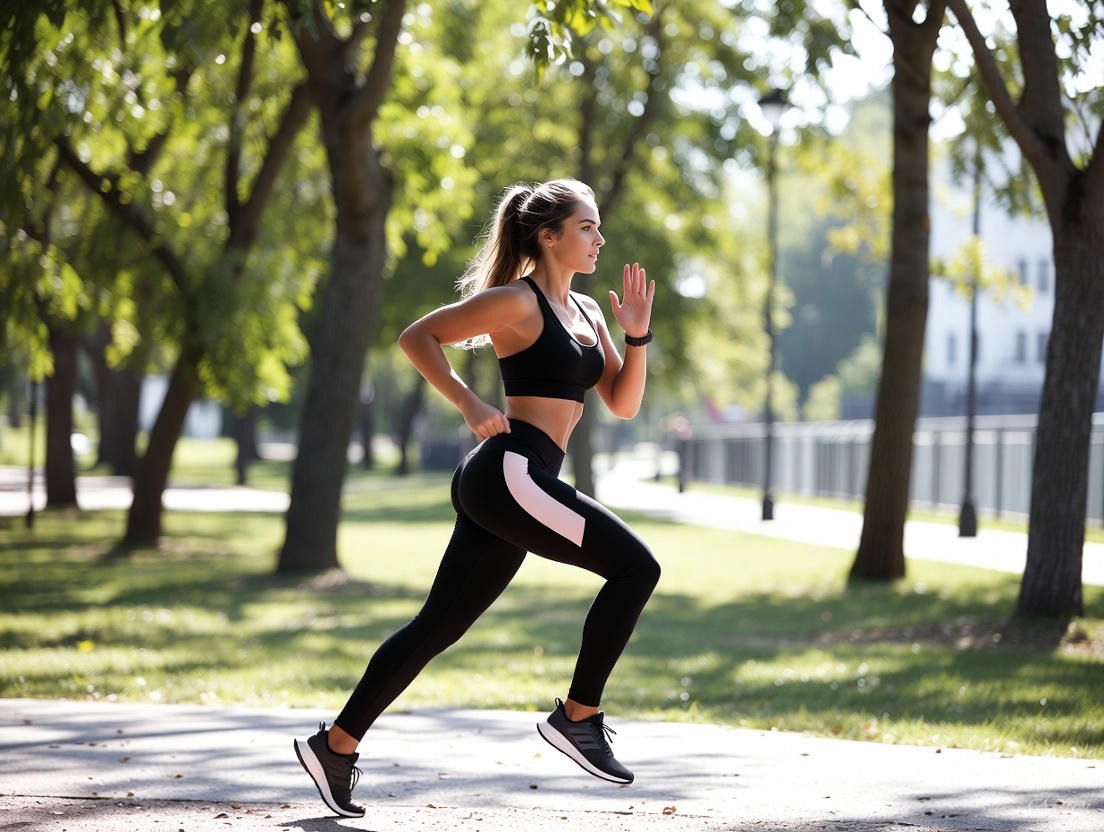
Physical activity is a dual-edged sword for focus. Done correctly, it is one of the most potent tools to boost HRV, clear the mind, and enhance cognitive function. Done incorrectly—through poor timing or chronic overtraining—it becomes a major drain on your focus capacity. Your ring’s activity and recovery metrics are essential for walking this edge wisely.
How the Right Movement Enhances Focus:
How the Wrong Movement Sabotages Focus:
Using Your Ring to Optimize the Movement-Focus Cycle:
1. Let Recovery Metrics Guide Intensity.
This is the cardinal rule. Before you plan your workout, check your readiness or recovery score (a composite of HRV, RHR, sleep).
2. Schedule Exercise Relative to Focus Blocks.
Use the acute cognitive boost to your advantage.
3. Use Non-Exercise Activity Thermogenesis (NEAT) for Micro-Resets.
Your ring’s step count or activity alerts aren’t just for fitness goals. They’re a focus tool.
4. Track the Long-Term Correlation.
Over weeks and months, observe the relationship between your activity trends and your average HRV.
By treating your activity data as a key input for your focus capacity model, you ensure that your fitness regimen is a synergistic partner to your cognitive work, not a competitor for your limited recovery resources. For athletes and active individuals looking to specifically optimize this balance, our resource on sleep improvement strategies for athletes and performance delves deeper into this synergy.
While lifestyle factors like sleep, nutrition, and exercise influence HRV, practices like mindfulness and meditation offer a direct line to training it. These are the tools that allow you to actively shift your autonomic state in real-time, pulling the lever on your own nervous system to induce a calm, focused state on demand. Your wellness ring provides the perfect feedback mechanism to prove they’re working.
The Direct Connection: How Mindfulness Boosts HRV
Mindfulness practices, particularly those focused on the breath or body awareness, stimulate the vagus nerve—the commander of the parasympathetic nervous system. Consistent practice:
Using Your Ring to Build and Validate a Practice:
1. Start with the “One-Minute Breath Anchor.”
You don’t need an hour of meditation. Start with what’s measurable.
2. Implement a “Pre-Focus Meditation.”
Turn your pre-focus ritual (from Section 6) into a mini-meditation.
3. Track the Long-Term Impact on Baseline HRV.
Commit to a short daily practice (5-10 minutes) for one month. Use your ring’s monthly trend view for HRV.
4. Use “Noting” During Work to Regulate Focus.
Mindfulness isn’t just for quiet moments; it’s a real-time focus tool.
5. Explore Heart Rate Variability Biofeedback (HRVB).
This is the most direct form of HRV training. Specialized apps and devices (some integrated with or complementary to wellness rings) guide you to breathe at your resonant frequency—typically around 4.5-6.5 breaths per minute. Breathing at this precise pace creates a coherence between your heart rhythm, your breath, and your blood pressure waves, maximizing HRV.
By integrating these practices and using your ring for feedback, you stop being a passive passenger of your autonomic state. You become the pilot, with a direct dashboard and controls for navigating toward calm, ready focus. This is perhaps the most profound personal empowerment your wellness ring can facilitate.
Theory is essential, but practice is where transformation happens. This 7-day sample plan integrates all the concepts from this guide into a practical, actionable week. Use it as a flexible template to begin your own experiment in body-informed productivity.
Guiding Philosophy: Observe, don’t judge. This week is about building awareness and trying new rhythms.
Day 1: Baseline & Awareness
Day 2: The Priming Experiment
Day 3: The Dynamic Session
Day 4: The Recovery Emphasis
Day 5: The Nutrition & Energy Audit
Day 6: Movement Integration
Day 7: Review & Design Your Ideal Week
This week transforms abstract concepts into lived experience. You will learn more about your personal rhythms from these seven days of attentive practice than from months of reading theory. You begin to internalize the dialogue between your body’s signals and your cognitive output.
Your HRV-guided focus strategy doesn’t exist in a vacuum. It can be powerfully combined with established productivity methodologies, creating a hybrid system that is both structurally sound and biologically intelligent. Here’s how to integrate with some of the most popular frameworks.
1. HRV & Time Blocking:
Time blocking is the practice of assigning specific tasks to specific calendar blocks.
2. HRV & The Pomodoro Technique®:
Pomodoro is a cycle of 25-minute focused sprints followed by 5-minute breaks.
3. HRV & Getting Things Done (GTD®):
GTD is a workflow management system based on capturing, clarifying, and organizing tasks.
4. HRV & Eisenhower Matrix (Urgent/Important):
This matrix categorizes tasks by urgency and importance.
5. HRV & Energy Management Models:
Models like Tony Schwartz’s “The Energy Project” emphasize managing four types of energy: physical, emotional, mental, and spiritual.
The Golden Rule of Integration:
Your biology is the foundation; the productivity system is the scaffold. Never let the system force you to violate a clear biological signal. If your calendar has a 2-hour deep work block but you wake up with a Red Light HRV, you must have the flexibility to change the plan. The system should serve your human performance, not the other way around.
By integrating in this way, you create a resilient, adaptable productivity approach. It’s no longer a rigid set of rules, but a dynamic practice of self-management that respects your humanity, as measured by your most fundamental metrics.
Your Trusted Sleep Advocate: Sleep Foundation — https://www.sleepfoundation.org
Discover a digital archive of scholarly articles: NIH — https://www.ncbi.nlm.nih.gov/
39 million citations for biomedical literature :PubMed — https://pubmed.ncbi.nlm.nih.gov/
Experts at Harvard Health Publishing covering a variety of health topics — https://www.health.harvard.edu/blog/
Every life deserves world class care :Cleveland Clinic - https://my.clevelandclinic.org/health
Wearable technology and the future of predictive health monitoring :MIT Technology Review — https://www.technologyreview.com/
Dedicated to the well-being of all people and guided by science :World Health Organization — https://www.who.int/news-room/
Psychological science and knowledge to benefit society and improve lives. :APA — https://www.apa.org/monitor/
Cutting-edge insights on human longevity and peak performance:
Lifespan Research — https://www.lifespan.io/
Global authority on exercise physiology, sports performance, and human recovery:
American College of Sports Medicine — https://www.acsm.org/
Neuroscience-driven guidance for better focus, sleep, and mental clarity:
Stanford Human Performance Lab — https://humanperformance.stanford.edu/
Evidence-based psychology and mind–body wellness resources:
Mayo Clinic — https://www.mayoclinic.org/healthy-lifestyle/
Data-backed research on emotional wellbeing, stress biology, and resilience:
American Institute of Stress — https://www.stress.org/


