
The Beginner-Friendly Guide to Hydration Habits: Tracking Impact Through Your Ring

You’ve probably heard the advice a thousand times: drink more water. It’s one of the most universal, yet most commonly ignored, pillars of health. We carry reusable bottles as fashion accessories, set half-hearted reminders on our phones, and occasionally down a glass when a headache strikes. But for most of us, our hydration habits are a guessing game—a cycle of dehydration, overcompensation, and wondering why we still feel foggy, fatigued, or just not our best.

What if you could move beyond guesswork? What if you could see, in real time, how every sip of water influences your energy, your sleep, your cognitive clarity, and even your workout recovery? This is no longer a futuristic fantasy. With the advent of sophisticated health technology, specifically smart rings, we can now close the loop between intention and impact. These sleek, wearable devices are transforming passive advice into actionable, personalized intelligence.

This guide is your invitation to a new relationship with hydration. We’ll move past the outdated “eight glasses a day” rule and dive into the science of how water truly fuels your biology. More importantly, we’ll explore how a simple piece of technology on your finger can become your most trusted hydration coach, revealing connections between your fluid intake and your well-being that you’ve likely never noticed.

Welcome to the data-driven, beginner-friendly journey to mastering your hydration. Let’s begin by understanding why this single habit is so profoundly powerful.
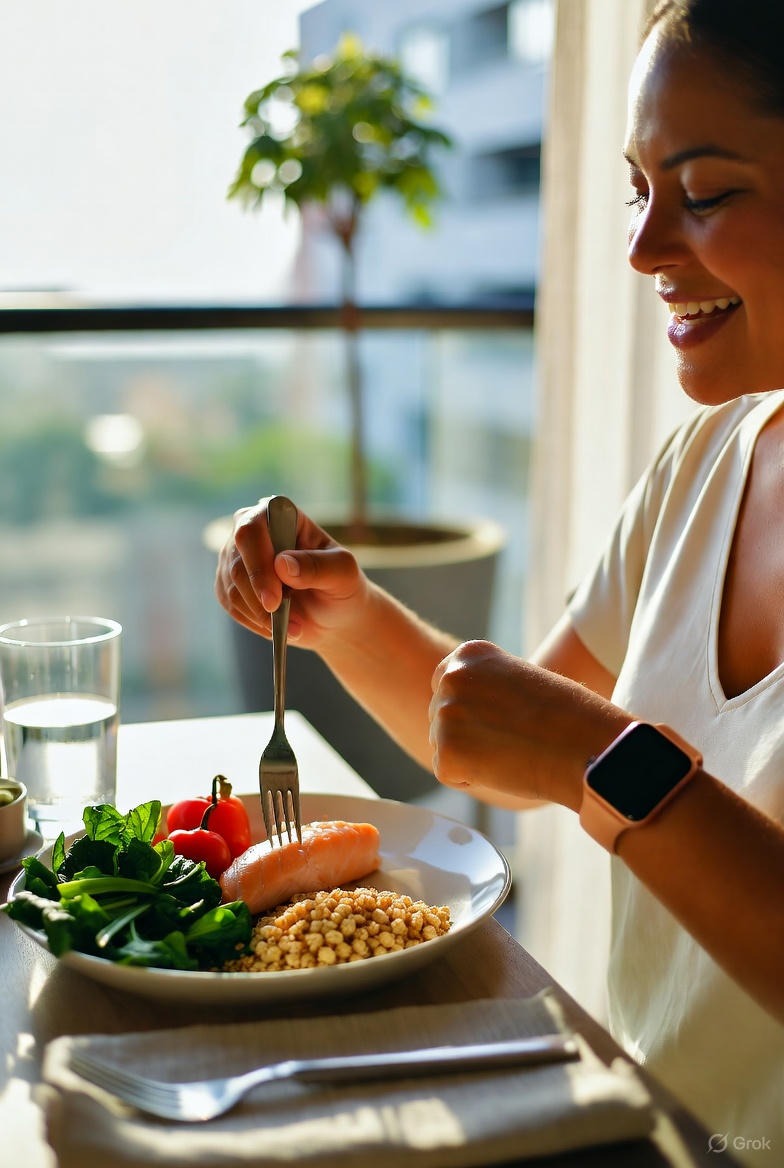
Why Hydration is the Silent Foundation of Health

We often chase complex health solutions—specialized diets, exhaustive workout regimens, and the latest superfood supplements. Yet, we routinely overlook the most fundamental, abundant, and critical nutrient of all: water. Comprising about 60% of your body weight, water is not merely a passive substance; it is the active medium in which every single biochemical process of life occurs. Think of your body as a lush, intricate garden. No matter how fertile the soil or how premium the seeds, without consistent, adequate watering, nothing thrives. Hydration is that essential irrigation system.

Its roles are staggeringly diverse. Water is the primary component of blood, transporting oxygen and nutrients to your cells while ferrying away waste products. It acts as a shock absorber for your brain and spinal cord, and lubricates your joints, allowing for smooth, pain-free movement. It regulates your body temperature through sweat and respiration. On a cellular level, it facilitates the energy-producing reactions that keep you alert and active. Even the process of thinking—the firing of neurons in your brain—depends heavily on optimal hydration levels. A mere 2% drop in body water content can trigger noticeable symptoms like reduced concentration, short-term memory issues, and mood fluctuations.

The consequences of chronic, low-level dehydration are often subtle but insidious. You might attribute your afternoon slump to a poor night's sleep or a heavy lunch, when in fact, it’s your brain and muscles literally drying out. You might wonder why your skin looks dull or why you’re getting more headaches, not connecting it to your fluid intake. This disconnect exists because thirst is a notoriously poor indicator. By the time you feel thirsty, you are already dehydrated. Furthermore, as we age, our thirst sensation diminishes, making us even more vulnerable.

This is where the paradigm shifts from reactive to proactive. Instead of waiting for your body to send a distress signal (thirst, headache, fatigue), you learn to nourish it consistently. And to do that effectively, you need feedback. You need to see the cause and effect. This is precisely the gap that modern health technology, and smart rings in particular, are designed to fill. While they don't measure water volume directly, they track the vital outputs that hydration influences. To understand the full picture of your nightly recovery, consider how sleep and hydration are deeply intertwined, a topic we explore in depth in our article on the foundation of good sleep health core principles.

Mastering hydration is the first and most powerful step in building a resilient, vibrant physiology. It’s the silent foundation upon which sleep quality, mental performance, physical endurance, and long-term health are built.

Beyond the 8x8 Rule: What Your Body Actually Needs

For decades, the “8x8 rule”—drink eight 8-ounce glasses of water a day—has been the default hydration mantra. It’s simple, memorable, and better than no guidance at all. But like a one-size-fits-all garment, it rarely fits anyone perfectly. Your body’s water needs are as unique as your fingerprint, fluctuating daily based on a dynamic mix of personal and environmental factors.

The National Academies of Sciences, Engineering, and Medicine provides a more nuanced guideline: about 3.7 liters (125 ounces) of total fluids per day for the average adult man and 2.7 liters (91 ounces) for women. Crucially, this includes all fluids—not just water—and the water content in food. Approximately 20% of our daily fluid intake typically comes from foods like soups, fruits (watermelon, strawberries), and vegetables (cucumbers, lettuce).

So, what determines your personal hydration number? It’s a daily equation with several key variables:

  • Body Size and Composition: Larger bodies and those with more muscle mass require more water.
  • Activity Level: Exercise, especially intense or prolonged sweat sessions, can demand significant additional fluid. Just one hour of vigorous exercise can require an extra 1-2 liters.
  • Climate and Environment: Hot, humid weather accelerates fluid loss through sweat. Even cold, dry climates and heated indoor air can increase insensible water loss through respiration.
  • Diet: A diet high in salty, processed foods or protein increases the body’s demand for water for processing and excretion. Conversely, a diet rich in fruits and vegetables provides more intrinsic water.
  • Health Status: Fever, vomiting, diarrhea, and conditions like diabetes dramatically increase fluid needs. Even a common cold can dehydrate you.
  • Life Stage: Pregnancy and breastfeeding significantly raise fluid requirements.

Given this complexity, a static daily goal is inadequate. Your needs on a sedentary, cool day are vastly different from those on a day you spend hiking in the sun. The true goal is dynamic hydration—listening and responding to your body’s shifting demands.

But how can you “listen” more accurately? This is the core of modern hydration strategy: moving from a fixed quota to a responsive practice. It requires tuning into subtle signals and, with technology, observing objective data. For instance, the impact of poor hydration often manifests clearly in your daily function and mood. To recognize these signs, you might find it helpful to read about how poor sleep health shows up in your daily life, as many symptoms of dehydration and sleep deprivation overlap, including brain fog and irritability.

The journey begins by discarding the rigid 8x8 rule and embracing a personalized, adaptive approach to fluid intake. The next step is learning to recognize the signs that your unique body is sending.

The Hidden Signs You’re Not Drinking Enough (It’s Not Just Thirst)

Thirst is your body’s final warning siren, not its first alert. Relying on thirst alone means you’re constantly playing catch-up. To stay ahead of dehydration, you must become a detective of your own physiology, learning to spot the subtler, earlier clues. These signs are often misattributed to other causes, which is why so many people live in a state of mild, chronic dehydration without realizing it.

Cognitive and Emotional Clues:

  • Brain Fog: Difficulty concentrating, focusing on tasks, or following conversations.
  • Mental Fatigue: That 3 PM slump that feels insurmountable.
  • Mood Swings: Increased irritability, anxiety, or feelings of overwhelm.
  • Headaches: One of the most common symptoms of dehydration, as the brain temporarily contracts from fluid loss, pulling away from the skull.

Physical Performance Clues:

  • Early Fatigue During Exercise: Your muscles are about 75% water. Dehydration reduces blood volume, forcing your heart to work harder to pump oxygen and nutrients to working muscles.
  • Decreased Strength and Endurance: Even mild dehydration can significantly impair physical performance.
  • Muscle Cramps: While the exact link is debated, electrolyte imbalance from sweating without proper replenishment is a key culprit.

Everyday Bodily Signals:

  • Urine Color: This is your most accessible real-time dashboard. Aim for pale straw or light yellow. Dark yellow or amber urine is a clear sign to drink up.
  • Infrequent Urination: Urinating fewer than 4 times a day is a red flag.
  • Dry Skin and Lips: While not the earliest sign, chronic dehydration will lead to a loss of skin elasticity and dryness.
  • Constipation: Water in the colon helps move waste along. Without it, digestion slows.

Perhaps the most profound—and most measurable—impact of dehydration is on sleep. When you’re dehydrated, your body struggles to regulate its temperature throughout the night. It may also trigger muscle cramps or a dry mouth and throat, leading to awakenings. This results in fragmented, less restorative sleep. You might think you slept for 8 hours, but your body spent a significant portion of that time stressed and working to correct a fluid imbalance. The result? You wake up feeling unrefreshed, perpetuating a cycle of fatigue. Understanding this cycle is a key part of a holistic health strategy, much like building a strong base for recovery, which you can learn more about in our piece on the sleep health pyramid building from the bottom up.

By learning to recognize these hidden signs, you can intervene before your performance, mood, or health takes a noticeable hit. But what if you had a tool that could correlate these subjective feelings with objective data, helping you confirm your hunches and spot patterns you’d otherwise miss?

The Rise of the Smart Ring: Your 24/7 Wellness Companion

The quest for better health data has evolved from clunky wristbands to sleek, intelligent rings. This isn’t just a miniaturization of a fitness tracker; it’s a fundamental shift in how we monitor our well-being. Smart rings represent the next wave of personal health technology, offering a unique combination of convenience, accuracy, and continuous insight that other wearables struggle to match.

Why a ring? The answer lies in anatomy and lifestyle. The finger, specifically the base, hosts rich vascular pathways with a strong, consistent pulse signal. This makes it an ideal location for medical-grade sensors to capture precise physiological data like heart rate, heart rate variability (HRV), and blood oxygen saturation (SpO2). Unlike a wrist-based device, a ring is less prone to motion artifacts during activities like typing or exercising, leading to cleaner, more reliable data, especially during sleep.

Their discreet design is a major advantage. A smart ring feels like jewelry, not a tech gadget. It’s comfortable enough to wear 24/7—during workouts, showers, and most importantly, through every sleep cycle. This continuous wear is the magic ingredient. It allows the ring to build a comprehensive, uninterrupted baseline of your body’s rhythms, unlike a device you might take off at night or forget to wear.

Modern smart rings, like the Oura Ring or similar advanced models, act as holistic health monitors. They track:

  • Sleep Metrics: Total sleep, stages (light, deep, REM), timing, and disturbances.
  • Recovery Metrics: Resting heart rate (RHR), HRV (a key marker of nervous system balance and recovery readiness), and respiratory rate.
  • Activity Metrics: Steps, active time, and estimated calorie expenditure.
  • Physiological Trends: Body temperature variation, which is a sensitive indicator of illness, ovulation, and overall metabolic state.

The true power, however, isn’t in the raw data points—it’s in the context and correlation. A smart ring’s accompanying app doesn’t just show you numbers; it interprets them, offering a daily “readiness” or “recovery” score. This score synthesizes how well your body has recovered from the previous day’s stresses, guiding you on whether to push hard or prioritize rest.

This is where hydration tracking becomes revolutionary. While no consumer ring currently has a sensor to measure water intake directly, it provides the critical outcome data. You log your water intake (manually or via integration with an app like Apple Health or Google Fit), and the ring shows you the results: Did your deep sleep increase on days you drank more? Did your morning HRV improve? Did your resting heart rate drop? This cause-and-effect feedback loop transforms hydration from an abstract task into a tangible, rewarding experiment with your own biology. To get started with interpreting this kind of data, a great first step is learning how to assess your current sleep health simple self-test.

The smart ring is the perfect bridge between your subjective feelings and objective physiology, making you the CEO of your own health with a constant stream of actionable boardroom data.

How Your Ring Translates Water into Data: The Key Metrics

You drink a glass of water. It seems like a simple, momentary act. But inside your body, it sets off a cascade of physiological events that ripple through your systems for hours. A smart ring is uniquely positioned to detect these ripples, translating your hydration habits into clear, actionable metrics. By understanding what these metrics mean, you can start to see the direct return on investment for every ounce you consume.

Here are the key data points your ring monitors that are profoundly influenced by your hydration status:

1. Heart Rate Variability (HRV): Your Nervous System Barometer
HRV is the slight variation in time between each heartbeat. Contrary to what you might think, a higher HRV is generally better—it indicates a flexible, resilient autonomic nervous system that can easily switch between stress (sympathetic) and recovery (parasympathetic) modes. Dehydration is a physiological stressor. It increases the concentration of your blood, making your heart work harder, and can trigger the release of stress hormones like cortisol. This pushes your nervous system into a more stressed, “fight-or-flight” state, which lowers your HRV. Consistently good hydration reduces baseline stress on the system, supporting a higher, more stable HRV—a key marker of recovery and resilience. You can track your progress in managing such stressors through your ring’s data.

2. Resting Heart Rate (RHR): Your Metabolic Engine Idle
Your RHR is the number of times your heart beats per minute while you are fully at rest. Well-hydrated blood is more voluminous and “slippery,” allowing your heart to pump it through your body with less effort, resulting in a lower RHR. Dehydration reduces blood volume, forcing your heart to beat more frequently to maintain blood pressure and deliver oxygen. A sustained increase in your overnight or morning RHR can be one of the earliest signs you’re not drinking enough. It’s like your heart is revving at a higher idle speed, wasting energy.

3. Sleep Architecture: The Blueprint of Restoration
This is where hydration’s impact is crystal clear. Your ring breaks down your night into sleep stages:

  • Deep Sleep: The critical phase for physical repair, immune function, and memory consolidation. Dehydration can disrupt the release of growth hormone and increase core temperature, both of which can fragment or reduce deep sleep.
  • REM Sleep: The stage for emotional processing and creativity. Body temperature regulation is crucial for entering REM, and dehydration disrupts this.
    Your ring provides scores for sleep duration and quality. You’ll begin to see patterns: On days you meet your fluid goals, do you get more deep sleep? Do you wake up fewer times? This objective feedback is invaluable. For a deeper dive into what these stages mean, our resource on sleep health basics where to start for better rest offers a clear explanation.

4. Body Temperature: The Silent Rhythm
Advanced smart rings track subtle shifts in your peripheral body temperature. Your core temperature naturally dips at night to initiate sleep. Dehydration impairs your body’s ability to shed heat (through vasodilation and sweat), potentially leading to a higher nighttime temperature and more restless sleep. Furthermore, seeing your temperature trend rise above your personal baseline can be an early indicator of illness or inflammation—a time when optimal hydration is most critical.

5. Respiratory Rate: The Breath of Recovery
The number of breaths you take per minute during sleep is a stable, vital sign. While less directly tied to hydration than other metrics, significant dehydration can cause an increase in respiratory rate as the body attempts to cope with increased core temperature and metabolic stress.

By monitoring this dashboard of metrics, your smart ring doesn’t just tell you to drink water; it shows you why it matters. It answers the question: “What’s in it for me?” with data on better sleep, faster recovery, and a calmer nervous system.

Setting Up for Success: Creating Your Hydration Baseline

Before you can improve anything, you must measure where you’re starting from. This is the principle of establishing a baseline—a week or two of observation where you collect data without trying to change anything. This neutral snapshot is incredibly powerful. It removes bias, reveals your true habits, and sets a personal benchmark against which all future progress will be measured. With your smart ring as your data partner, this process becomes both scientific and insightful.

Step 1: The Honest Intake Log (3-7 Days)
For your baseline period, your mission is simple: log every single fluid you consume and wear your ring continuously. Don’t try to “be good.” Just be accurate. Use a dedicated app (many smart ring apps have a hydration log, or you can use Apple Health/Google Fit), a notepad, or even take photos of your drinks. Record:

  • Type of fluid: Water, coffee, tea, soda, juice, etc.
  • Approximate volume: Use standard container sizes (your bottle is 500ml, a glass is 250ml) for estimation.
  • Time of day: This will later help you spot patterns (e.g., all intake before 2 PM, then nothing).

Step 2: Let Your Ring Gather the Outcome Data
While you log your inputs, your ring is diligently recording the outputs. Ensure you wear it every night. Pay no attention to the scores during this phase; just let the data accumulate. The goal is to get a clear picture of your “normal” recovery, sleep, and vital signs.

Step 3: The Correlation Review
At the end of your baseline period, it’s time to play detective. Open your smart ring app and your intake log side by side. Look for patterns and ask these questions:

  • Sleep: On days with lower fluid intake, did my sleep score drop? Was I awake more often? Did I get less deep or REM sleep?
  • Recovery: Did my readiness/recovery score correlate with my hydration? Did my RHR trend higher or my HRV trend lower on drier days?
  • Timing: Did drinking too close to bedtime correlate with more nighttime bathroom trips (visible as awakenings in my sleep data)?
  • Fluid Type: Did days where I drank more sugary beverages or alcohol show a notable dip in my recovery metrics, even if the volume was high?

You are looking for your unique patterns. Perhaps you’re very sensitive to afternoon dehydration affecting your sleep. Maybe your HRV is particularly responsive to overall fluid levels. This baseline analysis transforms the generic advice into a personalized insight: “When I drink less than 2 liters of water, my deep sleep consistently decreases by 15%.”

This process also helps you identify and discard common misconceptions about your own habits, much like the important process of unlearning myths in other areas of wellness, such as those covered in sleep health myths every beginner needs to unlearn.

Your baseline is not a judgment; it’s a map. It shows you the current lay of the land. Now, with this map in hand, you can begin to chart a new, more effective course with clear, personalized hydration goals.

Crafting Your Personalized Hydration Protocol

Armed with the insights from your baseline, you are no longer flying blind. You now understand how your current habits affect your physiology. The next step is to design a hydration protocol that is tailored specifically to you—a set of flexible guidelines that align your intake with your body’s unique needs and your lifestyle’s rhythms. This moves you from random sipping to strategic fueling.

1. Set a Dynamic Daily Goal.
Forget a single number. Establish a range based on the National Academies’ guidelines and adjusted by your baseline. For example: “My target is 2.5 - 3.0 liters of fluids per day, with at least 2.0 liters coming from plain water.” Use this as your default, but build in flexibility rules:

  • Add 500ml for every 60 minutes of moderate to intense exercise.
  • Add 250-500ml on hot/humid days or if you’ve been in dry, air-conditioned/heated environments.
  • Listen to your ring: If your recovery score is low despite good sleep, consider upping your intake as an experiment.

2. Master the Art of Timing.
When you drink is as important as how much. Create a rhythm that supports your body’s natural cycles:

  • Morning Kickstart (2 glasses upon waking): Replenishes the fluid lost during sleep and kickstarts metabolism.
  • Pre-Meal Hydration (1 glass 30 min before meals): Aids digestion and can help prevent overeating.
  • Exercise Hydration (500ml 1-2 hours before, sips during, 500ml after): Optimizes performance and recovery.
  • Afternoon Slump Defense (A glass when energy dips): Often, a energy drop is a hydration drop.
  • Evening Wind-Down (Final glass 60-90 min before bed): Allows for hydration without disruptive nighttime trips. Monitor your ring’s sleep latency and disturbances data to fine-tune this timing.

3. Optimize Your Hydration Sources.
Not all fluids are created equal. Structure your intake for maximum benefit:

  • Primary (80%): Plain water, still or sparkling. Herbal, non-caffeinated teas.
  • Secondary (15%): Water with electrolytes (especially after heavy sweating), water infused with fruits/herbs for flavor.
  • Tertiary (5%): Coffee, tea (mind the caffeine), broths, water-rich fruits and vegetables.
  • Limit: Sugary sodas, juices, and excessive alcohol, which can have a net dehydrating effect and are clearly visible in your ring’s recovery metrics.

4. Leverage Technology for Adherence.

  • Use your ring’s app or a linked health app to set daily hydration goals and log intake easily.
  • Set gentle, non-disruptive reminders on your phone for key times (e.g., “Morning Hydration,” “Pre-Lunch Water”).
  • Invest in a marked water bottle that shows progress visually. A 1-liter bottle you refill twice is simpler than counting eight glasses.

5. Build in Experimentation and Review.
Your protocol is a living document. Every Sunday, review your ring’s weekly trends alongside your intake log. Ask: What worked? What didn’t? Did trying a new timing strategy improve my sleep score? This continuous feedback loop, powered by your ring’s data, turns hydration into an engaging, self-optimizing practice. For more on structuring a successful month of new wellness habits, see our guide on sleep health for beginners your first 30 days.

Your personalized protocol is your daily playbook. It turns intention into a simple, repeatable system. But even the best system needs the right tools. Let’s explore the essential gear that makes optimal hydration effortless and enjoyable.

Essential Gear: From Smart Rings to Smart Bottles

While your intention and data are the core drivers of change, the right tools can remove friction and make your hydration protocol seamless to execute. This isn’t about buying your way to health; it’s about investing in a few key items that support consistency, which is the ultimate predictor of success. Think of it as building your hydration ecosystem.

1. The Smart Ring: Your Feedback Engine
This is your non-negotiable core tool. As we’ve established, it provides the critical outcome data that validates your efforts. When choosing a ring, prioritize:

  • Accuracy of Biometrics: Look for medical-grade sensors and validated sleep staging.
  • Battery Life and Comfort: It must be comfortable enough for 24/7 wear and have a battery life that supports this (typically 4-7 days).
  • App Intelligence: The accompanying app should provide clear insights, not just raw data. Good trend analysis, a readable dashboard, and the ability to tag behaviors (like logging water) are crucial.
  • Durability: It should withstand daily wear, sweat, and water (check its water resistance rating).

Your ring is the brain of your operation, constantly learning and reporting back.

2. The Marked Water Bottle: Your Visual Motivator
A simple, effective tool. A bottle with time markers or volume indicators turns an abstract goal (“drink 3 liters”) into a visual, achievable task (“get to the 2 PM line”). It eliminates mental math and serves as a constant, gentle reminder on your desk. Choose one you love the look and feel of—insulated to keep water cold if that’s your preference, with a leak-proof lid.

3. The Smart Bottle/Hydration Tracker: For the Data-Enthusiast
For those who want to automate intake logging, smart bottles (like HidrateSpark) sync with your phone and glow to remind you to drink. They automatically log your sips to apps like Apple Health, which can then be correlated with your ring’s data. While not essential, they represent the ultimate in frictionless tracking.

4. Electrolyte Supplements: For Performance and Recovery
If you exercise intensely, live in a hot climate, or simply sweat a lot, plain water might not be enough. Electrolytes (sodium, potassium, magnesium) are minerals lost in sweat that are essential for fluid balance and nerve function. Adding a sugar-free electrolyte tablet or powder to one of your daily bottles, especially post-workout, can enhance hydration and improve how you feel. Your ring’s recovery metrics can help you gauge their effectiveness—does your post-workout HRV recover faster with electrolytes?

5. Flavor Infusers: For the Palate-Fatigued
If you struggle with the “boredom” of water, a simple fruit infuser bottle or a few reusable infusion pods can be a game-changer. Adding slices of cucumber, lemon, berries, or herbs like mint makes hydration more appealing without adding sugars or artificial ingredients.

Building this toolkit is an act of commitment to yourself. It signals that this habit is important. Each tool serves a purpose: the ring provides the why, the bottle facilitates the how, and the supplements optimize the result. Together, they create an environment where success is the default, not a struggle.

With your system and tools in place, you’re ready to see how this foundational habit supports your most ambitious goals, starting with the one activity where performance is most measurable: exercise.

Hydration and Performance: Fueling Your Workouts

You’ve prepared mentally, you’re wearing the right gear, and your workout playlist is ready. But if you haven’t hydrated strategically, you’re starting with a handicap. Exercise performance is one of the most direct and dramatic arenas where hydration shows its power. Even mild dehydration (a 2% loss of body weight from fluid) can lead to a significant decrease in strength, power, and high-intensity endurance. Your smart ring provides the pre-, during, and post-workout data to optimize this critical relationship.

The Pre-Workout Prime (The 2-Hour Window)
Your workout hydration begins long before you step into the gym or hit the trail. The goal is to start your session in a state of euhydration—optimal fluid balance.

  • Strategy: Drink 500-600 ml (about 16-20 oz) of water 2-3 hours before exercise. This gives your body time to absorb the fluid and excrete any excess.
  • Ring Insight: Check your readiness/recovery score. A low score suggests your body is already stressed. In this state, prioritizing hydration and possibly electrolytes becomes even more important to support the additional stress of a workout.

The Intra-Workout Sustain (Listen and Sip)
During exercise, you are losing fluid and electrolytes through sweat. The key is to replace them at a rate that matches your loss to prevent performance decline and excessive heart rate drift.

  • Strategy: For workouts under 60 minutes, sipping plain water is usually sufficient. For sessions longer than 60 minutes, especially in heat, a sports drink or water with electrolytes is recommended. A general guideline is 150-350 ml (5-12 oz) every 15-20 minutes.
  • Ring Insight: Post-workout, look at your heart rate graph. Did your heart rate climb disproportionately high for the intensity (a sign of cardiovascular drift, often caused by dehydration)? This data helps you calibrate your drinking strategy for next time.

The Post-Workout Replenishment (The Recovery Window)
The 30-60 minutes after exercise is a critical window for rehydration and repair. Proper refueling here sets the stage for better recovery and adaptation.

  • Strategy: Weigh yourself before and after intense, sweaty workouts. For every pound lost, drink 500-700 ml (16-24 oz) of fluid. Including electrolytes and some carbohydrates in this window (e.g., an electrolyte drink and a piece of fruit) enhances rehydration and glycogen replenishment.
  • Ring Insight: This is where your ring shines. Your overnight recovery metrics are the ultimate report card for your workout and hydration strategy.
    • Resting Heart Rate (RHR): A well-hydrated body will show a quicker return to your baseline RHR overnight. A spike in your overnight RHR suggests your cardiovascular system is still stressed, potentially from dehydration.
    • Heart Rate Variability (HRV): The holy grail of recovery. A significant dip in HRV the night after a hard workout is normal. However, if you hydrated optimally, you should see a stronger rebound in HRV on subsequent nights. Chronic under-hydration can lead to a suppressed HRV that struggles to recover.
    • Sleep Quality: Dehydration from a tough workout can lead to elevated core temperature and muscle cramping, fragmenting your sleep. Good hydration supports the temperature drop needed for deep sleep, helping you truly repair.

By using your ring to track these outcome metrics, you move from guessing (“I think I drank enough”) to knowing (“My HRV recovered 20% faster when I drank an electrolyte mix after my long run”). It turns every workout into a learning opportunity, fine-tuning your hydration for peak performance and swift recovery. This principle of using data for recovery is central to many wellness journeys, as outlined in resources like the quick start guide to better sleep health, which emphasizes the importance of restoration.
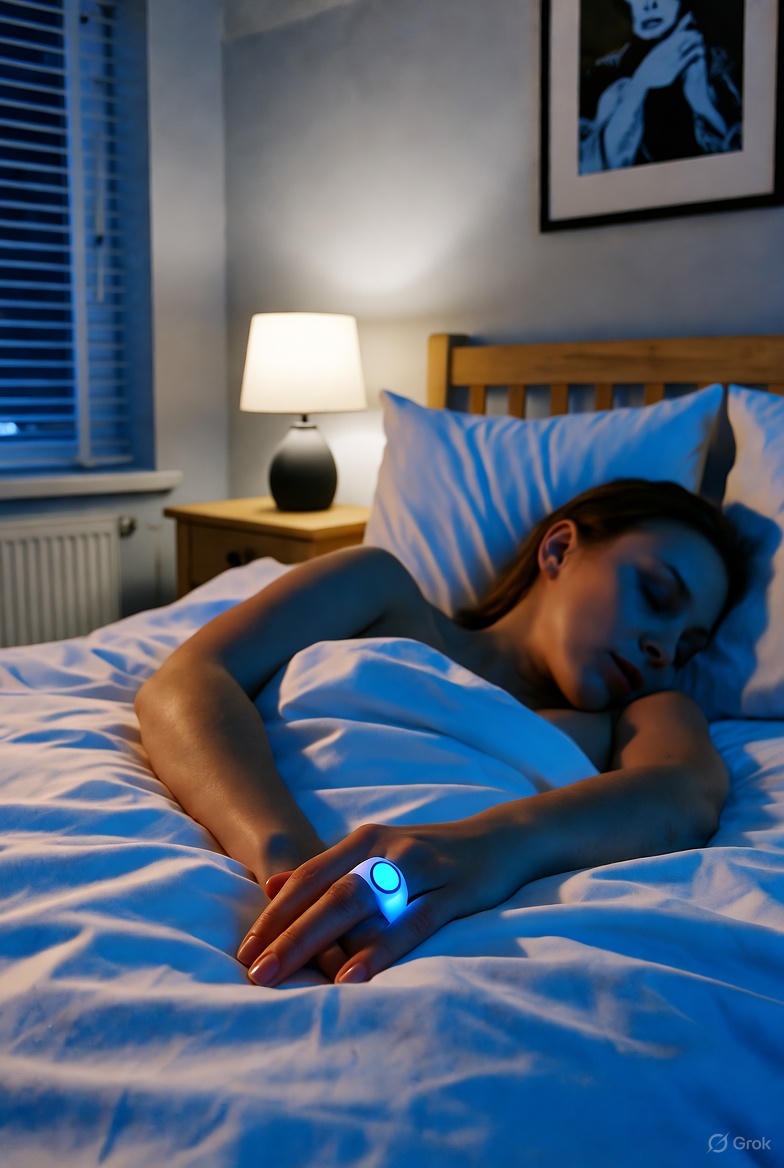
The Sleep-Hydration Loop: Your Nightly Recharge Cycle

Sleep and hydration exist in a powerful, bidirectional relationship. They form a loop where each one profoundly influences the quality of the other. You’ve likely felt this: a night of poor sleep leaves you craving water and coffee the next day, while a day of poor drinking leads to a restless, unsatisfying night. Your smart ring is the perfect tool to observe, understand, and ultimately optimize this critical cycle.

How Dehydration Sabotages Sleep:

  1. Thermoregulation Disruption: To initiate and maintain sleep, your core body temperature must drop. Dehydration impairs your body’s ability to release heat through the skin (vasodilation) and sweat. This can leave you feeling too warm, leading to tossing, turning, and more light sleep at the expense of deep and REM sleep.
  2. Muscle Cramps: Electrolyte imbalances from dehydration can trigger nocturnal leg cramps, causing painful awakenings.
  3. Dry Mouth and Airways: This can lead to snoring, discomfort, and waking up to drink water, fragmenting your sleep cycle.
  4. Hormonal Stress: Dehydration can elevate cortisol levels. Cortisol is an alertness-promoting hormone that is antagonistic to sleep. High evening cortisol makes it hard to fall and stay asleep.

How Poor Sleep Sabotages Hydration:

  1. Disrupted Thirst Hormones: Sleep affects the release of vasopressin, an anti-diuretic hormone that helps your body retain water overnight. Poor or shortened sleep can disrupt this rhythm, leading to increased urine production and a higher risk of waking up dehydrated.
  2. Poor Decision Making: When you’re sleep-deprived, you’re more likely to reach for sugary, caffeinated, or alcoholic beverages for quick energy or comfort, all of which can negatively impact hydration status.
  3. Neglect of Habits: Fatigue saps the willpower needed to maintain good habits, like consistently drinking water throughout the day.

Using Your Ring to Close the Loop:
This is where you become the master of your own recovery. Your ring provides the objective data to see this loop in action.

  • Evening Review: Before bed, glance at your day. Did you hit your fluid targets? If not, you have a data-backed reason to expect you might need to optimize your sleep environment for cooling (lighter blankets, cooler room).
  • Morning Analysis: When you wake up, don’t just look at your sleep score. Dive deeper.
    • Did you have a high “time awake” or a low “sleep efficiency”? Cross-reference with your hydration log from the previous day.
    • Was your nighttime resting heart rate elevated? This is a classic sign of dehydration or other physiological stress during sleep.
    • Check your body temperature graph. Did it stay elevated or show more variability than usual?
  • The Correlative Power: Over weeks and months, you will see undeniable trends. The data will show you, for example, that on days your fluid intake is above 2.5 liters, your deep sleep is consistently 10% higher and your sleep latency (time to fall asleep) is lower. This turns a health hypothesis into a personal truth.

By actively managing your hydration with the goal of improving sleep, and then using sleep quality to gauge your hydration success, you create a virtuous cycle. Better hydration leads to better sleep, and better sleep makes it easier to hydrate effectively the next day. Your ring is the feedback mechanism that keeps this positive loop spinning, night after night. Understanding this interconnectedness is a key part of holistic health, similar to the approach discussed in how sleep health affects every aspect of your life.

The Electrolyte Equation: More Than Just Salt

Water is the vehicle, but electrolytes are the conductors that orchestrate the symphony of hydration within your body. Thinking of hydration as merely “drinking water” is like trying to power a sophisticated computer with only a power cable but no internal circuitry. Electrolytes—primarily sodium, potassium, magnesium, and calcium—are electrically charged minerals that dissolve in your bodily fluids. They are the master regulators that dictate where water goes and how your cells, nerves, and muscles function.

When you sweat, you don’t just lose water; you lose a specific cocktail of these minerals, heavy on sodium. If you only replace the water without the electrolytes, you risk diluting the remaining electrolytes in your bloodstream, a condition called hyponatremia (low blood sodium). This can be dangerous and counterintuitively worsens hydration at a cellular level. Your body will actually excrete the plain water to protect its electrolyte balance, leaving you urinating frequently but still feeling dehydrated.

Your Ring as an Electrolyte Detective:
While a smart ring cannot measure your blood electrolyte levels, it provides powerful proxy data that can suggest an imbalance:

  • Unexplained Elevated Resting Heart Rate: Especially post-workout or overnight, this can signal your cardiovascular system is straining, potentially due to an electrolyte-deficient state affecting fluid balance.
  • Poor HRV Recovery After Exercise: If your Heart Rate Variability remains suppressed for multiple days after a hard, sweaty session despite drinking ample water, inadequate electrolyte replenishment could be a factor.
  • Muscle Cramping & Restless Sleep: Frequent awakenings tagged as “restlessness” or “awake time” coupled with notes of leg cramps can point towards magnesium or potassium deficiency.

When to Prioritize Electrolytes:

  • Sweat-Inducing Exercise: Any workout longer than 60-90 minutes, or shorter but high-intensity sessions in heat/humidity.
  • Hot/Humid Environments: Even without formal exercise, significant daily sweating.
  • Illness: During bouts of fever, vomiting, or diarrhea.
  • High-Carbohydrate or Very Low-Carb Diets: Both can affect how the body retains water and electrolytes.
  • Signs of “False Hydration”: You’re drinking plenty of water but still experiencing symptoms like headaches, fatigue, or muscle twitches, and your ring shows poor recovery metrics.

Smart Replenishment Strategies:

  • Food First: A balanced diet rich in whole foods is the best foundation. Bananas, avocados, sweet potatoes (potassium); nuts, seeds, leafy greens (magnesium); table salt, pickles, broth (sodium).
  • Targeted Supplementation: For acute needs, use sugar-free electrolyte tablets, powders, or drops added to your water. Look for a balanced ratio (e.g., higher sodium with supporting potassium and magnesium).
  • The Simple Test: On your next long, sweaty day, try adding electrolytes to one of your water bottles. The following morning, check your ring’s recovery score and sleep data. Does your body respond positively with a lower RHR or higher HRV? This personal experimentation, guided by data, is the key to solving your personal electrolyte equation. For more on how to assess and respond to your body’s signals, the methodology in how to assess your current sleep health simple self-test can be applied here.

Understanding electrolytes transforms hydration from a one-dimensional act into a nuanced practice of biochemical balance. It ensures the water you drink is effectively put to work.

Troubleshooting Common Hydration Pitfalls

Even with the best intentions and the smartest technology, roadblocks appear. Recognizing and navigating these common pitfalls is what separates a fleeting effort from a lasting, ingrained habit. Your smart ring’s data is your diagnostic tool to identify which pitfall you’ve stumbled into and guide your correction.

Pitfall 1: The “Catch-Up” Crash Flood.

  • The Scenario: You realize at 4 PM you’ve only had one glass of water all day. You proceed to chug a liter in an hour.
  • The Problem: Your kidneys can only process about 800-1000 ml of water per hour. The excess is quickly excreted, leading to frequent bathroom trips without achieving true cellular hydration. It also dilutes electrolytes.
  • The Ring Data Clue: You might see a spike in nighttime awakenings (due to bathroom trips) and a poor sleep efficiency score. Your HRV may not show the expected benefit because the hydration wasn’t absorbed optimally.
  • The Fix: Use your ring’s daytime inactivity alerts or set gentle phone reminders for small, consistent sips throughout the day. Focus on consistency over volume in a single sitting.

Pitfall 2: Mistaking Other Beverages for Hydration.

  • The Scenario: You count multiple coffees, a diet soda, and a glass of wine toward your daily “fluid” goal.
  • The Problem: Caffeine and alcohol are diuretics, meaning they promote fluid loss. While they do contribute to net fluid intake, their diuretic effect can negate a portion of their volume, especially in large amounts. Sugary drinks can spike blood sugar and cause an osmotic diuresis.
  • The Ring Data Clue: Look for patterns. Do days with 3+ coffees show a higher resting heart rate or lower HRV at night, even if total fluid volume was high? Does an evening drink correlate with fragmented sleep architecture (less deep/REM sleep)?
  • The Fix: Categorize your fluids. Aim for 80% of your intake from “primary hydrators” (water, herbal tea). Enjoy other beverages mindfully, but don’t rely on them as your hydration workhorses. Track their impact objectively with your ring.

Pitfall 3: Ignoring the Food Factor.

  • The Scenario: You diligently drink 2 liters of water but eat a diet of mostly processed, dry foods.
  • The Problem: You’re missing the 20% of fluid that typically comes from food. Furthermore, a high-sodium processed diet increases your body’s water requirement for excretion.
  • The Ring Data Clue: You’re hitting your water goal but still seeing signs of suboptimal recovery or higher RHR. This disconnect between input and outcome can point to dietary factors.
  • The Fix: Incorporate water-rich fruits and vegetables (cucumber, watermelon, celery, berries, leafy greens) into your meals. They provide fluid, electrolytes, and fiber. Consider a post-meal glass of water to aid digestion and compensate for drier meals.

Pitfall 4: Overhydration (Yes, It’s Possible).

  • The Scenario: In a zealous pursuit of health, you force yourself to drink 5+ liters of plain water daily, far beyond your needs.
  • The Problem: This can flush out essential electrolytes, particularly sodium, leading to hyponatremia. Symptoms include headache, nausea, confusion, and in severe cases, can be life-threatening.
  • The Ring Data Clue: Persistently low HRV, feelings of lethargy despite “perfect” habits, and potentially elevated RHR as the body struggles with imbalance.
  • The Fix: Let your body and data guide you, not an arbitrary, excessive number. Use your personalized range. If you’re sweating heavily, include electrolytes. Pay attention to urine color (aim for light yellow, not crystal clear all the time).

Pitfall 5: Forgetting That Thirst Changes.

  • The Scenario: As you age or change fitness levels, you assume your habits don’t need to adapt.
  • The Problem: Thirst sensation diminishes with age. Your fitness level and body composition also alter your needs.
  • The Fix: This is where the ring is invaluable. It provides an age-independent, sensation-independent readout. Let your recovery scores (HRV, RHR, sleep) be your primary gauge of hydration adequacy, not just the absence of thirst. For a broader understanding of how health needs evolve, see our exploration of how sleep health changes throughout your life.

By learning to diagnose these pitfalls with your wearable data, you move from frustrated guesswork to empowered problem-solving.

Tracking Progress: Beyond the Daily Goal

The true power of a smart ring isn’t in judging a single day, but in revealing long-term trends and patterns that are invisible in the daily grind. Hydration mastery is a marathon, not a sprint. By shifting your focus from daily wins and losses to weekly and monthly trends, you gain profound insights into what “optimal” truly looks like for you and how your habits compound over time.

Weekly Review: Connecting the Dots
Set a recurring appointment with yourself every Sunday morning. Open your smart ring app and look at the weekly trend view. Observe the following:

  • Recovery Score Trends: Is there a pattern? Are your highest recovery scores clustered on days after you consistently hit your hydration and electrolyte targets? Look at the average recovery score for the week, not just the daily number.
  • Sleep Score Consistency: Hydration’s impact on sleep is cumulative. A week of good hydration should show more stable, higher sleep scores with less night-to-night variability. Look at your deep sleep and REM sleep graphs over the week. Are they more robust and consistent?
  • Resting Heart Rate Baseline: Has your weekly average RHR gently trended downward? This is a powerful sign of improved cardiovascular efficiency and reduced systemic stress, partly thanks to better hydration.
  • HRV Baseline: Similarly, has your weekly average HRV trended upward? This indicates a more resilient nervous system, a key benefit of chronic, optimal hydration.

Monthly & Quarterly Analysis: The Big Picture
Every month, take 15 minutes for a deeper review. Most apps offer monthly summaries.

  • Correlation Confidence: By now, you should have strong data-backed beliefs. For example: “My data shows that when my weekly average water intake is above 2.8L, my weekly average deep sleep is above 1.5 hours, and my average HRV is above 50ms.”
  • Identifying Lifestyle Modulators: Did a particularly stressful work week throw off your hydration and recovery despite good intake? Did a vacation with more walking and heat require (and show the benefit of) increased fluids? This helps you anticipate future needs.
  • Celebrating Non-Scale Victories (NSVs): The ring provides quantifiable NSVs. “This month, my average sleep score was 5 points higher than last month,” or “My time in deep sleep increased by 12%.” These are direct, objective measures of progress that are far more meaningful than just hitting a daily water goal.

Using Tags and Notes for Context:
Most advanced ring apps allow you to tag days or add notes. Use this feature!

  • Tag days as: “High Sweat Day,” “Travel,” “Illness,” “High Stress,” “Electrolytes Used.”
  • Note specific experiments: “Tried 500ml electrolytes post-long-run,” or “Drank 1L before 10 AM.”
    When you review your trends, these tags provide the crucial context for why a data point might be an outlier, turning noise into valuable information. This disciplined approach to review mirrors the structured journey outlined in the sleep health journey what to expect in year one.

This longitudinal tracking shifts your identity from someone who “tries to drink water” to someone who understands and manages their internal fluid environment. The data becomes a story of your body’s improving resilience.

Hydration for Special Circumstances: Travel, Stress, and Illness

Life isn’t a controlled laboratory. Your hydration protocol must be robust enough to adapt to real-world challenges. Travel, acute stress, and illness are three common disruptors that profoundly affect your fluid and electrolyte balance. Your smart ring becomes an essential ally during these times, providing an objective measure of your body’s stress load and recovery needs when your subjective sense of well-being is compromised.

1. Conquering Travel Dehydration:
Travel, especially air travel, is a perfect storm for dehydration: dry cabin air, time zone changes disrupting drinking rhythms, limited access to fluids, and the diuretic effect of caffeine/alcohol often consumed en route.

  • Proactive Strategy:
    • The Golden Rule: Carry an empty reusable bottle through security and fill it immediately. Sip consistently throughout the flight, aiming for at least 250ml per hour in the air.
    • Electrolytes are Key: Pre-mix an electrolyte packet into your bottle before boarding. This helps counteract the dry air and immobilization.
    • Limit Dehydrators: Go easy on the free alcohol and caffeinated drinks.
  • Ring-Based Navigation:
    • Monitor HRV and RHR: These will likely be depressed upon arrival due to travel stress and time zone changes. Don’t panic. Use them as a guide for activity. A very low readiness score is a signal to prioritize hydration, gentle movement, and acclimation over intense tourism.
    • Watch Body Temperature: Travel can disrupt your circadian rhythm and temperature cycle. Your ring’s temperature graph can show you how well you’re acclimating to the new time zone.

2. Navigating Stress-Induced Dehydration:
Psychological stress triggers a physiological “fight-or-flight” response, which includes the release of hormones like cortisol. Chronic stress can mimic the physical demands of exercise on your fluid and electrolyte balance.

  • The Connection: Stress increases respiration rate and can lead to increased sweat production. It also diverts blood flow and can suppress thirst sensation while you’re “in your head.”
  • Strategy: Make hydration a non-negotiable stress-management tool. During high-stress periods, set more frequent reminders. Consider drinks with added magnesium, which has natural calming properties.
  • Ring Insight: Your HRV is a direct window into your nervous system’s stress load. During a stressful week, you will likely see HRV drop and RHR rise. This is a critical signal to double down on foundational habits: prioritize hydration, sleep, and nutrition to support your body through the storm. This approach aligns with the principles of maintaining wellness during busy times, as discussed in how to prioritize sleep health when life gets busy.

3. Illness: Hydration as Healing Fuel
When you’re sick with a fever, gastrointestinal bug, or respiratory infection, your fluid needs skyrocket. Fever increases metabolic rate and insensible water loss. Vomiting and diarrhea cause direct, rapid fluid and electrolyte loss.

  • The Strategy Shift: Shift from “hydration for performance” to “hydration for healing.” Your goal is maintenance and replenishment.
    • Sip, Don’t Gulp: Take small, frequent sips of fluids you can tolerate—water, herbal tea, broths, oral rehydration solutions (like Pedialyte).
    • Electrolytes are Non-Optional: This is their most important use case. Replacing lost sodium, potassium, and chloride is crucial for recovery.
  • Ring as an Early Detection and Monitoring Tool:
    • Elevated Temperature & RHR: Your ring will often detect a rise in your baseline temperature and resting heart rate before you feel full-blown symptoms. This is a signal to start your “hydration for healing” protocol immediately.
    • Recovery Tracking: As you heal, your ring’s metrics are the best indicator of when you’re truly ready to return to normal activity. Don’t just go by feeling “okay.” Wait until your RHR has returned to its normal range and your HRV shows signs of rebounding.

In these special circumstances, your hydration habits and your ring’s data work in tandem as a personal health monitoring and management system, giving you control and insight when you need it most.

Advanced Strategies: Fasting, Ketosis, and Athletic Performance

For those pushing their physiology into specific states—like intermittent fasting, ketogenic diets, or peak athletic training—hydration becomes a precision tool. The stakes are higher, and the nuances matter more. The feedback from a smart ring is invaluable for navigating these advanced protocols safely and effectively, ensuring your hydration strategy supports, rather than hinders, your goals.

1. Hydration During Intermittent Fasting:
Fasting periods, especially longer ones (16+ hours), require careful hydration management to support energy levels, cognitive function, and hunger suppression.

  • The Challenge: With no food intake, you lose the ~20% of daily fluid that comes from food. Furthermore, fasting can initially lead to a diuretic effect as glycogen stores are depleted (each gram of glycogen holds 3-4 grams of water).
  • Advanced Strategy:
    • Emphasize Electrolytes: This is critical. Sodium, potassium, and magnesium help maintain fluid balance, prevent headaches, and curb muscle cramps—common complaints during fasting adaptation. Add salt to your water or use electrolyte supplements during your fasting window.
    • Mind Your Minerals: Magnesium is particularly important for sleep and nervous system regulation, which can be challenged during fasting.
  • Ring-Based Optimization:
    • Monitor Sleep & Recovery: Fasting can improve sleep for some and disrupt it for others. Use your ring’s sleep staging and HRV data to see how your body responds. If sleep quality drops, ensure you are well-hydrated and mineral-replete before bed.
    • Watch for Stress Signals: A prolonged, significant drop in HRV during a fast might indicate the fasting protocol is too stressful for your current state. Use this data to adjust fasting length or frequency.

2. Supporting a Ketogenic or Low-Carb Diet:
The initial shift into nutritional ketosis causes a significant diuresis (water loss) as insulin drops and the kidneys excrete more sodium and water.

  • The “Keto Flu” Connection: Many symptoms of the keto flu—headache, fatigue, dizziness, irritability—are directly related to dehydration and electrolyte loss, particularly sodium.
  • Advanced Strategy: Dramatically increase sodium intake. The standard advice of 2,300mg per day is often insufficient. Many on keto need 5,000mg or more, especially in the first few weeks. Potassium and magnesium are also crucial. Bone broth, salted water, and electrolyte supplements are essential tools.
  • Ring-Based Optimization:
    • Track the Transition: Your ring will likely show an initial dip in HRV and a rise in RHR as your body adapts. Optimal hydration and electrolyte intake can smooth this transition. As you become keto-adapted and stable, your HRV may rise above pre-keto levels, indicating improved metabolic flexibility.
    • Correlate “Keto Days” with Data: Tag days you are in ketosis. Do you see a pattern in your recovery scores? Does your body require more fluid on these days to maintain optimal recovery?

3. Fine-Tuning for Elite Athletic Performance:
For serious athletes, hydration is a core component of periodized training.

  • Advanced Strategy: This moves beyond daily totals to periodized hydration. Match intake to training cycles: higher volume and electrolyte support during intense build phases; maintenance during taper; strategic hyper-hydration (with electrolytes) before major events in hot conditions.
  • Ring-Based Optimization:
    • Recovery as a Training Input: Your daily readiness score should directly influence your training intensity. A low score despite good sleep? Check hydration and electrolyte logs first.
    • Precision Refueling: Use post-workout RHR and HRV recovery curves to test different rehydration formulas. Does a 3:1 carb-to-protein drink with electrolytes lead to a faster HRV rebound than water alone? Your ring provides the answer.
    • Heat Acclimation: Use your ring’s temperature and HR data during workouts in the heat to monitor your acclimation progress. As you adapt, your core temperature and heart rate for a given pace should lower—a sign your hydration and cooling systems are becoming more efficient. This level of detail in tracking mirrors the comprehensive approach found in the beginners sleep health toolkit what you actually need for building a foundational practice.

In these advanced scenarios, your smart ring transitions from a helpful coach to an essential biofeedback instrument, allowing you to tailor a highly complex biological variable to your specific, ambitious goals.

The Mind-Body Connection: Hydration, Mood, and Cognition

We’ve explored the physical metrics—HRV, sleep, performance. But the influence of hydration extends into the very fabric of your subjective experience: your mood, your mental clarity, and your emotional resilience. The brain is approximately 75% water, and even minor fluctuations in its fluid balance can have outsized effects on its function. Your smart ring can help you draw objective lines between what you drink and how you think and feel.

The Neuroscience of Dehydration:

  • Neurotransmitter Production: Water is essential for the synthesis and transport of key neurotransmitters like serotonin and dopamine, which regulate mood, motivation, and pleasure.
  • Brain Energy: Hydration is critical for glucose metabolism, the brain’s primary fuel source. Dehydration can lead to feelings of mental fatigue and “brain fog.”
  • Stress Response: As noted, dehydration is a physiological stressor, raising cortisol levels. Elevated cortisol is linked to anxiety, irritability, and difficulty concentrating.
  • Brain Structure: Acute dehydration can cause the brain to temporarily contract, pulling away from the skull. This is believed to be a mechanism behind dehydration headaches.

Correlating Subjective Feelings with Ring Data:
This is where you become a scientist of your own mind. The process involves linking your internal state with external data.

  • Step 1: The Mood & Cognition Log: Briefly note your subjective state a few times a day (e.g., morning, mid-afternoon, evening). Use simple descriptors: “Focused,” “Foggy,” “Irritable,” “Calm,” “Anxious,” “Energetic.” Rate your mental energy on a scale of 1-10.
  • Step 2: The Data Cross-Reference: At the end of the day or week, compare your log with two things:
    1. Your Hydration Log: Was your afternoon fog preceded by a dry morning?
    2. Your Ring’s Physiological Data: On days you reported feeling irritable or anxious, what did your HRV trend look like? Was your RHR elevated? HRV, in particular, is strongly correlated with emotional regulation. A higher HRV is associated with greater resilience to stress and a more positive mood.
  • Step 3: Establishing Causal Links: You might discover: “On the three days this week I drank less than 2 liters, my self-rated afternoon focus was a 4/10, and my average HRV for those days was 42ms. On the two days I drank over 3 liters with electrolytes, my focus was 7/10, and my average HRV was 58ms.”

Using the Ring for Proactive Mood Management:
Once you’ve established these links, you can use your ring’s morning data predictively.

  • Scenario: You wake up with a low readiness score, driven by a low HRV and elevated RHR. The data suggests your nervous system is stressed and potentially dehydrated from the previous day.
  • Proactive Action: Instead of trudging into your day expecting to feel “off,” you take charge. You prioritize a large glass of electrolyte-infused water with your morning routine. You might even delay your first coffee. You use the data as a signal to be extra gentle with yourself and intentional with your hydration.
  • Result: You may prevent the impending afternoon crash or mood dip, breaking the cycle before it starts. This practice of using data for preemptive care is a cornerstone of modern wellness, similar to the proactive approach recommended in the sleep health checklist are you getting it right.

By connecting the dots between fluid intake, physiological metrics (HRV/RHR), and subjective well-being, you empower yourself to actively manage not just your body, but your mind. Hydration becomes a key pillar of mental and emotional health.

Debunking Hydration Myths with Data

In the world of health and wellness, myths persist because they often contain a kernel of truth wrapped in oversimplification. Hydration is rife with such myths. Your smart ring, as a source of personalized, objective data, is the perfect tool to separate fact from fiction in your own body. Let’s use data to debunk some of the most common hydration myths.

Myth 1: “If Your Urine is Clear, You’re Perfectly Hydrated.”

  • The Data-Driven Truth: While dark yellow urine is a clear sign of dehydration, consistently crystal-clear urine can actually signal overhydration and potentially diluted electrolytes. The optimal target is a pale straw or light yellow color.
  • Ring Correlation: If you’re forcing water to the point of consistently clear urine, you might see a suppressed HRV (due to electrolyte dilution) and a higher frequency of nighttime awakenings for bathroom trips, lowering your sleep efficiency score. The goal is optimal balance, not maximum clearance.

Myth 2: “Coffee Dehydrates You.”

  • The Data-Driven Truth: This is a classic oversimplification. While caffeine has a mild diuretic effect, the water in coffee contributes to your net fluid intake. For habitual coffee drinkers, the diuretic effect is even milder. However, it’s not a hydrating beverage in the same way water is.
  • Ring Experiment: Track it. On two similar days, make one of your morning beverages a large glass of water and the other your usual coffee. Check your ring’s mid-morning HRV trend and afternoon recovery metrics. For many, the difference is negligible. But if you drink multiple cups on an empty stomach, you might see a more pronounced effect. The key is to not count on coffee as primary hydration, but not to fear it either.

Myth 3: “You Need to Drink Even If You’re Not Thirsty.”

  • The Data-Driven Truth: This myth has caused more overhydration than underhydration. The updated, nuanced truth is: “You need to drink before you’re acutely thirsty.” Thirst is a late sign. However, forcing water past satiety is unnecessary. The body has sophisticated mechanisms to maintain balance.
  • Ring Guidance: Let your recovery metrics be your guide, not just thirst or a rigid schedule. If you’re hitting your personalized fluid range (based on size, activity, climate) and your HRV is stable/high, your RHR is low/stable, and your sleep is good, you are hydrated—regardless of not feeling thirsty every hour. This personalized approach helps you avoid common beginner mistakes, akin to those highlighted in sleep health mistakes beginners make and how to avoid them.

Myth 4: “Sports Drinks Are the Best Way to Hydrate.”

  • The Data-Driven Truth: Sports drinks are engineered for a specific scenario: prolonged, intense athletic activity where you need both fluid, electrolytes, and quick carbohydrates for energy. For the average person sitting at a desk or doing light exercise, they are simply a source of sugar and calories. Plain water or electrolyte water is often superior.
  • Ring Proof: Try a simple A/B test. After a moderate workout, rehydrate with a sports drink one day and with electrolyte-enhanced water the next. Compare your subsequent recovery scores and sleep data. You may find the sugar in the sports drink causes a minor inflammatory or glucose response that slightly dampens your HRV recovery compared to the electrolyte-only option, unless you truly needed the carbs for glycogen replenishment.

Myth 5: “Everyone Needs 8 Glasses a Day.”

  • The Data-Driven Truth: We’ve thoroughly debunked this, but the ring makes it personal. A 120-pound sedentary woman and a 200-pound male construction worker in Arizona have radically different needs.
  • The Final Word: Your ring provides the ultimate debunking. Your perfect hydration amount is the one that, over time, supports your highest, most stable HRV, your lowest RHR, and your best sleep architecture. That number is unique to you. Let your body’s data, through your ring, write your personal hydration prescription.

By using your wearable as a myth-buster, you move from following generic, often conflicting advice, to trusting the objective feedback from your own physiology. This is the essence of personalized health.

Building a Lifetime Habit: From Tracking to Intuition

The ultimate goal of any health optimization journey is not perpetual tracking, but the development of refined intuition. You start with rigorous measurement (the ring, the logs) to learn the language of your body. Over time, the external tools become less necessary as you internalize the feedback loops. You transition from needing an app to tell you you’re dehydrated to simply feeling the slight dryness at the back of your throat, noticing a subtle dip in focus, or anticipating a poorer sleep based on your day’s intake. The smart ring accelerates this process by providing immediate, unambiguous feedback that teaches your intuition faster than years of guesswork ever could.

The Four Stages of Hydration Mastery:

  1. Unconscious Incompetence: You don’t know you’re dehydrated, and you don’t know it matters. (Pre-ring, pre-guide).
  2. Conscious Incompetence: You know hydration is important, but you’re inconsistent and can’t reliably connect intake to outcome. (The beginning of your tracking journey).
  3. Conscious Competence: You are diligently tracking, following your protocol, and clearly seeing the correlations in your ring’s data. You are in control through effort and measurement. (This is where the guide has brought you).
  4. Unconscious Competence: Hydration is an automatic, intuitive part of your life. You drink appropriately for your activity and environment without obsessive logging. You can sense your needs, and you occasionally use your ring not to guide daily behavior, but as a quarterly “systems check” to ensure you’re still on track.

How the Ring Facilitates the Transition:

  • It Creates Trust: By repeatedly showing you that drinking water improves your sleep score or that electrolytes boost your post-workout recovery, you build a deep, data-backed trust in the habit. This motivation is more powerful than any abstract health claim.
  • It Calibrates Your Senses: That “foggy” feeling now has a data point attached to it (low HRV, high RHR). Over hundreds of data points, your brain subconsciously recalibrates. The foggy feeling itself becomes the reminder to drink.
  • It Allows for Gradual Fading: Once you have 3-6 months of strong data and stable habits, you can experiment. Try a week without logging your water, but still wear your ring. Can you maintain your recovery scores through intuitive drinking? The ring provides the safety net to see if your intuition is accurate.

The Role of the Ring in a Lifelong Practice:
Even at the “unconscious competence” stage, the ring remains a valuable partner.

  • Life Stage Transitions: As you age, become pregnant, change careers, or move climates, your needs shift. The ring provides the objective baseline to navigate these transitions without starting from scratch.
  • Illness Detection: As mentioned, its ability to spot early signs of illness via temperature and RHR shifts is a standalone, lifelong benefit.
  • The Curiosity Loop: The data can spark new experiments. “How would a month of adding trace minerals to my water affect my HRV?” The ring turns health into a lifelong, engaging learning process about yourself. For a framework on what to expect from a long-term commitment to a core wellness habit, the perspective in the sleep health journey what to expect in year one is highly applicable.

The journey from tracking to intuition is the journey from being a patient following orders to becoming the expert on your own body. Your smart ring is the textbook, the lab, and the professor that makes earning that degree not only possible, but fascinating and empowering.

Citations:

Your Trusted Sleep Advocate: Sleep Foundation — https://www.sleepfoundation.org

Discover a digital archive of scholarly articles: NIH — https://www.ncbi.nlm.nih.gov/

39 million citations for biomedical literature :PubMed — https://pubmed.ncbi.nlm.nih.gov/

Experts at Harvard Health Publishing covering a variety of health topics — https://www.health.harvard.edu/blog/  

Every life deserves world class care :Cleveland Clinic - https://my.clevelandclinic.org/health

Wearable technology and the future of predictive health monitoring :MIT Technology Review — https://www.technologyreview.com/

Dedicated to the well-being of all people and guided by science :World Health Organization — https://www.who.int/news-room/

Psychological science and knowledge to benefit society and improve lives. :APA — https://www.apa.org/monitor/

Cutting-edge insights on human longevity and peak performance:

 Lifespan Research — https://www.lifespan.io/

Global authority on exercise physiology, sports performance, and human recovery:

 American College of Sports Medicine — https://www.acsm.org/

Neuroscience-driven guidance for better focus, sleep, and mental clarity:

 Stanford Human Performance Lab — https://humanperformance.stanford.edu/

Evidence-based psychology and mind–body wellness resources:

 Mayo Clinic — https://www.mayoclinic.org/healthy-lifestyle/

Data-backed research on emotional wellbeing, stress biology, and resilience:

 American Institute of Stress — https://www.stress.org/
