The Beginner-Friendly Guide to Immune Health: Daily Habits Your Ring Monitors
A beginner's guide to daily habits that support immune function, which your ring can indirectly monitor.
The Beginner-Friendly Guide to Immune Health: Daily Habits Your Ring Monitors
For years, we’ve approached immune health as a mystery—a black box influenced by invisible forces. We’d pop a vitamin C tablet when we felt a tickle in our throat, bundle up because our mother said so, and hope for the best when flu season rolled around. Our understanding was reactive, generalized, and frustratingly disconnected from our unique, daily lives. But what if you could shift from guesswork to precision? What if your body’s first line of defense wasn't a secret, but a story told in data—a story you could read every single day?
Welcome to a new era of proactive wellness. The convergence of cutting-edge wearable technology and granular physiological science has given us a powerful tool: the smart ring. This discreet, always-on device is more than a sleep tracker; it’s a personal biometrical lab on your finger, continuously monitoring the foundational pillars of your resilience. It translates the subtle whispers of your body—your heart rate variability, your skin temperature, your sleep architecture, and your stress load—into a clear, actionable narrative about your immune readiness.
This guide is your map to that narrative. We’ll move beyond one-size-fits-all advice and dive into the specific, daily habits that directly build immunological fortitude. Crucially, we’ll explore exactly how your smart ring monitors each habit’s impact, giving you real-time feedback on what’s working for you. This isn't about abstract theory; it's about creating a personalized, data-informed defense system, powered by the silent sentinel on your finger. Let’s begin building your strongest, most resilient self.
Your Immune System: The Silent Symphony and the Conductor’s Baton
Imagine your immune system not as a simple shield, but as a vast, intricate, and deeply intelligent orchestra. There are strings (like T-cells and B-cells), winds (phagocytes that engulf invaders), brass (inflammatory responses), and percussion (fever and other systemic alerts). For this orchestra to perform a harmonious symphony of defense—swiftly neutralizing threats without causing collateral damage—it requires a masterful conductor. That conductor is your daily life: your sleep, your nutrition, your movement, and your mind.
When the conductor is tired, distracted, or erratic, the orchestra descends into cacophony. You might experience an underperformance (frequent colds, slow healing) or an overreaction (allergies, autoimmune flares). Modern science has decoded the core pillars that this conductor relies upon:
Sleep: This is non-negotiable maintenance time. During deep sleep, your body produces cytokines, proteins that target infection and inflammation. Poor sleep reduces these vital soldiers.
Nutrition: Every cell in your immune system requires specific micronutrients—like vitamins C, D, zinc, and selenium—to proliferate and function. Your gut microbiome, home to 70% of your immune cells, thrives on dietary fiber.
Movement: Regular, moderate exercise promotes healthy circulation, allowing immune cells to patrol your body more effectively. It also manages inflammation. However, prolonged, intense exercise without recovery can have the opposite effect, temporarily suppressing immunity.
Stress Management: Chronic stress floods your body with cortisol, a hormone that, over time, throttles the production and effectiveness of lymphocytes (key white blood cells).
Circadian Rhythm: Your body’s internal clock regulates the timing of immune cell release and activity. Disruption from erratic schedules or light exposure at night weakens this timed defense.
The challenge has always been that these pillars are interconnected and personal. How much sleep is enough for your immune system? What type of movement optimizes your resilience? This is where guesswork ends and your smart ring begins. By monitoring your physiological baselines, it shows you precisely how your lifestyle choices—the conductor’s movements—are directly impacting the orchestra’s readiness. It turns the silent symphony into a visible score.
Beyond Steps and Sleep: The Biometrics of Resilience Your Ring Tracks
Most people understand that a smart ring tracks sleep duration and daily steps. But to truly gauge immune health, we must look deeper, at the biomarkers that serve as direct proxies for your body’s stress load, recovery status, and inflammatory state. These are the real-time metrics that tell the story of your immune resilience.
1. Heart Rate Variability (HRV): Your Body’s Stress Buffer HRV is the measure of the subtle variations in time between each heartbeat. It’s controlled by your autonomic nervous system (ANS). A higher HRV generally indicates a strong, resilient ANS—your body can easily switch from a stressed "fight-or-flight" (sympathetic) state to a relaxed "rest-and-digest" (parasympathetic) state. This flexibility is crucial for immunity, as chronic sympathetic dominance (low HRV) suppresses immune function. Your ring tracks your nightly HRV, giving you a clear, objective score of your nervous system’s recovery and readiness. A sustained dip in your HRV trend is a early warning sign that your body is under excessive strain, potentially making you more vulnerable.
2. Resting Heart Rate (RHR): The Engine’s Idle Speed Your resting heart rate is exactly what it sounds like—your heart’s beats per minute when you are truly at rest. A lower RHR typically indicates better cardiovascular fitness and efficient autonomic regulation. An elevated RHR, especially one that trends upward over time, can be a sign of systemic stress, dehydration, impending illness, or poor recovery. Your ring establishes your personal baseline and alerts you to significant deviations, which are often the very first sign your body is fighting something off, sometimes before you feel any symptoms.
3. Skin Temperature & Body Temperature Trends While a clinical fever is a definitive immune response, subtle shifts in your peripheral skin temperature (measured continuously by your ring) can signal changes in circulation, inflammation, and circadian rhythm. A consistently elevated nighttime temperature may indicate your body is working hard to manage inflammation or fight a low-grade infection. Conversely, understanding your natural temperature rhythm helps you optimize habits, like timing exercise or meals, for better metabolic and immune health.
4. Blood Oxygen Saturation (SpO2) Overnight blood oxygen levels provide insight into your respiratory health and sleep quality. Frequent, significant dips (nocturnal desaturation) can indicate sleep-disordered breathing, which fragments sleep and creates oxidative stress and systemic inflammation—two major enemies of a balanced immune system. By tracking this, your ring helps you identify if poor sleep architecture is an unseen source of immune drain.
5. Sleep Stages & Disturbances: The Quality of the Rebuild Immune memory is consolidated, and defensive cells are replenished during deep sleep (Slow-Wave Sleep). The regulation of stress hormones and cytokines happens during REM sleep. Your ring’s detailed sleep analysis shows you not just how long you sleep, but the architectural quality of that sleep. Are you getting enough deep and REM sleep for optimal immune repair? Are frequent disturbances preventing you from reaching these critical stages? This data is foundational.
By synthesizing these data points into daily Readiness or Recovery Scores, your smart ring moves beyond simple tracking to true physiological interpretation. It connects the dots between your habits and your body’s internal state, making the invisible forces of immunity visible, understandable, and—most importantly—actionable.
The Foundational Habit: Sleep as Your Nightly Immune Reset
If you could only optimize one habit for immune health, sleep should be your non-negotiable priority. It is during sleep that your immune system does its most critical work. Think of it as the nightly maintenance shift in a vast, complex factory. During the day, the factory (your body) is in full production, fighting skirmishes, dealing with pollutants, and managing resources. At night, the cleanup crew arrives: the glymphatic system flushes metabolic waste from your brain, growth hormone is released for tissue repair, and, most importantly, your adaptive immune system strengthens its memory.
Here’s the direct immune-sleep connection your ring illuminates:
Deep Sleep & Cytokine Production: In deep sleep, the production of pro-inflammatory cytokines increases. These molecules are essential for coordinating the attack against pathogens. Simultaneously, levels of the stress hormone cortisol drop, creating the perfect environment for immune cells to proliferate and communicate. Your ring’s deep sleep tracking shows you if you’re logging enough of this reparative stage.
REM Sleep & Immune Regulation: REM sleep is believed to play a key role in regulating the inflammatory response. Disrupted REM sleep can throw off this delicate balance. Your ring’s sleep stage analysis provides the insight needed to protect this phase.
Sleep Deprivation & Inflammation: Even short-term sleep loss can increase markers of systemic inflammation, like C-reactive protein (CRP). Chronic inflammation is a root cause of countless modern diseases and can dysregulate the immune system, making it both overreactive (allergies, autoimmunity) and underperforming (susceptibility to infection).
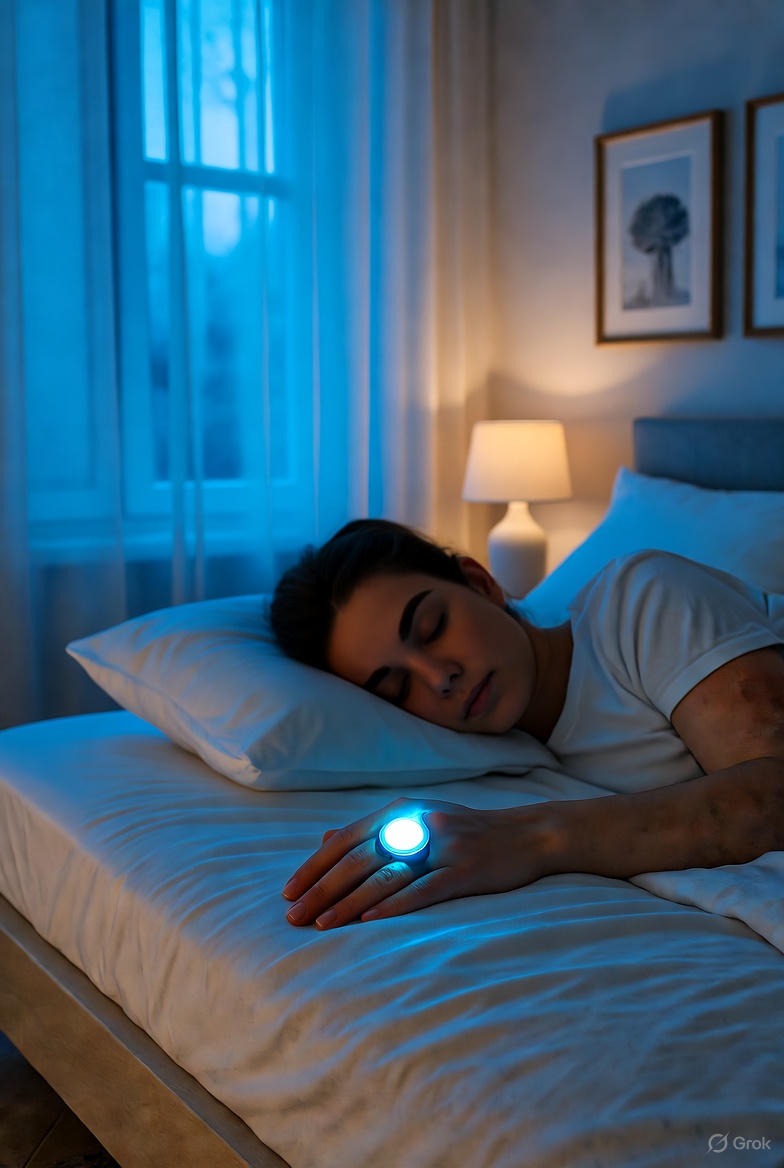
How Your Ring Becomes Your Sleep Coach: Your ring doesn’t just tell you you slept poorly; it helps you diagnose why and experiment with fixes.
The Correlation Tool: Did your deep sleep plummet after you had a late, heavy meal? Did your resting heart rate stay elevated following an evening of stressful work emails? Your ring’s trend lines make these cause-and-effect relationships clear.
The Routine Validator: When you implement a new bedtime ritual—like the ones detailed in our guide on The Nighttime Routine That Prepares Your Mind for Sleep—your ring quantifies its success. Does your sleep latency (time to fall asleep) decrease? Does your HRV improve after a week of digital sunset? The data provides the positive reinforcement to stick with it.
The Illness Predictor: Often, one of the earliest signs of your body fighting an infection is a deviation in your biometrics: a higher nighttime skin temperature, an elevated RHR, and a lower HRV, all while sleep duration may increase. Your ring can alert you to this "sickness pattern," prompting you to prioritize rest, hydration, and immune-supportive foods before full-blown symptoms hit.
Optimizing your sleep environment is a critical part of this equation. For a comprehensive look at setting the stage for perfect sleep, explore our dedicated resource on Nighttime Wellness Routine: Setting Up Your Bedroom. Remember, quality sleep is the bedrock upon which all other immune-boosting habits are built.
Chrono-Immunity: Aligning Your Daily Rhythms for Peak Defense
Your immune system is not static; it operates on a potent 24-hour cycle known as a circadian rhythm. This isn't just about feeling awake or sleepy—it's about the timed release and activity of immune cells, hormones, and repair processes. "Chrono-immunity" is the science of aligning your lifestyle with this internal clock for optimal defense. Disrupting this rhythm, through erratic eating, late-night light exposure, or irregular sleep schedules, is like sending your immune troops into battle at the wrong time: they’ll be disorganized and less effective.
Your Body’s Immune Schedule:
Morning & Day (The Patrol Phase): As cortisol naturally rises in the morning, it helps mobilize energy and prime certain immune cells for activity. The innate immune system—your first, generalized line of defense—is most active during your waking hours, ready to tackle immediate threats.
Evening & Night (The Repair & Memory Phase): As cortisol falls and melatonin rises, the adaptive immune system—the specialized, memory-based wing—kicks into high gear. This is when T-cells and B-cells undergo "education," forming long-term memories of pathogens encountered during the day. This process is heavily dependent on quality sleep.
How Your Ring Tracks Circadian Alignment: Your smart ring is a powerful chronobiology tool. It doesn’t just measure what you do, but when you do it, and how your body responds.
Temperature Rhythm: Your core body temperature has a distinct curve, peaking in the late afternoon and hitting its nadir in the early morning. This rhythm drives sleep-wake cycles and metabolic processes. Your ring’s skin temperature data, viewed over time, shows the consistency and amplitude of your personal rhythm. A flattened or erratic curve suggests circadian disruption.
HRV & RHR Patterns: A healthy circadian rhythm shows predictable patterns in HRV (often higher at night during deep recovery) and RHR (lowest during sleep, gradually rising before wake-up). Shift work, social jet lag (different sleep schedules on weekends), and late-night eating can blunt these patterns.
Sleep Consistency Metrics: Perhaps the most straightforward metric: your ring tracks your bedtime and wake-up time variability. High consistency strengthens your circadian signal; high variability weakens it.
Habits to Strengthen Your Chrono-Immunity (Validated by Your Ring):
Embrace Morning Light: Get bright, natural light exposure within 30-60 minutes of waking. This is the strongest signal to your master clock (the suprachiasmatic nucleus) that the day has begun, setting off a cascade of well-timed hormonal and immune events. Your ring will likely show improved daytime energy and more stable sleep later.
Establish Eating Windows: Try to consume most of your calories during daylight hours, aligning with your metabolism’s natural peak. Avoiding large, late-night meals reduces metabolic strain during your repair phase. Watch how this affects your sleeping skin temperature and sleep disturbances on your ring’s data.
Defend Your Wind-Down: As discussed in our guide to How Light Exposure Affects Your Nighttime Routine, minimizing blue light exposure 1-2 hours before bed supports melatonin production. This ensures a clear, strong signal that it’s time for the immune system’s repair shift to begin. Your ring will reflect this with faster sleep onset and more robust deep sleep.
By using your ring to observe the direct impact of these timing-based habits, you move from living in time to living with your biology’s time, creating a powerful, rhythmic foundation for immunity.
The Movement Paradox: How Exercise Builds (or Breaks) Your Resilience
The relationship between exercise and immunity is famously described as a "J-shaped curve." Moderate, regular physical activity is one of the most potent immune boosters available. However, prolonged, high-intensity exercise without adequate recovery can open a temporary "open window" of susceptibility. Your smart ring is the essential tool for navigating this paradox, ensuring you stay on the beneficial side of the curve.
How Moderate Exercise Fortifies Your Defenses:
Improved Immune Surveillance: Physical activity increases blood and lymph flow, which helps circulate immune cells throughout the body, making them more efficient at detecting and neutralizing pathogens.
Anti-Inflammatory Effects: Regular exercise promotes the release of anti-inflammatory myokines from your muscles and helps reduce chronic, low-grade inflammation.
Stress Resilience: Exercise is a powerful modulator of the stress response. By improving your autonomic nervous system’s flexibility (raising your HRV over time), it buffers the immune-suppressing effects of psychological stress.
The Danger of Overtraining: Excessive, chronic exercise without sufficient recovery leads to:
Elevated stress hormones (cortisol and catecholamines).
Localized and systemic inflammation.
Temporary reductions in salivary immunoglobulin A (IgA, a first-line defense in mucous membranes) and certain circulating immune cells.
This creates a period of several hours to days where infection risk may be higher.
How Your Ring Guides Your Training for Immune Health: This is where a basic fitness tracker fails and a smart ring excels. It focuses on readiness, not just output.
The Readiness Score Is Your Guide: Before your workout, check your ring’s daily Readiness or Recovery Score. This score synthesizes your sleep, HRV, RHR, and temperature data. A low score is a clear signal from your body that resources are low and the priority should be on recovery (gentle movement, rest, sleep), not adding more stress. Training "green" and recovering "red" is the path to resilience.
HRV is Your North Star: Your overnight HRV trend is one of the most sensitive indicators of your body’s ability to handle stress. A consistent downward trend in your HRV is a major red flag for overreaching. Use it to plan deload weeks or extra recovery days. You can learn more about using this data in our article on Nighttime Wellness Routine Optimization Using Your Sleep Data.
Post-Exercise Recovery Tracking: After a strenuous session, monitor how quickly your Resting Heart Rate returns to baseline. A prolonged elevation can indicate excessive strain. Also, observe your sleep on heavy training days. Did the exercise improve your deep sleep (a positive sign of adaptation), or did it cause restlessness and disturbances (a sign of overload)?
Validating the "Sweet Spot": Use your ring to find your personal optimal exercise "dose." After a session of brisk walking, yoga, or moderate cycling, does your HRV gently rise the next night? Does your sleep quality improve? This data confirms you’re in the immune-boosting zone.
Remember, movement for immunity isn't about personal records; it's about consistent, sustainable stress that your body can adapt to and grow stronger from. Your ring provides the feedback loop to make that possible.
Nutritional Immunity: Fueling Your Defenses (And What Your Ring Reveals)
You truly are what you eat when it comes to your immune system. Every immune cell requires a constant supply of specific vitamins, minerals, and phytonutrients to generate energy, communicate, and proliferate. However, the impact of food extends far beyond simple nutrient intake; it directly influences systemic inflammation, gut health, and even your circadian rhythms. Your smart ring offers surprising, real-time insights into how your dietary choices are affecting your body’s internal state.
Key Nutritional Pillars for Immunity:
The Gut-Immune Axis: Approximately 70-80% of your immune cells reside in your gut-associated lymphoid tissue (GALT). A diverse, fiber-rich diet feeds beneficial gut bacteria, which in turn produce short-chain fatty acids that regulate immune function and reduce inflammation.
Micronutrient Powerhouses: Vitamin D (modulates immune cell function), Vitamin C (antioxidant and supports cellular functions), Zinc (crucial for immune cell development and signaling), and Selenium (powerful antioxidant) are among the most critical.
Managing Inflammation: Diets high in ultra-processed foods, refined sugars, and unhealthy fats promote systemic inflammation, which can dysregulate the immune response. An anti-inflammatory diet rich in colorful plants, omega-3 fatty acids, and spices like turmeric supports a balanced defense.
How Your Ring Provides Nutritional Feedback (The Indirect Signals): While a ring can’t measure your vitamin D levels, it can measure the downstream physiological effects of your diet with remarkable accuracy.
Post-Meal Sleep & Recovery: One of the clearest signals. After a late, heavy, or rich meal, does your ring show:
Increased sleep disturbances?
A rise in your nighttime skin temperature (as your body works harder to digest)?
A depressed HRV and elevated RHR? This indicates the meal created significant metabolic stress, diverting resources from repair and immune functions. Experiment with earlier, lighter dinners and observe the positive change in your sleep data.
Inflammation & Temperature Trends: Chronic dietary-induced inflammation can manifest as subtle, sustained elevations in your baseline skin temperature or a less pronounced overnight temperature dip. Improving your diet often "cools" these readings.
Energy & HRV Trends: When you consistently fuel your body with nutrient-dense, anti-inflammatory foods, you’ll often see a gradual, positive trend in your daytime HRV (if your ring tracks it) and your overnight HRV recovery. This reflects a less stressed, more resilient system.
Hydration Status: While not directly measured, dehydration is a common stressor. It can lead to an elevated RHR and lower HRV. If you see these signs, your ring is prompting you to check a fundamental wellness habit: your water intake.
Timing Matters: As mentioned in chrono-immunity, when you eat is crucial. Your ring can validate the benefits of time-restricted eating or simply avoiding late-night snacks by showing improved sleep scores and stronger circadian temperature rhythms. For more on syncing supplements and nutrition with your body clock, see our guide on Nighttime Wellness Routine and Supplements: Timing Matters.
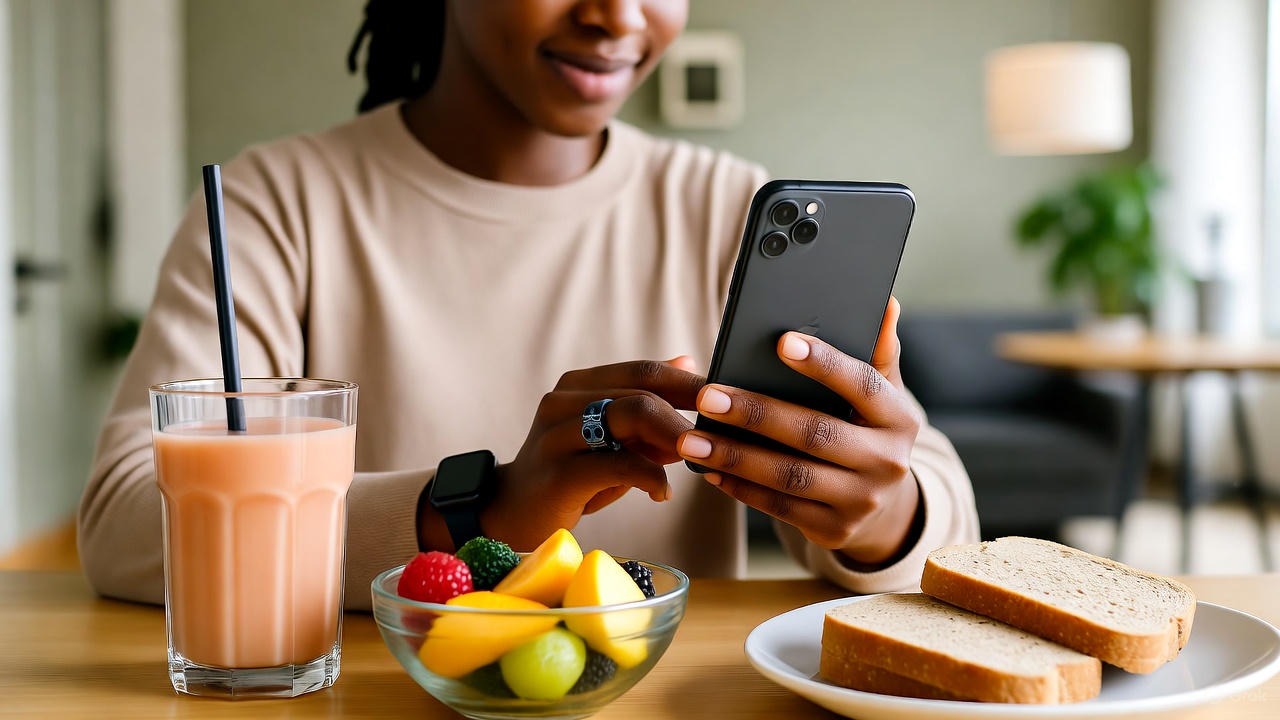
Use your ring as a biofeedback device. Try a two-week experiment: prioritize whole foods, minimize processed items and added sugar, and eat your last meal 3 hours before bed. Watch how your recovery metrics respond. This personalized data is far more motivating than any generic diet advice.
The Silent Saboteur: Stress, Cortisol, and Your Immune System
If sleep is your immune system’s best friend, chronic psychological stress is its arch-nemesis. This isn't about acute, short-term stress (which can actually mobilize immune resources), but the relentless, low-grade pressure of modern life. This type of stress triggers the sustained release of cortisol and other stress hormones, which have a profound, suppressive effect on your defenses over time.
The Cortisol-Immunity Connection:
Cell Traffic Control: Cortisol reduces the production of prostaglandins that promote inflammation and signals immune cells (like lymphocytes) to exit the bloodstream and take refuge in tissues. While this is anti-inflammatory in the short term, chronic exposure means fewer patrol cells in circulation.
Thymus Involution: High, persistent cortisol can shrink the thymus gland, where T-cells mature.
Reduced Antibody Production: It can inhibit the production of protective antibodies like secretory IgA, your mucous membranes' first line of defense.
Increased Susceptibility: Over time, this leads to a double whammy: a weakened response to new pathogens and potentially increased inflammatory activity from a dysregulated system.
How Your Ring Quantifies Your Stress Load: Your smart ring measures the physiological footprint of stress, not the emotion itself. This is critical because you can be "used to" stress without realizing its physical toll.
HRV: The Gold Standard: This is your most direct metric. When your sympathetic nervous system is activated (stressed), HRV drops. Chronically low HRV is a canonical sign of excessive allostatic load (the cumulative burden of stress). Your ring’s nightly HRV reading is a clean, objective report card on your nervous system’s recovery from the day’s stresses.
Resting Heart Rate (RHR): A body under constant stress often maintains a higher resting heart rate. A trending increase in your RHR baseline is a major red flag.
Sleep Architecture: Stress severely impacts sleep, particularly by reducing deep and REM sleep and increasing nighttime awakenings. Your ring’s sleep stage breakdown will clearly show if stress is robbing you of restorative sleep.
Habits to Lower Cortisol, Validated by Data: The goal is to actively engage your parasympathetic (rest-and-digest) nervous system. Your ring lets you test which techniques work best for your biology.
Diaphragmatic Breathing: Just 5-10 minutes of deep, slow breathing can rapidly lower your heart rate and increase HRV. Try it before bed and see if it improves your sleep latency (time to fall asleep) and nightly HRV score.
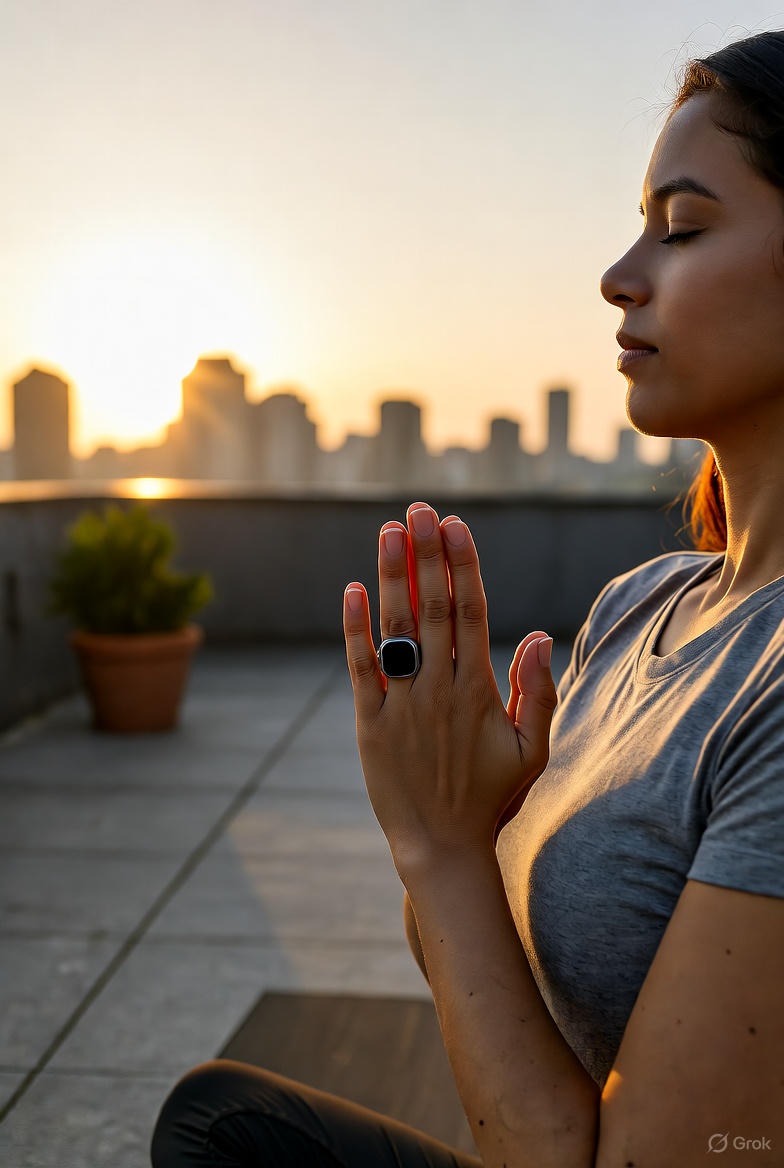
Mindfulness & Meditation: Regular practice has been shown to increase HRV over time. Use your ring’s long-term HRV trend to track your progress as you build a consistent practice.
Nature Immersion & "Awe" Walks: Time in nature, especially without digital devices, is a powerful stress reducer. Notice how a walk in the park affects your daytime HRV (if tracked) or your sleep that night.
Digital Boundaries: Constant connectivity is a pervasive modern stressor. Implementing a digital curfew, as part of a broader wind-down routine like the one in The 15-Minute Power Nighttime Routine When Time Is Tight, can have a dramatic effect. Your ring will show the payoff in deeper sleep and better recovery scores. For those seeking targeted practices, our exploration of The Nighttime Routine That Lowers Cortisol Naturally offers specific, actionable strategies.
By using your ring to connect stress-management activities to tangible improvements in your biomarkers, you transform abstract "wellness" into a precise, rewarding science of self-care.
The Hydration and Temperature Balance: Foundational Biometrics
While often overlooked, hydration and core body temperature are two fundamental physiological parameters that your smart ring monitors continuously. They act as the stage upon which all other immune processes play out. Even minor imbalances here can skew your entire system’s performance.
Hydration: The River of Life for Your Immune Cells Water is the medium in which every cellular process occurs. For your immune system, proper hydration:
Ensures optimal blood volume for the circulation of immune cells.
Supports the production of lymph, a fluid that carries infection-fighting white blood cells.
Maintains the health of mucous membranes in your nose, throat, and gut—physical barriers that trap pathogens.
Facilitates the elimination of toxins and waste products through urine and sweat.
How Your Ring Infers Hydration Status: While no consumer ring directly measures hydration, it provides powerful proxy signals:
Elevated Resting Heart Rate (RHR): Dehydration reduces blood volume, forcing your heart to work harder to maintain circulation, raising your RHR. A sudden, unexplained bump in your daily RHR is often your first clue to drink more water.
Lower Heart Rate Variability (HRV): The stress of dehydration activates the sympathetic nervous system, which can depress your HRV.
Sleep Disruptions: Dehydration can cause nighttime leg cramps, dry mouth, and headaches, leading to more frequent awakenings, which your ring will log as increased sleep disturbances.
Core Body Temperature: The Immune System’s Thermostat Your body temperature is tightly regulated because enzyme activity, cell metabolism, and immune cell function are all temperature-dependent. Your ring tracks peripheral skin temperature, which, while not identical to core temperature, provides invaluable trend data.
The Fever Response: A controlled rise in core temperature (a fever) is a classic, beneficial immune strategy. It inhibits pathogen replication and speeds up immune cell metabolism. Your ring’s temperature graph can show you the onset, duration, and resolution of a feverish response, even a mild one.
Low-Grade Inflammation: A consistently higher nighttime skin temperature baseline can indicate chronic, low-grade systemic inflammation, often driven by poor diet, stress, or lack of sleep.
Circadian Rhythm Marker: As discussed, your temperature rhythm is a core circadian signal. A healthy rhythm supports timed immune function.
Actionable Insights from Your Ring:
Establish a Hydration Baseline: On days when you know you’re well-hydrated, note your RHR and HRV. When you see deviations (higher RHR, lower HRV) without another obvious cause (like intense exercise or illness), use it as a prompt to drink fluids.
Optimize Your Environment: Your bedroom temperature drastically affects sleep quality and, by extension, immune repair. The ideal range is typically between 60-67°F (15.5-19.5°C). Use your ring’s sleep and temperature data to find your personal ideal. For a deep dive into this critical factor, see How Temperature Control Completes Your Nighttime Routine.
Listen to Pre-Illness Signals: A creeping, sustained rise in your nighttime temperature trend over 2-3 days, coupled with a higher RHR and lower HRV, is a classic biometric signature of your body mounting a defense. This early warning system allows you to proactively rest and support your immune system.
By paying attention to these foundational metrics, you ensure the basic operational environment for your immune cells is optimal, allowing all your other healthy habits to have their full, intended effect.
Light: The Master Zeitgeber for Immune Rhythms
Light is not just for vision; it is the primary "zeitgeber" (German for "time-giver") that synchronizes your master circadian clock in the brain. This clock, in turn, orchestrates the circadian rhythms of every organ and system in your body—including your immune system. Misalignment between your light exposure and your natural rhythm, such as from late-night screen use or insufficient morning light, directly weakens your immune coordination and efficiency.
The Photobiology of Immunity:
Morning Light & Immune Activation: Exposure to bright, blue-wavelength light in the morning suppresses melatonin and signals the start of the active phase. This triggers a cortisol pulse (which, in the morning, is healthy and immune-priming) and helps set the timing for immune cell trafficking. Natural light also supports the production of vitamin D in your skin, a critical immune modulator.
Evening Light & Immune Suppression: Exposure to bright, especially blue, light in the evening delays the release of melatonin. Since melatonin is not just a sleep hormone but also a potent antioxidant and immune regulator, this delay pushes back the entire "immune repair shift" that should happen during sleep. It creates a state of circadian misalignment, where your body’s internal timing is out of sync with the external environment.
How Your Ring Tracks Light-Driven Disruption (Through Its Effects): Your ring detects the consequences of poor light hygiene on your physiology.
Sleep Onset & Quality: The most direct correlation. After evenings with high screen time or bright overhead lights, does your ring show:
Increased sleep latency (taking longer to fall asleep)?
Reduced deep sleep in the first half of the night?
A delayed drop in your skin temperature? These are all signs of a shifted or blunted circadian rhythm.
HRV & RHR Patterns: Chronic circadian disruption from light pollution can lead to a flattening of your daily HRV/RHR rhythm and an overall depression of HRV over time.
Activity & Readiness Scores: Poor light hygiene often leads to lower daytime energy and higher fatigue, which can be reflected in your ring’s activity analysis and morning readiness scores.
Building a Light-Based Routine for Immune Health:
Maximize Morning Light: Aim for at least 10-30 minutes of outdoor light exposure shortly after waking. Even on cloudy days, outdoor light intensity is far superior to indoor lighting. This simple habit is perhaps the most powerful free tool for circadian and immune health.
Embrace an "Electronic Sunset": 60-90 minutes before bed, dim overhead lights and eliminate screen use. Use blue light blocking glasses if you must use devices. Swap scrolling for reading a physical book, gentle stretching, or conversation. This directly supports melatonin production.
Optimize Your Environment: Use warm, dimmable lights in the evening. Consider smart bulbs that automatically shift color temperature at sunset. Make your bedroom pitch black—use blackout curtains and cover any electronic LEDs.
The positive impact of these changes will be vividly displayed in your ring’s sleep and recovery data. For a specialized routine tailored to challenging schedules, such as shift work, our article on The Nighttime Routine for People Who Work Late provides practical strategies to manage light exposure against the odds. By mastering your light environment, you give your immune system the clear, daily time cues it needs to perform at its best.
Consistency Over Perfection: Building Sustainable Immune Habits
In the pursuit of better health, perfectionism is the enemy of progress. The goal is not to execute a flawless immune-boosting routine for one week and then burn out. True resilience is built through consistency—the repeated, daily application of small, sustainable habits that compound over time. This is where your smart ring transitions from a mere tracker to your most supportive accountability partner, celebrating progress and providing gentle, objective course-correction without judgment.
Why Consistency Trumps Intensity for Immunity: Your immune system thrives on predictability. Regular sleep times strengthen circadian rhythms. Consistent, moderate movement maintains healthy circulation and inflammation control. Regular intake of nutrient-dense foods provides a steady supply of raw materials. Erratic behavior—crash dieting, binge-exercising, wildly varying sleep schedules—creates stress and confusion for your body’s systems, undermining their efficiency.
How Your Ring Reinforces and Rewards Consistency:
It Shows You the "Why": When you feel tempted to skip your wind-down routine, remembering that your ring will likely show poorer sleep and a lower readiness score the next day adds a layer of tangible consequence. Conversely, seeing your HRV trend upward after a week of consistent early dinners provides powerful positive reinforcement.
It Focuses on Trends, Not Single Days: A good ring app de-emphasizes any single night’s poor score and highlights your weekly and monthly averages. This teaches a vital lesson: one bad night, one missed workout, or one indulgent meal is irrelevant in the long run. What matters is the direction of your trends. This alleviates anxiety and promotes a healthier, long-term mindset.
It Personalizes Your "Enough": Generic advice says "get 8 hours of sleep." But what if your body needs 7 hours 15 minutes of quality sleep to score a 90+ readiness? Your ring identifies your personal baselines for enough sleep, enough recovery, and enough activity. Consistency then means consistently meeting your body’s needs, not an arbitrary standard.
It Helps Maintain Routines Anywhere: Life is unpredictable. Travel, work deadlines, and social events will disrupt your ideal schedule. The key is to maintain the core principles of your routine anywhere. Your ring is the portable tool that makes this possible. For strategies on upholding your habits while on the road, our guide for Nighttime Wellness Routine for Solo Travelers offers excellent, practical advice.
Building Your Consistent Practice:
Start Micro: Don’t overhaul your life. Pick one habit from this guide—like a 10-minute earlier bedtime or a daily 15-minute walk. Use your ring to monitor its impact for two weeks.
Anchor New Habits: Link your new habit to an existing one (e.g., "After I brush my teeth at night, I will read a book for 10 minutes instead of scrolling.").
Review Weekly, Not Daily: Set a weekly appointment to review your ring’s trend data. Look for improvements in your sleep consistency, average HRV, or readiness scores. This weekly reflection reinforces the value of your small, daily actions.
By shifting your focus from perfect execution to faithful repetition, guided by the objective feedback on your finger, you build the kind of sustainable lifestyle that fosters deep, lasting immune resilience. This is a marathon, not a sprint, and your ring is your perfect pacing partner.
Listening to Your Body’s Signals: Interpreting Data for Proactive Immune Support
We’ve now established the core daily habits that build immune resilience and how your smart ring monitors their physiological impact. But the true power of this technology lies in moving from passive tracking to active interpretation. Your body is constantly communicating its state through biometrics—it’s a language of trends, deviations, and patterns. Learning to "listen" to this language allows you to provide proactive, personalized support, often long before you consciously feel unwell. This transforms you from a passenger in your health journey to an informed pilot.
From Data Points to a Cohesive Story: A single night of poor sleep or a slightly elevated RHR is just noise. The signal—the meaningful story—emerges from patterns over time. Your smart ring’s app is designed to surface these patterns, but understanding their context is key. Here’s how to think about the narrative:
The "All Systems Go" Pattern: This is your healthy baseline. It features consistent sleep times and scores, a resting heart rate within your personal normal range, a strong, stable or gradually improving HRV trend, and a clear circadian temperature rhythm. Your readiness scores are consistently high. This pattern tells you your current habits are effectively supporting your immune system’s maintenance and repair cycles.
The "Strain & Recovery" Pattern: This is a normal, healthy response to an acute stressor, like a hard workout, a mentally taxing project, or even a vaccination. You’ll see a temporary dip in HRV, a slight elevation in RHR and skin temperature, and perhaps a higher need for sleep. Crucially, these metrics should recover within 1-3 days as you rest. This pattern shows your body is adapting positively to a challenge.
The "Chronic Load" Pattern: This is a warning sign. It’s characterized by a sustained, multi-week downward trend in HRV, a creeping upward trend in RHR, fragmented sleep despite adequate time in bed, and flattened biometric rhythms. This indicates your body is under persistent stress (physical, mental, or environmental) and is struggling to recover. This state directly impairs immune function, increasing susceptibility.
The "Early Alert" Pattern (Pre-Symptomatic): Often 24-72 hours before you feel the sore throat or fatigue, your body declares a state of emergency to your ring. You’ll typically see a simultaneous and distinct triad: a significant spike in RHR, a sharp drop in HRV, and a rise in skin temperature. Your sleep may also become more restless as your body ramps up its defense. Recognizing this pattern allows you to act immediately—prioritizing rest, hydration, and immune-supportive nutrition to potentially mitigate the severity or duration of illness.
How to Respond to the Data:
On "Strain & Recovery" Days: Honor the data. Swap an intense workout for gentle movement like walking or yoga. Prioritize sleep and perhaps incorporate a relaxation technique from our guide on Nighttime Wellness Rituals for Mental Health Support. This supports, rather than hinders, the adaptive process.
On "Chronic Load" Days: This calls for a lifestyle audit. Use your ring’s journal or correlation features. Are poor sleep scores linked to late caffeine? Is low HRV correlated with work deadlines? This is your cue to dial back intensity, enforce stricter sleep boundaries, and perhaps seek techniques to manage persistent stress. Consider it a mandatory maintenance period to prevent a breakdown.
On "Early Alert" Days: Act as if you are already in recovery mode. This is the most powerful application of ring data. Hydrate aggressively, eat simple, nourishing foods like broths and vegetables, get to bed early, and consider supportive supplements like zinc or vitamin C. Cancel non-essential plans. By supporting your body at the very onset of its fight, you empower its natural defenses.
Your ring provides the objective evidence that taking a rest day or going to bed early isn’t "laziness"—it’s a strategic, data-backed investment in your immune capital. It turns self-care from a vague concept into a precise, responsive science.
Creating Your Personalized Immune-Boosting Daily Protocol
Armed with the knowledge of what matters and the ability to interpret your body’s signals, it’s time to synthesize everything into a personalized, daily protocol. This isn’t a rigid schedule, but a flexible framework of non-negotiable habits, informed and adjusted by the data from your ring. Think of it as building your daily "immune stack"—a combination of behaviors that, when layered together, create a formidable defense.
The Morning Protocol (Setting the Rhythm):
Upon Waking: Check your ring’s Readiness Score and nightly data. Don’t judge it—use it to inform your day. A low score means prioritize gentle recovery; a high score means you’re primed for productivity and perhaps more intense activity.
Light Anchor: Within 30 minutes of waking, get 10-30 minutes of natural light exposure. No sunglasses needed (safely, without staring at the sun). This is your single most important circadian anchor.
Hydration First: Drink a large glass of water to rehydrate after the night’s fast.
Movement Snack: Engage in 5-10 minutes of gentle movement—stretching, a short walk, or sun salutations. This helps clear metabolic waste, lubricates joints, and reinforces the wake signal.
The Daytime Protocol (Sustaining the Foundation):
Nutrient-Dense Fuel: Prioritize whole foods at each meal. Aim for a "rainbow" of vegetables, quality protein, healthy fats, and fiber to feed your gut microbiome. Use your ring’s recovery data to notice how different foods affect your sleep and next-day readiness.
Movement Breaks: Avoid prolonged sitting. Every hour, take a 2-5 minute break to stand, walk, or stretch. This maintains healthy circulation for immune surveillance.
Stress Check-Ins: Schedule 1-2 brief "breathing breaks." Set a timer for 2 minutes and practice diaphragmatic breathing. This is a direct intervention to stimulate your parasympathetic nervous system and buffer stress.
Hydration Continuity: Keep water accessible and sip throughout the day. Use a subtle rise in your daytime RHR (if your ring tracks it) as a reminder to drink.
The Evening Wind-Down Protocol (Priming for Repair): This is where your ring’s data will show the most dramatic impact from consistent habits. The goal is to create a seamless transition into the immune system’s repair shift.
Digital Sunset: 60-90 minutes before bed, begin reducing blue light. Implement the strategies from How Light Exposure Affects Your Nighttime Routine. Use this time for reading, light chores, or conversation.
Last Call for Food: Finish eating 2-3 hours before bedtime. This allows digestion to complete before sleep, preventing metabolic disruption that your ring would capture as elevated nighttime temperature and sleep disturbances.
The Relaxation Ritual: This is personal. It could involve:
Weekly Reflection & Adjustment: Once a week, spend 15 minutes reviewing your ring’s trend data. Ask:
What was my average sleep score and HRV?
Did I have any "Early Alert" patterns? What preceded them?
Which habits correlated with my best recovery days?
Is there one small habit I can tweak or add next week?
This protocol is a living system. Your ring provides the feedback to constantly refine it, making it uniquely suited to your life, your stressors, and your biology. For a structured approach to building this ritual from the ground up, our Nighttime Routine Progression: Beginner to Advanced guide is an excellent companion resource.
Advanced Optimization: Fine-Tuning with Circadian Science and Environmental Control
Once you have established a consistent, data-informed daily protocol, you can move into the realm of advanced optimization. This involves fine-tuning the timing, sequence, and environmental context of your habits to achieve peak synchronization between your lifestyle and your biology. At this level, your smart ring becomes a precision calibration tool, revealing the subtle benefits of micro-adjustments.
Chronotype Alignment: Your innate preference for being a "morning lark" or "night owl" is your chronotype. Forcing a lark schedule on an owl creates chronic circadian misalignment (social jet lag), a significant immune stressor.
How Your Ring Helps: By tracking your natural sleep onset and wake times on free days (like weekends or vacations), you can identify your true chronotype. Do you consistently fall asleep later and wake later when unrestrained? Your ring shows you the quality of sleep during those times. The goal is to minimize the difference between your workday and free-day schedule as much as possible, even if it means negotiating a slightly later start time. Aligning your life with your chronotype reduces stress and improves the efficiency of all your immune-supporting habits.
Meal Timing for Metabolic and Immune Health: Beyond what you eat, when you eat is a powerful lever. Time-restricted eating (TRE), which compresses your daily eating window (e.g., to 8-12 hours), aligns food intake with your body’s natural metabolic and digestive rhythms.
How Your Ring Validates It: Experiment with finishing your last meal 3-4 hours before bed. Your ring will likely show:
A more pronounced overnight temperature dip (better cooling for sleep).
Fewer sleep disturbances.
A higher HRV, as your body isn’t diverting energy to digestion overnight. This signals reduced metabolic stress during the critical repair phase, freeing up resources for immune functions. Note: This should be done thoughtfully and is not suitable for everyone.
Environmental Fine-Tuning: Your immediate environment has a profound impact on the quality of your recovery.
Humidity Control: Dry air can irritate respiratory mucous membranes, your first physical immune barrier. Aim for 40-50% bedroom humidity. If you live in a dry climate, your ring might show more restless sleep or elevated RHR; a humidifier could improve these metrics.
Air Quality: Indoor air pollution (VOCs, dust, allergens) creates a low-grade inflammatory stimulus. Using a HEPA air purifier, especially in the bedroom, can reduce this burden. While your ring can’t measure air quality, the reduction in systemic inflammation may be reflected in lower resting heart rate and improved HRV over time.
Soundscaping: Consistent, low-level noise (like white, pink, or brown noise) can mask disruptive environmental sounds that fragment sleep, even if you don’t fully wake. Your ring’s sleep disturbance graph is the perfect tool to test if a sound machine leads to longer, unbroken periods of deep and REM sleep.
Seasonal Adjustments: Your body’s needs change with the seasons—less daylight in winter, different allergens in spring and fall, heat stress in summer.
Winter (Less Light, More Pathogens): Double down on morning light exposure, perhaps using a bright light therapy lamp. Prioritize sleep and vitamin D intake (through diet, supplements, or sensible sun exposure). Your ring’s readiness scores will help you navigate the increased immune challenges of the season.
Summer (More Light, Heat Stress): You may need to shift sleep schedules earlier with the sun. Pay close attention to hydration (using RHR as a guide) and bedroom cooling. Your nighttime temperature data will be crucial for optimizing sleep in the heat.
By using your ring to test these advanced optimizations one at a time, you move from good health to truly optimized resilience. Each small, validated tweak adds another layer of defense, creating a system that is not only strong but also exquisitely tuned to your personal rhythms and environment.
Navigating Social Life, Travel, and Disruption Without Derailing Your Immune Health
A perfect wellness protocol is of little use if it crumbles the moment life happens. Social gatherings, business travel, family obligations, and holidays are realities that can disrupt sleep, diet, and routine. The goal isn't to avoid these events, but to develop a resilient strategy for navigating them. This is where your smart ring shifts from an optimization tool to an essential damage-control system, helping you enjoy life while minimizing the immune cost.
The Pre-Event Prep: Building a Buffer Before a known disruption—a late-night wedding, a cross-country flight, a busy holiday week—you can proactively bolster your defenses.
The "Immune Savings Account": In the days leading up to the event, prioritize impeccable sleep hygiene, nutrient-dense meals, and managed stress. Use your ring to ensure you’re scoring high readiness scores. This builds up your physiological resilience, creating a buffer you can draw from. Think of it as making extra deposits before a big withdrawal.
Strategic Hydration and Nutrition: Increase your water intake and focus on anti-inflammatory foods (berries, leafy greens, fatty fish) in the 48 hours prior. This pre-loads your system with hydration and antioxidants to combat the oxidative stress of disruption.
Adjust Gradually: For travel across time zones, begin shifting your sleep and meal times by 30-60 minutes per day in the direction of your destination a few days early. Your ring’s sleep consistency score will guide how well you’re adapting.
The During-Event Strategy: Mitigation and Mindful Choices Abandoning all discipline isn’t necessary or enjoyable. The key is selective focus on the highest-impact levers.
Protect Sleep at All Costs: This is your non-negotiable. Even if you go to bed later, you can protect the quality of the sleep you get.
For Social Nights: Have an exit strategy. Commit to leaving by a certain time to preserve some wind-down period. When you get home, resist the urge to scroll. Do a condensed 5-minute version of your wind-down ritual (e.g., deep breathing, washing your face).
For Travel: Your ring is your best travel companion. Come prepared with tools: a travel white noise app, a portable humidifier, and most importantly, blackout eye masks and blue-light blocking glasses. For a complete toolkit, our guide for Nighttime Wellness Routine in Hotels: Maintaining Consistency is indispensable. Use your ring data to see what works best in unfamiliar environments.
Make Strategic Food & Drink Choices: You don’t have to abstain, but you can choose wisely.
The Hydration Chaser: For every alcoholic drink, have a full glass of water. Alcohol severely fragments sleep (which your ring will starkly show) and dehydrates you.
The Protein Anchor: At events, fill your plate first with lean protein and vegetables before sampling richer options. This helps stabilize blood sugar and provides steady energy.
The One-Plate Rule: For buffets or large meals, take a reasonable portion of what you truly want on a single plate instead of grazing indefinitely, which can overwhelm digestion.
Manage Stress in the Moment: Social and travel stress is real. Excuse yourself for a 2-minute bathroom break to practice box breathing. A short walk outside can reset your nervous system. These micro-interventions can prevent a stress spiral.
The Post-Event Recovery: The Intelligent Reset How you recover is more important than the slip itself. Your ring provides the blueprint.
The Data-Driven Recovery Day: Check your readiness score the morning after. It will likely be low. Honor it. This is a prescription for recovery, not a judgment. Plan a light day: gentle movement like walking or yoga, easy-to-digest foods (soups, smoothies), extra hydration, and an early bedtime. Do not "work off" a poor night of sleep with intense exercise; it adds stress to a stressed system.
The 24-48 Hour Reset: Don’t panic if metrics are off for a day or two. Return immediately to your foundational protocol—consistent sleep times, morning light, clean nutrition. Use your ring to track how quickly your HRV rebounds and your RHR returns to baseline. This tells you how resilient you’ve become.
Analyze and Adapt: Once recovered, review the data. Did one late night tank your scores for three days, or did you bounce back quickly? This feedback helps you understand your personal resilience and plan better for next time. Perhaps you learn that for you, leaving an event by 11 PM is sustainable, but 1 AM requires two full recovery days.
This flexible, non-perfectionist approach, guided by your ring’s objective feedback, allows you to fully engage in life’s richness without fear of derailing your health goals. It teaches sustainability and resilience in the real world.
The Long Game: Tracking Immune Resilience Through Life’s Seasons and Stages
Immune health is not a static destination but a dynamic journey that evolves with age, lifestyle changes, and life stages. The habits that served you in your 20s may need adjustment in your 40s. Pregnancy, parenthood, menopause, and andropause all bring profound physiological shifts. Your smart ring is the constant companion that helps you navigate these transitions intelligently, providing a continuous stream of personalized data as your body changes.
Aging and Immune Senescence: As we age, the immune system undergoes "immunosenescence"—a gradual decline in function and a tendency towards higher chronic inflammation ("inflammaging"). This makes optimizing daily habits even more critical.
The Changing Sleep Architecture: Deep sleep naturally decreases with age. Your ring’s sleep stage data becomes vital for protecting the deep sleep you still get. The strategies in How to Adjust Your Nighttime Routine As You Age become essential—emphasizing circadian regularity, evening light management, and optimizing the sleep environment.
The HRV Baseline Shift: HRV has a natural, gradual decline with age. However, the trend relative to your personal baseline is what matters. A sharp decline from your own normal is still a sign of excessive stress or illness. Your ring helps you differentiate between natural aging and preventable health dips.
Nutrient Absorption: The need for key immune nutrients like Vitamin B12, Vitamin D, and Zinc may increase due to reduced absorption. If you’re supplementing strategically (as outlined in Nighttime Wellness Routine and Supplements: Timing Matters), your ring can help validate their impact on your recovery and sleep quality.
Major Life Transitions:
Parenthood: The sleep disruption of new parenthood is a profound immune challenge. The goal shifts from optimal sleep to strategic recovery. This is about maximizing the quality of every minute of sleep you can get. Using your ring during this time can help you and your partner tag-team effectively. For instance, if your ring shows you got absolutely no deep sleep during your shift, your partner can prioritize taking the next feeding to allow you a longer, uninterrupted block. Explore survival strategies in The Nighttime Routine for New Parents: Sleep When Possible.
Menopause & Andropause: Hormonal fluctuations can wreak havoc on sleep (via night sweats), stress resilience, and inflammation. Your ring’s temperature tracking is invaluable here. It can confirm the timing and severity of temperature dysregulation and help you measure the effectiveness of interventions like cooling mattress pads, hormone therapy, or lifestyle changes. Seeing data improve provides motivation during a challenging transition.
Career Changes & Retirement: A sudden shift from high stress to low stress, or from a rigid schedule to an open one, requires a recalibration of habits. Your ring helps you find a new rhythm, showing you how much sleep you truly need without an alarm clock and how to structure your day for consistent energy and resilience.
The Power of Longitudinal Data: This is your ring’s superpower. Over years, it builds a unique, longitudinal health record—your health record.
Establishing Your "New Normal": After any major life event (having a child, recovering from an illness, entering menopause), your biometric baselines may reset. Your ring helps you establish and understand your new normal, so you’re not comparing yourself to an outdated version of your body.
Early Detection of Long-Term Trends: A gradual, year-over-year increase in your resting heart rate or decrease in HRV, beyond age-related expectations, could be an early indicator of creeping metabolic or cardiovascular issues long before clinical symptoms appear. This allows for proactive, preventative lifestyle or medical intervention.
Celebrating Long-Term Wins: Seeing your average HRV trend upward over five years despite aging, or your sleep consistency improve after decades of insomnia, is profoundly motivating. It provides concrete evidence that your daily habits are winning the long game.
By partnering with your ring through life’s chapters, you move from managing immediate wellness to stewarding your long-term resilience, making informed choices that support your immune system for a lifetime.
The Mind-Gut-Immune Axis: Your Ring’s Role in Tracking the Connection
Modern science has illuminated a critical, three-way communication network: the gut-brain-immune axis. This isn't just philosophical; it's a physical highway of nerves, hormones, and immune molecules. Your emotional state influences your gut health, which directly modulates your immune system, and vice-versa. Chronic stress or anxiety can increase intestinal permeability ("leaky gut"), allowing pro-inflammatory substances into the bloodstream, which then signals the brain and dysregulates immunity. Your smart ring, while not sampling your gut directly, provides the master readout of this system’s overall stress level and balance.
How Mental State Manifests in Biometrics: Your ring tracks the physiological output of your mind-gut dialogue.
Anxiety and HRV: Acute anxiety and chronic worry are typically sympathetic nervous system states, causing a measurable drop in Heart Rate Variability (HRV). A period of sustained life stress will often show up as a suppressed HRV trend, indicating the mind-gut-immune axis is under strain.
Rumination and Sleep: The inability to "turn off" your mind at night prevents the parasympathetic shift needed for sleep onset. Your ring will capture this as increased sleep latency and reduced deep sleep. Poor sleep then further disrupts gut microbiome balance and increases inflammation, creating a vicious cycle.
Emotional Resilience and Recovery: Positive mental states like gratitude, contentment, and social connection are associated with better autonomic balance (higher HRV). When you engage in activities that foster these states, your ring may reflect it with improved recovery metrics after similar physical loads.
Habits to Strengthen the Axis, Validated by Your Ring:
Mindful Eating: Eating in a rushed or stressed state (e.g., at your desk) impairs digestion. Practice eating without screens, chewing thoroughly, and being present. This simple habit can reduce digestive stress. Your ring might show less post-meal sleep disruption as a result.
Targeted Stress-Reduction for the Gut: Techniques like diaphragmatic breathing and meditation don’t just calm the mind; they directly stimulate the vagus nerve, the main conduit of the gut-brain axis. This enhances digestive function and reduces gut inflammation. Track the impact of a daily 10-minute meditation practice on your nightly HRV average over a month.
Psychobiotics and Fermented Foods: Consuming probiotic-rich foods (like yogurt, kefir, sauerkraut) and prebiotic fiber (found in onions, garlic, asparagus) supports a healthy gut microbiome, which produces neurotransmitters like serotonin that influence mood. While subtle, a healthier gut may contribute to more stable energy and better stress resilience, reflected in your activity and readiness scores.
Digital Detox for Mental Digestion: Constant information consumption is cognitive junk food. It can lead to mental fatigue, anxiety, and poor sleep. Implementing a digital curfew, as part of a comprehensive wind-down like The Nighttime Routine That Prepares Your Mind for Sleep, gives your mind—and by extension, your gut—time to process and rest.
Using Your Ring to Break the Cycle: When you see a period of low HRV and poor sleep, consider it a holistic alarm. Instead of just focusing on sleep hygiene, ask: What is my mind-gut axis trying to say? Have I been chronically worried? Has my digestion been off? Have I been disconnected from loved ones? By addressing the mental and gut components alongside sleep, you create a positive feedback loop: better mental state → better gut health → better sleep → stronger immunity → better mental state. Your ring provides the objective evidence that investing in your mental and gut health isn't separate from your physical immunity—it's the very core of it.
Community, Connection, and Immunity: The Data Behind Social Wellness
Humans are inherently social creatures, and this extends to our biology. Loneliness and social isolation are now recognized as significant risk factors for poor health, on par with smoking and obesity. Conversely, strong social connections and a sense of community are potent immune boosters. They reduce perceived stress, encourage healthier behaviors, and provide emotional support. While your smart ring can’t measure your number of friends, it can quantify the profound physiological impact of connection versus isolation.
The Physiology of Connection: Positive social interactions trigger the release of oxytocin, dopamine, and endorphins—neurochemicals that reduce cortisol, lower blood pressure, and have anti-inflammatory effects. They promote a state of safety and parasympathetic activation, which is the ideal state for immune function.
Loneliness as a Stressor: Chronic loneliness is perceived by the body as a chronic threat, keeping the sympathetic nervous system subtly engaged. This leads to elevated inflammation (measured by markers like CRP) and reduced antiviral and antibody responses. In ring data, this chronic low-grade stress might manifest as a slightly suppressed HRV baseline and elevated RHR over time.
How Your Ring Can Reflect Social Wellness:
The "Weekend Effect": Do your readiness scores and sleep data consistently look better on Saturday or Sunday morning? This could be the "weekend effect"—a release from work stress, but often also more time spent with family, friends, or engaging in enjoyable hobbies. If your weekend routine differs, our article The Weekend Nighttime Routine: Should It Be Different? can help you optimize it for true recovery.
Post-Interaction Recovery: After a positive, relaxing social gathering (not a stressful one), check your data. Do you fall asleep faster that night? Is your sleep deeper? Does your morning HRV show a positive bump? This data validates the activity as truly restorative.
The Impact of Conflict: Conversely, after a stressful argument or a period of relational tension, your ring will likely show the cost: elevated RHR, lower HRV, and disturbed sleep. This isn't about avoiding all conflict, but about recognizing its physiological impact and prioritizing repair and resolution.
Shared Routines: Coordinating bedtime routines with a partner or family, like establishing a shared wind-down without screens, can improve compliance for everyone. Your rings can become a fun, shared dashboard for family wellness, especially when establishing habits for all ages, as discussed in How Nighttime Routines Help Children Sleep Better Too.
Building Immune-Boosting Social Habits:
Prioritize "Micro-Connections": A brief, meaningful conversation with a barista, a text to a friend, or playing with a pet can trigger mini-doses of connection hormones. These small moments matter.
Engage in Communal Movement: Join a walking group, a yoga class, or a recreational sports team. You get the combined benefits of social connection and physical activity—a powerful synergy for immunity.
Practice Active Listening and Gratitude: Deep, present conversations where you feel heard and valued are profoundly regulating. Expressing gratitude to others strengthens bonds and boosts your own positive affect.
Digital Connection vs. In-Person: While digital tools keep us connected, prioritize in-person or voice/video interactions when possible. The nonverbal cues and physical presence have a stronger regulating effect on the nervous system.
Your ring’s data provides a powerful reminder to view social health not as a luxury, but as a non-negotiable pillar of your immune protocol. Scheduling time for connection is as important as scheduling time for the gym. By nurturing your relationships, you are quite literally nurturing the biological conditions for a robust and responsive immune system.
Troubleshooting Common Data Patterns: From Plateaus to Paradoxes
As you live with your smart ring data, you’ll inevitably encounter puzzling patterns: periods where you feel you’re doing everything right but the numbers stall, or times when the data seems to contradict how you feel. This is normal and part of the journey toward sophisticated self-knowledge. Learning to troubleshoot these patterns turns confusion into insight.
1. The "Doing Everything Right" Plateau You’re sleeping 8 hours, eating clean, exercising moderately, and your readiness scores are… just okay. They’re not improving.
Potential Causes & Investigations:
Hidden Stress: Is there an unresolved work problem, relationship tension, or financial worry playing in the background of your mind? This cognitive load suppresses HRV. Consider journaling or talking it out.
Overtraining Masked as "Moderate": Your "moderate" exercise might be too much for your current recovery capacity. Take a full week of deload—cut exercise volume and intensity by 50% or swap for walking/yoga. See if your HRV jumps.
Nutrient Deficiency: You might be missing a key micronutrient. Consider getting blood work to check Vitamin D, B12, Iron, and Magnesium levels. Supplementation, timed correctly, could be the missing link.
Sleep Quality vs. Quantity: You’re in bed for 8 hours, but what’s the breakdown? Use your ring’s deep/REM sleep data. You might need to optimize your sleep environment (cooler, darker, quieter) to increase sleep quality. Revisit Nighttime Wellness Routine: Setting Up Your Bedroom.
Circadian Drift: Your sleep and meal times may be consistent during the week but wildly different on weekends, creating weekly jet lag. Try to keep wake times within an hour every day.
2. The "I Feel Great, But My Data is Poor" Paradox You have energy, mood is good, but your ring shows low HRV, high RHR, and poor sleep scores.
Potential Causes & Investigations:
Subclinical Illness: Your body might be fighting something off without obvious symptoms. Trust the data. Treat it as an "Early Alert" and prioritize rest and hydration for a day or two.
Dehydration or Electrolyte Imbalance: This is a common culprit for elevated RHR and lower HRV without mood changes. Increase water and electrolyte intake (from food or a supplement) and see if metrics normalize in 24 hours.
Caffeine or Stimulant Effect: You may feel energized by caffeine, but it increases heart rate and can lower HRV. Check if poor data follows days with higher caffeine intake, especially later in the day.
Sensor Accuracy: Ensure the ring is worn correctly (snug but comfortable, on the correct finger as per instructions). Clean the sensors. While rare, a single night of bizarre data could be a sensor artifact. Look for trends, not single points.
3. The "I Feel Terrible, But My Data is Good" Paradox You’re tired, achy, or foggy, but your ring reports great sleep and a high readiness score.
Potential Causes & Investigations:
Mental/Emotional Fatigue: Your body may be physically recovered, but you are mentally exhausted from cognitive work, decision fatigue, or emotional labor. This isn't always captured fully in overnight physiology. You need mental recovery: true leisure, nature time, or creative play.
Dietary Sensitivities: You might be reacting to a food (e.g., gluten, dairy, histamines) that causes fatigue or achiness without disrupting your core biometrics. Try an elimination diet or food journal.
Need for Different Stimulation: Boredom and lack of engagement can feel like fatigue. Your body is rested but under-stimulated. Seek a new challenge, hobby, or social interaction.
Context of "Good": A "good" score is relative to your baseline. If your baseline has been low for a long time, a "good" score might just be "less bad." Focus on the direction of the trend, not the absolute number.
The Troubleshooting Mindset: When faced with a puzzling pattern, become a detective. Use your ring’s tagging or journal feature. Tag days with specific variables: "high stress work day," "ate late," "drank alcohol," "hard workout," "great connection." After a few weeks, you’ll be able to filter your data to see the impact of these variables clearly. This turns troubleshooting from frustration into a fascinating process of self-discovery.
Syncing with Nature: Seasonal Living and Immune Timing
For millennia, human physiology evolved in sync with the natural world—the rising and setting sun, the changing seasons, and seasonal food availability. Our modern, climate-controlled, always-lit world has severed many of these ties, potentially to the detriment of our immune rhythms. "Seasonal living" is the practice of intentionally aligning our habits with nature’s cycles, and your smart ring provides the perfect feedback mechanism to optimize this alignment for immune health.
The Annual Immune Rhythm: Research suggests immune function may have seasonal variations. For instance, some components of innate immunity appear more active in winter, possibly an adaptation to higher pathogen exposure, while inflammatory responses may be better regulated in summer.
Winter Challenges: Shorter days mean less sunlight for Vitamin D synthesis and circadian entrainment. We spend more time indoors in close quarters, increasing exposure to circulating viruses. The holiday season often brings stress, rich food, and disrupted sleep.
Summer Opportunities: Long days provide ample light for circadian strength. Access to fresh, local produce is greater. However, heat can disrupt sleep, and social calendars can become overfull.
How to Live Seasonally with Ring Guidance:
Spring (Renewal & Cleansing):
Habit Shift: As daylight increases, naturally wake earlier. Use your ring to track if this improves your sleep consistency. Embrace seasonal greens (asparagus, dandelion greens) that support natural detoxification pathways.
Ring Metric to Watch: Sleep Consistency Score. Spring forward time change can be disruptive. Use your ring to gently adjust bedtime 15 minutes earlier in the days leading up to it.
Summer (Energy & Activity):
Habit Shift: Align with the sun. Wake early for cool morning exercise. Stay deeply hydrated (watch for RHR spikes). Protect sleep by cooling your bedroom dramatically. Consider slightly later, social evenings balanced by earlier wake-ups with the light.
Ring Metric to Watch: Nighttime Skin Temperature. This is your guide for optimizing bedroom cooling. Find the temperature that allows for the deepest, most uninterrupted sleep.
Habit Shift: As light recedes, gradually shift bedtime earlier. This is the time to fortify routines. Incorporate root vegetables and squashes. Focus on stress-management as the busy holiday season approaches.
Ring Metric to Watch: HRV Trend. Use the stability of autumn to build a strong HRV baseline before winter stressors hit. Implement a solid wind-down ritual, like the one in The Nighttime Routine That Lowers Cortisol Naturally.
Winter (Restoration & Conservation):
Habit Shift: Prioritize sleep above all. Embrace the dark for longer sleep periods. If you can’t get sun, consider a Vitamin D lamp in the morning. Nourish with warming, slow-cooked foods and broths. This is a time for introspection and rest, not maximal productivity.
Ring Metric to Watch: Resting Heart Rate (RHR) and Sleep Duration. Be vigilant for the "Early Alert" triad (↑RHR, ↓HRV, ↑Temp) as illness risk is higher. Your ring allows you to be prophylactic with rest.
By using your ring to intentionally adjust your habits with the seasons, you stop fighting nature and start working with it. You’ll likely find that your body naturally craves these shifts, and your biometrics will reward you with greater resilience through the annual cycle.
Integrating Knowledge into a Lifetime of Resilience
We have journeyed from the microscopic interactions of immune cells to the macroscopic rhythms of the seasons, all through the lens of your smart ring’s data. The ultimate goal is not to become a slave to this data, but to use it as a teacher—a brilliant, objective mirror that reflects the consequences of your choices until their wisdom is internalized. The pinnacle of this practice is integration: weaving this knowledge seamlessly into the fabric of your life so that immune-supporting habits become unconscious, automatic, and joyful.
The Three Stages of Mastery:
The Awareness Stage (Months 1-3): This is where you are now. You’re learning the language of your biometrics, experimenting with habits, and seeing direct cause-and-effect. You check your ring data frequently. The focus is on collection and correlation.
The Intuitive Stage (Months 4-12): You start to internalize the lessons. You don’t need to check your ring to know that a late meal will disrupt your sleep; you can feel the impending sluggishness. Your ring data confirms your hunches. You begin to anticipate how your body will react to certain choices. The focus shifts to pattern recognition and refinement.
The Integrated Stage (Year 1+): Your healthy habits are now your default mode. You move, eat, sleep, and manage stress in ways that support your resilience without constant conscious effort. You use your ring not for daily direction, but for long-term stewardship and fine-tuning. You check trends weekly or monthly, or when life throws a major curveball. The ring becomes a quiet assurance that your lifestyle is working, and an early warning system for when something is amiss.
Building Your Personal Immune Philosophy: Through this process, you will develop your own philosophy. It might be:
"My immunity is built on sleep first, everything else second."
"My body thrives on rhythm—consistent sleep, meals, and movement."
"Connection is my secret weapon; when I’m socially nourished, I’m physically resilient." Your ring data will have helped you discover this core truth.
The Role of the Ring in a Lifetime of Health: As you age, this integrated knowledge and your ring become even more valuable.
Preventative Health: Long-term trends can inform conversations with your doctor, moving healthcare from reactive to proactive.
Navigating Future Technologies: The field of biometric monitoring will advance. Having a deep understanding of your own baseline makes you an informed consumer of future wearables and health tech.
Legacy of Health: The habits you cement and the understanding you gain can be passed on, helping your family and community build their own resilience.
A Final Note on Grace and Flexibility: The most resilient system is one that can bend without breaking. There will be weeks, months, or even seasons where your data is not "optimal." That’s life. The integrated individual doesn’t see this as failure, but as feedback. They use the data not to self-criticize, but to course-correct with compassion. They know that a lifetime of resilience is built on thousands of daily choices, and the power lies in the next one you make, informed by all that you have learned.
Your smart ring is the key that unlocked a deeper conversation with your body. You now have the knowledge to listen and the tools to respond. This is the beginning of a more resilient, vibrant, and empowered you.



%402x.svg)