The Body Awareness Skills That Prevent Injury and Illness
Body awareness skills that help prevent injury and illness.
The Body Awareness Skills That Prevent Injury and Illness
You know the feeling. That sharp twinge in your lower back when you bend over. The stiff neck that appears out of nowhere after a long day at the computer. The creeping fatigue that feels heavier than just a lack of sleep. We often dismiss these as minor annoyances, the inevitable wear and tear of modern life. But what if they weren’t inevitable? What if they were urgent, whispered messages from your body—messages you’ve been taught to ignore?
For generations, we’ve treated our bodies like complex machines: push them, fuel them, fix them when they break. We prioritize performance metrics—miles run, weight lifted, hours worked—over the subtle, internal cues that govern our true well-being. This disconnect is the root of a silent epidemic of preventable chronic pain, repetitive stress injuries, and stress-related illnesses. We are drowning in data about our steps and heart rate, yet we remain profoundly illiterate in the language of our own flesh and nervous system.
But a revolution is underway, merging ancient wisdom with cutting-edge technology. It’s a shift from external quantification to internal qualification. It’s about cultivating a deep, nuanced dialogue with your body—a skill set known as somatic awareness or interoception. This isn’t just yoga or mindfulness; it’s a foundational pillar of proactive health. It’s the ability to detect the first flicker of muscular imbalance before it becomes a torn rotator cuff, to recognize the early signs of systemic inflammation before it manifests as illness, and to heed your nervous system’s call for rest before you crash and burn.
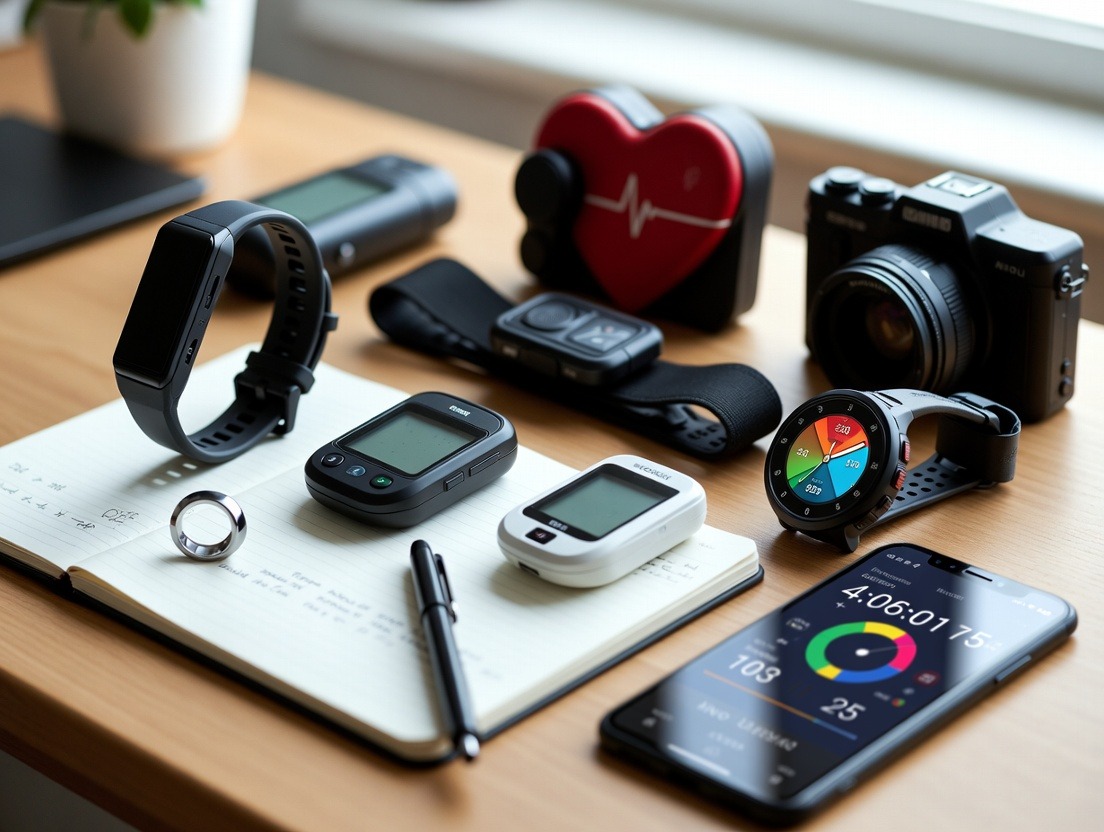
This journey into body awareness is the most powerful form of preventative medicine you will ever practice. It transforms you from a passive passenger in your body to an expert pilot, capable of navigating the complexities of modern life with resilience and grace. And today, tools like advanced smart rings are giving us an unprecedented technological ally, translating our body’s silent signals into actionable insights, creating a powerful feedback loop to accelerate this learning. We are no longer flying blind.
In this comprehensive guide, we will explore the essential body awareness skills that form your internal defense system. We’ll move from the foundational science of listening to your body to practical strategies for interpreting its signals, preventing physical injury, averting illness, and harnessing technology to deepen your somatic intelligence. This is your roadmap to building a body that is not just free from pain and sickness, but one that is vibrantly, robustly alive.
What Is Body Awareness? The Science of Listening to Your Body
We often speak of “listening to our bodies,” but what does that actually mean on a physiological level? The scientific term is interoception—your nervous system’s perception of the internal state of your body. It’s the sense that allows you to feel your heartbeat quicken with anxiety, your stomach grumble with hunger, your lungs burn during a sprint, and your muscles ache with fatigue.
Think of interoception as your body’s internal dashboard. A healthy, well-tuned interoceptive sense provides a constant, real-time stream of data: heart rate variability, breath depth, muscular tension, gut motility, temperature fluctuations, and more. This isn't about dramatic pain signals; it's about the subtle background hum of your physiology. When this dashboard is ignored or its warnings are chronically overridden, systems start to fail. A 2021 study in Frontiers in Psychology directly linked poor interoceptive awareness to higher levels of perceived stress, anxiety, and somatic symptoms—the body literally shouting because its whispers were ignored.
Contrast this with exteroception (senses like sight and sound focused on the external world) and proprioception (your sense of body position and movement in space). Proprioception is what lets you touch your nose with your eyes closed. Interoception is what tells you that your head is pounding while you do it. True body awareness is the integration of all these senses, with interoception as the crucial, often-neglected core.
Modern life is an assault on interoceptive awareness. We are bombarded by external stimuli—screens, notifications, urban noise—that pull our attention relentlessly outward. We sit for hours in static postures, disconnecting from the feeling of our bodies. We use caffeine to mask fatigue, painkillers to silence discomfort, and scrolling to numb boredom. Each time we do this, we weaken the neural pathways responsible for interoception. We become deaf to our bodies.
The consequences are profound. Without clear interoceptive signals:
You eat because the clock says it’s noon, not because you sense genuine hunger.
You push through a workout despite a nagging joint pain, mistaking “no pain, no gain” for wisdom.
You misinterpret anxiety as hunger, or dehydration as an energy slump.
You only notice you’re stressed when you snap at a loved one or develop a tension headache.
Cultivating body awareness, therefore, is not a vague, spiritual endeavor. It’s a concrete, neurological retraining program. It’s about deliberately shifting your focus inward to strengthen those neural circuits. It’s the foundational skill upon which all injury and illness prevention is built. You cannot fix or protect something you cannot feel. As we’ll explore next, this deep feeling starts with mastering the most fundamental rhythm of life: your breath.
The Foundational Skill: Breath Awareness as Your Internal Barometer
If interoception is your internal dashboard, then the breath is its most accessible and powerful gauge. Breathing is unique—it’s an automatic process governed by your brainstem, yet it can be consciously controlled by your cortex. This dual nature makes it the perfect bridge between your unconscious physiology and your conscious mind. By learning to read and regulate your breath, you gain direct access to your nervous system’s state.
Your breath pattern is a live feed of your autonomic nervous system (ANS). The ANS has two primary branches:
The Sympathetic Nervous System (SNS): Your "gas pedal." It prepares for "fight or flight." Associated with short, shallow, chest-focused breathing.
The Parasympathetic Nervous System (PNS): Your "brake pedal." It promotes "rest and digest." Associated with slow, deep, diaphragmatic breathing.
When you are stressed, anxious, or in pain, your SNS activates, and your breath becomes rapid and thoracic. Conversely, when you are calm and relaxed, your PNS dominates, and your breath is slow and abdominal. The critical insight is that this relationship is a two-way street. While your emotional state influences your breath, you can consciously change your emotional and physiological state by changing your breath.
How to Cultivate Breath Awareness:
The Baseline Scan: Several times a day, pause for just 30 seconds. Don’t try to change anything. Just ask: Where do I feel my breath? Is it high in your chest, barely moving? Or deep in your belly? Is it smooth or jagged? This simple act of observation is the cornerstone of awareness.
Diaphragmatic Breathing Practice: Lie on your back with knees bent. Place one hand on your chest, one on your belly. Inhale slowly through your nose, aiming to make the belly hand rise while the chest hand stays relatively still. Exhale fully, feeling the belly fall. Practice for 5 minutes daily. This isn’t just “relaxation”; it’s training your body to default to a calmer, more resilient state.
The Sighing Exhalation: When you feel acute stress or tension, take a medium inhale through your nose, and exhale through your mouth with a long, slow sigh, letting your shoulders drop. This directly stimulates the vagus nerve, your body’s main PNS pathway, hitting the brakes on stress.
Breath awareness is your 24/7 biofeedback tool. A suddenly shallow breath at your desk signals rising stress. Holding your breath while focusing is a sign of sympathetic overload. Using deliberate deep breaths before a difficult task primes your brain for performance. This skill directly prevents illness by mitigating the corrosive, chronic stress that suppresses immune function—a connection explored in depth in our analysis of the hidden link between sleep quality and mental health. It prevents injury by ensuring your muscles receive optimal oxygen and by keeping you calm and coordinated under physical demand.
Mastering this internal barometer sets the stage for the next skill: learning to interpret the specific language of physical sensation, distinguishing between the “good hurt” of growth and the “bad pain” of impending damage.
Decoding Your Body's Language: Sensation vs. Pain, Good Stress vs. Bad Stress
Our culture often glorifies “pushing through,” blurring the critical line between productive discomfort and harmful pain. Developing body awareness requires becoming a master translator of your body’s sensory vocabulary. It’s the difference between hearing noise and understanding words.
Sensation vs. Pain:
Sensation is a broad category of feeling: warmth, stretching, muscle burn (like in a hard workout), pressure, vibration, fatigue. Sensations are information-rich but not necessarily a command to stop.
Pain is a distinct, alarm-system signal. Its purpose is protection. It’s your body’s urgent, "Stop what you’re doing and pay attention!" message.
The key is to identify the qualities of the feeling. A dull, achy sensation in a muscle 24-48 hours after a new workout is likely DOMS (Delayed Onset Muscle Soreness)—a normal inflammatory repair process. A sharp, stabbing, or pinching pain during movement is a red flag. A radiating pain (e.g., down your leg) suggests nerve involvement. A deep, throbbing pain in a joint is a warning of potential structural issue.
The “Good Stress vs. Bad Stress” Framework in Movement:
This applies the general concept of hormesis (what doesn’t kill you makes you stronger) directly to your tissues.
Good Stress (Eustress): A challenging but tolerable load that prompts positive adaptation. The sensation is diffuse, often felt as a "burn" in the belly of the muscle, and subsides shortly after you stop the activity. Your range of motion remains full. Example: The quad burn during a set of squats.
Bad Stress (Distress): A load or pattern that threatens to cause damage. The sensation is sharp, localized, and often persists or worsens with movement. It may be accompanied by joint instability or a feeling of "catching." Example: A sharp pinch in the front of the shoulder during an overhead press.
Developing Your Translational Skills:
Practice the "Body Scan": Lie down in a quiet space. Slowly bring your mental focus to each part of your body, from toes to head, without judgment. Don’t try to change anything. Just notice. Is there tension? Heaviness? Tingling? Coolness? This daily practice fine-tunes your sensitivity.
Ask Interrogative Questions: When you feel a sensation during activity, pause and ask:
Where exactly is it? (Can I point to it with one finger?)
What is its quality? (Dull, sharp, burning, pinching?)
Does it change with movement? (Better, worse, radiating?)
What is my intuition telling me? (This feels productive vs. This feels wrong.)
Respect the "Oh Sh*t" Signal: That instant, gut-level feeling that something is wrong. This is your subconscious interoception speaking loud and clear. It is always worth heeding.
By honing this skill, you move from a reactive model of health (waiting for injury to strike) to a pre-emptive one. You adjust your training, your posture, or your technique at the first whisper of distress, not after the scream of injury. This mindful approach to physical load is inextricably linked to recovery, particularly the quality of your sleep, where the body does its deepest repair work—a process you can learn to measure accurately in our guide on how to measure sleep quality without a sleep lab.
Proprioception and Kinesthetic Sense: Your Body's GPS for Safe Movement
While interoception tells you what you feel, proprioception tells you where you are in space. Officially, it’s the sense of the relative position of your body parts and the strength of effort being employed in movement. It’s the unconscious feedback loop between your muscles, joints, and brain that allows you to walk in the dark, type without looking at your fingers, and catch a ball.
Think of it as your body’s internal GPS. A high-fidelity proprioceptive signal means your brain has an accurate, real-time map of your joint positions, muscle tensions, and balance. This is the bedrock of coordinated, efficient, and safe movement. When proprioception is dulled—by injury, inactivity, fatigue, or distraction—you become clumsy, unstable, and prone to injury. You miss a step. You twist an ankle on uneven ground. You lift a box with your back instead of your legs because your brain has a poor "map" of your spine’s position.
Why Proprioception Deteriorates:
Sedentary Lifestyle: Sitting for long periods turns down the volume on signals from your hips, spine, and legs.
Previous Injury: An ankle sprain, for example, can damage the mechanoreceptors in the ligaments, creating a "dead zone" in your brain’s map of that joint, making re-injury common.
Fatigue: Physical and mental exhaustion slows neural processing, blurring your kinesthetic sense.
Poor Sleep: Sleep is when your nervous system consolidates motor learning and repairs itself. Chronic poor sleep directly degrades proprioception, as detailed in our research on how poor sleep quality affects your health.
Training Your Body's GPS:
You can actively sharpen your proprioception, making it a powerful injury-prevention tool.
Balance Training: This is direct proprioceptive calisthenics. Start with double-leg stands, progress to single-leg stands, then do them with eyes closed (removing visual input forces your proprioceptors to work harder). Use unstable surfaces like a folded towel or a balance cushion cautiously.
Slow, Deliberate Movement Practices: Tai Chi, Qigong, and certain forms of yoga are essentially prolonged proprioceptive training. Moving slowly with deep focus forces your brain to pay exquisite attention to the pathway of every motion.
Unilateral (Single-Side) Exercises: Exercises like single-leg deadlifts, single-arm rows, or split squats demand immense focus and stability from your core and stabilizer muscles, dramatically improving your kinesthetic sense.
Barefoot Time (Safely): When safe, walking barefoot on varied, natural surfaces (grass, sand) provides a torrent of sensory input from the numerous nerve endings in your feet, enhancing your entire body’s spatial awareness.
Improving your proprioception means your body can make micro-adjustments in milliseconds to prevent a fall, maintain perfect form under load, and move through the world with confident, graceful efficiency. It is the physical counterpart to interoceptive awareness, and together, they create a complete picture of your internal and external state. This integrated awareness is what allows you to master the next critical skill: detecting and releasing the silent tension that strangles your health.
The Art of Detecting and Releasing Chronic Muscular Tension
Chronic muscular tension is the stealth tax of modern stress. It’s not the acute soreness from a workout; it’s the low-grade, permanent contraction we hold in our jaws, necks, shoulders, and backs. We clench so habitually that we cease to feel it—it becomes our new normal. This “sensorimotor amnesia” is a major barrier to body awareness and a direct pathway to pain, headache, and joint dysfunction.
Why is chronic tension so harmful?
Ischemia and Pain: Constantly tight muscles compress their own blood vessels, reducing oxygen and nutrient delivery. This leads to the buildup of metabolic waste, causing pain and trigger points (knots).
Altered Movement Patterns: A tight muscle inhibits its functional opposite. For example, chronically tight hip flexors from sitting shut down your glutes, forcing your lower back and hamstrings to overwork, leading to back pain.
Neurological Feedback Loop: Tension sends “danger” signals to the brain, which keeps the sympathetic nervous system subtly activated, creating a vicious cycle of stress -> tension -> more stress.
Developing Detection Skills:
You must learn to scan for tension you’ve learned to ignore.
The Mirror Check: Periodically, look at yourself in a mirror with neutral awareness. Are your shoulders hunched toward your ears? Is your jaw forward? Is your weight shifted to one hip?
The Startle Response Scan: After a sudden stress (a loud noise, a frustrating email), immediately do a micro-scan. Where did you just tighten? Your belly? Your shoulders? Your forehead? This identifies your personal “stress harbors.”
Partner or Tool Feedback: Sometimes we need external input. A massage therapist can point out areas of rock-like tension. Using a foam roller or lacrosse ball can reveal shocking tenderness in areas you thought were fine.
Mastering Release Techniques:
Detection is useless without release.
Progressive Conscious Relaxation: Lie down. Systematically tense a muscle group (e.g., squeeze your shoulders up to your ears) as hard as you can for 5 seconds, then completely let go for 20 seconds. Feel the wave of warmth and release. Move through the body.
Direct Pressure Release: Using a ball or tool, apply sustained, tolerable pressure to a tender spot (trigger point) for 30-90 seconds. Breathe deeply into the tension. The goal is not to cause pain, but to invite the muscle to “let go.”
Heat and Breath: Applying heat (a warm bath, heating pad) increases blood flow and makes tissues more pliable. Combine it with diaphragmatic breathing to signal safety to the nervous system.
Pandiculation: This is your body’s natural reset button (think of a cat’s long morning stretch). It involves a slow, conscious contraction of a tight muscle, followed by an even slower, controlled lengthening, and finally a complete release. It resets the muscle’s resting length in the brain.
Releasing chronic tension isn’t a luxury; it’s maintenance. It restores proper circulation, resets healthy movement patterns, and quiets the stress response. It’s a direct intervention that prevents the tension headaches, the overuse injuries, and the chronic pain syndromes that start with a whisper of tightness we failed to hear. And as we’ll see, this physical release is deeply intertwined with your body’s ability to achieve truly restorative sleep, a critical pillar of health that is often sabotaged by factors you can learn to control in our sleep quality formula for temperature, light, and timing.
Recognizing the Early Warning Signs of Overtraining and Burnout
In our pursuit of health and performance, we often cross a critical line where the dose of stress—physical, mental, or emotional—exceeds our capacity to recover. This state is known as overtraining (physical) or burnout (systemic). The body sends a cascade of warning signs, but without keen awareness, we misinterpret them as moral failings (“I’m lazy”) or push through them, leading to collapse, injury, or illness.
Overtraining/Burnout is not just being tired after a hard week. It’s a maladaptive stress response where your sympathetic nervous system is stuck in “on” and your recovery systems are chronically depleted. It’s the breakdown of the very adaptation process we train for.
The Early Interoceptive Warning Signs (The Whispers):
These are the signals to heed long before performance plummets or you get sick.
Non-Restorative Sleep: Waking up tired despite adequate time in bed is a cardinal sign. Your sleep may be fragmented, or you may struggle to fall asleep despite exhaustion due to a dysregulated stress-response system. This is a key metric to understand, as explained in our post on what your sleep quality score really means.
Elevated Resting Heart Rate (RHR): A consistent rise of 5-10 bpm in your morning RHR is a strong objective indicator of systemic stress and incomplete recovery.
Loss of Motivation & Joy (“Dread”): The thought of your usual workout or work task feels heavy, burdensome, and uninteresting. This is a neurological signal, not a character flaw.
Emotional Lability: Unexplained irritability, anxiety, or feeling emotionally fragile and reactive.
Persistent Aches & Pains: Nagging joint pain, persistent tightness, or recurring minor niggles that don’t resolve with normal rest.
Frequent Illness & Slow Healing: Getting every cold that goes around, or cuts and bruises taking longer to heal, indicating a suppressed immune system.
The Body Awareness Protocol for Stress-Readiness:
To prevent burnout, you must move from just tracking output (miles, reps, hours worked) to intimately tracking input (recovery signals).
The Morning Check-In: Before you check your phone, take 60 seconds. Note your energy level (1-10), mood, muscle soreness, and any notable sensations. Keep a simple journal to spot trends.
Listen to Your Warm-Up: Your body’s response to a gentle warm-up is incredibly telling. Do you feel heavy, stiff, and sluggish? Or light, mobile, and ready? The former is a strong signal to choose a restorative day.
Adopt a “Traffic Light” System:
Green Light: Great sleep, low RHR, high motivation, feeling springy. Proceed with planned intensity.
Yellow Light: Poor sleep, elevated RHR, low motivation, feeling stiff. Dial back intensity by 30-50%, focus on technique and mobility.
Red Light: Multiple yellow-light signs, feeling sick, or emotionally drained. Prioritize complete rest: walking, stretching, hydration, and sleep.
The skill here is overriding the ingrained cultural narrative that “more is always better” with the intelligent, awareness-based narrative that “optimal is sustainable.” This requires trusting the subtle data from your body over the loud voice of your ego or your rigid training plan. It is the ultimate act of self-preservation. This holistic view of readiness seamlessly connects to understanding your body’s ultimate recovery period: the sleep cycle.
Connecting the Dots: How Body Awareness Informs Your Sleep Needs
Sleep is not a passive state of unconsciousness; it is an active, vital process of restoration, repair, and integration. Your level of body awareness during the day directly determines the quality of that process. Think of sleep as the final, crucial chapter in your daily dialogue with your body. If you’ve spent the day ignoring its signals, that chapter will be chaotic and incomplete. If you’ve been listening, you set the stage for deep, restorative slumber.
How Daytime Awareness Improves Sleep:
Discharge of Physical Tension: By detecting and releasing chronic muscular tension through the day (as covered in Section 6), you prevent that tension from following you into bed. A body free of physical "noise" can settle into sleep more easily.
Regulation of the Nervous System: Using breath awareness and stress-detection skills helps manage cortisol (the wakefulness hormone) and adrenaline spikes throughout the day. A nervous system that isn’t chronically sympathetically driven can make a smoother transition into the parasympathetic state required for sleep onset.
Accurate Interpretation of Fatigue: Body awareness helps you distinguish between mental exhaustion, physical fatigue, and nervous system overload. This allows you to tailor your pre-sleep routine. Physical fatigue might welcome gentle stretching, while nervous overload might need meditation or a breathing exercise.
Hunger/Thirst Cues: Being interoceptively aware means you’re more likely to eat and hydrate appropriately throughout the day, avoiding the blood sugar crashes or late-night hunger pangs that can disrupt sleep.
Using Sleep Quality as the Ultimate Biofeedback:
Conversely, your sleep quality is the most reliable report card on your daytime body awareness and lifestyle choices.
Tossing and Turning: Could indicate unresolved physical pain, discomfort from poor ergonomics you ignored, or undischarged stress.
Waking Up with Jaw Pain or a Headache: A clear sign of unaddressed chronic tension and likely nighttime bruxism (teeth grinding).
Frequent Nighttime Wakings: Can be linked to blood sugar dysregulation from poor daytime eating habits, an overactive mind, or untreated sleep apnea—all issues that begin with daytime patterns.
Waking Up Unrefreshed: This is the clearest signal that your recovery processes are inadequate, often due to the cumulative effect of ignoring stress, tension, and poor recovery choices.
Therefore, improving your sleep isn't just about a better mattress or blackout curtains (though those help). It starts with becoming a better listener all day long. By connecting the dots between your daytime sensations and your nighttime experience, you create a virtuous cycle: awareness leads to better choices, which lead to better sleep, which enhances your next day’s awareness and resilience. To dive deeper into creating this cycle, our sleep quality checklist for truly restful sleep offers a practical starting point.
The Gut-Brain Axis: Tuning Into Your Second Brain for Immune Defense
The conversation about body awareness is incomplete without addressing the gut. Your gastrointestinal system is often called your “second brain,” and for good reason. It contains over 100 million neurons and produces more than 90% of your body’s serotonin, a key neurotransmitter for mood and sleep. This Gut-Brain Axis (GBA) is a bidirectional superhighway of communication, and your interoceptive awareness is the tool you use to tune into it.
What you feel in your gut—butterflies, knots, a sinking feeling, or calm warmth—is a direct form of interoceptive data. Learning to interpret this data is a powerful skill for preventing illness, as a significant portion of your immune system resides in your gut.
How Poor Gut Awareness Manifests:
We often radically misinterpret or ignore gut signals.
Eating on Autopilot: Eating due to time, emotion, or boredom rather than genuine, sensed hunger.
Ignoring Food Reactions: Bloating, gas, immediate fatigue after meals, or erratic bowel movements are clear signals of food intolerances or microbiome distress that, if ignored, can lead to chronic inflammation and a weakened immune barrier.
The "Stress Gut": Chronic stress directly alters gut motility, increases permeability (“leaky gut”), and changes your microbiome composition, making you more susceptible to infection and inflammation. That anxious feeling in your stomach is a literal, physical change.
Cultivating Gut Awareness (Gut Intelligence):
The Hunger-Fullness Scan: Before eating, pause. On a scale of 1 (ravenous) to 10 (stuffed), where are you? Aim to start eating at a 3-4 and stop at a 6-7—comfortably satisfied, not full. Eat slowly, checking in every few minutes.
The Post-Meal Journal: For a week, after each meal, note not just what you ate, but how you felt 20-60 minutes later: Energy (slump or sustained?), Mood, Digestion (bloating, gas, comfort?), and Cravings. Patterns will emerge linking specific foods to specific sensations.
Notice the Stress-Digestion Link: When you feel stressed, consciously notice what’s happening in your gut. Is it clenched? Gurgling? This awareness alone can begin to break the dysfunctional stress-digestion loop.
Listen to Your Cravings: Sometimes, cravings are emotional. But sometimes, they are intelligent gut messages. A sudden, strong craving for leafy greens might indicate a need for magnesium. A desire for fermented food might point to a need for probiotics. The key is to pause and ask, “What is this craving really telling me?”
By developing gut intelligence, you empower your body’s first line of immune defense. You reduce systemic inflammation, improve nutrient absorption, and support a healthy microbiome. This proactive internal care prevents the low-grade, chronic issues that can blossom into more serious conditions. It turns your digestive tract from a potential source of illness into a pillar of wellness, a process that is critically supported by high-quality sleep, as the gut and brain communicate extensively during rest, a topic explored in the science of what happens when you sleep well.
Emotional Somatics: Feeling Emotions as Physical Sensations to Prevent Stress Illness
We are taught to think of emotions as purely mental experiences, but they are fundamentally physical events. Every emotion has a distinct somatic signature—a pattern of sensation in the body. Anxiety might be a tight chest and fluttery stomach. Grief might be a heavy, sunken feeling in the heart. Joy might be a light, expansive, warm feeling.
The problem arises when we intellectualize or suppress our emotions, disconnecting from their physical component. This unprocessed emotional energy doesn’t vanish; it becomes “stuck” in the body, contributing to chronic tension, altered posture (think of the slumped shoulders of sadness), pain syndromes, and ultimately, stress-related illnesses like hypertension, digestive disorders, and autoimmune flare-ups. This is the field of emotional somatics.
The Skill: Mapping Emotions in the Body
The goal is not to get lost in the story of the emotion, but first, to simply feel its physical geography.
The "Where Do I Feel This?" Practice: When you notice a strong emotion, pause. Close your eyes if possible. Ask: If this feeling had a shape, weight, temperature, and location in my body, what would it be?
Anger: Might feel hot, sharp, and pressurized in the chest, jaw, and fists.
Fear/Anxiety: Might feel cold, contracting, and fluttery in the belly, chest, and throat.
Sadness: Might feel heavy, dense, and aching in the chest, throat, and behind the eyes.
Breathe Into the Sensation: Instead of trying to make the feeling go away, direct your breath gently toward the physical sensation. Imagine breathing space and warmth into that area. This is not about fixing, but about allowing and processing.
Allow Movement Expression: Often, stuck emotion wants to move. The physical impulse of anger might be to push. Sadness might want to curl forward. Joy might want to expand and jump. In a private space, allow a small, safe movement that corresponds to the sensation—a gentle push into a wall, a fetal curl, an expansive stretch. This discharges the sympathetic energy of the emotion.
How This Prevents Illness:
By feeling and processing emotions somatically, you complete the stress cycle. The emotion is felt, expressed through the body, and released, rather than being trapped as chronic tension or inflammatory biochemistry. This practice:
Reduces Allostatic Load: The cumulative burden of chronic stress on the body.
Prevents Psychosomatic Symptoms: Stomach aches, tension headaches, and unexplained pains often have an emotional component.
Improves Nervous System Regulation: It teaches your body that emotions are safe to feel and pass through, increasing resilience.
This deep emotional awareness is exhausting work, and it requires a well-rested, recovered nervous system to do effectively. It underscores why the recovery skills we’ve discussed, particularly high-quality sleep, are non-negotiable. You cannot process the day’s emotional residues if your brain is deprived of the REM sleep where much of this integration occurs, a distinction clarified in our article on sleep quality vs. REM sleep.
The Modern Tool: How Technology Like Smart Rings Can Accelerate Awareness
For all our focus on internal feeling, we are not abandoning technology. Instead, we are entering a new era where technology can serve as a powerful mirror and guide for our somatic intelligence. This is where devices like advanced smart rings come into play. Worn continuously, they provide an objective, quantitative backdrop against which you can calibrate your subjective, qualitative awareness.
A smart ring is uniquely positioned for this role. Its placement on a finger with rich vasculation allows for medical-grade photoplethysmography (PPG) sensors to collect continuous data on heart rate, heart rate variability (HRV), blood oxygen, skin temperature, and movement with minimal invasiveness.
How a Smart Ring Creates a Powerful Feedback Loop:
Objective Validation of Subjective Feeling: You feel rundown. You check your ring’s data and see a significantly elevated resting heart rate and a depressed HRV—objective biomarkers of stress and poor recovery. This validates your interoceptive hunch, giving you the confidence to choose a rest day instead of pushing through doubt.
Revealing Hidden Patterns: You may feel you slept fine, but your ring’s sleep algorithm shows low deep sleep and high restlessness. This objective data prompts you to investigate your pre-sleep routine or environment, leading to changes that improve tangible sleep quality. You can compare different tracking methods in our guide to the best sleep quality tracking methods.
Quantifying the Impact of Practices: You begin a daily breathing meditation. Over weeks, you can see the positive trend in your nightly HRV and your sleep quality score, objectively proving the benefit of your new awareness practice.
Teaching Cause and Effect: After a night of poor sleep (documented by the ring), you can observe how your daytime readiness score, activity tolerance, and stress resilience are objectively lower. This concrete link reinforces the supreme importance of sleep for all other functions.
The Crucial Caveat: The Data Serves the Feeling.
The technology is only beneficial if it enhances awareness, not replaces it. The danger is becoming a “data zombie,” outsourcing your health intuition to an app. The skill is to use the data as a conversation starter with your body.
The Process: Notice a data point (e.g., low readiness score) -> Turn inward and ask, “What does this feel like in my body today?” -> Make a choice based on the integration of both data and sensation.
The Goal: To eventually strengthen your internal sensing so clearly that the external data simply confirms what you already know. The ring becomes a training wheel, not the bicycle itself.
This synergy between ancient self-awareness and modern self-quantification is the future of proactive wellness. It allows for a precision in self-care that was previously impossible, helping you catch deviations from your personal baseline long before they become symptoms. As we move into the final section of this portion, we’ll bring these skills together into a daily framework for sustainable practice.
Building Your Daily Body Awareness Practice: A Sustainable Framework
Knowledge without practice is merely trivia. The body awareness skills we've explored—from breath reading to emotional somatics—must be woven into the fabric of your daily life to become true, preventive medicine. The goal is not to add hours of extra "work," but to transform existing moments into opportunities for conscious connection. This section provides a flexible, sustainable framework to integrate these skills, creating a resilient feedback loop between your mind and body.
The Pillars of a Daily Practice:
Your practice should touch on the three core domains of awareness: Physical, Energetic, and Emotional. You don't need to do everything every day, but a balanced routine addresses each regularly.
1. The Micro-Moment Integration (Throughout the Day): These are 30-second to 2-minute practices that insert awareness into your existing routine.
Transitional Breathing: Use the moments between activities—after closing your laptop, before getting out of your car, before a meeting—as cues. Take three slow, deep diaphragmatic breaths. This resets your nervous system and brings you into the present.
Posture Check-Ins: Set random alarms or use habitual actions (like answering a phone) as reminders. For 15 seconds, scan your body: Are your shoulders at your ears? Is your jaw clenched? Is your weight even on your feet? Gently correct and release.
Sensation Spot-Checks: During any repetitive task (typing, walking, driving), briefly ask: What do I feel right now? Notice the pressure of the chair, the texture of the air, the subtle tension in your hands. This is interoceptive calisthenics.
2. The Anchor Practices (10-20 Minutes Daily): These are dedicated times for deeper awareness training. Choose one or two to focus on each day.
Morning Body Scan & Intention: Before reaching for your phone, lie in bed for 5 minutes. Scan from toes to head, noting energy levels, aches, mood. Then, set an intention for the day’s awareness, e.g., “Today, I will listen to my hunger cues,” or “I will notice when I hold my breath.”
Movement with Attention: For 10-15 minutes, engage in mindful movement. This could be a slow walk where you feel each footfall, a gentle yoga flow where you focus on muscle engagement and breath, or even mindful stretching. The key is to move slowly enough to observe the sensations of movement itself.
Evening Unwind & Digest: Spend 10 minutes before bed away from screens. You might practice progressive muscle relaxation, journal about the physical sensations of the day’s emotions, or do gentle hip and chest openers to release the tension of sitting. This directly prepares your nervous system for restorative sleep, addressing the common problem of waking up tired despite adequate hours.
3. The Weekly Reflection (20-30 Minutes Once a Week): This is where you connect the dots, using both subjective feeling and, if available, objective data.
Review Your Journal/Notes: Look back at your morning check-ins or any notes on energy, mood, and sensations. What patterns emerge? Did certain activities consistently drain or energize you?
Correlate with Data (if using a smart ring or tracker): Compare your subjective notes with your weekly sleep, readiness, and activity scores. Did a day of high stress correlate with poor sleep the next night? Did a rest day lead to a higher readiness score? This builds your personal science of self.
Plan Adjustments: Based on your reflection, make one small, sustainable adjustment for the coming week. For example: “I noticed I’m consistently tense on Wednesdays after back-to-back meetings. This week, I’ll schedule a 5-minute breathing break between them.”
Overcoming Common Barriers:
“I don’t have time.” Start with micro-moments. Three conscious breaths are zero time. It’s about quality of attention, not quantity of time.
“I forget.” Use “if-then” planning: “IF I sit down at my desk, THEN I will adjust my posture and take one deep breath.” Link new habits to existing ones.
“It feels silly or I’m not good at it.” Awareness is a muscle. It’s clumsy at first. There is no “good” or “bad,” only “noticed” or “unnoticed.” Approach it with curiosity, not judgment.
“The data from my device stresses me out.” This signals a need to reframe the tool’s purpose. It is information, not judgment. A low sleep score isn’t a failing grade; it’s a clue asking, “What was different last night?” Use it as a detective, not a critic.
By establishing this flexible framework, you move from theory to lived experience. You begin to trust the subtle language of your body because you are actively listening and responding. This self-trust is the bedrock of prevention. As you become more adept, you’ll naturally start to apply this refined awareness to the specific physical demands of your life, which leads us to the critical application of these skills in one of the most common areas of breakdown: our posture and movement patterns in daily life.
Posture as a Dynamic Dialogue, Not a Static Position
The word “posture” often conjures images of rigid military stance or scolding to “sit up straight.” This static view is not only unhelpful but can be harmful. True, healthy posture is dynamic—it is your body’s moment-to-moment conversation with gravity. It’s about alignment with minimal effort, allowing for efficient movement and breathing, not about holding a fixed, tense pose.
Poor posture isn’t just about aesthetics; it is a form of chronic, low-grade strain. Forward head posture, for example, can add 30-60 pounds of compressive load on the cervical spine for every inch the head protrudes forward. Rounded shoulders restrict breathing and contribute to rotator cuff issues. Anterior pelvic tilt stresses the lumbar spine. These patterns develop slowly, and without body awareness, they become your default setting, silently setting the stage for pain and injury.
Awareness-Based Posture Correction:
The goal is not to “fix” your posture by force, but to re-educate your sensory perception. You must first feel what “neutral” actually is.
Finding Neutral Spine (The Wall Test): Stand with your back against a wall, heels a few inches away. Can you slide your hand behind your lower back? There should be a small, natural curve (about the thickness of your hand). If the gap is huge (anterior tilt) or non-existent (posterior tilt), gently rock your pelvis forward and back until you find the middle where your abdominal and back muscles feel equally engaged, not clenched. This is your neutral pelvis. Now, without jutting your chin, try to let the back of your head approach the wall. This is head-on-spine alignment.
Breathing into Your Posture: In any seated or standing position, place your hands on your lower ribs. As you inhale, focus on expanding your ribs sideways into your hands. This “360-degree breath” automatically engages your deep core stabilizers and discourages the collapsed chest of poor posture. Your breath becomes your posture coach.
The Concept of “Stacking”: While moving through your day, think of gently “stacking” your joints. In standing: ankles under knees, under hips, under shoulders, under ears. In sitting: aim for hips slightly higher than knees, feet flat, and the same upward stack from your sit bones to your head. This imagery promotes efficient alignment.
Use Movement Breaks, Not Just Holds: The body is designed for motion. Set a timer for every 30 minutes of sitting. When it goes off, don’t just adjust your static pose—get up. Take five steps, do a single sun salutation, or simply stand and sway gently for one minute. This resets tissue loading and circulation. This practice of frequent movement breaks is one of the most overlooked factors in maintaining vitality, akin to the commonly ignored factors that destroy sleep quality.
Listening to Your Posture’s Messages:
Your posture is a storybook of your habits and emotions. Body awareness allows you to read it.
A consistently slumped posture may reflect fatigue, low mood, or a defensive closing of the heart center.
Chronic jaw clenching and raised shoulders are a direct billboard for stress.
Favoring one leg while standing might indicate a subtle imbalance or past injury.
By checking in and asking, “What is my posture right now telling me?” you can address the root cause—be it an ergonomic issue, emotional state, or muscular weakness—rather than just forcing yourself into a temporary “correct” shape. This dynamic, listening-based approach to posture transforms it from a chore into an ongoing dialogue, preventing the cumulative damage that leads to chronic pain. This mindful approach to how you hold and move your body is the perfect segue into applying awareness to more vigorous physical activity.
Applying Awareness to Exercise: From Mindless Reps to Mindful Movement
Exercise is one of the greatest tools for health, yet performed without awareness, it can also be a primary source of injury. The shift from “working out” to “training with awareness” is the difference between brute forcing your body through motion and engaging in a skilled, responsive dialogue with it. This transforms exercise from a stressor you survive into a stressor you strategically apply and from which you intelligently recover.
The Principles of Mindful Movement:
Intention Over Ego: Before you begin a session, set an intention based on your daily check-in. Is it “Move with joy and flow,” “Focus on perfect technique,” or “Gently mobilize stiff areas”? This overrides the ego’s drive for more weight, more speed, more reps at any cost.
The Warm-Up as a Diagnostic: Your warm-up is not a box to tick; it is a vital information-gathering session. As you move through dynamic stretches and light activation, ask: What feels tight? What feels unstable? Is there any pinching or pain? Use this data to modify your planned workout. If your right hip is particularly stiff, maybe today is not for heavy squats but for unilateral work and mobility.
Form as a Felt Sense, Not a Visual Mirror: Don’t just mimic a shape you saw online. Learn to feel proper form. In a squat, can you feel your weight evenly across your feet? Can you feel your spine maintaining its neutral curves? Can you feel your glutes engaging at the top? This internal focus (interoception and proprioception combined) is what builds durable, safe movement patterns.
The “Stop-Rep” Rule: If you cannot maintain perfect, felt form for the entire rep, the set is over. This is non-negotiable. The moment you compensate—arching your back on the last bench press rep, letting your knee cave in during a lunge—you are teaching your body dysfunction and inviting injury.
Listening to Intensity Signals: Use the “good stress vs. bad stress” framework. The burning fatigue in your quads during a lunge is a signal to keep going. A sharp pain in the front of your knee is a signal to stop immediately. Train yourself to respect this difference.
Recovery as Part of the Workout:
The awareness doesn’t stop when the last rep is done. The immediate post-exercise period is critical.
The Cool-Down Scan: During your cool-down stretches, scan for areas of acute sensation versus general fatigue. Note any specific spots that need extra attention (foam rolling, gentle mobility).
Hydration and Nutrition Cues: Post-exercise, tune into your body’s requests. Is it thirsty? Is it genuinely hungry for protein and carbs, or are you just eating out of habit? Mindful refueling is part of the repair process.
Monitoring Systemic Response: In the 24-48 hours after a hard session, be extra attentive to signs of overreaching: extreme DOMS that impedes movement, a resting heart rate that stays elevated, or unusually poor sleep. This is your body asking for more recovery before the next challenging stimulus. This recovery is inextricably linked to the quality of your sleep, as explored in our article on the surprising connection between sleep quality and weight management, which hinges on hormonal repair.
By applying these principles, you make your exercise practice a masterclass in body awareness. Each session becomes a opportunity to learn more about your unique mechanics, your strengths, and your limitations. This knowledge is the ultimate personal trainer, guiding you toward lifelong strength and away from the therapist’s office. But our bodies do not exist in a vacuum; they are profoundly shaped by the environment we occupy. The next skill involves extending our awareness outward to shape that environment for our benefit.
Environmental Awareness: Optimizing Your Surroundings for Bodily Health
Your body is in constant conversation with its environment. The light you see, the sounds you hear, the temperature you feel, and the air you breathe all send powerful signals to your nervous system, influencing everything from your stress levels to your sleep architecture. Cultivating environmental awareness means becoming conscious of these external inputs and strategically shaping them to support, rather than sabotage, your internal state.
Key Environmental Levers and Awareness Skills:
Light: Your Master Circadian Cue
The Skill: Notice how different light makes you feel. Does the cool, bright light of morning feel energizing? Does the harsh blue glare of your screen at night make you feel tense or wired?
The Application: Seek bright, natural light within an hour of waking (even 10 minutes outdoors). This sets your circadian rhythm, boosting daytime alertness and priming you for sleep later. As evening approaches, dim overhead lights and use lamps. Implement a “blue light sunset” on your devices 2-3 hours before bed. This environmental management is a core component of improving your sleep quality in just one week.
Sound: The Unseen Stressor or Soother
The Skill: Tune into the soundscape. Is there a constant, low hum of traffic or HVAC? Sudden, jarring noises? Or is it a peaceful, predictable sound environment?
The Application: Use noise-cancelling headphones in chaotic environments to lower auditory stress. Introduce calming, predictable sounds like white noise, brown noise, or gentle nature sounds to mask disruptive noises, especially during sleep and focused work.
Temperature: The Thermostat of Sleep and Metabolism
The Skill: Pay attention to your body’s thermal comfort, not just the room temperature. Do you sleep better slightly cool? Do you get lethargic in an overheated room?
The Application: The body needs a drop in core temperature to initiate sleep. Aim for a bedroom temperature between 60-67°F (15-19°C). Use layers of bedding you can adjust. This is a critical, often missed part of the sleep quality formula involving temperature, light, and timing.
Ergonomics: The Architecture of Daily Movement
The Skill: Become a detective of your own discomfort. That wrist ache while typing—is your keyboard positioned wrong? That neck stiffness—is your monitor too low?
The Application: Don’t just accept discomfort. Adjust your workstation so your screen is at eye level, your elbows are at 90 degrees, and your feet are flat. Use a standing desk, but more importantly, alternate between sitting and standing. Your chair, your car seat, your couch—optimize them for support and variability.
Nature & Biophilia: The Deep Nourishment
The Skill: Notice how you feel during and after time in a natural setting—a park, a forest, near water. Is there a sense of calm, expansion, or mental clarity?
The Application: Intentionally schedule “green time” or “blue time” (near water). Even having plants in your workspace or viewing nature scenes can lower stress hormones and blood pressure. This is environmental awareness for nervous system regulation.
By taking conscious control of your environment, you reduce the background drain on your adaptive resources. You create spaces that passively support healthy posture, circadian rhythms, and a calm nervous system. This proactive optimization is a massive step in preventing the slow accumulation of stress that leads to illness. Yet, even with the most controlled environment, life happens. The final, and perhaps most advanced, skill is using your heightened awareness to navigate illness and injury when they do occur—because prevention is not about achieving perfection, but about intelligent, responsive management.
Navigating Illness and Injury with Awareness: The Intelligent Response
Despite our best preventive efforts, bodies get sick and injured. This is not a failure of awareness; it is a part of being human. The critical shift that body awareness enables is moving from a panic-driven, passive response to an informed, active partnership with your healing process. When you are skilled in listening, you become an expert guide for your own recovery.
The Acute Phase: Listening for Urgency vs. Patience
When pain or illness strikes, the first job of awareness is to triage.
The Red Flag Checklist: Use awareness to identify signs that require immediate professional intervention (e.g., for pain: sudden, severe, unexplained pain; loss of sensation or strength; pain following trauma). For illness: high fever, difficulty breathing, chest pain, severe dehydration. Awareness here means knowing when to stop self-managing and seek help.
The “Listen to the Pain, Not to the Fear” Principle: Once serious causes are ruled out, tune into the specific qualities of the pain or illness without the overlay of catastrophic thinking. Is the pain sharp and stabbing, or dull and achy? Is your fatigue accompanied by body aches (suggesting immune activity) or just mental fog? This precise information is invaluable for both you and any healthcare provider.
The Healing Phase: Becoming a Detective of Your Progress
Recovery is not linear. Body awareness allows you to map its ebbs and flows and adjust accordingly.
The “Window of Tolerance” for Activity: With injury, there is often a small range of movement or activity that promotes healing without re-aggravation. Your job is to find its edges through gentle exploration. Move or exert to the point of mild sensation, not pain. This is your therapeutic dose. Exceed it, and you flare up. Stay far below it, and you may stagnate.
Noticing Subtle Shifts: Healing happens in micro-improvements. Can you turn your neck one degree further today without pain? Did you sleep for one longer unbroken stretch last night while sick? Celebrating these tiny wins, noticed only through careful attention, builds positive momentum.
The Mind-Body Feedback Loop in Healing: Stress impedes healing. Use your breath awareness and relaxation skills to actively manage stress during recovery. Deep, calm breathing increases blood flow and signals “safety” to the nervous system, optimizing conditions for repair. This is active participation in your healing.
The Return-to-Function Phase: Rebuilding with Intelligence
Coming back from illness or injury is where reckless people re-injure and aware people get stronger.
Re-Calibrating Your Baseline: Your pre-injury/illness baseline is gone. You must establish a new one with humility. Use your awareness tools (morning check-in, movement diagnosis) to honestly assess your current capacity each day.
The 80% Rule: As you return to exercise or demanding activity, operate at 80% of your perceived capacity. If you think you can run 3 miles, run 2.4. This buffer respects the invisible healing still taking place and prevents the “two steps forward, one step back” cycle.
Scar Tissue and Neurological Re-education: After injury, the body lays down scar tissue and the brain can develop “amnesia” for proper movement patterns. Use mindful, slow movement and proprioceptive training (like balance exercises) to gently remap healthy function into the affected area.
Throughout any health challenge, the role of deep, restorative sleep cannot be overstated. It is the non-negotiable foundation of cellular repair and immune function. During illness or injury, your need for quality sleep skyrockets. Understanding and prioritizing this becomes paramount, as covered in our resource on sleep quality during travel and how to maintain it anywhere, which contains principles directly applicable to maintaining sleep during the disruption of being unwell.
By applying body awareness to sickness and injury, you transform from a victim of circumstance into the leader of your recovery team. You provide the continuous, nuanced feedback that guides intelligent decision-making. This concludes our deep exploration of the core body awareness skills. In the final portion of this article, we will synthesize everything into a forward-looking vision, examining how to cultivate these skills across a lifespan and integrate them with the future of personalized health technology.
The Lifelong Practice: Cultivating Body Awareness Through Every Age
Body awareness is not a destination or a skill you master once. It is a lifelong practice that evolves, deepens, and changes as your body does. The signals of a 25-year-old athlete are different from those of a 45-year-old parent, a 65-year-old professional, or an 80-year-old grandparent. The principles remain constant, but the dialogue becomes more nuanced. Embracing this evolution is the key to sustained resilience and the prevention of age-related decline and illness.
Awareness in Your 20s & 30s: Building the Foundation
This is the decade of capacity, often taken for granted. The focus here is on establishing patterns and learning your body’s language before bad habits become ingrained.
The Challenge: The body is forgiving. You can recover quickly from poor sleep, bad posture, and repetitive stress. This creates a dangerous illusion of invincibility, allowing dysfunctional patterns (text neck, poor lifting form, chronic stress) to set in without immediate consequence.
The Awareness Skill: Predictive Listening. Don’t wait for pain. Learn to connect cause and effect. Notice that three hours of gaming leads to a stiff neck. Observe that drinking after 4 PM leads to restless sleep. Connect high-stress work weeks with a susceptibility to colds. Use this decade to build your personal encyclopedia of “if this, then that.” This is the time to invest in proprioceptive training, mindful movement, and stress-resilience techniques that will pay dividends for decades. Understanding foundational concepts like sleep quality vs. sleep quantity now establishes a pillar of health that supports everything else.
Awareness in Your 40s & 50s: The Great Recalibration
This is often when the bill for earlier neglect arrives, but it’s also the prime time for powerful, proactive change. Hormonal shifts, slower recovery, and accumulated wear ask for a more sophisticated dialogue.
The Challenge: The margin for error shrinks. That same workout now requires better warm-ups and longer recovery. Sleep becomes more fragile. Old injuries may whisper again. The focus must shift from peak performance to sustainable function.
The Awareness Skill: Strategic Recovery Listening. Your ability to listen to and honor recovery signals becomes your most important fitness metric. This is where tools like HRV (Heart Rate Variability) tracking via a smart ring can be revolutionary, providing objective data to validate your subjective sense of fatigue. The skill is in integrating that data: “My readiness score is low and I feel heavy, so I’ll swap the intense interval training for yoga or a walk.” It’s also the time to become acutely aware of perimenopausal or andropausal shifts—how changing hormones affect sleep, joint comfort, and temperature regulation—and adjust your environment and routines accordingly, a topic explored in sleep quality and aging: what changes and what you can control.
Awareness in Your 60s and Beyond: The Art of Precision and Wisdom
The goal shifts decisively from optimization to preservation of function, independence, and joy. Awareness becomes your primary tool for maintaining vitality.
The Challenge: Changes in balance, bone density, muscle mass, and nervous system processing speed are real. The risk is not just injury from a fall, but the self-limiting fear that leads to inactivity, which accelerates decline.
The Awareness Skill: Nuanced Sensation Discrimination. The ability to distinguish between the “good hurt” of strengthening, the “bad pain” of joint strain, and the “different pain” of something new is critical. Balance and proprioception training are non-negotiable daily practices. Awareness extends to medication interactions, hydration needs (thirst sensation diminishes), and the profound importance of social connection and purpose for neurological health. Sleep architecture changes, and understanding how to maximize sleep quality for shift workers can offer insights into managing the circadian shifts common in later years.
The Unifying Thread: Curiosity Over Judgment
Across all ages, the most important attitude is one of open, kind curiosity. Instead of judging your body for its limitations (“My knee is bad”), approach it with inquiry (“What does my knee need today to feel its best?”). This reframes every sensation, every ache, every change as information, not failure. It makes the practice of body awareness a compassionate partnership for life.
By adapting your awareness practice to each chapter, you build a legacy of health that is dynamic and responsive. This lifelong journey is now being supercharged by a new category of tools. The final frontier of this practice lies in the seamless integration of our hard-won internal wisdom with external, personalized technology.
The Future is Integrated: Body Awareness Meets Personalized Tech
We stand at the precipice of a revolution in personal health—one that finally bridges the gap between the cold, hard data of biotracking and the warm, subjective wisdom of lived bodily experience. The future is not about more data for data’s sake; it’s about contextualized, actionable insight derived from the fusion of external sensors and internal awareness. This is where technology evolves from a simple tracker to an intelligent health partner.
Beyond the Dashboard: Predictive and Prescriptive Analytics
Current wearables give you a dashboard: sleep score, steps, HRV. The next generation, led by sophisticated devices like advanced smart rings, will move into predictive and prescriptive realms by learning your unique patterns.
The Predictive Loop: Imagine your device, after learning your baselines, sending a gentle alert: “Your HRV trend and skin temperature suggest you may be fighting off a pathogen. Your immune system is active. Consider prioritizing rest and hydration today.” This isn’t diagnosing illness; it’s highlighting a physiological deviation so you can apply your awareness skills proactively.
The Prescriptive Nudge: Based on your sleep data, movement patterns, and stress biomarkers, your device could suggest: *“Your sleep was light and restless. Your morning body scan indicated stiffness. A 10-minute guided mobility routine focusing on thoracic spine rotation is recommended before you start your work calls.”* This turns generic health advice into a personalized prescription.
The Role of AI as a Somatic Translator:
Artificial Intelligence will act as a translator and pattern-recognition engine for your body’s language.
Correlation Discovery: An AI could analyze months of your biometric data alongside your manually logged symptoms (e.g., “headache,” “bloating,” “low energy”) and find hidden correlations you’d never spot: *“Your data shows a 70% correlation between nights with elevated resting heart rate and next-day tension headaches. The common precursor is late-day caffeine intake after 3 PM.”* It presents the pattern; you use your awareness to confirm the link and change the behavior.
Baseline Evolution: The AI wouldn’t hold you to a population average. It would constantly update your personal baseline as you age, train, or go through life changes, making its insights ever more relevant.
The Ethical Imperative: Technology in Service of Autonomy
This powerful future comes with a vital caveat: the technology must be designed to enhance somatic intelligence, not replace it. The goal is to create tools that:
Validate and Educate: Helping you trust your gut feeling with data.
Highlight Discrepancies: Flagging when your subjective feeling (“I’m fine”) is at odds with objective data (sky-high stress biomarkers), prompting deeper reflection.
Return to Sensation: Every data point should lead you back to your body. The notification shouldn’t say “You are stressed.” It should ask: *“We’re seeing signs of sympathetic arousal. How does your body feel right now? Would you like to try a 90-second breathing exercise?”*
This preserves you as the ultimate authority—the conscious pilot with the best-in-class cockpit instruments. This integrated future is the ultimate manifestation of preventative health: a continuous, intelligent feedback loop where technology amplifies your innate body wisdom, allowing you to make micro-adjustments in real-time that prevent macro-problems down the line. To begin this integration, one must start with a clear assessment of where they stand today.
Your Body Awareness Audit: A 7-Day Journey to Tune In
Theory and future-gazing are meaningless without a starting point. This 7-day audit is designed to reset your sensory connection and establish a baseline of your current body awareness. Commit to these simple daily practices. You need no special equipment, just a notebook and a willingness to observe without judgment.
Daily Framework:
Morning (3 mins): Before checking your phone, sit on the edge of your bed. Take 5 slow breaths. Then ask and jot down: 1) Energy Level (1-10), 2) Mood in one word, 3) Any prominent physical sensation (e.g., “tight neck,” “heavy eyelids,” “calm stomach”).
Evening (5 mins): Before bed, reflect and note: 1) One moment you felt a strong physical sensation (good or bad) and what triggered it. 2) Your dominant emotion of the day and where you felt it in your body. 3) One thing you’re grateful for about your body’s function today.
Themed Daily Focus:
Day 1: The Breath. Your only task is to notice your breath 5 times today. Set random alarms. Don’t change it, just notice: Is it shallow or deep? In your chest or belly?
Day 2: Sensation & Pain. Practice differentiating. When you feel any discomfort, ask: “Is this a productive sensation (like muscle burn) or a protective pain signal (sharp, pinching)?”
Day 3: Posture & Position. Set hourly alarms. When they go off, freeze. Notice your posture. Are you stacked or slumped? Is your weight even? Gently correct.
Day 4: The Gut-Brain Connection. Before and after each meal, rate your hunger/fullness (1-10). Note any immediate shifts in energy or mood 30 minutes after eating.
Day 5: Emotional Geography. When you feel an emotion, pause. Close your eyes. Where is it in your body? Describe its texture, temperature, and size.
Day 6: Environmental Scan. Notice how your environment affects you. Does that bright light feel good or harsh? Is the noise around you calming or jarring? How does the temperature feel on your skin?
Day 7: Integration & Reflection. Review your week’s notes. What surprised you? What pattern emerges? What is one body signal you now realize you’ve been consistently ignoring?
This audit isn’t about fixing anything. It’s about turning on the lights. By the end of the week, you will have reactivated your interoceptive pathways and have a clear, personal map of your current mind-body landscape. This map is your most valuable asset. From here, you can begin to make intentional changes, armed with the knowledge of what “normal” truly feels like for you. For many, the first and most impactful change is addressing the foundation of all repair: sleep, and the common myths that surround it.
Debunking the Myths: Common Misconceptions That Sabotage Awareness
As you embark on this journey, you’ll encounter deeply ingrained cultural beliefs that act as barriers to true body awareness. These myths separate you from your felt experience and promote a harmful, disconnected approach to health. Let’s dismantle them.
Myth 1: “No Pain, No Gain.”
The Truth: Pain is a stop signal from your nervous system, not a go signal. The productive stress of training should be felt as challenging effort, breathlessness, and muscular fatigue (sensation), not as sharp, localized, or joint pain. “Pushing through pain” trains your brain to ignore its most important alarm system, guaranteeing injury.
The Awareness Antidote: Practice the “good stress vs. bad stress” discrimination daily. Honor the “stop” signal immediately.
Myth 2: “If You’re Not Sore, You Didn’t Work Hard Enough.”
The Truth: Delayed Onset Muscle Soreness (DOMS) is an indicator of novel mechanical stress, not workout quality or effectiveness. You can have an extremely effective, adaptive workout that yields little to no soreness. Chronic, extreme soreness is a sign of excessive damage and impedes recovery.
The Awareness Antidote: Judge your workouts by performance metrics (did my form feel better? could I move more weight with control?), energy levels, and how you feel 48 hours later, not by the intensity of soreness.
Myth 3: “You Must Drink 8 Glasses of Water a Day.”
The Truth: Hydration needs are highly individual, based on size, activity, climate, and diet. This rigid rule disconnects you from your body’s actual thirst cues and can lead to unnecessary stress or even hyponatremia (over-hydration).
The Awareness Antidote: Learn to read your body’s thirst signals (dry mouth, slight headache, dark urine) and hydrate accordingly. Let your body, not a generic rule, guide you.
Myth 4: “A Stiff Back Means You Need to Stretch It.”
The Truth: Often, stiffness in an area like the lower back is a sign of instability. The muscles are tightening up to splint and protect a joint that isn’t being adequately stabilized by the deep core muscles. Aggressively stretching a stiff, protective back can make the problem worse.
The Awareness Antidote: When you feel stiffness, ask: “Is this tightness from overuse, or is it guarding?” Often, the solution is gentle strengthening of surrounding stabilizers (like the glutes and deep abdominals) and improving motor control, not just stretching.
Myth 5: “You Can ‘Catch Up’ on Sleep on the Weekend.”
The Truth: Sleep debt is a real physiological burden, but the recovery isn’t linear. Sleeping in on the weekend can help reduce acute fatigue, but it does not reverse the metabolic, cognitive, and hormonal disruptions caused by consistent weekday sleep deprivation. It also disrupts your circadian rhythm, leading to “Social Jet Lag.”
The Awareness Antidote: Prioritize consistent sleep and wake times above all else. Focus on sleep quality every night. For a full breakdown of this and other sleep falsehoods, see our guide to sleep quality myths that most people get wrong.
By consciously rejecting these myths, you clear the cognitive clutter that prevents you from hearing your body’s authentic voice. You create space for a relationship based on accurate signal and intelligent response. This clear channel of communication is what allows you to finally master the subtle art of balancing the two great forces in health: effort and ease.
The Ultimate Balance: Effort and Ease, Stress and Recovery
The pinnacle of body awareness is the skilled navigation of the fundamental rhythm of life: the oscillation between stress and recovery, effort and ease, sympathetic drive and parasympathetic restoration. Health is not found at one pole or the other, but in the graceful, intelligent dance between them. This balance, known as homeodynamic balance, is your body’s goal, and your awareness is the conductor.
Understanding the Cycle:
Stress/Effort (The Challenge): This is the stimulus—the workout, the work project, the mental focus, the immune challenge. It breaks down tissues, depletes neurotransmitters, and creates metabolic waste. It is necessary for growth and adaptation.
Recovery/Ease (The Integration): This is the response—the rest, sleep, nutrition, hydration, mindfulness, and play. It repairs tissues, replenishes energy stores, clears waste, and consolidates learning. It is necessary for the benefits of stress to be realized.
Where Awareness Creates Balance:
Most modern illness and injury stem from a distortion of this cycle: too much chronic, unmanaged stress with inadequate quality recovery. Body awareness allows you to manage both sides of the equation with precision.
Applying the Right Stress: Awareness helps you choose stressors that are within your adaptive capacity. It tells you when to add weight, when to take on a new project, and when to say no. It ensures the stressor is a targeted challenge, not a chaotic assault.
Optimizing Recovery Before You Crash: You don’t wait until you’re burned out to rest. You use subtle cues—slightly shorter fuse, lower motivation, nagging stiffness—to schedule deliberate recovery proactively. This is like making small, regular deposits in your recovery bank account, never letting it hit zero.
Feeling the Transition: The skilled practitioner can feel the shift from productive effort into diminishing returns and fatigue. They can then consciously initiate the transition to recovery through a cool-down, a breathing practice, or a change of scenery.
Knowing Your Recovery “Tells”: Just as you learn your stress signals, you learn what true recovery feels like for you. For some, it’s a sense of muscular looseness. For others, it’s mental clarity or emotional stability. Your personal “morning signs of good sleep quality,” which you can learn to identify here, are a perfect example of a recovery tell.
The Role of Technology in the Balance:
A smart ring or wearable can be the perfect tool for quantifying this balance. It can show you when your physiological markers (HRV, RHR, sleep depth) indicate you are well-recovered and primed for effort (a green light). It can more importantly flag when those markers indicate depleted recovery, suggesting a need for ease (a red or yellow light). The technology doesn’t create the balance; it illuminates it, so your awareness can act.
Mastering this balance is the art of living well. It means showing up fully for life’s challenges without being destroyed by them. It means resting deeply without falling into stagnation. This rhythmic dance, guided by keen somatic intelligence, is the essence of a life free from preventable injury and illness. It leads to a state of being where health is not a static goal, but a dynamic, enjoyable process.
Conclusion: The Unbreakable Connection – Your Body, Your Greatest Ally
We began this journey by recognizing the disconnect—the ignored twinges, the dismissed fatigue, the silent acceptance of chronic tension as normal. We’ve traveled through the landscape of interoception and proprioception, learned the language of sensation and emotion, and explored how to apply this awareness to posture, movement, environment, and recovery across a lifetime.
The through line is unmistakable: Your body is not a machine to be driven until it breaks. It is a conscious, intelligent, communicating partner in the project of your life.
The skills you’ve explored here are not exotic techniques reserved for yogis or elite athletes. They are your birthright. They are the fundamental human capacities for self-preservation and flourishing that have been dulled by the noise of modern existence. Reawakening them is the most profound act of self-care you can undertake.
This is not a passive process. It is an active, engaged, and sometimes challenging dialogue. It asks you to replace judgment with curiosity, to trade ignoring for listening, and to swap overriding for cooperating. The rewards, however, are nothing less than freedom: freedom from preventable pain, from unexpected burnout, from the slow creep of lifestyle-induced illness.
You now have the map. You understand that preventing injury starts with hearing the whisper of muscular imbalance long before it screams as a tear. You know that averting illness begins with recognizing the subtle signs of systemic inflammation and nervous system depletion, and responding with intelligent rest—the kind of rest defined by truly restorative sleep, the master regulator it all depends on. If you take one step from this entire guide, let it be to investigate and honor your sleep, starting with understanding what sleep quality really is and why it matters more than hours.
The journey of body awareness is a spiral, not a line. You will circle back to these principles again and again, each time with deeper understanding. There will be days you feel exquisitely connected and days you feel deaf to your own signals. That is part of the practice. The simple act of returning, of pausing to take a conscious breath, of asking “What do I feel?”—that is the practice.
Begin today. Start with your next breath. Feel it. That is where your unbreakable health begins.



%402x.svg)