The Complete Beginner-Friendly Guide to Stress Management Using Ring Biometrics
A complete beginner's guide to using biometrics from your ring to manage and reduce stress.
The Complete Beginner-Friendly Guide to Stress Management Using Ring Biometrics
For generations, stress has been a silent, invisible saboteur. We’ve described it with vague, emotional language: feeling “overwhelmed,” “wired but tired,” or “on edge.” We’ve waited for it to scream at us through headaches, sleepless nights, or a pounding heart before we take action. But by then, the damage is often done—our resilience is depleted, our focus fractured, and our long-term health put at risk. What if you could see your stress before you felt it? What if you had a personal guide, whispering insights from your own body, revealing the unique patterns and triggers of your nervous system? This is no longer science fiction. It’s the new reality of biometrics, and it’s now elegantly wrapped around your finger.
Welcome to a new era of self-awareness. This guide is your gateway to moving from being a passive victim of stress to becoming its active, informed manager. We’re going beyond meditation apps and breathing tips (though those are crucial tools). We’re diving into the world of continuous, objective, physiological data—the kind that doesn’t rely on your subjective mood but on the hard facts of your heart rate, its variability, your skin temperature, and your sleep architecture. This data, captured effortlessly by a smart ring, becomes your personal stress ledger.
This isn’t about adding more to your to-do list; it’s about creating profound clarity. By the end of this guide, you will understand not just how to manage stress, but your stress—its unique fingerprint. You’ll learn to interpret the signals from your own body, connect them to your daily life, and deploy targeted, effective strategies that actually work for you. Forget generic advice. This is hyper-personalized wellness, powered by the most advanced technology to ever sit on your hand. Let’s begin the journey from guesswork to genuine mastery.
What Are Ring Biometrics and How Do They Measure Stress?
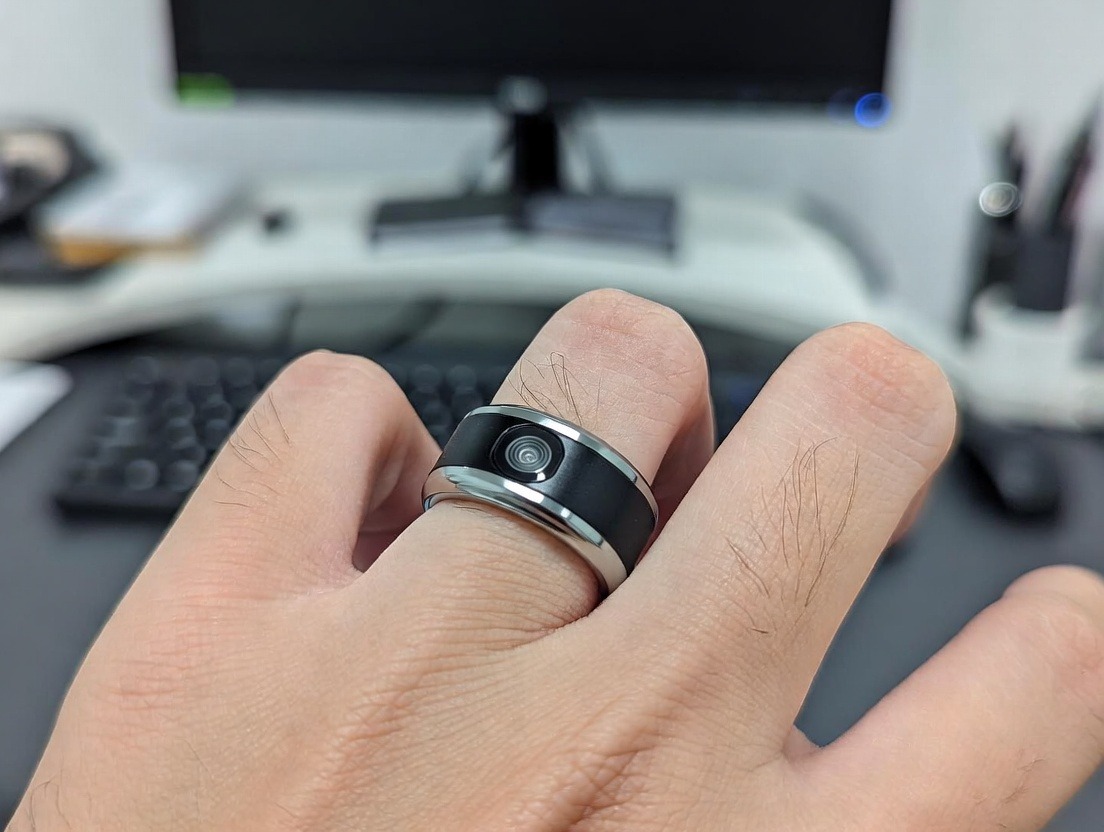
You might be familiar with fitness trackers that count steps or smartwatches that ping you with notifications. A biometric smart ring is something different entirely. It is a dedicated, minimalist wellness monitor designed for one primary purpose: to gather the most intimate and accurate physiological data possible, 24/7, with minimal intrusion. By sitting on a finger—a vascular-rich part of your body—it has prime access to key metrics that are windows into your autonomic nervous system (ANS), the unconscious control center for your stress response.
At its core, stress is a physiological event. When your brain perceives a threat (be it a looming deadline, a difficult conversation, or a sudden loud noise), it triggers your sympathetic nervous system (the "fight-or-flight" system). This releases a cascade of hormones like cortisol and adrenaline, which cause very specific, measurable changes in your body. A biometric ring tracks these changes through several key sensors:
Photoplethysmography (PPG) Sensors: These tiny LEDs shine light into the capillaries in your finger. By measuring how light absorption changes with each pulse of blood, the ring can detect your heart rate and, more importantly, your Heart Rate Variability (HRV). HRV is the microscopic variation in time between each heartbeat. It’s a critical biomarker: high HRV generally indicates a resilient, adaptable nervous system (you can ramp up for a challenge and then recover quickly), while low HRV suggests a stressed, fatigued, or overwhelmed system stuck in a tense state.
Skin Temperature Sensors: Your peripheral body temperature is tightly regulated by your ANS. During the deep, restorative stages of sleep, your body’s core temperature drops, and blood flows to the extremities to release heat—a sign of healthy recovery. Chronic stress or illness can disrupt this cycle, leading to elevated nighttime skin temperature. The ring tracks this subtle thermal rhythm.
A 3D Accelerometer: This measures your movement. It’s crucial for distinguishing between rest and activity, and for analyzing sleep stages (deep, light, REM, awake) with remarkable accuracy. Poor sleep is both a cause and a consequence of stress, creating a vicious cycle.
So, how does this translate to measuring stress? The magic is in the algorithm. The ring’s software doesn’t look at one metric in isolation. It synthesizes HRV, skin temperature, resting heart rate, and sleep data into a cohesive picture. For instance, a night where you have elevated skin temperature, low HRV, and fragmented sleep paints a clear picture of physiological stress, even if you subjectively slept “okay.” During the day, the ring can detect acute stress events through sudden spikes in heart rate and drops in HRV that aren’t correlated with physical exertion.
This objective data is your superpower. It removes the blindfold. You’re no longer saying, “I think I’m stressed.” You’re able to see: “My recovery score dropped 30% last night, and my HRV dipped sharply during that 11 AM meeting.” This transforms stress from a fuzzy feeling into a tangible, manageable variable in the equation of your health.
Why Traditional Stress Management Often Fails (And How Data Changes the Game)
For decades, the standard advice for stress has been well-intentioned but often frustratingly generic. “Just meditate.” “Get more sleep.” “Exercise regularly.” “Eat well.” While these are pillars of health, the “one-size-fits-all” approach has a fundamental flaw: it ignores individual biological variability and lacks a feedback loop. You’re left guessing in the dark.
Why the Old Model Breaks Down:
The Perception Gap: We are notoriously bad at self-assessing our stress and recovery. You might feel “fine” after five hours of sleep and three cups of coffee, but your physiology is screaming. Conversely, you might feel sluggish on a day your body is actually primed for high performance. Relying on feeling alone is like driving a car with a blindfold on, using only the sound of the engine to navigate.
The Motivation Problem: It’s hard to stay motivated to meditate, for example, when you can’t see its direct, tangible impact. Without data, it’s a faith-based practice. Life gets busy, and these “soft” practices are often the first to be abandoned.
Misattribution of Cause and Effect: Was your bad mood because of work, a food intolerance, a poor night’s sleep, or an underlying illness? Without data, you’re playing a guessing game. You might blame your job for constant fatigue when the ring data reveals your sleep is consistently disturbed by elevated nighttime temperatures—pointing you toward environmental or dietary fixes.
The “Wrong Solution” Trap: Not all stress is equal, and not all solutions work for everyone. High-intensity exercise might be the perfect stress reliever for one person, but for someone with a depleted nervous system (indicated by chronically low HRV), it could be an additional stressor, pushing them deeper into burnout. Without data, you can’t personalize your toolkit.
How Ring Biometrics Flips the Script:
This is where continuous biometric data acts as a revolutionary bridge between intention and effective action. It creates a closed-loop system for managing your nervous system.
From Generic to Personalized: The data tells your story. It shows you which days you are truly recovered and resilient versus which days you are running on fumes and need to prioritize rest. It allows you to experiment and see what actually works for you. Does a 20-minute walk lower your resting heart rate more than 10 minutes of meditation? Your data will show you.
From Delayed to Immediate Feedback: The feedback is no longer delayed (e.g., getting sick after months of burnout). It’s immediate and objective. After a breathing exercise, you can see your heart rate dip and your HRV begin to rise in real-time. This positive reinforcement builds powerful, sustainable habits. You’re not just being told it works; you’re seeing it work in your own body.
From Reactive to Proactive Management: Instead of waiting for a panic attack or insomnia to strike, you can see the warning signs building over days. A trend of declining HRV and rising resting heart rate is a clear signal to carve out time for recovery before you crash. You move from putting out fires to preventing them.
This data-driven approach transforms you from a passenger to the pilot of your wellbeing. It provides the missing link between knowing what’s good for you and actually implementing it in a way that delivers undeniable, measurable results.
Your Body’s Secret Language: Decoding HRV, Sleep, and Temperature
To become fluent in managing your stress, you must first learn to interpret the core signals your body is constantly sending. Think of HRV, sleep data, and skin temperature as the primary words in your body’s vocabulary of well-being. Let’s decode each one.
Heart Rate Variability (HRV): The Gold Standard of Recovery
If you remember only one metric from this guide, let it be HRV. It is the single most insightful biomarker your ring provides for nervous system health.
What it is: The variation in milliseconds between consecutive heartbeats. It’s not about your average heart rate (e.g., 60 BPM), but the subtle differences in timing (e.g., 855 ms, 902 ms, 798 ms between beats).
What it means: Your heart isn’t a metronome. A healthy heart is constantly receiving signals from your brain via the vagus nerve—part of the parasympathetic (“rest-and-digest”) system—to speed up or slow down slightly in response to your breathing, thoughts, and environment. High HRV indicates strong vagal tone and a nervous system that is adaptable, resilient, and recovered. It can handle stress and then return to baseline efficiently. Low HRV suggests your sympathetic (“fight-or-flight”) system is dominant. Your body is stuck in a state of high alert, fatigue, or inflammation. It’s a key predictor of burnout if sustained.
How to use it: Don’t focus on the absolute number daily. Focus on the trend. Look at your weekly average. Is it going up or down? A rising trend is fantastic. A sharp, single-day drop might point to a specific stressful event, poor sleep, or illness. A sustained downward trend is a bright red flag to prioritize rest, relaxation, and healthy habits. It’s your most honest daily “readiness” score.
Sleep: The Non-Negotiable Foundation of Stress Resilience
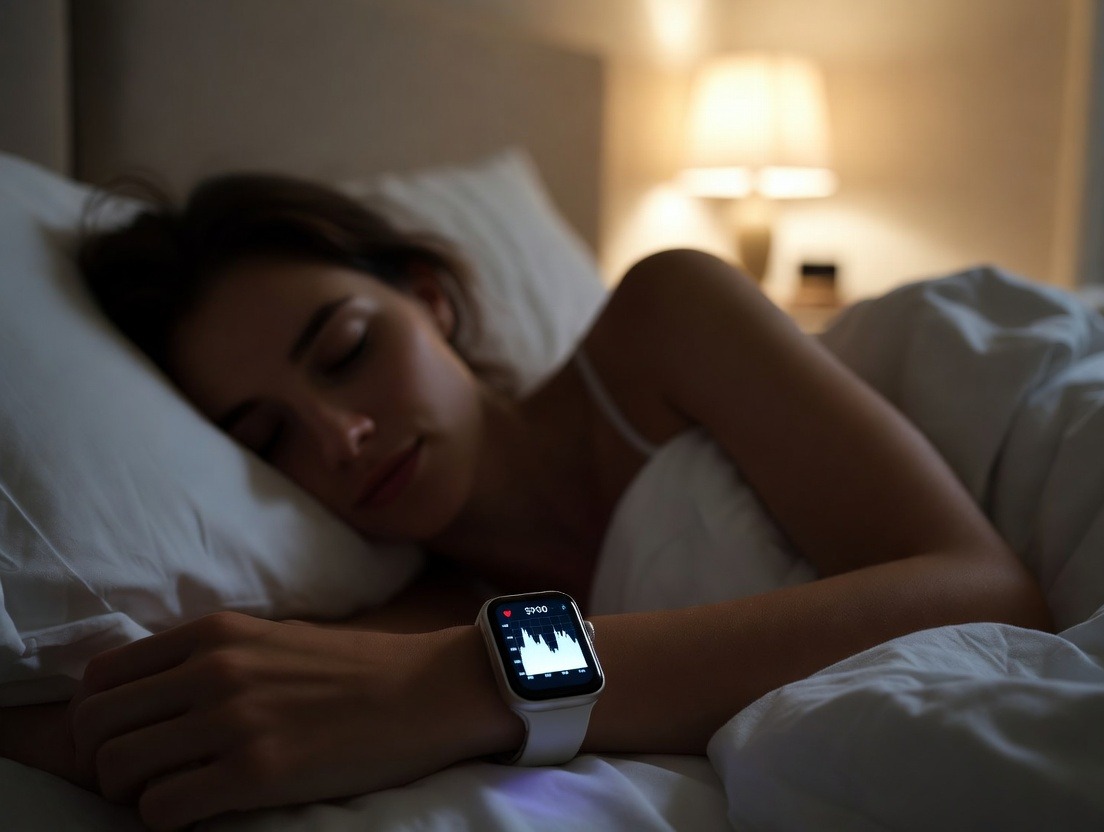
Sleep is not downtime; it is critical, active maintenance for your brain and body. Your ring provides a detailed sleep stage analysis far beyond simple duration.
Deep Sleep (Slow-Wave Sleep): This is physical restoration time. Growth hormone is released, tissues are repaired, and the immune system is strengthened. Chronic stress directly steals deep sleep. If your ring shows low deep sleep, it’s a direct sign your body isn’t getting the repair it needs.
REM Sleep: This is mental and emotional restoration. Your brain processes memories, emotions, and learning. Lack of REM can leave you emotionally fragile, anxious, and forgetful.
Sleep Latency & Restfulness: How long it takes you to fall asleep and how many times you wake up are direct reflections of a calm or active mind. Persistent issues here are often linked to ruminative thoughts—a hallmark of psychological stress.
The Connection: A night of poor, fragmented sleep will almost certainly result in a lower HRV and higher resting heart rate the next day, priming you for a more reactive stress response. Optimizing your sleep is the most powerful lever you can pull for stress management. For those struggling, exploring targeted strategies like the nighttime wellness routine that changed my sleep forever can provide a structured starting point.
Skin Temperature: The Subtle Rhythm of Your Metabolism
Your nighttime skin temperature is a beautifully sensitive metric.
What it shows: As you fall asleep and enter deep sleep, your core body temperature drops, and blood flow increases to your hands and feet to dissipate heat. Your ring tracks this natural dip. A healthy, predictable downward curve at night is a sign of robust circadian rhythm and good recovery.
The Stress/Illness Signal: When you are fighting off an infection, experiencing high inflammation, or are under significant stress, this pattern is disrupted. Your body may maintain a higher temperature throughout the night as it works overtime. Seeing elevated nighttime skin temperature for several nights in a row—especially before other symptoms appear—can be an early warning sign to slow down. It can also reveal how your environment affects you; a room that’s too warm can blunt this vital cooling process.
By learning to read these three interwoven signals, you stop seeing isolated data points and start seeing a narrative. A narrative of recovery, of strain, of resilience being built or depleted. This is the foundational knowledge that makes every strategy that follows not a shot in the dark, but a targeted intervention.
Setting Up Your Ring for Stress Insights: A Step-by-Step Walkthrough
Now that you understand the why, let’s get into the how. Proper setup is crucial for turning your ring from a piece of tech into a trusted advisor. This process is about more than charging and syncing; it’s about establishing a baseline and personalizing your dashboard for stress intelligence.
Step 1: The Fit is Everything Your ring must be snug but comfortable. It should not spin easily on your finger, especially during sleep when your fingers may contract slightly. Most companies provide a sizing kit—use it diligently. A poor fit leads to inaccurate PPG readings, which corrupts your HRV and heart rate data. Choose the finger recommended by the manufacturer, typically the index, middle, or ring finger.
Step 2: App Integration and Baseline Period Download the companion app and pair your ring. The most important instruction here is: Do nothing. Or rather, do your normal routine. For the first 7-14 days, wear the ring continuously (removing it only to charge, which should be quick and done during a sedentary period). The goal is to establish your personal baseline. The app needs to learn what “normal” looks like for you. What’s your typical HRV range? What’s your usual sleep pattern? This baseline period is critical; all future insights (“You’re more stressed than usual”) are measured against this unique starting point.
Step 3: Configuring Your Stress & Recovery Dashboard Navigate through the app settings. Here’s what to look for and prioritize:
Enable All-Day Stress/Recovery Monitoring: Turn on the features that provide periodic “readiness” or “stress” scores throughout the day. This turns your ring into an in-the-moment awareness tool.
Set Your Priorities: In the app’s goal or focus settings, prioritize Recovery and Sleep over pure activity goals. You want the app’s nudges and summaries to align with your stress-management mission.
Notification Settings: This is key. Disable non-essential pings that could cause stress. Enable gentle, helpful notifications, such as:
Recovery reminders: “Your readiness score is low today. Consider a lighter workout.”
Sleep window alerts: “Based on your schedule, aim to start winding down by 10 PM.”
Stress nudges: “You’ve had an elevated heart rate for 10 minutes while sedentary. Try a 1-minute breathing exercise?”
Step 4: The Daily and Weekly Review Ritual Setup isn’t a one-time event. Create a ritual for reviewing your data.
Morning Review (2 minutes): Before checking email or social media, open your app. Look at your sleep score and overnight recovery score (often a composite of HRV, sleep, and temperature). Don’t judge, just observe. Let this data inform the tone of your day. A low score isn’t bad—it’s valuable information telling you to be kind to yourself.
Weekly Reflection (10 minutes): Once a week, look at the trends. Use the app’s weekly report feature. Ask yourself:
What was my highest HRV/recovery day? What did I do differently the day before?
What was my lowest sleep score? Can I link it to a specific event, meal, or late screen time?
Is my skin temperature trend stable?
This setup process transforms the device from a black box of numbers into a clear, personalized mirror reflecting your physiological state. The goal is not to become obsessed with every blip, but to build a holistic awareness that guides your daily choices with confidence.
Establishing Your Personal Stress Baseline: What Does "Normal" Look Like for YOU?
The single most important concept in personalized health is this: There is no universal "good" number. A "high" HRV for one person might be a "low" HRV for another. This is why the baseline period is sacred. You are not competing with anyone in the app’s community or with idealized averages. You are discovering your normal range, which becomes the crucial reference point for all future detection of imbalance.
How to Interpret Your Baseline Data (After 7-14 Days):
Find Your HRV Range: Note the average HRV your app reports for the baseline period. Let’s say it’s 45 milliseconds. Now, look at the daily fluctuations. You might see it range from 38 on a poor recovery day to 55 on a great day. Your personal range is ~38-55 ms. This is your gold standard. Going forward, a day where you score a 35 is a significant deviation for you, signaling notable stress or poor recovery, even if 35 is "normal" for someone else.
Map Your Sleep Architecture: What’s your typical sleep duration? Not the ideal you wish for, but what you actually get. What’s your average deep sleep percentage? For most adults, 13-23% of total sleep is a common range for deep sleep. If your baseline shows you consistently get 15%, that’s your benchmark. A night where you only get 10% is a meaningful drop that needs attention.
Understand Your Temperature Rhythm: Observe the graph. Does your skin temperature reliably drop after you fall asleep and then rise toward morning? What is the average low point? Get familiar with your own curve. This makes it easy to spot the nights where the line stays flat and elevated.
Note Your Resting Heart Rate (RHR) Trend: RHR typically dips at night. Your baseline will show your average sleeping RHR. A consistently elevated RHR over your baseline is another strong indicator of systemic stress or lack of recovery.
Why This is Empowering: Establishing your baseline eliminates comparison anxiety. You are building a self-referenced system. The data is now meaningful only in the context of you. This allows you to move past unhelpful questions like “Is my HRV good?” to powerful, actionable questions like:
“Why was my HRV 20% higher than my baseline on Wednesday?”
“What caused my RHR to be 5 BPM above my average all last night?”
“My deep sleep was 50% lower than usual. Did my evening routine change?”
This personal frame of reference turns data into true insight. It allows you to become a detective of your own well-being, looking for clues and correlations that are unique to your life, your body, and your stress triggers. It’s the essential first step in moving from passive tracking to active management. For those living in smaller homes, creating a conducive environment for this wind-down period is key, which is why exploring guides on how to create a nighttime routine in a small space can be incredibly beneficial for establishing this foundational habit.
The Daytime Stress Dashboard: Using Real-Time Data for In-the-Moment Calm
Your smart ring isn’t just a sleep tracker. Its most potent function for beginners might be its ability to act as a real-time stress radar during your waking hours. This transforms it from a historical diary into an active intervention tool. Learning to use this dashboard is like having a compassionate, objective friend tap you on the shoulder and say, “Hey, your body is showing signs of tension. Would you like to do something about that?”
How Real-Time Stress Detection Works: Throughout the day, especially during periods of inactivity, your ring’s sensors are quietly taking readings. Sophisticated algorithms analyze your heart rate and, crucially, the pattern of your HRV. When it detects a pattern consistent with a sympathetic nervous system surge—like a sudden, sustained heart rate increase without movement, paired with a drop in HRV—it can log this as a potential “stress event.” Some devices may provide a continuous “stress level” score on a scale.
How to Use This Feature Proactively:
Acknowledge, Don’t Ignore: When you get a nudge or check your app and see an elevated stress reading, your first step is simple acknowledgment. Say to yourself, “Interesting. My body is showing a stress response.” This alone creates a powerful moment of mindfulness, inserting a pause between stimulus and reaction.
The 60-Second Body Scan: Place your hand on your chest or belly. Are you breathing shallowly from your chest? Is your jaw clenched? Are your shoulders up by your ears? The data has alerted you; now use your own senses to locate the physical manifestation of the stress.
Deploy a Micro-Intervention: This is where the magic happens. You have a tiny window to reset your nervous system. Don’t overcomplicate it. Choose one ultra-brief technique:
The Physiological Sigh: Popularized by Dr. Andrew Huberman, this is a double-inhale through the nose (filling the lungs completely), followed by a long, slow exhale through the mouth. Do this 2-3 times. It’s one of the fastest ways to reduce arousal.
Box Breathing: Inhale for 4 counts, hold for 4, exhale for 4, hold for 4. Repeat for 60 seconds.
Sensory Grounding: Look around and name 5 things you can see, 4 things you can feel, 3 things you can hear, 2 things you can smell, and 1 thing you can taste.
Watch the Feedback Loop: After your micro-intervention, glance back at your ring’s live data or take a moment to feel the shift. Did your heart rate come down? Do you feel a slight release in your shoulders? This immediate feedback is incredibly reinforcing. It proves you have agency over your state.
Turning Insights into Patterns: At the end of the day or week, review your daytime stress events. Are they clustered around certain times (e.g., late afternoon slump)? Are they tied to specific contexts (checking email, certain meetings, scrolling social media)? This pattern recognition allows you to move from in-the-moment fixes to strategic prevention. If you always see a spike at 3 PM, you can proactively schedule a 5-minute walk or breathing session at 2:45 PM.
The daytime dashboard demystifies stress. It takes it out of the realm of vague emotion and puts it on a measurable scale, giving you both the warning and the tools to address it immediately. This builds not just calm, but profound self-efficacy.
The Nighttime Recovery Engine: How to Optimize Sleep for Maximum Resilience
If daytime management is about putting out small fires, optimizing your sleep is about building a fireproof foundation. Sleep is the primary time your body repairs, your brain cleanses itself of metabolic waste, and your nervous system resets. Your ring provides the ultimate audit of this process. Here’s how to use that data not just to track sleep, but to systematically engineer it for maximum stress resilience.
Step 1: Diagnose with Your Sleep Score Your app’s sleep score is a composite of duration, quality (restfulness), and architecture (balance of deep/REM sleep). Start here.
Low Duration: You simply need more time in bed. This is often a scheduling and priority issue.
Low Restfulness (High Awake Time): This points to fragmentation. Common culprits are: an inconsistent sleep schedule, alcohol consumption (which disrupts sleep later in the night), a room that’s too warm, or untreated sleep apnea (if snoring is an issue, consult a doctor).
Low Deep Sleep: Your body isn’t getting physical repair. This is strongly linked to stress, but also to late, heavy meals, exercising too close to bedtime, and lack of physical activity during the day.
Low REM Sleep: Your brain isn’t processing emotions and memories. This is often robbed by alcohol, some medications, and going to bed very late (the majority of REM occurs in the latter half of the night).
Step 2: Build a Data-Informed Wind-Down Routine Your body needs a signal that it’s safe to shift from sympathetic to parasympathetic dominance. A haphazard approach won’t cut it. Use your ring data to test what works.
The 90-Minute Pre-Bed Buffer: Start your wind-down 90 minutes before your target sleep time. Your ring’s sleep latency metric (time to fall asleep) will tell you if this is sufficient.
The Light Lever: Light is the most powerful regulator of your circadian rhythm. Dim overhead lights and use lamps. Implement a strict “no screens” rule 60 minutes before bed, or use blue light-blocking glasses. If you must use technology, understanding what to use and avoid is critical for protecting your sleep biology.
The Temperature Drop: Remember your skin temperature data? You can facilitate the natural dip. A cool bedroom (65-68°F or 18-20°C) is non-negotiable. Consider a warm bath or shower 60-90 minutes before bed; as you exit, your body sheds heat, mimicking the natural temperature drop and signaling sleep readiness. For those who naturally sleep hot, specialized strategies can make all the difference, as outlined in the nighttime wellness routine for hot sleepers.
Calm the Mind: This is where gentle practices like reading (a physical book), light stretching, or a short gratitude journaling session come in. The goal is to stop the “mental doing.”
Step 3: Post-Sleep Analysis and Iteration Each morning, briefly note what you did differently the night before. Did you have a later dinner? Did you try a new meditation? Then, correlate it with your sleep score and HRV. Over time, you will build a personalized list of “sleep promoters” and “sleep thieves.”
This iterative process—test, measure, adjust—is how you build a sleep routine that is uniquely powerful for you. It turns the abstract goal of “better sleep” into an engineering project with clear inputs and measurable outputs. The result is waking up with a higher recovery score, which sets the tone for an entire day of improved stress resilience.
Connecting the Dots: Lifestyle Logging and Identifying Your Unique Stress Triggers
Data from your ring tells you the “what” and “when” of your stress response. To understand the “why,” you need context. This is where lifestyle logging becomes the indispensable partner to biometric tracking. By combining the objective “story from your body” with the subjective “story from your day,” you unlock the power to identify your unique, personal stress triggers.
What to Log (Keep it Simple): You don’t need a detailed journal. Focus on key variables that are known to impact physiology. A simple notes app or the journal feature in your ring’s app is perfect. Track:
Nutrition: Not every calorie, but notable items. Heavy meal within 3 hours of bed? Alcohol consumption? Excessive caffeine (especially after 2 PM)? High-sugar snack?
Exercise: Type, duration, and intensity. Was it a gentle yoga session or a high-intensity interval training (HIIT) workout?
Notable Events: Both positive and negative. Big work presentation, difficult conversation, exciting social event, family conflict.
Energy & Mood: A simple 1-5 scale at midday and evening for energy and mood.
Medication/Supplements: Started a new supplement? Taken an over-the-counter medicine?
The Weekly Detective Session: Once a week, sit down with your ring’s weekly data summary and your lifestyle log. Look for correlations. Ask these questions:
The Day-After Effect: Look at your highest recovery/HRV days. What did you do the day before? Was it a rest day? Did you have an early, light dinner? Did you have a particularly relaxing evening? These are your recovery promoters.
The Crash Correlation: Look at your lowest recovery scores. Now, check your log for the 24-48 hours prior.
Sleep Link: Did you get poor sleep the night before? (This is often the most direct cause).
Social/Work Link: Was there a major stressful event? Sometimes the physiological impact peaks the day after the event.
Nutrition Link: Did you consume alcohol? Alcohol notoriously increases resting heart rate, elevates skin temperature, and decimates deep sleep. A heavy, late meal can also disrupt sleep and recovery.
Exercise Link: Was your workout exceptionally intense? For some, a very hard training day shows up as a stressor (lower HRV) the next morning, which is normal. But if it doesn’t bounce back in a day or two, it might be a sign of overtraining.
Example of a Powerful Insight:
Data: Your HRV is consistently 15% lower and your resting heart rate is 8 BPM higher on Wednesday mornings compared to other weekdays.
Log Check: You see that every Tuesday night, you have a late dinner after your evening class and often have a glass of wine to unwind.
Hypothesis: The combination of late food + alcohol is disrupting your sleep and inhibiting recovery.
Experiment: For two weeks, try having a lighter dinner before your class on Tuesday and skip the wine. Replace it with herbal tea.
Result: Check your Wednesday morning HRV and RHR. Did they improve? If yes, you’ve identified a major, specific trigger and its solution.
This process of correlation turns anonymous data into personal wisdom. It moves you from feeling like stress happens to you, to understanding it is a reaction from you to specific, identifiable inputs. This knowledge is the bedrock of true stress management.
Breathing and Meditation: Using Biofeedback to Master Your Nervous System
We’ve all been told to “just breathe” when stressed. But for many, it feels ineffective. The missing component is biofeedback—the ability to see the immediate physiological impact of your breath. This is where your ring acts as the ultimate training wheel, transforming abstract breathing exercises into a powerful, measurable skill for hacking your autonomic nervous system.
The Science of Breath as a Lever: Breathing is unique; it’s an automatic function you can also consciously control. By changing your breathing pattern, you directly send signals to your brain via the vagus nerve. Slow, deep, rhythmic breathing stimulates the parasympathetic (“rest-and-digest”) system, lowering heart rate and blood pressure, and increasing HRV.
The Biofeedback Protocol for Beginners:
Set the Scene: Find a quiet place to sit for just 5 minutes. Open your ring’s app to a screen showing your live heart rate.
Observe Baseline (1 minute): Breathe normally. Just watch your heart rate on the screen. Notice its rhythm and approximate number.
The Intervention (3 minutes): Begin a simple breathing pattern. The easiest is 4-7-8 breathing: Inhale gently through your nose for a count of 4, hold your breath for a count of 7, exhale slowly through your mouth (making a whoosh sound) for a count of 8. Repeat this cycle. Keep your eyes on your heart rate.
Watch the Magic Happen: Within 30 seconds to a minute, you will almost certainly see your heart rate begin to drop on the screen. This is biofeedback. You are receiving visual, real-time proof that your conscious action is directly altering your physiology. This is profoundly motivating.
Return and Reflect (1 minute): Return to normal breathing. Note your final heart rate and how you feel.
From Exercise to Embedded Habit: Once you’ve experienced this connection, you can scale it.
Use Your Daytime Stress Alerts: When your ring nudges you about elevated stress, let that be your cue to do a single 60-second round of 4-7-8 breathing. Check the app afterward to see the drop.
Pre-emptive Strikes: Before a known stressful event (a meeting, a difficult call), do 2 minutes of this breathing. You are proactively calming your nervous system.
The Bedtime Anchor: Use a 5-minute breathing session as the cornerstone of your wind-down routine. It will help lower your pre-sleep heart rate, making sleep latency shorter.
Meditation with Metrics: The same principle applies to meditation. Struggling to “clear your mind” can itself be stressful. Instead, frame meditation as “HRV training.” Your goal is simply to sit quietly and breathe, using your breath to gently guide your HRV upward. A morning meditation session, tracked by seeing a rise in your HRV during it, provides concrete evidence of its benefit, making you more likely to stick with it.
By pairing these ancient practices with modern biofeedback, you demystify them. They are no longer spiritual concepts but practical, physiological tools with undeniable, observable results. Your ring provides the evidence that builds the habit.
Movement and Exercise: Finding the Sweet Spot Between Stress and Strain
Exercise is a double-edged sword for stress. At its best, it is a potent stress-reliever, boosting mood, improving sleep, and building physiological resilience. At its worst, it can be an additional, chronic stressor that pushes you toward overtraining and burnout. The key is finding your personal sweet spot—the right type, intensity, and volume of movement that your body can recover from and be strengthened by. Your biometric data is the perfect guide for this.
How to Use Your Data to Guide Movement:
Let Your Morning Readiness Score Be Your Coach: This is the most important rule. Before you decide on your workout, check your overnight recovery score and HRV.
High Readiness/High HRV: This is a green light. Your body is recovered and resilient. This is the day for more challenging, higher-intensity work if that’s part of your plan. You’ll likely perform well and recover efficiently.
Low Readiness/Low HRV: This is a yellow or red light. Your body is signaling it’s already stressed and hasn’t fully recovered. Ignoring this and pushing through with intense exercise is like whipping a tired horse—it leads to breakdown. On these days, actively choose recovery: gentle movement like walking, restorative yoga, or simple stretching. Or take a complete rest day. The goal is to add to your recovery, not detract from it.
Track the Impact, Not Just the Output: After a workout, don’t just look at calories burned or miles run. Look at the physiological impact over the next 24 hours.
Positive Adaptation: A hard workout may cause a slight dip in HRV the same night, but it should rebound to baseline or higher within 1-2 days. This is a sign of good adaptation—you stressed the system healthily, and it grew stronger.
Negative Strain: If your HRV stays depressed for multiple days after a workout, your resting heart rate remains elevated, and your sleep suffers, it’s a clear sign the workout was too much for your current state. You need to dial back the intensity or volume.
Discover Your Personal “Recovery Activities”: Use your data to identify which forms of movement truly help you recover. For one person, a slow jog might be restorative. For another, it might be taxing. Experiment and see.
Test a Walk: After a day of high mental stress, go for a 30-minute nature walk. Check your stress levels in the app before and after. Does it drop?
Test Yoga or Stretching: Do a gentle session in the evening. How does it affect your sleep latency and deep sleep that night?
Avoiding the "All-or-Nothing" Trap: For beginners, the greatest stress around exercise is often the pressure of a rigid routine. Your biometric feedback encourages a flexible, intuitive approach. Some days you’ll crush it. Some days a walk is a massive victory for your nervous system. Both are correct. This data-driven flexibility reduces the psychological stress of “missing a workout” and aligns your physical activity with your body’s true needs, creating a sustainable, positive relationship with movement that genuinely manages stress rather than contributing to it.
Nutrition and Hydration: The Silent Drivers of Your Stress Metrics
You’ve likely felt the jittery aftermath of too much coffee or the sluggish fog from a heavy meal. But the connection between what you consume and your physiological stress levels runs far deeper than these obvious sensations. Food and drink are fundamental inputs that directly influence your heart rate variability, sleep architecture, and skin temperature. By using your ring’s data, you can move beyond blanket diet rules and discover the specific nutritional patterns that either fuel resilience or fuel stress in your body.
The Direct Biometric Links:
Blood Sugar Swings: Consuming a meal high in refined carbohydrates and sugar causes a rapid spike in blood glucose, followed by a compensatory release of insulin, which can lead to a sharp drop (a "crash"). This rollercoaster triggers a stress response, releasing cortisol and adrenaline to mobilize energy. On your biometrics, this can manifest as an elevated resting heart rate and a decreased HRV for hours after eating.
Inflammation: Highly processed foods, excess sugar, and certain fats can promote systemic inflammation. Inflammation is a physiological stressor that your body must manage, often reflected in elevated nighttime skin temperature and reduced HRV.
Digestive Load: A large, rich, or late meal forces your body to divert energy to digestion during a time it should be winding down. This can raise core body temperature, disrupt the natural nighttime temperature drop, and fragment sleep—leading to a poor recovery score.
Caffeine and Alcohol: The Archetypal Stressors:
Caffeine blocks adenosine (a sleep-promoting neurotransmitter) and stimulates cortisol release. Even if you don’t feel jittery, afternoon or evening caffeine can significantly reduce deep sleep and increase sleep latency, clearly visible in your sleep stage data.
Alcohol is a sedative, not a sleep aid. It suppresses REM sleep (the emotionally restorative phase), increases nighttime awakenings (as it wears off), and causes dehydration and inflammation. Its impact is unmistakable: a night of drinking almost always shows as elevated resting heart rate, high nighttime temperature, and a cratered HRV the next morning.
Conducting Your Own Nutrition Experiments:
The goal is not to create a restrictive diet but to become a curious scientist of your own body. Use your recovery score as the primary outcome measure.
The Hydration Baseline: Before changing food, ensure you’re consistently hydrated. Even mild dehydration increases cortisol. Aim for adequate water intake and note if days of good hydration correlate with better HRV.
The Meal Timing Test: For one week, make a concerted effort to finish your last meal or sizable snack at least 3 hours before bedtime. Log this in your notes. Compare the sleep and recovery scores on those nights to nights where you ate later. The data often reveals a dramatic improvement in sleep restfulness and morning HRV with an earlier cutoff.
The "Clean" vs. "Processed" Comparison: On two different days with similar activity and stress loads, consciously choose different lunches. One day, have a meal centered on lean protein, healthy fats, and high-fiber vegetables (e.g., grilled chicken salad with avocado). Another day, have a more processed option (e.g., a fast-food sandwich, fries, and soda). Don’t judge—just observe. Check your afternoon stress levels and your overnight recovery. The differences can be startling and highly motivating.
The Caffeine Cutoff Experiment: If you consume caffeine, establish a strict cutoff time (e.g., 2 PM). Adhere to it for a week. Review your sleep latency (time to fall asleep) and deep sleep percentages. For many, this single change creates the most immediate and positive shift in sleep data.
Creating a Stress-Resilient Eating Pattern: Based on your experiments, you can build simple, supportive habits:
Prioritize Protein & Fiber at Breakfast: Stabilizes blood sugar for the day, preventing mid-morning stress spikes.
Embrace Omega-3s: Found in fatty fish, walnuts, and flaxseeds, these fats are known to support healthy HRV and reduce inflammation.
Mind Your Magnesium: This mineral is crucial for nervous system relaxation and sleep. Dark leafy greens, nuts, seeds, and avocados are great sources. If you struggle with sleep, ensuring adequate magnesium intake is a foundational step, much like establishing a routine that reduces next-day anxiety.
By linking your dietary choices directly to your biometric outcomes, you gain a powerful, objective motivator. That piece of cake isn’t just “bad”; you now know it might cost you 10 points on your recovery score and an hour of deep sleep. This tangible feedback makes choosing nourishing foods an act of self-care with immediate, visible rewards.
The Digital Environment: Managing Screen Time, Notifications, and Information Overload
Our digital world is a constant, low-grade source of cognitive and emotional stress that our physiology registers with remarkable fidelity. The endless scroll, the ping of notifications, the blue light after sunset—all these inputs are processed by your nervous system, often as threats or demands, keeping your sympathetic system subtly engaged. Your ring can help you map the physiological cost of your digital habits and design a more serene information diet.
How Digital Stress Shows Up in Your Data:
The Pre-Sleep Scroll: Using phones, tablets, or laptops in the hour before bed exposes you to bright blue light, which suppresses melatonin production, delaying sleep onset. This directly lengthens your sleep latency metric. Furthermore, engaging with stimulating or anxiety-producing content (work emails, news, social media arguments) activates your mind, raising heart rate and lowering HRV, making it harder to transition into restful sleep. This often shows as increased awake time during the first part of your sleep cycle.
The Notification Spike: A sudden, unexpected notification—even a positive one—can trigger a micro-stress response: a quickening of the heart, a release of adrenaline. If you receive many notifications while sedentary, your daytime stress graph may show a series of small, sharp peaks corresponding to these digital interruptions.
The Doomscroll Effect: Passively consuming a stream of negative or overwhelming news and social media content can induce a state of helplessness and anxiety. This chronic, low-grade emotional stress can manifest as a persistently elevated resting heart rate and a downward trend in your HRV over days or weeks.
Building a Biometric-Informed Digital Detox Plan:
Audit Your Notifications with Data: For one week, keep your phone’s notification settings as normal. Make a note of any periods where you see unexplained stress spikes on your ring’s daytime graph. Then, go through your phone and disable all non-essential notifications (social media, news apps, most emails). Allow only calls, texts from key people, and calendar alerts. For the next week, observe if those random stress spikes diminish. You are retraining your environment to respect your nervous system.
Create a Digital Sunset: This is one of the highest-impact changes you can make. Set a firm time 60-90 minutes before bed to put all screens away. Use this time for the wind-down activities you’ve identified as beneficial. To make this easier, explore nighttime routine essentials that support this transition. Track the effect on your sleep latency and deep sleep scores. The improvement is often immediate and dramatic.
Designate "Deep Work" and "Digital Breaks" Blocks: Use your ring’s stress-tracking ability during work. Turn on "Do Not Disturb" and commit to 60-90 minutes of focused work. Afterward, check your stress levels. Then, take a true 10-minute break away from all screens—look out a window, stretch, make tea. Do another work block and compare your stress data. You’ll likely find that focused sessions with screen-free breaks lead to lower cumulative stress than constantly checking messages amidst multitasking.
Curate Your Inputs: Just as you’d avoid foods that cause inflammation, avoid digital content that causes physiological agitation. If you notice your heart rate feels elevated after using certain apps or reading certain news sources, it’s a biometric sign to mute, unfollow, or limit that input.
The goal is not to abandon technology, but to use it intentionally. Your biometric data provides the hard evidence of its cost, allowing you to set boundaries that protect your most valuable resource: a calm and resilient nervous system. By managing your digital environment, you reclaim control over one of the most pervasive stressors of modern life.
Putting It All Together: Building Your Personalized 7-Day Stress Resilience Plan
You now have the knowledge: an understanding of key metrics, the ability to spot patterns, and a toolkit of strategies for sleep, breathing, movement, nutrition, and digital hygiene. The final step is to weave these threads into a coherent, living practice—a flexible plan that evolves with you. This is not a rigid, punitive schedule, but a framework for intentional living, guided by your own data.
Guiding Principle: Start Small and Stack Habits. Do not try to overhaul your entire life at once. You will overwhelm yourself and create more stress. The power of biometrics is that it allows you to see the benefit of tiny changes, which builds momentum.
Your 7-Day Introductory Plan:
Day 1: Measurement & Intention
Action: Wear your ring as usual. No changes yet. In the evening, spend 15 minutes reviewing your baseline trends from the past week. Set one gentle intention: “This week, I will use my data to learn.”
Data Focus: Simply observe your sleep score and morning readiness without judgment.
Day 2: The Breathing Anchor
Action: Today, you add one thing. Perform a 3-minute 4-7-8 breathing session (as outlined earlier) at a consistent time (e.g., right after lunch). Use your ring’s live heart rate as biofeedback.
Data Focus: Note your heart rate before and after the breathing. Did it drop? How do you feel?
Day 3: Digital Sunset Experiment
Action: Tonight, implement a 60-minute digital sunset before your target bedtime. No phones, tablets, or laptops. Read a book, listen to calming music, or tidy up gently.
Data Focus: Tomorrow morning, compare your sleep latency and sleep restfulness score to previous nights. This one habit is often transformative, and for those with non-traditional schedules, adapting it is key—as seen in guides for nighttime routines for shift workers.
Day 4: Nutritional Awareness
Action: No strict dieting. Simply move your last meal or snack to at least 3 hours before bed. Note what you eat in your log.
Data Focus: Check your nighttime skin temperature graph and deep sleep percentage. Is the temperature dip more pronounced? This simple change can significantly improve sleep quality.
Day 5: Movement Informed by Readiness
Action: Before you plan exercise, check your morning recovery score. Let it guide you. Green light = proceed with planned workout. Yellow/Red light = choose gentle movement (walk, stretch) or rest.
Data Focus: Observe how your body responds. If you worked out hard, note your HRV trend over the next 48 hours to see if you’re recovering well.
Day 6: The Weekly Detective Session
Action: Conduct your weekly correlation review. Lay out your ring’s weekly summary and your simple lifestyle log. Look for one clear insight (e.g., “Alcohol on Tuesday hurts Wednesday’s scores,” or “My best sleep follows days I walk in nature.”).
Data Focus: Celebrate discovering one personal promoter or trigger. This is a major win.
Day 7: Reflection and Iteration
Action: Look back at your week’s data holistically. Did your average HRV or sleep score improve from the previous week? Which new habit felt easiest and most rewarding? Choose ONE of the habits from the week to commit to for the following week. Let the others go for now or practice them informally.
Data Focus: Your overall weekly recovery trend. The goal is not perfection, but a slight upward tilt in your resilience metrics.
Making It Sustainable: This plan is a cycle, not a finale. Each week, you can keep your anchor habit and experiment with adding one more, always using your data as your guide. Some weeks will be better than others. Life happens. The power lies not in a flawless record, but in the ability to always return to the data—to your body’s objective truth—and course-correct with compassion and clarity. This is the beginning of a lifelong conversation with yourself, mediated by the gentle, insightful technology on your finger. You are no longer navigating in the fog. You have a map, a compass, and a deep understanding of the terrain of your own well-being.
Beyond the Basics: Advanced Recovery Techniques and When to Use Them
Once you've mastered the foundational habits of sleep hygiene, mindful breathing, and data-informed lifestyle choices, a new world of nuanced recovery opens up. Your ring's data will begin to show you subtler patterns and provide the confidence to experiment with more advanced techniques. These are not for every day, but for specific situations—when life delivers an exceptional stressor, when your data shows a stubborn slump, or when you're ready to optimize for peak performance.
1. HRV-Coherent Breathing for Deep Nervous System Reset You’ve practiced basic breathing for acute stress. HRV-coherent breathing takes it further by aligning your breath with your body’s natural resonance frequency (typically around 5-6 breaths per minute). This specific pace maximizes the synchronicity between your heart rate and breathing (a phenomenon called respiratory sinus arrhythmia), producing the largest possible boost in HRV and parasympathetic activation.
How to Do It: Use a free app like "My Cardiac Coherence" or "Breathing Zone" that provides a visual pacer set to 5.5 breaths per minute (5.5-second inhale, 5.5-second exhale). Practice for 10-20 minutes.
When Your Data Says to Use It: When you see a sustained, multi-day downward trend in your HRV that hasn’t responded to basic sleep and diet fixes. It’s also powerful before a high-stakes event to prime your nervous system for calm focus, or as a dedicated evening practice if you struggle with high pre-sleep heart rate. Track your HRV before and after a session to see the direct "resonant" effect.
2. Strategic Heat and Cold Exposure Deliberate temperature stress is a powerful hormetic tool—a small, controlled dose of stress that trains your body's resilience systems. Both heat and cold have profound effects on your biometrics.
Heat (Sauna/Hot Bath): Induces a deep, artificial "fever" and vasodilation, followed by a powerful cooling response. Consistent use is linked to improved cardiovascular function and deeper sleep. Your ring will show: A significant post-session drop in resting heart rate and an increase in HRV a few hours later, along with potentially improved deep sleep due to the enhanced cooling phase at night.
Cold (Cold Plunge/Shower): Triggers a massive sympathetic surge followed by a robust parasympathetic rebound. It reduces inflammation and trains nervous system flexibility. Your ring will show: A sharp heart rate spike during exposure, followed by a deep drop below baseline and a rise in HRV in the recovery period. It can significantly lower elevated skin temperature associated with inflammation.
When Your Data Says to Use It:
Use Heat on days you feel physically stiff or on evenings when you want to promote deep sleep (finish 60-90 minutes before bed). Avoid if your nighttime temp is already running high.
Use Cold in the morning for an energy boost and to "reset" a frazzled system, or after an intense workout to blunt inflammation (though research is mixed on this). Avoid cold close to bedtime, as the sympathetic surge can interfere with sleep onset.
3. Non-Sleep Deep Rest (NSDR) and Yoga Nidra Sometimes, your body needs deep rest but you can't sleep. NSDR protocols, like the 10-20 minute Yoga Nidra (guided "yogic sleep"), provide a state of conscious rest that yields physiological benefits similar to light sleep.
How to Do It: Find a guided Yoga Nidra session on YouTube or an app like Insight Timer. Simply lie down and follow the verbal instructions.
When Your Data Says to Use It: This is a secret weapon for low-recovery days. If your morning score is poor and you feel fatigued, a 20-minute NSDR session at midday can provide a cognitive and physical reset without disrupting nighttime sleep. It’s also perfect for jet lag, post-workout recovery, or when you’re running on limited sleep. Check your stress graph after a session; you'll often see a pronounced calm period.
4. Phasic Social Engagement for Vagus Nerve Stimulation The ventral vagal complex—the part of your parasympathetic system that governs connection and safety—is activated through positive social engagement: laughter, warm conversation, singing, even friendly eye contact.
How to Do It: Intentionally schedule connection. A long, laughter-filled dinner with friends, a heartfelt phone call with family, or joining a choir or group class.
When Your Data Says to Use It: When your stress feels isolating or when you're stuck in a "freeze" state of low energy and low mood. If your data shows chronic low HRV paired with low activity, social engagement might be the missing lever. Compare your recovery scores after a day of rich social connection versus a day of isolation. The data often validates the profound biological need for community, a principle reflected in how couples can share a nighttime wellness routine to build connection and better sleep.
These advanced techniques allow you to engage in a dialogue with your nervous system. You’re no longer just listening; you’re asking intelligent questions and interpreting sophisticated answers. By applying these methods at the right time, guided by your biometric feedback, you accelerate your journey from stress management to profound resilience building.
Navigating Setbacks: How to Interpret and Respond to "Bad Data" Without Panic
This is the most critical psychological skill in your data-driven journey. There will be mornings you wake up to a terrible recovery score, nights of inexplicably poor sleep, or weeks where your HRV trend line stubbornly dips despite your best efforts. In these moments, it's easy to fall into a spiral of frustration, treating the data as a judgment or a failure. The true mastery lies in learning to see "bad data" not as a setback, but as your most valuable source of information.
Reframing the "Bad Data" Mindset:
Your Ring is a Mirror, Not a Judge: The data does not measure your worth or willpower. It measures the state of a complex biological system influenced by countless visible and invisible factors. A low score is a signal, not a verdict.
Variability is the Norm, Not the Exception: A healthy system is not a flat line. It has peaks and valleys. The valleys are where adaptation and insight happen. If your scores were perfect every day, you’d learn nothing.
The "Why" is More Important Than the "What": The number itself is neutral. The power is in the detective work it prompts. A sudden drop is an invitation to curious inquiry, not self-criticism.
A Practical Framework for Responding to Low Scores:
Step 1: The Compassionate Pause When you see a poor score, take a deep breath. Literally. Say to yourself: "This is data. It's information about my body. Let's get curious."
Step 2: The 24-Hour Retrospective Inquiry Ask these questions about the preceding 24-48 hours:
Physical: Was I fighting off an illness (even subclinical)? Did I have a unusually intense workout? Did I travel or experience poor sleep two nights ago? (The impact of one bad night often shows most strongly the following night).
Nutritional: Was there alcohol, excessive sugar, a very late meal, or a food I might be sensitive to?
Emotional/Psychological: Was there a hidden stressor—a difficult conversation I'm ruminating on, an unresolved work problem, family tension?
Environmental: Was my sleep environment disrupted (noise, light, partner disturbance, room too hot)? Your ring’s temperature and restlessness data will provide clues here, and solutions can be found in resources like the nighttime routine for light sleepers and insomniacs.
Cyclical (For those who menstruate): Where am I in my cycle? It is completely normal for HRV to drop and resting heart rate to rise in the luteal phase (after ovulation). Tracking this can reveal your unique pattern and prevent misattributing cyclical changes to lifestyle failures.
Step 3: The Targeted, Gentle Response Based on your inquiry, choose a single, nurturing response—don't try to fix everything at once.
If the cause is unclear or multifactorial: Your response is radical acceptance and extra kindness. This is a day for guaranteed wins: prioritize hydration, eat nourishing foods, take a gentle walk, and maybe do an NSDR session. Lower your expectations for productivity.
If you suspect illness: Prioritize rest. Sleep is medicine. Your body is asking for resources to fight, not perform.
If it's linked to a specific event (e.g., hard training): This is likely positive stress! Trust the process. Your body is adapting. Support it with good nutrition and sleep, and watch for the "supercompensation" rebound in your scores in a day or two.
Step 4: The Longitudinal View Always zoom out. Look at your weekly and monthly trends. One red dot on a chart of green is an anomaly. A cluster of red dots is a pattern needing attention. The long view prevents you from overreacting to a single data point and helps you see the true impact of life changes, seasons, and long-term habit adoption.
By developing this non-reactive, investigative relationship with your data, you build psychological resilience alongside physiological resilience. The ring becomes a partner in your wellbeing, helping you navigate life's inevitable ups and downs with grace and intelligence, rather than fear.
The Long Game: Tracking Progress, Celebrating Wins, and Building Lifelong Resilience
The initial weeks with a biometric ring are often marked by exciting discoveries and rapid improvements as you implement low-hanging fruit. But the true transformation occurs in the "long game"—the months and years where this practice evolves from a novelty into an integrated part of your life philosophy. Here’s how to use your data to foster sustainable progress, maintain motivation, and build resilience that lasts a lifetime.
Shifting from Daily Scores to Macro-Trends: After 3-6 months, the daily number becomes less urgent. The real story is in the macro-trends.
Seasonal Patterns: You may notice your HRV is naturally higher in summer and lower in winter, or that your sleep changes with the seasons. This awareness allows you to adjust expectations and routines accordingly.
Lifestyle Change Validation: Starting a new job, moving, beginning a meditation practice, or changing your diet—these major life events will write their signature in your data. You can see, objectively, how they affect your nervous system over time, providing validation for positive choices or early warning on detrimental ones.
Aging Gracefully: Your baseline metrics will naturally change over years. Tracking this provides a clear, objective picture of your "healthspan." The goal shifts from hitting a specific HRV number to maintaining your personal optimal range for as long as possible.
Creating a "Win" Journal: Pair your quantitative data with qualitative notes on victories. Your app stores the numbers; you should store the stories.
Example Entry: "March 15: Faced a huge, unexpected work crisis. Saw my stress graph spike at 10 AM. Used my breathing protocol for 5 minutes and watched my HR climb down on the app. Managed the situation calmly. Sleep score was still 85 that night. This is proof the training works."
Why it Works: On days when the data feels discouraging, you can look back at this journal and see concrete evidence of your growing capability. It connects the abstract data to lived, powerful experiences.
The Cycle of Continuous Learning: Your long-term practice will settle into a gentle, iterative cycle:
Observe your baseline and trends.
Experiment with one small change (a new supplement, a different workout time, a wind-down ritual).
Measure the impact over 1-2 weeks.
Integrate what works and discard what doesn’t.
Return to Observe.
This turns wellness into a personal science project that never ends, fueled by curiosity rather than obligation. You might spend a season experimenting with nighttime wellness rituals from around the world to see how they affect your sleep architecture, or another season focusing on exercise timing.
Knowing When to Step Back: A crucial sign of mastery is the ability to not check your data. There will be days, or even vacations, where you intentionally leave the ring in its charger or ignore the app. You use the internal awareness the ring has helped you cultivate. This prevents data obsession and proves you've internalized the lessons. The tool has served its purpose; it has trained you to listen to the subtler signals of your own body.
The Ultimate Goal: Autonomy The end goal of this journey is not to be forever tethered to a device. It is to graduate to a state of informed intuition. Your ring trains you to recognize the feeling of high HRV (calm, focused, energetic) and low HRV (frayed, reactive, tired). It teaches you the tangible impact of your choices. Eventually, you make supportive choices not because the app tells you to, but because you know, in your body, how good it feels. The ring becomes a periodic check-in tool—a trusted advisor you consult during times of transition or challenge, rather than a constant monitor.
Building lifelong resilience is a marathon, not a sprint. By using your biometric data as a long-term compass rather than a daily scorecard, you cultivate a deep, enduring friendship with your own body, navigating the stresses of life with ever-increasing wisdom, grace, and strength. This is the promise of personalized biometrics fully realized: not just management, but mastery.



%402x.svg)