


The Complete Beginner-Friendly Guide to Using Your Smart Ring for Lifestyle Transformation
A comprehensive starter guide for using ring data as a tool for making positive lifestyle changes.
A comprehensive starter guide for using ring data as a tool for making positive lifestyle changes.
%402x.svg)
You’ve unboxed your sleek new smart ring, charged it, and synced it with the app. It feels futuristic and promising—a tiny, silent guardian on your finger, ready to unlock the secrets of your body. But now what? For many, that initial excitement quickly fades into a sea of confusing data charts, vague “readiness” scores, and a nagging question: “How do I actually use this thing to change my life?”
This guide is your answer. Forget about drowning in raw numbers. This is about transformation. Your smart ring is not a passive data-logger; it’s an active lifestyle coach, a personal biolab, and an accountability partner, all forged into a band of metal or ceramic. It holds the key to understanding your unique body’s language—its rhythms of stress, recovery, effort, and rest. When you learn to interpret that language and act on its insights, you move from merely tracking your life to intentionally designing it.
Whether your goal is to sleep like a log, train smarter without burnout, manage daily stress, or simply feel more in tune with your physical and mental state, this ring is your starting point. This beginner-friendly guide will walk you through every step, from mastering the basics to deploying advanced, data-driven strategies. We’ll translate the metrics into meaningful actions, build sustainable habits, and create a personalized feedback loop that turns information into transformation. Your journey from data to destiny begins now.
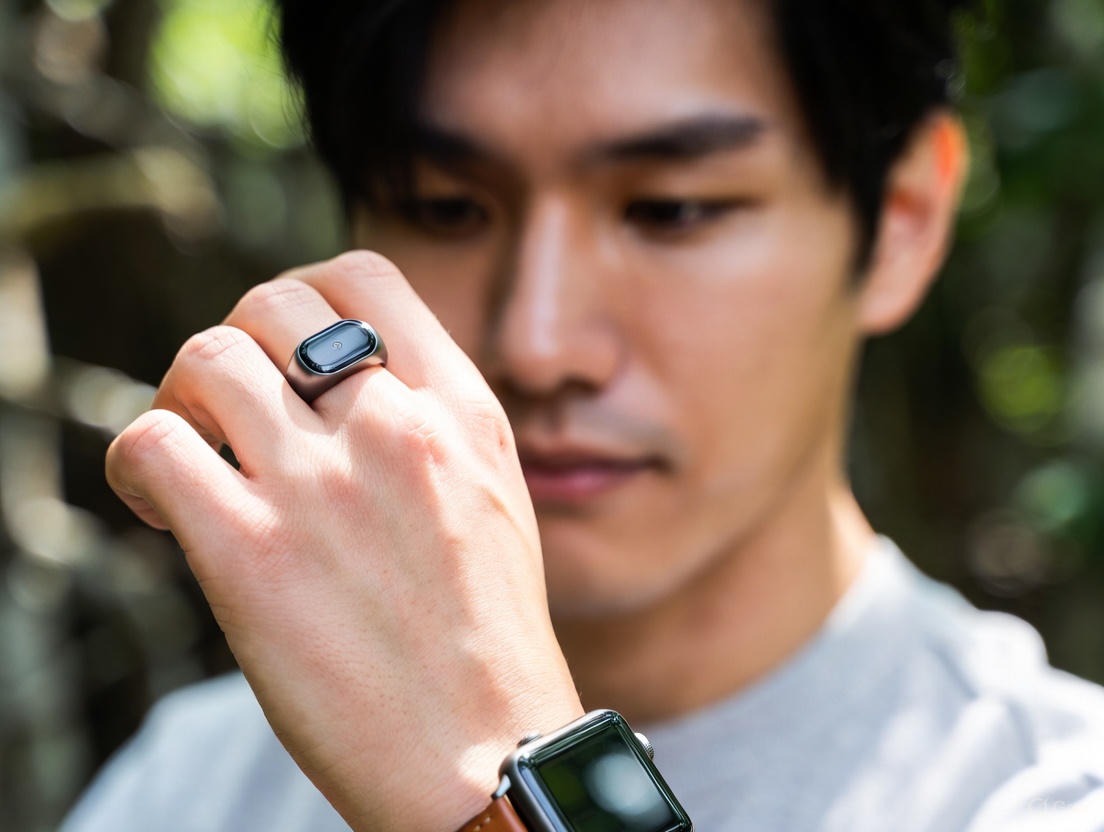
Before we dive into the how, let's crystallize the what. A smart ring is a wearable device, typically worn on your finger, that uses an array of miniature sensors to collect continuous physiological data. Unlike a smartwatch that shouts for your attention with notifications, a smart ring operates subtly in the background, gathering insights from your body’s most fundamental signals.
At its core, it measures three critical pillars:
But raw data is just noise. The magic happens in the algorithms. Your ring’s companion app synthesizes this data into intuitive, actionable scores and insights:
Think of it this way: Your conscious mind is the CEO, making decisions. Your smart ring is the Chief of Staff, whispering real-time reports from every department of your body. It tells the CEO, "The stress department is running hot," or "The recovery division had a great night and is fully stocked." With this intelligence, you, the CEO, can make profoundly better decisions about your day. This foundational understanding is what separates those who get frustrated with another gadget from those who embark on a true journey of lifestyle transformation using data.
The temptation is to strap on your ring and immediately try to “win” at sleep or activity. Resist it. The single most important step for a beginner is to collect a baseline. For the first three days, wear your ring consistently (yes, even in the shower if it’s waterproof, and definitely all night) and live your normal life. Don’t try to improve anything yet. The goal is for the ring to learn you.
Perfecting the Fit: This is non-negotiable. The ring must be snug but not tight. You should feel slight resistance when removing it. A loose ring will yield inaccurate heart rate data as the PPG sensor loses contact; a tight ring is uncomfortable and can even be dangerous. Most companies provide a sizing kit—use it diligently. The ideal finger is often your index, middle, or ring finger. Avoid thumbs and pinkies.
App Syncing & Notifications: Download the official app and pair your ring. Spend 30 minutes exploring the settings. Configure basic notifications if desired, but consider turning off non-essential phone alerts to the ring. Its primary job is to listen to your body, not bombard you with digital noise. Ensure background app refresh is enabled for continuous sync.
Understanding Your Initial Numbers: After a few days, you’ll see your baseline emerge. What’s your average resting heart rate? What does your typical sleep architecture look like? What’s your baseline HRV? Do not compare these numbers to anyone else. HRV, for instance, is highly individual. A score of 45 might be excellent for one person and low for another. The power lies in tracking your own trends over time. Is your resting heart rate trending down? Is your HRV trending up? These directional changes are your true metrics of progress.
This baseline period is your foundation. It removes the anxiety of “good” or “bad” scores and replaces it with personalized context. From this stable starting point, every positive change you make becomes a visible, gratifying data point on your journey.
Sleep is the bedrock of health, performance, and well-being. Your smart ring provides the most intimate, accurate portrait of your sleep available outside a clinical lab. But a sleep score alone is useless. You must learn to read the story behind it.
Beyond Hours in Bed: Your sleep breakdown typically includes:
A good app won’t just show you these durations; it will show you their distribution across the night in a clear hypnogram. You’ll learn your personal pattern. Do you get most of your deep sleep in the first half of the night? Does your REM intensify towards morning?
The Restoration Metrics: This is where smart rings shine. By measuring your resting heart rate (RHR) and heart rate variability (HRV) during sleep, they gauge how hard your body is working to recover. A lower sleep RHR and a higher nighttime HRV generally indicate more efficient recovery. If your sleep score is low despite adequate time in bed, these metrics often hold the clue: your body was under physiological stress (from illness, alcohol, intense late exercise, or mental anxiety) that prevented deep restoration.
Actionable Insights from Sleep Data:
To dive deeper into optimizing this critical pillar of health, explore our detailed guide on building a perfect nighttime wellness routine. It will show you how to structure your evening to directly improve the data you see on your sleep report.
Each morning, after syncing your ring, you’ll be greeted with a readiness or recovery score. This is your most important daily directive. It is not a judgment; it is a recommendation synthesized from your sleep data, previous day’s activity, and 24/7 physiological stress.
What Goes Into This Magic Number?
How to Use Your Readiness Score Intelligently:
Beginners often make the mistake of ignoring a low score and pushing through. The advanced practitioner sees a low score as valuable intelligence, allowing them to strategically pull back today to perform better tomorrow. This dynamic guidance is the core of training smarter, not just harder. For a fascinating look at how your pre-sleep actions directly influence your next day’s readiness, discover the science behind nighttime routines and sleep quality.
In the age of step counts, it’s easy to become myopically focused on a single number. Your smart ring redefines activity tracking by emphasizing quality, balance, and personalization over arbitrary, one-size-fits-all goals.
From Steps to Strain: Advanced rings calculate an Activity Score or Exertion metric that considers the intensity and duration of your movement. A 30-minute gentle walk and a 30-minute high-intensity interval training (HIIT) session are not the same, and your ring knows it. It credits you accordingly, encouraging a mix of activities that build true fitness.
The Power of the Activity Target: Unlike a fixed 10,000-step goal, a smart activity target is adaptive. If you had a low-readiness day, your next day’s activity goal might automatically lower, encouraging recovery. If you’ve been sedentary for a few days, it might nudge you to do a bit more. This creates a sustainable, responsive cycle that matches your body’s actual capacity.
Non-Exercise Activity Thermogenesis (NEAT): This is the calories you burn from everything that isn’t sleeping, eating, or sports-like exercise: walking to your car, typing, gardening, even fidgeting. Your ring captures this all-day movement, highlighting its massive contribution to total daily energy expenditure. Simply aiming to increase your daily NEAT is one of the most effective, sustainable wellness strategies available.
Practical Application:
This is where your smart ring transitions from a fitness tracker to a true wellness monitor. It deciphers the silent language of your autonomic nervous system (ANS)—the part of you that controls your heartbeat, digestion, and stress response without you thinking about it.
Heart Rate Variability (HRV): Your Inner Resilience Metric
HRV is the tiny, millisecond variation in time between each heartbeat. Contrary to intuition, a higher HRV is generally better. It indicates a resilient, adaptable nervous system that can swiftly switch from stressed (sympathetic) to relaxed (parasympathetic) states. A low or dropping HRV trend suggests your system is under sustained stress—be it physical, mental, or emotional. Tracking your HRV trend (especially your nighttime average) is like having a direct line to your body’s recovery status and stress reservoir.
Resting Heart Rate (RHR): The Engine's Idle Speed
Your RHR, best measured during sleep, is a fundamental health indicator. As your cardiovascular fitness improves, your RHR typically trends downward (a more efficient engine). A sudden, unexplained increase in your sleeping RHR is one of the clearest early warning signs your ring can provide, often flagging impending illness, overtraining, or significant dehydration 24-48 hours before symptoms appear.
Skin Temperature: The Silent Sentinel
Continuous skin temperature tracking establishes your personal normal. A sustained elevation, even just half a degree, is a highly sensitive marker. It can signal the onset of infection, significant inflammation, hormonal shifts (like ovulation), or a disrupted circadian rhythm. It’s a piece of the diagnostic puzzle that, combined with HRV and RHR, provides a powerful holistic picture.
Putting It All Together: Imagine you see a week-long trend: HRV dipping, RHR creeping up, and skin temp slightly elevated. Your ring isn’t telling you you’re sick; it’s telling you your body’s resources are depleted and you’re vulnerable. This is your cue to dial everything back—sleep more, eat nourishing foods, hydrate, and reduce stress. This proactive approach is the essence of modern, preventative health. To learn specific, efficient rituals that can positively influence these biomarkers, check out these nighttime wellness rituals that take less than 30 minutes.

Knowledge without action is just trivia. The transformation happens when you create a closed loop: Data → Insight → Action → Result (visible in new data). Let’s build your first one.
Step 1: Choose ONE Lever.
Don’t try to fix sleep, diet, exercise, and stress at once. Pick the lowest-hanging fruit that your baseline data suggests. For most beginners, it’s Sleep Consistency.
Step 2: Define a Tiny, Atomic Action.
Based on your data, you notice you go to bed at wildly different times each night. Your action will be: “I will get into bed (lights out, phone down) within a 30-minute window each night (e.g., between 10:30 and 11:00 PM) for the next two weeks.”
Step 3: Use Your Ring to Measure & Motivate.
Your primary success metric is the “Sleep Consistency” or “Bedtime Timing” metric in your app. Your secondary metrics are improvements in Sleep Score, RHR, and HRV.
Step 4: Create a Cue & Celebrate.
Set a phone reminder for 30 minutes before your target bedtime. This is your cue to start winding down. When you hit your consistency goal for a week, celebrate with a non-food reward—perhaps a new book or a relaxing bath.
Step 5: Analyze and Iterate.
After two weeks, look at the trends. Did your sleep scores improve? Did your morning readiness become more stable? If yes, you’ve successfully closed the loop! The positive reinforcement from seeing the data improve will make the habit stick. Now, you can add another tiny habit, like incorporating a brief, science-backed routine before bed to deepen your sleep quality even further.
This “loop” methodology is scalable. Your next loop could be “hydration” (tracking the correlation between water intake and afternoon energy slumps) or “stress management” (seeing how 10 minutes of meditation affects your daytime HRV). You become the scientist of your own life.
Your smart ring’s data is a mirror reflecting how your body interacts with your environment. By making strategic tweaks to your surroundings, you can dramatically improve your metrics without “working” harder.
The Sleep Sanctuary: Your sleep data is the ultimate auditor of your bedroom.
The Workday Reset: Use your daytime HRV and stress metrics (if your ring provides them) to audit your work habits.
Nutritional Experimentation: While rings don’t track food directly, they track the effects of food.
Even with the best tool, missteps happen. Let’s bypass the common frustration points.
1. Obsessing Over Single-Day Scores: You wake up to a low readiness score and feel defeated. Fix: Zoom out. Look at weekly and monthly trends. Life is variable. One low score is meaningless; a two-week downward trend is meaningful information.
2. Ignoring the “Why” Behind the Data: Seeing a poor sleep score and just shrugging. Fix: Become a detective. Tap into the detailed breakdown. Was it late eating? Alcohol? Stress? A poor environment? Link the score to a specific cause you can address tomorrow.
3. Wearing the Ring Incorrectly: A loose ring equals bad data, leading to loss of trust in the device. Fix: Ensure a proper fit. Clean the sensors regularly with a dry cloth. Wear it on the recommended finger.
4. Comparing Your Numbers to Others: Your friend brags about an HRV of 100, and yours is 50. Fix: Remember, HRV is for tracking your trends, not for competition. Your 50 moving to 55 is a 10% improvement—a massive win.
5. Data Without Action: Checking the app daily but changing nothing. Fix: Return to the Habit Loop. Commit to one small change based on one clear data point for two weeks. The moment you see the data shift in response to your action, the entire experience becomes empowering.
6. Letting the Ring Dictate Your Life: Feeling you “can’t” go out with friends because it will ruin your sleep score. Fix: Use the ring as a guide, not a tyrant. Live your life. The data helps you make informed choices and plan recovery, not avoid living. The goal is balance, not perfection. To build a routine that is sustainable and avoids common errors, learn how to build a nighttime routine that actually sticks.
Now, let’s get practical. How does this all come together for common beginner goals?
Goal: “I want to have more energy throughout the day.”
Goal: “I want to get fit without burning out.”
Goal: “I want to manage my stress better.”
The daily check-in is for guidance. The weekly review is for strategy and celebration. Set aside 20 minutes every Sunday to become the CEO of your own well-being, reviewing the report from your Chief of Staff (the ring).
What to Analyze in Your Weekly Review:
Taking Action from the Review:
Based on this, set one intention for the upcoming week. For example: “My HRV trend is flat. My sleep is good but my activity is low on weekdays. This week, I will take a 15-minute walk during my lunch break every workday to increase NEAT and see if it positively impacts my HRV trend.”
This ritual transforms you from a passive observer of data into an active architect of your health. It provides clarity, prevents drift, and turns a collection of daily numbers into a coherent narrative of progress. To start with the absolute essentials, you can adopt this minimal nighttime wellness routine of 5 key steps.
You’ve mastered reading your sleep score. Now, let’s engineer it. Advanced sleep optimization isn’t about forcing more hours in bed; it’s about systematically enhancing the quality and efficiency of your sleep to maximize the restoration each minute provides.
Chronotype Alignment: Your data likely shows a natural preference. Are your highest sleep scores on nights you fall asleep later and wake later? Or earlier? This is your chronotype—your body’s innate timing. Fighting it is a losing battle. Instead, align your schedule where possible. A night owl with a 9-to-5 job can’t fully shift, but they can protect their morning by avoiding early meetings and using bright light therapy upon waking. Your ring’s data on sleep latency (time to fall asleep) and morning alertness (from journaling) will confirm your type.
Temperature Manipulation: Skin temperature data is key here. The body needs to drop its core temperature to initiate and maintain deep sleep. You can facilitate this:
Sleep Cycle Timing: Waking up during deep sleep feels terrible; waking from light or REM sleep feels natural. While smart rings aren’t perfect alarm clocks, you can use their predicted sleep stage timing to inform your wake-up window. If your app shows you typically cycle into light sleep in the last 30 minutes of your sleep, set your alarm within that window for a smoother wake-up. To avoid the most common errors that undermine these sophisticated strategies, be sure to review these nighttime routine mistakes that ruin your sleep.
We’ve introduced HRV. Now, let’s wield it. Think of your HRV trend as the most honest advisor you have—it can’t be fooled by ego or ambition.
HRV as a Feedback Loop for Everything: Every input into your system affects your HRV. Use it to test:
How to Respond to a Dropping HRV Trend:
By respecting a low HRV trend, you often avert illness, injury, or burnout. This is the pinnacle of preventative health. For insights into how high-performers structure their lives to support robust recovery metrics, learn how successful people structure their nighttime routines.
You’re no longer just “working out.” You’re “administering a stress dose” to elicit a specific adaptation, and your ring tells you if the dose was correct and if you’re recovered enough for the next one.
Periodization for the Everyday Athlete: You don’t need a coach to periodize. Use a 3-week mesocycle:
The Power of Zone 2 Training: This is low-intensity, steady-state cardio where you can hold a conversation. It builds mitochondrial density and aerobic base with low systemic stress. Use your ring’s live heart rate to stay in zone 2 (roughly 60-70% of max HR). The beauty? It typically improves HRV and doesn’t crush readiness, meaning you can do it more frequently, even on moderate-readiness days.
Post-Workout Analysis: Don’t just look at calories burned. The critical metrics are:
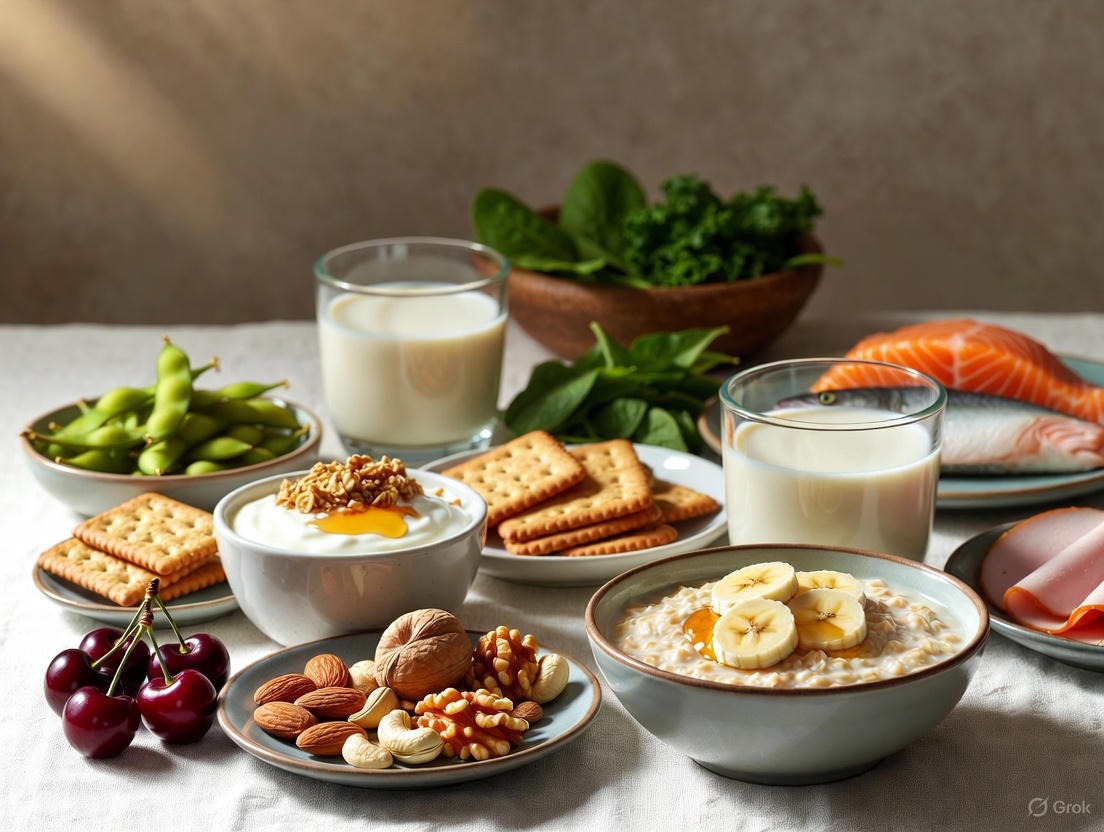
Your ring doesn’t see the pizza; it sees the inflammation. It doesn’t log your water bottle; it sees the elevated heart rate from dehydration. This indirect feedback is profoundly honest.
The Late-Night Meal Experiment: For one week, finish eating at least 3 hours before bed. The next week, have a similar-sized meal 1 hour before bed. Compare:
This data provides a physiological reason to mind your meal timing far more compelling than any generic article.
Hydration Status: Even mild dehydration increases heart rate as your body works harder to maintain blood pressure and circulation. If you see an unexplained, persistent 3-5 BPM increase in your daytime resting heart rate, dehydration is a prime suspect. Before reaching for caffeine, drink 16-20 oz of water, wait 30 minutes, and see if your HR trends down. It’s a real-time hydration test.
Caffeine & Alcohol: The Quantifiable Impact: These are powerful drugs that your ring measures precisely.
Your ring’s stress score isn’t for stressing you out; it’s your objective signal to engage your resilience toolkit.
Identifying Your Personal Stress Signatures: Stress isn’t monolithic. Does a stressful work meeting show up as a sharp, 20-minute spike in your heart rate and stress graph? Or does chronic anxiety manifest as a persistently elevated baseline heart rate throughout the afternoon? Knowing your signature helps you choose the right intervention.
Biofeedback Breathing for Instant Regulation: This is a game-changer. When you see your stress score climb or feel anxious:
The Resilience Audit: At your weekly review, don’t just look at stress peaks. Look at recovery valleys. How quickly does your stress graph return to baseline after a peak? This “recovery speed” is a metric of resilience. As you practice regular breathwork, meditation, and other techniques, you should see your recovery speed improve—your system becomes more agile and robust.
Your body isn’t static. It changes with seasons, age, and life circumstances. Your smart ring becomes a longitudinal health diary, capturing these shifts with impartial clarity.
Seasonal Adaptations: It’s normal for metrics to shift with the seasons. You may see:
Hormonal Cycle Tracking (For Menstruating Individuals): This is one of the most powerful applications. By tracking RHR, skin temperature, and HRV across your cycle, you will see clear patterns:
Aging Gracefully with Data: As we age, resting heart rate may naturally increase slightly, and HRV has a general downward trend. The goal isn’t to fight this but to optimize within your range. The ring helps you distinguish between a natural, gradual change and a sudden, concerning deviation. It keeps you focused on the behaviors (sleep, consistent movement, stress management) that slow the decline and maximize vitality at every age.
While health is personal, motivation can be communal. Many ring apps include social or team features. Used well, they can boost adherence; used poorly, they can create unhealthy competition.
Healthy Group Challenges: Opt for challenges that reward consistency (e.g., most days hitting your personalized sleep goal) or improvement (biggest positive trend in HRV) over absolute performance (most steps). This keeps the focus on personal progress, not on outperforming someone with a different physiology.
Sharing for Support, Not Showcasing: Share a low-readiness day with a close friend or partner and say, “My body’s asking for rest today, so I’m going for a walk instead of the run.” This reframes the data as a communication tool for self-care, not a report card. Sharing a high-readiness score can be a fun way to announce you’re going for a PR.
The Power of Shared Rituals: If you have a partner or family, consider how data can improve collective wellness. Could you align wind-down routines? If one person’s late-night screen time is disrupting the other’s sleep (a common issue), let the objective data from both rings facilitate a gentle, fact-based conversation about a household digital curfew. For families looking to make this a shared journey, explore ideas for a family nighttime wellness routine.
No technology is infallible. The advanced user knows not only how to follow the data but also when to overrule it with lived experience.
Known Data Disruptors:
The “Feel vs. Data” Mismatch: Sometimes you feel fantastic with a readiness score of 60, or terrible with a score of 85. What gives?
Your smart ring is a superstar player, but it’s part of a larger health team. Its true power multiplies when it connects with other data streams.
App Synergies: Sync your ring data with complementary apps:
Sharing with Healthcare Providers: This is a frontier of modern medicine. Instead of saying “I’m tired,” you can show your doctor a 3-month graph of declining HRV and elevated sleep RHR alongside a sleep stage breakdown. This objective data can lead to more targeted testing (e.g., for sleep apnea, thyroid issues, or anemia) and a more productive conversation. Always consult a professional for medical concerns; the ring is a screening and discussion tool, not a diagnostic device.
The Holistic Dashboard: The end goal is a unified view of your well-being. Use a platform like Apple Health or Google Fit as a central hub where your ring’s physiological data, your nutritional logs, your mindfulness minutes, and even your calendar’s stress (busyness) can be viewed together. Patterns emerge that are invisible in any single app. For specialized needs, such as maximizing the recovery that shows up in this data, athletes can explore targeted nighttime routines for maximizing recovery.
After months and years of use, the relationship with your ring evolves. The daily obsession with scores fades, replaced by a deep, intuitive trust in the trends and a refined ability to listen to your body directly.
Shifting from Motivation to Identity: At first, you need the ring’s feedback to motivate you to go to bed on time or take a rest day. Over time, these actions become ingrained. You no longer need the score to tell you to rest; you’ve internalized the value of recovery. The ring shifts to a verification and refinement tool. It confirms your good habits and alerts you to subtle deviations.
Predictive Health & Proactive Living: With years of data, you build a powerful personal model. You’ll know exactly what combination of sleep deficit, training load, and work stress tips you into vulnerability. You can act before you get sick or injured. This is the pinnacle of proactive, preventative health—managing your resources to stay in the optimal zone for performance and well-being.
Your Legacy of Data: Imagine having a decadal record of your health—how your sleep changed with life stages, how your fitness evolved, how your stress resilience grew through practice. This isn’t just data; it’s the story of your body’s journey. It empowers you to age with agency, make informed decisions about your health, and celebrate the long-term rewards of a life lived with awareness.
Your smart ring began as a piece of technology. Through consistent, intelligent use, it becomes an extension of your consciousness—a bridge between your subjective experience and the objective truth of your biology. This guide has equipped you with the knowledge to build that bridge. The path from beginner to master is one of curiosity, experimentation, and self-compassion. Start with one loop. Respect one low-readiness day. Celebrate one positive trend. The transformation you seek is not in the ring; it is in you. The ring simply lights the way.
Overwhelmed by possibilities? This sequential 30-day plan breaks down the entire guide into manageable, daily and weekly actions. Follow this to build competence and confidence systematically.
Week 1: Foundation & Observation (Days 1-7)
Week 2: Habit Integration & Sleep Focus (Days 8-14)
Week 3: Dynamic Adjustment & Readiness Respect (Days 15-21)
Week 4: Deep Experimentation & System Refinement (Days 22-30)
Q: Which finger is best to wear my smart ring on?
A: The index, middle, or ring finger of your non-dominant hand is typically ideal. These fingers usually have stronger blood flow for more reliable heart rate readings than the pinky, and are less prone to significant size fluctuations than the thumb. Consistency is key—pick one and stick with it.
Q: My readiness score is low, but I feel great. Should I ignore it?
A: Proceed with cautious optimism. Your ring measures physiological stress, not emotional state. You might be emotionally energized but physiologically depleted. Use the low score as a cue to be extra attentive to your body during activity and to prioritize recovery that night. Don’t ignore it, but let it be one input among others (including how you feel).
Q: How accurate is the calorie burn estimate?
A: It’s an educated estimate, not a laboratory measurement. No consumer wearable is perfectly accurate for calories. The value is in the trend and relative comparison. It’s useful for seeing if one day was more active than another, not for precisely counting calories for dieting. Focus more on the Activity Score or Exertion metrics which are more sophisticated.
Q: Can I wear my ring while weightlifting or playing contact sports?
A: Check your specific model’s durability rating. While most are sweat and water-resistant, the primary risk is physical damage (scratches, dents) or injuring your finger (degloving risk in rare cases with heavy barbells). Many users remove it for heavy lifting or sports like basketball. The data gap for a 1-hour workout is less important than the ring’s (and your finger’s) long-term safety.
Q: Why does my HRV differ so much from my friend’s?
A: HRV is highly individual. Age, fitness, genetics, and even breathing patterns all influence it. Never compare absolute HRV numbers. Your 45 could be as healthy as their 100. Only compare your own trends over time. A rising trend for you is excellent, regardless of others’ numbers.
Q: The ring says I was “awake” during the night, but I don’t remember waking up.
A: This is normal and reflects micro-arousals—brief shifts in sleep stage that are part of a healthy sleep architecture. You typically don’t remember them. Only be concerned if the “awake” duration is long (e.g., >30 minutes total) or if you do feel unrefreshed, which could indicate a sleep disorder.
Q: How can I differentiate between stress and illness in my data?
A: Look for compounding signals. Stress might show as lowered HRV and elevated RHR, but skin temperature may be normal. Impending illness often shows the same HRV/RHR patterns plus a sustained elevation in skin temperature (>0.5°C above your norm for 12+ hours). Illness also often comes with a more dramatic and persistent drop in readiness.
Q: My data seems erratic or wrong. What should I check?
A: Follow this checklist:
Activity Score/Exertion: A personalized metric that quantifies your daily movement based on intensity and duration, moving beyond simple step counts. It often adapts to your recovery state.
Autonomic Nervous System (ANS): The part of your nervous system that controls involuntary bodily functions like heart rate, digestion, and stress response. It has two branches: sympathetic ("fight or flight") and parasympathetic ("rest and digest"). Your smart ring metrics are primarily measuring ANS activity.
Biofeedback: The process of using external monitoring (like your ring’s real-time heart rate) to gain awareness and voluntary control over physiological functions. Example: Using your breath to lower your heart rate on the screen.
Chronotype: Your natural predisposition to be a morning person ("lark"), evening person ("owl"), or somewhere in between. Your sleep data can help identify it.
Heart Rate Recovery (HRR): How quickly your heart rate drops after stopping exercise. Faster recovery is a sign of good cardiovascular fitness. Some rings track this after logged workouts.
Heart Rate Variability (HRV): The variation in time between successive heartbeats. A higher HRV (within your personal range) generally indicates a more resilient, adaptable nervous system and better recovery. It is a key metric for tracking trends.
Photoplethysmography (PPG): The optical technology used in the ring’s inner sensor. It shines light into your skin and measures changes in blood flow to determine heart rate, HRV, and blood oxygen levels.
Readiness/Recovery Score: A composite score (typically 0-100) that suggests how prepared your body is for stress or strain. It synthesizes sleep, activity, and physiological stress data (HRV, RHR) into a daily recommendation.
Resting Heart Rate (RHR): Your heart rate when you are fully at rest, best measured during deep sleep. A lower RHR generally indicates better cardiovascular fitness and efficient heart function. Trends are more important than a single number.
Sleep Architecture: The cyclical pattern of sleep stages (Light, Deep, REM) throughout the night. A healthy architecture shows clear, repeating cycles.
Sleep Latency: The amount of time it takes you to fall asleep after turning out the lights. Ideally 15-20 minutes or less. Consistently high latency can point to sleep hygiene issues or stress.
Sleep Score: A comprehensive grade for your night’s sleep, combining duration, consistency, structure (stages), and restoration (RHR/HRV).
You began this guide with a new device and a hope for change. You now finish it with a powerful framework for transformation. Remember, the goal was never to become a slave to scores or to optimize yourself into a state of anxiety. The goal was awareness leading to agency.
Your smart ring has given you a language to understand your body’s whispers before they become shouts. It has replaced guesswork with knowledge, and generic advice with personalized insight. You’ve learned to see a low readiness score not as failure, but as strategic intelligence; a dip in HRV not as a crisis, but as a call to care; a perfect night of sleep not as luck, but as the result of intentional choices.
The ultimate transformation occurs when this external feedback becomes internalized wisdom. You’ll start to feel a low-readiness day in your bones before you check the app. You’ll crave the wind-down routine because you know its value, not just because the data shows it. The ring becomes less a coach and more a trusted confidant, confirming what you’ve learned to sense for yourself.
This is lifelong wellness: a dynamic, responsive, and compassionate conversation with the one body you have. You have the tool. You have the knowledge. Now, go live it. Pay attention, experiment with kindness, respect your limits, celebrate your progress, and use this incredible technology not to track a life, but to build the one you truly want to live. The data is yours. The transformation is yours. The journey continues.
Your Trusted Sleep Advocate: Sleep Foundation — https://www.sleepfoundation.org
Discover a digital archive of scholarly articles: NIH — https://www.ncbi.nlm.nih.gov/
39 million citations for biomedical literature :PubMed — https://pubmed.ncbi.nlm.nih.gov/
Experts at Harvard Health Publishing covering a variety of health topics — https://www.health.harvard.edu/blog/
Every life deserves world class care :Cleveland Clinic - https://my.clevelandclinic.org/health
Wearable technology and the future of predictive health monitoring :MIT Technology Review — https://www.technologyreview.com/
Dedicated to the well-being of all people and guided by science :World Health Organization — https://www.who.int/news-room/
Psychological science and knowledge to benefit society and improve lives. :APA — https://www.apa.org/monitor/
Cutting-edge insights on human longevity and peak performance:
Lifespan Research — https://www.lifespan.io/
Global authority on exercise physiology, sports performance, and human recovery:
American College of Sports Medicine — https://www.acsm.org/
Neuroscience-driven guidance for better focus, sleep, and mental clarity:
Stanford Human Performance Lab — https://humanperformance.stanford.edu/
Evidence-based psychology and mind–body wellness resources:
Mayo Clinic — https://www.mayoclinic.org/healthy-lifestyle/
Data-backed research on emotional wellbeing, stress biology, and resilience:
American Institute of Stress — https://www.stress.org/


