


The Complete Beginner-Friendly Guide to Wellness Ring-Assisted Lifestyle Improvement
A complete starter guide to using a wellness ring as an aid for overall lifestyle improvement.
A complete starter guide to using a wellness ring as an aid for overall lifestyle improvement.
%402x.svg)
Have you ever wished you had a personal health coach, sleep scientist, and stress manager on your wrist—or rather, on your finger—24/7? What if this discreet advisor didn’t just give generic tips, but offered insights uniquely tailored to your body, your sleep patterns, and your daily rhythms? Welcome to the frontier of personalized wellness, powered not by bulky wearables or intrusive apps, but by a sleek piece of intelligent jewelry: the wellness smart ring.
This isn't science fiction. It's the reality for a growing number of people who are moving beyond step-counting and into the world of continuous, clinical-grade biometric monitoring. A wellness ring silently tracks your heart rate, heart rate variability (HRV), blood oxygen levels, skin temperature, and sleep stages, transforming this raw data into a crystal-clear window into your body’s inner workings. It’s like having a conversation with your own physiology, learning its language, and finally understanding what it needs to truly thrive.
For the beginner, this world can seem overwhelming. Vitals, trends, readiness scores—where do you even start? This guide is your definitive roadmap. We will demystify the technology, translate the data, and, most importantly, show you how to take that information and turn it into tangible, life-improving action. This isn’t about obsessing over numbers; it’s about using them as a compass to navigate toward a more balanced, energized, and resilient you. Whether your goal is deeper sleep, managed stress, optimized workouts, or simply a greater sense of holistic well-being, a wellness ring can be the most insightful partner on your journey.
Let’s begin.
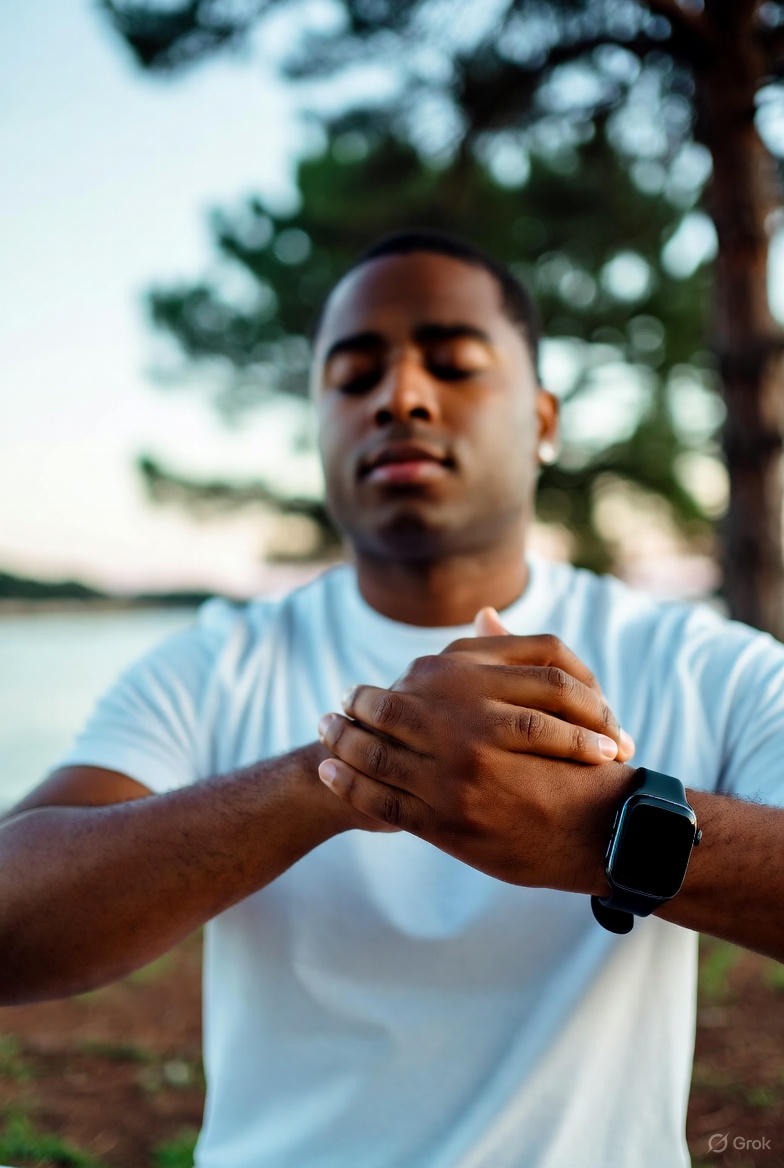
Imagine a ring. Now, imagine that within its elegant, often titanium, casing lies a miniaturized laboratory. This is the essence of a wellness smart ring. Unlike smartwatches, which prioritize notifications and screen-based interactions, the ring's primary—and profound—purpose is passive, uninterrupted health monitoring.
Its design philosophy is "unobtrusive observation." Worn on your finger, it taps into a rich source of cardiovascular data via the capillaries. Because it’s comfortable enough to wear 24/7, even while sleeping, it gathers a continuous stream of biometrics that sporadic check-ins (like taking your pulse) can never provide. This continuity is the magic. It reveals patterns, trends, and correlations that are invisible to the naked eye.
Core Biometrics Tracked: Your Body's Vital Dashboard
The ring syncs this data to a companion app, which acts as your command center. Here, the numbers transform into visual trends, personalized scores, and, crucially, actionable insights. The app doesn't just tell you your sleep was "poor"; it might correlate it with a late meal or elevated stress from the previous afternoon, offering a clear path for experimentation and improvement.
This constant, gentle feedback loop is what separates a wellness ring from a simple pedometer. It moves you from guessing about your health to knowing—and then, to growing.
In a market saturated with wrist-worn devices, the choice to wear a wellness tracker on your finger is a deliberate one, offering distinct practical and psychological benefits that enhance its effectiveness as a lifestyle tool.
The Unbeatable Comfort for 24/7 Wear: The most critical factor for accurate data is consistency. You cannot manage what you do not measure consistently. A lightweight, smooth ring is far less obtrusive than a watch during sleep, typing, or exercising. This seamless integration into your life means no data gaps—you get a complete, uninterrupted picture of your daily and nightly rhythms, which is essential for spotting true trends versus one-off events.
Sleep Tracking Superiority: This is the ring’s crown jewel. For precise sleep staging, minimizing movement artifacts is key. A watch on your wrist can be jostled, twisted, or even removed half-consciously during the night. A ring, sitting snugly on your finger, remains stable, leading to more reliable heart rate and movement data throughout the night. This results in a significantly more accurate assessment of your sleep architecture, which is foundational to all other wellness metrics.
Psychological “Set-and-Forget” Minimalism: A smartwatch is an interactive device. It buzzes with notifications, tempts you to check screens, and often adds to the digital noise of the day. A wellness ring is intentionally non-interactive. It collects data without demanding your attention. This fosters a healthier relationship with your metrics; you check in deliberately during a morning routine to assess your readiness, rather than being pulled out of the moment by constant pings. It’s wellness through awareness, not interruption.
Discreet, Fashion-Forward Design: For many, a sleek ring is a preferable aesthetic to a tech-laden watch. Many models are designed to look like modern jewelry, allowing you to wear a powerful health tool without announcing it to the world. This normalizes continuous health monitoring as a simple, integrated part of your life, not a bulky gadget.
The choice, therefore, becomes clear: if your primary goal is interactive notifications and on-wrist workouts, a smartwatch may suffice. But if your goal is unparalleled, continuous, and comfortable biometric monitoring—especially for sleep and recovery—the wellness smart ring is in a class of its own.
The box arrives. Excitement is high. But before you dive into interpreting complex data, a strategic and patient approach to this first week will set you up for long-term success. Think of this not as a week of waiting, but a week of calibration—your ring is learning you, and you are learning to listen.
Unboxing and Initial Setup: Carefully place the ring on your finger. Most brands recommend a finger with more flesh (like the index, middle, or ring finger) for optimal sensor contact. It should be snug enough not to spin freely, but not so tight that it leaves an indentation or is difficult to remove. Follow the app’s pairing instructions precisely. This usually involves charging the ring fully, downloading the official app, and creating your profile with basic stats like age, height, and weight, which help contextualize your data.
The Critical “Baseline” Period: Here is the most important beginner advice: Do not make drastic changes yet. For the first 5-7 days, live your normal life. Go to bed at your usual time, exercise as you normally would, have your regular coffee. The purpose is to allow the ring’s algorithms to establish your personal baseline across all metrics. There is no universal “good” HRV number—only what’s good for you. This baseline is your unique health fingerprint, the reference point against which all future changes will be measured. Without it, you’re interpreting data in a vacuum.
Navigating the Companion App: Spend time this week exploring the app’s interface without judgment. Familiarize yourself with:
Managing Initial Overwhelm & Setting Your First Intentions: It’s normal to feel a bit of data anxiety at first. You might fixate on a single night of poor sleep or a low HRV reading. Gently remind yourself: you are gathering information, not taking a test. Your goal this week is observation, not optimization. By the end of the week, you’ll have a fascinating snapshot of your starting point. With this baseline locked in, you’re now empowered to start the real work: mindful experimentation. For instance, once you understand your current sleep patterns, you can begin to explore how to enhance them, starting with foundational practices like those outlined in The Nighttime Wellness Routine That Changed My Sleep Forever.
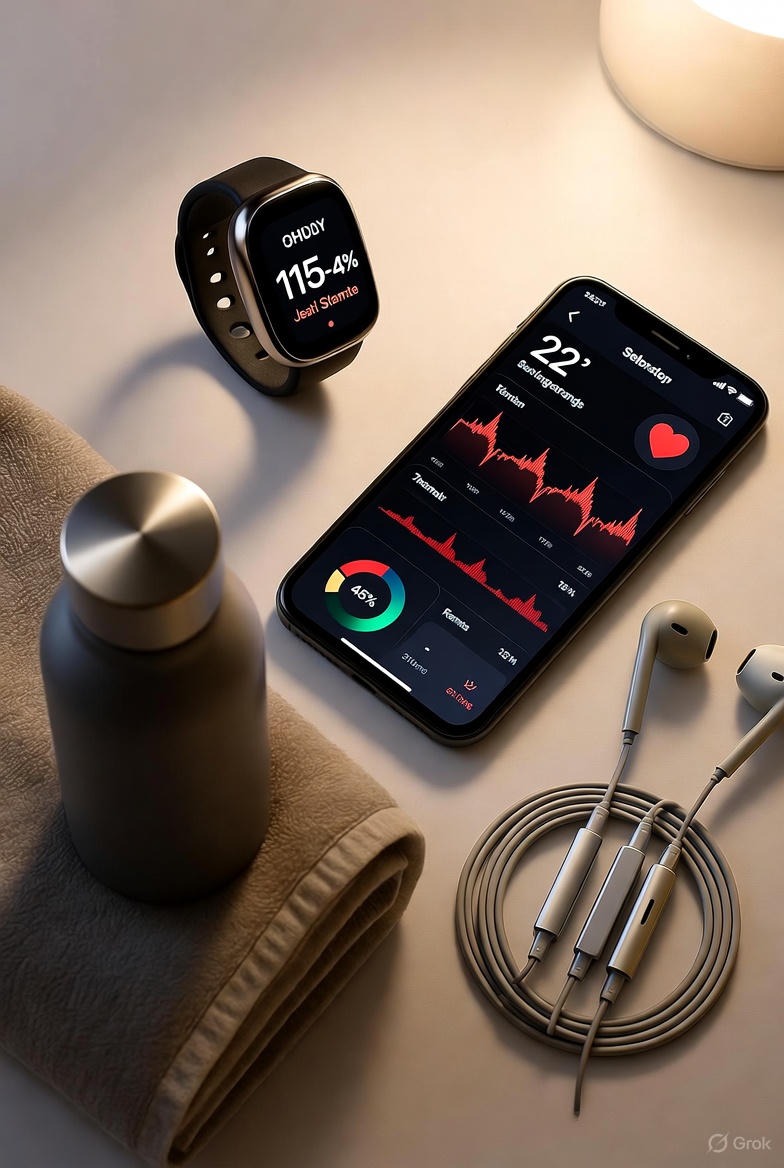
You wake up and open your app. The first thing you likely see is a single, prominent number or descriptor: your Readiness Score (sometimes called a Recovery Score). This isn't a random digit; it's a synthesized, data-driven recommendation for how to approach your day. Learning to trust and act on this score is the first major step in ring-assisted living.
What Goes Into This Score? The score is a composite algorithm, typically weighting three key pillars most heavily:
Secondary inputs can include recent activity load, body temperature deviations, and even subjective notes you log (like feeling stressed or sick).
How to Interpret and ACT on Your Score:
The Mindset Shift: From Ignoring to Honoring Signals. Before the ring, you might have ignored a feeling of fatigue and pushed through with caffeine. Now, you have objective data validating that feeling. This builds body literacy. Acting on a low score by taking a rest day isn’t a failure; it’s a sophisticated strategy for long-term progress and resilience. It prevents the boom-bust cycle and teaches sustainable balance. Learning to interpret these daily signals is the first step in a more harmonious relationship with your own energy.
With a reliable baseline and a grasp of your readiness, your sleep data becomes the most actionable area for immediate lifestyle improvement. The ring transforms the mysterious void of night into a detailed report card, but the real value lies in connecting the dots between your daytime behaviors and nighttime results.
Understanding Sleep Stages & Your Personal Sleep Architecture: Look beyond the total hours. Your app will show a graph of your night, cycling between Light, Deep, and REM sleep.
Correlating Daytime Behaviors with Nighttime Metrics: This is the detective work. Use the app’s tagging or note features. Did your Deep sleep plummet after evening alcohol? Did your resting heart rate stay elevated after a late, heavy meal? Did your sleep latency (time to fall asleep) increase on days of high work stress? The ring surfaces these correlations with stunning clarity. For example, you’ll quickly learn how your evening choices directly impact your sleep quality, a connection explored in depth in How Nighttime Routines Signal Your Body It's Time to Sleep.
Practical, Ring-Informed Sleep Hygiene Tweaks:
By using your sleep data as feedback, you move from blindly following generic advice to executing a personalized sleep optimization protocol designed specifically for your body’s responses.
If sleep is the foundation, Heart Rate Variability (HRV) is the most sensitive gauge of the house’s structural integrity. For beginners, HRV can be confusing—after all, isn’t a steady heartbeat a good thing? In the world of wellness tracking, the opposite is true, and understanding why is transformative.
HRV Explained Simply: HRV measures the millisecond variations between successive heartbeats. These variations are controlled by your autonomic nervous system (ANS), which has two main branches: the sympathetic (“fight-or-flight”) and the parasympathetic (“rest-and-digest”). A higher HRV indicates a dominant, flexible parasympathetic state—your body is calm, recovered, and resilient. A lower HRV suggests sympathetic dominance—your body is under stress, whether from exercise, psychological worry, illness, or poor sleep.
How to Track and Interpret Your HRV Trend: Never obsess over a single daily HRV number. It is highly individual (some people naturally have higher or lower ranges) and fluctuates daily. The power is in the trend. In your app, look at the weekly or monthly graph.
Lifestyle Factors That Directly Impact HRV: Your ring will show you, in real-time, how your choices move this dial.
By monitoring your HRV trend, you gain an objective measure of your internal balance. It takes the guesswork out of questions like, “Am I actually stressed, or just busy?” or “Have I recovered enough from my last workout?” It turns the abstract concept of “wellness” into a tangible, trackable metric.
The era of “no pain, no gain” is being replaced by “train smarter, not just harder.” Your wellness ring provides the intelligence to make that shift. It helps you align your workouts with your body’s actual capacity, preventing overtraining and promoting consistent, sustainable progress.
Using Readiness to Guide Workout Intensity: This is the most direct application. Let your morning score dictate your exercise plan.
Tracking Workout Impact & Recovery Needs: Post-workout, observe the impact on your biometrics in the following 24-36 hours.
The Concept of “Productive” vs. “Excessive” Strain: The ring helps you distinguish between a productive training stimulus and excessive strain that leads to breakdown. A productive strain sees metrics dip slightly and then supercompensate—rebound to a level even higher than before, indicating adaptation and improved fitness. Excessive strain sees metrics dip and stay low, signaling stagnation or regression. This feedback allows you to periodize your training intuitively, inserting deload weeks or extra rest days precisely when your body needs them, not according to an arbitrary calendar.
Balancing Activity with NEAT: Your ring also tracks your general daily movement through calories burned or active time. This Non-Exercise Activity Thermogenesis (NEAT)—walking, taking stairs, gardening—is crucial for overall health. On low-readiness or rest days, focusing on hitting a gentle movement goal can be more beneficial than complete inactivity, aiding circulation and recovery without strain.
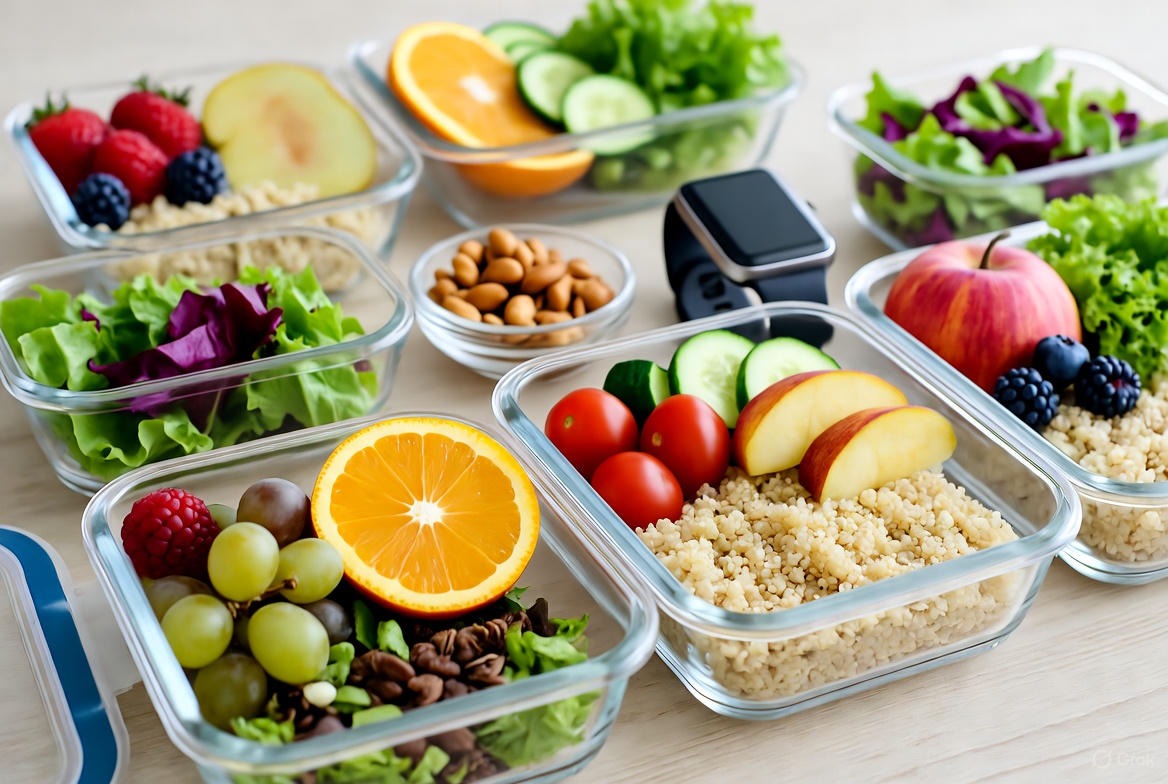
You are not just what you eat; you are how your body responds to what you eat. Your wellness ring provides a unique biofeedback loop, revealing how your dietary choices manifest in your sleep, recovery, and stress metrics. This turns nutrition from a game of rules into a personalized experiment.
Identifying Food Sensitivities & Timing Through Biometrics: While a ring can’t diagnose food allergies, it can reveal non-obvious sensitivities through indirect signals.
Hydration’s Role in Vital Signs: Dehydration stresses the body. Even mild dehydration can elevate resting heart rate and lower HRV, as your heart works harder to pump a lower volume of blood. By observing these metrics improve after consistently prioritizing water intake, you gain direct feedback on hydration’s importance beyond just feeling thirsty.
Using Data to Inform Eating Windows & Meal Composition: Intermittent fasting or time-restricted eating is popular, but is it right for you? Your ring can offer clues. If you try a 16-hour fast and notice your sleep becomes fragmented or your HRV drops, it might be a sign that such a long fast is adding stress your body can’t currently handle. Conversely, you might find that stopping food intake 3-4 hours before bed consistently improves your sleep score. This empowers you to tailor dietary patterns to support, not sabotage, your recovery.
The Mindful Eating Feedback Loop: Logging your meals (even simply as “large dinner” or “high-sugar snack”) in the app’s note feature creates a powerful journal. Over weeks, you can scroll back and see the direct line between dietary choices and biometric outcomes. This cultivates a profound sense of bodily awareness and agency, moving you toward eating for how you want to feel and perform, not just for momentary pleasure.
“I feel stressed.” It’s a subjective feeling that can be easy to dismiss or ignore. Your wellness ring translates that subjective feeling into objective, physiological reality. It validates your experience and provides a measurable way to track the effectiveness of your stress-management techniques.
How the Ring Quantifies Stress (Acute vs. Chronic):
Validating the Efficacy of Mindfulness Practices: You meditate or do deep breathing, and you feel calmer. But is it making a lasting difference? Your HRV is the answer.
Creating a Personalized Stress-Reset Toolkit: Use your ring to experiment and discover what truly downshifts your nervous system.
When you see a low HRV or high RHR, instead of feeling discouraged, see it as a prompt to deploy one of your proven reset tools. The ring turns stress management from a reactive struggle into a proactive, data-informed skill.
After weeks of observation, correlation, and small experiments, you are now ready to synthesize your learnings. This is where you move from being a passive data consumer to an active architect of your own well-being. A personalized wellness protocol is a simple, flexible set of rules and routines informed by your unique biometric feedback.
Start with One Keystone Habit: Don’t overhaul everything at once. Choose the area where your data shows the biggest opportunity for gain. For most, this is sleep. Design a non-negotiable, 60-minute pre-bed routine based on what your data says helps you.
Create “If-Then” Rules Based on Your Data: This is protocol as automation.
Embrace the “N=1” Experiment Mindset: You are a research study with a sample size of one. Your protocol is a living document. The goal is not to create a rigid, perfect plan, but a responsive system.
Balancing Data with Intuition: The final, crucial step. The ring provides unparalleled insight, but you are not a machine. Your protocol must leave room for life. Sometimes, you’ll choose a late dinner with friends knowing it might affect your sleep score. That’s not failure; it’s living. The ring’s value is that it allows you to make that choice consciously, and then gives you the data to recover efficiently afterward. It empowers informed decisions, not robotic obedience.
Your wellness ring’s data doesn't exist in a vacuum. It is in a constant, dynamic dialogue with your environment—the light in your bedroom, the temperature of your home, the noise on your street, and the structure of your daily schedule. By learning to see your biometrics as a reflection of your surroundings, you can begin to engineer an environment that actively supports your well-being, turning your living space into a true sanctuary for recovery.
The Circadian Rhythm Connection: Light, Temperature, and Timing. Your body’s master clock, the circadian rhythm, governs your sleep-wake cycle, hormone release, and even your metabolism. It is primarily set by light and temperature cues. Your ring’s sleep consistency and readiness scores are direct readouts of your circadian health.
Auditing Your Sleep Sanctuary Through Data. Use a week of sleep data as a diagnostic tool for your bedroom.
Synchronizing Social & Work Rhythms. Your environment includes people and schedules.
By viewing your ring as an environmental sensor for your own biology, you move from passively enduring your surroundings to actively curating them. Every metric becomes a clue, guiding you to create a home and daily rhythm that doesn’t just house you, but actively heals and energizes you.
A perfect, consistent routine is a fantasy. Real life is filled with disruptions: a red-eye flight, a common cold, a demanding project that upends your schedule. This is where a wellness ring shifts from a nice-to-have to an indispensable tool. It provides an objective, stabilizing compass when your normal routines are thrown into chaos, guiding you through recovery and back to balance.
Using the Ring as a Travel Companion. Jet lag is a brutal assault on your circadian rhythm. Your ring provides a personalized jet-lag mitigation strategy.
Biometric Early Warning Signs & Navigating Illness. Often, your body shows signs of an oncoming illness in your biometrics before you feel symptoms.
Adapting to Inevitable Schedule Shocks. Life happens. A family emergency, a deadline crunch, a social obligation—they all disrupt sleep.
In times of disruption, the ring becomes your anchor. It tells the unbiased truth about your body’s state, cutting through the noise of “shoulds” and guilt, and providing a clear, compassionate path back to wellness.
The daily and weekly insights are invaluable for lifestyle tuning, but the true, transformative power of a wellness ring is unlocked over months and years. This longitudinal data creates a panoramic view of your health, revealing deep patterns, seasonal cycles, and long-term trajectories that offer profound preventative health insights. This is the shift from reactive health management to proactive health optimization.
Identifying Your Personal Cycles & Seasonal Patterns. We are rhythmic creatures, influenced by more than just day and night.
Tracking the Impact of Major Life Changes. Life’s big transitions—a new job, a move, a change in relationship status, starting a meditation practice—have measurable physiological impacts.
The Preventative Power of Baselines & Deviations. This is perhaps the most significant long-term benefit. You are establishing a deeply personal, multi-year biometric baseline.
By engaging in long-term trend analysis, you graduate from using your ring as a daily coach to becoming the historian and scientist of your own life. You gain not just control over your weeks, but insight into the story of your health over years, empowering you to write its next chapters with intention.
A wellness ring is a powerhouse on its own, but its potential multiplies when it connects to the broader world of apps and smart devices. This creates a synchronized, automated ecosystem that responds to your body’s needs in real-time, moving you from manual tracking to ambient, intelligent support.
Syncing with Other Health & Fitness Apps. Most rings allow data export to platforms like Apple Health, Google Fit, or Strava. This creates a unified health dashboard.
Smart Home & Ambient Environment Automation. This is the frontier of ring-assisted living. Using platforms like IFTTT (If This, Then That) or proprietary brand ecosystems, your biometric data can become a trigger for your environment.
The Future: Predictive Analytics and Proactive Nudges. As algorithms improve, the next step is predictive insight.
Ethical Considerations & Data Ownership. As you build this connected ecosystem, be mindful. Understand what data you are sharing, with whom, and how it is used. Choose companies with transparent privacy policies. The goal is to use technology to empower your autonomy, not erode it.
By integrating your ring into a broader ecosystem, you create a responsive wellness environment. Your devices stop being mere trackers and become partners in crafting a life that dynamically supports your health, making the path of least resistance also the path to optimal well-being.
As you deepen your journey with a wellness ring, questions and challenges will arise. Data can confuse or even demotivate if not framed correctly. Navigating these moments with the right mindset is crucial for sustaining a positive, productive relationship with your biometrics. Let’s address the most common hurdles.
“My Data is All Over the Place. Is This Normal?” Absolutely. Human physiology is not a flat line; it’s a dynamic, responsive wave. Daily fluctuations of 10-20% in HRV or a few beats in RHR are normal. The key, again, is the trend over weeks, not the daily number. If you feel overwhelmed, switch your app view from “Daily” to “Weekly” or “Monthly.” The noisy daily dots will smooth into a clear trajectory, which is what truly matters. Seasonal changes, hormonal cycles, and even weather shifts can cause natural variability.
“I Did Everything ‘Right’ But My Score is Low.” This is a critical moment for mindset. The ring is not a test you pass or fail. It is a report on your body’s current state, which is influenced by countless visible and invisible factors.
Avoiding Obsession & Data Anxiety. It’s called “analysis paralysis” for a reason. Signs you’re becoming obsessive: checking your live heart rate constantly, letting a low score ruin your day, or basing your entire self-worth on a sleep number.
When to Ignore the Ring (Temporarily). The ring is a tool for your life, not the other way around. There are valid times to overrule its suggestions.
The Plateau and Continuous Learning. After initial dramatic improvements, you may hit a plateau. This is normal. Use it as an opportunity to dive deeper.
Remember, the ultimate goal is not a perfect score every day. It’s to use the ring as a lens to develop profound body literacy, self-compassion, and the agency to craft a resilient, vibrant life. The data is there to serve you, not to be served.
The pinnacle of the wellness ring journey is not becoming a slave to metrics, but using them as training wheels to develop a deep, intuitive connection with your own body. The goal is to reach a point where you can often feel what the data will show—a state of heightened interoceptive awareness. The ring then transitions from a daily director to a trusted consultant you check in with for validation and deeper insight. This chapter is about integrating knowledge into wisdom.
Bridging the Gap Between Metrics and Bodily Sensations. Start practicing mindful correlations. When you see a high readiness score, pause and scan your body. Do you feel energetic, light, and focused? When you see a low HRV, do you feel internally jittery, irritable, or fatigued? Over time, you’ll build a personal lexicon. “That tightness in my shoulders and scattered feeling… that usually means my HRV is dipping.” Or, “This feeling of calm, steady energy—my readiness is probably high.” This practice turns abstract numbers into tangible, felt senses.
Developing Your “Sixth Sense” for Recovery Needs. Before you had a ring, you might have pushed through fatigue with caffeine, leading to burnout. Now, you’re learning the subtle early whispers of strain.
Using the Ring for Biofeedback Training. This is an active, not passive, application. Certain apps or ring modes allow you to do guided breathing exercises while watching your real-time heart rate graph.
Knowing When to “Take Off the Training Wheels.” There will be days, or even weekends, where you might choose not to wear the ring. This can be a healthy test of your developing intuition. Go on a camping trip, a beach vacation, or simply have a “digital detox” weekend based on how you feel. When you return and put the ring back on, review the data. How well did your intuition match the biometric reality? This exercise reinforces your learning and prevents dependency.
The endgame is a beautiful synergy: your inner awareness provides the nuanced, qualitative story, and your ring provides the quantitative, objective validation. You become the expert of your own being, with the ring as your most trusted reference manual.
Wellness is often portrayed as a solo journey, but human beings are social creatures. Our connections profoundly impact our stress, happiness, and even our sleep. A wellness ring can transform your approach to social health, turning it from an abstract concept into something you can discuss, share, and optimize with others.
Shared Data for Couples & Families (With Consent). Many ring apps allow you to share your sleep or readiness data with a partner or family member (with explicit, opt-in consent).
The Power of Group Challenges & Shared Goals. Humans are motivated by friendly accountability. Some platforms enable private group challenges.
Navigating Social Pressure with Data-Backed Boundaries. Your ring gives you a powerful, non-emotional language to set boundaries.
Cultivating a Supportive Environment. Share insights, not just scores. Telling a friend, “I finally connected that drinking coffee after 2 PM cuts my deep sleep in half,” can spark their own curiosity. This creates a culture where discussing sleep, stress, and recovery is as normal as discussing the weather, reducing stigma and fostering collective wisdom.
By integrating social connection into your wellness strategy, you leverage one of the most powerful well-being levers available. The ring becomes a tool not just for personal insight, but for building healthier, more empathetic, and more supportive relationships.
As we explore the depths of what a wellness ring can reveal, it’s essential to anchor this journey in a broader philosophy. At its core, the most advanced technology should not distance us from ourselves, but bring us closer. This is the Oxyzen philosophy: using precise data as a pathway to genuine presence, self-compassion, and sustainable living. It’s about the oxygen your cells need and the zen—the mindful awareness—required to provide it.
Technology in Service of Humanism, Not Replacement. A ring calculates your HRV, but it cannot feel your joy. It measures your sleep stages, but it cannot dream your dreams. The data is a map, but you are the territory. The philosophy insists that the numbers always serve the human experience, never the other way around. The goal is not to create a perfectly optimized, frictionless life defined by green scores, but a rich, meaningful life where you have the energy and resilience to fully engage with its textures—both the challenges and the joys.
The Art of Sustainable Balance, Not Optimization. Our culture often glorifies extremes: extreme productivity, extreme fitness, extreme biohacking. The data from a wellness ring, when viewed holistically, teaches the profound power of balance. It shows you that pushing for a personal best in the gym requires an equal commitment to deep recovery. It demonstrates that a period of intense work must be followed by deliberate restoration. The ring’s true message is cyclical, not linear. It guides you toward a sustainable rhythm—work and rest, stress and recovery, engagement and disconnection—that can be maintained for a lifetime, not just a season.
Mindful Awareness as the Ultimate Metric. All the biometrics point toward one central capacity: your nervous system’s ability to be flexible and resilient. This is fundamentally a state of awareness. When you are mindful, you can notice stress building and choose to breathe. You can feel fatigue and choose to rest. You can sense the impulse for a late-night snack and inquire if it’s hunger or emotion. The ring trains this awareness by providing immediate feedback. Over time, the practice is to internalize that feedback, so you live with a gentle, ongoing awareness of your body’s state without constantly checking a device. This is the zenith of ring-assisted living: embodied mindfulness.
From Self-Tracking to Self-Knowledge to Self-Acceptance. The journey often begins with curiosity, moves through a phase of rigorous tracking and experimentation (self-knowledge), and, if traveled wisely, arrives at a place of deeper acceptance. You learn your patterns, your triggers, your unique needs. You see that you are not broken for needing nine hours of sleep when a friend needs seven. You accept that your HRV is naturally sensitive to social conflict. This data-driven self-knowledge dissolves judgment and fosters self-compassion. You learn to work with your nature, not against it.
This philosophy transforms the wellness ring from a cold piece of tech into a companion on a human journey. It reminds you that every data point is a story about your life—a late night talking with an old friend, the stress of a caring for a loved one, the vitality of a day spent in nature. The ring helps you listen to that story more clearly, so you can write the next chapters with more intention, grace, and vitality.
While the core principles of ring-assisted living are universal, their application must be flexible to fit the contours of your real life. A one-size-fits-all approach fails. Here, we explore how to adapt and personalize protocols for common, specific life circumstances, ensuring the technology serves you wherever you are.
For the Chronically Stressed Professional. If your life is defined by back-to-back meetings, high stakes, and mental fatigue, your primary ring metric is HRV, and your primary goal is nervous system protection.
For the Athlete & Fitness Enthusiast. Here, the ring is a precision tool to balance training load with recovery, maximizing adaptation and preventing overtraining.
For Parents & Caregivers. Sleep is fragmented, schedules are unpredictable, and personal time is scarce. The goal is resilience amidst chaos.
For Students & Lifelong Learners. Mental performance, memory consolidation, and managing academic stress are paramount.
For Those Navigating Health Challenges or Hormonal Transitions. The ring serves as a sensitive monitor and a source of personal validation.
By tailoring the technology to your life’s specific demands, you move from trying to fit your life into a wellness mold to sculpting a wellness practice that fits perfectly into the life you actually live.
Sleep is the foundation upon which all other wellness metrics are built. Therefore, designing a personalized, effective nighttime ritual is the single highest-impact action you can take. Using your ring’s feedback, you can move beyond generic advice and create a ritual that is uniquely potent for your physiology. Let’s construct this ritual, layer by layer, using data as our guide.
Phase 1: The Wind-Down Initiation (90-60 Minutes Before Bed). This phase is about descending from sympathetic activation.
Phase 2: The Preparation Zone (60-30 Minutes Before Bed). This phase is about signaling safety and routine to the brain.
Phase 3: The Final Descent (30-0 Minutes Before Bed). This is the final, gentle slide into sleep.
Iterating Based on Feedback: Your ritual is a living document. Each morning, briefly note which elements you did and then review your sleep score and breakdown.
Remember, consistency is more important than perfection. Even a shortened version of your ritual on busy nights is valuable. The goal is to create a cascade of signals that tell your brain and body, in a language they understand, that it is now time to restore. This data-driven ritual becomes your most sacred and effective wellness practice.
Embarking on a ring-assisted wellness journey is an investment in your health. Like any investment, it requires smart choices to ensure you get lasting value. This chapter provides a pragmatic guide to selecting, maintaining, and integrating your ring into your life without unnecessary cost or complexity.
Choosing the Right Ring for Your Goals & Budget. Not all rings are created equal. Key considerations:
Essential vs. Optional Accessories. Avoid upselling fatigue.
Creating a Low-Cost, High-Impact Wellness Ecosystem. The ring is the monitor. The interventions don’t need to be expensive.
Maximizing Battery & Device Longevity. Protect your investment.
Knowing When an Upgrade is Worth It. Technology evolves. Consider an upgrade only if:
The most sustainable approach is to view the ring as a durable tool, like a high-quality kitchen knife. You buy it well once, care for it diligently, and let it serve you faithfully for years as you master the craft of living well. The real value isn’t in the device, but in the lasting health behaviors it helps you cultivate.
Your Trusted Sleep Advocate: Sleep Foundation — https://www.sleepfoundation.org
Discover a digital archive of scholarly articles: NIH — https://www.ncbi.nlm.nih.gov/
39 million citations for biomedical literature :PubMed — https://pubmed.ncbi.nlm.nih.gov/
Experts at Harvard Health Publishing covering a variety of health topics — https://www.health.harvard.edu/blog/
Every life deserves world class care :Cleveland Clinic - https://my.clevelandclinic.org/health
Wearable technology and the future of predictive health monitoring :MIT Technology Review — https://www.technologyreview.com/
Dedicated to the well-being of all people and guided by science :World Health Organization — https://www.who.int/news-room/
Psychological science and knowledge to benefit society and improve lives. :APA — https://www.apa.org/monitor/
Cutting-edge insights on human longevity and peak performance:
Lifespan Research — https://www.lifespan.io/
Global authority on exercise physiology, sports performance, and human recovery:
American College of Sports Medicine — https://www.acsm.org/
Neuroscience-driven guidance for better focus, sleep, and mental clarity:
Stanford Human Performance Lab — https://humanperformance.stanford.edu/
Evidence-based psychology and mind–body wellness resources:
Mayo Clinic — https://www.mayoclinic.org/healthy-lifestyle/
Data-backed research on emotional wellbeing, stress biology, and resilience:
American Institute of Stress — https://www.stress.org/


