The Complete Guide to Modern Health Monitoring in 2025
An all-inclusive guide to the current state of continuous health monitoring in 2025.
The Complete Guide to Modern Health Monitoring in 2025
For decades, managing our health has been a reactive process. We’d visit a doctor once a year for a snapshot of vital signs, or wait until a symptom became disruptive enough to seek help. The tools we used—a bathroom scale, a basic pedometer, sporadic journaling—offered fragmented data, leaving us to guess at the complex story of our own well-being.
But a profound shift is underway. We are moving from episodic, reactive healthcare to continuous, proactive wellness. The catalyst? The convergence of advanced biosensor technology, sophisticated artificial intelligence, and a new generation of wearable devices designed not just to track, but to understand and guide. In 2025, health monitoring is no longer about counting steps; it’s about decoding the intricate language of your body in real-time, transforming raw data into actionable, personalized intelligence.
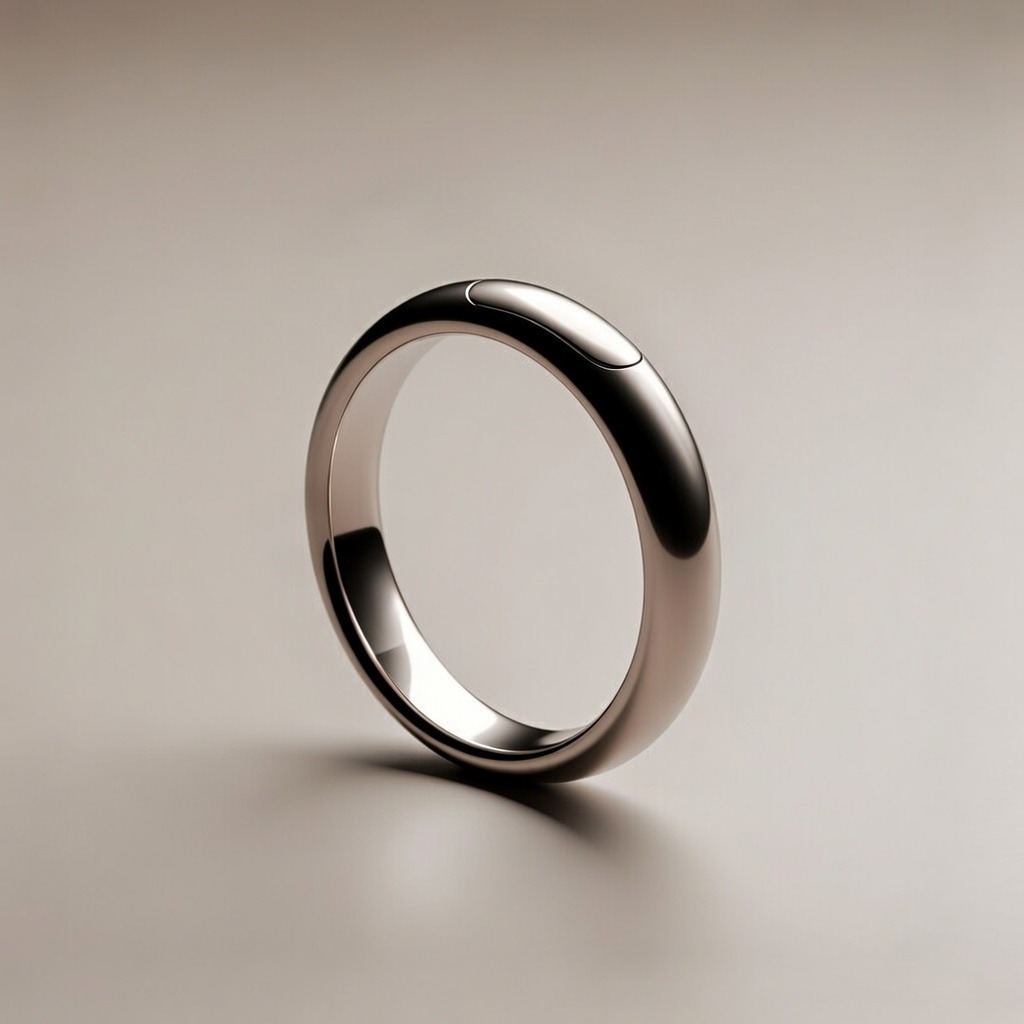
At the heart of this revolution are smart rings. Discreet, comfortable, and worn 24/7, these unassuming devices have become the central nervous system for personal health data. They capture the physiological signatures of your life—from the depth of your sleep and the cadence of your heart to subtle shifts in your stress levels and readiness to perform. This continuous stream of data creates a dynamic, holistic health avatar, a digital twin that reflects your unique biology.
This guide is your comprehensive map to this new frontier. We will journey beyond the hype to explore the science, the technology, and the practical strategies that define modern health monitoring. You will learn not only what your devices can measure, but why those metrics matter and how to use them to make meaningful improvements to your sleep, energy, recovery, and long-term vitality. Whether you’re a biohacker looking to optimize every percentage of performance, or someone simply seeking a better night's rest and more balanced days, the era of personalized, data-driven wellness is here. Let’s begin.
The Paradigm Shift: From Reactive Treatment to Proactive, Personalized Wellness
The 20th-century healthcare model was built on a foundation of averages. Treatment protocols, nutritional guidelines, and even drug dosages were often based on population-level studies, leaving individual variation as an afterthought. You were "healthy" until diagnostic tests—triggered by symptoms—said otherwise. This reactive approach, while life-saving in acute scenarios, is poorly suited for managing chronic conditions, preventing disease, and optimizing daily well-being.
The new paradigm, fully realized in 2025, turns this model on its head. It is proactive, predictive, personalized, and participatory—the "4 P's" of modern medicine.
Proactive & Predictive: Instead of waiting for disease, the focus is on identifying deviations from your personal baseline that may indicate future risk. Modern health monitors act as early-warning systems. By analyzing trends in heart rate variability (HRV), resting heart rate, sleep architecture, and skin temperature, these devices can signal elevated stress, the onset of illness, or inadequate recovery long before you feel overt symptoms. For instance, a steadily rising resting heart rate and falling HRV are reliable biomarkers of systemic stress, whether from an impending cold or overtraining.
Personalized: This is the cornerstone of the shift. Your health data is meaningful only in the context of you. What's a "good" night's sleep for a 25-year-old athlete differs from that of a 50-year-old executive. Advanced algorithms now establish your unique baselines across dozens of metrics. Insights are no longer generic ("aim for 8 hours of sleep") but hyper-specific ("your deep sleep was 15% lower than your baseline last night, likely due to the late evening meal and increased stress readings from the day").
Participatory: You are no longer a passive patient but an active partner in your health journey. The data from your wearable provides an objective, unfiltered narrative of how your lifestyle choices—sleep, diet, exercise, stress management—directly impact your physiology. This feedback loop fosters a powerful sense of agency. You can run experiments: Does a 30-minute nighttime wind-down routine improve your sleep scores? Does cutting caffeine after 2 PM lower your resting heart rate?
This shift is powered by the seamless, continuous collection of data. Unlike a smartwatch you take off to charge, a smart ring collects data uninterrupted, especially through the critical window of sleep—the most revealing period for recovery and health assessment. This continuous data stream is what turns sporadic snapshots into a high-definition movie of your health, enabling the true personalization and proactive insights that define modern wellness.
Beyond the Smartwatch: Why the Smart Ring is the Ultimate 24/7 Health Monitor
When wearables entered the mainstream, the wrist was the obvious destination. But as our understanding of holistic health monitoring has deepened, the limitations of the wristwatch form factor have become apparent. The smart ring, led by innovators in the space, has emerged not as a complementary gadget, but as the superior platform for serious, continuous health tracking. Here’s why.
Unobtrusive, Always-On Design: A smart ring is lightweight, ergonomic, and socially invisible. You can wear it while sleeping, typing, lifting weights, or wearing formal attire without discomfort or interference. This "forget-it’s-there" quality is paramount for 24/7 adherence. A device you remove for sleep, charging, or specific activities creates significant data gaps, especially during the vital recovery period of sleep. Consistent wear is the non-negotiable first step for accurate baselines and insights.
Superior Sleep Tracking Accuracy: The wrist is a highly mobile location during sleep, leading to frequent false positives for wakefulness based on movement alone. The finger, however, offers a more stable position with superior optical sensor performance. Proximity to major arteries (like the palmar digital arteries) allows for cleaner, more reliable photoplethysmography (PPG) signals for measuring heart rate, heart rate variability, and blood oxygen saturation (SpO2) throughout the night. This results in a profoundly more accurate picture of sleep stages (light, deep, REM), sleep disturbances, and overall sleep quality—the bedrock of daily recovery.
Comprehensive Biomarker Suite: Modern smart rings are packed with medical-grade sensors in a miniaturized form. Beyond accelerometers, they house:
Advanced PPG Sensors: For continuous heart rate, HRV, and SpO2.
Skin Temperature Sensors: To track subtle circadian shifts and physiological changes (like the onset of illness or menstrual cycle phases).
Electrodermal Activity (EDA) Sensors: To measure micro-sweat responses, a direct correlate of sympathetic nervous system arousal and stress.
Worn on the finger, these sensors collectively provide a richer, less noisy physiological signal than possible on the busy wrist, making the ring the ideal vessel for the multi-parameter data needed for advanced algorithms.
Long Battery Life & Simplicity: Freed from the power drain of a large screen and constant notifications, smart rings can achieve 5-7 days of battery life on a single charge. This minimizes charging gaps and supports extended wear. Furthermore, by decoupling intense health monitoring from the notification vortex of a smartwatch, the ring promotes a healthier relationship with technology. It works silently in the background, empowering you with insights without demanding your constant attention.
In essence, the smart ring solves the fundamental tension of modern wearables: the need for comprehensive, clinical-grade data versus the desire for a simple, unobtrusive device that fits seamlessly into life. It is purpose-built for the 24/7 health monitoring paradigm, making it the definitive tool for anyone serious about understanding and optimizing their well-being.
Decoding Your Body's Data: Key Metrics and What They Really Mean
With a device continuously gathering data, the immediate question becomes: what am I looking at, and what does it matter? The dashboard of a modern health ring can seem overwhelming at first. Let’s demystify the core biomarkers, moving beyond simple numbers to understand the physiological stories they tell.
Resting Heart Rate (RHR): The Engine's Idle
What it is: Your heartbeats per minute (BPM) when you are fully at rest, typically during sleep or upon waking.
The Deep Dive: A lower RHR generally indicates stronger cardiovascular fitness and more efficient heart function. But the trend is more important than the absolute number. A sustained elevation of 5-10 BPM above your personal baseline is one of the clearest early signs of systemic stress. This could be due to overtraining, dehydration, lack of recovery, or the onset of illness. Tracking RHR nightly provides a pure, unmasked view of your body's stress load.
Heart Rate Variability (HRV): The Master Metric of Resilience
What it is: The minute variations in time between successive heartbeats, measured in milliseconds.
The Deep Dive: This is arguably the most important biomarker for modern health monitoring. Contrary to intuition, a higher HRV is better. It indicates a robust, responsive autonomic nervous system (ANS). Your heart doesn't tick like a metronome; a healthy heart is constantly receiving signals from both the sympathetic ("fight or flight") and parasympathetic ("rest and digest") branches of the ANS. High HRV means your body can adapt swiftly to stress and recover effectively. A declining HRV trend signals that your nervous system is under sustained pressure, your recovery is inadequate, or your body is fighting something. It’s a direct line into your readiness to perform and handle stress.
Sleep Stages & Architecture: The Nightly Repair Cycle
What it is: The breakdown of your sleep into Light, Deep (Slow-Wave), and REM (Rapid Eye Movement) sleep.
The Deep Dive: It’s not just about duration. The architecture—the cyclical progression through these stages—is critical for different restorative functions. Deep sleep is for physical repair, immune strengthening, and memory consolidation. REM sleep is for emotional processing, creativity, and cognitive function. Disruptions in this architecture (fragmented sleep, lack of deep sleep) can leave you feeling exhausted despite adequate time in bed. Modern rings track these stages using a combination of movement, heart rate, and HRV patterns, offering a detailed map of your sleep quality. For example, high overnight HRV is strongly associated with restorative deep sleep.
Blood Oxygen Saturation (SpO2): The Cellular Fuel Gauge
What it is: The percentage of oxygen-carrying hemoglobin in your blood.
The Deep Dive: While a normal daytime SpO2 is ~95-100%, monitoring it during sleep is crucial. Periodic dips (nocturnal desaturation) can be a key indicator of sleep-disordered breathing, like sleep apnea. Even for those without apnea, subtle variations can reflect respiratory effort or inflammation. Tracking SpO2 trends gives you insight into your respiratory health and sleep quality at a cellular level.
Skin Temperature & Electrodermal Activity: The Silent Stress Signals
What they are: Skin temperature reflects circadian rhythm and inflammatory states. EDA measures tiny electrical changes on the skin correlated with sweat gland activity.
The Deep Dive: Your distal skin temperature naturally drops as you prepare for sleep and rises toward morning. Deviations from this pattern can indicate circadian disruption. A sustained elevated nighttime temperature can signal inflammation or immune response. EDA, often called the "stress sweat" sensor, detects moments of subconscious arousal, even during sleep. Spikes can correlate with stressful dreams, environmental disturbances (noise), or physiological stress.
Understanding these metrics in concert is where the magic happens. A single night of poor sleep might show low deep sleep and a slightly elevated RHR. But a pattern over three nights showing crashing HRV, rising RHR, and frequent nocturnal EDA spikes tells a compelling story of cumulative stress and insufficient recovery, a story you can now act on before it impacts your health or performance.
The Science of Sleep: Transforming Your Night from Mystery to Mastery
Sleep is the single most potent performance enhancer, health regulator, and cognitive sharpener at our disposal. Yet, for most of history, it has been a black box. We knew we needed it, but we had little objective insight into its quality. Modern health monitoring has illuminated this nightly voyage, providing the data needed to transform sleep from a passive state into an optimized pillar of wellness.
Sleep as a Diagnostic Window: The period of sleep is when your body sheds the mask of voluntary behavior and reveals its underlying state. Free from the conscious movements, meals, and stressors of the day, your nighttime physiology offers a pristine signal of your recovery status. This is why the data captured by a 24/7 wearable during these hours is so invaluable.
Key Levers for Sleep Optimization: Understanding your data allows you to identify and address specific disruptors:
Sleep Consistency & Circadian Rhythm: Your body thrives on predictability. Going to bed and waking up at consistent times, even on weekends, strengthens your circadian rhythm. Your wearable can show you how irregular bedtimes fragment your sleep and dampen morning alertness. Tracking your nightly skin temperature curve provides direct biofeedback on your circadian health.
Sleep Environment Optimization: Data reveals the impact of your environment. Spikes in nighttime heart rate or EDA can correlate with noise pollution, a room that's too warm, or even blue light exposure before bed. Objective data moves you from guessing ("I think I sleep hot") to knowing ("My skin temperature is 1.5°C higher on nights the room is above 68°F").
The Wind-Down Protocol: The hour before bed is not passive; it's a preparation phase. A structured wind-down routine signals to your nervous system that it’s time to shift into parasympathetic dominance. This directly improves Sleep Latency (time to fall asleep) and increases the likelihood of achieving deep, restorative sleep early in the night. Research shows that activities like gentle stretching, meditation, or reading (on paper) can be tracked through improvements in pre-sleep HRV and faster sleep onset. For a practical framework, you can explore a science-backed nighttime routine for better sleep.
Nutrition & Substance Timing: That evening glass of wine or late-night snack has a measurable, data-backed impact. Alcohol may help you fall asleep but它 universally fragments the second half of sleep, obliterating REM and spiking heart rate. Caffeine has a half-life of 5-6 hours; your ring can show you how a 4 PM coffee can still elevate your resting heart rate at midnight.
From Data to Actionable Insight: The goal is not to become obsessed with perfect scores, but to use data to create positive feedback loops. For example, you might notice your deep sleep is consistently low. You implement a minimal 5-step nighttime wellness routine for two weeks. The data then shows a 20% increase in deep sleep duration and a corresponding 8% improvement in your morning HRV. This tangible proof reinforces the positive behavior, turning it from a chore into a valued ritual. This is the essence of modern sleep mastery: using objective feedback to close the loop between your behaviors and their physiological outcomes.
Stress & Recovery: Measuring Your Nervous System's Balance
In our always-on culture, stress is often worn as a badge of honor. But chronic, unmanaged stress is a silent tax on our health, degrading performance, impairing immunity, and accelerating aging. The critical challenge has been that stress is subjective and often normalized until it manifests as burnout or illness. Modern health monitoring brings objectivity to this domain by measuring your body's stress response through your Autonomic Nervous System (ANS) balance.
HRV: The North Star of Recovery: As covered, HRV is the premier non-invasive window into your ANS. When you are well-recovered and resilient, your parasympathetic ("rest and digest") system is dominant, leading to higher, more variable HRV. When you are under physical, mental, or emotional stress, the sympathetic ("fight or flight") system takes precedence, creating a more rigid, predictable heart rhythm and lowering HRV.
The Readiness Score: Your Daily Forecast Advanced platforms synthesize multiple metrics—including HRV, RHR, sleep quality, and temperature—into a single, easy-to-understand Readiness or Recovery Score. This isn't a gimmick; it's a data-driven recommendation for how to approach your day.
High Readiness (Green): Your body has recovered well. This is the day to tackle that intense workout, important presentation, or creative project. Your physiology is primed for stress.
Moderate/Low Readiness (Yellow/Red): Your body is signaling it is under-recovered. This is not a failure, but critical feedback. It’s a day to prioritize gentle movement (like walking or yoga), stress-management techniques, hydration, and an early bedtime. Training through a low readiness score often leads to diminished returns and increased injury risk.
Identifying Stressors: Beyond the Obvious Your wearable helps you identify stressors you might otherwise miss:
Mental/Emotional Work Stress: A day of back-to-back meetings and tight deadlines may show up as a suppressed HRV that evening and a elevated RHR the next morning.
Social & Travel Stress: A fun but busy weekend with friends or crossing time zones creates a physiological load that your device will capture through disrupted sleep and ANS metrics.
Covert Inflammation: A slight but persistent elevation in resting heart rate and depressed HRV, coupled with a higher baseline skin temperature, can be your first clue that your body is fighting low-grade inflammation, perhaps from diet or a hidden allergy.
The Practice of Active Recovery: Monitoring turns recovery from an abstract concept into a measurable practice. On days your score is low, you can engage in deliberate recovery protocols: breathwork (like 4-7-8 breathing) to stimulate the parasympathetic system, an epsom salt bath, or a targeted nighttime routine designed for anxious or overactive minds to facilitate nervous system downregulation. The data before and after these practices provides immediate biofeedback, teaching you what truly helps your body recover. For those struggling to quiet their mind at night, specific strategies can be found in our guide on nighttime wellness for anxious minds.
By quantifying stress and recovery, you gain the power to dance with your own rhythm—pushing when you're resilient, and pulling back with intention when you need to recharge. This dynamic balance is the foundation of sustainable high performance and long-term health.
Personalized Fitness & Activity: Moving with Intelligence
The old fitness motto "no pain, no gain" is being replaced by a smarter, more nuanced principle: "train smart, recover smarter." Generic workout plans that ignore your body's daily state are inefficient and risky. Personalized health monitoring closes the loop between exertion and recovery, ensuring your activity supports—not sabotages—your overall wellness.
From Workout Tracking to Physiological Impact Assessment: Basic wearables tell you what you did (steps, distance, active minutes). Advanced health monitoring tells you how your body responded and is adapting. This shifts the focus from external output to internal response.
Key Data-Driven Insights for Fitness:
Workout Heart Rate Zones & Cardiovascular Load: Monitoring your heart rate during exercise ensures you train in the correct zones—whether aiming for fat-burning, aerobic base building, or anaerobic threshold improvement. More importantly, the cardiovascular load from a session is quantified. This load, when viewed against your recovery score, tells you if the workout was appropriately challenging or excessively stressful.
The Post-Exercise "What Happened Next?": The most valuable data often comes after the workout. How quickly does your heart rate recover in the first minute post-exercise? A faster drop is a marker of good cardiovascular fitness. How is your sleep after a hard training day? Do you get more deep sleep (a sign of good physical recovery) or is your sleep fragmented with a high resting heart rate (a sign of overreach)? This post-exertion window is critical for assessing tolerance.
Readiness-Based Training: This is the pinnacle of personalized fitness. Instead of following a rigid calendar-based plan, you let your daily readiness score guide your session's intensity and volume.
High Readiness: Execute the planned intense interval session or heavy strength training.
Moderate Readiness: Stick with moderate, steady-state cardio or technique-focused work.
Low Readiness: Switch to active recovery (walking, mobility) or take a complete rest day.
This approach dramatically reduces the risk of overtraining and injury, as it respects your body's real-time capacity. It ensures you get the most out of your hard days by being fully prepared for them.
Recognition of Non-Exercise Activity Thermogenesis (NEAT): Your overall daily movement—walking, taking the stairs, fidgeting—contributes significantly to metabolic health and recovery. A smart ring tracks this all day, encouraging you to avoid prolonged sitting, which can be as detrimental to health metrics as missing a workout.
Recovery as a Trainable Skill: For athletes and active individuals, recovery is not passive; it's an active process that can be optimized. Monitoring proves the efficacy of your recovery strategies. Does post-workout foam rolling improve your next-day HRV? Does a nighttime routine designed for athletes that includes hydration and protein intake correlate with higher deep sleep scores? The data provides answers, allowing you to build a personalized recovery protocol that maximizes the return on your training investment.
In 2025, fitness is no longer about blindly following a plan. It's a dialogue with your body, facilitated by data. You push, it responds; you listen, and you adapt. This intelligent, responsive approach leads to better results, greater consistency, and a lifelong, sustainable relationship with movement.
Nutrition & Metabolism: Connecting Fuel to Feelings (and Data)
The age-old question, "What should I eat?" is being reframed by personalized data into, "What does my body need today, and how does it uniquely respond?" Nutrition is deeply individual—a food that energizes one person may cause inflammation or a crash in another. Health monitoring provides the objective feedback needed to move beyond generic diets and build a personalized nutrition strategy.
Beyond Calories: The Metabolic & Inflammatory Response While tracking food intake is useful, the real frontier is tracking your body's response to that intake. Key metrics provide clues:
Resting Heart Rate & HRV After Meals: A large, carbohydrate-heavy, or inflammatory meal can trigger a sympathetic nervous system response, elevating your heart rate and lowering HRV for several hours post-meal. This is sometimes called "postprandial stress." Monitoring these trends can help you identify foods that disrupt your autonomic balance.
Sleep Quality as a Dietary Report Card: What you eat in the evening has a profound impact on your sleep architecture. High-glycemic meals close to bedtime can disrupt sleep cycles. Alcohol, as noted, devastates REM sleep and elevates heart rate. Your sleep data provides an unfiltered report on how your dietary choices support or hinder your recovery.
Skin Temperature & Inflammation: A persistent, low-grade elevation in your nocturnal skin temperature can be a sign of systemic inflammation, often diet-related. By experimenting with elimination (e.g., reducing processed foods, gluten, or dairy) and observing temperature trends, you can identify inflammatory triggers unique to you.
Meal Timing & Circadian Rhythm: Your body metabolizes food differently depending on the time of day, aligned with your circadian rhythm. Eating late at night, when your body is preparing for sleep and repair, can confuse these signals, leading to poorer sleep and metabolic inefficiency. Data can reveal if late dinners correlate with lighter, more fragmented sleep and higher morning resting heart rates, guiding you to optimize your eating window.
Hydration & Electrolytes: Even mild dehydration has a measurable physiological impact. It can increase your resting heart rate, decrease HRV, and contribute to feelings of fatigue. By correlating days of lower fluid intake with these negative biometric shifts, your device reinforces the importance of consistent hydration for optimal function.
Personalized Experimentation: The "N=1" Study This is where you become the scientist of your own body. The process is simple:
Hypothesize: "I think dairy might be causing subtle inflammation for me."
Intervene: Remove all dairy from your diet for 14 days.
Measure: Observe trends in your core metrics—nocturnal skin temperature, morning RHR, HRV, and sleep quality.
Reintroduce: Add dairy back in.
Analyze: Did your metrics significantly improve during elimination and degrade upon reintroduction?
This data-driven, experimental approach removes guesswork and emotional bias from nutrition. It empowers you to build a way of eating that is truly personalized, optimizing for energy, recovery, and long-term health biomarkers, not just weight or appearance.
Long-Term Health Trends & Preventative Insights
The true power of continuous health monitoring is not in daily novelty, but in the longitudinal story it weaves over months and years. This long-term data set transforms your wearable from a fitness tracker into a powerful preventative health tool, capable of spotting significant deviations that may warrant deeper medical investigation.
Establishing Your Unique Baselines: The first 30-60 days of wearing a device are about learning your normal. What is your typical HRV range? What’s your average resting heart rate in each phase of your menstrual cycle? What does your sleep architecture look like when you’re healthy? These personalized baselines are your health "fingerprint."
Spotting Meaningful Deviations: Against this backdrop of your normal, anomalies stand out clearly. Medicine has long used the concept of "the worried well." Now, you can bring objective data to a healthcare professional. For example:
Respiratory Health: A new, persistent trend of slightly lower nocturnal SpO2 averages or more frequent desaturation events could be a prompt to discuss sleep apnea screening.
Inflammatory & Immune Response: A multi-day combination of elevated resting heart rate, depressed HRV, and higher skin temperature is the classic biometric signature of your body fighting an infection—sometimes before you feel symptoms. Over the long term, chronic low-grade shifts in these markers could point to ongoing inflammation.
Cardiovascular Trends: Gradually increasing resting heart pressure or decreasing HRV over years, despite consistent fitness habits, could be an early signal to have a deeper cardiovascular assessment.
The Menstrual Cycle & Hormonal Health: For women, cycle tracking integrated with biometrics is revolutionary. You can clearly see the physiological shifts across phases: a rise in resting heart rate and skin temperature in the luteal phase, variations in sleep architecture, and changes in recovery capacity. This data demystifies the cycle, allowing for cycle-synced training, nutrition, and stress management. It also provides a rich data set for discussions with gynecologists or endocrinologists about hormonal health.
Aging with Awareness: As we age, our physiological baselines naturally change. Resting heart rate may creep up, HRV may slowly decline, and sleep architecture shifts. Having years of your own data allows you to distinguish between normal, healthy aging and accelerated declines that might be mitigated through lifestyle interventions. Are you "aging" faster than your chronological age based on your biomarkers? This data can be a powerful motivator for positive change.
This long-view perspective turns health into a continuous journey, not a destination. It provides an early warning system, empowering you to take action in the "pre-disease" space, where lifestyle interventions are most effective. It also creates a priceless record—a quantitative history of your body's life—that can inform your healthcare decisions for decades to come.
Integrating Data into Daily Life: From Overwhelm to Harmonious Routine
A flood of data can be paralyzing. The goal of modern health monitoring is not to create a new source of anxiety or obsessive self-tracking ("orthosomnia"), but to provide gentle, insightful guidance that seamlessly integrates into your life. The key is moving from data collection to data wisdom.
Focus on Trends, Not Single Data Points: Never judge your health or a day by a single number. A low HRV score one morning could be due to a single hard workout, a poor night's sleep, or a glass of wine. It's the patterns over time that matter. Look at weekly averages and multi-day trends. The apps and platforms that accompany advanced devices are designed to highlight these trends, not just daily scores.
The Morning Check-In: Setting the Tone for the Day: This should be a 60-second ritual, not a deep dive. Glance at your Readiness/Recovery Score and the key metrics behind it (sleep, HRV, RHR). Let this inform, not dictate, your day.
Green Score: Acknowledge it, feel good, and proceed with your planned intensity.
Yellow/Red Score: Don't view it as a failure. View it as valuable intel. Thank your body for the clear signal, and gently adjust your day. It’s a permission slip to prioritize self-care.
Creating Feedback Loops & Building Rituals: Use the data to build and reinforce positive routines. For example:
Measure: Observe the impact on your Sleep Score and Morning Readiness.
Adapt: Did it help? If yes, the data reinforces the habit. If not, tweak the routine and test again.
This process of hypothesize-measure-adapt turns vague wellness goals into concrete, successful behavior change. For more on making habits stick, see our guide on how to build a nighttime routine that actually lasts.
Balancing Data with Intuition: The data is a powerful advisor, but you are the CEO of your health. If your readiness score is low but you feel energetic and have a critical, non-negotiable workday, you can proceed—but perhaps with the added intention of a very early bedtime and extra hydration. Conversely, if your score is high but you feel off, listen to that too. The data and your intuition are in dialogue, not competition.
Avoiding Common Pitfalls: The journey has its traps. One major pitfall is letting perfect scores become an unhealthy obsession, leading to stress about sleep, which ironically ruins sleep. Remember, the device is a tool for improvement, not perfection. Another mistake is ignoring the data completely after the novelty wears off. The solution is to engage with it thoughtfully and periodically, using it for check-ins and experiments, not constant surveillance.
By integrating data with wisdom, you create a harmonious relationship with your health technology. It becomes a silent partner, a source of objective feedback that helps you live more in tune with your body's natural rhythms and needs, ultimately leading to greater balance, energy, and well-being.
The Future is Now: Emerging Biomarkers and the AI Health Coach
The landscape of personal health monitoring is not static; it is accelerating. The devices and algorithms of 2025 are already laying the groundwork for the next leap forward: a truly predictive, conversational, and deeply integrative AI health coach. The future is moving from telling you what happened to predicting what will happen and prescribing what you should do about it.
Emerging Biomarkers on the Horizon: Sensor miniaturization and new measurement techniques are bringing once-clinical tools to the finger.
Continuous Glucose Monitoring (CGM) Integration: While currently a separate sensor, the non-invasive measurement of glucose trends via optical sensors is a major area of R&D. Understanding your personal glucose responses to different foods would be a monumental leap for metabolic health optimization.
Blood Pressure Trends: While absolute, clinical-grade blood pressure measurement from a ring is challenging, tracking relative changes and trends in pulse wave velocity (a correlate of vascular stiffness and pressure) is becoming possible, offering insights into cardiovascular stress.
Advanced Hydration & Electrolyte Status: Using bioimpedance or advanced optical sensing, future devices may estimate fluid balance and electrolyte levels, providing direct feedback for athletes and those in hot climates.
Cortisol Patterns: The holy grail of stress tracking. While direct measurement remains complex, algorithms are getting better at inferring hypothalamic-pituitary-adrenal (HPA) axis activity from combinations of HRV, EDA, heart rate, and sleep data.
The Rise of the Context-Aware AI Health Coach: Raw data is meaningless without interpretation. The next generation of platforms will use sophisticated AI to synthesize your biometric data with contextual inputs you provide (like logged workouts, meals, and subjective mood) and even external data (like local weather, pollen count, or your calendar stress).
Predictive Alerts: "Based on your declining HRV trend and elevated RHR, you have a 75% likelihood of coming down with a cold in the next 48 hours. Consider increasing sleep, vitamin C, and zinc."
Personalized Prescriptions: "Your sleep was fragmented last night due to high EDA spikes. Tonight, try the 20-minute 'Stress Reset' breathwork audio in the app before bed." Or, "Your recovery is excellent today. Your planned workout is optimal. To maximize gains, ensure you consume 30g of protein within 30 minutes of finishing."
Conversational Interface: Instead of navigating charts, you'll be able to ask, "Why am I so tired today?" and the AI will analyze your last 72 hours of data to reply: "Your fatigue is likely due to the cumulative effect of three nights with 20% less deep sleep than your baseline, starting the night after your intense leg day. Prioritize sleep tonight and consider a magnesium supplement."
Integration with the Broader Healthcare Ecosystem: The future is interoperable. With your consent, your anonymized, longitudinal health data could be securely shared with your healthcare provider, giving them a rich, continuous record far beyond the snapshot of an annual physical. This can lead to more accurate diagnoses, personalized treatment plans, and remote patient monitoring for chronic conditions.
The trajectory is clear: health monitoring is evolving into a proactive, predictive, and hyper-personalized partnership between human and machine. The smart ring, as the most seamless data-collection point, will be at the center of this transformation, evolving from a tracker into a true guardian of your long-term health and performance.
Choosing Your Tool: A 2025 Buyer's Guide to Health Monitoring Rings
With the market expanding, choosing the right health monitoring ring is a critical decision. Your choice will be your constant companion, so it must align with your goals, lifestyle, and values. Here are the key factors to consider in 2025, cutting through the marketing to the core functionalities that matter.
1. Sensor Suite & Data Accuracy: The Non-Negotiable Foundation This is the engine of the device. Prioritize rings with a proven, multi-sensor array:
Highly Valuable: Electrodermal Activity (EDA) sensor for stress insight.
Battery-efficient Bluetooth connectivity for continuous, real-time data syncing is essential. Don't settle for a ring that only stores data and syncs when placed on a charger.
Research the algorithm science behind the data. Look for companies that publish white papers, collaborate with research institutions, and are transparent about how they derive sleep stages, HRV, and readiness scores. Accuracy during sleep and low-movement periods is the ultimate test.
2. Battery Life & Charging Solution: Aim for a minimum of 5 full days of battery life to ensure minimal data gaps. The charging solution should be convenient. A compact, portable charging case is ideal, allowing you to charge on the go (e.g., during a shower or at your desk) without losing the ring.
3. Design, Comfort & Durability: You will wear this 24/7. It must be:
Lightweight (typically 3-6 grams) and ergonomically shaped for long-term comfort.
Made from hypoallergenic, durable materials: Titanium is the gold standard for strength, lightness, and skin-friendliness.
Sized correctly: Most companies provide a free sizing kit. Follow the instructions precisely, as a proper fit is crucial for sensor accuracy and comfort. It should be snug but not tight.
Water-resistant to at least 50 meters (5 ATM) to withstand swimming, showers, and intense sweat.
4. The Software & App Experience: The hardware collects data; the software delivers insight. The app should be:
Intuitive and educational, not just a dashboard of numbers. It should explain what metrics mean and why they change.
Focused on trends and insights, not just daily scores. Look for clean graphs showing weekly/monthly views.
Action-oriented, providing contextual suggestions tied to your data.
Private and secure. Scrutinize the privacy policy. Your health data is extremely sensitive. Ensure the company has a clear, strong policy on data ownership, anonymization, and non-sharing without explicit consent.
5. Ecosystem & Integration: Consider how the ring's data will fit into your existing digital life.
Does it sync with major fitness platforms (Apple Health, Google Fit, Strava)?
Can it import calendar data for stress context?
Does the platform allow you to manually log activities, meals, or symptoms to correlate with your biometrics?
6. The Company's Philosophy & Roadmap: You are buying into a platform, not just a product. Look at the company's mission. Do they emphasize scientific rigor, user privacy, and holistic wellness over gamification and social competition? Review their update history—are they consistently improving algorithms and adding features based on user feedback and new science?
In 2025, the best device is the one that disappears into your life while providing trustworthy, insightful data through a platform that empowers you to understand and act. It should feel less like a piece of tech and more like an extension of your own self-awareness.
Mental Wellbeing & Cognitive Performance: The Data-Driven Path to a Sharper, Calmer Mind
For too long, mental and cognitive health have existed in a subjective realm, assessed through how we "feel" in the moment. This has made it difficult to correlate our habits with their true neurological impact. The modern health monitor changes this by providing objective, physiological proxies for brain state and mental fitness. It allows us to measure the mind through the body, turning abstract concepts like "brain fog" or "chronic stress" into quantifiable trends we can actively manage.
The Brain-Body Feedback Loop: Every cognitive and emotional state has a physiological correlate. Anxiety triggers a sympathetic nervous system response (low HRV, high heart rate). Deep focus and flow states are often accompanied by a specific, coherent heart rhythm pattern. Mental fatigue from prolonged cognitive work manifests physically, similar to muscle fatigue. By tracking these bodily signals, we gain an unprecedented window into our mental well-being.
Key Metrics for Mental Fitness:
HRV as an Emotional & Cognitive Resilience Gauge: We’ve discussed HRV for physical recovery, but its role in mental health is equally profound. High HRV is associated with greater emotional regulation, faster recovery from psychological stress, and enhanced cognitive flexibility—the ability to switch between tasks or thoughts efficiently. A sustained low HRV trend is a strong biomarker for chronic psychological stress, burnout risk, anxiety, and even depressive states. Monitoring HRV gives you an early, objective signal that your mental resilience is depleted, prompting you to intervene with stress-reduction practices before you feel emotionally overwhelmed.
Sleep Architecture and Cognitive Function: Sleep is non-negotiable for cognitive performance. Different sleep stages serve specific brain functions:
Deep Sleep: Critical for memory consolidation and clearing metabolic waste from the brain (via the glymphatic system).
REM Sleep: Essential for emotional processing, creativity, and complex problem-solving. Disruptions in these stages, visible in your sleep data, directly predict next-day impairments in focus, decision-making, and emotional stability. Poor sleep doesn't just make you tired; it makes you less intelligent and more reactive.
Electrodermal Activity (EDA) and the Stress Signature: EDA sensors detect subconscious arousal. Throughout the day and night, these micro-stress events are logged. Reviewing your daily EDA timeline can be revelatory. You might see spikes during your commute, before a meeting, or even during sleep (indicating stressful dreams). This biofeedback makes the invisible visible, helping you identify specific stressors in your environment or thought patterns that trigger a physiological stress response. Armed with this knowledge, you can deploy techniques like box breathing or cognitive reframing at the moments that matter most.
Building a Data-Informed Mental Fitness Protocol: With these insights, you can move beyond guesswork in building mental resilience.
Stress Inoculation Training: Use your data to find your optimal "stress dose." Just as muscles grow with controlled strain, your nervous system can build resilience through managed stress. Plan challenging cognitive tasks or moderate physical exercise on days your readiness is high. Observe how your system recovers. This teaches you the difference between productive stress (which elevates then settles) and destructive stress (which causes a prolonged crash in metrics).
Cognitive Recovery Periods: Your data will show that after periods of intense mental focus, your physiology needs downtime just as it does after a workout. Schedule short breaks after 90-minute work blocks, and use brief mindfulness exercises. You can track the direct impact of these breaks on stabilizing your heart rate and improving subsequent focus.
The Mindful Evening Wind-Down: The transition from work to rest is a critical cognitive skill. A scattered, screen-filled evening leaves your brain "on," harming sleep quality. Implementing a consistent nighttime routine that reduces morning grogginess is a direct investment in next-day cognitive performance. The data will prove that a proper wind-down leads to more REM and deep sleep, resulting in higher HRV and sharper focus the following day.
Identifying Cognitive "Drag": Correlate your subjective feelings of "brain fog" with your data. You may discover it consistently follows poor sleep, high-stress days (low HRV), or certain dietary choices. This turns a vague complaint into a solvable equation: "My brain fog corresponds with nights where my deep sleep is under 1 hour. Therefore, to think clearly, I must prioritize sleep depth."
By treating your mind as a system that can be trained, measured, and optimized, you gain agency over your mental landscape. The goal is not to eliminate stress or challenge, but to build a nervous system so resilient and a brain so well-rested that you can navigate complexity with clarity and calm. This is the foundation of sustained high performance and profound well-being in the cognitive age.
Family & Shared Wellness: Leveraging Data for Collective Health
Health is rarely an entirely solitary pursuit. Our routines, stress levels, and sleep environments are deeply interconnected with those we live with—partners, children, aging parents. Modern health monitoring, when applied thoughtfully within a family or household, can transform individual insights into a powerful framework for collective well-being, fostering empathy, accountability, and shared healthy habits.
Synchronized Rhythms and the Shared Environment: Families often share circadian rhythms, meal times, and environmental factors. Tracking health data across members can reveal fascinating and useful patterns.
Sleep Spillover: A partner’s restless night, marked by frequent movement or waking, often impacts the other’s sleep score. Seeing this correlation objectively can lead to collaborative solutions, such as using separate blankets, addressing one person's snoring, or investing in a better mattress.
Shared Stress & Recovery: Family stress is a real phenomenon. A stressful period for a parent (visible in their lowered HRV) can create a tense home atmosphere that impacts a child’s nervous system, potentially showing in their sleep data or activity levels. Recognizing this shared physiological load can prompt the family to institute collective de-stressing rituals.
Teaching Children Body Literacy: For older children and teenagers, introducing a simple fitness tracker or discussing family health data can be an educational tool far more powerful than lectures. It helps them connect actions to outcomes in a tangible way.
Sleep Education: Showing a teenager how their weekend late-night gaming directly correlates with their plummeting sleep score and next-day irritability provides objective cause-and-effect learning.
Activity as a Family Goal: Turning daily step counts or active minutes into a friendly, low-stakes family competition can promote movement and bonding. The focus should be on fun and participation, not punishment or extreme goals.
Creating a Family Wellness Framework: Data can help structure a home environment conducive to everyone’s health.
Collaborative Wind-Down: Instituting a family nighttime wellness routine for adults and kids creates a shared signal that the day is ending. This might involve 30 minutes of no screens, shared reading time, or gentle stretching. The resulting improvement in everyone’s sleep data reinforces the habit.
Data-Informed Meal Planning: If multiple family members show signs of post-meal energy crashes or inflammation markers, it can motivate a collaborative exploration of healthier, energizing recipes that work for all.
Respecting Individual Differences: This is crucial. Family tracking should highlight, not homogenize, individual needs. One child might need more sleep than a sibling. A parent may require more downtime after work. Data helps create a household that respects these unique biological requirements while finding harmonious common ground.
Caring for Aging Parents: For adults caring for elderly parents, remote monitoring (with explicit consent) can provide peace of mind and valuable health insights. Trends in a parent’s resting heart rate, sleep patterns, or activity levels can offer early indications of health changes that might otherwise go unreported, allowing for more proactive conversations with healthcare providers.
The Foundation: Consent, Privacy, and Positive Framing: The ethics of shared data are paramount. This should be a voluntary, opt-in practice built on trust, not surveillance. Data should be used to empower and support, never to shame or blame. The conversation should always center on, "How can we use this information to help each other feel our best?"
When approached with intention and care, shared wellness tracking moves the family unit from a collection of individuals to an interdependent ecosystem of health. It builds a common language around well-being, strengthens bonds through collaborative goals, and creates a home environment where everyone is supported in thriving.
Navigating Challenges: Data Anxiety, Accuracy, and Maintaining Balance
As with any powerful tool, the journey of deep health monitoring comes with potential pitfalls. The quest for self-optimization can veer into obsession, data can be misinterpreted, and the sheer volume of information can become a source of stress itself—a phenomenon often called "quantified-self anxiety" or "orthosomnia" (an unhealthy preoccupation with perfect sleep data). Navigating these challenges is essential for a sustainable and beneficial relationship with your health technology.
1. Combating Data Anxiety and Obsession: The primary goal is empowerment, not anxiety. Signs you may be losing balance include:
Feeling of failure or dread upon seeing a "red" readiness score.
Compulsively checking your app throughout the day.
Making yourself go to bed or exercise solely because the data says to, against your own intuition.
Stress about imperfect data ironically worsening the metrics you're tracking.
Strategies for Balance:
Embrace Trends, Not Dailies: Lock away the daily score view. Force yourself to look only at weekly or monthly averages. This smooths out the noise and reveals the true signal of progress or decline.
Schedule Check-Ins, Don't Monitor Live: Designate one or two specific times per day to review your data (e.g., morning and evening). Do not open the app outside of these times.
Practice Data Detoxes: It can be incredibly healthy to take a week off from looking at your data while continuing to wear the device. At the end of the week, review the trends without the daily emotional rollercoaster. This reinforces that your body's wisdom exists independently of the numbers.
Reframe the "Red" Score: A low readiness score is not a bad grade; it is invaluable, compassionate feedback. It’s your body whispering, "Please be gentle with me today." Thank it for the communication.
2. Understanding the Limits of Accuracy: No consumer wearable is a medical device. It's vital to understand what they do well and where they have limitations.
They Are Excellent at Tracking Trends: While the absolute value of your nightly deep sleep (e.g., 1h 12min vs. 1h 15min) may have a margin of error, the trend over time (e.g., a 20% decrease this week) is highly reliable and actionable.
They Measure from the Periphery: Sensors on your finger or wrist are measuring blood flow and movement at the periphery, not from the core. Algorithms then infer states like sleep or stress. Different companies use different algorithms, which is why scores can vary between devices. Trust the consistency of one device's ecosystem, not the absolute numbers.
They Complement, Don't Replace: These devices are phenomenal for lifestyle and prevention insights. They are not diagnostic tools. A concerning long-term trend should prompt a conversation with a healthcare professional, not a self-diagnosis.
3. The Pitfall of "Good" vs. "Bad" Data Labeling: The algorithms that provide scores (Sleep Score, Readiness Score) are helpful heuristics, but they can create a binary mindset. A "poor" sleep night after a celebratory evening with friends is not a failure; it's a conscious trade-off with a known outcome. The data simply confirms the cost of that choice, allowing you to make it more mindfully next time. The richness is in the nuance, not the label.
4. Maintaining the Human Element: Your subjective experience—how you feel—is the most important data point of all. The ring's data is one input; your energy, mood, and intuition are others. If you feel fantastic but your readiness score is low, explore the discrepancy gently. Did you sleep in an unusual position that confused the sensors? Conversely, if you feel terrible but your scores are green, listen to your body. The device is an advisor, not an oracle.
The ultimate success in modern health monitoring is achieving a state where the technology fades into the background, and its insights become integrated into a natural, intuitive sense of self-care. It’s about using data to deepen your connection to your body, not to create a detached, numbers-driven relationship with it. By acknowledging and navigating these challenges, you ensure your tool remains a servant to your well-being, not its master.
Case Studies & Real-World Applications: The Data in Action
Theory and metrics come alive when seen through the lens of real people. Here are composite case studies, built from common patterns observed in the modern health monitoring community, that illustrate how data translates into life-changing insights and actions.
Case Study 1: The "Always Tired" Executive
Profile: Mark, 42, a driven finance professional. He exercises 5 days a week, eats "clean," but is plagued by constant afternoon fatigue, irritability, and a sense he's not recovering from his workouts. He assumes he just needs more sleep.
The Data Story: Upon wearing a smart ring for a month, Mark's data reveals a critical pattern. While he averages 7.5 hours in bed, his deep sleep is consistently in the bottom 10th percentile for his demographic. His HRV is chronically low, and his nocturnal heart rate is elevated. The data timeline shows EDA spikes between 10 PM and midnight.
The Investigation & Insight: The EDA spikes clue him in. He realizes this is when he's in bed, on his phone, catching up on work emails and financial news. The blue light and cognitive stimulation are triggering a sympathetic stress response right as his body needs to wind down. Furthermore, his intense 6 AM workouts, while his readiness score is often low, are adding to his allostatic load without adequate recovery.
The Action: Mark implements two changes:
He establishes a digital curfew at 9:30 PM, placing his phone in another room and reading a book instead. He follows a step-by-step nighttime wellness routine to structure this wind-down.
He shifts two of his weekly workouts from high-intensity intervals to lower-intensity strength or mobility sessions, based on his morning readiness score.
The Result: Within three weeks, his deep sleep increases by 40%. His average HRV rises by 15 points. His daytime energy stabilizes, and his workout performance on high-intensity days actually improves because he's now truly recovered for them. The data provided the "why" behind his fatigue, leading to targeted, effective solutions.
Case Study 2: The Perimenopausal Athlete
Profile: Sarah, 48, a lifelong runner. She's noticed her sleep is more unpredictable, her recovery from long runs takes longer, and she's gaining weight despite no change in diet or exercise. She's frustrated and feeling unlike herself.
The Data Story: Sarah's longitudinal data shows clear cyclical patterns beginning to change. Her resting heart rate baseline has crept up by 5 BPM over the past year. Her skin temperature trends are more erratic, with less pronounced nightly drops. Her sleep graph shows more frequent awakenings in the second half of the night, and her HRV is more variable cycle-to-cycle.
The Investigation & Insight: This data constellation is a classic biometric signature of hormonal transition. The elevated RHR and temperature dysregulation point to shifting estrogen and progesterone levels. The sleep fragmentation is a common perimenopausal symptom. Seeing this objective data validates Sarah's experience—it's not "in her head."
The Action: Armed with her data, Sarah has a more informed conversation with her gynecologist. She also makes personal adjustments:
She becomes more flexible with her training, using her readiness score to decide between a tempo run or a walk.
She incorporates more strength training and protein to combat the metabolic shifts indicated by the data.
The Result: Sarah stops fighting her body and starts working with it. The data reduces her frustration, as she can now see the physiological reasons for her experience. She adjusts her expectations and strategies, finding a new, sustainable equilibrium in her athleticism and well-being.
Case Study 3: The Remote Worker Battling Burnout
Profile: Elena, 35, a software designer working from home. The lines between work and life have blurred. She feels constantly "on," has trouble switching off, and experiences low-grade anxiety.
The Data Story: Elena's data shows a flatlined HRV throughout the day and night—a sign of a stuck, hyper-alert nervous system. Her sleep latency is high (time to fall asleep), and she has very few EDA spikes, not because she's relaxed, but because her system is in a state of chronic, sustained arousal with no clear off-ramp.
The Investigation & Insight: The data visually confirms her burnout. Her body has lost its natural rhythm of stress and recovery. The lack of clear circadian cues (no commute, variable meal times) has dysregulated her system.
The Action: Elena uses data to rebuild structure:
She creates strict work-life boundaries, using her calendar to block "focus time" and "shutdown time."
At 6 PM, she starts a shutdown ritual that includes a short walk (to mimic a "commute"), followed by a routine for anxious minds involving journaling to dump work thoughts and a guided meditation.
She uses her morning HRV as her "mental recovery score," learning that activities like weekend hikes in nature significantly improve it.
The Result: Over two months, Elena's HRV graph begins to show a healthy circadian wave again—lower at night, higher during the day. Her sleep latency drops. She begins to feel distinct states of focus and calm, rather than a persistent, draining buzz. The data helped her diagnose the systemic nature of her burnout and provided a framework for rebuilding her nervous system's resilience.
These stories underscore a universal truth: data is most powerful when it leads to personalized, contextual understanding and action. It turns struggles into solvable puzzles and empowers individuals to become the authors of their own health narratives.
Integrating with Professional Healthcare: From Patient File to Personal Health Record
The era of walking into a doctor’s office with only subjective descriptions (“I’m tired all the time”) and a single snapshot from an annual physical is ending. Modern personal health monitoring is forging a new, collaborative partnership between individuals and healthcare professionals. It transforms the static patient file into a dynamic, rich Personal Health Record (PHR), empowering better diagnoses, personalized treatment plans, and proactive, preventative care.
Bridging the Data Gap: Traditionally, a physician sees you for 15-20 minutes, relying on your recall of symptoms and a few point-in-time measurements (blood pressure, weight, stethoscope exam). This misses the crucial context of your daily life. Your wearable provides that missing context—the continuous, real-world data that shows how your body functions outside the clinic walls.
What Data is Clinically Relevant? Not all wellness data is medical data, but several long-term trends are profoundly valuable for clinicians:
Resting Heart Rate & HRV Trends: Long-term trends can support investigations into cardiovascular health, anxiety disorders, autoimmune flare-ups, or the impact of chronic stress. A graph showing a steady 6-month decline in HRV is a powerful objective sign.
Sleep Architecture Over Time: Quantified sleep data is gold for sleep specialists, neurologists, and psychiatrists. Evidence of chronic sleep fragmentation, minimal deep sleep, or consistent early waking provides concrete evidence to guide treatment for insomnia, depression, or sleep apnea.
Nocturnal Blood Oxygen (SpO2): Weeks of data showing periodic desaturations are a strong indicator for a sleep apnea referral, often more convincing than a subjective Epworth sleepiness scale alone.
Skin Temperature Trends: Long-term basal temperature trends can provide supporting evidence for endocrinologists investigating thyroid issues, perimenopause, or other metabolic conditions.
Activity & Recovery Correlation: For physiotherapists or sports medicine doctors, data showing how an injury or treatment affects daily activity levels, sleep, and recovery metrics provides objective benchmarks for rehabilitation progress.
How to Prepare for a "Data-Informed" Visit: To make this collaboration effective, patients must curate and present their data thoughtfully.
Focus on Trends, Not Daily Dips: Do not bring in a single day of poor sleep. Export summary reports covering 1-3 months that show meaningful trends. Most reputable apps have PDF or shareable report functions.
Correlate with Symptoms: Annotate your data timeline with major life events, symptom onset, medication changes, or lifestyle shifts. A note like, “Started new project at work here,” or “Began experiencing migraines here,” next to a corresponding dive in HRV and sleep quality provides invaluable cause-and-effect context.
Prepare Specific Questions: Use your data to formulate precise questions. Instead of “Why am I tired?” ask: “My data shows my deep sleep has decreased by 50% over the last four months, and my RHR is up 8 BPM, despite no change in exercise. What systems should we investigate?”
Respect the Protocol: Understand that your physician may not be familiar with consumer wearable data. Present it as supplementary, supportive information, not a definitive diagnosis. Say, “I’ve been tracking these trends, and I thought they might be helpful context,” rather than, “My ring says I have sleep apnea.”
The Future of Integrated Care: Forward-thinking clinics and healthcare systems are beginning to formally integrate patient-generated health data (PGHD) into electronic health records (EHRs). This allows for:
Remote Patient Monitoring (RPM): Patients with chronic conditions like hypertension, heart failure, or COPD can have key metrics (HR, SpO2, activity) monitored remotely, with alerts sent to care teams for early intervention.
Pre- and Post-Op Optimization: Surgeons can use readiness and recovery data to schedule elective surgeries when a patient is at their physiological peak and then monitor their recovery progress at home.
Medication & Treatment Efficacy Tracking: Objective data can help assess how a new medication for depression affects sleep architecture or how a lifestyle intervention for diabetes impacts resting heart rate and recovery.
Ethical and Practical Considerations:
Data Overload: Clinicians cannot be expected to sift through terabytes of raw data. The onus is on the platform providers to create clinically actionable summary reports.
Validation & Accuracy: The medical community rightfully requires validated devices. As the technology improves, we will see more FDA-cleared indications for consumer wearables, increasing their clinical acceptance.
Privacy & Ownership: Patients must own and control their data. Secure, patient-mediated sharing will be key. Any integration must comply with HIPAA and other data protection regulations.
This integration marks a democratization of healthcare. You become an informed, data-empowered partner in your care team. You bring the continuous narrative of your body’s story, allowing your doctor to apply their expertise to a much richer text. This synergy promises more accurate diagnoses, more personalized treatment plans, and a fundamental shift towards true preventative, participatory medicine.
The Ethics of Biometric Data: Privacy, Ownership, and the Future of You
As we willingly generate a continuous, intimate stream of data about our innermost functions—our sleep, stress, menstrual cycles, and location—we enter a complex ethical landscape. This data is not like a search history; it is the digital blueprint of our biological selves. Who owns it? How is it used? Who is it shared with? Navigating these questions is not a sidebar to the wellness revolution; it is its foundational imperative.
Your Data, Your Self: The Concept of Ownership The first principle must be clear: You are the sole owner of your biometric data. The device and the software are tools you employ to collect and interpret data about yourself. This ownership grants you specific rights:
The Right to Access: You should be able to easily download all your raw and processed data in an open, standardized format (like JSON or CSV).
The Right to Delete: You must have the ability to permanently delete your data from a company’s servers, beyond just deactivating an account.
The Right to Portability: You should be able to take your data and move it to another platform or service.
The Business Model Dilemma: Product vs. Data It is critical to scrutinize a company's business model. How do they make money?
The Product Model: The company's revenue comes from selling you the hardware and/or a software subscription. Your data is used solely to improve your experience and the product. This model better aligns the company’s incentives with your privacy.
The Data Model: The hardware is sold at a loss or low cost, and the company's real revenue comes from aggregating, anonymizing, and selling insights from user data, or using it for internal research and development. This is not inherently evil—it can fuel medical research—but it requires radical transparency and explicit, informed consent.
Informed Consent Beyond the Checkbox: Consent must be granular, ongoing, and understandable. It’s not enough to agree to a 50-page Terms of Service. Ethical companies will ask:
“May we use your anonymized data to improve our sleep stage algorithm?”
“May we share aggregated, non-identifiable trends with university research partners studying cardiovascular health?”
“May we use your data to personalize offers from wellness partners?” (This is a major red flag for many.)
You should be able to opt in or out of each of these channels separately, and change your preferences at any time.
The Dangers of Inference and Profiling: Raw biometric data is one thing; the insights inferred from it are another. Algorithms can infer sensitive states: stress, fertility windows, potential illness, cognitive load. This inferred data could be misused by:
Insurers: To deny coverage or adjust premiums based on "high-risk" lifestyles inferred from poor sleep or high stress.
Employers: In wellness programs that cross the line from voluntary to coercive, or even in hiring decisions.
Bad Actors: In cases of data breaches, this deeply personal information could be used for blackmail or targeted scams.
Best Practices for Protecting Your Digital Self: As a user, you must be proactive:
Read the Privacy Policy: Focus on the sections about data ownership, sharing, and retention. Look for clear, plain language.
Maximize Your Settings: Always choose the most restrictive privacy settings by default. Disable any optional data sharing for research or marketing.
Use Strong Authentication: Protect your account with a unique, strong password and two-factor authentication. This data is worth more than your credit card number to the right buyer.
Ask Questions: Contact a company’s privacy team with questions. Their responsiveness and clarity are a good indicator of their values.
Consider the Ecosystem: Prefer companies that are transparent about their data practices, have a clear product-based revenue model, and are based in jurisdictions with strong data protection laws (like GDPR in Europe).
The path forward requires a new social contract. We, as users, must demand and reward ethical data stewardship. Companies must build privacy and user sovereignty into their core architecture, not as an afterthought. The promise of personalized health is too great to be undermined by a betrayal of trust. The data is you; it must be guarded with the same ferocity.
Future Horizons: Where Health Monitoring is Heading Next (2026 and Beyond)
The technology we see in 2025, as revolutionary as it feels, is merely the foundation. The next decade will witness an acceleration that will further blur the lines between consumer wellness, clinical medicine, and human augmentation. Driven by breakthroughs in sensor fusion, AI, and biotechnology, the future of health monitoring is moving from tracking to true prediction and personalized intervention.
1. Multi-Modal Sensing and the "Digital Twin" Fidelity: Future devices will incorporate a wider array of non-invasive sensors, creating a hyper-accurate "digital twin."
Optical Biosensors Advance: PPG sensors will evolve to measure new analytes. Non-invasive continuous glucose monitoring (CGM) via optical or spectroscopic methods is the most anticipated leap, providing real-time feedback on metabolic health without skin-penetrating sensors. Research into measuring cortisol (the stress hormone), lactate, and other key biomarkers via sweat or interstitial fluid is advancing rapidly.
Miniaturized Ultrasound & Radar: Imagine a ring or patch that can perform simple ultrasound imaging to assess hydration levels, muscle strain, or even bone density. Millimeter-wave radar sensors could monitor vital signs like respiration and heart rate from a distance, integrating with smart home environments.
Environmental DNA & Exposure Sensing: Future wearables may sample the air around you to detect pathogens, pollen, or pollution, correlating environmental exposures with your physiological response in real-time.
2. The Proactive, Prescriptive AI Health Coach Matures: The AI will evolve from analyzing the past to managing the present and predicting the future.
True Predictive Health: By combining your biometrics with genetic data, microbiome analysis, and even your electronic health records (with consent), AI will calculate personalized risk scores for specific conditions and suggest hyper-targeted preventative interventions years before traditional symptoms appear.
Context-Aware, Real-Time Intervention: Your AI coach will know your calendar. It will see a 3-hour block of back-to-back meetings and, noting your elevated morning cortisol proxy, will suggest a 5-minute breathwork session beforehand. It will connect to your smart kitchen to suggest a meal that optimizes for your post-workout recovery metrics.
Behavioral Nudging Through Augmented Reality (AR): Via smart glasses or auditory cues, you could receive subtle, real-time guidance: a gentle color shift in your periphery when your stress levels rise, or a suggested walking route that maximizes daylight exposure to stabilize your circadian rhythm.
3. Closed-Loop Systems & Bio-Feedback Integration: Monitoring will connect directly to intervention in automated, personalized systems.
Smart Environments: Your health monitor will communicate with your home. It will cue your lights to gradually dim as your melatonin levels are predicted to rise, adjust your thermostat based on your skin temperature, or play soundscapes that entrain your brainwaves for sleep based on your real-time sleep stage.
Neurostimulation & Biofeedback: Wearables will integrate with non-invasive neurostimulation devices (e.g., for improving sleep or focus) or provide real-time HRV biofeedback to guide meditation, creating a direct loop between measurement and nervous system modulation.
4. Democratization and Global Health Impact: The most profound impact may be in resource-limited settings.
Low-Cost, Clinic-in-a-Ring: Durable, simple rings with core sensors (HR, SpO2, temperature) could become frontline diagnostic tools in remote villages, enabling community health workers to screen for infections, respiratory issues, and maternal health risks, transmitting data to distant specialists.
Population Health Research: Aggregated, anonymized data from millions of users worldwide will create an unprecedented understanding of how diseases spread, how environmental factors impact health, and how human physiology varies across geographies and genetics.
The Final Frontier: Emotional & Cognitive State Decoding: Advanced AI will get better at decoding specific emotional and cognitive states from physiological signatures. It won't know you're thinking about a specific memory, but it may accurately identify states of "flow," "creative block," "social anxiety," or "empathic engagement," offering tailored suggestions to enhance your cognitive and emotional life.
This future is not without its perils—it intensifies all the ethical concerns around privacy, algorithmic bias, and human agency. Yet, its potential to eradicate guesswork from health, to prevent suffering, and to empower every individual with the knowledge to thrive is the guiding star of this technological revolution. We are not just tracking our health; we are, for the first time, learning to read its complex language fluently, in real-time.
Building Your Personalized 2025 Wellness System: A Practical, Step-by-Step Framework
Understanding the landscape is one thing; building your own actionable system is another. This framework moves from theory to practice, guiding you in creating a sustainable, data-informed wellness lifestyle tailored to your unique goals, biology, and circumstances. Think of it as assembling your personal operating system for thriving.
Phase 1: Foundation & Observation (Weeks 1-4) Goal: Establish baselines and cultivate mindful observation without judgment.
Choose Your Tool & Wear It Consistently: Select a device based on the criteria outlined earlier. Commit to wearing it 24/7, only removing it for charging. Consistency is the bedrock of all insights.
Implement a Basic, Non-Negotiable Routine: Before you even look at data, establish two pillars:
Sleep Hygiene: Set a consistent bedtime and wake-up window (± 30 mins). Make your bedroom dark, cool, and quiet.
Morning Hydration & Nightly Wind-Down: Drink a large glass of water upon waking. Start a simple, 20-minute minimal nighttime routine to signal the end of your day.
Observe, Don't Obsess: For the first month, avoid making drastic changes based on daily scores. Simply wear the device and live your normal life. Your only task is to look at the data each morning and evening with curiosity. Notice how a hard workout, a late night, or a stressful day appears in your metrics.
Phase 2: Correlation & Discovery (Weeks 5-8) Goal: Identify personal patterns and connections between lifestyle and physiology.
Review Your Monthly Trends: At the 4-week mark, export or thoroughly review your monthly summary. Answer:
What is my average RHR, HRV, and sleep duration?
What does my sleep architecture typically look like?
Are there clear weekly patterns (e.g., worse sleep on Sundays, higher HRV on Fridays)?
Start a Simple Lifestyle Log: For two weeks, alongside your wearable data, jot down a few notes: workout intensity, alcohol consumption, major stressors, social events, dietary deviations (e.g., heavy meal, high sugar).
Play Detective: Correlate your log with your data. Does alcohol show up as a heart rate spike and poor deep sleep? Does a day of back-to-back meetings correlate with a lower evening HRV? Does your weekend hike correlate with a higher readiness score on Monday? You are looking for your unique cause-and-effect relationships.
Phase 3: Targeted Experimentation & Optimization (Ongoing) Goal: Use the insights from Phase 2 to run focused "N=1" experiments.
Pick ONE Lever: Based on your discoveries, choose one area to optimize. Examples:
Lever: Improve Sleep Depth.
Hypothesis: "If I stop eating 3 hours before bed, my deep sleep will increase."
Experiment: Implement the early eating cutoff for 10-14 days.
Measure: Compare your average deep sleep during the experiment to your baseline.
Result & Integrate: If it works, make it a habit. If not, try another lever (e.g., "If I do 10 minutes of gentle yoga before bed...").
Implement a Readiness-Responsive Schedule: Start letting your morning readiness score gently guide your day’s intensity. On green days, do the hard work. On yellow/red days, honor the need for recovery—this might mean a walk instead of a run, or blocking focus time for deep work if mental energy is low.
Build Your Ritual Library: Assemble a toolkit of practices proven by your data to help you. This becomes your personal wellness "playbook." It might include:
A specific breathing exercise you use when you see afternoon EDA spikes.
Phase 4: Integration & Long-Term Refinement (The Ongoing Journey) Goal: Make your system seamless, adaptive, and focused on long-term healthspan.
Schedule Quarterly Reviews: Every 3 months, do a deep dive into your trends. Are your baselines improving, holding steady, or declining? This long view helps assess the overall trajectory of your healthspan.
Adapt to Life’s Seasons: Your system is not rigid. Use your data to navigate life changes: a new job, travel, training for an event, or hormonal shifts. Learn to adapt your routines seasonally and situationally.
Share Strategically: Consider sharing relevant data trends with a trusted coach, therapist, or healthcare provider to enhance the support you receive.
Remember the "Why": Periodically, put the device away for a few days and reconnect with how you feel. The ultimate goal is not a perfect score, but a life of vitality, resilience, and presence. The data is a map, but you are the traveler experiencing the terrain.
This framework turns the flood of data into a structured, empowering process. You move from being a passive recipient of information to an active architect of your well-being, using objective feedback to build a life that feels as good on the inside as it looks on the dashboard.
Conclusion: Owning Your Health Narrative in the Age of Data
We stand at an extraordinary inflection point in the human relationship with our own biology. For millennia, the inner workings of our bodies were a mystery, interpreted through the vague languages of symptom and sensation. The rise of modern health monitoring marks the end of that mystery and the beginning of a new era of self-knowledge.
This journey, as detailed in this guide, is not about abdicating our health to machines or reducing our rich human experience to a set of numbers. It is precisely the opposite. It is about reclaiming agency. By externalizing the subtle, continuous language of our physiology—heart rate variability, sleep cycles, stress signatures—we gain a powerful, objective co-pilot on the path to well-being. This data illuminates the hidden connections between our daily choices and our long-term vitality, transforming wellness from a guessing game into a skilled practice.
The smart ring and its evolving ecosystem represent the most seamless, powerful tool yet for this practice. By providing a continuous, clinically-rich data stream from a socially invisible form factor, it solves the fundamental paradox of needing profound insight without life-disrupting complexity. It allows us to measure what matters most: our recovery, our resilience, our readiness to engage fully with life.
As we look forward, the integration of this data with advanced AI and professional healthcare promises a future where illness is predicted and prevented, where treatments are hyper-personalized, and where every individual has the knowledge to optimize their healthspan. Yet, this bright future hinges on our collective commitment to navigate the ethical landscape with wisdom, demanding privacy, ownership, and transparency as non-negotiable rights.
The call to action in 2025 is clear: Become the author of your health narrative. Start by observing with curiosity. Then, correlate with honesty. Experiment with purpose. Build rituals that are reinforced by data and that feed your spirit. Use the insights not to foster anxiety, but to cultivate a deeper, more compassionate dialogue with your body.
The complete guide to modern health monitoring is, in the end, a guide to becoming more fully human—more attuned, more resilient, and more empowered. The data is the compass. The destination is a life of sustained energy, clarity, and well-being. The path is yours to chart.



%402x.svg)