


How Health Tracking Technology Synchronizes With Circadian Rhythms
Shows how wearables track your body's natural 24-hour rhythm and provide feedback on its alignment.
Shows how wearables track your body's natural 24-hour rhythm and provide feedback on its alignment.
%402x.svg)
In the quiet hum of the modern world, a silent, ancient rhythm beats within each of us. It is the rhythm of life itself—the circadian rhythm, a roughly 24-hour internal clock that governs our sleep, our hormones, our digestion, and even our cognition. For millennia, this rhythm was synchronized by the most fundamental of signals: the rising and setting of the sun. Today, however, our lives are illuminated by screens, governed by demanding schedules, and disconnected from the natural cycles that once dictated the pace of human existence. The result is a widespread state of circadian misalignment, a silent contributor to sleep disorders, metabolic disease, mood disturbances, and chronic fatigue.
Yet, as technology created this problem, a new wave of technology is emerging to solve it. Enter the era of personal health tracking, epitomized by the seamless, always-on smart ring. These devices are no longer simple step counters; they are sophisticated biosensors that collect a continuous stream of physiological data—heart rate variability (HRV), skin temperature, blood oxygen saturation, and movement. But their true genius lies not just in data collection, but in intelligent interpretation. By analyzing this biometric symphony, advanced health tracking technology is learning to read our body’s internal time signature. It can pinpoint the precise timing of your biological dawn and dusk, identify disruptions in your circadian wave, and provide personalized, actionable insights to help you resynchronize with your innate rhythm.
This convergence of chronobiology—the study of biological timing—and wearable technology marks a paradigm shift in personalized wellness. It moves us from reactive healthcare to proactive harmony. This article delves deep into this synchrony, exploring how the data on your finger is learning to speak the language of your body’s master clock, guiding you toward a state of optimized energy, rest, and vitality. It is a journey into the heart of what it means to live in tune with yourself.

Before we can understand how technology synchronizes with our rhythms, we must first appreciate the exquisite complexity of the system itself. Circadian rhythms are not a singular phenomenon but a hierarchical network of clocks present in nearly every cell and tissue in your body.
At the pinnacle sits the suprachiasmatic nucleus (SCN), a tiny region of about 20,000 neurons in the hypothalamus of your brain. This is your central pacemaker, your body’s primary timekeeper. It receives direct input from specialized cells in your retina, which detect light—particularly the blue-wavelength light of a clear sky. When morning light hits your eyes, it signals the SCN that “day” has begun. The SCN then broadcasts this timing signal throughout the body via neural and hormonal pathways, synchronizing countless peripheral clocks in your organs, from your liver regulating metabolism to your adrenal glands releasing cortisol.
This system governs a stunning array of functions on a predictable daily schedule:
When this system is aligned—when your external behaviors (light exposure, eating, activity) match your internal timing—you experience peak vitality. You fall asleep easily, wake refreshed, digest food efficiently, and maintain stable energy and mood. When it is misaligned, as in shift work, chronic jet lag, or simply from late-night screen use, the dissonance manifests as poor sleep, brain fog, sugar cravings, and over time, increased risk for serious illness. Understanding this internal landscape is the first step to reclaiming harmony, a principle that is central to the philosophy of restful living and longevity.
The journey to today’s circadian-syncing wearables began with a simple goal: counting movement. The pedometer, a mechanical device invented centuries ago, evolved into the digital accelerometer in early fitness trackers. These devices were revolutionary in making daily activity quantifiable, but their view of health was one-dimensional.
The paradigm began to shift with the introduction of optical heart rate sensors. Suddenly, a wearable could measure not just what you were doing, but how your body was responding to it. The addition of photoplethysmography (PPG) sensors—those tiny green lights on the underside of devices—opened the floodgates. By measuring blood flow, these sensors could derive heart rate, and more importantly, heart rate variability (HRV). HRV, the subtle variation in time between heartbeats, is a direct window into autonomic nervous system balance, reflecting the tug-of-war between stress (sympathetic) and recovery (parasympathetic) states.
The next leap was miniaturization and form factor innovation. Wrist-based trackers had limitations: they could be bulky, interfere with typing or sleep, and their location was prone to motion artifacts. The smart ring emerged as a superior form factor for continuous, unobtrusive biometric capture. The finger hosts rich vasculature, providing a strong, clean signal for PPG sensors. A ring is also less likely to be removed, enabling true 24/7 data collection, which is absolutely critical for circadian analysis.
Modern advanced rings now pack an array of sensors into a sleek band:
This evolution—from tracking steps to interpreting the language of the autonomic nervous system and core physiological shifts—has transformed wearables from fitness gadgets into personal health observatories. They are now capable of capturing the very biomarkers that paint a picture of your circadian health.
So, how does a ring on your finger deduce the time in your hypothalamus? It acts as a detective, piecing together a story from several physiological clues that serve as reliable outputs, or “hands,” of your internal clock.
1. Core Body Temperature Rhythm: While you can’t measure true core temperature from the finger, nocturnal distal skin temperature is a powerful proxy. As you prepare for sleep, your body diverts heat from its core to its extremities (hands and feet) to dissipate heat, causing a rise in skin temperature. This rise is a key signal of the body’s entry into a sleep-ready state. Conversely, a drop in distal temperature in the morning aids awakening. The timing, slope, and amplitude of this nightly temperature curve provide direct insight into circadian phase and strength. A delayed or blunted temperature rise often indicates a delayed circadian rhythm.
2. Heart Rate Variability (HRV): HRV is not a static number but a dynamic waveform with its own circadian pattern. Parasympathetic (rest-and-digest) activity, which promotes high HRV, typically dominates during the night, especially during deep sleep. Sympathetic (fight-or-flight) tone, which lowers HRV, rises in the morning to facilitate waking. A healthy, robust rhythm shows a clear daily oscillation. A flattened HRV rhythm, where there’s little difference between night and day levels, is a red flag for circadian disruption and chronic stress. Learning to manage this stress is crucial, as explored in our guide on restful living at work.
3. Resting Heart Rate (RHR): Your RHR follows a predictable circadian curve, typically reaching its lowest point during sleep and rising throughout the day to peak in the late afternoon. The nadir of your RHR is often closely tied to your core body temperature minimum, a primary marker for your biological night. Tracking the timing of this nadir can help identify if you are an early lark or a night owl.
4. Sleep-Wake Timing and Architecture: The timing of sleep onset and morning wake-up is a behavioral expression of circadian phase. But more nuanced is sleep architecture—the cycling through light, deep, and REM sleep stages. The proportion and timing of deep sleep (more prevalent in the first half of the night) and REM sleep (concentrated in the second half) are under strong circadian control. Disrupted or fragmented sleep patterns are a direct reflection of a misaligned clock.
By continuously monitoring this ensemble of data streams, advanced algorithms can construct a personalized circadian phase plot. This model doesn’t just tell you if you slept well; it estimates when your biological morning begins, when your alertness peaks, when your focus may wane, and when your body is primed for sleep. It turns raw data into a actionable chronotype profile.
Light is the most potent zeitgeber (“time-giver”) for the human circadian system. For 99% of human history, our light environment was simple: bright, blue-rich sunlight during the day, and darkness or firelight (rich in red/yellow wavelengths) at night. This clear contrast provided an unambiguous signal to the SCN.
Modern technology has obliterated this contrast. We spend our days indoors under relatively dim, artificial light and our nights bathed in the bright, blue-light glow of LEDs, smartphones, computers, and televisions. This light at night is catastrophic for circadian alignment. Blue light wavelengths specifically inhibit the pineal gland’s production of melatonin, the hormone that not only induces sleepiness but also acts as a powerful antioxidant and regulator of the circadian system.
A delayed melatonin onset means you won’t feel sleepy at a socially appropriate hour, leading you to stay up later, often under more blue light, creating a vicious cycle of circadian delay. This “social jet lag,” where your social clock is out of sync with your biological clock, is a hallmark of modern life.
Here is where health tracking technology shifts from being part of the problem to being the core of the solution. By understanding your personal circadian phase, these devices can provide contextualized, personalized light guidance.
This intelligent mediation of our light environment allows technology to become a digital sun, helping to recreate the natural light-dark cycles our biology craves, thereby supporting a more minimalist and intentional approach to our environment as discussed in how minimalism enables restful living.
Your liver, pancreas, and gut have their own circadian clocks that anticipate meals. These peripheral clocks are synchronized not only by the central SCN but also by food intake itself. When you eat at erratic times or during your biological night, you send conflicting signals. The SCN is saying “rest,” but the food is telling your liver to ramp up metabolism. This internal metabolic misalignment is a key driver of weight gain, poor glucose control, and digestive issues.
Chrononutrition is the practice of aligning food intake with your circadian rhythm. The core principle is to consume the majority of your calories during your biological day, when insulin sensitivity is highest and metabolic processes are primed for activity. This often translates to a condensed eating window, such as 10-12 hours, finishing your last meal several hours before bedtime.
Health trackers, especially those with skin temperature and HRV data, are becoming powerful tools for implementing chrononutrition:
This isn’t about restrictive dieting; it’s about rhythmic eating. It’s giving your digestive system a predictable daily fast, allowing it to repair and regenerate. This aligns closely with the concept of a restful living diet, which emphasizes not just what you eat, but when you eat to support nervous system calm and metabolic health.
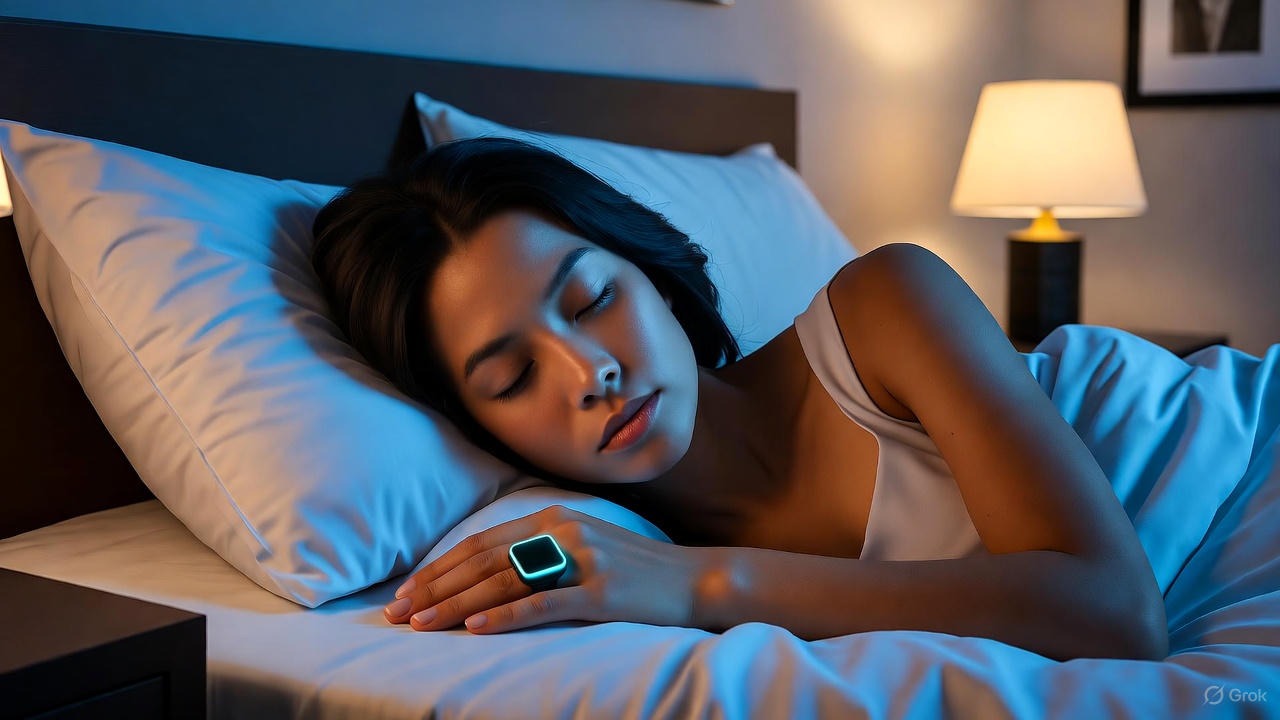
The most direct application of circadian tracking is the optimization of sleep. Traditional sleep trackers tell you how much and how well you slept. A circadian-informed system tells you why you slept that way and, more importantly, when you should sleep for optimal quality.
Forced sleep at the wrong circadian time results in more light sleep, less restorative deep and REM sleep, and frequent awakenings—even if you’re in bed for 8 hours. This is why you can feel exhausted after a long sleep following a late night.
Smart algorithms analyze your readiness for sleep (via HRV, temperature trends, and activity) and your sleep drive (via your recent sleep history). By modeling your circadian rhythm, they can provide personalized bedtime and wake-time recommendations.
This creates a positive feedback loop. Better-timed sleep improves circadian alignment. A stronger circadian rhythm, in turn, produces more predictable and reliable sleep signals, making the technology’s guidance even more accurate. This symphony of sleep and wakefulness is a cornerstone of a structured, sustainable approach to wellness, much like the framework offered in the weekly restful living plan.

The relationship between stress and circadian rhythms is a two-way street. Chronic stress, signaled by a persistently low or arrhythmic HRV pattern, can directly disrupt the SCN’s functioning and dampen the amplitude of circadian outputs. Conversely, a misaligned circadian rhythm puts the body in a state of internal stress, heightening sympathetic nervous system activity and inflammatory responses.
This creates a perilous cycle: stress disrupts sleep, poor sleep weakens circadian rhythms, a weak circadian system lowers stress resilience, leading to more stress. Breaking this cycle requires targeted recovery.
Circadian-aware tracking provides the map to do so:
Your physical strength, reaction time, and cognitive abilities are not constants throughout the day. They ebb and flow in a predictable circadian pattern.
A smart health tracking system that understands your phase can provide performance scheduling insights:
This is the essence of working smarter, not just harder. It allows high-achievers to maximize output by strategically aligning effort with biological capacity, a principle detailed in restful living for high-achievers.
Your circadian rhythm does not exist in a vacuum. It interacts with longer cycles, most notably the seasons. Day length (photoperiod) changes throughout the year, and our biology has evolved to adapt—sleeping slightly longer in winter and being more active in summer, for example. Modern, climate-controlled life with constant artificial light has blunted these seasonal adaptations, which may contribute to seasonal affective disorder (SAD) and other seasonal energy fluctuations.
Future-facing health technology will begin to account for this. By building a longitudinal data set over years, algorithms could:
This moves personal wellness from a static model to a dynamic, adaptive one that honors our connection to the natural world, a theme explored in depth regarding restful living through the seasons.
We are currently in the era of descriptive and diagnostic tracking: the device tells you what happened and suggests a potential cause. The frontier lies in predictive and prescriptive analytics.
Imagine a system that doesn’t just report a poor night’s sleep, but predicts one 24 hours in advance based on a confluence of data: a late meeting scheduled, an unusually high-stress day, and prior light exposure patterns. With that prediction, it could proactively prescribe a mitigation plan: “To protect sleep tonight, take a 10-minute walk outside before your meeting, use blue-light filters after 6 PM, and consider a 15-minute breathing exercise at 9 PM.”
Further ahead, true closed-loop systems could integrate with your smart home environment:
This is the ultimate goal: technology that fades into the background, acting as an intelligent guardian of your biological rhythm, making harmonious living the default, not a constant struggle.
Understanding the theory is one thing; implementing it is another. Here is a practical, step-by-step guide to using today’s technology to start synchronizing with your circadian rhythm.
1. Choose the Right Tool: Select a wearable device, preferably a smart ring or a high-fidelity wrist device, that provides continuous, nighttime data for HRV, skin temperature, and sleep stages. Consistency of wear is more important than the number of features.
2. Establish a Baseline (Weeks 1-2): Wear the device consistently, day and night. Do not try to change your behavior yet. The goal is to capture an honest baseline of your current rhythm. Look for patterns: What time does your temperature typically rise? When is your HRV highest and lowest? What is your natural sleep window?
3. Master the Morning Light Signal (Week 3+): This is your most powerful lever. Based on your baseline, aim to get at least 10-30 minutes of bright, outdoor light within 60 minutes of your natural wake-up time. If you wake before the sun, consider a sunrise-simulating alarm lamp. Observe in your data how this affects your evening temperature rise and sleep latency.
4. Implement an Evening Digital Sunset (Week 4+): 60-90 minutes before your target bedtime, activate blue-light filters on all screens (often called Night Shift or Redshift). Better yet, engage in a digital detox by putting devices away entirely. Read a book, listen to music, or have a conversation. Track how this affects the depth and consistency of your sleep.
5. Experiment with Meal Timing: Try to finish your last meal or snack at least 2-3 hours before your typical temperature rise/bedtime. Notice if earlier eating sharpens the nocturnal temperature curve and improves morning HRV.
6. Review and Refine Weekly: Don’t obsess over daily scores. Instead, do a weekly review. Look at trends. Did a week of good morning light advance your rhythm? Did a late-night work project flatten your HRV for two days? Use this feedback not for self-judgment, but for curious experimentation.
The journey to circadian alignment is a gradual recalibration, not an overnight fix. It requires patience and consistent observation, facilitated by the objective mirror that advanced health tracking provides. As you begin to align your habits with your rhythm, you’ll notice improvements that extend beyond sleep, influencing your overall mood and interactions, as detailed in how restful living improves relationships.
The culmination of continuous biometric tracking is not a daily score, but a living, breathing profile: your Personal Circadian Blueprint. This is a dynamic model that synthesizes your sleep, temperature, HRV, and activity data into a coherent map of your unique 24-hour biology. It answers fundamental questions: When does your biological day truly begin? When is your mental clarity at its peak? When does your body best tolerate intense physical or mental stress? When does it desperately need rest?
This blueprint typically visualizes key phases:
Understanding your blueprint empowers you to schedule your life with intentionality. You learn that a demanding brainstorming session scheduled during your wind-down transition is likely to be unproductive and disruptive. You realize that a morning workout, while great for consistency, may need to be less intense if it falls during your biological dawn. This personalized insight is the ultimate tool for creating sustainable habits and protecting your energy, a concept deeply tied to mastering restful living boundaries.
For millions, circadian misalignment is not a lifestyle choice but a job requirement or a consequence of travel. Shift workers and frequent flyers operate in a state of chronic internal desynchronization. Here, generalized wellness advice fails, and personalized, data-driven guidance becomes essential for survival and health preservation.
For the Shift Worker:
A circadian-aware tracker becomes a crucial tool for managing a rotating schedule. It can help identify which shift patterns are most damaging for an individual's biology and guide targeted countermeasures.
For the Frequent Traveler:
Jet lag is the acute stress of a misaligned clock. Pre-travel and post-travel data can guide a faster, smoother transition.
This proactive management transforms the wearable from a passive recorder into an active circadian compass, guiding you through the most challenging time-zone landscapes. Maintaining this sense of internal calm while adapting to external chaos is a skill explored in our restful living travel guide.
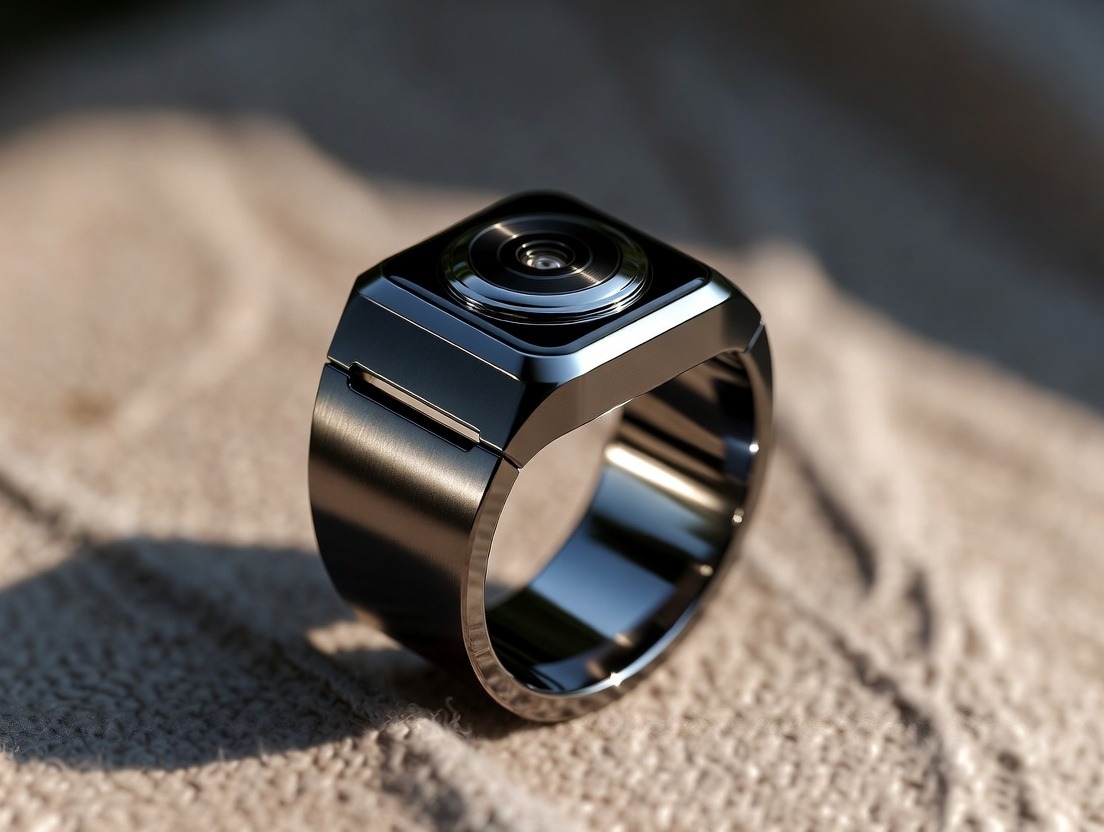
Emerging research reveals a profound three-way conversation between your gut microbiome, your brain, and your circadian system. Your gut microbes have their own daily rhythms, influencing and being influenced by when you eat. These microbes produce metabolites that can signal directly to the SCN. Conversely, a disrupted circadian rhythm alters gut motility and the microbial environment.
While no wearable can directly sequence your microbiome, it can track the physiological proxies of this axis:
This biofeedback allows for an elimination-by-observation approach. You're not just avoiding foods because a diet says so; you're observing how your unique circadian physiology responds to them, particularly at different times of day. It reinforces the principle of chrononutrition on a deeper, more personalized level, aligning your eating habits with the intricate needs of your gut-brain axis.
While wearables cannot yet measure hormone levels directly, they excel at tracking the physiological outcomes of hormonal ebb and flow. By understanding these relationships, we can infer hormonal phases with surprising utility.
This layer of insight moves women's health technology far beyond simple period tracking into holistic rhythm management, and gives all users a window into the hormonal underpinnings of their daily energy and recovery patterns.
The practice of mindfulness and meditation is a conscious attempt to modulate the autonomic nervous system, to shift from sympathetic dominance to parasympathetic balance. For years, the benefits were subjective: "I feel calmer." Health tracking technology now provides an objective, circadian-aware lens to quantify this calm and optimize its timing.
This creates a powerful feedback loop. The data validates the practice, increasing motivation. The practice improves the data, reinforcing the habit. Meditation ceases to be a vague wellness chore and becomes a targeted, measurable tool for circadian and nervous system regulation.
As with any powerful tool, there is a risk of misuse. Circadian and biometric tracking can, for some personalities, lead to orthosomnia – an unhealthy obsession with achieving perfect sleep scores, or circadian anxiety – stress over not being perfectly aligned. This ironically fuels the very sympathetic arousal the technology aims to reduce.
The key is to shift from a mindset of control to one of curiosity and collaboration with your body.
The goal of this technology is not to make you a slave to a ring, but to educate your intuition. Over months, you start to feel your wind-down phase begin without looking at the app. You sense when you're in your performance window. The technology becomes a temporary teacher, not a permanent crutch. This balanced approach is fundamental to a sustainable, non-obsessive path to wellness.
The true potential of personal circadian data is unlocked when it escapes the silo of your smartphone and begins to communicate with your environment. The vision of a circadian-responsive ecosystem is where your biometrics seamlessly orchestrate the world around you to support your rhythm.
This interconnected future positions your health tracker not as a destination, but as the central hub of a lifestyle proactively designed for harmony. It externalizes the rhythm it detects internally, creating a world that bends to support your biology.
To make this concrete, let's follow a hypothetical case study: "Alex," a 38-year-old software project manager and parent of two.
The Baseline (Months 1-2): Alex's initial data shows a classic modern misalignment pattern. Sleep is erratic (11:30 PM - 6:30 AM on weekdays, 1:00 AM - 9:00 AM on weekends). The temperature curve is shallow and delayed. HRV is low and flat, showing almost no circadian variation. Social jet lag is over 2.5 hours. Alex feels perpetually tired, relies on caffeine, and has afternoon brain fog.
The Intervention (Months 3-6): Alex commits to using the wearable's insights.
The Transformation (Months 7-12): The longitudinal data reveals a profound shift. The temperature curve is now sharp and predictable, rising at 10:15 PM and peaking at 3 AM. HRV shows a beautiful oscillation—lowest at 3 PM during the work grind, highest at 4 AM during deep sleep. Social jet lag has reduced to under 30 minutes. Subjectively, Alex reports sustained afternoon energy, falling asleep within 10 minutes, and improved mood stability. A planned high-stress product launch in Month 10 caused a predictable dip in metrics, but the recovery was swift—completed in 2 days instead of the previous 2-week hangover.
This case isn't about perfection. It's about resilience. Alex's system is now robust, capable of handling stress and returning to a strong, aligned rhythm efficiently. The data provided the map, and Alex's consistent actions provided the journey.
As this technology advances, collecting our most intimate biological data—the very timing of our internal processes—it raises critical ethical questions. Chrono-data is deeply personal. It can reveal your sleep disorders, your stress levels, your menstrual cycle, and your susceptibility to shift work disorder.
The path forward requires a collaborative effort between technologists, ethicists, policymakers, and users to build a framework where this powerful technology serves humanity without compromising our fundamental privacy or equity.
Armed with your personal circadian blueprint and a year’s worth of transformative insights, the final step is to codify this knowledge into a sustainable, dynamic lifestyle protocol. This is where data transitions from being informative to being directive—creating a flexible yet structured framework for living in sync. An actionable circadian protocol isn't a rigid set of rules; it's a personalized set of principles that adapt to life's inevitable variability.
The Core Tenets of a Personal Circadian Protocol:
This protocol transforms vague intentions into clear operating procedures for your biology, creating the structure necessary for sustainable restful living.
The acute benefits of circadian alignment—better sleep, sharper focus, stable mood—are compelling. However, the most profound impact is chronic: the deceleration of aging and the reduction of disease risk. Circadian medicine is emerging as a foundational pillar of longevity science.
Cellular Repair and Cleanup: The cover of night is when critical housekeeping occurs. The glymphatic system, the brain's waste-clearance system, is most active during deep, slow-wave sleep, flushing out neurotoxic proteins like beta-amyloid. Cellular autophagy—the process of recycling damaged cellular components—is also under circadian control and upregulated during fasting periods at night. Chronic misalignment impairs these vital cleansing processes, allowing cellular debris to accumulate, a hallmark of aging.
Genomic Stability and Inflammation: Core clock genes are intimately involved in DNA damage repair pathways. When the circadian cycle is disrupted, the efficiency of these repair mechanisms falters, potentially leading to increased mutational load. Furthermore, a misaligned system promotes a state of chronic, low-grade inflammation, the fertile ground for virtually every age-related disease, from cardiovascular illness to neurodegeneration.
Metabolic Resilience: As discussed, circadian rhythms govern insulin sensitivity, lipid metabolism, and hunger hormones. Long-term alignment protects against metabolic syndrome, type 2 diabetes, and non-alcoholic fatty liver disease. It ensures energy is efficiently burned during the day and stored appropriately, not converted into visceral fat.
By providing the behavioral tools to strengthen circadian rhythms, health tracking technology becomes a long-term investment in healthspan. It’s not just about adding years to your life, but adding vibrant, functional life to your years. This deep connection between rhythmic living and long-term vitality is a central theme in exploring the connection between restful living and longevity.
The current suite of biometrics is powerful, but the frontier of wearable sensing is rapidly expanding. The next generation of devices will provide even more granular insight into our internal clocks.
These advancements will move us from a good approximation of our rhythm to a high-resolution, real-time dashboard of our metabolic and endocrine circadian health.
The utility of circadian-syncing technology extends beyond the general wellness-seeking adult. It holds particular promise for populations with specific health challenges.
For these groups, the technology is more than an optimization tool; it is a critical assistive device for managing fundamental physiological dysregulation.
In our zeal for optimization, we must erect guardrails. The quantified self must not become the tyrannized self. There are essential moments when the data must be disregarded in service of a richer, more human experience.
The most advanced technology, therefore, is the one that teaches you when to turn it off. It builds your confidence until you trust your own internal signals as much as you trust its algorithms.
True transformation occurs when individual practice sparks cultural shift. As more people experience the benefits of living in rhythm, the demand grows for structures that support it.
This cultural shift moves the burden of adaptation from the individual struggling against a misaligned world to a society that is architecturally and institutionally designed for human flourishing.
As we look ahead, the trajectory is clear. Health tracking technology will become more precise, more predictive, and more seamlessly integrated. But the real evolution will be in its mode of interaction.
The Invisible Guardian: The ring or sensor will become smaller, with longer battery life, ultimately becoming as unobtrusive as a bandage or embedded in jewelry. It will fade into the background of your life.
The Proactive Coach: Leveraging AI, the system will move from telling you what happened to anticipating your needs. "Based on your travel itinerary and current rhythm, I've pre-scheduled light exposure reminders for your trip to Tokyo. I've also blocked your calendar for a recovery day upon return." Or, "Your stress biomarkers are elevated, and you have a big presentation tomorrow. I've rescheduled your evening to include a 20-minute breathing exercise and have adjusted your home lighting for optimal wind-down."
The Integrated Health Platform: Your circadian data will become a key stream in a unified health dashboard, integrating with your genetic data, microbiome analysis, and medical records. Your "health avatar" will have a clear temporal dimension, allowing for interventions that are not just personalized, but also perfectly timed.
The ultimate goal is a state of seamless synchrony. Where technology doesn't feel like technology, but like an extension of your own self-awareness. Where your external life—your work, your social connections, your environment—flows in harmony with your internal, ancient rhythm. It is a return to balance, powered not by abandoning modernity, but by harnessing its greatest tools to honor our deepest biology. This is the promise of restful living, fully realized: not as an escape from the world, but as a profound and vital way to engage with it, from a place of sustained energy, clarity, and calm.
We stand at the precipice of a new understanding of ourselves. Health tracking technology, particularly in the form of the sophisticated smart ring, has given us a language to interpret the silent, powerful rhythms that have always governed our health. It bridges the gap between our ancient biology and our modern lives.
This journey of synchronization is not about surrendering to a device, but about reclaiming agency. It is about using objective data to rediscover subjective feeling—to once again feel tired when it's time to sleep, and feel alert when it's time to create. It’s about replacing the harsh, arbitrary schedules of industrial time with the gentle, intelligent cadence of biological time.
The insights gleaned—on light, food, sleep, and stress—are the pillars of a life lived in rhythm. They echo the timeless principles of restful living, now supercharged by personal data. As we continue to explore this convergence, we will delve deeper into optimizing specific life domains, from athletic performance to cognitive longevity, all through the foundational lens of circadian harmony. The ultimate goal is clear: to no longer need the technology because its teachings have become instinct, and the rhythm it helped restore is now your own.
Your Trusted Sleep Advocate: Sleep Foundation — https://www.sleepfoundation.org
Discover a digital archive of scholarly articles: NIH — https://www.ncbi.nlm.nih.gov/
39 million citations for biomedical literature :PubMed — https://pubmed.ncbi.nlm.nih.gov/
Experts at Harvard Health Publishing covering a variety of health topics — https://www.health.harvard.edu/blog/
Every life deserves world class care :Cleveland Clinic - https://my.clevelandclinic.org/health
Wearable technology and the future of predictive health monitoring :MIT Technology Review — https://www.technologyreview.com/
Dedicated to the well-being of all people and guided by science :World Health Organization — https://www.who.int/news-room/
Psychological science and knowledge to benefit society and improve lives. :APA — https://www.apa.org/monitor/
Cutting-edge insights on human longevity and peak performance:
Lifespan Research — https://www.lifespan.io/
Global authority on exercise physiology, sports performance, and human recovery:
American College of Sports Medicine — https://www.acsm.org/
Neuroscience-driven guidance for better focus, sleep, and mental clarity:
Stanford Human Performance Lab — https://humanperformance.stanford.edu/
Evidence-based psychology and mind–body wellness resources:
Mayo Clinic — https://www.mayoclinic.org/healthy-lifestyle/
Data-backed research on emotional wellbeing, stress biology, and resilience:
American Institute of Stress — https://www.stress.org/


