


Movement and Wellness for Chronic Illness: Personalized Ring Insights
For those with chronic illness, it offers personalized insights for safe, supportive movement.
For those with chronic illness, it offers personalized insights for safe, supportive movement.
%402x.svg)
For millions living with chronic illness, the pursuit of wellness can feel like navigating a labyrinth in the dark. You’re given a diagnosis—fibromyalgia, Long COVID, ME/CFS, autoimmune arthritis, POTS—and a list of limitations, but the map to understanding your own daily, even hourly, reality remains blank. General advice like “get more rest” or “try gentle exercise” is well-intentioned but frustratingly generic. What does “gentle” mean when your baseline shifts daily? How do you distinguish between productive movement and harmful exertion? The missing link has always been continuous, personalized, and contextual data about your own body.
Enter the era of the smart ring—a discreet, wearable device that shifts the paradigm from tracking generic fitness to decoding personal physiology. This isn't about counting steps to 10,000; it's about understanding how your heart, sleep, and nervous system respond to the world, so you can make empowered decisions. For the chronic illness community, this technology moves beyond gadgets to become a vital companion for managing energy, predicting flares, and reclaiming agency.
This article explores how the insights gleaned from advanced wellness rings, like those developed by Oxyzen, are creating a new frontier in personalized chronic illness management. We will delve into the science of movement tolerance, the critical role of physiological monitoring, and how turning data into actionable wisdom can illuminate a path toward greater stability and improved quality of life.
The term “chronic illness” encompasses a vast and varied territory, from autoimmune diseases like lupus and rheumatoid arthritis to neurological conditions like multiple sclerosis, from debilitating post-viral syndromes like ME/CFS to the complex web of dysautonomia. Yet, despite their different pathologies, they share a common, cruel hallmark: inconsistency. The body operates not on a predictable linear model but on a volatile, nonlinear curve. A good day can be followed by a catastrophic crash triggered by an activity that seemed trivial—a short conversation, a trip to the grocery store, or even digesting a meal.
Traditional healthcare, constrained by brief appointments and snapshot lab tests, often struggles to grasp this volatility. A patient may appear “fine” in the clinic while their home life is collapsing under the weight of post-exertional malaise (PEM)—a severe worsening of symptoms after physical or mental exertion that is a cornerstone of conditions like ME/CFS and Long COVID. Advice is necessarily broad-brush: “pace yourself,” “reduce stress,” “prioritize sleep.” But without objective metrics, pacing is a guessing game. What is your true baseline? How far can you safely push? When is rest truly restorative?
This is where passive, continuous biometric monitoring creates a revolution. By tracking key indicators like heart rate variability (HRV), resting heart rate (RHR), skin temperature, and sleep architecture 24/7, a smart ring builds a multidimensional picture of your personal normal. It doesn’t just measure what you do; it measures how your body reacts to what you do. For someone with POTS, seeing a direct correlation between a slight increase in activity and a sustained spike in resting heart rate provides incontrovertible evidence. For someone with fibromyalgia, observing how a night of disrupted deep sleep forecasts a day of heightened pain and brain fog creates a powerful cause-and-effect understanding.
The goal is not to medicalize every moment of life, but to empower with knowledge. As one user shared on our testimonials page, “For years, I felt like I was gaslighting myself. Was I really that tired, or was I just lazy? Seeing the data—seeing my abysmal HRV and restless sleep—validated my experience. It gave me the proof I needed to listen to my body and the tools to communicate more effectively with my doctor.” This shift from subjective description to objective insight is foundational. It moves management from a reactive, crisis-driven model to a proactive, data-informed practice. To understand how this works, we must first explore the primary biometric that serves as the nervous system’s dashboard: Heart Rate Variability.
If you were to choose one metric that offers the most profound insight into your body's resilience and stress state, it would be Heart Rate Variability (HRV). Contrary to what the name might imply, HRV is not about the heart rate itself, but the subtle, millisecond variations in the time intervals between each heartbeat. A healthy, resilient nervous system displays high HRV—meaning a dynamic, adaptable ebb and flow between heartbeats. A low HRV indicates a system stuck in a state of high stress, often showing a rigid, monotonous heart rhythm.
Think of your autonomic nervous system (ANS) as the conductor of your body’s symphony. It has two main branches: the sympathetic (accelerator, "fight-or-flight") and the parasympathetic (brake, "rest-and-digest"). HRV is the measure of the conductor's skill. High HRV means the conductor can seamlessly cue the strings to swell and the brass to soften—the body can ramp up effectively for a challenge and then recover gracefully. Low HRV is like an orchestra stuck at fortissimo; the system is overwhelmed, strained, and lacks the flexibility to adapt.
For individuals with chronic illness, the ANS is frequently dysregulated. Conditions like fibromyalgia, ME/CFS, POTS, and Long COVID are deeply intertwined with autonomic dysfunction. The "accelerator" is prone to sticking on, while the "brake" is weak and ineffective. This is why HRV is a non-negotiable metric for this population. It provides a daily, objective readout of your autonomic balance and your systemic recovery capacity.
A smart ring like Oxyzen tracks your nightly HRV, which is considered the gold-standard reading, as it’s measured during the consistent, resting state of sleep. Watching this trend over time unlocks critical insights:
It’s crucial to remember that HRV is deeply personal. Comparing your number to someone else’s is meaningless. The power lies in tracking your own trends. As we explore in our dedicated resource on the science of deep sleep and what happens to your body, deep sleep is a primary driver of parasympathetic activation and HRV recovery. By correlating your HRV data with other metrics like sleep stages and activity, you begin to see the unique patterns of your illness. This biofeedback loop is transformative, turning an abstract concept like "stress" into a tangible, manageable data point. The next piece of this puzzle is understanding the profound, non-negotiable role of sleep in chronic illness management.
If movement is the challenge in chronic illness, sleep is the essential repair work. However, for this population, sleep is often fractured, unrefreshing, and itself a source of distress. Pain, anxiety, medication side effects, and dysregulated circadian rhythms can turn night into a battleground. Standard sleep advice fails here because the problem isn't just duration—it's architecture. You might be in bed for nine hours but spend almost no time in the deeply restorative stages your body desperately needs for cellular repair, immune modulation, and pain relief.
This is where advanced sleep tracking moves beyond simple duration to a forensic analysis of sleep quality. A sophisticated wellness ring monitors your sleep stages—light, deep, and REM—as well as sleep latency (how long it takes to fall asleep), awakenings, and overall restfulness. For the chronically ill, three sleep metrics are particularly paramount:
By tracking these metrics, you move from saying "I slept terribly" to understanding the specific deficit: "I got only 45 minutes of deep sleep and was awake 22 times." This precision allows for targeted interventions. For example, if you notice your deep sleep is consistently low, you can explore strategies from our guide on how to get more deep sleep tonight with 7 proven strategies. Perhaps you discover that late-day stress disrupts your sleep onset; this directs you to earlier calming routines. Maybe you see that on days you attempted light activity, your deep sleep increased—a positive reinforcement for cautious movement.
The insights become even more powerful when sleep data is layered with other metrics. A night of poor deep sleep will almost certainly be reflected in a low morning HRV and a higher resting heart rate, predicting a more difficult day ahead. This allows for intelligent adaptation: canceling non-essential plans, prioritizing hydration and nutrition, and knowing that today is a day for extreme conservation, not challenge. Sleep data transforms rest from a passive state into an active, measurable component of your treatment plan. With recovery quantified, we can now carefully explore the complex role of movement.
In the wellness industry, "movement" is often synonymous with structured exercise: workouts, steps, cardio zones. For someone with a chronic illness, this framework can be not only irrelevant but dangerous. The concept of "pushing through" is the direct path to a debilitating crash. Therefore, we must dismantle this paradigm and rebuild one centered on activity tolerance—the type, duration, and intensity of movement your body can absorb without triggering a negative physiological response (like PEM).
The goal shifts from performance to stability. The question is not "How far can I run?" but "What is my unique threshold for physical, cognitive, and emotional exertion today, and how can I stay safely within it to build sustainable resilience?" This is where the continuous monitoring of a smart ring becomes an indispensable guide.
Key metrics for mapping activity tolerance include:
This data-driven approach empowers a practice called pacing, which is the cornerstone of managing energy-limiting illnesses. Pacing is not about doing nothing; it’s about doing the right amount of something, interspersed with strategic rest. A ring provides the objective feedback to do this effectively, removing guilt and guesswork. As noted in our FAQ section on using wearables for health conditions, the device acts as a biofeedback tool, helping you listen to your body's signals before they become screams.
Storytelling makes this real. Consider "Elena," a graphic designer with ME/CFS. Using her ring, she noticed that her standard 30-minute, seated work session consistently led to a heart rate increase of 20+ BPM and a dip in her next sleep score. She experimented and found that breaking her work into 20-minute segments with 5 minutes of lying-down rest in between kept her heart rate stable and her sleep intact. This small, data-informed adjustment increased her sustainable productive time without precipitating a crash. This is the essence of personalized movement. With our movement boundaries mapped by data, we must then understand the environment that shapes them: our daily physiological rhythms.

Your body is not a static machine; it is a dynamic, rhythmic organism governed by an internal master clock—the circadian rhythm. This 24-hour cycle regulates the ebb and flow of hormones (like cortisol and melatonin), body temperature, digestion, immune function, and even gene expression. For individuals with chronic illness, this rhythm is often profoundly disrupted. "Reverse cycling" (feeling more awake at night), irregular sleep-wake patterns, and temperature dysregulation are common complaints.
A smart ring offers two unique windows into this circadian orchestra: continuous skin temperature monitoring and the timing of physiological events.
Skin Temperature Trends: Your core body temperature follows a predictable circadian wave: it's lowest in the early morning hours (around 4-5 AM) and highest in the late afternoon or early evening. This temperature rhythm is not just a byproduct of your cycle; it drives it. A well-timed temperature drop in the evening is a key signal to initiate sleep onset and the release of melatonin. Many people with sleep and chronic illness issues have a blunted or misaligned temperature rhythm.
By tracking your distal skin temperature overnight, a ring can identify if your temperature curve is optimal. A flat line or an erratic pattern suggests circadian disruption. This insight is actionable. You can use techniques to amplify your natural temperature drop for better sleep: taking a warm bath 1-2 hours before bed (which causes a compensatory cool-down), keeping your bedroom cool, and avoiding late-night eating that can raise core temperature. Our deep sleep formula article on temperature, timing, and habits delves into these strategies in detail.
Physiological Timing: Beyond temperature, the ring data reveals the timing of your key recovery processes. When does your heart rate typically reach its lowest point at night (a sign of deep parasympathetic rest)? When does your HRV peak? Are these events happening at a consistent time each night, or are they shifting wildly? Stabilizing the timing of these events is a primary goal of circadian health.
Aligning your lifestyle with your circadian rhythm, a practice known as circadian hygiene, can yield significant benefits for chronic illness management:
By making your invisible circadian rhythm visible, a wellness ring allows you to become an active participant in re-synchronizing your body's master clock. This creates a more stable internal foundation from which to carefully navigate the external world. That navigation is guided by the principle of personalized, data-informed adaptation—the core of intelligent management.
Pacing is the strategic management of energy to avoid the "boom-and-bust" cycle that plagues chronic illness. Traditionally, it's taught through subjective symptom monitoring and activity diaries. While valuable, this method has a critical flaw: by the time you feel symptoms, the damaging exertion has already occurred, and the crash is often inevitable. Physiological data provides the early warning system that subjective feelings lack.
This transforms pacing from a reactive to a proactive discipline. It’s the art of using your biometric dashboard to make real-time decisions about how to spend your limited energy reserves (often called your "energy envelope"). Here’s how this data-driven pacing works in practice:
This process directly counters the psychological burden of illness. It replaces fear of activity ("Will this hurt me?") with curiosity and informed experimentation ("Let's see how my body responds to this."). It turns you from a passive patient into an active researcher and co-pilot of your health. The Oxyzen platform and community, which you can learn more about on our about us page, are designed to support this journey of discovery, providing not just the tool but the framework for using it intelligently.
Of course, this intricate dance of activity and recovery doesn't happen in a vacuum. It is profoundly influenced by the fuel we provide our cells and the state of our nervous system—two areas where smart rings offer surprising and valuable insights.
While no consumer wearable can directly measure nutrient levels or hydration status, advanced physiological tracking provides powerful proxy signals and reveals how your body is responding to your nutritional choices. For those with chronic illness, who often deal with digestive issues, food sensitivities, and dysautonomia affecting blood flow, these indirect insights are invaluable.
Hydration and Cardiovascular Strain: Dehydration, even mild, forces the cardiovascular system to work harder. It reduces blood volume, causing the heart to beat faster to maintain blood pressure—a phenomenon acutely problematic for those with POTS or orthostatic intolerance. A smart ring can pick up on this strain. If you observe an unexplained spike in your resting heart rate or a drop in HRV, one of the first and simplest hypotheses to test is: "Am I dehydrated?" Checking your fluid intake and observing if your metrics improve after increasing electrolytes and water is a rapid, data-informed feedback loop. This is especially crucial because thirst mechanisms can be impaired in some chronic conditions.
The Metabolic Footprint of Meals: Digesting food, particularly large or heavy meals, requires energy and increases blood flow to the gut—a process called postprandial physiology. For someone with limited energy reserves or autonomic dysfunction, this can be a significant stressor. You might notice a measurable increase in heart rate for an hour or two after eating, or even a disturbance in that night's sleep if a meal was too late or too rich. Tracking this allows you to experiment with meal timing and composition. Perhaps you discover that smaller, more frequent meals keep your heart rate more stable than three large ones. Maybe you see that a high-carb dinner correlates with more restless sleep, guiding you toward different evening snacks. Our blog explores concepts like this in resources on foods that increase deep sleep naturally.
Inflammation and Recovery Metrics: While not diagnostic for specific food sensitivities, longitudinal data can reveal patterns. If you consistently notice a dip in HRV, a rise in RHR, or a spike in your nocturnal skin temperature (a potential sign of inflammation) after consuming certain food types, it provides a strong, personal clue to discuss with a dietitian or allergist. It moves you from "I think dairy might bother me" to "My recovery metrics drop by 15% on days I consume dairy."
Caffeine and Stimulants: The impact of caffeine, even a single morning coffee, can be vividly displayed in your data. It may cause a sharp rise in heart rate, a suppression of HRV for several hours, and for some, a disruption in sleep architecture even if consumed 10 hours before bed. Seeing this objective impact can empower more intentional choices about if and when to use stimulants.
By using your biometrics as a feedback system, you develop a personalized "nutritional sense." You learn which foods and eating patterns make your body run smoothly and which ones create internal friction, stealing precious energy from your already limited supply. This holistic view is part of the Oxyzen vision to integrate all aspects of wellness into a coherent, personal picture. The final, and perhaps most profound, layer of this picture is the management of the nervous system itself.
At the heart of most chronic illness experiences lies a hyper-vigilant, dysregulated nervous system. It’s a system perpetually sensing threat, whether from internal pain signals, external stimuli, or the mere anticipation of a crash. This state of chronic "fight-or-flight" (sympathetic dominance) is both a consequence and a driver of illness, creating a vicious cycle of stress, symptom exacerbation, and further stress.
The ultimate goal of many therapeutic practices—meditation, breathwork, gentle yoga, vagus nerve stimulation—is to activate the "rest-and-digest" (parasympathetic) branch to break this cycle. The challenge has always been the intangible nature of the result. Did that 10-minute meditation "work"? A smart ring provides the tangible answer.
Quantifying the Calm Response: You engage in a nervous system regulation practice. Afterwards, and particularly in the hours of sleep that follow, your biometrics tell the story. A successful practice should, over time, contribute to:
This biofeedback is incredibly reinforcing. It turns an abstract practice into a skill you can see yourself improving. For instance, you might try a specific 4-7-8 breathing exercise before bed for a week. Reviewing your data, you see your sleep latency decreased by 15 minutes on average and your deep sleep increased. This is powerful motivation to continue.
Identifying Triggers and Safe Zones: Conversely, the data can show you what throws your nervous system into chaos. A stressful work meeting, a heated discussion, or even overstimulating environments like a busy store might trigger a heart rate spike that takes hours to settle, impacting your entire evening. Seeing this pattern allows you to develop strategies: scheduling rest before and after known triggers, using calming techniques proactively, or setting firmer boundaries.
The Readiness Score: A Daily Guide: Many advanced wellness platforms synthesize this data into a single "Readiness" or "Recovery" score each morning. For someone with chronic illness, this isn't about readiness for a workout; it's about readiness for the day. A low score is a direct message from your body: "Today is for conservation. Honor your limits." A higher score might indicate a window of opportunity for slightly more activity or engagement, within the bounds of your pacing plan. This daily guidance helps you align your ambitions with your actual physiological capacity, reducing the guilt of "should" and replacing it with the wisdom of "can."
By making the invisible state of your nervous system visible, a device like the Oxyzen ring empowers you to become an active regulator of your own physiology. It closes the loop between intention, action, and outcome in the most intimate arena of health. This journey of data-driven self-discovery is what we will explore in our final section, looking at how to build a sustainable, empowered practice for the long term.

The initial months with a wellness ring are often marked by revelation—a rush of insights that validate experiences and illuminate hidden patterns. However, the true transformation occurs not in the first blush of discovery, but in the long-term integration of this data into a sustainable, fluid practice of living. For individuals managing chronic illness, this means evolving from a phase of intensive tracking and analysis into a state of intuitive, data-informed wisdom. The ring shifts from being a novel source of information to a trusted companion for navigating life's ongoing fluctuations.
The key to this transition is understanding that the goal is not to optimize every metric to a perfect score—an endeavor that would itself be stressful and counterproductive. Rather, the goal is to cultivate a responsive relationship with your body. The data provides a common language for this dialogue. Over time, you begin to internalize the signals. You might feel a certain background hum of anxiety and check your HRV trend to confirm your system is taxed, reinforcing your decision to cancel plans. Or, you might wake up feeling unusually clear and see a high readiness score that validates it’s a good day to attempt a gentle outing you’ve been postponing.
This practice involves three ongoing stages:
As shared in powerful stories on our testimonials page, this long-term practice fosters a new kind of resilience—one built not on pushing through, but on intelligent adaptation. It cultivates patience and self-compassion, as the data often shows that recovery takes far longer than willpower alone would suggest. The ring becomes a tool for advocacy, providing concrete graphs and trends to share with understanding healthcare providers, moving conversations from “I feel terrible” to “My data shows my nervous system is under persistent stress and my recovery capacity has been low for three weeks.”
The current capabilities of smart rings represent just the beginning. The future of chronic illness management lies in the seamless integration of this continuous physiological data with other health information, creating a holistic, dynamic health model that enables truly proactive care. We are moving toward a paradigm where your wearable data doesn't just sit in a separate app, but informs a collaborative health ecosystem.
Imagine these future-facing scenarios, already beginning to take shape:
This is not about replacing healthcare providers but about empowering them with richer, more continuous datasets than a once-a-year checkup can provide. It fosters a collaborative model where the patient is the expert on their lived experience, equipped with objective data, and the clinician is the expert in diagnosis and treatment, informed by deeper insights. For a deeper look at the philosophy driving this integrated approach to wellness technology, you can explore Oxyzen’s story and vision.
The endpoint of this journey is a more nuanced, personalized, and empowered approach to living with chronic illness. It moves the focus from merely surviving within limitations to actively understanding your unique physiology, thereby expanding your agency and quality of life within the reality of your condition.
With a growing market of wearables, selecting the right device is critical. For the specific needs of chronic illness management, not all trackers are created equal. A device designed for athletic performance optimization will prioritize different metrics than one needed for nervous system recovery and pacing. Here are the essential features to prioritize:
1. Clinical-Grade Sensors (The Foundation):
The accuracy of your insights depends entirely on the quality of the raw data. Look for a ring that uses medical-grade photoplethysmography (PPG) sensors to measure heart rate and pulse oximetry. A three-dimensional accelerometer is also key for detecting subtle movements related to sleep stages and restlessness. The ring should have a robust clinical validation process behind its core measurements. Without reliable sensors, all subsequent analysis is built on shaky ground.
2. Comprehensive Recovery Metrics (The Core Dashboard):
Your primary dashboard should prominently feature:
3. Intelligent Algorithms & A Useful Readiness Score:
The device’s app should synthesize these metrics into an intuitive “Readiness” or “Recovery” score that is meaningful for your life. It should be based on trends, not single-day snapshots, and its calculation should be transparent. Avoid scores purely based on activity or sleep duration; it must heavily weight ANS recovery (HRV, RHR).
4. Discreet Comfort for 24/7 Wear:
To capture your true baseline, the device must be worn consistently, especially during sleep. It should be lightweight, low-profile, and made from hypoallergenic materials (like titanium or ceramic) to avoid skin irritation. A long battery life (5+ days) is also essential to ensure you’re not missing data during frequent charging.
5. A Supportive, Privacy-First Ecosystem:
The companion app should be designed for insight, not just data display. Look for features that allow for easy note-taking (to log symptoms, meals, stressors) alongside your metrics. Crucially, the company must have a clear, transparent privacy policy. Your intimate health data should be encrypted and you should have full control over it.
Devices like the Oxyzen ring are engineered with these specific priorities in mind, focusing on the nuances of recovery and stress physiology over athletic performance. You can explore the design and technical specifications further on the Oxyzen shop page. The right ring becomes more than a purchase; it’s an investment in a tool for self-advocacy and understanding. To see how this translates into real-world experiences, the journey is best understood through the lens of those who walk this path every day.
Theory and features come to life through lived experience. Let’s explore three anonymized case studies that illustrate how personalized ring insights can transform the management of different chronic conditions.
Case Study 1: Anna – Managing ME/CFS and Severe PEM
Anna, 42, had been housebound with ME/CFS for two years. Her most debilitating symptom was Post-Exertional Malaise (PEM), which could be triggered by activities as simple as taking a shower. Her pacing was based purely on symptoms, which meant she was always reacting to crashes.
Case Study 2: David – Navigating the Unpredictability of Rheumatoid Arthritis
David, 50, has rheumatoid arthritis (RA). His flares seemed random, disrupting work and life. He wondered if stress, diet, or activity played a role, but couldn’t pinpoint triggers.
Case Study 3: Maya – Stabilizing POTS and Dysautonomia
Maya, 28, has Postural Orthostatic Tachycardia Syndrome (POTS). Dizziness, fatigue, and a racing heart were daily struggles. Standard advice was to “increase salt and water” and “do graded exercise,” but she had no way to measure what “graded” meant for her.
These stories underscore a universal theme: knowledge is power, and personalized data is the key that unlocks it. The final step in this journey is weaving these insights into the fabric of daily life, creating a new, more sustainable normal.
Embarking on this data-informed journey can feel overwhelming. The key is to start not with overhauling your life, but with observation. Think of the first month not as an intervention period, but as a “discovery phase.” Here is a practical, step-by-step framework for your first 30 days with a wellness ring.
Days 1-10: The Observation Phase – Become a Curious Scientist
Days 11-20: The Pattern Recognition Phase – Connect the Dots
Days 21-30: The Gentle Experimentation Phase – One Small Change
By the end of 30 days, you will have moved from a state of mystery to one of foundational understanding. You will have personal data, initial insights, and the beginnings of a proactive practice. For ongoing support and deeper dives into specific topics like sleep optimization or stress physiology, our comprehensive blog serves as a continual resource on this journey.
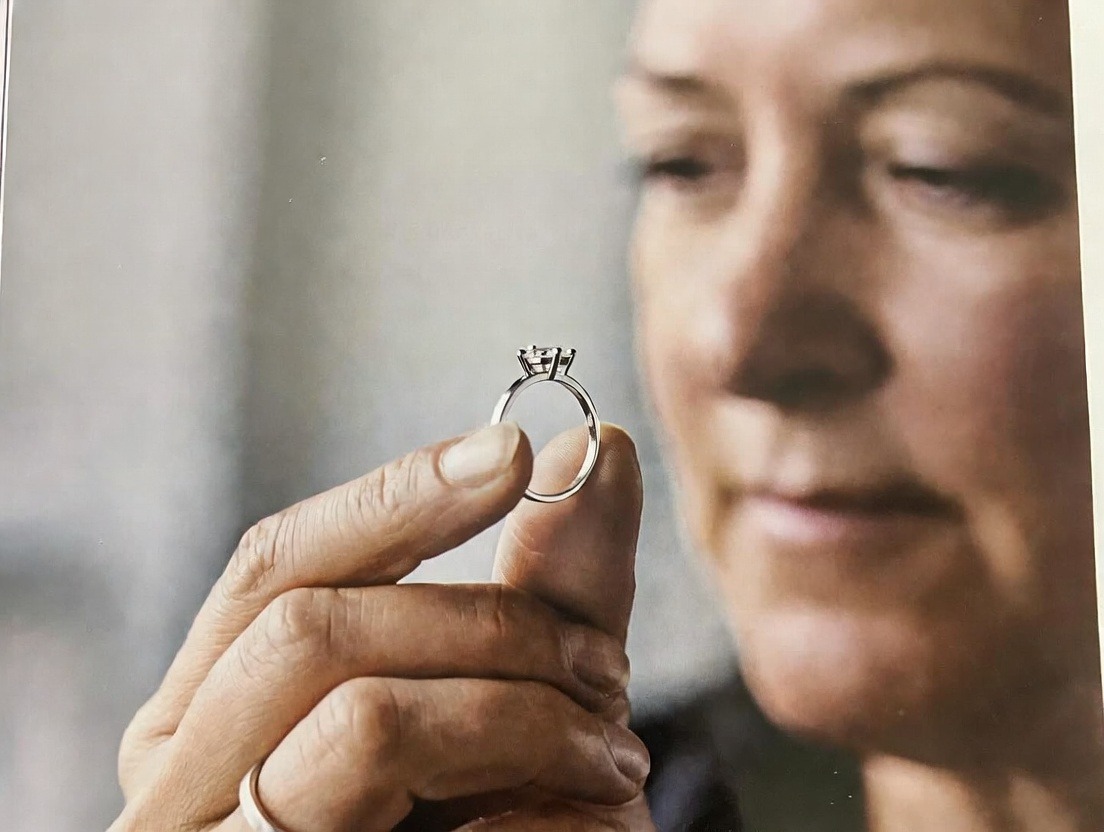
To truly harness the power of a wellness ring, it's essential to understand the underlying physiological principles it measures. These biomarkers are not isolated numbers; they are interconnected signals in a complex symphony, telling the story of your body's systemic state—its resilience, inflammation, and energy allocation. For those with chronic illness, this story often reveals a system in a state of persistent, low-grade threat, diverting resources from repair and higher function to basic survival.
The Neuroendocrine-Immune Loop:
Chronic illness frequently involves a dysregulated dialogue between the nervous system, the endocrine (hormone) system, and the immune system. This is often called the neuroendocrine-immune axis.
A smart ring, by tracking HRV (autonomic/HPA axis), skin temperature (inflammation/immune), and sleep (repair/immune), provides a unique, non-invasive window into this core pathological loop. Seeing how a stressful day (low HRV) leads to a warmer night (potential inflammation) and poor sleep (impaired repair) makes the theoretical model a tangible, personal reality. This understanding reframes "symptoms" as the output of a stressed system, directing interventions toward calming the system itself.
Data is a guide, but it is not the destination. The ultimate goal is to use these insights to inform and enhance the foundational pillars of health that are universally important but hyper-critical for those with chronic illness: nutrition, hydration, gentle movement, and nervous system regulation. The ring’s value is in showing you which pillar needs shoring up and how your body uniquely responds to your efforts.
Targeted Nutritional Strategies:
General "healthy eating" advice can be unhelpful or even harmful for those with conditions like Mast Cell Activation Syndrome (MCAS), IBS, or autoimmune triggers. Data provides a feedback loop for personalization.
Hydration as Electrolyte Management:
For conditions involving dysautonomia like POTS, hydration is about blood volume. Plain water often isn't enough; electrolytes are key.
Movement as Neurological Calming:
When the nervous system is stuck in "fight-or-flight," the goal of movement shifts from cardiovascular burn to neurological calming.
These integrations represent the mature application of wearable data. The ring ceases to be a separate gadget and becomes the feedback mechanism for a holistic, self-directed health practice. It answers the question, "Is what I'm doing for me actually working in me?"
Inevitably, despite best efforts, flares and setbacks occur. These periods can be terrifying and demoralizing, often erasing the sense of progress. Here, the wellness ring transforms from an optimization tool into an anchor of objectivity and a map through the storm.
The Four Roles of Data During a Flare:
During a setback, the practice shifts from exploration to conservation. The goal is not to generate "good" data, but to use the data to support deep healing. It’s a time to disconnect from any pressure to perform and connect solely with the data as a compassionate witness to your body’s struggle and recovery. For more on navigating the complex relationship between rest and activity, our blog offers perspectives on finding balance, which you can explore alongside customer experiences of using data for recovery.
One of the most powerful applications of personalized biometric data is in the clinical setting. Moving from a subjective symptom description to a shared review of objective trends can dramatically elevate the patient-provider partnership.
Preparing for an Appointment:
The Benefits of This Approach:
Not all providers will be familiar with consumer wearable data, so be prepared to explain the metrics briefly ("HRV is a measure of nervous system recovery") and focus on trends over absolute numbers. The story the trends tell is universally understandable: upward trends in recovery metrics are good; downward trends indicate strain. This approach aligns perfectly with the mission of companies like Oxyzen, which aim to bridge personal wellness technology with a deeper understanding of health, as detailed on our about us page.
A legitimate concern about constant biometric tracking is that it could fuel health anxiety, a condition already prevalent in chronic illness communities. This is a crucial consideration. The line between insightful awareness and obsessive hyper-vigilance is fine. The design of the technology and the mindset of the user determine which side of that line they land on.
Designing for Calm, Not Anxiety:
A well-designed wellness platform should:
Cultivating a Healthy User Mindset:
When used with this mindful approach, the data can actually reduce anxiety. It replaces the terrifying unknown with known parameters. The fear of "what if I crash?" is mitigated by the confidence of "I can see my limits, and I have a tool to help me stay within them." This fosters a profound sense of empowerment, turning a passive experience of suffering into an active practice of self-care and understanding. For further reading on balancing technology with wellbeing, our blog covers a range of topics on mindful tech use.
The principles of personalized biometric monitoring have profound implications for specific subsets within the chronic illness spectrum, where patterns are particularly distinct and management is highly nuanced.
Women's Health and Hormonal Cycles:
For biological females, the menstrual cycle is a fundamental biological rhythm that dramatically interacts with chronic illness. Conditions like endometriosis, PMDD, and autoimmune diseases often flare cyclically.
Long COVID and Post-Viral Syndromes:
Long COVID has brought post-exertional malaise (PEM) and dysautonomia into mainstream awareness. For this population, the central challenge is calibrating activity to avoid crashes.
Neurological Conditions (e.g., Migraine, Fibromyalgia):
These conditions often involve central sensitization, where the nervous system amplifies pain and sensory signals.
These advanced applications demonstrate the adaptability of the core biometric model. The ring doesn't diagnose these conditions, but it illuminates their unique physiological footprints, enabling hyper-personalized management strategies that are light-years beyond generic advice. To delve deeper into the intersection of sleep and specific health challenges, explore resources like our article on how age affects deep sleep and how to compensate, which contains principles applicable to many chronic conditions.
As we invite these intimate devices into our lives, collecting a continuous stream of our most personal data—our body's inner workings—we must address the critical issues of ethics, privacy, and ownership. This is not a peripheral concern; it is central to the trust required for this technology to be truly beneficial.
Data Ownership and Control:
A fundamental question must be answered: Who owns your biometric data? The ethical answer is unequivocally: you do. Before choosing a device, scrutinize the company's privacy policy and terms of service.
Security is Non-Negotiable:
Biometric data is highly sensitive. It must be protected with enterprise-grade security.
The "Black Box" Algorithm Problem:
Many platforms provide scores (Readiness, Sleep) without fully disclosing how they are calculated. For healthcare applications, this lack of transparency can be problematic.
Choosing a company that aligns with these ethical principles is as important as choosing a device with accurate sensors. It is an investment in a relationship based on respect and trust. At Oxyzen, we are committed to these principles, believing that your data is yours, and its security and ethical use are the foundation of our service, a commitment rooted in our core story and values.
The trajectory we are on points toward a future where the line between consumer wellness technology and clinical-grade remote patient monitoring (RPM) will blur significantly. For the chronic illness community, this convergence holds the promise of a more responsive, preventative, and personalized healthcare model.
Predictive Personal Analytics:
Future algorithms will move beyond describing the present to predicting the near future. By learning your unique "pre-flare" or "pre-migraine" fingerprint from months of data, the system could send a proactive alert: "Your current physiological patterns are 80% similar to those preceding your last three major flares. A rest day is strongly recommended." This shifts the paradigm from damage control to prevention.
Seamless Clinical Integration:
Platforms will emerge that act as secure hubs, allowing you to permission-select which data trends you wish to share with which provider. Your cardiologist sees your heart rhythm and HRV trends, your rheumatologist sees your inflammation (temperature) and sleep correlation with pain, and your therapist sees the impact of stress on your physiology. All view this data within the context of a unified, patient-centered record.
Multi-Modal Sensor Fusion:
The ring will not stand alone. Its data will be combined with other passive inputs—continuous glucose monitors (for metabolic insight), at-home blood pressure cuffs, even voice analysis for mood and fatigue—to create a multi-dimensional health avatar. An AI health coach, trained on this aggregate data, could then offer highly personalized, real-time suggestions: *"Given your low HRV, elevated afternoon glucose, and scheduled social event tonight, consider a 20-minute walk now and a protein-rich snack to stabilize your system."*
Empowering Population Health Research:
With proper anonymization and explicit user consent, the aggregated data from millions of users with chronic conditions could fuel a revolution in research. Patterns could be identified across populations, leading to new understandings of disease subtypes, faster identification of effective lifestyle interventions, and more patient-centered drug development.
This future is not without its challenges—regulatory hurdles, data standardization, and ensuring equity of access are paramount. Yet, the core vision is one of empowerment. It envisions a world where those with chronic illness are no longer isolated explorers in the dark, but equipped with sophisticated tools, a supportive community, and a collaborative healthcare system, all oriented toward one goal: not just living with illness, but thriving within it. To be part of this evolving journey and explore the tools available today, the Oxyzen shop offers a gateway to this new paradigm of personal health insight.
Your Trusted Sleep Advocate (Sleep Foundation — https://www.sleepfoundation.org/)
Discover a digital archive of scholarly articles (NIH — https://www.ncbi.nlm.nih.gov/
39 million citations for biomedical literature (PubMed — https://pubmed.ncbi.nlm.nih.gov/)
experts at Harvard Health Publishing covering a variety of health topics — https://www.health.harvard.edu/blog/)
Every life deserves world class care (Cleveland Clinic -
https://my.clevelandclinic.org/health)
Wearable technology and the future of predictive health monitoring. (MIT Technology Review — https://www.technologyreview.com/)
Dedicated to the well-being of all people and guided by science (World Health Organization — https://www.who.int/news-room/)
Psychological science and knowledge to benefit society and improve lives. (APA — https://www.apa.org/monitor/)
Cutting-edge insights on human longevity and peak performance
(Lifespan Research — https://www.lifespan.io/)
Global authority on exercise physiology, sports performance, and human recovery
(American College of Sports Medicine — https://www.acsm.org/)
Neuroscience-driven guidance for better focus, sleep, and mental clarity
(Stanford Human Performance Lab — https://humanperformance.stanford.edu/)
Evidence-based psychology and mind–body wellness resources
(Mayo Clinic — https://www.mayoclinic.org/healthy-lifestyle/)
Data-backed research on emotional wellbeing, stress biology, and resilience
(American Institute of Stress — https://www.stress.org/)


