


Healthy Lifestyle Tips That Optimize Every Metric on Your Smart Ring
Holistic lifestyle tips designed to improve all the key metrics your smart ring tracks.
Holistic lifestyle tips designed to improve all the key metrics your smart ring tracks.
%402x.svg)
You slip on a sleek, minimalist ring. It's unassuming—a piece of modern jewelry. But overnight, it transforms into a personal biometrical oracle. By morning, it delivers a verdict: a sleep score of 78, a resting heart rate (RHR) of 58, a heart rate variability (HRV) that’s slightly down from yesterday, and a body temperature chart that looks like a gentle mountain range.
For a moment, this data feels empowering. Then, the questions bubble up. What does it all actually mean? My HRV is down—is that stress, bad sleep, or the glass of wine I had last night? My sleep score is "fair," but what would make it "excellent"? The ring shows me the what, but the burning, crucial question remains: So what do I do about it?
This is the modern wellness dilemma. We have more data about our bodies than any generation in history, yet we often lack the translational knowledge to turn those insights into tangible, life-improving action. The smart ring isn't just another gadget; it's a continuous feedback loop, a 24/7 whisper from your autonomic nervous system. But to hear its message clearly, you need to learn its language.
This article is your Rosetta Stone. We're moving beyond passive tracking and into active optimization. We will dissect every core metric your smart ring provides—from sleep architecture and recovery to activity and stress—and pair it with evidence-based, actionable lifestyle protocols to improve it. This isn't about gaming a score; it's about using hyper-personalized data to build foundational habits that enhance your energy, resilience, and long-term health. Consider this your masterclass in becoming the architect of your own well-being, with your smart ring as your chief engineer.
Let's begin the journey of optimizing every facet of your life, one metric at a time.
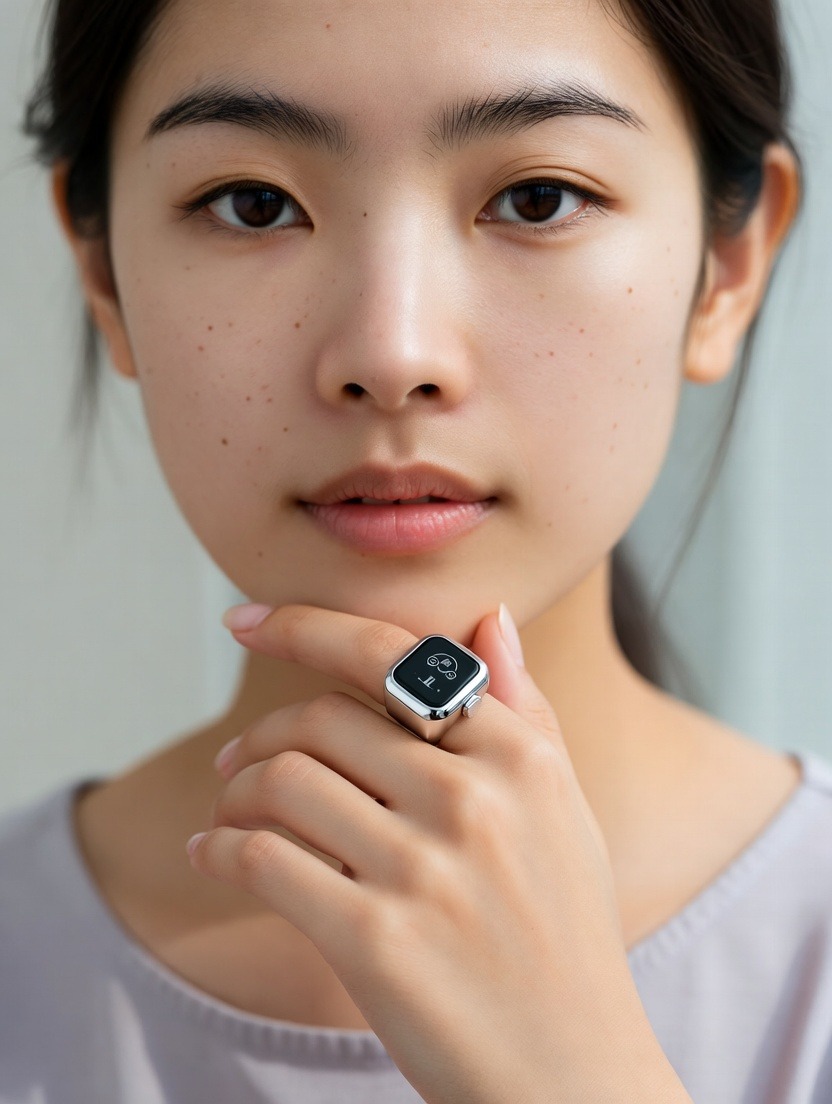
Before we can optimize, we must understand. Your smart ring’s dashboard isn't a random assortment of numbers; it's a symphony of interconnected systems, each telling a part of your body’s daily story.
First, let's meet the key players. Heart Rate Variability (HRV) is your north star for recovery and nervous system balance. Contrary to popular belief, a healthy heart doesn't beat like a metronome; the subtle variations in time between beats indicate a responsive, resilient system. A higher HRV (relative to your personal baseline) generally signals good recovery and adaptability, while a dip can flag accumulated stress, poor sleep, or illness.
Your Resting Heart Rate (RHR) is a classic yet powerful metric. A lower RHR typically indicates better cardiovascular fitness and efficient heart function. It’s sensitive to training load, hydration, stress, and sleep quality—watch for sustained elevations.
Sleep Metrics go far beyond just duration. Your ring analyzes sleep stages (light, deep, REM), sleep continuity (how often you wake), timing, and latency (how long it takes to fall asleep). Deep sleep is crucial for physical repair and immune function, while REM sleep is tied to memory consolidation and emotional processing. Disruptions in this architecture are your first clue to lifestyle misalignments.
Body Temperature, especially distal (skin) temperature tracked by your ring, is a vital sign of circadian rhythm and metabolic health. A natural dip at night is essential for initiating and maintaining sleep. A flattened curve or elevated nighttime temperature can signal circadian disruption, inflammation, or an oncoming illness.
Activity and Caloric Expenditure round out the picture, helping you balance movement with recovery. This is the output side of the equation.
The magic, however, isn't in any single number. It's in the trends and the correlations. Did your HRV plummet the night after a late, heavy dinner? Did your deep sleep increase after you started winding down an hour earlier? Did your RHR creep up during a particularly stressful work week? By observing these patterns, you move from generic health advice to personalized insight. You stop guessing what works for your unique biology and start knowing. With this foundational literacy, we can now build your optimization strategy, starting with the cornerstone of all health metrics: sleep.

Sleep is not a monolithic state of unconsciousness. It's a meticulously structured series of cycles, each with a distinct purpose. Optimizing your sleep isn't just about logging 8 hours; it's about ensuring the quality and structure of those hours—what sleep scientists call "sleep architecture." Your smart ring is your nightly construction foreman, giving you a detailed report on the building's integrity.
To improve your architecture, you must first protect its foundation: circadian rhythm. Your body's internal clock dictates the ideal timing for sleep. Anchoring this rhythm starts with light exposure. Get bright, natural light (ideally sunlight) within 30-60 minutes of waking. This signals to your suprachiasmatic nucleus—your brain's master clock—that the day has begun, setting a timer for melatonin release roughly 14-16 hours later. Conversely, as evening approaches, minimizing blue and bright light is non-negotiable. This doesn't just mean a "night mode" on your phone; it involves dimming overhead lights and using lamps with warm-toned bulbs after sunset. For an in-depth look at managing this crucial environmental factor, explore our guide on how light exposure affects your nighttime routine.
The pre-sleep period, your "sleep runway," is where architecture is designed. A consistent, wind-down routine tells your nervous system that safety and rest are imminent. This routine should be a gradual transition from stimulation to stillness. It might include gentle stretching, reading a physical book (not an e-reader), or a mindfulness practice. For those unsure where to start, we’ve outlined a clear path from simple habits to advanced rituals in our article on nighttime routine progression from beginner to advanced.
What you do (or don't) put in your body in the evening has a direct architectural impact. Caffeine has a half-life of 5-6 hours; for some, even an afternoon coffee can fragment sleep. Alcohol, while sedating, is a notorious destroyer of REM and deep sleep, leading to a non-restorative night. Heavy meals close to bedtime force your digestive system to work overnight, raising core body temperature and disrupting sleep onset and continuity. Timing your last meal 2-3 hours before bed is a simple rule with profound effects on your ring's temperature and sleep stage graphs.
Finally, your sleep environment is the theater where this nightly performance takes place. It must be optimized for the lead actors: darkness, coolness, and quiet. A cool room (around 65-68°F or 18-20°C) is critical for triggering the natural dip in core body temperature needed for sleep initiation. Blackout curtains and a quiet, dark space are essential. For a comprehensive checklist on crafting the ideal sanctuary, see our dedicated piece on nighttime wellness routine setting up your bedroom. By mastering these environmental and behavioral levers, you’ll see the direct results in your ring’s data: longer deep sleep blocks, consolidated REM cycles, and a sleep score that steadily climbs. This solid architectural foundation then supports our next critical metric: nervous system recovery.
If sleep is the foundation, then your Heart Rate Variability (HRV) and Resting Heart Rate (RHR) are the live electrical readings of the building's power grid—your autonomic nervous system (ANS). The ANS has two main branches: the sympathetic (fight-or-flight) and the parasympathetic (rest-and-digest). Your smart ring’s recovery metrics are a direct window into which branch is dominant.
HRV is the most sensitive non-invasive measure we have of ANS balance. Think of it as your body's "margin of error" or adaptability. A high HRV indicates a strong, resilient system that can easily switch between stress and recovery, like a well-trained athlete quickly catching their breath. A low or declining HRV suggests your system is under strain—perhaps from physical overtraining, emotional stress, poor sleep, or inflammation—and is stuck in a more rigid, sympathetic-dominant state.
To boost HRV, you must strategically apply parasympathetic stimuli. The most powerful tool is controlled breathing. Techniques like box breathing (4 seconds in, 4 hold, 4 out, 4 hold) or longer exhales activate the vagus nerve, the main conduit of the parasympathetic system. Just 5-10 minutes of this daily can train your nervous system toward greater resilience. Similarly, mindfulness and meditation aren't just "feeling calm"; they are measurable ANS training. Studies show regular practice increases HRV over time by reducing the background noise of psychological stress.
Physical activity’s relationship with HRV is a U-shaped curve. Appropriate, well-recovered training boosts fitness and, over time, raises your HRV baseline. However, acute intense exercise will temporarily lower HRV as your body deals with the stress—this is normal. The danger is chronic, unrecovered strain. This is where your ring becomes indispensable: if you see a string of low HRV scores despite feeling okay, it's a clear signal to incorporate a rest day or switch to gentle movement like walking or yoga instead of another high-intensity session.
Your Resting Heart Rate is a simpler but equally telling metric. A low RHR (typically, anything below 60 bpm for non-athletes is good) shows cardiovascular efficiency. Sudden or sustained elevations are a red flag. Common culprits include dehydration (your heart has to work harder to pump thicker blood), lingering illness (even before symptoms appear), excessive caffeine or alcohol, and psychological stress. Tracking your RHR trend helps you differentiate between a good, challenging workout and one that’s pushing you toward overtraining.
The synergy here is key. A great night’s sleep (from the previous section) will directly improve your morning HRV and lower your RHR. A high-stress day without mitigation will do the opposite. By using these metrics as your guide, you can dynamically adjust your day: prioritizing recovery when your numbers dip, and confidently pushing forward when your system shows readiness. To dive deeper into specific routines designed to calm the nervous system, consider the practices outlined in the nighttime routine that lowers cortisol naturally.
Your circadian rhythm is the 24-hour maestro conducting the orchestra of your hormones, metabolism, sleep-wake cycle, and even body temperature. When you're in sync—a state known as circadian alignment—every system performs its solo at the perfect time, creating a symphony of well-being. When you're out of sync, it's discordant noise, reflected in poor sleep, low energy, suboptimal metabolism, and depressed metrics on your smart ring.
The most powerful Zeitgeber (time-giver) for your clock is light. We touched on this for sleep, but its role is far more pervasive. Morning light viewing, without sunglasses, for at least 10-15 minutes sets an unambiguous start signal. This simple act boosts daytime alertness, improves mood, and reinforces the timing of evening melatonin release. On the flip side, light pollution at night is arguably one of the most significant modern disruptors of human health. Beyond screens, consider the glow of streetlights, LED bulbs in hallways, and even the standby lights on electronics. Creating true darkness is a biological imperative.
Food timing is your second powerful lever. The concept of chrono-nutrition suggests that when you eat is as metabolically important as what you eat. Aligning your eating window with your body's natural insulin sensitivity rhythms can work wonders. A general guideline is to front-load your calories, with a substantial breakfast and lunch and a lighter, earlier dinner. This gives your digestive system time to rest before sleep and aligns with your circadian metabolism peak during daylight hours. Try to finish eating 2-3 hours before bedtime. Your smart ring will likely show a deeper, less disturbed sleep and a more pronounced nighttime temperature dip as a result.
Movement timing also plays a role. While any exercise is better than none, morning or afternoon workouts tend to align better with most people's cortisol and body temperature curves, potentially improving performance and sleep. Vigorous exercise too close to bedtime can be overly stimulating for some, raising core temperature and delaying sleep onset—though this is highly individual. Use your ring's sleep latency and deep sleep data to experiment and find your personal sweet spot.
Consistency is the glue that holds circadian alignment together. Waking up and going to bed at roughly the same time every day—yes, even on weekends—is arguably more important than the exact hours you choose. Erratic schedules force your internal clock to constantly readjust, creating a kind of perpetual, low-grade jet lag. Your smart ring’s consistency score isn't just a vanity metric; it's a measure of your circadian stability. For those with unavoidable schedule shifts, like late workers, specific strategies can help mitigate the disruption, as discussed in the nighttime routine for people who work late.
By hacking your light, food, and movement schedules, you don't just improve sleep; you optimize your entire 24-hour biology for energy, metabolism, and recovery, giving every other metric on your ring a fundamental boost.
The food you consume is the raw material for every process your smart ring measures: it fuels your activity, supports tissue repair during sleep, influences inflammation (which affects HRV and temperature), and provides the building blocks for neurotransmitters that regulate mood and stress. Moving beyond calorie counting, let's explore how strategic nutrition directly manipulates your biometric feedback.
First, consider macronutrient timing. Carbohydrates are not the enemy; they are a tool. Consuming a larger portion of your daily carbs in the evening, particularly complex carbohydrates like sweet potatoes, oats, or rice, can actually be beneficial for sleep. They can help shuttle tryptophan (a precursor to serotonin and melatonin) into the brain. Pairing this with a moderate protein intake at dinner provides sustained amino acid release for overnight muscle repair. Conversely, a very low-carb diet can initially elevate cortisol and disrupt sleep for some individuals, which may show as a reduced HRV or elevated RHR on your ring.
Hydration is a direct dial for your RHR and body temperature metrics. Even mild dehydration increases plasma osmolality, forcing your heart to work harder (raising RHR) and impairing the body's ability to thermoregulate. Your goal should be consistent, clear-hued urine throughout the day. However, timing matters: to avoid sleep disruptions from nocturnal bathroom trips, front-load your hydration during the morning and afternoon, tapering off in the 2 hours before bed.
Inflammatory foods leave a clear signature in your data. Diets high in processed sugars, refined grains, and certain industrial seed oils can promote systemic inflammation. This low-grade fire raises resting heart rate, lowers HRV, disrupts sleep architecture, and can even elevate baseline body temperature. An elimination diet or simply focusing on whole, anti-inflammatory foods (like fatty fish, berries, leafy greens, nuts, and olive oil) for a few weeks can provide a dramatic "before and after" in your ring's recovery metrics. Watch for a steady climb in your HRV baseline and a drop in your RHR.
Finally, the gut-brain axis is a critical pathway. A significant portion of your body's serotonin (crucial for mood and sleep-wake cycles) is produced in the gut. Supporting a healthy gut microbiome with prebiotic fibers (found in onions, garlic, asparagus, bananas) and probiotic foods (like yogurt, kefir, sauerkraut) can have surprisingly broad effects on sleep quality, stress resilience, and overall vitality, all reflected in your ring's daily scores. Think of your nutrition not as a single meal, but as the continuous data input that your body's complex system uses to generate the output your ring displays.
In the era of 10,000-step goals and closed exercise rings, it's easy to fall into the trap of "more is better." Your smart ring, however, introduces a crucial layer of nuance: readiness. It helps you practice the art of strategic movement—balancing stress (exercise) with recovery to create a positive adaptation, not burnout.
The first step is to respect your daily readiness score. If your ring shows poor recovery—low HRV, high RHR, poor sleep—heed that advice. This is the day for gentle movement: a walk in nature, light yoga, or mobility work. This "active recovery" promotes circulation and can even aid nervous system calm without adding significant strain. Ignoring these signals and pushing through with intense training can dig a deeper recovery hole, increase injury risk, and lead to a plateau or decline in fitness.
Use your activity and calorie expenditure data contextually. These numbers are not absolute truths but relative guides. A day with a high calorie burn because you went for a long hike is different from a day with a similar burn due to high stress and restless sleep. The former is productive strain; the latter is systemic stress. Your ring helps you distinguish between the two by correlating activity with recovery metrics. Don't just chase a high activity score in isolation; chase a high activity score on a day your body is prepared for it.
Diversify your movement portfolio. The human body thrives on variety. Solely logging steady-state cardio or only doing heavy weightlifting creates repetitive stress and leaves fitness gaps. Incorporate strength (to build metabolically active tissue and improve bone density), cardiovascular conditioning (for heart health), and mobility/flexibility work (for injury prevention and range of motion). This holistic approach creates a resilient, adaptable physiology, which will be reflected in a more robust and responsive HRV and a lower, more stable RHR.
Non-Exercise Activity Thermogenesis (NEAT)—the calories you burn from fidgeting, walking to your car, standing, etc.—is a metabolic powerhouse. A high daily step count from general life movement is a fantastic sign of an active lifestyle and supports metabolic health, circulation, and even creativity. Don't discount the power of simply moving frequently at a low intensity throughout the day; your ring’s step count and general activity graphs are perfect for tracking this.
By listening to your readiness, contextualizing your effort, and moving with variety and consistency, you transform exercise from a blunt tool of calorie burn into a precise instrument for building a stronger, more resilient system. Every workout becomes a deliberate experiment, with your ring providing the lab results the next morning.
While heart and sleep metrics often take center stage, the continuous body temperature data from your smart ring is a profoundly insightful—and often underutilized—biomarker. It's not about a single number, but the pattern and rhythm of your temperature throughout the day and night.
Your nocturnal temperature dip is a hallmark of healthy sleep and circadian function. As you prepare for sleep, your core temperature needs to drop by about 1-3 degrees Fahrenheit to initiate and maintain sleep. Your smart ring tracks this via the skin temperature on your finger, a reliable proxy. A shallow or absent dip is a major red flag. It can be caused by a sleep environment that's too warm, exercising too close to bedtime, consuming alcohol or a large meal late, or an underlying circadian rhythm disorder. Optimizing for this dip—through a cool bedroom, timing of food/exercise, and light management—is a direct lever for improving sleep depth and continuity. For a complete guide on mastering this environmental factor, see our article on how temperature control completes your nighttime routine.
Baseline temperature shifts can be early warning systems. A sustained elevation of your 24-hour temperature baseline, even if subtle, can indicate low-grade inflammation, an oncoming illness (often before other symptoms appear), hormonal changes (e.g., ovulation in women), or chronic stress. Conversely, a consistently low baseline can sometimes point to metabolic or thyroid issues. By establishing your personal normal range, you can catch deviations early and take proactive steps, such as prioritizing rest, hydration, and anti-inflammatory foods.
Gender-specific tracking reveals another layer. For women, temperature tracking is a cornerstone of fertility awareness and cycle syncing. The post-ovulatory rise in basal body temperature is clear on a smart ring, allowing women to understand their unique cycle phases. This data is invaluable for tailoring training, nutrition, and recovery strategies to hormonal fluctuations—training with more intensity in the follicular phase when energy is higher, and prioritizing recovery and gentler movement in the luteal phase.
To leverage temperature data, start by observing its natural rhythm in tandem with your sleep. Is the dip sharp and pronounced on good sleep nights, and flatter on poor ones? Is your daytime temperature stable, or does it spike after certain meals or stressful events? This metric turns your body into a continuous biofeedback monitor, offering clues about inflammation, immunity, and metabolic health that other metrics might only hint at.
Psychological stress is not an abstract feeling; it's a physiological event with measurable consequences. It raises cortisol, which elevates heart rate and blood pressure, suppresses the immune system, and when chronic, ravages HRV and sleep quality. Your smart ring doesn't measure "stress" directly, but it quantifies its downstream effects with impeccable accuracy. Therefore, managing stress isn't just about feeling calm; it's about protecting your biological metrics.
The first step is awareness through correlation. Use your ring's data to become a stress detective. Notice: does a difficult meeting cause a visible spike in your live heart rate graph? Does a day of anxiety lead to a lower HRV score the next morning? Does rumination at night show as increased wakefulness or less deep sleep? This objective feedback removes the ambiguity and makes the mind-body connection undeniable, motivating you to intervene.
Next, build micro-practices of nervous system regulation throughout your day. These are brief, intentional resets that prevent stress from accumulating. The physiological sigh (a double inhale through the nose followed by a long exhale through the mouth) is a powerful, instant stress-buster you can do anywhere. Setting reminders for 60 seconds of mindful breathing or a short walk can break the cycle of chronic sympathetic activation. These practices are like hitting the "refresh" button on your ANS, and over time, they raise your resilience baseline.
Establish clear digital and mental boundaries. Constant notifications and the "always-on" work culture are a pervasive source of low-grade stress. Implement tech curfews, use Do Not Disturb modes strategically, and create rituals that separate work from personal life. The mental unloading of thoughts before bed is also critical. A practice like journaling can be immensely effective in downloading worries from your mind onto paper, preventing them from spiraling in the darkness. To integrate this powerfully simple tool, learn how journaling fits into the perfect nighttime routine.
Remember, your smart ring treats all stress as stress. It doesn't differentiate between a hard workout (eustress) and a hard day at work (distress). It only measures the systemic load. Therefore, your job is to balance necessary stresses (like exercise) with ample recovery, and to minimize unnecessary psychological drains. By actively managing your mental fitness, you lower the background noise in your physiology, allowing your positive habits to shine through more clearly in your metrics.

Water is the medium in which every cellular process, every metabolic reaction, and every electrical signal in your body occurs. It's so fundamental that even slight deviations from optimal hydration can skew the data your smart ring collects, creating a distorted picture of your health.
Dehydration's most immediate effect is on your cardiovascular system. When you're low on fluids, your blood plasma volume decreases. Your blood becomes thicker and more viscous. Your heart must then work harder and beat faster to maintain blood pressure and deliver oxygen—this shows as an elevated Resting Heart Rate on your ring. For every 1% loss of body weight in water, your heart rate can increase by 5-10 beats per minute. Therefore, a creeping RHR over the course of a day can sometimes be solved not with more rest, but with a large glass of water.
Hydration status is intricately linked to body temperature regulation. Water has a high heat capacity; it absorbs and releases heat slowly, acting as a buffer. When dehydrated, your body's ability to sweat and cool itself efficiently is impaired. This can lead to a higher baseline body temperature reading on your ring, especially during sleep, and can contribute to night sweats and sleep disruptions. The effort of thermoregulation also places additional strain on your system, potentially lowering HRV.
Perhaps most surprisingly, hydration significantly influences sleep. The body has a clever hormonal mechanism to reduce urine production overnight (via vasopressin) to preserve sleep. However, if you're chronically under-hydrated or chug water right before bed, this system can be overwhelmed, leading to nocturia (waking to urinate). This fragments sleep, reducing deep and REM sleep, which your ring will clearly report. Furthermore, some research suggests that mild dehydration can increase the stress hormone cortisol, which is antagonistic to sleep.
So, how do you optimize? Don't wait for thirst. By the time you feel thirsty, you're already mildly dehydrated. Aim to drink water consistently throughout the day, using your urine color (pale straw) as a guide. Monitor your smart ring for clues: an unexplained rise in RHR, a higher nighttime temperature, or increased sleep disturbances can all be prompts to check your hydration intake. It’s one of the simplest, most cost-effective "hacks" for instantly improving the fidelity and positivity of all your other biometric data.
Data is meaningless without consistency. A single night of poor sleep or a one-day HRV dip is just noise—a story with no beginning or end. The transformative power of your smart ring is unlocked by observing trends over weeks and months. This long-view perspective reveals what truly moves the needle for your unique biology, and it is built upon the bedrock of routine.
Consistency creates a clean experimental baseline. If you wake up at 5 a.m. on weekdays and noon on weekends, you introduce massive variability (social jet lag) that obscures the impact of other interventions. Did your HRV drop because of the new food you tried, or because you shifted your sleep schedule by 7 hours? By stabilizing your sleep and wake times, meal times, and workout times, you control the variables. Now, when you introduce a change—like a new supplement, a different workout, or a wind-down ritual—you can more clearly see its effect in your data.
Your nighttime routine is the keystone habit that stabilizes this entire system. It's the daily ritual that cascades into better sleep, better recovery, and better next-day decisions. It doesn't need to be long or complex, but it should be intentional and consistent. This could be as simple as: lights dimmed at 9:30 p.m., phone away at 10 p.m., 10 minutes of reading, then lights out. The predictability signals safety to your nervous system. For those with unpredictable schedules, creating a portable, adaptable routine is key, as detailed in our guide for nighttime wellness routine for solo travelers.
The goal is to build your Personal Optimization Protocol (POP). This is a living document of what works for you, informed by your ring's data. Your POP might state: "I need 7.5 hours of sleep with a bedtime before 11 p.m. to score above 85. A 20-minute evening walk improves my sleep latency. Alcohol halves my deep sleep. My HRV peaks when I do yoga on my active recovery days." This protocol turns abstract wellness advice into personalized, non-negotiable commandments.
Embrace the experiment-refine-repeat cycle. Use your ring to run 2-3 week experiments. Try a new morning routine. Cut out caffeine after noon. Implement a digital sunset. Observe the trends in your data, not just the daily numbers. Did the metric move in the desired direction? How did it affect other metrics? This iterative process is how you graduate from a passive tracker to an active biohacker, architecting a lifestyle that your biometrics confirm is truly working.
Your smart ring is more than a daily wellness coach; it's a long-term health sentinel. The trends it captures over months and years can provide unprecedented insights into your aging process, disease risk, and overall physiological resilience, moving you from optimization to true prevention.
Establishing your true baselines is the first critical step. "Normal" HRV or RHR is a population-wide range that's almost meaningless for the individual. Your normal is unique. By wearing your ring consistently, you learn your personal baselines across seasons, during different life phases, and under varying stress loads. This allows you to detect meaningful deviations. A 10% drop from your HRV baseline is a significant signal, even if the number still falls within a "healthy" population range. This is personalized medicine in its most accessible form.
Detecting early deviations is where the ring's prevention potential shines. We've discussed how a sustained temperature elevation can signal brewing illness. Similarly, a gradual, unexplained creep in your resting heart rate over several weeks could indicate overtraining, prolonged stress, or the early stages of a metabolic or cardiovascular issue. A consistent degradation in sleep efficiency, despite good habits, might warrant a discussion with a doctor about sleep apnea or other disorders. Your ring gives you the evidence to have proactive, data-informed conversations with healthcare professionals, rather than waiting for overt symptoms.
Tracking lifestyle interventions over the long term provides powerful motivation and clarity. Deciding to "get healthy" is vague. But seeing your HRV trend line climb steadily over 6 months of consistent meditation and improved sleep is tangible, rewarding proof. Observing your RHR trend downward over a year of increased cardio fitness is irrefutable evidence of improved heart health. This longitudinal data turns health from a subjective feeling into an objective journey with a clear trajectory.
Understanding aging through data is a fascinating application. Our physiological resilience naturally declines with age—HRV decreases, RHR may increase, sleep becomes more fragile. However, the rate of this decline is heavily influenced by lifestyle. Your ring data can show you the impact of your habits on your biological (as opposed to chronological) age. Are your metrics better than they were a year ago, despite being a year older? That's the ultimate sign of successful lifestyle optimization. For insights on adapting your habits as you move through life, our resource on how to adjust your nighttime routine as you age offers valuable guidance.
In this first third of our comprehensive guide, we've laid the foundational principles for interacting with and optimizing the core metrics from your smart ring. We've moved from understanding the language of biometrics to implementing actionable strategies in sleep, nervous system balance, circadian rhythm, nutrition, movement, and stress management. The journey continues as we delve into advanced integration, environmental fine-tuning, and community aspects that will help you fully master the art and science of living by your data.
Your smart ring is a powerful, self-contained oracle, but its true potential is unlocked when it becomes the central hub of your personal wellness ecosystem. By integrating its rich biometric data with other apps and devices, you create a holistic, multidimensional view of your health that is greater than the sum of its parts. This integration moves you from isolated data points to a unified field theory of your well-being.
Fitness App Synchronization is the most common and impactful integration. Syncing your ring with platforms like Apple Health, Google Fit, Strava, or Whoop allows for a seamless flow of information. Your ring provides the physiological input data—HRV, RHR, sleep—while your fitness tracker or phone provides the output data—workout type, duration, GPS route, heart rate zones. When combined, you can answer profound questions: How did that 10K run impact my recovery score 36 hours later? Does high-intensity interval training (HIIT) improve my deep sleep more than steady-state cardio? Which workout type gives me the biggest endorphin boost (as inferred by heart rate patterns post-exercise) without crushing my HRV? This fusion allows you to precisely periodize your training based on objective recovery metrics, not just a pre-written calendar.
Nutrition and Meal Tracking Apps form another critical connection. By correlating your food log from apps like Cronometer or MyFitnessPal with your ring’s data, you move beyond calories and macros into the realm of bio-individual responses. You might discover that a high-carb dinner leads to a more pronounced nighttime temperature dip and better sleep scores, while a high-fat meal leaves you with a higher resting heart rate. You could see that artificial sweeteners, while zero-calorie, cause a noticeable dip in your HRV, suggesting a subtle inflammatory or gut microbiome response. This is the pinnacle of personalized nutrition: using your own body’s signals, not a generic diet book, to guide your food choices. This data-driven approach to nutrition naturally complements a structured wind-down period; for example, knowing how your last meal affects your sleep can inform your pre-bed routine, as discussed in our article on nighttime wellness routine and supplements timing matters.
Mindfulness and Meditation Apps create a powerful feedback loop for mental fitness. Apps like Calm, Headspace, or Whoop’s mindfulness sessions can now be informed by your physiology. You can perform a 10-minute guided meditation and then immediately check your ring’s live heart rate graph to see the calming effect—observing your heart rate descend and your heart rate rhythm smooth out in real-time. Over time, you can track if consistent meditation practice raises your baseline HRV. This turns an introspective practice into an externally validated skill, proving you’re not just “sitting quietly,” but actively training your nervous system.
The Smart Home Integration frontier is where the future lies. Imagine a world where your smart ring talks to your other devices. As your ring detects your body temperature dipping and your heart rate slowing into sleep onset, it signals your smart lights to fully dim and your thermostat to drop another degree. If it senses restless sleep or an elevated heart rate in the middle of the night, it could trigger a gentle, calming soundscape from your smart speaker. In the morning, as it detects you entering light sleep, it could gradually raise your blackout shades with simulated sunrise lighting. This creates an ambient environment that dynamically responds to your physiology, removing friction from optimal habit execution. While not fully mainstream, this level of integration is the logical endpoint of a truly responsive wellness ecosystem, building upon the foundational bedroom setup covered in nighttime wellness routine setting up your bedroom.
By strategically syncing your ring, you stop managing disparate data streams and start commanding an integrated health dashboard. Each piece of technology amplifies the intelligence of the others, with your biometrics from the ring serving as the ultimate ground truth.
Your biology does not exist in a vacuum. It is in a constant, dynamic dialogue with your environment—the light, air, sound, and space that surround you. Your smart ring’s metrics are the transcript of that conversation. By intentionally designing your environments, you can script a dialogue that promotes recovery, focus, and vitality.
Light Environment Engineering goes far beyond "less blue light at night." We must consider the quality, timing, and intensity of light throughout the entire 24-hour cycle. During the day, seek out high-intensity, full-spectrum light. This could mean positioning your workspace near a window, using a bright light therapy lamp on dark mornings, or taking walking meetings outside. This robust daytime signal strengthens your circadian rhythm, boosting daytime alertness and solidifying the melatonin surge later. In the evening, the goal is not just to block blue light but to reduce photon density overall. Swap bright overhead LEDs for dimmable lamps with warm-white bulbs (2700K or lower). Consider smart bulbs that automatically shift color temperature and brightness with the sunset. This environmental cue is one of the strongest drivers of the physiological wind-down process, directly supporting the principles in how light exposure affects your nighttime routine.
Soundscaping for Sleep and Focus is about controlling your auditory environment. Noise pollution, even at low levels, is a major disruptor of sleep architecture, causing micro-arousals that fracture deep and REM sleep without you consciously waking. Your ring’s sleep continuity score will bear this out. A white noise machine or a smart speaker playing brown or pink noise can mask inconsistent external sounds (traffic, neighbors) with a consistent, soothing sonic blanket, leading to more consolidated sleep. Similarly, during work, using noise-cancelling headphones or playing focused soundscapes (like ambient music or binaural beats) can lower the cognitive load of filtering out distractions, which may indirectly lower stress biomarkers during demanding tasks.
Air Quality and Ventilation have a direct, measurable impact on recovery. Poor air quality, high levels of CO2, and dry air can increase inflammation, disrupt sleep, and elevate respiratory effort. Studies show that elevated CO2 levels in bedrooms can significantly reduce sleep quality and cognitive performance the next day. Using an air quality monitor alongside your ring data can reveal surprising correlations. A simple HEPA air purifier or ensuring adequate ventilation (even cracking a window) can improve sleep depth and next-day HRV. Maintaining optimal humidity (around 40-60%) prevents dry airways that can lead to snoring or restless sleep, which your ring will detect as increased movement.
Ergonomics and Movement Variety in your workspace is a form of environmental metabolic tuning. A static, sedentary posture for hours creates muscular stiffness, reduces circulation, and promotes metabolic stagnation. Your ring’s activity graph will show long, flat periods. Combat this by designing an environment that encourages non-exercise movement: a standing desk, a wobbly stool, a under-desk footrest, or even placing your water bottle and printer across the room to force regular short walks. These micro-movements improve circulation, stabilize blood sugar, and can prevent the post-lunch energy crash, all contributing to more stable energy levels and better recovery metrics later.
By viewing your environment not as a passive backdrop but as an active toolkit, you can create surroundings that nudge your physiology toward its optimal state 24/7, making healthy choices the default and effortless path.
Human beings are inherently social creatures, and the quality of our connections is written into our physiology. Loneliness and chronic social stress are potent inflammatory and sympathetic nervous system activators, rivaling the effects of poor diet or smoking. Conversely, positive, supportive social interactions can be powerful parasympathetic stimulants and resilience buffers. Your smart ring, perhaps surprisingly, is a sensitive instrument for measuring the biological impact of your social world.
Positive Social Engagement leaves a favorable mark. Meaningful conversation, shared laughter, physical touch (like a hug from a loved one), and feelings of belonging trigger the release of oxytocin, serotonin, and endorphins. These neurochemicals lower cortisol, reduce perceived stress, and promote feelings of safety. On your smart ring, this often translates to a lower resting heart rate during and after social time, a more regulated heart rate pattern (less erratic variability), and potentially an improved next-morning HRV if the interaction occurs in the evening. A supportive dinner with friends, for instance, might lead to better sleep continuity than a solitary, stressful evening of work, even if the bedtime is the same.
Conflict and Negative Social Stress are equally measurable. Heated arguments, feelings of social rejection, or chronic relationship strain activate the threat detection systems of the brain (like the amygdala), flooding the body with cortisol and adrenaline. This creates a state of hypervigilance and physiological arousal that can last for hours. Your ring will likely capture a sustained elevation in heart rate during and long after the event, a significant dip in HRV the following morning, and disrupted sleep characterized by less deep sleep and more awakenings. The data provides an objective mirror, showing that a difficult conversation isn't just "in your head"—it has a real, quantifiable cost to your recovery.
Loneliness and Isolation present a more chronic, insidious pattern. A lack of quality social connection can lead to a perpetually elevated background level of inflammation and sympathetic tone. Over time, this may manifest in your trends as a gradually declining HRV baseline, a creeping increase in resting heart rate, and poorer overall sleep scores. The body, in a sense, remains in a mild state of alert, interpreting the lack of tribe as an existential threat.
Using Data to Guide Social Habits is the actionable step. Your ring can help you identify which social interactions are truly nourishing and which are draining. It can encourage you to prioritize connection: schedule that catch-up call, say yes to the dinner invitation, or invest in resolving a lingering conflict. It can also give you permission to set boundaries—to leave a draining event early or to protect your evening wind-down period from social obligations that you know will overstimulate you. For new parents, whose social and personal time is profoundly altered, finding new rhythms of connection is vital, as touched upon in the nighttime routine for new parents sleep when possible.
By paying attention to how your social calendar influences your biometrics, you can intentionally cultivate a social ecosystem that actively contributes to your health, turning relationships into a form of preventive medicine.

Travel is the ultimate stress test for your circadian rhythm and recovery metrics. It disrupts every pillar we’ve built: sleep timing, light exposure, meal schedules, and routine. Jet lag is not just feeling tired; it’s a state of internal desynchronization where your organs’ clocks are out of sync with each other and the external world. Your smart ring becomes an essential navigational tool through this chaos, helping you mitigate the damage and recalibrate faster.
Pre-Travel Preparation can prime your system for the shift. In the days leading up to an eastward flight (which is typically harder to adjust to), gradually shift your bedtime and wake time 15-30 minutes earlier each night. Use light exposure strategically: seek bright morning light to help advance your clock. This gentle nudge can lessen the shock to your system. Your ring’s sleep consistency score in the days before travel is a good indicator of how resilient your starting baseline is.
In-Flight Strategy is about damage control. Hydration is paramount—airplane cabins are extremely dehydrating, which will spike your RHR and disrupt sleep. Avoid alcohol and heavy meals onboard; they are a double blow to sleep quality and hydration. Use noise-cancelling headphones and an eye mask to create a semblance of a sleep-conducive environment, even if you’re just resting. If possible, try to align your sleep/wake and meal times with the destination time zone as soon as you board.
Post-Arrival Protocol is where the real work, and your ring’s guidance, is critical. Light is your most powerful resynchronization tool. Upon arrival, get immediate, bright light exposure during the local afternoon if you’ve flown east, or in the local morning if you’ve flown west. This gives your master clock the strongest possible signal for the new time. Be militant about light avoidance at the wrong times (e.g., if you arrive in Europe in the morning from the US, avoid bright light until the European afternoon). Your ring’s body temperature rhythm will show you how quickly you’re adapting; the goal is to see that distinctive nighttime dip align with local night.
Managing Sleep Expectations is crucial. Your sleep scores will be poor for the first few nights. You’ll see low sleep efficiency, high wakefulness, and suppressed deep sleep. This is normal. Don’t panic or take sleep aids (which can further disrupt architecture) unless absolutely necessary. Instead, focus on the fundamentals: perfect sleep hygiene in your new environment, even if you can’t sleep. Lying in a dark, cool room is still restorative. For specific strategies to maintain your routines in unfamiliar places, our guide for nighttime wellness routine in hotels maintaining consistency is invaluable.
Nutrition as a Zeitgeber can also help. Eat your meals on local time immediately, even if you’re not hungry. Fasting during the flight and then breaking your fast with a solid meal at the first local mealtime is a potent signal to your peripheral clocks (like those in your liver). By combining strategic light, consistent sleep attempts, and timed meals, you can use your ring’s feedback to see your temperature, HRV, and sleep data snap back into a coherent rhythm days faster than if you simply endured the jet lag.
The world of supplements is vast and often confusing, filled with hyperbolic claims. Your smart ring cuts through the noise, offering a personalized bioassay to test whether a supplement is truly beneficial for you. It moves supplementation from guesswork and anecdote to a measured, experimental practice.
Sleep-Support Supplements are the most obvious category to test. Common contenders include Magnesium Glycinate, L-Theanine, Apigenin, and low-dose Melatonin. The key is to introduce one at a time and observe the effects over at least 1-2 weeks. What should you look for on your ring?
Adaptogens and Stress Support like Ashwagandha, Rhodiola Rosea, and Phosphatidylserine aim to modulate the stress response. Your HRV and resting heart rate are the perfect metrics to gauge their efficacy. Run a multi-week experiment while keeping other variables stable. A successful adaptogen for you should, over time, help raise your HRV baseline and lower your RHR, particularly during periods of known stress. It should also potentially smooth out the spikes in your live heart rate during stressful events. If you see no change or a negative trend, the supplement may not be right for your unique biochemistry.
The Critical Importance of Timing cannot be overstated. When you take a supplement can be as important as what you take. Magnesium is best taken 30-60 minutes before bed. Adaptogens like Ashwagandha are often taken in the morning or early afternoon to support daytime resilience without affecting sleep. Melatonin should be taken 30-60 minutes before your target bedtime and at the lowest effective dose (often 0.3-1 mg) to mimic the body’s natural pulse. Your ring’s sleep onset time and morning grogginess scores will tell you if your timing is off.
Using Data to Avoid Harm is a major advantage. Some supplements, especially stimulants or high-dose versions of herbs, can backfire. A “energy and focus” blend might cause a racing heart, elevated RHR, and poor sleep, which your ring will blatantly reveal. A high-dose B-vitamin complex taken too late might increase alertness and disrupt sleep architecture. This objective feedback allows you to quickly discard what doesn’t work, saving money and protecting your health.
By adopting a rigorous, data-informed approach to supplementation, you transform your regimen from a costly cabinet of hopes into a lean, proven toolkit for optimization, with every pill’s value validated by your own physiology.
Mindfulness practices have long been advocated for their subjective benefits—feeling calmer, more focused, less reactive. Your smart ring provides the hard, objective evidence that these practices create deep, systemic physiological change. It turns the qualitative “I feel better” into the quantitative “My nervous system is demonstrably more resilient.”
Acute Effects: The Real-Time Biofeedback Loop. This is the most immediate and gratifying use of your ring. Engage in a simple 5-minute breathing exercise: try 4-7-8 breathing (inhale 4, hold 7, exhale 8) or coherent breathing (5.5 seconds in, 5.5 seconds out). As you do this, watch the live heart rate graph on your ring’s app. You will likely see a direct, visual descent of your heart rate. More importantly, the waveform of your heartbeats will become more regular and smooth—this is an increase in respiratory sinus arrhythmia, a key component of HRV, happening in real time. This immediate feedback proves you are actively shifting your state from sympathetic to parasympathetic dominance. It makes the abstract practice concrete and deeply motivating.
Chronic Effects: Reshaping Your Baseline. The real magic happens with consistency. Daily meditation or breathwork practice is akin to strength training for your vagus nerve and parasympathetic system. Over weeks and months, this training doesn’t just create temporary dips in stress; it raises your floor of resilience. What does this look like on your ring?
Differentiating Practice Modalities. Your ring can even help you identify which type of practice is most effective for you. You might find that:
Integrating Micro-Practices. You don’t need an hour on a cushion. Your ring data can encourage you to sprinkle “mindfulness moments” throughout your day: three conscious breaths before a meeting, a 1-minute breathing space after a stressful email, a short walking meditation during a break. The cumulative effect of these micro-doses can prevent the buildup of stress that otherwise tanks your evening metrics. For a structured approach to integrating these calming practices into your evening, explore the nighttime routine that prepares your mind for sleep.
By using your smart ring to validate and guide your mindfulness practice, you transform it from a wellness luxury into a measurable, essential skill for mastering your own biology.
For the athlete or high-performing professional, the smart ring is not merely a wellness device; it’s a mission-critical piece of performance technology. The stakes are higher—overtraining can lead to injury and prolonged setbacks, while under-recovering can mean leaving gains on the table. Here, the data shifts from general health optimization to precise load management and performance prediction.
Precision Load Management is the cornerstone. The old model was based on external load: miles run, weight lifted, hours trained. The new paradigm integrates external load with internal load—how hard your body actually worked and how much strain it incurred. Your smart ring provides the ultimate internal load metrics: HRV, RHR, and sleep quality. By comparing your external training log with these internal biomarkers, you can calculate your personal stress-recovery balance. A hard training session that results in only a minor, short-lived dip in HRV indicates good tolerance and adaptation. The same session causing a 30% HRV drop and elevated RHR for two days signals excessive strain and a need to dial back.
Predicting Performance Readiness. Many elite athletes and coaches now use HRV, specifically, as a daily guide to readiness to perform. The protocol is simple: take a daily morning reading under standardized conditions (upon waking, before moving). If your HRV is at or above your personal baseline, you are likely well-recovered and can proceed with a hard or high-volume day. If it’s significantly depressed (often a rule like 10% below your rolling average), it’s a signal for a rest day or very light active recovery, regardless of how you feel. This objective measure often catches accumulating fatigue before subjective feelings of tiredness arise, preventing the spiral into overtraining syndrome.
Optimizing Taper and Peaking. For endurance athletes or competitors with key events, the ring is invaluable for tapering. The goal of a taper is to reduce training load to allow full supercompensation—peak performance. By tracking HRV and RHR during the taper, an athlete can see when their body has fully absorbed the training and is bouncing back stronger. A steadily rising HRV and falling RHR during a taper is a confident indicator that the taper is working. It takes the guesswork out of one of the most delicate phases of training.
Neuromuscular and Cognitive Recovery. Performance isn’t just muscular; it’s neural and cognitive. Deep sleep is critical for motor learning and skill consolidation. REM sleep is essential for cognitive function and emotional regulation under pressure. An athlete prioritizing skill-based training (like a rock climber or gymnast) or a CEO navigating complex negotiations must view sleep architecture as part of their training plan. Poor deep sleep means suboptimal neurological recovery from practice. Your ring’s sleep stage data provides this insight, allowing you to adjust training intensity or focus based on cognitive readiness, not just physical soreness.
For the high-performer, the smart ring transforms intuition into intelligence. It provides the confidence to push when the body is ready and the discipline to hold back when it’s not, ensuring that every ounce of effort is spent efficiently toward the goal.
Human biology is not one-size-fits-all, and this is profoundly true across genders. For women, the menstrual cycle (and its absence or alteration during perimenopause, pregnancy, and menopause) creates a powerful, recurring hormonal rhythm that influences every metric a smart ring tracks. Learning to “sync” with this rhythm—rather than fight against it—is a game-changer for energy, performance, and recovery.
The Biometric Signature of the Cycle. A typical ovulatory cycle creates a clear pattern in basal body temperature (BBT), which your ring captures effortlessly. Temperature is low during the follicular phase, rises sharply after ovulation (due to progesterone), and remains elevated through the luteal phase until menstruation begins. But the cycle’s influence extends far beyond temperature:
Cycle Syncing Your Lifestyle. This data empowers you to tailor your habits to your phase, a practice known as cycle syncing.
Navigating Perimenopause and Menopause. The ring becomes an even more critical tool during the menopausal transition, when cycles become irregular and symptoms like hot flashes and sleep disruption are common. Tracking temperature and sleep can help identify patterns and confirm what’s working. For instance, you can test if a new supplement, dietary change, or cooling strategy reduces nighttime temperature spikes and improves sleep continuity. It provides objective data to bring to healthcare providers. Guidance on adapting your habits through this life stage can be found in how to adjust your nighttime routine as you age.
By honoring and working with—not against—their natural hormonal rhythms, women can use their smart ring to achieve more consistent energy, avoid burnout, and optimize their health in a deeply personalized way.
Your optimal lifestyle is not a fixed destination; it’s a journey that must adapt as you move through different decades and life stages. The stressors, priorities, and capabilities of your 20s are different from your 40s, 60s, and beyond. Your smart ring is the perfect companion for this evolution, providing the feedback needed to adjust your personal protocol gracefully and effectively.
The 20s & 30s: Building the Foundation. In early adulthood, resilience is often high, and recovery can be fast. The danger here is burnout from overcommitment—juggling career-building, social life, and perhaps starting a family. Your ring’s data is crucial for teaching you your limits before you hit a wall. It can show you the tangible cost of consistent sleep deprivation, chronic stress, and poor nutrition on your still-robust physiology. This is the time to establish the non-negotiable core habits: sleep consistency, stress management techniques, and a sustainable relationship with exercise. The focus is on prevention and building a high baseline of health.
The 40s & 50s: Precision and Prevention. Metabolism and recovery naturally begin to slow. This is the decade of precision. You can no longer “get away with” poor habits without consequence, and your ring will make that abundantly clear. This is where optimization truly shines. You’ll need to become more strategic with nutrition (e.g., higher protein for muscle preservation, mindful of carb tolerance), prioritize strength training to combat sarcopenia (age-related muscle loss), and double down on sleep quality. Your ring’s HRV and RHR trends become early warning systems for metabolic or cardiovascular shifts. The focus shifts to maintaining function and preventing decline, using data to make smarter, more targeted choices. This is also a common time for shifting sleep patterns, making resources like how to adjust your nighttime routine as you age particularly relevant.
The 60s and Beyond: Sustainability and Vitality. The goal here is compression of morbidity—living vibrantly for as long as possible. Recovery becomes paramount, and the margin for error narrows. Your ring helps you balance activity with adequate rest to maintain strength, mobility, and cognitive health. Sleep architecture often changes further, with more frequent awakenings. Data can help you accept this as a normal part of aging while still optimizing within your new normal—perhaps by emphasizing sleep consistency and a longer wind-down period. Monitoring HRV and RHR remains critical for cardiovascular health. The focus is on sustainable habits that support independence, social connection, and joy, using the ring not to chase peak performance but to guard your vitality and catch any significant deviations that warrant a doctor’s visit.
Transitions: Parenthood, Career Changes, Loss. Life is punctuated by major transitions that upend routines. New parents, for instance, enter a survival mode where classic optimization feels impossible. Here, the ring’s role is one of compassionate awareness and micro-optimization. It’s not about perfect scores; it’s about spotting tiny windows for recovery. Can you get 20 minutes of deep sleep when the baby naps? Can a 5-minute breathing exercise lower your RHR during a stressful moment? For strategies in this intense phase, see the nighttime routine for new parents sleep when possible.
By allowing your habits and expectations to evolve with your ring’s feedback, you practice a form of intelligent self-care that lasts a lifetime, ensuring that your pursuit of health is always aligned with who you are and what you need now.
Your Trusted Sleep Advocate: Sleep Foundation — https://www.sleepfoundation.org
Discover a digital archive of scholarly articles: NIH — https://www.ncbi.nlm.nih.gov/
39 million citations for biomedical literature :PubMed — https://pubmed.ncbi.nlm.nih.gov/
Experts at Harvard Health Publishing covering a variety of health topics — https://www.health.harvard.edu/blog/
Every life deserves world class care :Cleveland Clinic - https://my.clevelandclinic.org/health
Wearable technology and the future of predictive health monitoring :MIT Technology Review — https://www.technologyreview.com/
Dedicated to the well-being of all people and guided by science :World Health Organization — https://www.who.int/news-room/
Psychological science and knowledge to benefit society and improve lives. :APA — https://www.apa.org/monitor/
Cutting-edge insights on human longevity and peak performance:
Lifespan Research — https://www.lifespan.io/
Global authority on exercise physiology, sports performance, and human recovery:
American College of Sports Medicine — https://www.acsm.org/
Neuroscience-driven guidance for better focus, sleep, and mental clarity:
Stanford Human Performance Lab — https://humanperformance.stanford.edu/
Evidence-based psychology and mind–body wellness resources:
Mayo Clinic — https://www.mayoclinic.org/healthy-lifestyle/
Data-backed research on emotional wellbeing, stress biology, and resilience:
American Institute of Stress — https://www.stress.org/


