Healthy Lifestyle Tips That Raise Your HRV: A Smart Ring User's Guide
Specific lifestyle advice aimed at improving your Heart Rate Variability, a key metric tracked by your ring.
Healthy Lifestyle Tips That Raise Your HRV: A Smart Ring User's Guide
In the quiet hum of the night, a sophisticated sensor encircling your finger is listening to a story your body is telling—a story written in the subtle, millisecond variations between your heartbeats. This is Heart Rate Variability (HRV), your body’s most honest narrator of stress, recovery, and resilience. For decades, this critical biomarker was confined to clinical labs and elite athletic training centers. Today, it’s on your finger, accessible 24/7 through the sleek interface of a smart ring.
Welcome to the frontier of personalized wellness. If you’re wearing a smart ring—whether it’s an Oura, Ultrahuman, RingConn, or another model—you’re not just tracking sleep or steps; you’re holding a key to your autonomic nervous system. HRV isn't just another number on a dashboard; it’s a dynamic conversation between your sympathetic "fight-or-flight" system and your parasympathetic "rest-and-digest" system. A higher HRV generally signals a flexible, resilient nervous system—one that can weather stress effectively and recover powerfully. A suppressed HRV is your body’s white flag, indicating overload, poor recovery, or impending health issues.
This guide is your decoder. Over the course of this deep exploration, we will move beyond merely observing your HRV to actively cultivating it. We’ll translate cutting-edge physiology into actionable, daily lifestyle protocols that your smart ring can validate. This is about creating a positive feedback loop: you implement a science-backed habit, your ring shows you its impact on your HRV, which motivates further refinement and consistency. It’s biohacking, demystified and personalized.
Forget generic wellness advice. Armed with your smart ring data, you’re about to embark on a journey of self-optimization where you are both the scientist and the subject. Let’s begin by understanding the profound language of your own heartbeat.
What is HRV and Why is it Your Ultimate Wellness Biofeedback Tool?
Heart Rate Variability is the measure of the time interval between successive heartbeats, measured in milliseconds. Contrary to what one might assume, a healthy heart does not tick with the metronomic regularity of a clock. Instead, it possesses a healthy irregularity—a constant, subtle ebb and flow orchestrated by the autonomic nervous system (ANS).
Think of your ANS as your body’s autopilot. It has two main branches:
The Sympathetic Nervous System (SNS): The accelerator. It prepares the body for action, increasing heart rate, blood pressure, and alertness in response to stress—be it a work deadline, a hard workout, or an emotional conflict.
The Parasympathetic Nervous System (PNS): The brake. Often mediated by the vagus nerve, it promotes rest, digestion, repair, and recovery. It slows the heart rate and fosters a state of calm.
HRV is the reflection of the tug-of-war between these two systems. When the PNS is dominant (like during deep sleep or meditation), the time between beats is longer and more variable—HRV is higher. When the SNS is in charge (during stress, exercise, or illness), the heart beats more regularly—HRV is lower.
Therefore, your HRV score is a direct, non-invasive window into your nervous system balance and your body’s readiness to handle stress. It’s a more sensitive and immediate metric than resting heart rate alone. A rising HRV trend over weeks or months is one of the strongest indicators that your lifestyle, training, and recovery strategies are working. It means your body is resilient, adaptable, and primed for growth.
For the smart ring user, this is revolutionary. Your ring calculates your nightly HRV (often using the rMSSD or SDNN methods during deep sleep for consistency) and provides a clear, daily score. It contextualizes this number, telling you if it’s “balanced,” “high,” or “low” compared to your personal baseline. This personalized feedback is what transforms HRV from an abstract concept into your ultimate biofeedback tool. You can now see, in hard data, how yesterday’s intense workout, that difficult conversation, a late meal, or a superb night of sleep directly impacted your nervous system.
In the sections that follow, we will explore how to intentionally pull the levers of lifestyle—sleep, nutrition, movement, stress, and environment—to systematically train your nervous system for higher HRV. The journey starts with the foundation of all recovery: the science of sleep.
The Unbreakable Link Between Sleep Architecture and HRV
Sleep is not a monolithic state of unconsciousness. It’s a highly structured, cyclical architecture of different stages, each with a distinct physiological purpose. For HRV, sleep—particularly deep sleep (N3) and REM sleep—is the primary training ground and recovery window for your parasympathetic nervous system.
During the day, the sympathetic system is naturally more active. As you transition into sleep, the balance should shift. The descent into deep sleep is marked by a strong surge in parasympathetic activity, which is clearly visible as a rise in HRV. This is your body’s prime time for physical repair, immune function, and metabolic regulation. Disrupted or insufficient sleep brutally curtails this parasympathetic surge, keeping your nervous system in a state of low-grade sympathetic arousal, reflected in a suppressed HRV.
Your smart ring is your personal sleep architect. It doesn’t just tell you how long you slept; it maps your sleep stages, identifying disturbances and quantifying the quality of your restoration. To use this data to elevate your HRV, you must optimize your sleep architecture, not just its duration.
The first pillar of this optimization is consistency. Your circadian rhythm thrives on regularity. Going to bed and waking up at roughly the same time every day—even on weekends—strengthens this rhythm, leading to more robust and predictable sleep cycles. This regularity trains your nervous system to anticipate and execute the parasympathetic shift into sleep more efficiently, supporting higher HRV. For those struggling with irregular schedules, establishing a core, non-negotiable nighttime ritual becomes critical. You can find tailored strategies for maintaining this consistency, even in challenging environments, in our guide on nighttime wellness routines in hotels for maintaining consistency.
The second pillar is wind-down. The hour before bed is a physiological runway. A chaotic, screen-filled, stressful pre-sleep period forces your sympathetic system to stay engaged, making the transition into parasympathetic-dominant sleep slow and fractured. A deliberate wind-down routine signals safety to your brain, initiating the hormonal cascade (melatonin rise, cortisol drop) needed for deep, HRV-boosting sleep. This isn’t just about “relaxing”; it’s about active nervous system downregulation.
Creating the right physical environment is the third pillar. Your bedroom should be a sanctuary for recovery. This means prioritizing darkness, cool temperature, and quiet. Even small amounts of light pollution can inhibit melatonin and disrupt sleep cycles. A cool room (around 65°F or 18°C) aids the core body temperature drop necessary for sleep onset. For a comprehensive blueprint on crafting this ideal space, explore our dedicated resource on setting up your bedroom for a nighttime wellness routine. Furthermore, the role of temperature is so profound that mastering it can be the final piece of the puzzle, as detailed in our article on how temperature control completes your nighttime routine.
By focusing on these three pillars—consistency, wind-down, and environment—you directly engineer the conditions for deeper, more restorative sleep. Your smart ring will show you the results: longer deep sleep blocks, fewer awakenings, and a correlating upward trend in your morning HRV score. It’s the most powerful and direct intervention you have.
Mastering Your Nighttime Routine: The Pre-Sleep Protocol for Parasympathetic Activation
If sleep is the main event, your nighttime routine is the meticulous preparation that ensures a stellar performance. This 60-90 minute pre-sleep protocol is where you actively switch your nervous system from "doing" to "being." It’s a series of deliberate practices designed to lower cortisol, stimulate the vagus nerve, and prime your physiology for the parasympathetic surge of deep sleep. Think of it as a daily training session for your HRV.
A powerful nighttime routine is both sequential and sensory. It should move you from higher-stimulus activities to lower ones, gradually dimming both external and internal noise. Let’s build a progression, from beginner fundamentals to advanced biohacks.
The Foundational Layer (Non-Negotiables):
Digital Sunset: Initiate a hard stop on screens 60 minutes before bed. The blue light emitted suppresses melatonin by tricking your brain into thinking it’s daytime. If you must use a device, employ severe blue light filters and night modes, but disengaging is ideal.
The Light-Dark Cycle: In the evening, dim your household lights. This supports your natural melatonin production. Conversely, seek bright, natural light exposure first thing in the morning to properly anchor your circadian rhythm—a factor so important we examine it in depth in our piece on how light exposure affects your nighttime routine.
Mindful Transition: Replace screen time with analog, calming activities. This could be reading a physical book (non-stimulating content), gentle stretching or yoga nidra, or listening to calming music or an audiobook.
The Strategic Layer (Habit Stacking for Impact): Once foundations are solid, you can layer in powerful, targeted practices.
Journaling: A "brain dump" or gratitude journal done 30-60 minutes before bed is profoundly effective. It offloads anxieties and ruminative thoughts from your mind onto paper, quieting the sympathetic "chatter." The mental clarity this provides is a direct path to better sleep, which is why we detail how journaling fits into the perfect nighttime routine.
Breathwork: Simple, slow diaphragmatic breathing (e.g., 4-7-8 breathing: inhale for 4, hold for 7, exhale for 8) is a direct lever for vagus nerve stimulation. Just 5-10 minutes can significantly increase HRV and lower heart rate.
Gentle Mobility: Restorative yoga poses, very light foam rolling, or simple mobility flows help release physical tension without raising cortisol, unlike intense evening workouts.
The Advanced Layer (Personalized Optimization): This is where you fine-tune based on your smart ring data and personal needs.
Aromatherapy: Leveraging scent for its direct neural impact can be a game-changer. Scents like lavender, cedarwood, and chamomile have research-backed calming effects. Discover the methods in our article on how aromatherapy enhances your nighttime wellness routine.
Targeted Supplementation: Certain supplements like magnesium glycinate, L-theanine, or apigenin can support relaxation and sleep quality when timed correctly. This is a nuanced area where timing in your nighttime wellness routine matters immensely.
The goal is to build a ritual that is uniquely effective for you. Track the introduction of each new element with your smart ring. Did adding 10 minutes of breathwork nudge your deep sleep percentage or morning HRV upward? Did a late-night work email session crater it? This data-driven feedback loop turns routine-building into a personalized science. To see how these practices can evolve in sophistication, you can follow a structured nighttime routine progression from beginner to advanced.
Daytime Stress Management: Building Resilience Before Your Head Hits the Pillow
Your HRV is not determined solely in the hours before bed; it’s a running tally of your entire day’s experiences. Chronic, unmanaged daytime stress keeps your sympathetic nervous system perpetually engaged, like an engine idling too high. This "allostatic load" drains your physiological reserves, leaving little capacity for parasympathetic recovery at night, which flatlines your HRV. Therefore, managing stress in the moment is not just about feeling better now—it’s about depositing resilience into your nervous system bank for the night.
The modern stress landscape is unique: it’s often psychological, chronic, and low-grade (think inbox anxiety, traffic, social comparisons) rather than acute physical threats. This makes deliberate, conscious management essential.
Micro-Practices for Moment-to-Moment Regulation: You don’t need hour-long meditation sessions to impact your HRV (though they are profoundly beneficial). The key is integrating "vagal toning" exercises throughout your day to reset your nervous system.
The Physiological Sigh: Popularized by Dr. Andrew Huberman, this is a fast, powerful stress reducer. Take a deep double-inhalation through the nose until the lungs are full, then a long, slow exhalation through the mouth. Do this 1-3 times. It rapidly increases oxygen saturation and promotes calm.
Strategic Breathing Breaks: Set reminders for 2-3 minutes of slow, box breathing (4-in, 4-hold, 4-out, 4-hold) between meetings or tasks. This directly stimulates the parasympathetic system.
Nature Breaks (Even Micro Ones): A 5-minute walk outside without your phone, focusing on sensory input (sunlight, trees, air), can significantly lower cortisol. This combines light exposure, gentle movement, and a mental break.
Lifestyle Architecture for Lower Allostatic Load: Beyond moments, design your day for lower stress.
Time Blocking & Prioritization: Chronic feeling of being "behind" is a major stressor. Use time-blocking to create realistic daily plans. Protect deep work blocks and schedule buffer time. The sense of control is parasympathetic.
Digital Boundaries: Constant notifications are sympathetic pings. Use "Do Not Disturb" modes aggressively, batch-check communications, and create phone-free zones/times. Your attention is your nervous system's environment.
Social Connection: Positive, supportive social interaction is a potent vagus nerve stimulant and stress buffer. A brief, genuine chat with a colleague or a call with a loved one can lower stress hormones.
For those in high-stress periods or professions, a daytime practice that specifically targets the stress hormone cortisol is invaluable. We explore this in detail in our article on the nighttime routine that lowers cortisol naturally, but the principles apply throughout the 24-hour cycle.
The impact of these daytime practices will be vividly captured by your smart ring. You may notice that on days filled with back-to-back meetings and no breaks, your sleep latency is longer and your HRV is lower. Conversely, on days where you integrated breathing breaks and a walk, you’ll see faster sleep onset and a higher HRV, even if total sleep time was similar. This feedback teaches you which stressors are most impactful for you and which mitigation strategies are most effective. For individuals whose work demands extend late, managing this daytime stress and crafting an effective wind-down becomes a special challenge, addressed in our guide for the nighttime routine for people who work late.
Ultimately, daytime stress management is about preventing a sympathetic overload that your nighttime routine then has to dig you out of. It’s far easier to maintain a balanced HRV by managing the deposit/withdrawal balance all day long.
Nutrition as Fuel for Your Nervous System: What, When, and How to Eat for Higher HRV
Food is more than calories; it’s information that directly influences inflammation, gut health, blood sugar stability, and neurotransmitter production—all of which are communicated to and reflected in your autonomic nervous system. Your dietary choices can either be a source of physiological stress or a foundation for resilience.
The Macronutrient & Meal Timing Symphony:
Blood Sugar Stability is Paramount: Sharp spikes and crashes in blood glucose are a significant stressor, triggering cortisol release and sympathetic activation. To keep your blood sugar on an even keel:
Pair Intelligently: Always combine carbohydrates (even healthy ones like fruit or sweet potatoes) with protein, healthy fats, and fiber. This slows glucose absorption.
Prioritize Whole Foods: Minimize processed foods, refined sugars, and sugary drinks, which cause rapid spikes.
Consider Meal Sequence: Some research suggests eating vegetables first, then protein/fats, then carbohydrates can blunt the glucose spike.
The Fasting & Feeding Window: Time-restricted eating (TRE), like confining eating to an 8-12 hour window, can improve metabolic flexibility and reduce inflammation, both supportive of higher HRV. However, timing matters crucially for sleep. A large, heavy meal too close to bedtime forces your digestive system (a parasympathetic process) to work overtime while you’re trying to sleep, often leading to poorer sleep quality and lower HRV. Aim to finish your last substantial meal at least 2-3 hours before bed. A small, protein-rich snack if hungry closer to bed is generally fine.
Key Nutrients for Nervous System Support:
Magnesium: Often called the "relaxation mineral," it’s a cofactor for hundreds of enzymatic processes, including those regulating the nervous system and melatonin production. Deficiency is linked to low HRV. Sources: leafy greens, nuts, seeds, avocado, dark chocolate.
Omega-3 Fatty Acids (EPA/DHA): These are potent anti-inflammatory agents. Chronic inflammation is a constant stressor on the body. Higher omega-3 intake is correlated with higher HRV. Sources: fatty fish (saldom sardines), algae oil, flaxseeds, walnuts.
Polyphenols & Antioxidants: These compounds combat oxidative stress, another contributor to nervous system strain. A colorful, plant-rich diet provides a wide spectrum. Sources: berries, green tea, dark leafy greens, spices like turmeric.
Electrolytes: Proper balance of sodium, potassium, and magnesium is critical for nerve conduction and heart function. Dehydration or imbalance can affect HRV readings.
The Gut-Brain-Vagus Nerve Axis: Your gut is often called your "second brain," and it’s in constant communication with your actual brain via the vagus nerve. A healthy, diverse gut microbiome produces neurotransmitters like serotonin (a precursor to melatonin) and sends anti-inflammatory signals up the vagus nerve. A disrupted microbiome can promote inflammation and stress signals.
Feed Your Microbiome: Consume a wide variety of fiber-rich plants (aim for 30+ different types per week) and fermented foods (yogurt, kefir, sauerkraut, kimchi) to support microbial diversity.
Mindful Eating: Eating in a rushed, stressed state (sympathetic) impairs digestion. Taking a few deep breaths before a meal, chewing thoroughly, and eating without distraction supports the "rest-and-digest" parasympathetic state, improving nutrient absorption and signaling safety.
Your smart ring is an excellent biofeedback tool for nutritional experiments. Try this: for one week, prioritize whole foods, finish dinner 3 hours before bed, and stay well-hydrated. The next week, note the impact of a late, heavy, or sugary meal on your sleep score, resting heart rate, and most sensitively, your HRV. The data is often strikingly clear, making your ring a powerful accountability partner for mindful eating. This data-driven approach is the core of nighttime wellness routine optimization using your sleep data.
Movement as Medicine: How to Exercise for HRV Optimization, Not Overtraining
Exercise is a paradoxical stressor: it is a acute, intentional sympathetic stress (catabolic) that, when properly applied and recovered from, leads to profound long-term parasympathetic strengthening and resilience (anabolic)—a phenomenon known as hormesis. The relationship between exercise and HRV is a beautiful, inverted U-shaped curve. Too little movement leads to deconditioning and low HRV. The right dose and type build fitness and dramatically raise HRV. Too much, or without adequate recovery, leads to overtraining, chronic sympathetic dominance, and a plummeting HRV.
Your smart ring is the ultimate tool for navigating this curve, helping you find your personal "sweet spot."
Using HRV to Guide Training (The "Readiness" Score): Most advanced smart rings and their apps provide a "Readiness" or "Recovery" score that heavily weights your HRV. This is not a score to game, but to guide.
High Readiness/High HRV: Your body is signaling it is well-recovered and resilient. This is an ideal day for a high-intensity workout (HIIT), heavy strength training, or a long, challenging endurance session. You are likely to perform well and adapt positively.
Low Readiness/Low HRV: Your body is signaling fatigue, stress, or incomplete recovery. This is not a day to push intensity. Instead, prioritize:
Complete Rest: A true day off.
Low-Intensity Steady State (LISS): A gentle walk, easy cycling, or light swimming. This promotes blood flow and recovery without significant stress.
Mobility & Flexibility Work: Yoga, foam rolling, or dynamic stretching.
Nature Walks ("Green Exercise"): Combines gentle movement with the psychologically restorative effects of nature.
Ignoring a low readiness score and pushing through with intense training is a prime way to suppress HRV further and risk overtraining syndrome.
The HRV-Boosting Exercise Portfolio: A balanced fitness regimen supports HRV from multiple angles.
Aerobic Base Building (Zone 2 Cardio): This is exercise at a conversational pace (you could speak in full sentences), typically 60-70% of max heart rate. It improves mitochondrial density, metabolic efficiency, and directly enhances parasympathetic tone. Aim for 150+ minutes per week. This is foundational HRV medicine.
Strength Training: Building lean muscle mass improves metabolic health and resilience. The key is allowing for recovery. Intense strength training temporarily lowers HRV, so spacing sessions appropriately (guided by your readiness score) is crucial.
High-Intensity Interval Training (HIIT): This is a powerful sympathetic stimulus that, when used sparingly (1-2x/week max) and only when well-recovered, creates a strong "supercompensation" effect, leading to higher baseline HRV over time.
Mind-Body Practices: Yoga (especially restorative or yin), Tai Chi, and Qigong are unique in that they simultaneously involve movement, breath control, and mindfulness. They are direct parasympathetic stimulants and consistently show positive effects on HRV.
The Non-Negotiable: Recovery as Part of the Program. Adaptation doesn’t happen during the workout; it happens during recovery. View your post-exercise routine as critical to your HRV:
Post-Workout Nutrition: Refueling with protein and carbohydrates within an hour after intense exercise aids muscle repair and reduces systemic stress.
Active Recovery Days: As mentioned, these are essential.
Cool-Down: A 5-10 minute light jog or walk post-workitchill helps clear metabolic byproducts and initiate the parasympathetic shift.
By letting your HRV guide your exercise intensity and prioritizing balanced movement with dedicated recovery, you transform training from a potential source of nervous system drain into its most powerful fortifier. Your ring becomes your personal coach, telling you not just what you did, but how your body is responding to it.
The Mind-Gut Connection and HRV: Cultivating Your Internal Ecosystem
We briefly touched on the gut-brain axis in the nutrition section, but it deserves its own deep dive due to its profound and bidirectional relationship with the autonomic nervous system. The vagus nerve, the superhighway of the parasympathetic system, is the primary physical link. It sends signals down from the brain to regulate gut function (motility, enzyme release), and, crucially, it sends signals up from the gut to the brain, communicating information about inflammation, pathogens, and the state of your microbiome.
A gut in distress—characterized by dysbiosis (microbial imbalance), increased intestinal permeability ("leaky gut"), or chronic low-grade inflammation—sends constant "danger" signals up the vagus nerve. This keeps the nervous system in a state of sympathetic alert, suppressing HRV. Conversely, a healthy, diverse gut microbiome produces short-chain fatty acids (like butyrate) that have anti-inflammatory effects and support the integrity of the gut lining, sending "all is well" signals that promote parasympathetic calm and higher HRV.
Dietary Strategies for a Vagus-Nourishing Gut:
Diversity is Key: Aim for 30+ different plant-based foods per week (fruits, vegetables, legumes, nuts, seeds, whole grains). Each type of fiber feeds different beneficial bacteria.
Prebiotics: These are the fibers that feed your good bacteria. Include garlic, onions, leeks, asparagus, bananas, oats, and apples.
Probiotics: These are the live beneficial bacteria themselves. Incorporate fermented foods like yogurt, kefir, sauerkraut, kimchi, miso, and kombucha regularly.
Limit Gut Irritants: For many, chronic high intake of processed foods, refined sugars, artificial sweeteners, and excessive alcohol can disrupt the microbiome and increase intestinal permeability.
Direct Vagus Nerve Stimulation Through Gut Awareness:
Mindful Eating: Eating in a calm state (parasympathetic) optimizes digestion. The simple act of taking deep breaths before a meal, chewing thoroughly, and savoring your food engages the vagus nerve and improves gut function.
Intermittent Fasting: Giving your gut a prolonged break from digestion (a 12-16 hour overnight fast) can support microbial balance and reduce inflammation, potentially boosting HRV.
The Role of Psychological Stress: It’s a two-way street. Just as gut issues can stress the brain, psychological stress can rapidly alter gut motility, secretion, and microbiome composition—often worsening gut symptoms. This creates a vicious cycle: stress -> gut upset -> vagus nerve distress signals -> lower HRV -> more susceptibility to stress.
Breaking this cycle requires a holistic approach. The daytime stress management techniques covered earlier (breathing, nature breaks) are directly beneficial for your gut. Similarly, practices that calm the mind, like meditation, have been shown to improve gut symptoms and microbiome health.
Your smart ring can help you identify this connection. If you notice a pattern of low HRV following days where you experienced digestive discomfort or ate foods you suspect don’t agree with you, you have valuable data. You can then experiment with dietary modifications (like an elimination diet under professional guidance) and track if both your gut feelings and your HRV scores improve. This biofeedback turns guesswork into a targeted investigation of your personal internal ecosystem. For those using their routine to support mental health, understanding this mind-gut connection is integral to effective nighttime wellness rituals for mental health support.
Hydration, Temperature, and Environment: The Overlooked Physical Levers of HRV
Your autonomic nervous system is exquisitely tuned to your physical environment and internal homeostasis. Three often-underestimated factors—hydration status, core body temperature, and ambient environment—have direct and measurable impacts on your HRV.
Hydration: The Fluid of Nervous System Function Every biochemical reaction in your body, including nerve conduction and heart muscle function, occurs in a water medium. Dehydration, even mild, increases blood viscosity (thickness), which makes your heart work harder, elevating resting heart rate and lowering HRV. It’s also a physiological stressor, triggering a mild cortisol response.
The Smart Ring Clue: A sudden, unexplained elevation in your resting heart rate overnight or upon waking can often be traced back to inadequate hydration the previous day.
The Protocol: Aim to drink water consistently throughout the day, not just in large volumes at once. A good baseline is to drink enough so your urine is pale yellow. Increase intake on hot days or after exercise. Note that excessive caffeine or alcohol can have diuretic effects and contribute to dehydration if not balanced with water.
Temperature: The Goldilocks Zone for Sleep and HRV Your core body temperature needs to drop by about 1-2 degrees Fahrenheit to initiate and maintain sleep. This drop is facilitated by the release of melatonin and is a parasympathetic process. If your bedroom is too warm or you exercise too close to bedtime (raising core temp), you impair this natural cooling mechanism, leading to fragmented sleep and lower overnight HRV.
The Ideal Sleep Environment: Most research points to a bedroom temperature of around 65°F (18.3°C) as optimal for most people. This cool environment supports the body’s natural temperature drop.
The Strategic Hot/Cold Exposure: Paradoxically, intentional heat or cold exposure earlier in the day can train thermoregulation and boost resilience. A hot bath or sauna 1-2 hours before bed can be beneficial because it raises core temperature, causing a significant rebound drop as you cool down, which can hasten sleep onset. Conversely, morning cold showers can be a sympathetic shock that leads to a strong parasympathetic rebound and heightened alertness. The key is timing and listening to your body’s response via your ring data.
Ambient Environment: Light and Noise Pollution
Light: As discussed, evening light exposure, especially blue light, inhibits melatonin. But even low levels of ambient light in your bedroom (from streetlights, LEDs on electronics) can fragment sleep and reduce sleep quality, impacting HRV. Blackout curtains and masking or removing all light sources are critical. The profound impact of light timing is further explained in our article on how light exposure affects your nighttime routine.
Noise: Intermittent nighttime noises (traffic, a partner’s snoring, household sounds) can cause micro-arousals—brief awakenings you may not remember—that pull you out of deep sleep and trigger sympathetic activity. White noise machines, fans, or earplugs can create a consistent, masking sound environment that protects sleep architecture.
Optimizing these physical parameters is a high-return, low-effort strategy. The impact is readily visible in your smart ring data: improved sleep efficiency, lower resting heart rate, and a higher, more stable HRV graph throughout the night. It turns your bedroom into a controlled recovery pod, engineered for nervous system restoration. This is the essence of the environmental optimization covered in how temperature control completes your nighttime routine.
Leveraging Your Smart Ring Data: From Passive Tracking to Active Insight
Owning a smart ring and merely glancing at your scores is like having a sports car and only using it to drive to the grocery store. The real power lies in engaging with the data analytically and longitudinally to uncover your unique patterns, triggers, and optimal routines. This transforms the device from a tracker into a true biofeedback-guided optimization system.
Understanding Your Personal Baselines and Trends: Forget comparing your HRV of 45 ms to someone else’s 80 ms. HRV is highly individual, influenced by age, genetics, and fitness level. What matters is your trend relative to your own baseline.
Establish Your Baseline: Your ring’s app will calculate this over time (usually a 3-4 week rolling average). Pay less attention to a single day’s number and more to whether you are above or below your own baseline line.
Identify "What" and "Why": Use the journal or tag feature in your app. Tag days with specific behaviors: "Late Work Dinner," "Intense Leg Day," "30-min Meditation," "Conflict at Work." After several weeks, you can look back and see clear correlations. "Every time I tag 'Alcohol,' my HRV drops 20% and my resting heart rate climbs 8 bpm." This is personalized, irrefutable insight.
The Art of the N=1 Experiment: You are a study of one. Use the scientific method on yourself.
Question: "Does drinking caffeine after 2 PM affect my sleep and HRV?"
Hypothesis: "I suspect it lowers my deep sleep and HRV."
Experiment: For one week, have no caffeine after 2 PM. The next week, have a coffee at 4 PM on two days. Keep all other lifestyle factors as consistent as possible.
Analyze Data: Compare the average HRV, deep sleep, and sleep latency for the "no caffeine" week vs. the "late caffeine" days within the other week.
Conclusion: Draw a data-informed conclusion for your own biology.
You can run these experiments on meal timing, workout types, wind-down routines, supplements, etc. Your ring provides the objective outcome measures. For a structured approach to this kind of optimization, see our guide on nighttime wellness routine optimization using your sleep data.
Key Metrics to Watch in Tandem: HRV doesn’t exist in a vacuum. Interpret it alongside:
Resting Heart Rate (RHR): Generally, as fitness improves and parasympathetic tone increases, RHR trends down and HRV trends up. A simultaneous rise in RHR and drop in HRV is a strong red flag for illness or overtraining.
Sleep Scores: Deep sleep and REM sleep percentages are your HRV’s best friends. Correlate changes in your routine with changes in these scores.
Body Temperature: Some rings track distal body temperature. A elevated temperature trend can indicate the onset of illness, menstrual cycle phase, or poor recovery, often preceding a drop in HRV.
Avoiding Data Anxiety: It’s possible to become obsessive, checking your scores constantly and feeling stressed by a low number. This defeats the purpose! Remember:
Data is a Guide, Not a Judge: A low score is information, not a failure. It’s your body asking for rest or indicating a stressor.
Look at the Forest, Not the Trees: Weekly and monthly trends are far more meaningful than daily fluctuations.
Let the Data Inspire Action, Not Anxiety: See a low readiness score? Celebrate the opportunity to prioritize recovery. It’s your body communicating wisely.
By moving from passive observation to active experimentation and pattern recognition, you build a deep, intuitive understanding of your own physiology. Your smart ring becomes the compass for your wellness journey.
Adapting Your HRV Strategy for Life Stages and Unique Circumstances
Your life is not a controlled lab experiment. It is dynamic, with shifting schedules, responsibilities, and physiological changes. A rigid protocol will break. The key to sustained HRV improvement is building a flexible, adaptive strategy that respects your current reality while still prioritizing nervous system health. Your smart ring is the perfect tool for this adaptive process, providing real-time feedback on what’s working now.
For the Chronically Time-Poor & Shift Workers: When your schedule is the primary stressor, optimization becomes about quality over ideal timing.
The Power of Micro-Routines: Can’t do 90 minutes? Commit to a non-negotiable 15-minute version. This could be 5 mins of breathing, 5 mins of light stretching, and 5 mins of reading. Consistency with a condensed routine, as outlined in the 15-minute power nighttime routine, is better than an ideal 60-minute routine done sporadically.
Shift Work Adaptation: For those working late or rotating shifts, light management is your most powerful tool. Use bright light therapy lamps during your "awake" period and wear blue-light-blocking glasses on your commute home if it’s daylight. Create a pitch-black sleep environment for daytime sleep. Specific strategies are explored in the nighttime routine for people who work late.
Weekend Consistency: Should your routine change on weekends? A slight shift (sleeping in an extra hour) is fine, but a dramatic 3-hour difference can induce "social jet lag," disrupting circadian rhythm and HRV. For insights on balancing relaxation with consistency, see the weekend nighttime routine: should it be different?
For New Parents: This is a survival phase where the goal is harm reduction and grabbing recovery where you can.
Sleep When the Baby Sleeps (Seriously): Let go of perfect routines. Any sleep is good sleep. Use your ring to track your own sleep when you get it, not to stress over low scores.
Tagging for Sanity: Use the journal feature to tag days/nights based on who was up, how many feedings, etc. This helps you see patterns in your own recovery relative to the baby’s and can provide a sense of control and predictability.
Partner Tag-Teaming: If possible, schedule shifts so each partner gets a 4-5 hour block of uninterrupted sleep, which is crucial for cycling through sleep stages. This is a core tenet of the nighttime routine for new parents: sleep when possible.
As You Age: Natural physiological changes occur, but lifestyle remains paramount.
HRV Naturally Declines: A gradual, slow decline in HRV with age is normal. However, the rate of decline can be significantly slowed by consistent exercise (especially strength and zone 2), good nutrition, and stress management.
Sleep Architecture Changes: Deep sleep tends to decrease. This makes sleep hygiene and environment even more critical. Your routine may need to become longer or more deliberate to achieve the same quality of rest. Learn about how to adjust your nighttime routine as you age.
Focus on Recovery: The need for recovery between intense stressors (workouts, stressful events) increases. Pay even closer attention to your ring’s readiness score and honor rest days.
For Travelers (Business or Solo): Disruption is the norm, making ritual portable.
The Portable Sanctuary Kit: Pack a sleep mask, earplugs or a white noise app, and a small vial of lavender oil. These can instantly transform a hotel room.
Jet Lag Protocol: Use light strategically. Upon arrival in a new time zone, seek bright light during the local "daytime" and avoid it during local "nighttime." Hydrate aggressively on flights.
Consistency in Chaos: Stick to as many elements of your home routine as possible, even in a different order. Our guide on nighttime wellness routines for solo travelers offers targeted strategies for maintaining equilibrium on the road.
The unifying principle across all circumstances is listening to your data and adapting gracefully. Your smart ring provides the objective truth of how your body is handling your current life stage. Let that information guide you toward the most impactful, feasible adjustments you can make right now. Progress is never linear, but with awareness and adaptation, the long-term trend in your HRV can be one of resilient growth. This adaptive mindset is crucial for making wellness rituals sustainable, as seen in practices designed for nighttime wellness rituals for mental health support.
Integrating Advanced Practices: Breathwork, Cold Exposure, and Biohacking for the Committed
Once you have mastered the foundational pillars of sleep, nutrition, movement, and stress management, and you are consistently working with your data, you may wish to explore advanced, potent interventions. These "biohacks" provide a more direct lever on autonomic nervous system function and can produce rapid, measurable shifts in HRV. They should be approached with respect, proper education, and careful self-monitoring via your smart ring.
Conscious Breathwork: The Direct Dial to Your ANS Breathing is the only autonomic function you can easily consciously control. By doing so, you can directly influence your heart rate and HRV through a phenomenon called "respiratory sinus arrhythmia" (RSA)—the natural increase in heart rate on inhalation (sympathetic) and decrease on exhalation (parasympathetic).
Slow, Diaphragmatic Breathing: The simplest and most effective practice. Aim for a respiratory rate of 4.5-7 breaths per minute (typically a 5-6 second inhale and a 5-6 second exhale). This pace maximizes RSA and vagal tone. Just 10-20 minutes daily can significantly raise baseline HRV.
Box Breathing (4-4-4-4): Inhale for 4, hold for 4, exhale for 4, hold for 4. Used by Navy SEALs for calm under pressure, it’s excellent for acute stress reduction and HRV improvement.
Physiological Sigh: The double-inhalation followed by a long exhalation, as mentioned earlier, is a powerful rapid reset tool.
Deliberate Cold Exposure: The Hormetic Stressor Short, acute exposure to cold water (cold showers, ice baths, cold plunges) is a powerful sympathetic stimulus that triggers a massive parasympathetic rebound. The initial gasp and shock spike heart rate and norepinephrine. Upon exiting and warming, the body often experiences a profound sense of calm, a drop in heart rate below baseline, and a significant increase in HRV.
Protocol: Start gradually (30 seconds at the end of a warm shower). Work up to 2-5 minutes in water around 50-60°F (10-15°C). Never jump into icy water unsupervised if you have cardiovascular issues.
Timing: Morning exposure can boost alertness and mood for the day. Evening exposure, for some, can be too stimulating and disrupt sleep—track this with your ring. The key is the strong rebound effect, which trains nervous system resilience.
Strategic Heat Exposure (Sauna): Like exercise, sauna use is a hormetic heat stress that elevates core temperature and heart rate (sympathetic), followed by a strong cooling and relaxing (parasympathetic) response. Regular sauna use is associated with improved cardiovascular health and increased HRV.
Protocol: Typical sessions are 15-20 minutes at 160-195°F (70-90°C), followed by a cool shower or rest. Hydrate thoroughly.
Timing: Sauna use 1-2 hours before bed can leverage the core temperature drop for improved sleep onset, as discussed in the temperature section.
The Integration and Caution: These are potent tools. The golden rule is "Start Low and Go Slow." Introduce one new practice at a time and monitor your ring’s recovery data for at least two weeks before adding another. If you see your HRV consistently dropping or resting heart rate rising, you may be overdoing it. These practices are meant to be challenges that your body adapts to, not chronic stressors that deplete it.
Your smart ring is essential here. It quantifies the impact of a 3-minute cold plunge or a 20-minute breathwork session on your next night’s HRV and sleep. This turns advanced biohacking from bro-science into personalized physiology. You learn exactly what dose and frequency works for your unique system to build greater resilience.
Building Your Personal HRV-Enhancing Toolkit: A Daily and Weekly Blueprint
Knowledge is power, but implementation is transformation. With a deep understanding of the principles, the next step is to weave them into the fabric of your daily and weekly life. This section provides a structured, yet flexible, blueprint for integrating HRV-enhancing habits. Think of it as a menu of evidence-based practices from which you can build your personalized toolkit, using your smart ring data to refine your selections.
The Daily Non-Negotiables (The 5 Pillars): These are the foundational habits that should be present in some form every single day. They are the bedrock of nervous system resilience.
Morning Light Anchor: Within 30-60 minutes of waking, get 5-15 minutes of bright, natural light in your eyes (without sunglasses). This is the most powerful signal to set your circadian rhythm, which cascades into better sleep and higher overnight HRV. On cloudy days, a bright light therapy lamp can supplement.
Movement Snacks: Avoid being sedentary for more than 60 minutes at a time. Set a timer to stand, stretch, or take a brief 2-5 minute walk. This prevents the metabolic and postural stagnation that can subtly elevate sympathetic tone throughout the day.
Hydration First: Begin your day with a large glass of water. Use a bottle to track intake and sip consistently, tapering off 1-2 hours before bed to minimize nighttime disruptions.
Blood Sugar Awareness: At every meal, ask: "Where is my protein, fiber, and healthy fat?" This simple checkpoint promotes stable glucose, reducing a major source of physiological stress.
The Evening Wind-Down Gate: Designate a specific time as your "wind-down gate"—the point where you initiate your pre-sleep protocol. Honor this gate as a contract with your nervous system.
The Weekly Strategic Layer (The Balance): This layer ensures you get the right mix of stimulus and recovery across the week, guided by your smart ring’s readiness score.
2-3 Days of Intentional Cardio:
1-2 Days of Zone 2 (LISS): 45-60 minutes of conversational-pace exercise. This is your HRV foundation builder.
0-1 Day of Higher Intensity (HIIT/VO2 Max): A 20-30 minute session including intervals. Only do this if your readiness score is high. This provides the adaptive stress for supercompensation.
2-3 Days of Strength/Mobility:
Focus on compound movements and full-body sessions. Allow at least 48 hours between intense sessions for the same muscle groups. Use your readiness score to gauge if you should lift heavy (high score) or focus on lighter, higher-rep, or mobility work (lower score).
1-2 Dedicated Recovery Days:
These are days where formal exercise is optional. Prioritize walking, gentle stretching, foam rolling, or complete rest. Actively plan these days, don’t just let them happen when you’re exhausted.
The Weekly Reflection:
Once a week (e.g., Sunday evening), spend 10 minutes reviewing your smart ring trends. Look at your weekly average HRV and sleep score compared to the previous week. Correlate highs and lows with your tagged behaviors. Use this insight to gently adjust the upcoming week’s plan.
Sample Integration for Different Lifestyles:
For the Desk Professional:
Daily: Morning light on balcony/porch, hourly 5-min movement breaks, lunch walk, structured wind-down at 9 PM.
Weekly: Tues/Thurs - 45 min Zone 2 on treadmill post-work. Mon/Wed - 30 min strength training at home. Sat - optional hike or sport. Sun - full recovery.
For the Active Parent:
Daily: Morning light during school run or playground time, movement snacks while kids play, family walk after dinner, abbreviated 20-min wind-down after kids are in bed.
Weekly: Mon/Wed/Fri - 30 min home workout (bodyweight/kettlebell) during nap or early morning. Sat - family adventure/active outing. Sun - rest.
For the Frequent Traveler:
Daily: Seek morning light outside hotel, use hotel gym for movement breaks, prioritize hydration on flights, use a portable wind-down kit (mask, earplugs, breathwork app).
Weekly: Focus on maintenance, not PRs. Use travel days as recovery/cardio (walking airports, bodyweight circuits in room). Resume normal routine upon return home.
The goal is not to create a rigid, stressful schedule, but a flexible rhythm that prioritizes the pillars. Your smart ring’s data will tell you if your chosen rhythm is working. If your weekly HRV average is trending down, you may need to pull back on intensity or add more recovery. If it’s stable or rising, you’re in a good groove. This blueprint turns abstract concepts into a living, breathing practice of nervous system stewardship. For those seeking to deepen their wind-down practice as a core part of this blueprint, the nighttime routine progression from beginner to advanced offers a clear path forward.
The Psychology of HRV: Mindset, Consistency, and Overcoming Plateaus
Pursuing a higher HRV is as much a psychological journey as a physiological one. It requires patience, a growth mindset, and resilience in the face of inevitable fluctuations and plateaus. How you think about and relate to your data can determine your long-term success far more than any single biohack.
Cultivating the Right Mindset:
From Judgment to Curiosity: When you see a low HRV score, train your internal dialogue to shift from "I failed" or "This is bad" to "This is interesting. What is my body communicating?" This frames the data as helpful information, not a verdict on your worth or effort.
Process Over Outcome: Focus on faithfully executing your daily toolkit—the morning light, the balanced meals, the wind-down routine—rather than obsessing over the HRV number itself. The score is the lagging indicator; your habits are the leading indicators. Trust the process.
Embrace the Fluctuations: HRV is inherently variable. It is supposed to go down after a hard workout, a stressful day, or during illness. This is a sign your measurement is accurate and your body is responding appropriately to life. The goal is not a flat line at the top, but a resilient system that can dip and recover efficiently.
The Art of Consistency (Not Perfection): Long-term HRV improvement is built on consistency, not perfection. Missing a workout or having a late night once in a while has a negligible impact on a long-term trend. What matters is what you do 80-90% of the time.
The "Good Enough" Rule: Your wind-down routine doesn’t need to be 60 minutes of pristine silence. Ten minutes of breathing and reading a book is "good enough" and far better than zero minutes because the ideal wasn’t possible.
Habit Stacking: Attach new habits to existing ones. "After I brush my teeth at night, I will do 2 minutes of diaphragmatic breathing." This leverages neural pathways you already have.
Environmental Design: Make the right choice the easy choice. Put your water bottle on your desk, charge your phone outside the bedroom, lay out your workout clothes the night before. Reduce friction for your desired habits.
Navigating Plateaus and Setbacks: You will hit plateaus—periods where your HRV stops rising despite consistent effort. You will also experience setbacks due to life events. This is normal.
The Plateau Protocol: If you’ve been stuck for 3-4 weeks, consider:
Change Your Stimulus: If your exercise routine has been identical, change the modality, intensity, or volume.
Double Down on Recovery: Intentionally dial back intensity for a full week and prioritize sleep and nutrition. Sometimes you need a deeper recovery period to enable the next adaptation.
Introduce a Novel Practice: Carefully add one advanced practice (e.g., 2x weekly cold exposure) to provide a new hormetic stress.
Check for Hidden Stressors: Is there a lingering work project, relationship tension, or dietary sensitivity you haven’t addressed?
The Setback Mindset: During illness, grief, or intense work deadlines, your HRV will drop. This is okay. The goal here shifts from "optimization" to "support." Use your data to give yourself permission to rest. The focus becomes on gentle recovery practices—hydration, gentle nutrition, extra sleep—knowing that your resilient baseline will re-emerge once the stressor passes. This supportive, non-judgmental approach is a cornerstone of effective nighttime wellness rituals for mental health support.
Your smart ring is the perfect tool for developing this psychological flexibility. It provides objective evidence that you are more than a single data point. It shows you your resilience over time, teaching you that setbacks are temporary and that patience with the process yields results. By aligning your mindset with the true nature of your physiology—dynamic, responsive, and resilient—you remove the anxiety and install a sense of empowered partnership with your own body.
Beyond the Self: Social Connection, Purpose, and HRV
Human beings are not isolated biological machines. Our nervous systems are profoundly social, wired for connection. Emerging research underscores that positive social relationships and a sense of purpose are not just "nice-to-haves" for mental well-being; they are concrete, measurable regulators of autonomic function and powerful drivers of HRV.
Social Connection as a Vagus Nerve Tonic: Positive social interactions—characterized by safety, trust, and mutual support—stimulate the ventral vagal complex, the branch of the parasympathetic system associated with social engagement and calm. Laughter, empathetic listening, and physical touch (like a hug) can immediately boost HRV.
Loneliness and Isolation: Conversely, chronic loneliness and social isolation are potent psychosocial stressors, associated with increased inflammation, sympathetic dominance, and suppressed HRV. The body interprets isolation as an existential threat.
Practical Application: Prioritize quality connection. This doesn’t mean a frantic social calendar, but meaningful interactions. A deep conversation with a friend, a shared meal with family without phones, or participating in a community group all contribute to your social HRV bank. Your smart ring might reveal that days with positive social engagement correlate with better sleep and higher next-morning HRV.
Purpose and Meaning: The Antidote to Existential Stress: A strong sense of purpose—whether from your work, relationships, hobbies, or community service—provides a psychological buffer against daily hassles. It reframes challenges as part of a meaningful journey rather than mere stressors. This cognitive reframing reduces the perceived threat of events, dampening the sympathetic response.
The "Why" Behind the "What": When your daily habits are connected to a deeper "why" (e.g., "I prioritize sleep to be a more patient parent and a more creative professional"), they become more sustainable. This transforms the pursuit of higher HRV from a vanity metric into an act of self-respect that enables you to show up better for what matters to you.
Alignment and Autonomy: Stress often arises from feeling trapped or misaligned. Cultivating purpose often involves seeking greater alignment between your actions and your values, and creating autonomy in how you live your life. This sense of agency is deeply calming to the nervous system.
The Contagion of Regulation: Co-Regulation Our nervous systems are designed to co-regulate—to calm each other. This is evident in how a soothing voice can calm a crying infant. In adulthood, we still have this capacity. Spending time with someone who is calm and present (high HRV) can, through subtle cues like facial expressions, tone of voice, and breathing rhythm, help down-regulate your own nervous system.
Implication: Be mindful of your social environment. While you can’t avoid all stressful people, you can consciously seek out and cultivate relationships with individuals who leave you feeling calm and energized, not drained and agitated. Furthermore, by working on your own HRV, you become a source of co-regulation for those around you, creating a positive feedback loop. This is especially powerful in family units, where establishing routines like a consistent nighttime routine that helps children sleep better can regulate the entire household's nervous systems.
Integrating this understanding elevates your HRV journey from a solo biohacking project to a holistic life practice. It connects your ring’s data to the quality of your relationships and the depth of your engagement with the world. You begin to see that saying "no" to a late-night work email to protect your sleep isn’t selfish; it’s an investment in your capacity to connect meaningfully tomorrow. That taking time for a walk with a friend isn’t unproductive; it’s a direct intervention for your vagus nerve. This expansive view ensures that the pursuit of a higher HRV enriches your entire life, not just your biometric dashboard.
Putting It All Together: A 30-Day HRV Optimization Challenge
Theory and strategy are essential, but transformation happens through action. This 30-day challenge is designed to help you systematically implement the core principles, using your smart ring as your guide and witness. It’s structured in weekly phases, each building on the last, focusing on observation, foundation, refinement, and integration.
Phase 1: Days 1-7 – The Observation & Baseline Week Goal: To collect clean data and establish mindfulness without making major changes.
Actions:
Wear your ring consistently, day and night.
Do NOT try to change your habits. Live your normal life.
Faithfully use the journal/tag feature. Tag everything: "Coffee," "Alcohol," "Late Dinner," "Hard Workout," "Stressful Meeting," "Good Social Time."
Each morning, record your HRV, RHR, and Sleep Score in a notes app alongside a brief note on how you feel.
Practice the mindset of curiosity: "I wonder what my data will show?"
Phase 2: Days 8-14 – The Foundation Week (Sleep & Light) Goal: To lock in the two most powerful levers: circadian rhythm and sleep hygiene.
Actions:
Morning Light: Get 10 minutes of outdoor light within 30 minutes of waking every day.
Digital Sunset: Implement a firm 60-minute screen-free buffer before your target bedtime.
Bedtime/Waketime: Keep your bedtime and waketime within a 30-minute window every day, even on weekends.
Wind-Down: Create a simple 20-minute routine. It could be: 5 mins tidy up, 10 mins read, 5 mins breathwork.
Continue journaling all behaviors and observations.
Phase 3: Days 15-21 – The Nutrition & Hydration Refinement Week Goal: To stabilize energy and reduce dietary stress on your system.
Actions:
The Meal Finish Line: Stop eating 3 hours before your target bedtime.
The Plate Check: At every meal, ensure you have protein + fiber (veggies) + healthy fat.
Hydration Tracking: Aim for 0.5-0.7 oz of water per pound of body weight, mostly consumed before late afternoon.
Minimize Processed Foods: Cook at home more. Limit obvious sugars and processed snacks.
Maintain all Phase 2 habits.
Phase 4: Days 22-30 – The Movement & Stress Integration Week Goal: To intelligently apply stress and cultivate daily recovery.
Actions:
Let Your Ring Guide Movement: Check your readiness score daily. Plan your workout intensity accordingly (High readiness = intensity ok. Low readiness = gentle movement or rest).
Incorporate Daily "Vagal Toning": Perform two "physiological sighs" or 1 minute of box breathing at three points during your day (e.g., mid-morning, post-lunch, late afternoon).
Schedule Recovery: Block out one full day and two 30-minute slots in your week for true rest (no work, no intense exercise, just relaxation).
Weekly Review: On Day 28, analyze your data. Compare your average HRV from Week 1 to Week 4. Identify your most impactful tags. What made your HRV soar? What made it plummet?
Throughout the Challenge, Your Smart Ring is Your Coach:
Look For Correlations: After Phase 2, did your sleep latency decrease and deep sleep increase?
Notice Sensitivities: Did that late-night meal in Phase 3 cause a spike in your overnight resting heart rate?
Validate Intuition: Does your body feel better on days you follow the protocol? Does the data confirm it?
This challenge isn’t about perfection. It’s about creating a structured experiment in self-care. By the end of 30 days, you will have moved from a passive tracker to an active interpreter of your data. You will have personal, empirical evidence of what works for you. The habits that most improved your metrics will naturally stick because you’ve felt and seen their benefit. This process of guided self-experimentation is the ultimate application of the optimization principles discussed in nighttime wellness routine optimization using your sleep data.
Conclusion of This Section: Your Journey to a More Resilient You
We have journeyed from the microscopic intervals between your heartbeats to the expansive realms of social connection and purpose. You now understand that HRV is far more than a number on an app; it is the dynamic voice of your entire being—physical, mental, and emotional. It is the quantifiable rhythm of your resilience.
As a smart ring user, you possess a tool of unprecedented personal access. You are no longer guessing about your health; you are engaging in a daily dialogue with your own physiology. You can see the direct impact of a calming breath, a nourishing meal, a restorative night's sleep, or a stressful conflict. This feedback loop is the cornerstone of modern, empowered wellness.
Remember the core principles:
HRV is a reflection of your autonomic nervous system balance. Higher HRV generally indicates greater parasympathetic (rest-and-digest) activity and resilience.
Sleep is the foundation. Optimize your sleep architecture through consistency, environment, and a deliberate wind-down routine.
Manage stress in the moment. Use micro-practices throughout the day to prevent sympathetic overload before bedtime.
Fuel for stability. Nourish your body and gut with whole foods, proper hydration, and stable blood sugar.
Move with intelligence. Let your readiness score guide your training intensity, and prioritize recovery as part of your program.
Your environment matters. Master light, temperature, and noise to create a sanctuary for recovery.
Your mind and connections are part of your biology. Cultivate a curious mindset, nurture positive relationships, and connect your habits to a deeper purpose.
The path to a higher, more resilient HRV is not linear. It is a practice of attentive living. There will be days of soaring scores and days of puzzling dips. Embrace it all as data, not destiny. Use the fluctuations to learn, adapt, and deepen your self-knowledge.
Your smart ring is your compass on this journey. Let it guide you, but never let it govern your self-worth. You are not your HRV score. You are a complex, wonderful human being using technology to live with more vitality, peace, and presence.
Start where you are. Pick one pillar from the daily blueprint. Implement the 30-day challenge. Or simply begin by observing your data with kinder, more curious eyes. The journey toward a more resilient you begins not with a drastic overhaul, but with a single, intentional heartbeat.
HRV in Context: Understanding and Addressing Specific Health Conditions
While optimizing HRV is a universal goal for enhanced resilience, its significance and interpretation can vary depending on individual health contexts. Your smart ring provides a personalized dashboard, but understanding how HRV interacts with specific conditions allows for more targeted and compassionate application of the principles we’ve covered. This section explores HRV’s role in anxiety, athletic performance, recovery from illness, and chronic conditions, transforming your ring from a general wellness device into a condition-specific management tool.
HRV and Anxiety/Depression: The Nervous System Barometer Anxiety and depression are not just "in your head"; they have a profound physiological footprint characterized by autonomic dysregulation—typically, a dominance of the sympathetic nervous system and a withdrawal of parasympathetic (vagal) tone, reflected in chronically low HRV.
The Feedback Loop: Low HRV can both be a consequence and a contributor to anxiety. A nervous system stuck in "fight-or-flight" makes one physiologically primed to perceive threat, fueling anxious thoughts. Conversely, anxious rumination perpetuates sympathetic arousal.
Actionable Strategy with Your Ring:
Identify Triggers: Use your ring’s journal to tag anxious episodes. You may discover that certain situations, times of day, or even dietary choices (e.g., caffeine) correlate with both subjective anxiety and a measurable HRV dip.
Biofeedback Training: Use your ring’s real-time HRV reading (if available) or its nightly score as biofeedback. Practice calming techniques like paced breathing and observe, in subsequent data, how they can raise your HRV. This creates a powerful, tangible link between your actions and your physiology. The practice of a deliberate nighttime routine that prepares your mind for sleep is a direct intervention here, breaking the cycle of ruminative thought at a critical time.
Focus on Vagal Toners: Prioritize habits with strong evidence for increasing vagal tone: humming/singing, cold exposure on the face, laughter, and deep, slow breathing. Your ring will help you identify which of these has the most significant impact on your personal recovery metrics.
Compassionate Monitoring: During periods of high anxiety, your HRV will likely be low. Use this data not for self-criticism, but for self-care. Let a low score be a non-negotiable signal to engage in your most effective restorative practices. This aligns with the principles of using nighttime wellness rituals for mental health support.
HRV for the Athlete: Beyond Overtraining to Precision Performance For athletes, HRV is the gold standard for quantifying recovery and readiness. It moves training from pre-planned schedules to a dynamic, responsive model.
The Performance-Recovery Curve: Intense training creates micro-tears and systemic stress, temporarily lowering HRV. Adequate recovery allows for supercompensation—where the body repairs stronger than before, leading to a higher baseline HRV and improved performance. Overtraining occurs when stress outpaces recovery, leading to a chronically suppressed HRV.
Actionable Strategy with Your Ring:
Establish Sport-Specific Baselines: Your HRV response to a marathon training block will differ from a powerlifting cycle. Use your ring to establish what "normal" fluctuations look like within your specific training modality.
The 7-Day Rolling Average: Daily fluctuations are normal. The most important metric for an athlete is the 7-day rolling average of your morning HRV. A consistent downward trend of 10-20% or more from your personal baseline is a clear indicator of accumulating fatigue, even if you feel fine subjectively.
Guide Tapering & Peaking: As you taper before a competition, you should see a steady rise in your 7-day HRV average, indicating full recovery and "spring-loading" of performance. If HRV doesn’t rise, your taper may be insufficient.
Differentiate Fatigue from Illness: A sudden, sharp drop in HRV coupled with a rise in resting heart rate and sometimes a higher body temperature trend is often the earliest sign of impending illness or infection—allowing you to rest proactively before full symptoms hit.
HRV and Post-Viral/Chronic Fatigue: The Beacon of Recovery For individuals recovering from long illnesses (e.g., post-viral syndromes like Long COVID) or managing chronic fatigue, HRV is a critical, objective measure of energy reserves and systemic stress.
Pacing and the "Energy Envelope": These conditions often involve a pathological intolerance to exertion, where even minor activity can cause a crash (Post-Exertional Malaise). HRV provides an external gauge of your "energy envelope."
Actionable Strategy with Your Ring:
The Activity HRV Correlate: Perform a gentle, standardized activity (e.g., a 10-minute walk). Note your HRV for the subsequent 24-48 hours. If it plummets, that activity exceeded your current capacity. If it remains stable, it was within your envelope.
Prioritize Parasympathetic Restoration: The focus shifts almost entirely to the "rest-and-digest" side of the equation. Deep sleep, vagus nerve stimulation (gentle humming, breathing), ultra-nourishing nutrition, and absolute minimization of stress become the primary treatments. Your ring validates which restorative practices (e.g., a specific meditation, an earlier bedtime) yield the best HRV recovery.
Celebrate Micro-Improvements: In this context, a 5% increase in weekly average HRV is a monumental victory. It signals healing at the deepest systemic level. The goal is gradual, sustainable expansion of the energy envelope, guided by HRV’s objective feedback.
HRV and Metabolic Health (Insulin Resistance, etc.): There is a strong bidirectional relationship between autonomic function and metabolic health. Insulin resistance and metabolic syndrome are associated with low HRV, and improving HRV through lifestyle can improve metabolic parameters.
The Inflammatory Link: Chronic low-grade inflammation, common in metabolic dysregulation, irritates the nervous system and suppresses HRV.
Actionable Strategy with Your Ring: Use your ring to test the metabolic impact of dietary choices. Notice if a high-glycemic meal in the evening not only affects sleep but also results in a lower HRV. This makes the abstract concept of "inflammatory foods" personally measurable. Improvements in HRV as you adopt an anti-inflammatory diet (rich in omega-3s, polyphenols) can serve as early positive reinforcement long before changes appear on a blood panel.
In every case, your smart ring democratizes access to a form of biofeedback once reserved for clinics. It allows you to become an active participant in managing your health context, moving from generalized advice to a personalized, data-informed healing journey.
Deep Dive: Interpreting the Nuances of Your Nocturnal HRV Graph
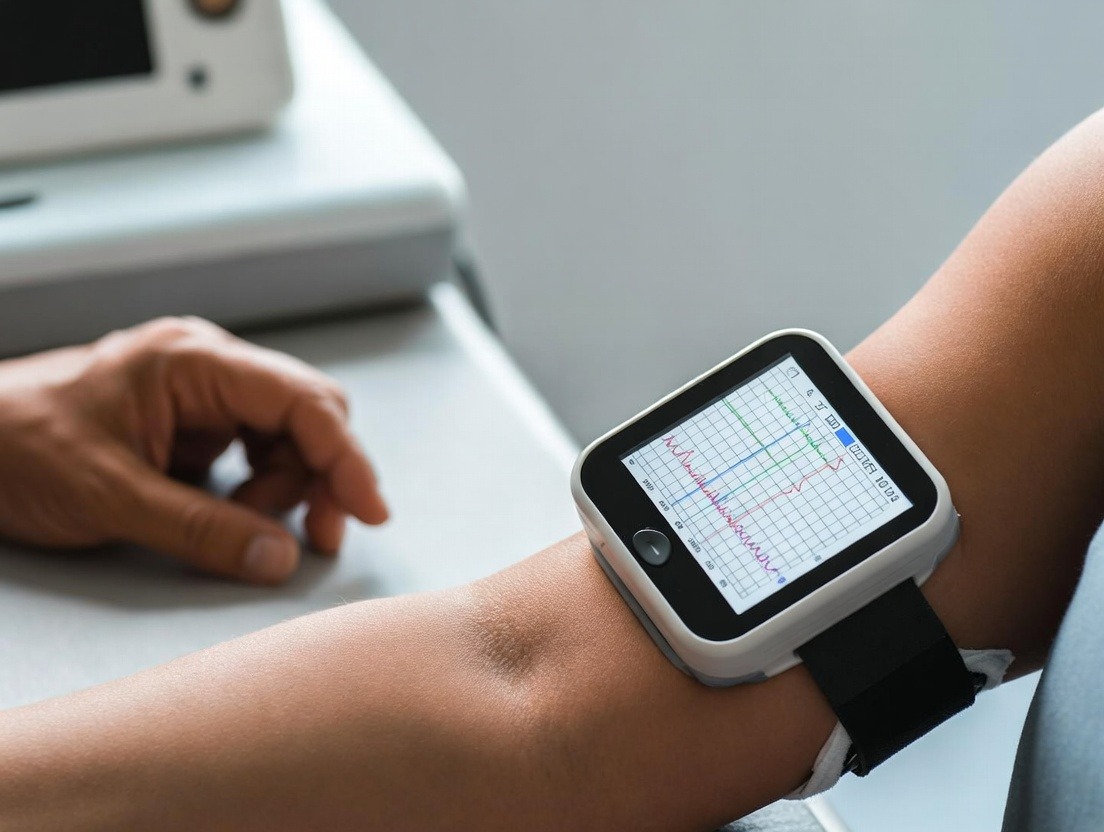
Your smart ring’s nightly HRV score is a single number—a summary. But the true story is written in the dynamic graph of your HRV throughout the night. Learning to interpret this waveform unlocks a deeper layer of insight into your sleep architecture and nervous system activity. It transforms you from a score-checker into a sleep archaeologist.
The Ideal Nocturnal HRV Pattern: In a healthy, restorative sleep cycle, HRV follows a recognizable rhythm:
Sleep Onset: As you transition from wakefulness to light sleep (N1), there is an initial increase in HRV as the sympathetic system begins to disengage.
Deep Sleep (N3) Surge: This is the peak. During deep sleep, parasympathetic activity dominates to facilitate physical repair. Your HRV should reach its highest point of the night during these periods. The graph will show clear, rhythmic peaks corresponding to your deep sleep cycles, typically in the first half of the night.
REM Sleep Modulation: During REM sleep, the brain is active, and dreams occur. Autonomic activity becomes more variable—sympathetic bursts can occur alongside parasympathetic tone. The HRV graph during REM may show more variability, with slight dips, but should generally remain elevated compared to wakefulness.
Early Morning: As you approach wakefulness, sympathetic tone begins to increase in preparation for the day, leading to a gradual decrease in HRV.
Red Flags and What They Might Indicate: Deviations from this ideal pattern are clues to underlying disruptions.
Flatlined or Suppressed HRV All Night: This indicates a failure to achieve significant parasympathetic dominance. Potential causes:
High Allostatic Load: Chronic, unmanaged daytime stress.
Late/Heavy Meal: Digestive system working overtime.
Alcohol Consumption: Alcohol severely fragments sleep and suppresses REM and deep sleep, flattening the HRV curve.
Sleep Disorder: Conditions like sleep apnea cause repeated sympathetic arousals, preventing the HRV surge.
Erratic, Spiky HRV (Non-Rhythmic): This suggests frequent arousals or unstable sleep.
Pain or Discomfort: Tossing and turning from pain creates sympathetic spikes.
Environmental Disturbances: Noise or temperature fluctuations causing micro-awakenings.
REM Sleep Behavior Disorder: Or simply intense dreaming periods.
Premature Early Morning Drop: A steep drop in HRV at 3 or 4 AM, followed by restless sleep, can be linked to:
Blood Sugar Dysregulation: A cortisol spike to correct hypoglycemia.
Caffeine Late in the Day: Wearing off and causing a withdrawal/arousal.
Stress/Anxiety: Early morning rumination activating the sympathetic system prematurely.
Using the Graph with Your Sleep Stage Data: Cross-reference your HRV graph with your ring’s sleep stage breakdown. This is where insights become powerful.
Scenario: You see a poor "Deep Sleep" percentage. You check the HRV graph and see it’s relatively flat with no clear peaks. Conclusion: You genuinely lacked deep, restorative sleep. Investigate sleep hygiene, stress, and timing.
Scenario: You see a poor "Deep Sleep" percentage, but your HRV graph shows strong, clear peaks. Conclusion: Your ring’s algorithm may have mis-scored some stages (common), but your nervous system achieved parasympathetic restoration. This can prevent over-worrying about a single metric.
Scenario: You feel unrefreshed. Your HRV graph shows a major dip and spike at 2 AM. Checking tags, you had a late, spicy meal. Conclusion: Digestive distress likely caused an arousal, fragmenting your sleep continuity.
Actionable Steps from Graph Analysis:
Look for Peaks: Are there at least 2-3 distinct HRV peaks in the first half of your night? If not, deep sleep is likely compromised.
Check for Flatlines: Is the graph a low, flat line? This is a priority issue—focus on foundational stress reduction and sleep hygiene.
Correlate with Tags: Always go back to your journal. That erratic graph line likely aligns with a tagged event ("Alcohol," "Hotel Sleep," "Sick").
Track Trends: Don’t over-analyze one night. Look at your weekly graph overview. Is the nightly peak height increasing? That’s a fantastic sign of improving resilience.
By learning this visual language, you empower yourself to ask better questions. Instead of "Why is my sleep score low?" you can ask, "Why did my HRV fail to surge at 11 PM?" or "What caused that sympathetic spike at 3 AM?" This level of inquiry, powered by your ring’s data, is the essence of true biohacking. For those keen to dive deeper into this analytical approach, our guide on nighttime wellness routine optimization using your sleep data provides a structured framework.



%402x.svg)